Antibiotics
Antibiotics are compounds designed to destroy or inhibit the growth of various microorganisms, playing a crucial role in treating infections and preventing the spread of diseases. This category offers a diverse range of active ingredients specifically for research in the biochemical field. These compounds are essential tools in studying bacterial mechanisms, resistance patterns, and the development of new therapeutic agents. Researchers can explore a wide variety of antibiotics to understand their effects, optimize their use, and develop novel treatments to combat emerging microbial threats. The availability of such a broad spectrum of antibiotics supports advanced research and innovation in microbiology and pharmaceutical sciences.
Subcategories of "Antibiotics"
- Macrolide Antibiotics(26 products)
- Steroidal Antibiotics(31 products)
- Tetracycline Antibiotics(20 products)
- β-Lactam Antibiotics(11 products)
Found 4100 products of "Antibiotics"
Sort by
Purity (%)
0
100
|
0
|
50
|
90
|
95
|
100
Phleomycin HCl
CAS:<p>Phleomycin HCl is an antibiotic compound derived from *Streptomyces verticillus*, which is known for its robust DNA-cleaving activity. As an antibiotic, it functions primarily by inducing breaks in DNA strands, thereby inhibiting DNA replication and transcription processes. This mechanism of action is particularly effective in targeting rapidly dividing cells, making Phleomycin a valuable tool in molecular biology.</p>Formula:C55H85O21N20S2Cu•HClColor and Shape:Blue PowderMolecular weight:1,525 g/molDalbavancin
CAS:<p>Dalbavancin is a lipoglycopeptide antibiotic with action against gram-positive bacteria, including MRSA and is used for treating acute bacterial skin and skin structure infections.</p>Formula:C88H100Cl2N10O28Purity:Min. 95%Color and Shape:PowderMolecular weight:1,816.69 g/molCloxacillin sodium hydrate
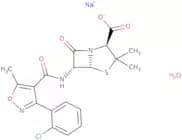
CAS:<p>β-lactam antibiotic of penicillin subclass, which inhibits bacterial cell wall synthesis by targeting the proteoglycan synthesis. Cloxacillin has a narrow spectrum of action and is effective against Gram-positive organisms. Cloxacillin is resistant to the action of β-lactamase and therefore preferentially used for treatment of Staphylococcal infections.</p>Formula:C19H18ClN3O5S•H2O•NaPurity:Min. 95%Color and Shape:White PowderMolecular weight:476.89 g/molCyclosporin A
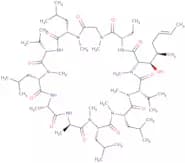
CAS:<p>Binds cyclophilin D and inhibits calcineurin; immunosuppressant</p>Formula:C62H111N11O12Purity:Min. 98.5 Area-%Color and Shape:White PowderMolecular weight:1,202.61 g/molTigecycline Impurity 8
Tigecycline Impurity 8 is a chemical impurity associated with Tigecycline, which is a glycylcycline antibiotic. This impurity is typically synthesized or isolated as a part of pharmaceutical development and quality control processes. Its source is inherently linked to the chemical synthesis of Tigecycline, where it may arise as a byproduct or degradation product.Formula:C29H37N5O8Purity:Min. 95%Molecular weight:583.65 g/molMinocycline hydrochloride
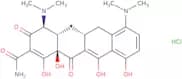
CAS:<p>Broad spectrum, long-acting and lipid soluble tetracycline antibody</p>Formula:C23H28ClN3O7Purity:Min. 96 Area-%Color and Shape:Yellow PowderMolecular weight:493.94 g/molEnduracidin hydrochloride
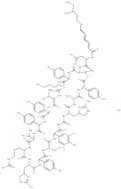
CAS:<p>Enduracidin hydrochloride is an antimicrobial compound, which is a lipopeptide antibiotic derived from the genus Streptomyces, specifically Streptomyces fungicidicus or Streptomyces roseosporus. The compound exerts its antimicrobial activity by inhibiting the synthesis of bacterial cell walls, primarily targeting the lipid II cycle, a critical precursor in the peptidoglycan synthesis pathway. This inhibition disrupts the construction of peptidoglycan layers, ultimately leading to bacterial cell lysis and death.</p>Formula:C107H138Cl2N26O31HClPurity:Min. 95%Molecular weight:2,391.76 g/molEthambutol 2HCl
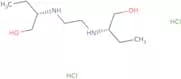
CAS:<p>Ethambutol 2HCl is a bacteriostatic antimycobacterial agent with action on arabinosyl transferases to inhibit cell wall synthesis and is used for treating tuberculosis in combination with other antibiotics.</p>Formula:C10H26Cl2N2O2Purity:Min. 95%Color and Shape:White PowderMolecular weight:277.23 g/molTrimethoprim lactate salt
CAS:<p>Antibacterial used in treatment of UTI and respiratory tract infections</p>Formula:C14H18N4O3·C3H6O3Purity:Min. 95%Color and Shape:White PowderMolecular weight:380.4 g/molFleroxacin
CAS:<p>Fleroxacin is a fluoroquinolone antibiotic with action on bacterial DNA gyrase and topoisomerase IV and is used for treating respiratory, urinary, and gastrointestinal infections.</p>Formula:C17H18F3N3O3Purity:Min. 95%Color and Shape:PowderMolecular weight:369.34 g/mollsoniazid
CAS:<p>Lysostaphin is an antimicrobial enzyme with a mode of action that cleaves the cell wall of Staphylococcus aureus. It is used for treating staphylococcal infections and in research applications.</p>Formula:C6H7N3OPurity:Min. 95%Color and Shape:White PowderMolecular weight:137.14 g/molDoxorubicin Impurity B
CAS:<p>Doxorubicin Impurity B is a chemical impurity of doxorubicin with no direct therapeutic action but used in research and quality control.</p>Formula:C29H34BrNO11Purity:Min. 95%Color and Shape:Red PowderMolecular weight:652.48 g/molCarbenicillin disodium salt
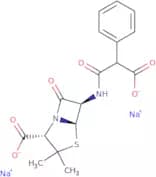
CAS:<p>Inhibitor of bacterial cell wall biogenesis; penicillin class</p>Formula:C17H16N2Na2O6SPurity:Min. 90 Area-%Color and Shape:White Slightly Yellow PowderMolecular weight:422.37 g/molOligomycin C 97%
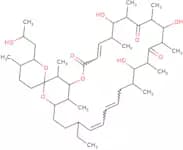
CAS:<p>Oligomycin C 97% is a macrolide antibiotic with action on mitochondrial ATP synthase inhibition and is used for research on oxidative phosphorylation and cellular metabolism.</p>Formula:C45H72O12Purity:Min. 95%Color and Shape:PowderMolecular weight:805.05 g/mol1,6'-Di-HABA kanamycin A
CAS:<p>1,6'-Di-HABA kanamycin A is a derivative of kanamycin A, an aminoglycoside antibiotic used to treat bacterial infections by blocking cell wall synthesis or by inhibiting protein synthesis.</p>Formula:C26H50N6O15Purity:Min. 95 Area-%Color and Shape:PowderMolecular weight:686.71 g/molParomomycin sulfate, Antibiotic for Culture Media Use Only
CAS:Paromomycin sulfate is an antibiotic used for culture media to control bacterial contamination of mediums and other laboratory substances. Most Gram-negative bacteria strains are sensitive to paromomycin sulfate, showing a low sensitivity (â€10%) in Enterobacteriaceae, Pseudomonas aeruginosa, Escherichia coli, Proteus vulgaris, Klebsiella pneumoniae and Serratia marcescens. Paromomycin sulfate is also used in the treatment of colorectal cancer by blocking DNA synthesis through inhibition of protein synthesis in susceptible cells. This can result in reduced damage in colon tumor cells within the body, although it may have neurotoxic effects on brain tissue. Furthermore, it has anti-inflammatory properties when given orally or intravenously at therapeutic doses. Acridine orange can be used to identify sulfuric acid resistant gram.Formula:C23H47N5O18SPurity:Min. 95.0 Area-%Molecular weight:713.71 g/molRef: 3D-Q-201537
1kgTo inquire100gTo inquire250gTo inquire500gTo inquire2500gTo inquire-Unit-ggTo inquireLincomycin hydrochloride monohydrate
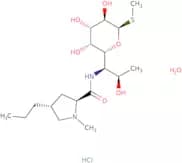
CAS:<p>Inhibitor of protein synthesis; lincosamide</p>Formula:C18H34N2O6S·HCl·H2OPurity:Min. 82%Color and Shape:White Off-White PowderMolecular weight:461.01 g/molMilbemycin oxime
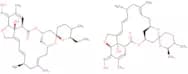
CAS:<p>Milbemycin oxime is a broad-spectrum antiparasitic agent with action on glutamate-gated chloride channels in parasites and is used for preventing heartworm and treating intestinal worms in animals.</p>Formula:C126H176N4O28Purity:Min. 95%Color and Shape:PowderMolecular weight:2,194.76 g/molVirginiamycin - Activity - 50%
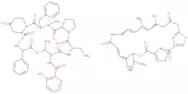
CAS:<p>Inhibitor of protein synthesis; streptogramin</p>Formula:C71H84N10O17Color and Shape:Off-White PowderMolecular weight:1,349.48 g/molVulgamycin
CAS:Vulgamycin is a novel antibiotic, which is derived from a specific strain of soil bacteria belonging to the genus *Streptomyces*. This microorganism is known for its prolific secondary metabolite production, enabling the development of unique compounds with therapeutic potential. Vulgamycin operates by inhibiting bacterial cell wall synthesis, a mechanism of action that targets key enzymatic pathways, resulting in effective bactericidal activity against a wide range of Gram-positive bacteria.Formula:C22H20O10Purity:Min. 95%Molecular weight:444.4 g/mol