Antibiotics
Antibiotics are compounds designed to destroy or inhibit the growth of various microorganisms, playing a crucial role in treating infections and preventing the spread of diseases. This category offers a diverse range of active ingredients specifically for research in the biochemical field. These compounds are essential tools in studying bacterial mechanisms, resistance patterns, and the development of new therapeutic agents. Researchers can explore a wide variety of antibiotics to understand their effects, optimize their use, and develop novel treatments to combat emerging microbial threats. The availability of such a broad spectrum of antibiotics supports advanced research and innovation in microbiology and pharmaceutical sciences.
Subcategories of "Antibiotics"
- Macrolide Antibiotics(26 products)
- Steroidal Antibiotics(31 products)
- Tetracycline Antibiotics(20 products)
- β-Lactam Antibiotics(11 products)
Found 4100 products of "Antibiotics"
Sort by
Purity (%)
0
100
|
0
|
50
|
90
|
95
|
100
Bacitracin
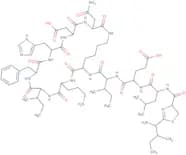
CAS:<p>Bacitracin is a polypeptide antibiotic and is used for the treatment of bacterial infections, particularly skin infections. It interferes with bacterial cell wall synthesis by inhibiting the dephosphorylation of bactoprenol.</p>Formula:C66H103N17O16SColor and Shape:White PowderMolecular weight:1,422.7 g/molNeomycin EP impurity C (Neomycin C) trifluoroacetate
CAS:Neomycin EP impurity C (Neomycin C) trifluoroacetate is a reference standard, which is a meticulously characterized chemical impurity often used in pharmaceutical analysis. This compound is derived from the fermentation of *Streptomyces fradiae*, which produces a complex mixture of aminoglycoside antibiotics, including Neomycin B and Neomycin C.Formula:C23H46N6O13•(C2HF3O2)xPurity:Min. 95%Clinafloxacin HCl
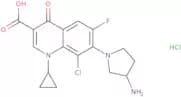
CAS:<p>Inhibits bacterial regulatory enzyme DNA gyrase</p>Formula:C17H17ClFN3O3·HClPurity:Min. 95 Area-%Color and Shape:SolidMolecular weight:402.25 g/molTulathromycin B - 5% (mixture with Tulathromycin A)
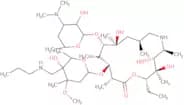
CAS:<p>Inhibitor of protein synthesis; macrolide class</p>Formula:C41H79N3O12Purity:Min. 95%Color and Shape:Off-White PowderMolecular weight:806.08 g/molPefloxacin
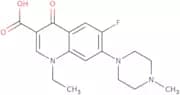
CAS:<p>Pefloxacin is a mesylate prodrug that is converted to pefloxacin in the body. The optimum concentration for pefloxacin is 2 µg/mL, and it has been shown to be active against gram-positive bacteria such as Streptococcus pneumoniae, group A beta-hemolytic streptococci, and Enterococcus faecalis. Pefloxacin has also been shown to inhibit the growth of human leukemia cells (HL-60) and drug interactions have been documented with this drug. Pefloxacin is not active against Mycobacterium tuberculosis or Mycobacterium avium complex.</p>Formula:C17H20FN3O3Purity:Min. 95%Color and Shape:Slightly Yellow PowderMolecular weight:333.36 g/molAnthracycline
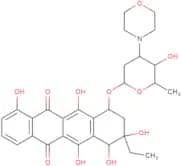
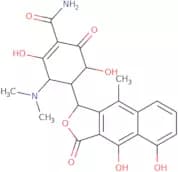
CAS:<p>Anthracycline is a class of chemotherapy drugs, which are anthraquinone antibiotics derived from the bacterial genus Streptomyces. They exert their therapeutic effects primarily through intercalation into DNA, disrupting the function of enzymes such as topoisomerase II, thus preventing the transcription and replication processes in rapidly dividing cancer cells. Furthermore, they generate free radicals, leading to oxidative stress and subsequent cell damage. These mechanisms collectively result in apoptosis of malignant cells. Anthracyclines are utilized extensively in oncology for the treatment of various malignancies, including leukemias, lymphomas, breast cancer, and sarcomas. The efficacy of anthracyclines in inhibiting tumor growth must be balanced against their cardiotoxic potential, which is a significant consideration in their clinical use. This dual nature makes them both pivotal and challenging in chemotherapy regimens, necessitating careful management and monitoring throughout treatment.</p>Formula:C30H35NO11Purity:Min. 95%Molecular weight:585.60 g/molCefiderocol
CAS:<p>Cefiderocol is a siderophore cephalosporin antibiotic with action on bacterial cell wall synthesis, particularly targeting multidrug-resistant gram-negative bacteria and is used for treating complicated urinary tract infections and hospital-acquired pneumonia.</p>Formula:C30H34CLN7O10S2Purity:Min. 95%Color and Shape:PowderMolecular weight:752.2 g/molCeftazidime pentahydrate
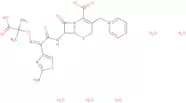
CAS:<p>A broad-spectrum antibiotic of cephalosporin class, which inhibits bacterial cell wall synthesis by targeting the penicillin-binding protein, involved in peptidoglycan synthesis. This third-generation cephalosporin is very active against Pseudomonas species and can also be used to treat bacterial meningitis as it penetrates in the cerebrospinal fluid.</p>Formula:C22H32N6O12S2Purity:Min. 98 Area-%Color and Shape:White PowderMolecular weight:636.65 g/molClofazimine
CAS:Controlled Product<p>Clofazimine is a phenazine dye antibiotic with action on bacterial DNA interference and is used for treating leprosy and erythema nodosum leprosum.</p>Formula:C27H22Cl2N4Purity:Min. 95%Color and Shape:PowderMolecular weight:473.4 g/molIsomitomycin A
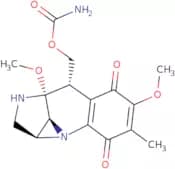
CAS:<p>Isomitomycin A is a naturally occurring microbial metabolite, which is isolated from certain strains of actinomycetes. It exhibits a unique mode of action by interfering with viral replication processes, effectively inhibiting the proliferation of various viral pathogens. The alkaloidal structure of Isomitomycin A allows it to integrate into nucleic acid processing pathways, eventually disrupting the function and synthesis of viral genomes.</p>Formula:C16H19N3O6Purity:Min. 95%Molecular weight:349.34 g/molAmrubicin hydrochloride
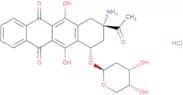
CAS:<p>Amrubicin hydrochloride is an anthracycline chemotherapeutic agent, which is a synthetic anthracycline derivative derived from reductive amination. It functions primarily by intercalating into DNA and inhibiting topoisomerase II, an enzyme crucial to DNA replication. This mode of action disrupts DNA synthesis, leading to apoptosis in rapidly proliferating cancer cells.</p>Formula:C25H25NO9•HClPurity:Min. 95%Molecular weight:519.93 g/molb-Apo-oxytetracycline
CAS:<p>b-Apo-oxytetracycline is a tetracycline antibiotic and is used for the treatment of bacterial infections. It binds to the 30S ribosomal subunit, inhibiting protein synthesis.</p>Formula:C22H22N2O8Purity:Min. 95%Color and Shape:Brown Yellow PowderMolecular weight:442.42 g/molTulathromycin A
CAS:<p>Inhibitor of protein synthesis; macrolide class</p>Formula:C41H79N3O12Purity:Min. 95%Color and Shape:White PowderMolecular weight:806.08 g/molBesifloxacin hydrochloride
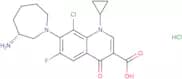
CAS:<p>Antibiotic of fluoroquinolone class; DNA replication inhibitor</p>Formula:C19H22Cl2FN3O3Purity:Min. 98 Area-%Color and Shape:PowderMolecular weight:430.3 g/molAlloaureothin
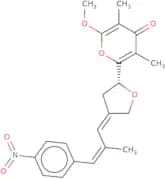
CAS:<p>Alloaureothin is an antibacterial compound, which is a secondary metabolite derived from the bacterial genus *Streptomyces*. This compound functions through a distinct mode of action, primarily targeting bacterial cell components and inhibiting essential growth processes. Alloaureothin disrupts cell wall synthesis and cellular metabolism, leading to effective bacteriostatic or bactericidal outcomes depending on the concentration and specific bacterial species.</p>Purity:Min. 95%Penicillin G potassium
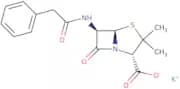
CAS:<p>Penicillin G potassium is a natural penicillin antibiotic with action on bacterial cell wall synthesis and is used for treating severe bacterial infections like meningitis, syphilis, and endocarditis.</p>Formula:C16H17KN2O4SPurity:Min. 95 Area-%Color and Shape:PowderMolecular weight:372.48 g/molTigecycline hydrochloride
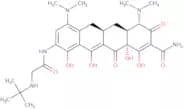
CAS:<p>Inhibitor of protein synthesis; glycylcycline class</p>Formula:C29H39N5O8·HClPurity:Min. 95%Molecular weight:622.11 g/molCefazaflur
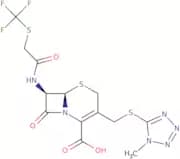
CAS:<p>Cefazaflur is a semisynthetic cephalosporin antibiotic, which is derived from the mold Acremonium (formerly known as Cephalosporium). Its mode of action involves inhibiting bacterial cell wall synthesis by targeting penicillin-binding proteins (PBPs). This interference prevents the cross-linking of peptidoglycan chains, which is essential for bacterial cell wall structural integrity, ultimately leading to cell lysis and death.</p>Formula:C13H13F3N6O4S3Purity:Min. 95%Molecular weight:470.47 g/molGrepafloxacin hydrochloride
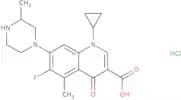
CAS:<p>Broad-spectrum fluoroquinolone antibacterial agent</p>Formula:C19H22FN3O3•(HCl)xPurity:Min. 95%Molecular weight:395.86 g/molN-Demethyl erythromycin A
CAS:<p>N-Demethyl erythromycin A is a metabolite of erythromycin with narrow-spectrum antibiotic activity and is used for research on erythromycin derivatives.</p>Formula:C36H65NO13Purity:Min. 95 Area-%Color and Shape:White PowderMolecular weight:719.9 g/mol