Heterocycles with Nitrogen (N)
In this category, you will find a wide variety of nitrogen-containing heterocycles. Heterocycles are carbon chains that form a cycle in which at least one position is occupied by a heteroatom, in this case, nitrogen. These compounds are integral in the synthesis of pharmaceuticals, agrochemicals, and dyes, offering unique reactivity and stability. At CymitQuimica, we provide a comprehensive selection of high-quality nitrogen-containing heterocycles to support your research and industrial applications
Subcategories of "Heterocycles with Nitrogen (N)"
- Azepane(434 products)
- Benzotriazoles(436 products)
- Diazepanes(331 products)
- Imidazoles(4,006 products)
- Imidazolines(385 products)
- Isoxazole(1,077 products)
- Piperazines(3,735 products)
- Piperidines(8,398 products)
- Pyrazines(1,299 products)
- Pyrazole(5,919 products)
- Pyrazolidine(21 products)
- Pyrazoline(142 products)
- Pyridazine(856 products)
- Pyridines(21,911 products)
- Pyrimidine(6,038 products)
- Pyrroles(2,440 products)
- Pyrrolidines(5,814 products)
- Pyrroline(48 products)
- Pyrrolo[1,2-b]pyridazine(10 products)
- Tetrazole(510 products)
- Triazines(462 products)
- Triazoles(1,679 products)
Show 14 more subcategories
Found 17855 products of "Heterocycles with Nitrogen (N)"
Sort by
Purity (%)
0
100
|
0
|
50
|
90
|
95
|
100
3-Chloro-6-isopropylpyridazine
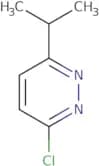
CAS:<p>Please enquire for more information about 3-Chloro-6-isopropylpyridazine including the price, delivery time and more detailed product information at the technical inquiry form on this page</p>Formula:C7H9ClN2Purity:Min. 95%Molecular weight:156.61 g/mol3-Amino-5-fluoropyridine
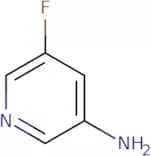
CAS:<p>3-Amino-5-fluoropyridine is a chiral amino acid that can be synthesized from butyronitrile and fluorine in the presence of an organocatalyst. The synthesis can be carried out with either a biodegradable or non-biodegradable catalyst. 3-Amino-5-fluoropyridine can be used as a precursor to prepare medicines such as fluoroquinolones, which are antibiotics that inhibit bacterial growth by binding to DNA-dependent RNA polymerase and preventing transcription and replication. Fluoroquinolones are also potent anti-inflammatory agents and have been shown to reduce inflammation in animal models of asthma, arthritis, and colitis. 3-Amino-5-fluoropyridine can be synthesized from nitro compounds with aluminium mediated reactions. Nitro compounds are toxic substances that have been used in explosives or as herbicides.</p>Formula:C5H5FN2Purity:Min. 95%Color and Shape:Off-White PowderMolecular weight:112.11 g/mol5-Oxo Rosuvastatin
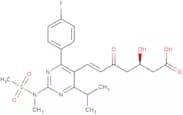
CAS:<p>5-Oxo Rosuvastatin is a drug product that has been synthesized from natural ingredients. It is an analytical standard for the impurity, 5-oxo-rosuvastatin, which is a potential impurity in the API, rosuvastatin. This drug product has been custom synthesized in order to provide an Impurity Standard for HPLC. This drug product is also used as a Synthetic Reference Standard for Drug Development and Research and Development.</p>Formula:C22H26FN3O6SPurity:Min. 95%Color and Shape:Off-White To Light (Or Pale) Yellow To Dark Yellow SolidMolecular weight:479.52 g/mol4-Iodo-2-methoxypyridine-3-carboxaldehyde
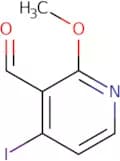
CAS:<p>4-Iodo-2-methoxypyridine-3-carboxaldehyde is a disubstituted compound that has insulin-like properties. It inhibits the activity of the insulin receptor, which may contribute to its insulin-like growth factor effects. This inhibitor also targets the protein kinase, which is responsible for the response of cells to insulin. 4-Iodo-2-methoxypyridine 3 carboxaldehyde has been shown to inhibit IGF1R and malonate ion, and it may have potential as an oral treatment for diabetes.</p>Formula:C7H6INO2Purity:Min. 95%Molecular weight:263.03 g/mol2-Iodo-1H-imidazole
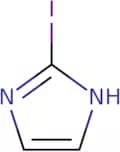
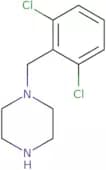
CAS:<p>2-Iodo-1H-imidazole is an asymmetric molecule that is synthesized by a Suzuki coupling reaction between malonic acid and tautomers of 2-iodo-1H-imidazole. This molecule inhibits the activity of inhibitor molecules, such as nitrogen atoms, which are used in pesticide production. It also has pesticidal activity and can be used to treat cancer or autoimmune diseases. 2-Iodo-1H-imidazole is metabolized through a number of metabolic transformations, including hydrolysis by esterases or glucuronidases, oxidation by cytochrome P450 enzymes, reduction by glutathione reductase, or conjugation with glucuronic acid.</p>Formula:C3H3IN2Purity:Min. 95%Color and Shape:White PowderMolecular weight:193.97 g/mol1-(2,6-Dichlorobenzyl)piperazine
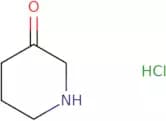
CAS:Controlled Product<p>1-(2,6-Dichlorobenzyl)piperazine is a benzylpiperazine that emits light in the visible region. It is an acidic reagent that can be used as an electron donating agent in organic synthesis. 1-(2,6-Dichlorobenzyl)piperazine reacts with amines to form substituted phenylpiperazines. This reaction is widely used to investigate the structure and reactivity of amines. 1-(2,6-Dichlorobenzyl)piperazine reacts with phenols to form piperazines. It also reacts with aliphatic compounds to form a trifluoromethyl group.</p>Formula:C11H14Cl2N2Purity:Min. 95%Molecular weight:245.15 g/molPiperidin-3-one hydrochloride
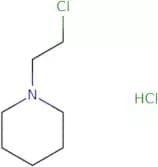
CAS:<p>Piperidin-3-one hydrochloride is an organic solvent that belongs to the group of benzyl compounds. It is a reagent for the synthesis of sulfides, which are used in the production of dyes, pharmaceuticals, and other products. Piperidin-3-one hydrochloride can be used as a constant in calculating the shift of tetrafluoroborate ions. This compound has been shown to be assembled into planar structures with six atoms per side. The resonance frequencies of this compound depend on the solvents and its aliphatic nature. Piperidin-3-one hydrochloride can be used to generate dimethyl sulfide by reacting with methanol or methyl chloride.</p>Formula:C5H10NOClPurity:Min. 95%Color and Shape:White PowderMolecular weight:135.59 g/mol1-(2-Chloroethyl)piperidine hydrochloride
CAS:<p>1-(2-Chloroethyl)piperidine hydrochloride is a chemical compound that has photochemical properties. It is used as an amine and in the synthesis of other chemicals. The crystal structure of 1-(2-Chloroethyl)piperidine hydrochloride has been determined by X-ray crystallography. It also has antibacterial activity and inhibits the growth of bacteria by binding to single-stranded DNA, which prevents DNA replication. 1-(2-Chloroethyl)piperidine hydrochloride binds to DNA with tetradentate coordination, forming a stable complex which does not allow the DNA polymerase to bind to the single strand. 1-(2-Chloroethyl)piperidine hydrochloride can be detected using mass spectrometry and nuclear magnetic resonance spectra.</p>Formula:C7H14ClN•HClPurity:Min. 95%Molecular weight:184.11 g/mol2-Methyl-5-(tributylstannyl)pyridine
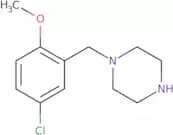
CAS:Controlled Product<p>Please enquire for more information about 2-Methyl-5-(tributylstannyl)pyridine including the price, delivery time and more detailed product information at the technical inquiry form on this page</p>Formula:C18H33NSnPurity:Min. 95%Molecular weight:382.17 g/mol1-(5-Chloro-2-methoxybenzyl)piperazine
CAS:Controlled Product<p>Please enquire for more information about 1-(5-Chloro-2-methoxybenzyl)piperazine including the price, delivery time and more detailed product information at the technical inquiry form on this page</p>Formula:C12H17ClN2OPurity:Min. 95%Molecular weight:240.73 g/mol7-Bromo-[1,2,4]triazolo[1,5-a]pyridin-2-ylamine
CAS:<p>Please enquire for more information about 7-Bromo-[1,2,4]triazolo[1,5-a]pyridin-2-ylamine including the price, delivery time and more detailed product information at the technical inquiry form on this page</p>Formula:C6H5BrN4Purity:Min. 95%Molecular weight:213.03 g/mol3-Bromoacetylpyridine, hydrobromide
CAS:<p>3-Bromoacetylpyridine, hydrobromide is a derivatizing agent that has been shown to react with nucleophiles. It can be used as an electron donor or electron acceptor in radical scavenging and other reactions. 3-Bromoacetylpyridine, hydrobromide is also a ligand for metal ions, and has been shown to bind to copper(II) ions. This product ionizes easily under electrospray ionization and reacts with thiourea to form 3-acetylpyridine.</p>Formula:C7H7Br2NOPurity:Min. 95%Molecular weight:280.94 g/mol2,5-Difluoropyridine
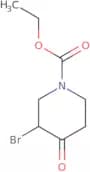
CAS:<p>2,5-Difluoropyridine is a ligand that is used in the synthesis of pharmaceuticals and other organic compounds. 2,5-Difluoropyridine is typically activated by a metal ion (e.g., palladium) to form an organometallic complex. The orientation of substituents on the difluoropyridine ring can affect its reactivity and selectivity. For example, chlorine atoms interact with the electrophilic carbon atom in the ring and orientations with electron withdrawing groups are more reactive than those with electron donating groups. 2,5-Difluoropyridine can be used as a cross-coupling reagent for Grignard reactions and nucleophilic substitution reactions. It also has been shown to inhibit human erythrocyte pyruvate kinase activity in vitro and may be useful for the treatment of diabetic complications such as neuropathy or retinopathy.</p>Formula:C5H3F2NPurity:Min. 95%Color and Shape:Clear LiquidMolecular weight:115.08 g/mol3-Bromo-4-oxo-piperidine-1-carboxylic acid ethyl ester
CAS:<p>3-Bromo-4-oxo-piperidine-1-carboxylic acid ethyl ester is a monoclinic crystal of the salt of 3-bromo-4-oxo-piperidine and 1,2-ethanediol. It is used as an intermediate in the synthesis of cisapride, a medication that regulates gastrointestinal motility. 3BOCEP has been shown to hydrolyze in the stomach with a rate constant of 2 x 10 M s. The bromination product is cisapride, which has been shown to regulate gastrointestinal motility by stimulating GI smooth muscle contractions.</p>Formula:C8H12BrNO3Purity:Min. 95%Molecular weight:250.09 g/molMethyl 6-methyl-2-oxo-4-phenyl-1,2,3,4-tetrahydropyrimidine-5-carboxylate
CAS:<p>Please enquire for more information about Methyl 6-methyl-2-oxo-4-phenyl-1,2,3,4-tetrahydropyrimidine-5-carboxylate including the price, delivery time and more detailed product information at the technical inquiry form on this page</p>Formula:C13H14N2O3Purity:Min. 95%Molecular weight:246.26 g/mol1-(Chloroacetyl)-4-(2-fluorophenyl)piperazine
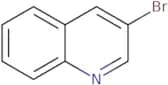
CAS:Controlled Product<p>Please enquire for more information about 1-(Chloroacetyl)-4-(2-fluorophenyl)piperazine including the price, delivery time and more detailed product information at the technical inquiry form on this page</p>Formula:C12H14ClFN2OPurity:Min. 95%Molecular weight:256.7 g/mol3-Bromoquinoline
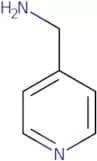
CAS:<p>3-Bromoquinoline is a brominated quinoline derivative that can be synthesized by cross-coupling reactions. The compound's chemical structure is similar to the 3-azidoquinoline, which was studied in quantum theory and molecular modeling. The 3-bromoquinoline molecule has been shown to exist in two different coordination geometries: octahedral and trigonal bipyramidal. In the octahedral geometry, the 3-bromoquinoline molecule is bound to three bromine atoms and one nitrogen atom, with an intramolecular hydrogen bond between the nitrogen atom and the quinoline ring system. The trigonal bipyramidal geometry also features an intramolecular hydrogen bond between the nitrogen atom and quinoline ring system, as well as a halogen bonding interaction with one of the three bromine atoms.</p>Formula:C9H6BrNPurity:Min. 95%Color and Shape:Yellow PowderMolecular weight:208.05 g/molPyridin-4-ylmethanamine
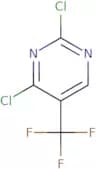
CAS:<p>Pyridin-4-ylmethanamine is a chemical compound that contains a pyridine ring and an amine (-NH2) group. It is usually used as a building block for the synthesis of other compounds. Pyridin-4-ylmethanamine can be synthesized from picolinic acid, which is obtained through a reaction with sodium hydrochloride in an alkaline solution. This reaction proceeds via two steps: first, the formation of a pyridinecarboxylic acid ester and then the addition of ammonia to form pyridin-4-ylmethanamine. The transfer reactions that occur during this process are highly dependent on temperature and pH. The frequency shift effect can be observed when pyridin-4-ylmethanamine interacts with amines, which changes its absorption spectrum.</p>Formula:C6H8N2Purity:Min. 95%Color and Shape:Colorless Clear LiquidMolecular weight:108.14 g/mol2,4-Dichloro-5-trifluoromethylpyrimidine
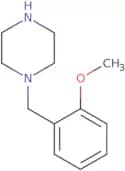
CAS:<p>2,4-Dichloro-5-trifluoromethylpyrimidine is a synthetic compound that can be used as an additive in plastics and cellulose. It is also used to produce 2,4-dichloro-5-(trifluoromethyl)pyrimidine, which has been shown to inhibit the growth of cancer cells. The methylating properties of 2,4-dichloro-5-(trifluoromethyl)pyrimidine have been shown to be useful for the production of amines. This chemical can also be used as a solvent due to its low boiling point.</p>Formula:C5HCl2F3N2Purity:Min. 95%Color and Shape:Clear Colourless To Pale Yellow To Brown LiquidMolecular weight:216.98 g/mol1-(2-Methoxybenzyl)piperazine
CAS:Controlled Product<p>1-(2-Methoxybenzyl)piperazine (1-MBP) is a multitarget drug that has been shown to have medicinal properties. It inhibits the cholinergic system, which is involved in memory and cognition, as well as pathways such as the inflammatory response and amyloid production. 1-MBP has been shown to inhibit acetylcholinesterase, an enzyme that breaks down acetylcholine, thus increasing the amount of acetylcholine available for signaling. 1-MBP also inhibits cholinesterase, which increases the amount of acetylcholine in the brain. This drug may have synergistic effects with other drugs for Alzheimer's disease, such as donepezil and tacrine. 1-MBP has been used in optimization studies to find new potential treatments for Alzheimer's disease by targeting different aspects of its pathogenesis.</p>Formula:C12H18N2OPurity:Min. 95%Color and Shape:PowderMolecular weight:206.28 g/mol1-(4-(Aminomethyl)phenyl)pyridin-1-ium chloride
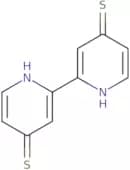
CAS:<p>1-(4-(Aminomethyl)phenyl)pyridin-1-ium chloride is a chemical compound that belongs to the class of pyridines and has pinpoint as its molecular weight. It is an ionic liquid that can be used in analytical methods, such as liquid chromatography and ionization techniques, for the identification of unsaturated fatty acids. This compound can be analyzed by gas chromatography with either electron capture detection or chemical ionization. The GC separation column used for this analysis would have to be a phase column with an unsaturated fatty acid stationary phase. GC-EID and GC-CI are two common ionization techniques that could be used in conjunction with this analytical method. The lower limit of detection for this technique is about 0.1 ppm, which makes it a sensitive analytical tool for use in food production and quality control laboratories. The yield of 1-(4-(Aminomethyl)phenyl)pyridin-1-</p>Purity:Min. 95%4,4'-Dithio-2,2'-bipyridine
CAS:<p>Please enquire for more information about 4,4'-Dithio-2,2'-bipyridine including the price, delivery time and more detailed product information at the technical inquiry form on this page</p>Formula:C10H8N2S2Purity:Min. 95%Color and Shape:PowderMolecular weight:220.32 g/molImidazole
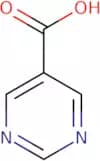
CAS:<p>Imidazole is a highly polar aromatic compound with two annular nitrogen atoms. Imidazole is widely used in the affinity purification of proteins with polyhistidine tags (His-Tag). In the protein purification process, imidazole is used for the elution of His-Tag-fused recombinant proteins from a metal-immobilised resins. In the elution buffers, imidazole is typically used in the 50 â 500 mM concentration range (Bornhorst and Falke, 2000).</p>Formula:C3H4N2Molecular weight:68.08 g/molPyrimidine-5-carboxylic acid
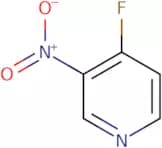
CAS:<p>Pyrimidine-5-carboxylic acid is a synthetic, nucleophilic pyrimidine compound that is used in the laboratory for the synthesis of other compounds. It has been shown to inhibit the growth of Leishmania and Staphylococcus bacteria. Pyrimidine-5-carboxylic acid binds to the malonic acid moiety of phosphoenolpyruvate carboxykinase and inhibits its activity, leading to a reduction in cellular respiration. This drug also has clinical development potential as an analgesic with modulating properties.</p>Formula:C5H4N2O2Purity:Min. 95%Molecular weight:124.1 g/mol4-Fluoro-3-nitropyridine
CAS:<p>4-Fluoro-3-nitropyridine is a reactive chemical that can react with alcohols, amines, and amino acids. It has been shown to have absorption spectra in the ultraviolet region of the light spectrum. 4-Fluoro-3-nitropyridine is also a pyridine derivative.</p>Formula:C5H3FN2O2Purity:Min. 95%Color and Shape:Off-White PowderMolecular weight:142.09 g/mol1-[(2,5-Dimethoxyphenyl)methyl]piperazine HCl
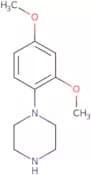
CAS:Controlled Product<p>Please enquire for more information about 1-[(2,5-Dimethoxyphenyl)methyl]piperazine HCl including the price, delivery time and more detailed product information at the technical inquiry form on this page</p>Formula:C13H20N2O2HClPurity:Min. 95%Molecular weight:272.77 g/mol1-(2,4-Dimethoxyphenyl)piperazine
CAS:Controlled Product<p>Please enquire for more information about 1-(2,4-Dimethoxyphenyl)piperazine including the price, delivery time and more detailed product information at the technical inquiry form on this page</p>Formula:C12H18N2O2Purity:Min. 95%Molecular weight:222.28 g/mol3-Fluoro-4-(tributylstannyl)pyridine
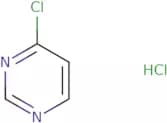
CAS:Controlled Product<p>3-Fluoro-4-(tributylstannyl)pyridine is a high affinity, selective, and membrane permeable ligand of the A2B adenosine receptor. It has been shown to be a potent antagonist of A2B receptors in vitro. This compound has also been shown to have a lower affinity for A1, A3, and A4 receptors. 3-Fluoro-4-(tributylstannyl)pyridine has been shown to have high brain uptake in vivo studies. 3-Fluoro-4-(tributylstannyl)pyridine binds to the x-ray structure of the adenosine receptor with high affinity and penetrability. The binding site is proposed to be located on the extracellular side of the receptor near the interface with the second transmembrane domain. In vivo studies have shown that 3-fluoro-4-(tributylstannyl)p</p>Formula:C17H30FNSnPurity:Min. 95%Molecular weight:386.14 g/mol4-Chloropyrimidine HCl
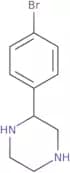
CAS:<p>4-Chloropyrimidine HCl is a covalent molecule that contains 4-chloropyridine and hydrogen chloride. It exists as two tautomers, the enol form and the keto form. The protonation of the proton on nitrogen will determine which tautomer it will exist in. When there is no proton present, the molecule will exist in its enol form. Resonance is also an important factor with this molecule because it can have a variety of resonance forms. Resonance spectrometry has been used to identify 4-chloropyrimidine HCl because it produces a specific resonance pattern when exposed to magnetic fields. 4-Chloropyridinium trifluoroacetate is another name for this compound that is formed when the chlorine atom bonds with trifluoroacetic acid. This chemical does not have any interactions with azide but can react with tetrazole to produce a stable compound, which can be easily</p>Formula:C4H3ClN2·HClPurity:Min. 95%Color and Shape:PowderMolecular weight:150.99 g/mol2-(4-Bromophenyl)piperazine
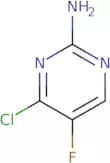
CAS:<p>Please enquire for more information about 2-(4-Bromophenyl)piperazine including the price, delivery time and more detailed product information at the technical inquiry form on this page</p>Formula:C10H13BrN2Purity:Min. 95%Molecular weight:241.13 g/mol4-chloro-5-fluoropyrimidin-2-amine
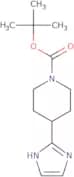
CAS:<p>Please enquire for more information about 4-chloro-5-fluoropyrimidin-2-amine including the price, delivery time and more detailed product information at the technical inquiry form on this page</p>Formula:C4H3ClFN3Purity:Min. 95%Molecular weight:147.54 g/mol1-Boc-4-imidazol-2-yl-piperidine
CAS:<p>Please enquire for more information about 1-Boc-4-imidazol-2-yl-piperidine including the price, delivery time and more detailed product information at the technical inquiry form on this page</p>Formula:C13H21N3O2Purity:Min. 95%Molecular weight:251.32 g/molPerindopril diketopiperazine
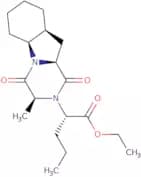
CAS:<p>Please enquire for more information about Perindopril diketopiperazine including the price, delivery time and more detailed product information at the technical inquiry form on this page</p>Formula:C19H30N2O4Purity:Min. 95%Molecular weight:350.45 g/mol3,6-Dichloropyridazine
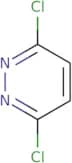
CAS:<p>3,6-Dichloropyridazine is a chemical compound that belongs to the group of heterocycles. It is used as an intermediate for the production of other chemicals such as pharmaceuticals and pesticides. 3,6-Dichloropyridazine can be used in the treatment of inflammatory diseases by inhibiting cyclic nucleotide phosphodiesterase and preventing the accumulation of cyclic nucleotides. 3,6-Dichloropyridazine has been shown to inhibit cancer cells by binding to α7 nicotinic acetylcholine receptors in the cell membrane. The chlorine atom at position 3 on the pyridine ring is responsible for this effect. In addition, 3,6-dichloropyridazine has been shown to react with both nucleophilic and electrophilic groups. This chemical also displays a wide range of chemical diversity due to its three chlorine atoms.</p>Formula:C4H2Cl2N2Purity:Min. 95%Color and Shape:Red PowderMolecular weight:148.98 g/mol7H-Pyrrolo[2,3-d]pyrimidine-4-carboxylic acid
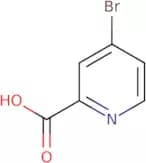
CAS:<p>7H-Pyrrolo[2,3-d]pyrimidine-4-carboxylic acid is a fine chemical that is used as a building block for more complex compounds. It is not an active ingredient in any pharmaceuticals or other products. 7H-Pyrrolo[2,3-d]pyrimidine-4-carboxylic acid can be used to produce research chemicals, reagents, and specialty chemicals. This compound has been shown to be useful as a reaction component or scaffold in the synthesis of more complex molecules.</p>Formula:C7H5N3O2Purity:Min. 95%Color and Shape:PowderMolecular weight:163.13 g/mol4-Bromo-pyridine-2-carboxylic acid
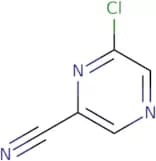
CAS:<p>4-Bromo-pyridine-2-carboxylic acid is a metabotropic glutamate receptor antagonist that inhibits the neurotransmitter glutamate. It has been shown to have antibacterial activity against Staphylococcus aureus and anti-inflammatory properties against the fungus Candida albicans. The drug is orally bioavailable, which means it can be taken by mouth, and has a pharmacokinetic profile that increases its bioavailability. This means that 4-Bromo-pyridine-2-carboxylic acid is an inhibitor of deoxycytidine kinase and may be used as an antifungal agent.</p>Formula:C6H4BrNO2Purity:Min. 95%Color and Shape:White To Light (Or Pale) Grey SolidMolecular weight:202.01 g/mol2-Chloro-6-cyanopyrazine
CAS:<p>2-Chloro-6-cyanopyrazine is a compound that has been shown to have antimycobacterial activity against Mycobacterium avium. It may also have tuberculostatic activity and be useful for the treatment of tuberculosis. 2-Chloro-6-cyanopyrazine inhibits bacterial growth by binding to DNA, RNA, and protein synthesis in mycobacteria. The antibacterial effect is due to its ability to inhibit amidation and alkylation reactions, as well as its nucleophilic properties. 2-Chloro-6-cyanopyrazine is an acidic compound with a pKa of 3.2, which makes it more soluble in water than hydrophobic compounds such as alkanoic acids.</p>Formula:C5H2ClN3Purity:Min. 95%Molecular weight:139.54 g/mol5,7-Dichloro-8-hydroxyquinoline
CAS:<p>5,7-Dichloro-8-hydroxyquinoline (5,7-DC8HQ) is a mitochondrial drug that inhibits mitochondrial functions by binding to the ATP synthase. It has been shown to be effective against bacteria resistant to antimicrobial agents in vivo and also showed genotoxic activity in vitro. 5,7-DC8HQ binds to the magnesium site of the ATP synthase protein and prevents the formation of an intramolecular hydrogen bond, which leads to inhibition of ATP synthesis. This drug has also been shown to cause membrane potential depolarization in mitochondria.</p>Formula:C9H5Cl2NOPurity:Min. 98.5 Area-%Color and Shape:White PowderMolecular weight:214.05 g/mol4-[(2,5-Dimethyl-1H-pyrrol-1-yl)methyl]piperidine hydrochloride
CAS:Controlled Product<p>Please enquire for more information about 4-[(2,5-Dimethyl-1H-pyrrol-1-yl)methyl]piperidine hydrochloride including the price, delivery time and more detailed product information at the technical inquiry form on this page</p>Formula:C12H20N2Purity:Min. 95%Molecular weight:192.3 g/mol1-(2-Isopropoxybenzyl)piperazine
CAS:Controlled Product<p>Please enquire for more information about 1-(2-Isopropoxybenzyl)piperazine including the price, delivery time and more detailed product information at the technical inquiry form on this page</p>Formula:C14H22N2OPurity:Min. 95%Molecular weight:234.34 g/molAcefylline piperazine
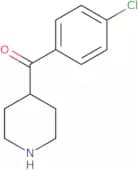
CAS:Controlled Product<p>Acefylline piperazine is a hydrogen-bonded molecule with the chemical formula C8H14N4O. It is an occlusive profile that inhibits human serum lipoprotein lipase and cardiac lipases. Acefylline piperazine has been shown to inhibit fatty acid and eosinophil cationic protein production in vitro. This drug also possesses anti-inflammatory properties, which may be due to its ability to inhibit the enzyme activity of lipoprotein lipase, thereby reducing the levels of fatty acids present in tissues. Acefylline piperazine has a molecular weight of 168.2 daltons, which is consistent with most drugs that are administered intravenously as pharmaceutical dosages.</p>Formula:C9H10N4O4C4H10N2Purity:Min. 95%Color and Shape:PowderMolecular weight:281.27 g/mol4-(4-Chlorobenzoyl)piperidine
CAS:<p>Please enquire for more information about 4-(4-Chlorobenzoyl)piperidine including the price, delivery time and more detailed product information at the technical inquiry form on this page</p>Purity:Min. 95%5-Boc-octahydro-pyrrolo[3,4-c]pyridine
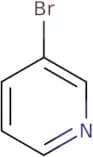
CAS:<p>Please enquire for more information about 5-Boc-octahydro-pyrrolo[3,4-c]pyridine including the price, delivery time and more detailed product information at the technical inquiry form on this page</p>Formula:C12H22N2O2Purity:Min. 95%Molecular weight:226.32 g/mol3-Bromopyridine
CAS:<p>3-Bromopyridine is a colorless liquid that is soluble in water and methanol. It has a chemical ionization mass spectrum with hydrogen bonding interactions, which are shown by the nitrogen atoms. 3-Bromopyridine reacts with amines to form nitroso compounds and has transport properties that are dependent on pH. 3-Bromopyridine has been shown to be a metastable substance, which means it can be isolated in a yield of greater than 50%. 3-Bromopyridine is soluble in alkaline solutions, but decomposes at high temperatures. The solution turns red when phosphotungstic acid is added and it gives an orange precipitate when hydrochloric acid is added. The solution turns yellow when sodium hydroxide is added. 3-Bromopyridine can be detected by its nmr spectra and kinetic energy measurements.</p>Formula:C5H4NBrPurity:Min. 95%Molecular weight:158 g/mol1,1-Dimethylethyl 4-(5-amino-2-pyrimidinyl)-1-piperidinecarboxylate
CAS:<p>Please enquire for more information about 1,1-Dimethylethyl 4-(5-amino-2-pyrimidinyl)-1-piperidinecarboxylate including the price, delivery time and more detailed product information at the technical inquiry form on this page</p>Formula:C14H22N4O2Purity:Min. 95%Molecular weight:278.35 g/mol1-[(1-Ethyl-1H-pyrazol-4-yl)methyl]piperazine
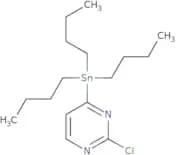
CAS:Controlled Product<p>Please enquire for more information about 1-[(1-Ethyl-1H-pyrazol-4-yl)methyl]piperazine including the price, delivery time and more detailed product information at the technical inquiry form on this page</p>Formula:C10H18N4Purity:Min. 95%Molecular weight:194.28 g/mol2-Chloro-4-(tributylstannyl)pyrimidine
CAS:Controlled Product<p>2-Chloro-4-(tributylstannyl)pyrimidine is a potent inhibitor of activin, an important regulator of bone morphogenetic protein. This drug has been shown to inhibit the production of phosphatase and morphogenetic protein in mouse fibroblasts, as well as inhibiting the growth of cells from patients with fibrodysplasia. 2-Chloro-4-(tributylstannyl)pyrimidine also inhibits metabolic stability and enzyme inhibitory activities.</p>Formula:C16H29ClN2SnPurity:Min. 95%Molecular weight:403.58 g/molAzaperol-D4
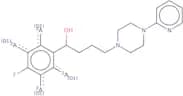
CAS:Controlled Product<p>Please enquire for more information about Azaperol-D4 including the price, delivery time and more detailed product information at the technical inquiry form on this page</p>Formula:C19H20D4FN3OPurity:Min. 95%Molecular weight:333.4 g/mol2-Chloro-5-methylpyrazine
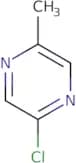
CAS:<p>Please enquire for more information about 2-Chloro-5-methylpyrazine including the price, delivery time and more detailed product information at the technical inquiry form on this page</p>Formula:C5H5ClN2Purity:Min. 95%Molecular weight:128.56 g/molFmoc-N-(1-Boc-piperidin-4-yl)glycine
CAS:<p>Please enquire for more information about Fmoc-N-(1-Boc-piperidin-4-yl)glycine including the price, delivery time and more detailed product information at the technical inquiry form on this page</p>Formula:C27H32N2O6Purity:Min. 95%Molecular weight:480.55 g/mol2,6-Dimercaptopurine
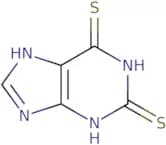
CAS:<p>2,6-Dimercaptopurine (2,6-DMP) is an immunosuppressive drug that is used to prevent organ transplants from being rejected. It blocks the synthesis of DNA and RNA in cells by inhibiting the enzyme thymidylate synthase. The reaction mechanism involves a nucleophilic attack on the phosphorus atom of 2,6-DMP by a proton from water or another nucleophile such as urea or ammonia. 2,6-DMP is metabolized through a number of tautomeric forms, which are neutral and acidic in pH. One example of this is when 2,6-DMP reacts with hydrochloric acid to form a conjugate base that can be excreted in urine.</p>Formula:C5H4N4S2Purity:Min. 95%Color and Shape:Yellow PowderMolecular weight:184.24 g/molN-Methylpiperidinyl-2-methyl benzilate
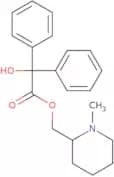
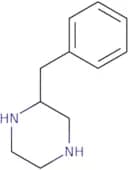
CAS:Controlled Product<p>Please enquire for more information about N-Methylpiperidinyl-2-methyl benzilate including the price, delivery time and more detailed product information at the technical inquiry form on this page</p>Formula:C21H25NO3Purity:Min. 95%Molecular weight:339.43 g/mol2-Benzyl-piperazine
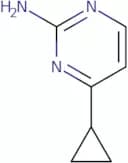
CAS:<p>2-Benzyl-piperazine is a pharmacological agent that has been shown to have anabolic effects in animals and humans. It is a crystalline solid with a molecular weight of 248.2 g/mol. 2-Benzyl-piperazine is used in the treatment of chronic renal failure, as well as the prevention of kidney stone formation in patients with recurrent calcium oxalate stones, or those who have experienced at least one episode of calcium oxalate stone formation. 2-Piperazine inhibits the activity of an enzyme called carbonic anhydrase, which is found in many tissues and facilitates reactions that produce bicarbonate ions from carbon dioxide and water molecules. The piperazine ring also has two methyl substituents, which can be modified to create bioisosteric analogues. These modifications may alter the properties of 2-benzyl-piperazine such as its solubility or metabolic stability. 2-Benzyl-piper</p>Formula:C11H16N2Purity:Min. 95%Color and Shape:PowderMolecular weight:176.26 g/mol2-Amino-4-(cyclopropyl)pyrimidine
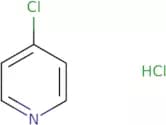
CAS:<p>Please enquire for more information about 2-Amino-4-(cyclopropyl)pyrimidine including the price, delivery time and more detailed product information at the technical inquiry form on this page</p>Formula:C7H9N3Purity:Min. 95%Molecular weight:135.17 g/mol4-Chloropyridine HCL
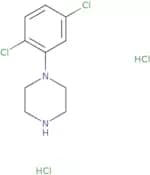
CAS:<p>4-Chloropyridine HCL is a regulatory chemical that can be used to inhibit the population growth of microbes. It functions as a biotransforming agent and is typically used in the production of other substances, such as pharmaceuticals and plastics. 4-Chloropyridine HCL is not readily biodegradable and has been shown to be toxic to ciliates, but it may still have some use in the treatment of certain bacterial infections. The compound's molecular descriptors include a constant value of -0.8, an isomer count of 1, and a molecular weight range between 112 and 142.</p>Formula:C5H4ClN·HClPurity:Min. 95%Molecular weight:150.01 g/mol1-(2,5-Dichlorophenyl)piperazinedihydrochloride
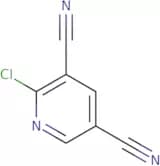
CAS:Controlled Product<p>Please enquire for more information about 1-(2,5-Dichlorophenyl)piperazinedihydrochloride including the price, delivery time and more detailed product information at the technical inquiry form on this page</p>Formula:C10H14Cl4N2Purity:Min. 95%Molecular weight:304.04 g/mol2-Chloropyridine-3,5-dicarbonitrile
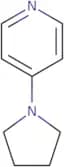
CAS:<p>2-Chloropyridine-3,5-dicarbonitrile is a potential drug that can be used as an anionic linker in the synthesis of donepezil. Donepezil is a pharmacological agent that inhibits the enzyme acetylcholinesterase and may be effective in treating Alzheimer's disease. 2-Chloropyridine-3,5-dicarbonitrile has been shown to have good profile against cholinesterase inhibitors. It binds to the active site of acetylcholinesterase and inhibits its activity. This inhibition prevents the breakdown of acetylcholine, which is required for memory and cognitive function. 2-Chloropyridine-3,5-dicarbonitrile also has molecular modeling properties and has been studied at the μm range.</p>Formula:C7H2ClN3Purity:Min. 95%Molecular weight:163.56 g/mol4-Pyrrolidinopyridine
CAS:<p>4-Pyrrolidinopyridine is a nucleophilic compound that acts as an amide-forming reagent. It reacts with hydroxyl groups, such as those found in amides, to form esters. The reaction mechanism for this reaction is nucleophilic substitution at the carbonyl carbon. 4-Pyrrolidinopyridine has been shown to react with acidic substances to form salts and esters. This compound has also been shown to be a potent thrombin receptor ligand, meaning that it binds to the thrombin receptor and activates it, which leads to increased blood clotting. 4-Pyrrolidinopyridine is used in analytical chemistry for the preparation of amines. It can also be used as a sample preparation agent for chromatography or mass spectrometry analyses due to its ability to remove fatty acids from samples.</p>Formula:C9H12N2Purity:Min. 95%Color and Shape:White PowderMolecular weight:148.21 g/molMethyl 2-amino-4,6-dichloropyridine-3-carboxylate
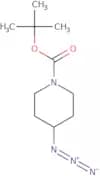
CAS:<p>Please enquire for more information about Methyl 2-amino-4,6-dichloropyridine-3-carboxylate including the price, delivery time and more detailed product information at the technical inquiry form on this page</p>Formula:C7H6Cl2N2O2Purity:Min. 95%Molecular weight:221.04 g/moltert-Butyl 4-azidopiperidine-1-carboxylate
CAS:<p>Please enquire for more information about tert-Butyl 4-azidopiperidine-1-carboxylate including the price, delivery time and more detailed product information at the technical inquiry form on this page</p>Formula:C10H18N4O2Purity:Min. 95%Molecular weight:226.28 g/mol3-Tolperisone hydrochloride
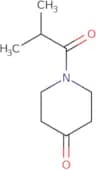
CAS:<p>Please enquire for more information about 3-Tolperisone hydrochloride including the price, delivery time and more detailed product information at the technical inquiry form on this page</p>Formula:C16H23NO•HClPurity:Min. 95%Molecular weight:281.82 g/mol1-Isobutyrylpiperidin-4-one
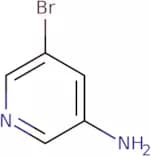
CAS:Controlled Product<p>Please enquire for more information about 1-Isobutyrylpiperidin-4-one including the price, delivery time and more detailed product information at the technical inquiry form on this page</p>Formula:C9H15NO2Purity:Min. 95%Molecular weight:169.22 g/mol3-Amino-5-bromopyridine
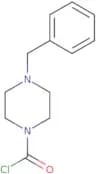
CAS:<p>3-Amino-5-bromopyridine (3ABP) is a linker for the synthesis of cisplatin. It has been shown to have strong bactericidal activity against Escherichia coli and Staphylococcus aureus. 3ABP is cytotoxic to both renal proximal tubule cells and ring-opening cells, which are found in the kidney. It is also an inhibitor of nicotinic acetylcholine receptors (nAChRs), which are proteins that control nerve cell communication. 3ABP's pharmacokinetic properties make it suitable as a linker for cisplatin, as it has good oral bioavailability, low systemic toxicity, and high tissue selectivity.</p>Formula:C5H5BrN2Purity:Min. 98 Area-%Molecular weight:173.01 g/mol4-Benzyl-piperazine-1-carbonylchloride
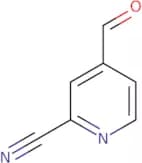
CAS:Controlled Product<p>Please enquire for more information about 4-Benzyl-piperazine-1-carbonylchloride including the price, delivery time and more detailed product information at the technical inquiry form on this page</p>Formula:C12H15ClN2OPurity:Min. 95%Molecular weight:238.71 g/mol2-Cyanopyridine-4-carboxaldehyde
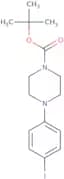
CAS:<p>Please enquire for more information about 2-Cyanopyridine-4-carboxaldehyde including the price, delivery time and more detailed product information at the technical inquiry form on this page</p>Formula:C7H4N2OPurity:Min. 95%Molecular weight:132.12 g/moltert-Butyl 4-(4-iodophenyl)tetrahydro-1(2H)-pyrazinecarboxylate
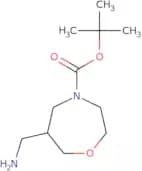
CAS:Controlled Product<p>Please enquire for more information about tert-Butyl 4-(4-iodophenyl)tetrahydro-1(2H)-pyrazinecarboxylate including the price, delivery time and more detailed product information at the technical inquiry form on this page</p>Formula:C15H21IN2O2Purity:Min. 95%Molecular weight:388.24 g/moltert-Butyl 6-(aminomethyl)-1,4-oxazepane-4-carboxylate
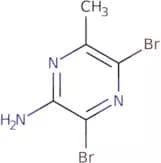
CAS:<p>Please enquire for more information about tert-Butyl 6-(aminomethyl)-1,4-oxazepane-4-carboxylate including the price, delivery time and more detailed product information at the technical inquiry form on this page</p>Formula:C11H22N2O3Purity:Min. 95%Molecular weight:230.3 g/mol3,5-Dibromo-6-methylpyrazin-2-amine
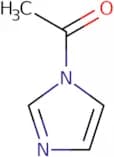
CAS:<p>Please enquire for more information about 3,5-Dibromo-6-methylpyrazin-2-amine including the price, delivery time and more detailed product information at the technical inquiry form on this page</p>Formula:C5H5Br2N3Purity:Min. 95%Molecular weight:266.92 g/molN-Acetylimidazole
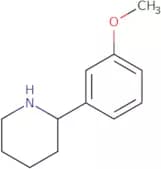
CAS:<p>N-Acetylimidazole is a drug that belongs to the class of glycol esters. It is an inhibitor of the enzyme acetylcholinesterase and has been used in the treatment of autoimmune diseases, such as myasthenia gravis. N-Acetylimidazole can inhibit the activity of other enzymes, such as p-nitrophenyl phosphate oxidase, which may be responsible for its anti-inflammatory properties. This drug has been shown to inhibit microbial growth in vitro by inhibiting the synthesis of choline and acetylcholine in the body. N-Acetylimidazole also inhibits bacterial growth by acting as a substrate molecule for bacterial enzymes that catalyze transfer reactions, including phosphotransferases and hydrolases.</p>Formula:C5H6N2OPurity:Min. 95%Color and Shape:White PowderMolecular weight:110.11 g/mol2-(3-Methoxyphenyl)piperidine
CAS:<p>Please enquire for more information about 2-(3-Methoxyphenyl)piperidine including the price, delivery time and more detailed product information at the technical inquiry form on this page</p>Formula:C12H17NOPurity:Min. 95%Color and Shape:PowderMolecular weight:191.27 g/mol1,1'-Dimethyl-4,4'-bipyridinium dichloride hydrate
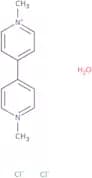
CAS:<p>1,1'-Dimethyl-4,4'-bipyridinium dichloride hydrate is a bipyridine with a divalent chloride. It has been shown to have synergic effects in the presence of dextran sulfate and paraquat. This compound has good photochemical properties, which are used for wastewater treatment and surface methodology. 1,1'-Dimethyl-4,4'-bipyridinium dichloride hydrate also has toxicological studies that show it does not cause any cellular toxicity or mitochondrial membrane potential changes. It also reduces potassium dichromate toxicity in glomerular filtration rate studies. This compound can be used as an analytical method for other bipyridines.</p>Formula:C12H14Cl2N2•(H2O)xPurity:Min. 95%Color and Shape:PowderMolecular weight:257.16 g/mol3-Propionylpyridine
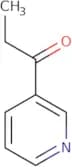
CAS:<p>3-Propionylpyridine is a metabolite of valine and isovaleric acid. It has been shown to be the major component in horse breath. 3-Propionylpyridine can be used as a marker for identification of horses, and can be used to distinguish between different breeds and sexes. 3-Propionylpyridine is also an intermediate in the synthesis of many drugs, including antibiotics, such as penicillin. The enzyme that catalyzes the formation of 3-Propionylpyridine from valine is tryptophanase, which plays an important role in amino acid metabolism. The active site on tryptophanase contains three hydrogen bonds that form with the substrate. This molecule also has two hydrogens that are transferred during catalysis, which takes place at a specific site called the active site.</p>Formula:C8H9NOPurity:Min. 95%Molecular weight:135.16 g/mol1-(Cyclopropylcarbonyl)piperidin-4-one
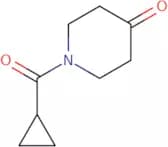
CAS:Controlled Product<p>Please enquire for more information about 1-(Cyclopropylcarbonyl)piperidin-4-one including the price, delivery time and more detailed product information at the technical inquiry form on this page</p>Formula:C9H13NO2Purity:Min. 95%Molecular weight:167.21 g/mol4-[4-(3-Chlorophenyl)piperazin-1-yl]-4-oxobutanoic acid
CAS:Controlled Product<p>Please enquire for more information about 4-[4-(3-Chlorophenyl)piperazin-1-yl]-4-oxobutanoic acid including the price, delivery time and more detailed product information at the technical inquiry form on this page</p>Formula:C14H17ClN2O3Purity:Min. 95%Molecular weight:296.75 g/mol1-Boc-4-formyl piperidine
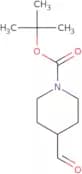
CAS:<p>The functional theory of 1-Boc-4-formyl piperidine (1BP) is that it activates the serine protease, which in turn inhibits the acetylcholine release. It also affects the 5-ht4 receptor, which is an important regulator of neuronal function and amine release. 1BP has been shown to have potent inhibitory activity against reactive molecules, including those that are involved in carcinogenesis. It also has a high affinity for the 5-ht4 receptor and can be used as a 5-ht4 receptor agonist.</p>Formula:C11H19NO3Purity:Min. 95%Color and Shape:PowderMolecular weight:213.27 g/mol1-[4-(4-bromophenyl)piperazin-1-yl]ethanone
CAS:Controlled Product<p>Please enquire for more information about 1-[4-(4-bromophenyl)piperazin-1-yl]ethanone including the price, delivery time and more detailed product information at the technical inquiry form on this page</p>Formula:C12H15BrN2OPurity:Min. 95%Molecular weight:283.16 g/mol[1,2,4]Triazolo[1,5-a]pyrimidin-7-amine
CAS:<p>[1,2,4]Triazolo[1,5-a]pyrimidin-7-amine is a competitive inhibitor of tumor growth. It has been shown to inhibit the synthesis of DNA and RNA by binding to the N7 nitrogen atom in the nucleotide base. The compound also has a trifluoromethyl group that can be used as an assay for enzymatic activity. [1,2,4]Triazolo[1,5-a]pyrimidin-7-amine can be synthesized from 2-(3'-hydroxypropoxy)phenylamine by reaction with hydroxylamine and formaldehyde in the presence of sodium cyanide. This drug inhibits tumor growth in vitro and in vivo and is active against infectious diseases such as hepatitis B virus (HBV).</p>Formula:C5H5N5Purity:Min. 95%Molecular weight:135.13 g/mol4-Phenyl-4-carbethoxy piperidineHCl
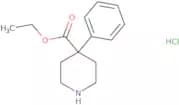
CAS:Controlled Product<p>4-Phenyl-4-carbethoxy piperidineHCl is a germanium compound that can be used as a diagnostic agent to detect the presence of magnesium in the blood. It has been shown to bind to acidic and basic sites on the brain, regulating the functions of these regions. The drug has also been shown to have analgesic properties, as it activates opioid receptors in the brain. 4-Phenyl-4-carbethoxy piperidineHCl binds with high affinity to meperidine and naloxone, which are opioid receptor agonists. It is also able to bind to pentazocine, an opioid receptor antagonist. This drug is not active against molybdenum or thebaine.</p>Formula:C14H20ClNO2Purity:Min. 95%Molecular weight:269.77 g/mol2-Vinylpyridine, stabilized with TBC
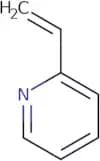
CAS:<p>2-Vinylpyridine is a reactive, organic compound that can form hydrogen bonds with other molecules. It has been used in the synthesis of detergent compositions and as a reactant to produce polymers. 2-Vinylpyridine is also used in the treatment of autoimmune diseases, such as hepatitis C. 2-Vinylpyridine has been shown to bind to proteins by forming hydrogen bonds with amino acid residues that have an amine group or a hydroxyl group. The binding of 2-vinyl pyridine to these sites leads to conformational changes and enzyme inhibition. 2-Vinylpyridine can be synthesized from pyridine and hydrochloric acid in a two step process involving condensation followed by cyclization. 2-Vinylpyridine was first synthesized by Kolbe and Woodward in 1883 using x-ray crystallography, which involved exposing crystals of pyridine to x-rays, thereby providing structural</p>Formula:C7H7NPurity:Min. 95%Color and Shape:Clear LiquidMolecular weight:105.14 g/mol1-Hexyl-4-phenylpiperazine
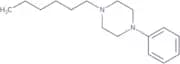
CAS:Controlled Product<p>Please enquire for more information about 1-Hexyl-4-phenylpiperazine including the price, delivery time and more detailed product information at the technical inquiry form on this page</p>Formula:C16H26N2Purity:Min. 95%Molecular weight:246.39 g/molN,N-Dimethyl-N-[4-(piperazin-1-ylmethyl)phenyl]amine
CAS:Controlled Product<p>Please enquire for more information about N,N-Dimethyl-N-[4-(piperazin-1-ylmethyl)phenyl]amine including the price, delivery time and more detailed product information at the technical inquiry form on this page</p>Formula:C13H21N3Purity:Min. 95%Molecular weight:219.33 g/mol1-(4-Bromo-2,5-dimethoxybenzyl)piperazine
CAS:Controlled Product<p>Please enquire for more information about 1-(4-Bromo-2,5-dimethoxybenzyl)piperazine including the price, delivery time and more detailed product information at the technical inquiry form on this page</p>Formula:C13H19BrN2O2Purity:Min. 95%Molecular weight:315.21 g/molEthyl 1-N-Boc-3-oxopiperidine-4-carboxylate
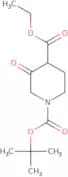
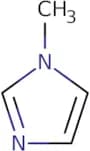
CAS:<p>Please enquire for more information about Ethyl 1-N-Boc-3-oxopiperidine-4-carboxylate including the price, delivery time and more detailed product information at the technical inquiry form on this page</p>Formula:C13H21NO5Purity:Min. 95%Molecular weight:271.31 g/mol1-Methylimidazole
CAS:<p>1-Methylimidazole is a compound with the molecular formula CH3N2H. It is soluble in water, but insoluble in organic solvents. 1-Methylimidazole has been found to bind to human serum and p-nitrophenyl phosphate. The fluorescence of 1-methylimidazole is quenched by hydrogen bonding interactions, which are the same as those that occur in natural compounds such as hemoglobin and chlorophyll. The nitrogen atoms on the surface of 1-methylimidazole can be detected using infrared spectroscopy. This method can also be used to analyze group P2 molecules, such as benzene, phenol, and cyclohexane.</p>Formula:C4H6N2Purity:Min. 98%Color and Shape:PowderMolecular weight:82.1 g/mol1-[(1-Ethyl-3,5-dimethyl-1H-pyrazol-4-yl)methyl]piperazine
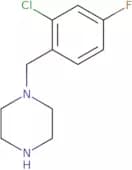
CAS:Controlled Product<p>Please enquire for more information about 1-[(1-Ethyl-3,5-dimethyl-1H-pyrazol-4-yl)methyl]piperazine including the price, delivery time and more detailed product information at the technical inquiry form on this page</p>Formula:C12H22N4Purity:Min. 95%Molecular weight:222.33 g/mol1-(2-Chloro-4-fluorobenzyl)piperazine
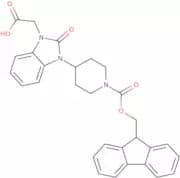
CAS:Controlled Product<p>Please enquire for more information about 1-(2-Chloro-4-fluorobenzyl)piperazine including the price, delivery time and more detailed product information at the technical inquiry form on this page</p>Formula:C11H14ClFN2Purity:Min. 95%Molecular weight:228.69 g/molFmoc-4-(3-carboxymethyl-2-keto-one-benzimidazolyl)piperidine
CAS:Controlled Product<p>Please enquire for more information about Fmoc-4-(3-carboxymethyl-2-keto-one-benzimidazolyl)piperidine including the price, delivery time and more detailed product information at the technical inquiry form on this page</p>Formula:C29H27N3O5Purity:Min. 95%Molecular weight:497.54 g/mol1-[(2b,3a,5a,16b,17b)-17-Acetyloxy-3-hydroxy-2-(1-piperidinyl)androstan-16-yl]-1-methylpiperidinium bromide
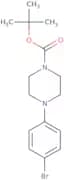
CAS:<p>1-[(2b,3a,5a,16b,17b)-17-Acetyloxy-3-hydroxy-2-(1-piperidinyl)androstan-16-yl]-1-methylpiperidinium bromide is a drug that has been shown to have an inhibitory effect on the neuromuscular system. It is used in clinical doses as a muscle relaxant and anesthetic. The drug binds to the acetylcholine receptor at the neuromuscular junction and blocks nerve impulses by inhibiting acetylcholine release. 1-[(2b,3a,5a,16b,17b)-17-Acetyloxy-3-hydroxy-2-(1-piperidinyl)androstan-16-yl]-1-methylpiperidinium bromide has a long half life and accumulates in the body with repeated administration. This accumulation can lead to</p>Formula:C32H55BrN2O3Purity:Min. 95%Molecular weight:595.69 g/mol4-(4-Bromophenyl)piperazine-1-carboxylic acid tert-butyl ester
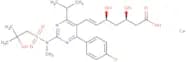
CAS:Controlled Product<p>Please enquire for more information about 4-(4-Bromophenyl)piperazine-1-carboxylic acid tert-butyl ester including the price, delivery time and more detailed product information at the technical inquiry form on this page</p>Formula:C15H21BrN2O2Purity:Min. 95%Molecular weight:341.24 g/molS-Desmethyl-S-(2-hydroxy-2-methylpropyl) rosuvastatin calcium
CAS:<p>Please enquire for more information about S-Desmethyl-S-(2-hydroxy-2-methylpropyl) rosuvastatin calcium including the price, delivery time and more detailed product information at the technical inquiry form on this page</p>Formula:(C25H34FN3O7S)2•CaPurity:Min. 95%Molecular weight:1,119.24 g/molN-Benzyl-4-carboethoxypiperidine
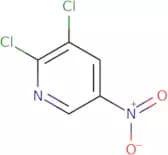
CAS:<p>N-Benzyl-4-carboethoxypiperidine (NBP) is a potential drug for the treatment of Alzheimer's disease. It is an acetylcholinesterase inhibitor that blocks the breakdown of acetylcholine, leading to increased levels of this neurotransmitter in the brain. NBP has been shown to inhibit butyrylcholinesterase, an enzyme responsible for breaking down acetylcholine. This inhibition leads to increased levels of acetylcholine in the brain and prevents the development of Alzheimer's disease. NBP has also been shown to have a low level of toxicity in mice and rats and does not inhibit other enzymes such as carboxypeptidases or aminopeptidases.</p>Formula:C15H21NO2Purity:Min. 95%Color and Shape:Clear LiquidMolecular weight:247.33 g/mol2,3-Dichloro-5-nitropyridine
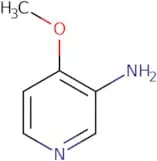
CAS:<p>2,3-Dichloro-5-nitropyridine (2,3-DNP) is an antidiabetic drug that has been shown to improve insulin sensitivity in animals. It is a sample preparation reagent that can be used to validate the use of γ-aminobutyric acid (GABA) as a linker for the immobilization of proteins on solid supports. 2,3-DNP is also used as an adipose tissue marker to study obesity and insulin resistance. This drug has been shown to increase choline levels in the liver by inhibiting its export and increasing its synthesis by phosphorylation of serine hydroxymethyltransferase. 2,3-DNP also increases fatty acid synthesis by activating acetyl coenzyme A carboxylase and inhibiting carnitine palmitoyl transferase I. 2,3-DNP has also been shown to decrease food intake and body weight gain in db/db mice</p>Formula:C5H2Cl2N2O2Purity:Min. 95%Color and Shape:PowderMolecular weight:192.99 g/mol3-Amino-4-methoxypyridine
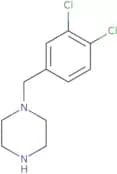
CAS:<p>3-Amino-4-methoxypyridine is a molecule that has been shown to have anesthetic activity. It has been shown to inhibit the uptake of glycogen by glioblastoma cells and decrease the rate of glycogen synthesis in these cells. 3-Amino-4-methoxypyridine also inhibits the production of ATP in cardiac muscle cells, which may be due to its ability to inhibit glycogen synthase kinase-3 (GSK3) and glycogen synthase. This drug also inhibits cancer cell growth by inhibiting protein synthesis, as well as inflammatory disease progression by inhibiting NFκB activation and cytokine production. 3-Amino-4-methoxypyridine can be synthesized from aminopyridines such as isonicotinic acid or nicotinic acid, which are oxidized with hydrogen peroxide and sodium nitrite in the presence of a base catalyst.</p>Formula:C6H8N2OPurity:Min. 95%Molecular weight:124.14 g/mol1-(3,4-Dichlorobenzyl)piperazine
CAS:Controlled Product<p>1-(3,4-Dichlorobenzyl)piperazine is an amine that is used as a reagent in organic synthesis. It is a buffered, acidic compound that emits fluorescence under UV light. It has been shown to be an electron donor and electron acceptor. 1-(3,4-Dichlorobenzyl)piperazine reacts with phenylpiperazines in the presence of acid to form a mixture of phenylpiperazines with different aliphatic chains. The reaction is characterized by emission of fluorescence that can be measured using spectroscopy techniques.</p>Formula:C11H14Cl2N2Purity:Min. 95%Molecular weight:245.15 g/mol3-Ethyl 5-methyl 2-[(2-aminoethoxy)methyl]-4-(2-chlorophenyl)-6-methylpyridine-3,5-dicarboxylate hydrochloride
CAS:<p>Please enquire for more information about 3-Ethyl 5-methyl 2-[(2-aminoethoxy)methyl]-4-(2-chlorophenyl)-6-methylpyridine-3,5-dicarboxylate hydrochloride including the price, delivery time and more detailed product information at the technical inquiry form on this page</p>Formula:C20H23ClN2O5•HClPurity:Min. 95%Molecular weight:443.32 g/mol7-Fluoro-imidazo[1,2-a]pyridine
CAS:<p>Please enquire for more information about 7-Fluoro-imidazo[1,2-a]pyridine including the price, delivery time and more detailed product information at the technical inquiry form on this page</p>Formula:C7H5FN2Purity:95%NmrColor and Shape:SolidMolecular weight:136.13 g/molPyridine-3-sulfonic acid
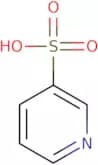
CAS:<p>Pyridine-3-sulfonic acid is a reactive molecule that can exist in two forms. It reacts with iron oxides to form pyridine-3-sulfonic acid amide and reacts with picolinic acid to form pyridine-3-sulfonic acid phosphoric acid complex. Pyridine 3 sulfonic acid is an intermediate in the synthesis of picolinic acid and is involved in the genetic mechanisms of bacteria. It has been shown to be effective at concentrations of 10 mM or higher when used in tissue culture experiments. The optimum concentration for the reaction varies depending on the reactant and its environment, which is why experimentation should be conducted before using it as a reagent.</p>Formula:C5H5NO3SPurity:Min. 95%Molecular weight:159.16 g/mol5-Bromo-2,3-dimethoxypyrazine
CAS:<p>Please enquire for more information about 5-Bromo-2,3-dimethoxypyrazine including the price, delivery time and more detailed product information at the technical inquiry form on this page</p>Formula:C6H7BrN2O2Purity:Min. 95%Molecular weight:219.04 g/mol1-Benzyl-3-carbethoxy-4-piperidone hydrochloride
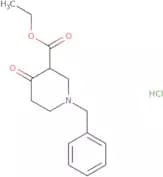
CAS:<p>1-Benzyl-3-carbethoxy-4-piperidone hydrochloride is a carboxylic acid that is used as a waterproofing agent in cyclohexane. It is absorbed by the skin and other tissues, which may lead to adverse effects on the body. Exposure to this compound has been shown to result in irritation of the skin, eyes, and respiratory tract, as well as changes in heart rate and blood pressure.</p>Formula:C15H19NO3•HClPurity:Min. 95%Molecular weight:297.78 g/mol1-Butyrylpiperidin-4-one
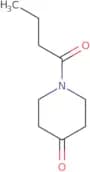
CAS:Controlled Product<p>Please enquire for more information about 1-Butyrylpiperidin-4-one including the price, delivery time and more detailed product information at the technical inquiry form on this page</p>Formula:C9H15NO2Purity:Min. 95%Molecular weight:169.22 g/mol


![7-Bromo-[1,2,4]triazolo[1,5-a]pyridin-2-ylamine](/_next/image/?url=https%3A%2Fstatic.cymitquimica.com%2Fproducts%2F3D%2Fthumb-webp%2FFB140382.webp&w=3840&q=75)






![1-[(2,5-Dimethoxyphenyl)methyl]piperazine HCl](/_next/image/?url=https%3A%2Fstatic.cymitquimica.com%2Fproducts%2F3D%2Fthumb-webp%2FFD112280.webp&w=3840&q=75)

![7H-Pyrrolo[2,3-d]pyrimidine-4-carboxylic acid](/_next/image/?url=https%3A%2Fstatic.cymitquimica.com%2Fproducts%2F3D%2Fthumb-webp%2FFP167570.webp&w=3840&q=75)

![4-[(2,5-Dimethyl-1H-pyrrol-1-yl)methyl]piperidine hydrochloride](/_next/image/?url=https%3A%2Fstatic.cymitquimica.com%2Fproducts%2F3D%2Fthumb-webp%2FFD117663.webp&w=3840&q=75)


![5-Boc-octahydro-pyrrolo[3,4-c]pyridine](/_next/image/?url=https%3A%2Fstatic.cymitquimica.com%2Fproducts%2F3D%2Fthumb-webp%2FFB147002.webp&w=3840&q=75)

![1-[(1-Ethyl-1H-pyrazol-4-yl)methyl]piperazine](/_next/image/?url=https%3A%2Fstatic.cymitquimica.com%2Fproducts%2F3D%2Fthumb-webp%2FFE134454.webp&w=3840&q=75)



![4-[4-(3-Chlorophenyl)piperazin-1-yl]-4-oxobutanoic acid](/_next/image/?url=https%3A%2Fstatic.cymitquimica.com%2Fproducts%2F3D%2Fthumb-webp%2FFC124815.webp&w=3840&q=75)
![1-[4-(4-bromophenyl)piperazin-1-yl]ethanone](/_next/image/?url=https%3A%2Fstatic.cymitquimica.com%2Fproducts%2F3D%2Fthumb-webp%2FFB137350.webp&w=3840&q=75)
![[1,2,4]Triazolo[1,5-a]pyrimidin-7-amine](/_next/image/?url=https%3A%2Fstatic.cymitquimica.com%2Fproducts%2F3D%2Fthumb-webp%2FFT126840.webp&w=3840&q=75)
![N,N-Dimethyl-N-[4-(piperazin-1-ylmethyl)phenyl]amine](/_next/image/?url=https%3A%2Fstatic.cymitquimica.com%2Fproducts%2F3D%2Fthumb-webp%2FFD113841.webp&w=3840&q=75)

![1-[(1-Ethyl-3,5-dimethyl-1H-pyrazol-4-yl)methyl]piperazine](/_next/image/?url=https%3A%2Fstatic.cymitquimica.com%2Fproducts%2F3D%2Fthumb-webp%2FFE113867.webp&w=3840&q=75)
![1-[(2b,3a,5a,16b,17b)-17-Acetyloxy-3-hydroxy-2-(1-piperidinyl)androstan-16-yl]-1-methylpiperidiniu…](/_next/image/?url=https%3A%2Fstatic.cymitquimica.com%2Fproducts%2F3D%2Fthumb-webp%2FFA21131.webp&w=3840&q=75)

![3-Ethyl 5-methyl 2-[(2-aminoethoxy)methyl]-4-(2-chlorophenyl)-6-methylpyridine-3,5-dicarboxylate h…](/_next/image/?url=https%3A%2Fstatic.cymitquimica.com%2Fproducts%2F3D%2Fthumb-webp%2FFE183833.webp&w=3840&q=75)
![7-Fluoro-imidazo[1,2-a]pyridine](/_next/image/?url=https%3A%2Fstatic.cymitquimica.com%2Fproducts%2F3D%2Fthumb-webp%2FFF165964.webp&w=3840&q=75)