Heterocycles with Nitrogen (N)
In this category, you will find a wide variety of nitrogen-containing heterocycles. Heterocycles are carbon chains that form a cycle in which at least one position is occupied by a heteroatom, in this case, nitrogen. These compounds are integral in the synthesis of pharmaceuticals, agrochemicals, and dyes, offering unique reactivity and stability. At CymitQuimica, we provide a comprehensive selection of high-quality nitrogen-containing heterocycles to support your research and industrial applications
Subcategories of "Heterocycles with Nitrogen (N)"
- Azepane(434 products)
- Benzotriazoles(436 products)
- Diazepanes(331 products)
- Imidazoles(4,006 products)
- Imidazolines(385 products)
- Isoxazole(1,077 products)
- Piperazines(3,735 products)
- Piperidines(8,394 products)
- Pyrazines(1,297 products)
- Pyrazole(5,919 products)
- Pyrazolidine(21 products)
- Pyrazoline(142 products)
- Pyridazine(856 products)
- Pyridines(21,910 products)
- Pyrimidine(6,038 products)
- Pyrroles(2,440 products)
- Pyrrolidines(5,814 products)
- Pyrroline(48 products)
- Pyrrolo[1,2-b]pyridazine(10 products)
- Tetrazole(510 products)
- Triazines(462 products)
- Triazoles(1,679 products)
Show 14 more subcategories
Found 17855 products of "Heterocycles with Nitrogen (N)"
Sort by
Purity (%)
0
100
|
0
|
50
|
90
|
95
|
100
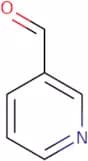
Pyridine-3-carboxaldehyde
CAS:<p>Pyridine-3-carboxaldehyde is a heterocyclic compound that is structurally related to nicotinic acid and picolinic acid. It has been shown to have anti-tumor activity, with hl-60 cells as the model system. Pyridine-3-carboxaldehyde has also been shown to be toxic to bacteria in biological studies. The chemical stability of this compound was studied by Langmuir adsorption isotherm and electrochemical impedance spectroscopy. It was found that pyridine-3-carboxaldehyde is stable at a pH range of 7 to 8 and at temperatures up to 60 degrees Celsius.</p>Formula:C6H5NOPurity:Min. 95%Color and Shape:Clear LiquidMolecular weight:107.11 g/molrac-cis-1-benzyl-2-methyl-4-(N-propananilido)piperidine
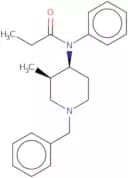
CAS:Controlled Product<p>Racemic cis-1-benzyl-2-methyl-4-(N-propananilido)piperidine (SBP) is a synthetic opioid analgesic that has been shown to bind to the μ-opioid receptor. It is the racemic form of the more potent S(+)-isomer. SBP is metabolized in vivo by cytochrome P450 2C19 and cytochrome P450 3A5, and its metabolites can be detected in human liver. The metabolism of SBP also produces propanamide as an intermediate. Recreational use of SBP has been reported with adverse effects including nausea, vomiting, headache, and dizziness.</p>Formula:C22H28N2OPurity:Min. 95%Molecular weight:336.47 g/mol1-Butylpyridinium Chloride
CAS:<p>1-Butylpyridinium Chloride is an ionic liquid that is a colorless, water-soluble liquid. It has been reported to have detergent compositions and can be used as a solvent or cleaning agent. 1-Butylpyridinium chloride has been shown to have strong hydrogen bonding interactions with other molecules. It also exhibits electrochemical impedance spectroscopy, ft-ir spectroscopy, and thermal expansion properties.</p>Formula:C9H14ClNPurity:Min. 95%Molecular weight:171.67 g/mol1-(4-Methoxybenzyl)piperazine
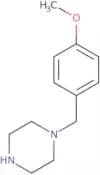
CAS:Controlled Product<p>1-(4-Methoxybenzyl)piperazine is a chemical compound that has been shown to have inhibitory activities against cancer cells. It also shows potential for the treatment of type 2 diabetes and Alzheimer's disease. The mechanism of action is not well understood, but it may be due to its ability to induce mitochondrial biogenesis and insulin sensitivity. 1-(4-Methoxybenzyl)piperazine has also been shown to improve memory in rats with spontaneous dementia, similar to the effects of donepezil (a drug used for Alzheimer's disease). 1-(4-Methoxybenzyl)piperazine can be taken orally or administered via injection.</p>Formula:C12H18N2OPurity:Min. 95%Molecular weight:206.28 g/mol2,6-Dibromo-3-nitropyridine
CAS:<p>2,6-Dibromo-3-nitropyridine is a chemical compound that has been shown to inhibit serine protease activity. The compound was shown to be an inhibitor of the enzyme trypsin, and showed some activity against a number of other proteases. 2,6-Dibromo-3-nitropyridine has also been shown to inhibit nucleophilic alkylation of DNA bases by 2,6-dichloroquinoxaline. 2,6-Dibromo-3-nitropyridine is a targeted inhibitor that binds to the active site of the enzyme and prevents the formation of an enzyme-substrate complex. This inhibition leads to a decrease in the production of proteins essential for cell division.</p>Formula:C5H2Br2N2O2Purity:Min. 95%Molecular weight:281.89 g/molN-(4-Chloro-5-iodo-7H-pyrrolo[2,3-d]pyrimidin-2-yl)pivalamide
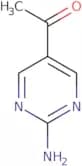
CAS:<p>Please enquire for more information about N-(4-Chloro-5-iodo-7H-pyrrolo[2,3-d]pyrimidin-2-yl)pivalamide including the price, delivery time and more detailed product information at the technical inquiry form on this page</p>Formula:C11H12ClIN4OPurity:Min. 95%Molecular weight:378.6 g/mol1-(2-Aminopyrimidin-5-yl)ethanone
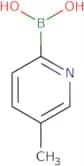
CAS:<p>Please enquire for more information about 1-(2-Aminopyrimidin-5-yl)ethanone including the price, delivery time and more detailed product information at the technical inquiry form on this page</p>Formula:C6H7N3OPurity:Min. 95%Molecular weight:137.14 g/mol5-Methylpyridine-2-boronicacid
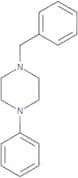
CAS:<p>Please enquire for more information about 5-Methylpyridine-2-boronicacid including the price, delivery time and more detailed product information at the technical inquiry form on this page</p>Formula:C6H8BNO2Purity:Min. 95%Molecular weight:136.94 g/mol1-Benzyl-4-phenylpiperazine
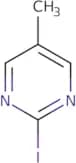
CAS:Controlled Product<p>1-Benzyl-4-phenylpiperazine is a type of phenylpiperazine that has hydroxy, phenyl ring, alkylthio, naphthyl and dopamine. It is an agonist for the D2 receptor and a specific ligand for the serotonin 5HT1A receptor. 1-Benzyl-4-phenylpiperazine has been shown to be effective in treating depression and psychotic depression. This drug can also be used as a substance in research on the neuropsychology of depression.</p>Formula:C17H20N2Purity:Min. 95%Color and Shape:Clear LiquidMolecular weight:252.35 g/mol2-Iodo-5-methylpyrimidine
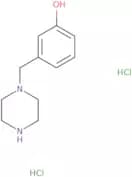
CAS:<p>Please enquire for more information about 2-Iodo-5-methylpyrimidine including the price, delivery time and more detailed product information at the technical inquiry form on this page</p>Formula:C5H5IN2Purity:Min. 95%Molecular weight:220.01 g/mol3-(Piperazin-1-ylmethyl)phenol dihydrochloride
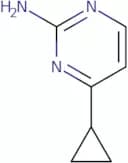
CAS:Controlled Product<p>Please enquire for more information about 3-(Piperazin-1-ylmethyl)phenol dihydrochloride including the price, delivery time and more detailed product information at the technical inquiry form on this page</p>Formula:C11H16N2OPurity:Min. 95%Molecular weight:192.26 g/mol2-Amino-4-(cyclopropyl)pyrimidine
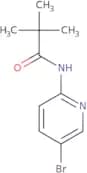
CAS:<p>Please enquire for more information about 2-Amino-4-(cyclopropyl)pyrimidine including the price, delivery time and more detailed product information at the technical inquiry form on this page</p>Formula:C7H9N3Purity:Min. 95%Molecular weight:135.17 g/molN-(5-bromo-pyridin-2-yl)-2,2-dimethyl-propionamide
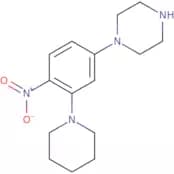
CAS:<p>Please enquire for more information about N-(5-bromo-pyridin-2-yl)-2,2-dimethyl-propionamide including the price, delivery time and more detailed product information at the technical inquiry form on this page</p>Formula:C10H13BrN2OPurity:Min. 95%Molecular weight:257.13 g/mol1-(4-Nitro-3-piperidin-1-ylphenyl)piperazine
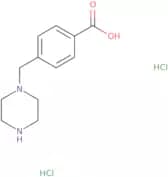
CAS:<p>1-(4-Nitro-3-piperidin-1-ylphenyl)piperazine is a synthetic molecule that is used as a polymerization initiator. It can be used to prepare polymers with functional groups that contain nitro and piperidine groups. 1-(4-Nitro-3-piperidin-1-ylphenyl)piperazine reacts with monomers such as thiourea, which are then polymerized by the addition of other reagents such as solvents or catalysts. The most common use of 1-(4-Nitro-3-piperidin-1-ylphenyl)piperazine is in the synthesis of nalidixic acid, an antibiotic drug that inhibits bacterial growth by preventing DNA replication. This compound has been shown to be nonhazardous to humans and animals in bioassays, although it may cause toxic effects on the skin, eyes, and respiratory system when exposed</p>Formula:C15H22N4O2Purity:Min. 95%Molecular weight:290.36 g/mol4-(Piperazinomethyl)benzoic acid, dihydrochloride
CAS:Controlled Product<p>Please enquire for more information about 4-(Piperazinomethyl)benzoic acid, dihydrochloride including the price, delivery time and more detailed product information at the technical inquiry form on this page</p>Formula:C12H18Cl2N2O2Purity:Min. 95%Molecular weight:293.19 g/mol(NZ)-4-chloro-N-[1-[2-(4-nitrophenyl)ethyl]piperidin-2-ylidene]benzenesulfonamide
CAS:Controlled Product<p>Please enquire for more information about (NZ)-4-chloro-N-[1-[2-(4-nitrophenyl)ethyl]piperidin-2-ylidene]benzenesulfonamide including the price, delivery time and more detailed product information at the technical inquiry form on this page</p>Formula:C19H20ClN3O4SPurity:Min. 95%Molecular weight:421.9 g/molQueuine
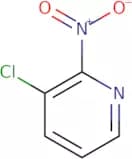
CAS:<p>Please enquire for more information about Queuine including the price, delivery time and more detailed product information at the technical inquiry form on this page</p>Formula:C12H15N5O3Purity:Min. 95%Molecular weight:277.28 g/mol3-Chloro-2-nitropyridine
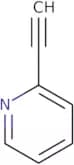
CAS:<p>3-Chloro-2-nitropyridine is a chemical compound that has been shown to have anticancer activity. It is a structural analog of the nucleophilic piperazine, which can react with hydrogen fluoride in an electrophilic substitution reaction to form 3-chloro-2-nitropyridine oxide. The anticancer activity of this compound may be due to its ability to inhibit the growth of tumor cells by binding to the d4 receptor, inhibiting the production of inflammatory cytokines and growth factors. 3-Chloro-2-nitropyridine has also been shown to have antiinflammatory activities, which may be due to its inhibition of nitric oxide synthesis and 5'-lipoxygenase.</p>Formula:C5H3N2O2ClPurity:Min. 95%Color and Shape:PowderMolecular weight:158.54 g/mol2-Ethynylpyridine
CAS:<p>2-Ethynylpyridine is a structural analog of pyridine and is used in the synthesis of polymers. 2-Ethynylpyridine has been shown to have significant cytotoxicity, which may be due to its ability to bind to receptors. Using X-ray crystallography, it has been determined that 2-ethynylpyridine binds to a receptor by forming hydrogen bonds with the nitrogen atoms on the receptor. 2-Ethynylpyridine can also be activated by hydrochloric acid (HCl) and reacts with sodium hydroxide (NaOH) solution and x-rays to form an x-ray crystal structure. 2-Ethynylpyridine is synthesized by the reaction between ethyne and nitric acid in the presence of aluminum chloride (AlCl3). The product is reacted with hydrochloric acid (HCl) or sodium hydroxide (NaOH) solution, which causes a change in</p>Formula:C7H5NPurity:Min. 97 Area-%Color and Shape:Clear LiquidMolecular weight:103.12 g/mol(6R)-6-Cyclopentyl-6-[2-(2,6-diethyl-4-pyridinyl)ethyl]-3-[(5,7-dimethyl[1,2,4]triazolo[1,5-a]pyrimidin-2-yl)methyl]-5,6-dihydro-4-h ydroxy-2H-pyran-2-one
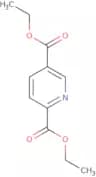
CAS:<p>Fidovirsen is a nucleoside analogue that is an inhibitor of the NS3 protease of hepatitis C virus (HCV). Fidovirsen binds to the active site of the NS3 protease and prevents cleavage at the NS3/4A interface, thus inhibiting viral replication. It has been shown to be effective in clinical studies involving human liver samples. Fidovirsen has also been shown to have antiviral activity against other RNA viruses, including HIV-1 and influenza A virus. Fidovirsen has a low toxicity profile and does not exhibit cross-resistance with other antiviral drugs. The drug is being developed as a potential therapy for chronic HCV infection.</p>Formula:C29H37N5O3Purity:Min. 95%Molecular weight:503.64 g/mol2,5-Pyridinedicarboxylic acid diethyl ester
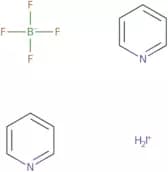
CAS:<p>2,5-Pyridinedicarboxylic acid diethyl ester is a porphyrin derivative that has been used in the synthesis of phthalocyanines and porphyrins. It is reactive and can be made to react with other compounds by cross-coupling reactions. This compound can also be synthesized through the reaction of picolyl chloride with 2,5-diketopiperazine. The yield of this product is low, but it can be improved through cross-coupling reactions. The functionality of this molecule is determined by the pyridyl group at one end and the diethyl ester at the other.</p>Formula:C11H13NO4Purity:Min. 95%Color and Shape:White PowderMolecular weight:223.23 g/molBis(pyridine)iodonium tetrafluoroborate
CAS:<p>Bis(pyridine)iodonium tetrafluoroborate is a reagent that can be used to iodinate organic compounds. It is prepared by the reaction of pyridine with iodine and bromine in tetrafluoroboric acid. Bis(pyridine)iodonium tetrafluoroborate is an active compound that can be used for amino acid analysis, optical properties, and functional groups. This compound also can be used for magnetic resonance analysis, palladium-catalyzed coupling, and synthetic reactions. Bis(pyridine)iodonium tetrafluoroborate has been found to have radiation transport properties and a strong reactivity towards acids.</p>Formula:C10H10BF4IN2Purity:Min. 95%Molecular weight:371.91 g/mol6-Fluoro-3-oxo-3,4-dihydro-2-pyrazinecarbonitrile
CAS:<p>Dibenzylamine is a tertiary amine with the chemical formula C6H12N2. Dibenzylamine is a colorless liquid that boils at 110°C and freezes at -50°C. It has a density of 0.859 g/mL and a refractive index of 1.539. When heated, it decomposes to form dipropylamine, dibutylamine, and dicyclohexylamine. It also reacts with nitric acid to form an explosive compound called nitrobenzene or dinitrobenzene. Dipropylamine is a colorless volatile liquid that has the chemical formula C6H12N2 and boils at 130°C. When heated, it decomposes to form dibutylamine and dicyclohexylamine. Dibutylamine is a colorless volatile liquid that has the chemical formula C6</p>Formula:C5H2FN3OPurity:Min. 95%Molecular weight:139.09 g/mol1-(4-Ethoxyphenyl)piperazine
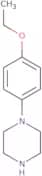
CAS:Controlled Product<p>Please enquire for more information about 1-(4-Ethoxyphenyl)piperazine including the price, delivery time and more detailed product information at the technical inquiry form on this page</p>Formula:C12H18N2OPurity:Min. 95%Molecular weight:206.28 g/molEthyl 6-methylpyridine-2-carboxylate
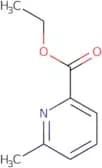
CAS:<p>Ethyl 6-methylpyridine-2-carboxylate is a pyridine derivative that has a nitrogen at the 6 position. It is an anionic compound, which is soluble in methanol and dichloromethane. The compound can be used to synthesize pharmaceuticals or as a precursor for polymers. It has been shown to inhibit the growth of tumor cells by binding to type 1 receptor sites on the surface of cancer cells. It also binds to quinine and enolate groups, which are found in many drugs. These binding sites may be exploited for drug design purposes.</p>Formula:C9H11NO2Purity:Min. 95%Molecular weight:165.19 g/mol3-[(4-Aminopiperidin-1-yl)methyl]phenol
CAS:<p>Please enquire for more information about 3-[(4-Aminopiperidin-1-yl)methyl]phenol including the price, delivery time and more detailed product information at the technical inquiry form on this page</p>Formula:C12H18N2OPurity:Min. 95%Molecular weight:206.28 g/molDipyridamole tripiperidine
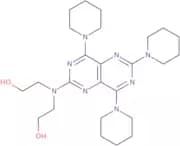
CAS:<p>Please enquire for more information about Dipyridamole tripiperidine including the price, delivery time and more detailed product information at the technical inquiry form on this page</p>Formula:C25H40N8O2Purity:95%NmrMolecular weight:484.64 g/mol5-Boc-octahydro-pyrrolo[3,4-c]pyridine
CAS:<p>Please enquire for more information about 5-Boc-octahydro-pyrrolo[3,4-c]pyridine including the price, delivery time and more detailed product information at the technical inquiry form on this page</p>Formula:C12H22N2O2Purity:Min. 95%Molecular weight:226.32 g/mol2-Amino-1,3,5-triazine
CAS:<p>2-Amino-1,3,5-triazine is a hydrogen bond donor that has been shown to have growth inhibiting effects. It reduces the viscosity of aqueous solutions and is used as an enantiopure for amines. 2-Amino-1,3,5-triazine can be used in reactions with metal surfaces to produce surface coatings or used as a bifunctional crosslinking agent for polymer materials. 2-Amino-1,3,5-triazine has been shown to have degenerative disease inhibitory activity and inflammatory disease inhibitory activity. It also inhibits the production of inflammatory cytokines such as tumor necrosis factor alpha (TNFα) and interleukin 6 (IL6).</p>Formula:C3H4N4Purity:Min. 95%Molecular weight:96.09 g/mol4-(Tributylstannyl)pyridazine
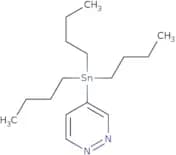
CAS:Controlled Product<p>4-(Tributylstannyl)pyridazine is a heterocycle that can be used as an analog for pyridazine. It has been shown to have antimicrobial activity against bacteria and fungi, but not against viruses. 4-(Tributylstannyl)pyridazine is also a phosphoinositide analog, which has been shown to inhibit the synthesis of nucleic acids in cancer cells. This compound binds to the enzyme hydrazide reductase and inhibits energy metabolism through its inhibition of oxidative phosphorylation. 4-(Tributylstannyl)pyridazine also has a nitrogen atom, which may be responsible for its agrochemical properties.</p>Formula:C16H30N2SnPurity:Min. 95%Color and Shape:LiquidMolecular weight:369.13 g/molAzaperol-D4
CAS:Controlled Product<p>Please enquire for more information about Azaperol-D4 including the price, delivery time and more detailed product information at the technical inquiry form on this page</p>Formula:C19H20D4FN3OPurity:Min. 95%Molecular weight:333.4 g/mol2-(Tributylstannyl)pyrimidine
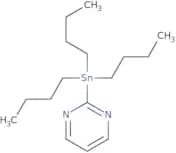
CAS:Controlled Product<p>2-(Tributylstannyl)pyrimidine is a synthetic heterocycle that has antibacterial activity. It is a guanine analog that binds to the ribonucleic acid (RNA) of bacterial cells and inhibits protein synthesis by attacking the 4-chloropyrimidine moiety of nucleoside monophosphates. 2-(Tributylstannyl) pyrimidine also has antiviral properties and acts as an inhibitor of vitamin B1, which is required for the synthesis of DNA. This drug can be used in the treatment of sulfamethoxazole-resistant infections caused by bacteria such as Streptococcus pneumoniae, Staphylococcus aureus, and Pseudomonas aeruginosa.<br>2-(Tributylstannyl)pyrimidine is effective at inhibiting the growth of bacteria due to its ability to form an ion pair with chloride ions. This property makes it highly reactive for transmetall</p>Formula:C16H30N2SnPurity:Min. 95%Color and Shape:Colourless To Yellow To Brown LiquidMolecular weight:369.13 g/mol2-Imidazo[1,2-a]pyridin-2-yl-ethylamine
CAS:<p>Please enquire for more information about 2-Imidazo[1,2-a]pyridin-2-yl-ethylamine including the price, delivery time and more detailed product information at the technical inquiry form on this page</p>Formula:C9H11N3Purity:Min. 95%Molecular weight:161.2 g/mol1-(3,4-Dichlorobenzyl)piperazine
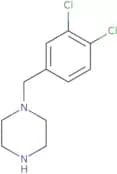
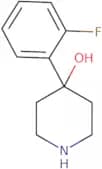
CAS:Controlled Product<p>1-(3,4-Dichlorobenzyl)piperazine is an amine that is used as a reagent in organic synthesis. It is a buffered, acidic compound that emits fluorescence under UV light. It has been shown to be an electron donor and electron acceptor. 1-(3,4-Dichlorobenzyl)piperazine reacts with phenylpiperazines in the presence of acid to form a mixture of phenylpiperazines with different aliphatic chains. The reaction is characterized by emission of fluorescence that can be measured using spectroscopy techniques.</p>Formula:C11H14Cl2N2Purity:Min. 95%Molecular weight:245.15 g/mol4-(2-Fluorophenyl)-4-piperidinol
CAS:<p>Please enquire for more information about 4-(2-Fluorophenyl)-4-piperidinol including the price, delivery time and more detailed product information at the technical inquiry form on this page</p>Formula:C11H14FNOPurity:Min. 95%Molecular weight:195.23 g/mol1-[(1-Methyl-1H-pyrazol-4-yl)methyl]piperazine
CAS:Controlled Product<p>Please enquire for more information about 1-[(1-Methyl-1H-pyrazol-4-yl)methyl]piperazine including the price, delivery time and more detailed product information at the technical inquiry form on this page</p>Formula:C9H16N4Purity:Min. 95%Molecular weight:180.25 g/mol1-[(1,5-Dimethyl-1H-pyrazol-4-yl)methyl]piperazine
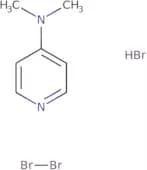
CAS:Controlled Product<p>Please enquire for more information about 1-[(1,5-Dimethyl-1H-pyrazol-4-yl)methyl]piperazine including the price, delivery time and more detailed product information at the technical inquiry form on this page</p>Formula:C10H18N4Purity:Min. 95%Molecular weight:194.28 g/mol4-Dimethylaminopyridinium Bromide Perbromide
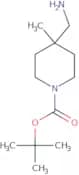
CAS:Controlled Product<p>4-Dimethylaminopyridinium Bromide Perbromide is a synthetic compound that contains a phenolic hydroxyl group. It reacts with chloride to form the perbromide salt, which is anhydrous and insoluble in water. The compound has been shown to inhibit the growth of cancer cells by interfering with DNA replication and transcription.</p>Formula:C7H11Br3N2Purity:Min. 95%Molecular weight:362.89 g/moltert-Butyl 4-(aminomethyl)-4-methylpiperidine-1-carboxylate
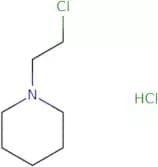
CAS:<p>Please enquire for more information about tert-Butyl 4-(aminomethyl)-4-methylpiperidine-1-carboxylate including the price, delivery time and more detailed product information at the technical inquiry form on this page</p>Formula:C12H24N2O2Purity:Min. 95%Molecular weight:228.33 g/mol1-(2-Chloroethyl)piperidine hydrochloride
CAS:<p>1-(2-Chloroethyl)piperidine hydrochloride is a chemical compound that has photochemical properties. It is used as an amine and in the synthesis of other chemicals. The crystal structure of 1-(2-Chloroethyl)piperidine hydrochloride has been determined by X-ray crystallography. It also has antibacterial activity and inhibits the growth of bacteria by binding to single-stranded DNA, which prevents DNA replication. 1-(2-Chloroethyl)piperidine hydrochloride binds to DNA with tetradentate coordination, forming a stable complex which does not allow the DNA polymerase to bind to the single strand. 1-(2-Chloroethyl)piperidine hydrochloride can be detected using mass spectrometry and nuclear magnetic resonance spectra.</p>Formula:C7H14ClN•HClPurity:Min. 95%Molecular weight:184.11 g/mol2-Fluoro-5-hydrazinylpyridine
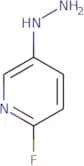
CAS:<p>Please enquire for more information about 2-Fluoro-5-hydrazinylpyridine including the price, delivery time and more detailed product information at the technical inquiry form on this page</p>Formula:C5H6FN3Purity:Min. 95%Molecular weight:127.12 g/mol3-Pyridazinemethanamine
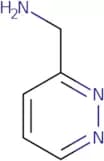
CAS:<p>3-Pyridazinemethanamine is an amide that binds to the vasopressin V2 receptor. It is a selective agonist of the vasopressin V2 receptor and has a high affinity for this receptor. 3-Pyridazinemethanamine has been shown to be a functional antagonist at the vasopressin V1A receptors, which may be due to its chemical structure. 3-Pyridazinemethanamine is not metabolized by cytochrome P450 and does not inhibit other cytochrome P450 enzymes, making it an attractive drug candidate for use in humans.</p>Formula:C5H7N3Purity:Min. 95%Molecular weight:109.13 g/mol1-(Piperidine-4-carbonyl)piperidin-4-one hydrochloride
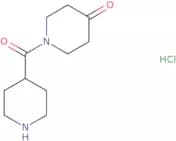
CAS:Controlled Product<p>Please enquire for more information about 1-(Piperidine-4-carbonyl)piperidin-4-one hydrochloride including the price, delivery time and more detailed product information at the technical inquiry form on this page</p>Formula:C11H19ClN2O2Purity:Min. 95%Molecular weight:246.73 g/mol[1,2,4]Triazolo[1,5-a]pyrimidin-7-amine
CAS:<p>[1,2,4]Triazolo[1,5-a]pyrimidin-7-amine is a competitive inhibitor of tumor growth. It has been shown to inhibit the synthesis of DNA and RNA by binding to the N7 nitrogen atom in the nucleotide base. The compound also has a trifluoromethyl group that can be used as an assay for enzymatic activity. [1,2,4]Triazolo[1,5-a]pyrimidin-7-amine can be synthesized from 2-(3'-hydroxypropoxy)phenylamine by reaction with hydroxylamine and formaldehyde in the presence of sodium cyanide. This drug inhibits tumor growth in vitro and in vivo and is active against infectious diseases such as hepatitis B virus (HBV).</p>Formula:C5H5N5Purity:Min. 95%Molecular weight:135.13 g/molN-(2-Aminoethyl)piperazine
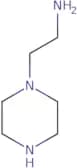
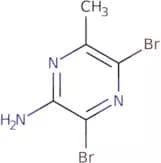
CAS:<p>N-(2-Aminoethyl)piperazine (NAPE) is a chemical compound that can be used as an environmentally friendly catalyst for the degradation of ethylene diamine and other amines. NAPE has been shown to be stable under alkaline conditions, and its fluorescence probe has been used to monitor the progress of the reaction. This compound is a coordination complex with nitrogen atoms at the corners of a square and two amines at opposite corners of the square. The amine groups are coordinated to metal ions in a geometry that is determined by the atomic number of the metal ion. Disulfide bonds form between two cysteine residues on adjacent chains. Glycol ethers can also form disulfide bonds with NAPE, forming glycol ether-NAPE complexes. Antibodies have been shown to bind to glycol ether-NAPE complexes, suggesting that these complexes may play a role in antibody response, although experimental solubility data have not yet confirmed this</p>Formula:C6H15N3Purity:Min. 95%Molecular weight:129.2 g/mol3,5-Dibromo-6-methylpyrazin-2-amine
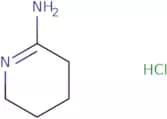
CAS:<p>Please enquire for more information about 3,5-Dibromo-6-methylpyrazin-2-amine including the price, delivery time and more detailed product information at the technical inquiry form on this page</p>Formula:C5H5Br2N3Purity:Min. 95%Molecular weight:266.92 g/mol2-Iminopiperidine hydrochloride
CAS:<p>2-Iminopiperidine hydrochloride is an acetylcholine receptor agonist. It is used as a biochemical tool to study the function of acetylcholine receptors, which are important for the transmission of nerve impulses from the brain and spinal cord to other parts of the body. 2-Iminopiperidine hydrochloride has been shown to be effective in treating Alzheimer's disease, and may be a factor receptor for this disease. The compound has also been shown to have efficient methods of introducing into cells, such as hydrochloric acid and dimethyl formamide. 2-Iminopiperidine hydrochloride binds with phosphoinositides, which are important in intracellular signal transduction pathways. This compound is expressed at M1 receptors in various tissues, including the heart and gastrointestinal tract.</p>Formula:C5H11ClN2Purity:Min. 95%Molecular weight:134.61 g/mol1,1-Dimethylethyl 4-(5-amino-2-pyrimidinyl)-1-piperidinecarboxylate
CAS:<p>Please enquire for more information about 1,1-Dimethylethyl 4-(5-amino-2-pyrimidinyl)-1-piperidinecarboxylate including the price, delivery time and more detailed product information at the technical inquiry form on this page</p>Formula:C14H22N4O2Purity:Min. 95%Molecular weight:278.35 g/mol7-Chlorothieno[3,2-B]Pyridine
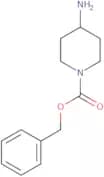
CAS:<p>7-Chlorothieno[3,2-B]pyridine is a nucleophilic compound that is used as an inhibitor of the tyrosine kinase enzyme. It binds to the ATP binding site and blocks the enzymatic activity of the enzyme, preventing cell proliferation. 7-Chlorothieno[3,2-B]pyridine has been shown to inhibit growth in tumour cell lines and has been shown to be effective against tyrosine kinase receptor positive cancer cells. This drug also shows a cytotoxic activity against tumour cells in vivo, which may be due to its ability to inhibit factor receptor and receptor tyrosine.</p>Formula:C7H4ClNSPurity:Min. 95%Molecular weight:169.63 g/molBenzyl 4-aminopiperidine-1-carboxylate
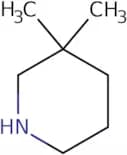
CAS:<p>Please enquire for more information about Benzyl 4-aminopiperidine-1-carboxylate including the price, delivery time and more detailed product information at the technical inquiry form on this page</p>Formula:C13H18N2O2Purity:Min. 95%Color and Shape:PowderMolecular weight:234.29 g/mol3,3-Dimethylpiperidine
CAS:<p>3,3-dimethylpiperidine is a chemical compound that is used in wastewater treatment. It has been shown to inhibit the production of serotonin and other substances by binding to serotonin receptors. 3,3-dimethylpiperidine has been shown to be selective for the l-type of calcium channels, which are involved in blood vessel contraction and relaxation. This chemical has also been shown to increase the permeability of cell membranes, which may be due to its ability to bind with receptor sites on cell membranes. The binding of 3,3-dimethylpiperidine with these sites leads to an increase in the hydrophilicity of the membrane surface and an increase in receptor binding.</p>Formula:C7H15NPurity:Min. 95%Color and Shape:Clear LiquidMolecular weight:113.2 g/mol4-Phenyl-4-carbethoxy piperidineHCl
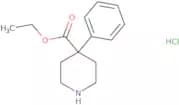
CAS:Controlled Product<p>4-Phenyl-4-carbethoxy piperidineHCl is a germanium compound that can be used as a diagnostic agent to detect the presence of magnesium in the blood. It has been shown to bind to acidic and basic sites on the brain, regulating the functions of these regions. The drug has also been shown to have analgesic properties, as it activates opioid receptors in the brain. 4-Phenyl-4-carbethoxy piperidineHCl binds with high affinity to meperidine and naloxone, which are opioid receptor agonists. It is also able to bind to pentazocine, an opioid receptor antagonist. This drug is not active against molybdenum or thebaine.</p>Formula:C14H20ClNO2Purity:Min. 95%Molecular weight:269.77 g/mol1,5-Dihydro-1-(2-methylpropyl)-4H-imidazo[4,5-c]quinolin-4-one
CAS:<p>Please enquire for more information about 1,5-Dihydro-1-(2-methylpropyl)-4H-imidazo[4,5-c]quinolin-4-one including the price, delivery time and more detailed product information at the technical inquiry form on this page</p>Formula:C14H15N3OPurity:Min. 95%Molecular weight:241.29 g/mol4-[(4-Chlorophenyl)phenylmethyl]-1-piperazineethanol dihydrochloride
CAS:<p>4-[(4-Chlorophenyl)phenylmethyl]-1-piperazineethanol dihydrochloride is a cholinergic drug that is used to treat allergic rhinitis in children and adults. It has been shown to be well tolerated in pediatric patients and geriatric patients, as well as being an innovative, labile, and biopharmaceutical compound. 4-[(4-Chlorophenyl)phenylmethyl]-1-piperazineethanol dihydrochloride is not metabolized by the liver and does not have significant side effects. It has a low potential for abuse because of its low solubility in water. It is an antihistamine that blocks the action of histamine at H1 receptors on smooth muscle cells in the nose, which helps reduce nasal congestion and sneezing.</p>Formula:C19H23ClN2O·2HClPurity:Min. 95%Molecular weight:403.77 g/mol2-[(4-Phenylpiperazin-1-yl)carbonyl]phenol
CAS:Controlled Product<p>Please enquire for more information about 2-[(4-Phenylpiperazin-1-yl)carbonyl]phenol including the price, delivery time and more detailed product information at the technical inquiry form on this page</p>Formula:C17H18N2O2Purity:Min. 95%Molecular weight:282.34 g/mol2,4-Bis(octylthio)-6-(4-hydroxy-3,5-di-tert-butylanilino)-1,3,5-triazine
CAS:<p>2,4-Bis(octylthio)-6-(4-hydroxy-3,5-di-tert-butylanilino)-1,3,5-triazine is a triazine that has been synthesized by the reaction of glycol esters with hydrogenated hydrochloric acid. This compound is used as a polymerization initiator and is a liquid crystal composition stabiliser. It can be used in sample preparation to provide protection against water vapor and light emission. 2,4-Bis(octylthio)-6-(4-hydroxy-3,5-di-tert-butylanilino)-1,3,5-triazine has antioxidant properties and can be used for determining functional groups in organic compounds.</p>Formula:C33H56N4OS2Purity:Min. 95%Color and Shape:PowderMolecular weight:588.96 g/mol4-Amino-3-bromo-1-(tert-butyl)-1H-pyrazolo[3,4-d]pyrimidine
CAS:<p>4-Amino-3-bromo-1-(tert-butyl)-1H-pyrazolo[3,4-d]pyrimidine is a drug that inhibits the growth of tumour cells by binding to and inhibiting kinases. It has been shown to have a significant inhibitory effect on lung cancer cells and pyridazine derivatives in vitro. 4-Amino-3-bromo-1-(tert-butyl)-1H-pyrazolo[3,4-d]pyrimidine has been shown to be effective against lung cancer cells in vivo. This drug may be useful for the treatment of cancer.</p>Formula:C9H12BrN5Purity:Min. 95%Molecular weight:270.13 g/mol3-Acetyl-6-methylpyridine
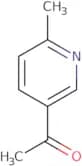
CAS:<p>3-Acetyl-6-methylpyridine is a chemical compound that has been found to have antibacterial properties. It can be used for the treatment of bacteria in wastewater and other biological treatments. 3-Acetyl-6-methylpyridine is insoluble at room temperature, but becomes soluble when heated to 100 degrees Celsius. This chemical compound has been shown to inhibit the growth of Staphylococcus aureus, Pseudomonas aeruginosa, and Escherichia coli. 3-Acetyl-6-methylpyridine also has anti-inflammatory properties and can be used in the treatment of Alzheimer's disease.</p>Formula:C8H9NOPurity:Min. 95%Molecular weight:135.17 g/mol2-Aminopyrimidine-5-boronic acid pinacol ester
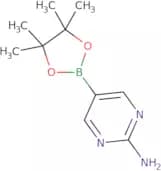
CAS:<p>2-Aminopyrimidine-5-boronic acid pinacol ester is a boronic acid derivative that has been shown to inhibit the activity of protein kinase C. This compound is also an effective linker for cross-coupling reactions and has a low reactivity with nucleophiles, which makes it safer than other boronic acids. 2-Aminopyrimidine-5-boronic acid pinacol ester has been shown to be potent against cancer cells in vitro and in vivo and synthetic cells. 2-Aminopyrimidine-5-boronic acid pinacol ester inhibits the growth of cancer cells by binding to the ATP site on protein kinase C, thereby inhibiting its function.</p>Formula:C10H16BN3O2Purity:Min. 95 Area-%Color and Shape:PowderMolecular weight:221.06 g/mol4-Chloropyrimidine HCl
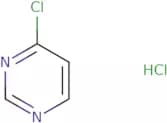
CAS:<p>4-Chloropyrimidine HCl is a covalent molecule that contains 4-chloropyridine and hydrogen chloride. It exists as two tautomers, the enol form and the keto form. The protonation of the proton on nitrogen will determine which tautomer it will exist in. When there is no proton present, the molecule will exist in its enol form. Resonance is also an important factor with this molecule because it can have a variety of resonance forms. Resonance spectrometry has been used to identify 4-chloropyrimidine HCl because it produces a specific resonance pattern when exposed to magnetic fields. 4-Chloropyridinium trifluoroacetate is another name for this compound that is formed when the chlorine atom bonds with trifluoroacetic acid. This chemical does not have any interactions with azide but can react with tetrazole to produce a stable compound, which can be easily</p>Formula:C4H3ClN2·HClPurity:Min. 95%Color and Shape:PowderMolecular weight:150.99 g/molEthyl N-piperazinecartoxylate
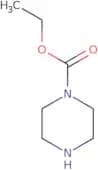
CAS:<p>Ethyl N-piperazinecartoxylate is an organic compound that has been shown to inhibit the growth of Mycobacterium tuberculosis, Mycobacterium avium complex, and other mycobacteria. It is a potent anti-tuberculosis agent with a tuberculostatic activity against M. tuberculosis inactivated by ethyl nitrite. Ethyl N-piperazinecartoxylate inhibits the synthesis of DNA, RNA, and proteins by inhibiting the bacterial enzyme RNA polymerase. The antimycobacterial activity of this drug is also due to its ability to inhibit protein synthesis at the ribosome level. This drug has been shown to have antihypertensive activity as it blocks adrenergic receptors in blood vessels and thereby reduces blood pressure.</p>Formula:C7H14N2O2Purity:Min. 95%Molecular weight:158.2 g/mol5-Amino-1-methyl-4-nitroimidazole
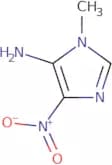
CAS:<p>5-Amino-1-methyl-4-nitroimidazole is a chemical compound that belongs to the class of azides. It has a molecular weight of 122.13 and a melting point of 187°C. 5-Amino-1-methyl-4-nitroimidazole can be synthesized by amination reaction between methyl nitrite and ammonia in the presence of anhydrous ammonia, followed by filtration. The product is obtained as white crystalline powder with a molecular formula of C3H6N3O2 and a molecular weight of 122.13 g/mol. This compound has been used as an intermediate for the synthesis of other compounds, such as 2,5-diaminohexane hydrochloride ((C6H14N2)Cl). 5-Amino-1-methyl-4-nitroimidazole is also used in xerography, photography, and semiconduct</p>Formula:C4H6N4O2Purity:Min. 95%Color and Shape:PowderMolecular weight:142.12 g/mol4-Amino-2,2'-bipyridine
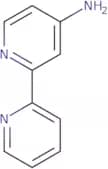
CAS:<p>Please enquire for more information about 4-Amino-2,2'-bipyridine including the price, delivery time and more detailed product information at the technical inquiry form on this page</p>Formula:C10H9N3Purity:Min. 95%Color and Shape:PowderMolecular weight:171.2 g/mol6-Methyl-2-pyridinemethanamine
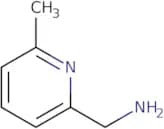
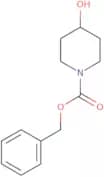
CAS:<p>6-Methyl-2-pyridinemethanamine is an imine that is used in cancer therapy. It has been shown to have antitumor activity at nanomolar concentrations, which is a very low dose. 6-Methyl-2-pyridinemethanamine is not sensitive to the body's enzymes and does not show any signs of toxicity. This drug also has a pharmacokinetic profile that enhances the uptake of other drugs and can be used for the treatment of cancers that are resistant to chemotherapy. The mechanism of action of 6-methyl-2-pyridinemethanamine is constitutive activation, which means it binds to the constitutively active site on the protein target and inhibits its function.</p>Formula:C7H10N2Purity:Min. 95%Molecular weight:122.17 g/molBenzyl 4-hydroxy-1-piperidinecarboxylate
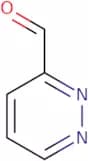
CAS:<p>Benzyl 4-hydroxy-1-piperidinecarboxylate is a poison that belongs to the group of benzyl ethers. It is an aliphatic, nitrogen-containing compound with a hydrogenolysis mechanism. Benzyl 4-hydroxy-1-piperidinecarboxylate can be used as a catalyst for hydrogenation reactions and has been shown to have chemoselective properties.</p>Formula:C13H17NO3Purity:Min. 95%Molecular weight:235.28 g/molPyridazine 3-carbaldehyde
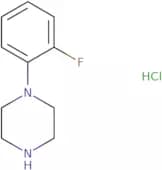
CAS:<p>Pyridazine 3-carbaldehyde is a potential antiviral agent that has shown to be effective against herpes simplex virus type 1. It is a methylene compound that binds to the active site of the enzyme ribonucleotide reductase, which is required for DNA synthesis. This compound also exhibits synergistic effects with other antiviral agents and has cytotoxic properties. Pyridazine 3-carbaldehyde can be synthesized from pyridine-3-carboxaldehyde via a two-step process involving thermal decarboxylation followed by an oxidation reaction.</p>Formula:C5H4N2OPurity:Min. 95%Molecular weight:108.1 g/mol1-(2-Fluorophenyl)piperazine HCl
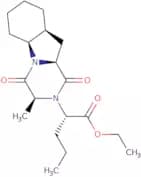
CAS:Controlled Product<p>1-(2-Fluorophenyl)piperazine HCl is a psychoactive drug that belongs to the class of piperazines. The compound has been validated for use in spectra, minimizing, and infrared spectroscopy. The compound has also been shown to be psychoactive and can be used as a screening agent for psychoactive substances. The 1-(2-fluorophenyl)piperazine molecule is approximately linear, with two amide linkages and a phenyl ring at one end. It has a calculated molecular weight of 208 g/mol and an empirical formula of C12H14FN3O.</p>Purity:Min. 95%Perindopril diketopiperazine
CAS:<p>Please enquire for more information about Perindopril diketopiperazine including the price, delivery time and more detailed product information at the technical inquiry form on this page</p>Formula:C19H30N2O4Purity:Min. 95%Molecular weight:350.45 g/mol5-[4-(3-Chlorophenyl)piperazin-1-yl]-5-oxopentanoic acid
CAS:Controlled Product<p>Please enquire for more information about 5-[4-(3-Chlorophenyl)piperazin-1-yl]-5-oxopentanoic acid including the price, delivery time and more detailed product information at the technical inquiry form on this page</p>Formula:C15H19ClN2O3Purity:Min. 95%Molecular weight:310.78 g/molBenzydamine hydrochloride EP Impurity D
CAS:Controlled Product<p>Please enquire for more information about Benzydamine hydrochloride EP Impurity D including the price, delivery time and more detailed product information at the technical inquiry form on this page</p>Formula:C23H32N4OPurity:Min. 95%Molecular weight:380.53 g/molFmoc-N-(1-Boc-piperidin-4-yl)glycine
CAS:<p>Please enquire for more information about Fmoc-N-(1-Boc-piperidin-4-yl)glycine including the price, delivery time and more detailed product information at the technical inquiry form on this page</p>Formula:C27H32N2O6Purity:Min. 95%Molecular weight:480.55 g/molN-Methyl-2-[[3-[(1e)-2-(2-pyridinyl)ethenyl]-1-(tetrahydro-2H-pyran-2-yl)-1H-indazol-6-yl]thio]benzamide
CAS:<p>Please enquire for more information about N-Methyl-2-[[3-[(1e)-2-(2-pyridinyl)ethenyl]-1-(tetrahydro-2H-pyran-2-yl)-1H-indazol-6-yl]thio]benzamide including the price, delivery time and more detailed product information at the technical inquiry form on this page</p>Formula:C27H26N4O2SPurity:Min. 95%Molecular weight:470.59 g/mol3-Piperidineacetic acid ethyl ester hydrochloride
CAS:<p>Please enquire for more information about 3-Piperidineacetic acid ethyl ester hydrochloride including the price, delivery time and more detailed product information at the technical inquiry form on this page</p>Formula:C9H17NO2·HClPurity:Min. 95%Color and Shape:PowderMolecular weight:207.7 g/mol2-Amino-5-chloropyridine
CAS:<p>2-Amino-5-chloropyridine is an organic compound that is a metabolite of nicotinic acid. 2-Amino-5-chloropyridine has been detected in urine samples and can be extracted from urine with hydrochloric acid. It can also be prepared by the reaction of picolinic acid and malonic acid, which are both found in the human body. The compound has been shown to have pharmacokinetic properties, including a half life of approximately 1 hour and a volume of distribution of 0.3 L/kg. 2-Amino-5-chloropyridine has also been shown to have structural analysis and binding properties with hydrogen bonding interactions. The structure was determined by X-ray crystal structures, which revealed the presence of a reactive group p2 and the absence of any other reactive groups. 2-Amino-5-chloropyridine is used as an analytical method for fluorescence detection in combination</p>Purity:Min. 95%Color and Shape:White To Off-White SolidMolecular weight:128.56 g/mol(5-Chloropyridin-3-yl)boronic acid
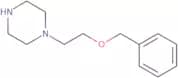
CAS:<p>Please enquire for more information about (5-Chloropyridin-3-yl)boronic acid including the price, delivery time and more detailed product information at the technical inquiry form on this page</p>Formula:C5H5BClNO2Purity:Min. 95%Molecular weight:157.36 g/mol1-(2-Benzyloxyethyl)piperazine
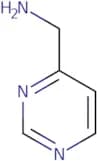
CAS:Controlled Product<p>Please enquire for more information about 1-(2-Benzyloxyethyl)piperazine including the price, delivery time and more detailed product information at the technical inquiry form on this page</p>Formula:C13H20N2OPurity:Min. 95%Molecular weight:220.31 g/mol(Pyrimidin-4-ylmethyl)amine dihydrochloride
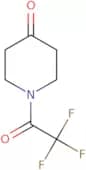
CAS:<p>Pyrimidin-4-ylmethyl)amine dihydrochloride is a drug that belongs to the class of drugs known as kinase inhibitors. Pyrimidin-4-ylmethyl)amine dihydrochloride inhibits the kinase activity of Jak3, which is involved in regulating inflammation and immune response. This inhibitor has been shown to be effective against chronic inflammatory diseases such as asthma, psoriasis, and rheumatoid arthritis. Pyrimidin-4-ylmethyl)amine dihydrochloride has an affinity for ATP binding sites and can be used to regulate kinase activity by competing with ATP for these binding sites.</p>Formula:C5H7N3Purity:Min. 95%Molecular weight:109.13 g/mol1-(Trifluoroacetyl)-4-piperidinone
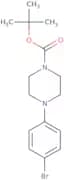
CAS:Controlled Product<p>Please enquire for more information about 1-(Trifluoroacetyl)-4-piperidinone including the price, delivery time and more detailed product information at the technical inquiry form on this page</p>Formula:C7H8F3NO2Purity:Min. 95%Molecular weight:195.14 g/mol4-(4-Bromophenyl)piperazine-1-carboxylic acid tert-butyl ester
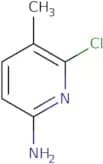
CAS:Controlled Product<p>Please enquire for more information about 4-(4-Bromophenyl)piperazine-1-carboxylic acid tert-butyl ester including the price, delivery time and more detailed product information at the technical inquiry form on this page</p>Formula:C15H21BrN2O2Purity:Min. 95%Molecular weight:341.24 g/mol6-Chloro-5-methylpyridin-2-amine
CAS:<p>6-Amino-2-chloro-3-methylpyridine is a heteroaromatic compound that belongs to the class of imidazopyridine. It is a monomer used in research, and can be transformed into the cross-coupling reaction with electron irradiation, which provides an efficient method for synthesizing other heteroaromatic compounds. 6-Amino-2-chloro-3-methylpyridine has low ionization potential and can be used as a drug discovery agent.</p>Formula:C6H7ClN2Purity:Min. 95%Molecular weight:142.59 g/mol1-(4-Bromo-2,5-dimethoxybenzyl)piperazine
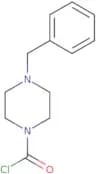
CAS:Controlled Product<p>Please enquire for more information about 1-(4-Bromo-2,5-dimethoxybenzyl)piperazine including the price, delivery time and more detailed product information at the technical inquiry form on this page</p>Formula:C13H19BrN2O2Purity:Min. 95%Molecular weight:315.21 g/mol4-Benzyl-piperazine-1-carbonylchloride
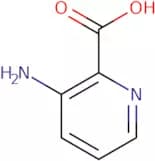
CAS:Controlled Product<p>Please enquire for more information about 4-Benzyl-piperazine-1-carbonylchloride including the price, delivery time and more detailed product information at the technical inquiry form on this page</p>Formula:C12H15ClN2OPurity:Min. 95%Molecular weight:238.71 g/mol3-Aminopicolinic acid
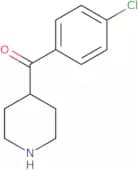
CAS:<p>3-Aminopicolinic acid is a carboxylate that can be found in the cytosol, mitochondria, and nucleus of cells. It is an efficient method for the synthesis of picolinic acid from 3-aminopyridine-2-carboxylic acid. The synthesis of picolinic acid has been shown to have structural analogs to molecules involved in nucleotide metabolism such as single-stranded DNA, mitochondrial DNA, and mitochondrial RNA. 3-Aminopicolinic acid has been shown to increase renal blood flow by stabilizing complexes with chloride and phosphoenolpyruvate. This compound also enhances the renal excretion of picolinic acid. 3-Desacetylcefotaxime potassium Tilmicosin Gatifloxacin 3-Aminopicolinic acid</p>Formula:C6H6N2O2Purity:Min. 95 Area-%Color and Shape:Yellow PowderMolecular weight:138.12 g/mol4-(4-Chlorobenzoyl)piperidine
CAS:<p>Please enquire for more information about 4-(4-Chlorobenzoyl)piperidine including the price, delivery time and more detailed product information at the technical inquiry form on this page</p>Purity:Min. 95%Ciprofloxacin piperazinyl-N4-sulfate
CAS:<p>Ciprofloxacin is a fluoroquinolone antibiotic with potent activity against many Gram-negative and Gram-positive bacteria. It is used in the treatment of urinary tract infections, respiratory tract infections, skin and soft tissue infections, bone and joint infections, and intra-abdominal infections. Ciprofloxacin piperazinyl-N4-sulfate has the potential to interact with other drugs. It binds to human serum albumin (HSA) and may be excreted into breast milk. The drug is well absorbed orally but has poor bioavailability due to rapid metabolism by the liver. Ciprofloxacin piperazinyl-N4-sulfate has been shown to have pharmacokinetic properties that are independent of dose or duration of administration.</p>Formula:C17H18FN3O6SPurity:Min. 95%Molecular weight:411.41 g/mol2-Cyano-5-fluoropyridine
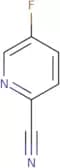
CAS:<p>2-Cyano-5-fluoropyridine is a potential antitubercular agent that has shown penetrability in the central nervous system and activity against Mycobacterium tuberculosis. It is orally active at low doses, and has been shown to be an effective inhibitor of mycobacterial growth and lipid synthesis. In addition, this compound also has antimycobacterial activity against M. avium complex and M. ulcerans, and is a potent inhibitor of β-amyloid aggregation.</p>Formula:C6H3FN2Purity:Min. 95%Molecular weight:122.1 g/molγ-Oxo-3-pyridinebutyric acid
CAS:<p>Gamma-oxo-3-pyridinebutyric acid (GOBA) is a non-protein amino acid that has been shown to be involved in the development of cancer. GOBA was found to be present in urine samples from patients with liver cancer and breast cancer, as well as in healthy individuals. GOBA is also present in rat liver microsomes and human liver, where it is converted into gamma-aminobutyric acid (GABA). This conversion may be due to GOBA's hydroxy group that can be oxidized by cytochrome P450 enzymes. The biological activity of GOBA appears to depend on its carboxyl group, which can form a complex with molybdenum. This complex inhibits the activity of the protein polymerase chain reaction, leading to a decrease in transcriptional regulation. In animal experiments, GOBA has been shown to inhibit tumor growth and induce cell cycle arrest by inhibiting the expression of cyclin D1 at the</p>Formula:C9H9NO3Purity:Min. 95%Color and Shape:PowderMolecular weight:179.17 g/mol2-Bromo-5,6-dihydro-8h-imidazo[1,2-a]pyrazine-7-carboxylic acid tert-butyl ester
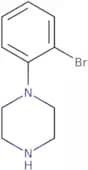
CAS:<p>Please enquire for more information about 2-Bromo-5,6-dihydro-8h-imidazo[1,2-a]pyrazine-7-carboxylic acid tert-butyl ester including the price, delivery time and more detailed product information at the technical inquiry form on this page</p>Formula:C11H16BrN3O2Purity:Min. 95%Molecular weight:302.17 g/mol1-(2-Bromophenyl)piperazine
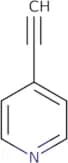
CAS:Controlled Product<p>1-(2-Bromophenyl)piperazine is a drug that inhibits the activity of dehydrogenase, an enzyme that catalyzes the oxidation of NADH to NAD. It has been shown to inhibit other enzymes as well, such as those involved in the synthesis of amino acids and nucleic acids. 1-(2-Bromophenyl)piperazine has shown potential as a therapeutic agent for Parkinson's disease. This drug is being tested in clinical trials for its efficacy in treating a variety of diseases, including metabolic and cardiovascular disorders, hepatobiliary diseases, and neurodegenerative diseases.</p>Formula:C10H13BrN2Purity:Min. 95%Molecular weight:241.13 g/mol4-Ethynylpyridine
CAS:<p>4-Ethynylpyridine is a yellow solid that is soluble in most organic solvents. It has been shown to be an inhibitor of Cox-2, which is a pro-inflammatory enzyme. 4-Ethynylpyridine also inhibits the production of nitric oxide by inhibiting the enzyme inducible nitric oxide synthase (iNOS). This compound also has high cytotoxicity and can be used for photodynamic therapy. The chemical structure of 4-ethynylpyridine is composed of nitrogen atoms, carbon atoms, and hydrogen atoms. 4-Ethynylpyridine forms a complex with 2-phenylbutyric acid through electrochemical studies, which is important for its pharmacological properties.</p>Formula:C7H5NPurity:Min. 95%Color and Shape:PowderMolecular weight:103.12 g/molHaloperidol nonanoate
CAS:Controlled Product<p>Please enquire for more information about Haloperidol nonanoate including the price, delivery time and more detailed product information at the technical inquiry form on this page</p>Formula:C30H39ClFNO3Purity:Min. 95%Molecular weight:516.09 g/mol3-Ethyl haloperidol decanoate
CAS:<p>Please enquire for more information about 3-Ethyl haloperidol decanoate including the price, delivery time and more detailed product information at the technical inquiry form on this page</p>Formula:C33H45ClFNO3Purity:Min. 95%Molecular weight:558.17 g/molN-Isopropyl carvedilol
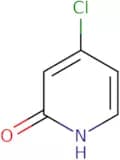
CAS:<p>Please enquire for more information about N-Isopropyl carvedilol including the price, delivery time and more detailed product information at the technical inquiry form on this page</p>Formula:C27H32N2O4Purity:Min. 95%Molecular weight:448.56 g/mol4-Chloro-2-hydroxypyridine
CAS:<p>4-Chloro-2-hydroxypyridine is a chemical substance that has been shown to inhibit the replication of viruses in cell culture. It has demonstrated antiobesity effects in animal studies, but its mechanism is not well understood. This substance may be a thioxanthone derivative, which are heterocyclic compounds containing oxygen and sulfur. 4-Chloro-2-hydroxypyridine can crosslink DNA and form adducts with deoxyribose sugars. It also has affinity for sequences containing pyridones and imidazopyridines.</p>Formula:C5H4ClNOPurity:Min. 95%Molecular weight:129.54 g/mol1-(2-Fluorobenzyl)piperazine
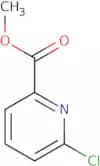
CAS:Controlled Product<p>1-(2-Fluorobenzyl)piperazine (1FP) is an inhibitor of cholinesterase, which is an enzyme that breaks down the neurotransmitter acetylcholine. It binds to the active site of the enzyme and prevents it from functioning. 1FP has a high affinity for benzylpiperazine (BZP), but lower affinity for phenylpiperazine (PP). The conformational kinetic study showed that 1FP inhibits BZP more effectively than PP. This is due to the fact that 1FP has a higher dihedral angle, making it more likely to bind in the active site of BZP.</p>Purity:Min. 95%Methyl 6-chloro-2-pyridinecarboxylate
CAS:<p>Methyl 6-chloro-2-pyridinecarboxylate is a reactive, organic compound that belongs to the class of monomers. It is a white crystalline solid with a melting point of approximately 130 degrees Celsius. This chemical can be synthesized by reacting 2-chlorobenzothiazole with sodium carbonate in water at temperatures between 100 and 140 degrees Celsius. The reaction yields methyl 6-chloro-2-pyridinecarboxylate as well as chloride and picolinic acid as side products. This compound has been shown to have neurotoxic effects when administered to rats at high doses.</p>Formula:C7H6ClNO2Purity:Min. 95%Molecular weight:171.58 g/mol2-Bromo-6-chloropyridine
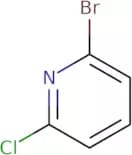
CAS:<p>2-Bromo-6-chloropyridine is a synthetic, nucleophilic bidentate ligand that is used in the synthesis of vismodegib. It inhibits the growth of cancer cells by inhibiting a pathway that regulates cell division and differentiation. 2-Bromo-6-chloropyridine can be used as a cross-coupling agent for the synthesis of other chemicals. This chemical has pharmacokinetic properties and pharmacokinetic properties and can inhibit chloride channels, which may have an inhibitory effect on cancer cells. 2-Bromo-6-chloropyridine is also an effective inhibitor of nucleophilic substitutions, which are involved in many biological processes, such as DNA replication and protein synthesis.</p>Formula:C5H3BrClNPurity:Min. 95%Molecular weight:192.44 g/mol3-Amino-5-bromopyridine
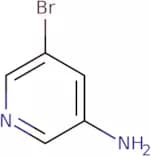
CAS:<p>3-Amino-5-bromopyridine (3ABP) is a linker for the synthesis of cisplatin. It has been shown to have strong bactericidal activity against Escherichia coli and Staphylococcus aureus. 3ABP is cytotoxic to both renal proximal tubule cells and ring-opening cells, which are found in the kidney. It is also an inhibitor of nicotinic acetylcholine receptors (nAChRs), which are proteins that control nerve cell communication. 3ABP's pharmacokinetic properties make it suitable as a linker for cisplatin, as it has good oral bioavailability, low systemic toxicity, and high tissue selectivity.</p>Formula:C5H5BrN2Purity:Min. 98 Area-%Molecular weight:173.01 g/mol5-Bromo-6-methylpyrimidine-2,4(1H,3H)-dione
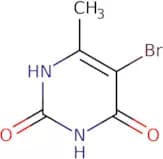
CAS:<p>5-Bromo-6-methylpyrimidine-2,4(1H,3H)-dione is an immunosuppressive drug that belongs to the class of hydantoins. It can be used to treat a variety of diseases associated with immunodeficiency including AIDS. 5-Bromo-6-methylpyrimidine-2,4(1H,3H)-dione inhibits viral replication by alkylating nucleotides and DNA synthesis at the GTPase level. The amide group in the molecule is responsible for this property. Kinetics studies have shown that the rate of hydrolysis of 5-bromo-6-methylpyrimidine-2,4(1H,3H)-dione depends on the pH and temperature of solution.</p>Formula:C5H5BrN2O2Purity:Min. 95%Molecular weight:205.01 g/mol



![N-(4-Chloro-5-iodo-7H-pyrrolo[2,3-d]pyrimidin-2-yl)pivalamide](/_next/image/?url=https%3A%2Fstatic.cymitquimica.com%2Fproducts%2F3D%2Fthumb-webp%2FFC138201.webp&w=3840&q=75)
![(NZ)-4-chloro-N-[1-[2-(4-nitrophenyl)ethyl]piperidin-2-ylidene]benzenesulfonamide](/_next/image/?url=https%3A%2Fstatic.cymitquimica.com%2Fproducts%2F3D%2Fthumb-webp%2FFN154024.webp&w=3840&q=75)

![(6R)-6-Cyclopentyl-6-[2-(2,6-diethyl-4-pyridinyl)ethyl]-3-[(5,7-dimethyl[1,2,4]triazolo[1,5-a]pyri…](/_next/image/?url=https%3A%2Fstatic.cymitquimica.com%2Fproducts%2F3D%2Fthumb-webp%2FFC152905.webp&w=3840&q=75)

![3-[(4-Aminopiperidin-1-yl)methyl]phenol](/_next/image/?url=https%3A%2Fstatic.cymitquimica.com%2Fproducts%2F3D%2Fthumb-webp%2FFA116167.webp&w=3840&q=75)
![5-Boc-octahydro-pyrrolo[3,4-c]pyridine](/_next/image/?url=https%3A%2Fstatic.cymitquimica.com%2Fproducts%2F3D%2Fthumb-webp%2FFB147002.webp&w=3840&q=75)
![2-Imidazo[1,2-a]pyridin-2-yl-ethylamine](/_next/image/?url=https%3A%2Fstatic.cymitquimica.com%2Fproducts%2F3D%2Fthumb-webp%2FFI51200.webp&w=3840&q=75)
![1-[(1-Methyl-1H-pyrazol-4-yl)methyl]piperazine](/_next/image/?url=https%3A%2Fstatic.cymitquimica.com%2Fproducts%2F3D%2Fthumb-webp%2FFM112287.webp&w=3840&q=75)
![1-[(1,5-Dimethyl-1H-pyrazol-4-yl)methyl]piperazine](/_next/image/?url=https%3A%2Fstatic.cymitquimica.com%2Fproducts%2F3D%2Fthumb-webp%2FFD113870.webp&w=3840&q=75)
![[1,2,4]Triazolo[1,5-a]pyrimidin-7-amine](/_next/image/?url=https%3A%2Fstatic.cymitquimica.com%2Fproducts%2F3D%2Fthumb-webp%2FFT126840.webp&w=3840&q=75)

![7-Chlorothieno[3,2-B]Pyridine](/_next/image/?url=https%3A%2Fstatic.cymitquimica.com%2Fproducts%2F3D%2Fthumb-webp%2FFC53344.webp&w=3840&q=75)
![1,5-Dihydro-1-(2-methylpropyl)-4H-imidazo[4,5-c]quinolin-4-one](/_next/image/?url=https%3A%2Fstatic.cymitquimica.com%2Fproducts%2F3D%2Fthumb-webp%2FFD183443.webp&w=3840&q=75)
![4-[(4-Chlorophenyl)phenylmethyl]-1-piperazineethanol dihydrochloride](/_next/image/?url=https%3A%2Fstatic.cymitquimica.com%2Fproducts%2F3D%2Fthumb-webp%2FFC53582.webp&w=3840&q=75)
![2-[(4-Phenylpiperazin-1-yl)carbonyl]phenol](/_next/image/?url=https%3A%2Fstatic.cymitquimica.com%2Fproducts%2F3D%2Fthumb-webp%2FFP131062.webp&w=3840&q=75)

![4-Amino-3-bromo-1-(tert-butyl)-1H-pyrazolo[3,4-d]pyrimidine](/_next/image/?url=https%3A%2Fstatic.cymitquimica.com%2Fproducts%2F3D%2Fthumb-webp%2FFA168683.webp&w=3840&q=75)
![5-[4-(3-Chlorophenyl)piperazin-1-yl]-5-oxopentanoic acid](/_next/image/?url=https%3A%2Fstatic.cymitquimica.com%2Fproducts%2F3D%2Fthumb-webp%2FFC124636.webp&w=3840&q=75)


![N-Methyl-2-[[3-[(1e)-2-(2-pyridinyl)ethenyl]-1-(tetrahydro-2H-pyran-2-yl)-1H-indazol-6-yl]thio]ben…](/_next/image/?url=https%3A%2Fstatic.cymitquimica.com%2Fproducts%2F3D%2Fthumb-webp%2FFM151517.webp&w=3840&q=75)





![2-Bromo-5,6-dihydro-8h-imidazo[1,2-a]pyrazine-7-carboxylic acid tert-butyl ester](/_next/image/?url=https%3A%2Fstatic.cymitquimica.com%2Fproducts%2F3D%2Fthumb-webp%2FFB163714.webp&w=3840&q=75)