Heterocycles with Nitrogen (N)
Subcategories of "Heterocycles with Nitrogen (N)"
- Azepane(436 products)
- Benzotriazoles(438 products)
- Diazepanes(335 products)
- Imidazoles(4,026 products)
- Imidazolines(385 products)
- Isoxazole(1,086 products)
- Piperazines(3,754 products)
- Piperidines(8,443 products)
- Pyrazines(1,305 products)
- Pyrazole(5,959 products)
- Pyrazolidine(21 products)
- Pyrazoline(143 products)
- Pyridazine(860 products)
- Pyridines(22,005 products)
- Pyrimidine(6,082 products)
- Pyrroles(2,447 products)
- Pyrrolidines(5,839 products)
- Pyrroline(48 products)
- Pyrrolo[1,2-b]pyridazine(10 products)
- Tetrazole(530 products)
- Triazines(463 products)
- Triazoles(1,688 products)
Found 17859 products of "Heterocycles with Nitrogen (N)"
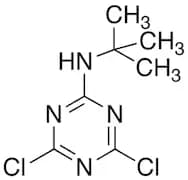
2-(tert-Butylamino)-4,6-dichloro-1,3,5-triazine
CAS:Controlled ProductApplications 2-(tert-Butylamino)-4,6-dichloro-1,3,5-triazine (cas# 27282-85-5) is a compound useful in organic synthesis.
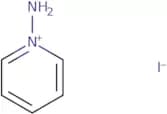
Formula:C7H10Cl2N4Color and Shape:NeatMolecular weight:221.091-Aminopyridinium iodide
CAS:1-Aminopyridinium iodide is a reactive compound that can bind to receptors, including the epidermal growth factor receptor. It is also a pyridinium salt and a type of chlorine. The compound has been shown to be effective in inhibiting cancer cell growth and has been used in chemotherapy treatments. 1-Aminopyridinium iodide binds to the glycogen synthase kinase 3 enzyme, which regulates cellular processes such as cell division, and inhibits its activity. This causes the process of glycogen synthesis to stop and leads to cell death by apoptosis. 1-Aminopyridinium iodide is most commonly used in cancer research because of its ability to inhibit tumor growth.
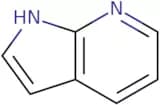
Formula:C5H7IN2Purity:Min. 95%Color and Shape:PowderMolecular weight:222.03 g/mol7-Azaindole
CAS:7-Azaindole is a reactive chemical that has been shown to be effective in the treatment of skin cancer, as well as hepatic steatosis. The compound can promote the transfer of hydrogen atoms and form a dimer with protonated nitrogen. 7-Azaindole reacts rapidly with nucleophiles such as amines, alcohols, and thiols to form covalent bonds. The reaction mechanism is characterized by an initial protonation step followed by nucleophilic attack or hydrogen transfer from the nucleophile to 7-azaindole. Kinetic studies have demonstrated that the rate of this reaction depends on the concentration of both reactants.
Formula:C7H6N2Color and Shape:PowderMolecular weight:118.14 g/molMethyl 3-amino-6-methylthieno[2,3-b]pyridine-2-carboxylate
CAS:Please enquire for more information about Methyl 3-amino-6-methylthieno[2,3-b]pyridine-2-carboxylate including the price, delivery time and more detailed product information at the technical inquiry form on this page
Formula:C10H10N2O2SPurity:Min. 95%Molecular weight:222.27 g/molRef: 3D-FM142163
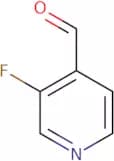
Discontinued product3-Fluoropyridine-4-carboxaldehyde
CAS:3-Fluoropyridine-4-carboxaldehyde is a reactivator that can be used in the treatment of bladder cancer. It binds to pyridinium and oxime derivatives, which are present in proteins, to form a reactive intermediate. This intermediate reacts with aldehyde groups on hemoglobin, restoring the oxygen binding capacity of hemoglobin to levels seen in healthy individuals. 3-Fluoropyridine-4-carboxaldehyde has been shown to have anticancer activity against bladder cancer cells and also has potential use as an additive for the treatment of red blood cells.
Formula:C6H4FNOPurity:Min. 95%Color and Shape:Colorless Yellow Clear LiquidMolecular weight:125.1 g/molRef: 3D-FF98262
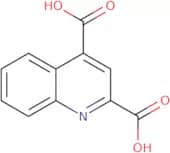
Discontinued productQuinoline 2,4-dicarboxylic acid
CAS:Quinoline 2,4-dicarboxylic acid (QDA) is a novel cytotoxic agent that targets cervical cancer cells. It inhibits the uptake of glucose and other nutrients by cervical cancer cells, leading to cell death through apoptosis. QDA also inhibits the expression of genes involved in cross-linking reactions, which are important for the structural integrity of proteins. This agent has been shown to inhibit the growth of aniline-induced breast cancer cells and glutamate-stimulated PC12 cells. QDA binds to DNA and forms covalent bonds with nucleotide bases, inhibiting DNA synthesis, as well as interfering with protein synthesis and cell division. The QDA mechanism is similar to that of benzoquinolines and estrone sulfate.
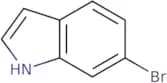
Formula:C11H7NO4Purity:Min. 95%Color and Shape:White PowderMolecular weight:217.18 g/mol6-Bromoindole
CAS:6-Bromoindole is a synthetic compound that has been shown to have significant anticancer activity in animals. 6-Bromoindole shows cytotoxicity against cervical cancer cells and has been shown to be active against leukemia cells, with the potential for use as a therapeutic agent for both solid tumor cancers and hematological malignancies. The synthesis of 6-bromoindole is based on an asymmetric Friedel-Crafts reaction, which uses hydrochloric acid as a catalyst. This product also shows significant antibacterial activity and has been found to be effective against LPS-stimulated RAW264.7 cells.
Formula:C8H6BrNPurity:Min. 95%Color and Shape:PowderMolecular weight:196.04 g/molIndole-3-butyric acid
CAS:Plant hormone; auxin; inducer of root development; used in plant rooting
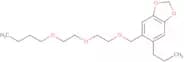
Formula:C12H13NO2Purity:Min 98%Color and Shape:White Yellow PowderMolecular weight:203.24 g/molPiperonyl butoxide
CAS:An insecticide synergist; P450-dependent monooxygenase inhibitor
Formula:C19H30O5Purity:Min. 90 Area-%Color and Shape:Clear LiquidMolecular weight:338.44 g/molRef: 3D-FP27076
Discontinued product1-Methyl-4-pyrrolidin-3-ylpiperazine
CAS:1-Methyl-4-pyrrolidin-3-ylpiperazine is a versatile building block that has been used as a reagent, speciality chemical, and intermediate. It is a complex compound that has been shown to be useful in the synthesis of other compounds. 1-Methyl-4-pyrrolidin-3-ylpiperazine is also a precursor to many pharmaceuticals. The National Institute for Occupational Safety and Health (NIOSH) lists this chemical as "reasonably anticipated to be a human carcinogen."
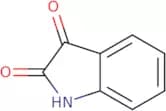
Formula:C9H19N3Purity:Min. 95%Color and Shape:Clear LiquidMolecular weight:169.27 g/molIsatin
CAS:Isatin is a natural compound that can be found in the bark of the Cinchona tree. It has inhibitory properties against the enzyme polymerase chain reaction (PCR) and has been shown to have antimicrobial activity. Isatin also has an effect on 5-HT concentrations, which may be due to its ability to inhibit platelet aggregation and induce vasoconstriction. Isatin has been shown to have anticancer effects in vitro, and also inhibits cellular transformation by reducing DNA synthesis.
Formula:C8H5NO2Purity:Min. 98 Area-%Color and Shape:Red PowderMolecular weight:147.13 g/mol2-Phenyl-2-(2-piperidyl)acetamide
CAS:2-Phenyl-2-(2-piperidyl)acetamide is an enantiomeric amide that can be used as a chiral building block for the synthesis of other organic compounds. It is synthesized by reacting phenylacetic acid with piperidine. 2-Phenyl-2-(2-piperidyl)acetamide is a primary amide and has been shown to have analgesic properties.
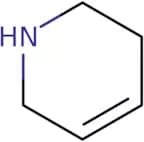
Formula:C13H18N2OPurity:Min. 97 Area-%Color and Shape:PowderMolecular weight:218.29 g/mol1,2,3,6-Tetrahydropyridine
CAS:1,2,3,6-Tetrahydropyridine is an experimental drug that acts as a dopamine receptor antagonist. It has been shown to induce neuronal death in the presence of excess dopamine by inhibiting the uptake of dopamine by neurons. The nitrogen atom in position 6 may be involved in binding to the receptor and initiating the conformational change needed for activation. Tetrahydropyridine binds to the D1 and D2 receptors with high affinity, but it does not bind to D4 receptors. Tetrahydropyridine can also inhibit locomotor activity in mice and rats.
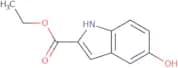
Formula:C5H9NPurity:Min. 95%Color and Shape:Colorless Yellow Clear LiquidMolecular weight:83.13 g/mol5-Hydroxyindole-2-carboxylic acid ethyl ester
CAS:5-Hydroxyindole-2-carboxylic acid ethyl ester is a fluorescent probe that is used in the detection of hepatitis C virus by micropet assay. The compound reacts with amines and undergoes fluorescence quenching, and can be used to quantitate their concentration. 5-Hydroxyindole-2-carboxylic acid ethyl ester is also used for the determination of the kinetics of amines and other compounds that are involved in the metabolism of drugs and biogenic amines. It can be applied to chromatographic analysis or sample preparation prior to analysis by analytical chemistry methods such as gas chromatography or liquid chromatography.
Formula:C11H11NO3Purity:Min. 95%Color and Shape:PowderMolecular weight:205.21 g/molRef: 3D-FH30383
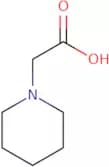
Discontinued productPiperidin-1-yl-acetic acid
CAS:Piperidin-1-yl-acetic acid is a nitrogen-containing organic compound, which is an alkanoic acid. It has a molecular weight of 104.09 and empirical formula C6H11NO2. Piperidin-1-yl-acetic acid is not soluble in cold water, but it dissolves in boiling water to form a white solid. This compound can be used as an enzyme inhibitor or as a pharmacological agent.
Piperidin-1-yl-acetic acid has been shown to inhibit the transcriptional regulation of enzymes that are involved in the production of porphyrins and other heme protein cofactors such as cytochrome c. The compound also inhibits the synthesis of these enzymes by binding to their active sites and inhibiting their function.Formula:C7H13NO2Purity:Min. 95 Area-%Color and Shape:PowderMolecular weight:143.18 g/mol6-Azaindole
CAS:6-Azaindole is a fine chemical that can be used as a reagent, building block, and intermediate. It is a versatile compound that has been shown to have high quality and complex chemistry. 6-Azaindole is an important reaction component in the synthesis of other compounds with pharmaceutical applications such as amide synthons, amino acid esters, and pharmaceutical intermediates. 6-Azaindole can also be used as a scaffold for the preparation of indoles. CAS No: 271-29-4
Formula:C7H6N2Molecular weight:118.14 g/molRef: 3D-A-9495
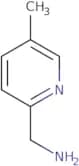
Discontinued product(5-Methylpyridin-2-yl)methanamine
CAS:5-Methylpyridin-2-yl)methanamine is a high quality reagent that is used as a building block in the synthesis of complex compounds. It can be used as an intermediate, useful for the preparation of fine chemicals and useful scaffolds. It can also be used as a speciality chemical and is often used as a reaction component in research chemicals.
Formula:C7H10N2Purity:Min. 98 Area-%Color and Shape:Clear LiquidMolecular weight:122.17 g/molRef: 3D-FM143007
Discontinued product4-Nitroindole
CAS:4-Nitroindole is a versatile building block with a variety of applications. It can be used in the synthesis of complex compounds, research chemicals, and reagents. 4-Nitroindole is also useful in the synthesis of speciality chemicals and as an intermediate for the preparation of other compounds. This compound is high quality and has many uses as a reaction component or scaffold.
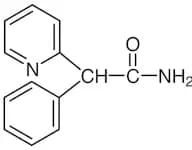
Formula:C8H6N2O2Molecular weight:162.15 g/mol2-Phenyl-2-(2-pyridyl)acetamide
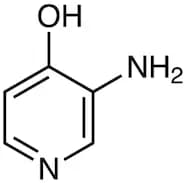
CAS:Formula:C13H12N2OPurity:>98.0%(T)(HPLC)Color and Shape:White to Almost white powder to crystalMolecular weight:212.253-Amino-4-hydroxypyridine
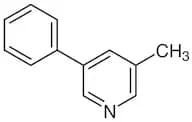
CAS:Formula:C5H6N2OPurity:>98.0%(T)(HPLC)Color and Shape:Light yellow to Brown powder to crystalMolecular weight:110.123-Methyl-5-phenylpyridine
CAS:Formula:C12H11NPurity:>95.0%(GC)Color and Shape:Light yellow to Brown to Dark green clear liquidMolecular weight:169.235-Chloro-2-phenyl-1H-imidazole-4-carboxaldehyde
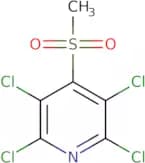
CAS:Formula:C10H7ClN2OPurity:>97.0%(HPLC)(N)Color and Shape:Orange to Amber to Dark red powder to crystalMolecular weight:206.632,3,5,6-Tetrachloro-4-(methylsulfonyl)pyridine
CAS:2,3,5,6-Tetrachloro-4-(methylsulfonyl)pyridine is a n-oxide with antimicrobial activity. It is used in horticultural applications for the control of microbial infection on plants. 2,3,5,6-Tetrachloro-4-(methylsulfonyl)pyridine has been shown to have high bactericidal activity against gram positive and gram negative bacteria. It has also been shown to be effective against fungi and some viruses. This compound is used as an additive in glycol ethers and gel pores. It is also used as a biocide in the form of trifluoroacetic acid or benzalkonium chloride.END>
Formula:C6H3Cl4NO2SPurity:Min. 95%Color and Shape:White To Light (Or Pale) Yellow SolidMolecular weight:294.97 g/molRef: 3D-FT11714
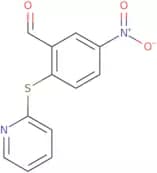
Discontinued product5-Nitro-2-(2'-pyridinethio)benzaldehyde
CAS:Please enquire for more information about 5-Nitro-2-(2'-pyridinethio)benzaldehyde including the price, delivery time and more detailed product information at the technical inquiry form on this page
Purity:Min. 95%Ref: 3D-FN168848
Discontinued product1-(2,3-Dihydro[2,4'-bibenzo[b]thiophen]-4-yl)-piperazine Dihydrochloride
CAS:Controlled ProductApplications 1-(2,3-Dihydro[2,4'-bibenzo[b]thiophen]-4-yl)-piperazine is a useful synthetic intermediate.
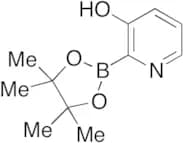
Formula:C20H20N2S2·2HClColor and Shape:NeatMolecular weight:352.5162-(4,4,5,5-Tetramethyl-1,3,2-dioxaborolan-2-yl)-3-pyridinol
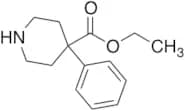
CAS:Controlled ProductFormula:C11H16BNO3Color and Shape:Off-WhiteMolecular weight:221.061Ethyl 4-Phenylpiperidine-4-carboxylate
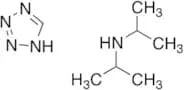
CAS:Controlled ProductFormula:C14H19NO2Color and Shape:NeatMolecular weight:233.31Diisopropylammonium Tetrazolide
CAS:Controlled ProductFormula:C6H15N·CH2N4Color and Shape:Off-WhiteMolecular weight:171.2434-Pyrrolidinopyridine
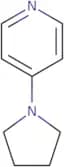
CAS:4-Pyrrolidinopyridine is a nucleophilic compound that acts as an amide-forming reagent. It reacts with hydroxyl groups, such as those found in amides, to form esters. The reaction mechanism for this reaction is nucleophilic substitution at the carbonyl carbon. 4-Pyrrolidinopyridine has been shown to react with acidic substances to form salts and esters. This compound has also been shown to be a potent thrombin receptor ligand, meaning that it binds to the thrombin receptor and activates it, which leads to increased blood clotting. 4-Pyrrolidinopyridine is used in analytical chemistry for the preparation of amines. It can also be used as a sample preparation agent for chromatography or mass spectrometry analyses due to its ability to remove fatty acids from samples.
Formula:C9H12N2Purity:Min. 95%Color and Shape:White PowderMolecular weight:148.21 g/molRef: 3D-FP00784
Discontinued product4-(3-Phenyl-1,2,4-oxadiazol-5-yl)piperidine hydrochloride
CAS:Please enquire for more information about 4-(3-Phenyl-1,2,4-oxadiazol-5-yl)piperidine hydrochloride including the price, delivery time and more detailed product information at the technical inquiry form on this page
Formula:C13H15N3OPurity:Min. 95%Molecular weight:229.28 g/molRef: 3D-FP120042
Discontinued product[3-(1-Piperidin-1-ylcyclohexyl)phenyl]amine hydrochloride
CAS:Controlled Product3-(1-Piperidin-1-ylcyclohexyl)phenyl]amine hydrochloride is a ligand that binds to the acetylcholine receptor. 3-(1-Piperidin-1-ylcyclohexyl)phenyl]amine hydrochloride is an active analogue and has a high binding affinity for the cholinergic receptor. It has been shown to have a kinetic effect on the excitatory system, enhancing excitatory effects of acetylcholine without affecting inhibitory effects. 3-(1-Piperidin-1-ylcyclohexyl)phenyl]amine hydrochloride also has an antagonistic effect on modifiers of acetylcholine activity such as amantadine, but enhances the effects of other drugs, such as clonidine.
Formula:C17H26N2Purity:Min. 95%Molecular weight:258.4 g/molRef: 3D-FP120158
Discontinued product4-Bromo-7-methoxy-1H-pyrrolo[2,3-c]pyridine
CAS:Please enquire for more information about 4-Bromo-7-methoxy-1H-pyrrolo[2,3-c]pyridine including the price, delivery time and more detailed product information at the technical inquiry form on this page
Purity:Min. 95%Ref: 3D-FB141995
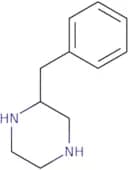
Discontinued product2-Benzyl-piperazine
CAS:2-Benzyl-piperazine is a pharmacological agent that has been shown to have anabolic effects in animals and humans. It is a crystalline solid with a molecular weight of 248.2 g/mol. 2-Benzyl-piperazine is used in the treatment of chronic renal failure, as well as the prevention of kidney stone formation in patients with recurrent calcium oxalate stones, or those who have experienced at least one episode of calcium oxalate stone formation. 2-Piperazine inhibits the activity of an enzyme called carbonic anhydrase, which is found in many tissues and facilitates reactions that produce bicarbonate ions from carbon dioxide and water molecules. The piperazine ring also has two methyl substituents, which can be modified to create bioisosteric analogues. These modifications may alter the properties of 2-benzyl-piperazine such as its solubility or metabolic stability. 2-Benzyl-piper
Formula:C11H16N2Purity:Min. 95%Color and Shape:PowderMolecular weight:176.26 g/molRef: 3D-FB151256
Discontinued product4-Piperazinylphenylboronic acid, pinacol ester
CAS:Please enquire for more information about 4-Piperazinylphenylboronic acid, pinacol ester including the price, delivery time and more detailed product information at the technical inquiry form on this page
Formula:C16H25BN2O2Purity:Min. 95%Color and Shape:PowderMolecular weight:288.19 g/molRef: 3D-FP160911
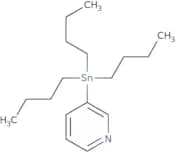
Discontinued product3-(Tributylstannyl)pyridine
CAS:Controlled Product3-Tributylstannylpyridine (3-TBS) is a synthetic compound that is used in cross-coupling reactions to form carbon-carbon bonds. It reacts with unsaturated compounds and halides, providing nitrogen atoms in the final product. 3-TBS can be used for the synthesis of quinoxalines, which are chemical compounds that have been shown to have anti-inflammatory properties. The reaction of 3-TBS with chlorobenzene and chloride yields a phosphine and a tetrahydropyridine, which can be oxidized to form an N-(2,4,6-trichlorophenyl)pyridinium salt. This salt has been shown to have anti-inflammatory effects by inhibiting prostaglandin synthesis.
Formula:C17H31NSnPurity:Min. 95%Molecular weight:368.15 g/molWAY 316606
CAS:WAY 316606 is a potent, orally administered small molecule that inhibits the Wnt signaling pathway by blocking the action of β-catenin. It has been shown to have potential for treating eye disorders, including age-related macular degeneration. This drug also has potential for treatment of cell and nervous system diseases such as Alzheimer's disease and Huntington's disease. WAY 316606 inhibits the transcriptional activity of the β-catenin/Tcf4 complex by binding to it and preventing its translocation into the nucleus. In addition, WAY 316606 prevents downstream activation of genes regulated by β-catenin signaling, including c-myc and cyclin D1. This drug also blocks growth factor receptor tyrosine kinases and monoclonal antibodies that activate these receptors.
Formula:C18H19F3N2O4S2Purity:Min. 95%Molecular weight:448.48 g/molRef: 3D-FP101364
Discontinued productQueuine
CAS:Please enquire for more information about Queuine including the price, delivery time and more detailed product information at the technical inquiry form on this page
Formula:C12H15N5O3Purity:Min. 95%Molecular weight:277.28 g/molRef: 3D-FQ183375
Discontinued product3-Fluoro-4-(tributylstannyl)pyridine
CAS:Controlled Product3-Fluoro-4-(tributylstannyl)pyridine is a high affinity, selective, and membrane permeable ligand of the A2B adenosine receptor. It has been shown to be a potent antagonist of A2B receptors in vitro. This compound has also been shown to have a lower affinity for A1, A3, and A4 receptors. 3-Fluoro-4-(tributylstannyl)pyridine has been shown to have high brain uptake in vivo studies. 3-Fluoro-4-(tributylstannyl)pyridine binds to the x-ray structure of the adenosine receptor with high affinity and penetrability. The binding site is proposed to be located on the extracellular side of the receptor near the interface with the second transmembrane domain. In vivo studies have shown that 3-fluoro-4-(tributylstannyl)p
Formula:C17H30FNSnPurity:Min. 95%Molecular weight:386.14 g/molRef: 3D-FF83110
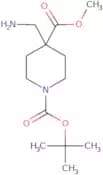
Discontinued productMethyl4-aminomethyl-1-boc-piperidine-4-carboxylate
CAS:Please enquire for more information about Methyl4-aminomethyl-1-boc-piperidine-4-carboxylate including the price, delivery time and more detailed product information at the technical inquiry form on this page
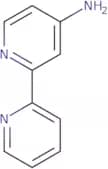
Formula:C13H24N2O4Purity:Min. 95%Molecular weight:272.34 g/mol4-Amino-2,2'-bipyridine
CAS:Please enquire for more information about 4-Amino-2,2'-bipyridine including the price, delivery time and more detailed product information at the technical inquiry form on this page
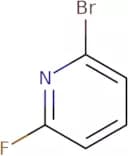
Formula:C10H9N3Purity:Min. 95%Color and Shape:PowderMolecular weight:171.2 g/mol2-Bromo-6-fluoropyridine
CAS:2-Bromo-6-fluoropyridine is a versatile building block that can be used to create a range of compounds. It is a useful intermediate and can be applied in the synthesis of high quality reagents, speciality chemicals, and complex compounds. It has been used as a reaction component in the synthesis of 2-(2-bromoethoxy)pyridine and 2-bromopyridine. This compound has CAS No. 144100-07-2, which makes it an important research chemical.
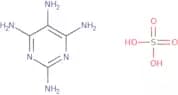
Formula:C5H3BrFNPurity:Min. 95%Color and Shape:PowderMolecular weight:174.943292,4,5,6-Tetraaminopyrimidine sulphate
CAS:2,4,5,6-Tetraaminopyrimidine sulphate is a chemical compound that is used for the treatment of leukemic mice. It has shown to have anti-inflammatory and anti-cancer properties. This drug binds to the enzyme p-hydroxybenzoic acid that is involved in the synthesis of collagen and elastin. It also suppresses the production of inflammatory cytokines such as TNF-α and IL-1β. 2,4,5,6-Tetraaminopyrimidine sulphate has been used in clinical trials for the treatment of autoimmune diseases and inflammatory diseases such as psoriasis. The drug is currently being researched for use in cancer treatments due to its ability to inhibit cell division and induce apoptosis. 2,4,5,6-Tetraaminopyrimidine sulphate has also been shown to be effective when applied topically on skin as a cosmetic agent or when administered orally as a supplement for
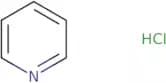
Formula:C4H10N6O4SPurity:Min. 95%Color and Shape:Slightly Yellow PowderMolecular weight:238.23 g/molPyridine hydrochloride
CAS:Pyridine hydrochloride is a white crystalline solid. It has high values for affinity to the CB2 receptor and can be used for the treatment of metabolic disorders, such as diabetes. Pyridine hydrochloride can be synthesized in two ways: by hydrogenation of pyridine with hydrochloric acid or by reacting pyridine with hydrogen fluoride. This compound also has an effect on locomotor activity and increases glutamate levels in the brain, which may contribute to its therapeutic effects. Pyridine hydrochloride is also used as a fluorescent derivative in analytical methods that measure nucleotide levels, such as the phosphorimager technique.
Formula:C5H5N·HClPurity:Min. 95%Color and Shape:White To Yellow To Light Brown SolidMolecular weight:115.56 g/molRef: 3D-FP54975
Discontinued product3-Iodo-1H-pyrrolo[2,3-b]pyridine
CAS:3-Iodo-1H-pyrrolo[2,3-b]pyridine (3IOP) is a molecule that has been shown to be cytotoxic against human ovarian carcinoma cells. It induces significant cytotoxicity in cancer cell lines and inhibits the proliferation of lung fibroblasts. 3IOP has been shown to activate cellular signaling pathways and cause multinuclear DNA damage.
Formula:C7H5IN2Purity:Min. 95%Color and Shape:PowderMolecular weight:244.03 g/molRef: 3D-FI42979
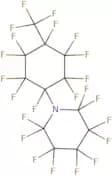
Discontinued productPerfluoro-N-(4-methylcyclohexyl)piperidine
CAS:Controlled ProductPerfluoro-N-(4-methylcyclohexyl)piperidine (4-FPP) is a fluorine compound that has been shown to inhibit the enzymatic activity of tyrosine kinases. It is a potent inhibitor of both human and murine tyrosine kinases, but it does not bind to bacterial tyrosine kinase domains. 4-FPP has been used in clinical studies as an anti-cancer drug, although it's clinical relevance remains unclear. It has also been shown to be effective against the influenza virus by inhibiting the synthesis of viral proteins that are involved in replication. The chemical structure of 4-FPP contains a carbonyl group that can react with other compounds through a photochemical process. This reaction is thought to result in the development of new drugs with similar biochemical properties to 4-FPP.
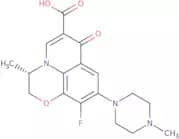
Formula:C12F23NPurity:Min. 95%Color and Shape:Clear LiquidMolecular weight:595.1 g/mol9-Piperazino levofloxacin
CAS:Please enquire for more information about 9-Piperazino levofloxacin including the price, delivery time and more detailed product information at the technical inquiry form on this page
Formula:C18H20FN3O4Purity:Min. 95%Molecular weight:361.37 g/mol5-Bromothieno[2,3-b]pyridine
CAS:Please enquire for more information about 5-Bromothieno[2,3-b]pyridine including the price, delivery time and more detailed product information at the technical inquiry form on this page
Formula:C7H4BrNSPurity:Min. 95%Molecular weight:214.08 g/molRef: 3D-FB111196
Discontinued productH-Ser-Ala-Glu-Glu-Tyr-Glu-Tyr-Pro-Ser OH trifluoroacetate
CAS:Please enquire for more information about H-Ser-Ala-Glu-Glu-Tyr-Glu-Tyr-Pro-Ser OH trifluoroacetate including the price, delivery time and more detailed product information at the technical inquiry form on this page
Formula:C47H63N9O20•(C2HF3O2)xPurity:Min. 95%Ref: 3D-FS183525
Discontinued product


![6-Bromo-3-(trifluoromethyl)-[1,2,4]triazolo[4,3-a]pyridine](/_next/image/?url=https%3A%2Fstatic.cymitquimica.com%2Fproducts%2FFT%2Fthumb-webp%2FB14591.webp&w=3840&q=75)


![Methyl 3-amino-6-methylthieno[2,3-b]pyridine-2-carboxylate](/_next/image/?url=https%3A%2Fstatic.cymitquimica.com%2Fproducts%2F3D%2Fthumb-webp%2FFM142163.webp&w=3840&q=75)







![1-(2,3-Dihydro[2,4'-bibenzo[b]thiophen]-4-yl)-piperazine Dihydrochloride](/_next/image/?url=https%3A%2Fstatic.cymitquimica.com%2Fproducts%2FTR%2Fthumb-webp%2FD450445.webp&w=3840&q=75)

![[3-(1-Piperidin-1-ylcyclohexyl)phenyl]amine hydrochloride](/_next/image/?url=https%3A%2Fstatic.cymitquimica.com%2Fproducts%2F3D%2Fthumb-webp%2FFP120158.webp&w=3840&q=75)
![4-Bromo-7-methoxy-1H-pyrrolo[2,3-c]pyridine](/_next/image/?url=https%3A%2Fstatic.cymitquimica.com%2Fproducts%2F3D%2Fthumb-webp%2FFB141995.webp&w=3840&q=75)



![3-Iodo-1H-pyrrolo[2,3-b]pyridine](/_next/image/?url=https%3A%2Fstatic.cymitquimica.com%2Fproducts%2F3D%2Fthumb-webp%2FFI42979.webp&w=3840&q=75)
![5-Bromothieno[2,3-b]pyridine](/_next/image/?url=https%3A%2Fstatic.cymitquimica.com%2Fproducts%2F3D%2Fthumb-webp%2FFB111196.webp&w=3840&q=75)