Heterocycles with Nitrogen (N)
In this category, you will find a wide variety of nitrogen-containing heterocycles. Heterocycles are carbon chains that form a cycle in which at least one position is occupied by a heteroatom, in this case, nitrogen. These compounds are integral in the synthesis of pharmaceuticals, agrochemicals, and dyes, offering unique reactivity and stability. At CymitQuimica, we provide a comprehensive selection of high-quality nitrogen-containing heterocycles to support your research and industrial applications
Subcategories of "Heterocycles with Nitrogen (N)"
- Azepane(434 products)
- Benzotriazoles(436 products)
- Diazepanes(331 products)
- Imidazoles(4,011 products)
- Imidazolines(385 products)
- Isoxazole(1,077 products)
- Piperazines(3,736 products)
- Piperidines(8,406 products)
- Pyrazines(1,299 products)
- Pyrazole(5,921 products)
- Pyrazolidine(21 products)
- Pyrazoline(142 products)
- Pyridazine(856 products)
- Pyridines(21,917 products)
- Pyrimidine(6,041 products)
- Pyrroles(2,443 products)
- Pyrrolidines(5,816 products)
- Pyrroline(48 products)
- Pyrrolo[1,2-b]pyridazine(10 products)
- Tetrazole(510 products)
- Triazines(462 products)
- Triazoles(1,680 products)
Show 14 more subcategories
Found 17855 products of "Heterocycles with Nitrogen (N)"
Sort by
Purity (%)
0
100
|
0
|
50
|
90
|
95
|
100
Indole-3-acetonitrile
CAS:<p>Indole-3-acetonitrile is a natural product that belongs to the class of antimicrobial agents. It has been shown to have antiinflammatory activity in mice and to inhibit enzyme activities in the plasma of rats. This compound was also found to be an inhibitor of indole synthesis, which may provide insight into its potential use as a therapeutic agent for cancer treatment. Indole-3-acetonitrile has been shown to have antimicrobial properties against galleria mellonella, which are insect larvae that are used as model organisms for research on development and genetics. The biological properties of this compound have been studied using structural analysis and biochemical research.</p>Formula:C10H8N2Purity:Min. 95%Color and Shape:Yellow To Brown SolidMolecular weight:156.18 g/mol2-Bromo-3-methoxypyrazine
CAS:<p>2-Bromo-3-methoxypyrazine is a chemical compound that is used as a precursor in the biosynthesis of geosmin. Geosmin, also known as 2-methylisoborneol or 2-MIB, is a volatile organic compound which has a musty or earthy smell. It is produced by some species of bacteria, including Myxobacterium and Chondromyces crocatus. It can be found in soil and water samples from areas with high levels of organic matter. 2-Bromo-3-methoxypyrazine was first isolated from cultures of M. crocatus in 1950. It can be synthesized from 3,4,5-trimethoxybenzaldehyde via bromination followed by reduction with sodium hydrosulfide. This process creates an intermediate called 2-(2'-bromoethyl)pyrazine, which undergoes methylation to create 2</p>Formula:C5H5BrN2OPurity:Min. 95%Color and Shape:White Off-White PowderMolecular weight:189.01 g/mol2-Amino-6-iodopurine
CAS:<p>2-Amino-6-iodopurine is an analog of the purine nucleoside guanine, which has been used to synthesize a variety of boronic acids. The most common use for 2-amino-6-iodopurine is in the synthesis of benzylboronic acid, which can be used as an organometallic reagent in organic synthesis. This compound also has dehydrogenase activity and has been shown to catalyze the conversion of benzoic acid to benzaldehyde, mediated by NADH. 2-Amino-6-iodopurine is found in the biosynthesis of ribonucleotides and deoxyribonucleotides, where it reacts with chloride ions and phosphate groups to form adenylate and xanthosine monophosphates.</p>Formula:C5H4IN5Purity:Min. 95%Color and Shape:PowderMolecular weight:261.02 g/mol5,6,7,7a-Tetrahydrothieno[3,2-c]pyridin-2(4H)-one Hydrochloride
CAS:Formula:C7H9NOS·HClPurity:>97.0%(T)Color and Shape:Light yellow to Brown to Dark green powder to crystalMolecular weight:191.672-(1H-Pyrazol-3-yl)pyrazine
CAS:<p>2-(1H-Pyrazol-3-yl)pyrazine is a dinuclear compound that has been shown to inhibit the activity of anions. It has also been used in the treatment of diabetes by increasing the thermal expansion of beta cells and decreasing insulin resistance. 2-(1H-Pyrazol-3-yl)pyrazine has been shown to have magnetic properties, which can be exploited for its use in medicine. This compound is a single crystal x-ray diffraction research tool that is used to aid in understanding the structural changes that occur during thermal expansion. This compound also expands when heated, which may be due to an increase in volume or less electron density as a result of loss of hydrogens.</p>Formula:C7H6N4Purity:Min. 95%Color and Shape:White PowderMolecular weight:146.15 g/mol1-(5-Chloro-2-methoxyphenyl)piperazine HCl
CAS:Controlled Product<p>1-(5-Chloro-2-methoxyphenyl)piperazine HCl is a fine chemical that belongs to the group of research chemicals. It is used as a reagent, speciality chemical and intermediate in organic synthesis. 1-(5-Chloro-2-methoxyphenyl)piperazine HCl is an effective building block for complex compounds, which can be used in reactions involving acetals, amides, nitriles, sulfones, sulfonamides and imines. This compound also has versatile building blocks and is a useful scaffold in organic synthesis.</p>Formula:C11H16Cl2N2OPurity:Min. 95%Color and Shape:Off-White PowderMolecular weight:263.16 g/mol4-(1-Piperidylmethyl)phenylboronic acid
CAS:<p>4-(1-Piperidylmethyl)phenylboronic acid is a fine chemical that is used as a versatile building block in the synthesis of complex compounds. It has been used as a reagent and speciality chemical in research. 4-(1-Piperidylmethyl)phenylboronic acid is also a useful intermediate in organic synthesis, and can be used as a reaction component or scaffold for the preparation of other chemicals.</p>Formula:C12H18BNO2Purity:Min. 95%Color and Shape:PowderMolecular weight:219.09 g/mol1-(4-Hydroxybenzoyl)-4-methyl-piperazine hydrochloride
CAS:1-(4-Hydroxybenzoyl)-4-methyl-piperazine hydrochloride is a fine chemical that is used as a building block in organic synthesis, research and development of pharmaceuticals, and the production of agrochemicals. It can be used as a reagent or speciality chemical to produce high quality chemicals with various functional groups. 1-(4-Hydroxybenzoyl)-4-methyl-piperazine hydrochloride can be used in reactions such as nucleophilic substitution reactions, esterification reactions, amide bond formation, amidation reactions, and other reactions to produce versatile scaffolds.Formula:C12H16N2O2Purity:Min. 95%Molecular weight:220.27 g/mol4,6-Dimethoxypyrimidin-2-amine
CAS:<p>4,6-Dimethoxypyrimidin-2-amine is a pyrimidine compound with the molecular formula C5H4N4O2. It can be prepared from the reaction of 2,4,6-trichloropyrimidine with formaldehyde and sodium cyanide in an organic solution. The properties of 4,6-Dimethoxypyrimidin-2-amine were studied on bacterial strain and human urine samples. This molecule is soluble in water and reacts with carboxylic acid to form a hydrogen bond. The nitrogen atoms show some reactivity towards copper chloride and hydrogen chloride.</p>Formula:C6H9N3O2Purity:Min. 95%Color and Shape:White PowderMolecular weight:155.15 g/mol[(3S,4R)-4-(4-Fluorophenyl)-3-piperidinyl]methanol
CAS:<p>[(3S,4R)-4-(4-Fluorophenyl)-3-piperidinyl]methanol is a chemical with the molecular formula C10H17FN2O. It is a versatile building block that can be used as an intermediate in organic synthesis, or in the synthesis of complex compounds such as pharmaceuticals. This product has been shown to have high quality and is a useful reagent in research.</p>Formula:C12H16FNOPurity:Min. 95%Color and Shape:PowderMolecular weight:209.26 g/mol5-Amino-6-(methylamino)quinoline
CAS:<p>5-Amino-6-(methylamino)quinoline is a molecule that inhibits the enzymatic activity of tyrosine phosphatases and has been shown to inhibit the growth of typhimurium ta98, which is resistant to quinoxaline. It has also been shown to be mutagenic in vitro. 5-Amino-6-(methylamino)quinoline has an imidazole ring and is synthesized from 2-methylbenzothiazole and N,N'-dimethylethylenediamine. The synthesis of this compound takes place in two steps with the first step being an oxidative cyclization followed by a reductive amination.</p>Formula:C10H11N3Purity:Min. 95%Color and Shape:Green Brown To Brown SolidMolecular weight:173.21 g/mol2-[(4-Chlorophenyl)-2-pyridinylmethoxy]-N,N-dimethylethanamine maleate salt
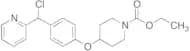
CAS:Controlled Product<p>2-[(4-Chlorophenyl)-2-pyridinylmethoxy]-N,N-dimethylethanamine maleate salt (DCLM) is a controlled-release preparation of an antihistamine that is used for the relief of allergic symptoms. It is a prodrug that is hydrolyzed to 2-[(4-chlorophenyl)-2-pyridinylmethoxy]ethanol (DCPEM) in vivo. DCLM has been shown to be effective against viruses and has been found to have receptor activity in human serum. The drug can be administered either orally or by injection. DCLM has also been shown to suppress allergic symptoms in vitro with LC-MS/MS analysis.</p>Formula:C20H23ClN2O5Purity:Min. 95%Color and Shape:White To Off-White SolidMolecular weight:406.86 g/mol1-(Methylsulfonyl)piperidine-4-carbohydrazide
CAS:<p>1-(Methylsulfonyl)piperidine-4-carbohydrazide is a fine chemical that has been used as a versatile building block in the synthesis of pharmaceuticals, research chemicals, and speciality chemicals. It has been used in the synthesis of a number of complex compounds, such as for example 4-methyl-N-[(4'-methoxybenzoyl)amino]benzenesulfonamide. 1-(Methylsulfonyl)piperidine-4-carbohydrazide is also an intermediate in the synthesis of other compounds. It is a white solid with CAS No. 312515-49-4 and melting point 159°C.</p>Formula:C7H15N3O3SPurity:Min. 95%Color and Shape:White PowderMolecular weight:221.28 g/mol3-Aminoquinuclidine dihydrochloride
CAS:<p>3-Aminoquinuclidine dihydrochloride (3-AQDH) is a chiral quinuclidine derivative that is an acetylcholine receptor agonist. It has been shown to bind to the α7 nicotinic acetylcholine receptor with high affinity and selectivity. 3-AQDH has also been shown to crosslink the cholinergic receptor, which may lead to increased sensitivity of the receptor. The binding constants between 3-AQDH and the α7 nicotinic acetylcholine receptors are very high and it has been shown to be enantiopure in its synthesis. 3-AQDH also has a hydrophilic interaction chromatography profile, which separates it from other compounds. This agent may have potential use as a drug for treating Alzheimer's disease and Parkinson's disease due to its ability to inhibit acetylcholinesterase activity.</p>Purity:Min. 95%Color and Shape:PowderMolecular weight:199.12 g/mol3-Piperazin-1-yl-benzo[d]isothiazole hydrochloride
CAS:<p>3-Piperazin-1-yl-benzo[d]isothiazole hydrochloride is an atypical antipsychotic that belongs to the group of inorganic compounds. It has been shown to have a high affinity for acidic surfaces and can be used in industrial applications such as the removal of metal ions from water by filtration. 3-Piperazin-1-yl-benzo[d]isothiazole hydrochloride is synthesized by reacting an inorganic base with a piperazine compound, followed by hydrolysis of the piperazine ring using acid. Impurities are often found during synthesis, which may contain traces of other compounds such as pyridine or methylamine.</p>Formula:C11H13N3SPurity:Min. 95%Color and Shape:PowderMolecular weight:219.31 g/mol6-Bromo-7-azaindole
CAS:<p>6-Bromo-7-azaindole is a homologous molecule. It is an electron deficient compound with a piperidine moiety at the 6 position and a nitrogen atom at the 7 position. The nitrogen atom substitutes for an oxygen atom, making this molecule reactive. The electron deficient nature of this molecule makes it suitable for use in transistors and other physicochemical devices. 6-Bromo-7-azaindole has been shown to be effective against carcinoma cells in vitro, as well as to inhibit tumor growth in vivo. This drug also causes homologous recombination by interacting with DNA in mammalian cells. 6-Bromo-7-azaindole binds to DNA, forming a covalent bond with the guanine base of DNA through the nitrogen atom, which is electron deficient.</p>Formula:C7H5BrN2Purity:Min. 95%Color and Shape:Off-White To Beige To Yellow SolidMolecular weight:197.03 g/mol5-Chloroindole-3-acetonitrile
CAS:<p>5-Chloroindole-3-acetonitrile is a chemical compound that can be used as a reaction component, reagent, or useful scaffold in the synthesis of complex compounds. 5-Chloroindole-3-acetonitrile is also a fine chemical with many uses as a high quality research chemical and versatile building block. It is commercially available from various suppliers and its CAS number is 81630-83-3.</p>Formula:C10H7ClN2Purity:Min. 95%Color and Shape:Yellow PowderMolecular weight:190.63 g/mol4-(2-Aminoanilino)pyridine
CAS:<p>4-(2-Aminoanilino)pyridine is a pyridine that has been shown to be an impurity in the acid salt of 4-(2-aminophenyl)pyridine. It is an acidified impurity that can form when the pyridine reacts with hydrochloric acid or sulfuric acid.</p>Formula:C11H11N3Purity:Min. 95%Color and Shape:PowderMolecular weight:185.23 g/mol7-Methoxyquinoline
CAS:<p>7-Methoxyquinoline is a drug that belongs to the group of histone deacetylase inhibitors. It has been shown to inhibit monooxygenase and cytochrome p-450, which are enzymes involved in the metabolism of drugs. 7-Methoxyquinoline can be used as a fluorescent probe for reactions involving histones or other proteins with similar chemical structures. It is also used as an inhibitor in biochemical assays, such as fluorometric assays. 7-Methoxyquinoline can be prepared by reacting hydrazine with methoxyacetic acid followed by hydrolysis of the resulting hydrazone. This process yields a mixture of products, some of which are substituted with methoxy groups at different positions on the benzene ring.</p>Formula:C10H9NOPurity:Min. 95%Color and Shape:Colorless PowderMolecular weight:159.18 g/mol2-Chloro-4,6-diphenyl-1,3,5-triazine
CAS:<p>2-Chloro-4,6-diphenyl-1,3,5-triazine is a linker that can be activated to accept an electron from a donor molecule. It is often used as a transport material in organic light emitting diodes (OLEDs) and organic photovoltaics (OPVs). 2-Chloro-4,6-diphenyl-1,3,5-triazine has been shown to have high efficiencies when it is thermally activated. This compound also has high efficiency when it is activated by light with a wavelength of 400 nm. The luminescent properties of 2-Chloro-4,6-diphenyl-1,3,5 - triazine are due to its electron deficient nature and the presence of methoxy groups.</p>Formula:C15H10ClN3Purity:Min. 95%Color and Shape:White PowderMolecular weight:267.71 g/mol6-Bromo-2-(4-bromophenyl)-indole
CAS:<p>6-Bromo-2-(4-bromophenyl)-indole is a fine chemical with CAS No. 28718-96-9 that can be used as a versatile building block for the synthesis of complex compounds, useful scaffold for research chemicals, and reaction component for speciality chemicals. This compound has high quality and is a reagent in the synthesis of other compounds.</p>Formula:C14H9Br2NPurity:Min. 95%Color and Shape:Off white to pale yellow powder.Molecular weight:351.04 g/mol2-Methylthio-4,6-dihydroxypyrimidine
CAS:<p>2-Methylthio-4,6-dihydroxypyrimidine is an organic compound that has a hypsochromic and bathochromic effect. This ligand belongs to the group of neutral compounds and is found in its intramolecular hydrogen form. It also reacts with hydrochloric acid to form tautomers. 2-Methylthio-4,6-dihydroxypyrimidine can exist in two tautomeric forms: the chloride and oxalyl forms. The vibrational frequencies of these tautomers are different. 2-Methylthio-4,6-dihydroxypyrimidine is an intermediate in the synthesis of other chemical compounds such as chloropropionates, methanesulfonic acid, and piperazine.</p>Formula:C5H6N2O2SPurity:Min. 95%Color and Shape:PowderMolecular weight:158.18 g/mol2-Iodopyridine
CAS:<p>2-Iodopyridine is an organic compound with the chemical formula C5H5N. It is a white crystalline solid that is soluble in water, alcohol, and ether. The molecule contains a methyl group and two iodine atoms. 2-Iodopyridine has several industrial uses. It acts as a precursor to various pharmaceuticals and agrochemicals. The compound also exhibits insulin resistance properties, which may be related to its ability to bind to the insulin receptor and inhibit insulin signaling. 2-Iodopyridine can also be used for treating cancer because it binds to the DNA of cancer cells, preventing replication and leading to cell death.</p>Formula:C5H4INPurity:Min. 95%Color and Shape:PowderMolecular weight:205 g/molMethyl piperidine-3-carboxylate
CAS:<p>Methyl piperidine-3-carboxylate (PMP) is a potent inhibitor of the enzyme ido1, which is involved in the metabolism of tryptophan to serotonin. It was synthesized by reacting methyl piperidine-3-carboxylate with 3 equivalents of 1,2-propanediol and 2 equivalents of potassium carbonate in an aqueous solution at room temperature for 2 hours. This reaction yields PMP as a white solid that can be characterized by nuclear magnetic resonance spectroscopy and thin layer chromatography. PMP has been shown to inhibit the enzymatic activity of ido1 and may be useful in the treatment of neurodegenerative diseases because it inhibits the production of serotonin.</p>Formula:C7H13NO2Purity:Min. 95%Color and Shape:PowderMolecular weight:143.18 g/mol2-Pyridin-4-yl-1,3-benzoxazol-5-amine
CAS:<p>2-Pyridin-4-yl-1,3-benzoxazol-5-amine is a fine chemical that is useful as a building block in organic synthesis. It can be used in the preparation of other chemicals and pharmaceuticals. This compound is also used as a reagent in research. 2-Pyridin-4-yl-1,3-benzoxazol-5-amine has been shown to be an excellent intermediate for the synthesis of complex compounds. It can also be used as a scaffold for drug design with versatile chemical reactivity.</p>Formula:C12H9N3OPurity:Min. 95%Color and Shape:PowderMolecular weight:211.22 g/molMethyl 3,6-dichloropyridine-2-carboxylate
CAS:<p>Methyl 3,6-dichloropyridine-2-carboxylate is a nitro compound that is used as a transport inhibitor. It has been shown to inhibit the transport of some organic compounds in h9c2 cells by binding to the active site of ATP synthase, which is required for energy production. Methyl 3,6-dichloropyridine-2-carboxylate has also been shown to modulate physiological effects in mice, such as modulating the activity of enzymes involved in fatty acid synthesis. This compound is synthetically derived from anthranilic acid and dichlorprop with oxadiazole as a starting material.</p>Formula:C7H5Cl2NO2Purity:Min. 95%Color and Shape:PowderMolecular weight:206.03 g/mol5-Methoxy-3-(1,2,5,6-tetrahydro-4-pyridinyl)-1H-indole hemisuccinate
CAS:<p>5-Methoxy-3-(1,2,5,6-tetrahydro-4-pyridinyl)-1H-indole hemisuccinate is a serotonin receptor agonist that has been shown to stimulate the 5HT1A receptor. It stimulates insulin secretion and glucose uptake in rats and inhibits feeding behavior in mice. It has also been shown to have antihypertensive effects on rats by blocking the 5HT2 receptors. In addition, it stimulates regeneration of injured nerve cells. This drug has potential uses as a treatment for neurological diseases such as Parkinson's disease and depression.</p>Formula:C14H16N2O•(C4H6O4)0Purity:Min. 95%Color and Shape:Yellow solid.Molecular weight:287.33 g/mol4,6-Dichloro-5-fluoropyrimidine
CAS:<p>4,6-Dichloro-5-fluoropyrimidine is a diluent that is used for the isolation of alkali metal chlorides and formamidine acetate. It reacts with phosphorus oxychloride and formamide to produce dichloroform, which can be used as a reactant in the synthesis of 4,6-dichloro-5-fluoropyrimidine. This compound can also be synthesized from chlorinating ethyl alcohol or methyl alcohol in the presence of an alkoxide. 4,6-Dichloro-5-fluoropyrimidine has been shown to be stable in an environment with high levels of chlorine (i.e., bleach).</p>Formula:C4HCl2FN2Purity:Min. 95%Color and Shape:Colourless LiquidMolecular weight:166.97 g/mol4-(Piperidin-1-ylmethyl)benzaldehyde
CAS:<p>4-(Piperidin-1-ylmethyl)benzaldehyde is a benzyl compound that has been shown to inhibit the activity of some imidazole compounds. It has been shown to have an agonistic effect on h3 receptors, and can be used for the treatment of anxiety disorders. This compound can be used in drug design as a linker or pharmacophore for other compounds. 4-(Piperidin-1-ylmethyl)benzaldehyde can be synthesized from commercially available materials, which makes it worth further exploration.</p>Formula:C13H17NOPurity:Min. 95%Color and Shape:PowderMolecular weight:203.28 g/mol1-(4-Bromophenyl)piperazine
CAS:Controlled Product<p>1-(4-Bromophenyl)piperazine is a chemical that is used in the synthesis of pharmaceuticals, such as antidepressants. It has been shown to inhibit monoamine neurotransmitter reuptake, including serotonin and dopamine. It also has an inhibitory effect on 5-hydroxytryptamine (5HT) release from nerve terminals and its binding to the 5HT7 receptor. 1-(4-Bromophenyl)piperazine can be used in chromatographic methods for validation of impurities, potential impurities, and other substances.</p>Formula:C10H13BrN2Purity:Min. 95 Area-%Color and Shape:PowderMolecular weight:241.13 g/mol2,5,6-Triamino-4-hydroxypyrimidine
CAS:<p>2,5,6-Triamino-4-hydroxypyrimidine (THP) is a nitrogenous base that has been shown to have anticancer activity. It is an intermediate in the biosynthesis of lysine and can be found in environmental pollution. THP is formed by the reaction of hydrogen chloride with dimethylformamide, which produces hydrochloric acid as a byproduct. 2,5,6-Triamino-4-hydroxypyrimidine also reacts with glyoxal to produce a compound that can cause metabolic disorders. THP is an acidic compound that becomes neutral when dissolved in water. The molecular formula for THP is C 3 H 6 N 8 O 4 .</p>Formula:C4H7N5OPurity:Min. 95%Color and Shape:PowderMolecular weight:141.13 g/mol1-Propylpiperidin-4-amine 2HCl
CAS:<p>1-Propylpiperidin-4-amine 2HCl is a cyclic amine. It is an organic compound that has a high absorption rate and can be used as an absorbent. 1-Propylpiperidin-4-amine 2HCl is used in experiments to study the speciation of different compounds, such as carbonates and desorption. The experiment was performed using various solvents with different densities, such as water, ethanol, and acetone, to determine the absorption rate of 1-Propylpiperidin-4-amine 2HCl. The experiment also studied viscosity changes over time while in contact with 1-Propylpiperidin-4-amine 2HCl. This chemical has a molecular structure consisting of one propyl group and four amines.</p>Formula:C8H20Cl2N2Purity:Min. 95%Color and Shape:SolidMolecular weight:215.16 g/mol2-(Hydroxymethyl)pyridin-4-ol
CAS:<p>2-(Hydroxymethyl)pyridin-4-ol is a versatile building block that can be used in the synthesis of complex compounds and research chemicals. This fine chemical is a reagent, speciality chemical, and useful scaffold in organic synthesis. 2-(Hydroxymethyl)pyridin-4-ol is also an intermediate for the production of useful building blocks. It has high purity and can be used as a reaction component or a useful scaffold in organic synthesis.</p>Formula:C6H7NO2Purity:Min. 95%Color and Shape:White PowderMolecular weight:125.13 g/mol6-Hydroxyquinoline-(1H)-2-one
CAS:<p>6-Hydroxyquinoline-(1H)-2-one is an organic compound that has been shown to inhibit the uptake of carbostyril by bacterial cells. This inhibition causes increased uptake of xanthurenic acid and anthranilic acid, which are two compounds that are found in wastewater treatment. 6-Hydroxyquinoline-(1H)-2-one may be a potential anticancer agent, as it inhibits the growth of astroglia cells and bladder cancer cells. It also reacts with acylation reactions to form quinolinic acid, which has been shown to have anticancer effects.</p>Formula:C9H7NO2Purity:Min. 95%Color and Shape:White SolidMolecular weight:161.16 g/mol2,6-Dichloro-4-methylpyridine
CAS:<p>2,6-Dichloro-4-methylpyridine is a chemical compound that belongs to the class of dendrons. It is used for the functionalisation of imidazole and propiolate moieties. The derivates of 2,6-dichloro-4-methylpyridine can be made by coupling with pyrazole or dimethylacetal. This compound reacts with methylene halides in nucleophilic substitution reactions to produce methyl propiolate.</p>Formula:C6H5Cl2NPurity:Min. 95%Color and Shape:PowderMolecular weight:162.02 g/mol5-Methoxyindole-3-acetic acid
CAS:<p>5-Methoxyindole-3-acetic acid (5MI) is an endogenous indole and metabolite of melatonin that is found in high concentrations in the human serum. 5MI has been shown to inhibit the activity of cyclase enzymes and may be a specific inhibitor of the type I form of estrone sulfate, which is involved in estrogen production. This agent also inhibits matrix metalloproteinases and aminotransferases, which are enzymes that play a role in oxidative injury. 5MI also has a fluorescent derivative that can be used as a probe for biological samples or to study the target enzyme.</p>Formula:C11H11NO3Purity:Min. 97.5 Area-%Color and Shape:PowderMolecular weight:205.21 g/mol2,6-Dibromopyrazine
CAS:<p>2,6-Dibromopyrazine is a quinoxaline molecule with two nitrogen atoms. It is an electropolymerizable material that can be used to create patterned surfaces. 2,6-Dibromopyrazine has been used in the fabrication of devices such as fluorescent lamps and light emitting diodes (LEDs). The fluorescence of these devices depends on the alignment of molecules within the device. The number and position of nitrogen atoms in the molecule determine the wavelength emission. 2,6-Dibromopyrazine is a structural isomer of 1,8-dibromopyrazine.<br>2,6-Dibromopyrazine has homologues such as anilines and amines that have been used in organic synthesis for decades.</p>Formula:C4H2Br2N2Purity:Min. 95%Color and Shape:SolidMolecular weight:237.88 g/molMethyl 2-[(1H-pyrrolo[2,3-b]pyridin-5-yl)oxy]-4-fluorobenzoate
CAS:<p>Methyl 2-[(1H-pyrrolo[2,3-b]pyridin-5-yl)oxy]-4-fluorobenzoate is a versatile building block that can be used as a reagent or speciality chemical. It has been shown to be useful in the synthesis of complex compounds and research chemicals. Methyl 2-[(1H-pyrrolo[2,3-b]pyridin-5-yl)oxy]-4-fluorobenzoate is an intermediate for the synthesis of various pharmaceuticals and agrochemicals. This compound may also act as a scaffold for drug design and development.</p>Formula:C15H11FN2O3Purity:Min. 95%Color and Shape:Off-White PowderMolecular weight:286.26 g/mol6-Aza-5-methyl-1H-indazole
CAS:<p>6-Aza-5-methyl-1H-indazole is a chemical compound that acts as a building block for the synthesis of pharmaceuticals and other compounds. It is used in research for the development of new drugs, such as antihypertensive agents, antibiotics, and immunosuppressants. 6-Aza-5-methyl-1H-indazole has been shown to be an effective intermediate in the synthesis of many complex compounds, including cephalosporins, penicillins, carbapenems, and aminoglycosides. This versatile reagent can be used to synthesize a wide variety of organic compounds.</p>Formula:C7H7N3Purity:Min. 95%Color and Shape:White To Beige SolidMolecular weight:133.15 g/mol3-Methylpyridine
CAS:<p>3-Methylpyridine is a compound that can be used in the treatment of wastewater. It has been shown to have high adsorption capacity for malonic acid and a Langmuir adsorption isotherm with high values. 3-Methylpyridine is stable in acidic conditions and has been shown to efficiently remove nitrogen from wastewater. The coordination geometry of 3-methylpyridine is octahedral, which makes it capable of removing hydrogen fluoride from wastewater. This compound also has the ability to transfer reactions and can be used for titration calorimetry.</p>Formula:C6H7NPurity:Min. 95%Color and Shape:Colorless Clear LiquidMolecular weight:93.13 g/mol4,4'-Bis(ethoxycarbonyl)-2,2'-bipyridine
CAS:<p>4,4'-Bis(ethoxycarbonyl)-2,2'-bipyridine (BEBCP) is a dithiolate chromophore. BEBCP has a redox potential of 1.3 volts and the electronic interaction of the carbonyl groups with the electron cloud of the bipyridine nucleus is responsible for this property. The photochemical properties of BEBCP can be systematically studied by using electrochemical data such as voltammetry and cyclic voltammetry. These methods are useful in determining the nature and constant of BEBCP as well as its interaction with ligands.</p>Formula:C16H16N2O4Purity:Min. 95%Color and Shape:PowderMolecular weight:300.31 g/mol6-Amino-2-pyrazinecarboxylic acid
CAS:<p>6-Amino-2-pyrazinecarboxylic acid is a high quality reagent that is used as an intermediate for the synthesis of complex compounds. It is also a useful scaffold for the production of valuable speciality chemicals. This chemical is also used as a reaction component in research and development to produce versatile building blocks. 6-Amino-2-pyrazinecarboxylic acid has been shown to be useful for producing fine chemicals and speciality chemicals, which are often used in many industries.</p>Formula:C5H5N3O2Purity:Min. 95%Color and Shape:Yellow To Brown SolidMolecular weight:139.11 g/mol2-(2-Aminophenyl)benzimidazole
CAS:<p>2-(2-Aminophenyl)benzimidazole is a synthetic compound with the chemical formula C8H6N2. It has an intramolecular hydrogen bond and reacts with salicylaldehyde to form 2-aminobenzimidazole, which is a reaction product. 2-(2-Aminophenyl)benzimidazole may be used as an antimicrobial agent, but it also has other uses such as a reagent in organic synthesis. It is soluble in water and can be obtained through liquid chromatography.</p>Formula:C13H11N3Purity:Min. 95%Color and Shape:Off-White PowderMolecular weight:209.25 g/mol4,6-Dimethyl-2-methylmercapyrimidine
CAS:<p>4,6-Dimethyl-2-methylmercapyrimidine is a synthetic chemical compound with two different structural isomers. The 4,6-dimethyl isomer has shown to be an effective bifunctional inhibitor of cellular peroxide production and sirtuin activity. This compound also stabilizes cellular proteins by preventing the formation of reactive oxygen species, which are generated as a result of oxidative stress. 4,6-Dimethyl-2-methylmercapyrimidine is able to inhibit the enzyme SIRT2 in cells, which plays a key role in regulating cell metabolism. This compound can also inhibit the production of nitric oxide in cells, which mediates inflammatory responses.</p>Formula:C7H10N2SPurity:Min. 95%Color and Shape:Off-White PowderMolecular weight:154.23 g/mol5-Nitroquinoline
CAS:<p>5-Nitroquinoline is a nitrogen-containing heterocyclic organic compound. It is a white solid that has a melting point of 104 °C and a boiling point of 212 °C. 5-Nitroquinoline can be synthesized by the addition of sodium carbonate to 6-nitroquinoline in hydrochloric acid. The product is then purified by vacuum distillation and recrystallization from nitric acid and acetic acid. 5-Nitroquinoline can be used as an intermediate in the synthesis of other molecules, such as quinolones, which are used in pharmaceuticals. This compound has been shown to cause metastatic colorectal cancer in mice, but not in human liver cells or human lymphocytes.</p>Formula:C9H6N2O2Purity:Min. 95%Color and Shape:Light (Or Pale) Yellow To Dark Yellow SolidMolecular weight:174.16 g/mol2,3,5,6-Tetrachloro-4-(methylsulfonyl)pyridine
CAS:<p>2,3,5,6-Tetrachloro-4-(methylsulfonyl)pyridine is a n-oxide with antimicrobial activity. It is used in horticultural applications for the control of microbial infection on plants. 2,3,5,6-Tetrachloro-4-(methylsulfonyl)pyridine has been shown to have high bactericidal activity against gram positive and gram negative bacteria. It has also been shown to be effective against fungi and some viruses. This compound is used as an additive in glycol ethers and gel pores. It is also used as a biocide in the form of trifluoroacetic acid or benzalkonium chloride.END></p>Formula:C6H3Cl4NO2SPurity:Min. 95%Color and Shape:White To Light (Or Pale) Yellow SolidMolecular weight:294.97 g/mol2-Cyano-1,5-dimethylpyrrole
CAS:<p>2-Cyano-1,5-dimethylpyrrole is a quinone antibiotic. It has been shown to have antibacterial activity against organisms such as Staphylococcus, Streptococcus, and Pyogenes. This chemical has been shown to be active in the gaseous phase and against test organisms in alcohol extracts. 2-Cyano-1,5-dimethylpyrrole also exhibits flavonoid and saponin properties that may contribute to its antimicrobial activity.</p>Formula:C7H8N2Purity:Min. 95%Color and Shape:PowderMolecular weight:120.15 g/mol2,2':6',2'-Terpyridine-4,4',4''-tricarboxylic acid
CAS:<p>2,2':6',2'-Terpyridine-4,4',4''-tricarboxylic acid is a model system that has been studied for its photochemical properties. In this molecule, there are two carboxyl groups and three pyridine rings. The molecule can be protonated easily by electron transfer to form a positively charged anion. This allows the molecule to undergo electron transfer reactions with other molecules in the presence of radiation or visible light. 2,2':6',2'-Terpyridine-4,4',4''-tricarboxylic acid absorbs photons easily and then transfers its energy to a nearby electron. The electron then passes on the energy to another molecule, which can produce a photocurrent.</p>Formula:C18H11N3O6Purity:Min. 95%Color and Shape:Brown SolidMolecular weight:365.3 g/mol2-Aminomethyl-3-chloropyrazine
CAS:<p>2-Aminomethyl-3-chloropyrazine is a potent inhibitor of the tyrosine kinase, which is an enzyme that controls the transmission of signals from outside the cell to inside. It inhibits collagen production by cells, thereby preventing cancer formation. 2-Aminomethyl-3-chloropyrazine has been shown to inhibit tumor growth in mice and rats. This drug also inhibits the activity of certain enzymes, including piperidine oxidase and xanthine oxidase, which are involved in the production of reactive oxygen species that can cause cancer. The drug's selectivity for tumor cells makes it a potential candidate for treating cancer.</p>Formula:C5H5ClN3Purity:Min. 95%Molecular weight:143.58 g/mol3-Hydrazinopyridine 2HCl
CAS:<p>3-Hydrazinopyridine 2HCl is a carboxylic acid that occurs naturally in the form of its dihydrochloride salt, 3-hydrazinopyridine dihydrochloride. It is an intermediate in the synthesis of numerous other compounds and has been used as a precursor to maleic anhydride. 3-Hydrazinopyridine 2HCl is also a reagent for the production of dialkylated or chlorinated derivatives. The hydrolysis of 3-hydrazinopyridine 2HCl with sodium hydroxide yields acetic acid, which can be oxidized to form maleic acid, or reduced to form acrylonitrile.</p>Formula:C5H9Cl2N3Purity:Min. 95%Color and Shape:PowderMolecular weight:182.05 g/mol2-Aminopyridine-5-sulfonic acid
CAS:<p>2-Aminopyridine-5-sulfonic acid is an alkaline hydrolysis product of benzene and water. It is an organic compound that is classified as a heterocyclic amine. The molecule has a pyridine ring with two nitrogen atoms in the ring. 2-Aminopyridine-5-sulfonic acid has been shown to be used as a ligand for coordination of ruthenium metal ions, which has been studied by theory and experiment. This ligand was also found to be able to coordinate halides such as chloride, bromide, or iodide ions. 2-Aminopyridine-5-sulfonic acid can exist in two different isomers: (S)-2-(benzyloxycarbonylamino)pyridine 5 sulfonic acid or (R)-2-(benzyloxycarbonylamino)pyridine 5 sulfonic acid.</p>Formula:C5H6N2O3SPurity:Min. 95%Color and Shape:SolidMolecular weight:174.18 g/molIsoquinoline
CAS:<p>Isoquinoline is a heterocyclic organic compound that can be synthesized by the asymmetric addition of hydrochloric acid to an isoquinol. It has been shown to inhibit the enzyme DPP-IV, which is involved in the degradation of glucagon-like peptide-1 (GLP-1). Isoquinoline is also a potent antagonist of the NMDA receptor, and has been shown to have anti-inflammatory properties in HLA-60 cells. This drug is soluble in organic solvents and forms crystalline polymorphs. Isoquinoline has been used in polymerase chain reactions as a hydrogen bond donor.</p>Formula:C9H7NPurity:Min. 95%Color and Shape:PowderMolecular weight:129.16 g/mol3-(2-Thienyl)pyridine
CAS:Formula:C9H7NSPurity:>98.0%(GC)Color and Shape:White to Yellow to Green clear liquidMolecular weight:161.224-Nitro-7-(1-piperazinyl)-2,1,3-benzoxadiazole
CAS:<p>4-Nitro-7-(1-piperazinyl)-2,1,3-benzoxadiazole is an analytical method for the determination of human serum and heart tissue. The dextran sulfate derivative of 4-nitro-7-(1-piperazinyl)-2,1,3-benzoxadiazole is fluorescent and reacts with trifluoroacetic acid to form a fluorescent derivative. This fluorescent derivative can be detected by spectrophotometry at excitation and emission wavelengths of 350 nm and 400 nm respectively. 4N7PB binds to fatty acids in biological samples (e.g., serum) through its piperazine moiety and fluoresces when excited by light at 340 nm. This reaction can be used as a probe for the presence of fatty acid metabolites in blood or other body fluids such as urine or cerebrospinal fluid. Chemical structures include: <br>4N7PB <br>cis-(</p>Formula:C10H11N5O3Purity:Min. 95%Color and Shape:SolidMolecular weight:249.23 g/mol2-Chloro-4-methyl-6-methylsulfanylpyrimidine
CAS:<p>2-Chloro-4-methyl-6-methylsulfanylpyrimidine is a high quality chemical that is an intermediate for organic synthesis. It is a reagent and useful intermediate in the production of complex compounds. 2-Chloro-4-methyl-6-methylsulfanylpyrimidine has been shown to be a building block for use in synthesizing fine chemicals, pharmaceuticals, and pesticides. This compound can also be used as a reaction component for the synthesis of other chemicals, making it an important research chemical. <br>2-Chloro-4-methyl-6-methylsulfanylpyrimidine is soluble in water and insoluble in ethanol or ether. It has CAS No. 89466-59-1 and a molecular weight of 238.2 g/mol.br>br><br>2CMSMP can be used to produce various compounds such as:</p>Formula:C6H7ClN2SPurity:Min. 95%Color and Shape:PowderMolecular weight:174.65 g/mol4,6-Dichloro-2-methylpyrimidine
CAS:<p>2-Chloro-6-methylaniline is a synthetic compound that has been used in the synthesis of medicines, such as dasatinib. It is a nucleophile that binds to the receptor site on cells and blocks the binding of natural hormones. It is also an inhibitor of certain enzymes, including RNA polymerase and protein kinase. 2-Chloro-6-methylaniline is industrially produced by reacting sodium chloride with chlorosulfonic acid or hydrochloric acid in an autoclave at a temperature of 180 °C for three hours. The product can be purified by adding magnesium oxide and activated with hydrochloric acid to form 2-chloro-6-methylpyrimidine. The main impurities are 4,6-dichloro2 methylpyrimidine and 6,8 dichloro2 methylpyrimidine.</p>Formula:C5H4Cl2N2Purity:Min. 95%Color and Shape:White To Yellow SolidMolecular weight:163 g/mol2-Amino-5(6)-benzoylbenzimidazole
CAS:<p>2-Amino-5(6)-benzoylbenzimidazole is an antifilarial and anthelmintic drug that belongs to the benzimidazole class. It is used for the treatment of filarial infections in humans, including lymphatic filariasis, which is caused by worms transmitted by mosquitoes. 2-Amino-5(6)-benzoylbenzimidazole has low bioavailability due to its poor water solubility. The drug can be administered orally or topically and is metabolized in the liver. The metabolites are excreted in urine as glucuronides and sulfates.</p>Formula:C14H11N3OPurity:Min. 95%Color and Shape:PowderMolecular weight:237.26 g/mol2,5-Dichloro-3-(trifluoromethyl)pyridine
CAS:<p>2,5-Dichloro-3-(trifluoromethyl)pyridine is a hypochlorite that is produced by the reaction of hydrazine and fluoro with sodium hypochlorite. It is a colorless solid with a molecular weight of 180.2. The compound has been used in spectroscopy to study the reaction mechanism of hypochlorites with various substrates.</p>Formula:C6H2Cl2F3NPurity:Min. 95%Color and Shape:Slightly Yellow PowderMolecular weight:215.99 g/mol2,4,6-Triaminopyrimidine
CAS:<p>2,4,6-Triaminopyrimidine is an organic compound that can be found in a variety of sources. It is used as a research chemical and has shown to have anti-inflammatory properties in the rat kidney. This compound has been shown to bind with nucleobases and form hydrogen bonds with glycosidic bonds. 2,4,6-Triaminopyrimidine has also been shown to be a ligand for affinity chromatography.</p>Formula:C4H7N5Purity:Min. 95%Color and Shape:Off-White To Yellow SolidMolecular weight:125.070155-Pyridin-2-yl-2H-pyrazol-3-ylamine
CAS:<p>5-Pyridin-2-yl-2H-pyrazol-3-ylamine is a chemical intermediate that can be used in the synthesis of many different compounds. This compound is a versatile building block that can be used to make complex substances, as well as being an excellent reagent for research purposes. It has been shown to be useful as a reactant in the preparation of high quality chemicals and speciality chemicals. 5-Pyridin-2-yl-2H-pyrazol-3-ylamine is a fine chemical with CAS No. 92352-29-9.</p>Formula:C8H8N4Purity:Min. 95%Color and Shape:Off-White Or Light Brown SolidMolecular weight:160.18 g/mol1-(4-Chlorophenyl)piperazine 2HCl
CAS:Controlled Product<p>1-(4-Chlorophenyl)piperazine 2HCl is an antidepressant drug that binds to the 5-HT7 receptor. It has been shown to be effective in reducing symptoms of depression and may be a valuable alternative to other antidepressants. 1-(4-Chlorophenyl)piperazine 2HCl is synthesized through a synthetic scheme that starts with the reaction of 4-chlorobenzaldehyde and piperazine. The molecular structure of this compound was determined by molecular modelling techniques, which showed that it has a linear shape with two hydrogen bonds. 1-(4-Chlorophenyl)piperazine 2HCl is metabolised into the glucuronide conjugate, which can be detected using analytical methods such as LC-MS/MS. This compound also interacts with aluminium, which could affect its pharmacokinetics and metabolism.</p>Formula:C10H13ClN2•(HCl)2Purity:Min. 95%Color and Shape:White/Off-White SolidMolecular weight:269.6 g/mol1-(3-Aminopropyl)imidazole
CAS:Formula:C6H11N3Purity:>97.0%(GC)Color and Shape:Colorless to Almost colorless clear liquidMolecular weight:125.182-(1H-Imidazol-2-yl)pyridine
CAS:Formula:C8H7N3Purity:>98.0%(GC)(T)Color and Shape:White to Light yellow to Light orange powder to crystalMolecular weight:145.17Methyl 3-cyano-1H-indole-7-carboxylate
CAS:<p>Methyl 3-cyano-1H-indole-7-carboxylate is a fine chemical that belongs to the class of useful scaffolds, versatile building blocks, and useful intermediates. It is used as a research chemical and a reaction component. Methyl 3-cyano-1H-indole-7-carboxylate is also a speciality chemical with high quality and can be used as a reagent in the production of other compounds.</p>Formula:C11H8N2O2Purity:Min. 95%Color and Shape:White PowderMolecular weight:200.19 g/mol2,6-Dimethyl-1,4-diphenylpyridinium tetrafluoroborate
CAS:<p>2,6-Dimethyl-1,4-diphenylpyridinium tetrafluoroborate is a high quality reagent that can be used as a useful intermediate in the synthesis of fine chemicals. It is used as an important building block in the synthesis of many organic compounds and is also an important reaction component. This compound has a wide range of uses and can be used as a versatile building block in organic synthesis or as a speciality chemical for research purposes.</p>Formula:C19H18N·BF4Purity:Min. 95%Molecular weight:347.16 g/molPentachloropyridine
CAS:<p>Please enquire for more information about Pentachloropyridine including the price, delivery time and more detailed product information at the technical inquiry form on this page</p>Formula:C5Cl5NPurity:Min. 95%Color and Shape:White To Off-White SolidMolecular weight:251.32 g/molN,N-Diethyl-5-methyl-[1,2,4]triazolo[5,1-b]pyrimidin-7-amine
CAS:<p>N,N-Diethyl-5-methyl-[1,2,4]triazolo[5,1-b]pyrimidin-7-amine (MTX) is a drug that is used in the treatment of disease activity. It has been shown to have an effect on the production of redox potentials and energy metabolism. MTX also has an effect on cardiac muscle by inhibiting the enzyme activities associated with cardiac muscle contraction and relaxation. This drug has been shown to be effective in the treatment of bowel disease, injury, and basic protein as well as caproic acid production.</p>Formula:C10H15N5Purity:Min. 95%Color and Shape:PowderMolecular weight:205.26 g/mol3-Cyano-2-hydroxypyridine
CAS:<p>3-Cyano-2-hydroxypyridine is an inhibitor of the noradrenaline transporter, which is a type of l-type calcium channel. 3-Cyano-2-hydroxypyridine has been shown to be a potent inhibitor of the noradrenaline transporter. It inhibits the binding of neurotransmitters to their receptors by blocking active methylene sites on the transporter molecule. This drug also has a cavity that can accommodate bulky inhibitor molecules, making it more difficult for these inhibitors to bind to the active site and compete with neurotransmitters for uptake. 3Cyano-2-hydroxypyridine also inhibits nitric oxide synthase, which may provide anti-tumor activity as well as inhibit tumor cell growth. The inhibitory effect of this drug is due to structural studies that have revealed hydrogen bonding interactions with the drug's nitrogen and oxygen atoms.</p>Formula:C6H4N2OPurity:Min. 95%Color and Shape:Yellow To Brown SolidMolecular weight:120.11 g/mol2-Pyrimidinol
CAS:<p>2-Pyrimidinol is a sodium salt that is used as an antimicrobial agent. It has significant cytotoxicity against skin cancer cells and is also used to treat HIV infection. 2-Pyrimidinol inhibits the activity of inhibitor molecules, which are small molecules that inhibit the activity of important enzymes in cells. This inhibition results in increased production of ATP, which leads to cell death. 2-Pyrimidinol also binds to dna duplexes and prevents them from being opened by helicase, thus inhibiting cellular replication. The molecular structure of 2-pyrimidinol was determined using X-ray crystallography and molecular docking analysis. This compound has been shown to have a potential use in treating metabolic disorders due to its ability to inhibit glycolysis, or the breakdown of glucose, through competitive inhibition with phosphofructokinase (PFK).</p>Formula:C4H4N2OPurity:(%) Min. 98%Color and Shape:PowderMolecular weight:96.09 g/molRisedronic acid monohydrate
CAS:<p>Risedronic acid monohydrate is a bisphosphonate that inhibits bone resorption by inhibiting the activity of osteoclasts. It is used to treat postmenopausal women with osteoporosis and bowel disease, as well as to prevent bone loss in men with prostate cancer. Risedronic acid monohydrate has been shown to be more effective than alendronate for decreasing bone mineral density in women with breast cancer who have undergone chemotherapy. Risedronic acid monohydrate binds to the active site of the enzyme polymerase chain reaction (PCR) and blocks DNA synthesis, preventing the formation of new cells. Risedronic acid monerate also binds to the active site of nonsteroidal anti-inflammatory drugs (NSAIDs), thereby blocking their ability to inhibit cyclooxygenase enzymes, which are responsible for prostaglandin synthesis. This leads to reduced inflammation and pain.</p>Formula:C7H11NO7P2·H2OPurity:Min. 95%Color and Shape:White PowderMolecular weight:301.13 g/mol4,6-Dimethylpyrimidin-2-ylthiourea
CAS:<p>4,6-Dimethylpyrimidin-2-ylthiourea is a white crystalline solid with a melting point of about 150°C. It has been shown that 4,6-Dimethylpyrimidin-2-ylthiourea has two-dimensional crystal structure. The molecule is held together by hydrogen bonds.</p>Purity:Min. 95%5-Nitro-2-(2'-pyridinethio)benzaldehyde
CAS:<p>Please enquire for more information about 5-Nitro-2-(2'-pyridinethio)benzaldehyde including the price, delivery time and more detailed product information at the technical inquiry form on this page</p>Purity:Min. 95%2-(4-Nitrophenoxy)-3-chloro-5-trifluoromethyl pyridine
CAS:<p>Please enquire for more information about 2-(4-Nitrophenoxy)-3-chloro-5-trifluoromethyl pyridine including the price, delivery time and more detailed product information at the technical inquiry form on this page</p>Purity:Min. 95%1-(Pyrimidin-2-yl)thiourea
CAS:<p>1-(Pyrimidin-2-yl)thiourea (1PTU) is a sulfur-containing compound with coordination properties. It is an allylamine derivative that contains a thiourea group. 1PTU has been shown to be able to form a crystalline solid in the presence of sulfur, and its spectra can be used as a probe for sulfur content. The thermal analysis of 1PTU reveals that it has two main decomposition peaks at 280°C and 500°C, which are attributed to the elimination of H 2 S and SO 2 respectively. The kinetic parameters for 1PTU have been determined by calorimetry experiments, yielding values of k = 0.0013 s−1 and K = 6×10⁻⁴ M−1s−1. The electron density distribution for the molecule is given by:</p>Formula:C5H6N4SPurity:Min. 95%Color and Shape:PowderMolecular weight:154.19 g/mol2-Chloro-5,5-dimethyl-3-(4-phenylpiperazinyl)cyclohex-2-en-1-one
CAS:<p>Please enquire for more information about 2-Chloro-5,5-dimethyl-3-(4-phenylpiperazinyl)cyclohex-2-en-1-one including the price, delivery time and more detailed product information at the technical inquiry form on this page</p>Formula:C18H23ClN2OPurity:Min. 95%Color and Shape:PowderMolecular weight:318.84 g/mol2-Chloro(3-pyridyl) 4-(5-chloro-2-methylphenyl)piperazinyl ketone
CAS:<p>Please enquire for more information about 2-Chloro(3-pyridyl) 4-(5-chloro-2-methylphenyl)piperazinyl ketone including the price, delivery time and more detailed product information at the technical inquiry form on this page</p>Formula:C17H17Cl2N3OPurity:Min. 95%Color and Shape:PowderMolecular weight:350.24 g/mol2-Amino-3-bromo-5-methylpyridine
CAS:<p>2-Amino-3-bromo-5-methylpyridine is an imidazopyrazine that interacts with the magnetic field and can be used as a ligand. It has been synthesized from pyrazole derivatives and has been shown to have antimicrobial activity against Cryptococcus neoformans. 2-Amino-3-bromo-5-methylpyridine has also been shown to inhibit the growth of bacterial cells by binding to the nicotinamide adenine dinucleotide phosphate (NADP) cofactor in bacterial cells, thereby preventing ATP production. This drug is structurally related to fluoroquinolones, which are known for their antibacterial activity. 2-Amino-3-bromo-5-methylpyridine is an amido compound that ionizes in acidic environments and transfers electrons via resonance transfer. Its FTIR spectra show strong absorption bands at 3595 cm−1</p>Formula:C6H7BrN2Purity:Min. 95%Molecular weight:187.04 g/mol1-[3-chloro-5-(trifluoromethyl)-2-pyridinyl]-4-piperidinecarboxylic acid
CAS:<p>1-[3-Chloro-5-(trifluoromethyl)-2-pyridinyl]-4-piperidinecarboxylic acid (3CFP) is a phenoxy carboxamide that is an anticonvulsant. 3CFP has been shown to be effective in animal models of seizure and has a potency that exceeds that of phenobarbital. It also has potent anticonvulsant activity against seizures induced by pentylenetetrazole and electroshock. 3CFP binds to the GABA receptor, which is important for the regulation of neuronal excitability and is the target for many types of antiepileptic drugs. The chlorine atom in 3CFP may contribute to its pharmacological properties because it can form a covalent bond with amino acids like cysteine, which are important for protein synthesis.</p>Purity:Min. 95%2-(4-Chloro-2-methylphenoxy)pyridine-3-carboxylic acid
CAS:<p>Please enquire for more information about 2-(4-Chloro-2-methylphenoxy)pyridine-3-carboxylic acid including the price, delivery time and more detailed product information at the technical inquiry form on this page</p>Formula:C13H10ClNO3Purity:Min. 95%Color and Shape:PowderMolecular weight:263.68 g/molmethyl 2-(2-((4-(3-chloro-5-(trifluoromethyl)(2-pyridyl))piperazinyl)sulfonyl)-4,5-dimethoxyphenyl)acetate
CAS:<p>Please enquire for more information about methyl 2-(2-((4-(3-chloro-5-(trifluoromethyl)(2-pyridyl))piperazinyl)sulfonyl)-4,5-dimethoxyphenyl)acetate including the price, delivery time and more detailed product information at the technical inquiry form on this page</p>Purity:Min. 95%4-((4-methylphenyl)carbonyl)piperazinecarbaldehyde
CAS:<p>Please enquire for more information about 4-((4-methylphenyl)carbonyl)piperazinecarbaldehyde including the price, delivery time and more detailed product information at the technical inquiry form on this page</p>Purity:Min. 95%2-{[3-chloro-5-(trifluoromethyl)-2-pyridinyl]sulfanyl}acetohydrazide
CAS:<p>Please enquire for more information about 2-{[3-chloro-5-(trifluoromethyl)-2-pyridinyl]sulfanyl}acetohydrazide including the price, delivery time and more detailed product information at the technical inquiry form on this page</p>Purity:Min. 95%5-Bromo-4,6-dimethylpyrimidin-2-ylthiourea
CAS:<p>Please enquire for more information about 5-Bromo-4,6-dimethylpyrimidin-2-ylthiourea including the price, delivery time and more detailed product information at the technical inquiry form on this page</p>Purity:Min. 95%3-(N-(4-(Dimethylamino)phenyl)carbamoyl)pyridine-2-carboxylic acid
CAS:<p>Please enquire for more information about 3-(N-(4-(Dimethylamino)phenyl)carbamoyl)pyridine-2-carboxylic acid including the price, delivery time and more detailed product information at the technical inquiry form on this page</p>Formula:C15H15N3O3Purity:Min. 95%Color and Shape:PowderMolecular weight:285.3 g/mol(Phenylamino)(4-((phenylamino)thioxomethyl)piperazinyl)methane-1-thione
CAS:<p>Please enquire for more information about (Phenylamino)(4-((phenylamino)thioxomethyl)piperazinyl)methane-1-thione including the price, delivery time and more detailed product information at the technical inquiry form on this page</p>Formula:C18H20N4S2Purity:Min. 95%Color and Shape:PowderMolecular weight:356.5 g/mol3-(N-(5-methylisoxazol-3-yl)carbamoyl)pyridine-2-carboxylic acid
CAS:<p>Please enquire for more information about 3-(N-(5-methylisoxazol-3-yl)carbamoyl)pyridine-2-carboxylic acid including the price, delivery time and more detailed product information at the technical inquiry form on this page</p>Purity:Min. 95%2-((4-(Benzo[3,4-d]1,3-dioxolan-5-ylmethyl)piperazinyl)carbonyl)cyclohexanecarboxylic acid
CAS:<p>Please enquire for more information about 2-((4-(Benzo[3,4-d]1,3-dioxolan-5-ylmethyl)piperazinyl)carbonyl)cyclohexanecarboxylic acid including the price, delivery time and more detailed product information at the technical inquiry form on this page</p>Formula:C20H26N2O5Purity:Min. 95%Color and Shape:PowderMolecular weight:374.43 g/mol4-(5-(Trifluoromethyl)-2-pyridyl)piperazinecarbaldehyde
CAS:<p>Please enquire for more information about 4-(5-(Trifluoromethyl)-2-pyridyl)piperazinecarbaldehyde including the price, delivery time and more detailed product information at the technical inquiry form on this page</p>Formula:C11H12F3N3OPurity:Min. 95%Color and Shape:PowderMolecular weight:259.23 g/mol2-(4,6-dimethylpyrimidin-2-ylthio)-N-(4-iodophenyl)acetamide
CAS:<p>Please enquire for more information about 2-(4,6-dimethylpyrimidin-2-ylthio)-N-(4-iodophenyl)acetamide including the price, delivery time and more detailed product information at the technical inquiry form on this page</p>Purity:Min. 95%ethyl 4-(N-propylcarbamoyl)piperazinecarboxylate
CAS:<p>Please enquire for more information about ethyl 4-(N-propylcarbamoyl)piperazinecarboxylate including the price, delivery time and more detailed product information at the technical inquiry form on this page</p>Purity:Min. 95%4-Nitro-N-pyridin-2-ylbenzamide
CAS:<p>Please enquire for more information about 4-Nitro-N-pyridin-2-ylbenzamide including the price, delivery time and more detailed product information at the technical inquiry form on this page</p>Formula:C12H9N3O3Purity:Min. 95%Color and Shape:PowderMolecular weight:243.22 g/mol2,6-Bis(bromomethyl)pyridine
CAS:<p>2,6-Bis(bromomethyl)pyridine (BMP) is a pyridine derivative that is used as a catalyst in organic synthesis. It has been shown to be an effective catalyst for the conversion of picolinic acid to xanthopterin in the presence of sodium. The reactivity of BMP can be attributed to its functionalities and the metal ion that it contains. The reaction mechanism has been studied by computer modelling and molecular modelling techniques. The catalytic rate is determined by intramolecular hydrogen transfer.</p>Formula:C7H7Br2NPurity:Min. 95%Molecular weight:264.95 g/mol6-(4-(4-Fluorophenyl)piperazinyl)-4-methylpyrimidine-2-ylamine
CAS:<p>Please enquire for more information about 6-(4-(4-Fluorophenyl)piperazinyl)-4-methylpyrimidine-2-ylamine including the price, delivery time and more detailed product information at the technical inquiry form on this page</p>Formula:C15H18FN5Purity:Min. 95%Color and Shape:PowderMolecular weight:287.34 g/molN-Nitrosopiperazine
CAS:<p>N-Nitrosopiperazine is a nitrosating agent that forms N-nitrosamines in the body. It is used to produce anthelmintic drugs, such as albendazole and mebendazole. It is also used to activate aromatic amines. Piperazine reacts with electrophilic nucleophiles by nucleophilic attack at the alpha carbon of the piperazine ring to form substituted piperazines. The reaction proceeds via a S1 mechanism and the rate of formation is proportional to the concentration of substrate and inversely proportional to pH. N-Nitrosopiperazine has been shown to be present in human urine samples, with a formation rate that increases significantly when exposed to acidic conditions. This drug was found to have immunotoxic effects, including induction of chronic oral toxicity, autoimmune diseases, and cancer in rats.</p>Formula:C4H9N3OPurity:Min. 95%Color and Shape:Slightly Yellow PowderMolecular weight:115.13 g/mol5,5-Dimethyl-3-(4-phenylpiperazinyl)cyclohex-2-en-1-one
CAS:<p>Please enquire for more information about 5,5-Dimethyl-3-(4-phenylpiperazinyl)cyclohex-2-en-1-one including the price, delivery time and more detailed product information at the technical inquiry form on this page</p>Formula:C18H24N2OPurity:Min. 95%Color and Shape:PowderMolecular weight:284.4 g/mol3-(N-(2-(3,4-dimethoxyphenyl)ethyl)carbamoyl)pyridine-2-carboxylic acid
CAS:<p>Please enquire for more information about 3-(N-(2-(3,4-dimethoxyphenyl)ethyl)carbamoyl)pyridine-2-carboxylic acid including the price, delivery time and more detailed product information at the technical inquiry form on this page</p>Purity:Min. 95%ethyl 2-(4-(pyrimidin-2-ylamino)-3,5-thiazolyl)acetate
CAS:<p>Please enquire for more information about ethyl 2-(4-(pyrimidin-2-ylamino)-3,5-thiazolyl)acetate including the price, delivery time and more detailed product information at the technical inquiry form on this page</p>Purity:Min. 95%2-((4-(2-Fluorophenyl)piperazinyl)carbonyl)cyclohexanecarboxylic acid
CAS:Controlled Product<p>Please enquire for more information about 2-((4-(2-Fluorophenyl)piperazinyl)carbonyl)cyclohexanecarboxylic acid including the price, delivery time and more detailed product information at the technical inquiry form on this page</p>Formula:C18H23Fn2O3Purity:Min. 95%Color and Shape:PowderMolecular weight:334.39 g/molN-(3,5-bis(trifluoromethyl)phenyl)-2-pyrimidin-2-ylthioethanamide
CAS:<p>Please enquire for more information about N-(3,5-bis(trifluoromethyl)phenyl)-2-pyrimidin-2-ylthioethanamide including the price, delivery time and more detailed product information at the technical inquiry form on this page</p>Purity:Min. 95%2-(4-(Pyrimidin-2-ylamino)-3,5-thiazolyl)acetic acid
CAS:<p>Please enquire for more information about 2-(4-(Pyrimidin-2-ylamino)-3,5-thiazolyl)acetic acid including the price, delivery time and more detailed product information at the technical inquiry form on this page</p>Purity:Min. 95%((4-Phenylpiperazinyl)methylene)methane-1,1-dicarbonitrile
CAS:<p>Please enquire for more information about ((4-Phenylpiperazinyl)methylene)methane-1,1-dicarbonitrile including the price, delivery time and more detailed product information at the technical inquiry form on this page</p>Formula:C14H14N4Purity:Min. 95%Color and Shape:PowderMolecular weight:238.29 g/mol4-Oxo-4-(4-(3-phenylprop-2-enyl)piperazinyl)but-2-enoic acid
CAS:<p>Please enquire for more information about 4-Oxo-4-(4-(3-phenylprop-2-enyl)piperazinyl)but-2-enoic acid including the price, delivery time and more detailed product information at the technical inquiry form on this page</p>Formula:C17H20N2O3Purity:Min. 95%Color and Shape:PowderMolecular weight:300.35 g/mol3-Chloro-2-(2-methyl(8-quinolyloxy))-5-(trifluoromethyl)pyridine
CAS:<p>Please enquire for more information about 3-Chloro-2-(2-methyl(8-quinolyloxy))-5-(trifluoromethyl)pyridine including the price, delivery time and more detailed product information at the technical inquiry form on this page</p>Formula:C16H10ClF3N2OPurity:Min. 95%Color and Shape:PowderMolecular weight:338.71 g/mol2-(4-(tert-Butyl)phenoxy)pyridine-3-carboxylic acid
CAS:<p>Please enquire for more information about 2-(4-(tert-Butyl)phenoxy)pyridine-3-carboxylic acid including the price, delivery time and more detailed product information at the technical inquiry form on this page</p>Formula:C16H17NO3Purity:Min. 95%Color and Shape:PowderMolecular weight:271.31 g/molMethyl 2-(4,5-dimethoxy-2-((4-methylpiperazin-1-yl)sulfonyl)phenyl)acetate
CAS:<p>Please enquire for more information about Methyl 2-(4,5-dimethoxy-2-((4-methylpiperazin-1-yl)sulfonyl)phenyl)acetate including the price, delivery time and more detailed product information at the technical inquiry form on this page</p>Purity:Min. 95%4-Piperazin-1-yl-benzaldehyde
CAS:<p>4-Piperazin-1-yl-benzaldehyde (PPBA) is a natural product that has been shown to have effects on animals and cells. PPBA can be used as an antidote for sulfite poisoning, which is caused by the ingestion of sulfites in food or drink. The mechanism of PPBA's effects is not fully known, but it may involve the inhibition of sulfite reductase, which converts sulfites into sulfates. It also reversibly forms a complex with the transition state of the reaction, enhancing the rate of this reaction. This enhancement is due to a low detection limit and shift in solution temperature. PPBA has been shown to have fluorescence and fluorescent properties when exposed to light, making it useful for endogenous labeling.</p>Formula:C11H14N2OPurity:Min. 95%Molecular weight:190.24 g/molN-(4-(methylpropyl)phenyl)-2-pyrimidin-2-ylthioethanamide
CAS:<p>Please enquire for more information about N-(4-(methylpropyl)phenyl)-2-pyrimidin-2-ylthioethanamide including the price, delivery time and more detailed product information at the technical inquiry form on this page</p>Purity:Min. 95%4-(4-Methoxyphenoxy)-6-methyl-2-pyrimidinamine
CAS:<p>Please enquire for more information about 4-(4-Methoxyphenoxy)-6-methyl-2-pyrimidinamine including the price, delivery time and more detailed product information at the technical inquiry form on this page</p>Formula:C12H13N3O2Purity:Min. 95%Color and Shape:PowderMolecular weight:231.25 g/mol4-[(1H-Benzimidazol-2-yl)oxy]-3-methyl-2-pyridinecarboxylic acid
CAS:<p>Please enquire for more information about 4-[(1H-Benzimidazol-2-yl)oxy]-3-methyl-2-pyridinecarboxylic acid including the price, delivery time and more detailed product information at the technical inquiry form on this page</p>Formula:C14H11N3O3Purity:Min. 95%Molecular weight:269.26 g/mol1-(2-chloronicotinoyl)-4-phenylpiperazine
CAS:Controlled Product<p>Please enquire for more information about 1-(2-chloronicotinoyl)-4-phenylpiperazine including the price, delivery time and more detailed product information at the technical inquiry form on this page</p>Purity:Min. 95%Color and Shape:PowderMolecular weight:301.77 g/mol5-Methyl-3-(4-phenylpiperazinyl)cyclohex-2-en-1-one
CAS:<p>Please enquire for more information about 5-Methyl-3-(4-phenylpiperazinyl)cyclohex-2-en-1-one including the price, delivery time and more detailed product information at the technical inquiry form on this page</p>Formula:C17H22N2OPurity:Min. 95%Color and Shape:PowderMolecular weight:270.37 g/mol3-((4-(2-Fluorophenyl)piperazinyl)carbonyl)pyridine-2-carboxylic acid
CAS:Controlled Product<p>Please enquire for more information about 3-((4-(2-Fluorophenyl)piperazinyl)carbonyl)pyridine-2-carboxylic acid including the price, delivery time and more detailed product information at the technical inquiry form on this page</p>Formula:C17H16FN3O3Purity:Min. 90%Color and Shape:PowderMolecular weight:329.33 g/mol4,6-Dimethyl-2-oxo-N-[1-(2-thiazolyl)-2-(2-thienyl)ethyl]-1(2H)-pyrimidinebutanamide
CAS:Controlled ProductFormula:C19H22N4O2S2Color and Shape:NeatMolecular weight:402.5343-(1,4,5,6-Tetrahydro-2-pyrimidinyl)-phenol
CAS:Controlled ProductFormula:C10H12N2OColor and Shape:NeatMolecular weight:176.22(1-(Tetrahydro-2h-pyran-4-yl)-1h-pyrazol-4-yl)methanol
CAS:Controlled ProductFormula:C9H14N2O2Color and Shape:NeatMolecular weight:182.226-(1-(3-Fluorobenzoyl)piperidin-4-yl)-2-(pyridin-2-yl)pyrimidin-4(1H)-one
CAS:Controlled ProductFormula:C21H19FN4O2Color and Shape:NeatMolecular weight:378.42,6-Dimethyl-4-hydroxypyridine
CAS:Controlled Product<p>Applications 2,6-Dimethyl-4-hydroxypyridine is a useful synthetic intermediate. It is used in the synthesis of disubstituted pyridinyl-aminohydantoins as selective human BACE1 inhibitors.<br>References Malamas, M., et al.: Bioorg. Med. Chem., 18, 630 (2010)<br></p>Formula:C7H9NOColor and Shape:NeatMolecular weight:123.15α,α-Diphenyl-2-pyridinemethanol Hydrochloride
CAS:Controlled Product<p>Applications An intermediate in the preparation of Pipradrol Hydrochloride<br></p>Formula:C18H15NO·ClHColor and Shape:NeatMolecular weight:297.782-((4-Benzylphenoxy)methyl)pyrido[3,4-d]pyrimidin-4(3H)-one
CAS:Controlled ProductFormula:C21H17N3O2Color and Shape:NeatMolecular weight:343.381-(Oxazol-2-yl)ethanone
CAS:Controlled Product<p>Applications 1-(Oxazol-2-yl)ethanone is a benzimidazole derivatives which is used as regulators of steroid receptor coactivators<br>References O'Malley, Bert W. et al.,PCT Int. Appl. (2017);<br></p>Formula:C5H5NO2Color and Shape:NeatMolecular weight:111.0995-[4’-Bromomethyl-(1,1’-biphenyl)-2-yl]-2-triphenylmethyltetrazole
CAS:Controlled Product<p>Impurity Irbesartan Bromo N2-Trityl Impurity<br>Stability Moisture Sensitive<br>Applications An intermediate in the synthesis of Losartan and Valsartan.<br></p>Formula:C33H25BrN4Color and Shape:NeatMolecular weight:557.482-Hydroxy-1,3-oxazole-5-carboxylic acid
CAS:Controlled Product<p>Applications 2-Hydroxy-1,3-oxazole-5-carboxylic acid<br></p>Formula:C4H3NO4Color and Shape:NeatMolecular weight:129.072-Acetyl-6-bromopyridine
CAS:Controlled Product<p>Applications 2-Acetyl-6-bromopyridine is used in the synthesis of some embedded chalcones and pyrazoles as angiotensin converting enzyme (ACE) inhibitors.<br>References Kantevari, S. et al.: Bioorg. Med. CHem., 19, 4772 (2011);<br></p>Formula:C7H6BrNOColor and Shape:NeatMolecular weight:200.03Imidazo[1,2-a]pyridine-6-carboxylic acid
CAS:Controlled Product<p>Applications Imidazo[1,2-a]pyridine-6-carboxylic acid<br></p>Formula:C8H6N2O2Color and Shape:NeatMolecular weight:162.1453-Hydroxymethyl-(1-oxy-2,2,5,5-tetramethylpyrroline)-15N
CAS:Controlled Product<p>Applications 3-Hydroxymethyl-(1-oxy-2,2,5,5-tetramethylpyrroline)-15N is an isotope labelled spin-labelling compound.<br></p>Formula:C9H1615NO2Color and Shape:NeatMolecular weight:171.232-(1H-tetrazol-1-yl)ethanamine Hydrochloride
CAS:Controlled ProductFormula:C3H7N5·HClColor and Shape:NeatMolecular weight:149.5822-Phenylazepane
CAS:Controlled Product<p>Applications Can be used in the preparation of pyrrolylphenylsulfonates as dopamine D3 antagonists as well as in the preparation of substituted amidothiophene derivatives for use as 11-β-HSD1 inhibitors.<br></p>Formula:C12H17NPurity:>90%Color and Shape:Colourless To Dark RedMolecular weight:175.27Methyl 3-(1-Tritylimidazol-4-yl) Propionate
CAS:Controlled Product<p>Applications Methyl 3-(1-Tritylimidazol-4-yl) Propionate (cas# 102676-60-8) is a compound useful in organic synthesis.<br></p>Formula:C26H24N2O2Color and Shape:NeatMolecular weight:396.484-Phenyl-4-piperidine Carboxylic Acid
CAS:Controlled ProductFormula:C12H15NO2Color and Shape:NeatMolecular weight:205.25N-Succinyl-5-aminoimidazole-4-carboxamide Ribose 5’-Phosphate Dibarium Salt-d3
CAS:Controlled ProductFormula:C13D3H12N4O12P·2BaColor and Shape:NeatMolecular weight:727.9243-Iodo-5-[2-(2-pyridinyl)ethynyl]-benzonitrile-d4
CAS:Controlled ProductFormula:C14H3D4IN2Color and Shape:NeatMolecular weight:334.151-(5-(4,4,5,5-Tetramethyl-1,3,2-dioxaborolan-2-yl)-3,4-dihydropyridin-1(2H)-yl)ethanone
CAS:Controlled ProductFormula:C13H22BNO3Color and Shape:NeatMolecular weight:251.13N-[(1-Methyl-1H-pyrazol-4-yl)methyl]ethanamine
CAS:Controlled ProductFormula:C7H13N3Color and Shape:NeatMolecular weight:139.198Benzylmaleimide
CAS:Controlled Product<p>Applications 1-(Phenylmethyl)-1H-pyrrole-2,5-dione is used in the synthesis of anthracenedicarboximides as semiconductors for transistors. Also used in the discovery of a new synthetic route towards Paroxetine<br>References Wang, Z. et al.: J. Am. Chem. Soc., 129, 13362 (2007);<br></p>Formula:C11H9NO2Color and Shape:NeatMolecular weight:187.192,2,6,6-Tetramethyl-4-(4'-toluenesulfonate)piperidinooxyl
CAS:Controlled Product<p>Applications An intermediate in the preparation of Piperidine-1-oxyl derivatives.<br></p>Formula:C16H24NO4SColor and Shape:NeatMolecular weight:326.435-Fluoropyridine-3-Sulfonyl Chloride
CAS:Controlled ProductFormula:C5H3ClFNO2SColor and Shape:NeatMolecular weight:195.5994-[[[2-(Diethylamino)ethyl]amino]carbonyl]-3,5-dimethyl-1H-pyrrole-2-Carboxylic Acid
CAS:Controlled ProductFormula:C14H23N3O3Color and Shape:NeatMolecular weight:281.3514-Hydroxy-3-pyridinecarboxylic Acid Hydrochloride Salt
CAS:Controlled Product<p>Applications 4-Hydroxy-3-pyridinecarboxylic Acid Hydrochloride Salt is a reagent used in the synthesis and biological evaluation of novel imidazo[4,5-c]pyridinecarboxamide derivatives as PARP-1 inhibitors and antitumor agents.<br>References Zhu, Q. et al.: Bioorg. Med. Chem. Lett.,23, 1993 (2013); Freskos, J. et al.: Bioorg. Med. Chem. Lett., 17, 78 (2007);<br></p>Formula:C6H5NO3(HCl)Color and Shape:NeatMolecular weight:175.003622-Chloro-6-ethyl-N,N-dimethylthieno[2,3-d]pyrimidin-4-amine-d6
CAS:Controlled Product<p>Applications 2-Chloro-6-ethyl-N,N-dimethylthieno[2,3-d]pyrimidin-4-amine-d6 is the isotope labelled analog of 2-Chloro-6-ethyl-N,N-dimethylthieno[2,3-d]pyrimidin-4-amine (C367635); a useful synthetic intermediate.<br></p>Formula:C10D6H6ClN3SColor and Shape:NeatMolecular weight:247.7772-Butyl-1-(4-bromobenzyl)-4-chloro-5-(hydroxymethyl)-1H-imidazole
CAS:Controlled Product<p>Applications Intermediate in the preparation of Losartan derivatives.<br></p>Formula:C15H18BrClN2OColor and Shape:NeatMolecular weight:357.674-Pentyl-2-(2-phenylpropan-2-yl)-2,3-dihydropyrrolo[3,4-b]indol-1(4H)-one
Controlled ProductFormula:C24H28N2OColor and Shape:NeatMolecular weight:360.4921H-Pyrrolo[2,3-c]pyridin-5-amine
CAS:Controlled ProductFormula:C7H7N3Color and Shape:NeatMolecular weight:133.151tert-Butyl N-(2-methylpyrrolidin-3-yl)carbamate
CAS:Controlled ProductFormula:C10H20N2O2Color and Shape:NeatMolecular weight:200.2783-(1H-Pyrazol-4-yl)phenol
CAS:Controlled ProductFormula:C9H8N2OColor and Shape:NeatMolecular weight:160.1734-((3-Carbamoylpiperidine-1-carboxamido)methyl)benzenesulfonate
Controlled ProductFormula:C14H18N3O5SColor and Shape:NeatMolecular weight:340.3754-(2-Phenoxyethyl)-5-ethyl-1,2,4-triazol-3-one
CAS:Controlled Product<p>Applications 4-(2-Phenoxyethyl)-5-ethyl-1,2,4-triazol-3-one is used as a reagent to synthesize Nefazodone (N389100), a 5HT2-receptor antagonist and a serotonin selective reuptake inhibitor used to treat depression.<br>References Fontaine, R., et al.: J. Clin. Psych., 55, 234 (1994); Rush, A., et al.: Biol. Psych., 44, 3 (1998)<br></p>Formula:C12H15N3O2Color and Shape:NeatMolecular weight:233.274,4'-Diamino-2,2'-bipyridine
CAS:Controlled Product<p>Applications 4,4'-Diamino-2,2'-bipyridine is a bidendate chelator.<br></p>Formula:C10H10N4Color and Shape:NeatMolecular weight:186.213-Bromo-5-hydroxypyridine
CAS:Controlled Product<p>Applications 3-Bromo-5-hydroxypyridine (cas# 74115-13-2) is a compound useful in organic synthesis.<br></p>Formula:C5H4BrNOColor and Shape:NeatMolecular weight:174.00Di-tert-butyl 2-(Hydroxymethyl) Piperazine-1,4-dicarboxylate
CAS:Controlled Product<p>Applications DI-TERT-BUTYL 2-(HYDROXYMETHYL) PIPERAZINE-1,4-DICARBOXYLATE (cas# 143540-05-0) is a useful research chemical.<br></p>Formula:C15H28N2O5Color and Shape:NeatMolecular weight:316.39Piperidine-3-thiol Hydrochloride
CAS:Controlled ProductFormula:C5H11NS•HClColor and Shape:NeatMolecular weight:153.67Ethyl 2-fluoropyridine-3-carboxylate
CAS:Controlled Product<p>Applications Ethyl 2-fluoropyridine-3-carboxylate<br></p>Formula:C8H8FNO2Color and Shape:NeatMolecular weight:169.152-(1-Propyl-5-ureidopyrrolidin-2-yl)acetic Acid
Controlled ProductFormula:C10H19N3O3Color and Shape:NeatMolecular weight:229.276tert-Butyl 4-(3-Bromo-1H-pyrazol-1-yl)piperidine-1-carboxylate
CAS:Controlled Product<p>Applications tert-Butyl 4-(3-bromo-1H-pyrazol-1-yl)piperidine-1-carboxylate (cas# 1211876-26-4) is a useful reagent for the preparation of heterocyclic compounds as CaMKII inhibitors.<br>References Matsunaga, N., et al.: PCT Int. Appl. (2018) WO 2018183112 A1<br></p>Formula:C13H20BrN3O2Color and Shape:NeatMolecular weight:330.2212-Benzhydrylpiperidine Hydrochloride
CAS:Controlled Product<p>Applications 2-Benzhydrylpiperidine hydrochloride (cas# 5807-81-8) is a useful research chemical.<br></p>Formula:C18H21N·ClHColor and Shape:NeatMolecular weight:287.83B-[1-(Tetrahydro-2H-pyran-4-yl)-1H-pyrazol-4-yl]boronic Acid-d5
CAS:Controlled Product<p>Applications Isotope labelled B-[1-(Tetrahydro-2H-pyran-4-yl)-1H-pyrazol-4-yl]boronic Acid is used in the preparation of ALK receptor mediators.<br></p>Formula:C8D5H8BN2O3Color and Shape:NeatMolecular weight:201.0422-Chloro-5-(phenylsulfonyl)pyridine
CAS:Controlled Product<p>Applications 2-Chloro-5-(phenylsulfonyl)pyridine is a starting material and useful building block of various pharmaceuticals.<br></p>Formula:C11H8ClNO2SColor and Shape:NeatMolecular weight:253.7057-(3-Bromophenyl)pyrazolo[1,5-a]pyrimidine-3-carbonitrile
CAS:Controlled Product<p>Applications 7-(3-Bromophenyl)pyrazolo[1,5-a]pyrimidine-3-carbonitrile (cas# 933054-30-9) is a compound useful in organic synthesis.<br></p>Formula:C13H7BrN4Color and Shape:NeatMolecular weight:299.13(S)-3-amino-1-(2,4-dimethoxybenzyl)pyrrolidin-2-one Hydrochloride
CAS:Controlled ProductFormula:C13H19ClN2O3Color and Shape:NeatMolecular weight:670.7412-Amino-4-(1H-tetrazol-5-yl)benzoic Acid
CAS:Controlled ProductFormula:C8H7N5O2Color and Shape:NeatMolecular weight:205.1735,5-dimethylpyrrolidin-3-one hydrochloride
CAS:Controlled ProductFormula:C6H11NO·HClColor and Shape:NeatMolecular weight:149.6193-Amino-5-bromopyridine-2-carboxylic acid
CAS:Controlled Product<p>Applications 3-Amino-5-bromopyridine-2-carboxylic acid<br></p>Formula:C6H5BrN2O2Color and Shape:NeatMolecular weight:217.024,5,6,7-Tetrahydro-[1,2,3]triazolo[1,5-a]pyrazine-3-carboxamide
CAS:Controlled ProductFormula:C6H9N5OColor and Shape:NeatMolecular weight:167.171-Phenyl-3-pyrrolidinone
CAS:Controlled ProductFormula:C10H11NOColor and Shape:NeatMolecular weight:389.3546-Fluoro-2-methylimidazo[1,2-a]pyridine-3-carboxylic Acid
CAS:Controlled ProductFormula:C9H7FN2O2Color and Shape:NeatMolecular weight:194.1621-((1H-Pyrazol-3-yl)methyl)-3-(2-(2,4-difluorophenyl)-2-hydroxyethyl)urea
CAS:Controlled ProductFormula:C13H14F2N4O2Color and Shape:NeatMolecular weight:358.4712-(1-Phenylcyclopropyl)-4-oxazolecarboxylic Acid
CAS:Controlled ProductFormula:C13H11NO3Color and Shape:NeatMolecular weight:229.231(6-(Thiophen-3-yl)pyridin-3-yl)methanamine
CAS:Controlled ProductFormula:C10H10N2S·HClColor and Shape:NeatMolecular weight:226.7265-Aminoimidazole-4-carboxamide-15N2 Hydrochloride (>90%)
CAS:Controlled ProductFormula:C4H7ClN215N2OPurity:>90%Color and Shape:NeatMolecular weight:164.562-Hydroxy-N-(pyridin-4-yl)butanamide
CAS:Controlled Product<p>Applications 2-Hydroxy-N-(pyridin-4-yl)butanamide is a useful synthetic intermediate.<br></p>Formula:C9H12N2O2Color and Shape:NeatMolecular weight:180.23-(2-oxoimidazolidin-1-yl)benzoic Acid
CAS:Controlled ProductFormula:C10H10N2O3Color and Shape:NeatMolecular weight:206.1984-Bromo-2-cyclopropylpyrimidine
CAS:Controlled ProductFormula:C7H7BrN2Color and Shape:NeatMolecular weight:199.0481,3-Dimethyl-2-imidazolidinone
CAS:Controlled Product<p>Applications 1,3-Dimethyl-2-imidazolidone, is a solvent used in various synthetic organic transformations. Studied in the formation of functionally stabilized hydrosilanediyl-transition metal complexes produced photochemically from arylsilanes.<br>References Mukaiyama, T., et al.: Chem. Lett., 1507 (1980); Seebach, D., et al.: Chem. Ber., 115, 1705 (1982);<br></p>Formula:C5H10N2OColor and Shape:ColourlessMolecular weight:114.1465-Amino-2-mercaptobenzimidazole
CAS:Controlled Product<p>Applications 5-AMINO-2-MERCAPTOBENZIMIDAZOLE (cas# 2818-66-8) is a useful research chemical.<br></p>Formula:C7H7N3SColor and Shape:NeatMolecular weight:165.216-Bromo-2-pyridinecarboximidamide Hydrochloride
CAS:Controlled ProductFormula:C6H6BrN3•HClColor and Shape:NeatMolecular weight:236.54-Amino-1-[2-(phenylmethoxy)ethyl]-1H-pyrazole-5-carboxylic Acid Methyl Ester
CAS:Controlled ProductFormula:C14H17N3O3Color and Shape:NeatMolecular weight:275.3031,3-Bis[2,6-bis(1-methylethyl)phenyl]-2-carboxy-1H-imidazolium Inner Salt
CAS:Controlled Product<p>Applications 1,3-Bis[2,6-bis(1-methylethyl)phenyl]-2-carboxy-1H-imidazolium Inner Salt is synthesized from 1,3-Bis(2,6-diisopropylphenyl)imidazolium Chloride(B426650). 1,3-Bis(2,6-diisopropylphenyl)imidazolium Chloride is used as a reagent in the synthesis of NHC Copper(I) complexes bearing dipyridylamine ligands which exhibit interesting luminescent properties and are potential candidates for organic light-emitting diode applications. 1,3-Bis(2,6-diisopropylphenyl)imidazolium Chloride is also used as a reagent in the synthesis of 5,6-Dimethyl-9-oxo-9H-xanthene-4-acetic Acid Methyl Ester (D476595); the methyl ester derivative of the drug Vadimezan (V084950).<br>References Marion, R., et al.: Inorg. Chem., 53, 9181 (2014); Buchanan, C.M., et al.: Clin. Sci., 122, 449 (2012); Fruh, M., et al.: Clin. Lung. Cancer., 14, 34 (2013)<br></p>Formula:C28H36N2O2Color and Shape:NeatMolecular weight:432.64-Amino-6-chloro-1-β-D-ribofuranosylimidazo[4,5-c]pyridine
CAS:Controlled Product<p>Applications Adenosine analog<br>References Barbieri, D., et al.: Bioorg. Med. Chem. Lett., 8, 2533 (1998),<br></p>Formula:C11H13ClN4O4Color and Shape:NeatMolecular weight:300.704-(3-Oxopiperazin-1-yl)benzonitrile
CAS:Controlled Product<p>Applications 4-(3-oxopiperazin-1-yl)benzonitrile (cas# 1019601-14-9) is a useful research chemical.<br></p>Formula:C11H11N3OColor and Shape:NeatMolecular weight:201.22tert-Butyl 3-(piperidin-4-yloxy)azetidine-1-carboxylate
CAS:Controlled ProductFormula:C13H24N2O3Color and Shape:NeatMolecular weight:256.3413-Bromopyrrolidine hydrobromide
CAS:<p>Stability Hygroscopic<br>Applications 3-Bromopyrrolidine hydrobromide<br></p>Formula:C4H9Br2NColor and Shape:NeatMolecular weight:230.93N-[(2R,3R,3aS,4S,6aS)-hexahydro-2,4-methano-4H-furo[3,2-b]pyrrol-3-yl]carbamic Acid 1,1-Dimethylethyl Ester
CAS:Controlled ProductFormula:C12H20N2O3Color and Shape:NeatMolecular weight:240.31-Ethyl-2,3-dimethylimidazolium Acetate
CAS:Controlled ProductFormula:C7H13N2·C5H9O2Color and Shape:NeatMolecular weight:226.3155-Chloro-2-fluoropyridine
CAS:Controlled Product<p>Applications 5-Chloro-2-fluoropyridine (cas# 1480-65-5) is a useful research chemical.<br> Not a dangerous good if item is equal to or less than 1g/ml and there is less than 100g/ml in the package<br></p>Formula:C5H3ClFNColor and Shape:NeatMolecular weight:131.545-Aminomethyl-1-phenyl-1H-pyrazole
CAS:Controlled ProductFormula:C10H11N3Color and Shape:NeatMolecular weight:173.2145-Bromohexahydro-2,6-dioxo-4-pyrimidinecarboxylic Acid-15N2
CAS:Controlled Product<p>Applications 5-Bromohexahydro-2,6-dioxo-4-pyrimidinecarboxylic Acid-15N2 is an intermediate used in the synthesis of Orotic Acid-15N2 Monohydrate (O691504), which is a labeled analogue of Orotic Acid Monohydrate (O691500) that is used in the preparation of therapeutic agents for chronic obstructive pulmonary disease (COPD) treatment. Also, it is the labeled form of 5-Bromohexahydro-2,6-dioxo-4-pyrimidinecarboxylic Acid (B699363), an intermediate in synthesizing Orotic Acid Monohydrate (O691500), which is used in the preparation of therapeutic agents for chronic obstructive pulmonary disease (COPD) treatment.<br></p>Formula:C5H5Br15N2O4Color and Shape:NeatMolecular weight:238.995trans-4-(4-Chlorophenyl)-3-pyrrolidinyl]carbamic Acid 1,1-Dimethylethyl Ester
CAS:Controlled ProductFormula:C15H21ClN2O2Color and Shape:NeatMolecular weight:296.7921-(4-Chlorophenyl)-3-[(2-nitrophenyl)methoxy]pyrazole
CAS:Controlled Product<p>Applications 1-(4-Chlorophenyl)-3-[(2-nitrophenyl)methoxy]pyrazole is an intermediate for the synthesis of Pyraclostrobin-d6 (P840402). Isotope labelled Pyraclostrobin is a fungicide for use in seed grass and food crops.<br>References Gyldenkaerne, S., et al.: Pestic Sci., 55, 1210 (1999), Pennington, D., et al.: Environ. Sci. Technol., 39, 1119 (2005), Wang, S., et al.: Food Control., 18, 731 (2007),<br></p>Formula:C16H12ClN3O3Color and Shape:NeatMolecular weight:329.74N-Boc-piperazine-13C4
CAS:Controlled ProductFormula:C4C5H18N2O2Color and Shape:NeatMolecular weight:190.2223-Pyridinemethanol
CAS:Controlled Product<p>Applications 3-Pyridinemethanol is a useful synthetic intermediate. It can be used in the synthesis of histone deacetylase inhibitors. It can also be used to prepare (phenyl)(cyanopyrazinyl)urea derivatives as possible kinase-1 (Chk1) inhibitors.<br>References Suzuki, T., et al.: J. Med. Chem., 42, 3001 (1999); Li, G., et al.: Bioorg. Med. Chem. Lett., 16, 2293 (2006)<br></p>Formula:C6H7NOColor and Shape:NeatMolecular weight:109.132,6-Dimethyl-3,5-dicarboxy-4-(2-nitrophenyl)-1,4-dihydropyridine
CAS:Controlled Product<p>Applications 2,6-Dimethyl-3,5-dicarboxy-4-(2-nitrophenyl)-1,4-dihydropyridine is used as a reactant in the preparation of hydroxyindolecarboxylate and hydroxycarbolinecarboxylate from nifedipine analogous cyanoethyl ester.<br>References Gorlitzer, K., et al.: Pharmazie, 55, 35 (2000)<br></p>Formula:C15H14N2O6Color and Shape:NeatMolecular weight:318.2813-(Piperazin-1-yl)pyrrolidine-1-carboxylic Acid tert-Butyl Ester
CAS:Controlled ProductFormula:C13H25N3O2Color and Shape:NeatMolecular weight:255.357N-Cyclohexyl-N-[(1,4-dihydro-5,6-dimethyl-4-oxothieno[2,3-d]pyrimidin-2-yl)methyl]-benzenepropanamide
CAS:Controlled ProductFormula:C24H29N3O2SColor and Shape:NeatMolecular weight:423.574,5-Dimethylpyrrolidin-2-one
CAS:Controlled ProductFormula:C6H11NOColor and Shape:NeatMolecular weight:113.158Phenylpiperidinoacetonitrile
CAS:Controlled ProductFormula:C13H16N2Color and Shape:NeatMolecular weight:200.28tert-Butyl ((3S,5S)-5-Methylpiperidin-3-yl)carbamate
CAS:Controlled ProductFormula:C11H22N2O2Color and Shape:NeatMolecular weight:214.3055-(3-Chloropropyl)-1-phenyl-1H-1,2,3,4-tetrazole
CAS:Controlled Product<p>Applications 5-(3-Chloropropyl)-1-phenyl-1H-1,2,3,4-tetrazole (cas# 73963-34-5) is a useful compound for developing novel disubstituted tetrazoles.<br>References Li, L. H., et al.: Chem. Commun. (Cambridge, UK), 54, 11148 (2018)<br></p>Formula:C10H11N4ClColor and Shape:NeatMolecular weight:222.674-Isopropyl-1H-imidazole
CAS:Controlled ProductFormula:C6H10N2Color and Shape:NeatMolecular weight:110.157Ethyl 4-(4-(Chloro(pyridin-2-yl)methyl)phenoxy)piperidine-1-carboxylate
Controlled ProductFormula:C20H23ClN2O3Color and Shape:NeatMolecular weight:374.8616-Chloro-N-(2,2-difluoroethyl)-3-pyridinemethanamine-d2
CAS:Controlled Product<p>Applications 6-Chloro-N-(2,2-difluoroethyl)-3-pyridinemethanamine-d2 is an intermediate used in the synthesis of Flupyradifurone-d5 (F598616), which is the labeled form of Flupyradifurone (F598615), can be used as an insecticide.<br>References Anon, IP.com J., 12, 19 (2011)<br></p>Formula:C8D2H7ClF2N2Color and Shape:NeatMolecular weight:208.633


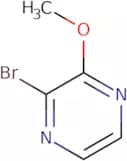
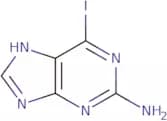
![5,6,7,7a-Tetrahydrothieno[3,2-c]pyridin-2(4H)-one Hydrochloride](/_next/image/?url=https%3A%2Fstatic.cymitquimica.com%2Fproducts%2F3B%2Fthumb-webp%2FT2984.webp&w=3840&q=75)

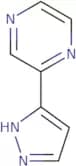
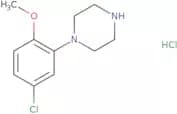
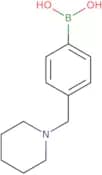
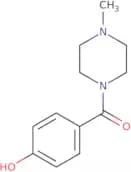
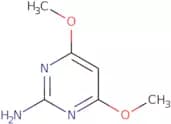
![[(3S,4R)-4-(4-Fluorophenyl)-3-piperidinyl]methanol](/_next/image/?url=https%3A%2Fstatic.cymitquimica.com%2Fproducts%2F3D%2Fthumb-webp%2FFF92100.webp&w=3840&q=75)
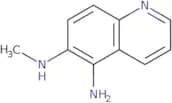
![2-[(4-Chlorophenyl)-2-pyridinylmethoxy]-N,N-dimethylethanamine maleate salt](/_next/image/?url=https%3A%2Fstatic.cymitquimica.com%2Fproducts%2F3D%2Fthumb-webp%2FFC19699.webp&w=3840&q=75)
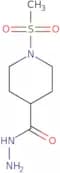

![3-Piperazin-1-yl-benzo[d]isothiazole hydrochloride](/_next/image/?url=https%3A%2Fstatic.cymitquimica.com%2Fproducts%2F3D%2Fthumb-webp%2FFP50755.webp&w=3840&q=75)
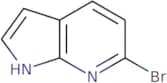
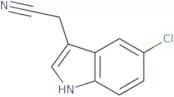

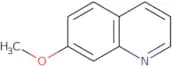
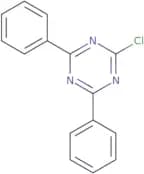

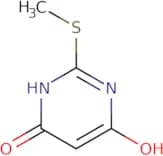

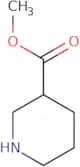
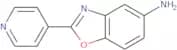
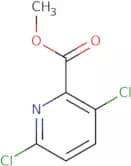
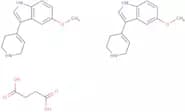


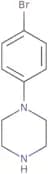


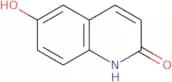
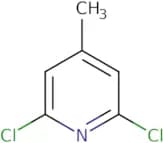
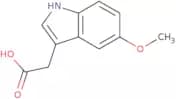

![Methyl 2-[(1H-pyrrolo[2,3-b]pyridin-5-yl)oxy]-4-fluorobenzoate](/_next/image/?url=https%3A%2Fstatic.cymitquimica.com%2Fproducts%2F3D%2Fthumb-webp%2FFM97152.webp&w=3840&q=75)
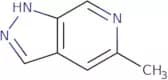

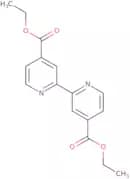
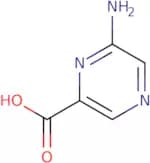
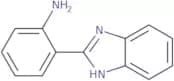
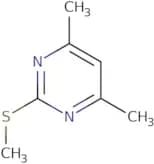
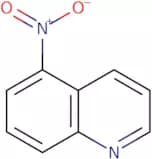
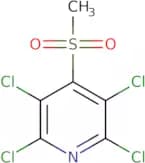
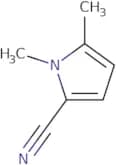


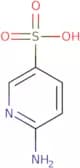
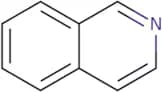
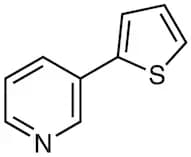
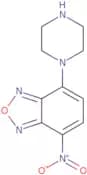

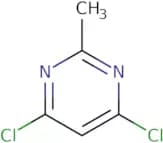
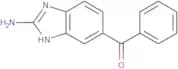
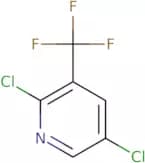
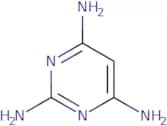
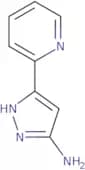
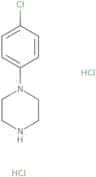
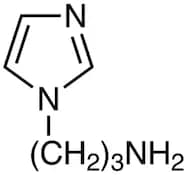
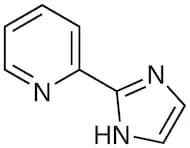
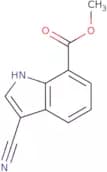
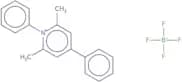
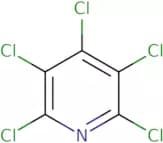
![N,N-Diethyl-5-methyl-[1,2,4]triazolo[5,1-b]pyrimidin-7-amine](/_next/image/?url=https%3A%2Fstatic.cymitquimica.com%2Fproducts%2F3D%2Fthumb-webp%2FFD153326.webp&w=3840&q=75)

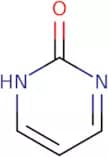
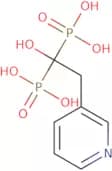
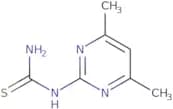
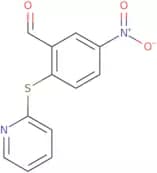

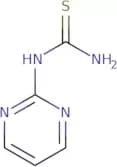
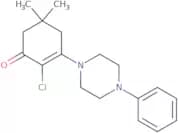
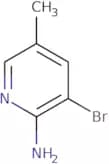
![1-[3-chloro-5-(trifluoromethyl)-2-pyridinyl]-4-piperidinecarboxylic acid](/_next/image/?url=https%3A%2Fstatic.cymitquimica.com%2Fproducts%2F3D%2Fthumb-webp%2FFC170003.webp&w=3840&q=75)
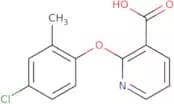
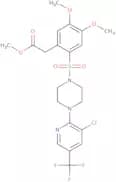

![2-{[3-chloro-5-(trifluoromethyl)-2-pyridinyl]sulfanyl}acetohydrazide](/_next/image/?url=https%3A%2Fstatic.cymitquimica.com%2Fproducts%2F3D%2Fthumb-webp%2FFC170011.webp&w=3840&q=75)
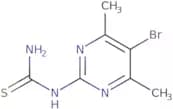
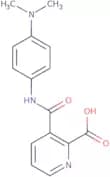
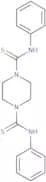
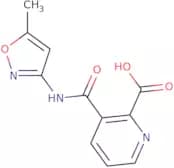
![2-((4-(Benzo[3,4-d]1,3-dioxolan-5-ylmethyl)piperazinyl)carbonyl)cyclohexanecarboxylic acid](/_next/image/?url=https%3A%2Fstatic.cymitquimica.com%2Fproducts%2F3D%2Fthumb-webp%2FFB169464.webp&w=3840&q=75)
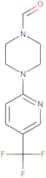

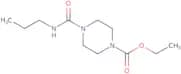
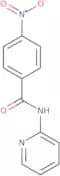
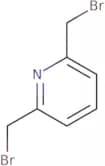
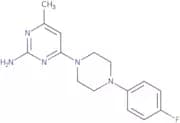


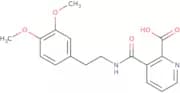
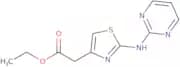
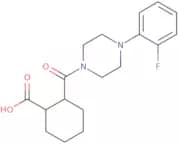

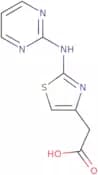
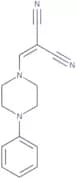
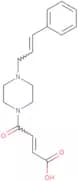
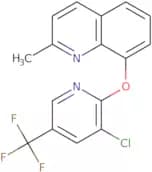
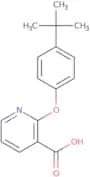
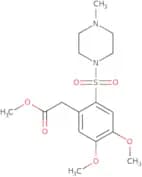
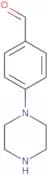
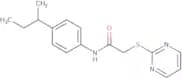
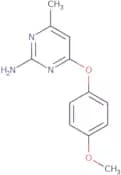
![4-[(1H-Benzimidazol-2-yl)oxy]-3-methyl-2-pyridinecarboxylic acid](/_next/image/?url=https%3A%2Fstatic.cymitquimica.com%2Fproducts%2F3D%2Fthumb-webp%2FFB156806.webp&w=3840&q=75)
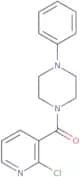


![4,6-Dimethyl-2-oxo-N-[1-(2-thiazolyl)-2-(2-thienyl)ethyl]-1(2H)-pyrimidinebutanamide](/_next/image/?url=https%3A%2Fstatic.cymitquimica.com%2Fproducts%2FTR%2Fthumb-webp%2FD463125.webp&w=3840&q=75)

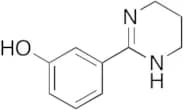
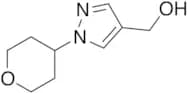
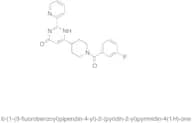
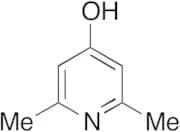
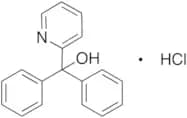
![2-((4-Benzylphenoxy)methyl)pyrido[3,4-d]pyrimidin-4(3H)-one](/_next/image/?url=https%3A%2Fstatic.cymitquimica.com%2Fproducts%2FTR%2Fthumb-webp%2FB288595.webp&w=3840&q=75)
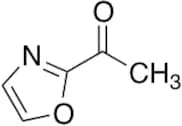
![5-[4’-Bromomethyl-(1,1’-biphenyl)-2-yl]-2-triphenylmethyltetrazole](/_next/image/?url=https%3A%2Fstatic.cymitquimica.com%2Fproducts%2FTR%2Fthumb-webp%2FB685310.webp&w=3840&q=75)
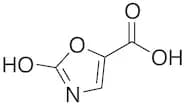
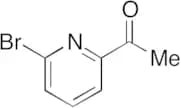
![Imidazo[1,2-a]pyridine-6-carboxylic acid](/_next/image/?url=https%3A%2Fstatic.cymitquimica.com%2Fproducts%2FTR%2Fthumb-webp%2FI387580.webp&w=3840&q=75)

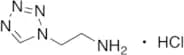

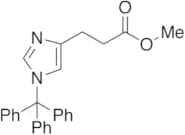
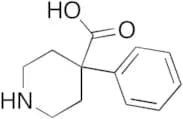

![3-Iodo-5-[2-(2-pyridinyl)ethynyl]-benzonitrile-d4](/_next/image/?url=https%3A%2Fstatic.cymitquimica.com%2Fproducts%2FTR%2Fthumb-webp%2FI719552.webp&w=3840&q=75)
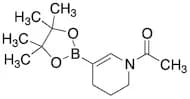
![N-[(1-Methyl-1H-pyrazol-4-yl)methyl]ethanamine](/_next/image/?url=https%3A%2Fstatic.cymitquimica.com%2Fproducts%2FTR%2Fthumb-webp%2FM103863.webp&w=3840&q=75)
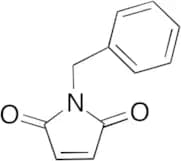

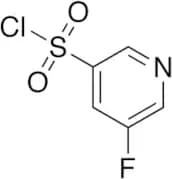
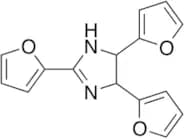
![4-[[[2-(Diethylamino)ethyl]amino]carbonyl]-3,5-dimethyl-1H-pyrrole-2-Carboxylic Acid](/_next/image/?url=https%3A%2Fstatic.cymitquimica.com%2Fproducts%2FTR%2Fthumb-webp%2FD679833.webp&w=3840&q=75)
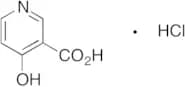
![2-Chloro-6-ethyl-N,N-dimethylthieno[2,3-d]pyrimidin-4-amine-d6](/_next/image/?url=https%3A%2Fstatic.cymitquimica.com%2Fproducts%2FTR%2Fthumb-webp%2FC367637.webp&w=3840&q=75)
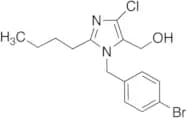
![4-Pentyl-2-(2-phenylpropan-2-yl)-2,3-dihydropyrrolo[3,4-b]indol-1(4H)-one](/_next/image/?url=https%3A%2Fstatic.cymitquimica.com%2Fproducts%2FTR%2Fthumb-webp%2FP284940.webp&w=3840&q=75)
![1H-Pyrrolo[2,3-c]pyridin-5-amine](/_next/image/?url=https%3A%2Fstatic.cymitquimica.com%2Fproducts%2FTR%2Fthumb-webp%2FP998825.webp&w=3840&q=75)
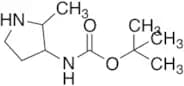
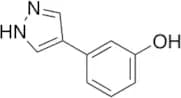
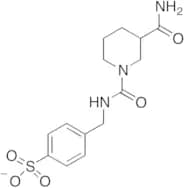
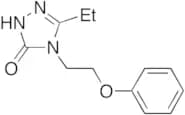
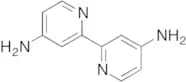
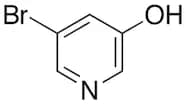
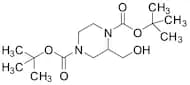

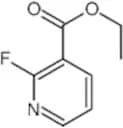
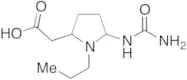
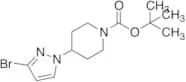
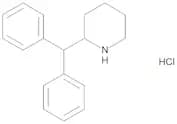
![B-[1-(Tetrahydro-2H-pyran-4-yl)-1H-pyrazol-4-yl]boronic Acid-d5](/_next/image/?url=https%3A%2Fstatic.cymitquimica.com%2Fproducts%2FTR%2Fthumb-webp%2FT295512.webp&w=3840&q=75)
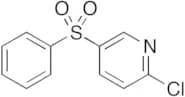
![7-(3-Bromophenyl)pyrazolo[1,5-a]pyrimidine-3-carbonitrile](/_next/image/?url=https%3A%2Fstatic.cymitquimica.com%2Fproducts%2FTR%2Fthumb-webp%2FB686550.webp&w=3840&q=75)


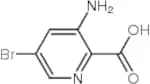
![4,5,6,7-Tetrahydro-[1,2,3]triazolo[1,5-a]pyrazine-3-carboxamide](/_next/image/?url=https%3A%2Fstatic.cymitquimica.com%2Fproducts%2FTR%2Fthumb-webp%2FT294080.webp&w=3840&q=75)
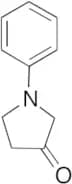
![6-Fluoro-2-methylimidazo[1,2-a]pyridine-3-carboxylic Acid](/_next/image/?url=https%3A%2Fstatic.cymitquimica.com%2Fproducts%2FTR%2Fthumb-webp%2FB435473.webp&w=3840&q=75)
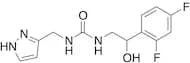
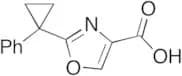
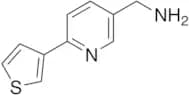
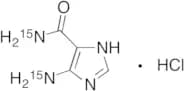


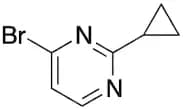
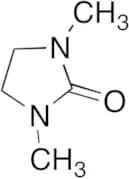
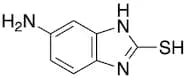
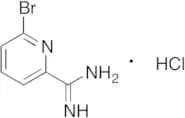
![4-Amino-1-[2-(phenylmethoxy)ethyl]-1H-pyrazole-5-carboxylic Acid Methyl Ester](/_next/image/?url=https%3A%2Fstatic.cymitquimica.com%2Fproducts%2FTR%2Fthumb-webp%2FA625050.webp&w=3840&q=75)
![1,3-Bis[2,6-bis(1-methylethyl)phenyl]-2-carboxy-1H-imidazolium Inner Salt](/_next/image/?url=https%3A%2Fstatic.cymitquimica.com%2Fproducts%2FTR%2Fthumb-webp%2FB413000.webp&w=3840&q=75)
![4-Amino-6-chloro-1-β-D-ribofuranosylimidazo[4,5-c]pyridine](/_next/image/?url=https%3A%2Fstatic.cymitquimica.com%2Fproducts%2FTR%2Fthumb-webp%2FA603514.webp&w=3840&q=75)
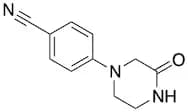
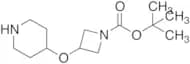
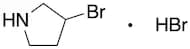
![N-[(2R,3R,3aS,4S,6aS)-hexahydro-2,4-methano-4H-furo[3,2-b]pyrrol-3-yl]carbamic Acid 1,1-Dimethylet…](/_next/image/?url=https%3A%2Fstatic.cymitquimica.com%2Fproducts%2FTR%2Fthumb-webp%2FH293945.webp&w=3840&q=75)
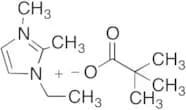
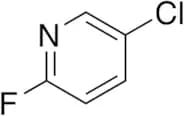
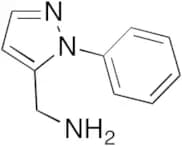
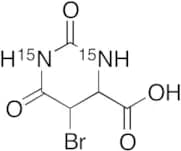
![trans-4-(4-Chlorophenyl)-3-pyrrolidinyl]carbamic Acid 1,1-Dimethylethyl Ester](/_next/image/?url=https%3A%2Fstatic.cymitquimica.com%2Fproducts%2FTR%2Fthumb-webp%2FC379465.webp&w=3840&q=75)
![1-(4-Chlorophenyl)-3-[(2-nitrophenyl)methoxy]pyrazole](/_next/image/?url=https%3A%2Fstatic.cymitquimica.com%2Fproducts%2FTR%2Fthumb-webp%2FC877880.webp&w=3840&q=75)

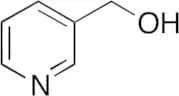
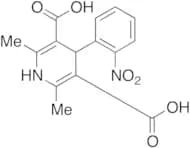
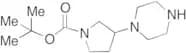
![N-Cyclohexyl-N-[(1,4-dihydro-5,6-dimethyl-4-oxothieno[2,3-d]pyrimidin-2-yl)methyl]…](/_next/image/?url=https%3A%2Fstatic.cymitquimica.com%2Fproducts%2FTR%2Fthumb-webp%2FC987450.webp&w=3840&q=75)