


Heterocycles with Nitrogen (N)
Subcategories of "Heterocycles with Nitrogen (N)"
- Azepane(436 products)
- Benzotriazoles(438 products)
- Diazepanes(335 products)
- Imidazoles(4,031 products)
- Imidazolines(385 products)
- Isoxazole(1,088 products)
- Piperazines(3,758 products)
- Piperidines(8,442 products)
- Pyrazines(1,304 products)
- Pyrazole(5,960 products)
- Pyrazolidine(21 products)
- Pyrazoline(143 products)
- Pyridazine(860 products)
- Pyridines(22,005 products)
- Pyrimidine(6,084 products)
- Pyrroles(2,449 products)
- Pyrrolidines(5,840 products)
- Pyrroline(48 products)
- Pyrrolo[1,2-b]pyridazine(10 products)
- Tetrazole(531 products)
- Triazines(466 products)
- Triazoles(1,689 products)
Found 17862 products of "Heterocycles with Nitrogen (N)"
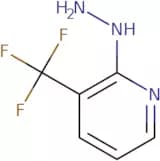
(3-Trifluoromethylpyrid-2-yl)hydrazine
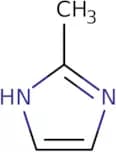
CAS:Building block for preparation of heteroaryltriazole derivativesFormula:C6H6F3N3Purity:Min. 95%Color and Shape:PowderMolecular weight:177.13 g/mol2-Methylimidazole
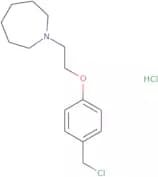
CAS:2-Methylimidazole is a crystalline solid that has been used in the preparation of coordination compounds. The compound is prepared by reacting 2-methylimidazole with an appropriate metal cyanide, such as copper cyanide or nickel cyanide. The crystal structure of 2-methylimidazole shows strong hydrogen bonding interaction between the nitrogen atoms and the carboxylate groups. This compound has been used in clinical pathology to detect increased levels of ammonia, uric acid, and lactic acid in the blood. 2-Methylimidazole is not toxic to humans but has shown some toxicity to mice when injected intravenously at high concentrations. It can be used as an analytical method for determining trace amounts of chlorine in chemical compounds by way of electrochemical impedance spectroscopy (EIS).Formula:C4H6N2Purity:Min. 95%Color and Shape:White Clear LiquidMolecular weight:82.1 g/mol1-(2-(4-(Chloromethyl)phenoxy)ethyl)azepane HCl
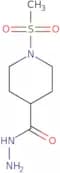
CAS:1-(2-(4-(Chloromethyl)phenoxy)ethyl)azepane HCl is a versatile building block that can be used as a reagent, speciality chemical, or intermediate. It is also a useful scaffold for the synthesis of complex compounds. The compound has been shown to be useful in research and industry due to its high quality and versatility. 1-(2-(4-(Chloromethyl)phenoxy)ethyl)azepane HCl has CAS No. 223251-25-0 and can be used as a reaction component in organic synthesis reactions.Formula:C15H23Cl2NOPurity:Min. 95%Color and Shape:Off-White PowderMolecular weight:304.25 g/mol1-(Methylsulfonyl)piperidine-4-carbohydrazide
CAS:1-(Methylsulfonyl)piperidine-4-carbohydrazide is a fine chemical that has been used as a versatile building block in the synthesis of pharmaceuticals, research chemicals, and speciality chemicals. It has been used in the synthesis of a number of complex compounds, such as for example 4-methyl-N-[(4'-methoxybenzoyl)amino]benzenesulfonamide. 1-(Methylsulfonyl)piperidine-4-carbohydrazide is also an intermediate in the synthesis of other compounds. It is a white solid with CAS No. 312515-49-4 and melting point 159°C.Formula:C7H15N3O3SPurity:Min. 95%Color and Shape:White PowderMolecular weight:221.28 g/mol1-(2-Dimethylaminoethyl)-4-methylpiperazine
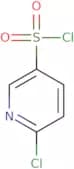
CAS:Polyurethane is a polymer that is synthesized by the reaction of diisocyanates with polyols, such as glycols or sugar alcohols. Polyurethanes are used in a wide variety of products, including coatings, foams and elastomers. 1-(2-Dimethylaminoethyl)-4-methylpiperazine (DMP) is an ionic surfactant that is commonly used as an extender and/or viscosity stabilizer in polyurethane systems. DMP provides good wetting properties to the coating and improves film formation, surface smoothness and abrasion resistance. It also helps to reduce the hardness of the surface film, which can be beneficial when using soft materials such as foam or rubber.Formula:C9H21N3Purity:Min. 95%Color and Shape:Clear LiquidMolecular weight:171.28 g/mol6-Chloropyridine-3-sulfonyl chloride
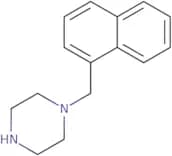
CAS:6-Chloropyridine-3-sulfonyl chloride is a synthetic compound that has been shown to be an inhibitor of the enzyme anhydrase, which is involved in the production of carbonic acid. This inhibition leads to a decrease in the pH of tissues and may inhibit the proliferation of malignant cancer cells. 6-Chloropyridine-3-sulfonyl chloride has also been shown to have anticancer activity against eukaryotes.Formula:C5H3Cl2NO2SPurity:Min. 95%Color and Shape:PowderMolecular weight:212.05 g/mol1-(1-Naphthylmethyl)piperazine
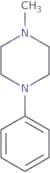
CAS:1-(1-Naphthylmethyl)piperazine (1-NMPP) is an antimicrobial agent that inhibits bacterial efflux pumps. It was shown to be active against Gram-positive bacteria, such as Erythromycin and tetracycline resistant mutants. 1-NMPP has been shown to inhibit the expression of efflux pump proteins in Gram-negative bacteria. One study showed that 1-NMPP can reverse the resistance of colistin and sulfa drugs in a multidrug resistant strain of Staphylococcus aureus. The mechanism of action for this drug is not yet known, but it may be due to its ability to prevent the synthesis of new efflux pump proteins by inhibiting translation or by decreasing mRNA stability.Formula:C15H18N2Purity:Min. 95%Color and Shape:Off-White PowderMolecular weight:226.32 g/mol1-Methyl-4-phenyl-piperazine
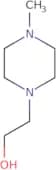
CAS:Controlled Product1-Methyl-4-phenyl-piperazine (MPP) is a drug that inhibits the serine protease and blocks the activation of tyrosine kinases. It is used in diagnostic testing to identify mutations in genes encoding for serine proteases, such as trypsin, chymotrypsin, and elastase. MPP has been shown to reduce blood pressure in rats by blocking the 5-HT4 receptor. This compound also enhances mitochondrial membrane potential and emits light when it is excited by an electron beam.Formula:C11H16N2Purity:Min. 95%Color and Shape:Colorless PowderMolecular weight:176.26 g/mol1-(2-Hydroxyethyl)-4-methylpiperazine
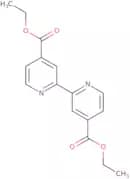
CAS:1-(2-Hydroxyethyl)-4-methylpiperazine is an organic compound with the formula CHN(CHOH)CHNH. It is a colorless, viscous liquid that is soluble in water and has a pungent odor. The chemical is used as a viscosity control agent and as an intermediate in the manufacture of other chemicals. 1-(2-Hydroxyethyl)-4-methylpiperazine can be synthesized by the reaction of ethylene oxide with amines, or by quaternization of diethanolamine with chloroethane. 1-(2-Hydroxyethyl)-4-methylpiperazine is used in industrial applications such as in ion exchange resins and to control the viscosity of drilling fluids. It has been detected at low levels in surface waters and soils, where it may be derived from wastewater treatment plants or atmospheric deposition.Formula:C7H16N2OPurity:Min. 95%Color and Shape:PowderMolecular weight:144.21 g/mol4,4'-Bis(ethoxycarbonyl)-2,2'-bipyridine
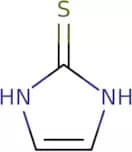
CAS:4,4'-Bis(ethoxycarbonyl)-2,2'-bipyridine (BEBCP) is a dithiolate chromophore. BEBCP has a redox potential of 1.3 volts and the electronic interaction of the carbonyl groups with the electron cloud of the bipyridine nucleus is responsible for this property. The photochemical properties of BEBCP can be systematically studied by using electrochemical data such as voltammetry and cyclic voltammetry. These methods are useful in determining the nature and constant of BEBCP as well as its interaction with ligands.Formula:C16H16N2O4Purity:Min. 95%Color and Shape:PowderMolecular weight:300.31 g/mol2-Mercapto-1H-imidazole
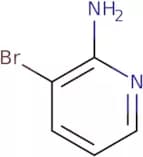
CAS:2-Mercapto-1H-imidazole is an irreversible inhibitor of xanthine oxidase. It binds to the nitrogen atoms of the enzyme's active site and forms a strong hydrogen bond with the oxygen atom of the xanthine substrate. The steric interactions between 2-mercapto-1H-imidazole and the substrate prevent binding and catalysis. The crystal structures of 2-mercapto-1H-imidazole in complex with xanthine oxidase have been determined using X-ray crystallography. FTIR spectroscopy has shown that 2-mercapto-1H-imidazole coordinates in a geometry similar to that of the reactant, hydrochloric acid. Electrochemical impedance spectroscopy (EIS) has revealed that proton transfer takes place when 2-mercapto-1H imidazole binds to xanthine oxidase, which is consistent with reaction mechanism involving electFormula:C3H4N2SPurity:Min. 95%Color and Shape:PowderMolecular weight:100.14 g/mol2-Amino-3-bromopyridine
CAS:2-Amino-3-bromopyridine (2ABP) is a nucleoside analogue that is used as a photosensitizer for photodynamic therapy. It has been shown to be effective against the fungus Cryptococcus neoformans, which can cause cryptococcal meningitis. 2ABP is unstable when exposed to light and requires an acidic environment to maintain stability. It binds to the ribose ring of levulinate, forming hydrogen bonding interactions with the hydroxide group on C5 and C8. 2ABP has been shown to have high transport properties in cells. This drug also has photophysical properties that are sensitive to pH, requiring it to be dissolved in a solution of trifluoroacetic acid or acetonitrile at a neutral pH. The 2ABP molecule has been characterized by nuclear magnetic resonance spectroscopy (NMR). Aqueous solutions of sodium hydroxide have been used successfully for the preparationFormula:C5H5BrN2Purity:Min. 95%Color and Shape:White PowderMolecular weight:173.01 g/mol2-Acetylpyrazine
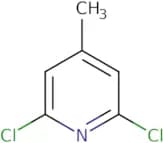
CAS:2-Acetylpyrazine is a nitrogen containing compound that has been used in biological studies. 2-Acetylpyrazine has been shown to have inhibitory properties against the growth of prostate cancer cells and other cell lines. It also inhibits the production of fatty acids and epidermal growth factor, which are important for cellular proliferation. The inhibition is due to the photochemical properties of 2-acetylpyrazine, which cause the formation of reactive species that react with biological molecules. The reactive species may be generated by either a reaction mechanism or a reaction pathway that involve coordination geometry. 2-acetylpyrazine has also been used as a fluorescence probe for fatty acid detection in lipid bilayers and liposomes.Formula:C6H6N2OPurity:Min. 95%Color and Shape:PowderMolecular weight:122.12 g/mol2,6-Dichloro-4-methylpyridine
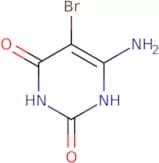
CAS:2,6-Dichloro-4-methylpyridine is a chemical compound that belongs to the class of dendrons. It is used for the functionalisation of imidazole and propiolate moieties. The derivates of 2,6-dichloro-4-methylpyridine can be made by coupling with pyrazole or dimethylacetal. This compound reacts with methylene halides in nucleophilic substitution reactions to produce methyl propiolate.Formula:C6H5Cl2NPurity:Min. 95%Color and Shape:PowderMolecular weight:162.02 g/mol6-Amino-5-bromopyrimidine-2,4(1H,3H)-dione
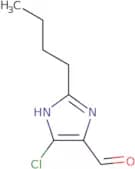
CAS:6-Amino-5-bromopyrimidine-2,4(1H,3H)-dione (6ABPD) is a purine derivative that functions as an inhibitor of phosphorylase kinase. It has been shown to inhibit tumor growth in vivo and in vitro and is used as a therapeutic agent for the treatment of cancer. 6ABPD inhibits the production of phosphorylase kinase by binding to the enzyme's active site with noncompetitive inhibition. Inhibition of phosphorylase kinase leads to a decrease in the levels of ATP and thus decreases the availability of substrates for tumor cell growth and proliferation. 6ABPD also binds to thymidine kinase and inhibits its activity, which may account for some of its antitumor effects.Formula:C4H4BrN3O2Purity:Min. 95%Color and Shape:PowderMolecular weight:206 g/mol2-Butyl-4-chloro-1H-imidazole-5-carboxaldehyde
CAS:Glyoxal is a chemical compound that has shown to have bactericidal activity against human pathogens such as Mycobacterium tuberculosis, Helicobacter pylori, and Staphylococcus aureus. It is used in the synthesis of heterocyclic amines and can be found as an impurity in imidazole derivatives. Glyoxal is a broad-spectrum antimicrobial that has been shown to inhibit the growth of fungi and bacteria by reacting with functional groups on the microorganisms' cell walls. It reacts with bacterial cell walls by forming an intermediate molecule, which reacts with other molecules present in the microorganism's environment to form carbon dioxide, water, and glyoxal. The reaction time for glyoxal depends on temperature; higher temperatures will result in faster reactions. Techniques used to synthesize glyoxal include dehydration of oximes or by reaction with phosphorus oxychloride.Formula:C8H11ClN2OPurity:Min. 95%Color and Shape:PowderMolecular weight:186.64 g/mol3-Quinolinecarboxylic acid
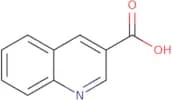
CAS:3-Quinolinecarboxylic acid is a water-soluble drug that is soluble in both organic solvents and water. It is reactive, which limits its therapeutic use. 3-Quinolinecarboxylic acid is used to treat inflammatory disease by inhibiting the production of prostaglandins and leukotrienes in the body. 3-Quinolinecarboxylic acid has been shown to have genotoxic effects on primary cells, as well as an antiinflammatory effect. It also has been shown to be effective for treating rheumatoid arthritis in animal models, but not humans.
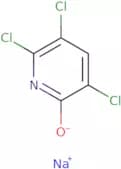
Formula:C10H7NO2Purity:Min. 95%Color and Shape:PowderMolecular weight:173.17 g/molSodium 3,5,6-trichloro-2-pyridinol
CAS:Sodium 3,5,6-trichloro-2-pyridinol is an inorganic compound that has been shown to be an effective biocide for the removal of hydrogen chloride and hydroxide solution. The optimal reaction was found to be at pH 10.3 with a reaction vessel containing 1% sodium hydroxide solution and a concentration of 0.2 grams per liter of hydrogen chloride. This compound reacts with hydrogen chloride to form hydrochloric acid (HCl) and sodium 3,5,6-trichloro-2-pyridinol hydrochloride (NCTP), which can then be removed by wastewater treatment or precipitation as sodium chloride. NCTP is also used for the treatment of skin conditions such as acne and eczema.Formula:C5HCl3NONaPurity:Min. 95%Color and Shape:Off-White SolidMolecular weight:220.42 g/mol2-Chloro-4-methyl-6-methylsulfanylpyrimidine
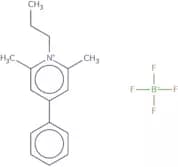
CAS:2-Chloro-4-methyl-6-methylsulfanylpyrimidine is a high quality chemical that is an intermediate for organic synthesis. It is a reagent and useful intermediate in the production of complex compounds. 2-Chloro-4-methyl-6-methylsulfanylpyrimidine has been shown to be a building block for use in synthesizing fine chemicals, pharmaceuticals, and pesticides. This compound can also be used as a reaction component for the synthesis of other chemicals, making it an important research chemical. 2-Chloro-4-methyl-6-methylsulfanylpyrimidine is soluble in water and insoluble in ethanol or ether. It has CAS No. 89466-59-1 and a molecular weight of 238.2 g/mol.br>br> 2CMSMP can be used to produce various compounds such as:Formula:C6H7ClN2SPurity:Min. 95%Color and Shape:PowderMolecular weight:174.65 g/mol2,6-Diethyl-4-phenyl-1-propylpyridinium tetrafluoroborate
CAS:2,6-Diethyl-4-phenyl-1-propylpyridinium tetrafluoroborate is a building block and a versatile intermediate in organic synthesis. It can be used as a reactant in the preparation of fine chemicals and pharmaceuticals. 2,6-Diethyl-4-phenyl-1-propylpyridinium tetrafluoroborate has been shown to produce high quality reaction products with good yield.Formula:C16H20N·BF4Purity:Min. 95%Molecular weight:313.14 g/mol4-Nitropyridine-2-carboxylic acid
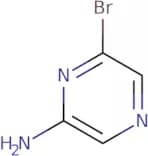
CAS:4-Nitropyridine-2-carboxylic acid (4NPCA) is a nitro compound that can form both an n-oxide and a deuterium isotope effect. 4NPCA has been shown to react with picolinic acid, forming a stable chelate ligand that is stabilized by the electron withdrawal of the nitro group. 4NPCA also reacts with acetonitrile to form isotopomers, which are molecules that differ only in the number of atoms of hydrogen or deuterium present. The formation of these isotopomers occurs through an intramolecular hydrogen transfer from the hydroxyl group on one molecule to the nitro group on another.Formula:C6H4N2O4Purity:Min. 95%Color and Shape:Pale yellow solid.Molecular weight:168.11 g/mol2-Amino-6-bromopyrazine
CAS:2-Amino-6-bromopyrazine is a versatile building block that can be used in the synthesis of complex compounds. It is also used as a reagent, speciality chemical and useful scaffold for the synthesis of pharmaceuticals and other chemicals. 2-Amino-6-bromopyrazine is available from Sigma Aldrich with CAS No. 54237-53-5.
Formula:C4H4BrN3Purity:Min. 95%Color and Shape:White PowderMolecular weight:174 g/mol1-Ethyl-1,2-dihydro-2,2,4-trimethyl-7-quinolinol hydrochloride
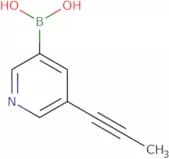
CAS:Please enquire for more information about 1-Ethyl-1,2-dihydro-2,2,4-trimethyl-7-quinolinol hydrochloride including the price, delivery time and more detailed product information at the technical inquiry form on this pageFormula:C14H19NO•HClPurity:Min. 95%Color and Shape:PowderMolecular weight:253.77 g/mol(5-(Prop-1-yn-1-yl)pyridin-3-yl)boronic acid
CAS:(5-(Prop-1-yn-1-yl)pyridin-3-yl)boronic acid is a versatile building block that has been used in the synthesis of complex compounds, reagents, and speciality chemicals. It can also be used in reactions as a reaction component or scaffold. This chemical is soluble in most organic solvents and can be used as a high quality intermediate for synthesis of pharmaceuticals or research chemicals. It has been shown to have a CAS number of 917471-30-8.Formula:C8H8BNO2Purity:Min. 95%Color and Shape:PowderMolecular weight:160.97 g/mol1-[[2-(4-Chlorophenyl)-4,4-dimethylcyclohex-1-enyl]methyl]piperazine
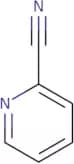
CAS:1-[[2-(4-Chlorophenyl)-4,4-dimethylcyclohex-1-enyl]methyl]piperazine is a high quality compound that can be used as a reagent or intermediate. It is a complex compound with the CAS No. 1228780-72-0 that is useful in the production of fine chemicals, research chemicals and speciality chemicals. 1-[2-(4-Chlorophenyl)-4,4-dimethylcyclohex-1-enyl]methyl]piperazine is a versatile building block that can be used in reactions to produce specialized products such as pharmaceuticals, agrochemicals, dyes and fragrances.Formula:C19H27ClN2Purity:Min. 95%Color and Shape:White PowderMolecular weight:318.88 g/mol2-Cyanopyridine
CAS:2-Cyanopyridine is a chelate ligand that is structurally related to picolinic acid. It binds to the active site of IDO1 and prevents the enzyme from converting tryptophan into kynurenine. This leads to an increase in tryptophan levels, which can then be used for protein synthesis. 2-Cyanopyridine has been shown to have antimicrobial activity against Gram-positive bacteria in vitro and in vivo. It also inhibits the growth of Gram-negative bacteria, yeast, and fungi by binding to the iron atom of their heme molecules. 2-Cyanopyridine has shown potential as a pharmacological agent or as a biochemical probe for transfer reactions.
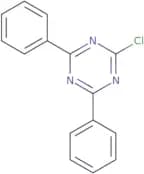
Formula:C6H4N2Purity:Min. 95%Color and Shape:PowderMolecular weight:104.11 g/mol2-Chloro-4,6-diphenyl-1,3,5-triazine
CAS:2-Chloro-4,6-diphenyl-1,3,5-triazine is a linker that can be activated to accept an electron from a donor molecule. It is often used as a transport material in organic light emitting diodes (OLEDs) and organic photovoltaics (OPVs). 2-Chloro-4,6-diphenyl-1,3,5-triazine has been shown to have high efficiencies when it is thermally activated. This compound also has high efficiency when it is activated by light with a wavelength of 400 nm. The luminescent properties of 2-Chloro-4,6-diphenyl-1,3,5 - triazine are due to its electron deficient nature and the presence of methoxy groups.
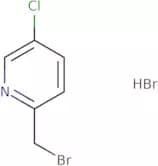
Formula:C15H10ClN3Purity:Min. 95%Color and Shape:White PowderMolecular weight:267.71 g/mol2-(Bromomethyl)-5-chloropyridine hydrobromide
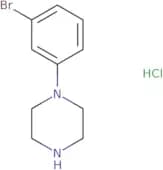
CAS:2-(Bromomethyl)-5-chloropyridine hydrobromide is a versatile building block that can be used in the synthesis of complex compounds and research chemicals. This compound has a CAS number of 1646152-49-9 and is a useful building block for reactions involving nitration, bromination, chlorination, amination, and sulfonylation. 2-(Bromomethyl)-5-chloropyridine hydrobromide can also be used as a reagent or as a speciality chemical to react with other chemicals or to be used as a reaction component or scaffold in synthesizing more complex molecules.Formula:C6H6Br2ClNPurity:Min. 95%Color and Shape:PowderMolecular weight:287.38 g/mol1-(3-Bromophenyl)-piperazine HCl
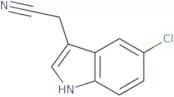
CAS:Controlled Product1-(3-Bromophenyl)-piperazine HCl is a fine chemical that belongs to the class of research chemicals and reagents. It has been used as a building block for the synthesis of various compounds, such as pharmaceuticals, dyes, and pesticides. 1-(3-Bromophenyl)-piperazine HCl is also a versatile intermediate in organic synthesis.Formula:C10H14BrClN2Purity:Min. 95%Color and Shape:White PowderMolecular weight:277.59 g/mol5-Chloroindole-3-acetonitrile
CAS:5-Chloroindole-3-acetonitrile is a chemical compound that can be used as a reaction component, reagent, or useful scaffold in the synthesis of complex compounds. 5-Chloroindole-3-acetonitrile is also a fine chemical with many uses as a high quality research chemical and versatile building block. It is commercially available from various suppliers and its CAS number is 81630-83-3.Formula:C10H7ClN2Purity:Min. 95%Color and Shape:Yellow PowderMolecular weight:190.63 g/mol2-Bromo-3-pyridinol
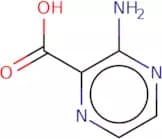
CAS:2-Bromo-3-pyridinol is a nicotinic acetylcholine receptor antagonist that has anti-influenza activity. It was synthesized as an analogue of the natural product pyridostigmine, which inhibited influenza in mice. 2-Bromo-3-pyridinol binds to the nicotinic acetylcholine receptor at the same site as nicotine and prevents it from being activated by acetylcholine. This drug also inhibits tumor growth and proliferation in vitro and in vivo, showing potent cytotoxicity against carcinoma cells by inhibiting protein synthesis and cell division. 2-Bromo-3-pyridinol has been shown to inhibit Alzheimer's disease in a mouse model of this disorder. The drug inhibits amyloid plaque formation and toxicity in cultured cells, suggesting its potential for treating this disease.Formula:C5H4BrNOPurity:Min. 95%Color and Shape:White To Off-White SolidMolecular weight:174 g/mol3-Amino-2-pyrazinecarboxylic acid
CAS:3-Amino-2-pyrazinecarboxylic acid (APC) is a molecule that has been studied from many different theoretical perspectives. It has been shown to have magnetic, vibrational and spectroscopic properties. APC has a molecular electrostatic potential that can be calculated by the functional theory of atoms in molecules. This theory predicts the distribution of electron density between atoms in molecules and is used to identify which parts of a molecule are more likely to react with other molecules. The Raman spectra of APC show an intense peak at 1108 cm-1 and two weak peaks at 1265 cm-1 and 1403 cm-1. The frequency of these peaks corresponds to a bond length of 1.3 Å, 1.5 Å, and 1.7 Å respectively, corresponding to π bonds in benzene rings, σ bonds and π bonds in amide groups respectively, or σ bonds in amide groups respectively.Formula:C5H5N3O2Purity:Min. 95%Color and Shape:PowderMolecular weight:139.11 g/mol4-Amino-6-chloro-2-(methylthio) pyrimidine
CAS:4-Amino-6-chloro-2-(methylthio) pyrimidine is a reactive chemical that is used in medicine as an antioxidant. It has been shown to have beneficial effects on atherosclerosis, colitis and cancer. 4-Amino-6-chloro-2-(methylthio) pyrimidine has also been shown to inhibit the production of reactive oxygen species (ROS). ROS are generated by lipoxygenase enzymes in soybean oil and cause damage to cells. 4-Amino-6-chloro-2-(methylthio) pyrimidine binds to the enzyme's heme group, preventing it from forming ROS.Formula:C5H6ClN3SPurity:Min. 95%Molecular weight:175.64 g/mol2-(Hydroxymethyl)pyridin-4-ol
CAS:2-(Hydroxymethyl)pyridin-4-ol is a versatile building block that can be used in the synthesis of complex compounds and research chemicals. This fine chemical is a reagent, speciality chemical, and useful scaffold in organic synthesis. 2-(Hydroxymethyl)pyridin-4-ol is also an intermediate for the production of useful building blocks. It has high purity and can be used as a reaction component or a useful scaffold in organic synthesis.Formula:C6H7NO2Purity:Min. 95%Color and Shape:White PowderMolecular weight:125.13 g/mol4-Chloro-6-methoxyquinolin-7-ol
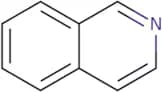
CAS:4-Chloro-6-methoxyquinolin-7-ol (CMQ) is an alkali metal that inhibits the sodium/potassium ATPase pump, which is responsible for maintaining the cell's intracellular ion balance. It was discovered in a search for compounds that inhibit this enzyme and show promise in the treatment of heart diseases. CMQ has been shown to inhibit the sodium concentration in rat hearts with no effect on potassium concentrations, which may be due to its ability to bind to sodium ions but not potassium ions. The long-term effects of CMQ on human populations are unknown, as well as its effects on genotype and parameters. CMQ also has been shown to cause drug resistance mutations in bacteria, such as methicillin resistant Staphylococcus aureus (MRSA), by increasing the mutation rate. This is due to the fact that it inhibits DNA replication and protein synthesis in bacteria cells.Formula:C10H8ClNO2Purity:Min. 95%Color and Shape:Yellow PowderMolecular weight:209.63 g/molIsoquinoline
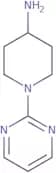
CAS:Isoquinoline is a heterocyclic organic compound that can be synthesized by the asymmetric addition of hydrochloric acid to an isoquinol. It has been shown to inhibit the enzyme DPP-IV, which is involved in the degradation of glucagon-like peptide-1 (GLP-1). Isoquinoline is also a potent antagonist of the NMDA receptor, and has been shown to have anti-inflammatory properties in HLA-60 cells. This drug is soluble in organic solvents and forms crystalline polymorphs. Isoquinoline has been used in polymerase chain reactions as a hydrogen bond donor.Formula:C9H7NPurity:Min. 95%Color and Shape:PowderMolecular weight:129.16 g/mol1-Pyrimidin-2-ylpiperidin-4-amine dihydrochloride
CAS:1-Pyrimidin-2-ylpiperidin-4-amine dihydrochloride is a high quality, crystalline compound with a CAS number of 1179369-48-2. It is an intermediate in the synthesis of various fine chemicals, including pharmaceuticals and pesticides. 1-Pyrimidin-2-ylpiperidin-4-amine dihydrochloride also has applications as a versatile building block for the synthesis of other compounds and is used as a reaction component in organic chemistry. This reagent can be used to synthesize many different compounds for use in research or medical purposes.Formula:C9H14N4·2HClPurity:Min. 95%Color and Shape:PowderMolecular weight:251.16 g/molMethyl 2-[(1H-pyrrolo[2,3-b]pyridin-5-yl)oxy]-4-fluorobenzoate
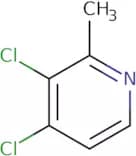
CAS:Methyl 2-[(1H-pyrrolo[2,3-b]pyridin-5-yl)oxy]-4-fluorobenzoate is a versatile building block that can be used as a reagent or speciality chemical. It has been shown to be useful in the synthesis of complex compounds and research chemicals. Methyl 2-[(1H-pyrrolo[2,3-b]pyridin-5-yl)oxy]-4-fluorobenzoate is an intermediate for the synthesis of various pharmaceuticals and agrochemicals. This compound may also act as a scaffold for drug design and development.Formula:C15H11FN2O3Purity:Min. 95%Color and Shape:Off-White PowderMolecular weight:286.26 g/mol3,4-Dichloro-2-methylpyridine
CAS:3,4-Dichloro-2-methylpyridine is a novel sulfur analogue that has been shown to have significant antitumor activity in breast cancer xenografts. 3,4-Dichloro-2-methylpyridine inhibits the growth of tumor cells by binding to their DNA and inhibiting RNA synthesis. It also inhibits the production of reactive oxygen species and stabilizes cell membranes. 3,4-Dichloro-2-methylpyridine has been found to be active against human tumors in vivo and is a potential anticancer drug for human use.Formula:C6H5Cl2NPurity:Min. 95%Color and Shape:PowderMolecular weight:162.02 g/molN-Phenyl-2,4,6-triphenyl pyridinium tetrafluoroborate
CAS:N-Phenyl-2,4,6-triphenyl pyridinium tetrafluoroborate is a crystalline material that is insoluble in water and organic solvents. It can be used as a monomer in the synthesis of polymers and for immobilization of enzymes. N-Phenyl-2,4,6-triphenyl pyridinium tetrafluoroborate can be used to reprocess technetium and has been shown to diffract x-rays with high resolution. This compound is also fluorescent with a long wavelength (620 nm) and can be used as a radioactive tracer.
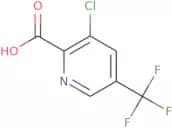
Formula:C29H22N·BF4Purity:Min. 95%Molecular weight:471.3 g/mol3-Chloro-5-(trifluoromethyl)pyridine-2-carboxylic acid
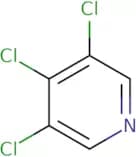
CAS:The compound 3-Chloro-5-(trifluoromethyl)pyridine-2-carboxylic acid is a synthetic intermediate that has been used in the synthesis of amides with high analytical quality. It is also an important reagent for the synthesis of many pharmaceuticals and agrochemicals. In addition, 3-chloro-5-(trifluoromethyl)pyridine-2-carboxylic acid has been shown to have dose dependent phytotoxic effects and causes plant growth inhibition.Formula:C7H3ClF3NO2Purity:Min. 95%Color and Shape:White PowderMolecular weight:225.55 g/mol3,4,5-Trichloropyridine
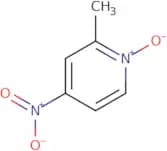
CAS:3,4,5-Trichloropyridine is a cationic polymerization initiator that is used in coatings and pharmaceuticals. 3,4,5-Trichloropyridine is a prodrug of amines that are active substances. It has been shown to be thermodynamically stable and to have analytical methods that are suitable for industrial use. 3,4,5-Trichloropyridine has been studied in the context of its mechanism of action as a PDE-5 inhibitor. The drug's effects have been compared with those of benazepril hydrochloride and carbonyl group analogues using magnetic resonance spectroscopy. Salvianolic acid A and benazepril hydrochloride inhibited the reaction product formation between 3,4,5-trichloropyridine and 2-aminophenol (2AP) by 50%.Formula:C5H2Cl3NPurity:Min. 95%Color and Shape:White PowderMolecular weight:182.43 g/mol2-Methyl-4-nitropyridine-N-oxide
CAS:2-Methyl-4-nitropyridine-N-oxide is an alkoxy radical that is a toxic chemical. It is used in the synthesis of other chemicals and drugs, as well as in diagnostic tests. 2-Methyl-4-nitropyridine-N-oxide is converted to its n-oxide form by hydrochloric acid. The molecule has two functionalities: one nucleophilic and one electrophilic. These functionalities allow it to undergo reactions with many different types of molecules, including ethylene acetal.
Formula:C6H6N2O3Purity:Min. 95%Color and Shape:Yellow PowderMolecular weight:154.13 g/mol[3-Methyl-4-(2,2,2-trifluoro-ethoxy)-pyridin-2-yl]-methanol
CAS:[3-Methyl-4-(2,2,2-trifluoro-ethoxy)-pyridin-2-yl]-methanol is a synthetic organic compound that is used in the synthesis of other organic compounds. It can be purified by filtration or gasification and recrystallization.Purity:Min. 95%Color and Shape:Powder2-(4-Methoxyphenyl)-4,6-bis(trichloromethyl)-1,3,5-triazine
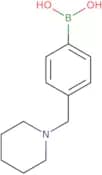
CAS:2-(4-Methoxyphenyl)-4,6-bis(trichloromethyl)-1,3,5-triazine is a chemical compound that belongs to the class of cyanine dyes. It is used as a developer in photopolymerization and as an electron donor in electron-sensitive materials. 2-(4-Methoxyphenyl)-4,6-bis(trichloromethyl)-1,3,5-triazine has a viscosity of 0.56 Pa·s at 25°C and is sensitive to light with wavelengths ranging from 300 to 400 nm. This dye also has a yield of 1.0 g/g and a phenolic content of 0.2%.Formula:C12H7Cl6N3OPurity:Min. 95%Color and Shape:White PowderMolecular weight:421.92 g/mol4-(1-Piperidylmethyl)phenylboronic acid
CAS:4-(1-Piperidylmethyl)phenylboronic acid is a fine chemical that is used as a versatile building block in the synthesis of complex compounds. It has been used as a reagent and speciality chemical in research. 4-(1-Piperidylmethyl)phenylboronic acid is also a useful intermediate in organic synthesis, and can be used as a reaction component or scaffold for the preparation of other chemicals.
Formula:C12H18BNO2Purity:Min. 95%Color and Shape:PowderMolecular weight:219.09 g/mol2,6-Dibromopyridine
CAS:2,6-Dibromopyridine (2,6-DBP) is a chemical compound that has been used in the synthesis of other organic compounds. It is an aromatic heterocycle with nitrogen atoms at the 2 and 6 positions. 2,6-DBP is a monosubstituted pyridine derivative that undergoes a palladium-catalyzed coupling reaction with an aryl halide to form pyrazoles. This process can be done unsymmetrically by protonating the 2 position of the dibromopyridine molecule. The presence of serine protease has been shown to promote this reaction by increasing the surface area of the substrate.Formula:C5H3Br2NPurity:Min. 98 Area-%Color and Shape:Off-White Yellow PowderMolecular weight:236.89 g/mol2,4,6-Triaminopyrimidine
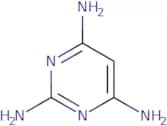
CAS:2,4,6-Triaminopyrimidine is an organic compound that can be found in a variety of sources. It is used as a research chemical and has shown to have anti-inflammatory properties in the rat kidney. This compound has been shown to bind with nucleobases and form hydrogen bonds with glycosidic bonds. 2,4,6-Triaminopyrimidine has also been shown to be a ligand for affinity chromatography.Formula:C4H7N5Purity:Min. 95%Color and Shape:Off-White To Yellow SolidMolecular weight:125.07015[(3S,4R)-4-(4-Fluorophenyl)-3-piperidinyl]methanol
CAS:[(3S,4R)-4-(4-Fluorophenyl)-3-piperidinyl]methanol is a chemical with the molecular formula C10H17FN2O. It is a versatile building block that can be used as an intermediate in organic synthesis, or in the synthesis of complex compounds such as pharmaceuticals. This product has been shown to have high quality and is a useful reagent in research.Formula:C12H16FNOPurity:Min. 95%Color and Shape:PowderMolecular weight:209.26 g/mol4-Hydroxymethylpiperidine hydrochloride
CAS:4-Hydroxymethylpiperidine hydrochloride is a fine chemical that has been used as a versatile building block for the synthesis of complex compounds. It is available for sale as a research chemical, and can be used as an intermediate or reagent in the synthesis of specialty chemicals. This compound is useful in the production of pharmaceuticals, agrochemicals, dyes, and fragrances. 4-Hydroxymethylpiperidine hydrochloride has been found to be useful in the manufacture of high-quality products.Formula:C6H13NO·HClPurity:Min. 95%Color and Shape:White PowderMolecular weight:151.63 g/mol






![1-[[2-(4-Chlorophenyl)-4,4-dimethylcyclohex-1-enyl]methyl]piperazine](/_next/image/?url=https%3A%2Fstatic.cymitquimica.com%2Fproducts%2F3D%2Fthumb-webp%2FFC145625.webp&w=3840&q=75)



![Methyl 2-[(1H-pyrrolo[2,3-b]pyridin-5-yl)oxy]-4-fluorobenzoate](/_next/image/?url=https%3A%2Fstatic.cymitquimica.com%2Fproducts%2F3D%2Fthumb-webp%2FFM97152.webp&w=3840&q=75)

![[3-Methyl-4-(2,2,2-trifluoro-ethoxy)-pyridin-2-yl]-methanol](/_next/image/?url=https%3A%2Fstatic.cymitquimica.com%2Fproducts%2F3D%2Fthumb-webp%2FFM38829.webp&w=3840&q=75)


![[(3S,4R)-4-(4-Fluorophenyl)-3-piperidinyl]methanol](/_next/image/?url=https%3A%2Fstatic.cymitquimica.com%2Fproducts%2F3D%2Fthumb-webp%2FFF92100.webp&w=3840&q=75)
