Heterocycles with Nitrogen (N)
In this category, you will find a wide variety of nitrogen-containing heterocycles. Heterocycles are carbon chains that form a cycle in which at least one position is occupied by a heteroatom, in this case, nitrogen. These compounds are integral in the synthesis of pharmaceuticals, agrochemicals, and dyes, offering unique reactivity and stability. At CymitQuimica, we provide a comprehensive selection of high-quality nitrogen-containing heterocycles to support your research and industrial applications
Subcategories of "Heterocycles with Nitrogen (N)"
- Azepane(434 products)
- Benzotriazoles(436 products)
- Diazepanes(331 products)
- Imidazoles(4,011 products)
- Imidazolines(385 products)
- Isoxazole(1,077 products)
- Piperazines(3,736 products)
- Piperidines(8,406 products)
- Pyrazines(1,299 products)
- Pyrazole(5,921 products)
- Pyrazolidine(21 products)
- Pyrazoline(142 products)
- Pyridazine(856 products)
- Pyridines(21,917 products)
- Pyrimidine(6,041 products)
- Pyrroles(2,443 products)
- Pyrrolidines(5,816 products)
- Pyrroline(48 products)
- Pyrrolo[1,2-b]pyridazine(10 products)
- Tetrazole(510 products)
- Triazines(462 products)
- Triazoles(1,680 products)
Show 14 more subcategories
Found 17855 products of "Heterocycles with Nitrogen (N)"
Sort by
Purity (%)
0
100
|
0
|
50
|
90
|
95
|
100
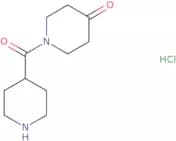
1-(Piperidine-4-carbonyl)piperidin-4-one hydrochloride
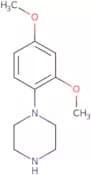
CAS:Controlled Product<p>Please enquire for more information about 1-(Piperidine-4-carbonyl)piperidin-4-one hydrochloride including the price, delivery time and more detailed product information at the technical inquiry form on this page</p>Formula:C11H19ClN2O2Purity:Min. 95%Molecular weight:246.73 g/mol1-(2,4-Dimethoxyphenyl)piperazine
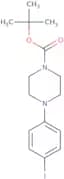
CAS:Controlled Product<p>Please enquire for more information about 1-(2,4-Dimethoxyphenyl)piperazine including the price, delivery time and more detailed product information at the technical inquiry form on this page</p>Formula:C12H18N2O2Purity:Min. 95%Molecular weight:222.28 g/moltert-Butyl 4-(4-iodophenyl)tetrahydro-1(2H)-pyrazinecarboxylate
CAS:Controlled Product<p>Please enquire for more information about tert-Butyl 4-(4-iodophenyl)tetrahydro-1(2H)-pyrazinecarboxylate including the price, delivery time and more detailed product information at the technical inquiry form on this page</p>Formula:C15H21IN2O2Purity:Min. 95%Molecular weight:388.24 g/mol1-(2-Ethoxybenzyl)piperazine
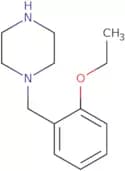
CAS:Controlled Product<p>Please enquire for more information about 1-(2-Ethoxybenzyl)piperazine including the price, delivery time and more detailed product information at the technical inquiry form on this page</p>Formula:C13H20N2OPurity:Min. 95%Molecular weight:220.31 g/mol2-Methyl-1H-imidazole-5-carboxylic acid
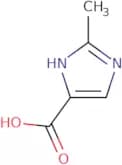
CAS:<p>2-Methyl-1H-imidazole-5-carboxylic acid is a molecule that belongs to the class of antibiotics. It has been shown to be an effective inhibitor of lipases and other enzymes, which is due to its carboxylate group. The immobilization of this molecule has been studied by X-ray crystallography. The oxygen atoms in the molecule are covalently immobilized on a silica surface via a linker chain, which prevents the loss of these atoms. Dichroism spectroscopy was used to study the effects of different solvents on this molecule's ability to rotate light. 2-Methyl-1H-imidazole-5-carboxylic acid was also successfully immobilized using an enzyme called lipase, with residue carboxylate groups positioned at the bottom of the binding cavity.</p>Formula:C5H6N2O2Purity:Min. 95%Color and Shape:PowderMolecular weight:126.11 g/mol2-Aminopyrimidine-5-boronic acid pinacol ester
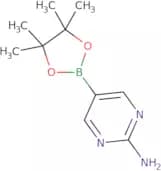
CAS:<p>2-Aminopyrimidine-5-boronic acid pinacol ester is a boronic acid derivative that has been shown to inhibit the activity of protein kinase C. This compound is also an effective linker for cross-coupling reactions and has a low reactivity with nucleophiles, which makes it safer than other boronic acids. 2-Aminopyrimidine-5-boronic acid pinacol ester has been shown to be potent against cancer cells in vitro and in vivo and synthetic cells. 2-Aminopyrimidine-5-boronic acid pinacol ester inhibits the growth of cancer cells by binding to the ATP site on protein kinase C, thereby inhibiting its function.</p>Formula:C10H16BN3O2Purity:Min. 95 Area-%Color and Shape:PowderMolecular weight:221.06 g/mol2-Amino-4,6-dichloropyrimidine
CAS:<p>2-Amino-4,6-dichloropyrimidine is a chemical compound that has been used as a building block in the synthesis of other compounds. It has been shown to be useful for the preparation of 2-aminopyridine derivatives, which are used as an intermediate for research chemicals and pharmaceuticals. The compound has high purity and is available in bulk quantities.</p>Formula:C4H3Cl2N3Purity:Min. 95.0 Area-%Molecular weight:164.00 g/molRef: 3D-A-5370
1kgTo inquire5kgTo inquire10kgTo inquire500gTo inquire2500gTo inquire-Unit-kgkgTo inquireBenzyl 4-aminopiperidine-1-carboxylate
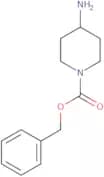
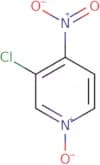
CAS:<p>Please enquire for more information about Benzyl 4-aminopiperidine-1-carboxylate including the price, delivery time and more detailed product information at the technical inquiry form on this page</p>Formula:C13H18N2O2Purity:Min. 95%Color and Shape:PowderMolecular weight:234.29 g/mol3-Chloro-4-nitropyridine 1-oxide
CAS:<p>3-Chloro-4-nitropyridine 1-oxide is the condensation product of 2-chloro-3-nitropyridine and nitric acid. 3-Chloro-4-nitropyridine 1-oxide has an isomeric nature and can be purified by recrystallization from water. The compound has a molecular weight of 286.1 g/mol and a monoclinic crystal structure. It has two n-oxides, which are isomers of each other, with nmr spectra that differ by the shift in the chemical shifts of the protons on the aromatic ring. 3-Chloro-4-nitropyridine 1-oxide condenses with lanthanides to form lanthanide complexes, such as Eu(III)(3,5'-ClO 4 ) 2 . This compound is also used in the synthesis of phenoxathiine derivatives that have antihypertensive activity.</p>Formula:C5H3ClN2O3Purity:Min. 95%Molecular weight:174.54 g/mol4,5,6,7-Tetrahydro-5-(triphenylmethyl)thieno[3,2-c]pyridine
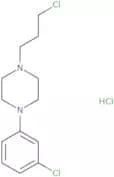
CAS:<p>Prasugrel is a pharmaceutical compound that belongs to the class of thienopyridines. It has been shown to inhibit platelet aggregation and is used for the prevention of blood clots in patients with coronary artery disease. Prasugrel binds to the P2Y12 receptor on the surface of platelets, which prevents ADP from binding, thereby inhibiting platelet aggregation. Prasugrel is a crystalline solid that is soluble in water.</p>Formula:C26H23NSPurity:Min. 95%Molecular weight:381.53 g/mol1-(3-Chlorophenyl)-4-(3-chloropropyl)piperazine Hydrochloride
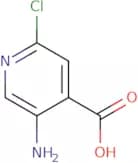
CAS:Controlled Product<p>1-(3-Chlorophenyl)-4-(3-chloropropyl)piperazine Hydrochloride is an antidepressant that belongs to the class of nefazodone. It is a prodrug, which is hydrolyzed to nefazodone in the liver. It has been shown to have a high affinity for serotonin receptors and as such may be useful for the treatment of depression. 1-(3-Chlorophenyl)-4-(3-chloropropyl)piperazine Hydrochloride also has anticonvulsant properties, which may be due to its inhibition of neuronal excitability by blocking sodium channels in the brain.</p>Formula:C13H18Cl2N2·HClPurity:Min. 95%Molecular weight:309.66 g/mol5-Amino-2-chloropyridine-4-carboxylic acid
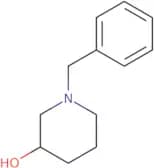
CAS:<p>5-Amino-2-chloropyridine-4-carboxylic acid is a potent tyrosine kinase inhibitor. It inhibits the activation of EGFR, which may be due to its binding to the ATP-binding pocket in EGFR. 5-Amino-2-chloropyridine-4-carboxylic acid has been shown to inhibit cancer cell growth and induce apoptosis in vitro. This drug has also been shown to have potent anticancer activity in vivo, as well as inhibitory effect on tumor growth in xenograft models of human cancer cells. In addition, it inhibits the production of formamidine acetate, a precursor for histamine synthesis. 5-Amino-2-chloropyridine-4-carboxylic acid binds to formamide and formamidine acetate with high affinity and therefore inhibits histamine synthesis.</p>Formula:C6H5ClN2O2Purity:Min. 95%Color and Shape:White PowderMolecular weight:172.57 g/mol1-Benzyl-3-piperidinol
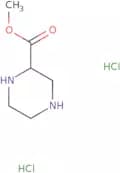
CAS:<p>1-Benzyl-3-piperidinol is a synthetic chemical that has been used as a long-acting calcium antagonist. It is synthesized by the reaction of 1,2-dibromoethane with piperidine and benzaldehyde in the presence of an acid catalyst. The reaction yield is high, and impurities are low. This drug substance is soluble in organic solvents, such as chloroform, ethyl acetate, and ether. The synthesis process uses chiral catalysts to produce the desired enantiomeric form of the drug substance. The use of immobilized catalysts improves the conversion rate, kinetic parameters, and reaction yield of this process.</p>Formula:C12H17NOPurity:Min. 95%Color and Shape:PowderMolecular weight:191.27 g/molPiperazine-2-carboxylic acid methyl esterdihydrochloride
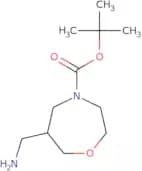
CAS:<p>Piperazine-2-carboxylic acid methyl ester (PPCM) is a chemical compound that is used as an intermediate in the production of ethylenediamine and piperazine-2-carboxylic acid dihydrochloride. It is a white crystalline solid that can be synthesized by reacting ethylene diamine with piperazine-2-carboxylic acid. PPCM has been shown to inhibit the growth of bacteria, yeast, and fungi by inhibiting protein synthesis. This chemical also inhibits the production of proteins essential for respiration and cell wall formation.</p>Formula:C6H14Cl2N2O2Purity:Min. 95%Molecular weight:217.09 g/moltert-Butyl 6-(aminomethyl)-1,4-oxazepane-4-carboxylate
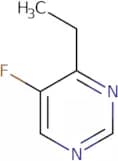
CAS:<p>Please enquire for more information about tert-Butyl 6-(aminomethyl)-1,4-oxazepane-4-carboxylate including the price, delivery time and more detailed product information at the technical inquiry form on this page</p>Formula:C11H22N2O3Purity:Min. 95%Molecular weight:230.3 g/mol4-Ethyl-5-fluoropyrimidine
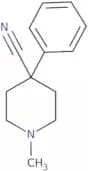
CAS:<p>4-Ethyl-5-fluoropyrimidine is a white solid with a melting point of 258°C. It is soluble in organic solvents such as acetonitrile and methanol. The compound has been shown to have reversed phase chromatographic properties and can be used as a potential impurity in the synthesis of other compounds. 4-Ethyl-5-fluoropyrimidine is not susceptible to photolytic decomposition but can be oxidized by air, which may result in the formation of impurities. 4-Ethyl-5-fluoropyrimidine can be purified using chromatography methods with high sensitivity and low detection limits. The compound has also been shown to have good chemical stability under ambient conditions, making it suitable for storage or shipping.</p>Formula:C6H7FN2Purity:Min. 95%Molecular weight:126.13 g/mol1-Methyl-4-phenylpiperidine-4-carbonitrile
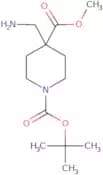
CAS:Controlled Product<p>Please enquire for more information about 1-Methyl-4-phenylpiperidine-4-carbonitrile including the price, delivery time and more detailed product information at the technical inquiry form on this page</p>Formula:C13H16N2Purity:Min. 95%Molecular weight:200.28 g/molMethyl4-aminomethyl-1-boc-piperidine-4-carboxylate
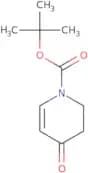
CAS:<p>Please enquire for more information about Methyl4-aminomethyl-1-boc-piperidine-4-carboxylate including the price, delivery time and more detailed product information at the technical inquiry form on this page</p>Formula:C13H24N2O4Purity:Min. 95%Molecular weight:272.34 g/mol4-Oxo-3,4-dihydro-2H-pyridine-1-carboxylic acid tert-butyl ester
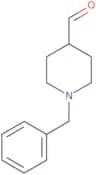
CAS:<p>4-Oxo-3,4-dihydro-2H-pyridine-1-carboxylic acid tert-butyl ester is a white solid that is soluble in organic solvents and oils. It can be used as a source of lithium carbonate in alkaline solutions. 4-Oxo-3,4-dihydro-2H-pyridine-1 -carboxylic acid tert -butyl ester is typically used in the preparation of lithium carbonate from lithium hydroxide.</p>Formula:C10H15NO3Purity:Min. 95%Color and Shape:PowderMolecular weight:197.23 g/mol1-Benzyl-4-piperidine-carboxaldehyde
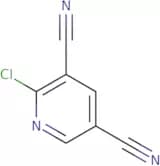
CAS:<p>1-Benzyl-4-piperidine-carboxaldehyde is a polymorphic compound with two crystalline forms: the α form and β form. The α form has a molecular weight of 174.2 g/mol and the β form has a molecular weight of 178.3 g/mol. Both forms are soluble in organic solvents but not in water. It is insoluble in hydrochloric acid, n-hexane, and acetonitrile. It is stable at room temperature but unstable at temperatures above 60°C. 1-Benzyl-4-piperidinecarboxaldehyde is an inhibitor of liver function, which may be due to its inhibition of CYP450 enzymes or other unknown mechanisms that lead to haemodynamic effects such as hypotension and tachycardia.</p>Formula:C13H17NOPurity:Min. 95%Color and Shape:Yellow PowderMolecular weight:203.28 g/mol2-Chloropyridine-3,5-dicarbonitrile
CAS:<p>2-Chloropyridine-3,5-dicarbonitrile is a potential drug that can be used as an anionic linker in the synthesis of donepezil. Donepezil is a pharmacological agent that inhibits the enzyme acetylcholinesterase and may be effective in treating Alzheimer's disease. 2-Chloropyridine-3,5-dicarbonitrile has been shown to have good profile against cholinesterase inhibitors. It binds to the active site of acetylcholinesterase and inhibits its activity. This inhibition prevents the breakdown of acetylcholine, which is required for memory and cognitive function. 2-Chloropyridine-3,5-dicarbonitrile also has molecular modeling properties and has been studied at the μm range.</p>Formula:C7H2ClN3Purity:Min. 95%Molecular weight:163.56 g/mol1-(2-Phenylethyl)piperazine
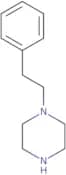
CAS:Controlled Product<p>1-(2-Phenylethyl)piperazine is a potential drug for the treatment of insulin resistance. It has been shown to increase insulin sensitivity in mice and humans, as measured by glucose uptake rates, pharmacokinetic properties, and insulin sensitivity. This compound may be used in combination with other drugs to treat cancer or skin conditions. 1-(2-Phenylethyl)piperazine has also been shown to bind to the aminophenyl receptor, which is a G protein-coupled receptor that is involved in cell proliferation and apoptosis. The aminophenyl receptor also binds to multidrugs such as HIV protease inhibitors (e.g., indinavir), which suggests that it may have antitumor effects.</p>Formula:C12H18N2Purity:Min. 95%Molecular weight:190.28 g/mol1-(5-Chloro-2-methoxybenzyl)piperazine
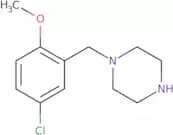
CAS:Controlled Product<p>Please enquire for more information about 1-(5-Chloro-2-methoxybenzyl)piperazine including the price, delivery time and more detailed product information at the technical inquiry form on this page</p>Formula:C12H17ClN2OPurity:Min. 95%Molecular weight:240.73 g/mol1-(4-Methoxyphenyl)-7-oxo-6-(4-(2-oxopiperidin-1-yl)phenyl)-4,5,6,7-tetrahydro-1H-pyrazolo[3,4-c]pyridine-3-carboxylic acid
CAS:<p>Apixaban is a novel, orally active, and selective factor Xa inhibitor. It is the first oral anticoagulant that has been developed to inhibit both free and clot-bound thrombin. Apixaban binds reversibly to the active site of factor Xa and inhibits factor Xa-mediated conversion of prothrombin to thrombin, resulting in an increased concentration of prothrombin in blood. Apixaban also inhibits the activity of thrombin-activated protein C (APC) that degrades fibrin clots by proteolytic cleavage of fibrinogen. This drug has a crystalline form with a particle size between 10 and 100 μm.</p>Formula:C25H24N4O5Purity:Min. 95%Molecular weight:460.48 g/mol1-(4-Trifluoromethylbenzyl)piperazine
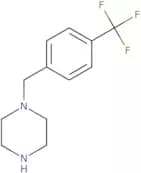
CAS:Controlled Product<p>Piperazine is a nitrogenous organic compound with a six-membered ring. It has been shown to be an inhibitor of some viruses, including influenza virus, herpes virus, and human immunodeficiency virus type 1 (HIV-1). Piperazine has been shown to inhibit the replication of both RNA and DNA viruses in vitro. This drug also inhibits the replication of hepatitis B virus in vitro and has been shown to have an inhibitory effect on the replication of HIV-1 in vitro. Piperazine is not active against RNA or DNA viruses that use only reverse transcriptase for viral replication. The chemical structure of piperazine is similar to that of amines, which are known to have antiviral properties. Piperazine can be synthesized from benzaldehyde and ammonia by reaction with hydrochloric acid and sodium nitrate.</p>Formula:C12H15F3N2Purity:Min. 95%Molecular weight:244.26 g/mola-Butylpiperonyl alcohol
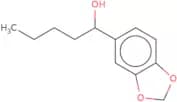
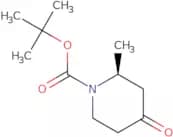
CAS:Controlled Product<p>a-Butylpiperonyl alcohol is a chiral molecule that is used in the synthesis of esters. It can be produced by microbial fermentation and low-temperature chemical reactions. This compound has been shown to inhibit the growth of Gram-positive bacteria, such as Staphylococcus aureus and Streptococcus pneumoniae. The biosynthetic pathway for a-butylpiperonyl alcohol is not yet well understood, but it has been hypothesized that this compound is synthesized from an intermediate, acetic acid. The enzyme responsible for this conversion is unknown, but it may be catalysed by an acylase or acetate kinase. A study on the genome sequence of Coelicolor revealed that this organism produces a-butylpiperonyl alcohol from the intermediate 3-hydroxypropanoic acid.</p>Formula:C12H16O3Purity:Min. 95%Molecular weight:208.25 g/moltert-butyl (2S)-2-Methyl-4-oxopiperidine-1-carboxylate
CAS:<p>Please enquire for more information about tert-butyl (2S)-2-Methyl-4-oxopiperidine-1-carboxylate including the price, delivery time and more detailed product information at the technical inquiry form on this page</p>Formula:C11H19NO3Purity:Min. 95%Molecular weight:213.27 g/mol4-Methylpyridine
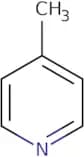
CAS:<p>4-Methylpyridine is an antimicrobial agent that is used to inactivate viruses, bacteria, and fungi. It binds to the DNA of these microorganisms by intercalation and disrupts their replication process. 4-Methylpyridine has been shown to inhibit the growth of microorganisms by binding to the nitrogen atoms in their dna and preventing the synthesis of proteins required for cell division. This drug also inhibits the activity of polymerase chain reaction (PCR) enzymes such as Taq DNA polymerase and Klenow fragment. The molecular weight of this compound is 92.14 g/mol and its molar mass is 152.2 g/mol.</p>Formula:C6H7NPurity:Min. 95%Color and Shape:Brown Colorless Yellow Clear LiquidMolecular weight:93.13 g/mol2,4-Dichloro-5-trifluoromethylpyrimidine
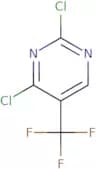
CAS:<p>2,4-Dichloro-5-trifluoromethylpyrimidine is a synthetic compound that can be used as an additive in plastics and cellulose. It is also used to produce 2,4-dichloro-5-(trifluoromethyl)pyrimidine, which has been shown to inhibit the growth of cancer cells. The methylating properties of 2,4-dichloro-5-(trifluoromethyl)pyrimidine have been shown to be useful for the production of amines. This chemical can also be used as a solvent due to its low boiling point.</p>Formula:C5HCl2F3N2Purity:Min. 95%Color and Shape:Clear Colourless To Pale Yellow To Brown LiquidMolecular weight:216.98 g/mol2,3,3-Trimethyl-4,5-benzo-3H-indole
CAS:<p>2,3,3-Trimethyl-4,5-benzo-3H-indole is a fine chemical that is used as a versatile building block for research chemicals and speciality chemicals. It can be used to synthesize drugs. 2,3,3-Trimethyl-4,5-benzo-3H-indole is also a reaction component in the synthesis of complex compounds with high quality.</p>Formula:C15H15NPurity:Min. 96 Area-%Molecular weight:209.29 g/mol5-Hydroxy-1-methyl-4-nitroimidazole sodium salt
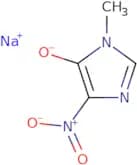
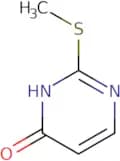
CAS:Please enquire for more information about 5-Hydroxy-1-methyl-4-nitroimidazole sodium salt including the price, delivery time and more detailed product information at the technical inquiry form on this pageFormula:C4H4N3NaO3Purity:Min. 95%Molecular weight:165.08 g/mol2-Methylthio-4-hydroxypyrimidine
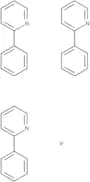
CAS:<p>2-Methylthio-4-hydroxypyrimidine is a protonated thione that inhibits the growth of bacteria, including Streptococcus faecalis. It has been shown to have an inhibitory effect on UV absorption and halide ions, such as mercury chloride. 2-Methylthio-4-hydroxypyrimidine is an analog of pyrimidine nucleosides and has a constant and regiospecific synthesis. The compound has also demonstrated antibacterial activity against bacteria, such as Staphylococcus aureus, Enterobacter aerogenes, Pseudomonas aeruginosa, Proteus vulgaris, Salmonella typhimurium, Escherichia coli, and Shigella flexneri.</p>Formula:C5H6N2OSPurity:Min. 95%Molecular weight:142.18 g/molTris(2-phenylpyridine)iridium
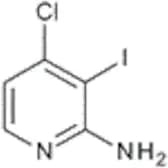
CAS:<p>Tris(2-phenylpyridine)iridium (IrCl) is a coordination compound that is used as a catalyst to initiate cationic polymerization of biphenyl. It is also used as an analytical reagent for determining the content of fatty acids in oils and fats. The steric interactions between the phenyl groups and the electron-rich iridium atoms lead to a high degree of conversion of ethylene oxide to ethylene glycol, which can be observed by UV absorption. The synthesis of IrCl occurs in two steps: first, the reaction of chloroacetone with phenylmagnesium bromide followed by addition of hydrated iridium chloride. The product crystallizes in red needles, which are analyzed using x-ray crystal structures. Analysis using nmr spectroscopy reveals that IrCl contains four nitrogen atoms and three oxygen atoms. Its redox potentials are -0.9 volts for oxidation and +1.3 volts for reduction, making</p>Formula:C33H24IrN3Purity:Min. 98 Area-%Color and Shape:PowderMolecular weight:654.78 g/mol4-Chloro-3-iodopyridin-2-amine
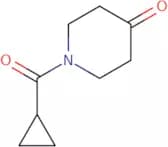
CAS:<p>Please enquire for more information about 4-Chloro-3-iodopyridin-2-amine including the price, delivery time and more detailed product information at the technical inquiry form on this page</p>Formula:C5H4ClIN2Purity:Min. 95%Molecular weight:254.46 g/mol1-(Cyclopropylcarbonyl)piperidin-4-one
CAS:Controlled Product<p>Please enquire for more information about 1-(Cyclopropylcarbonyl)piperidin-4-one including the price, delivery time and more detailed product information at the technical inquiry form on this page</p>Formula:C9H13NO2Purity:Min. 95%Molecular weight:167.21 g/mol1-(2,6-Dichlorobenzyl)piperazine
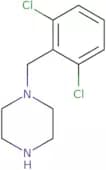
CAS:Controlled Product<p>1-(2,6-Dichlorobenzyl)piperazine is a benzylpiperazine that emits light in the visible region. It is an acidic reagent that can be used as an electron donating agent in organic synthesis. 1-(2,6-Dichlorobenzyl)piperazine reacts with amines to form substituted phenylpiperazines. This reaction is widely used to investigate the structure and reactivity of amines. 1-(2,6-Dichlorobenzyl)piperazine reacts with phenols to form piperazines. It also reacts with aliphatic compounds to form a trifluoromethyl group.</p>Formula:C11H14Cl2N2Purity:Min. 95%Molecular weight:245.15 g/mol3-[(4-Aminopiperidin-1-yl)methyl]phenol
CAS:<p>Please enquire for more information about 3-[(4-Aminopiperidin-1-yl)methyl]phenol including the price, delivery time and more detailed product information at the technical inquiry form on this page</p>Formula:C12H18N2OPurity:Min. 95%Molecular weight:206.28 g/mol5-Cyclopropyl-2-thioxo-2,3-dihydro-1H-pyrimidin-4-one
CAS:<p>Please enquire for more information about 5-Cyclopropyl-2-thioxo-2,3-dihydro-1H-pyrimidin-4-one including the price, delivery time and more detailed product information at the technical inquiry form on this page</p>Formula:C7H8N2OSPurity:Min. 95%Molecular weight:168.22 g/mol1-Piperonylpiperazine
CAS:Controlled Product1-Piperonylpiperazine is a drug that is used to treat symptoms of diabetic neuropathy. It is an inhibitor of mitochondrial ATPases and blocks the synthesis of nucleotides in the liver. It also inhibits uptake processes in the brain and spinal cord, which are related to locomotor activity. The uptake assays showed that 1-piperonylpiperazine has a high affinity for receptors in the human liver, which could be useful for future research on drugs targeting this organ. 1-Piperonylpiperazine has been shown to have strong effects on mitochondrial membrane potential and ATP levels in primary cells, as well as increasing uptake into human liver cells. This drug may be useful for treating symptoms of diabetic neuropathy.Formula:C12H16N2O2Purity:Min. 95%Color and Shape:SolidMolecular weight:220.27 g/mol4-Dimethylaminopyridinium Bromide Perbromide
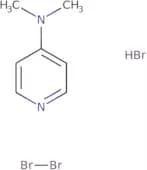
CAS:Controlled Product<p>4-Dimethylaminopyridinium Bromide Perbromide is a synthetic compound that contains a phenolic hydroxyl group. It reacts with chloride to form the perbromide salt, which is anhydrous and insoluble in water. The compound has been shown to inhibit the growth of cancer cells by interfering with DNA replication and transcription.</p>Formula:C7H11Br3N2Purity:Min. 95%Molecular weight:362.89 g/mol1-Benzyl-3-carbethoxy-4-piperidone hydrochloride
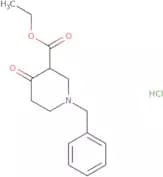
CAS:<p>1-Benzyl-3-carbethoxy-4-piperidone hydrochloride is a carboxylic acid that is used as a waterproofing agent in cyclohexane. It is absorbed by the skin and other tissues, which may lead to adverse effects on the body. Exposure to this compound has been shown to result in irritation of the skin, eyes, and respiratory tract, as well as changes in heart rate and blood pressure.</p>Formula:C15H19NO3•HClPurity:Min. 95%Molecular weight:297.78 g/molN-Boc-amino-(4-N-fmoc-piperidinyl)carboxylic acid
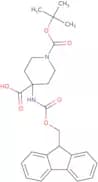
CAS:<p>Please enquire for more information about N-Boc-amino-(4-N-fmoc-piperidinyl)carboxylic acid including the price, delivery time and more detailed product information at the technical inquiry form on this page</p>Formula:C26H30N2O6Purity:Min. 95%Molecular weight:466.53 g/mol4-Amino-1,3-dimethyl-2,6-dioxo-5-nitrosopyrimidine
CAS:<p>4-Amino-1,3-dimethyl-2,6-dioxo-5-nitrosopyrimidine is a monoclonal antibody that binds to cancer cells. It has been shown to be effective in the treatment of leukemia, Hodgkin's disease, and non-Hodgkin's lymphoma. The binding of 4-Amino-1,3-dimethyl-2,6-dioxo-5-nitrosopyrimidine to cancer cells is due to the formation of a coordination geometry between the copper complex and the nitrogen atoms on the amino group. This drug has been shown to inhibit tumor growth by blocking the synthesis of DNA and RNA, which are key components in cell division. 4AADNP also inhibits cancer cells' ability to uptake glucose by inhibiting cellular glucose transporters. The binding affinity of 4AADNP for cancer cells is higher than for normal cells because cancer cells have more receptors for this drug</p>Formula:C6H8N4O3Purity:Min. 95%Molecular weight:184.15 g/mol(R)-1-Boc-3-ethyl-piperazine
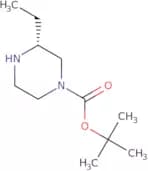
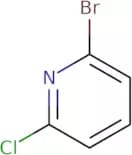
CAS:<p>Please enquire for more information about (R)-1-Boc-3-ethyl-piperazine including the price, delivery time and more detailed product information at the technical inquiry form on this page</p>Formula:C11H22N2O2Purity:Min. 95%Molecular weight:214.3 g/mol2-Bromo-6-chloropyridine
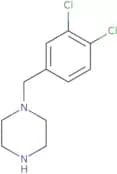
CAS:<p>2-Bromo-6-chloropyridine is a synthetic, nucleophilic bidentate ligand that is used in the synthesis of vismodegib. It inhibits the growth of cancer cells by inhibiting a pathway that regulates cell division and differentiation. 2-Bromo-6-chloropyridine can be used as a cross-coupling agent for the synthesis of other chemicals. This chemical has pharmacokinetic properties and pharmacokinetic properties and can inhibit chloride channels, which may have an inhibitory effect on cancer cells. 2-Bromo-6-chloropyridine is also an effective inhibitor of nucleophilic substitutions, which are involved in many biological processes, such as DNA replication and protein synthesis.</p>Formula:C5H3BrClNPurity:Min. 95%Molecular weight:192.44 g/mol1-(3,4-Dichlorobenzyl)piperazine
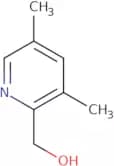
CAS:Controlled Product<p>1-(3,4-Dichlorobenzyl)piperazine is an amine that is used as a reagent in organic synthesis. It is a buffered, acidic compound that emits fluorescence under UV light. It has been shown to be an electron donor and electron acceptor. 1-(3,4-Dichlorobenzyl)piperazine reacts with phenylpiperazines in the presence of acid to form a mixture of phenylpiperazines with different aliphatic chains. The reaction is characterized by emission of fluorescence that can be measured using spectroscopy techniques.</p>Formula:C11H14Cl2N2Purity:Min. 95%Molecular weight:245.15 g/mol(3,5-Dimethylpyridin-2-yl)methanol
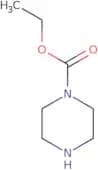
CAS:<p>3,5-Dimethylpyridin-2-yl)methanol is a compound used in the synthesis of esomeprazole. It is not considered an impurity or a target compound and does not need to be analyzed. 3,5-Dimethylpyridin-2-yl)methanol is synthesized by reacting 3,5-dimethylpyridine with methanol.</p>Formula:C8H11NOPurity:Min. 95%Molecular weight:137.18 g/molEthyl N-piperazinecartoxylate
CAS:<p>Ethyl N-piperazinecartoxylate is an organic compound that has been shown to inhibit the growth of Mycobacterium tuberculosis, Mycobacterium avium complex, and other mycobacteria. It is a potent anti-tuberculosis agent with a tuberculostatic activity against M. tuberculosis inactivated by ethyl nitrite. Ethyl N-piperazinecartoxylate inhibits the synthesis of DNA, RNA, and proteins by inhibiting the bacterial enzyme RNA polymerase. The antimycobacterial activity of this drug is also due to its ability to inhibit protein synthesis at the ribosome level. This drug has been shown to have antihypertensive activity as it blocks adrenergic receptors in blood vessels and thereby reduces blood pressure.</p>Formula:C7H14N2O2Purity:Min. 95%Molecular weight:158.2 g/mol4-Piperazinylphenylboronic acid, pinacol ester
CAS:<p>Please enquire for more information about 4-Piperazinylphenylboronic acid, pinacol ester including the price, delivery time and more detailed product information at the technical inquiry form on this page</p>Formula:C16H25BN2O2Purity:Min. 95%Color and Shape:PowderMolecular weight:288.19 g/mol2-Amino-1,3,5-triazine
CAS:<p>2-Amino-1,3,5-triazine is a hydrogen bond donor that has been shown to have growth inhibiting effects. It reduces the viscosity of aqueous solutions and is used as an enantiopure for amines. 2-Amino-1,3,5-triazine can be used in reactions with metal surfaces to produce surface coatings or used as a bifunctional crosslinking agent for polymer materials. 2-Amino-1,3,5-triazine has been shown to have degenerative disease inhibitory activity and inflammatory disease inhibitory activity. It also inhibits the production of inflammatory cytokines such as tumor necrosis factor alpha (TNFα) and interleukin 6 (IL6).</p>Formula:C3H4N4Purity:Min. 95%Molecular weight:96.09 g/mol


![4,5,6,7-Tetrahydro-5-(triphenylmethyl)thieno[3,2-c]pyridine](/_next/image/?url=https%3A%2Fstatic.cymitquimica.com%2Fproducts%2F3D%2Fthumb-webp%2FFT28108.webp&w=3840&q=75)
![1-(4-Methoxyphenyl)-7-oxo-6-(4-(2-oxopiperidin-1-yl)phenyl)-4,5,6,7-tetrahydro-1H-pyrazolo[3,4-c]p…](/_next/image/?url=https%3A%2Fstatic.cymitquimica.com%2Fproducts%2F3D%2Fthumb-webp%2FFM155764.webp&w=3840&q=75)

![3-[(4-Aminopiperidin-1-yl)methyl]phenol](/_next/image/?url=https%3A%2Fstatic.cymitquimica.com%2Fproducts%2F3D%2Fthumb-webp%2FFA116167.webp&w=3840&q=75)