Heterocycles with Nitrogen (N)
In this category, you will find a wide variety of nitrogen-containing heterocycles. Heterocycles are carbon chains that form a cycle in which at least one position is occupied by a heteroatom, in this case, nitrogen. These compounds are integral in the synthesis of pharmaceuticals, agrochemicals, and dyes, offering unique reactivity and stability. At CymitQuimica, we provide a comprehensive selection of high-quality nitrogen-containing heterocycles to support your research and industrial applications
Subcategories of "Heterocycles with Nitrogen (N)"
- Azepane(434 products)
- Benzotriazoles(436 products)
- Diazepanes(331 products)
- Imidazoles(4,011 products)
- Imidazolines(385 products)
- Isoxazole(1,077 products)
- Piperazines(3,736 products)
- Piperidines(8,406 products)
- Pyrazines(1,299 products)
- Pyrazole(5,921 products)
- Pyrazolidine(21 products)
- Pyrazoline(142 products)
- Pyridazine(856 products)
- Pyridines(21,917 products)
- Pyrimidine(6,041 products)
- Pyrroles(2,443 products)
- Pyrrolidines(5,816 products)
- Pyrroline(48 products)
- Pyrrolo[1,2-b]pyridazine(10 products)
- Tetrazole(510 products)
- Triazines(462 products)
- Triazoles(1,680 products)
Show 14 more subcategories
Found 17855 products of "Heterocycles with Nitrogen (N)"
Sort by
Purity (%)
0
100
|
0
|
50
|
90
|
95
|
100
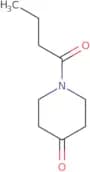
1-Butyrylpiperidin-4-one
CAS:Controlled Product<p>Please enquire for more information about 1-Butyrylpiperidin-4-one including the price, delivery time and more detailed product information at the technical inquiry form on this page</p>Formula:C9H15NO2Purity:Min. 95%Molecular weight:169.22 g/molMidazolamEPimpurityGmaleate
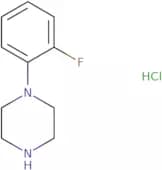
CAS:<p>Please enquire for more information about MidazolamEPimpurityGmaleate including the price, delivery time and more detailed product information at the technical inquiry form on this page</p>Formula:C18H14ClN3•C4H4O4Purity:Min. 95%Molecular weight:423.85 g/mol1-(2-Fluorophenyl)piperazine HCl
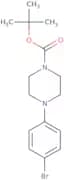
CAS:Controlled Product<p>1-(2-Fluorophenyl)piperazine HCl is a psychoactive drug that belongs to the class of piperazines. The compound has been validated for use in spectra, minimizing, and infrared spectroscopy. The compound has also been shown to be psychoactive and can be used as a screening agent for psychoactive substances. The 1-(2-fluorophenyl)piperazine molecule is approximately linear, with two amide linkages and a phenyl ring at one end. It has a calculated molecular weight of 208 g/mol and an empirical formula of C12H14FN3O.</p>Purity:Min. 95%4-(4-Bromophenyl)piperazine-1-carboxylic acid tert-butyl ester
CAS:Controlled Product<p>Please enquire for more information about 4-(4-Bromophenyl)piperazine-1-carboxylic acid tert-butyl ester including the price, delivery time and more detailed product information at the technical inquiry form on this page</p>Formula:C15H21BrN2O2Purity:Min. 95%Molecular weight:341.24 g/molPiperidine-1-sulfonyl chloride
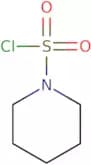
CAS:<p>Piperidine-1-sulfonyl chloride (PSC) is a compound that has been found to have neuroprotective properties. PSC inhibits the production of nitric oxide and peroxynitrite, which are reactive oxygen species (ROS) that damage cells and DNA. PSC also prevents the formation of ROS by inhibiting the activation of protein kinase C and phospholipase A2. The neuroprotective effects of PSC may be due to its ability to inhibit matrix metalloproteinases, which are enzymes that break down tissue in response to injury or disease. This drug has also been shown to have high cytotoxicity against cancer cell lines in vitro. Piperidine-1-sulfonyl chloride is a chemical compound with neuroprotective properties. It inhibits the production of nitric oxide and peroxynitrite, which are reactive oxygen species (ROS) that damage cells and DNA. PSC also prevents the formation</p>Formula:C5H10ClNO2SPurity:Min. 95%Molecular weight:183.66 g/mol2,6-Dichloro-5-nitropyrimidin-4-amine
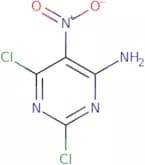
CAS:<p>2,6-Dichloro-5-nitropyrimidin-4-amine is a chlorinating agent that reacts with aliphatic and aromatic amines to form substituted pyrimidines. The substitution pattern of the product depends on the regioselectivity of the reaction. 2,6-Dichloro-5-nitropyrimidin-4-amine is one of the few chlorinating agents that react with propylamine. Substitution at position 2 of the purine ring has been found to be more selective than substitution at position 6. The 2,6-dichloropyrimidine can also be used as a nitro group source in chemical synthesis or as an intermediate in production of other compounds.</p>Formula:C4H2Cl2N4O2Purity:Min. 95%Color and Shape:SolidMolecular weight:208.99 g/moltert-Butyl 4-(5-nitro-2-oxo-1,3-benzoxazol-3(2H)-yl)piperidine-1-carboxylate
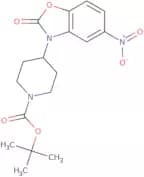
CAS:Controlled Product<p>Please enquire for more information about tert-Butyl 4-(5-nitro-2-oxo-1,3-benzoxazol-3(2H)-yl)piperidine-1-carboxylate including the price, delivery time and more detailed product information at the technical inquiry form on this page</p>Formula:C17H21N3O6Purity:Min. 95%Molecular weight:363.37 g/molPyridin-4-ylmethanamine
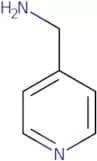
CAS:<p>Pyridin-4-ylmethanamine is a chemical compound that contains a pyridine ring and an amine (-NH2) group. It is usually used as a building block for the synthesis of other compounds. Pyridin-4-ylmethanamine can be synthesized from picolinic acid, which is obtained through a reaction with sodium hydrochloride in an alkaline solution. This reaction proceeds via two steps: first, the formation of a pyridinecarboxylic acid ester and then the addition of ammonia to form pyridin-4-ylmethanamine. The transfer reactions that occur during this process are highly dependent on temperature and pH. The frequency shift effect can be observed when pyridin-4-ylmethanamine interacts with amines, which changes its absorption spectrum.</p>Formula:C6H8N2Purity:Min. 95%Color and Shape:Colorless Clear LiquidMolecular weight:108.14 g/mol3-Amino-5-bromopyridine
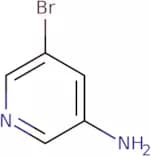
CAS:<p>3-Amino-5-bromopyridine (3ABP) is a linker for the synthesis of cisplatin. It has been shown to have strong bactericidal activity against Escherichia coli and Staphylococcus aureus. 3ABP is cytotoxic to both renal proximal tubule cells and ring-opening cells, which are found in the kidney. It is also an inhibitor of nicotinic acetylcholine receptors (nAChRs), which are proteins that control nerve cell communication. 3ABP's pharmacokinetic properties make it suitable as a linker for cisplatin, as it has good oral bioavailability, low systemic toxicity, and high tissue selectivity.</p>Formula:C5H5BrN2Purity:Min. 98 Area-%Molecular weight:173.01 g/mol4-Benzyl-piperazine-1-carbonylchloride
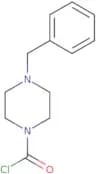
CAS:Controlled Product<p>Please enquire for more information about 4-Benzyl-piperazine-1-carbonylchloride including the price, delivery time and more detailed product information at the technical inquiry form on this page</p>Formula:C12H15ClN2OPurity:Min. 95%Molecular weight:238.71 g/mol2-(tert-Butylamino)-4,6-dichloro-1,3,5-triazine
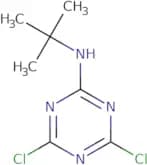
CAS:<p>Please enquire for more information about 2-(tert-Butylamino)-4,6-dichloro-1,3,5-triazine including the price, delivery time and more detailed product information at the technical inquiry form on this page</p>Formula:C7H10Cl2N4Purity:Min. 95%Molecular weight:221.09 g/molN-Acetylimidazole
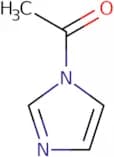
CAS:<p>N-Acetylimidazole is a drug that belongs to the class of glycol esters. It is an inhibitor of the enzyme acetylcholinesterase and has been used in the treatment of autoimmune diseases, such as myasthenia gravis. N-Acetylimidazole can inhibit the activity of other enzymes, such as p-nitrophenyl phosphate oxidase, which may be responsible for its anti-inflammatory properties. This drug has been shown to inhibit microbial growth in vitro by inhibiting the synthesis of choline and acetylcholine in the body. N-Acetylimidazole also inhibits bacterial growth by acting as a substrate molecule for bacterial enzymes that catalyze transfer reactions, including phosphotransferases and hydrolases.</p>Formula:C5H6N2OPurity:Min. 95%Color and Shape:White PowderMolecular weight:110.11 g/mol1-tert-Butyl 2-methyl 4-oxopiperidine-1,2-dicarboxylate
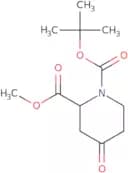
CAS:<p>Please enquire for more information about 1-tert-Butyl 2-methyl 4-oxopiperidine-1,2-dicarboxylate including the price, delivery time and more detailed product information at the technical inquiry form on this page</p>Purity:Min. 95%tert-butyl (2S)-2-Methyl-4-oxopiperidine-1-carboxylate
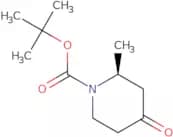
CAS:<p>Please enquire for more information about tert-butyl (2S)-2-Methyl-4-oxopiperidine-1-carboxylate including the price, delivery time and more detailed product information at the technical inquiry form on this page</p>Formula:C11H19NO3Purity:Min. 95%Molecular weight:213.27 g/molPiperidine-2,5-dione
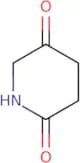
CAS:<p>Piperidine-2,5-dione is a synthetic compound that is used for the synthesis of benzyl esters, stereospecific chiral compounds, and amides. It can be used as a building block in the synthesis of natural products. Piperidine-2,5-dione has been shown to inhibit the activity of enzymes such as lactamases and amidases. The mechanism by which piperidine-2,5-dione inhibits these enzymes is not yet known. This compound also can react with potassium hydride to form radical species or alkylate boronic acids to form stereochemically pure products.</p>Formula:C5H7NO2Purity:Min. 95%Molecular weight:113.11 g/mol2,3,5-Trichloropyridine
CAS:<p>2,3,5-Trichloropyridine is a chemical compound that reacts with chlorine and hydroxide to form hydrogen chloride and sodium hydroxide. It is used in the wastewater treatment process as an oxidizing agent for the removal of organic compounds from water. 2,3,5-Trichloropyridine is also used as a chlorinating agent for various purposes such as the production of acrylonitrile or the destruction of hazardous wastes. The reaction products are hydrochloric acid and sodium carbonate. This substance may react with nucleophiles to form more reactive species such as nitronium ions.</p>Formula:C5H2Cl3NPurity:Min. 95%Molecular weight:180.925284-Pyridazinecarboxylic acid
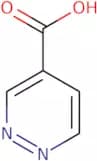
CAS:<p>4-Pyridazinecarboxylic acid is a salt that contains sodium. It is a white crystalline solid that is soluble in water, ethanol, and acetone. It has been shown to be effective against Leishmania species and Cryptococcus neoformans. 4-Pyridazinecarboxylic acid inhibits the growth of these fungi by binding to their cell membrane and inhibiting protein synthesis. 4-Pyridazinecarboxylic acid forms coordination complexes with metal ions that are involved in electron transfer reactions during the oxidative phosphorylation process. This leads to a decrease in ATP production and an increase in reactive oxygen species (ROS), which disrupts the function of macrophages and other phagocytic cells, leading to immunosuppression.</p>Formula:C5H4N2O2Purity:Min. 95%Molecular weight:124.1 g/mol1-(3-Bromobenzyl)piperazine
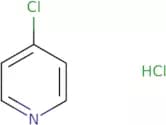
CAS:Controlled Product<p>Please enquire for more information about 1-(3-Bromobenzyl)piperazine including the price, delivery time and more detailed product information at the technical inquiry form on this page</p>Formula:C11H15BrN2Purity:Min. 95%Molecular weight:255.15 g/mol4-Chloropyridine HCL
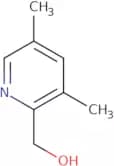
CAS:<p>4-Chloropyridine HCL is a regulatory chemical that can be used to inhibit the population growth of microbes. It functions as a biotransforming agent and is typically used in the production of other substances, such as pharmaceuticals and plastics. 4-Chloropyridine HCL is not readily biodegradable and has been shown to be toxic to ciliates, but it may still have some use in the treatment of certain bacterial infections. The compound's molecular descriptors include a constant value of -0.8, an isomer count of 1, and a molecular weight range between 112 and 142.</p>Formula:C5H4ClN·HClPurity:Min. 95%Molecular weight:150.01 g/mol(3,5-Dimethylpyridin-2-yl)methanol
CAS:<p>3,5-Dimethylpyridin-2-yl)methanol is a compound used in the synthesis of esomeprazole. It is not considered an impurity or a target compound and does not need to be analyzed. 3,5-Dimethylpyridin-2-yl)methanol is synthesized by reacting 3,5-dimethylpyridine with methanol.</p>Formula:C8H11NOPurity:Min. 95%Molecular weight:137.18 g/mol2,4-Bis(octylthio)-6-(4-hydroxy-3,5-di-tert-butylanilino)-1,3,5-triazine
CAS:<p>2,4-Bis(octylthio)-6-(4-hydroxy-3,5-di-tert-butylanilino)-1,3,5-triazine is a triazine that has been synthesized by the reaction of glycol esters with hydrogenated hydrochloric acid. This compound is used as a polymerization initiator and is a liquid crystal composition stabiliser. It can be used in sample preparation to provide protection against water vapor and light emission. 2,4-Bis(octylthio)-6-(4-hydroxy-3,5-di-tert-butylanilino)-1,3,5-triazine has antioxidant properties and can be used for determining functional groups in organic compounds.</p>Formula:C33H56N4OS2Purity:Min. 95%Color and Shape:PowderMolecular weight:588.96 g/mol3-Ethylpyridine
CAS:<p>3-Ethylpyridine is a type of compound that has been found in bacteria. It has been shown to be a mitochondrial membrane potential inhibitor and matrix molecules inducer. 3-Ethylpyridine also inhibits the mitochondrial pathway of 2-ethylpyridine, which is a major metabolite of nicotine in mammals. This inhibition leads to lung cancer. 3-Ethylpyridine can be used as an alternative to chemotherapeutic agents for lung cancer treatment.</p>Formula:C7H9NPurity:Min. 95%Molecular weight:107.15 g/mol2-Chloro-7H-pyrrolo[2,3-d]pyrimidin-4-amine
CAS:<p>Please enquire for more information about 2-Chloro-7H-pyrrolo[2,3-d]pyrimidin-4-amine including the price, delivery time and more detailed product information at the technical inquiry form on this page</p>Formula:C6H5ClN4Purity:Min. 95%Molecular weight:168.58 g/mol1,5-Dihydro-1-(2-methylpropyl)-4H-imidazo[4,5-c]quinolin-4-one
CAS:<p>Please enquire for more information about 1,5-Dihydro-1-(2-methylpropyl)-4H-imidazo[4,5-c]quinolin-4-one including the price, delivery time and more detailed product information at the technical inquiry form on this page</p>Formula:C14H15N3OPurity:Min. 95%Molecular weight:241.29 g/mol4-Bromo-7-methoxy-1H-pyrrolo[2,3-c]pyridine
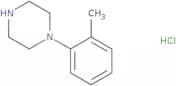
CAS:<p>Please enquire for more information about 4-Bromo-7-methoxy-1H-pyrrolo[2,3-c]pyridine including the price, delivery time and more detailed product information at the technical inquiry form on this page</p>Purity:Min. 95%1-(2-Methylphenyl)piperazine 2HCl
CAS:Controlled Product<p>1-(2-Methylphenyl)piperazine 2HCl is a cholinergic agent that has been shown to increase the activity of acetylcholine in the brain. It has been used to study the effects of acetylcholine on locomotor activity and memory. 1-(2-Methylphenyl)piperazine 2HCl can be synthesized by reacting piperazine with paraformaldehyde. The synthesis of 1-(2-Methylphenyl)piperazine 2HCl is dependent on the alkyl substituents on the piperazine molecule, as well as whether or not it has an R group.</p>Purity:Min. 95%tert-Butyl 4-chloro-5,6-dihydropyrido[3,4-d]pyrimidine-7(8H)-carboxylate
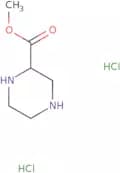
CAS:<p>Please enquire for more information about tert-Butyl 4-chloro-5,6-dihydropyrido[3,4-d]pyrimidine-7(8H)-carboxylate including the price, delivery time and more detailed product information at the technical inquiry form on this page</p>Formula:C12H16ClN3O2Purity:Min. 95%Molecular weight:269.73 g/molPiperazine-2-carboxylic acid methyl esterdihydrochloride
CAS:<p>Piperazine-2-carboxylic acid methyl ester (PPCM) is a chemical compound that is used as an intermediate in the production of ethylenediamine and piperazine-2-carboxylic acid dihydrochloride. It is a white crystalline solid that can be synthesized by reacting ethylene diamine with piperazine-2-carboxylic acid. PPCM has been shown to inhibit the growth of bacteria, yeast, and fungi by inhibiting protein synthesis. This chemical also inhibits the production of proteins essential for respiration and cell wall formation.</p>Formula:C6H14Cl2N2O2Purity:Min. 95%Molecular weight:217.09 g/mol2,6-Dibromo-3-nitropyridine
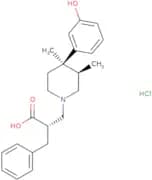
CAS:<p>2,6-Dibromo-3-nitropyridine is a chemical compound that has been shown to inhibit serine protease activity. The compound was shown to be an inhibitor of the enzyme trypsin, and showed some activity against a number of other proteases. 2,6-Dibromo-3-nitropyridine has also been shown to inhibit nucleophilic alkylation of DNA bases by 2,6-dichloroquinoxaline. 2,6-Dibromo-3-nitropyridine is a targeted inhibitor that binds to the active site of the enzyme and prevents the formation of an enzyme-substrate complex. This inhibition leads to a decrease in the production of proteins essential for cell division.</p>Formula:C5H2Br2N2O2Purity:Min. 95%Molecular weight:281.89 g/mol(3R,4R)-1-((2S)-2-Benzyl-2-carboxyethyl)-4-(3-hydroxyphenyl)-3,4-dimethylpiperidine hydrochloride
CAS:<p>Please enquire for more information about (3R,4R)-1-((2S)-2-Benzyl-2-carboxyethyl)-4-(3-hydroxyphenyl)-3,4-dimethylpiperidine hydrochloride including the price, delivery time and more detailed product information at the technical inquiry form on this page</p>Formula:C23H29NO3•HClPurity:Min. 95%Molecular weight:403.94 g/mol2-[(4-Phenylpiperazin-1-yl)carbonyl]phenol
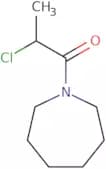
CAS:Controlled Product<p>Please enquire for more information about 2-[(4-Phenylpiperazin-1-yl)carbonyl]phenol including the price, delivery time and more detailed product information at the technical inquiry form on this page</p>Formula:C17H18N2O2Purity:Min. 95%Molecular weight:282.34 g/mol1-(2-Chloropropanoyl)azepane
CAS:<p>Please enquire for more information about 1-(2-Chloropropanoyl)azepane including the price, delivery time and more detailed product information at the technical inquiry form on this page</p>Formula:C9H16ClNOPurity:Min. 95%Molecular weight:189.68 g/molApixaban-d3
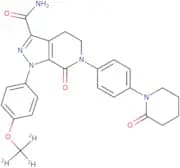
CAS:Controlled Product<p>Please enquire for more information about Apixaban-d3 including the price, delivery time and more detailed product information at the technical inquiry form on this page</p>Formula:C25H22D3N5O4Purity:Min. 95%Molecular weight:462.52 g/moltrans-1-Boc-4-amino-piperidine-3-carboxylic acid ethyl ester hydrochloride
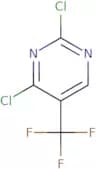
CAS:<p>Please enquire for more information about trans-1-Boc-4-amino-piperidine-3-carboxylic acid ethyl ester hydrochloride including the price, delivery time and more detailed product information at the technical inquiry form on this page</p>Formula:C13H24N2O4•HClPurity:Min. 95%Molecular weight:308.8 g/mol2,4-Dichloro-5-trifluoromethylpyrimidine
CAS:<p>2,4-Dichloro-5-trifluoromethylpyrimidine is a synthetic compound that can be used as an additive in plastics and cellulose. It is also used to produce 2,4-dichloro-5-(trifluoromethyl)pyrimidine, which has been shown to inhibit the growth of cancer cells. The methylating properties of 2,4-dichloro-5-(trifluoromethyl)pyrimidine have been shown to be useful for the production of amines. This chemical can also be used as a solvent due to its low boiling point.</p>Formula:C5HCl2F3N2Purity:Min. 95%Color and Shape:Clear Colourless To Pale Yellow To Brown LiquidMolecular weight:216.98 g/molFuro[3,4-b]pyrazine-5,7-dione
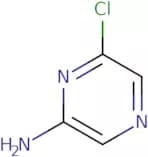
CAS:<p>Furo[3,4-b]pyrazine-5,7-dione is a chemical compound that belongs to the group of pyrazinoic acid derivatives. It has anti-inflammatory properties and is used as an ingredient in herbal products. Furo[3,4-b]pyrazine-5,7-dione shows a strong inhibitory effect on protease activity in vitro. This compound also inhibits tumor growth by modulating the expression of inflammatory cytokines such as IL1β, IL6, and TNFα. The molecular structure of Furo[3,4-b]pyrazine-5,7-dione can be accurately predicted using molecular modeling studies. In addition to its anti-inflammatory properties, furo[3,4-b]pyrazine-5,7-dione has been shown to be chemically stable at high temperatures and during chromatography.</p>Formula:C6H2N2O3Purity:Min. 95%Color and Shape:White PowderMolecular weight:150.09 g/mol2-Amino-6-chloropyrazine
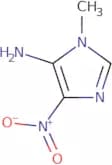
CAS:<p>2-Amino-6-chloropyrazine (2ACP) is an inhibitor that binds to the active site on human protein kinase C (PKC). It has been shown to inhibit PKC by hydrogen bonding with the hydroxide ion, which blocks its catalytic activity. 2ACP has been studied for its potential use in treating cancer and for inhibiting amine oxidases, which are enzymes associated with inflammation and chronic obstructive pulmonary disease. The inhibition of these enzymes may help to reduce stenosis in the lungs or other organs. 2ACP also has been shown to have antimycobacterial activity against Mycobacterium tuberculosis, M. avium complex, and M. leprae by inhibiting DNA synthesis and RNA synthesis. 2ACP inhibits the kinase receptor on the cell membrane that phosphorylates a water molecule into a chlorine atom, which then reacts with hydrogen peroxide to form free radicals that can kill bacteria</p>Formula:C4H4ClN3Purity:Min. 95%Molecular weight:129.55 g/mol5-Amino-1-methyl-4-nitroimidazole
CAS:<p>5-Amino-1-methyl-4-nitroimidazole is a chemical compound that belongs to the class of azides. It has a molecular weight of 122.13 and a melting point of 187°C. 5-Amino-1-methyl-4-nitroimidazole can be synthesized by amination reaction between methyl nitrite and ammonia in the presence of anhydrous ammonia, followed by filtration. The product is obtained as white crystalline powder with a molecular formula of C3H6N3O2 and a molecular weight of 122.13 g/mol. This compound has been used as an intermediate for the synthesis of other compounds, such as 2,5-diaminohexane hydrochloride ((C6H14N2)Cl). 5-Amino-1-methyl-4-nitroimidazole is also used in xerography, photography, and semiconduct</p>Formula:C4H6N4O2Purity:Min. 95%Color and Shape:PowderMolecular weight:142.12 g/mol4-Piperazinylphenylboronic acid, pinacol ester
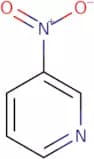
CAS:<p>Please enquire for more information about 4-Piperazinylphenylboronic acid, pinacol ester including the price, delivery time and more detailed product information at the technical inquiry form on this page</p>Formula:C16H25BN2O2Purity:Min. 95%Color and Shape:PowderMolecular weight:288.19 g/mol3-Nitropyridine
CAS:<p>3-Nitropyridine is a nitro compound that is used in the preparation of pharmaceuticals. It has been shown to have an inhibitory effect on HIV and other viruses, which may be due to its ability to react with nucleophilic groups. 3-Nitropyridine has also been shown to have an inhibitory effect on the human immunodeficiency virus (HIV) by reacting with the acidic group of the virus. This reaction prevents the virus from binding to cells and entering them. 3-Nitropyridine is also used as a solvent for organic reactions.</p>Formula:C5H4N2O2Purity:Min. 95%Color and Shape:PowderMolecular weight:124.1 g/mol1-(2-Pyrimidyl)piperazine
CAS:<p>1-(2-Pyrimidyl)piperazine is a compound that has been found to be present in human serum and urine. It is thought that 1-(2-Pyrimidyl)piperazine is involved in locomotor activity and the regulation of dopamine levels. It also has a structural similarity to 5-hydroxytryptamine (5-HT), which is known as a neurotransmitter that regulates mood, appetite, sleep, memory, and learning. This drug may have anti-inflammatory properties due to its ability to inhibit the release of growth factors.</p>Formula:C8H12N4Purity:Min. 95%Molecular weight:164.21 g/mol1-[(4-Chlorophenyl)phenylmethyl]piperazine
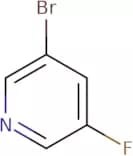
CAS:Controlled Product<p>1-[(4-Chlorophenyl)phenylmethyl]piperazine is an analytical reagent that is used in the determination of meclozine, a drug used for the treatment of nausea and vomiting. 1-[(4-Chlorophenyl)phenylmethyl]piperazine is a nucleophile, which means that it can donate electrons to other molecules. It can be used as a catalyst to increase the rate of chemical reactions. 1-[(4-Chlorophenyl)phenylmethyl]piperazine may also be used in wastewater treatment because it has been shown to have phospholipidosis inhibiting properties. The levorotatory form (1R-enantiomer) of this compound has been shown to inhibit protein synthesis in vitro and is an amine oxidase inhibitor that binds to proteins with nitrogen atoms. This nucleophilic compound may also be converted into an n-oxide or dinucleotide phosphate by hydrochloric acid and</p>Formula:C17H19ClN2Purity:Min. 95%Molecular weight:286.8 g/mol3-Bromo-5-fluoropyridine
CAS:<p>3-Bromo-5-fluoropyridine is a synthetic dyestuff that is used in the production of dyes and pigments. It has an analogous structure to 3-amino-5-bromopyridine, which is used as a medicine for treating epilepsy. 3-Bromo-5-fluoropyridine reacts with acetoacetate or ethyl acetoacetate to form methylated products, such as 3-(4'-hydroxyphenyl)propionate. This compound can be synthesized by halogenation with bromine or chlorination followed by hydrolysis. The synthesis of 3-bromo-5-fluoropyridine from 3-amino-5-bromopyridine involves a series of reactions, including diazonium salt formation, followed by bromination and reduction to produce the desired product.</p>Formula:C5H3BrFNPurity:Min. 95%Color and Shape:PowderMolecular weight:175.9 g/mol2-Chloro-pyrazolo[1,5-a]pyridine
CAS:<p>Please enquire for more information about 2-Chloro-pyrazolo[1,5-a]pyridine including the price, delivery time and more detailed product information at the technical inquiry form on this page</p>Formula:C7H5ClN2Purity:Min. 95%Molecular weight:152.58 g/mol2,5-Pyridinedicarboxylic acid diethyl ester
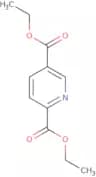
CAS:<p>2,5-Pyridinedicarboxylic acid diethyl ester is a porphyrin derivative that has been used in the synthesis of phthalocyanines and porphyrins. It is reactive and can be made to react with other compounds by cross-coupling reactions. This compound can also be synthesized through the reaction of picolyl chloride with 2,5-diketopiperazine. The yield of this product is low, but it can be improved through cross-coupling reactions. The functionality of this molecule is determined by the pyridyl group at one end and the diethyl ester at the other.</p>Formula:C11H13NO4Purity:Min. 95%Color and Shape:White PowderMolecular weight:223.23 g/mol2-Amino-4-bromopyrimidine
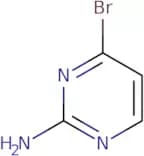
CAS:<p>Please enquire for more information about 2-Amino-4-bromopyrimidine including the price, delivery time and more detailed product information at the technical inquiry form on this page</p>Formula:C4H4BrN3Purity:Min. 95%Color and Shape:White PowderMolecular weight:174 g/mol2,6-Dimercaptopurine
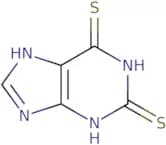
CAS:<p>2,6-Dimercaptopurine (2,6-DMP) is an immunosuppressive drug that is used to prevent organ transplants from being rejected. It blocks the synthesis of DNA and RNA in cells by inhibiting the enzyme thymidylate synthase. The reaction mechanism involves a nucleophilic attack on the phosphorus atom of 2,6-DMP by a proton from water or another nucleophile such as urea or ammonia. 2,6-DMP is metabolized through a number of tautomeric forms, which are neutral and acidic in pH. One example of this is when 2,6-DMP reacts with hydrochloric acid to form a conjugate base that can be excreted in urine.</p>Formula:C5H4N4S2Purity:Min. 95%Color and Shape:Yellow PowderMolecular weight:184.24 g/mol1-Boc-2,6-Dimethyl-4-oxopiperidine
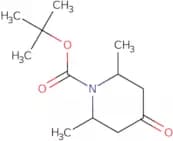
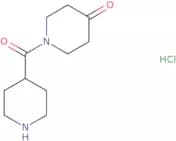
CAS:Please enquire for more information about 1-Boc-2,6-Dimethyl-4-oxopiperidine including the price, delivery time and more detailed product information at the technical inquiry form on this pageFormula:C12H21NO3Purity:Min. 95%Molecular weight:227.3 g/mol1-(Piperidine-4-carbonyl)piperidin-4-one hydrochloride
CAS:Controlled Product<p>Please enquire for more information about 1-(Piperidine-4-carbonyl)piperidin-4-one hydrochloride including the price, delivery time and more detailed product information at the technical inquiry form on this page</p>Formula:C11H19ClN2O2Purity:Min. 95%Molecular weight:246.73 g/mol4-Hydroxy-N-(2-Piperidinylmethyl)-2,5-Bis(2,2,2-Trifluoroethoxy)Benzamide
CAS:<p>Please enquire for more information about 4-Hydroxy-N-(2-Piperidinylmethyl)-2,5-Bis(2,2,2-Trifluoroethoxy)Benzamide including the price, delivery time and more detailed product information at the technical inquiry form on this page</p>Formula:C17H20F6N2O4Purity:Min. 95%Molecular weight:430.34 g/mol






![2-Chloro-7H-pyrrolo[2,3-d]pyrimidin-4-amine](/_next/image/?url=https%3A%2Fstatic.cymitquimica.com%2Fproducts%2F3D%2Fthumb-webp%2FFC63357.webp&w=3840&q=75)
![1,5-Dihydro-1-(2-methylpropyl)-4H-imidazo[4,5-c]quinolin-4-one](/_next/image/?url=https%3A%2Fstatic.cymitquimica.com%2Fproducts%2F3D%2Fthumb-webp%2FFD183443.webp&w=3840&q=75)
![4-Bromo-7-methoxy-1H-pyrrolo[2,3-c]pyridine](/_next/image/?url=https%3A%2Fstatic.cymitquimica.com%2Fproducts%2F3D%2Fthumb-webp%2FFB141995.webp&w=3840&q=75)
![tert-Butyl 4-chloro-5,6-dihydropyrido[3,4-d]pyrimidine-7(8H)-carboxylate](/_next/image/?url=https%3A%2Fstatic.cymitquimica.com%2Fproducts%2F3D%2Fthumb-webp%2FFB144255.webp&w=3840&q=75)

![2-[(4-Phenylpiperazin-1-yl)carbonyl]phenol](/_next/image/?url=https%3A%2Fstatic.cymitquimica.com%2Fproducts%2F3D%2Fthumb-webp%2FFP131062.webp&w=3840&q=75)

![Furo[3,4-b]pyrazine-5,7-dione](/_next/image/?url=https%3A%2Fstatic.cymitquimica.com%2Fproducts%2F3D%2Fthumb-webp%2FFF139883.webp&w=3840&q=75)


![1-[(4-Chlorophenyl)phenylmethyl]piperazine](/_next/image/?url=https%3A%2Fstatic.cymitquimica.com%2Fproducts%2F3D%2Fthumb-webp%2FFC20350.webp&w=3840&q=75)
![2-Chloro-pyrazolo[1,5-a]pyridine](/_next/image/?url=https%3A%2Fstatic.cymitquimica.com%2Fproducts%2F3D%2Fthumb-webp%2FFC51462.webp&w=3840&q=75)