


Heterocycles with Nitrogen (N)
In this category, you will find a wide variety of nitrogen-containing heterocycles. Heterocycles are carbon chains that form a cycle in which at least one position is occupied by a heteroatom, in this case, nitrogen. These compounds are integral in the synthesis of pharmaceuticals, agrochemicals, and dyes, offering unique reactivity and stability. At CymitQuimica, we provide a comprehensive selection of high-quality nitrogen-containing heterocycles to support your research and industrial applications
Subcategories of "Heterocycles with Nitrogen (N)"
- Azepane(434 products)
- Benzotriazoles(436 products)
- Diazepanes(331 products)
- Imidazoles(4,011 products)
- Imidazolines(385 products)
- Isoxazole(1,077 products)
- Piperazines(3,736 products)
- Piperidines(8,405 products)
- Pyrazines(1,299 products)
- Pyrazole(5,921 products)
- Pyrazolidine(21 products)
- Pyrazoline(142 products)
- Pyridazine(856 products)
- Pyridines(21,917 products)
- Pyrimidine(6,041 products)
- Pyrroles(2,443 products)
- Pyrrolidines(5,816 products)
- Pyrroline(48 products)
- Pyrrolo[1,2-b]pyridazine(10 products)
- Tetrazole(510 products)
- Triazines(462 products)
- Triazoles(1,680 products)
Show 14 more subcategories
Found 17855 products of "Heterocycles with Nitrogen (N)"
Sort by
Purity (%)
0
100
|
0
|
50
|
90
|
95
|
100
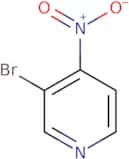
3-Bromo-4-nitropyridine
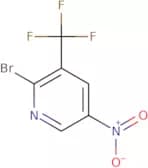
CAS:<p>3-Bromo-4-nitropyridine is a pyridine compound that has been identified as an environmental contaminant. It is used to synthesize other compounds, such as 4-(3-bromopyridin-2-yl)morpholine, which is used in the synthesis of acetonitrile. 3-Bromo-4-nitropyridine undergoes nucleophilic substitution reactions with amines, leading to homoconjugation and bond cleavage. This reaction may be followed by nitration to give 3-(3'-nitro)pyridine. 3-Bromo-4-nitropyridine can be converted into its n-oxide form or into the ionic form by treatment with acetonitrile.</p>Formula:C5H3BrN2O2Purity:Min. 95%Color and Shape:Yellow PowderMolecular weight:202.99 g/mol2-Bromo-5-nitro-3-(trifluoromethyl)pyridine
CAS:<p>2-Bromo-5-nitro-3-(trifluoromethyl)pyridine is a white crystalline compound that is soluble in water. It has high melting point and is stable at high temperatures. This chemical has been recycled from terephthalic acid by the cyanation reaction with sodium nitrite, followed by hydrogenation of 2-bromo-5-nitro-3-(trifluoromethyl)pyridine to 5,6-dichloro-2,4,6-(1H,3H)-triazine. The target product of this recycling process is terephthalic acid. 2-Bromo-5-nitro-3-(trifluoromethyl)pyridine can be used as a catalyst for the preparation of drugs for urogenital use.</p>Purity:Min. 95%1-Hydroxypyridine-2-thione zinc
CAS:<p>Zinc pyrithione is a chemical compound that can be used as an antifungal agent. It has been shown to have genotoxic activity in vitro and in vivo. Zinc pyrithione binds to the surface of the fungal cell wall and inhibits the synthesis of ergosterol, a component of the fungal cell membrane. This binding prevents the formation of an ergosterol-zinc complex with cytochrome P450 enzymes, which are required for sterol biosynthesis, leading to inhibition of energy metabolism. The model system for zinc pyrithione is a mixture of 1-hydroxypyridine-2-thione (1HP) and zinc ions in water. Some studies have shown that zinc pyrithione can cause long-term toxicity, including glycol ether toxicity, when applied topically on hair or skin. Acute toxicities may include skin irritation or contact dermatitis from shampoos containing this substance.</p>Formula:C10H8N2O2S2ZnPurity:Min. 95%Color and Shape:White/Off-White SolidMolecular weight:317.69 g/mol6-Bromo-4-hydroxypyrazolo[1,5-a]pyridine-3-carbonitrile
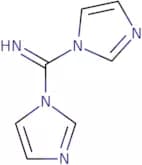
CAS:<p>Please enquire for more information about 6-Bromo-4-hydroxypyrazolo[1,5-a]pyridine-3-carbonitrile including the price, delivery time and more detailed product information at the technical inquiry form on this page</p>Formula:C8H4BrN3OPurity:Min. 95%Molecular weight:238.04 g/mol1,1'-Carbonimidoylbis-1H-imidazole
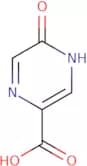
CAS:<p>1,1'-Carbonimidoylbis-1H-imidazole is a ligand that binds to amines and isosteres. It can be activated with electrophilic reagents to form an activated linker. This ligand has been shown to inhibit the growth of xenograft tumor cells in mice by binding to functional groups on the cell surface. This drug also has been shown to bind to the receptor for advanced glycation end products (RAGE) and inhibit its function. 1,1'-Carbonimidoylbis-1H-imidazole has also been evaluated as a cancer therapeutic agent in animal models.</p>Formula:C7H7N5Purity:Min. 95%Color and Shape:White PowderMolecular weight:161.16 g/mol5-Hydroxypyrazine-2-carboxylic acid
CAS:<p>5-Hydroxypyrazine-2-carboxylic acid is a drug that inhibits the activation of proteins involved in cell signaling pathways. It has been shown to have an inhibitory effect on the activation of protein kinase C, which plays a key role in the proliferation and differentiation of cells. 5-Hydroxypyrazine-2-carboxylic acid also inhibits sorafenib, a drug used for the treatment of cancer. Sorafenib is metabolized in rats by cytochrome P450 (CYP) enzymes, which are found in human liver tissue as well. The metabolism rate of sorafenib can be reduced by coadministration with caffeine or other substances that induce CYP activity. 5-Hydroxypyrazine-2-carboxylic acid is not active against pyrazinoic acid and pyrazine-2 carboxylate, which are metabolites produced by CYP enzymes.</p>Formula:C5H4N2O3Purity:Min. 98 Area-%Color and Shape:Brown PowderMolecular weight:140.1 g/mol4,6-Dichloro-1H-pyrazolo[4,3-c]pyridine
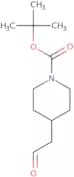
CAS:<p>4,6-Dichloro-1H-pyrazolo[4,3-c]pyridine is a reagent that has been used as a building block for the synthesis of other compounds. It is also used in the preparation of a variety of organic compounds. 4,6-Dichloro-1H-pyrazolo[4,3-c]pyridine is soluble in organic solvents such as chloroform and ethanol, and can be stored at room temperature. This compound reacts with acids to produce an acid chloride that are useful for the formation of amides and esters. This product has been shown to have a high quality and is suitable for use in research or development.</p>Formula:C6H3Cl2N3Purity:Min. 95%Color and Shape:Yellow to beige solid.Molecular weight:188.01 g/molN-Boc-4-piperidineacetaldehyde
CAS:<p>N-Boc-4-piperidineacetaldehyde is a chiral, stable, and readily available aldehyde. It has been used in the synthesis of various biologically active molecules including imidazolidinones, which are important for their use as catalysts in organic chemistry. The synthesis of this molecule by the condensation of 4-piperidineacetic acid with acetaldehyde followed by reduction with sodium borohydride is an example of this type of reaction. N-Boc-4-piperidineacetaldehyde can be used to synthesize imines and linkers that are covalently bonded to the protein backbone. This molecule also has conformational stability and is not susceptible to oxidation or radiation damage.</p>Formula:C12H21NO3Purity:Min. 95%Molecular weight:227.3 g/mol1-(2-Fluorobenzyl)-1H-pyrazolo[3,4-b]pyridine-3-carboximidamide hydrochloride
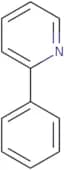
CAS:Controlled Product<p>Please enquire for more information about 1-(2-Fluorobenzyl)-1H-pyrazolo[3,4-b]pyridine-3-carboximidamide hydrochloride including the price, delivery time and more detailed product information at the technical inquiry form on this page</p>Formula:C14H12FN5•HClPurity:Min. 95%Color and Shape:PowderMolecular weight:305.74 g/mol2-Phenylpyridine
CAS:<p>2-Phenylpyridine is a heterocyclic organic compound that has been shown to have x-ray crystal structures. It has redox potentials, nitrogen atoms, and a fatty acid group attached. 2-Phenylpyridine has been shown to have nmr spectra that are characteristic of a transfer reaction mechanism. The steric interactions and the biphenyl groups have been shown to have ancillary effects on the reaction mechanism. 2-Phenylpyridine is also known to coordinate in a geometric shape called octahedral, which is most likely due to hydrogen bonding and photophysical properties. The analytical chemistry of this molecule consists of determining its melting point, boiling point, and density. 2-phenylpyridine</p>Formula:C11H9NPurity:Min. 95%Molecular weight:155.2 g/mol5-Fluoro-2-hydrazinopyridine
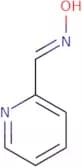
CAS:<p>Please enquire for more information about 5-Fluoro-2-hydrazinopyridine including the price, delivery time and more detailed product information at the technical inquiry form on this page</p>Formula:C5H6FN3Purity:Min. 95%Molecular weight:127.12 g/molPyridine-2-aldoxime
CAS:<p>Pyridine-2-aldoxime is a chemical compound that is used as a pesticide. It is an inhibitor of acetylcholinesterase, and it can be toxic at low doses. Pyridine-2-aldoxime binds to the active site of acetylcholinesterase and prevents the breakdown of acetylcholine by this enzyme, leading to paralysis of the respiratory muscles. Pyridine-2-aldoxime has been shown to be effective against chronic oral exposure to sarin gas, with lethal dose (LD) values ranging from 0.5–1 mg/kg in rats.</p>Formula:C6H6N2OPurity:Min. 95%Color and Shape:White PowderMolecular weight:122.12 g/mol2-(1,3-Benzodioxol-5-yl)-4,6-bis(trichloromethyl)-1,3,5-triazine
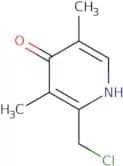
CAS:<p>2-(1,3-Benzodioxol-5-yl)-4,6-bis(trichloromethyl)-1,3,5-triazine is a triazine compound that contains a hydroxyl group and a carboxylic acid. It is used as a polymerization initiator for cationic polymerization. 2-(1,3-Benzodioxol-5-yl)-4,6-bis(trichloromethyl)-1,3,5-triazine is also used as a chemical treatment for water supplies and wastewater. This compound can absorb many organic compounds that are harmful to the environment such as pesticides and herbicides. 2-(1,3-Benzodioxol-5-yl)-4,6-bis(trichloromethyl)-1,3,5-triazine has been shown to function as an antiinflammatory agent through its hydrogen bonding properties.</p>Purity:Min. 95%2-Chloromethyl-3,5-dimethylpyridin-4-ol
CAS:<p>Please enquire for more information about 2-Chloromethyl-3,5-dimethylpyridin-4-ol including the price, delivery time and more detailed product information at the technical inquiry form on this page</p>Formula:C8H10ClNOPurity:Min. 95%Molecular weight:171.62 g/mol2-Amino-6-chloropurine
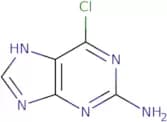
CAS:<p>2-Amino-6-chloropurine is a nucleophilic substituent that is used in the synthesis of 2-amino-6-chloropurine. It reacts with hydroxyl groups to form a palladium-catalyzed coupling reaction solution, which is then treated with hydrochloric acid and trifluoroacetic acid. The product is purified by crystallization and recrystallization. This compound has potent antitumor activity against carcinoma cell lines, but it has not been shown to have any effect against Mycobacterium tuberculosis.</p>Formula:C5H4ClN5Purity:Min. 95%Color and Shape:Off-White PowderMolecular weight:169.57 g/mol4-((5-Bromopyridin-2-yl)amino)-4-oxobutanoic acid
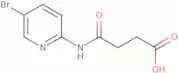
CAS:<p>4-((5-Bromopyridin-2-yl)amino)-4-oxobutanoic acid (BABA) is a potent photosynthetic inhibitor that inhibits light-driven electron transport in chloroplasts. This inhibition of electron transport leads to the accumulation of reactive oxygen species and cellular dysfunction. BABA is used to induce dormancy in plants and is also used as a chemical inhibitor for arabidopsis thaliana, a type of plant commonly used in molecular biology research. Studies have shown that BABA inhibits the growth of fat cells, which may be due to its ability to inhibit protein synthesis, leading to decreased fat deposition. In addition, this drug has been shown to reduce eye disorders such as retinal degeneration and cataracts by inhibiting the production of reactive oxygen species, which causes oxidative stress.</p>Formula:C9H9BrN2O3Purity:(Elemental Analysis) Min. 97%Color and Shape:PowderMolecular weight:273.08 g/mol2-lodo-3-hydroxypyridine
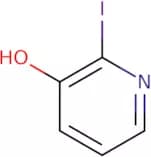
CAS:<p>2-lodo-3-hydroxypyridine is a chemical compound that is used as a solvent and as a reagent in organic synthesis. 2-Lodo-3-hydroxypyridine has shown potent inhibition against influenza A and B viruses, which are the causative agents of the flu. It also has prognostic value in patients with chronic hepatitis B virus infection. The structure of 2-lodo-3-hydroxypyridine is similar to that of the nucleoside ribonucleotide, which can be synthesized by reacting with compounds such as magnesium ion, phenolate ion, and hydroxylamine. This reaction is known to occur through an electrophilic substitution mechanism, in which the nucleophile attacks the electrophilic carbocation intermediate to form a covalent bond. The optical properties of 2-lodo-3-hydroxypyridine were found by this research group to be sensitive to its environment; they found that when</p>Formula:C5H4INOPurity:Min. 95%Molecular weight:221 g/mol(R)-4-N-Boc-2-hydroxymethyl-piperazine
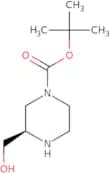
CAS:<p>Please enquire for more information about (R)-4-N-Boc-2-hydroxymethyl-piperazine including the price, delivery time and more detailed product information at the technical inquiry form on this page</p>Formula:C10H20N2O3Purity:Min. 95%Molecular weight:216.28 g/mol(R)-1-[3-[4-Amino-3-(4-phenoxyphenyl)-1H-pyrazolo[3,4-d]pyrimidin-1-yl]piperidin-1-yl]-3-chloropropan-1-one
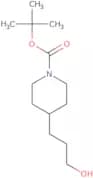
CAS:<p>Please enquire for more information about (R)-1-[3-[4-Amino-3-(4-phenoxyphenyl)-1H-pyrazolo[3,4-d]pyrimidin-1-yl]piperidin-1-yl]-3-chloropropan-1-one including the price, delivery time and more detailed product information at the technical inquiry form on this page</p>Formula:C25H25ClN6O2Purity:Min. 95%Molecular weight:476.96 g/molTert-butyl 4-(3-hydroxypropyl)tetrahydro-1(2H)-pyridinecarboxylate
CAS:<p>Please enquire for more information about Tert-butyl 4-(3-hydroxypropyl)tetrahydro-1(2H)-pyridinecarboxylate including the price, delivery time and more detailed product information at the technical inquiry form on this page</p>Formula:C13H25NO3Purity:Min. 95%Molecular weight:243.34 g/mol4,4'-Diphenyl-2,2'-bipyridine
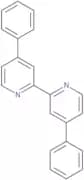
CAS:<p>4,4'-Diphenyl-2,2'-bipyridine is a ligand that can be used to produce more efficient magnesium peroxide catalysts. The efficiency of the catalyst was found to increase with increasing concentrations of the ligand. 4,4'-Diphenyl-2,2'-bipyridine has been shown to bind strongly to chloride ions and may have potential applications in animal health as a supplement. This compound is also useful in electrochemical data studies because it has a relatively high oxidation potential and electrochemical stability. It can also be used for photophysical studies due to its strong fluorescence. 4,4'-Diphenyl-2,2'-bipyridine can be synthesized by reacting carbon tetrachloride with an animal or vegetable oil or fat.</p>Formula:C22H16N2Purity:Min. 95 Area-%Color and Shape:PowderMolecular weight:308.38 g/mol(R)-1-Propylpiperidin-3-amine
CAS:<p>Please enquire for more information about (R)-1-Propylpiperidin-3-amine including the price, delivery time and more detailed product information at the technical inquiry form on this page</p>Formula:C8H18N2Purity:Min. 95%Molecular weight:142.24 g/mol6,7-Dichloro-1-cyclopropyl-1,4-dihydro-4-oxo-3-quinolinecarboxylic acid
CAS:<p>Please enquire for more information about 6,7-Dichloro-1-cyclopropyl-1,4-dihydro-4-oxo-3-quinolinecarboxylic acid including the price, delivery time and more detailed product information at the technical inquiry form on this page</p>Formula:C13H9Cl2NO3Purity:Min. 95%Molecular weight:298.12 g/molRC-3095 trifluoroacetate
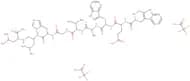
CAS:<p>Please enquire for more information about RC-3095 trifluoroacetate including the price, delivery time and more detailed product information at the technical inquiry form on this page</p>Formula:C56H79N15O9•C2HF3O2Purity:Min. 95%Molecular weight:1,220.35 g/mol(S)-1-Boc-3-methylpiperazine
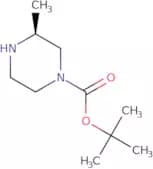
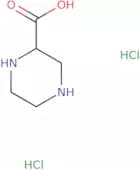
CAS:<p>(S)-1-Boc-3-methylpiperazine is a hydrophobic compound that is structurally modified from the tetracyclic family of drugs. It has been shown to inhibit tumor cell growth by binding to the oncogene, KRASG12C, and downregulating its expression. (S)-1-Boc-3-methylpiperazine also inhibits cancer cell growth through the inhibition of the PI3K/AKT signaling pathway. The pharmacological effects of (S)-1-Boc-3-methylpiperazine are dependent on its ability to bind with high affinity to KRASG12C and inhibit its activity.</p>Formula:C10H20N2O2Purity:Min. 95%Color and Shape:White PowderMolecular weight:200.28 g/molPiperazine-2-carboxylic acid dihydrochloride
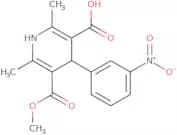
CAS:<p>Piperazine-2-carboxylic acid dihydrochloride (PZC) is an aminopyrimidine antibiotic that binds to the amine groups of plasma proteins and hydroxyapatite. It has been shown to have a specific interaction with Gram-negative bacteria, such as Escherichia coli and Salmonella typhimurium, as well as cancer cells. PZC can be used as a modifier in the treatment of staphylococcal infections and has been shown to inhibit protein synthesis in mammalian cells. PZC interacts with histidine residues on the surface of bacterial cells and inhibits their growth by binding to sites on DNA called triplexes. This drug also specifically binds to primary amines and reacts with other molecules containing amines such as polyamines, amides, or thiols.</p>Formula:C5H12Cl2N2O2Purity:Min. 95%Color and Shape:PowderMolecular weight:203.07 g/mol1,4-Dihydro-2,6-dimethyl-4-(3-nitrophenyl)-3,5-pyridinedicarboxylic acid 3-methyl ester
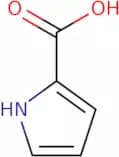
CAS:<p>Lercanidipine is a calcium antagonist that binds to the calcium channels in the membranes of cells, preventing the entry of calcium ions. Lercanidipine is water soluble and can be synthesized using techniques such as elemental analysis and pharmacological techniques. It is also an ionizable drug, which means that its affinity for chloride varies with pH. Lercanidipine has been shown to have strong affinity for erythrocyte membranes and thus has a high selectivity for vascular smooth muscle cells. This drug also has a low toxicity profile and does not affect tissues other than vascular smooth muscle cells.</p>Formula:C16H16N2O6Purity:Min. 95%Color and Shape:White PowderMolecular weight:332.31 g/molPyrrole-2-carboxylic acid
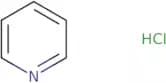
CAS:<p>Pyrrole-2-carboxylic acid is a polycyclic aromatic compound that can be found in coal tar. It has been shown to have anti-inflammatory, antiallergic, and antifungal properties. Pyrrole-2-carboxylic acid is produced by the human body as an intermediate in the metabolism of tryptophan. This compound can also be synthesized and used to treat chronic bronchitis, which is caused by excessive mucus production and inflammation of the airways. The reaction mechanism for pyrrole-2-carboxylic acid is similar to that of other drugs that are used in respiratory therapy, such as aminophylline or acetylcysteine.</p>Formula:C5H5NO2Purity:Min. 95%Molecular weight:111.1 g/molPyridine hydrochloride
CAS:<p>Pyridine hydrochloride is a white crystalline solid. It has high values for affinity to the CB2 receptor and can be used for the treatment of metabolic disorders, such as diabetes. Pyridine hydrochloride can be synthesized in two ways: by hydrogenation of pyridine with hydrochloric acid or by reacting pyridine with hydrogen fluoride. This compound also has an effect on locomotor activity and increases glutamate levels in the brain, which may contribute to its therapeutic effects. Pyridine hydrochloride is also used as a fluorescent derivative in analytical methods that measure nucleotide levels, such as the phosphorimager technique.</p>Formula:C5H5N·HClPurity:Min. 95%Color and Shape:White To Yellow To Light Brown SolidMolecular weight:115.56 g/mol4-Amino-N-(4-methylpyrimidin-2-yl)benzenesulfonamide
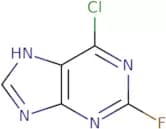
CAS:<p>4-Amino-N-(4-methylpyrimidin-2-yl)benzenesulfonamide (AMBPS) is a sulfonamide antimicrobial agent that belongs to the group of sulfa drugs. It is a potent inhibitor of tetracycline resistance in bacterial cells, and has been shown to be effective against infectious diseases such as tuberculosis, leprosy and pneumonia. AMBPS has also been used in wastewater treatment and biological studies with high values. This drug binds to sulfamerazine, which inhibits bacterial growth by inhibiting RNA synthesis. The hydrogen bonding interactions between AMBPS and sulfadiazine are thought to be responsible for the effects on congestive heart failure.</p>Formula:C11H12N4O2SPurity:Min. 95%Molecular weight:264.3 g/mol6-Chloro-2-fluoropurine
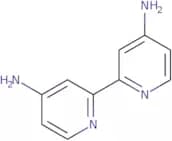
CAS:<p>6-Chloro-2-fluoropurine is an analytical reagent with a monoclonal antibody that binds to the nucleic acid of HL-60 cells and can be used for optical analysis. 6-Chloro-2-fluoropurine has been shown to have significant cytotoxicity against HL-60 cells, which may be due to its ability to bind to intracellular targets. 6-Chloro-2-fluoropurine has also been shown to inhibit the growth of HL-60 cells in a fluorescein angiography study and is used as a diagnostic agent for diagnosis of cancer.</p>Formula:C5H2ClFN4Purity:Min. 98 Area-%Color and Shape:Off-White PowderMolecular weight:172.55 g/mol4,4'-Diamino-2,2'-bipyridine
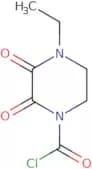
CAS:<p>4,4'-Diamino-2,2'-bipyridine (DABP) is a redox-active compound that is synthesized to be used as a single-stranded DNA probe. It has been shown to have high affinity for nucleic acids and can be used in many applications including the detection of mutations in human ovarian carcinoma cells. DABP can also be used as a model protein for studying interactions with other biomolecules. The immobilization of DABP on an electrode surface allows for the study of its electrochemical properties. This includes the correlation between the redox potential and luminescence intensity and the dependence on pH or ionic strength. DABP can also be used to detect oxygen concentration or ATP levels in mitochondria through its ability to absorb light at wavelengths from 400 nm to 800 nm which is then converted into light at lower wavelengths by uv irradiation.</p>Formula:C10H10N4Purity:Min. 97 Area-%Color and Shape:White PowderMolecular weight:186.21 g/molc4-Ethyl-2,3-dioxo-piperazine carbonyl chloride
CAS:<p>c4-Ethyl-2,3-dioxo-piperazine carbonyl chloride is a chloroformate that is used in the synthesis of carbamates. It is used in the production of triphosgene, which is an intermediate for the production of herbicides and pesticides. The impurities found in this substance are n-hexane, flow rate, chloride, chloroformate and solvents. This product can be synthesized by reacting c4-ethyl-2,3-dioxopiperazine with carbon tetrachloride. The reaction time required to produce this product is 2 hours at a temperature between 100°C and 150°C. The optimum pH range for the reaction is 8 - 10.</p>Formula:C7H9ClN2O3Purity:Min. 95%Color and Shape:PowderMolecular weight:204.61 g/molImidazo[1,2-a]pyridin-7-amine hydrobromide
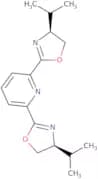
CAS:<p>Please enquire for more information about Imidazo[1,2-a]pyridin-7-amine hydrobromide including the price, delivery time and more detailed product information at the technical inquiry form on this page</p>Formula:C7H8BrN3Purity:Min. 95%Molecular weight:214.06 g/mol(S,S)-2,6-Bis(4-isopropyl-2-oxazolin-2-yl)pyridine
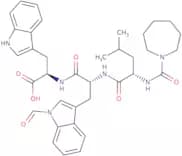
CAS:<p>Ligand used to prepare ruthenium complexes for asymmetric catalysis</p>Formula:C17H23N3O2Purity:Min. 95%Color and Shape:White PowderMolecular weight:301.38 g/molBQ-610 Azepane-1-carbonyl-Leu-D-Trp(For)-D-Trp-OH
CAS:<p>BQ-610 is a novel peptide that has been shown to reduce the severity of mucosal inflammation in animal models of inflammatory bowel disease. It functions by binding to myofibroblasts, which are cells that produce an extracellular matrix and collagen. BQ-610 also blocks signalling pathways that are responsible for the production of TNF-α, MMP-2, and other molecules involved in the pathogenesis of inflammatory bowel disease. BQ-610 is effective at reducing inflammation in animal models of colitis, but not in human colonic epithelial cells or human colonic tissue.</p>Formula:C36H44N6O6Purity:Min. 95%Molecular weight:656.77 g/mol3-(Boc-amino)pyridine
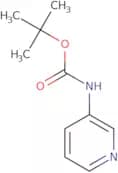
CAS:<p>3-(Boc-amino)pyridine is a glycine derivative with a trigonal, chelate ring. It can be hydrolyzed by acid to form 3-aminopyridine. 3-(Boc-amino)pyridine has been shown to react with trimethyltin chloride to form an intramolecular complex in the presence of alkyllithiums. This reaction proceeds through lithiation and methylation of the carboxyl group of 3-(Boc-amino)pyridine. The interaction between 3-(Boc-amino)pyridine and trimethyltin chloride forms an antiaromatic six membered ring that resembles a benzene molecule.</p>Formula:C10H14N2O2Purity:Min. 95%Molecular weight:194.23 g/mol2-[Chloro(4-chlorophenyl)methyl]-pyridine
CAS:<p>Please enquire for more information about 2-[Chloro(4-chlorophenyl)methyl]-pyridine including the price, delivery time and more detailed product information at the technical inquiry form on this page</p>Formula:C12H9Cl2NPurity:Min. 95%Molecular weight:238.11 g/mol2,2,6,6-Tetramethyl-4-piperidinol 1-oxyl, free radical
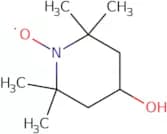
CAS:<p>2,2,6,6-Tetramethyl-4-piperidinol 1-oxyl (TEMPO) is a reactive oxygen species that belongs to the group of nitroxide radicals. It can be used as a radical scavenger and has been shown to inhibit the production of pro-apoptotic proteins in human macrophages. TEMPO has also been shown to bind to DNA and prevent the binding of HIV viral protein gp120. TEMPO can be used as an inhibitor for glycol ethers in laboratory experiments. The most common use is as a water vapor scavenger during polymerization reactions in organic chemistry.</p>Formula:C9H18NO2Purity:Min. 98 Area-%Color and Shape:Orange SolidMolecular weight:172.24 g/mol2,4-Dichloro-3-nitropyridine
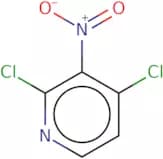
CAS:<p>2,4-Dichloro-3-nitropyridine is a halogenated pyridinium salt that has been shown to inhibit the influenza virus in vitro. This compound is also reactive with nucleophilic groups such as amines, alcohols, and thiols. 2,4-Dichloro-3-nitropyridine has been used for the synthesis of quinoline derivatives that have potential applications in autoimmune diseases or cancer. 2,4-Dichloro-3-nitropyridine has also been found to be an inhibitor of tumor necrosis factor alpha (TNFα) production by LPS stimulated human monocytes.</p>Formula:C5H2Cl2N2O2Purity:Min. 95%Color and Shape:White PowderMolecular weight:192.99 g/mol1-(2-Hydroxyethyl)piperazine
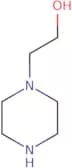
CAS:<p>1-(2-Hydroxyethyl)piperazine is a chemical solvent that is used for the absorption of amines and other compounds. It has been shown to have a high affinity for acidic substances, which may be due to its ability to form hydrogen bonds with them. 1-(2-Hydroxyethyl)piperazine is also used in sample preparation for the analysis of amines and other compounds in fruit extracts. The solubility of 1-(2-Hydroxyethyl)piperazine depends on the experimental conditions, including pH, temperature, and pressure. FT-IR spectroscopy has been used to measure the vibrational modes of 1-(2-Hydroxyethyl)piperazine molecules. The IR spectrum revealed that this compound contains a hydroxyl group and two fatty acid chains with one or more hydroxyl groups at their terminal end. The nmr spectrum showed that 1-(2-Hydroxyethyl)piperazine contains an NH proton as well as</p>Formula:C6H14N2OPurity:Min. 95%Color and Shape:Clear LiquidMolecular weight:130.19 g/mol2-Aminoimidazole sulfate
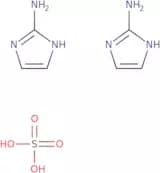
CAS:<p>2-Aminoimidazole sulfate is a chemical compound that is used as a transfection reagent. It has been shown to have high transfection efficiency with low cytotoxicity. The diameter of the molecule is in the range of 2 - 3 nm, which allows it to be taken up by cells and thus be active in them. This chemical can be dehydrogenated to form imidazole-2-sulfonic acid, which may interact with other molecules. There have been many advances in this area, including modifications and gaseous forms of the molecule. Research into the interactions of this compound with other chemicals and their effects on cellular uptake are ongoing.</p>Formula:C3H5N3•(H2O4S)0Purity:Min. 95%Color and Shape:Off-White PowderMolecular weight:264.26 g/mol2-Chloro-6-methoxypyridine
CAS:<p>2-Chloro-6-methoxypyridine (2CMP) is a potent antagonist that binds to copper chloride, inhibiting its ability to activate aryl chlorides. This chemical has been shown to have anti-angiogenic effects in human cancer cells and can be used for the treatment of cancer. 2CMP has also been shown to be effective at blocking angiogenesis in mice with breast cancer. 2CMP is synthesized through an asymmetric synthesis process, which involves the use of a dipole and molecular docking analysis.</p>Formula:C6H6ClNOPurity:Min. 95%Color and Shape:Clear LiquidMolecular weight:143.57 g/mol4-Piperidylacetylaminomethyl resin (200-400 mesh)
<p>Please enquire for more information about 4-Piperidylacetylaminomethyl resin (200-400 mesh) including the price, delivery time and more detailed product information at the technical inquiry form on this page</p>Purity:Min. 95%Bobbitt's salt
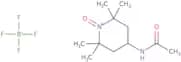
CAS:<p>4-Acetamido-2,2,6,6-tetramethyl-1-oxopiperidinium tetrafluoroborate, most commonly known as Bobbitt's salt, is a cheap and benign oxidant. It’s an oxoamonium salt that is used in oxidative cleveage of C-C and C-O bonds. The most common application of Bobbitt's salts is as a catalyst for the synthesis of dimethylbenzoquinones or DMBQs.</p>Formula:C11H21BF4N2O2Purity:Min. 95%Color and Shape:Red PowderMolecular weight:300.1 g/molBoc-4-carboxymethyl-piperidine
CAS:<p>Boc-4-carboxymethyl-piperidine is a novel drug that has been shown to have significant correlations with the inhibition of fibrinogen and cellulose. It also has the ability to inhibit arsenite, which may be due to its dithiocarbamate group. Boc-4-carboxymethyl-piperidine has been shown to have significant biological activity in vitro. This molecule has been synthesized and crystallized, and x-ray data have been collected. The molecular structure of this molecule is shown below:</p>Formula:C12H21NO4Purity:Min. 95%Color and Shape:White PowderMolecular weight:243.3 g/mol4-Acetylimidazole
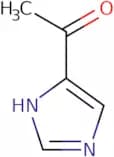
CAS:<p>4-Acetylimidazole is a histidine analogue that has been shown to have anticancer activity in breast cancer cells. It can react with amines and form imidazoles. The hydroxyl group on the 4-position of the imidazole ring is able to undergo dehydration, which leads to the formation of a chloride ion. This reaction mechanism is reversible and can be used in organic synthesis. 4-Acetylimidazole can also act as an h2 receptor antagonist, although it does not bind to the zwitterionic site of the h2 receptor. NMR spectra show that 4-acetylimidazole exists as a zwitterion in water solution, but becomes a monovalent ion when dissolved in an organic solvent such as methanol or acetone. 4-Acetylimidazole is chemically stable and does not react with poloxamer.</p>Formula:C5H6N2OPurity:Min. 95%Color and Shape:Yellow PowderMolecular weight:110.11 g/molIsocytosine
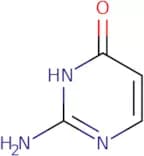
CAS:<p>Isocytosine is a prodrug that has been synthesized with the intramolecular hydrogen on the nitrogen atoms, which makes it more chemically stable. Isocytosine is a reactive molecule, and can react with tautomers to form isocytosine derivatives. Isocytosine contains three hydrogen atoms that are transferable through reactions to other molecules. The chemical stability of isocytosine allows for its use in wastewater treatment. It also has metabolic effects, such as the inhibition of colorectal adenocarcinoma and metabolic disorders. Isocytosine can be used as a model system for studying transfer reactions and reaction mechanisms.</p>Formula:C4H5N3OPurity:Min. 95%Color and Shape:PowderMolecular weight:111.1 g/mol2,5-Dibromopyridine
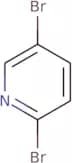
CAS:<p>2,5-Dibromopyridine is a chemical compound that can be used as a coupling agent in palladium-catalyzed cross-coupling reactions. It is used on the surface of metal particles to increase the efficiency of the reaction, and has been shown to react with substrates such as sodium hydroxide solution, sodium carbonate, halides and hydroxides. 2,5-Dibromopyridine also reacts with benzoate to form a palladium complex. 2,5-Dibromopyridine can be used as an oxidant or reductant depending on the type of reaction it is being used in. It has redox potentials at -0.6 volts for oxidation and +0.6 volts for reduction.</p>Formula:C5H3Br2NPurity:Min. 95%Color and Shape:PowderMolecular weight:236.89 g/mol5-Bromothieno[2,3-b]pyridine
CAS:<p>Please enquire for more information about 5-Bromothieno[2,3-b]pyridine including the price, delivery time and more detailed product information at the technical inquiry form on this page</p>Formula:C7H4BrNSPurity:Min. 95%Molecular weight:214.08 g/mol


![6-Bromo-4-hydroxypyrazolo[1,5-a]pyridine-3-carbonitrile](/_next/image/?url=https%3A%2Fstatic.cymitquimica.com%2Fproducts%2F3D%2Fthumb-webp%2FFB182798.webp&w=3840&q=75)
![4,6-Dichloro-1H-pyrazolo[4,3-c]pyridine](/_next/image/?url=https%3A%2Fstatic.cymitquimica.com%2Fproducts%2F3D%2Fthumb-webp%2FFD35292.webp&w=3840&q=75)
![1-(2-Fluorobenzyl)-1H-pyrazolo[3,4-b]pyridine-3-carboximidamide hydrochloride](/_next/image/?url=https%3A%2Fstatic.cymitquimica.com%2Fproducts%2F3D%2Fthumb-webp%2FFF104255.webp&w=3840&q=75)


![(R)-1-[3-[4-Amino-3-(4-phenoxyphenyl)-1H-pyrazolo[3,4-d]pyrimidin-1-yl]piperidin-1-yl]-3-chloropro…](/_next/image/?url=https%3A%2Fstatic.cymitquimica.com%2Fproducts%2F3D%2Fthumb-webp%2FFA183174.webp&w=3840&q=75)



![Imidazo[1,2-a]pyridin-7-amine hydrobromide](/_next/image/?url=https%3A%2Fstatic.cymitquimica.com%2Fproducts%2F3D%2Fthumb-webp%2FFI111192.webp&w=3840&q=75)
![2-[Chloro(4-chlorophenyl)methyl]-pyridine](/_next/image/?url=https%3A%2Fstatic.cymitquimica.com%2Fproducts%2F3D%2Fthumb-webp%2FFC152996.webp&w=3840&q=75)


![5-Bromothieno[2,3-b]pyridine](/_next/image/?url=https%3A%2Fstatic.cymitquimica.com%2Fproducts%2F3D%2Fthumb-webp%2FFB111196.webp&w=3840&q=75)