Heterocycles with Nitrogen (N)
In this category, you will find a wide variety of nitrogen-containing heterocycles. Heterocycles are carbon chains that form a cycle in which at least one position is occupied by a heteroatom, in this case, nitrogen. These compounds are integral in the synthesis of pharmaceuticals, agrochemicals, and dyes, offering unique reactivity and stability. At CymitQuimica, we provide a comprehensive selection of high-quality nitrogen-containing heterocycles to support your research and industrial applications
Subcategories of "Heterocycles with Nitrogen (N)"
- Azepane(434 products)
- Benzotriazoles(436 products)
- Diazepanes(331 products)
- Imidazoles(4,006 products)
- Imidazolines(385 products)
- Isoxazole(1,077 products)
- Piperazines(3,735 products)
- Piperidines(8,398 products)
- Pyrazines(1,299 products)
- Pyrazole(5,919 products)
- Pyrazolidine(21 products)
- Pyrazoline(142 products)
- Pyridazine(856 products)
- Pyridines(21,911 products)
- Pyrimidine(6,038 products)
- Pyrroles(2,440 products)
- Pyrrolidines(5,814 products)
- Pyrroline(48 products)
- Pyrrolo[1,2-b]pyridazine(10 products)
- Tetrazole(510 products)
- Triazines(462 products)
- Triazoles(1,679 products)
Show 14 more subcategories
Found 17855 products of "Heterocycles with Nitrogen (N)"
Sort by
Purity (%)
0
100
|
0
|
50
|
90
|
95
|
100
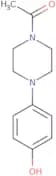
1-Acetyl-4-(4-hydroxyphenyl)piperazine
CAS:<p>1-Acetyl-4-(4-hydroxyphenyl)piperazine is a triazole antifungal that inhibits the synthesis and activity of nitric oxide. It binds to the N1 atom of the molecule, which is the site of nitrite ion, and prevents it from reacting with chloride ions. This binding also prevents nucleophilic attack on imine bonds in proteins and DNA. The photophysical properties of 1-acetyl-4-(4-hydroxyphenyl)piperazine are determined by its coumarin derivatives, which absorb light at wavelengths between 400 and 500 nm. The compound has been found to be specific for fungi, but not bacteria or yeast. 1-Acetyl-4-(4-hydroxyphenyl)piperazine has been shown to be effective against Candida albicans and other strains of yeast when used as an oral or topical treatment.</p>Formula:C12H16N2O2Purity:Min. 95%Molecular weight:220.27 g/molChlorpheniramine N-oxide
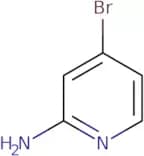
CAS:<p>Please enquire for more information about Chlorpheniramine N-oxide including the price, delivery time and more detailed product information at the technical inquiry form on this page</p>Formula:C16H19ClN2OPurity:Min. 95%Molecular weight:290.79 g/mol2-Amino-4-bromopyridine
CAS:<p>2-Amino-4-bromopyridine is a potent, selective antagonist of the nicotinic acetylcholine receptor (nAChR) that has been shown to inhibit the proliferation of cancer cells in vitro. 2-Amino-4-bromopyridine binds to the nAChR and stabilizes it by binding to an allosteric site on the receptor. 2-Amino-4-bromopyridine is synthesized from 4,5-dibromobenzene and 2,6-diaminopyridine in two steps with a yield of 47%. The synthesis of 2-amino-4-bromopyridine proceeds via reaction mechanism involving electrophilic substitution at the bromine atom followed by nucleophilic addition at the nitrogen atom.</p>Formula:C5H5BrN2Purity:Min. 95%Color and Shape:PowderMolecular weight:173.01 g/mol3,5-Dichloropyrazine-2-carboxylicacid
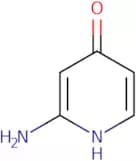
CAS:<p>Please enquire for more information about 3,5-Dichloropyrazine-2-carboxylicacid including the price, delivery time and more detailed product information at the technical inquiry form on this page</p>Formula:C5H2Cl2N2O2Purity:Min. 95%Molecular weight:192.99 g/mol2-Amino-4-hydroxypyridine
CAS:<p>2-Amino-4-hydroxypyridine (2AH) is a synthetic, isomeric compound that has been synthesized in two different forms: 3-bromo-5-hydroxypyridine and hydroxy group. 2AH has been shown to be chemically stable at room temperature and pH levels of less than 7. It also withstands the loss of membrane fluidity induced by amides, such as 3-amino-2-bromopyridine. 2AH can be used to synthesize oxindole derivatives, which are found in natural gas, and piperidines. This chemical can also be used for aminations with pyrrole or 2 amino 4 hydroxypyridine.</p>Formula:C5H6N2OPurity:Min. 95%Color and Shape:PowderMolecular weight:110.11 g/mol2,5-Dibromopyridine
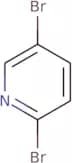
CAS:<p>2,5-Dibromopyridine is a chemical compound that can be used as a coupling agent in palladium-catalyzed cross-coupling reactions. It is used on the surface of metal particles to increase the efficiency of the reaction, and has been shown to react with substrates such as sodium hydroxide solution, sodium carbonate, halides and hydroxides. 2,5-Dibromopyridine also reacts with benzoate to form a palladium complex. 2,5-Dibromopyridine can be used as an oxidant or reductant depending on the type of reaction it is being used in. It has redox potentials at -0.6 volts for oxidation and +0.6 volts for reduction.</p>Formula:C5H3Br2NPurity:Min. 95%Color and Shape:PowderMolecular weight:236.89 g/mol1-Pyridin-2-ylmethylpiperidine-4-carboxylic acid
CAS:<p>Please enquire for more information about 1-Pyridin-2-ylmethylpiperidine-4-carboxylic acid including the price, delivery time and more detailed product information at the technical inquiry form on this page</p>Formula:C12H16N2O2Purity:Min. 95%Molecular weight:220.27 g/mol3-Bromopyridazine
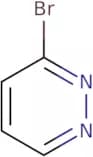
CAS:<p>3-Bromopyridazine is a dechlorinated derivative of pyridazine that has been used as an agrochemical. 3-Bromopyridazine can be synthesized by aminocarbonylation at the 3-position, which is a nucleophilic substitution reaction. It has been shown to yield high yields and to react with nucleophiles such as chlorine or heterocycles such as cinnoline. 3-Bromopyridazine can also be obtained by cross coupling of 2-bromoacetophenone with benzaldehyde and pyridine in the presence of copper. The resulting product is then reacted with sodium nitrite in hydrochloric acid to produce 3-bromopyridazine. This compound may have potential use as a chemical intermediate for other compounds, due to its chemical stability and its ability to undergo cross coupling reactions.</p>Formula:C4H3BrN2Purity:Min. 95%Molecular weight:158.98 g/mol5-Chloro-2-formylpyridine
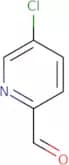
CAS:<p>5-Chloro-2-formylpyridine is a peroxide that reacts with pyridine rings to form epoxides. It has been shown to be a potent oxidant and is used in the synthesis of epoxides. 5-Chloro-2-formylpyridine can also react with imidazoles and form tetradentate ligands, which are compounds that bind to metals. This chemical has selectivity for carboxylic acid groups, hydrogen peroxide, alkene, and piperazine. Irradiation of 5-chloro-2-formylpyridine yields an epoxide group on the pyridine ring.</p>Formula:C6H4NOClPurity:Min. 95%Molecular weight:141.55 g/molDesloratadine N-hydroxypiperidine
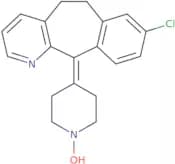
CAS:<p>Desloratadine N-hydroxypiperidine is a drug that is used to treat allergic rhinitis and urticaria. It belongs to the class of antihistamines, which block the activity of histamine in the body. Desloratadine N-hydroxypiperidine is a prodrug that has a piperidine moiety attached to its side chain. This prodrug is metabolized into desloratadine, its active form, by esterase enzymes in the liver and blood plasma. The onset of action is rapid after oral administration and the duration of action is 12 hours or more. Desloratadine N-hydroxypiperidine has shown linearity over a wide range of pH values (pH 1 to 10) and ionic strengths (0.1 M to 0.5 M). Optimization was achieved by adjusting elution time, ion-pairing agent, mobile phase composition, organic modifier concentration and column particle</p>Formula:C19H19ClN2OPurity:Min. 95%Molecular weight:326.82 g/mol2,3-Pyridinedicarboxylic acid dimethylester
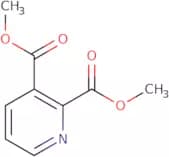
CAS:<p>2,3-Pyridinedicarboxylic acid dimethylester (PDDE) is a methylated derivative of 3-nitrophthalic anhydride. It has been shown to be a stereoselective receptor blocker that binds to the glutamate site of the N-methyl-D-aspartate receptor. PDDE has also been shown to have high affinity for the cerebral cortex and is able to penetrate the blood brain barrier. PDDE blocks the NMDA receptor by binding to it and preventing ion flow, which leads to inhibition of neurotransmitter release. This drug is used as an injectable methyl derivative with a molecule weight of 217. The ionization detector can detect PDDE in tetrahydrofuran at concentrations of 1,000 ng/mL or less.</p>Formula:C9H9NO4Purity:Min. 95%Molecular weight:195.17 g/mol8-Hydroxyquinoline hemisulfate salt hemihydrate
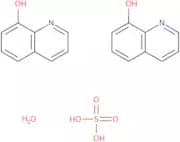
CAS:<p>8-Hydroxyquinoline is a sweet, water soluble, and heat stable inhibitor that has been used in the treatment of kidney disease. 8-Hydoxyquinoline has been shown to inhibit the growth of the rootstock Asiaticus by interfering with cell metabolism. It is also an insecticide that kills insects by causing damage to their cells. 8-Hydoxyquinoline inhibits polymerase chain reaction (PCR) by binding to DNA polymerase, blocking its activity and reducing its ability to synthesize DNA. This drug is also a potent blocker of angiotensinogen synthesis, which leads to reduced blood pressure levels.</p>Formula:C9H7NOH2SO4H2OColor and Shape:Yellow PowderMolecular weight:203.21 g/mol5-Bromo-2-(methylthio)pyrimidine
CAS:<p>5-Bromo-2-(methylthio)pyrimidine is a synthetic compound that has been used to synthesize palladium complexes. It can also be used in the synthesis of vitamin B1, which is an essential nutrient for humans and animals. 5-Bromo-2-(methylthio)pyrimidine binds with magnesium and reacts with sulfoxide, nucleophilic attack and electronegativity. 5-Bromo-2-(methylthio)pyrimidine is activated by 2-chlorobenzothiazole and hydrogen chloride, which leads to nucleophilic attack on the electrophilic carbon atom. This causes a displacement reaction with the elimination of chlorine gas and production of dihydro.</p>Formula:C5H5BrN2SPurity:Min. 95%Molecular weight:205.08 g/mol1-Acetylpiperidine-4-carboxylic acid
CAS:<p>1-Acetylpiperidine-4-carboxylic acid (ACPC) is a synthetic compound that has been shown to be a potent inhibitor of the neurokinin-1 receptor. ACPC has been shown to have anti-inflammatory properties, which may be due to its inhibition of prostaglandin synthesis. It has also been shown to have antipsychotic effects and could be an effective treatment for psychotic disorders. The pharmacophore of ACPC is based on the cyclohexane ring and piperidine moieties, which are thought to provide affinity for the neurokinin-1 receptor.</p>Formula:C8H13NO3Purity:Min. 95%Color and Shape:PowderMolecular weight:171.19 g/molEthyl 4-amino-2-mercaptopyrimidine-5-carboxylate
CAS:<p>Please enquire for more information about Ethyl 4-amino-2-mercaptopyrimidine-5-carboxylate including the price, delivery time and more detailed product information at the technical inquiry form on this page</p>Formula:C7H9N3O2SPurity:Min. 95%Molecular weight:199.23 g/molBobbitt's salt
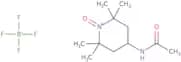
CAS:<p>4-Acetamido-2,2,6,6-tetramethyl-1-oxopiperidinium tetrafluoroborate, most commonly known as Bobbitt's salt, is a cheap and benign oxidant. It’s an oxoamonium salt that is used in oxidative cleveage of C-C and C-O bonds. The most common application of Bobbitt's salts is as a catalyst for the synthesis of dimethylbenzoquinones or DMBQs.</p>Formula:C11H21BF4N2O2Purity:Min. 95%Color and Shape:Red PowderMolecular weight:300.1 g/mol3-Piperidin-1-ylpropan-1-ol
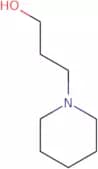
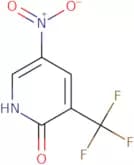
CAS:<p>3-Piperidin-1-ylpropan-1-ol is a substance that is structurally related to biperiden and has affinity for the H3 receptor. It has been shown to have a high affinity for the H3 receptor, which is found in high concentration in the rat brain. 3-Piperidin-1-ylpropan-1-ol has been shown to have antagonistic activity against neuropathic pain in rats, by inhibiting the release of norepinephrine from nerve endings. This substance also has antihistaminic properties, which may be due to its ability to inhibit histamine release. 3-Piperidin-1-ylpropan-1-ol is an enantiomer of piperidine, with a slightly higher affinity for the H3 receptor than its mirror image. The racemic mixture isomeric form (i.e., both enantiomers) inhibits the H3 receptor with an equal potency,</p>Formula:C8H17NOPurity:Min. 95%Color and Shape:Colorless Clear LiquidMolecular weight:143.23 g/mol2-Hydroxy-5-nitro-3-(trifluoromethyl)pyridine
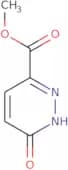
CAS:<p>Please enquire for more information about 2-Hydroxy-5-nitro-3-(trifluoromethyl)pyridine including the price, delivery time and more detailed product information at the technical inquiry form on this page</p>Formula:C6H3F3N2O3Purity:Min. 99.00 Area-%Molecular weight:208.09 g/molMethyl 6-oxo-1,6-dihydropyridazine-3-carboxylate
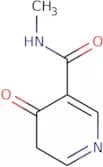
CAS:<p>Please enquire for more information about Methyl 6-oxo-1,6-dihydropyridazine-3-carboxylate including the price, delivery time and more detailed product information at the technical inquiry form on this page</p>Formula:C6H6N2O3Purity:Min. 95%Molecular weight:154.12 g/molN-Methyl-4-oxo-4,5-dihydropyridine-3-carboxamide
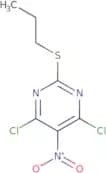
CAS:<p>N-Methyl-4-oxo-4,5-dihydropyridine-3-carboxamide is a fine chemical that can be used as a reagent or intermediate. It is a versatile building block that can be used in the production of useful scaffolds or useful intermediates. This compound has been shown to react with many different types of chemicals, including alcohols and amines. N-Methyl-4-oxo-4,5-dihydropyridine-3-carboxamide can also be used as a reaction component in the synthesis of diverse compounds.</p>Formula:C7H8N2O2Purity:Min. 95%Color and Shape:White to grey solid.Molecular weight:152.15 g/mol4,6-Dichloro-5-nitro-2-propylthiopyrimidine
CAS:<p>Intermediate in the synthesis of ticagrelor</p>Formula:C7H7Cl2N3O2SPurity:Min. 95%Molecular weight:268.12 g/mol1,1',1''-(1,3,5-Triazinane-1,3,5-triyl)tris(2-bromoethan-1-one)
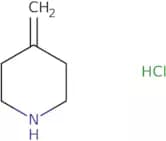
CAS:<p>Please enquire for more information about 1,1',1''-(1,3,5-Triazinane-1,3,5-triyl)tris(2-bromoethan-1-one) including the price, delivery time and more detailed product information at the technical inquiry form on this page</p>Formula:C9H12Br3N3O3Purity:Min. 95%Color and Shape:PowderMolecular weight:449.82 g/mol4-Methylenepiperidine hydrochloride
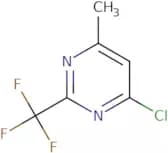
CAS:<p>4-Methylenepiperidine hydrochloride is a synthetic, ethylene oxide derivative that is used as an antifungal drug. It is also used in the synthesis of other compounds and as a reagent in organic chemistry. 4-Methylenepiperidine hydrochloride can be synthesized by reacting ethylene with an alkoxide, followed by adding a metal halide such as organolithium reagents to form the desired product. The yield rate of this reaction is high and it is easy to perform on a large scale.</p>Formula:C6H11N·HClPurity:Min. 95%Color and Shape:White PowderMolecular weight:133.62 g/mol4-Chloro-6-methyl-2-trifluoromethylpyrimidine
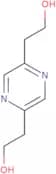
CAS:<p>Please enquire for more information about 4-Chloro-6-methyl-2-trifluoromethylpyrimidine including the price, delivery time and more detailed product information at the technical inquiry form on this page</p>Formula:C6H4ClF3N2Purity:Min. 95%Molecular weight:196.56 g/mol2,5-Pyrazinediethanol
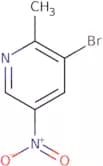
CAS:<p>2,5-Pyrazinediethanol is a neutral compound that hydrolyzes in water to form the acidic 2,5-diketopiperazine. It also reacts with sodium hydroxide to form the alkaline 2,5-diketopiperazine. The chemical structure of this compound is similar to that of clavulanic acid, which is a drug used in combination with amoxicillin (a penicillin antibiotic) for the treatment of bacterial infections. 2,5-Pyrazinediethanol has been shown to have antibacterial properties against Escherichia coli and Bacillus subtilis. However, it is less active than clavulanic acid against Staphylococcus aureus or Clostridium perfringens.</p>Formula:C8H12N2O2Purity:(%) Min. 97%Color and Shape:PowderMolecular weight:168.19 g/mol3-Bromo-2-methyl-5-nitropyridine
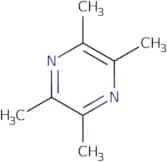
CAS:<p>Please enquire for more information about 3-Bromo-2-methyl-5-nitropyridine including the price, delivery time and more detailed product information at the technical inquiry form on this page</p>Formula:C6H5BrN2O2Purity:Min. 95%Molecular weight:217.02 g/mol2,3,5,6-Tetra-methyl-pyrazine
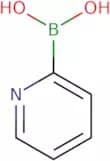
CAS:<p>2,3,5,6-Tetra-methyl-pyrazine is a chemical compound that is structurally similar to ATP. It has been shown to inhibit the mitochondrial membrane potential and induce apoptosis in rat heart cells. 2,3,5,6-Tetra-methyl-pyrazine has also been shown to inhibit ATP synthase activity and increase lactate levels in the presence of glucose. This compound inhibits cyclase activity and increases microdialysis probe signal pathways. 2,3,5,6-Tetra-methyl-pyrazine may be useful for the treatment of myocardial infarcts.</p>Formula:C8H12N2Purity:Min. 95%Molecular weight:136.19 g/mol2-Pyridineboronic acid
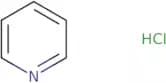
CAS:<p>2-Pyridineboronic acid is a chemical compound that belongs to the group of quinoline derivatives. It is used in pharmaceutical preparations, including as an intermediate for the synthesis of other compounds. 2-Pyridineboronic acid has been shown to have antiproliferative effects on cancer cells and has been found to be active against nicotinic acetylcholine receptors (NAR). The compound also inhibits lipid kinase activity, which is involved in the production of phosphatidylcholine and phosphatidylethanolamine from phosphatidylserine. 2-Pyridineboronic acid can react with hydrochloric acid and electrochemical impedance spectroscopy to produce a solution that has a detection time of about 10 minutes.</p>Formula:C5H6BNO2Purity:Min. 95%Molecular weight:122.92 g/molPyridine hydrochloride
CAS:<p>Pyridine hydrochloride is a white crystalline solid. It has high values for affinity to the CB2 receptor and can be used for the treatment of metabolic disorders, such as diabetes. Pyridine hydrochloride can be synthesized in two ways: by hydrogenation of pyridine with hydrochloric acid or by reacting pyridine with hydrogen fluoride. This compound also has an effect on locomotor activity and increases glutamate levels in the brain, which may contribute to its therapeutic effects. Pyridine hydrochloride is also used as a fluorescent derivative in analytical methods that measure nucleotide levels, such as the phosphorimager technique.</p>Formula:C5H5N·HClPurity:Min. 95%Color and Shape:White To Yellow To Light Brown SolidMolecular weight:115.56 g/molCoproporphyrin III
CAS:<p>Please enquire for more information about Coproporphyrin III including the price, delivery time and more detailed product information at the technical inquiry form on this page</p>Formula:C36H38N4O8Purity:Min. 95%Molecular weight:654.71 g/mol6-(Chloromethyl)pteridine-2,4-diamine monohydrochloride
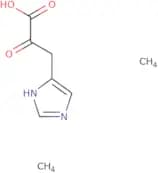
CAS:<p>Please enquire for more information about 6-(Chloromethyl)pteridine-2,4-diamine monohydrochloride including the price, delivery time and more detailed product information at the technical inquiry form on this page</p>Formula:C7H7ClN6•HClPurity:Min. 95%Molecular weight:247.08 g/molImidazolepyruvic acid hydrobromide hydrate
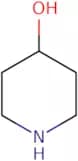
CAS:<p>Please enquire for more information about Imidazolepyruvic acid hydrobromide hydrate including the price, delivery time and more detailed product information at the technical inquiry form on this page</p>Formula:C6H6N2O3•(HBr)x•(H2O)xPurity:Min. 95%Color and Shape:Powder4-Hydroxypiperidine
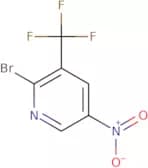
CAS:<p>4-Hydroxypiperidine is a molecule with a carbonyl group. It is the most active and selective CCR5 receptor antagonist that has been studied to date. 4-Hydroxypiperidine inhibits HIV infection by preventing the binding of HIV to its receptor on the surface of white blood cells, thereby preventing it from entering these cells. 4-Hydroxypiperidine also acts as an anti-inflammatory agent in chronic bronchitis patients, due to its ability to inhibit prostaglandin synthesis. The chemical ionization mass spectra of this molecule show peaks for methyl ethyl, malic acid, and hydroxyl groups. These properties make 4-hydroxypiperidine a useful candidate for drug development against inflammatory diseases and several cancers.</p>Formula:C5H11NOPurity:Min. 95%Molecular weight:101.15 g/mol2-Bromo-5-nitro-3-(trifluoromethyl)pyridine
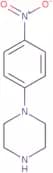
CAS:<p>2-Bromo-5-nitro-3-(trifluoromethyl)pyridine is a white crystalline compound that is soluble in water. It has high melting point and is stable at high temperatures. This chemical has been recycled from terephthalic acid by the cyanation reaction with sodium nitrite, followed by hydrogenation of 2-bromo-5-nitro-3-(trifluoromethyl)pyridine to 5,6-dichloro-2,4,6-(1H,3H)-triazine. The target product of this recycling process is terephthalic acid. 2-Bromo-5-nitro-3-(trifluoromethyl)pyridine can be used as a catalyst for the preparation of drugs for urogenital use.</p>Purity:Min. 95%1-(4-Nitrophenyl)piperazine
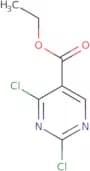
CAS:<p>1-(4-Nitrophenyl)piperazine is a nitro compound with a molecular weight of 147.2. It is soluble in DMSO and ethanol, but not in water. 1-(4-Nitrophenyl)piperazine has the ability to absorb ultraviolet radiation (UV) and it can be used as a UV-absorbing agent in plastics. 1-(4-Nitrophenyl)piperazine can also be used as an intermediate for the synthesis of triazole antifungal agents. The molecule has been shown to have high values at magnetic resonance spectroscopy (NMR). The crystal structure of 1-(4-nitrophenyl)piperazine was determined by x-ray diffraction data and molecular modeling techniques. This molecule's melting point was determined by titration calorimetry, which showed that its melting point is around 195 degrees Celsius.br> 1-(4-Nitrophenyl)piper</p>Formula:C10H13N3O2Purity:Min. 95%Molecular weight:207.23 g/molEthyl 2,4-dichloropyrimidine-5-carboxylate
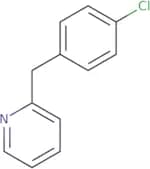
CAS:<p>Please enquire for more information about Ethyl 2,4-dichloropyrimidine-5-carboxylate including the price, delivery time and more detailed product information at the technical inquiry form on this page</p>Formula:C7H6Cl2N2O2Purity:Min. 95%Molecular weight:221.04 g/mol2-(4-Chlorobenzyl)pyridine
CAS:<p>2-(4-Chlorobenzyl)pyridine is a synthetic pyridine compound that has been shown to have anti-cancer properties. It is also a potent inducer of the enzyme methane monooxygenase and has been shown to interact with other compounds, such as maleates and sulfoxides, which are also used in this type of experiment. The catalytic mechanism for 2-(4-chlorobenzyl)pyridine is not yet known, but it may involve an acidic chlorine atom or a hydrochloric acid catalyst. 2-(4-Chlorobenzyl)pyridine has been found to be effective at inhibiting the growth of cancer cells in vitro without toxic effects on healthy cells. It has also been shown to inhibit the proliferation of human leukemia cells in vivo.</p>Formula:C12H10ClNPurity:Min. 95%Molecular weight:203.67 g/mol1-(2-Fluorobenzyl)-1H-pyrazolo[3,4-b]pyridine-3-carboximidamide hydrochloride
CAS:Controlled Product<p>Please enquire for more information about 1-(2-Fluorobenzyl)-1H-pyrazolo[3,4-b]pyridine-3-carboximidamide hydrochloride including the price, delivery time and more detailed product information at the technical inquiry form on this page</p>Formula:C14H12FN5•HClPurity:Min. 95%Color and Shape:PowderMolecular weight:305.74 g/molN-Methyl-N-((3R,4R)-4-methylpiperidin-3-yl)-7H-pyrrolo[2,3-d]pyrimidin-4-amine
CAS:<p>Intermediate in the synthesis of tofacitinib</p>Formula:C13H19N5Purity:Min. 95%Molecular weight:245.32 g/mol4-Amino-3,5,6-trichloropyridine-2-carboxylic acid
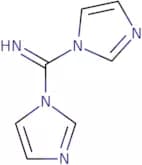
CAS:<p>4-Amino-3,5,6-trichloropyridine-2-carboxylic acid (4ATC) is a herbicide that inhibits the activity of pyridoxal phosphate (PLP)-dependent enzymes. 4ATC has been shown to be more toxic to plants than temozolomide and is used in vitro to study the effects of herbicides on cells. It inhibits cell growth and induces apoptosis in human cancer cells. In addition, 4ATC has been shown to inhibit the enzyme activities of group P2 proteins and nucleic acid synthesis. 4ATC also inhibits protein synthesis by inhibiting RNA synthesis in eukaryotic cells. 4ATC is not active against bacteria or fungi.</p>Formula:C6H3Cl3N2O2Purity:Min. 95%Color and Shape:White To Tan SolidMolecular weight:241.46 g/mol1,1'-Carbonimidoylbis-1H-imidazole
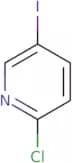
CAS:<p>1,1'-Carbonimidoylbis-1H-imidazole is a ligand that binds to amines and isosteres. It can be activated with electrophilic reagents to form an activated linker. This ligand has been shown to inhibit the growth of xenograft tumor cells in mice by binding to functional groups on the cell surface. This drug also has been shown to bind to the receptor for advanced glycation end products (RAGE) and inhibit its function. 1,1'-Carbonimidoylbis-1H-imidazole has also been evaluated as a cancer therapeutic agent in animal models.</p>Formula:C7H7N5Purity:Min. 95%Color and Shape:White PowderMolecular weight:161.16 g/mol2-Chloro-5-iodopyridine
CAS:<p>2-Chloro-5-iodopyridine is a synthetic compound that binds to nicotinic acetylcholine receptors, and is an agonist of these receptors. It has been shown to bind selectively to the alpha4beta2 subtype of these receptors. 2-Chloro-5-iodopyridine binds to the receptor by means of hydrogen bonding and chelation, which results in the activation of the receptor. This process leads to increased levels of catecholamines and other neurotransmitters, which causes changes in the heart rate and blood pressure. 2-Chloro-5-iodopyridine is a halogenated organic molecule that can be synthesized from sodium trifluoroacetate in two steps: first with chlorination followed by iodination. The synthesis can be carried out using copper (II) chloride as a catalyst or copper (I) iodide as an oxidant, followed by reduction with sodium borohydride.</p>Formula:C5H3ClINPurity:Min. 95%Color and Shape:White PowderMolecular weight:239.44 g/mol5-Pyrimidinemethanamine
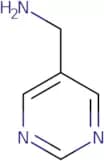
CAS:<p>5-Pyrimidinemethanamine is a synthetic chemical that belongs to the group of carbonitriles. It is used as an adsorbent and has been shown to be selective for quinoline derivatives. 5-Pyrimidinemethanamine has been shown to have high yield in reactions with trimethyl, enolate, carbonyl, high yields, and vitamin B1. The reaction product can be used at temperatures up to 150 degrees Celsius. This compound can also be prepared by reacting hydrochloric acid with alkali metal temperatures.</p>Formula:C5H7N3Purity:Min. 95%Molecular weight:109.13 g/mol1-Propylpiperazine
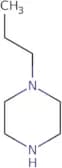
CAS:<p>1-Propylpiperazine is a piperazine derivative with immobilizing properties. It has been shown to inhibit the growth of infectious agents by binding to the amine group in dopamine or tyramine and interfering with neurotransmission. 1-Propylpiperazine has also been shown to have anti-cancer activity, which may be due to its ability to induce apoptosis and inhibit cancer cell proliferation.</p>Formula:C7H16N2Purity:Min. 95%Molecular weight:128.22 g/mol11-(1-Piperazinyl)-dibenzo[b,f][1,4]thiazepine dihydrochloride
CAS:<p>11-(1-Piperazinyl)-dibenzo[b,f][1,4]thiazepine dihydrochloride is a long-acting drug that has been synthesized as an analog of diazepam. The compound is characterized by high diffraction, interaction and evaporation constants and low molecular weight. It is soluble in water and methanol. 11-(1-Piperazinyl)-dibenzo[b,f][1,4]thiazepine dihydrochloride has been shown to have a constant pharmacokinetic profile and high chemical stability in vivo.</p>Formula:C17H17N3S·2HClPurity:Min. 98 Area-%Color and Shape:White Off-White PowderMolecular weight:368.32 g/mol2-Chloro-4-iodopyridine
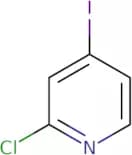
CAS:<p>2-Chloro-4-iodopyridine is an antibacterial agent that inhibits bacterial growth by interfering with the synthesis of folic acid. It has been shown to be effective against Escherichia coli, Staphylococcus aureus, and Pseudomonas aeruginosa. 2-Chloro-4-iodopyridine is a ligand that binds to metal ions such as copper and silver. The transfer of electrons from the metal ion to the ligand facilitates the cross-coupling reaction in organic synthesis. Cross-coupling reactions are also used in devices such as solar cells and hydrogen fuel cells.<br>2-Chloro-4-iodopyridine can also be used for photophysical experiments with single crystal x-ray diffraction studies.</p>Formula:C5H3ClINPurity:Min. 95%Color and Shape:White PowderMolecular weight:239.44 g/mol1-t-Boc-piperidine-4-spiro-5'-[1',3'-bis-t-boc]-hydantoin
CAS:<p>Please enquire for more information about 1-t-Boc-piperidine-4-spiro-5'-[1',3'-bis-t-boc]-hydantoin including the price, delivery time and more detailed product information at the technical inquiry form on this page</p>Formula:C22H35N3O8Purity:Min. 95%Molecular weight:469.53 g/molDeschloro amlodipine maleate
CAS:<p>Please enquire for more information about Deschloro amlodipine maleate including the price, delivery time and more detailed product information at the technical inquiry form on this page</p>Formula:C20H26N2O5•C4H4O4Purity:Min. 95%Molecular weight:490.5 g/mol5,7-Dimethyl-[1,2,4]triazolo[1,5-a]pyrimidine-2-carboxylic acid
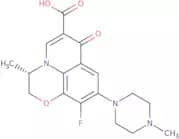
CAS:<p>Please enquire for more information about 5,7-Dimethyl-[1,2,4]triazolo[1,5-a]pyrimidine-2-carboxylic acid including the price, delivery time and more detailed product information at the technical inquiry form on this page</p>Formula:C8H8N4O2Purity:Min. 95%Molecular weight:192.17 g/mol9-Piperazino levofloxacin
CAS:<p>Please enquire for more information about 9-Piperazino levofloxacin including the price, delivery time and more detailed product information at the technical inquiry form on this page</p>Formula:C18H20FN3O4Purity:Min. 95%Molecular weight:361.37 g/mol









![1-(2-Fluorobenzyl)-1H-pyrazolo[3,4-b]pyridine-3-carboximidamide hydrochloride](/_next/image/?url=https%3A%2Fstatic.cymitquimica.com%2Fproducts%2F3D%2Fthumb-webp%2FFF104255.webp&w=3840&q=75)
![N-Methyl-N-((3R,4R)-4-methylpiperidin-3-yl)-7H-pyrrolo[2,3-d]pyrimidin-4-amine](/_next/image/?url=https%3A%2Fstatic.cymitquimica.com%2Fproducts%2F3D%2Fthumb-webp%2FFM154245.webp&w=3840&q=75)
![11-(1-Piperazinyl)-dibenzo[b,f][1,4]thiazepine dihydrochloride](/_next/image/?url=https%3A%2Fstatic.cymitquimica.com%2Fproducts%2F3D%2Fthumb-webp%2FFP32447.webp&w=3840&q=75)
![1-t-Boc-piperidine-4-spiro-5'-[1',3'-bis-t-boc]-hydantoin](/_next/image/?url=https%3A%2Fstatic.cymitquimica.com%2Fproducts%2F3D%2Fthumb-webp%2FFB18981.webp&w=3840&q=75)

![5,7-Dimethyl-[1,2,4]triazolo[1,5-a]pyrimidine-2-carboxylic acid](/_next/image/?url=https%3A%2Fstatic.cymitquimica.com%2Fproducts%2F3D%2Fthumb-webp%2FFD12883.webp&w=3840&q=75)