


Building Blocks
Subcategories of "Building Blocks"
- Boronic Acids & Boronic Acid Derivatives(5,778 products)
- Chiral Building Blocks(1,243 products)
- Hydrocarbon Building Blocks(6,099 products)
- Organic Building Blocks(61,038 products)
Found 205376 products of "Building Blocks"
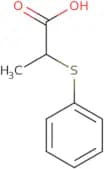
2-(Phenylsulfanyl)propanoic acid
CAS:Versatile small molecule scaffold
Formula:C9H10O2SPurity:Min. 95%Molecular weight:182.24 g/molRef: 3D-SAA43194
Discontinued product4-[(Chlorosulfonyl)methyl]benzoic acid
CAS:Versatile small molecule scaffold
Formula:C8H7ClO4SPurity:Min. 95%Molecular weight:234.66 g/mol6-(1-Pyrrolidinyl)-3-pyridinamine
CAS:Versatile small molecule scaffold
Formula:C9H13N3Purity:(%) Min. 95%Color and Shape:PowderMolecular weight:163.22 g/mol2-(5-Methyl-1H-pyrazol-1-yl)aniline
CAS:Versatile small molecule scaffold
Formula:C10H11N3Purity:Min. 95%Molecular weight:173.21 g/molRef: 3D-CWB58305
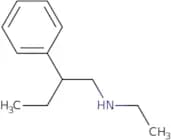
Discontinued productEthyl(2-phenylbutyl)amine
CAS:Controlled ProductVersatile small molecule scaffold
Formula:C12H19NPurity:Min. 95%Molecular weight:177.29 g/molRef: 3D-CRA92083
Discontinued productPB-22 3-carboxyindole metabolite solution
CAS:Controlled ProductPB-22 is a synthetic cannabinoid, which can be classified as a CB1 receptor agonist. It is one of the many cannabinoids that have been created in an attempt to circumvent drug laws by creating compounds that are similar to those found in cannabis but have different chemical structures. PB-22 has shown to increase locomotor activity and stimulate the cb1 receptor in mice. Magnetic resonance spectroscopy (MRS) and assays were used to determine the binding affinity of PB-22 for the CB1 receptor. The MRS data showed that PB-22 bound with high affinity to the CB1 receptor and had a lower affinity for CB2 receptors. This suggests that PB-22 may be more potent than other synthetic cannabinoids, such as JWH-018 and CP 55,940, which bind better with CB2 receptors than CB1 receptors.
PB-22 is an analog of JWH-073 and has been shown to have a stronger effect on locomotor activity than JWHFormula:C14H17NO2Purity:Min. 95%Molecular weight:231.29 g/mol[4-(2-Methoxyethoxy)phenyl]methanamine
CAS:Versatile small molecule scaffold
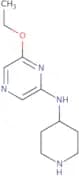
Formula:C10H15NO2Purity:Min. 95%Molecular weight:181.23 g/mol6-Ethoxy-N-(piperidin-4-yl)pyrazin-2-amine
CAS:Versatile small molecule scaffold
Formula:C11H18N4OPurity:Min. 95%Molecular weight:222.29 g/molRef: 3D-SDC05900
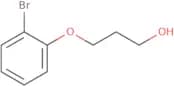
Discontinued product3-(2-Bromophenoxy)propan-1-ol
CAS:Versatile small molecule scaffold
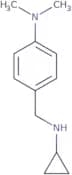
Formula:C9H11BrO2Purity:Min. 95%Molecular weight:231.09 g/molN-(4-Dimethylaminobenzyl)cyclopropanamine
CAS:Versatile small molecule scaffold
Formula:C12H18N2Purity:Min. 95%Molecular weight:190.3 g/molRef: 3D-SKB59362
Discontinued product(2R,3S)-3-(3-Cyclopropyl-1,2,4-oxadiazol-5-yl)-2-methylmorpholine hydrochloride
CAS:Versatile small molecule scaffoldFormula:C10H16ClN3O2Purity:Min. 95%Molecular weight:245.7 g/molRef: 3D-SZC91268
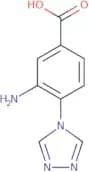
Discontinued product3-Amino-4-(4H-1,2,4-triazol-4-yl)benzoic acid
CAS:Versatile small molecule scaffoldFormula:C9H8N4O2Purity:Min. 95%Molecular weight:204.19 g/molRef: 3D-TDC08790
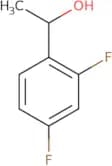
Discontinued product(1R)-1-(2,4-Difluorophenyl)ethan-1-ol
CAS:Versatile small molecule scaffold
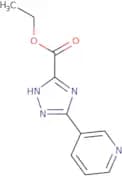
Formula:C8H8F2OPurity:Min. 95%Molecular weight:158.14 g/molEthyl 3-(pyridin-3-yl)-1H-1,2,4-triazole-5-carboxylate
CAS:Versatile small molecule scaffold
Formula:C10H10N4O2Purity:Min. 95%Molecular weight:218.21 g/molRef: 3D-TDC27071
Discontinued product4-(5-{[(3-Phenyl-1,2,4-oxadiazol-5-yl)methyl]sulfanyl}-1,3,4-oxadiazol-2-yl)pyridine
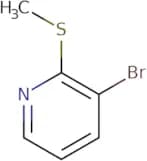
CAS:Versatile small molecule scaffoldFormula:C16H11N5O2SPurity:Min. 95%Molecular weight:337.4 g/mol3-Bromo-2-(methylthio)pyridine
CAS:Versatile small molecule scaffold
Formula:C6H6BrNSPurity:Min. 95%Molecular weight:204.09 g/molRef: 3D-BCA93377
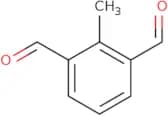
Discontinued product2-Methylbenzene-1,3-dicarbaldehyde
CAS:2-Methylbenzene-1,3-dicarbaldehyde is a divalent hydrocarbon that has an oxidation catalyst. This compound is used as an intermediate in the production of drugs and pharmaceuticals. It has been shown to have cardiovascular disorders, such as vasodilatation and hypotension. The mechanism of action is not fully understood but may be related to its ability to act as a nitrovasodilator by increasing nitric oxide (NO) release. 2-Methylbenzene-1,3-dicarbaldehyde also produces psychotic disorders when long term exposure occurs. This compound has been shown to have neurotoxic effects in animal models with long term exposure.
Formula:C9H8O2Purity:Min. 95%Molecular weight:148.16 g/molRef: 3D-BCA68950
Discontinued product[3-Bromo-4-(morpholin-4-yl)phenyl]methanol
CAS:Versatile small molecule scaffold
Formula:C11H14BrNO2Purity:Min. 95%Molecular weight:272.14 g/molRef: 3D-USC85031
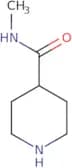
Discontinued productN-Methylpiperidine-4-carboxamide
CAS:Versatile small molecule scaffold
Formula:C7H14N2OPurity:Min. 95%Molecular weight:142.2 g/molRef: 3D-BAA90369
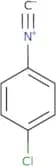
Discontinued product1-Chloro-4-isocyanobenzene
CAS:1-Chloro-4-isocyanobenzene (1CI) is an organic compound that has been used as a chemical probe for the detection of amines and other molecules on metal surfaces. The frequency shift in Raman spectra, which is observed after the addition of 1CI to the metal surface, is used to detect amines. 1CI has also been shown to be a potent inhibitor of mitochondrial function. This molecule binds to nucleophilic sites on metal surfaces and forms covalent bonds with them, leading to a high degree of inhibition.
1CI can be synthesized in three steps from commercially available starting materials and is relatively easy to purify.Formula:C7H4ClNPurity:Min. 95%Molecular weight:137.56 g/mol2-[3-(Propan-2-yl)phenoxy]acetic acid
CAS:2-[3-(Propan-2-yl)phenoxy]acetic acid is a chemical compound that is used as an additive in benzene, and is a phytotoxic chemical. It prevents the formation of chlorophyll by blocking electron transport and inhibiting photosynthesis. 2-[3-(Propan-2-yl)phenoxy]acetic acid is used to induce callus tissue from lettuce, radish, and other plants. This compound also inhibits the growth of various bacteria including Escherichia coli and Pseudomonas aeruginosa.
Formula:C11H14O3Purity:Min. 95%Molecular weight:194.23 g/molRef: 3D-BAA87852
Discontinued product3-Amino-3-[3-(trifluoromethoxy)phenyl]propan-1-ol
CAS:Versatile small molecule scaffold
Formula:C10H12F3NO2Purity:Min. 95%Molecular weight:235.2 g/molRef: 3D-VAC40236
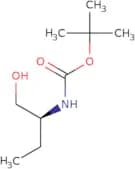
Discontinued productN-Boc-(S)-(ˆ’)-2-amino-1-butanol
CAS:Versatile small molecule scaffold
Formula:C9H19NO3Purity:Min. 95%Molecular weight:189.25 g/mol1-[3-(Hydroxymethyl)phenyl]ethan-1-one
CAS:Versatile small molecule scaffold
Formula:C9H10O2Purity:Min. 95%Molecular weight:150.17 g/molRef: 3D-AFA60406
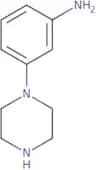
Discontinued product3-(Piperazin-1-yl)aniline
CAS:Versatile small molecule scaffold
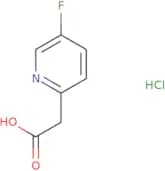
Formula:C10H15N3Purity:Min. 95%Molecular weight:177.25 g/mol2-(5-Fluoropyridin-2-yl)acetic acid hydrochloride
CAS:Versatile small molecule scaffoldFormula:C7H7ClFNO2Purity:Min. 95%Molecular weight:191.59 g/mol6-Bromoimidazo[2,1-b][1,3]thiazole
CAS:Versatile small molecule scaffold
Formula:C5H3BrN2SPurity:Min. 95%Molecular weight:203.06 g/molRef: 3D-ADA00130
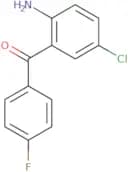
Discontinued product4-Chloro-2-(4-fluorobenzoyl)aniline
CAS:Versatile small molecule scaffold
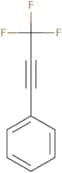
Formula:C13H9ClFNOPurity:Min. 95%Molecular weight:249.67 g/mol(3,3,3-Trifluoroprop-1-yn-1-yl)benzene
CAS:(3,3,3-Trifluoroprop-1-yn-1-yl)benzene is a reaction product that can be used to inhibit the activity of metalloprotease and as an anti-cancer agent. This compound inhibits the enzyme that causes chronic kidney disease and degenerative diseases. It is a potent inhibitor of metalloprotease, which is involved in cancer progression, fatty acid synthesis and bone formation. The effective dose for this drug is between 1 and 10mg/kg body weight. It has been shown to have an asymmetric synthesis with the use of amido groups. (3,3,3-Trifluoroprop-1-yn-1-yl)benzene also has antirheumatic properties due to its ability to inhibit proteases such as matrix metalloproteinases and cathepsins.
Formula:C9H5F3Purity:Min. 95%Molecular weight:170.13 g/molRef: 3D-AAA77262
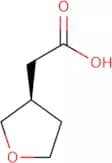
Discontinued product(R)-2-(Tetrahydrofuran-3-yl)acetic Acid
CAS:Versatile small molecule scaffold
Formula:C6H10O3Purity:Min. 95%Molecular weight:130.14 g/molRef: 3D-WFA25525
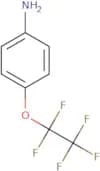
Discontinued product4-(Perfluoroethoxy)aniline
CAS:Versatile small molecule scaffold
Formula:C8H6F5NOPurity:Min. 95%Molecular weight:227.13 g/molRef: 3D-AAA71785
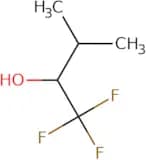
Discontinued product1,1,1-Trifluoro-3-methylbutan-2-ol
CAS:Versatile small molecule scaffold
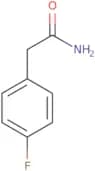
Formula:C5H9F3OPurity:Min. 95%Molecular weight:142.12 g/mol2-(4-Fluorophenyl)acetamide
CAS:2-(4-Fluorophenyl)acetamide (FFAA) is a broad-spectrum antiviral drug that has been evaluated against picornavirus, enterovirus, and rhinovirus. FFAA has been shown to be effective in the treatment of acute enterovirus infections in mice. This compound was also found to have a cytopathic effect on cells infected with enteroviruses in culture. It binds to the virus's RNA-dependent RNA polymerase and prevents viral replication. FFAA is not active against influenza A or B viruses, but it is active against influenza C virus. This compound has also been found to have medicinal properties, as it can inhibit the growth of human lung cancer cells in culture and may be useful for treating cancers such as leukemia.
Formula:C8H8FNOPurity:Min. 95%Molecular weight:153.15 g/molRef: 3D-AAA33229
Discontinued productBenzo[d][1,2,3]thiadiazole
CAS:Benzo[d][1,2,3]thiadiazole is a benzothiadiazole with a redox potential of -0.25 V that is stable in the absence of oxygen and light. It can be used to synthesize chemical pesticides by reacting with hydrochloric acid. The reaction mechanism of benzo[d][1,2,3]thiadiazole has been determined using nuclear magnetic resonance spectroscopy and quantum chemical calculations. This compound reacts with hydrogen bond acceptors on the enzyme active site to form covalent bonds. It also interacts with the enzyme's steric environment by forming hydrogen bonds and van der Waals forces. Benzo[d][1,2,3]thiadiazole also emits light when it reacts with nitric oxide in solution.
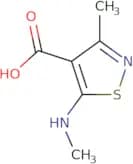
Formula:C6H4N2SPurity:Min. 95%Molecular weight:136.17 g/mol3-Methyl-5-(methylamino)-1,2-thiazole-4-carboxylic acid
CAS:Versatile small molecule scaffold
Formula:C6H8N2O2SPurity:Min. 95%Molecular weight:172.21 g/molRef: 3D-WJB21745
Discontinued product5-Amino-1-(2-hydroxyethyl)-1,2-dihydropyridin-2-one
CAS:Versatile small molecule scaffoldFormula:C7H10N2O2Purity:Min. 95%Molecular weight:154.17 g/molRef: 3D-WQB04793
Discontinued product4-[(4-Methylpyrimidin-2-yl)oxy]aniline
CAS:Versatile small molecule scaffold
Formula:C11H11N3OPurity:Min. 95%Molecular weight:201.22 g/molRef: 3D-ZAC86467
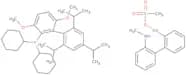
Discontinued productBrettPhos Pd G4
CAS:BrettPhos Pd G4 is a versatile polymer used in various research applications. It is commonly used in the field of organic chemistry as a catalyst for reactions involving epoxy chloropropane, clofarabine, iminostilbene, glycine, kavalactone, phenylboronic acid, carbamazepine, and other compounds. This polymer acts as a powerful catalyst and facilitates the synthesis of complex molecules by promoting efficient chemical transformations. Additionally, BrettPhos Pd G4 is known for its inhibitory effects on certain enzymes and can be used as an inhibitor in biochemical studies. Its unique properties make it an essential tool for researchers in the field of organic chemistry and beyond.
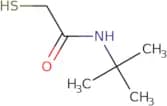
Formula:C49H68NO5PPdSPurity:Min. 95%Molecular weight:920.53 g/molN-tert-Butyl-2-sulfanylacetamide
CAS:Versatile small molecule scaffold
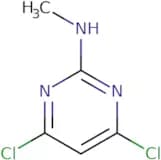
Formula:C6H13NOSPurity:Min. 95%Molecular weight:147.2 g/mol4,6-Dichloro-N-methylpyrimidin-2-amine
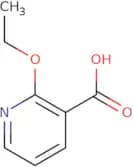
CAS:4,6-Dichloro-N-methylpyrimidin-2-amine is an analog of pyrimidine that has been used in the synthesis of a number of drugs. The compound was first synthesized by condensation of 2,4,6-trichloropyrimidine with formaldehyde and sodium hydroxide. 4,6-Dichloro-N-methylpyrimidin-2-amine can be converted to the corresponding hydrochloride salt by treatment with hydrochloric acid. The compound reacts with methanol to produce methylamine. It also undergoes acid hydrolysis to produce methyl chloride and formaldehyde.Formula:C5H5Cl2N3Purity:Min. 95%Molecular weight:178.02 g/mol2-Ethoxy-nicotinic acid
CAS:2-Ethoxy-nicotinic acid is an inorganic compound that contains oxygen and hydrogen. It has been shown to interact with amines, carboxylates, and other inorganic compounds. 2-Ethoxy-nicotinic acid is a supramolecular complex consisting of naphthyridine and ethoxy groups. The hydrogen bonding interactions between the ethoxy groups and the amine groups are what make this molecule magnetic. The isomers of this compound have been synthesized and diffraction experiments have shown that it has a cyclic structure. Compounds similar to 2-Ethoxy-nicotinic acid include malonate, which has two carboxylate groups. This molecule also reacts with hydrogen gas at high temperatures to produce hydrogen gas and carbon dioxide.
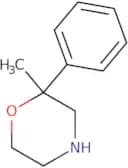
Formula:C8H9NO3Purity:Min. 95%Molecular weight:167.16 g/mol2-Methyl-2-phenylmorpholine
CAS:2-Methyl-2-phenylmorpholine is an industrial chemical that has a c1-c4 alkyl group. It can be used in the production of antidepressants, such as Tofranil, and other drugs. 2-Methyl-2-phenylmorpholine is also used in the industrial production of polymers.
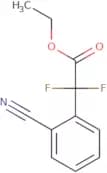
Formula:C11H15NOPurity:Min. 95%Molecular weight:177.24 g/molEthyl 2-(2-cyanophenyl)-2,2-difluoroacetate
CAS:Versatile small molecule scaffold
Formula:C11H9F2NO2Purity:Min. 95%Molecular weight:225.19 g/mol5-Cyclopropyl-7-oxa-5-azaspiro[3.4]octane-6,8-dione
CAS:Versatile small molecule scaffold
Formula:C9H11NO3Purity:Min. 95%Molecular weight:181.19 g/molRef: 3D-JBD33609
Discontinued product2-Benzoyl-2-azabicyclo[2.1.1]hexane-1-carboxylic acid
CAS:Versatile small molecule scaffold
Formula:C13H13NO3Purity:Min. 95%Molecular weight:231.25 g/molRef: 3D-JBD33608
Discontinued product5-Methyl-7-oxa-5-azaspiro[3.4]octane-6,8-dione
CAS:Versatile small molecule scaffold
Formula:C7H9NO3Purity:Min. 95%Molecular weight:155.15 g/molRef: 3D-JBD32590
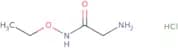
Discontinued product2-Amino-N-ethoxyacetamide hydrochloride
CAS:Versatile small molecule scaffold
Formula:C4H11ClN2O2Purity:Min. 95%Molecular weight:154.59 g/molRef: 3D-JBD30535
Discontinued product2-[(3-Chloro-4-fluorophenyl)methyl]-2-methylpyrrolidine hydrochloride
CAS:Versatile small molecule scaffold
Formula:C12H16Cl2FNPurity:Min. 95%Molecular weight:264.16 g/molRef: 3D-KHD06393
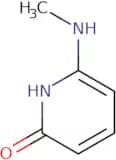
Discontinued product6-(Methylamino)pyridin-2-ol
CAS:Versatile small molecule scaffold
Formula:C6H8N2OPurity:Min. 95%Molecular weight:124.14 g/molRef: 3D-KIA55180
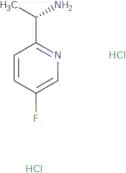
Discontinued product(S)-1-(5-Fluoropyridin-2-yl)ethanamine Dihydrochloride
CAS:Versatile small molecule scaffoldFormula:C7H9N2F·2HClPurity:Min. 95%Molecular weight:213.08 g/molRef: 3D-IYB89373
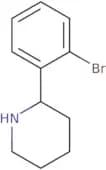
Discontinued product2-(2-Bromophenyl)piperidine
CAS:Versatile small molecule scaffold
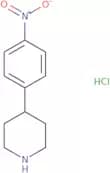
Formula:C11H14BrNPurity:Min. 95%Molecular weight:240.14 g/mol4-(4-Nitrophenyl)piperidine hydrochloride
CAS:Versatile small molecule scaffold
Formula:C11H15ClN2O2Purity:Min. 95%Molecular weight:242.7 g/molRef: 3D-IKB19493
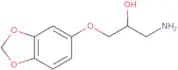
Discontinued product1-Amino-3-(1,3-dioxaindan-5-yloxy)propan-2-ol
CAS:Versatile small molecule scaffold
Formula:C10H13NO4Purity:Min. 95%Molecular weight:211.21 g/mol3-(Oxiran-2-yl)oxane
CAS:Versatile small molecule scaffold
Formula:C7H12O2Purity:Min. 95%Molecular weight:128.2 g/molRef: 3D-IJC18473
Discontinued product8-Phenyl-1-oxa-3-azaspiro[4.5]dec-2-en-2-amine
CAS:Versatile small molecule scaffoldFormula:C14H18N2OPurity:Min. 95%Molecular weight:230.31 g/molRef: 3D-IJC02845
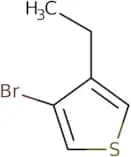
Discontinued product3-Bromo-4-ethylthiophene
CAS:Versatile small molecule scaffold
Formula:C6H7BrSPurity:Min. 95%Molecular weight:191.09 g/molRef: 3D-IDA66339
Discontinued product(4-Amino-phenyl)-acetic acid methyl ester hydrochloride
CAS:Versatile small molecule scaffold
Formula:C9H12ClNO2Purity:Min. 95%Molecular weight:201.65 g/mol3-Bromo-2-methyl-furan
CAS:3-Bromo-2-methyl-furan is a substituted quinoline. It is a synthetic reagent that can be used for the synthesis of bromofuran derivatives. The methyl group on the 3rd carbon atom in 3-bromo-2-methyl-furan is a substituent that can be exchanged with other substituents, such as alkylation, to produce a variety of products.
3-Bromo-2-methyl furan has been shown to be able to extract metal ions from their complexes and form stable complexes. This property makes it an ideal reagent for metalation reactions.Formula:C5H5BrOPurity:Min. 95%Molecular weight:161 g/molRef: 3D-IDA45706
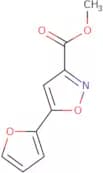
Discontinued productMethyl 5-(2-furyl)isoxazole-3-carboxylate
CAS:Versatile small molecule scaffold
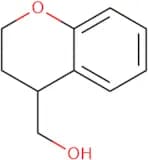
Formula:C9H7NO4Purity:Min. 95%Molecular weight:193.16 g/mol3,4-Dihydro-2H-1-benzopyran-4-ylmethanol
CAS:Versatile small molecule scaffold
Formula:C10H12O2Purity:Min. 95%Molecular weight:164.2 g/molRef: 3D-IBA31382
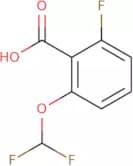
Discontinued product2-(Difluoromethoxy)-6-fluorobenzoic acid
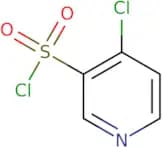
CAS:Versatile small molecule scaffoldFormula:C8H5F3O3Purity:Min. 95%Molecular weight:206.12 g/mol4-chloropyridine-3-sulfonyl chloride
CAS:4-Chloropyridine-3-sulfonyl chloride is a thrombin inhibitor that has been discovered through the use of in vitro screening methods. It is a small molecule with lipophilic properties and oral bioavailability. This compound inhibits thrombin by binding to the active site of the enzyme, which prevents the formation of an enzyme-thrombin complex. The discovery was made using a pharmacophore-based approach and further modifications were made to improve its potency and increase its lipophilicity. This compound also exhibits an acceptable level of bioavailability in vivo, which may be due to its high solubility in water.Formula:C5H3Cl2NO2SPurity:Min. 95%Molecular weight:212.1 g/molRef: 3D-IBA26344
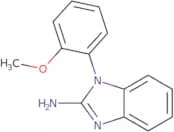
Discontinued product1-(2-Methoxyphenyl)-1H-1,3-benzodiazol-2-amine
CAS:Versatile small molecule scaffoldFormula:C14H13N3OPurity:Min. 95%Molecular weight:239.27 g/molRef: 3D-IBA23539
Discontinued product2-Phenyl-2-[(propan-2-yl)amino]acetic acid
CAS:Versatile small molecule scaffold
Formula:C11H15NO2Purity:Min. 95%Molecular weight:193.24 g/molRef: 3D-HXA09010
Discontinued product3-Bromo-5H,6H,8H-[1,2,4]triazolo[3,4-c][1,4]oxazine
CAS:Versatile small molecule scaffoldFormula:C5H6BrN3OPurity:Min. 95%Molecular weight:204.02 g/molRef: 3D-HWC64136
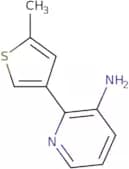
Discontinued product2-(5-Methylthiophen-3-yl)pyridin-3-amine
CAS:Versatile small molecule scaffold
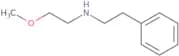
Formula:C10H10N2SPurity:Min. 95%Molecular weight:190.27 g/mol(2-Methoxyethyl)(2-phenylethyl)amine
CAS:Controlled ProductVersatile small molecule scaffold
Formula:C11H17NOPurity:Min. 95%Molecular weight:179.26 g/molRef: 3D-HMB00572
Discontinued product4,5-Dihydro-1H-imidazol-2-amine hydrochloride
CAS:Please enquire for more information about 4,5-Dihydro-1H-imidazol-2-amine hydrochloride including the price, delivery time and more detailed product information at the technical inquiry form on this page
Formula:C3H7N3•HClPurity:Min. 95%Molecular weight:121.57 g/molRef: 3D-FD183639
Discontinued product2-Bromo-3,3,3-trifluoro-1-propene
CAS:Controlled Product2-Bromo-3,3,3-trifluoro-1-propene is a chemical compound that has been synthesized in an asymmetric reaction. The reactant is bromopropane and the product is 2,2,2-trifluoropropene. The methylene group on the propene molecule is activated by the nucleophilic attack of a fluoride ion from hydrogen fluoride to form a cavity with a highly strained bond. The kinetic study of this reaction revealed that the activation energy for the reaction is 42 kJ/mol. Palladium-catalyzed coupling reactions are catalyzed by palladium and require nonpolar solvents such as toluene or dichloromethane. This type of reaction has been shown to be exothermic with an isolated yield of 1%.
Formula:C3H2BrF3Purity:Min. 95%Color and Shape:Colorless PowderMolecular weight:174.95 g/moltert-Butyl (2,2-difluoro-3-hydroxypropyl)carbamate
CAS:Versatile small molecule scaffoldFormula:C10H13NO4Purity:Min. 95%Molecular weight:211.21 g/mol3-Hydroxy-5-methylpyridine
CAS:3-Hydroxy-5-methylpyridine (3HMP) is a chemical substance that has been classified as an amine. It is a product of the metabolism of purines, which are nitrogenous bases found in DNA and RNA. 3HMP is produced by aerogenic bacteria (such as Enterobacter), and can be used to estimate the number of these bacteria present in water samples. 3HMP has been shown to have antiviral properties against influenza virus, and can be used as a biomarker for the presence of other viruses in animals. 3HMP also has mineralization properties, which have been studied extensively, particularly with regards to pancreatic disease.
Formula:C6H7NOPurity:Min. 95%Color and Shape:PowderMolecular weight:109.13 g/molRef: 3D-FH16174
Discontinued product8-Bromo-2-methylimidazo[1,2-a]pyridine
CAS:Versatile small molecule scaffold
Formula:C8H7N2BrPurity:Min. 95%Molecular weight:211.05 g/mol1-Hydroxycyclopentane-1-carbonitrile
CAS:1-Hydroxycyclopentane-1-carbonitrile is a monomer that is hydrolyzed to form benzoin and cyanohydrins. It can be used in the production of scifinder as a monomer or dimerizer.
Formula:C6H9NOPurity:Min. 95%Molecular weight:111.14 g/mol4-Chloro-2-hydroxy-6-methylphenylboronic acid
CAS:Versatile small molecule scaffoldFormula:C7H8BClO3Purity:Min. 95%Molecular weight:186.4 g/mol4,5-Dihydroxy-2,3-Pentanedione
CAS:4,5-Dihydroxy-2,3-pentanedione is a carbonyl compound that is the product of the oxidation of ascorbic acid. It is used in wastewater treatment and has antimicrobial properties against infectious diseases. This compound has been shown to inhibit protein synthesis by binding to the ribosome and preventing the formation of peptide bonds between amino acids. 4,5-Dihydroxy-2,3-pentanedione has also been shown to bind to plasma proteins, which may be due to its acyl chain structure. 4,5-Dihydroxy-2,3-pentanedione can be synthesized in a catalytic mechanism that involves dehydroascorbic acid and molecular oxygen.
Formula:C5H8O4Purity:Min. 95%Color and Shape:PowderMolecular weight:132.11 g/molRef: 3D-FD180770
Discontinued productPiperyline
CAS:Piperyline is an alkanoic acid that has shown to be effective against skin cancer. It also has antimicrobial properties, which may be due to its ability to bind metal ions and form polymeric compounds. Piperyline inhibits microbial growth by inhibiting the synthesis of proteins and nucleic acids. The antimicrobial activity is related to its cationic polymerization with hydroxyl groups, which forms a structure that can inhibit microbial enzymes and disrupt microbial cell membranes. This compound also interacts with the skin's natural lipids, making it difficult for microorganisms to attach and grow on the skin. Piperyline is synthesized in organic chemistry laboratories as an amide precursor of other pharmaceuticals such as penicillin.
Formula:C16H17NO3Purity:Min. 95%Molecular weight:271.31 g/mol

![4-[(Chlorosulfonyl)methyl]benzoic acid](/_next/image/?url=https%3A%2Fstatic.cymitquimica.com%2Fproducts%2F3D%2Fthumb-webp%2FSDA61457.webp&w=3840&q=75)



![[4-(2-Methoxyethoxy)phenyl]methanamine](/_next/image/?url=https%3A%2Fstatic.cymitquimica.com%2Fproducts%2F3D%2Fthumb-webp%2FCEA19620.webp&w=3840&q=75)

![4-(5-{[(3-Phenyl-1,2,4-oxadiazol-5-yl)methyl]sulfanyl}-1,3,4-oxadiazol-2-yl)pyridine](/_next/image/?url=https%3A%2Fstatic.cymitquimica.com%2Fproducts%2F3D%2Fthumb-webp%2FULB93670.webp&w=3840&q=75)
![[3-Bromo-4-(morpholin-4-yl)phenyl]methanol](/_next/image/?url=https%3A%2Fstatic.cymitquimica.com%2Fproducts%2F3D%2Fthumb-webp%2FUSC85031.webp&w=3840&q=75)
![2-[3-(Propan-2-yl)phenoxy]acetic acid](/_next/image/?url=https%3A%2Fstatic.cymitquimica.com%2Fproducts%2F3D%2Fthumb-webp%2FBAA87852.webp&w=3840&q=75)
![3-Amino-3-[3-(trifluoromethoxy)phenyl]propan-1-ol](/_next/image/?url=https%3A%2Fstatic.cymitquimica.com%2Fproducts%2F3D%2Fthumb-webp%2FVAC40236.webp&w=3840&q=75)
![1-[3-(Hydroxymethyl)phenyl]ethan-1-one](/_next/image/?url=https%3A%2Fstatic.cymitquimica.com%2Fproducts%2F3D%2Fthumb-webp%2FAFA60406.webp&w=3840&q=75)
![6-Bromoimidazo[2,1-b][1,3]thiazole](/_next/image/?url=https%3A%2Fstatic.cymitquimica.com%2Fproducts%2F3D%2Fthumb-webp%2FADA00130.webp&w=3840&q=75)
![Benzo[d][1,2,3]thiadiazole](/_next/image/?url=https%3A%2Fstatic.cymitquimica.com%2Fproducts%2F3D%2Fthumb-webp%2FAAA27377.webp&w=3840&q=75)

![4-[(4-Methylpyrimidin-2-yl)oxy]aniline](/_next/image/?url=https%3A%2Fstatic.cymitquimica.com%2Fproducts%2F3D%2Fthumb-webp%2FZAC86467.webp&w=3840&q=75)
![5-Cyclopropyl-7-oxa-5-azaspiro[3.4]octane-6,8-dione](/_next/image/?url=https%3A%2Fstatic.cymitquimica.com%2Fproducts%2F3D%2Fthumb-webp%2FJBD33609.webp&w=3840&q=75)
![2-Benzoyl-2-azabicyclo[2.1.1]hexane-1-carboxylic acid](/_next/image/?url=https%3A%2Fstatic.cymitquimica.com%2Fproducts%2F3D%2Fthumb-webp%2FJBD33608.webp&w=3840&q=75)
![5-Methyl-7-oxa-5-azaspiro[3.4]octane-6,8-dione](/_next/image/?url=https%3A%2Fstatic.cymitquimica.com%2Fproducts%2F3D%2Fthumb-webp%2FJBD32590.webp&w=3840&q=75)
![2-[(3-Chloro-4-fluorophenyl)methyl]-2-methylpyrrolidine hydrochloride](/_next/image/?url=https%3A%2Fstatic.cymitquimica.com%2Fproducts%2F3D%2Fthumb-webp%2FKHD06393.webp&w=3840&q=75)
![8-Phenyl-1-oxa-3-azaspiro[4.5]dec-2-en-2-amine](/_next/image/?url=https%3A%2Fstatic.cymitquimica.com%2Fproducts%2F3D%2Fthumb-webp%2FIJC02845.webp&w=3840&q=75)


![2-Phenyl-2-[(propan-2-yl)amino]acetic acid](/_next/image/?url=https%3A%2Fstatic.cymitquimica.com%2Fproducts%2F3D%2Fthumb-webp%2FHXA09010.webp&w=3840&q=75)
![3-Bromo-5H,6H,8H-[1,2,4]triazolo[3,4-c][1,4]oxazine](/_next/image/?url=https%3A%2Fstatic.cymitquimica.com%2Fproducts%2F3D%2Fthumb-webp%2FHWC64136.webp&w=3840&q=75)




![8-Bromo-2-methylimidazo[1,2-a]pyridine](/_next/image/?url=https%3A%2Fstatic.cymitquimica.com%2Fproducts%2F3D%2Fthumb-webp%2FUXB37475.webp&w=3840&q=75)



