Building Blocks
This section contains fundamental products for the synthesis of organic and biological compounds. Building blocks are the essential starting materials used to construct complex molecules through various chemical reactions. They play a critical role in drug discovery, material science, and chemical research. At CymitQuimica, we offer a diverse range of high-quality building blocks to support your innovative research and industrial projects, ensuring you have the essential components for successful synthesis.
Subcategories of "Building Blocks"
- Boronic Acids & Boronic Acid Derivatives(5,756 products)
- Chiral Building Blocks(1,242 products)
- Hydrocarbon Building Blocks(6,095 products)
- Organic Building Blocks(61,038 products)
Found 196817 products of "Building Blocks"
Sort by
Purity (%)
0
100
|
0
|
50
|
90
|
95
|
100
4,5-Dihydro-2-methyl-4-thiazolecarboxylic acid trifluoroacetate
CAS:<p>Please enquire for more information about 4,5-Dihydro-2-methyl-4-thiazolecarboxylic acid trifluoroacetate including the price, delivery time and more detailed product information at the technical inquiry form on this page</p>Formula:C5H7NO2S•(C2HF3O2)xPurity:Min. 95%3-(cis-4-(2-(4-(2,3-Dichlorophenyl)piperazin-1-yl)ethyl)cyclohexyl)-1,1-dimethylurea
CAS:<p>Please enquire for more information about 3-(cis-4-(2-(4-(2,3-Dichlorophenyl)piperazin-1-yl)ethyl)cyclohexyl)-1,1-dimethylurea including the price, delivery time and more detailed product information at the technical inquiry form on this page</p>Formula:C21H32Cl2N4OPurity:Min. 95%Molecular weight:427.41 g/molDeschloro amlodipine maleate
CAS:<p>Please enquire for more information about Deschloro amlodipine maleate including the price, delivery time and more detailed product information at the technical inquiry form on this page</p>Formula:C20H26N2O5•C4H4O4Purity:Min. 95%Molecular weight:490.5 g/molrac-Demiditraz
CAS:<p>Please enquire for more information about rac-Demiditraz including the price, delivery time and more detailed product information at the technical inquiry form on this page</p>Formula:C13H16N2Purity:Min. 95%Molecular weight:200.28 g/mol2,6-Diaminopyridine
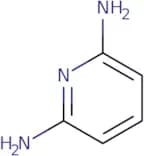
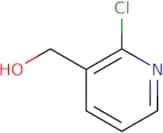
CAS:<p>2,6-Diaminopyridine is a heterocyclic compound that is used in analytical chemistry as an indicator for the presence of protonated amines. It is prepared by coupling 2,6-diamino-pyridine with 1,3-benzodioxole-5-carboxylic acid. The nitrogen atoms are electron withdrawing groups and form hydrogen bonding interactions with the protonated amine. This type of interaction leads to a phase transition temperature of about 115°C and a high value for electrochemical impedance spectroscopy (EIS) measurements. The reaction mechanism involves the formation of a protonated amine from 2,6-diaminopyridine and 1,3-benzodioxole-5-carboxylic acid followed by proton transfer to yield the corresponding pyridinium salt.</p>Formula:C5H7N3Purity:Min. 95%Color and Shape:Beige To Brown SolidMolecular weight:109.13 g/mol2-Chloro-3-(hydroxymethyl)pyridine
CAS:<p>2-Chloro-3-(hydroxymethyl)pyridine is an organic compound that is used as a building block for the synthesis of other heterocycles. This compound can be synthesized from 2-chloronicotinic acid, which is obtained by oxidation of nicotine with sodium hypochlorite in the presence of potassium ion. The reaction proceeds via a cleavage of the C-Cl bond and formation of a pyridine ring. The catalytic process can be performed at room temperature and at atmospheric pressure in a variety of solvents, including water.<br>2-Chloro-3-(hydroxymethyl)pyridine has been shown to have high yields for the preparation of compounds such as 2,4-dichloropyridine and 4,5-dichloropyrimidine. It also has been used in the preparation of pharmaceuticals such as atrial natriuretic factor (ANF).</p>Formula:C6H6ClNOPurity:Min. 98 Area-%Color and Shape:PowderMolecular weight:143.57 g/mol3-(iodomethyl)oxetane
CAS:<p>Versatile small molecule scaffold</p>Formula:C4H7IOPurity:Min. 95%Molecular weight:198 g/mol2-Bromo-5-methylpyridin-3-ol
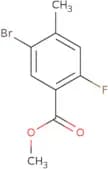
CAS:Versatile small molecule scaffoldFormula:C6H6BrNOPurity:Min. 95%Molecular weight:188.02 g/molMethyl 5-bromo-2-fluoro-4-methylbenzoate
CAS:<p>Versatile small molecule scaffold</p>Formula:C9H8BrFO2Purity:Min. 95%Molecular weight:247.06 g/mol6-Amino-2-propylhexanoic acid hydrochloride
CAS:<p>Versatile small molecule scaffold</p>Formula:C9H19NO2•HClPurity:Min. 95%Molecular weight:209.71 g/mol4-{[(tert-butoxy)carbonyl]amino}-4-methylpentanoic acid
CAS:<p>Versatile small molecule scaffold</p>Formula:C11H21NO4Purity:Min. 95%Molecular weight:231.3 g/mol4-(2,6-Difluorophenyl)piperidin-4-ol hydrochloride
CAS:<p>Versatile small molecule scaffold</p>Formula:C11H14ClF2NOPurity:Min. 95%Molecular weight:249.68 g/mol2-Fluoro-N-methylpyridine-4-carboxamide
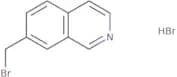
CAS:<p>Versatile small molecule scaffold</p>Formula:C7H7FN2OPurity:Min. 95%Molecular weight:154.14 g/mol7-(Bromomethyl)isoquinoline hydrobromide
CAS:<p>Versatile small molecule scaffold</p>Formula:C10H8BrN·HBrPurity:Min. 95%Molecular weight:303 g/mol6-Hydroxyquinoline-4-carboxylic acid
CAS:<p>Versatile small molecule scaffold</p>Formula:C10H7NO3Purity:Min. 95%Molecular weight:189.17 g/mol6-Bromo-2-methoxyquinoline
CAS:<p>6-Bromo-2-methoxyquinoline is a versatile compound with various applications. It is commonly used as a disinfectant in ceramic compositions and research chemicals. Additionally, it has been found to have potential therapeutic benefits. Studies have shown that 6-Bromo-2-methoxyquinoline exhibits antioxidant properties and can inhibit the production of inflammatory mediators such as arachidonic acid and prostaglandins. Furthermore, it has been found to modulate potassium channels, which play a crucial role in cellular function. This compound also shows promise in the development of copolymers and other materials due to its unique chemical structure. With its wide range of applications, 6-Bromo-2-methoxyquinoline is an essential compound for various industries.</p>Formula:C10H8BrNOPurity:Min. 95%Color and Shape:PowderMolecular weight:238.08 g/mol5-Oxotetrahydrofuran-2-carboxylic acid
CAS:<p>5-Oxotetrahydrofuran-2-carboxylic acid is a solid phase extraction compound that can be used to extract and purify compounds from biological samples. It is synthesized by an asymmetric synthesis of the acetate ester of 5-hydroxytetrahydrofuran-2-carboxylic acid, which is then hydrolyzed to give the desired product. 5-Oxotetrahydrofuran-2-carboxylic acid has been used in cell culture studies as a diagnostic agent for cancer cells. The reactive nature of this molecule allows it to react with chloride ions and fatty acids, which leads to the death of cancer cells.</p>Formula:C5H6O4Purity:Min. 95%Molecular weight:130.1 g/mol1-Boc-3-Oxo-1,4-diazepane
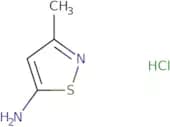
CAS:<p>Versatile small molecule scaffold</p>Formula:C10H18N2O3Purity:Min. 95%Molecular weight:214.27 g/mol5-Amino-3-methylisothiazole HCl
CAS:<p>5-Amino-3-methylisothiazole HCl is a pyridine-5-carboxylic acid that inhibits bacterial growth by binding to the 50S ribosomal subunit. It has been shown to inhibit the growth of both aeruginosa and nalidixic acid resistant strains of S. aureus, P. aeruginosa, and P. mirabilis in vitro. 5-Amino-3-methylisothiazole HCl has also been shown to be active against E. coli, quinolone resistant strains of Proteus mirabilis, and methicillin resistant strains of Staphylococcus aureus in vitro.</p>Formula:C4H7ClN2SPurity:Min. 95%Color and Shape:Yellow to red or brown solid.Molecular weight:150.63 g/molL-Arginine-7-amido-4-methylcoumarin hydrochloride
CAS:<p>Please enquire for more information about L-Arginine-7-amido-4-methylcoumarin hydrochloride including the price, delivery time and more detailed product information at the technical inquiry form on this page</p>Formula:C16H21N5O3•HClPurity:Min. 95%Molecular weight:367.83 g/mol4,7-dibromo-1H-benzo[d]imidazole
CAS:<p>Versatile small molecule scaffold</p>Formula:C7H4Br2N2Purity:Min. 95%Molecular weight:275.93 g/mol1-Methyl-3-(3-sulfopropyl)-1H-imidazol-3-ium
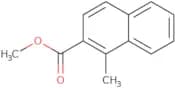
CAS:<p>Versatile small molecule scaffold</p>Formula:C7H12N2O3SPurity:Min. 95%Color and Shape:PowderMolecular weight:204.25 g/molMethyl 1-methylnaphthalene-2-carboxylate
CAS:<p>Versatile small molecule scaffold</p>Formula:C13H12O2Purity:Min. 95%Molecular weight:200.23 g/moltert-Butyl (2S)-2-formylmorpholine-4-carboxylate
CAS:<p>Versatile small molecule scaffold</p>Formula:C10H17NO4Purity:Min. 95%Molecular weight:215.25 g/molDibromoethane-d4
CAS:Controlled Product<p>Please enquire for more information about Dibromoethane-d4 including the price, delivery time and more detailed product information at the technical inquiry form on this page</p>Formula:C2H4Br2Purity:Min. 95%Molecular weight:191.89 g/mol7-bromo-3-iodoimidazo[1,2-a]pyridine
CAS:<p>Versatile small molecule scaffold</p>Formula:C7H4BrIN2Purity:Min. 95%Molecular weight:322.9 g/molBromo-PEG3-azide
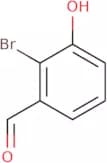
CAS:<p>Bromo-PEG3-azide is a PEG compound with two different functional groups (also known as heterobifunctional). Unlike homobifunctional PEG compounds (same functional group on both ends), this type of compounds are more versatile as have two different anchor points. Bromo-PEG3-azide is used as a linker and spacer to add a PEG moiety, via pegylation (a bioconjugation technique) to proteins, peptides, oligonucleotides, small molecules and nanoparticles.</p>Formula:C8H16BrN3O3Purity:Min. 95%Color and Shape:Clear LiquidMolecular weight:282.14 g/mol2-Bromo-3-hydroxy-benzaldehyde
CAS:<p>2-Bromo-3-hydroxy-benzaldehyde is a nitrate that has been shown to have anti-cancer properties. It inhibits the growth of cancer cells by binding to bromodomains in their DNA, thereby preventing transcription and replication. 2-Bromo-3-hydroxy-benzaldehyde also inhibits the production of nitric oxide, which may lead to an inhibitory effect on tumour angiogenesis. The stereoisomers of this compound are used as precursors for the synthesis of ammonium nitrate, which is used as a fertilizer and explosive. 2-Bromo-3-hydroxy-benzaldehyde is also used in organic synthesis as a precursor for acetylation or halide reactions with palladium complexes or halides.</p>Formula:C7H5BrO2Purity:Min. 95%Molecular weight:201.02 g/mol2-Methyl-1-(piperazin-1-yl)propan-1-one
CAS:<p>Versatile small molecule scaffold</p>Formula:C8H16N2OPurity:Min. 95%Molecular weight:156.23 g/mol(3R,4R)-3-[(6-Amino-4-pyrimidinyl)methylamino]-4-methyl-β-oxo-1-piperidinepropanenitrile
CAS:<p>Please enquire for more information about (3R,4R)-3-[(6-Amino-4-pyrimidinyl)methylamino]-4-methyl-β-oxo-1-piperidinepropanenitrile including the price, delivery time and more detailed product information at the technical inquiry form on this page</p>Formula:C14H20N6OPurity:Min. 95%Molecular weight:288.35 g/mol6-Amino-3-pyridinethiol dihydrochloride
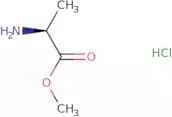
CAS:<p>Please enquire for more information about 6-Amino-3-pyridinethiol dihydrochloride including the price, delivery time and more detailed product information at the technical inquiry form on this page</p>Formula:C5H6N2S•(HCl)2Purity:Min. 95%Molecular weight:199.1 g/molL-Alanine methyl ester HCl
CAS:L-Alanine methyl ester HCl is a compound that is used in wastewater treatment. It has been shown to inhibit the enzyme DPP-IV, which is associated with metabolic disorders. L-Alanine methyl ester HCl also has been shown to have antimicrobial activity against a number of bacteria, including methicillin resistant Staphylococcus aureus (MRSA). L-Alanine methyl ester HCl has been shown to have anti-inflammatory properties and can be used for the treatment of autoimmune diseases. This compound also has a significant effect on biological properties such as phase transition temperature and thermal expansion.Formula:C4H10NO2ClPurity:Min. 95%Color and Shape:White PowderMolecular weight:139.58 g/molbenzyl 5-(tetramethyl-1,3,2-dioxaborolan-2-yl)-1,2,3,6-tetrahydropyridine-1-carboxylate
CAS:<p>Versatile small molecule scaffold</p>Formula:C19H26BNO4Purity:Min. 95%Molecular weight:343.2 g/mol6-chloro-1H-pyrazolo[3,4-d]pyrimidin-4-amine
CAS:<p>Versatile small molecule scaffold</p>Formula:C5H4ClN5Purity:Min. 95%Molecular weight:169.6 g/mol6-Chloro-1H-benzimidazol-2-amine
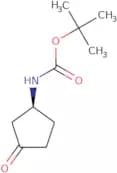
CAS:<p>Aminoguanidine is a drug that inhibits the activity of the enzyme guanidinoacetate methyltransferase (GAMT). It is used to treat some types of cancer, such as bladder cancer. Aminoguanidine has been shown to inhibit tumour growth and induce apoptosis in animal models. It has also been reported to be effective in a number of other cancers, including breast cancer, prostate cancer and colon cancer. Aminoguanidine binds with high affinity to protein targets, including x-ray crystallography, magnetic resonance imaging and devices. The binding site on the ligand is highly conserved among different proteins, which may explain the broad spectrum of its activity. Aminoguanidine is dose-dependent and can be administered either stepwise or as one large dose.</p>Formula:C7H6ClN3Purity:Min. 95%Molecular weight:167.6 g/mol(S)-tert-Butyl (3-oxocyclopentyl)carbamate
CAS:<p>Versatile small molecule scaffold</p>Formula:C10H17NO3Purity:Min. 95%Molecular weight:199.25 g/molMethyl 2-(6-chloropyridin-3-yl)acetate
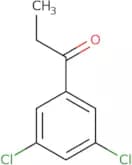
CAS:<p>Versatile small molecule scaffold</p>Formula:C8H8ClNO2Purity:Min. 95%Molecular weight:185.61 g/mol1-(3,5-Dichloro-phenyl)-propan-1-one
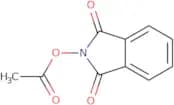
CAS:<p>Versatile small molecule scaffold</p>Formula:C9H8Cl2OPurity:Min. 95%Molecular weight:203.07 g/mol1,3-Dioxo-2,3-dihydro-1H-isoindol-2-yl acetate
CAS:<p>1,3-Dioxo-2,3-dihydro-1H-isoindol-2-yl acetate is a reactive intermediate that can be used as a starting material for the synthesis of other organic compounds. It is synthesized by the reaction of an acid with an aldehyde or ketone in the presence of a base. The rate of this reaction depends on the functional groups present in both reactants and their relative concentrations. This intermediate can be converted to another chemical compound through various reactions, including hydroxymethylation, decarboxylation and oxidation. This chemical has been used as a cocatalyst for the production of 5-hydroxymethylfurfural (HMF).</p>Formula:C10H7NO4Purity:Min. 95%Molecular weight:205.17 g/mol6-Chloro-2-methyl-4-pyrimidinol
CAS:<p>6-Chloro-2-methyl-4-pyrimidinol is an aldehyde that reacts with hydrazine to form a monoxide, which reacts with carbon monoxide to form a hydrazide.</p>Formula:C5H5ClN2OPurity:Min. 95%Molecular weight:144.56 g/mol5-{2-Ethoxy-5-[(4-methylpiperazin-1-yl)sulfonyl]phenyl}-1-methyl-3-(2-methylpropyl)-1H,6H,7H-pyrazolo[4,3-d]pyrimidin-7-one
CAS:<p>Tadalafil is a synthetic drug that is used as a treatment for erectile dysfunction. It works by inhibiting the PDE5 enzyme, which is responsible for breaking down cGMP. Tadalafil has been shown to be effective in the treatment of male erectile dysfunction and pulmonary hypertension, with few side effects. This drug is taken orally, with a meal or without one, and can be administered with or without food. To improve absorption, tadalafil should be taken at least 30 minutes before sexual activity. The dosage of tadalafil ranges from 2.5 to 20 mg, and it should not exceed 40 mg per day.</p>Formula:C23H32N6O4SPurity:Min. 95%Molecular weight:488.6 g/mol3-Bromo-2-fluoro-6-methylpyridine
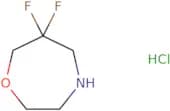
CAS:<p>Please enquire for more information about 3-Bromo-2-fluoro-6-methylpyridine including the price, delivery time and more detailed product information at the technical inquiry form on this page</p>Formula:C6H5BrFNPurity:Min. 95%Molecular weight:190.01 g/mol6,6-difluoro-1,4-oxazepane hydrochloride
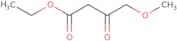
CAS:<p>Versatile small molecule scaffold</p>Formula:C5H10ClF2NOPurity:Min. 95%Molecular weight:173.6 g/molEthyl 4-methoxy-3-oxobutanoate
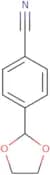
CAS:<p>Versatile small molecule scaffold</p>Formula:C7H12O4Purity:Min. 95%Molecular weight:160.17 g/mol4-(1,3-Dioxolan-2-yl)benzonitrile
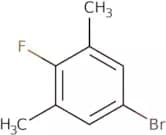
CAS:<p>Versatile small molecule scaffold</p>Formula:C10H9NO2Purity:Min. 95%Molecular weight:175.18 g/mol5-Bromo-2-fluoro-1,3-dimethylbenzene
CAS:<p>Please enquire for more information about 5-Bromo-2-fluoro-1,3-dimethylbenzene including the price, delivery time and more detailed product information at the technical inquiry form on this page</p>Formula:C8H8BrFPurity:Min. 95%Color and Shape:Clear Colourless To Yellow LiquidMolecular weight:203.05 g/molThiophen-3-ylmethanamine hydrochloride
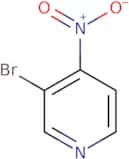
CAS:<p>Versatile small molecule scaffold</p>Formula:C5H8ClNSPurity:Min. 95%Molecular weight:149.64 g/mol3-Bromo-4-nitropyridine
CAS:<p>3-Bromo-4-nitropyridine is a pyridine compound that has been identified as an environmental contaminant. It is used to synthesize other compounds, such as 4-(3-bromopyridin-2-yl)morpholine, which is used in the synthesis of acetonitrile. 3-Bromo-4-nitropyridine undergoes nucleophilic substitution reactions with amines, leading to homoconjugation and bond cleavage. This reaction may be followed by nitration to give 3-(3'-nitro)pyridine. 3-Bromo-4-nitropyridine can be converted into its n-oxide form or into the ionic form by treatment with acetonitrile.</p>Formula:C5H3BrN2O2Purity:Min. 95%Color and Shape:Yellow PowderMolecular weight:202.99 g/molN-Carbethoxy-4-hydroxypiperidine
CAS:<p>N-Carbethoxy-4-hydroxypiperidine is a drug substance that is a h1 receptor antagonist. It is used as an antihistamine to treat the symptoms of hay fever and other allergic reactions. N-Carbethoxy-4-hydroxypiperidine is available in two enantiomers, or mirror images, which are labelled S and R. The R enantiomer is more potent than the S enantiomer for inhibiting histamine h1 receptors. This drug has been shown to inhibit the growth of tuberculosis bacteria in cell culture and animal models, but not against Mycobacterium avium complex. N-Carbethoxy-4-hydroxypiperidine has also been shown to have significant antibacterial activity against Clostridium perfringens with minimal toxicity in mice.</p>Formula:C8H15NO3Purity:Min. 95%Molecular weight:173.21 g/mol4-(Benzyloxy)piperidine HCl
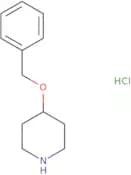
CAS:<p>4-(Benzyloxy)piperidine HCl is a versatile building block that is used in the synthesis of complex compounds such as research chemicals, reagents and speciality chemicals. 4-(Benzyloxy)piperidine HCl is also a useful intermediate in organic synthesis and can be used as a reaction component. 4-(Benzyloxy)piperidine HCl has CAS number 81151-68-0 and is a useful scaffold for chemical syntheses.</p>Formula:C12H17NOHClPurity:Min. 95%Color and Shape:White PowderMolecular weight:227.73 g/mol7H,8H-Pyrido[2,3-d]pyridazin-8-one
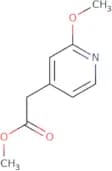
CAS:<p>Versatile small molecule scaffold</p>Formula:C7H5N3OPurity:Min. 95%Color and Shape:PowderMolecular weight:147.13 g/molMethyl 2-(2-methoxypyridin-4-yl)acetate
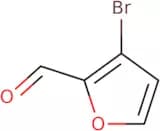
CAS:<p>Versatile small molecule scaffold</p>Formula:C9H11NO3Purity:Min. 95%Molecular weight:181.19 g/mol3-Bromofuran-2-carbaldehyde
CAS:<p>3-Bromofuran-2-carbaldehyde is a chemical compound that belongs to the group of carbonyl compounds. It is an acetylated form of 3-bromofuran and its molecular formula is C6H5BrO. This chemical contains a carbonyl group, which reacts with the hydroxyl group in epidermal growth factor (EGF) to produce epidermal growth. 3-Bromofuran-2-carbaldehyde has been shown to be an adrenergic receptor agonist and can be used as a structural formula blocker or hydrochloric acid. The chemical can also be synthesized in acidic conditions using methods such as fluorination, chlorination, and acetylation.</p>Formula:C5H3BrO2Purity:Min. 95%Molecular weight:174.98 g/molN-Boc-glycine
CAS:<p>N-Boc-glycine is a chemical compound used in the synthesis of cyclic peptides. N-Boc-glycine is synthesized by the reaction of glycine with methanol and hydrochloric acid in the presence of an activated form of carbon monoxide. The pharmacokinetic properties of N-Boc-glycine are similar to those for human immunoglobulin, and it can be used as a reference compound for preparative high performance liquid chromatography (HPLC). It has been shown that the nitrogen atoms in N-Boc-glycine are chemically stable, which makes it suitable for asymmetric synthesis. N-Boc-glycine also has potent antagonist effects on biochemical properties such as calcium channel blockade, inhibition of platelet aggregation, and inhibition of neutrophil chemotaxis.</p>Formula:C7H13NO4Purity:Min. 95%Color and Shape:White PowderMolecular weight:175.18 g/moltert-Butyl N-(4-methylphenyl)carbamate
CAS:<p>Tert-butyl N-(4-methylphenyl)carbamate is a reusable, efficient method for the synthesis of tert-butyl carbamates from amines and carbon dioxide. This reaction is an example of a C–H bond activation that proceeds through an anion intermediate. The reaction time can be reduced by irradiation to increase the efficiency. Electrons are unpaired during this process, which is modeled with quantum mechanics software. Chloride is used as a catalyst to activate the electron and generate a reactive intermediate. Amine functionalities are added to the molecule in order to give it desired properties. The chloride group can be replaced with other anions such as bromide or iodide, which will also introduce different reactivity patterns.</p>Formula:C12H17NO2Purity:Min. 95%Molecular weight:207.27 g/mol7-Bromo-3,4-dihydro-1H-quinolin-2-one
CAS:<p>Versatile small molecule scaffold</p>Formula:C9H8BrNOPurity:Min. 95%Molecular weight:226.07 g/molMethyl 6-oxospiro[3.3]heptane-2-carboxylate
CAS:<p>Versatile small molecule scaffold</p>Formula:C9H12O3Purity:Min. 95%Molecular weight:168.19 g/molN,N-bis(Hydroxyethyl)-2-aminoethanesulfonic acid sodium salt
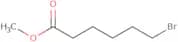
CAS:<p>N,N-bis(Hydroxyethyl)-2-aminoethanesulfonic acid sodium salt is a cross-linking agent for polymers. It has been shown to react with dimethylol propionic acid to form a hydroxyl group and a carboxylate. This reaction yields the product of bis(hydroxyethyl) aminosulfonic acid sodium salt. N,N-bis(Hydroxyethyl)-2-aminoethanesulfonic acid sodium salt can be used as a cross-linking agent in the manufacture of biodegradable polymers that are environmentally friendly and biocompatible. The viscosity of the reaction solution increases with an increase in temperature, which is due to the hydrophobic interaction between molecules.</p>Formula:C6H14NO5SNaPurity:Min. 95%Color and Shape:PowderMolecular weight:235.23 g/mol6-Bromohexanoic acid methyl ester
CAS:<p>6-Bromohexanoic acid methyl ester is a linker that can be used in the synthesis of amides. This compound is synthesized by reaction between 2-bromobutyric acid and malonic acid, followed by hydrolysis with sodium hydroxide. 6-Bromohexanoic acid methyl ester is an efficient method for the preparation of amides. It is biologically active and has been shown to have anti-inflammatory properties in biological studies.</p>Formula:C7H13BrO2Purity:Min. 95%Color and Shape:Clear LiquidMolecular weight:209.08 g/mol(6-Methoxy-pyridin-2-yl)-methanol
CAS:<p>Versatile small molecule scaffold</p>Formula:C7H9NO2Purity:Min. 95%Molecular weight:139.16 g/mol6-Chlorohexanol
CAS:<p>6-Chlorohexanol is a fatty alcohol with a hydroxyl group. It is soluble in water and has a phase transition temperature of -114°C. 6-Chlorohexanol can be synthesized by reacting 2,6-dichlorophenol with hydrochloric acid and sodium hydroxide in the presence of azobenzene. The reaction solution is then heated to about 300°C for 3 hours. 6-Chlorohexanol is used as a model system for studying the photochemical reactions of fatty acids. Hydroxy groups are susceptible to light exposure, which leads to the formation of carbonyl compounds such as malonic acid and chloride monomers.</p>Formula:C6H13ClOPurity:Min. 95%Color and Shape:PowderMolecular weight:136.62 g/molN-(4-Aminophenyl)-N-methyl-2-(4-methylpiperazin-1-yl)acetamide
CAS:<p>N-(4-Aminophenyl)-N-methyl-2-(4-methylpiperazin-1-yl)acetamide is an environmental and industrial chemical that is used as a formate, benzoate, and methyl benzoate intermediate. It reacts with nitric acid to form N-(4-aminophenyl)-N-methyl-2-(4-nitrophenoxy)acetamide (NPA). NPA has been shown to have antiangiogenic properties. NPA inhibits the proliferation of endothelial cells by interfering with the cell cycle and inducing apoptosis.</p>Formula:C14H22N4OPurity:Min. 95%Molecular weight:262.35 g/moltert-Butyl 3,9-diazaspiro[5.5]undecane-3-carboxylate hydrochloride
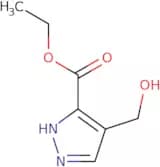
CAS:<p>Versatile small molecule scaffold</p>Formula:C14H27ClN2O2Purity:Min. 95%Molecular weight:290.83 g/molEthyl 4-(hydroxymethyl)-1H-pyrazole-3-carboxylate
CAS:<p>Versatile small molecule scaffold</p>Formula:C7H10N2O3Purity:Min. 95%Molecular weight:170.17 g/mol2,4,6-Trichloronicotinaldehyde
CAS:<p>Versatile small molecule scaffold</p>Formula:C6H2Cl3NOPurity:Min. 95%Molecular weight:210.45 g/moltert-Butyl 1,8-diazaspiro[4.5]decane-1-carboxylate
CAS:<p>Versatile small molecule scaffold</p>Formula:C13H24N2O2Purity:Min. 95%Molecular weight:240.3 g/molR-(-)-3-Chloro-1,2-propanediol
CAS:<p>R-(-)-3-Chloro-1,2-propanediol is a chiral epoxide that is used in the synthesis of other chemicals. It has been shown to be active against bacterial strains such as corynebacterium and coryneform bacteria. This chemical can be synthesized from hydrochloric acid and chlorinated propane with an asymmetric synthesis. The R-(-)-3-Chloro-1,2-propanediol can also be synthesized through electrochemical methods using chloride ion as the reducing agent. This compound is soluble in water and shows kinetic activity with carbon sources when used as an antibiotic.</p>Formula:C3H7ClO2Purity:Min. 95%Color and Shape:Colorless Clear LiquidMolecular weight:110.54 g/molH-β-Cyclohexyl-Ala-OMe·HCl
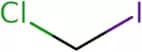
CAS:<p>Please enquire for more information about H-beta-Cyclohexyl-Ala-OMe·HCl including the price, delivery time and more detailed product information at the technical inquiry form on this page</p>Formula:C10H19NO2·HClPurity:Min. 95%Molecular weight:221.72 g/molChloroiodomethane, stabilised with copper
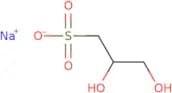
CAS:<p>Chloroiodomethane is a chemical that is used as an intermediate in the production of other chemicals. It is a colourless liquid with a strong odour. 3-Bromopropylamine hydrobromide reacts with chloroiodomethane to form 3-bromopropyl bromide, which can be reacted with hydrogen chloride to form the corresponding acid chloride. This reaction product can then be reacted with β-amino acids to form amides or esters. The reaction mechanism of this process involves nucleophilic substitution of chloroiodomethane by the amino group of the β-amino acid to produce an intermediate α,β-unsaturated carbonyl chloride, which undergoes elimination to give the final product. Chloroiodomethane also reacts rapidly with fatty acids and hydroxyl groups in biological systems, leading to inflammatory diseases such as HIV infection.</p>Formula:CH2ClIPurity:Min. 95%Color and Shape:Colorless Clear LiquidMolecular weight:176.38 g/molSodium 2,3-dihydroxypropane-1-sulfonate
CAS:<p>Sodium 2,3-dihydroxypropane-1-sulfonate is a granular detergent that can be used in the production of heavy duty liquid and solid granules. It is an anionic surfactant with a sulfonate group that has a granular consistency. This detergent is often used as a wetting agent in detergents and as a dispersing agent in paints, dyes, and pharmaceuticals. Sodium 2,3-dihydroxypropane-1-sulfonate has been shown to be effective at removing particulate matter from water and can also be used as a stabilizer for other surfactants during manufacturing.</p>Formula:C3H7NaO5SPurity:Min. 95%Molecular weight:178.14 g/mol5-Ketohexanenitrile
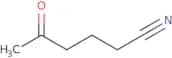
CAS:<p>5-Ketohexanenitrile is a liquid that is used in the production of medicine. The compound has been shown to be an effective inhibitor of the enzyme, dehydrogenase, which catalyzes the conversion of 5-ketohexanoic acid to hexadecanoic acid. This reaction is important for the oxidation of fatty acids and can be found in all living organisms. 5-Ketohexanenitrile has also been shown to inhibit the enzyme, hydrogen peroxide oxidase, which catalyzes the conversion of hydrogen peroxide to water and oxygen gas. 5-Ketohexanenitrile is also an intermediate in acrylonitrile production. It can be produced by vaporizing hexadecanoic acid with a catalyst such as trimethylpyridine or acetic acid. 5-Ketohexanenitrile can exist as two isomers: cis and trans. It is a primary amine that reacts with alkali metals such as</p>Formula:C6H9NOPurity:Min. 95%Molecular weight:111.14 g/mol2-Cyclopropylphenol
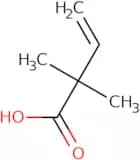
CAS:<p>2-Cyclopropylphenol is a hydrogen chloride derivative of 2-cyclohexen-1-one. It has been shown to have high affinity for the α receptor, which is a functional group in the integrin receptor that mediates cell adhesion. 2-Cyclopropylphenol has been shown to be effective for the treatment of hepatitis. 2-Cyclopropylphenol also forms an organometallic complex with platinum, which can be used as an anticancer agent and shows good antiviral activity against hepatitis C virus (HCV). The molecular modeling of this compound was done by using quantum chemical calculations and NMR spectra. The synthesis of this compound was developed from benzene and ethynylbenzene. The photochemical properties of this compound were investigated by methane monooxygenase reconstitution studies.</p>Formula:C9H10OPurity:Min. 95%Molecular weight:134.18 g/mol2,2-Dimethylbut-3-enoic acid
CAS:<p>2,2-Dimethylbut-3-enoic acid is a bioactive compound that is used to synthesize other compounds. It has been shown to have a number of functions, such as being an electrolyte and having an electron deficient group in its structure. 2,2-Dimethylbut-3-enoic acid reacts with electrophilic functional groups at high temperatures to form allylation products. This reaction is called cheletropic and has been shown to be reversible.</p>Formula:C6H10O2Purity:Min. 95%Molecular weight:114.14 g/molCyclobutanethiol
CAS:<p>Cyclobutanethiol is a 1-cyclopentene-1-carboxylic acid, which is a cyclic form of the alkylthio group. It is an organic solvent with a hydroxyl group at one end and an alkyl group at the other end. Cyclobutanethiol can be used as a sealant or as a solvent in organic chemistry. The compound has been shown to inhibit insulin resistance by binding to cb1 receptors on cells, thereby inhibiting the production of glucose. Cyclobutanethiol also absorbs ultraviolet light, so it can be used in photochemistry.</p>Formula:C4H8SPurity:90%Color and Shape:Clear LiquidMolecular weight:88.17 g/mol(3S)-3- [4- [(2-Chlorophenyl) methyl] phenoxy] tetrahydrofuran
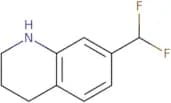
CAS:<p>Please enquire for more information about (3S)-3- [4- [(2-Chlorophenyl) methyl] phenoxy] tetrahydrofuran including the price, delivery time and more detailed product information at the technical inquiry form on this page</p>Purity:Min. 95%7-(Difluoromethyl)-1,2,3,4-tetrahydroquinoline
CAS:<p>Versatile small molecule scaffold</p>Formula:C10H11F2NPurity:Min. 95%Molecular weight:183.2 g/moltert-Butyl 3-(4-aminophenyl)pyrrolidine-1-carboxylate
CAS:<p>Versatile small molecule scaffold</p>Formula:C15H22N2O2Purity:Min. 95%Molecular weight:262.35 g/molChlorpheniramine N-oxide
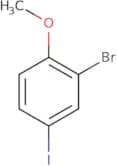
CAS:<p>Please enquire for more information about Chlorpheniramine N-oxide including the price, delivery time and more detailed product information at the technical inquiry form on this page</p>Formula:C16H19ClN2OPurity:Min. 95%Molecular weight:290.79 g/mol2-Bromo-4-iodoanisole
CAS:<p>2-Bromo-4-iodoanisole is an electrophilic intermediate that can be synthetically prepared by regioselective halogenations of 4-iodoanisole. It is also a substrate for sequential halogenations with bromine or iodine. The 2-bromo-4-iodoanisole reacts with aluminum to form an aluminate, which can be used as a catalyst in organic synthesis. 2-Bromo-4-iodoanisole has been shown to react with aromatic rings by electrophilically attacking the ring and adding a second bromine atom to the ring, leading to quenching of the molecule and formation of structurally diverse products.</p>Formula:C7H6BrIOPurity:Min. 95%Molecular weight:312.93 g/mol2-[3-Chloro-5-(trifluoromethyl)-2-pyridinyl]-acetonitrile
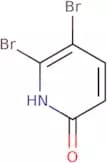
CAS:<p>Versatile small molecule scaffold</p>Formula:C8H4ClF3N2Purity:Min. 95%Color and Shape:PowderMolecular weight:220.58 g/mol5,6-Dibromopyridin-2-ol
CAS:<p>Versatile small molecule scaffold</p>Formula:C5H3Br2NOPurity:Min. 95%Molecular weight:252.89 g/mol6-(Chloromethyl)pteridine-2,4-diamine monohydrochloride
CAS:<p>Please enquire for more information about 6-(Chloromethyl)pteridine-2,4-diamine monohydrochloride including the price, delivery time and more detailed product information at the technical inquiry form on this page</p>Formula:C7H7ClN6•HClPurity:Min. 95%Molecular weight:247.08 g/molCyanidin 3-O-rutinoside
CAS:<p>Please enquire for more information about Cyanidin 3-O-rutinoside including the price, delivery time and more detailed product information at the technical inquiry form on this page</p>Formula:C27H31O15Purity:Min. 95%Molecular weight:595.53 g/molCoproporphyrin III
CAS:<p>Please enquire for more information about Coproporphyrin III including the price, delivery time and more detailed product information at the technical inquiry form on this page</p>Formula:C36H38N4O8Purity:Min. 95%Molecular weight:654.71 g/mol4-Chloro-N-[2-(1,2-dihydro-2-oxo-4-quinolinyl)ethyl]benzamide
CAS:<p>Please enquire for more information about 4-Chloro-N-[2-(1,2-dihydro-2-oxo-4-quinolinyl)ethyl]benzamide including the price, delivery time and more detailed product information at the technical inquiry form on this page</p>Formula:C18H15ClN2O2Purity:Min. 95%Molecular weight:326.78 g/mol(αR)-α-(2-Chlorophenyl)-2H-tetrazole-2-ethanol
CAS:<p>Please enquire for more information about (αR)-α-(2-Chlorophenyl)-2H-tetrazole-2-ethanol including the price, delivery time and more detailed product information at the technical inquiry form on this page</p>Formula:C9H9ClN4OPurity:Min. 95%Molecular weight:224.65 g/mol(R)-1-Propylpiperidin-3-amine
CAS:<p>Please enquire for more information about (R)-1-Propylpiperidin-3-amine including the price, delivery time and more detailed product information at the technical inquiry form on this page</p>Formula:C8H18N2Purity:Min. 95%Molecular weight:142.24 g/molN-[2-[(2S)-2-Cyano-4,4-difluoro-1-pyrrolidinyl]-2-oxoethyl]-6-[methyl[3-(1-piperazinyl)propyl]amino]-4-quinolinecarboxamide trifluor oacetate
CAS:<p>Please enquire for more information about N-[2-[(2S)-2-Cyano-4,4-difluoro-1-pyrrolidinyl]-2-oxoethyl]-6-[methyl[3-(1-piperazinyl)propyl]amino]-4-quinolinecarboxamide trifluor oacetate including the price, delivery time and more detailed product information at the technical inquiry form on this page</p>Formula:C25H31F2N7O2•(C2HF3O2)xPurity:Min. 95%Molecular weight:499.56 g/molPyrazin-2-ylboronic acid
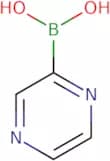
CAS:<p>Pyrazin-2-ylboronic acid is a white crystalline solid that is soluble in water. It is an efficient and economical selenium source for use in the synthesis of selenides and other selenium compounds. Pyrazin-2-ylboronic acid can be produced by the reaction of aniline with borohydride, or by the reaction of pyrazine with borane. This synthetic process also provides a convenient way to produce diaryl compounds.</p>Formula:C4H5BN2O2Purity:Min. 95%Molecular weight:123.91 g/molPotassium (1-(tert-butoxycarbonyl)piperidin-4-yl)trifluoroborate
CAS:<p>Versatile small molecule scaffold</p>Formula:C10H18BF3KNO2Purity:Min. 95%Molecular weight:291.16 g/molethyl 3-formyl-1H-pyrrole-2-carboxylate
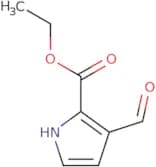
CAS:<p>Ethyl 3-formyl-1H-pyrrole-2-carboxylate is a formyl compound with the molecular formula C8H8O3. It is a colorless liquid that has a strong odor. The compound can be obtained by the reaction of ethyl acetoacetate and pyrrole in the presence of aluminum chloride. The compound has been studied for its nuclear magnetic resonance (NMR) properties. It has two conformers, which are distinguished by their different chemical shifts, and this difference can be used to study coupling between the carbonyl group and other groups in the molecule.</p>Formula:C8H9NO3Purity:Min. 95%Molecular weight:167.2 g/mol1-chloro-4-fluoroisoquinoline
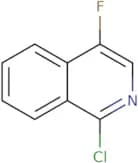
CAS:<p>1-chloro-4-fluoroisoquinoline is a chlorinating agent that has been used as a synthetic method for the synthesis of oxychloride. It is typically used in the presence of palladium catalyst, in the presence of phosphorus and under reductive conditions. The chlorination reaction is initiated by addition of hydrochloric acid or phosphorous oxychloride. The 1-hydroxyisoquinoline reacts with phosphorus to form a chloroformate, which reacts with fluorine gas to produce an intermediate chlorofluorinate. This intermediate then reacts with chlorine gas in the presence of palladium catalyst to generate the desired product, 1-chloro-4-fluoroisoquinoline.</p>Formula:C9H5ClFNPurity:Min. 95%Molecular weight:181.59 g/mol5-Chloro-2-methoxycarbonyl pyrazine
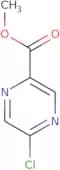
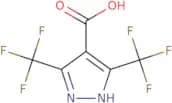
CAS:<p>5-Chloro-2-methoxycarbonyl pyrazine is a linker that is used to connect two pharmacophores. β-Lactamase, which is an enzyme that degrades β-lactams antibiotics, was inhibited by 5-chloro-2-methoxycarbonyl pyrazine in vitro and in vivo. The inhibitory potency of 5-chloro-2-methoxycarbonyl pyrazine was increased when it was combined with other molecules. This molecule has shown antibacterial activity against Enterobacter cloacae, methicillin resistant Staphylococcus aureus (MRSA), and Mycobacterium tuberculosis.</p>Formula:C6H5ClN2O2Purity:Min. 95%Color and Shape:PowderMolecular weight:172.57 g/mol3,5-Bis(trifluoromethyl)-1H-pyrazole-4-carboxylic acid
CAS:<p>3,5-Bis(trifluoromethyl)-1H-pyrazole-4-carboxylic acid is a chiral compound that has been shown to be an active building block for coordination frameworks. It is prepared from the reaction of 3,5-bis(trifluoromethyl)-1H-pyrazole with a carboxylic acid and can be used in the synthesis of metalloporphyrins. 3,5-Bis(trifluoromethyl)-1H-pyrazole-4-carboxylic acid has been shown to form stable coordination complexes with ligands such as bidentate or tridentate phosphoramidites and dimethylammonium chloride. This compound undergoes thermal treatment during the preparation process and reacts with various solvents and reagents.</p>Formula:C6H2F6N2O2Purity:Min. 95%Molecular weight:248.08 g/mol1-(4-Chloro-2,6-dimethylphenyl)ethanone
CAS:<p>Versatile small molecule scaffold</p>Formula:C10H11ClOPurity:Min. 95%Molecular weight:182.64 g/mol4-Bromo-2-fluoropyrimidine
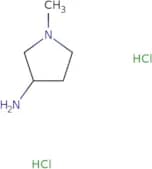
CAS:<p>Versatile small molecule scaffold</p>Formula:C4H2BrFN2Purity:Min. 95%Molecular weight:176.97 g/mol1-Methylpyrrolidin-3-amine dihydrochloride
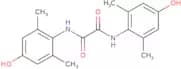
CAS:<p>Versatile small molecule scaffold</p>Formula:C5H12N2·2HClPurity:Min. 95%Molecular weight:173.09 g/molN1,N2-Bis(4-hydroxy-2,6-dimethylphenyl)ethanediamide
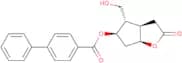
CAS:<p>Versatile small molecule scaffold</p>Formula:C18H20N2O4Purity:Min. 95%Molecular weight:328.4 g/mol(-)-Corey lactone 4-phenylbenzoate
CAS:<p>Corey lactone 4-phenylbenzoate is an efficient, large-scale preparation of (-)-Corey lactone. It is synthesized in two steps from 4-phenylbenzoic acid and ethyl acetoacetate. Corey lactone 4-phenylbenzoate has been used for the synthesis of a variety of natural products. This compound is also a precursor to the synthesis of other compounds, such as 3-amino-4-(2'-hydroxyethoxy)benzaldehyde.</p>Formula:C21H20O5Purity:Min. 95%Molecular weight:352.38 g/mol2-Bromo-1-(4-chloro-3-fluorophenyl)ethanone
CAS:<p>Please enquire for more information about 2-Bromo-1-(4-chloro-3-fluorophenyl)ethanone including the price, delivery time and more detailed product information at the technical inquiry form on this page</p>Formula:C8H5BrCIFOPurity:Min. 95%Molecular weight:354.94 g/mol





![4-{[(tert-butoxy)carbonyl]amino}-4-methylpentanoic acid](/_next/image/?url=https%3A%2Fstatic.cymitquimica.com%2Fproducts%2F3D%2Fthumb-webp%2FZZB37240.webp&w=3840&q=75)




![4,7-dibromo-1H-benzo[d]imidazole](/_next/image/?url=https%3A%2Fstatic.cymitquimica.com%2Fproducts%2F3D%2Fthumb-webp%2FYFA18566.webp&w=3840&q=75)



![7-bromo-3-iodoimidazo[1,2-a]pyridine](/_next/image/?url=https%3A%2Fstatic.cymitquimica.com%2Fproducts%2F3D%2Fthumb-webp%2FWZB18455.webp&w=3840&q=75)


![(3R,4R)-3-[(6-Amino-4-pyrimidinyl)methylamino]-4-methyl-β-oxo-1-piperidinepropanenitrile](/_next/image/?url=https%3A%2Fstatic.cymitquimica.com%2Fproducts%2F3D%2Fthumb-webp%2FFA184079.webp&w=3840&q=75)


![6-chloro-1H-pyrazolo[3,4-d]pyrimidin-4-amine](/_next/image/?url=https%3A%2Fstatic.cymitquimica.com%2Fproducts%2F3D%2Fthumb-webp%2FFAA41778.webp&w=3840&q=75)



![5-{2-Ethoxy-5-[(4-methylpiperazin-1-yl)sulfonyl]phenyl}-1-methyl-3-(2-methylpropyl)-1H,6H,7H-pyraz…](/_next/image/?url=https%3A%2Fstatic.cymitquimica.com%2Fproducts%2F3D%2Fthumb-webp%2FRFC05395.webp&w=3840&q=75)



![7H,8H-Pyrido[2,3-d]pyridazin-8-one](/_next/image/?url=https%3A%2Fstatic.cymitquimica.com%2Fproducts%2F3D%2Fthumb-webp%2FQAA37579.webp&w=3840&q=75)


![Methyl 6-oxospiro[3.3]heptane-2-carboxylate](/_next/image/?url=https%3A%2Fstatic.cymitquimica.com%2Fproducts%2F3D%2Fthumb-webp%2FNVB48098.webp&w=3840&q=75)




![tert-Butyl 3,9-diazaspiro[5.5]undecane-3-carboxylate hydrochloride](/_next/image/?url=https%3A%2Fstatic.cymitquimica.com%2Fproducts%2F3D%2Fthumb-webp%2FLJA40647.webp&w=3840&q=75)

![tert-Butyl 1,8-diazaspiro[4.5]decane-1-carboxylate](/_next/image/?url=https%3A%2Fstatic.cymitquimica.com%2Fproducts%2F3D%2Fthumb-webp%2FKKB27992.webp&w=3840&q=75)




![(3S)-3- [4- [(2-Chlorophenyl) methyl] phenoxy] tetrahydrofuran](/_next/image/?url=https%3A%2Fstatic.cymitquimica.com%2Fproducts%2F3D%2Fthumb-webp%2FFC181171.webp&w=3840&q=75)


![2-[3-Chloro-5-(trifluoromethyl)-2-pyridinyl]-acetonitrile](/_next/image/?url=https%3A%2Fstatic.cymitquimica.com%2Fproducts%2F3D%2Fthumb-webp%2FHGA76410.webp&w=3840&q=75)


![4-Chloro-N-[2-(1,2-dihydro-2-oxo-4-quinolinyl)ethyl]benzamide](/_next/image/?url=https%3A%2Fstatic.cymitquimica.com%2Fproducts%2F3D%2Fthumb-webp%2FFC184071.webp&w=3840&q=75)

![N-[2-[(2S)-2-Cyano-4,4-difluoro-1-pyrrolidinyl]-2-oxoethyl]-6-[methyl[3-(1-piperazinyl)propyl]amin…](/_next/image/?url=https%3A%2Fstatic.cymitquimica.com%2Fproducts%2F3D%2Fthumb-webp%2FFC184139.webp&w=3840&q=75)