Building Blocks
This section contains fundamental products for the synthesis of organic and biological compounds. Building blocks are the essential starting materials used to construct complex molecules through various chemical reactions. They play a critical role in drug discovery, material science, and chemical research. At CymitQuimica, we offer a diverse range of high-quality building blocks to support your innovative research and industrial projects, ensuring you have the essential components for successful synthesis.
Subcategories of "Building Blocks"
- Boronic Acids & Boronic Acid Derivatives(5,756 products)
- Chiral Building Blocks(1,242 products)
- Hydrocarbon Building Blocks(6,095 products)
- Organic Building Blocks(61,055 products)
Found 199650 products of "Building Blocks"
Sort by
Purity (%)
0
100
|
0
|
50
|
90
|
95
|
100
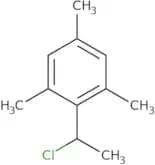
2-(1-Chloroethyl)-1,3,5-trimethylbenzene
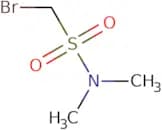
CAS:2-(1-Chloroethyl)-1,3,5-trimethylbenzene is a solvents that can be used to make cationic polymers. It is a compound that has been shown to be an effective inhibitor of cationic polymerization with styrene. 2-(1-Chloroethyl)-1,3,5-trimethylbenzene can also be used as an initiator in the synthesis of ethylene dichloride. This chemical is insoluble in water and is not reactive with acids or alkalines.Formula:C11H15ClPurity:Min. 95%Molecular weight:182.69 g/mol1-Bromo-N,N-dimethylmethanesulfonamide
CAS:<p>Versatile small molecule scaffold</p>Formula:C3H8BrNO2SPurity:Min. 95%Molecular weight:202.07 g/mol2-(4-Formyl-2-methoxyphenoxy)propanoic acid
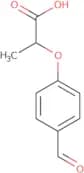
CAS:Versatile small molecule scaffoldFormula:C11H12O5Purity:Min. 95%Molecular weight:224.21 g/mol2-(4-Formylphenoxy)propanoic acid
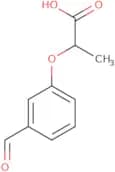
CAS:<p>Versatile small molecule scaffold</p>Formula:C10H10O4Purity:Min. 95%Molecular weight:194.18 g/mol2-(3-Formylphenoxy)propanoic acid
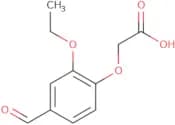
CAS:<p>Versatile small molecule scaffold</p>Formula:C10H10O4Purity:Min. 95%Molecular weight:194.18 g/mol(2-Ethoxy-4-formyl-phenoxy)-acetic acid
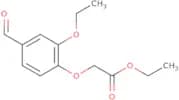
CAS:<p>Versatile small molecule scaffold</p>Formula:C11H12O5Purity:Min. 95%Molecular weight:224.21 g/molEthyl (2-ethoxy-4-formylphenoxy)acetate
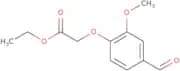
CAS:<p>Versatile small molecule scaffold</p>Formula:C13H16O5Purity:Min. 95%Molecular weight:252.26 g/mol4-Formyl-2-methoxy-phenoxy-acetic acid ethyl ester
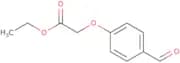
CAS:<p>Versatile small molecule scaffold</p>Formula:C12H14O5Purity:Min. 95%Molecular weight:238.24 g/molEthyl (4-formylphenoxy)acetate
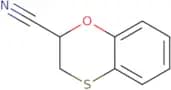
CAS:<p>Ethyl (4-formylphenoxy)acetate is a molecule that belongs to the group of quinoline derivatives. It is a copper complex that has shown cytotoxic activity against cancer cells in vitro. The cytotoxicity of ethyl (4-formylphenoxy)acetate has been attributed to its ability to form conjugates with monoclonal antibodies, which may be important for treatment and diagnosis of cancer. Studies have demonstrated the interaction between ethyl (4-formylphenoxy)acetate and DNA, as well as the application of radiation and crystallography techniques to optimize labeling.</p>Formula:C11H12O4Purity:Min. 95%Molecular weight:208.21 g/mol2,3-Dihydro-1,4-benzoxathiine-2-carbonitrile
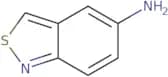
CAS:<p>Versatile small molecule scaffold</p>Formula:C9H7NOSPurity:Min. 95%Molecular weight:177.22 g/mol2,1-Benzothiazol-5-amine
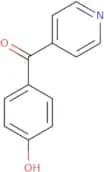
CAS:<p>Versatile small molecule scaffold</p>Formula:C7H6N2SPurity:Min. 95%Molecular weight:150.2 g/mol(4-Hydroxyphenyl)(4-pyridyl)methanone
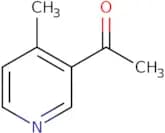
CAS:<p>Versatile small molecule scaffold</p>Formula:C12H9NO2Purity:Min. 95%Molecular weight:199.21 g/mol1-(4-Methyl-3-pyridinyl)ethanone
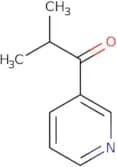
CAS:<p>1-(4-Methyl-3-pyridinyl)ethanone is an organic compound that yields optical pyruvic acid on hydrolysis. It also has unselective dehydrogenase activity on a variety of substrates, including dioxane and 2,2,2-trichloroethanol. 1-(4-Methyl-3-pyridinyl)ethanone can be used as a reagent for the synthesis of chiral iminium salts or as a dehydrating agent in organic synthesis. It is also used to synthesize vitamin B6 and indole alkaloids. The chemical structure of 1-(4-methyl-3-pyridinyl)ethanone is similar to that of benzaldehyde (C6H5CH2CHO), which has benzylic hydroxyl group on the benzene ring. This compound can be oxidized to yield a dianion that can be used as a photocat</p>Formula:C8H9NOPurity:Min. 95%Molecular weight:135.16 g/mol2-Methyl-1-(pyridin-3-yl)propan-1-one
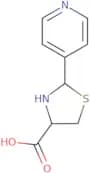
CAS:<p>Versatile small molecule scaffold</p>Formula:C9H11NOPurity:Min. 95%Molecular weight:149.19 g/mol2-(Pyridin-4-yl)-1,3-thiazolidine-4-carboxylic acid
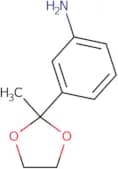
CAS:<p>2-(Pyridin-4-yl)-1,3-thiazolidine-4-carboxylic acid is a glycol ether with a hydrocarbon group. It is used as an ethoxylate in the production of surfactants and cationic surfactants. This chemical has been shown to inhibit the growth of microorganisms such as fungi and bacteria. 2-(Pyridin-4-yl)-1,3-thiazolidine-4-carboxylic acid can be used as an emulsifier to make lemongrass oil more soluble in water. It also has antifungal properties, which may be due to its ability to inhibit fatty acid synthesis by inhibiting the enzyme acetyl coenzyme A carboxylase (ACCase).</p>Formula:C9H10N2O2SPurity:Min. 95%Molecular weight:210.26 g/mol3-(2-Methyl-1,3-dioxolan-2-yl)aniline
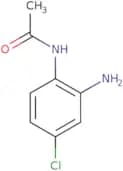
CAS:<p>Versatile small molecule scaffold</p>Formula:C10H13NO2Purity:Min. 95%Molecular weight:179.22 g/molN-(2-Amino-4-chlorophenyl)acetamide
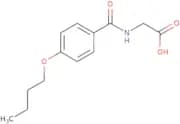
CAS:<p>Versatile small molecule scaffold</p>Formula:C8H9ClN2OPurity:Min. 95%Molecular weight:184.62 g/mol(4-Butoxy-benzoylamino)-acetic acid
CAS:<p>4-Butoxy-benzoylamino)-acetic acid is a hydrophobic compound. The interaction of the compound with ionic liquids is strong, and it is insoluble in water or organic solvents. The molecular weight of this compound is 197.4 g/mol and its melting point is -54 °C. This compound can be used as an excipient for pharmaceuticals, and it can also be used to create homopolymers that are functionalized.</p>Formula:C13H17NO4Purity:Min. 95%Molecular weight:251.28 g/mol2-{[4-(Propan-2-yloxy)phenyl]formamido}acetic acid
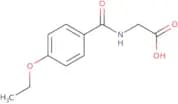
CAS:Versatile small molecule scaffoldFormula:C12H15NO4Purity:Min. 95%Molecular weight:237.25 g/mol(4-Ethoxy-benzoylamino)-acetic acid
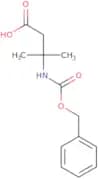
CAS:<p>Versatile small molecule scaffold</p>Formula:C11H13NO4Purity:Min. 95%Molecular weight:223.22 g/mol3-(((Benzyloxy)carbonyl)amino)-3-methylbutanoic acid
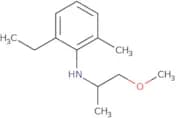
CAS:<p>3-(((Benzyloxy)carbonyl)amino)-3-methylbutanoic acid (BMAA) is a quaternary ammonium compound that has antimicrobial activities. BMAA is active against Gram-positive and Gram-negative bacteria, including some strains of Staphylococcus aureus and Escherichia coli. It also has antimicrobial activity against yeast and fungi. BMAA exhibits stability in the presence of organic solvents, detergents, and water. This product is used as an antimicrobial agent in industrial processes such as wastewater treatment, oil exploration, pulp milling, and food processing. It can be used as a substitute for other quaternary ammonium compounds such as benzalkonium chloride or cetrimide, which are toxic to aquatic life. There are no known analogs to this chemical compound.</p>Formula:C13H17NO4Purity:Min. 95%Molecular weight:251.28 g/mol2-Ethyl-N-(2-methoxy-1-methylethyl)-6-methyl-benzenamine
CAS:<p>Versatile small molecule scaffold</p>Formula:C13H21NOPurity:Min. 95%Molecular weight:207.31 g/molMetolachlor
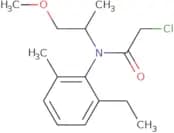
CAS:<p>Metolachlor is a herbicide with antimicrobial properties that is used to control weeds in agricultural and other settings. Metolachlor is a potent inducer of liver enzymes CYP1A2, CYP3A4, and CYP2E1. It also causes drug interactions with drugs metabolized by these enzymes such as the anti-HIV drug efavirenz. Metolachlor has been shown to cause toxic effects in the kidneys, heart, and brain. The chemical structure of metolachlor was first determined by X-ray crystallography in 1969. Metolachlor is not active against many common plant pests, but it does have activity against some fungi and bacteria. Metolachlor can be used for the control of infectious diseases caused by bacteria, such as salmonella or chlamydia.</p>Formula:C15H22ClNO2Purity:Min. 95%Molecular weight:283.79 g/mol(2S,3R)-3-Phenylpyrrolidine-2-carboxylic acid hydrochloride
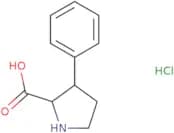
CAS:<p>Versatile small molecule scaffold</p>Formula:C11H14ClNO2Purity:Min. 95%Molecular weight:227.69 g/mol(S)-2-Isopropylpyrrolidine HCl ee
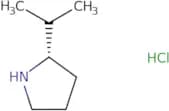
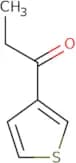
CAS:<p>Versatile small molecule scaffold</p>Formula:C7H16ClNPurity:Min. 95%Molecular weight:149.66 g/mol1-(Thiophen-3-yl)propan-1-one
CAS:<p>Versatile small molecule scaffold</p>Formula:C7H8OSPurity:Min. 95%Molecular weight:140.2 g/mol[4-(Prop-2-yn-1-yl)phenyl]methanol
CAS:<p>Allylbromide is an organic compound that has a cyclic, allenyl ring structure. It is produced by the reaction of magnesium and ethylene glycol with bromobenzene in the presence of tetrahydrofuran. Allylbronide is used as an insecticide and has been shown to be effective against mosquitoes, fleas, and ticks. Allylbronide also has a strong anticholinesterase activity which makes it useful for the treatment of acute organophosphate poisoning. It binds to the active site of acetylcholinesterase and blocks its function, leading to accumulation of acetylcholine at nerve endings.</p>Formula:C10H10OPurity:Min. 95%Molecular weight:146.19 g/mol1-Bromo-1-nitrocyclobutane
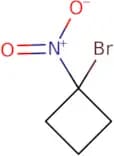
CAS:<p>Versatile small molecule scaffold</p>Formula:C4H6BrNO2Purity:Min. 95%Molecular weight:180 g/mol1-Bromocyclobutane-1-carboxamide
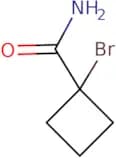
CAS:<p>Versatile small molecule scaffold</p>Formula:C5H8BrNOPurity:Min. 95%Molecular weight:178.03 g/molMethyl 1-bromocyclobutanecarboxylate
CAS:<p>Methyl 1-bromocyclobutanecarboxylate is an alicyclic compound that can be synthesized by the reaction of methyl acetoacetate, formaldehyde and hydrogen bromide. The product can be analyzed using x-ray crystallography to determine its structural properties. The structural analysis suggests that there are two possible substituents on the nitrogen atom.</p>Formula:C6H9BrO2Purity:Min. 95%Molecular weight:193.04 g/mol4-Hydroxy-4-phenylcyclohexan-1-one
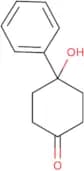
CAS:<p>4-Hydroxy-4-phenylcyclohexan-1-one is an alkylating agent that inhibits the activation of chemokine receptors. It has been shown to inhibit the human serum albumin, and acts as a potent inhibitor of chemokine receptor CXCR2. This molecule was synthesized in a multistep process from commercially available starting materials. 4-Hydroxy-4-phenylcyclohexan-1-one has been validated for its potent inhibitory activity against chemokines, with a selectivity index of > 100 against other chemotactic molecules. The structure of this molecule was found to be a good pharmacophore for inhibition of chemotaxis by homologous compounds.</p>Formula:C12H14O2Purity:Min. 95%Molecular weight:190.24 g/molMethyl 2-chlorobut-3-enoate
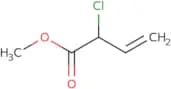
CAS:<p>Methyl 2-chlorobut-3-enoate is a benzyl functionalized cyclization product. It is synthesized from homoallylamines by a diastereoselective synthesis in the presence of carbamates. The cyclization reaction is induced by a transition metal or stereochemical change, which provides the desired stereochemistry in high yield and diastereoselectivity. Methyl 2-chlorobut-3-enoate has been used in biologically significant reactions such as the synthesis of homoallylic amines, which are important intermediates for pharmaceuticals, pesticides, and herbicides.</p>Formula:C5H7ClO2Purity:Min. 95%Molecular weight:134.56 g/molTert-Butyl N-(Propan-2-Yl)Carbamate
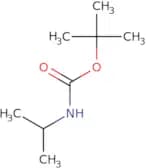
CAS:<p>Versatile small molecule scaffold</p>Formula:C8H17NO2Purity:Min. 95%Molecular weight:159.23 g/mol(2-Propylphenyl)thiourea
CAS:<p>Versatile small molecule scaffold</p>Formula:C10H14N2SPurity:Min. 95%Molecular weight:194.3 g/mol3-(3-Bromo-4-fluorophenyl)-2-methylpropanoic acid
CAS:<p>Versatile small molecule scaffold</p>Formula:C10H10BrFO2Purity:Min. 95%Molecular weight:261.09 g/molN-(2-Azidoethyl)-2-methylpropanamide
CAS:<p>Versatile small molecule scaffold</p>Formula:C6H12N4OPurity:Min. 95%Molecular weight:156.19 g/mol1-Ethyl-2-(4-iodobenzoyl)-1H-imidazole
CAS:Controlled Product<p>Versatile small molecule scaffold</p>Formula:C12H11IN2OPurity:Min. 95%Molecular weight:326.13 g/mol3-{[Methyl(1,3-thiazol-4-ylmethyl)amino]methyl}aniline
CAS:<p>Versatile small molecule scaffold</p>Formula:C12H15N3SPurity:Min. 95%Molecular weight:233.33 g/mol2-[(2-Methoxyphenyl)methyl]cyclopentan-1-ol
CAS:<p>Versatile small molecule scaffold</p>Formula:C13H18O2Purity:Min. 95%Molecular weight:206.28 g/mol2-(4-Fluoro-3-methoxyphenyl)morpholine
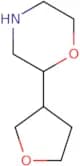
CAS:<p>Versatile small molecule scaffold</p>Formula:C11H14FNO2Purity:Min. 95%Molecular weight:211.23 g/mol2-(Oxolan-3-yl)morpholine
CAS:<p>Versatile small molecule scaffold</p>Formula:C8H15NO2Purity:Min. 95%Molecular weight:157.21 g/mol2-Cyclohexylmorpholine
CAS:<p>Versatile small molecule scaffold</p>Formula:C10H19NOPurity:Min. 95%Molecular weight:169.26 g/mol6-(Aminomethyl)isoindolin-1-one
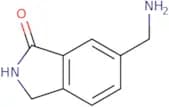
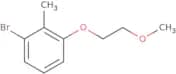
CAS:<p>6-(Aminomethyl)isoindolin-1-one is a cyano compound that has been shown to be an effective hydrogenation catalyst. It can be used to catalyze reactions in which the hydrogen source is not the only carbon source. The synthetic reaction for 6-(aminomethyl)isoindolin-1-one involves the conversion of an aminomethyl ketone with sodium cyanide and a transition metal catalyst. This process produces two products: 6-(aminomethyl)isoindolin-1-one and 2,4,6-trichlorophenol. The use of this compound as a catalyst has been shown to be more efficient than traditional catalysts, such as palladium on carbon, in some instances.</p>Formula:C9H10N2OPurity:Min. 95%Molecular weight:162.19 g/mol1-Bromo-3-(2-methoxyethoxy)methylbenzene
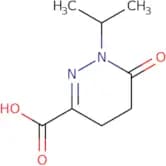
CAS:Versatile small molecule scaffoldFormula:C10H13BrO2Purity:Min. 95%Molecular weight:245.12 g/mol6-Oxo-1-(propan-2-yl)-1,4,5,6-tetrahydropyridazine-3-carboxylic acid
CAS:<p>Versatile small molecule scaffold</p>Formula:C8H12N2O3Purity:Min. 95%Molecular weight:184.19 g/mol2-(2-Fluorophenyl)-2-methylcyclopropane-1-carboxylic acid
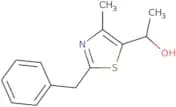
CAS:<p>Versatile small molecule scaffold</p>Formula:C11H11FO2Purity:Min. 95%Molecular weight:194.2 g/mol1-(2-Benzyl-4-methyl-1,3-thiazol-5-yl)ethan-1-ol
CAS:<p>Versatile small molecule scaffold</p>Formula:C13H15NOSPurity:Min. 95%Molecular weight:233.33 g/mol[1-(6-Chloropyrimidin-4-yl)pyrrolidin-2-yl]methanol
CAS:<p>Versatile small molecule scaffold</p>Formula:C9H12ClN3OPurity:Min. 95%Molecular weight:213.66 g/mol2-Methyl-2-(prop-2-ynoylamino)propanoic acid
CAS:Versatile small molecule scaffoldFormula:C7H9NO3Purity:Min. 95%Molecular weight:155.15 g/mol3-[(2,4-Difluorophenyl)sulfanyl]piperidine
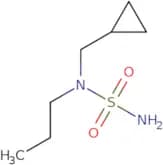
CAS:<p>Versatile small molecule scaffold</p>Formula:C11H13F2NSPurity:Min. 95%Molecular weight:229.29 g/molN-(Cyclopropylmethyl)-N-propylaminosulfonamide
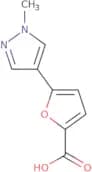
CAS:<p>Versatile small molecule scaffold</p>Formula:C7H16N2O2SPurity:Min. 95%Molecular weight:192.3 g/mol5-(1-Methyl-1H-pyrazol-4-yl)furan-2-carboxylic acid
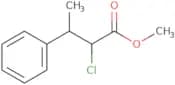
CAS:<p>Versatile small molecule scaffold</p>Formula:C9H8N2O3Purity:Min. 95%Molecular weight:192.17 g/molMethyl 2-chloro-3-phenylbutanoate
CAS:<p>Versatile small molecule scaffold</p>Formula:C11H13ClO2Purity:Min. 95%Molecular weight:212.67 g/mol{[2-(Methylcarbamoyl)ethyl]carbamoyl}formic acid
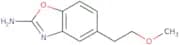
CAS:<p>Versatile small molecule scaffold</p>Formula:C6H10N2O4Purity:Min. 95%Molecular weight:174.15 g/mol5-(2-Methoxyethyl)-1,3-benzoxazol-2-amine
CAS:<p>Versatile small molecule scaffold</p>Formula:C10H12N2O2Purity:Min. 95%Molecular weight:192.21 g/mol2-[(4-Aminopyridin-2-yl)oxy]ethan-1-ol
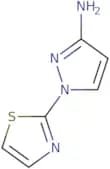
CAS:<p>Versatile small molecule scaffold</p>Formula:C7H10N2O2Purity:Min. 95%Molecular weight:154.17 g/mol1-(1,3-Thiazol-2-yl)-1H-pyrazol-3-amine
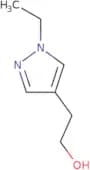
CAS:<p>Versatile small molecule scaffold</p>Formula:C6H6N4SPurity:Min. 95%Molecular weight:166.21 g/mol2-(1-Ethyl-1H-pyrazol-4-yl)ethan-1-ol
CAS:<p>2-(1-Ethyl-1H-pyrazol-4-yl)ethan-1-ol is an optical calibration agent that has the ability to introduce a primary target. It can be used in calibrating optical sensors and for introducing antigen-presenting cells. This chemical has been shown to have high specificity and sensitivity, as it can be used to detect inflammatory diseases, such as asthma, psoriasis, and arthritis. 2-(1-Ethyl-1H-pyrazol-4-yl)ethan-1-ol is also a primary target for inflammatory diseases such as asthma or psoriasis. The chemical has been shown to inhibit leukotriene A4 (LTA4) synthesis in human cells and may act as a caspase inhibitor. This compound is also capable of coding for proliferative disorders such as cancer or skin disorders like psoriasis. 2-(1-Ethyl-1H pyrazol 4-) eth</p>Formula:C7H12N2OPurity:Min. 95%Molecular weight:140.18 g/mol2-(Chloromethyl)-6-ethoxypyridine
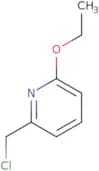
CAS:<p>Versatile small molecule scaffold</p>Formula:C8H10ClNOPurity:Min. 95%Molecular weight:171.62 g/mol(1-Methoxyisoquinolin-3-yl)methanol
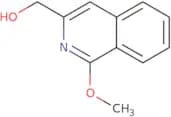
CAS:<p>Versatile small molecule scaffold</p>Formula:C11H11NO2Purity:Min. 95%Molecular weight:189.21 g/mol2-(Methylamino)-3-(1H-1,2,4-triazol-1-yl)propanoic acid
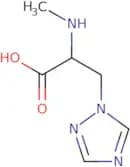
CAS:Versatile small molecule scaffoldFormula:C6H10N4O2Purity:Min. 95%Molecular weight:170.2 g/mol[2-(4-Chloro-1H-pyrazol-1-yl)-6-methylpyridin-3-yl]methanamine
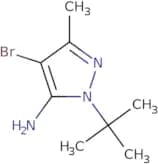
CAS:<p>Versatile small molecule scaffold</p>Formula:C10H11ClN4Purity:Min. 95%Molecular weight:222.67 g/mol4-bromo-1-tert-butyl-3-methyl-1H-pyrazol-5-amine
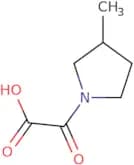
CAS:<p>Versatile small molecule scaffold</p>Formula:C8H14BrN3Purity:Min. 95%Molecular weight:232.13 g/mol2-(3-Methylpyrrolidin-1-yl)-2-oxoacetic acid
CAS:<p>Versatile small molecule scaffold</p>Formula:C7H11NO3Purity:Min. 95%Molecular weight:157.17 g/mol1H-Pyrazolo[3,4-b]pyridine-6-carboxylic acid
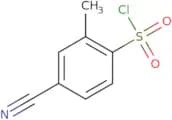
CAS:<p>1-H-Pyrazolo[3,4-b]pyridine-6-carboxylic acid is a synthetic compound that has been used in the synthesis of various other compounds. It is an intermediate for the synthesis of pyruvic acid, which can be converted to a variety of products including aldehydes, aromatic aldehydes, and cyclic condensation products. The mechanism of this compound is not well understood, but it is thought that 1H-pyrazolo[3,4-b]pyridine-6-carboxylic acid undergoes cyclocondensation reactions with ketones, amines or alcohols to form heterocyclic compounds.</p>Formula:C7H5N3O2Purity:Min. 95%Molecular weight:163.13 g/mol4-Cyano-2-methylbenzene-1-sulfonyl chloride
CAS:Versatile small molecule scaffoldFormula:C8H6ClNO2SPurity:Min. 95%Molecular weight:215.66 g/mol2-(Phenoxymethyl)pyrimidin-4-amine
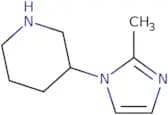
CAS:<p>Versatile small molecule scaffold</p>Formula:C11H11N3OPurity:Min. 95%Molecular weight:201.22 g/mol3-(2-Methyl-1H-imidazol-1-yl)piperidine
CAS:Versatile small molecule scaffoldFormula:C9H15N3Purity:Min. 95%Molecular weight:165.24 g/mol4-Methyl-2-(oxolan-3-yl)-1,3-thiazole-5-carboxylic acid
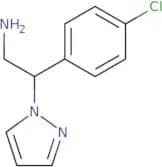
CAS:<p>Versatile small molecule scaffold</p>Formula:C9H11NO3SPurity:Min. 95%Molecular weight:213.26 g/mol2-(4-Chlorophenyl)-2-(1H-pyrazol-1-yl)ethan-1-amine
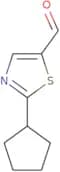
CAS:<p>Versatile small molecule scaffold</p>Formula:C11H12ClN3Purity:Min. 95%Molecular weight:221.68 g/mol2-Cyclopentyl-1,3-thiazole-5-carbaldehyde
CAS:<p>Versatile small molecule scaffold</p>Formula:C9H11NOSPurity:Min. 95%Molecular weight:181.26 g/mol1-(1H-Pyrrol-1-yl)cyclopentane-1-carboxylic acid
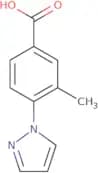
CAS:<p>Versatile small molecule scaffold</p>Formula:C10H13NO2Purity:Min. 95%Molecular weight:179.22 g/mol3-Methyl-4-(1H-pyrazol-1-yl)benzoic acid
CAS:<p>Versatile small molecule scaffold</p>Formula:C11H10N2O2Purity:Min. 95%Color and Shape:PowderMolecular weight:202.21 g/mol1-[1-(3-Ethyl-1,2,4-oxadiazol-5-yl)ethyl]piperazine
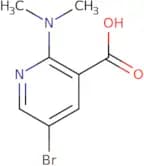
CAS:Versatile small molecule scaffoldFormula:C10H18N4OPurity:Min. 95%Molecular weight:210.28 g/mol5-Bromo-2-(dimethylamino)pyridine-3-carboxylic acid
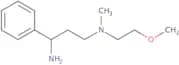
CAS:<p>Versatile small molecule scaffold</p>Formula:C8H9BrN2O2Purity:Min. 95%Molecular weight:245.07 g/mol(3-Amino-3-phenylpropyl)(2-methoxyethyl)methylamine
CAS:<p>Versatile small molecule scaffold</p>Formula:C13H22N2OPurity:Min. 95%Molecular weight:222.33 g/molN-Methyl-1-[(3-methyl-1,2-oxazol-5-yl)methyl]piperidin-4-amine
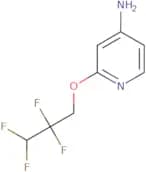
CAS:<p>Versatile small molecule scaffold</p>Formula:C11H19N3OPurity:Min. 95%Molecular weight:209.29 g/mol2-(2,2,3,3-Tetrafluoropropoxy)pyridin-4-amine
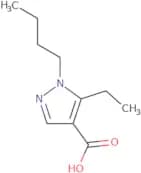
CAS:Versatile small molecule scaffoldFormula:C8H8F4N2OPurity:Min. 95%Molecular weight:224.16 g/mol1-Butyl-5-ethyl-1H-pyrazole-4-carboxylic acid
CAS:Versatile small molecule scaffoldFormula:C10H16N2O2Purity:Min. 95%Molecular weight:196.25 g/mol[4-(4-Fluorophenoxy)pyridin-2-yl]methanamine
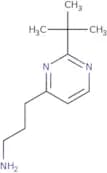
CAS:<p>Versatile small molecule scaffold</p>Formula:C12H11FN2OPurity:Min. 95%Molecular weight:218.23 g/mol3-(2-tert-Butylpyrimidin-4-yl)propan-1-amine
CAS:<p>Versatile small molecule scaffold</p>Formula:C11H19N3Purity:Min. 95%Molecular weight:193.29 g/mol4-Chloro-2-cyanophenylsulfonyl Chloride
CAS:<p>Versatile small molecule scaffold</p>Formula:C7H3NO2SCl2Purity:Min. 95%Molecular weight:236.07 g/mol2-[(Difluoromethyl)sulfanyl]phenol
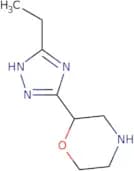
CAS:<p>Versatile small molecule scaffold</p>Formula:C7H6F2OSPurity:Min. 95%Molecular weight:176.19 g/mol2-(3-Ethyl-1H-1,2,4-triazol-5-yl)morpholine
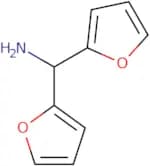
CAS:<p>Versatile small molecule scaffold</p>Formula:C8H14N4OPurity:Min. 95%Molecular weight:182.22 g/mol1,1-Di-2-furylmethanamine
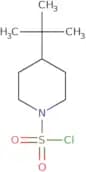
CAS:<p>Versatile small molecule scaffold</p>Formula:C9H9NO2Purity:Min. 95%Molecular weight:163.17 g/mol4-tert-Butylpiperidine-1-sulfonyl chloride
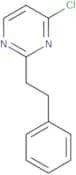
CAS:Versatile small molecule scaffoldFormula:C9H18ClNO2SPurity:Min. 95%Molecular weight:239.76 g/mol4-Chloro-2-(2-phenylethyl)pyrimidine
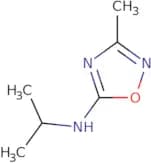
CAS:<p>Versatile small molecule scaffold</p>Formula:C12H11ClN2Purity:Min. 95%Molecular weight:218.68 g/mol3-Methyl-N-(propan-2-yl)-1,2,4-oxadiazol-5-amine
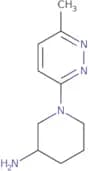
CAS:<p>Versatile small molecule scaffold</p>Formula:C6H11N3OPurity:Min. 95%Molecular weight:141.17 g/mol1-(6-Methylpyridazin-3-yl)piperidin-3-amine
CAS:Versatile small molecule scaffoldFormula:C10H16N4Purity:Min. 95%Molecular weight:192.26 g/mol3-(4-Methyl-1H-pyrazol-1-yl)benzoic acid
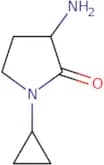
CAS:<p>Versatile small molecule scaffold</p>Formula:C11H10N2O2Purity:Min. 95%Molecular weight:202.21 g/mol3-Amino-1-cyclopropylpyrrolidin-2-one
CAS:<p>Versatile small molecule scaffold</p>Formula:C7H12N2OPurity:Min. 95%Molecular weight:140.18 g/molMethyl({1-[3-(pyridin-4-yl)phenyl]ethyl})amine
CAS:<p>Versatile small molecule scaffold</p>Formula:C14H16N2Purity:Min. 95%Molecular weight:212.29 g/mol3-[(4-Bromo-1H-pyrazol-1-yl)methyl]-5-propyl-1,2,4-oxadiazole
CAS:<p>Versatile small molecule scaffold</p>Formula:C9H11BrN4OPurity:Min. 95%Molecular weight:271.11 g/moltert-Butyl N-methyl-N-[(2-methyloxiran-2-yl)methyl]carbamate
CAS:Versatile small molecule scaffoldFormula:C10H19NO3Purity:Min. 95%Molecular weight:201.26 g/mol[2-Amino-1-(2-methylphenyl)propyl]dimethylamine
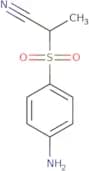
CAS:<p>Versatile small molecule scaffold</p>Formula:C12H20N2Purity:Min. 95%Molecular weight:192.3 g/mol2-(4-Aminobenzenesulfonyl)propanenitrile
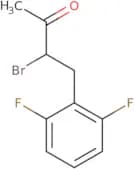
CAS:<p>Versatile small molecule scaffold</p>Formula:C9H10N2O2SPurity:Min. 95%Molecular weight:210.26 g/mol3-Bromo-4-(2,6-difluorophenyl)butan-2-one
CAS:<p>Versatile small molecule scaffold</p>Formula:C10H9BrF2OPurity:Min. 95%Molecular weight:263.08 g/molN-(2-Sulfamoylethyl)acetamide
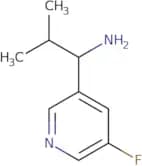
CAS:<p>Versatile small molecule scaffold</p>Formula:C4H10N2O3SPurity:Min. 95%Molecular weight:166.2 g/mol1-(5-Fluoropyridin-3-yl)-2-methylpropan-1-amine
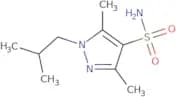
CAS:<p>Versatile small molecule scaffold</p>Formula:C9H13FN2Purity:Min. 95%Molecular weight:168.21 g/mol3,5-Dimethyl-1-(2-methylpropyl)-1H-pyrazole-4-sulfonamide
CAS:Versatile small molecule scaffoldFormula:C9H17N3O2SPurity:Min. 95%Molecular weight:231.32 g/mol

![2-{[4-(Propan-2-yloxy)phenyl]formamido}acetic acid](/_next/image/?url=https%3A%2Fstatic.cymitquimica.com%2Fproducts%2F3D%2Fthumb-webp%2FBCA22054.webp&w=3840&q=75)
![[4-(Prop-2-yn-1-yl)phenyl]methanol](/_next/image/?url=https%3A%2Fstatic.cymitquimica.com%2Fproducts%2F3D%2Fthumb-webp%2FBCA17648.webp&w=3840&q=75)



![3-{[Methyl(1,3-thiazol-4-ylmethyl)amino]methyl}aniline](/_next/image/?url=https%3A%2Fstatic.cymitquimica.com%2Fproducts%2F3D%2Fthumb-webp%2FBAC20006.webp&w=3840&q=75)
![2-[(2-Methoxyphenyl)methyl]cyclopentan-1-ol](/_next/image/?url=https%3A%2Fstatic.cymitquimica.com%2Fproducts%2F3D%2Fthumb-webp%2FBAC19992.webp&w=3840&q=75)



![[1-(6-Chloropyrimidin-4-yl)pyrrolidin-2-yl]methanol](/_next/image/?url=https%3A%2Fstatic.cymitquimica.com%2Fproducts%2F3D%2Fthumb-webp%2FBAC14677.webp&w=3840&q=75)

![3-[(2,4-Difluorophenyl)sulfanyl]piperidine](/_next/image/?url=https%3A%2Fstatic.cymitquimica.com%2Fproducts%2F3D%2Fthumb-webp%2FBAC14450.webp&w=3840&q=75)
![{[2-(Methylcarbamoyl)ethyl]carbamoyl}formic acid](/_next/image/?url=https%3A%2Fstatic.cymitquimica.com%2Fproducts%2F3D%2Fthumb-webp%2FBAC13813.webp&w=3840&q=75)
![2-[(4-Aminopyridin-2-yl)oxy]ethan-1-ol](/_next/image/?url=https%3A%2Fstatic.cymitquimica.com%2Fproducts%2F3D%2Fthumb-webp%2FBAC13177.webp&w=3840&q=75)
![[2-(4-Chloro-1H-pyrazol-1-yl)-6-methylpyridin-3-yl]methanamine](/_next/image/?url=https%3A%2Fstatic.cymitquimica.com%2Fproducts%2F3D%2Fthumb-webp%2FBAC11888.webp&w=3840&q=75)
![1H-Pyrazolo[3,4-b]pyridine-6-carboxylic acid](/_next/image/?url=https%3A%2Fstatic.cymitquimica.com%2Fproducts%2F3D%2Fthumb-webp%2FBAC11124.webp&w=3840&q=75)



![1-[1-(3-Ethyl-1,2,4-oxadiazol-5-yl)ethyl]piperazine](/_next/image/?url=https%3A%2Fstatic.cymitquimica.com%2Fproducts%2F3D%2Fthumb-webp%2FBAC10102.webp&w=3840&q=75)
![N-Methyl-1-[(3-methyl-1,2-oxazol-5-yl)methyl]piperidin-4-amine](/_next/image/?url=https%3A%2Fstatic.cymitquimica.com%2Fproducts%2F3D%2Fthumb-webp%2FBAC09946.webp&w=3840&q=75)
![[4-(4-Fluorophenoxy)pyridin-2-yl]methanamine](/_next/image/?url=https%3A%2Fstatic.cymitquimica.com%2Fproducts%2F3D%2Fthumb-webp%2FBAC08808.webp&w=3840&q=75)

![2-[(Difluoromethyl)sulfanyl]phenol](/_next/image/?url=https%3A%2Fstatic.cymitquimica.com%2Fproducts%2F3D%2Fthumb-webp%2FBAC08472.webp&w=3840&q=75)

![Methyl({1-[3-(pyridin-4-yl)phenyl]ethyl})amine](/_next/image/?url=https%3A%2Fstatic.cymitquimica.com%2Fproducts%2F3D%2Fthumb-webp%2FBAC06101.webp&w=3840&q=75)
![3-[(4-Bromo-1H-pyrazol-1-yl)methyl]-5-propyl-1,2,4-oxadiazole](/_next/image/?url=https%3A%2Fstatic.cymitquimica.com%2Fproducts%2F3D%2Fthumb-webp%2FBAC04876.webp&w=3840&q=75)
![tert-Butyl N-methyl-N-[(2-methyloxiran-2-yl)methyl]carbamate](/_next/image/?url=https%3A%2Fstatic.cymitquimica.com%2Fproducts%2F3D%2Fthumb-webp%2FBAC04731.webp&w=3840&q=75)
![[2-Amino-1-(2-methylphenyl)propyl]dimethylamine](/_next/image/?url=https%3A%2Fstatic.cymitquimica.com%2Fproducts%2F3D%2Fthumb-webp%2FBAC04257.webp&w=3840&q=75)