Building Blocks
This section contains fundamental products for the synthesis of organic and biological compounds. Building blocks are the essential starting materials used to construct complex molecules through various chemical reactions. They play a critical role in drug discovery, material science, and chemical research. At CymitQuimica, we offer a diverse range of high-quality building blocks to support your innovative research and industrial projects, ensuring you have the essential components for successful synthesis.
Subcategories of "Building Blocks"
- Boronic Acids & Boronic Acid Derivatives(5,756 products)
- Chiral Building Blocks(1,242 products)
- Hydrocarbon Building Blocks(6,095 products)
- Organic Building Blocks(61,055 products)
Found 199650 products of "Building Blocks"
Sort by
Purity (%)
0
100
|
0
|
50
|
90
|
95
|
100
1H-Imidazo[4,5-F]quinoline
CAS:<p>1H-Imidazo[4,5-F]quinoline is an antimicrobial agent that inhibits the growth of cells by binding to the benzodiazepine site on the GABA receptor in mammalian cells. The drug binds to this site and prevents the influx of chloride ions into the cell, which results in a decrease in the membrane potential. This leads to cell death by apoptosis. 1H-Imidazo[4,5-F]quinoline has been shown to be active against many different types of bacteria, including candida glabrata, virus and anions. 1H-Imidazo[4,5-F]quinoline has been used as a fluorescent probe for detection methods such as spectroscopy and x-ray crystallography.</p>Formula:C10H7N3Purity:Min. 95%Molecular weight:169.18 g/molBenzo[h]quinoline
CAS:<p>Benzo[h]quinoline is a type of aromatic compound that forms stable complexes with protonated nitrogen atoms. The hydrogen bond between the benzo[h]quinoline and protonated nitrogen atom is a significant factor in the stability of these complexes. Benzo[h]quinoline also has cytotoxic properties, as observed by its significant cytotoxicity to cancer cells in the WST-1 assay. It has been shown to bind to proteins, such as DNA polymerase β and topoisomerase II, through an intramolecular hydrogen bond. The macrocyclic structure of benzo[h]quinoline allows it to be highly soluble in organic solvents, such as trifluoroacetic acid. The kinetic energy required for this complexation is significantly less than that required for other types of compounds with similar structures.</p>Formula:C13H9NPurity:Min. 95%Molecular weight:179.22 g/mol1-Oxaspiro[2.6]nonane
CAS:<p>Versatile small molecule scaffold</p>Formula:C8H14OPurity:Min. 95%Molecular weight:126.2 g/mol1-Oxa-6-thiaspiro[2.5]octane
CAS:<p>Versatile small molecule scaffold</p>Formula:C6H10OSPurity:Min. 95%Molecular weight:130.21 g/mol1-Oxaspiro[2.5]octane
CAS:<p>1-Oxaspiro[2.5]octane is a cyclohexane ring that has been found to be a potent immunosuppressive agent. It has been shown to suppress the immune system by inhibiting the production of lymphocytes and neutrophils, which are necessary for fighting infection. 1-Oxaspiro[2.5]octane has also been shown to have anti-cancer properties and can be used as an adjuvant in cancer treatment. This drug can be used in microcapsules or as an ingredient in pharmaceutical preparations such as polyvalent vaccines, which stimulate active immunity against various infectious agents. The mechanism of action by which this drug exerts its immunosuppressive effects is not well understood but may be due to its ability to inhibit calcium metabolism in cells.</p>Formula:C7H12OPurity:Min. 95%Molecular weight:112.17 g/mol7-Azaspiro[4.6]undecane
CAS:<p>Versatile small molecule scaffold</p>Formula:C10H19NPurity:Min. 95%Molecular weight:153.26 g/mol4-Oxa-1-azaspiro[5.5]undecane
CAS:<p>Versatile small molecule scaffold</p>Formula:C9H17NOPurity:Min. 95%Molecular weight:155.24 g/mol1,4-Diazaspiro[5.5]undecane
CAS:<p>Versatile small molecule scaffold</p>Formula:C9H18N2Purity:Min. 95%Molecular weight:154.25 g/mol2,8-Diazaspiro[5.5]undecane
CAS:<p>Versatile small molecule scaffold</p>Formula:C9H18N2Purity:Min. 95%Molecular weight:154.25 g/mol2-Azaspiro[5.5]undecane
CAS:<p>2-Azaspiro[5.5]undecane is a perchlorate amide, which is a quinoline derivative. It has been used in the synthesis of spirocyclic compounds and yields high yields, including carbon-carbon bonds. 2-Azaspiro[5.5]undecane can be used in the synthesis of aliphatic alcohols and formaldehyde, which is also a chemical known as an aliphatic or an alcohol. 2-Azaspiro[5.5]undecane can also be used in the synthesis of phthalimide and 2-naphthylamine, both of which are organic compounds that belong to the class of aliphatic amines.</p>Formula:C10H19NPurity:Min. 95%Molecular weight:153.26 g/mol6,9-Diazaspiro[4.5]decane
CAS:<p>Versatile small molecule scaffold</p>Formula:C8H16N2Purity:Min. 95%Molecular weight:140.23 g/mol6-Azaspiro[4.5]decane
CAS:<p>6-Azaspiro[4.5]decane is a diastereomer that has been synthesized using ring-opening and alkylation reactions. It is a natural product that can be found in the plant Lactuca virosa and the fungus Claviceps purpurea. 6-Azaspiro[4.5]decane is also used as a monomer to produce polymers with high thermal stability, such as ethynylated polyesters and cyclobutanones. This compound was first discovered by Halichlorine, who synthesized it from fatty acids and monomers containing cyclobutanone.</p>Formula:C9H17NPurity:Min. 95%Molecular weight:139.24 g/mol1-Thia-4-azaspiro[4.5]decane
CAS:<p>1-Thia-4-azaspiro[4.5]decane is a small molecule that inhibits the growth of cancer cells by blocking the synthesis of glycoproteins. It is a potent inhibitor of glycosylation in human liver and prostate cells, and has been shown to have anticancer activity against hepatocellular carcinoma, human colorectal cancer, and prostate adenocarcinoma cell lines. 1-Thia-4-azaspiro[4.5]decane acetylates proteins at lysine residues, which may lead to carcinogenic effects in humans.</p>Formula:C8H15NSPurity:Min. 95%Molecular weight:157.28 g/mol1-Azaspiro[4.5]decane
CAS:<p>1-Azaspiro[4.5]decane is a compound that contains an azaspiro[4.5]decane skeleton with a formyloxy group at the 1 position and a hydroxyamine group at the 3 position. It has been shown to be an efficient method for the synthesis of peptidomimetics, which are compounds that have a peptide-like structure but are not peptides in the strict sense. The tricycle of 1-azaspiro[4.5]decane is formed through a hydrochloride salt, which is generated by hydrolysis of 1-azaspiro[4.5]decane with hydrochloric acid and then reduced with lithium aluminium hydride, or through reduction with hydrogen over palladium on charcoal in acetic acid. Hydroxyamination of 1-azaspiro[4.5]decane can be accomplished under basic conditions by treatment with ammonia and ethyl acetate, followed by hydro</p>Formula:C9H17NPurity:Min. 95%Molecular weight:139.24 g/mol2,8-Diazaspiro[4.5]decane
CAS:<p>2,8-Diazaspiro[4.5]decane is a competitive antagonist of the receptor α-adrenergic. It has been shown to significantly activate ATP-binding cassette transporter proteins in bone cells and increase bone mass. 2,8-Diazaspiro[4.5]decane is also an enantiomer that can be used for the treatment of cancer, as well as other diseases such as depression and anxiety. The pharmacokinetic properties of this drug have been studied in rats and mice with significant concentration levels achieved in plasma after 1 hour. The half-life of 2,8-Diazaspiro[4.5]decane is 3 hours and it is metabolized by hydrolysis by carboxylesterase or hydroxylase enzymes to form an inactive compound.</p>Formula:C8H16N2Purity:Min. 95%Molecular weight:140.23 g/mol8-Aza-spiro[4.5]decane
CAS:<p>8-Aza-spiro[4.5]decane is an amide and organometallic compound that has been shown to have anti-inflammatory properties, as well as being useful in the treatment of inflammatory pain. It binds to the urothelium, which is the lining of the bladder and urinary tract, or to cells in the intestinal lumen, leading to a reduction in inflammation. 8-Aza-spiro[4.5]decane also has been shown to be effective in treating depression, due to its ability to bind with serotonin receptors. This drug has fluorine in its structure which can cause alzheimer's disease or other neurodegenerative disorders when combined with organic acids such as fatty acid.</p>Formula:C9H17NPurity:Min. 95%Molecular weight:139.24 g/mol1,4-Dioxa-7-azaspiro[4.4]nonane
CAS:<p>1,4-Dioxa-7-azaspiro[4.4]nonane is a replication inhibitor that has been shown to be active against hepatitis C virus (HCV) genotype 1b. It has potent antiviral activity and is selective for HCV RNA polymerase over host cell RNA polymerase. High doses of this drug are required for inhibition of HCV replication. The safety data from clinical trials on 1,4-dioxa-7-azaspiro[4.4]nonane have not been reported yet. This compound interacts with many other drugs and may affect their pharmacokinetics. The potency of this compound is high, but it also has low solubility in water and can only be administered intravenously or by inhalation.</p>Formula:C6H11NO2Purity:Min. 95%Molecular weight:129.16 g/mol1-Azaspiro[4.4]nonane
CAS:<p>1-Azaspiro[4.4]nonane is a metalloproteinase inhibitor that has been shown to inhibit gelatinase activity in an enzymatic assay. It has a stereoselective, asymmetric synthesis and is structurally similar to the skeleton of cephalotaxus. This compound inhibits matrix metalloproteinases (MMPs) that are involved in tumor invasion and metastasis. The compound has also been shown to reduce SKOV3 cell proliferation rates by inhibiting MMP-9 activity. 1-Azaspiro[4.4]nonane yields have been found to be high with a good level of inhibition activity against MMPs.</p>Formula:C8H15NPurity:Min. 95%Molecular weight:125.21 g/mol1',2'-Dihydrospiro[cyclopropane-1,3'-indole]
CAS:<p>Versatile small molecule scaffold</p>Formula:C10H11NPurity:Min. 95%Molecular weight:145.2 g/mol(Methanesulfonyloxy)methyl methanesulfonate
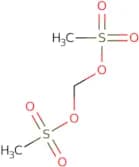
CAS:<p>Methanesulfonyloxy)methyl methanesulfonate is a drug that inhibits the polymerase chain reaction. It has been shown to inhibit HIV infection in human macrophages, and has been used for the treatment of adrenocortical carcinoma and diabetic patients with high blood sugar levels. Methanesulfonyloxy)methyl methanesulfonate is a competitive inhibitor of DNA binding activity in the presence of an excess of dNTPs, and it binds to the 3'-terminal region on the template strand. This inhibition leads to arrest of RNA synthesis at this point. This drug also binds to toll-like receptors, which are present on many types of cells, and may have biological properties that could be beneficial in infectious diseases as well as atherosclerotic cardiovascular disease or solid tumours.</p>Formula:C3H8O6S2Purity:Min. 95%Molecular weight:204.2 g/mol2,6-Dioxo-1,3-diazinane-4-carboxylic acid
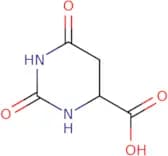
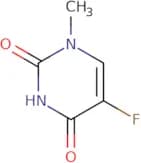
CAS:<p>2,6-Dioxo-1,3-diazinane-4-carboxylic acid is a natural compound that has been shown to have clinical relevance in the treatment of autoimmune diseases, such as type I diabetes. This compound is an inhibitor of xanthine oxidase and dihydroorotate dehydrogenase and has been shown to inhibit the activity of these enzymes in vitro. 2,6-Dioxo-1,3-diazinane-4-carboxylic acid may be administered to patients with type I diabetes to improve their energy metabolism and reduce oxidative stress levels. The pharmacokinetic properties of this molecule are still being investigated.</p>Formula:C5H6N2O4Purity:Min. 95%Molecular weight:158.11 g/mol5-Fluoro-1-methyl-1,2,3,4-tetrahydropyrimidine-2,4-dione
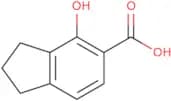
CAS:<p>5-Fluoro-1-methyl-1,2,3,4-tetrahydropyrimidine-2,4-dione (5FTPD) is a palladium complex that is a member of Group P2. The 5FTPD molecule has a cavity which is able to bind to protons and other molecules. The protonated form of 5FTPD can be oxidized by the fluorine atom to give the corresponding fluoroquinolone compound. 5FTPD has been shown to interact with methyl derivatives such as trimethylsilyl chloride and trimethylchlorosilane. There are two tautomers found in the molecule: cis and trans. The cis form of 5FTPD has been shown to have biological function as it can inhibit DNA synthesis in bacteria and act as an antiinflammatory agent.</p>Formula:C5H5FN2O2Purity:Min. 95%Molecular weight:144.1 g/mol4-Hydroxy-2,3-dihydro-1H-indene-5-carboxylic acid
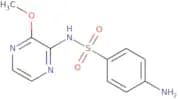
CAS:<p>Versatile small molecule scaffold</p>Formula:C10H10O3Purity:Min. 95%Molecular weight:178.18 g/molSulfalene (SMPZ)
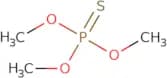
CAS:<p>Sulfalene (SMPZ) is a sulfa drug that inhibits the ATP-binding cassette transporter, which is important for the absorption of glucose and amino acids. Sulfalene has been shown to cause acute toxicities in the liver, kidney, and gastrointestinal tract. It also inhibits microbial growth by binding to bacterial ribosomes and preventing protein synthesis. Sulfalene has been shown to have activity against certain bacteria, such as Escherichia coli, Klebsiella pneumoniae, Pseudomonas aeruginosa, and Enterobacter cloacae. Sulfalene's effects on human intestinal flora are unclear due to its toxicity. However, it has been shown to increase bifidobacteria levels in rats fed with a high-fat diet.</p>Formula:C11H12N4O3SPurity:Min. 95%Molecular weight:280.3 g/molTrimethyl thiophosphate
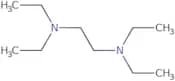
CAS:<p>Trimethyl thiophosphate is a white solid that is soluble in organic solvents. It is used as an intermediate in the production of pesticides and other industrial chemicals, such as phosphites and thiophosphates. Trimethyl thiophosphate can be synthesized by reacting phosphorus pentasulfide with trimethylamine. The reaction products are trimethyl phosphate, dimethyl phosphite, and sulfuryl chloride. Trimethyl thiophosphate has been shown to cause kidney fibrosis in mice when it was injected into the kidney at a dose of 3 mg/kg body weight. This chemical also may have some protective effects against metal surface corrosion due to its ability to form a protective film on the metal surface.</p>Formula:C3H9O3PSPurity:Min. 95%Molecular weight:156.14 g/molN,N,N',N'-Tetraethylethylenediamine
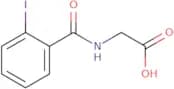
CAS:<p>N,N,N',N'-Tetraethylethylenediamine is a chemical compound that is used in the production of polyurethane. It can be synthesized from ethylenediamine by reaction with a trialkyl orthoformate and an acid catalyst. This chemical has a hydroxyl group and two asymmetric nitrogen atoms. The steric interactions between the hydrogen atom on the nitrogen atom and the three methyl groups on one carbon atom are responsible for its kinetic data. Tetraethylethylenediamine has been shown to react with copper complexes to form new palladium complexes. These reactions are catalyzed by serine proteases such as subtilisin and pepsin. N,N,N',N'-Tetraethylethylenediamine is also used as a cross-linking agent in polyurethanes. Cross-linked polyurethanes have improved mechanical properties and resistance to abrasion compared</p>Formula:C10H24N2Purity:Min. 95%Molecular weight:172.32 g/mol2-Iodohippuric acid
CAS:<p>2-Iodohippuric acid (2HPA) is a diagnostic agent that is used to measure the renal function of patients with chronic kidney disease. It is a radionuclide that is taken up by the renal tubules and excreted in the urine. 2HPA has been shown to be effective in diagnosing acute renal injury and chronic kidney disease, as well as estimating the glomerular filtration rate (GFR). This drug binds to metals such as cadmium, mercury, lead, and nickel and can be used for the treatment of metal poisoning. 2HPA has been shown to have a pharmacokinetic profile that includes a rapid uptake phase followed by an elimination phase with a half-life of approximately 9 hours.</p>Formula:IC6H4CONHCH2CO2HPurity:Min. 95%Molecular weight:305.07 g/molTriethylene glycol monobutyl ether
CAS:<p>Triethylene glycol monobutyl ether is a glycol ether that is used as an additive in paint, plastics, and textile manufacturing. It reacts with sodium carbonate to form particles in the aqueous phase. The particle size and the hydroxyl group content can be modified by changing the reaction conditions such as pH or temperature. This product has been shown to have antimicrobial activity against infectious diseases and can be used as a preservative for vaccines. Triethylene glycol monobutyl ether reacts with water molecules to form hydrogen peroxide, which damages bacterial DNA and inhibits growth of microorganisms.</p>Formula:C10H22O4Purity:Min. 98 Area-%Color and Shape:Clear LiquidMolecular weight:206.28 g/molDihexylamine
CAS:<p>Dihexylamine is a chemical compound that can be synthesized from hydrochloric acid and sodium salt. It is an aminotransferase inhibitor, which means it inhibits the enzyme that catalyzes the conversion of amino acids to amines. Dihexylamine is used as a cationic surfactant in products such as laundry detergents and dishwashing liquid because it has been shown to be effective at removing protein stains. It also has a water-repellent effect, which makes it useful for cleaning surfaces like glass and metal. Dihexylamine has been shown to have kinetic data and chemical stability in acidic solutions with an optimum pH level of 2-3.</p>Formula:C12H27NPurity:Min. 95%Molecular weight:185.36 g/molN-[(Thiophen-2-yl)methyl]pyridin-2-amine
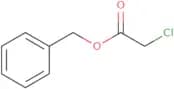
CAS:<p>Versatile small molecule scaffold</p>Formula:C10H10N2SPurity:Min. 95%Molecular weight:190.27 g/molBenzyl chloroacetate
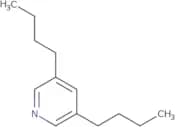
CAS:<p>Benzyl chloroacetate is a chemical compound that inhibits the activity of the enzyme acetylcholinesterase. It has been shown to be an effective inhibitor of this enzyme with a long duration of action in a model system. Benzyl chloroacetate is used as an antimicrobial agent and has been shown to inhibit microbial growth by inhibiting the synthesis of cell wall components, such as β-amino acids. It also inhibits heparin-induced thrombocytopenia by irreversibly inhibiting the enzyme acetylcholinesterase.</p>Formula:C9H9ClO2Purity:Min. 95%Molecular weight:184.62 g/mol3,5-Dibutylpyridine
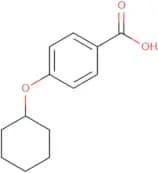
CAS:<p>Versatile small molecule scaffold</p>Formula:C13H21NPurity:Min. 95%Molecular weight:191.31 g/mol4-(Cyclohexyloxy)benzoic acid
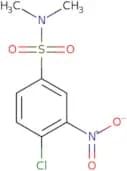
CAS:<p>4-(Cyclohexyloxy)benzoic acid is a cyclic compound that has been shown to have anticancer and anti-inflammatory properties. It can be found in the leaves of plants such as Salix alba, or it can be synthesized from propanamide. The structural formula of 4-(cyclohexyloxy)benzoic acid is C10H14O4. 4-(Cyclohexyloxy)benzoic acid has been shown to possess pharmacological properties, including analgesia, anti-inflammatory activity, inhibition of tumor growth and metastasis, and inhibition of prostate cancer. These effects are attributed to its ability to inhibit the production of prostaglandins by inhibiting cyclooxygenase enzymes. This compound has also been shown to have a high affinity for bone tissue and may be useful in the treatment of osteoarthritis.</p>Formula:C13H16O3Purity:Min. 95%Molecular weight:220.26 g/mol4-chloro-N,N-dimethyl-3-nitrobenzenesulfonamide
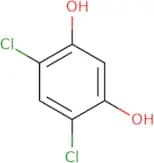
CAS:<p>Versatile small molecule scaffold</p>Formula:C8H9ClN2O4SPurity:Min. 95%Molecular weight:264.69 g/mol4,6-Dichlororesorcinol
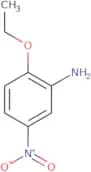
CAS:<p>4,6-Dichlororesorcinol is a chlorinated aromatic compound that is produced by the oxidation of 4,6-dichlorophenol. It has been shown to be a promising agent for wastewater treatment because it can reduce chlorinated organic compounds in the water and form stable complexes with them. 4,6-Dichlororesorcinol has been found to have an oxidation potential of 0.87 V (vs. NHE at pH 7) and a redox potential of -0.09 V vs. ferrocene/ferricenium (at pH 7). It is soluble in neutral pH solutions, but not in acidic or basic solutions. 4,6-Dichlororesorcinol also shows optical properties that depend on its environment. When exposed to light with wavelength greater than 270 nm, it exhibits a yellow color; when exposed to light with wavelength less than 270 nm, it exhibits a green color. This property makes it useful for d</p>Formula:C6H4Cl2O2Purity:Min. 95%Molecular weight:179 g/mol2-Ethoxy-5-nitroaniline
CAS:<p>2-Ethoxy-5-nitroaniline is a surfactant and stabilizing additive that impregnates and stabilizes paper. It can be used in the production of water-based paints, and as an agent for the extraction of oils from seeds.</p>Formula:C8H10N2O3Purity:Min. 95%Molecular weight:182.18 g/molButyl benzoate
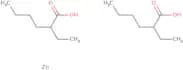
CAS:<p>Butyl benzoate is a glycol ester that is used as a chemical solvent and as a catalyst for chemical reactions. It has been shown to be an effective catalyst for the synthesis of polymers, such as polybutylene terephthalate (PBT), from the monomers butanediol and terephthalic acid. Butyl benzoate also has been used in the production of fatty acids and pharmaceuticals, such as warfarin. The activation energy for butyl benzoate is 10.5 kJ/mol, which is higher than the activation energy for water at 10.2 kJ/mol.</p>Formula:C11H14O2Purity:Min. 95%Molecular weight:178.23 g/molEthylhexanoic acid zinc
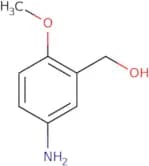
CAS:<p>Ethylhexanoic acid zinc salt is a viscosity-increasing agent that is used in the production of high-viscosity polymers. It is a carboxylate salt of ethyl hexanoic acid and zinc. The reaction of ethylhexane with zirconium oxide produces a viscous liquid with a strong cationic polymerization activity. This product reacts with diphenyl ether and aromatic hydrocarbons to form solid products. The reaction with calcium stearate, an ester of glycerol, results in the formation of particles that are insoluble in water but soluble in organic solvents. Ethylhexane also reacts with ethylene diamine to form methyl myristate, which has kinetic data available for it.</p>Formula:C16H30O4ZnPurity:Min. 95%Molecular weight:351.8 g/mol(5-Amino-2-methoxyphenyl)methanol
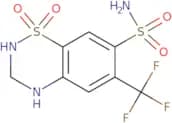
CAS:Versatile small molecule scaffoldFormula:C8H11NO2Purity:Min. 95%Molecular weight:153.18 g/molHydroflumethiazide
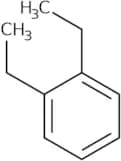
CAS:<p>Hydroflumethiazide is a diuretic drug that is used to treat high blood pressure, heart failure, and edema. It decreases the production of aqueous humor by the eye, thereby decreasing intraocular pressure. Hydroflumethiazide also inhibits sodium reabsorption in the loop of Henle and helps to control hypertension. The drug increases renal excretion of water and electrolytes, which can lead to dehydration. Hydroflumethiazide has been shown to have an adverse effect on cardiovascular function due to its ability to inhibit ATP channels in cardiac cells and interfere with glomerular filtration rate (GFR). It has also been found to increase matrix metalloproteinases (MMP) activity in inflammatory bowel disease patients.</p>Formula:C8H8F3N3O4S2Purity:Min. 95%Molecular weight:331.29 g/mol1,2-Diethylbenzene
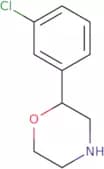
CAS:<p>1,2-Diethylbenzene is a trifluoroacetic acid derivative that is used as an acylation agent and a solid catalyst. 1,2-Diethylbenzene has been shown to increase the energy metabolism in cultured human cells. It also influences fatty acid synthesis and nmr spectra of plant families. 1,2-Diethylbenzene was found to be safe for use in sciatic nerve regeneration in Sprague-Dawley rats with axonopathy. This chemical can also be used as an analytical reagent for the separation of urine samples by liquid chromatography methods.</p>Formula:C10H14Purity:Min. 95%Molecular weight:134.22 g/mol2-(3-chlorophenyl)morpholine
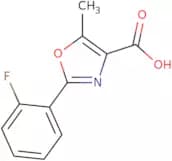
CAS:<p>Versatile small molecule scaffold</p>Formula:C10H12ClNOPurity:Min. 95%Molecular weight:197.66 g/mol2-(2-Fluorophenyl)-5-methyl-1,3-oxazole-4-carboxylic acid
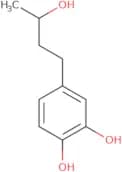
CAS:<p>Versatile small molecule scaffold</p>Formula:C11H8FNO3Purity:Min. 95%Molecular weight:221.18 g/mol4-(3-Hydroxybutyl)benzene-1,2-diol
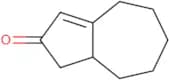
CAS:<p>Versatile small molecule scaffold</p>Formula:C10H14O3Purity:Min. 95%Molecular weight:182.22 g/mol1,2,4,5,6,7,8,8a-Octahydroazulen-2-one
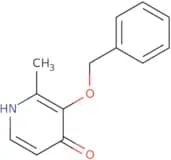
CAS:<p>Versatile small molecule scaffold</p>Formula:C10H14OPurity:Min. 95%Molecular weight:150.22 g/mol3-(Benzyloxy)-2-methyl-4(1H)-pyridinone
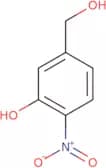
CAS:<p>Versatile small molecule scaffold</p>Formula:C13H13NO2Purity:Min. 95%Molecular weight:215.25 g/mol5-(Hydroxymethyl)-2-nitrophenol
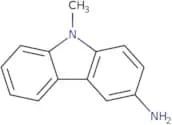
CAS:<p>5-(Hydroxymethyl)-2-nitrophenol (5-HMNP) is a reactive intermediate in the catalytic mechanism of hydroxylation. 5-HMNP is produced by the reaction of an epoxide with a hydroxyl group. The isotope effect has been shown to be due to resonance stabilization, which stabilizes the molecule and prevents it from reacting further. 5-HMNP reacts with chloride ions to form phenols, which have been shown to have antioxidant properties.</p>Formula:C7H7NO4Purity:Min. 95%Molecular weight:169.14 g/mol9-Methyl-9H-carbazol-3-amine
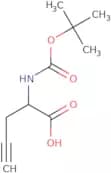
CAS:<p>9-Methyl-9H-carbazol-3-amine is a synthetic amine that has been shown to have cytotoxic activity against human cancer cells in vitro. It inhibits the growth of cancer cells by binding to DNA and RNA. 9-Methyl-9H-carbazol-3-amine has been shown to be a fluorescent compound, with excitation and emission maxima at 337 nm and 438 nm, respectively. The fluorescence properties of 9-methyl-9H carbazole 3 amine are pH dependent, with maximal emission occurring at pH 5.5. 9MCCA is soluble in water and dodecyl alcohol but insoluble in organic solvents such as benzene or chloroform. It also has been found to have gel permeation chromatography (GPC) retention times of about 1 hour and a polyvinylpyrrolidone (PVP) molecular weight of about 40,000 daltons.</p>Formula:C13H12N2Purity:Min. 95%Molecular weight:196.25 g/mol2-(Boc-amino)-4-pentynoic acid
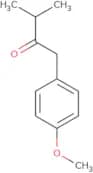
CAS:<p>Versatile small molecule scaffold</p>Formula:C10H15NO4Purity:Min. 95%Molecular weight:213.23 g/mol1-(4-Methoxyphenyl)-3-methylbutan-2-one
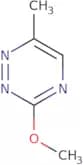
CAS:<p>Versatile small molecule scaffold</p>Formula:C12H16O2Purity:Min. 95%Molecular weight:192.25 g/mol3-Methoxy-6-methyl-1,2,4-triazine
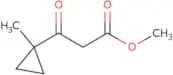
CAS:<p>Versatile small molecule scaffold</p>Formula:C5H7N3OPurity:Min. 95%Molecular weight:125.13 g/molMethyl 3-(1-methylcyclopropyl)-3-oxopropanoate
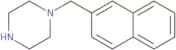
CAS:<p>Versatile small molecule scaffold</p>Formula:C8H12O3Purity:Min. 95%Molecular weight:156.18 g/mol1-(Naphthalen-2-ylmethyl)piperazine
CAS:<p>Versatile small molecule scaffold</p>Formula:C15H18N2Purity:Min. 95%Molecular weight:226.32 g/mol4H,5H,6H,7H,8H-Furo[3,2-c]azepin-4-one
CAS:<p>Versatile small molecule scaffold</p>Formula:C8H9NO2Purity:Min. 95%Molecular weight:151.16 g/mol1-(Bromomethyl)bicyclo[2.2.1]heptane
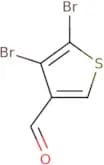
CAS:<p>Versatile small molecule scaffold</p>Formula:C8H13BrPurity:Min. 95%Molecular weight:189.09 g/mol4,5-Dibromothiophene-3-carbaldehyde
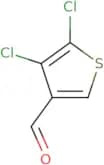
CAS:<p>Versatile small molecule scaffold</p>Formula:C5H2Br2OSPurity:Min. 95%Molecular weight:269.94 g/mol4,5-Dichlorothiophene-3-carbaldehyde
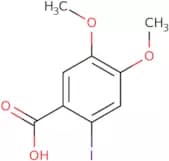
CAS:<p>Versatile small molecule scaffold</p>Formula:C5H2Cl2OSPurity:Min. 95%Molecular weight:181.04 g/mol4,5-Dimethoxy-2-iodobenzoic acid
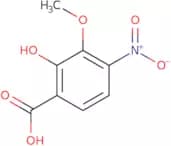
CAS:<p>4,5-Dimethoxy-2-iodobenzoic acid is a diazo compound that belongs to the class of aryl ethyl compounds. It is an efficient method for the synthesis of unsymmetrical aryl ethyl compounds. This compound has been shown to have potent antitumor activity against experimental tumors in mice when given orally. 4,5-Dimethoxy-2-iodobenzoic acid inhibits tumor cell proliferation by blocking DNA synthesis and transcription. It also binds to receptor protein kinase C, which may be responsible for its antitumor activity.</p>Formula:C9H9IO4Purity:Min. 95%Molecular weight:308.07 g/mol2-Hydroxy-3-methoxy-4-nitrobenzoic acid
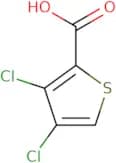
CAS:<p>Versatile small molecule scaffold</p>Formula:C8H7NO6Purity:Min. 95%Molecular weight:213.14 g/mol3,4-Dichlorothiophene-2-carboxylic acid
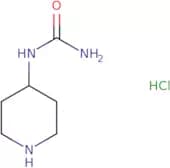
CAS:<p>Versatile small molecule scaffold</p>Formula:C5H2Cl2O2SPurity:Min. 95%Molecular weight:197.04 g/mol(Piperidin-4-yl)urea
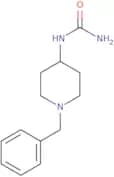
CAS:<p>Versatile small molecule scaffold</p>Formula:C6H14ClN3OPurity:Min. 95%Molecular weight:179.65 g/mol(1-Benzylpiperidin-4-yl)urea
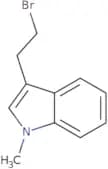
CAS:<p>Versatile small molecule scaffold</p>Formula:C13H19N3OPurity:Min. 95%Molecular weight:233.31 g/mol3-(2-Bromoethyl)-1-methyl-1H-indole
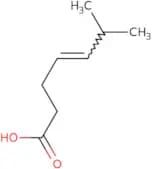
CAS:Controlled Product<p>Versatile small molecule scaffold</p>Formula:C11H12BrNPurity:Min. 95%Molecular weight:238.12 g/mol(4E)-6-Methylhept-4-enoic acid
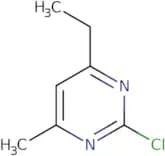
CAS:<p>Versatile small molecule scaffold</p>Formula:C8H14O2Purity:Min. 95%Molecular weight:142.2 g/mol2-Chloro-4-ethyl-6-methylpyrimidine
CAS:<p>Versatile small molecule scaffold</p>Formula:C7H9ClN2Purity:Min. 95%Molecular weight:156.61 g/mol1-{[1,1'-Biphenyl]-2-yl}-2-bromoethan-1-one
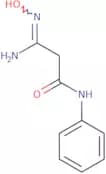
CAS:<p>Versatile small molecule scaffold</p>Formula:C14H11BrOPurity:Min. 95%Molecular weight:275.14 g/mol2-(N'-Hydroxycarbamimidoyl)-N-phenylacetamide
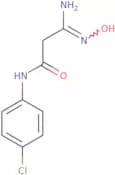
CAS:<p>Versatile small molecule scaffold</p>Formula:C9H11N3O2Purity:Min. 95%Molecular weight:193.2 g/molN-(4-Chlorophenyl)-2-(N'-hydroxycarbamimidoyl)acetamide
CAS:<p>Versatile small molecule scaffold</p>Formula:C9H10ClN3O2Purity:Min. 95%Molecular weight:227.65 g/molN-Benzyl-6-chlorobenzo[D]thiazol-2-amine
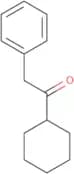
CAS:<p>Versatile small molecule scaffold</p>Formula:C14H11ClN2SPurity:Min. 95%Molecular weight:274.8 g/mol1-Cyclohexyl-2-phenyl-1-ethanone
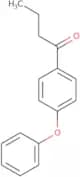
CAS:<p>1-Cyclohexyl-2-phenyl-1-ethanone is a serotonergic drug that belongs to the group of arylpiperazines. It has been shown to have therapeutic potential for the treatment of symptoms associated with depression, anxiety, and other mood disorders. 1-Cyclohexyl-2-phenyl-1-ethanone inhibits serotonin reuptake in the brain by binding to the serotonin transporter (SERT) and preventing it from recycling serotonin into the presynaptic neuron. This active form of 1-cyclohexyl-2-phenyl-1 -ethanone can be synthesized by reacting benzylamine derivatives with birefringent crystals in hydrochloric acid. The reaction products are then purified using inorganic acid and polymer film amines. 1C2PE also binds to and inhibits protein kinase C, which is involved in inflammatory processes.</p>Formula:C14H18OPurity:Min. 95%Molecular weight:202.29 g/mol1-(4-Phenoxyphenyl)butan-1-one
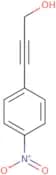
CAS:<p>Versatile small molecule scaffold</p>Formula:C16H16O2Purity:Min. 95%Molecular weight:240.3 g/mol3-(4-Nitrophenyl)prop-2-yn-1-ol
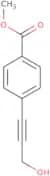
CAS:<p>Versatile small molecule scaffold</p>Formula:C9H7NO3Purity:Min. 95%Molecular weight:177.16 g/molMethyl 4-(3-hydroxyprop-1-ynyl)benzoate
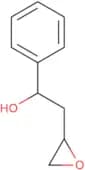
CAS:<p>Versatile small molecule scaffold</p>Formula:C11H10O3Purity:Min. 95%Molecular weight:190.19 g/mol2-(Oxiran-2-yl)-1-phenylethan-1-ol
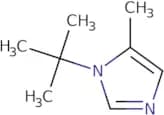
CAS:<p>Versatile small molecule scaffold</p>Formula:C10H12O2Purity:Min. 95%Molecular weight:164.2 g/mol1-tert-Butyl-5-methyl-1H-imidazole
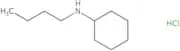
CAS:<p>Versatile small molecule scaffold</p>Formula:C8H14N2Purity:Min. 95%Molecular weight:138.21 g/molN-Butylcyclohexanamine hydrochloride
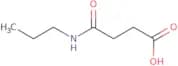
CAS:<p>Versatile small molecule scaffold</p>Formula:C10H22ClNPurity:Min. 95%Molecular weight:191.74 g/mol3-(Propylcarbamoyl)propanoic acid
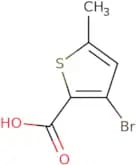
CAS:<p>Versatile small molecule scaffold</p>Formula:C7H13NO3Purity:Min. 95%Molecular weight:159.18 g/mol3-bromo-5-methylthiophene-2-carboxylic acid
CAS:<p>3-Bromo-5-methylthiophene-2-carboxylic acid (3BMT) is a drug that inhibits the enzyme succinate dehydrogenase. Succinate dehydrogenase is an enzyme that catalyzes the conversion of succinate to fumarate in the citric acid cycle, which is a series of biochemical reactions in cellular respiration. 3BMT prevents the formation of acetyl coenzyme A, which is needed for the production of energy in cells. This drug also has a pyrrole moiety that can be oxidized by difluoromethylating it and then reacting with pyrrole to form 2,4-dichloropyrimidine. 3BMT has been shown to inhibit carboxamides such as L-aspartate oxidase and glutamate decarboxylase.</p>Formula:C6H5BrO2SPurity:Min. 95%Molecular weight:221.1 g/molSpiro[bicyclo[3.2.0]heptane-2,1'-cyclopropan]-3-en-7-one
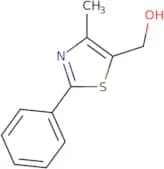
CAS:<p>Versatile small molecule scaffold</p>Formula:C9H10OPurity:Min. 95%Molecular weight:134.2 g/mol(4-Methyl-2-phenyl-1,3-thiazol-5-yl)methanol
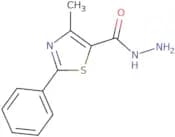
CAS:<p>Versatile small molecule scaffold</p>Formula:C11H11NOSPurity:Min. 95%Molecular weight:205.28 g/mol4-Methyl-2-phenylthiazole-5-carboxylic acid hydrazide
CAS:<p>4-Methyl-2-phenylthiazole-5-carboxylic acid hydrazide is a potent anticancer agent. It has been shown to inhibit the growth of cancer cells through inhibition of DNA synthesis and protein synthesis, as well as by inducing apoptosis. 4-Methyl-2-phenylthiazole-5-carboxylic acid hydrazide binds to the active site of DNA gyrase, an enzyme that maintains the integrity of bacterial DNA. This binding prevents the formation of an antibiotic-inhibitor complex with the enzyme cell wall synthesis that is required for cell wall biosynthesis, inhibiting protein synthesis and cell division. The antitumor activity was found to be mediated through interactions with pharmacological targets such as butanamide, phenacyl, dioxane, and chlorides. These drugs bind to pharmacophores on tumor cells and are able to penetrate into tumor cells more easily than other drugs. The potent anticancer</p>Formula:C11H11N3OSPurity:Min. 95%Molecular weight:233.29 g/mol2-[(1-Imidazolyl)methyl]aniline
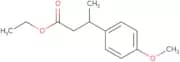
CAS:Versatile small molecule scaffoldFormula:C10H11N3Purity:Min. 95%Molecular weight:173.21 g/molEthyl 3-(4-methoxyphenyl)butanoate
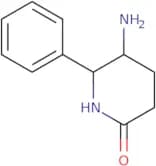
CAS:<p>Versatile small molecule scaffold</p>Formula:C13H18O3Purity:Min. 95%Molecular weight:222.28 g/molrac-(5R,6S)-5-Amino-6-phenylpiperidin-2-one
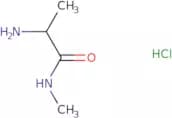
CAS:<p>Versatile small molecule scaffold</p>Formula:C11H14N2OPurity:Min. 95%Molecular weight:190.24 g/mol(2R)-2-Amino-N-methylpropanamide hydrochloride
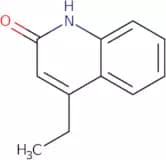
CAS:<p>Versatile small molecule scaffold</p>Formula:C4H11ClN2OPurity:Min. 95%Molecular weight:138.59 g/mol4-Ethyl-1,2-dihydroquinolin-2-one
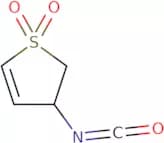
CAS:<p>Versatile small molecule scaffold</p>Formula:C11H11NOPurity:Min. 95%Molecular weight:173.21 g/mol3-Isocyanato-2,3-dihydrothiophene 1,1-dioxide
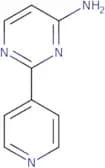
CAS:<p>Versatile small molecule scaffold</p>Formula:C5H5NO3SPurity:Min. 95%Molecular weight:159.17 g/mol2-(4-Pyridinyl)-4-pyrimidinamine
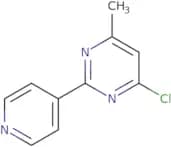
CAS:<p>Versatile small molecule scaffold</p>Formula:C9H8N4Purity:Min. 95%Molecular weight:172.19 g/mol4-Chloro-6-methyl-2-(pyridin-4-yl)pyrimidine
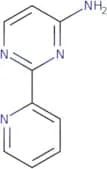
CAS:<p>Versatile small molecule scaffold</p>Formula:C10H8ClN3Purity:Min. 95%Molecular weight:205.64 g/mol2-(Pyridin-2-yl)pyrimidin-4-amine
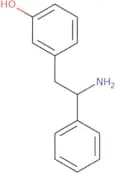
CAS:<p>2-(Pyridin-2-yl)pyrimidin-4-amine (PPPA) is an antimicrobial agent that is used in the treatment of bacterial infections. It binds to the chloride ion in the cell wall and prevents the formation of a functional pore, causing leakage of cellular contents. PPPA reacts with cyanamide to form 2-(pyridin-2-yl)pyrimidin-4(1H)-one (PPPOH), which is more reactive than PPPA. The reactivity of PPPOH causes damage to the cell's cytoplasmic membrane, leading to cell death. PPPA also reacts with nitro, alkynyl, and alkylaminoalkyl groups, as well as carboxy, cyano, and alkenyl groups on proteins and amino acids. PPPA hydrolyzes phenoxy and cyclohexane rings found in some antibiotics such as tetracycline.</p>Formula:C9H8N4Purity:Min. 95%Molecular weight:172.19 g/mol3-(2-Amino-2-phenylethyl)phenol
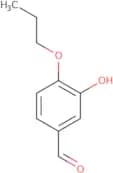
CAS:<p>Versatile small molecule scaffold</p>Formula:C14H15NOPurity:Min. 95%Molecular weight:213.27 g/mol3-Hydroxy-4-propoxybenzaldehyde
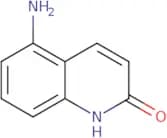
CAS:<p>3-Hydroxy-4-propoxybenzaldehyde is a metabolically stable inhibitor of the enzyme, phenylalanine 4-hydroxylase. 3HPA inhibits the production of phenolic compounds and reduces the risk of cancer. It has been shown to be potently active against human leukemia cells in vitro, but less active against other cell lines. 3HPA is also selective for tumor cells, which may be due to its ability to inhibit DNA synthesis by preventing the formation of n-substituted benzylamino compounds. 3HPA stabilizes DNA and RNA synthesis, which may help prevent tumor growth.</p>Formula:C10H12O3Purity:Min. 95%Molecular weight:180.2 g/mol5-Aminoquinolin-2(1H)-one
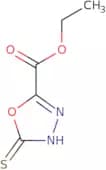
CAS:<p>5-Aminoquinolin-2(1H)-one is an antimicrobial agent that has been shown to have antibacterial activity against gram-positive and gram-negative organisms. The structure of 5-aminoquinolin-2(1H)-one is a carboxylic acid with a hydrogen atom on the alpha carbon, which gives it an alkylamino group and amino group. The tautomeric form of this compound is a quinolinate ester. 5-Aminoquinolin-2(1H)-one has been shown to be effective against drug resistant bacteria, such as Staphylococcus aureus, Streptococcus pneumoniae, and Pseudomonas aeruginosa. This drug also inhibits the growth of Mycobacterium tuberculosis at low concentrations.<br>5-Aminoquinolin-2(1H)-one may act by inhibiting the synthesis of proteins or DNA in cells by</p>Formula:C9H8N2OPurity:Min. 95%Molecular weight:160.17 g/molEthyl 5-sulfanyl-1,3,4-oxadiazole-2-carboxylate
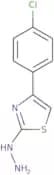
CAS:<p>Versatile small molecule scaffold</p>Formula:C5H6N2O3SPurity:Min. 95%Molecular weight:174.18 g/mol4-(4-Chlorophenyl)-2-hydrazino-1,3-thiazole
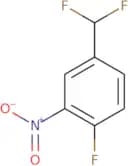
CAS:<p>Versatile small molecule scaffold</p>Formula:C9H8ClN3SPurity:Min. 95%Molecular weight:225.7 g/mol4-(Difluoromethyl)-1-fluoro-2-nitrobenzene
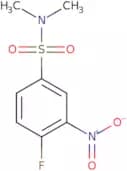
CAS:<p>Versatile small molecule scaffold</p>Formula:C7H4F3NO2Purity:Min. 95%Molecular weight:191.11 g/mol4-Fluoro-N,N-dimethyl-3-nitrobenzene-1-sulfonamide
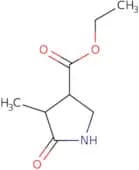
CAS:<p>Versatile small molecule scaffold</p>Formula:C8H9FN2O4SPurity:Min. 95%Molecular weight:248.23 g/molEthyl 4-methyl-5-oxopyrrolidine-3-carboxylate
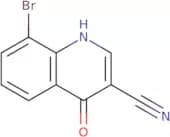
CAS:<p>Versatile small molecule scaffold</p>Formula:C8H13NO3Purity:Min. 95%Molecular weight:171.19 g/mol8-Bromo-4-hydroxyquinoline-3-carbonitrile
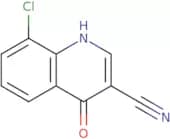
CAS:<p>Versatile small molecule scaffold</p>Formula:C10H5BrN2OPurity:Min. 95%Molecular weight:249.06 g/mol8-Chloro-4-hydroxyquinoline-3-carbonitrile
CAS:<p>Versatile small molecule scaffold</p>Formula:C10H5ClN2OPurity:Min. 95%Molecular weight:204.61 g/mol
![1H-Imidazo[4,5-F]quinoline](/_next/image/?url=https%3A%2Fstatic.cymitquimica.com%2Fproducts%2F3D%2Fthumb-webp%2FAAA23355.webp&w=3840&q=75)

![Benzo[h]quinoline](/_next/image/?url=https%3A%2Fstatic.cymitquimica.com%2Fproducts%2F3D%2Fthumb-webp%2FAAA23027.webp&w=3840&q=75)
![1-Oxaspiro[2.6]nonane](/_next/image/?url=https%3A%2Fstatic.cymitquimica.com%2Fproducts%2F3D%2Fthumb-webp%2FAAA18585.webp&w=3840&q=75)
![1-Oxa-6-thiaspiro[2.5]octane](/_next/image/?url=https%3A%2Fstatic.cymitquimica.com%2Fproducts%2F3D%2Fthumb-webp%2FAAA18573.webp&w=3840&q=75)
![1-Oxaspiro[2.5]octane](/_next/image/?url=https%3A%2Fstatic.cymitquimica.com%2Fproducts%2F3D%2Fthumb-webp%2FAAA18570.webp&w=3840&q=75)
![7-Azaspiro[4.6]undecane](/_next/image/?url=https%3A%2Fstatic.cymitquimica.com%2Fproducts%2F3D%2Fthumb-webp%2FAAA18413.webp&w=3840&q=75)
![4-Oxa-1-azaspiro[5.5]undecane](/_next/image/?url=https%3A%2Fstatic.cymitquimica.com%2Fproducts%2F3D%2Fthumb-webp%2FAAA18078.webp&w=3840&q=75)
![1,4-Diazaspiro[5.5]undecane](/_next/image/?url=https%3A%2Fstatic.cymitquimica.com%2Fproducts%2F3D%2Fthumb-webp%2FAAA18076.webp&w=3840&q=75)
![2,8-Diazaspiro[5.5]undecane](/_next/image/?url=https%3A%2Fstatic.cymitquimica.com%2Fproducts%2F3D%2Fthumb-webp%2FAAA18050.webp&w=3840&q=75)
![2-Azaspiro[5.5]undecane](/_next/image/?url=https%3A%2Fstatic.cymitquimica.com%2Fproducts%2F3D%2Fthumb-webp%2FAAA18048.webp&w=3840&q=75)
![6,9-Diazaspiro[4.5]decane](/_next/image/?url=https%3A%2Fstatic.cymitquimica.com%2Fproducts%2F3D%2Fthumb-webp%2FAAA17719.webp&w=3840&q=75)
![6-Azaspiro[4.5]decane](/_next/image/?url=https%3A%2Fstatic.cymitquimica.com%2Fproducts%2F3D%2Fthumb-webp%2FAAA17717.webp&w=3840&q=75)
![1-Thia-4-azaspiro[4.5]decane](/_next/image/?url=https%3A%2Fstatic.cymitquimica.com%2Fproducts%2F3D%2Fthumb-webp%2FAAA17707.webp&w=3840&q=75)
![1-Azaspiro[4.5]decane](/_next/image/?url=https%3A%2Fstatic.cymitquimica.com%2Fproducts%2F3D%2Fthumb-webp%2FAAA17680.webp&w=3840&q=75)
![2,8-Diazaspiro[4.5]decane](/_next/image/?url=https%3A%2Fstatic.cymitquimica.com%2Fproducts%2F3D%2Fthumb-webp%2FAAA17667.webp&w=3840&q=75)
![8-Aza-spiro[4.5]decane](/_next/image/?url=https%3A%2Fstatic.cymitquimica.com%2Fproducts%2F3D%2Fthumb-webp%2FAAA17664.webp&w=3840&q=75)
![1,4-Dioxa-7-azaspiro[4.4]nonane](/_next/image/?url=https%3A%2Fstatic.cymitquimica.com%2Fproducts%2F3D%2Fthumb-webp%2FAAA17633.webp&w=3840&q=75)
![1-Azaspiro[4.4]nonane](/_next/image/?url=https%3A%2Fstatic.cymitquimica.com%2Fproducts%2F3D%2Fthumb-webp%2FAAA17603.webp&w=3840&q=75)
![1',2'-Dihydrospiro[cyclopropane-1,3'-indole]](/_next/image/?url=https%3A%2Fstatic.cymitquimica.com%2Fproducts%2F3D%2Fthumb-webp%2FAAA17466.webp&w=3840&q=75)


![N-[(Thiophen-2-yl)methyl]pyridin-2-amine](/_next/image/?url=https%3A%2Fstatic.cymitquimica.com%2Fproducts%2F3D%2Fthumb-webp%2FAAA14019.webp&w=3840&q=75)

![4H,5H,6H,7H,8H-Furo[3,2-c]azepin-4-one](/_next/image/?url=https%3A%2Fstatic.cymitquimica.com%2Fproducts%2F3D%2Fthumb-webp%2FLCA19048.webp&w=3840&q=75)
![1-(Bromomethyl)bicyclo[2.2.1]heptane](/_next/image/?url=https%3A%2Fstatic.cymitquimica.com%2Fproducts%2F3D%2Fthumb-webp%2FLCA19217.webp&w=3840&q=75)
![1-{[1,1'-Biphenyl]-2-yl}-2-bromoethan-1-one](/_next/image/?url=https%3A%2Fstatic.cymitquimica.com%2Fproducts%2F3D%2Fthumb-webp%2FLCA23614.webp&w=3840&q=75)
![N-Benzyl-6-chlorobenzo[D]thiazol-2-amine](/_next/image/?url=https%3A%2Fstatic.cymitquimica.com%2Fproducts%2F3D%2Fthumb-webp%2FLCA24937.webp&w=3840&q=75)
![Spiro[bicyclo[3.2.0]heptane-2,1'-cyclopropan]-3-en-7-one](/_next/image/?url=https%3A%2Fstatic.cymitquimica.com%2Fproducts%2F3D%2Fthumb-webp%2FLCA28688.webp&w=3840&q=75)
![2-[(1-Imidazolyl)methyl]aniline](/_next/image/?url=https%3A%2Fstatic.cymitquimica.com%2Fproducts%2F3D%2Fthumb-webp%2FLCA29250.webp&w=3840&q=75)