


Building Blocks
This section contains fundamental products for the synthesis of organic and biological compounds. Building blocks are the essential starting materials used to construct complex molecules through various chemical reactions. They play a critical role in drug discovery, material science, and chemical research. At CymitQuimica, we offer a diverse range of high-quality building blocks to support your innovative research and industrial projects, ensuring you have the essential components for successful synthesis.
Subcategories of "Building Blocks"
- Boronic Acids & Boronic Acid Derivatives(5,778 products)
- Chiral Building Blocks(1,242 products)
- Hydrocarbon Building Blocks(6,098 products)
- Organic Building Blocks(61,034 products)
Found 199601 products of "Building Blocks"
Sort by
Purity (%)
0
100
|
0
|
50
|
90
|
95
|
100
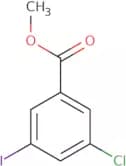
3-Chloro-5-iodobenzoic acid methyl ester
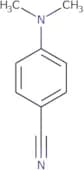
CAS:<p>3-Chloro-5-iodobenzoic acid methyl ester is a versatile building block that can be used to make many complex compounds, including research chemicals and reagents. 3-Chloro-5-iodobenzoic acid methyl ester is used as an intermediate for the production of speciality chemicals and has many uses in chemical reactions. This compound was previously sold under the CAS number 289039-85-6.</p>Formula:C8H6ClIO2Purity:Min. 95%Color and Shape:PowderMolecular weight:296.49 g/mol1-Cyano-4-(dimethylamino)benzene
CAS:<p>1-Cyano-4-(dimethylamino)benzene is a molecule that has been shown to inhibit the growth of hamster v79 cells. It also inhibits the synthesis of DNA and RNA. The binding constants for this molecule have been determined to be 1.0 x 10^9 M^-1, with an n-octanol/water partition coefficient (log P) of 5.5. This molecule is soluble in nonpolar solvents and may be used as a model system for hydrogen bonding interactions or reaction mechanisms in organic chemistry. This compound contains a deuterium isotope and can be used to study the effects of hydrogen bonding on reactions in organic chemistry at high temperatures, with the use of preparative hplc.</p>Formula:C9H10N2Purity:Min. 95%Color and Shape:Beige PowderMolecular weight:146.19 g/mol4-Hydroxybenzenesulfonic acid, 65% aqueous solution
CAS:<p>4-Hydroxybenzenesulfonic acid is a chemical compound that is used as an antimicrobial agent in industrial applications. It is commonly used as a corrosion inhibitor, a chelating agent, and an additive for detergents and other cleaning products. 4-Hydroxybenzenesulfonic acid has been shown to inhibit the growth of bacteria by binding to fatty acids in the cell membrane and preventing them from being incorporated into the cell wall. This process causes the cell wall to weaken and eventually rupture. The reaction mechanism of 4-hydroxybenzenesulfonic acid is similar to that of p-hydroxybenzoic acid, which also inhibits bacterial growth by attacking fatty acids in the cell membrane. 4-Hydroxybenzenesulfonic acid may be preferable because it can be produced from renewable sources rather than from petroleum or natural gas.</p>Formula:C6H6O4SPurity:65%MinColor and Shape:Red PowderMolecular weight:174.18 g/mol(2R)-2-Acetamido-3,3-dimethylbutanoic acid
CAS:Versatile small molecule scaffoldFormula:C8H15NO3Purity:Min. 95%Molecular weight:173.21 g/molGlycidyltrimethylammonium Chloride
CAS:<p>Glycidyltrimethylammonium chloride is a quaternary ammonium compound that has been widely used as a disinfectant and in wastewater treatment. It is mainly used to kill bacteria and viruses, although it can also be used to remove hazardous material from water. Glycidyltrimethylammonium chloride has the ability to inhibit bacterial growth by causing cell membrane damage. This compound is also able to inhibit the synthesis of DNA, RNA, and protein in cells by binding to their respective building blocks. In addition, glycidyltrimethylammonium chloride has cytotoxic effects on human cells and significantly inhibits the replication of oral pathogens.</p>Formula:C6H14ClNOPurity:Min. 95%Color and Shape:Clear LiquidMolecular weight:151.63 g/mol4-Bromo-2,3-difluoropyridine
CAS:<p>Versatile small molecule scaffold</p>Formula:C5H2BrF2NPurity:Min. 95%Molecular weight:193.98 g/molMethyl trans-4-bromo-2-butenoate
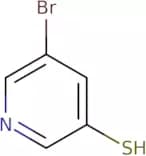
CAS:<p>Methyl trans-4-bromo-2-butenoate is a synthetic compound that contains a hydroxyl group and two bromine atoms. It is synthesized by the reaction of diethyl succinate, hydrogen, and piperazine in an aqueous solution. Methyl trans-4-bromo-2-butenoate has been shown to have antineoplastic activity in combination with epidermal growth factor (EGF) and carbohydrate conjugates. It also binds to cell surface receptors on the epidermal cells, inhibiting their growth. The structural formula of methyl trans-4-bromo-2-butenoate can be seen below: [[File:Methyltrans4bromobutanoate.png|thumb|300px|left|The structural formula of methyl trans-[4] -[bromo]-[2] -butenoate.]]</p>Formula:C5H7BrO2Purity:Min. 95%Color and Shape:Clear LiquidMolecular weight:179.01 g/mol5-Bromopyridine-3-thiol
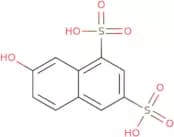
CAS:<p>Versatile small molecule scaffold</p>Formula:C5H4BrNSPurity:Min. 95%Molecular weight:190.06 g/mol2-Naphthol-6,8-disulfonic acid
CAS:<p>2-Naphthol-6,8-disulfonic acid is a synthetic organic compound that was identified as an impurity in the glyphosate formulation, Roundup. 2-Naphthol-6,8-disulfonic acid has been shown to have good analytical properties and can be used for the analysis of glyphosate in wastewater samples. It is thermally stable with a melting point of about 220°C. The UV detection wavelength ranges from 220nm to 240nm and the chloride ion is detectable at concentrations greater than 0.1 ppm. 2-Naphthol-6,8-disulfonic acid can also be used for the analysis of fatty acids in plants and animals.</p>Formula:C10H8O7S2Purity:Min. 95%Color and Shape:White PowderMolecular weight:304.3 g/molBenzyl N,N,N',N'-Tetraisopropylphosphorodiamidite
CAS:<p>Benzyl N,N,N',N'-tetraisopropylphosphorodiamidite is a reagent that reacts with hydroxybenzyl amine to form an ester. This product is used for the synthesis of phosphoramidites and benzyl esters. It is also used as a catalyst for the synthesis of diesters.</p>Formula:C19H35N2OPPurity:Min. 95%Molecular weight:338.48 g/molABX464
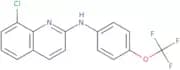
CAS:<p>ABX464 is a monoclonal antibody that targets bacterial translocation. It has been shown to have clinical efficacy in preventing the recurrence of inflammatory bowel disease. ABX464 binds to the M2 phenotype of macrophages and blocks the binding of chemoattractant protein to its receptor, leading to decreased inflammation and less bacterial translocation. It also prevents HIV infection by blocking viral attachment to CD4 cells and inhibiting HIV-1 replication.</p>Formula:C16H10ClF3N2OPurity:Min. 95%Molecular weight:338.71 g/molmethyl 4-bromo-3-formylbenzoate
CAS:<p>Versatile small molecule scaffold</p>Formula:C9H7BrO3Purity:Min. 95%Molecular weight:243.1 g/mol5-Ketohexanenitrile
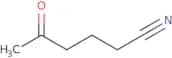
CAS:<p>5-Ketohexanenitrile is a liquid that is used in the production of medicine. The compound has been shown to be an effective inhibitor of the enzyme, dehydrogenase, which catalyzes the conversion of 5-ketohexanoic acid to hexadecanoic acid. This reaction is important for the oxidation of fatty acids and can be found in all living organisms. 5-Ketohexanenitrile has also been shown to inhibit the enzyme, hydrogen peroxide oxidase, which catalyzes the conversion of hydrogen peroxide to water and oxygen gas. 5-Ketohexanenitrile is also an intermediate in acrylonitrile production. It can be produced by vaporizing hexadecanoic acid with a catalyst such as trimethylpyridine or acetic acid. 5-Ketohexanenitrile can exist as two isomers: cis and trans. It is a primary amine that reacts with alkali metals such as</p>Formula:C6H9NOPurity:Min. 95%Molecular weight:111.14 g/mol8-Chloroisoquinolin-5-amine
CAS:<p>Versatile small molecule scaffold</p>Formula:C9H7ClN2Purity:Min. 95%Molecular weight:178.62 g/mol1-(4-(4,4,5,5-Tetramethyl-1,3,2-dioxaborolan-2-yl)phenyl)cyclopropanecarbonitrile
CAS:Versatile small molecule scaffoldFormula:C16H20BNO2Purity:Min. 95%Molecular weight:269.15 g/mol1-Methanesulfonyl-1H-pyrazol-4-amine
CAS:<p>Versatile small molecule scaffold</p>Formula:C4H7N3O2SPurity:Min. 95%Molecular weight:161.19 g/molFmoc-L-photo-leucine
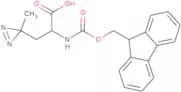
CAS:Versatile small molecule scaffoldFormula:C20H19N3O4Purity:Min. 95%Molecular weight:365.4 g/molBMS-986165
CAS:Controlled ProductBMS-986165 is a P-glycoprotein (P-gp) inhibitor that has been shown to reduce the absorption of ciclosporin, tacrolimus, and everolimus in vitro. BMS-986165 has an activity index of 100% and inhibits the inflammatory response by inhibiting the production of cytokines. It has been found to be effective for treating bowel diseases, such as ulcerative colitis and Crohn's disease. The drug also may be used for the treatment of autoimmune diseases, such as psoriasis or rheumatoid arthritis. BMS-986165 is administered orally and is rapidly absorbed. It is metabolized by CYP3A4 and excreted in urine as metabolites. END>> END>>Formula:C20H19D3N8O3Purity:Min. 95%Molecular weight:425.46 g/molDL-Valine
CAS:Valine is a non-essential, branched-chain amino acid that is used for the treatment of bowel disease. Valine is a water-soluble, colorless and odorless crystalline powder that has a sour taste. It can be prepared by reacting valeric acid with ammonia in the presence of an alkali or by hydrolysis of proteins. Valine is also widely distributed in animal tissues, where it participates in the biosynthesis of important biological compounds such as coenzyme A. The optimum concentration to achieve maximum electrochemical impedance spectroscopy (EIS) signal was observed at 20 mM. The EIS signal was found to be dependent on the pH and protein content of the solution matrix. Valine binds to human serum albumin and exhibits strong hydrogen bonding interactions. In addition, valine possesses a signal peptide that helps export it from cells into blood plasma.Formula:C5H11NO2Color and Shape:PowderMolecular weight:117.15 g/molPotassium tert-butyl N-[3-(trifluoroboranuidyl)propyl]carbamate
CAS:<p>Versatile small molecule scaffold</p>Formula:C8H16BF3KNO2Purity:Min. 95%Molecular weight:265.13 g/mol2-Bromo-5-fluoro-4-nitroaniline
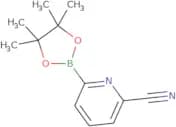
CAS:<p>2-Bromo-5-fluoro-4-nitroaniline can be synthesized in a reaction system of ammonium chloride, hydrochloric acid, and water vapor. The reaction is carried out at a temperature of 190°C under reflux. The efficiency of this synthesis is high, and the chemical yield is about 90%.</p>Formula:C6H4BrFN2O2Purity:Min. 95%Molecular weight:235.01 g/mol6-Cyanopyridine-2-boronic Acid Pinacol Ester
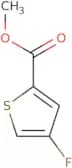
CAS:<p>Versatile small molecule scaffold</p>Formula:C12H15BN2O2Purity:Min. 95%Molecular weight:230.07 g/molMethyl 4-fluorothiophene-2-carboxylate
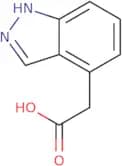
CAS:<p>Methyl 4-fluorothiophene-2-carboxylate is a fluorinated organic compound that is used as a model compound in polymer chemistry. It has been used to synthesize polymers with stepwise fluorination and diketopyrrolopyrrole moieties. This molecule also has optoelectronic properties and can be converted to a conjugated, monofluorinated, or difluorinated form by the addition of electron-withdrawing groups such as nitro or cyano groups. Methyl 4-fluorothiophene-2-carboxylate is an acceptor for electron transfer reactions.</p>Formula:C6H5FO2SPurity:Min. 95%Molecular weight:160.16 g/mol(1H-Indazol-4-yl)acetic acid
CAS:<p>(1H-Indazol-4-yl)acetic acid is a cation that has been shown to have pharmacological activity. It is hydrolyzable and is used as an anti-inflammatory agent. This compound also decarboxylates and hydrolyzes, which are processes that produce carboxyl and fluoro groups. (1H-Indazol-4-yl)acetic acid has been shown to be an anti-inflammatory agent, with effects against inflammation in the central nervous system. This drug also inhibits the production of inflammatory cytokines, including tumor necrosis factor alpha (TNFα), interleukin 1β (IL1β), and IL6.</p>Formula:C9H8N2O2Purity:Min. 95%Molecular weight:176.17 g/mol2,2-Difluorobenzo[d][1,3]dioxol-5-ol
CAS:<p>Versatile small molecule scaffold</p>Formula:C7H4F2O3Purity:Min. 95%Molecular weight:174.1 g/mol(2S)-3-(3,4-dihydroxyphenyl)-2-{[(9H-fluoren-9-ylmethoxy)carbonyl]amino}propanoic acid
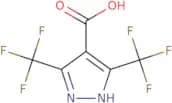
CAS:<p>3,4-Dihydroxyphenylalanine (3,4-DOPA) is a non-protein amino acid that is an intermediate in the synthesis of dopamine and norepinephrine. 3,4-DOPA is metabolized by the enzyme dopa decarboxylase to dopamine and then by catechol-O-methyl transferase to norepinephrine. 3,4-DOPA has antioxidant properties and has been shown to have anticancer effects in animals. It also has been shown to interact with other biomolecules such as proteins and nucleic acids. 3,4-DOPA binds strongly to metal ions through its carboxylic acid group and can chelate metals such as copper or iron. This property may be used for coatings on metal surfaces or for interacting with other molecules.br>br> 3,4-Dopa contains a chiral center due to the presence of two stereogenic carbons on the phen</p>Formula:C24H21NO6Purity:Min. 95%Molecular weight:419.4 g/mol3,5-Bis(trifluoromethyl)-1H-pyrazole-4-carboxylic acid
CAS:<p>3,5-Bis(trifluoromethyl)-1H-pyrazole-4-carboxylic acid is a chiral compound that has been shown to be an active building block for coordination frameworks. It is prepared from the reaction of 3,5-bis(trifluoromethyl)-1H-pyrazole with a carboxylic acid and can be used in the synthesis of metalloporphyrins. 3,5-Bis(trifluoromethyl)-1H-pyrazole-4-carboxylic acid has been shown to form stable coordination complexes with ligands such as bidentate or tridentate phosphoramidites and dimethylammonium chloride. This compound undergoes thermal treatment during the preparation process and reacts with various solvents and reagents.</p>Formula:C6H2F6N2O2Purity:Min. 95%Molecular weight:248.08 g/mol2-Methoxy-benzenesulfonic acid
CAS:<p>2-Methoxy-benzenesulfonic acid is a synthetic chemical compound that is used in the production of polymers and other ester compounds. It can be produced by reacting benzenesulfonyl chloride with methanol in the presence of a strong acid catalyst. 2-Methoxy-benzenesulfonic acid reacts with radiation to produce reactive oxygen species that are capable of damaging cellular structures. The molecule contains an intramolecular hydrogen bond, which stabilizes the structure and helps to form hydrogen bonds with other molecules. 2-Methoxy-benzenesulfonic acid also has a hydroxyl group, which allows it to function as an acidic compound that can react with water and cause inflammation. This functional group also makes it soluble in water, allowing it to penetrate tissue structures.</p>Formula:C7H8O4SPurity:Min. 95%Molecular weight:188.2 g/molMito-TEMPO
CAS:<p>Mito-TEMPO is a mitochondrial-targeted antioxidant that scavenges reactive oxygen species (ROS) and protects against oxidative injury. It has been shown to be effective in reducing oxidative damage in the heart and liver, as well as in models of neuronal death. Mito-TEMPO is also a potent inhibitor of lipid peroxidation and is able to prevent the formation of aldehydes. This drug has minimal toxicity, which may be due to its ability to accumulate in mitochondria without disrupting mitochondrial functions. Mito-TEMPO has been tested on healthy individuals with no observed side effects.</p>Formula:C29H35ClN2O2PPurity:Min. 95%Molecular weight:510.03 g/mol3-Methoxy-benzenesulfonic acid
CAS:<p>Versatile small molecule scaffold</p>Formula:C7H8O4SPurity:Min. 95%Molecular weight:188.2 g/mol[(Trimethylsilyl)ethynyl]boronic acid, pinacol ester
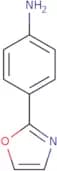
CAS:<p>Versatile small molecule scaffold</p>Formula:C11H21BO2SiPurity:Min. 95%Molecular weight:224.2 g/mol4-(Oxazol-2-yl)aniline
CAS:<p>Versatile small molecule scaffold</p>Formula:C9H8N2OPurity:Min. 95%Molecular weight:160.17 g/mol3-[5-(Aminomethyl)-1-oxo-2,3-dihydro-1H-isoindol-2-yl]piperidine-2,6-dione hydrochloride
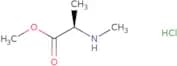
CAS:<p>Versatile small molecule scaffold</p>Formula:C14H16ClN3O3Purity:Min. 95%Molecular weight:309.75 g/molN-Me-D-Ala-OMe·HCl
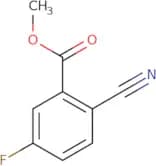
CAS:<p>Please enquire for more information about N-Me-D-Ala-OMe·HCl including the price, delivery time and more detailed product information at the technical inquiry form on this page</p>Formula:C5H11NO2·HClPurity:Min. 95%Molecular weight:153.61 g/molMethyl 2-cyano-5-fluorobenzoate
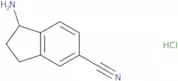
CAS:<p>Versatile small molecule scaffold</p>Formula:C9H6FNO2Purity:Min. 95%Molecular weight:179.15 g/mol1-Amino-2,3-dihydro-1H-indene-5-carbonitrile hydrochloride
CAS:<p>Versatile small molecule scaffold</p>Formula:C10H11ClN2Purity:Min. 95%Molecular weight:194.66 g/mol(2S,3R)-2-((((9H-Fluoren-9-yl)methoxy)carbonyl)amino)-3-methoxybutanoic acid
CAS:<p>Versatile small molecule scaffold</p>Formula:C20H21NO5Purity:Min. 95%Molecular weight:355.4 g/mol1-(2,4-Difluoro-6-hydroxyphenyl)ethan-1-one
CAS:<p>Versatile small molecule scaffold</p>Formula:C8H6F2O2Purity:Min. 95%Molecular weight:172.13 g/mol3-(iodomethyl)oxetane
CAS:<p>Versatile small molecule scaffold</p>Formula:C4H7IOPurity:Min. 95%Molecular weight:198 g/mol2-Bromo-5-methylpyridin-3-ol
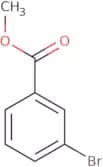
CAS:Versatile small molecule scaffoldFormula:C6H6BrNOPurity:Min. 95%Molecular weight:188.02 g/molMethyl 3-bromobenzoate
CAS:<p>Methyl 3-bromobenzoate is a cross-coupled compound with three functional groups: a methyl group, an acid bromo group, and a carboxylic acid benzoic ester. It is used in the synthesis of antigens that are chemically reactive to trifluoroacetic acid gas. The clinical studies have shown that the efficiency of this study is low because it has been found to be difficult to synthesize methyl 3-bromobenzoate in large quantities. This molecule can be prepared by the reaction of vinylene with an electrophile in non-polar solvents or by catalytic mechanisms.</p>Formula:C8H7BrO2Purity:Min. 95%Color and Shape:White PowderMolecular weight:215.04 g/mol1-(Oxan-2-yl)-3-phenyl-5-(tetramethyl-1,3,2-dioxaborolan-2-yl)-1H-pyrazole
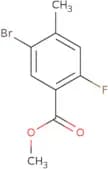
CAS:<p>Versatile small molecule scaffold</p>Formula:C20H27BN2O3Purity:Min. 95%Molecular weight:354.3 g/molMethyl 5-bromo-2-fluoro-4-methylbenzoate
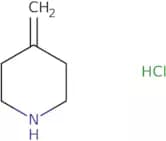
CAS:<p>Versatile small molecule scaffold</p>Formula:C9H8BrFO2Purity:Min. 95%Molecular weight:247.06 g/mol4-Methylenepiperidine hydrochloride
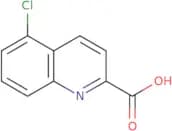
CAS:<p>4-Methylenepiperidine hydrochloride is a synthetic, ethylene oxide derivative that is used as an antifungal drug. It is also used in the synthesis of other compounds and as a reagent in organic chemistry. 4-Methylenepiperidine hydrochloride can be synthesized by reacting ethylene with an alkoxide, followed by adding a metal halide such as organolithium reagents to form the desired product. The yield rate of this reaction is high and it is easy to perform on a large scale.</p>Formula:C6H11N·HClPurity:Min. 95%Color and Shape:White PowderMolecular weight:133.62 g/mol5-Chloroquinoline-2-carboxylic acid
CAS:<p>Versatile small molecule scaffold</p>Formula:C10H6ClNO2Purity:Min. 95%Molecular weight:207.61 g/mol2-Methyl-2H-indazol-5-ylamine
CAS:<p>Please enquire for more information about 2-Methyl-2H-indazol-5-ylamine including the price, delivery time and more detailed product information at the technical inquiry form on this page</p>Formula:C8H9N3Purity:Min. 95%Molecular weight:147.18 g/mol4-Bromo-2-cyclopropylpyridine
CAS:<p>Versatile small molecule scaffold</p>Formula:C8H8NBrPurity:Min. 95%Molecular weight:198.05 g/mol6-Maleimidocaproic acid N-hydroxysuccinimide ester
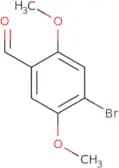
CAS:<p>6-Maleimidocaproic acid N-hydroxysuccinimide ester (6MCA-NHS) is a fluorescent probe that reacts with the hydroxyl group of fatty acids in human serum and other biological samples. 6MCA-NHS binds to the carboxylic acid group at the end of a fatty acid molecule, forming a covalent bond. This process generates light emission that can be detected by a fluorescence probe to measure changes in pH or other chemical properties within the solution. 6MCA-NHS has been used as a tumor treatment, where laser ablation is used to break up tumor cells and release 6MCA-NHS into the cytoplasm. The drug can then bind to DNA molecules and inhibit protein synthesis, which results in cell death.</p>Formula:C14H16N2O6Purity:Min. 95%Color and Shape:White Off-White PowderMolecular weight:308.29 g/mol4-Bromo-2,5-dimethoxybenzaldehyde
CAS:<p>4-Bromo-2,5-dimethoxybenzaldehyde is a nucleophilic compound that can act as an iminium. It is used in the synthesis of chalcones, which are aromatic compounds that have been found to have anticancer properties. 4-Bromo-2,5-dimethoxybenzaldehyde has two isomers: 2,4-dimethoxybenzaldehyde and 2,5-dimethoxybenzaldehyde. The separation of these compounds can be achieved using chromatography with a silica gel column. This process can be done on both the mixture of the two isomers or on one specific isomer. The synthetic pathway for this product begins with benzylpiperazine and piperazine. These two molecules react to form 3,4-dichlorobenzylpiperazine, which reacts with dimethoxybenzyl chloride to form 4-bromo-2,5-dim</p>Formula:C9H9BrO3Purity:Min. 95%Molecular weight:245.07 g/mol2-Mercapto-N-methylbenzamide
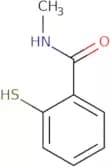
CAS:<p>2-Mercapto-N-methylbenzamide is a synthetic compound that has been shown to have inhibitory activities against activated brain cells and cell lines. This drug has been used in the synthesis of axitinib, a cancer drug that inhibits cellular growth. 2-Mercapto-N-methylbenzamide is also used as a preservative in cosmetics and can be found in carbonated drinks and foods. It has been shown to inhibit the production of serotonin in microbicidal reactions by inhibiting the enzyme hydroxymethyl transferase, which catalyzes the conversion of 5-hydroxytryptophan to serotonin. It also prevents the reaction products from being formed by reacting with hypoxanthine, xanthine, and phosphoribosyl pyrophosphate (PRPP). 2-Mercapto-N-methylbenzamide also reacts with plasma samples to form ethylmercaptoacetate, which is then oxidized to merc</p>Formula:C8H9NOSPurity:Min. 95%Color and Shape:White PowderMolecular weight:167.23 g/molFerrocenylmethyl methacrylate
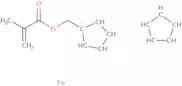
CAS:<p>Ferrocenylmethyl methacrylate is a reactive, irreversible oxidation agent. It is used in the synthesis of hydroxylated polymers and redox-active biological sensors. Ferrocenylmethyl methacrylate has been used as a component in polymerization reactions to produce polymers with recording potential. It has also been used for the detection of cancer cells and for the diagnosis of prostate cancer.</p>Formula:C15H16FeO2Purity:Min. 95%Molecular weight:284.13 g/mol2-Chloro-2-(chlorodifluoromethoxy)-1,1,1-trifluoroethane
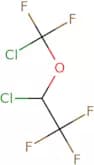
CAS:<p>2-Chloro-2-(chlorodifluoromethoxy)-1,1,1-trifluoroethane (HFC-152a) is a chemical compound that belongs to the group of chlorofluorocarbons. It has been used as a refrigerant and aerosol propellant. HFC-152a is an azeotrope with methyl ethyl ketone and ethyl ketone. It has also been reported to have properties as an ether, acetone, and difluoromethyl.</p>Formula:C3HCl2F5OPurity:Min. 95%Molecular weight:218.94 g/mol1-(4-Chloro-2,6-dimethylphenyl)ethanone
CAS:<p>Versatile small molecule scaffold</p>Formula:C10H11ClOPurity:Min. 95%Molecular weight:182.64 g/mol1-Boc-pyrrolidine-3-ethanol
CAS:<p>Versatile small molecule scaffold</p>Formula:C11H21NO3Purity:Min. 95%Molecular weight:215.29 g/mol4-Bromopyridine-2,3-diamine
CAS:Versatile small molecule scaffoldFormula:C5H6N3BrPurity:Min. 95%Molecular weight:188.02 g/moltert-Butyl 6-(4,4,5,5-tetramethyl-1,3,2-dioxaborolan-2-yl)-3,4-dihydroquinoline-1(2H)-carboxylate 97
CAS:<p>Versatile small molecule scaffold</p>Formula:C20H30BNO4Purity:Min. 95%Molecular weight:359.27 g/mol6-Amino-2-propylhexanoic acid hydrochloride
CAS:<p>Versatile small molecule scaffold</p>Formula:C9H19NO2•HClPurity:Min. 95%Molecular weight:209.71 g/mol2,6-Dichloro-4-fluorobenzoic acid
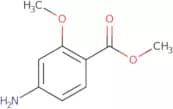
CAS:<p>Versatile small molecule scaffold</p>Formula:C7H3Cl2FO2Purity:Min. 95%Molecular weight:209 g/molMethyl 4-amino-2-methoxybenzoate
CAS:<p>Methyl 4-amino-2-methoxybenzoate is a solute with anticancer activity. It has been shown to inhibit the growth of erythrocytes and cancer cells in vitro. The mechanism of action is associated with its ability to bind to aminobenzothiazole, which inhibits the production of DNA and RNA. Methyl 4-amino-2-methoxybenzoate has also been shown to inhibit the proliferation of human muscle cells and induce their differentiation. This drug does not have any effect on lipid or protein synthesis in cells, which may be due to its solvent perturbation properties.</p>Formula:C9H11NO3Purity:Min. 95%Color and Shape:PowderMolecular weight:181.19 g/mol4-(2,6-Difluorophenyl)piperidin-4-ol hydrochloride
CAS:<p>Versatile small molecule scaffold</p>Formula:C11H14ClF2NOPurity:Min. 95%Molecular weight:249.68 g/moltert-Butyl 3-amino-5-methyl-1H-pyrazole-1-carboxylate
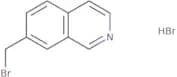
CAS:Versatile small molecule scaffoldFormula:C9H15N3O2Purity:Min. 95%Molecular weight:197.23 g/mol7-(Bromomethyl)isoquinoline hydrobromide
CAS:<p>Versatile small molecule scaffold</p>Formula:C10H8BrN·HBrPurity:Min. 95%Molecular weight:303 g/moltert-butyl 2,5-diazabicyclo[4.1.0]heptane-2-carboxylate
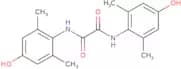
CAS:<p>Versatile small molecule scaffold</p>Formula:C10H18N2O2Purity:Min. 95%Molecular weight:198.3 g/molN1,N2-Bis(4-hydroxy-2,6-dimethylphenyl)ethanediamide
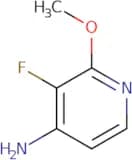
CAS:<p>Versatile small molecule scaffold</p>Formula:C18H20N2O4Purity:Min. 95%Molecular weight:328.4 g/mol3-Fluoro-2-methoxypyridin-4-amine
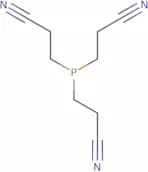
CAS:<p>Versatile small molecule scaffold</p>Formula:C6H7FN2OPurity:Min. 95%Molecular weight:142.13 g/molTris(2-cyanoethyl)phosphine
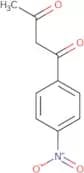
CAS:Tris(2-cyanoethyl)phosphine (TCEP) is a metal carbonyl compound that has been used as a reagent in organic chemistry. TCEP is an amphoteric molecule that can react with both acids and bases, and is stable in the pH range of 5 to 9. It has been shown to have anti-inflammatory properties by inhibiting neutrophil migration. TCEP also has biological properties, such as its ability to inhibit the growth of Cryptococcus neoformans. TCEP binds to the mitochondrial membrane potential, which prevents proton leakage through the membrane and inhibits oxidative phosphorylation. TCEP binds strongly to minerals such as sodium salts, which can be used to isolate this molecule from reaction solutions. TCEP can be obtained by laser ablation or X-ray crystallography techniques.Formula:C9H12N3PPurity:Min. 95 Area-%Molecular weight:193.19 g/mol1-(4-Nitrophenyl)butane-1,3-dione
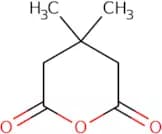
CAS:<p>1-(4-Nitrophenyl)butane-1,3-dione is a tautomer of 1,4-naphthoquinone. This compound has been reported to have an optical rotation of [alpha]D=+14.2° (C=1 in methanol). The triflate and carbonyl groups are involved in hydrogen bonding with each other. The hydrogen bond is a weak interaction that only occurs between polar molecules. This compound also has an x-ray crystal structure, which can be determined by diffraction studies. It is possible to synthesize this molecule from 1,4-naphthoquinone and butane-1,3-dione or by photolysis of 1-(4-nitrophenyl)-2,5-dioxopentanoic acid. In addition to its optical properties, the intramolecular hydrogen bonds give this molecule interesting optical properties.</p>Formula:C10H9NO4Purity:Min. 95%Molecular weight:207.18 g/mol3,3-Dimethylglutaric Anhydride
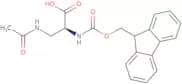
CAS:<p>3,3-Dimethylglutaric Anhydride is a molecule that belongs to the group of daptomycin analogues. It has shown promising in vitro activity against cancer cells and is currently being investigated for its potential as a novel chemotherapeutic agent. The synthesis of this compound involves a Friedel-Crafts reaction, which creates a five-membered ring by reacting two carbonyl groups with an alkyl halide or phenyl sulfonium salt. 3,3-Dimethylglutaric Anhydride has been shown to bind to 5-HT1A receptors and inhibit their function. This compound also interacts with phosphate groups on proteins, creating a phosphate derivative. This interaction may be due to its ability to form an electrochemical bond with the phosphate group.</p>Formula:C7H10O3Purity:Min. 95%Molecular weight:142.15 g/molFmoc-Dap(Ac)-OH
CAS:<p>Fmoc-Dap(Ac)-OH is a fine chemical that is used as a building block in the synthesis of complex compounds. It reacts with various nucleophiles to form an amide bond, and has been shown to be useful for both research and industrial applications. Fmoc-Dap(Ac)-OH can also be used as a reagent to synthesize peptides, which are biologically active compounds that form the basis of many drugs. This versatile intermediate is also used as a scaffold in the construction of more complex molecules. Fmoc-Dap(Ac)-OH has CAS No. 181952-29-4 and is classified as a speciality chemical by the International Union of Pure and Applied Chemistry (IUPAC).</p>Formula:C20H20N2O5Purity:Min. 95%Color and Shape:PowderMolecular weight:368.38 g/mol6-Hydroxyquinoline-4-carboxylic acid
CAS:<p>Versatile small molecule scaffold</p>Formula:C10H7NO3Purity:Min. 95%Molecular weight:189.17 g/mol5-Oxotetrahydrofuran-2-carboxylic acid
CAS:<p>5-Oxotetrahydrofuran-2-carboxylic acid is a solid phase extraction compound that can be used to extract and purify compounds from biological samples. It is synthesized by an asymmetric synthesis of the acetate ester of 5-hydroxytetrahydrofuran-2-carboxylic acid, which is then hydrolyzed to give the desired product. 5-Oxotetrahydrofuran-2-carboxylic acid has been used in cell culture studies as a diagnostic agent for cancer cells. The reactive nature of this molecule allows it to react with chloride ions and fatty acids, which leads to the death of cancer cells.</p>Formula:C5H6O4Purity:Min. 95%Molecular weight:130.1 g/mol3,4,5-Trimethoxybenzoyl chloride
CAS:<p>3,4,5-Trimethoxybenzoyl Chloride is a reactive, active chemical that is used in the synthesis of cytotoxic amides. It is prepared by reacting 3,4,5-trimethoxybenzoic acid with an amine or ammonia in the presence of a base. The reaction yields an amide substituted at the 3- and 4-positions with trimethoxyphenyl groups.</p>Formula:C10H11ClO4Purity:Min. 95%Molecular weight:230.64 g/moltert-Butyl 4-(5-aminoisoxazol-3-yl)piperidine-1-carboxylate
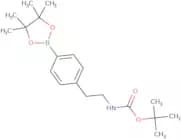
CAS:<p>Versatile small molecule scaffold</p>Formula:C13H21N3O3Purity:Min. 95%Molecular weight:267.32 g/moltert-butyl 4-(4,4,5,5-tetramethyl-1,3,2-dioxaborolan-2-yl)phenethylcarbamate
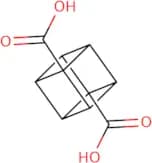
CAS:<p>Versatile small molecule scaffold</p>Formula:C19H30BNO4Purity:Min. 95%Molecular weight:347.26 g/mol1,4-Cubanedicarboxylic acid
CAS:<p>1,4-Cubanedicarboxylic acid is an organic compound that is a diacid. It has been shown to be an inhibitor of chloride secretion in the intestine, and can also decrease the rate at which hydrogen ions are released into the intestinal lumen. 1,4-Cubanedicarboxylic acid is also a cross-linking agent that can be used in organic solvents for large-scale synthesis. The optical properties of 1,4-cubanedicarboxylic acid have been studied using FTIR spectroscopy. This agent has been found to react with intramolecular hydrogen to form a six membered ring.</p>Formula:C10H8O4Purity:Min. 95%Molecular weight:192.17 g/mol4-Benzyloxy-1-butanol
CAS:Controlled Product<p>Versatile small molecule scaffold</p>Formula:C11H16O2Purity:Min. 95%Molecular weight:180.24 g/molPotassium (1-(tert-butoxycarbonyl)piperidin-4-yl)trifluoroborate
CAS:<p>Versatile small molecule scaffold</p>Formula:C10H18BF3KNO2Purity:Min. 95%Molecular weight:291.16 g/mol4-(Aminomethyl)pyridine-2-carbonitrile hydrochloride
CAS:<p>Versatile small molecule scaffold</p>Formula:C7H8ClN3Purity:Min. 95%Molecular weight:169.61 g/mol5-Bromo-1-methyl-1H-pyrazole-4-carboxylic acid
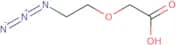
CAS:<p>Versatile small molecule scaffold</p>Formula:C5H5BrN2O2Purity:Min. 95%Molecular weight:205.01 g/mol2-(2-Azidoethoxy)acetic Acid
CAS:<p>2-(2-Azidoethoxy)acetic Acid is a hydrophobic antibacterial agent that can be used to inhibit bacterial growth by disrupting the cell membrane. It has been shown to inhibit the growth of Staphylococcus aureus and Escherichia coli, which may be due to its ability to bind to the glutathione moiety in the bacterial cell membrane. 2-(2-Azidoethoxy)acetic Acid has been shown to have antimicrobial activity against both Gram-positive and Gram-negative bacteria in vitro. This compound is also able to cross the cell membrane, inhibiting bacterial replication in vivo.</p>Formula:C4H7N3O3Purity:Min. 95%Molecular weight:145.12 g/mol(1R,8S,9s)-Bicyclo[6.1.0]non-4-yn-9-ylmethanol
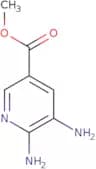
CAS:<p>(1R,8S,9s)-Bicyclo[6.1.0]non-4-yn-9-ylmethanol is a congener that belongs to the class of monoclonal antibodies. It is a degradable and photophysical agent that enhances ionotropic gelation and proton exchange in an acidic environment. This agent has been shown to react with nucleophilic groups, such as amines and thiols, and has fluorescence properties that are sensitive to pH changes. The reactive nature of this compound makes it useful for the localization of model proteins in analytical chemistry experiments.</p>Formula:C10H14OPurity:Min. 95%Molecular weight:150.22 g/molMethyl 5,6-diaminopyridine-3-carboxylate
CAS:<p>Versatile small molecule scaffold</p>Formula:C7H9N3O2Purity:Min. 95%Molecular weight:167.17 g/mol4-Bromo-2,6-dimethoxybenzaldehyde
CAS:<p>Versatile small molecule scaffold</p>Formula:C9H9BrO3Purity:Min. 95%Molecular weight:245.07 g/mol2,5-Diethoxyterephthalohydrazide
CAS:<p>2,5-Diethoxyterephthalohydrazide is an organic compound that has been used for the synthesis of linkers with various functional groups. It is a reactive intermediate in the synthesis of amines and compounds containing amine functional groups. 2,5-Diethoxyterephthalohydrazide has been shown to be stable under environmental conditions and can be used as a linker in organic solvents such as amines, alcohols or esters. This compound has also been shown to exhibit photocatalytic activity when irradiated by UV light. Techniques such as analytical chemistry and techniques can be used to characterize this compound's reactivity and stability.</p>Formula:C12H18N4O4Purity:Min. 95%Molecular weight:282.3 g/mol4-Iodo-1-methyl-1h-pyrazole-5-carbonitrile
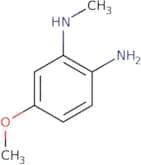
CAS:<p>4-Iodo-1-methyl-1H-pyrazole-5-carbonitrile is a tetrazole molecule that has been shown to have potent and selective inhibitory activity against human PCSK9. This compound binds to the catalytic site of PCSK9 and prevents the formation of an active enzyme, therefore inhibiting the production of LDL cholesterol. 4-Iodo-1-methyl-1H-pyrazole-5-carbonitrile is a prodrug that is metabolized by acetaldehyde dehydrogenase to form an active inhibitor. The reaction proceeds in a chiral and enantioselective manner, which allows for the synthesis of racemic mixtures of this drug.</p>Formula:C5H4IN3Purity:Min. 95%Molecular weight:233.01 g/mol5-Methoxy-N1-methylbenzene-1,2-diamine
CAS:<p>Versatile small molecule scaffold</p>Formula:C8H12N2OPurity:Min. 95%Molecular weight:152.19 g/molMethyl 2-(2-amino-5-ethyl-1,3-thiazol-4-yl)acetate
CAS:<p>Versatile small molecule scaffold</p>Formula:C8H12N2O2SPurity:Min. 95%Molecular weight:200.26 g/mol8-chloro-3H,4H-pyrido[3,4-d]pyrimidin-4-one
CAS:<p>Versatile small molecule scaffold</p>Formula:C7H4N3OClPurity:Min. 95%Molecular weight:181.57 g/molγ-L-Glutamyl-α-naphthylamide monohydrate
CAS:<p>Gamma-L-glutamyl-alpha-naphthylamide is an enzyme that catalyzes the conversion of L-glutamic acid to L-glutamate. It is expressed in red blood cells, human liver, and human serum. Gamma-L-glutamyl-alpha-naphthylamide has been shown to have various specificities for different tissues and isoenzymes. This enzyme also has immunoassay procedures that are used to detect it in tissues or cells. These assays use monoclonal antibodies or solubilized gamma-L-glutamyl-alpha-naphthylamide molecules as detection agents.</p>Formula:C15H16N2O3•H2OPurity:Min. 95%Color and Shape:PowderMolecular weight:290.31 g/mol4,6-Dichloro-5-fluoronicotinic Acid
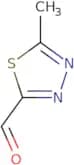
CAS:Versatile small molecule scaffoldFormula:C6H2Cl2FNO2Purity:Min. 95%Molecular weight:209.99 g/mol5-Methyl-1,3,4-thiadiazole-2-carbaldehyde
CAS:<p>Versatile small molecule scaffold</p>Formula:C4H4N2OSPurity:Min. 95%Molecular weight:128.16 g/mol5-Bromo-3-(difluoromethyl)pyridine-2-carboxylic acid
CAS:<p>Versatile small molecule scaffold</p>Formula:C7H4BrF2NO2Purity:Min. 95%Molecular weight:252.01 g/mol1-Boc-3-Oxo-1,4-diazepane
CAS:<p>Versatile small molecule scaffold</p>Formula:C10H18N2O3Purity:Min. 95%Molecular weight:214.27 g/moltert-butyl 4-oxo-2,3-dihydroquinoline-1-carboxylate
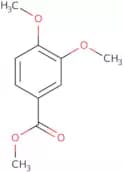
CAS:<p>Versatile small molecule scaffold</p>Formula:C14H17NO3Purity:Min. 95%Molecular weight:247.29 g/molMethyl 3,4-dimethoxybenzoate
CAS:<p>Methyl 3,4-dimethoxybenzoate is an acetate extract that has been shown to inhibit tyrosinase activity. This compound also has a potent inhibitory effect on the production of p-hydroxybenzoic acid. Methyl 3,4-dimethoxybenzoate can be synthesized from protocatechuic acid and methoxy groups. It is a chemical reaction involving three steps: condensation, dehydration, and reduction. Tyrosinase is an enzyme in the melanin biosynthetic pathway that catalyzes the conversion of tyrosine to dopaquinone. Tyrosinase activity can be inhibited by methyl 3,4-dimethoxybenzoate through competitive inhibition or by its ability to reduce the availability of substrate for this enzyme.</p>Formula:C10H12O4Purity:Min. 95%Color and Shape:PowderMolecular weight:196.2 g/molTert-Butyl 2-(Trifluoromethyl)Piperazine-1-Carboxylate
CAS:<p>Versatile small molecule scaffold</p>Formula:C10H17N2O2F3Purity:Min. 95%Molecular weight:254.24 g/mol2,5-Diazabicyclo[2.2.2]octane dihydrochloride
CAS:Versatile small molecule scaffoldFormula:C6H12N2·2HClPurity:Min. 95%Molecular weight:185.1 g/molSodium ethanethiolate
CAS:<p>Sodium ethanethiolate is a detergent composition that is used in the manufacturing of other detergents. It has a receptor binding mechanism and binds to the fatty acid component of the lipid bilayer. The hydroxyl group on the ethanethiolate molecule reacts with the hydrophobic region of the lipid bilayer, leading to disruption of membrane function. Sodium-dependent glucose transport is inhibited by sodium ethanethiolate, which also has metabolic disorders as a side effect. It is a bicyclic heterocycle and can be synthesized from p-hydroxybenzoic acid and trifluoroacetic acid. The chemical stability of this compound is high, making it useful for industrial applications.</p>Formula:C2H5NaSPurity:(¹H-Nmr) Min. 90 Area-%Color and Shape:White PowderMolecular weight:84.12 g/mol(2,2-Difluoroethyl)hydrazine hydrochloride
CAS:<p>Versatile small molecule scaffold</p>Formula:C2H7ClF2N2Purity:Min. 95%Molecular weight:132.54 g/mol[(1S)-1-Ethyl-2-oxopropyl]-1,1-dimethylethyl ester carbamic acid
CAS:<p>Versatile small molecule scaffold</p>Formula:C10H19NO3Purity:Min. 95%Molecular weight:201.26 g/mol









![Potassium tert-butyl N-[3-(trifluoroboranuidyl)propyl]carbamate](/_next/image/?url=https%3A%2Fstatic.cymitquimica.com%2Fproducts%2F3D%2Fthumb-webp%2FCNC28926.webp&w=3840&q=75)

![2,2-Difluorobenzo[d][1,3]dioxol-5-ol](/_next/image/?url=https%3A%2Fstatic.cymitquimica.com%2Fproducts%2F3D%2Fthumb-webp%2FLYB53982.webp&w=3840&q=75)
![(2S)-3-(3,4-dihydroxyphenyl)-2-{[(9H-fluoren-9-ylmethoxy)carbonyl]amino}propanoic acid](/_next/image/?url=https%3A%2Fstatic.cymitquimica.com%2Fproducts%2F3D%2Fthumb-webp%2FMFA01893.webp&w=3840&q=75)


![[(Trimethylsilyl)ethynyl]boronic acid, pinacol ester](/_next/image/?url=https%3A%2Fstatic.cymitquimica.com%2Fproducts%2F3D%2Fthumb-webp%2FJGA08746.webp&w=3840&q=75)
![3-[5-(Aminomethyl)-1-oxo-2,3-dihydro-1H-isoindol-2-yl]piperidine-2,6-dione hydrochloride](/_next/image/?url=https%3A%2Fstatic.cymitquimica.com%2Fproducts%2F3D%2Fthumb-webp%2FIWB26469.webp&w=3840&q=75)











![tert-butyl 2,5-diazabicyclo[4.1.0]heptane-2-carboxylate](/_next/image/?url=https%3A%2Fstatic.cymitquimica.com%2Fproducts%2F3D%2Fthumb-webp%2FDZB67518.webp&w=3840&q=75)




![(1R,8S,9s)-Bicyclo[6.1.0]non-4-yn-9-ylmethanol](/_next/image/?url=https%3A%2Fstatic.cymitquimica.com%2Fproducts%2F3D%2Fthumb-webp%2FNAC16690.webp&w=3840&q=75)



![8-chloro-3H,4H-pyrido[3,4-d]pyrimidin-4-one](/_next/image/?url=https%3A%2Fstatic.cymitquimica.com%2Fproducts%2F3D%2Fthumb-webp%2FJDA34113.webp&w=3840&q=75)





![2,5-Diazabicyclo[2.2.2]octane dihydrochloride](/_next/image/?url=https%3A%2Fstatic.cymitquimica.com%2Fproducts%2F3D%2Fthumb-webp%2FBAA19292.webp&w=3840&q=75)


![[(1S)-1-Ethyl-2-oxopropyl]-1,1-dimethylethyl ester carbamic acid](/_next/image/?url=https%3A%2Fstatic.cymitquimica.com%2Fproducts%2F3D%2Fthumb-webp%2FEMA02105.webp&w=3840&q=75)