Building Blocks
Subcategories of "Building Blocks"
- Boronic Acids & Boronic Acid Derivatives(5,781 products)
- Chiral Building Blocks(1,242 products)
- Hydrocarbon Building Blocks(6,101 products)
- Organic Building Blocks(61,033 products)
Found 205320 products of "Building Blocks"
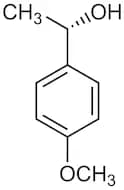
(S)-1-(4-Methoxyphenyl)ethanol
CAS:Formula:C9H12O2Purity:>95.0%(GC)Color and Shape:Colorless to Light yellow clear liquidMolecular weight:152.19D-Phenylalanine
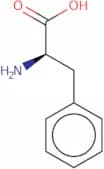
CAS:D-Phenylalanine is an amino acid that is found in the human body and is used as a pharmacological agent. It has been shown to be an antimicrobial peptide with a broad spectrum of activity against bacteria, yeast, and fungi. D-Phenylalanine also has the ability to inhibit the production of peptide hormones, such as gastrin and vasopressin, and can be used as an inhibitor for enzymes such as acetylcholine esterase. Studies have shown that D-phenylalanine can increase mitochondrial membrane potential in cells by binding to ester hydrochloride. This leads to increased enzyme activities, which may result in a decrease in hydrogen bonding interactions.
Formula:C9H11NO2Purity:Min. 95%Color and Shape:White Off-White PowderMolecular weight:165.19 g/mol4-Chloro-6-methoxyquinolin-7-ol
CAS:4-Chloro-6-methoxyquinolin-7-ol (CMQ) is an alkali metal that inhibits the sodium/potassium ATPase pump, which is responsible for maintaining the cell's intracellular ion balance. It was discovered in a search for compounds that inhibit this enzyme and show promise in the treatment of heart diseases. CMQ has been shown to inhibit the sodium concentration in rat hearts with no effect on potassium concentrations, which may be due to its ability to bind to sodium ions but not potassium ions. The long-term effects of CMQ on human populations are unknown, as well as its effects on genotype and parameters. CMQ also has been shown to cause drug resistance mutations in bacteria, such as methicillin resistant Staphylococcus aureus (MRSA), by increasing the mutation rate. This is due to the fact that it inhibits DNA replication and protein synthesis in bacteria cells.Formula:C10H8ClNO2Purity:Min. 95%Color and Shape:Yellow PowderMolecular weight:209.63 g/molMethyl 5-methoxy-2-methylindole-3-acetate
CAS:Methyl 5-methoxy-2-methylindole-3-acetate is a versatile building block that can be used as a research chemical, reagent, or speciality chemical. It is also an intermediate in the synthesis of other compounds and has been shown to be useful in reactions involving nucleophilic substitution and electrophilic addition. This compound can be used as a scaffold for complex organic molecules. CAS No. 7588-36-5Formula:C13H15NO3Purity:Min. 95%Color and Shape:Beige SolidMolecular weight:233.26 g/mol2,4-Dimethylnitrobenzene
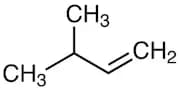
CAS:Formula:C8H9NO2Purity:>98.0%(GC)Color and Shape:Light yellow to Yellow clear liquidMolecular weight:151.173-Methyl-1-butene (ca. 15% in Dichloromethane, ca. 2.5mol/L)
CAS:Formula:C5H10Color and Shape:Colorless to Almost colorless clear liquidMolecular weight:70.142-Mercapto-1H-imidazole
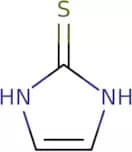
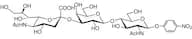
CAS:2-Mercapto-1H-imidazole is an irreversible inhibitor of xanthine oxidase. It binds to the nitrogen atoms of the enzyme's active site and forms a strong hydrogen bond with the oxygen atom of the xanthine substrate. The steric interactions between 2-mercapto-1H-imidazole and the substrate prevent binding and catalysis. The crystal structures of 2-mercapto-1H-imidazole in complex with xanthine oxidase have been determined using X-ray crystallography. FTIR spectroscopy has shown that 2-mercapto-1H-imidazole coordinates in a geometry similar to that of the reactant, hydrochloric acid. Electrochemical impedance spectroscopy (EIS) has revealed that proton transfer takes place when 2-mercapto-1H imidazole binds to xanthine oxidase, which is consistent with reaction mechanism involving electFormula:C3H4N2SPurity:Min. 95%Color and Shape:PowderMolecular weight:100.14 g/molGalβ(1-4)[Neu5Acα(2-6)]GlcNAc-β-pNP
Formula:C31H45N3O21Purity:>90.0%(HPLC)Color and Shape:White to Light yellow powder to crystalMolecular weight:795.702-(2-Bromo-1,1,2,2-tetrafluoroethoxy)-1,1,1,2,3,3-hexafluoro-3-(pentafluoroethoxy)propane
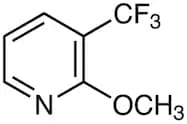
CAS:Formula:C7BrF15O2Purity:>98.0%(GC)Color and Shape:Colorless to Almost colorless clear liquidMolecular weight:480.962-Methoxy-3-(trifluoromethyl)pyridine
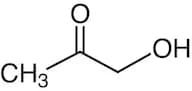
CAS:Formula:C7H6F3NOPurity:>98.0%(GC)Color and Shape:Colorless to Almost colorless clear liquidMolecular weight:177.13Hydroxyacetone (stabilized with Na2CO3)
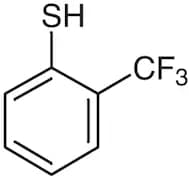
CAS:Formula:C3H6O2Purity:>90.0%(GC)Color and Shape:Colorless to Light yellow clear liquidMolecular weight:74.082-(Trifluoromethyl)benzenethiol
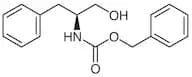
CAS:Formula:C7H5F3SPurity:>97.0%(GC)(T)Color and Shape:Colorless to Light yellow to Light orange clear liquidMolecular weight:178.17N-Carbobenzoxy-L-phenylalaninol
CAS:Formula:C17H19NO3Purity:>98.0%(HPLC)Color and Shape:White to Almost white powder to crystalMolecular weight:285.34Methyl 3-Methyl-15-phenylpentadecanoate
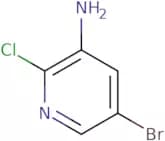
CAS:Formula:C23H38O2Purity:>95.0%(GC)Color and Shape:White to Yellow to Green clear liquidMolecular weight:346.563-Amino-5-bromo-2-chloropyridine
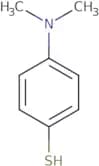
CAS:3-Amino-5-bromo-2-chloropyridine is a synthetic compound that has been shown to be an inhibitor of phosphoinositide 3 kinase delta (PI3Kδ). It is also a potent inhibitor of the proliferation of human cancer cells in vitro and in vivo. The PI3Kδ is activated by insulin and other growth factors, which leads to the activation of downstream pathways. These pathways trigger cell growth and proliferation. 3-Amino-5-bromo-2-chloropyridine may have potential as a novel anticancer drug due to its ability to inhibit PI3Kδ activity and prevent the progression of cancer.Formula:C5H4BrClN2Purity:Min. 95%Color and Shape:Yellow PowderMolecular weight:207.46 g/mol4-(Dimethylamino)benzenethiol
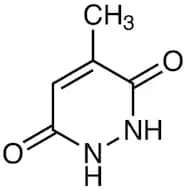
CAS:4-(Dimethylamino)benzenethiol (DMAT) is a thiol that has coordination chemistry with metal ions. DMAT exhibits transport properties, such as solubility in water and chloride, which may be due to its electrochemical properties. DMAT can be photooxidized by ultraviolet light to form the reactive species, 4-dimethylaminobenzoquinone. This reactive species can then react with hydrogen peroxide to produce the intermediate radical cation, which can react with other molecules to produce singlet oxygen and superoxide radicals. These reactions are responsible for the photooxidation of organic materials. The enhanced Raman spectra of DMAT have been studied using surface-enhanced Raman spectroscopy (SERS). The SERS technique enhances the intensity of scattered laser light by orders of magnitude by tapping into a phenomenon known as surface plasmon resonance. The nmr spectra of DMAT have been studied and show that it isFormula:C8H11NSPurity:Min. 95%Color and Shape:PowderMolecular weight:153.25 g/molMethylmaleic Hydrazide
CAS:Formula:C5H6N2O2Purity:>98.0%(GC)Color and Shape:White to Light yellow powder to crystalMolecular weight:126.122-Bromo-2',4'-dimethoxyacetophenone
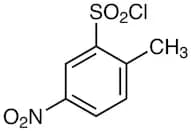
CAS:Formula:C10H11BrO3Purity:>97.0%(GC)Color and Shape:White to Light yellow to Light orange powder to crystalMolecular weight:259.102-Methyl-5-nitrobenzenesulfonyl Chloride
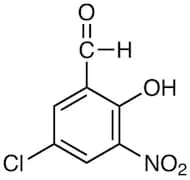
CAS:Formula:C7H6ClNO4SPurity:>98.0%(GC)(T)Color and Shape:White to Light yellow powder to crystalMolecular weight:235.645-Chloro-3-nitrosalicylaldehyde
CAS:Formula:C7H4ClNO4Purity:>98.0%(GC)(T)Color and Shape:Light orange to Yellow to Green powder to crystalMolecular weight:201.565-Iodo-2-furaldehyde
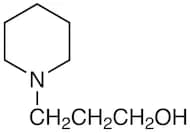
CAS:Formula:C5H3IO2Purity:>98.0%(GC)Color and Shape:White to Yellow powder to crystalMolecular weight:221.983-(Piperidin-1-yl)propan-1-ol
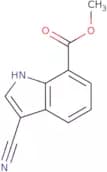
CAS:Formula:C8H17NOPurity:>98.0%(GC)Color and Shape:Colorless to Light yellow clear liquidMolecular weight:143.23Methyl 3-cyano-1H-indole-7-carboxylate
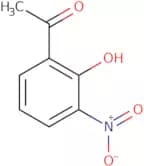
CAS:Methyl 3-cyano-1H-indole-7-carboxylate is a fine chemical that belongs to the class of useful scaffolds, versatile building blocks, and useful intermediates. It is used as a research chemical and a reaction component. Methyl 3-cyano-1H-indole-7-carboxylate is also a speciality chemical with high quality and can be used as a reagent in the production of other compounds.Formula:C11H8N2O2Purity:Min. 95%Color and Shape:White PowderMolecular weight:200.19 g/mol2-Hydroxy-3-nitroacetophenone
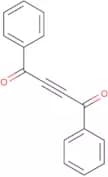
CAS:2-Hydroxy-3-nitroacetophenone is an inorganic compound that belongs to the group of metal salts. It is a synthetic, directional, and oriented molecule with four stereogenic centers. 2-Hydoxy-3-nitroacetophenone can be synthesized by the reaction of azide with chromene and cyanoformate. The product has been used in the synthesis of other compounds, such as phosphorus oxychloride, nitrohydroxyacetophenone, hydrogenation reaction, and inorganic bases. The product has also shown cytotoxic activity against cancer cells. This may be due to its ability to inhibit DNA synthesis or cell division by binding to the enzyme topoisomerase II. It can also bind to nucleic acids and react with oxygen radicals in a manner similar to O2-.Formula:C8H7NO4Purity:Min. 95%Color and Shape:PowderMolecular weight:181.15 g/mol1,4-Diphenyl-2-butyne-1,4-dione
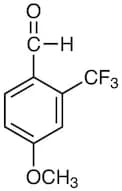
CAS:1,4-Diphenyl-2-butyne-1,4-dione is a reactive compound that reacts with nucleophiles (such as hydroxide) to form an oxime. It is a chiral compound that has been shown to react with amines and hydrogen chloride in the presence of UV light. The UV absorption spectrum of 1,4-diphenyl-2-butyne-1,4-dione has been measured at wavelengths from 190 nm to 400 nm. The x-ray diffraction data showed the molecular structure of the molecule and revealed a very short bond length between the carbonyl group and hydrogen chloride.Formula:C16H10O2Purity:Min. 95%Color and Shape:White To Yellow SolidMolecular weight:234.25 g/mol4-Methoxy-2-(trifluoromethyl)benzaldehyde
CAS:Formula:C9H7F3O2Purity:>97.0%(GC)Color and Shape:White to Almost white powder to lumpMolecular weight:204.154-Bromo-3-nitroacetophenone
CAS:4-Bromo-3-nitroacetophenone is a potent anticancer agent that has been shown to inhibit cancer cell growth by inhibiting the activity of dehydrogenase enzymes. It has been shown to be active against g1 phase cells, which are cells in the phase of cell cycle before mitosis. 4-Bromo-3-nitroacetophenone also has anti-inflammatory effects and can cross the blood brain barrier due to its hydrogen bond formation. This drug is selectively toxic to cancer cells while sparing healthy tissues and has been shown to be effective in treating inflammatory diseases, such as arthritis, by decreasing the production of proinflammatory cytokines.Formula:C8H6BrNO3Purity:Min. 95%Color and Shape:Yellow To Light (Or Pale) Yellow SolidMolecular weight:244.04 g/mol4-Bromoisatin
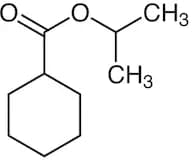
CAS:4-Bromoisatin is a synthetic compound that reversibly inhibits the activity of telomerase and has been shown to be effective against a broad range of bacterial species. It binds to the catalytic site on telomerase and prevents the synthesis of ribonucleotides, which are necessary for DNA replication. 4-Bromoisatin is synthesized by humans, but can also be found in plants such as coffee beans and black tea leaves. The antibacterial properties of 4-bromoisatin may be due to its ability to inhibit the biosynthesis of purine, an essential component in bacterial DNA synthesis.Formula:C8H4BrNO2Purity:Min. 95%Color and Shape:Orange PowderMolecular weight:226.03 g/molIsopropyl Cyclohexanecarboxylate
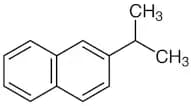
CAS:Formula:C10H18O2Purity:>98.0%(GC)Color and Shape:Colorless to Almost colorless clear liquidMolecular weight:170.252-Isopropylnaphthalene
CAS:Formula:C13H14Purity:>95.0%(GC)Color and Shape:Colorless to Light yellow clear liquidMolecular weight:170.26(S)-(+)-3-Methyl-1-pentanol
CAS:(S)-(+)-3-Methyl-1-pentanol is a branched-chain, β-unsaturated aldehyde that is produced by the elimination of two molecules of water from (R)-(+)-3-methylbutanal. It is an organocatalytic substrate for the family of enzymes that catalyze the first step in the biosynthetic pathway to abiotic long-chain alcohols. The product is an intermediate in the biosynthesis of escherichia coli and other bacteria. The enzyme involved in this reaction is initially activated by acetate and then inhibited by NADH. In nature, this compound can be found as a natural product or as a metabolic intermediate.Formula:C6H14OPurity:Min. 95%Color and Shape:Colorless Clear LiquidMolecular weight:102.17 g/mol2-Nitrobiphenyl
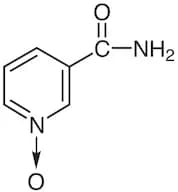
CAS:Formula:C12H9NO2Purity:>98.0%(GC)Color and Shape:White or Colorless to Yellow powder to lump to clear liquidMolecular weight:199.21Nicotinamide N-Oxide
CAS:Formula:C6H6N2O2Purity:>98.0%(T)Color and Shape:White to Light yellow powder to crystalMolecular weight:138.132-Methyl-5-nitroimidazole-1-propanol
CAS:2-Methyl-5-nitroimidazole-1-propanol (2MI) is a matrix effect correction reagent that can be used to reconstitute the original concentrations of drugs in plasma and urine samples. It is also used for sample preparation, validation and quality control. 2MI has been shown to bind with cervical cancer cells, which may be due to its ability to bind with drug receptors on the surface of these cells. A liquid chromatography-mass spectrometry (LC-MS/MS) method was developed to measure 2MI in plasma and urine samples. The method was validated using test samples and showed good agreement with the target concentration.Formula:C7H11N3O3Purity:Min. 95%Color and Shape:PowderMolecular weight:185.18 g/molNeu5Acα(2-3)Galβ(1-4)GlcNAc-β-pNP
CAS:Formula:C31H45N3O21Purity:>95.0%(HPLC)Color and Shape:White to Almost white powder to crystalMolecular weight:795.70N-Butanesulfonyl-O-[4-(4-pyridinyl)-butyl]-(S)-tyrosine
CAS:N-Butanesulfonyl-O-[4-(4-pyridinyl)-butyl]-(S)-tyrosine is a synthetic amino acid. It is soluble in water and forms hydrates. The yield of this reaction is 60%. The molecular weight of this compound is 233.3 g/mol. This compound has been shown to have proteolytic activity, which may be due to its ability to cleave peptide bonds in proteins. N-Butanesulfonyl-O-[4-(4-pyridinyl)-butyl]-(S)-tyrosine may also be used as an intermediate for the synthesis of other compounds, such as aminoglycosides and antibiotics. This chemical can be synthesized by reacting L-tyrosine with butanesulfonyl chloride in the presence of sodium hydroxide and an organic base, such as pyridine. The solvents used in this process are chloroform, dichFormula:C22H30N2O5SPurity:Min. 95%Color and Shape:PowderMolecular weight:434.55 g/mol3,5-Dibromo-5'-phenyl-1,1':3',1''-terphenyl
CAS:Formula:C24H16Br2Purity:>98.0%(GC)Color and Shape:White to Light yellow powder to crystalMolecular weight:464.204-(2-Aminoanilino)pyridine
CAS:4-(2-Aminoanilino)pyridine is a pyridine that has been shown to be an impurity in the acid salt of 4-(2-aminophenyl)pyridine. It is an acidified impurity that can form when the pyridine reacts with hydrochloric acid or sulfuric acid.Formula:C11H11N3Purity:Min. 95%Color and Shape:PowderMolecular weight:185.23 g/molNeu5Acα(2-6)Galβ(1-3)GlcNAc-β-pNP
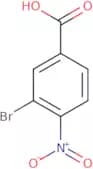
Formula:C31H45N3O21Purity:>97.0%(HPLC)Color and Shape:White to Light yellow to Green powder to crystalMolecular weight:795.703-Bromo-4-nitrobenzoic acid
CAS:3-Bromo-4-nitrobenzoic acid is a chemical compound with the molecular formula CHBrNO2. It is a versatile building block that can be used in the synthesis of many different compounds. 3-Bromo-4-nitrobenzoic acid is a white crystalline solid that is soluble in water, ethanol, and ether. It reacts with many substances to produce other useful compounds. It can also be used as a reagent for the detection of proteins or nucleic acids. This product has been shown to be an effective intermediate in organic reactions and has been used as a scaffold in the synthesis of complex molecules such as natural products, pharmaceuticals, and agrochemicals.Formula:C7H4BrNO4Purity:Min. 95%Color and Shape:PowderMolecular weight:246.02 g/molEthyl 2-aminothiophene-3-carboxylate
CAS:Ethyl 2-aminothiophene-3-carboxylate is a triazole derivative with anticancer activity. It has been shown to inhibit the adenosine A1 receptor and show anticancer activity in vitro. The drug has also been shown to have potent cytotoxic effects against cancer cells, which may be due to its ability to activate apoptosis in tumor cells through structural modifications that lead to the inhibition of DNA synthesis. This compound has also been shown to be less toxic than other chemotherapeutic drugs, such as thiosemicarbazide and ethylene diamine, and it does not cause red blood cell lysis or hemolysis.Formula:C7H9NO2SPurity:Min. 95%Color and Shape:Slightly Yellow PowderMolecular weight:171.22 g/molSodium trifluoromethanesulfonate
CAS:Sodium trifluoromethanesulfonate is an inorganic salt that is used as a reagent in organic synthesis. It is prepared by treating sodium metal with hydrogen fluoride and carbon disulfide. Sodium trifluoromethanesulfonate can be used to form stable complexes with copper(II) chloride, which are useful for the synthesis of organic compounds. This compound has been shown to undergo intermolecular hydrogen bonding interactions with glycol ethers, which are model systems for polymers. Sodium trifluoromethanesulfonate also has the ability to form hydrogen bonds with water molecules, which is important for its use in electrolytes. The structural analysis of sodium trifluoromethanesulfonate reveals that it contains one asymmetric center, which may be responsible for its ability to form hydrogen bonds.
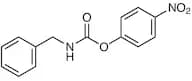
Formula:CHF3O3S•NaPurity:Min. 95%Color and Shape:White PowderMolecular weight:173.07 g/mol4-Nitrophenyl N-Benzylcarbamate
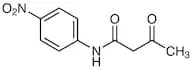
CAS:Formula:C14H12N2O4Purity:>98.0%(N)Color and Shape:White to Light yellow to Green powder to crystalMolecular weight:272.26N-(4-Nitrophenyl)-3-oxobutyramide
CAS:Formula:C10H10N2O4Purity:>98.0%(T)(HPLC)Color and Shape:White to Amber powder to crystalMolecular weight:222.202,6-Dinitrotoluene
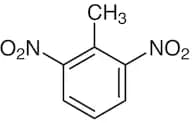
CAS:Formula:C7H6N2O4Purity:>99.0%(GC)Color and Shape:White to Orange to Green powder to crystalMolecular weight:182.142,6-Dimethylbenzaldehyde
CAS:2,6-Dimethylbenzaldehyde is a colorless liquid with a sweet odor. It is used in the synthesis of fatty acids and as an intermediate for other compounds. This chemical has significant cytotoxicity against leukemia cells, and is used in the production of acrylonitrile. 2,6-Dimethylbenzaldehyde can be synthesized by reacting an amine with an acyl chloride, followed by hydrolysis of the resulting ester. A contactor is usually added to facilitate the reaction. The reaction can also be carried out in the presence of a phosphorane or organic solvent. 2,6-Dimethylbenzaldehyde can be hydrogenated to produce 2,4-dimethylaniline and 2,4,6-trimethylaniline.Formula:C9H10OPurity:Min. 95%Color and Shape:Clear White Solid Or Liquid (May Vary)Molecular weight:134.18 g/molButa-1,3-dien-2-ylbenzene (ca. 14% in Tetrahydrofuran, ca. 1.0 mol/L)
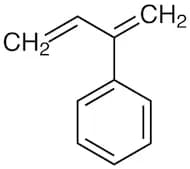
CAS:Formula:C10H10Color and Shape:Colorless to Almost colorlessclear liquidMolecular weight:130.191-Benzyl-3-p-tolyltriazene [for Esterification]
CAS:Formula:C14H15N3Purity:>98.0%(T)Color and Shape:White to Yellow to Orange powder to crystalMolecular weight:225.304-Chloro-1-butene
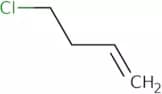
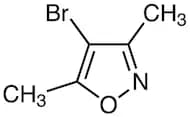
CAS:4-Chloro-1-butene is an organic compound with the chemical formula CHCl. It is a colorless gas that has a sweet odor. It is a monomethylated ethane and can be produced by reacting ethylene with chlorine in the presence of a catalyst. The reaction requires high temperatures and pressures, but yields a constant amount of 4-chloro-1-butene per mole of ethylene. This compound exists as two stereoisomers, cis and trans, which are both present in significant amounts in the gas phase. Elimination reactions occur when trans 4-chloro-1-butene reacts with chloride to form 1,2-dichloroethane or chloroform. Functional groups on the molecule include chlorides and carbons. Covid®19 Pandemic is a polyatomic molecule consisting of four carbon atoms and one chlorine atom that has been shown to have low energy and thus may be able to penetrate protective surfaces such asFormula:C4H7ClPurity:Min. 95%Color and Shape:Colorless Clear LiquidMolecular weight:90.55 g/mol4-Bromo-3,5-dimethylisoxazole
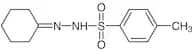
CAS:Formula:C5H6BrNOPurity:>98.0%(GC)Color and Shape:Colorless to Light orange to Yellow clear liquidMolecular weight:176.01Cyclohexanone p-Toluenesulfonylhydrazone
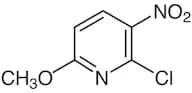
CAS:Formula:C13H18N2O2SPurity:>98.0%(T)(HPLC)Color and Shape:White to Light yellow to Light orange powder to crystalMolecular weight:266.362-Chloro-6-methoxy-3-nitropyridine
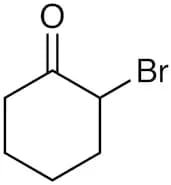
CAS:Formula:C6H5ClN2O3Purity:>98.0%(GC)Color and Shape:Light yellow to Yellow to Green powder to crystalMolecular weight:188.572-Bromocyclohexan-1-one (stabilized with HQ + CaCO3)
CAS:Formula:C6H9BrOPurity:>98.0%(GC)Color and Shape:Colorless to Brown clear liquidMolecular weight:177.041,3-Bis[4-(trifluoromethyl)phenyl]urea
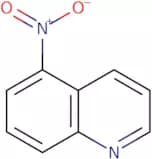
CAS:Formula:C15H10F6N2OPurity:>98.0%(HPLC)(qNMR)Color and Shape:White to Almost white powder to crystalMolecular weight:348.255-Nitroquinoline
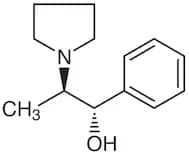
CAS:5-Nitroquinoline is a nitrogen-containing heterocyclic organic compound. It is a white solid that has a melting point of 104 °C and a boiling point of 212 °C. 5-Nitroquinoline can be synthesized by the addition of sodium carbonate to 6-nitroquinoline in hydrochloric acid. The product is then purified by vacuum distillation and recrystallization from nitric acid and acetic acid. 5-Nitroquinoline can be used as an intermediate in the synthesis of other molecules, such as quinolones, which are used in pharmaceuticals. This compound has been shown to cause metastatic colorectal cancer in mice, but not in human liver cells or human lymphocytes.Formula:C9H6N2O2Purity:Min. 95%Color and Shape:Light (Or Pale) Yellow To Dark Yellow SolidMolecular weight:174.16 g/mol(1S,2R)-1-Phenyl-2-(1-pyrrolidinyl)propan-1-ol
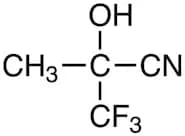
CAS:Formula:C13H19NOPurity:>97.0%(GC)Color and Shape:White or Colorless to Light yellow powder to lump to clear liquidMolecular weight:205.302-Hydroxy-2-(trifluoromethyl)propionitrile
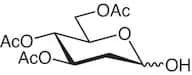
CAS:Formula:C4H4F3NOPurity:>96.0%(GC)Color and Shape:White to Almost white clear liquidMolecular weight:139.083,4,6-Tri-O-acetyl-2-deoxy-D-glucopyranose
CAS:Formula:C12H18O8Purity:>98.0%(GC)Color and Shape:White to Almost white powder to crystalMolecular weight:290.274-Hydroxy-2-iodobenzaldehyde
CAS:4-Hydroxy-2-iodobenzaldehyde is a high quality chemical that belongs to the group of complex compounds. It has been shown to be a useful intermediate, fine chemical, and speciality chemical. It can also be used as a reaction component in the synthesis of other chemicals and is an important building block for making other compounds. 4-Hydoxy-2-iodobenzaldehyde is versatile and can be used in many different reactions.Formula:C7H5IO2Purity:Min. 98 Area-%Molecular weight:248.02 g/mol2-Chlorobenzothiazole
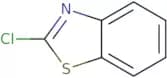
CAS:2-Chlorobenzothiazole is an organic compound with the formula CHClS. It is a reactive and versatile chemical that can be used in both synthesis and as a reagent. The compound is a white solid, but samples are often yellow due to impurities. 2-Chlorobenzothiazole can be prepared by reaction of hydrochloric acid with benzotriazole, followed by reduction of the resulting salt with sodium hydroxide. This product has shown antiinflammatory activity in mice. It has also been shown to inhibit prostaglandin synthesis in vitro through its reaction with amines and carbodiimides, which are nucleophiles, or halides such as Cl or Br. 2-Chlorobenzothiazole was also found to have cytotoxic activity against human colon cancer cells in culture.Formula:C7H4ClNPurity:Min. 95%Color and Shape:Yellow PowderMolecular weight:137.57 g/mol4-Bromo-2,6-difluorobenzaldehyde
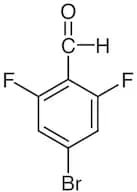
CAS:Formula:C7H3BrF2OPurity:>98.0%(GC)Color and Shape:White to Light yellow to Light orange powder to crystalMolecular weight:221.00tert-Butyl 4-Bromobutanoate
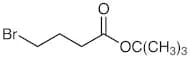
CAS:Formula:C8H15BrO2Purity:>97.0%(GC)Color and Shape:Colorless to Light orange to Yellow clear liquidMolecular weight:223.115-Chloroindole-2-carboxylic acid
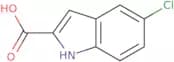
CAS:5-Chloroindole-2-carboxylic acid is a fatty acid that is synthesized from glucose. It has been shown to have inhibitory properties against the enzyme cyclooxygenase-2 (COX-2), which may be due to its ability to suppress prostaglandin synthesis. 5-Chloroindole-2-carboxylic acid also has been shown to have anticancer properties and can inhibit cancer cell growth in vitro. The drug may also play a role in the central nervous system, as it has been shown to cause neuronal death. 5-Chloroindole-2-carboxylic acid is not water soluble, so it must be dissolved in organic solvents such as cyclohexane or chloroform before being used for chemical reactions. This drug can be used with other drugs that are coxib sensitive, such as aspirin, acetaminophen, and ibuprofen.
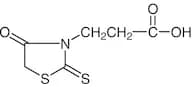
Formula:C9H6ClNO2Color and Shape:PowderMolecular weight:195.6 g/molRhodanine-3-propionic Acid
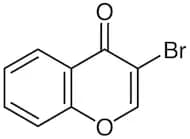
CAS:Formula:C6H7NO3S2Purity:>98.0%(GC)(T)Color and Shape:Light yellow to Brown powder to crystalMolecular weight:205.253-Bromochromone
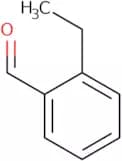
CAS:Formula:C9H5BrO2Purity:>98.0%(GC)Color and Shape:White to Orange to Green powder to crystalMolecular weight:225.042-Ethylbenzaldehyde
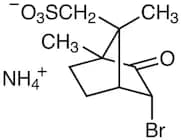
CAS:2-Ethylbenzaldehyde is a colorless volatile liquid that has an odor similar to that of cloves. 2-Ethylbenzaldehyde can be found in the essential oil of nutmeg and other spices, such as cinnamon. It is used in the chemical industry as a control agent for analytical methods, such as the spectrometric determination of ether linkages. 2-Ethylbenzaldehyde has been shown to inhibit fatty acid production by bacteria and to inhibit lipid peroxidation. It also exhibits anti-inflammatory effects when exposed to cells in vitro. Exposure to 2-ethylbenzaldehyde may cause irritation of the eyes, skin, and respiratory tract, dizziness, headache, nausea and vomiting. 2-Ethylbenzaldehyde is generally considered safe for human consumption at low levels; however it may cause adverse health effects if ingested in large quantities or if heated over 400° F (204° Celsius).Formula:C9H10OPurity:Min. 95%Color and Shape:PowderMolecular weight:134.18 g/mol(-)-3-Bromocamphor-8-sulfonic Acid Ammonium Salt
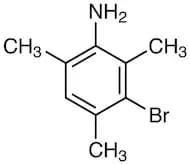
CAS:Formula:C10H18BrNO4SPurity:>97.0%(T)Color and Shape:White to Light yellow to Light orange powder to crystalMolecular weight:328.223-Bromo-2,4,6-trimethylaniline
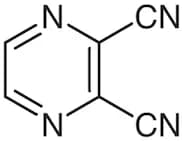
CAS:Formula:C9H12BrNPurity:>98.0%(GC)(T)Color and Shape:White to Light yellow to Light orange powder to crystalMolecular weight:214.112,3-Dicyanopyrazine
CAS:Formula:C6H2N4Purity:>99.0%(GC)Color and Shape:White to Light yellow to Light orange powder to crystalMolecular weight:130.113-Nitro-5-(trifluoromethyl)benzoic acid
CAS:3-Nitro-5-(trifluoromethyl)benzoic acid is a versatile chemical that is an intermediate in the synthesis of a number of pharmaceutical compounds. It can be used to synthesize complex compounds and has been shown to have a high reactivity as well as being useful as a building block for other reactions. 3-Nitro-5-(trifluoromethyl)benzoic acid is also used as a reagent or reaction component in various research projects, such as in the synthesis of many pharmaceuticals and fine chemicals. This chemical has CAS No. 328-80-3, which provides it with high quality and makes it a valuable speciality chemical.Formula:C8H4F3NO4Purity:80%Color and Shape:PowderMolecular weight:235.12 g/mol(1S,4S)-2-Benzyl-2,5-diazabicyclo[2.2.1]heptane Dihydrobromide
CAS:Formula:C12H16N2·2HBrPurity:>98.0%(T)(HPLC)Color and Shape:White to Almost white powder to crystalMolecular weight:350.105,6,7,7a-Tetrahydrothieno[3,2-c]pyridin-2(4H)-one Hydrochloride
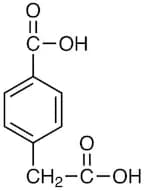
CAS:Formula:C7H9NOS·HClPurity:>97.0%(T)Color and Shape:Light yellow to Brown to Dark green powder to crystalMolecular weight:191.674-(Carboxymethyl)benzoic Acid
CAS:Formula:C9H8O4Purity:>98.0%(T)Color and Shape:White to Almost white powder to crystalMolecular weight:180.16DL-Alanine methyl ester hydrochloride
CAS:DL-Alanine methyl ester hydrochloride is a cytotoxic drug that is used to treat cancer. It inhibits the growth of cancer cells by binding to guanine in the cell's DNA and preventing its incorporation into DNA during replication. The substance also inhibits amino acid transport, causing a shortage of amino acids for protein synthesis. This leads to cell death by nucleophilic attack on the bond between two amino acids. DL-Alanine methyl ester hydrochloride has been shown to be effective against murine leukemia, HIV, and Herpes simplex virus type 1 (HSV-1). DL-Alanine methyl ester hydrochloride has two geometric isomers: L-alanine methyl ester hydrochloride and D-alanine methyl ester hydrochloride. These substances have different reactivities due to their different geometric shapes. Magnetic resonance spectroscopy can be used to differentiate between these substances in vivo, as well as in vitro.Formula:C4H9NO2·HClPurity:Min. 95%Color and Shape:White PowderMolecular weight:139.58 g/mol5-Methyl-1,3-benzenediacetonitrile
CAS:Formula:C11H10N2Purity:>98.0%(GC)Color and Shape:White to Almost white powder to crystalMolecular weight:170.224-Hydroxybenzamidine Hydrochloride
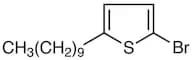
CAS:Formula:C7H8N2O·HClPurity:>98.0%(T)(HPLC)Color and Shape:White to Almost white powder to crystalMolecular weight:172.612-Bromo-5-decylthiophene
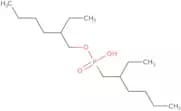
CAS:Formula:C14H23BrSPurity:>97.0%(GC)Color and Shape:White - Yellow LiquidMolecular weight:303.302-Ethylhexylphosphonic acid mono-2-ethylhexyl ester
CAS:Sodium carbonate is a chemical compound that is used as an alkaline substance in the laboratory. It is also used in the manufacture of detergents, glass, and textiles. Sodium carbonate has been shown to be an extractant for 2-ethylhexylphosphonic acid mono-2-ethylhexyl ester. It has been shown to react with acidic sodium salts to form a copper complex and adsorb onto the surface of hydrochloric acid at high concentrations. The Langmuir adsorption isotherm shows that 2-ethylhexylphosphonic acid mono-2-ethylhexyl ester has an optimum concentration at around 3 milliliters per gram, with a kinetic data of 4.74 x 10^4 mL/g/sec. The kinetic data also indicates that this reaction proceeds via a Langmuir adsorption mechanism.
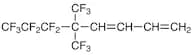
Formula:C16H35O3PPurity:Min. 95%Color and Shape:Clear LiquidMolecular weight:306.42 g/mol6,6,7,7,8,8,8-Heptafluoro-5,5-bis(trifluoromethyl)-1,3-octadiene
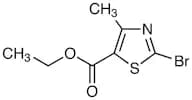
CAS:Formula:C10H5F13Purity:>98.0%(GC)Color and Shape:Colorless to Light yellow to Light orange clear liquidMolecular weight:372.13Ethyl 2-Bromo-4-methylthiazole-5-carboxylate
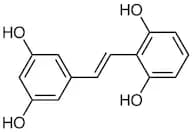
CAS:Formula:C7H8BrNO2SPurity:>97.0%(GC)Color and Shape:Light yellow to Brown powder to crystalMolecular weight:250.11Gnetol
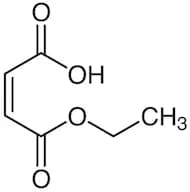
CAS:Formula:C14H12O4Purity:>97.0%(GC)Color and Shape:White to Light yellow to Light orange powder to crystalMolecular weight:244.25Ethyl Hydrogen Maleate
CAS:Formula:C6H8O4Purity:>95.0%(GC)Color and Shape:Colorless to Almost colorless clear liquidMolecular weight:144.131,2-Ethanediol ditosylate
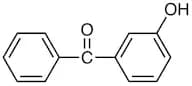
CAS:1,2-Ethanediol ditosylate is a coumarin derivative that is used as a contrast agent in the diagnosis of prostate cancer. It has been shown to be effective against prostate cancer cells in vitro and in vivo. 1,2-Ethanediol ditosylate is injected into the excretory organ (e.g., urinary bladder) and then excreted from the body by the kidneys. The compound accumulates in the prostate gland, where it binds to fatty acids on the cell membrane and induces a positron emission that can be detected with positron emission tomography (PET). This compound also inhibits tumor growth by blocking epidermal growth factor receptor signaling through its ability to bind to carbonic anhydrase II (CAII) receptors on tumor cells.Formula:C16H18O6S2Purity:Min. 95%Color and Shape:White PowderMolecular weight:370.44 g/mol3-Hydroxybenzophenone
CAS:Formula:C13H10O2Purity:>98.0%(GC)Color and Shape:White to Gray to Brown powder to crystalMolecular weight:198.224-(1,2,4-Triazol-1-yl)benzaldehyde
CAS:Formula:C9H7N3OPurity:>98.0%(GC)(T)Color and Shape:Light orange to Yellow to Green powder to crystalMolecular weight:173.184-Chloro-7-(p-toluenesulfonyl)-7H-pyrrolo[2,3-d]pyrimidine
CAS:Formula:C13H10ClN3O2SPurity:>96.0%(HPLC)(N)Color and Shape:White to Orange to Green powder to crystalMolecular weight:307.755,6,7,8-Tetrahydronaphthalene-2-carbaldehyde
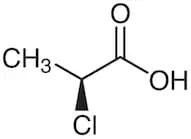
CAS:5,6,7,8-Tetrahydronaphthalene-2-carbaldehyde is an indole derivative that is used as a precursor to produce other compounds. It is an inducers of enzymes (e.g., hydroxylase) and has been shown to increase the production of toxic metabolites such as cyclized products. 5,6,7,8-Tetrahydronaphthalene-2-carbaldehyde can be synthesized from anthracene by reacting it with acetone and hydrochloric acid. This compound can be converted into a variety of derivatives including esters and zoxazolamine. 5,6,7,8-Tetrahydronaphthalene-2-carbaldehyde also has carcinogenic properties and has been shown to cause cancer in rats when injected or orally administered in high doses.Formula:C11H12OPurity:Min. 95%Color and Shape:PowderMolecular weight:160.21 g/mol(S)-(-)-2-Chloropropionic Acid
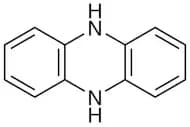
CAS:Formula:C3H5ClO2Purity:>98.0%(GC)(T)Color and Shape:Colorless to Light yellow clear liquidMolecular weight:108.525,10-Dihydrophenazine
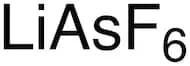
CAS:Formula:C12H10N2Purity:>98.0%(T)Color and Shape:White to Light yellow powder to crystalMolecular weight:182.23Lithium Hexafluoroarsenate(V)
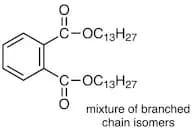
CAS:Formula:LiAsF6Purity:>98.0%(T)Color and Shape:White to Almost white powder to crystalMolecular weight:195.85Ditridecyl Phthalate (mixture of branched chain isomers)
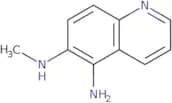
CAS:Formula:C34H58O4Purity:multi component mixture(GC)Color and Shape:Colorless to Almost colorless clear liquidMolecular weight:530.835-Amino-6-(methylamino)quinoline
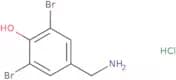
CAS:5-Amino-6-(methylamino)quinoline is a molecule that inhibits the enzymatic activity of tyrosine phosphatases and has been shown to inhibit the growth of typhimurium ta98, which is resistant to quinoxaline. It has also been shown to be mutagenic in vitro. 5-Amino-6-(methylamino)quinoline has an imidazole ring and is synthesized from 2-methylbenzothiazole and N,N'-dimethylethylenediamine. The synthesis of this compound takes place in two steps with the first step being an oxidative cyclization followed by a reductive amination.Formula:C10H11N3Purity:Min. 95%Color and Shape:Green Brown To Brown SolidMolecular weight:173.21 g/mol3,5-Dibromo-4-hydroxybenzylamine hydrochloride
CAS:3,5-Dibromo-4-hydroxybenzylamine hydrochloride is a high quality reagent that can be used as an intermediate in the production of fine chemicals and speciality chemicals. It is also a versatile building block for the synthesis of complex compounds. 3,5-Dibromo-4-hydroxybenzylamine hydrochloride has been shown to be useful in research due to its ability to react with other compounds in a variety of ways. The CAS number for this compound is 1134950-89-2.Formula:C7H8Br2ClNOPurity:Min. 95%Color and Shape:PowderMolecular weight:317.41 g/mol3-Isopropylamino)-1,2-propanediol
CAS:3-Isopropylamino)-1,2-propanediol is a chiral molecule that can exist in two forms, or enantiomers. The two enantiomers of 3-isopropylamino)-1,2-propanediol are mirror images of each other and have different physical properties. One form has a hydroxyl group at the 3 position and the other has a hydroxyl group at the 1 position. These two forms are called R-(+)-3-isopropylamino)-1,2-propanediol and S-(−)-3-isopropylamino)-1,2-propanediol. 3-Isopropylamino)-1,2-propanediol is used in biotechnology to produce chiral compounds and as an intermediate in bioscience research. It is also used as an organic solvent in biochemistry and stereochemistry experiments.Formula:C6H15NO2Purity:Min. 95%Color and Shape:White to off-white solid.Molecular weight:133.19 g/molBenzo[b]furan-2-boronic acid
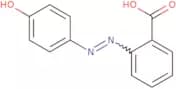
CAS:Benzo[b]furan-2-boronic acid is a potent matrix metalloproteinase inhibitor that can be used in the treatment of cancer. It is synthesized from 2-aminobenzofuran by using a Suzuki coupling reaction with boronic acid. Benzo[b]furan-2-boronic acid has been shown to inhibit MMP-1, MMP-13, and MMP-14. This compound also inhibits the activity of other proteases such as cathepsin G, elastase, and chymase. The compound has been shown to be cytotoxic against human breast cancer cells and colon cancer cells. In addition, this compound is fluorescent and its fluorescence has been shown to increase when it binds to cancer cells.Formula:C8H7BO3Purity:Min. 95%Color and Shape:White PowderMolecular weight:161.95 g/mol2-(4-Hydroxyphenylazo)benzoic acid
CAS:2-(4-Hydroxyphenylazo)benzoic acid is a molecule that is used in the production of human immunoglobulin. It is activated with fatty acids and oligosaccharides to form a complex, which can be detected using confocal microscopy. The matrix-assisted laser ablation technique was used to determine the chemical structures and hydrogen bonding interactions of this molecule. 2-(4-Hydroxyphenylazo)benzoic acid has been shown to inhibit microbial infections by binding to the sodium salt form of Streptavidin, which inhibits bacterial growth. This molecule also has been used as an indicator for trifluoroacetic acid, which can be used as a sample preparation reagent.
Formula:C13H10N2O3Purity:Min. 95%Color and Shape:Yellow PowderMolecular weight:242.23 g/mol2-(Hydroxymethyl)pyridine
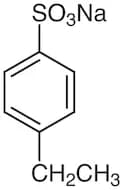
CAS:2-(Hydroxymethyl)pyridine is a metal chelate that has been shown to be a potent inhibitor of picolinic acid amidohydrolase. This enzyme is responsible for the conversion of picolinic acid to nicotinamide adenine dinucleotide (NAD), which is a cofactor in the citric acid cycle. The 2-(hydroxymethyl)pyridine-picolinic acid complex inhibits the activity of this enzyme, blocking the conversion of NAD into nicotinamide adenine dinucleotide phosphate (NADP). This inhibition leads to higher levels of NAD and lower levels of NADP, which may lead to an increase in metabolic activity by increasing the availability of ATP. 2-(Hydroxymethyl)pyridine has been shown to have immunosuppressive properties, as well as anti-inflammatory properties. It also has been shown to be effective against bowel disease and infectious diseases.Formula:C6H7NOPurity:Min. 95%Color and Shape:Clear LiquidMolecular weight:109.13 g/molSodium 4-Ethylbenzenesulfonate
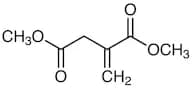
CAS:Formula:C8H9NaO3SPurity:>98.0%(T)(HPLC)Color and Shape:White to Almost white powder to crystalMolecular weight:208.21Dimethyl Itaconate (stabilized with HQ)
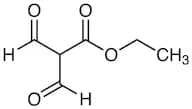
CAS:Formula:C7H10O4Purity:>98.0%(GC)Color and Shape:White or Colorless to Light yellow powder to lump to clear liquidMolecular weight:158.15Ethyl Diformylacetate
CAS:Formula:C6H8O4Purity:>97.0%(T)Color and Shape:Colorless to Light yellow to Light orange clear liquidMolecular weight:144.13



![Galβ(1-4)[Neu5Acα(2-6)]GlcNAc-β-pNP](/_next/image/?url=https%3A%2Fstatic.cymitquimica.com%2Fproducts%2F3B%2Fthumb-webp%2FG0353.webp&w=3840&q=75)









![N-Butanesulfonyl-O-[4-(4-pyridinyl)-butyl]-(S)-tyrosine](/_next/image/?url=https%3A%2Fstatic.cymitquimica.com%2Fproducts%2F3D%2Fthumb-webp%2FFB19373.webp&w=3840&q=75)





![1-Benzyl-3-p-tolyltriazene [for Esterification]](/_next/image/?url=https%3A%2Fstatic.cymitquimica.com%2Fproducts%2F3B%2Fthumb-webp%2FB0949.webp&w=3840&q=75)
![1,3-Bis[4-(trifluoromethyl)phenyl]urea](/_next/image/?url=https%3A%2Fstatic.cymitquimica.com%2Fproducts%2F3B%2Fthumb-webp%2FB4518.webp&w=3840&q=75)


![(1S,4S)-2-Benzyl-2,5-diazabicyclo[2.2.1]heptane Dihydrobromide](/_next/image/?url=https%3A%2Fstatic.cymitquimica.com%2Fproducts%2F3B%2Fthumb-webp%2FB2054.webp&w=3840&q=75)
![5,6,7,7a-Tetrahydrothieno[3,2-c]pyridin-2(4H)-one Hydrochloride](/_next/image/?url=https%3A%2Fstatic.cymitquimica.com%2Fproducts%2F3B%2Fthumb-webp%2FT2984.webp&w=3840&q=75)




![4-Chloro-7-(p-toluenesulfonyl)-7H-pyrrolo[2,3-d]pyrimidine](/_next/image/?url=https%3A%2Fstatic.cymitquimica.com%2Fproducts%2F3B%2Fthumb-webp%2FC3036.webp&w=3840&q=75)


![Benzo[b]furan-2-boronic acid](/_next/image/?url=https%3A%2Fstatic.cymitquimica.com%2Fproducts%2F3D%2Fthumb-webp%2FFB40264.webp&w=3840&q=75)