


Building Blocks
This section contains fundamental products for the synthesis of organic and biological compounds. Building blocks are the essential starting materials used to construct complex molecules through various chemical reactions. They play a critical role in drug discovery, material science, and chemical research. At CymitQuimica, we offer a diverse range of high-quality building blocks to support your innovative research and industrial projects, ensuring you have the essential components for successful synthesis.
Subcategories of "Building Blocks"
- Boronic Acids & Boronic Acid Derivatives(5,756 products)
- Chiral Building Blocks(1,242 products)
- Hydrocarbon Building Blocks(6,093 products)
- Organic Building Blocks(60,532 products)
Found 195534 products of "Building Blocks"
Sort by
Purity (%)
0
100
|
0
|
50
|
90
|
95
|
100
6-(Ethylsulfanyl)pyrazine-2-carboxylic acid
CAS:<p>Versatile small molecule scaffold</p>Formula:C7H8N2O2SPurity:Min. 95%Molecular weight:184.22 g/mol6-[3-(Trifluoromethyl)phenyl]pyridazin-3-ol
CAS:<p>6-[3-(Trifluoromethyl)phenyl]pyridazin-3-ol is a medicament that belongs to the class of anti-tumour agents. It was shown to have antitumor activity against liver cancer in mice. 6-[3-(Trifluoromethyl)phenyl]pyridazin-3-ol inhibits the growth of tumor cells by binding to the nucleus and preventing transcription of DNA into RNA. This drug also inhibits erythrocyte proliferation and increases the rate of apoptosis, which may be due to its ability to inhibit the synthesis of proteins required for cell division.</p>Formula:C11H7F3N2OPurity:Min. 95%Molecular weight:240.18 g/mol3-Chloro-6-[3-(trifluoromethyl)phenyl]pyridazine
CAS:<p>Versatile small molecule scaffold</p>Formula:C11H6ClF3N2Purity:Min. 95%Molecular weight:258.62 g/mol2-(2-Chlorophenyl)-2-(morpholin-4-yl)acetonitrile
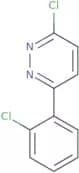
CAS:<p>Versatile small molecule scaffold</p>Formula:C12H13ClN2OPurity:Min. 95%Molecular weight:236.7 g/mol3-Chloro-6-(2-chlorophenyl)pyridazine
CAS:<p>Versatile small molecule scaffold</p>Formula:C10H6Cl2N2Purity:Min. 95%Molecular weight:225.07 g/mol6-(2-Fluorophenyl)pyridazin-3(2H)-one
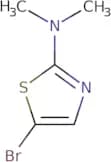
CAS:<p>Versatile small molecule scaffold</p>Formula:C10H7FN2OPurity:Min. 95%Molecular weight:190.18 g/mol5-Bromo-N,N-dimethyl-1,3-thiazol-2-amine
CAS:<p>Versatile small molecule scaffold</p>Formula:C5H7BrN2SPurity:Min. 95%Molecular weight:207.09 g/mol4-Ethylhexan-1-ol
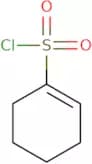
CAS:<p>Versatile small molecule scaffold</p>Formula:C8H18OPurity:Min. 95%Molecular weight:130.2 g/molCyclohex-1-ene-1-sulfonyl chloride
CAS:<p>Versatile small molecule scaffold</p>Formula:C6H9ClO2SPurity:Min. 95%Color and Shape:Clear LiquidMolecular weight:180.65 g/mol5-(Benzylamino)-8-thia-4,6-diazatricyclo[7.4.0.0,2,7]trideca-1(9),2(7),5-trien-3-one
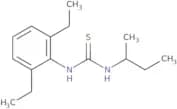
CAS:<p>Versatile small molecule scaffold</p>Formula:C17H17N3OSPurity:Min. 95%Molecular weight:311.4 g/mol3-(Butan-2-yl)-1-(2,6-diethylphenyl)thiourea
CAS:<p>Versatile small molecule scaffold</p>Formula:C15H24N2SPurity:Min. 95%Molecular weight:264.4 g/mol3-Acetylbenzo[b]furan
CAS:<p>3-Acetylbenzo[b]furan is a potent inhibitor of lipase and other enzymes. It has been shown to inhibit acetaldehyde dehydrogenase, an enzyme that catalyzes the conversion of acetaldehyde to acetic acid. 3-Acetylbenzo[b]furan also inhibits chemoenzymatic reactions and has a potent inhibitory activity against asymmetric synthesis. This compound has been shown to be useful for the production of chiral compounds with high selectivities. 3-Acetylbenzo[b]furan can be used as a ligand and isomeric in various fluorescent assays.</p>Formula:C10H8O2Purity:Min. 95%Molecular weight:160.17 g/molRU 24969
CAS:<p>RU 24969 is a 5-ht1a and 5-ht1b receptor agonist and has been shown to increase locomotor activity in animals. This drug also antagonizes the effects of drugs that bind to the 5-ht1b receptor, such as sumatriptan, which can lead to an increase in locomotor activity. RU 24969 may have therapeutic uses for treating depression and anxiety disorders. It is also an antagonist of 5-ht2 receptors, which can cause an increase in dopamine levels and a decrease in camp levels.</p>Formula:C14H16N2OPurity:Min. 95%Molecular weight:228.29 g/mol5-Phenyl-1H-indole
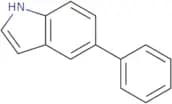
CAS:<p>Phenylindole is a chemical compound that is used as a medicine to treat bacterial infections. It has been shown to inhibit the production of chemokines, which are proinflammatory cytokines that play an important role in the immune system. Phenylindole has been shown to cross-couple with biphenyl or other compounds and has antibacterial activity. It can be used for microscopy to optimize water content or other factors such as pH. Phenylindole inhibits bacterial growth by binding to the ribosomal RNA and preventing protein synthesis. The inhibitory effect can be observed through morphological changes, such as cell shrinkage or cell lysis. Phenylindole has also been found to have antifungal effects, which may be due to its ability to react with aryl halides or activate energy for aryl chlorides.</p>Formula:C14H11NPurity:Min. 95%Molecular weight:193.25 g/mol2-Phenyl-1H-benzimidazole-7-carboxylic acid
CAS:<p>2-Phenyl-1H-benzimidazole-7-carboxylic acid is a heterocyclic compound that has been shown to have antiviral and antiparasitic properties. It is an analog of benzimidazole, which is a lead compound for the development of new drugs for the treatment of viral diseases, such as coxsackievirus B3. This drug also has antiinflammatory properties and is documented to inhibit Coxsackie virus in cell culture.</p>Formula:C14H10N2O2Purity:Min. 95%Molecular weight:238.24 g/mol1-Ethyltetrahydro-2(1H)-pyrimidinone
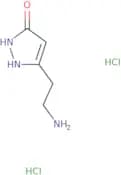
CAS:<p>Versatile small molecule scaffold</p>Formula:C6H12N2OPurity:Min. 95%Molecular weight:128.17 g/mol5-(2-Aminoethyl)-2,3-dihydro-1H-pyrazol-3-one dihydrochloride
CAS:<p>Versatile small molecule scaffold</p>Formula:C5H11Cl2N3OPurity:Min. 95%Molecular weight:200.06 g/molEthyl 4-{[(tert-butoxy)carbonyl]amino}-3-oxopentanoate
CAS:<p>Versatile small molecule scaffold</p>Formula:C12H20O5Purity:Min. 95%Molecular weight:244.28 g/mol1-(Pyridazin-4-yl)propan-1-one
CAS:<p>Versatile small molecule scaffold</p>Formula:C7H8N2OPurity:Min. 95%Molecular weight:136.15 g/mol4-Azido-[1,2,3,4]tetrazolo[1,5-a]quinoxaline
CAS:<p>Versatile small molecule scaffold</p>Formula:C8H4N8Purity:Min. 95%Molecular weight:212.17 g/mol2-[(2,6-Difluorophenyl)formamido]acetic acid
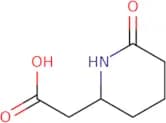
CAS:<p>Versatile small molecule scaffold</p>Formula:C9H7F2NO3Purity:Min. 95%Molecular weight:215.15 g/mol2-(6-Oxopiperidin-2-yl)acetic acid
CAS:<p>Versatile small molecule scaffold</p>Formula:C7H11NO3Purity:Min. 95%Molecular weight:157.17 g/mol3,4-Dihydro-1H-quinazolin-2-one
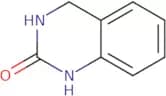
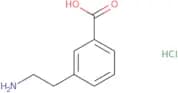
CAS:<p>3,4-Dihydro-1H-quinazolin-2-one is a compound that belongs to the class of thp-1 cells. It has been shown to inhibit the proliferation of cancer cells in vitro. 3,4-Dihydro-1H-quinazolin-2-one inhibits the production of oleanonic acid and other prostaglandins by inhibiting cyclooxygenase and lipoxygenase activities. This compound is stable in hydrochloric acid, which may be used for chemical synthesis. The flow system is a technique for synthesizing polymers with high molecular weight by polymerization at elevated temperature and pressure. 3,4-Dihydro-1H-quinazolin-2-one is minimally toxic to mammals and can be easily synthesized using palladium catalysis with amino acids as coupling partners. Biological studies have shown that it has heteroatomic properties and reacts through an S N 2 mechanism</p>Formula:C8H8N2OPurity:Min. 95%Molecular weight:148.16 g/mol3-(2-Aminoethyl)benzoic acid hydrochloride
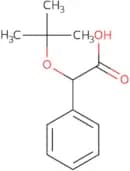
CAS:<p>Versatile small molecule scaffold</p>Formula:C9H12ClNO2Purity:Min. 95%Molecular weight:201.65 g/mol2-(tert-Butoxy)-2-phenylacetic acid
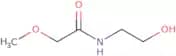
CAS:<p>Versatile small molecule scaffold</p>Formula:C12H16O3Purity:Min. 95%Molecular weight:208.25 g/molN-(2-Hydroxyethyl)-2-methoxyacetamide
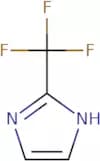
CAS:<p>Versatile small molecule scaffold</p>Formula:C5H11NO3Purity:Min. 95%Molecular weight:133.15 g/mol2-(Trifluoromethyl)-1H-imidazole
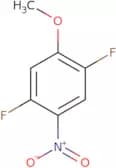
CAS:<p>2-(Trifluoromethyl)-1H-imidazole is a petrochemical that has a trifluoromethyl group. The imidazoles are thermally activated and pentafluoroethyl, ethane, reactive, hydrophobic, and their analogs react with ethyl bromoacetate to form an ether linkage. 2-(Trifluoromethyl)-1H-imidazole is used in the synthesis of products such as the linker for reaction mechanism with trifluoroacetyl.</p>Formula:C4H3F3N2Purity:Min. 95%Molecular weight:136.08 g/mol1,4-difluoro-2-methoxy-5-nitrobenzene
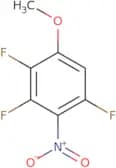
CAS:<p>Versatile small molecule scaffold</p>Formula:C7H5NO3F2Purity:Min. 95%Molecular weight:189.11 g/mol1,3,4-Trifluoro-5-methoxy-2-nitrobenzene
CAS:<p>Versatile small molecule scaffold</p>Formula:C7H4F3NO3Purity:Min. 95%Molecular weight:207.11 g/molEthyl 3-formyl-2,2-dimethylcyclopropane-1-carboxylate
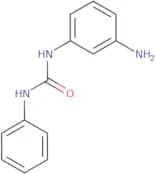
CAS:<p>Versatile small molecule scaffold</p>Formula:C9H14O3Purity:Min. 95%Molecular weight:170.21 g/mol3-(3-Aminophenyl)-1-phenylurea
CAS:<p>Versatile small molecule scaffold</p>Formula:C13H13N3OPurity:Min. 95%Molecular weight:227.26 g/mol3-(2-Hydroxyethyl)-2-methyl-4H,6H,7H,8H,9H-pyrido[1,2-a]pyrimidin-4-one
CAS:<p>3-(2-Hydroxyethyl)-2-methyl-4H,6H,7H,8H,9H-pyrido[1,2-a]pyrimidin-4-one is an impurity in the drug paliperidone. It is a pyridinic acid derivative and has been used as a ligand in X-ray crystallography to identify protein structures. 3-(2-Hydroxyethyl)-2-methyl-4H,6H,7H,8H,9H-pyrido[1,2-a]pyrimidin-4 one is also known to have high detection sensitivity and can be used to analyze ammonium formate. This impurity has been detected in the urine of patients taking paliperidone extended release tablets. To remove this impurity from the drug paliperidone, it must be purified by liquid chromatography or liquid chromatography with high performance liquid chromatography (</p>Formula:C11H16N2O2Purity:Min. 95%Molecular weight:208.26 g/mol6-(tert-Butyl)-2-thioxo-2,3-dihydro-4(1H)-pyrimidinone
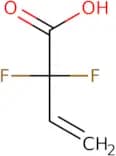
CAS:<p>Versatile small molecule scaffold</p>Formula:C8H12N2OSPurity:Min. 95%Molecular weight:184.26 g/mol2,2-Difluorobut-3-enoic acid
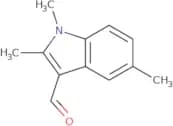
CAS:<p>Versatile small molecule scaffold</p>Formula:C4H4F2O2Purity:Min. 95%Molecular weight:122.07 g/mol1,2,5-Trimethyl-1H-indole-3-carbaldehyde
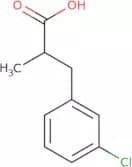
CAS:<p>Versatile small molecule scaffold</p>Formula:C12H13NOPurity:Min. 95%Molecular weight:187.24 g/mol3-(3-Chlorophenyl)-2-methylpropanoic acid
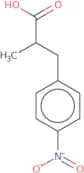
CAS:<p>Versatile small molecule scaffold</p>Formula:C10H11ClO2Purity:Min. 95%Molecular weight:198.64 g/mol2-Methyl-3-(4-nitrophenyl)propanoic acid
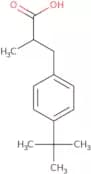
CAS:<p>Versatile small molecule scaffold</p>Formula:C10H11NO4Purity:Min. 95%Molecular weight:209.2 g/mol3-(4-tert-Butylphenyl)-2-methylpropionic acid
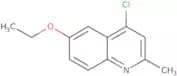
CAS:<p>Versatile small molecule scaffold</p>Formula:C14H20O2Purity:Min. 95%Molecular weight:220.31 g/mol4-Chloro-6-ethoxy-2-methylquinoline
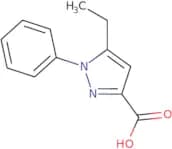
CAS:<p>Versatile small molecule scaffold</p>Formula:C12H12ClNOPurity:Min. 95%Molecular weight:221.68 g/mol5-Ethyl-1-phenyl-1H-pyrazole-3-carboxylic acid
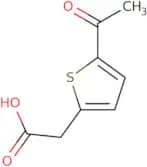
CAS:<p>Versatile small molecule scaffold</p>Formula:C12H12N2O2Purity:Min. 95%Molecular weight:216.24 g/mol(5-Acetylthien-2-yl)acetic acid
CAS:<p>Versatile small molecule scaffold</p>Formula:C8H8O3SPurity:Min. 95%Molecular weight:184.22 g/mol1-Benzyl-6-chloro-1H,2H,3H-pyrrolo[3,2-c]pyridine-7-carbonitrile
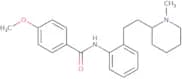
CAS:<p>1-Benzyl-6-chloro-1H,2H,3H-pyrrolo[3,2-c]pyridine-7-carbonitrile is an alkoxy compound that has been shown to react with amines and halogen to form pyridines. The compound also reacts with hydroxy groups and nucleophilic residues to form alkoxy groups. This reaction is catalyzed by hydroxy groups or a base such as sodium hydroxide or potassium hydroxide. 1-Benzyl-6-chloro-1H,2H,3H-pyrrolo[3,2-c]pyridine-7-carbonitrile can be used in the synthesis of polymers and plastics. It can also be used as a precursor for the synthesis of other compounds.</p>Formula:C15H12ClN3Purity:Min. 95%Molecular weight:269.73 g/molEncainide
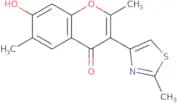
CAS:<p>Encainide is a class I antiarrhythmic drug that belongs to the group of class Ia drugs and inhibits the fast sodium channel. It slows the heart rate and decreases conduction velocity in cardiac tissue. Encainide has been shown to be effective against tachycardia and ventricular arrhythmias. It has been shown to have a stable dose-response curve as well as no known drug interactions. Encainide has also been shown to improve cardiac function by inhibiting the activity of beta-receptors in cardiac muscle, which may lead to increased contractility, improved relaxation, and increased blood flow. Encainide is mainly used for the treatment of arrhythmias in patients with certain heart conditions, such as papillary muscle dysfunction or cardiomyopathy.</p>Formula:C22H28N2O2Purity:Min. 95%Molecular weight:352.5 g/mol7-Hydroxy-2,6-dimethyl-3-(2-methyl-1,3-thiazol-4-yl)-4H-chromen-4-one
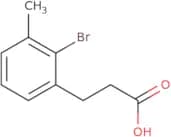
CAS:<p>Versatile small molecule scaffold</p>Formula:C15H13NO3SPurity:Min. 95%Molecular weight:287.3 g/mol3-(2-Bromo-3-methylphenyl)propanoic acid
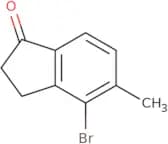
CAS:<p>Versatile small molecule scaffold</p>Formula:C10H11BrO2Purity:Min. 95%Molecular weight:243.1 g/mol4-bromo-5-methyl-2,3-dihydro-1h-inden-1-one
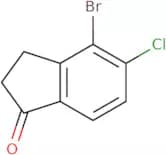
CAS:<p>Versatile small molecule scaffold</p>Formula:C10H9BrOPurity:Min. 95%Molecular weight:225.09 g/mol4-Bromo-5-chloro-2,3-dihydro-1H-inden-1-one
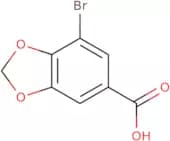
CAS:<p>Versatile small molecule scaffold</p>Formula:C9H6BrClOPurity:Min. 95%Molecular weight:245.5 g/mol7-bromo-1,3-dioxaindane-5-carboxylic acid
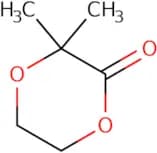
CAS:<p>Versatile small molecule scaffold</p>Formula:C8H5BrO4Purity:Min. 95%Molecular weight:245 g/mol3,3-Dimethyl-1,4-dioxan-2-one
CAS:<p>3,3-Dimethyl-1,4-dioxan-2-one (DMDO) is a chiral compound that is used in organic synthesis as a chiral auxiliary. This molecule has been shown to be useful for the stereoselective polymerization of lactones, enolates, amides and aldehydes. DMDO has also been investigated for its ability to form spindle-like polymers with glycolide and optical activity. 3,3-Dimethyl-1,4-dioxan-2-one is soluble in common organic solvents such as chloroform and dichloromethane at room temperature and can be used for the preparation of microparticles with a diameter up to 50 µm. The high yield of this compound makes it an attractive alternative to other synthetic methods.</p>Formula:C6H10O3Purity:Min. 95%Molecular weight:130.14 g/mol2-[(2-Bromoethoxy)methyl]oxirane
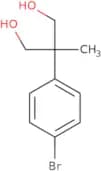
CAS:<p>Versatile small molecule scaffold</p>Formula:C5H9BrO2Purity:Min. 95%Molecular weight:181.03 g/mol2-(4-Bromophenyl)-2-methylpropane-1,3-diol
CAS:<p>Versatile small molecule scaffold</p>Formula:C10H13BrO2Purity:Min. 95%Molecular weight:245.11 g/mol2-[(6-Amino-1H-purin-8-yl)amino]ethan-1-ol
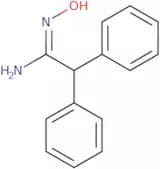
CAS:<p>2-[(6-Amino-1H-purin-8-yl)amino]ethan-1-ol (6APA) is a prodrug that is metabolized by the liver to 6-mercaptopurine (6MP). It is an antiinflammatory drug that has been shown to suppress collagen synthesis and inhibit the activity of proteases. 6APA is also used as a diagnostic agent for systemic diseases, such as reactive arthritis and systemic lupus erythematosus. This compound can be used in the treatment of inflammatory diseases, such as rheumatoid arthritis and Crohn's disease, due to its ability to inhibit the production of inflammatory compounds. The drug binds to affinity ligands which are associated with various proteins, including collagen. This binding prevents the formation of new proteins, which leads to cell death by inhibiting protein synthesis.</p>Formula:C7H10N6OPurity:Min. 95%Molecular weight:194.19 g/mol(1Z)-N'-Hydroxy-2,2-diphenylethanimidamide
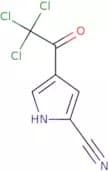
CAS:<p>Versatile small molecule scaffold</p>Formula:C14H14N2OPurity:Min. 95%Molecular weight:226.27 g/mol4-(Trichloroacetyl)-1H-pyrrole-2-carbonitrile
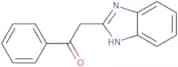
CAS:<p>Versatile small molecule scaffold</p>Formula:C7H3Cl3N2OPurity:Min. 95%Molecular weight:237.5 g/mol2-(1H-1,3-Benzodiazol-2-yl)-1-phenylethan-1-one
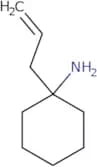
CAS:<p>2-(1H-1,3-Benzodiazol-2-yl)-1-phenylethanone is an unsymmetrical phenacyl chloride that is used in the synthesis of drugs. The generation of acidolysis products and the formation of active methylene compounds are catalyzed by 2-(1H-1,3-benzodiazol-2-yl)-1-phenylethanone. This compound is also used for the preparation of chlorides and methylhydrazones. Preparative methods for this compound involve thionyl chloride, hydrochloric acid, and phenylhydrazone.</p>Formula:C15H12N2OPurity:Min. 95%Molecular weight:236.27 g/mol1-(Prop-2-en-1-yl)cyclohexan-1-amine
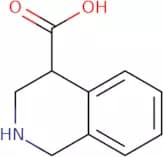
CAS:<p>Versatile small molecule scaffold</p>Formula:C9H17NPurity:Min. 95%Molecular weight:139.24 g/mol1,2,3,4-Tetrahydroisoquinoline-4-carboxylic acid
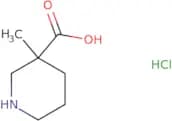
CAS:<p>Versatile small molecule scaffold</p>Formula:C10H11NO2Purity:Min. 95%Molecular weight:177.2 g/mol3-Methylpiperidine-3-carboxylic Acid Hydrochloride
CAS:<p>Versatile small molecule scaffold</p>Formula:C7H13NO2·HClPurity:Min. 95%Molecular weight:179.64 g/mol1-Benzoyl-3-methylpiperidine-3-carboxylic acid
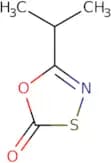
CAS:<p>Versatile small molecule scaffold</p>Formula:C14H17NO3Purity:Min. 95%Molecular weight:247.29 g/mol5-(Propan-2-yl)-2H-1,3,4-oxathiazol-2-one
CAS:<p>Versatile small molecule scaffold</p>Formula:C5H7NO2SPurity:Min. 95%Molecular weight:145.18 g/mol2-(2-Oxopropyl)-1λ⁶-thiolane-1,1-dione
CAS:<p>Versatile small molecule scaffold</p>Formula:C7H12O3SPurity:Min. 95%Molecular weight:176.2 g/molN-[(4-Benzylmorpholin-2-yl)methyl]-2,2,2-trifluoroacetamide
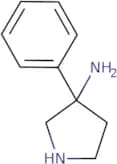
CAS:<p>Versatile small molecule scaffold</p>Formula:C14H17F3N2O2Purity:Min. 95%Molecular weight:302.29 g/mol3-Phenylpyrrolidin-3-amine
CAS:<p>Versatile small molecule scaffold</p>Formula:C10H14N2Purity:Min. 95%Molecular weight:162.23 g/mol4-[4-(Methylsulfanyl)phenyl]butanoic acid
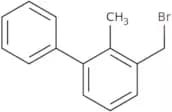
CAS:<p>Versatile small molecule scaffold</p>Formula:C11H14O2SPurity:Min. 95%Molecular weight:210.29 g/mol3-(Bromomethyl)-2-methyl-1,1'-biphenyl
CAS:<p>Versatile small molecule scaffold</p>Formula:C14H13BrPurity:Min. 95%Molecular weight:261.16 g/mol1-(5-Methyl-1-methyl-1H-indol-3-yl)-ethanone
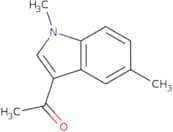
CAS:Controlled Product<p>Versatile small molecule scaffold</p>Formula:C12H13NOPurity:Min. 95%Molecular weight:187.24 g/molMethyl 2-methyl-1-(propan-2-yl)-4,5-dihydro-1H-pyrrole-3-carboxylate
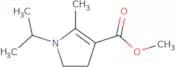
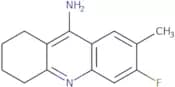
CAS:<p>Versatile small molecule scaffold</p>Formula:C10H17NO2Purity:Min. 95%Molecular weight:183.25 g/mol6-Fluoro-7-methyl-1,2,3,4-tetrahydroacridin-9-amine
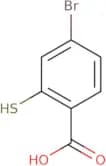
CAS:<p>Versatile small molecule scaffold</p>Formula:C14H15FN2Purity:Min. 95%Molecular weight:230.28 g/mol4-Bromo-2-sulfanylbenzoic acid
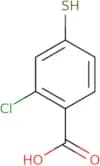
CAS:<p>Versatile small molecule scaffold</p>Formula:C7H5BrO2SPurity:Min. 95%Molecular weight:233.08 g/mol2-Chloro-4-sulfanylbenzoic acid
CAS:<p>Versatile small molecule scaffold</p>Formula:C7H5ClO2SPurity:Min. 95%Molecular weight:188.63 g/mol1,6-Dihydro-6-methyl-7H-pyrrolo[2,3-c]pyridin-7-one
CAS:<p>Versatile small molecule scaffold</p>Formula:C8H8N2OPurity:Min. 95%Molecular weight:148.16 g/mol2-Benzyl-2-azabicyclo[2.2.1]heptane
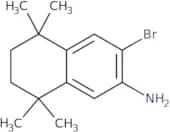
CAS:<p>Versatile small molecule scaffold</p>Formula:C13H17NPurity:Min. 95%Molecular weight:187.3 g/mol3-Bromo-5,5,8,8-tetramethyl-5,6,7,8-tetrahydronaphthalen-2-amine
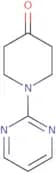
CAS:<p>Versatile small molecule scaffold</p>Formula:C14H20BrNPurity:Min. 95%Molecular weight:282.22 g/mol1-Pyrimidin-2-yl-piperidin-4-one
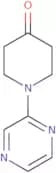
CAS:<p>Versatile small molecule scaffold</p>Formula:C9H11N3OPurity:Min. 95%Molecular weight:177.2 g/mol1-(Pyrazin-2-yl)piperidin-4-one
CAS:<p>Versatile small molecule scaffold</p>Formula:C9H11N3OPurity:Min. 95%Molecular weight:177.2 g/mol7-Bromo-1H,2H,3H-pyrazolo[1,5-a]imidazole
CAS:<p>Versatile small molecule scaffold</p>Formula:C5H6BrN3Purity:Min. 95%Molecular weight:188.03 g/mol4-[(Dimethylamino)methyl]-1,3-thiazol-2-amine
CAS:<p>4-[(Dimethylamino)methyl]-1,3-thiazol-2-amine is a modulating agent that is used for the treatment of heart disease. This drug has been shown to inhibit the uptake of cholesterol in macrophages by blocking the cholesterol transport protein. The drug also increases membrane permeability and reduces the production of inflammatory mediators, such as prostaglandins and leukotrienes. 4-[(Dimethylamino)methyl]-1,3-thiazol-2-amine has been shown to reduce cardiovascular risk factors, including high blood pressure, obesity, diabetes mellitus type II, and hyperlipidemia. 4-[(Dimethylamino)methyl]-1,3-thiazol-2-amine can be used to treat infectious diseases by inhibiting bacterial growth and decreasing inflammation. It also prevents fatty acid oxidation and modulates lipid metabolism in animals with environmental pollution or excessive levels of fatty acids.</p>Formula:C6H11N3SPurity:Min. 95%Molecular weight:157.24 g/mol4-(Quinolin-8-yloxy)aniline
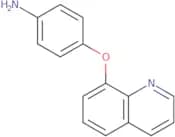
CAS:<p>Versatile small molecule scaffold</p>Formula:C15H12N2OPurity:Min. 95%Molecular weight:236.27 g/mol2-(Chloromethyl)-4,5,6,7-tetrahydro-1H-1,3-benzodiazole hydrochloride
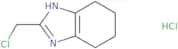
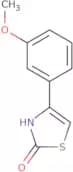
CAS:<p>Versatile small molecule scaffold</p>Formula:C8H12Cl2N2Purity:Min. 95%Molecular weight:207.1 g/mol4-(3-Methoxyphenyl)-2,3-dihydro-1,3-thiazol-2-one
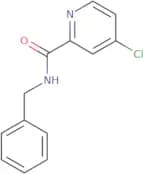
CAS:<p>Versatile small molecule scaffold</p>Formula:C10H9NO2SPurity:Min. 95%Molecular weight:207.25 g/molN-Benzyl-4-chloropyridine-2-carboxamide
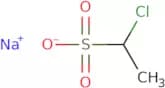
CAS:<p>Versatile small molecule scaffold</p>Formula:C13H11ClN2OPurity:Min. 95%Molecular weight:246.69 g/molSodium 1-chloroethane-1-sulfonate
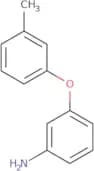
CAS:<p>Sodium 1-chloroethane-1-sulfonate is a sulfamate that has a hydroxy group. It is an inorganic compound that has been used in the form of its sodium salt as a clinical treatment for hyperkalemia. It reacts with hydroxyl groups to form vinyl alcohol and can be aminated to form piperazine. The acidic pH of the environment also promotes amination reactions. This chemical is reactive and cationic, which makes it useful as a surfactant or detergent.</p>Formula:C2H4ClNaO3SPurity:Min. 95%Molecular weight:166.56 g/mol3-(3-Methylphenoxy)aniline
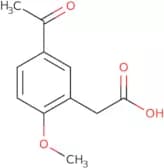
CAS:<p>Versatile small molecule scaffold</p>Formula:C13H13NOPurity:Min. 95%Molecular weight:199.25 g/mol2-(5-Acetyl-2-methoxyphenyl)acetic acid
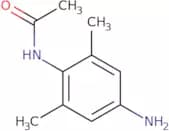
CAS:<p>Versatile small molecule scaffold</p>Formula:C11H12O4Purity:Min. 95%Molecular weight:208.21 g/molN-(4-Amino-2,6-dimethylphenyl)acetamide
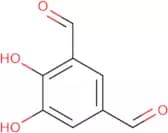
CAS:<p>Versatile small molecule scaffold</p>Formula:C10H14N2OPurity:Min. 95%Molecular weight:178.23 g/mol1,2-Dihydroxy-3,5-diformylbenzene
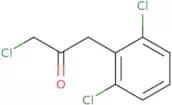
CAS:<p>Versatile small molecule scaffold</p>Formula:C8H6O4Purity:Min. 95%Molecular weight:166.13 g/mol1-Chloro-3-(2,6-dichlorophenyl)propan-2-one
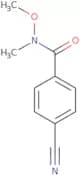
CAS:<p>Versatile small molecule scaffold</p>Formula:C9H7Cl3OPurity:Min. 95%Molecular weight:237.5 g/mol4-Cyano-N-methoxy-N-methylbenzenecarboxamide
CAS:<p>4-Cyano-N-methoxy-N-methylbenzenecarboxamide is a genotoxic agent that can be detected in wastewater samples. It can cause genotoxic effects in human cells and animal experiments, but the toxicity of 4-cyano-N-methoxy-N-methylbenzenecarboxamide to humans has not been studied. The compound may be present as an environmental pollutant in wastewater treatment plants and may have a toxic potential for the intestinal microflora and for healthy controls. The compound has been analysed in congenital cases with no significant association found.</p>Formula:C10H10N2O2Purity:Min. 95%Molecular weight:190.2 g/molEthyl 2-[(dimethylamino)methylidene]-4-methyl-3-oxopentanoate
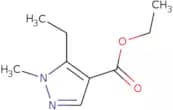
CAS:<p>Versatile small molecule scaffold</p>Formula:C11H19NO3Purity:Min. 95%Molecular weight:213.27 g/molEthyl 5-ethyl-1-methyl-1H-pyrazole-4-carboxylate
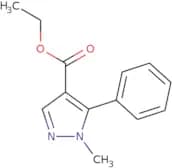
CAS:<p>Versatile small molecule scaffold</p>Formula:C9H14N2O2Purity:Min. 95%Molecular weight:182.22 g/molEthyl 1-methyl-5-phenyl-1H-pyrazole-4-carboxylate
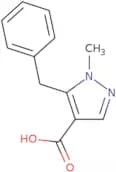
CAS:<p>Versatile small molecule scaffold</p>Formula:C13H14N2O2Purity:Min. 95%Molecular weight:230.26 g/mol5-Benzyl-1-methyl-1H-pyrazole-4-carboxylic acid
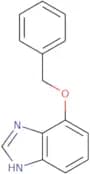
CAS:<p>Versatile small molecule scaffold</p>Formula:C12H12N2O2Purity:Min. 95%Molecular weight:216.24 g/mol4-(Benzyloxy)-1H-1,3-benzodiazole
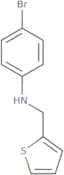
CAS:<p>Versatile small molecule scaffold</p>Formula:C14H12N2OPurity:Min. 95%Molecular weight:224.26 g/mol4-Bromo-N-(thiophen-2-ylmethyl)aniline
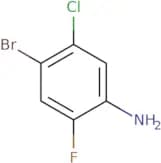
CAS:<p>Versatile small molecule scaffold</p>Formula:C11H10BrNSPurity:Min. 95%Molecular weight:268.17 g/mol4-Bromo-5-chloro-2-fluoroaniline
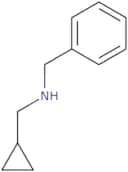
CAS:<p>Versatile small molecule scaffold</p>Formula:C6H4BrClFNPurity:Min. 95%Molecular weight:224.46 g/molN-Benzyl(cyclopropyl)methanamine
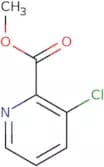
CAS:<p>N-Benzyl(cyclopropyl)methanamine is a phenanthrene derivative that is synthesized by the reaction of benzylic methylene with methanol. This compound can be hydrolyzed to benzoic acid and cyclopropanol. N-Benzyl(cyclopropyl)methanamine has been used as an electrode material for organic electrochemical cells as it has high electron transfer and overpotential, making this compound more suitable than other materials such as benzylic or alkyl groups. The synthesis of esters from N-benzyl(cyclopropyl)methanamine can be achieved through the use of acetals.</p>Formula:C11H15NPurity:Min. 95%Molecular weight:161.24 g/molMethyl 3-chloropyridine-2-carboxylate
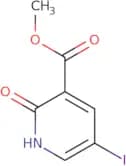
CAS:<p>Methyl 3-chloropyridine-2-carboxylate is a synthetic, orally active analog of picolinic acid. It is used in the synthesis of pharmaceuticals and agrochemicals. Methyl 3-chloropyridine-2-carboxylate is a bactericidal drug that inhibits bacterial growth by inhibiting protein synthesis, which leads to cell death. This compound has been shown to be effective against cancer cells, with low toxicity to normal tissues.</p>Formula:C7H6ClNO2Purity:Min. 95%Molecular weight:171.58 g/molMethyl 5-iodo-2-oxo-1,2-dihydropyridine-3-carboxylate
CAS:<p>Versatile small molecule scaffold</p>Formula:C7H6INO3Purity:Min. 95%Molecular weight:279.03 g/mol2-Fluoro-4-isothiocyanato-1-methylbenzene
CAS:<p>2-Fluoro-4-isothiocyanato-1-methylbenzene is an industrial chemical that belongs to the class of triethylene diamines. The 2-Fluoro-4-isothiocyanato-1-methylbenzene molecule has a carbon disulfide group in its structure. It is used as a raw material for the production of carbon tetrachloride, hexamethylenetetramine, and other organic compounds. 2-Fluoro-4-isothiocyanato-1-methylbenzene is also used in the synthesis of 2,2'-dithiodiethanol, which is a useful precursor in organic chemistry.</p>Formula:C8H6FNSPurity:Min. 95%Molecular weight:167.21 g/mol1-[(4-Bromophenyl)methyl]-5-oxopyrrolidine-2-carboxylic acid
CAS:Controlled Product<p>1-[(4-Bromophenyl)methyl]-5-oxopyrrolidine-2-carboxylic acid is a peptide that belongs to a class of inhibitors. It has been shown to inhibit the activity of ion channels and is used as a research tool in cell biology and pharmacology. 1-[(4-Bromophenyl)methyl]-5-oxopyrrolidine-2-carboxylic acid interacts with specific receptors and ligands, which may contribute to its ability to inhibit the activity of ion channels.</p>Formula:C12H12BrNO3Purity:Min. 95%Molecular weight:298.13 g/mol


![6-[3-(Trifluoromethyl)phenyl]pyridazin-3-ol](/_next/image/?url=https%3A%2Fstatic.cymitquimica.com%2Fproducts%2F3D%2Fthumb-webp%2FRCA54862.webp&w=3840&q=75)
![3-Chloro-6-[3-(trifluoromethyl)phenyl]pyridazine](/_next/image/?url=https%3A%2Fstatic.cymitquimica.com%2Fproducts%2F3D%2Fthumb-webp%2FRCA54863.webp&w=3840&q=75)



![5-(Benzylamino)-8-thia-4,6-diazatricyclo[7.4.0.0,2,7]trideca-1(9),2(7),5-trien-3-one](/_next/image/?url=https%3A%2Fstatic.cymitquimica.com%2Fproducts%2F3D%2Fthumb-webp%2FRCA60749.webp&w=3840&q=75)
![3-Acetylbenzo[b]furan](/_next/image/?url=https%3A%2Fstatic.cymitquimica.com%2Fproducts%2F3D%2Fthumb-webp%2FRCA61115.webp&w=3840&q=75)



![Ethyl 4-{[(tert-butoxy)carbonyl]amino}-3-oxopentanoate](/_next/image/?url=https%3A%2Fstatic.cymitquimica.com%2Fproducts%2F3D%2Fthumb-webp%2FRCA64380.webp&w=3840&q=75)

![4-Azido-[1,2,3,4]tetrazolo[1,5-a]quinoxaline](/_next/image/?url=https%3A%2Fstatic.cymitquimica.com%2Fproducts%2F3D%2Fthumb-webp%2FRCA64823.webp&w=3840&q=75)
![2-[(2,6-Difluorophenyl)formamido]acetic acid](/_next/image/?url=https%3A%2Fstatic.cymitquimica.com%2Fproducts%2F3D%2Fthumb-webp%2FRCA64838.webp&w=3840&q=75)

![3-(2-Hydroxyethyl)-2-methyl-4H,6H,7H,8H,9H-pyrido[1,2-a]pyrimidin-4-one](/_next/image/?url=https%3A%2Fstatic.cymitquimica.com%2Fproducts%2F3D%2Fthumb-webp%2FRCA69827.webp&w=3840&q=75)
![1-Benzyl-6-chloro-1H,2H,3H-pyrrolo[3,2-c]pyridine-7-carbonitrile](/_next/image/?url=https%3A%2Fstatic.cymitquimica.com%2Fproducts%2F3D%2Fthumb-webp%2FRCA75132.webp&w=3840&q=75)
![2-[(2-Bromoethoxy)methyl]oxirane](/_next/image/?url=https%3A%2Fstatic.cymitquimica.com%2Fproducts%2F3D%2Fthumb-webp%2FRCA80359.webp&w=3840&q=75)
![2-[(6-Amino-1H-purin-8-yl)amino]ethan-1-ol](/_next/image/?url=https%3A%2Fstatic.cymitquimica.com%2Fproducts%2F3D%2Fthumb-webp%2FRCA81329.webp&w=3840&q=75)

![N-[(4-Benzylmorpholin-2-yl)methyl]-2,2,2-trifluoroacetamide](/_next/image/?url=https%3A%2Fstatic.cymitquimica.com%2Fproducts%2F3D%2Fthumb-webp%2FREA16326.webp&w=3840&q=75)
![4-[4-(Methylsulfanyl)phenyl]butanoic acid](/_next/image/?url=https%3A%2Fstatic.cymitquimica.com%2Fproducts%2F3D%2Fthumb-webp%2FREA17433.webp&w=3840&q=75)
![1,6-Dihydro-6-methyl-7H-pyrrolo[2,3-c]pyridin-7-one](/_next/image/?url=https%3A%2Fstatic.cymitquimica.com%2Fproducts%2F3D%2Fthumb-webp%2FREA21246.webp&w=3840&q=75)
![2-Benzyl-2-azabicyclo[2.2.1]heptane](/_next/image/?url=https%3A%2Fstatic.cymitquimica.com%2Fproducts%2F3D%2Fthumb-webp%2FREA23022.webp&w=3840&q=75)
![7-Bromo-1H,2H,3H-pyrazolo[1,5-a]imidazole](/_next/image/?url=https%3A%2Fstatic.cymitquimica.com%2Fproducts%2F3D%2Fthumb-webp%2FREA24833.webp&w=3840&q=75)
![4-[(Dimethylamino)methyl]-1,3-thiazol-2-amine](/_next/image/?url=https%3A%2Fstatic.cymitquimica.com%2Fproducts%2F3D%2Fthumb-webp%2FREA25253.webp&w=3840&q=75)
![Ethyl 2-[(dimethylamino)methylidene]-4-methyl-3-oxopentanoate](/_next/image/?url=https%3A%2Fstatic.cymitquimica.com%2Fproducts%2F3D%2Fthumb-webp%2FREA34409.webp&w=3840&q=75)

![1-[(4-Bromophenyl)methyl]-5-oxopyrrolidine-2-carboxylic acid](/_next/image/?url=https%3A%2Fstatic.cymitquimica.com%2Fproducts%2F3D%2Fthumb-webp%2FREA40423.webp&w=3840&q=75)