


Building Blocks
This section contains fundamental products for the synthesis of organic and biological compounds. Building blocks are the essential starting materials used to construct complex molecules through various chemical reactions. They play a critical role in drug discovery, material science, and chemical research. At CymitQuimica, we offer a diverse range of high-quality building blocks to support your innovative research and industrial projects, ensuring you have the essential components for successful synthesis.
Subcategories of "Building Blocks"
- Boronic Acids & Boronic Acid Derivatives(5,756 products)
- Chiral Building Blocks(1,242 products)
- Hydrocarbon Building Blocks(6,093 products)
- Organic Building Blocks(60,532 products)
Found 195534 products of "Building Blocks"
Sort by
Purity (%)
0
100
|
0
|
50
|
90
|
95
|
100
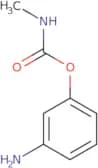
3-Aminophenyl N-methylcarbamate
CAS:<p>Versatile small molecule scaffold</p>Formula:C8H10N2O2Purity:Min. 95%Molecular weight:166.18 g/mol1-Benzyl-1 H -[1,2,4]triazol-3-ylamine
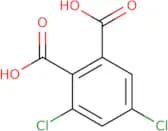
CAS:<p>Versatile small molecule scaffold</p>Formula:C9H10N4Purity:Min. 95%Molecular weight:174.2 g/mol3,5-Dichlorophthalic acid
CAS:<p>3,5-Dichlorophthalic acid is a divalent organic acid that is used as an intermediate in the production of other chemicals. 3,5-Dichlorophthalic acid is used as a regulator of plant growth and development. It can also be used to make different n-substituted compounds, such as naphthalene, phthalic anhydride, and 2,6-dichloro-pyridine.</p>Formula:C8H4Cl2O4Purity:Min. 95%Molecular weight:235.02 g/mol2-[(3-Chlorophenyl)methyl]oxirane
CAS:<p>Versatile small molecule scaffold</p>Formula:C9H9ClOPurity:Min. 95%Molecular weight:168.62 g/mol4-{[(Diaminomethylidene)amino]methyl}benzoic acid hydrochloride
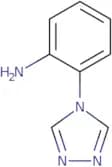
CAS:<p>Versatile small molecule scaffold</p>Formula:C9H12ClN3O2Purity:Min. 95%Molecular weight:229.66 g/mol2-(4H-1,2,4-Triazol-4-yl)aniline
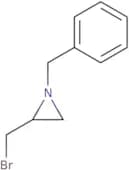
CAS:<p>Versatile small molecule scaffold</p>Formula:C8H8N4Purity:Min. 95%Molecular weight:160.18 g/mol1-Benzyl-2-(bromomethyl)aziridine
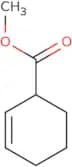
CAS:<p>1-Benzyl-2-(bromomethyl)aziridine is a nucleophile that can be used as an intermediate in the synthesis of epoxides. It is used as a reactant in the formation of chiral epoxides, which are important for pharmaceuticals and agrochemicals. The addition of aziridines to activated esters provides the corresponding carboxylic acid. The reaction proceeds stereoselectively with 1-benzyl-2-(bromomethyl)aziridine, but not with other diamino compounds such as 1-benzyl-2-(chloromethyl)aziridine or 2-(bromomethyl)azetidine. Bromine is used to activate the carboxylic acid, which leads to a more reactive intermediate than other nonactivated forms.</p>Formula:C10H12BrNPurity:Min. 95%Molecular weight:226.11 g/molMethyl cyclohex-2-enecarboxylate
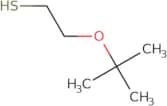
CAS:<p>Methyl cyclohex-2-enecarboxylate (MCHC) is a volatile compound that is found in actinomycetes and has been identified as the second major product of phenolic metabolism. MCHC is produced by the addition of an enolizable acetyl group to 2-cyclohexene-1-carboxylic acid. It can also be synthesized by the oxidation of cyclohexenyl alcohol, which is one of its main precursors. MCHC is a short-chain volatile compound that can exist as cis or trans isomers and has a boiling point of 136°C. The biosynthesis of MCHC occurs through a series of reactions that are difficult to identify because they have not yet been fully elucidated.<br>MCHC has been shown to cause cancer in animals, but it does not exhibit carcinogenic properties in humans because it does not bind well to DNA. The aromatic hydrocarbon content</p>Formula:C8H12O2Purity:Min. 95%Molecular weight:140.18 g/mol2-(tert-Butoxy)ethane-1-thiol
CAS:<p>Versatile small molecule scaffold</p>Formula:C6H14OSPurity:Min. 95%Molecular weight:134.2 g/mol{1H,2H,3H,4H,9H-Pyrido[3,4-b]indol-3-yl}methanol
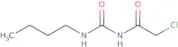
CAS:<p>Versatile small molecule scaffold</p>Formula:C12H14N2OPurity:Min. 95%Molecular weight:202.25 g/mol1-Butyl-3-(2-chloroacetyl)urea
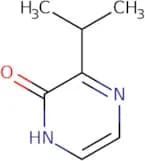
CAS:<p>Versatile small molecule scaffold</p>Formula:C7H13ClN2O2Purity:Min. 95%Molecular weight:192.64 g/mol3-isopropylpyrazin-2-ol
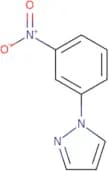
CAS:<p>3-isopropylpyrazin-2-ol is a volatile and catalytic compound that is used in the synthesis of methylated flavonols such as quercetin. It is a hydroxypyrazine that can be synthesized from the amino acid isobutylamine. 3-isopropylpyrazin-2-ol has been shown to inhibit o-methyltransferases and flavonol quercetin biosynthesis in tissues, and can be used for the production of other derivatives. This compound has also been shown to inhibit e coli growth, which may be due to its ability to inhibit enzymes involved in bacterial DNA replication.</p>Formula:C7H10N2OPurity:Min. 95%Molecular weight:138.17 g/mol1-(3-Nitrophenyl)-1H-pyrazole
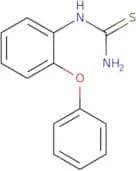
CAS:<p>1-(3-Nitrophenyl)-1H-pyrazole is a small molecule inhibitor of p38 kinase. It can be used to treat arthritis and other diseases that are caused by the overactivation of p38 kinase. 1-(3-Nitrophenyl)-1H-pyrazole also has the potential to be used as a combinatorial library for the discovery of new inhibitors for protein kinases.</p>Formula:C9H7N3O2Purity:Min. 95%Molecular weight:189.17 g/mol(2-Phenoxyphenyl)thiourea
CAS:<p>Versatile small molecule scaffold</p>Formula:C13H12N2OSPurity:Min. 95%Molecular weight:244.31 g/molMethyl (2E)-4-amino-2-methylbut-2-enoate hydrochloride
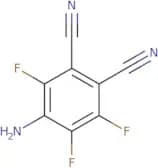
CAS:<p>Versatile small molecule scaffold</p>Formula:C6H12ClNO2Purity:Min. 95%Molecular weight:165.6 g/mol4-Amino-3,5,6-trifluorobenzene-1,2-dicarbonitrile
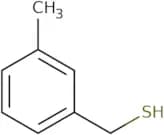
CAS:<p>4-Amino-3,5,6-trifluorobenzene-1,2-dicarbonitrile (4AF) is a chemical compound that has been found to have antimicrobial properties. 4AF inhibits the growth of bacteria by hydrolyzing into 3,5,6-trifluoroaniline and trifluoroacetic acid. It also binds to polyamide and prevents the formation of bacterial cell walls. This process stops the synthesis of DNA and protein in the bacterial cell.</p>Formula:C8H2F3N3Purity:Min. 95%Molecular weight:197.12 g/mol3-Methylbenzylthiol
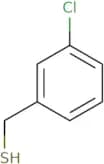
CAS:<p>Versatile small molecule scaffold</p>Formula:C8H10SPurity:Min. 95%Molecular weight:138.23 g/mol(3-Chlorophenyl)methanethiol
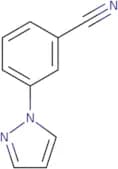
CAS:<p>3-Chlorophenylmethanethiol (3CPMS) is a delocalized molecule with a planar conformation. It has a resonance structure and can be found in the crystal structure of benzene. The hybridization of 3CPMS is sp2, which means that it is planar and has two electron pairs on each carbon atom. 3CPMS has the ability to form bonds with other molecules through hydrogen bonding or through the formation of covalent bonds with other molecules.</p>Formula:C7H7ClSPurity:Min. 95%Molecular weight:158.65 g/mol3-(1H-Pyrazol-1-yl)benzonitrile
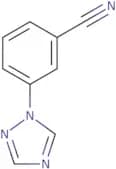
CAS:<p>3-(1H-Pyrazol-1-yl)benzonitrile is a perchlorate with a centrosymmetric dimeric crystal structure. It can be prepared by assembling two molecules of 3-aminobenzonitrile and 1,2,4-triazole in the presence of an oxidant. This compound has been used as a ligand in coordination chemistry and has been shown to be an efficient catalyst for imidazole synthesis. The molecule also exhibits anti-aromatization properties when irradiated. 3-(1H-Pyrazol-1-yl)benzonitrile can be used as an environment friendly alternative to benzotriazoles, which are typically synthesized using toxic chemicals such as chlorine gas or hydrogen peroxide.</p>Formula:C10H7N3Purity:Min. 95%Molecular weight:169.18 g/mol3-(1H-1,2,4-Triazol-1-yl)benzonitrile
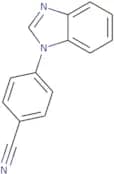
CAS:<p>Versatile small molecule scaffold</p>Formula:C9H6N4Purity:Min. 95%Molecular weight:170.17 g/mol4-(1H-1,3-Benzodiazol-1-yl)benzonitrile
CAS:<p>4-(1H-1,3-Benzodiazol-1-yl)benzonitrile is a subunit of a coordination polymer that can be used as an organic ligand. The coordination polymer is composed of benzene rings and nitrile groups. It has been shown to have luminescent properties and can be used in the production of polymers with different topologies. These polymers are made up of alternating benzene rings and nitrile groups that form a chain. The luminescence properties depend on the type of organic ligands that are attached to the polymer chain.</p>Formula:C14H9N3Purity:Min. 95%Molecular weight:219.24 g/mol1-[2-(1H-Pyrazol-1-yl)phenyl]ethan-1-one
CAS:<p>Versatile small molecule scaffold</p>Formula:C11H10N2OPurity:Min. 95%Molecular weight:186.21 g/mol1-[4-(1H-Pyrazol-1-yl)phenyl]ethanone
CAS:<p>1-[4-(1H-Pyrazol-1-yl)phenyl]ethanone is a bipyridine that can be used as a reagent to produce alkenylation products. It has chemoselectivity, meaning it reacts with only one of the two possible functional groups in an organic molecule. 1-[4-(1H-Pyrazol-1-yl)phenyl]ethanone is an oxidant and can be used for ruthenium catalyzed reactions. The compound was also shown to be directive and carboxylic acid catalysis in oxidative solvent systems.</p>Formula:C11H10N2OPurity:Min. 95%Molecular weight:186.21 g/mol1-[4-(1H-1,2,4-Triazol-1-yl)phenyl]ethan-1-one
CAS:<p>Versatile small molecule scaffold</p>Formula:C10H9N3OPurity:Min. 95%Molecular weight:187.2 g/mol1-[4-(1H-Benzimidazol-1-yl)phenyl]ethanone
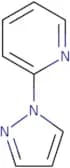
CAS:<p>Versatile small molecule scaffold</p>Formula:C15H12N2OPurity:Min. 95%Molecular weight:236.27 g/mol2-(1H-Pyrazol-1-yl)pyridine
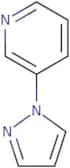
CAS:<p>2-(1H-Pyrazol-1-yl)pyridine is a synthetic compound that has two nitrogen atoms in its pyrazole ring. It is used as an agrochemical and bioassay to control insects, fungi, and other pests. 2-(1H-Pyrazol-1-yl)pyridine is also used as a chemical intermediate in the synthesis of chlorantraniliprole and ryanodine receptor antagonists. The chemical structure of 2-(1H-pyrazol-1-yl)pyridine consists of an imine group with a nitrogen atom on each side of the double bond. This molecule can be converted into a nitrile by reacting it with hydrochloric acid, which is why it's sometimes called "2-(hydroxymethyl)-1H pyrazole."</p>Formula:C8H7N3Purity:Min. 95%Molecular weight:145.16 g/mol3-(1H-Pyrazol-1-yl)pyridine
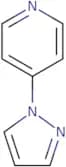
CAS:<p>3-(1H-Pyrazol-1-yl)pyridine (3PYR) is an insecticide that has been shown to be effective against a number of insects, including houseflies and mosquitoes. 3PYR is a type of pyrazole with a pyridine group on the 1 position. It is highly active as an insecticide due to its high quantum efficiency, which is dependent on the conformation and n-type parameters. The optimization of the population leads to synergistic effects that increase the efficiency of 3PYR as an insecticide. The pesticide also has high efficiencies for both populations and individuals.</p>Formula:C8H7N3Purity:Min. 95%Molecular weight:145.16 g/mol4-(1H-Pyrazol-1-yl)pyridine
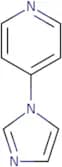
CAS:<p>Versatile small molecule scaffold</p>Formula:C8H7N3Purity:Min. 95%Molecular weight:145.16 g/mol4-(1H-Imidazol-1-yl)pyridine
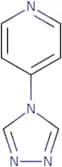
CAS:<p>Versatile small molecule scaffold</p>Formula:C8H7N3Purity:Min. 95%Molecular weight:145.16 g/mol4-(4H-1,2,4-Triazol-4-yl)pyridine
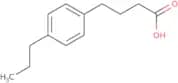
CAS:<p>Versatile small molecule scaffold</p>Formula:C7H6N4Purity:Min. 95%Molecular weight:146.15 g/mol4-(4-Propylphenyl)butanoic acid
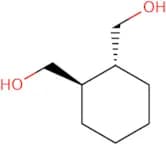
CAS:<p>Versatile small molecule scaffold</p>Formula:C13H18O2Purity:Min. 95%Molecular weight:206.28 g/moltrans-1,2-Cyclohexanedimethanol
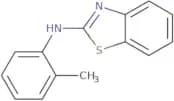
CAS:<p>Trans-1,2-cyclohexanedimethanol is a synthetic compound that can be used for analytical chemistry. It has a variety of impurities and can form enantiomers and diastereomers when treated with an acid catalyst. Trans-1,2-cyclohexanedimethanol is also hydrophobic and can form chlorides, isomers, and epoxides by reacting with other compounds. Trans-1,2-cyclohexanedimethanol has been shown to have photocatalytic activity in the oxidation of organic substances.</p>Formula:C8H16O2Purity:Min. 95%Molecular weight:144.21 g/molN-(2-Methylphenyl)-1,3-benzothiazol-2-amine
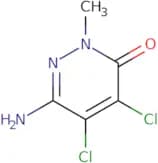
CAS:<p>Versatile small molecule scaffold</p>Formula:C14H12N2SPurity:Min. 95%Molecular weight:240.33 g/mol6-Amino-4,5-dichloro-2-methyl-2,3-dihydropyridazin-3-one
CAS:<p>Versatile small molecule scaffold</p>Formula:C5H5Cl2N3OPurity:Min. 95%Molecular weight:194.02 g/mol2-Oxo-2-phenylacetyl chloride
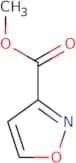
CAS:<p>2-Oxo-2-phenylacetyl chloride is a stable complex that has been used in the asymmetric synthesis of amines. It has been shown to have potential as a drug for autoimmune diseases and inflammatory diseases. 2-Oxo-2-phenylacetyl chloride is a substrate molecule for nitro, propylphosphonic acid, and solid catalyst reactions with carbonyl groups. It also has photochemical properties that allow it to be used as a fluorine or hydroxyl group donor in organic syntheses.</p>Formula:C8H5ClO2Purity:Min. 95%Molecular weight:168.57 g/molMethyl 1,2-oxazole-3-carboxylate
CAS:<p>Methyl 1,2-oxazole-3-carboxylate is a pharmacological agent that belongs to the group of amino acid derivatives. It has been shown to inhibit Hsp70 and Hsp90, which are proteins involved in the folding and stabilization of other proteins. Methyl 1,2-oxazole-3-carboxylate also inhibits cancer cell growth by interacting with valine residues in proteins. Methyl 1,2-oxazole-3-carboxylate has been shown to be effective against human lung cancer cells as well as breast cancer cells. This drug has also been found to be an inhibitor for the interaction between isoxazole and phenylalanine residues in protein structures.</p>Formula:C5H5NO3Purity:Min. 95%Molecular weight:127.1 g/mol6-Phenylimidazo[2,1-b][1,3,4]thiadiazole
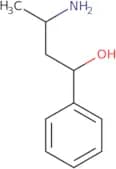
CAS:<p>Versatile small molecule scaffold</p>Formula:C10H7N3SPurity:Min. 95%Molecular weight:201.25 g/mol3-Amino-1-phenylbutan-1-ol
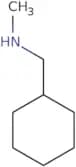
CAS:<p>3-Amino-1-phenylbutan-1-ol is a stereoselective reducing agent that can be used for the reduction of aldehydes and ketones. This reagent is produced by the reaction of lithium metal with borohydride. It can also be synthesized from chlorobenzene and sodium borohydride in a two step process. 3-Amino-1-phenylbutan-1-ol has been shown to selectively reduce aldehydes over ketones, as well as reducing Alder–Ethers, Acetals, and Nitriles. 3-Amino-1-phenylbutan-1-ol has been shown to reduce lithium in the presence of chloride or cerium. The selectivity of this reagent has been attributed to its ability to form strong hydrogen bonds with lithium metal.</p>Formula:C10H15NOPurity:Min. 95%Molecular weight:165.23 g/mol(Cyclohexylmethyl)(methyl)amine
CAS:<p>Versatile small molecule scaffold</p>Formula:C8H17NPurity:Min. 95%Molecular weight:127.23 g/mol2-[(2-Methoxyethyl)sulfanyl]ethan-1-ol
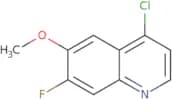
CAS:<p>Versatile small molecule scaffold</p>Formula:C5H12O2SPurity:Min. 95%Molecular weight:136.22 g/mol4-chloro-7-fluoro-6-methoxyquinoline
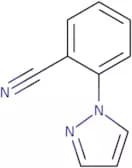
CAS:<p>4-chloro-7-fluoro-6-methoxyquinoline is a nitronium salt that has been shown to be directive. The nitration of 4-chloro-7-fluoro-6-methoxyquinoline with nitric acid and sulfuric acid produces the corresponding quinolines.</p>Formula:C10H7ClFNOPurity:Min. 95%Molecular weight:211.62 g/mol2-(1H-Pyrazol-1-yl)benzonitrile
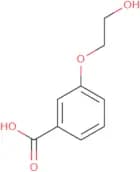
CAS:<p>2-(1H-Pyrazol-1-yl)benzonitrile is used as a catalyst for the synthesis of pharmaceuticals. It can be prepared by reacting pyrrolidine with aniline in chloroform. Pyrrolidine is then reacted with 2-chlorobenzonitrile and the resulting product, 2-(1H-pyrazol-1-yl)benzonitrile, is isolated from the reaction mixture by extraction with diethyl ether. The compound has a ligand that binds to metal ions and is also used as a chelating agent. This property allows it to catalyse reactions involving nucleophiles and halides. It can also be used in amino acid coupling reactions, yielding amides or imines, respectively.</p>Formula:C10H7N3Purity:Min. 95%Molecular weight:169.18 g/mol3-(2-Hydroxy-ethoxy)-benzoic acid
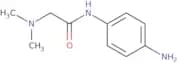
CAS:<p>3-(2-Hydroxy-ethoxy)-benzoic acid (3HBA) is a deprotonating agent that reacts with organolithiums, organomercurials, and mercuric halides to form their corresponding Grignard reagents. 3HBA also reacts with benzophenone to form benzonitrile. 3HBA can be used for the synthesis of various organic compounds, such as chlorides, yields, and methylcyclohexane. 3HBA has been shown to have a crystallographic structure of C20H22O4Cl. The chloride anion in the crystal lattice is coordinated by two magnesium ions. Mercuric chloride can be prepared from 3HBA by treatment with chlorine gas at elevated temperatures.</p>Formula:C9H10O4Purity:Min. 95%Molecular weight:182.17 g/molN-(4-Aminophenyl)-2-(dimethylamino)acetamide
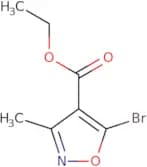
CAS:<p>Versatile small molecule scaffold</p>Formula:C10H15N3OPurity:Min. 95%Molecular weight:193.25 g/molEthyl 5-Bromo-3-methyl-1,2-oxazole-4-carboxylate
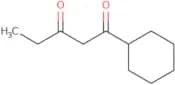
CAS:<p>Versatile small molecule scaffold</p>Formula:C7H8NO3BrPurity:Min. 95%Molecular weight:234.05 g/mol1-Cyclohexylpentane-1,3-dione
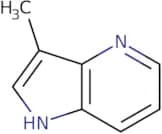
CAS:<p>Versatile small molecule scaffold</p>Formula:C11H18O2Purity:Min. 95%Molecular weight:182.26 g/mol3-Methyl-4-azaindole
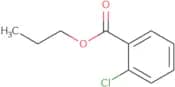
CAS:<p>Versatile small molecule scaffold</p>Formula:C8H8N2Purity:Min. 95%Molecular weight:132.16 g/molPropyl 2-chlorobenzoate
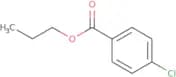
CAS:<p>Versatile small molecule scaffold</p>Formula:C10H11ClO2Purity:Min. 95%Molecular weight:198.64 g/molPropyl 4-chlorobenzoate
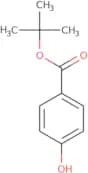
CAS:<p>Versatile small molecule scaffold</p>Formula:C10H11ClO2Purity:Min. 95%Molecular weight:198.64 g/moltert-Butyl 4-hydroxybenzoate
CAS:<p>Tert-butyl 4-hydroxybenzoate is a tyrosine kinase inhibitor. It inhibits the activity of tyrosine kinases, which play a role in cell proliferation and differentiation. The compound has been evaluated for its ability to inhibit vascular endothelial growth factor receptor 2 (VEGFR-2) and Azd2932, two proteins that are involved in tumor angiogenesis. Tert-butyl 4-hydroxybenzoate also has an affinity for reductive cleavage of esters and reductive arylsulfonates.</p>Formula:C11H14O3Purity:Min. 95%Molecular weight:194.23 g/molN-[1-(1H-1,3-Benzodiazol-2-yl)ethyl]benzamide
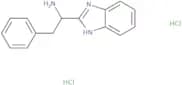
CAS:<p>Versatile small molecule scaffold</p>Formula:C16H15N3OPurity:Min. 95%Molecular weight:265.31 g/mol1-(1H-1,3-Benzodiazol-2-yl)-2-phenylethan-1-amine dihydrochloride
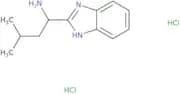
CAS:<p>Versatile small molecule scaffold</p>Formula:C15H17Cl2N3Purity:Min. 95%Molecular weight:310.2 g/mol1-(1H-1,3-Benzodiazol-2-yl)-3-methylbutan-1-amine dihydrochloride
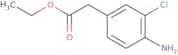
CAS:<p>Versatile small molecule scaffold</p>Formula:C12H19Cl2N3Purity:Min. 95%Molecular weight:276.2 g/molEthyl 2-(4-amino-3-chlorophenyl)acetate
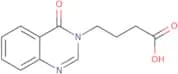
CAS:<p>Versatile small molecule scaffold</p>Formula:C10H12ClNO2Purity:Min. 95%Molecular weight:213.66 g/mol4-(4-Oxoquinazolin-3(4H)-yl)butanoic acid
CAS:<p>Versatile small molecule scaffold</p>Formula:C12H12N2O3Purity:Min. 95%Molecular weight:232.24 g/mol2H,3H,5H,6H-Benzo[H]cinnolin-3-one
CAS:<p>Versatile small molecule scaffold</p>Formula:C12H10N2OPurity:Min. 95%Molecular weight:198.22 g/mol5-Chloro-3,4-diazatricyclo[9.4.0.0,2,7]pentadeca-1(15),2(7),3,5,11,13-hexaene
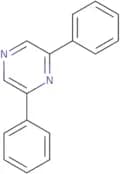
CAS:<p>Versatile small molecule scaffold</p>Formula:C13H11ClN2Purity:Min. 95%Molecular weight:230.69 g/mol2,6-Diphenylpyrazine
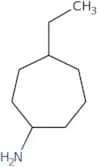
CAS:<p>2,6-Diphenylpyrazine (2,6-DPP) is a cross-linked complex that contains 4-methoxyphenylboronic acid. It has been shown to react with anions and form coordination complexes with imidazoline ligands. The coordination chemistry of 2,6-DPP is dependent on the structure of the anion. For example, in acetonitrile or nitrate solutions, 2,6-DPP coordinates to the negative charge through two nitrogen atoms and two carbon atoms. In aqueous solutions containing halides such as chloride or fluoride ions, 2,6-DPP coordinates through three nitrogen atoms and one carbon atom.</p>Formula:C16H12N2Purity:Min. 95%Molecular weight:232.28 g/mol4-Ethylcycloheptan-1-amine
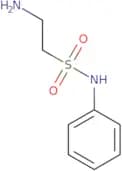
CAS:<p>Versatile small molecule scaffold</p>Formula:C9H19NPurity:Min. 95%Molecular weight:141.25 g/mol2-Amino-N-phenylethane-1-sulfonamide
CAS:<p>Versatile small molecule scaffold</p>Formula:C8H12N2O2SPurity:Min. 95%Molecular weight:200.26 g/mol2-Methanesulfonyl-2-methylpropan-1-ol
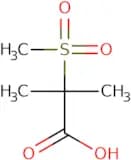
CAS:<p>Versatile small molecule scaffold</p>Formula:C5H12O3SPurity:Min. 95%Molecular weight:152.21 g/mol2-Methanesulfonyl-2-methylpropanoic acid
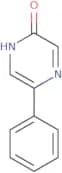
CAS:<p>Versatile small molecule scaffold</p>Formula:C5H10O4SPurity:Min. 95%Molecular weight:166.2 g/mol5-Phenyl-1H-pyrazin-2-one
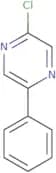
CAS:<p>5-Phenyl-1H-pyrazin-2-one is a potent inhibitor of tyrosine kinase, which is an enzyme that regulates the activity of cells by transferring phosphate groups from ATP to tyrosine residues. This drug binds to the ATP binding site, resulting in inhibition of the enzyme's activity and reduced cell proliferation. 5-Phenyl-1H-pyrazin-2-one has been shown to be effective in treating rheumatoid arthritis and other autoimmune diseases, with no adverse effects on bone metabolism or blood pressure. It also has no effect on platelet aggregation or erythrocytes.</p>Formula:C10H8N2OPurity:Min. 95%Molecular weight:172.18 g/mol2-Chloro-5-phenylpyrazine
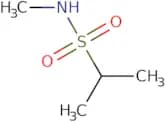
CAS:<p>2-Chloro-5-phenylpyrazine (2CPP) is an amide nucleophile that reacts with diphenyl to form the corresponding diphenyl amide. 2CPP is a nucleophilic compound that yields the product in high yields. The attack of the nucleophile on the electrophilic carbon atom generates a new carbon-nucleus bond, and another molecule of 2CPP or other nucleophile can attack the same carbon atom to produce a second product. 2CPP reacts with potassium to form a white solid, which is then heated to release hydrogen chloride gas.</p>Formula:C10H7ClN2Purity:Min. 95%Molecular weight:190.63 g/molN-Methylpropane-2-sulfonamide
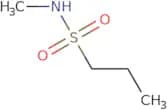
CAS:<p>Versatile small molecule scaffold</p>Formula:C4H11NO2SPurity:Min. 95%Molecular weight:137.2 g/molN-Methylpropane-1-sulfonamide
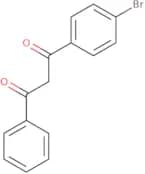
CAS:<p>N-Methylpropane-1-sulfonamide (NMS) is an anti-inflammatory drug that has been shown to inhibit the production of cytokines, such as IL-6, IL-12, and TNF. It also inhibits the activation of immune cells by suppressing the production of proinflammatory cytokines, including IL-1β and TNFα. In addition, NMS has been shown to have a protective effect against rheumatoid arthritis by inhibiting inflammation in joints. NMS binds to kinases and blocks their activity by preventing phosphorylation. This prevents the formation of new inflammatory proteins and reduces the severity of rheumatoid arthritis symptoms.</p>Formula:C4H11NO2SPurity:Min. 95%Molecular weight:137.2 g/mol1-(4-Bromophenyl)-3-phenylpropane-1,3-dione
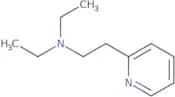
CAS:<p>1-(4-Bromophenyl)-3-phenylpropane-1,3-dione is a ternary molecule that contains one electron in its ground state. It has a monochromatic emission spectrum with peaks at 468 nm and 544 nm. The fluorescence emission spectrum peaks at 488 nm and 527 nm. 1-(4-Bromophenyl)-3-phenylpropane-1,3-dione absorbs light in the visible range of the electromagnetic spectrum and emits light in the near infrared range of the electromagnetic spectrum. The ligand is connected to nitrogen atoms on one side of the molecule, while oxygen atoms are on the other side of the molecule. Luminescence occurs when electrons are transferred from an excited state to a lower energy state. The ternary complex is made up of three different parts: an organic compound, an inorganic compound and an electron donor or acceptor. This molecule's electron donor is carbon monoxide</p>Formula:C15H11BrO2Purity:Min. 95%Molecular weight:303.15 g/mol2-(2-Diethylamino)ethylpyridine
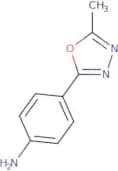
CAS:<p>Versatile small molecule scaffold</p>Formula:C11H18N2Purity:Min. 95%Molecular weight:178.28 g/mol4-(5-Methyl-1,3,4-oxadiazol-2-yl)aniline
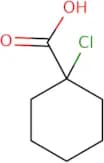
CAS:<p>Versatile small molecule scaffold</p>Formula:C9H9N3OPurity:Min. 95%Molecular weight:175.19 g/mol1-Chlorocyclohexane-1-carboxylic acid
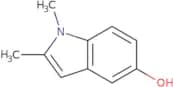
CAS:<p>1-Chlorocyclohexane-1-carboxylic acid (1CCA) is an aryl halide that is used in the synthesis of polymers. It is used as an oxidation catalyst and as a structural formula for cationic polymerization. 1CCA has been shown to efficiently initiate the polymerization of aromatic hydrocarbons, such as styrene, divinylbenzene, and vinyl toluene. The structure of 1CCA is similar to that of aminoglycosides, which are antibiotics that inhibit bacterial protein synthesis by binding to ribosomes. This similarity suggests that 1CCA may have antibiotic properties and could be useful in treating lymphocytic leukemia. However, more research would be needed to confirm this hypothesis.</p>Formula:C7H11ClO2Purity:Min. 95%Molecular weight:162.61 g/mol1,2-Dimethyl-1H-indol-5-ol
CAS:<p>1,2-Dimethyl-1H-indol-5-ol is an indole with the chemical formula C8H9NO2. It is a colorless to white crystalline solid that is soluble in water and ethanol. The compound has an acidic nature and a pungent odor. It also has a nitro group and two substituents: methoxy and acetoxy. This compound is used as a precursor for the synthesis of other organic compounds, including pharmaceuticals, agrochemicals, and dyes.</p>Formula:C10H11NOPurity:Min. 95%Molecular weight:161.2 g/mol2-[4-(Dimethylamino)phenyl]propanoic acid
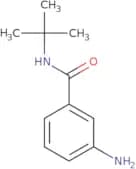
CAS:<p>Versatile small molecule scaffold</p>Formula:C11H15NO2Purity:Min. 95%Molecular weight:193.24 g/mol3-Amino-N-(tert-butyl)benzamide
CAS:<p>Versatile small molecule scaffold</p>Formula:C11H16N2OPurity:Min. 95%Molecular weight:192.26 g/mol4-[(3-Nitrophenyl)carbamoyl]butanoic acid
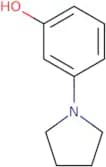
CAS:<p>Versatile small molecule scaffold</p>Formula:C11H12N2O5Purity:Min. 95%Molecular weight:252.22 g/mol3-(Pyrrolidin-1-yl)phenol
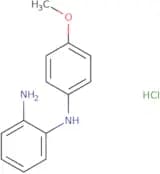
CAS:<p>Versatile small molecule scaffold</p>Formula:C10H13NOPurity:Min. 95%Molecular weight:163.22 g/mol1-N-(4-Methoxyphenyl)benzene-1,2-diamine
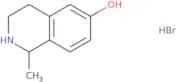
CAS:<p>Versatile small molecule scaffold</p>Formula:C13H15ClN2OPurity:Min. 95%Molecular weight:250.72 g/mol1-Methyl-1,2,3,4-tetrahydroisoquinolin-6-ol hydrobromide
CAS:<p>Versatile small molecule scaffold</p>Formula:C10H14BrNOPurity:Min. 95%Molecular weight:244.13 g/molDimethyl({1H-pyrrolo[2,3-c]pyridin-3-yl}methyl)amine
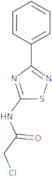
CAS:<p>Versatile small molecule scaffold</p>Formula:C10H13N3Purity:Min. 95%Molecular weight:175.23 g/mol2-Chloro-N-(3-phenyl-1,2,4-thiadiazol-5-yl)acetamide
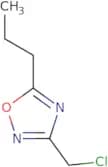
CAS:<p>Versatile small molecule scaffold</p>Formula:C10H8ClN3OSPurity:Min. 95%Molecular weight:253.71 g/mol3-(Chloromethyl)-5-propyl-1,2,4-oxadiazole
CAS:<p>Versatile small molecule scaffold</p>Formula:C6H9ClN2OPurity:Min. 95%Molecular weight:160.6 g/molmorpholine-4-sulfonamide
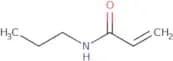
CAS:<p>Morpholine-4-sulfonamide is a chemical compound that belongs to the class of amides. It is used as a tool in pain models and has been shown to be toxic in animal studies. Morpholine-4-sulfonamide has been shown to inhibit cancer cell growth, apoptosis, and bowel disease in mice. This drug also has anti-inflammatory properties. Morpholine-4-sulfonamide may have some therapeutic potential for the treatment of Alzheimer's disease based on its ability to inhibit nitric oxide release and lysine residues.</p>Formula:C4H10N2O3SPurity:Min. 95%Molecular weight:166.2 g/molN-Propylacrylamide
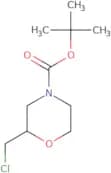
CAS:<p>N-Propylacrylamide is an organic monomer that is used in the production of acrylate polymers. It is a reactive chemical that can be used to modify surfaces and create coatings. N-Propylacrylamide has been shown to react with ammonium persulfate in the presence of an organic solvent to form a polymer. This reaction creates particles that are then used as a phase transition temperature probe for polymerization reactions. N-Propylacrylamide also reacts with metal cations, such as copper, and can be used as fluorescent probes in sequences.</p>Formula:C6H11NOPurity:Min. 95%Molecular weight:113.16 g/moltert-Butyl 2-(chloromethyl)morpholine-4-carboxylate
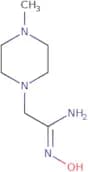
CAS:<p>Versatile small molecule scaffold</p>Formula:C10H18ClNO3Purity:Min. 95%Molecular weight:235.71 g/mol(1Z)-N'-Hydroxy-2-(4-methyl-1-piperazinyl)ethaneimidamide
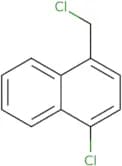
CAS:<p>Versatile small molecule scaffold</p>Formula:C7H16N4OPurity:Min. 95%Molecular weight:172.23 g/mol1-Chloro-4-(chloromethyl)naphthalene
CAS:<p>Versatile small molecule scaffold</p>Formula:C11H8Cl2Purity:Min. 95%Molecular weight:211.08 g/molPyrrolo[1,2-d][1,2,4]triazin-1(2H)-one
CAS:<p>Pyrrolo[1,2-b][1,2,4]triazin-1(2H)-one is a synthetic compound that inhibits the growth of cancer cells and can be used for the treatment of reperfusion injury. It has been shown to have significant inhibitory activity against inflammatory diseases and neurodegenerative diseases. Pyrrolo[1,2-b][1,2,4]triazin-1(2H)-one has also been found to inhibit the production of cytokines in response to bacterial stimulation. This compound binds reversibly to the active site of enzymes such as escherichia coli ribonucleoside diphosphate reductase (RNR), which prevents the conversion of ribonucleotide triphosphates into deoxyribonucleotide triphosphates. This inhibits DNA synthesis and leads to cell death. Pyrrolo[1,2-b][1,2,4]triaz</p>Formula:C6H5N3OPurity:Min. 95%Molecular weight:135.12 g/mol4-Hydroxy-1H,2H-pyrrolo[1,2-d][1,2,4]triazin-1-one
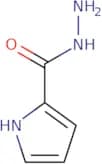
CAS:<p>Versatile small molecule scaffold</p>Formula:C6H5N3O2Purity:Min. 95%Molecular weight:151.12 g/mol1H-pyrrole-2-carbohydrazide
CAS:<p>1H-Pyrrole-2-carbohydrazide is an antimicrobial agent that belongs to the group of synthetic compounds. It can be synthesized by the cross-coupling reaction of anilines with halides, diastereomeric products being formed. The reaction product is purified by preparative high performance liquid chromatography (prep HPLC) and tested for antimycobacterial activity in vitro. 1H-pyrrole-2-carbohydrazide has been shown to inhibit the growth of Mycobacterium tuberculosis and Mycobacterium avium complex at a concentration of 10 μM. This compound also inhibits the synthesis of proteins and nucleic acids, which are essential for bacterial growth.</p>Formula:C5H7N3OPurity:Min. 95%Molecular weight:125.13 g/mol4,5-Dichloro-2-hydroxybenzoic acid
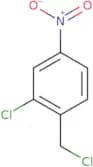
CAS:<p>Versatile small molecule scaffold</p>Formula:C7H4Cl2O3Purity:Min. 95%Molecular weight:207.01 g/mol2-Chloro-1-(chloromethyl)-4-nitrobenzene
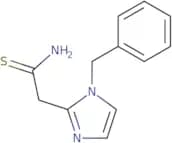
CAS:<p>2-Chloro-1-(chloromethyl)-4-nitrobenzene is a silver salt used in the manufacture of photographic emulsions. It is prepared by reacting 2-chloro-3-nitropyridine with silver nitrate. The reaction produces a white precipitate that can be recrystallized from water or ethanol. This compound has been shown to be an effective antimicrobial agent against bacteria and fungi, and can be used to prevent the growth of mould on photographic film.</p>Formula:C7H5Cl2NO2Purity:Min. 95%Molecular weight:206.02 g/mol2-(1-Benzyl-1H-imidazol-2-yl)ethanethioamide
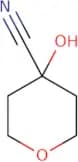
CAS:<p>Versatile small molecule scaffold</p>Formula:C12H13N3SPurity:Min. 95%Molecular weight:231.32 g/mol4-Hydroxytetrahydro-2H-pyran-4-carbonitrile
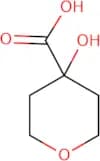
CAS:<p>Versatile small molecule scaffold</p>Formula:C6H9NO2Purity:Min. 95%Molecular weight:127.14 g/mol4-hydroxytetrahydro-2H-pyran-4-carboxylic acid
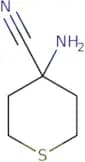
CAS:<p>Versatile small molecule scaffold</p>Formula:C6H10O4Purity:Min. 95%Molecular weight:146.14 g/mol4-Aminotetrahydro-2H-thiopyran-4-carbonitrile
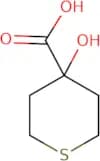
CAS:<p>Versatile small molecule scaffold</p>Formula:C6H10N2SPurity:Min. 95%Molecular weight:142.22 g/mol4-Hydroxythiane-4-carboxylic acid
CAS:<p>Versatile small molecule scaffold</p>Formula:C6H10O3SPurity:Min. 95%Molecular weight:162.21 g/mol3,4-Dichlorobenzene-1-carboximidamide hydrochloride
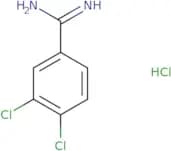
CAS:<p>Versatile small molecule scaffold</p>Formula:C7H7Cl3N2Purity:Min. 95%Molecular weight:225.5 g/mol2-Aminoadamantane-2-carboxylic acid hydrochloride
CAS:<p>Versatile small molecule scaffold</p>Formula:C11H18ClNO2Purity:Min. 95%Color and Shape:PowderMolecular weight:231.72 g/mol2-Acetamidopent-4-enoic acid
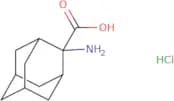
CAS:<p>Versatile small molecule scaffold</p>Formula:C7H11NO3Purity:Min. 95%Molecular weight:157.17 g/mol4-[2-(Dimethylamino)ethyl]benzene-1,2-diol hydrobromide
CAS:<p>4-[2-(Dimethylamino)ethyl]benzene-1,2-diol hydrobromide (DMAB) is a potent and selective inhibitor of cocaine-induced chronotropic and pressor responses in rats. DMAB also inhibits the release of dopamine from rat brain nerve endings. In addition, it has been shown to inhibit the binding of cocaine to ganglionic nerve endings and bulbocapnine receptors. The drug appears to be well tolerated following oral administration in animals, as no changes in blood pressure or heart rate were observed.</p>Formula:C10H16BrNO2Purity:Min. 95%Molecular weight:262.14 g/mol2-[(4-Methyl-1,3-thiazol-2-yl)methyl]pyridine dihydrochloride
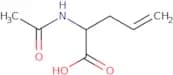
CAS:<p>Versatile small molecule scaffold</p>Formula:C10H12Cl2N2SPurity:Min. 95%Molecular weight:263.19 g/mol

![1-Benzyl-1 H -[1,2,4]triazol-3-ylamine](/_next/image/?url=https%3A%2Fstatic.cymitquimica.com%2Fproducts%2F3D%2Fthumb-webp%2FABA63743.webp&w=3840&q=75)
![2-[(3-Chlorophenyl)methyl]oxirane](/_next/image/?url=https%3A%2Fstatic.cymitquimica.com%2Fproducts%2F3D%2Fthumb-webp%2FABA64208.webp&w=3840&q=75)
![4-{[(Diaminomethylidene)amino]methyl}benzoic acid hydrochloride](/_next/image/?url=https%3A%2Fstatic.cymitquimica.com%2Fproducts%2F3D%2Fthumb-webp%2FABA64725.webp&w=3840&q=75)
![{1H,2H,3H,4H,9H-Pyrido[3,4-b]indol-3-yl}methanol](/_next/image/?url=https%3A%2Fstatic.cymitquimica.com%2Fproducts%2F3D%2Fthumb-webp%2FABA67471.webp&w=3840&q=75)

![1-[2-(1H-Pyrazol-1-yl)phenyl]ethan-1-one](/_next/image/?url=https%3A%2Fstatic.cymitquimica.com%2Fproducts%2F3D%2Fthumb-webp%2FABA69996.webp&w=3840&q=75)
![1-[4-(1H-Pyrazol-1-yl)phenyl]ethanone](/_next/image/?url=https%3A%2Fstatic.cymitquimica.com%2Fproducts%2F3D%2Fthumb-webp%2FABA69998.webp&w=3840&q=75)
![1-[4-(1H-1,2,4-Triazol-1-yl)phenyl]ethan-1-one](/_next/image/?url=https%3A%2Fstatic.cymitquimica.com%2Fproducts%2F3D%2Fthumb-webp%2FABA70004.webp&w=3840&q=75)
![1-[4-(1H-Benzimidazol-1-yl)phenyl]ethanone](/_next/image/?url=https%3A%2Fstatic.cymitquimica.com%2Fproducts%2F3D%2Fthumb-webp%2FABA70010.webp&w=3840&q=75)

![6-Phenylimidazo[2,1-b][1,3,4]thiadiazole](/_next/image/?url=https%3A%2Fstatic.cymitquimica.com%2Fproducts%2F3D%2Fthumb-webp%2FABA75218.webp&w=3840&q=75)
![2-[(2-Methoxyethyl)sulfanyl]ethan-1-ol](/_next/image/?url=https%3A%2Fstatic.cymitquimica.com%2Fproducts%2F3D%2Fthumb-webp%2FABA75633.webp&w=3840&q=75)
![N-[1-(1H-1,3-Benzodiazol-2-yl)ethyl]benzamide](/_next/image/?url=https%3A%2Fstatic.cymitquimica.com%2Fproducts%2F3D%2Fthumb-webp%2FABA81058.webp&w=3840&q=75)
![2H,3H,5H,6H-Benzo[H]cinnolin-3-one](/_next/image/?url=https%3A%2Fstatic.cymitquimica.com%2Fproducts%2F3D%2Fthumb-webp%2FABA82349.webp&w=3840&q=75)
![5-Chloro-3,4-diazatricyclo[9.4.0.0,2,7]pentadeca-1(15),2(7),3,5,11,13-hexaene](/_next/image/?url=https%3A%2Fstatic.cymitquimica.com%2Fproducts%2F3D%2Fthumb-webp%2FABA82353.webp&w=3840&q=75)

![2-[4-(Dimethylamino)phenyl]propanoic acid](/_next/image/?url=https%3A%2Fstatic.cymitquimica.com%2Fproducts%2F3D%2Fthumb-webp%2FABA89990.webp&w=3840&q=75)
![4-[(3-Nitrophenyl)carbamoyl]butanoic acid](/_next/image/?url=https%3A%2Fstatic.cymitquimica.com%2Fproducts%2F3D%2Fthumb-webp%2FABA90127.webp&w=3840&q=75)
![Dimethyl({1H-pyrrolo[2,3-c]pyridin-3-yl}methyl)amine](/_next/image/?url=https%3A%2Fstatic.cymitquimica.com%2Fproducts%2F3D%2Fthumb-webp%2FABA95773.webp&w=3840&q=75)
![Pyrrolo[1,2-d][1,2,4]triazin-1(2H)-one](/_next/image/?url=https%3A%2Fstatic.cymitquimica.com%2Fproducts%2F3D%2Fthumb-webp%2FACA26986.webp&w=3840&q=75)
![4-Hydroxy-1H,2H-pyrrolo[1,2-d][1,2,4]triazin-1-one](/_next/image/?url=https%3A%2Fstatic.cymitquimica.com%2Fproducts%2F3D%2Fthumb-webp%2FACA26988.webp&w=3840&q=75)

![4-[2-(Dimethylamino)ethyl]benzene-1,2-diol hydrobromide](/_next/image/?url=https%3A%2Fstatic.cymitquimica.com%2Fproducts%2F3D%2Fthumb-webp%2FACA30953.webp&w=3840&q=75)
![2-[(4-Methyl-1,3-thiazol-2-yl)methyl]pyridine dihydrochloride](/_next/image/?url=https%3A%2Fstatic.cymitquimica.com%2Fproducts%2F3D%2Fthumb-webp%2FACA31070.webp&w=3840&q=75)