Building Blocks
This section contains fundamental products for the synthesis of organic and biological compounds. Building blocks are the essential starting materials used to construct complex molecules through various chemical reactions. They play a critical role in drug discovery, material science, and chemical research. At CymitQuimica, we offer a diverse range of high-quality building blocks to support your innovative research and industrial projects, ensuring you have the essential components for successful synthesis.
Subcategories of "Building Blocks"
- Boronic Acids & Boronic Acid Derivatives(5,756 products)
- Chiral Building Blocks(1,242 products)
- Hydrocarbon Building Blocks(6,093 products)
- Organic Building Blocks(60,534 products)
Found 195534 products of "Building Blocks"
Sort by
Purity (%)
0
100
|
0
|
50
|
90
|
95
|
100
2-Hydroxy-6-methyl-pyridine-3-carbaldehyde
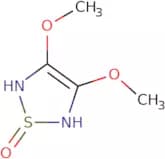
CAS:<p>Versatile small molecule scaffold</p>Formula:C7H7NO2Purity:Min. 95%Molecular weight:137.14 g/mol3,4-Dimethoxy-1,2,5-thiadiazole 1-oxide
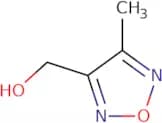
CAS:<p>Versatile small molecule scaffold</p>Formula:C4H8N2O3SPurity:Min. 95%Molecular weight:164.19 g/mol3-(Hydroxymethyl)-4-methyl-1,2,5-oxadiazole
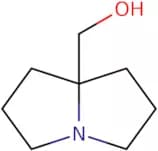
CAS:<p>Versatile small molecule scaffold</p>Formula:C4H6N2O2Purity:Min. 95%Molecular weight:114.1 g/molHexahydro-1H-pyrrolizin-7a-ylmethanol
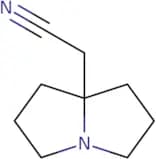
CAS:<p>Versatile small molecule scaffold</p>Formula:C8H15NOPurity:Min. 95%Molecular weight:141.21 g/mol2-(Hexahydro-1H-pyrrolizin-7a-yl)acetonitrile
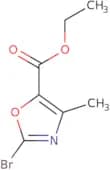
CAS:<p>Versatile small molecule scaffold</p>Formula:C9H14N2Purity:Min. 95%Molecular weight:150.22 g/molEthyl 2-bromo-4-methyloxazole-5-carboxylate
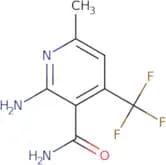
CAS:<p>Versatile small molecule scaffold</p>Formula:C7H8BrNO3Purity:Min. 95%Molecular weight:234.05 g/mol2-Amino-6-methyl-4-(trifluoromethyl)pyridine-3-carboxamide
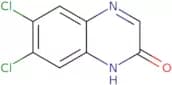
CAS:<p>Versatile small molecule scaffold</p>Formula:C8H8F3N3OPurity:Min. 95%Molecular weight:219.16 g/mol6,7-Dichloroquinoxalin-2-ol
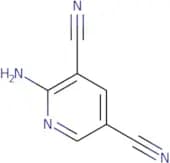
CAS:<p>Versatile small molecule scaffold</p>Formula:C8H4Cl2N2OPurity:Min. 95%Molecular weight:215.03 g/mol2-Amino-3,5-pyridinedicarbonitrile
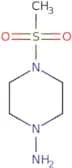
CAS:<p>2-Amino-3,5-pyridinedicarbonitrile (APDC) is a small molecule that has been shown to bind to the adenosine A1 receptor with high affinity and selectivity. It has a molecular weight of 167.2 g/mol, a pK of 7.4 and a logP value of 2.8. APDC was first synthesized in 1963 by scientists at the National Institute for Medical Research in London. The chlorine atom is influential in the pharmacokinetics of this compound. The pharmacokinetic profile shows that APDC is poorly absorbed and eliminated quickly from the body, with an elimination half-life of 0.6 hours and an oral bioavailability of less than 1%. This drug also has multipotent effects on Alzheimer's disease, showing significant efficacy against both plaques and tangles in animal models of Alzheimer's disease.</p>Formula:C7H4N4Purity:Min. 95%Molecular weight:144.13 g/mol4-Methanesulfonylpiperazin-1-amine
CAS:<p>Versatile small molecule scaffold</p>Formula:C5H13N3O2SPurity:Min. 95%Molecular weight:179.24 g/mol3-Chloro-4-[(6-chloropyridazin-3-yl)oxy]aniline
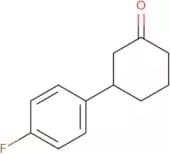
CAS:<p>Versatile small molecule scaffold</p>Formula:C10H7Cl2N3OPurity:Min. 95%Molecular weight:256.08 g/mol3-(4-Fluorophenyl)cyclohexan-1-one
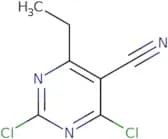
CAS:<p>Versatile small molecule scaffold</p>Formula:C12H13FOPurity:Min. 95%Molecular weight:192.23 g/mol2,4-Dichloro-6-ethylpyrimidine-5-carbonitrile
CAS:<p>Versatile small molecule scaffold</p>Formula:C7H5Cl2N3Purity:Min. 95%Molecular weight:202.04 g/mol3-Benzo[1,3]dioxol-5-yl-propylamine
CAS:Controlled Product<p>Versatile small molecule scaffold</p>Formula:C10H13NO2Purity:Min. 95%Molecular weight:179.22 g/mol1-[(Thiophen-2-yl)methyl]cyclohexane-1-carboxylic acid
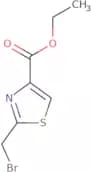
CAS:<p>Versatile small molecule scaffold</p>Formula:C12H16O2SPurity:Min. 95%Molecular weight:224.32 g/molEthyl 2-(bromomethyl)thiazole-4-carboxylate
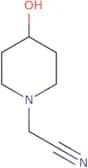
CAS:<p>Versatile small molecule scaffold</p>Formula:C7H8BrNO2SPurity:Min. 95%Molecular weight:250.11 g/mol2-(4-hydroxypiperidin-1-yl)acetonitrile
CAS:<p>Versatile small molecule scaffold</p>Formula:C7H12N2OPurity:Min. 95%Molecular weight:140.18 g/mol4-[(Methylamino)methyl]phenol
CAS:<p>4-[(Methylamino)methyl]phenol is a metabolite of 4-aminobiphenyl, which is found in cigarette smoke and other combustion products. It is an end product of the oxidative metabolism of polycyclic aromatic hydrocarbons (PAHs). This chemical has been shown to cause cancer tissue damage in lung cells and metabolic disorders in mice. The thermal expansion coefficient of 4-[(methylamino)methyl]phenol has been measured on calf thymus DNA and found to be similar to that of water. Chronic exposure to this chemical causes an increase in body mass index, increased risk for cardiovascular disease, and increased risk for atherosclerosis. Studies have shown that 4-[(methylamino)methyl]phenol can be eliminated from the body with a half-life of about 8 hours. Logistic regression analysis showed that high-sensitivity C-reactive protein (hsCRP) levels are significantly higher in people who are</p>Formula:C8H11NOPurity:Min. 95%Molecular weight:137.18 g/molN-Propyl-1,3-thiazol-2-amine
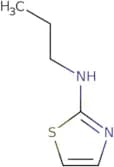
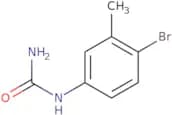
CAS:<p>Versatile small molecule scaffold</p>Formula:C6H10N2SPurity:Min. 95%Molecular weight:142.22 g/mol(4-Bromo-3-methylphenyl)urea
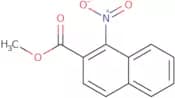
CAS:<p>Versatile small molecule scaffold</p>Formula:C8H9BrN2OPurity:Min. 95%Molecular weight:229.07 g/molMethyl 1-nitronaphthalene-2-carboxylate
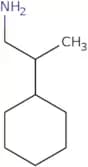
CAS:<p>Versatile small molecule scaffold</p>Formula:C12H9NO4Purity:Min. 95%Molecular weight:231.2 g/mol2-Cyclohexylpropan-1-amine
CAS:<p>Versatile small molecule scaffold</p>Formula:C9H19NPurity:Min. 95%Molecular weight:141.25 g/molMethyl 3-hydroxy-2-methylcyclohexane-1-carboxylate
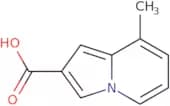
CAS:<p>Versatile small molecule scaffold</p>Formula:C9H16O3Purity:Min. 95%Molecular weight:172.2 g/mol8-Methylindolizine-2-carboxylic acid
CAS:<p>Versatile small molecule scaffold</p>Formula:C10H9NO2Purity:Min. 95%Molecular weight:175.18 g/molMethyl 4-cyano-2-methylbenzoate
CAS:<p>Methyl 4-cyano-2-methylbenzoate (Xl888) is a small molecule that is currently under development as an inhibitor of Hsp90. It has been shown to inhibit tumor growth in mouse xenograft models, and to induce tumor regression in preclinical models of human cancers. The mechanism of action for Xl888 is not completely understood, but it may be due to inhibition of the ubiquitin-proteasome pathway by Hsp90 inhibition. Structural studies suggest that Xl888 may also inhibit the activity of other proteins that are involved in cancer progression.<br>Methyl 4-cyano-2-methylbenzoate is an iterative compound with a profile that has been optimized through experiments.</p>Formula:C10H9NO2Purity:Min. 95%Molecular weight:175.18 g/mol5-Hydroxymethyl-2,3-dihydrobenzo[b]furan
CAS:<p>Versatile small molecule scaffold</p>Formula:C9H10O2Purity:Min. 95%Molecular weight:150.18 g/mol1-Ethenyl-3-methanesulfonylbenzene
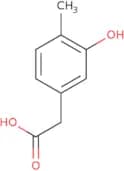
CAS:<p>Versatile small molecule scaffold</p>Formula:C9H10O2SPurity:Min. 95%Molecular weight:182.24 g/mol2-(3-Hydroxy-4-methylphenyl)acetic acid
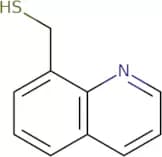
CAS:<p>Versatile small molecule scaffold</p>Formula:C9H10O3Purity:Min. 95%Molecular weight:166.17 g/mol(Quinolin-8-yl)methanethiol
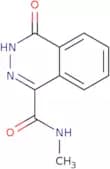
CAS:<p>Versatile small molecule scaffold</p>Formula:C10H9NSPurity:Min. 95%Molecular weight:175.25 g/molN-Methyl-4-oxo-3,4-dihydrophthalazine-1-carboxamide
CAS:<p>Versatile small molecule scaffold</p>Formula:C10H9N3O2Purity:Min. 95%Molecular weight:203.2 g/mol1-Benzyl-1H-1,2,3-triazole-5-carboxylic acid
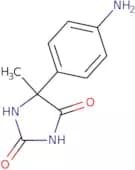
CAS:<p>Versatile small molecule scaffold</p>Formula:C10H9N3O2Purity:Min. 95%Molecular weight:203.2 g/mol5-(4-Aminophenyl)-5-methylimidazolidine-2,4-dione
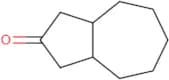
CAS:<p>Versatile small molecule scaffold</p>Formula:C10H11N3O2Purity:Min. 95%Molecular weight:205.21 g/molDecahydroazulen-2-one
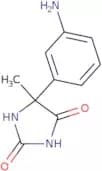
CAS:<p>Versatile small molecule scaffold</p>Formula:C10H16OPurity:Min. 95%Molecular weight:152.23 g/mol5-(3-Aminophenyl)-5-methylimidazolidine-2,4-dione
CAS:<p>Versatile small molecule scaffold</p>Formula:C10H11N3O2Purity:Min. 95%Molecular weight:205.21 g/mol1-(2-Bromo-4-methylphenyl)ethanone
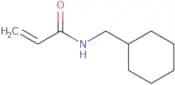
CAS:<p>Versatile small molecule scaffold</p>Formula:C9H9BrOPurity:Min. 95%Molecular weight:213.07 g/molN-(Cyclohexylmethyl)prop-2-enamide
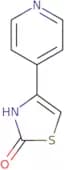
CAS:<p>Versatile small molecule scaffold</p>Formula:C10H17NOPurity:Min. 95%Molecular weight:167.25 g/mol4-(Pyridin-4-yl)-2,3-dihydro-1,3-thiazol-2-one
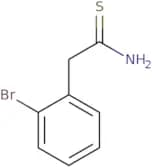
CAS:<p>Versatile small molecule scaffold</p>Formula:C8H6N2OSPurity:Min. 95%Molecular weight:178.21 g/mol2-(2-Bromophenyl)thioacetamide
CAS:<p>Versatile small molecule scaffold</p>Formula:C8H8BrNSPurity:Min. 95%Molecular weight:230.13 g/mol4-(Pyridin-2-yl)cyclohexan-1-one
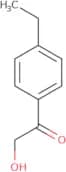
CAS:<p>Versatile small molecule scaffold</p>Formula:C11H13NOPurity:Min. 95%Molecular weight:175.23 g/mol1-(4-Ethylphenyl)-2-hydroxyethan-1-one
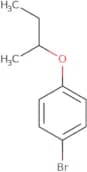
CAS:<p>Versatile small molecule scaffold</p>Formula:C10H12O2Purity:Min. 95%Molecular weight:164.2 g/mol1-Bromo-4-(butan-2-yloxy)benzene
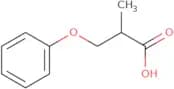
CAS:<p>Versatile small molecule scaffold</p>Formula:C10H13BrOPurity:Min. 95%Molecular weight:229.11 g/mol2-Methyl-3-phenoxypropanoic acid
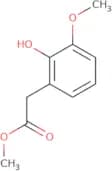
CAS:<p>2-Methyl-3-phenoxypropanoic acid is a blocker that inhibits the activity of voltage-gated sodium channels. It is a stereogenic, stereoselective molecule that also blocks muscle voltage-gated Na+ channels. 2-Methyl-3-phenoxypropanoic acid has been shown to be useful in introducing congeners into phenoxy chlorine molecules. This compound can be used as an analytical reagent for the determination of chlorine and phenyl groups in organic compounds.</p>Formula:C10H12O3Purity:Min. 95%Molecular weight:180.2 g/molMethyl 2-(2-hydroxy-3-methoxyphenyl)acetate
CAS:<p>Versatile small molecule scaffold</p>Formula:C10H12O4Purity:Min. 95%Molecular weight:196.2 g/mol1,2,3,4-Tetrahydronaphthalene-1-thiol
CAS:<p>Versatile small molecule scaffold</p>Formula:C10H12SPurity:Min. 95%Molecular weight:164.27 g/mol1-(bromomethyl)-2-isopropylbenzene
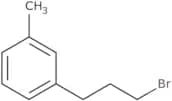
CAS:<p>Versatile small molecule scaffold</p>Formula:C10H13BrPurity:Min. 95%Molecular weight:213.12 g/mol1-(3-Bromopropyl)-3-methylbenzene
CAS:<p>Versatile small molecule scaffold</p>Formula:C10H13BrPurity:Min. 95%Molecular weight:213.11 g/molMethyl 2-[(chlorosulfonyl)methyl]benzoate
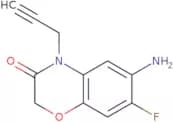
CAS:<p>Versatile small molecule scaffold</p>Formula:C9H9ClO4SPurity:Min. 95%Molecular weight:248.68 g/mol6-Amino-7-fluoro-4-(prop-2-yn-1-yl)-3,4-dihydro-2H-1,4-benzoxazin-3-one
CAS:<p>The compound 6-Amino-7-fluoro-4-(prop-2-yn-1-yl)-3,4-dihydro-2H-1,4-benzoxazin-3-one is an alkenyl halide that is selective for alkoxyalkyl groups. The compound reacts with sulfuric acid to form a sulfonic acid and an alcohol. The reaction of the compound with nitric acid leads to the formation of a nitro group and an alkene. It has been used as a herbicide and is used in the synthesis of other compounds.</p>Formula:C11H9FN2O2Purity:Min. 95%Molecular weight:220.2 g/mol6-Amino-4-methyl-2H-1,4-benzoxazin-3(4H)-one
CAS:<p>Versatile small molecule scaffold</p>Formula:C9H10N2O2Purity:Min. 95%Molecular weight:178.19 g/molMethyl 3-[(6-methylpyridin-2-yl)amino]propanoate
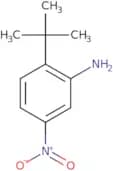
CAS:<p>Versatile small molecule scaffold</p>Formula:C10H14N2O2Purity:Min. 95%Molecular weight:194.23 g/mol2-tert-Butyl-5-nitroaniline
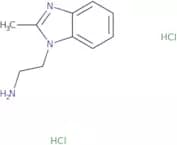
CAS:<p>Versatile small molecule scaffold</p>Formula:C10H14N2O2Purity:Min. 95%Molecular weight:194.23 g/mol2-(2-Methyl-1H-1,3-benzodiazol-1-yl)ethan-1-amine dihydrochloride
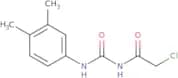
CAS:<p>Versatile small molecule scaffold</p>Formula:C10H15Cl2N3Purity:Min. 95%Molecular weight:248.15 g/mol3-(2-Chloroacetyl)-1-(3,4-dimethylphenyl)urea
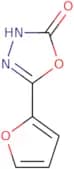
CAS:<p>Versatile small molecule scaffold</p>Formula:C11H13ClN2O2Purity:Min. 95%Molecular weight:240.68 g/mol5-(Furan-2-yl)-2,3-dihydro-1,3,4-oxadiazol-2-one
CAS:<p>Versatile small molecule scaffold</p>Formula:C6H4N2O3Purity:Min. 95%Molecular weight:152.11 g/mol3-Chloro-5-methylbenzaldehyde
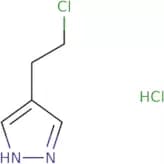
CAS:<p>Versatile small molecule scaffold</p>Formula:C8H7ClOPurity:Min. 95%Molecular weight:154.59 g/mol4-(2-Chloroethyl)pyrazole HCl
CAS:<p>Versatile small molecule scaffold</p>Formula:C5H8Cl2N2Purity:Min. 95%Molecular weight:167.04 g/mol4-(Chloromethyl)-3-nitrobenzoic acid
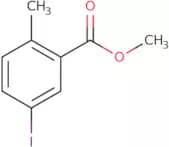
CAS:<p>4-(Chloromethyl)-3-nitrobenzoic acid is a wettable pesticide that has been registered under the trade name Avermectin. It is a water-soluble, crystalline solid with a melting point of 151°C. 4-(Chloromethyl)-3-nitrobenzoic acid is active against Graminearum and other plant pests, but not against insects. It is used in veterinary medicine to treat infections caused by bacteria and fungi. 4-(Chloromethyl)-3-nitrobenzoic acid has been shown to be cytotoxic to cultured human cells in vitro, but the mechanism of this effect remains unclear. This chemical also has an inhibitory effect on methadone metabolism in guinea pigs and rats, as well as on x-ray uptake in animals and humans.</p>Formula:C8H6ClNO4Purity:Min. 95%Molecular weight:215.59 g/molMethyl 5-iodo-2-methylbenzoate
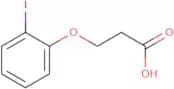
CAS:<p>Versatile small molecule scaffold</p>Formula:C9H9IO2Purity:Min. 95%Molecular weight:276.07 g/mol3-(2-Iodophenoxy)propanoic acid
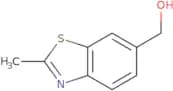
CAS:<p>Versatile small molecule scaffold</p>Formula:C9H9IO3Purity:Min. 95%Molecular weight:292.07 g/mol(2-Methyl-1,3-benzothiazol-6-yl)methanol
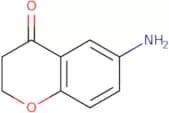
CAS:<p>Versatile small molecule scaffold</p>Formula:C9H9NOSPurity:Min. 95%Molecular weight:179.24 g/mol6-Amino-3,4-dihydro-2H-1-benzopyran-4-one
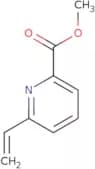
CAS:<p>Versatile small molecule scaffold</p>Formula:C9H9NO2Purity:Min. 95%Molecular weight:163.17 g/molMethyl 6-ethenylpyridine-2-carboxylate
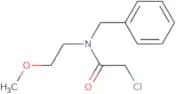
CAS:<p>Versatile small molecule scaffold</p>Formula:C9H9NO2Purity:Min. 95%Molecular weight:163.17 g/molN-Benzyl-2-chloro-N-(2-methoxyethyl)acetamide
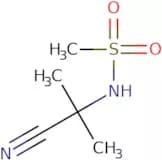
CAS:<p>Versatile small molecule scaffold</p>Formula:C12H16ClNO2Purity:Min. 95%Molecular weight:241.71 g/molN-(1-Cyano-1-methylethyl)methanesulfonamide
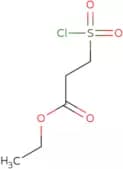
CAS:<p>Versatile small molecule scaffold</p>Formula:C5H10N2O2SPurity:Min. 95%Molecular weight:162.21 g/molEthyl 3-(chlorosulfonyl)propanoate
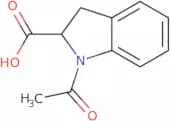
CAS:<p>Versatile small molecule scaffold</p>Formula:C5H9ClO4SPurity:Min. 95%Molecular weight:200.64 g/mol(2R)-1-Acetyl-2,3-dihydro-1H-indole-2-carboxylic acid
CAS:<p>Versatile small molecule scaffold</p>Formula:C11H11NO3Purity:Min. 95%Molecular weight:205.21 g/mol(1R,5S)-Bicyclo[3.1.0]hexane-1,5-dicarbaldehyde
CAS:<p>Versatile small molecule scaffold</p>Formula:C8H10O2Purity:Min. 95%Molecular weight:138.2 g/mol1',2'-Dihydrospiro[cyclobutane-1,3'-indole]-2'-one
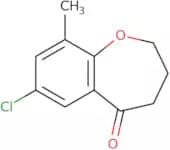
CAS:<p>1',2'-Dihydrospiro[cyclobutane-1,3'-indole]-2'-one is a bromodomain inhibitor that targets the bromodomain of histone deacetylases. It is an experimental agent in the treatment of cancer.</p>Formula:C11H11NOPurity:Min. 95%Molecular weight:173.21 g/mol7-Chloro-9-methyl-2,3,4,5-tetrahydro-1-benzoxepin-5-one
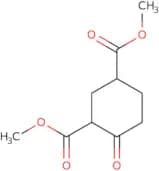
CAS:<p>Versatile small molecule scaffold</p>Formula:C11H11ClO2Purity:Min. 95%Molecular weight:210.65 g/mol1,3-Dimethyl 4-oxocyclohexane-1,3-dicarboxylate
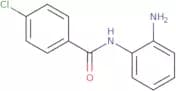
CAS:<p>Versatile small molecule scaffold</p>Formula:C10H14O5Purity:Min. 95%Molecular weight:214.21 g/molN-(2-Aminophenyl)-4-chlorobenzamide
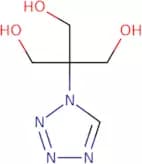
CAS:<p>N-(2-Aminophenyl)-4-chlorobenzamide (NPCB) is a synthetic drug that inhibits prostaglandin synthesis. It is an anti-inflammatory agent and has been shown to reduce the severity of inflammation in animal models. NPCB crystallizes with a monoclinic crystal system and can be used for crystal x-ray diffraction studies. The cell parameters are calculated by analyzing the crystal structure, which gives information about the chemical composition of the compound. X-ray diffraction techniques are used to study these structures, as well as other properties such as surface analysis.</p>Formula:C13H11ClN2OPurity:Min. 95%Molecular weight:246.69 g/mol2-(Hydroxymethyl)-2-(1H-1,2,3,4-tetrazol-1-yl)propane-1,3-diol
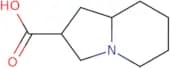
CAS:<p>2-(Hydroxymethyl)-2-(1H-1,2,3,4-tetrazol-1-yl)propane-1,3-diol is a chemical compound that contains an alkyl group with a hydroxymethyl substituent and a tetrazole substituent. The compound has been shown to be an effective inhibitor of bacterial growth in the presence of chlorides. 2-(Hydroxymethyl)-2-(1H-1,2,3,4-tetrazol-1-yl)propane-1,3-diol inhibits bacterial synthesis by binding to the active site of bacterial xanthine dehydrogenase. It also inhibits the growth of bacteria such as Staphylococcus aureus and reduces their ability to produce protein. 2-(Hydroxymethyl)-2-(1H-1,2,3,4-tetrazol-1-yl)propane 1</p>Formula:C5H10N4O3Purity:Min. 95%Molecular weight:174.16 g/molOctahydroindolizine-2-carboxylic acid
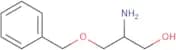
CAS:<p>Versatile small molecule scaffold</p>Formula:C9H15NO2Purity:Min. 95%Molecular weight:169.22 g/mol2-Amino-3-(benzyloxy)propan-1-ol
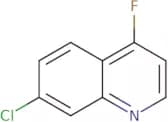
CAS:<p>Versatile small molecule scaffold</p>Formula:C10H15NO2Purity:Min. 95%Molecular weight:181.23 g/mol7-Chloro-4-fluoroquinoline
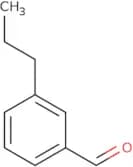
CAS:<p>7-Chloro-4-fluoroquinoline (7ClFQ) is an organometallic compound with significant growth inhibition in mammalian cells. It inhibits the oxidation of aliphatic amines and the formation of aromatic amines by reaction with 2-nitroimidazole. 7ClFQ has been shown to have antiparasitic activity against Rhodesiense, a parasite that infects snails, and cyclopentadienyl, a parasite found in fish. The inhibitory properties of 7ClFQ are due to its ability to inhibit the oxidation and hydrolysis of sulfates by inhibiting the enzyme sulfate reductase and its ability to react with amines. This reaction time is short and it is possible for 7ClFQ to be used as a catalyst in organic synthesis.</p>Formula:C9H5ClFNPurity:Min. 95%Molecular weight:181.59 g/mol3-Propylbenzaldehyde
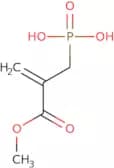
CAS:<p>3-Propylbenzaldehyde is a ketone that is used as a catalyst in organic synthesis. 3-Propylbenzaldehyde has been shown to function as an electron donor and can be used as a catalyst for the hydrothermal oxidation of cyclohexanones. 3-Propylbenzaldehyde can be used in magnetic or electron donating techniques, such as nanocatalysis, which are catalytic techniques that use magnetic or electrostatic fields to increase the efficiency of reactions. This compound is also reusable and can be used with acid catalysts for increased stability.</p>Formula:C10H12OPurity:Min. 95%Molecular weight:148.2 g/mol(3-Methoxy-2-methylidene-3-oxopropyl)phosphonic acid
CAS:<p>Versatile small molecule scaffold</p>Formula:C5H9O5PPurity:Min. 95%Molecular weight:180.1 g/mol2-[2-(Trimethylsilyl)ethynyl]benzenamine
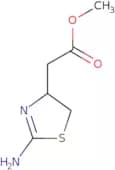
CAS:<p>2-[2-(Trimethylsilyl)ethynyl]benzenamine is an aromatic compound that is used as a starting material for the synthesis of other chemicals. It is prepared by reaction of 2-bromobenzene with ethynylmagnesium bromide and p-toluenesulfonic acid in the presence of aluminum chloride. The yield of the reaction product depends on the time and temperature. Elemental analysis reveals that the compound contains an alkyne group, which facilitates its conversion to quinoline derivatives. The chemical has been shown to react with x-rays to produce diffraction patterns, which can be analyzed to determine the structure of the molecule. X-ray diffraction analysis also revealed that this compound contains a quinoline ring system, which may contribute to its anti-inflammatory effects.</p>Formula:C11H15NSiPurity:Min. 95%Molecular weight:189.33 g/molMethyl 2-(2-amino-4,5-dihydro-1,3-thiazol-4-yl)acetate
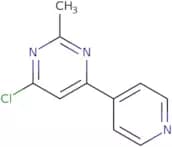
CAS:<p>Versatile small molecule scaffold</p>Formula:C6H10N2O2SPurity:Min. 95%Molecular weight:174.22 g/mol4-Chloro-2-methyl-6-(pyridin-4-yl)pyrimidine
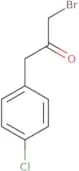
CAS:<p>Versatile small molecule scaffold</p>Formula:C10H8ClN3Purity:Min. 95%Molecular weight:205.64 g/mol1-Bromo-3-(4-chlorophenyl)propan-2-one
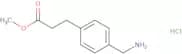
CAS:<p>Versatile small molecule scaffold</p>Formula:C9H8BrClOPurity:Min. 95%Molecular weight:247.51 g/mol3-(4-Aminomethyl-phenyl)-propionic acid methyl ester hydrochloride
CAS:<p>Versatile small molecule scaffold</p>Formula:C11H16ClNO2Purity:Min. 95%Molecular weight:229.7 g/mol4-[(3-Methoxyphenyl)amino]butanoic acid
CAS:<p>Versatile small molecule scaffold</p>Formula:C11H15NO3Purity:Min. 95%Molecular weight:209.24 g/mol2-[(2,5-Dimethylphenyl)sulfanyl]acetonitrile
CAS:<p>Versatile small molecule scaffold</p>Formula:C10H11NSPurity:Min. 95%Molecular weight:177.27 g/mol3-Chloro-5H,6H,7H-cyclopenta[C]pyridine-4-carbonitrile
CAS:<p>Versatile small molecule scaffold</p>Formula:C9H7ClN2Purity:Min. 95%Molecular weight:178.62 g/mol4-Hydroxy-7-methoxy-2-methylquinoline
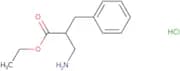
CAS:<p>Versatile small molecule scaffold</p>Formula:C11H11NO2Purity:Min. 95%Molecular weight:189.21 g/molethyl 3-amino-2-benzylpropanoate hydrochloride
CAS:<p>Versatile small molecule scaffold</p>Formula:C12H18ClNO2Purity:Min. 95%Molecular weight:243.7 g/mol3-[Carboxy(acetamido)methyl]benzoic acid
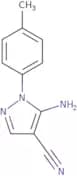
CAS:<p>Versatile small molecule scaffold</p>Formula:C11H11NO5Purity:Min. 95%Molecular weight:237.2 g/mol5-Amino-1-(p-tolyl)pyrazole-4-carbonitrile
CAS:<p>5-Amino-1-(p-tolyl)pyrazole-4-carbonitrile is a cytotoxic agent that inhibits the activation of plasminogen by urokinase. It has been shown to inhibit cancer growth in lung carcinoma cells and breast cancer cells. 5-Amino-1-(p-tolyl)pyrazole-4-carbonitrile also inhibits the proliferation of liver cancer cells and MDA-MB231 breast carcinoma cell lines. The anticancer activity of 5-amino pyrazole can be enhanced by the addition of doxorubicin, which is an anticancer drug that acts on DNA synthesis and cell division.</p>Formula:C11H10N4Purity:Min. 95%Molecular weight:198.23 g/mol(2S)-2-[(4-Chlorophenyl)amino]propanoic acid
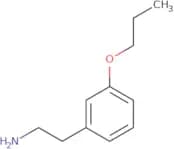
CAS:<p>(2S)-2-[(4-Chlorophenyl)amino]propanoic acid is a 5-HT antagonist that is used to prevent premature ovulation in animals. It has been shown to inhibit the synthesis of serotonin and 5-hydroxytryptamine, which may be due to its ability to inhibit platelet activation. This drug also inhibits the oxidation of monoamines (e.g., dopamine, norepinephrine, and serotonin), which may be due to its ability to inhibit monoamine oxidase (MAO).</p>Formula:C9H10ClNO2Purity:Min. 95%Molecular weight:199.63 g/mol2-(3-Propoxyphenyl)ethan-1-amine
CAS:Controlled Product<p>Versatile small molecule scaffold</p>Formula:C11H17NOPurity:Min. 95%Molecular weight:179.26 g/mol3-(4-Bromothiophen-2-yl)prop-2-enoic acid
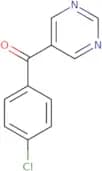
CAS:<p>Versatile small molecule scaffold</p>Formula:C7H5BrO2SPurity:Min. 95%Molecular weight:233.08 g/mol5-(4-Chlorobenzoyl)pyrimidine
CAS:<p>Versatile small molecule scaffold</p>Formula:C11H7ClN2OPurity:Min. 95%Molecular weight:218.64 g/mol3-[N-(2-Methoxyphenyl)4-methylbenzenesulfonamido]propanoic acid
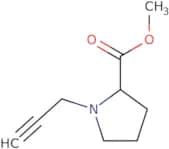
CAS:<p>Versatile small molecule scaffold</p>Formula:C17H19NO5SPurity:Min. 95%Molecular weight:349.4 g/molMethyl (2S)-1-(prop-2-yn-1-yl)pyrrolidine-2-carboxylate
CAS:<p>Versatile small molecule scaffold</p>Formula:C9H13NO2Purity:Min. 95%Molecular weight:167.2 g/molMethyl (2R)-2-hydroxy-2-(naphthalen-2-yl)acetate
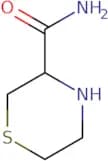
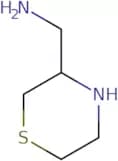
CAS:<p>Versatile small molecule scaffold</p>Formula:C13H12O3Purity:Min. 95%Molecular weight:216.2 g/molThiomorpholine-3-carboxamide
CAS:<p>Thiomorpholine-3-carboxamide is a crystalline polymorph of methimazole. It can be prepared by reacting thiomorpholine with hydrochloric acid and formaldehyde, followed by treatment with ammonium chloride. The yield of the product is low and the reaction is stereoselective. Thiomorpholine-3-carboxamide has been shown to have anti-inflammatory properties through its inhibition of prostaglandin synthesis.</p>Formula:C5H10N2OSPurity:Min. 95%Molecular weight:146.21 g/molThiomorpholin-3-ylmethanamine
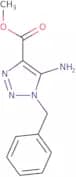
CAS:<p>Versatile small molecule scaffold</p>Formula:C5H12N2SPurity:Min. 95%Molecular weight:132.23 g/molMethyl 5-amino-1-benzyl-1H-1,2,3-triazole-4-carboxylate
CAS:<p>Versatile small molecule scaffold</p>Formula:C11H12N4O2Purity:Min. 95%Molecular weight:232.24 g/molFasudil
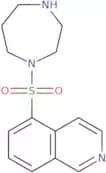
CAS:<p>Fasudil is a rho-kinase inhibitor that prevents the phosphorylation of myosin light chain and inhibits the polymerization of actin, thereby inhibiting cell contraction. Fasudil has been shown to be effective in treating primary pulmonary hypertension by preventing tubulointerstitial injury, as well as in reducing atherosclerotic lesions. It also reduces the expression of growth factor-β1, which may contribute to its therapeutic effects on certain cardiovascular diseases.<br>Fasudil is available as an injection solution at a concentration of 50mg/mL. It can also be formulated into tablets for oral administration at a dose of 25mg or 50mg per day.</p>Formula:C14H17N3O2SPurity:Min. 95%Molecular weight:327.83 g/mol


![3-Chloro-4-[(6-chloropyridazin-3-yl)oxy]aniline](/_next/image/?url=https%3A%2Fstatic.cymitquimica.com%2Fproducts%2F3D%2Fthumb-webp%2FDDA49061.webp&w=3840&q=75)
![3-Benzo[1,3]dioxol-5-yl-propylamine](/_next/image/?url=https%3A%2Fstatic.cymitquimica.com%2Fproducts%2F3D%2Fthumb-webp%2FDDA49859.webp&w=3840&q=75)
![1-[(Thiophen-2-yl)methyl]cyclohexane-1-carboxylic acid](/_next/image/?url=https%3A%2Fstatic.cymitquimica.com%2Fproducts%2F3D%2Fthumb-webp%2FDDA50209.webp&w=3840&q=75)
![4-[(Methylamino)methyl]phenol](/_next/image/?url=https%3A%2Fstatic.cymitquimica.com%2Fproducts%2F3D%2Fthumb-webp%2FDDA50719.webp&w=3840&q=75)

![5-Hydroxymethyl-2,3-dihydrobenzo[b]furan](/_next/image/?url=https%3A%2Fstatic.cymitquimica.com%2Fproducts%2F3D%2Fthumb-webp%2FDEA26235.webp&w=3840&q=75)






![Methyl 2-[(chlorosulfonyl)methyl]benzoate](/_next/image/?url=https%3A%2Fstatic.cymitquimica.com%2Fproducts%2F3D%2Fthumb-webp%2FDEA34227.webp&w=3840&q=75)

![Methyl 3-[(6-methylpyridin-2-yl)amino]propanoate](/_next/image/?url=https%3A%2Fstatic.cymitquimica.com%2Fproducts%2F3D%2Fthumb-webp%2FDEA39282.webp&w=3840&q=75)


![(1R,5S)-Bicyclo[3.1.0]hexane-1,5-dicarbaldehyde](/_next/image/?url=https%3A%2Fstatic.cymitquimica.com%2Fproducts%2F3D%2Fthumb-webp%2FDEA47824.webp&w=3840&q=75)
![1',2'-Dihydrospiro[cyclobutane-1,3'-indole]-2'-one](/_next/image/?url=https%3A%2Fstatic.cymitquimica.com%2Fproducts%2F3D%2Fthumb-webp%2FDEA49052.webp&w=3840&q=75)
![2-[2-(Trimethylsilyl)ethynyl]benzenamine](/_next/image/?url=https%3A%2Fstatic.cymitquimica.com%2Fproducts%2F3D%2Fthumb-webp%2FDEA52916.webp&w=3840&q=75)
![4-[(3-Methoxyphenyl)amino]butanoic acid](/_next/image/?url=https%3A%2Fstatic.cymitquimica.com%2Fproducts%2F3D%2Fthumb-webp%2FDEA56546.webp&w=3840&q=75)
![2-[(2,5-Dimethylphenyl)sulfanyl]acetonitrile](/_next/image/?url=https%3A%2Fstatic.cymitquimica.com%2Fproducts%2F3D%2Fthumb-webp%2FDEA57552.webp&w=3840&q=75)
![3-Chloro-5H,6H,7H-cyclopenta[C]pyridine-4-carbonitrile](/_next/image/?url=https%3A%2Fstatic.cymitquimica.com%2Fproducts%2F3D%2Fthumb-webp%2FDEA58967.webp&w=3840&q=75)

![3-[Carboxy(acetamido)methyl]benzoic acid](/_next/image/?url=https%3A%2Fstatic.cymitquimica.com%2Fproducts%2F3D%2Fthumb-webp%2FDEA64639.webp&w=3840&q=75)
![(2S)-2-[(4-Chlorophenyl)amino]propanoic acid](/_next/image/?url=https%3A%2Fstatic.cymitquimica.com%2Fproducts%2F3D%2Fthumb-webp%2FDEA67825.webp&w=3840&q=75)
![3-[N-(2-Methoxyphenyl)4-methylbenzenesulfonamido]propanoic acid](/_next/image/?url=https%3A%2Fstatic.cymitquimica.com%2Fproducts%2F3D%2Fthumb-webp%2FDEA68796.webp&w=3840&q=75)