Building Blocks
This section contains fundamental products for the synthesis of organic and biological compounds. Building blocks are the essential starting materials used to construct complex molecules through various chemical reactions. They play a critical role in drug discovery, material science, and chemical research. At CymitQuimica, we offer a diverse range of high-quality building blocks to support your innovative research and industrial projects, ensuring you have the essential components for successful synthesis.
Subcategories of "Building Blocks"
- Boronic Acids & Boronic Acid Derivatives(5,756 products)
- Chiral Building Blocks(1,242 products)
- Hydrocarbon Building Blocks(6,093 products)
- Organic Building Blocks(60,529 products)
Found 195536 products of "Building Blocks"
Sort by
Purity (%)
0
100
|
0
|
50
|
90
|
95
|
100
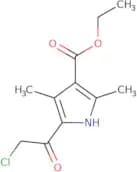
Ethyl 5-(2-chloroacetyl)-2,4-dimethyl-1H-pyrrole-3-carboxylate
CAS:<p>Versatile small molecule scaffold</p>Formula:C11H14ClNO3Purity:Min. 95%Molecular weight:243.68 g/mol2,3-Dimethoxy-6,7,8,9-tetrahydro-5H-benzo[7]annulen-5-one
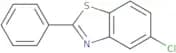
CAS:<p>Versatile small molecule scaffold</p>Formula:C13H16O3Purity:Min. 95%Molecular weight:220.3 g/mol5-Chloro-2-phenyl-1,3-benzothiazole
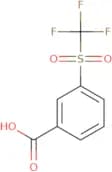
CAS:<p>5-Chloro-2-phenyl-1,3-benzothiazole is a benzothiazole with a phenyl ring and a phenyl group. It has two dihedral angles: one at the center of the ring system, and the other at the junction of the phenyl and benzene rings. The molecule has a molecular weight of 229.5 g/mol and a melting point of 243°C. 5-Chloro-2-phenyl-1,3-benzothiazole is used as an intermediate in chemical synthesis.</p>Formula:C13H8ClNSPurity:Min. 95%Molecular weight:245.73 g/mol3-(Trifluoromethylsulphonyl)benzoic acid
CAS:<p>Versatile small molecule scaffold</p>Formula:C8H5F3O4SPurity:Min. 95%Molecular weight:254.18 g/mol4-Phenylbicyclo[2.2.2]octane-1-carboxylic acid ee
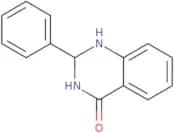
CAS:<p>Versatile small molecule scaffold</p>Formula:C15H18O2Purity:Min. 95%Molecular weight:230.3 g/mol2-Phenyl-2,3-dihydroquinazolin-4(1H)-one
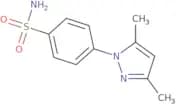
CAS:<p>2-Phenyl-2,3-dihydroquinazolin-4(1H)-one (2PDQ) is a heterocyclic compound that has been used as a building block for the synthesis of other heterocycles. 2PDQ is an efficient catalyst for the condensation reaction between benzaldehyde and anthranilamide, which produces a mixture of products. This mixture can be purified using column chromatography. The optimal conditions for this reaction are pH 8 and temperature 80°C. 2PDQ can also be used to catalyze the condensation of glycols with aldehydes to produce polyethylene glycol (PEG) oligomers. In addition, it can be used in supramolecular systems by binding β-cyclodextrin, which stabilizes the molecules involved in these systems.</p>Formula:C14H12N2OPurity:Min. 95%Molecular weight:224.26 g/mol4-(3,5-Dimethyl-1H-pyrazol-1-yl)benzene-1-sulfonamide
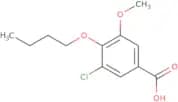
CAS:<p>4-(3,5-Dimethyl-1H-pyrazol-1-yl)benzenesulfonamide is a centrosymmetric molecule with a dimer in the central position. It has hydrogen bonds that form between two molecules of the same type. The molecule has two hydrogen atoms bonded to each oxygen atom on the sulfonamide group and one hydrogen atom bonded to each carbon atom on the benzene ring. This molecule also has coordinated bonds, which are formed when an electron is shared by two atoms. This molecule also has symmetry in its molecular structure and can be found in nature as a component of some enzymes.</p>Formula:C11H13N3O2SPurity:Min. 95%Molecular weight:251.31 g/mol4-Butoxy-3-chloro-5-methoxybenzoic acid
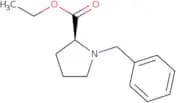
CAS:<p>Versatile small molecule scaffold</p>Formula:C12H15ClO4Purity:Min. 95%Molecular weight:258.7 g/molethyl benzyl-L-prolinate
CAS:<p>Ethyl benzyl-L-prolinate is a nitrogenous organic compound that can be prepared by the oxidation of ethyl benzyl-L-proline. Crystalline ethyl benzyl-L-prolinate is an enantioselective reagent for the cyanosilylation of aldehydes with phenyllithium. It is also a stable magnesium reagent that has been used in preparative methods to produce α,β-unsaturated ketones and esters.</p>Formula:C14H19NO2Purity:Min. 95%Molecular weight:233.31 g/mol2-[(4-Bromophenyl)sulfanyl]pyridine-3-carboxylic acid
CAS:<p>Versatile small molecule scaffold</p>Formula:C12H8BrNO2SPurity:Min. 95%Molecular weight:310.17 g/molDiphenamid
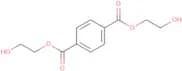
CAS:<p>Diphenamid is a diphenyl ether herbicide. It is used to control weeds in agricultural crops and dry hay, straw, and cereal grains. Diphenamid has been shown to inhibit the growth of certain fungi such as Triticum aestivum. The toxicological effects of diphenamid have been studied extensively and it has been classified as practically non-toxic to humans, with no evidence of carcinogenicity or mutagenicity. Diphenamid has also been shown to be an effective weed killer for plants that are grown in low light conditions. This study was conducted using a flow system that simulated low light conditions, which consisted of anhydrous sodium carbonate solution and methanol solvent. A linear regression analysis showed that the uptake rate increased with increasing concentrations of diphenamid in the nutrient solution.</p>Formula:C16H17NOPurity:Min. 95%Molecular weight:239.31 g/molBis(2-hydroxyethyl) terephthalate
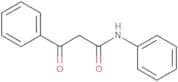
CAS:<p>Bis(2-hydroxyethyl) terephthalate (BHT) is the glycol ester of terephthalic acid. It is a colorless, odorless, viscous liquid that is soluble in water and has a synergetic effect with polyethylene glycols. BHT is used to increase the stability of plastics and other materials against chemical degradation by inhibiting oxidation reactions. This compound can be prepared by reacting trifluoroacetic acid with ethylene glycol. The activation energy for this reaction is 28 kJ/mol. The reaction mechanism involves an intramolecular hydrogen bond between the hydroxy group on the 2-position of the terephthalate molecule and the carbonyl group on the 1-position. The high values are due to its ability to intercept radiation from UV light sources and gamma rays.</p>Formula:C12H14O6Purity:94%Molecular weight:254.24 g/mol3-Oxo-N,3-diphenylpropanamide
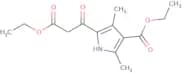
CAS:<p>3-Oxo-N,3-diphenylpropanamide is a hydroxyl group that has been shown to form a copper complex in the presence of hydrochloric acid. 3-Oxo-N,3-diphenylpropanamide is an aliphatic hydrocarbon with optical properties that are different from those of other aliphatic hydrocarbons. It has been shown to have high resistance to nitro groups and can be used as a microsphere for medical purposes. The reaction products of 3-oxo-N,3-diphenylpropanamide are diazonium salts and immune reactions against nonpolar solvents such as hexane and dichloromethane. 3-Oxo-N,3-diphenylpropanamide reacts with an active methylene (methyl alcohol) by forming an imine.</p>Formula:C15H13NO2Purity:Min. 95%Molecular weight:239.27 g/molEthyl 5-(3-ethoxy-3-oxopropanoyl)-2,4-dimethyl-1H-pyrrole-3-carboxylate
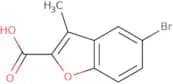
CAS:<p>Versatile small molecule scaffold</p>Formula:C14H19NO5Purity:Min. 95%Molecular weight:281.3 g/mol5-bromo-3-methyl-1-benzofuran-2-carboxylic acid
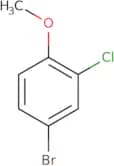
CAS:<p>Versatile small molecule scaffold</p>Formula:C10H7BrO3Purity:Min. 95%Molecular weight:255.1 g/mol4-Bromo-2-chloro-1-methoxybenzene
CAS:<p>4-Bromo-2-chloro-1-methoxybenzene is a chemical that has been shown to inhibit the growth of fungi through several different pathways. It inhibits the production of the polychlorinated phenols, chlorpyrifos, and paraoxon in humans. In addition, 4-bromo-2-chloro-1-methoxybenzene can potentially be used as an anti-fungal agent against Aspergillus and other fungus.</p>Formula:C7H6BrClOPurity:Min. 95%Molecular weight:221.48 g/molMethyl 3-methylpent-2-enoate
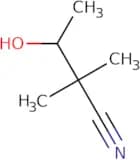
CAS:<p>Methyl 3-methylpent-2-enoate is an organic compound. It is used in the preparation of flavorings, fragrances, and pharmaceuticals. It also has a number of practical applications in the food industry, such as as a flavoring agent for salad dressings, mayonnaise, and soups. Methyl 3-methylpent-2-enoate can be prepared by the reaction of isoeugenol with methanol and sodium methoxide in an aqueous solution at room temperature. The methyl ester is then hydrolyzed with hydrochloric acid to produce methyl 3-methylpentanoate which can be purified by distillation and recrystallized from ethanol.</p>Formula:C7H12O2Purity:Min. 95%Molecular weight:128.17 g/mol3-Hydroxy-2,2-dimethylbutanenitrile
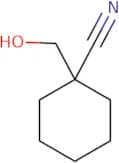
CAS:<p>Versatile small molecule scaffold</p>Formula:C6H11NOPurity:Min. 95%Molecular weight:113.16 g/mol1-(Hydroxymethyl)cyclohexane-1-carbonitrile
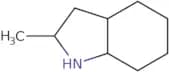
CAS:<p>Versatile small molecule scaffold</p>Formula:C8H13NOPurity:Min. 95%Molecular weight:139.19 g/mol2-Methyl-octahydro-1H-indole
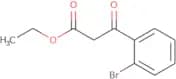
CAS:<p>Versatile small molecule scaffold</p>Formula:C9H17NPurity:Min. 95%Molecular weight:139.24 g/molethyl 3-(2-bromophenyl)-3-oxopropanoate
CAS:<p>Ethyl 3-(2-bromophenyl)-3-oxopropanoate is an ester that has been synthesized by condensation and transesterification of ethyl diazoacetate with benzylic alcohols. Zeolites have been used as catalysts in the synthesis of this compound. The yields obtained were 74%.</p>Formula:C11H11BrO3Purity:Min. 95%Molecular weight:271.11 g/mol4-Bromo-1-napthaldehyde
CAS:<p>4-Bromo-1-napthaldehyde is a chemical compound that belongs to the group of formyl compounds. It has a formyl group, which can be easily alkylated. 4-Bromo-1-napthaldehyde has been used in the industrial preparation of pharmaceuticals and agrochemicals as well as in the synthesis of other compounds. This molecule can be synthesized by reacting formic acid with bromine and sodium hydroxide. In some cases, this reaction may require heating at higher temperatures or using more than one equivalent of sodium hydroxide. The efficiency and reaction time depend on the technique used to perform the synthesis, such as Grignard reagent or hybridization.</p>Formula:C11H7BrOPurity:Min. 95%Molecular weight:235.08 g/mol(2,2-Dimethyltetrahydro-2H-pyran-4-yl)methanol
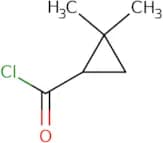
CAS:<p>Versatile small molecule scaffold</p>Formula:C8H16O2Purity:Min. 95%Molecular weight:144.21 g/mol2,2-Dimethylcyclopropane-1-carbonyl chloride
CAS:<p>2,2-Dimethylcyclopropane-1-carbonyl chloride is a diastereomeric mixture of two diastereoisomers. It is soluble in chloroform and diethyl ether and crystallizes from acetone. 2,2-Dimethylcyclopropane-1-carbonyl chloride is used as a feedstock to produce cyhalothrin, an insecticide that acts by contact. The insecticide is made by esterification of the 2,2-dimethylcyclopropane-1-carbonyl chloride with 3-phenoxybenzaldehyde and then chlorination of the ester.<br>A mixture of two diastereoisomers can be separated using chromatography techniques such as gas chromatography or high performance liquid chromatography (HPLC). In this case it would be possible to use HPLC to separate the two diastereoisomers.</p>Formula:C6H9ClOPurity:Min. 95%Molecular weight:132.59 g/molN'-(2-Chloroacetyl)benzohydrazide
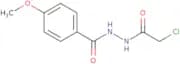
CAS:<p>Versatile small molecule scaffold</p>Formula:C9H9ClN2O2Purity:Min. 95%Molecular weight:212.63 g/molN'-(2-Chloroacetyl)-4-methoxybenzohydrazide
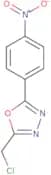
CAS:<p>Versatile small molecule scaffold</p>Formula:C10H11ClN2O3Purity:Min. 95%Molecular weight:242.66 g/mol2-(Chloromethyl)-5-(4-nitrophenyl)-1,3,4-oxadiazole
CAS:<p>Versatile small molecule scaffold</p>Formula:C9H6ClN3O3Purity:Min. 95%Molecular weight:239.62 g/molN-Methyl-1-azabicyclo[2.2.2]octan-3-amine
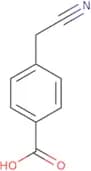
CAS:<p>Versatile small molecule scaffold</p>Formula:C8H16N2Purity:Min. 95%Molecular weight:140.23 g/mol4-(Cyanomethyl)benzoic acid
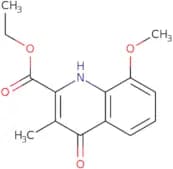
CAS:<p>4-(Cyanomethyl)benzoic acid is a photocurrent generating molecule that has been shown to be an efficient acceptor in organic photovoltaic devices. It is also used as a sensitizer for the production of benzothiadiazole. The functional theory behind this reaction is that 4-(Cyanomethyl)benzoic acid first acts as an electron acceptor and then becomes a proton donor by accepting hydrogen from benzonitrile, which leads to the formation of benzothiadiazole. The bathochromic shift of the absorption spectrum of 4-(Cyanomethyl)benzoic acid was observed due to the presence of benzothiadiazole. This molecule can be used for solar cells because it contains a dipole, which facilitates charge separation and recombination in solar cells.</p>Formula:C9H7NO2Purity:Min. 95%Molecular weight:161.16 g/molEthyl 4-hydroxy-8-methoxy-3-methylquinoline-2-carboxylate
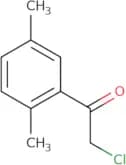
CAS:<p>Versatile small molecule scaffold</p>Formula:C14H15NO4Purity:Min. 95%Molecular weight:261.27 g/mol2-Chloro-1-(2,5-dimethylphenyl)ethanone
CAS:<p>2-Chloro-1-(2,5-dimethylphenyl)ethanone is a synthetic intermediate for the production of a variety of pharmaceuticals. This product can be used in phase chromatography, mass spectrometry detection, and miniaturised techniques such as ring-opening. 2-Chloro-1-(2,5-dimethylphenyl)ethanone can also be used in on-line electrochemical methods and guanosine synthesis techniques. This product has been shown to inhibit the growth of bacteria that cause tuberculosis and anthrax. 2-Chloro-1-(2,5-dimethylphenyl)ethanone has also been found to have affinity for DNA bases guanosine.</p>Formula:C10H11ClOPurity:Min. 95%Molecular weight:182.65 g/mol2-[4-(Propan-2-yloxy)phenyl]acetonitrile
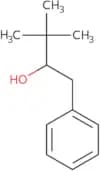
CAS:<p>Versatile small molecule scaffold</p>Formula:C11H13NOPurity:Min. 95%Molecular weight:175.23 g/mol3,3-Dimethyl-1-phenylbutan-2-ol
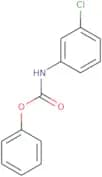
CAS:<p>3,3-Dimethyl-1-phenylbutan-2-ol is an aliphatic alcohol that is a chiral molecule. It is used in the synthesis of other chemicals, such as pharmaceuticals. 3,3-Dimethyl-1-phenylbutan-2-ol has a purity of 99.8% and is an enantiomer of the related compound 2,2-dimethylpropaneol. 3,3-Dimethyl-1-phenylbutan-2-ol can be analyzed by gas chromatography to determine its concentration and find out if it is racemic or enantiomeric.</p>Formula:C12H18OPurity:Min. 95%Molecular weight:178.27 g/molPhenyl (3-Chlorophenyl)carbamate
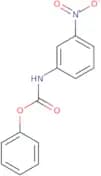
CAS:<p>Versatile small molecule scaffold</p>Formula:C13H10ClNO2Purity:Min. 95%Molecular weight:247.68 g/molPhenyl N-(3-nitrophenyl)carbamate
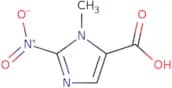
CAS:<p>Versatile small molecule scaffold</p>Formula:C13H10N2O4Purity:Min. 95%Molecular weight:258.23 g/mol1-Methyl-2-nitro-1H-imidazole-5-carboxylic acid
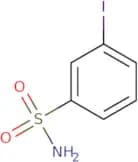
CAS:<p>Versatile small molecule scaffold</p>Formula:C5H5N3O4Purity:Min. 95%Molecular weight:171.1 g/mol3-Iodobenzene-1-sulfonamide
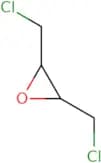
CAS:<p>Versatile small molecule scaffold</p>Formula:C6H6INO2SPurity:Min. 95%Molecular weight:283.09 g/molrac-(2R,3S)-2,3-Bis(chloromethyl)oxirane
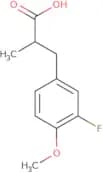
CAS:<p>Versatile small molecule scaffold</p>Formula:C4H6Cl2OPurity:Min. 95%Molecular weight:140.99 g/mol3-(3-Fluoro-4-methoxyphenyl)-2-methylpropanoic acid
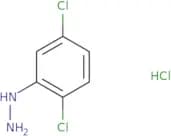
CAS:<p>Versatile small molecule scaffold</p>Formula:C11H13FO3Purity:Min. 95%Molecular weight:212.22 g/mol2,5-Dichlorophenylhydrazine hydrochloride
CAS:<p>2,5-Dichlorophenylhydrazine hydrochloride (2,5-DCPH) is a colorless crystalline compound that is soluble in water. It reacts with hydrogen peroxide to produce 2,5-dichlorophenol and with hydrochloric acid to produce 2,5-dichloroacetic acid. The hydrolysis of the hydrochloride form produces hydrogen chloride and 2,5-dichloroaniline.</p>Formula:Cl2C6H3NHNH2Purity:Min. 95%Molecular weight:213.49 g/molN-[4-(2-Aminoethoxy)phenyl]acetamide
CAS:<p>Versatile small molecule scaffold</p>Formula:C10H14N2O2Purity:Min. 95%Molecular weight:194.23 g/mol6-Chloro-3-ethyl-1,2,3,4-tetrahydropyrimidine-2,4-dione
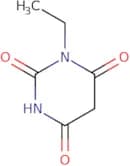
CAS:<p>Versatile small molecule scaffold</p>Formula:C6H7ClN2O2Purity:Min. 95%Molecular weight:174.58 g/mol1-Ethylpyrimidine-2,4,6(1H,3H,5H)-trione
CAS:<p>Versatile small molecule scaffold</p>Formula:C6H8N2O3Purity:Min. 95%Molecular weight:156.14 g/mol5-Methoxyisoindoline-1,3-dione
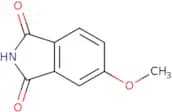
CAS:<p>5-Methoxyisoindoline-1,3-dione is a hydroxycinnamic acid derivative that was first isolated in 1882 by the German chemist Adolf von Baeyer. It is produced by the oxidation of salicylaldehyde and has been used as a chemical intermediate. It has also been used as a therapeutic agent during World War I, but this use was discontinued due to its toxicity. 5-Methoxyisoindoline-1,3-dione is a potent inhibitor of mitosis and causes cell death in cells undergoing division. This compound is also an acetamido derivative of colchicine, which inhibits mitosis by binding to microtubules and inhibiting their polymerization.</p>Formula:C9H7NO3Purity:Min. 95%Molecular weight:177.16 g/mol5-Ethoxy-2,3-dihydro-1H-isoindole-1,3-dione
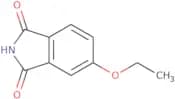
CAS:<p>Versatile small molecule scaffold</p>Formula:C10H9NO3Purity:Min. 95%Molecular weight:191.18 g/mol2-Aminohexane-1,3-diol
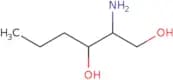
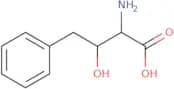
CAS:<p>Versatile small molecule scaffold</p>Formula:C6H15NO2Purity:Min. 95%Molecular weight:133.19 g/mol2-Amino-3-hydroxy-4-phenylbutanoic acid
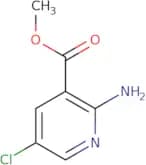
CAS:<p>Versatile small molecule scaffold</p>Formula:C10H13NO3Purity:Min. 95%Molecular weight:195.21 g/molMethyl 2-amino-5-chloronicotinate
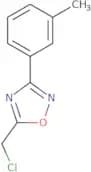
CAS:<p>Versatile small molecule scaffold</p>Formula:C7H7ClN2O2Purity:Min. 95%Molecular weight:186.6 g/mol5-(Chloromethyl)-3-(3-methylphenyl)-1,2,4-oxadiazole
CAS:<p>Versatile small molecule scaffold</p>Formula:C10H9ClN2OPurity:Min. 95%Molecular weight:208.64 g/mol5-Chloromethyl-3-(2-chloro-phenyl)-[1,2,4]oxadiazole
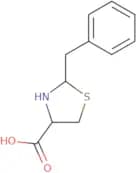
CAS:<p>Versatile small molecule scaffold</p>Formula:C9H6Cl2N2OPurity:Min. 95%Molecular weight:229.06 g/mol2-Benzyl-1,3-thiazolidine-4-carboxylic acid
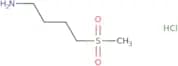
CAS:<p>2-Benzyl-1,3-thiazolidine-4-carboxylic acid is a sulfur containing compound that is an ionizable, crystallographic, and spectroscopic compound. It has the ability to react with amino acids in the presence of heat. The vibrational spectrum of 2-benzyl-1,3-thiazolidine-4 carboxylic acid displays peaks at 1240 cm and 1450 cm. The x-ray crystallography data for 2BZTAC is available in the supplementary information.</p>Formula:C11H13NO2SPurity:Min. 95%Molecular weight:223.29 g/mol4-Methanesulfonylbutan-1-amine hydrochloride
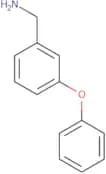
CAS:<p>4-Methanesulfonylbutan-1-amine hydrochloride is a heterocyclic compound that belongs to the group of carbamothioates. It is a white solid with low solubility in water. 4-Methanesulfonylbutan-1-amine hydrochloride has been used as an intermediate in the synthesis of other compounds and has also been shown to have dermatological properties. This compound can react with alcohols, thiols, and isothiocyanates to form sulfones, sulfonates, and isothiocyanato compounds respectively.</p>Formula:C5H14ClNO2SPurity:Min. 95%Molecular weight:187.69 g/mol3-Phenoxy-benzylamine
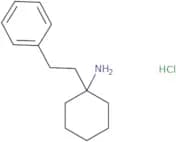
CAS:<p>3-phenoxybenzylamine is a regulatory agent that has been shown to inhibit the activity of some drugs. The toxicities of 3-phenoxybenzylamine are similar to those of other inhibitor drugs and include acute toxicity, which may be due to inhibition of intracellular ATP, and chronic effects that may be due to protein–protein interaction or competition with chloride for the cell membrane. It has been shown to be an excellent validation agent for acrylonitrile production by reacting with acetonitrile in the presence of alkali metal compounds. 3-Phenoxybenzylamine also inhibits cancer cells, which is related to its ability to bind proteins in the cancer cell membranes.</p>Formula:C13H13NOPurity:Min. 95%Molecular weight:199.25 g/mol1-(2-Phenylethyl)cyclohexan-1-amine hydrochloride
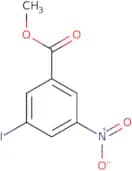
CAS:<p>Versatile small molecule scaffold</p>Formula:C14H22ClNPurity:Min. 95%Molecular weight:239.8 g/molMethyl 3-iodo-5-nitrobenzoate
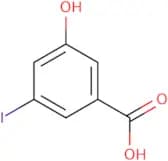
CAS:<p>Versatile small molecule scaffold</p>Formula:C8H6INO4Purity:Min. 95%Molecular weight:307.04 g/mol3-Hydroxy-5-iodobenzoic acid
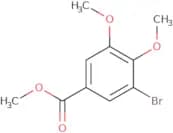
CAS:<p>Versatile small molecule scaffold</p>Formula:C7H5IO3Purity:Min. 95%Molecular weight:264.02 g/molMethyl 3-bromo-4,5-dimethoxybenzoate
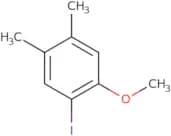
CAS:<p>Versatile small molecule scaffold</p>Formula:C10H11BrO4Purity:Min. 95%Molecular weight:275.1 g/mol1-Iodo-2-methoxy-4,5-dimethylbenzene
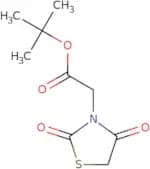
CAS:<p>Versatile small molecule scaffold</p>Formula:C9H11IOPurity:Min. 95%Molecular weight:262.09 g/moltert-Butyl 2-(2,4-dioxo-1,3-thiazolidin-3-yl)acetate
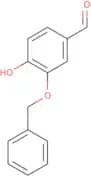
CAS:<p>Versatile small molecule scaffold</p>Formula:C9H13NO4SPurity:Min. 95%Molecular weight:231.27 g/mol3-Benzyloxy-4-hydroxybenzaldehyde
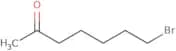
CAS:<p>3-Benzyloxy-4-hydroxybenzaldehyde (3BOHB) is an aromatic compound that is used in the synthesis of aporphines. It can be synthesized by using a Wittig reaction with phenylmagnesium bromide and 3-benzyloxybenzoic acid. This product has been shown to have anticancer activity against breast cancer cells, as well as other cancer cells, in mice and rats. 3BOHB is also biosynthesized by clivia plants, and it is commercially available as a starting material for drug synthesis.</p>Formula:C14H12O3Purity:Min. 95%Molecular weight:228.24 g/mol7-Bromoheptan-2-one
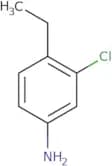
CAS:<p>7-Bromoheptan-2-one is a hydrogen bond donor that can act as a proton receptor. It has been shown to be able to reversibly bind chloride ions in the cavity of an anion, which has been modified with a 2,3-diaminopyridine moiety. This compound has been synthesized by reacting acetonitrile with 7-bromoheptanoic acid and the amine in a 1:1 ratio at room temperature for 3 hours. The supramolecular chemistry of this compound is based on its ability to form hydrogen bonds with other molecules. 7-Bromoheptan-2-one also has peptidomimetic properties because it can form tetrapyrrolic structures. 7-Bromoheptan-2-one has been used in titration calorimetry experiments to study the binding affinity of the molecule for various metal cations.</p>Formula:C7H13BrOPurity:Min. 95%Molecular weight:193.08 g/mol3-Chloro-4-ethylbenzenamine
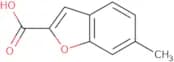
CAS:<p>3-Chloro-4-ethylbenzenamine is a chlorinating agent that reacts with amines to produce chloroamines. It is used as a catalyst in the production of tetramethylurea, anisole, chloro xylene, naphthylamine, and nitrobenzene. 3-Chloro-4-ethylbenzenamine also participates in the synthesis of 3,4-dichlorophenyl isocyanate and benzene. It can be used as a chemical intermediate for the production of polycarbonates or polyurethanes.</p>Formula:C8H10ClNPurity:Min. 95%Molecular weight:155.62 g/mol6-Methyl-benzofuran-2-carboxylic acid
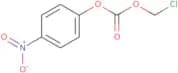
CAS:<p>6-Methyl-benzofuran-2-carboxylic acid is a hydroxamic acid that has been shown to have pharmacological properties. It is a potent histone deacetylase inhibitor and blocks the activity of diuretic, ligand, benzofurans, and inhibitors of deacetylase. 6-Methyl-benzofuran-2-carboxylic acid also has minimal effects on the cardiovascular system.</p>Formula:C10H8O3Purity:Min. 95%Molecular weight:176.17 g/molChloromethyl (4-nitrophenyl) carbonate
CAS:<p>Versatile small molecule scaffold</p>Formula:C8H6NO5ClPurity:Min. 95%Molecular weight:231.58 g/mol2-(2,3-Dihydro-1H-indol-1-yl)acetonitrile
CAS:<p>2-(2,3-Dihydro-1H-indol-1-yl)acetonitrile is a chemical with the molecular formula of C9H7N. It has a cyano group and stabilized carbanions. The compound is used in organic synthesis as a reagent to make various products, such as spiropyrans and perchlorate. It can also be transformed into indoline derivatives through condensation reactions with aromatic aldehydes.</p>Formula:C10H10N2Purity:Min. 95%Molecular weight:158.2 g/molSpiro[3.4]oct-7-en-6-one
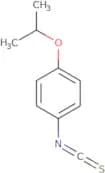
CAS:<p>Versatile small molecule scaffold</p>Formula:C8H10OPurity:Min. 95%Molecular weight:122.2 g/mol1-Isothiocyanato-4-(propan-2-yloxy)benzene
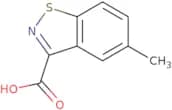
CAS:<p>Versatile small molecule scaffold</p>Formula:C10H11NOSPurity:Min. 95%Molecular weight:193.27 g/mol5-Methyl-1,2-benzothiazole-3-carboxylic acid
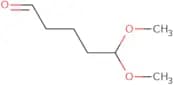
CAS:<p>Versatile small molecule scaffold</p>Formula:C9H7NO2SPurity:Min. 95%Molecular weight:193.22 g/mol5,5-Dimethoxypentanal
CAS:<p>Versatile small molecule scaffold</p>Formula:C7H14O3Purity:Min. 95%Molecular weight:146.18 g/mol3-Phenoxybenzonitrile
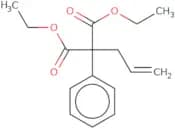
CAS:<p>3-Phenoxybenzonitrile is a diphenyl ether that can be used as an anti-cancer and pesticide. It has been shown to inhibit the growth of human cancer cells in vitro, and is effective against a number of insect pests. 3-Phenoxybenzonitrile is toxic to humans, but is less toxic than other phenoxybenzamines. 3-Phenoxybenzonitrile has also been shown to be carcinogenic, with parameters such as hydrogen chloride, optimization and chloride affecting its carcinogenicity. This chemical's toxicity depends on the functional group present at the 3-position. In the presence of chloride ions, it reacts with acetonitrile to form 1,2-dioxane and hydrogen chloride. The rate of this reaction will depend on the reaction time and temperature.</p>Formula:C13H9NOPurity:Min. 95%Molecular weight:195.22 g/mol1,3-Diethyl 2-phenyl-2-(prop-2-en-1-yl)propanedioate
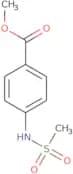
CAS:<p>Versatile small molecule scaffold</p>Formula:C16H20O4Purity:Min. 95%Molecular weight:276.3 g/molMethyl 4-methanesulfonamidobenzoate
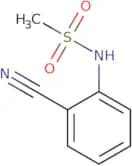
CAS:<p>Methyl 4-methanesulfonamidobenzoate is an enzyme inhibitor that binds to the hydroxyl group of the active site on enzymes, such as human protein kinase. The hydroxyl group of this compound interacts with the amide group of the enzyme, preventing it from carrying out its normal function. Methyl 4-methanesulfonamidobenzoate has been shown to inhibit a number of different enzyme isozymes, including 2-methylisocitrate dehydrogenase and cyclooxygenase 2. This drug also has selectivity for one conformation over another because it binds only to the human form of these enzymes, while not binding to other animal or microbial forms.</p>Formula:C9H11NO4SPurity:Min. 95%Molecular weight:229.25 g/mol2-(Methanesulfonylamino)benzonitrile
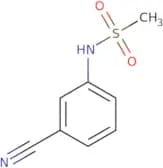
CAS:<p>Versatile small molecule scaffold</p>Formula:C8H8N2O2SPurity:Min. 95%Molecular weight:196.23 g/mol3-(Methanesulfonylamino)benzonitrile
CAS:<p>Versatile small molecule scaffold</p>Formula:C8H8N2O2SPurity:Min. 95%Molecular weight:196.23 g/molN-[4-(Trifluoromethyl)phenyl]methanesulfonamide
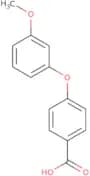
CAS:<p>Versatile small molecule scaffold</p>Formula:C8H8F3NO2SPurity:Min. 95%Molecular weight:239.22 g/mol4-(3-Methoxyphenoxy)benzoic acid
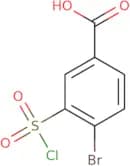
CAS:<p>4-(3-Methoxyphenoxy)benzoic acid is a chemical compound that has dehydrating properties and can be used industrially as an organic solvent. It is a colorless, water-soluble liquid with an aprotic nature. 4-(3-Methoxyphenoxy)benzoic acid is also used to prepare other chemicals by hydrolysis, such as 3-methoxybenzoic acid and 3,4-dimethoxybenzoic acid.</p>Formula:C14H12O4Purity:Min. 95%Molecular weight:244.24 g/mol4-Bromo-3-chlorosulfonylbenzoic acid
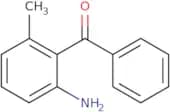
CAS:<p>4-Bromo-3-chlorosulfonylbenzoic acid (4BCSA) is a synthetic cannabinoid that has been modified to have increased affinity for the CB2 receptor. 4BCSA has been shown to produce analgesia in animal models of neuropathic and inflammatory pain. This drug also blocks the effects of endocannabinoids at the CB1 receptor, which may be useful for treating postoperative and chronic pain. In addition, 4BCSA has been shown to inhibit caspase activity in cells and increase levels of glutathione, which may have therapeutic benefits for diseases such as cancer.</p>Formula:C7H4BrClO4SPurity:Min. 95%Molecular weight:299.52 g/mol2-Benzoyl-3-methylaniline
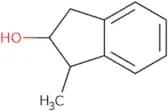
CAS:<p>Versatile small molecule scaffold</p>Formula:C14H13NOPurity:Min. 95%Molecular weight:211.26 g/mol1-Methyl-2,3-dihydro-1H-inden-2-ol
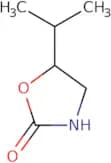
CAS:<p>Versatile small molecule scaffold</p>Formula:C10H12OPurity:Min. 95%Molecular weight:148.2 g/mol5-(Propan-2-yl)-1,3-oxazolidin-2-one
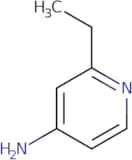
CAS:<p>Versatile small molecule scaffold</p>Formula:C6H11NO2Purity:Min. 95%Molecular weight:129.16 g/mol2-Ethylpyridin-4-amine
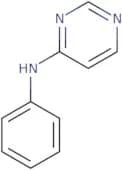
CAS:<p>2-Ethylpyridin-4-amine is a pyridine that can be synthesized from the amination of 4-nitrophenol. It can also be synthesized by acylation of 2-ethylpyridine with ethyl chloroformate followed by cyclization. This compound has shown to have high yields in reactions involving pyridines and it is often used as a precursor for other compounds.</p>Formula:C7H10N2Purity:Min. 95%Molecular weight:122.17 g/molN-Phenylpyrimidin-4-amine
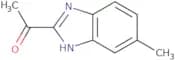
CAS:<p>N-Phenylpyrimidin-4-amine is a drug that binds to the bromodomain, a protein domain in the cell nucleus. It has been shown to have clinical relevance as an anti-inflammatory agent and as a potential treatment for autoimmune diseases, cancer, and nitro. N-Phenylpyrimidin-4-amine has been shown to inhibit the production of influenza virus in cells by binding to the alkylthio group on its surface. This drug is also being studied as a potential therapy for avian influenza and other viral infections. In addition, it has been shown to inhibit the replication of human immunodeficiency virus (HIV) in cultured lymphocytes.</p>Formula:C10H9N3Purity:Min. 95%Molecular weight:171.2 g/mol1-(5-Methyl-1H-benzimidazol-2-yl)ethanone
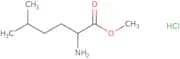
CAS:<p>Versatile small molecule scaffold</p>Formula:C10H10N2OPurity:Min. 95%Molecular weight:174.2 g/molMethyl 2-amino-5-methylhexanoate hydrochloride
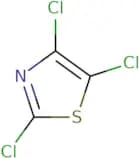
CAS:<p>Versatile small molecule scaffold</p>Formula:C8H18ClNO2Purity:Min. 95%Molecular weight:195.69 g/mol2,4,5-Trichlorothiazole
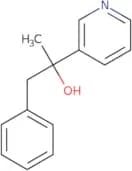
CAS:<p>2,4,5-Trichlorothiazole (2,4,5-T) is a chlorinated organic acid that is used as an active substance in the manufacture of pesticides. 2,4,5-T has been shown to be toxic to plants and animals by inhibiting growth and causing damage to cells. It has been used as an herbicide for the control of weeds and grasses in crop fields. The chemical is also an algicide for the control of algae in lakes and rivers. 2,4,5-T can be applied as a foliar spray or soil drenching agent. This chemical can also be diluted with water or other substances before application.</p>Formula:C3Cl3NSPurity:Min. 95%Molecular weight:188.5 g/mol1-Phenyl-2-(pyridin-3-yl)propan-2-ol
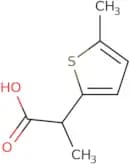
CAS:<p>Versatile small molecule scaffold</p>Formula:C14H15NOPurity:Min. 95%Molecular weight:213.27 g/mol2-(5-Methylthiophen-2-yl)propanoic acid
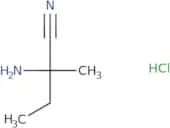
CAS:<p>Versatile small molecule scaffold</p>Formula:C8H10O2SPurity:Min. 95%Molecular weight:170.23 g/mol2-Amino-2-methylbutanenitrile hydrochloride
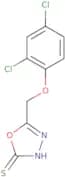
CAS:<p>Versatile small molecule scaffold</p>Formula:C5H11ClN2Purity:Min. 95%Molecular weight:134.61 g/mol5-(2,4-Dichlorophenoxymethyl)-1,3,4-oxadiazole-2-thiol
CAS:<p>Versatile small molecule scaffold</p>Formula:C9H6Cl2N2O2SPurity:Min. 95%Molecular weight:277.13 g/mol9-Thia-3-azabicyclo[4.2.1]nonane hydrochloride
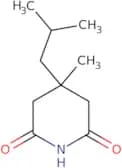
CAS:<p>Versatile small molecule scaffold</p>Formula:C7H14ClNSPurity:Min. 95%Molecular weight:179.71 g/mol4-Methyl-4-(2-methylpropyl)piperidine-2,6-dione
CAS:<p>Versatile small molecule scaffold</p>Formula:C10H17NO2Purity:Min. 95%Molecular weight:183.25 g/mol4,6-Dioxa-10-thia-12-azatricyclo[7.3.0.0,3,7]dodeca-1,3(7),8,11-tetraen-11-amine
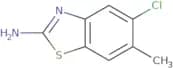
CAS:<p>Versatile small molecule scaffold</p>Formula:C8H6N2O2SPurity:Min. 95%Molecular weight:194.21 g/mol5-Chloro-6-methyl-benzothiazol-2-ylamine
CAS:<p>Versatile small molecule scaffold</p>Formula:C8H7ClN2SPurity:Min. 95%Molecular weight:198.67 g/mol6-[1-(Hydroxyimino)ethyl]-1,3-benzothiazol-2-amine
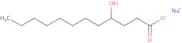
CAS:<p>Versatile small molecule scaffold</p>Formula:C9H9N3OSPurity:Min. 95%Molecular weight:207.25 g/molSodium 4-hydroxydodecanoate
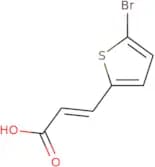
CAS:<p>Versatile small molecule scaffold</p>Formula:C12H23NaO3Purity:Min. 95%Molecular weight:238.3 g/mol(E)-3-(5-Bromothiophen-2-yl)acrylic acid
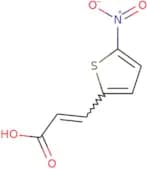
CAS:<p>Versatile small molecule scaffold</p>Formula:C7H5BrO2SPurity:Min. 95%Molecular weight:233.08 g/mol(E)-3-(5-Nitrothiophen-2-yl)acrylic acid
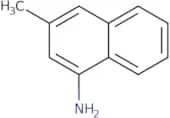
CAS:<p>Versatile small molecule scaffold</p>Formula:C7H5NO4SPurity:Min. 95%Molecular weight:199.19 g/mol3-Methylnaphthalen-1-amine
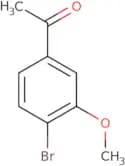
CAS:<p>Versatile small molecule scaffold</p>Formula:C11H11NPurity:Min. 95%Molecular weight:157.21 g/mol1-(4-Bromo-3-methoxyphenyl)ethanone
CAS:<p>Versatile small molecule scaffold</p>Formula:C9H9BrO2Purity:Min. 95%Molecular weight:229.07 g/mol2-Bromocyclohex-2-en-1-one
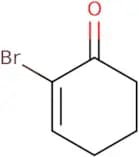
CAS:<p>2-Bromocyclohex-2-en-1-one is a reactive compound that belongs to the group of organometallic compounds. It is utilized in polyphosphoric acid production, where it reacts with hydrocarbons and alcohols to form esters or ethers. This compound may also be used as an intermediate in the preparation of Taxol, which is a drug used to treat cancer. 2-Bromocyclohex-2-en-1-one has shown enantioselective reactions with chloride ion and chiral trifluoroacetic acid, leading to the formation of enolate anion. The reaction mechanism for this process is still not fully understood.</p>Formula:C6H7BrOPurity:Min. 95%Molecular weight:175.02 g/mol

![2,3-Dimethoxy-6,7,8,9-tetrahydro-5H-benzo[7]annulen-5-one](/_next/image/?url=https%3A%2Fstatic.cymitquimica.com%2Fproducts%2F3D%2Fthumb-webp%2FAAA95199.webp&w=3840&q=75)
![4-Phenylbicyclo[2.2.2]octane-1-carboxylic acid ee](/_next/image/?url=https%3A%2Fstatic.cymitquimica.com%2Fproducts%2F3D%2Fthumb-webp%2FAAA95369.webp&w=3840&q=75)
![2-[(4-Bromophenyl)sulfanyl]pyridine-3-carboxylic acid](/_next/image/?url=https%3A%2Fstatic.cymitquimica.com%2Fproducts%2F3D%2Fthumb-webp%2FAAA95552.webp&w=3840&q=75)





![N-Methyl-1-azabicyclo[2.2.2]octan-3-amine](/_next/image/?url=https%3A%2Fstatic.cymitquimica.com%2Fproducts%2F3D%2Fthumb-webp%2FACA68424.webp&w=3840&q=75)
![2-[4-(Propan-2-yloxy)phenyl]acetonitrile](/_next/image/?url=https%3A%2Fstatic.cymitquimica.com%2Fproducts%2F3D%2Fthumb-webp%2FACA69053.webp&w=3840&q=75)
![N-[4-(2-Aminoethoxy)phenyl]acetamide](/_next/image/?url=https%3A%2Fstatic.cymitquimica.com%2Fproducts%2F3D%2Fthumb-webp%2FACA71466.webp&w=3840&q=75)

![5-Chloromethyl-3-(2-chloro-phenyl)-[1,2,4]oxadiazole](/_next/image/?url=https%3A%2Fstatic.cymitquimica.com%2Fproducts%2F3D%2Fthumb-webp%2FACA73732.webp&w=3840&q=75)

![Spiro[3.4]oct-7-en-6-one](/_next/image/?url=https%3A%2Fstatic.cymitquimica.com%2Fproducts%2F3D%2Fthumb-webp%2FACA78204.webp&w=3840&q=75)

![N-[4-(Trifluoromethyl)phenyl]methanesulfonamide](/_next/image/?url=https%3A%2Fstatic.cymitquimica.com%2Fproducts%2F3D%2Fthumb-webp%2FACA79032.webp&w=3840&q=75)
![9-Thia-3-azabicyclo[4.2.1]nonane hydrochloride](/_next/image/?url=https%3A%2Fstatic.cymitquimica.com%2Fproducts%2F3D%2Fthumb-webp%2FACA84831.webp&w=3840&q=75)
![4,6-Dioxa-10-thia-12-azatricyclo[7.3.0.0,3,7]dodeca-1,3(7),8,11-tetraen-11-amine](/_next/image/?url=https%3A%2Fstatic.cymitquimica.com%2Fproducts%2F3D%2Fthumb-webp%2FACA85094.webp&w=3840&q=75)
![6-[1-(Hydroxyimino)ethyl]-1,3-benzothiazol-2-amine](/_next/image/?url=https%3A%2Fstatic.cymitquimica.com%2Fproducts%2F3D%2Fthumb-webp%2FACA85105.webp&w=3840&q=75)