


Building Blocks
This section contains fundamental products for the synthesis of organic and biological compounds. Building blocks are the essential starting materials used to construct complex molecules through various chemical reactions. They play a critical role in drug discovery, material science, and chemical research. At CymitQuimica, we offer a diverse range of high-quality building blocks to support your innovative research and industrial projects, ensuring you have the essential components for successful synthesis.
Subcategories of "Building Blocks"
- Boronic Acids & Boronic Acid Derivatives(5,756 products)
- Chiral Building Blocks(1,242 products)
- Hydrocarbon Building Blocks(6,095 products)
- Organic Building Blocks(60,526 products)
Found 195848 products of "Building Blocks"
Sort by
Purity (%)
0
100
|
0
|
50
|
90
|
95
|
100
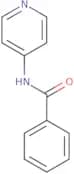
N-(Pyridin-4-yl)benzamide
CAS:<p>N-(Pyridin-4-yl)benzamide is a control agent that is used as a pest control. It inhibits the enzyme nitric oxide synthase and prevents the production of nitric oxide, which has been implicated in the uncontrolled proliferation of certain cells. N-(Pyridin-4-yl)benzamide also has anti-cancer properties, inhibiting cancer cell growth by regulating DNA replication and protein synthesis. This drug is effective against colon cancer cells but not against breast cancer cells.<br>The supramolecular chemistry of this molecule was studied using diffraction techniques on calf thymus DNA and bacterial DNA gyrase. The transfer of energy from one molecule to another was observed using absorption spectroscopy on mouse brain tissue.</p>Formula:C12H10N2OPurity:Min. 95%Molecular weight:198.22 g/molAzepane-2-carboxylic acid hydrochloride
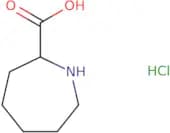
CAS:<p>Versatile small molecule scaffold</p>Formula:C7H14ClNO2Purity:Min. 95%Molecular weight:179.64 g/mol2-[(Naphthalen-2-yloxy)methyl]oxirane
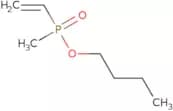
CAS:<p>2-[(Naphthalen-2-yloxy)methyl]oxirane is a monomer that can be used to produce epoxides, amines, and other organic compounds. It is used as a transport agent and catalytic agent for the ring-opening of epoxides. The cyanosilylation reaction of 2-[(naphthalen-2-yloxy)methyl]oxirane with bis[trimethylsilyl]acetamide produces cyanosilylated products. This compound has been shown to be a ligand for phosphazene and polyethers, as well as an effective catalyst in the synthesis of cyclic ethers.</p>Formula:C13H12O2Purity:Min. 95%Molecular weight:200.23 g/molButyl ethenyl(methyl)phosphinate
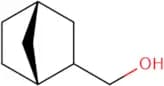
CAS:<p>Versatile small molecule scaffold</p>Formula:C7H15O2PPurity:Min. 95%Molecular weight:162.17 g/molNorbornane-2-methanol
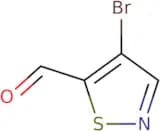
CAS:<p>Norbornane-2-methanol is a viscosity additive in lubricants, diesel fuel, and other industrial products. It is also used as a grignard reagent for the synthesis of organic compounds. Norbornane-2-methanol has been shown to react with copper chromite to produce the reactive chemical species quadricyclane, which can be used to synthesize organic compounds. Norbornane-2-methanol also reacts with primary alcohols to form a thermally stable c–h bond. The deuterium labeled version of this compound has been used in techniques such as nuclear magnetic resonance spectroscopy and mass spectrometry.</p>Formula:C8H14OPurity:Min. 95%Molecular weight:126.2 g/mol4-Bromo-1,2-thiazole-5-carbaldehyde
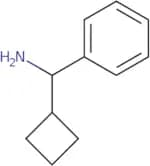
CAS:<p>Versatile small molecule scaffold</p>Formula:C4H2BrNOSPurity:Min. 95%Molecular weight:192.04 g/molCyclobutyl(phenyl)methanamine
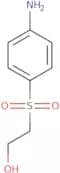
CAS:<p>Versatile small molecule scaffold</p>Formula:C11H15NPurity:Min. 95%Molecular weight:161.24 g/mol2-(4-Aminobenzenesulfonyl)ethan-1-ol
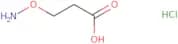
CAS:<p>2-(4-Aminobenzenesulfonyl)ethan-1-ol is a reactive chemical that is used in wastewater treatment. It reacts with sulfate, amines, and industrial hydrogen sulfate to form sulfonates, which are less toxic than the original compounds. 2-(4-aminobenzenesulfonyl)ethan-1-ol is also used as an activator for activated sludge. This chemical has been shown to be effective in dechlorination of aromatic amines and transformation of other pollutants such as ammonia, phenols, and tetrachloroethylene.</p>Formula:C8H11NO3SPurity:Min. 95%Color and Shape:PowderMolecular weight:201.24 g/mol3-(Aminooxy)propanoic acid hydrochloride
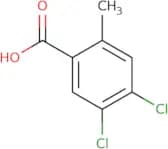
CAS:<p>3-Aminooxypropanoic acid hydrochloride is an oxime that is a chemical used as a chiral auxiliary in organic synthesis. It can also be used as a reagent to synthesize pyridinium salts. 3-Aminopropanoic acid hydrochloride is prepared by refluxing 3-aminopropionic acid with potassium hydroxide and ethyl bromoacetate in the presence of dimethylformamide. The reaction mixture is then cooled and acetone is added to precipitate the product, which is filtered off and dried.<br>3-Aminopropanoic acid hydrochloride reacts with potassium cyanide to form an imine intermediate, which can be converted into various substituted aminooxacetic acids through acylation with various substituted acylureido bromides or chlorides.</p>Formula:C3H8ClNO3Purity:Min. 95%Molecular weight:141.55 g/mol4,5-Dichloro-2-methylbenzoic acid
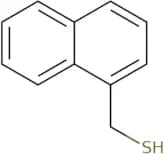
CAS:<p>4,5-Dichloro-2-methylbenzoic acid is a colorless crystalline solid. It is soluble in water and hydrochloric acid but insoluble in ethanol. The compound can be acetylated by chloroacetyl chloride to form 4,5-dichloro-2-methylbenzoic acid ethyl ester. The yield of this reaction is high and the product crystallizes readily from water. This reagent can be used for the synthesis of 2-alkylthiophenes with alkali metal hydroxides or metal salts as well as for the preparation of 2,4,5-trichlorobenzoic acid with hypoiodite or acetyl chloride. 4,5-Dichloro-2-methylbenzoic acid can also be used as a starting material for the production of dyes and drugs.</p>Formula:C8H6Cl2O2Purity:Min. 95%Molecular weight:205.03 g/mol(Naphthalen-1-yl)methanethiol
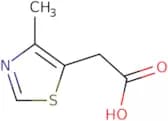
CAS:<p>Naphthalen-1-ylmethanethiol is a molecular compound with the molecular formula CHS. It consists of one naphthalene ring and one methanethiol group. Naphthalen-1-ylmethanethiol has been found to have a high photoelectron emission intensity in the region of 2.5 eV, which is characteristic for sulfur-containing molecules. This molecule has three different types of orbitals: sigma, pi, and omega, each with different energies and intensities. The pi orbital is composed of four orbitals that are perpendicular to each other; the sigma orbital is composed of two orbitals that are perpendicular to each other; and the omega orbital is composed of two orbitals that point towards each other. The pi orbital has the highest energy and intensity as well as the lowest binding energy.</p>Formula:C11H10SPurity:Min. 95%Molecular weight:174.26 g/mol4-Methyl-5-thiazoleacetic acid
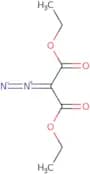
CAS:<p>4-Methyl-5-thiazoleacetic acid (MTAA) is a metabolite of chlormethiazole. It has been shown to have similar pharmacological properties as the parent drug, including analgesic, anti-inflammatory and antiemetic effects. MTAA is excreted quantitatively in urine and has been detected as an endogenous metabolite in humans. Gas chromatography with mass spectrometry was used to analyze human urine samples for MTAA and its metabolites. The metabolism of MTAA has been studied by extracting rat liver homogenates, analyzing them for MTAA, and determining the metabolic products that were found in the extractions. These studies show that 4-methyl-5-thiazoleacetic acid is metabolized to produce a number of metabolites, including edisylate, which is also an active metabolite of chlormethiazole.</p>Formula:C6H7NO2SPurity:Min. 95%Molecular weight:157.19 g/mol1,3-Diethyl 2-diazopropanedioate
CAS:<p>1,3-Diethyl 2-diazopropanedioate is a heterocyclic molecule with a chemical formula of C6H8N2O4. It has been used in pharmaceutical preparations and as an intermediate in the synthesis of other chemicals. 1,3-Diethyl 2-diazopropanedioate is hydrolyzed by ectonucleotidase to produce malonic acid and ethyl diazoacetate. This reaction may be important in the development of cancer due to its ability to react with DNA. The reactions are also involved in the chain reactions that lead to clotting of blood and thrombin receptor activation, which can result in a heart attack or stroke.</p>Formula:C7H10N2O4Purity:Min. 95%Molecular weight:186.17 g/molMethyl [(4-aminobenzoyl)amino]acetate
CAS:<p>Versatile small molecule scaffold</p>Formula:C10H12N2O3Purity:Min. 95%Molecular weight:208.21 g/mol2,5-Diazabicyclo[2.2.1]heptane, dihydrochloride
CAS:<p>Versatile small molecule scaffold</p>Formula:C5H10N2·2HClPurity:Min. 95%Molecular weight:171.07 g/mol2,3,4,6,7,11b-Hexahydro-1H-pyrazino[2,1-a]isoquinoline dihydrochloride
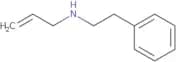
CAS:<p>Versatile small molecule scaffold</p>Formula:C12H18Cl2N2Purity:Min. 95%Molecular weight:261.19 g/mol(2-Phenylethyl)(prop-2-en-1-yl)amine
CAS:Controlled Product<p>Versatile small molecule scaffold</p>Formula:C11H15NPurity:Min. 95%Molecular weight:161.24 g/mol5-Cyanopentanoic acid
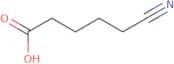
CAS:<p>5-Cyanopentanoic acid is an activating reagent that is used in the oxidation of alcohols and amines. It reacts with aldehydes, ketones, nitriles, and esters to form carboxylic acids. 5-Cyanopentanoic acid can also be used to form acyl cyanides from aldehydes and acetals. This substance inhibits microbial growth by reacting with the amino groups on microbial cell surfaces. 5-Cyanopentanoic acid has been shown to react with nucleophiles such as methyl alcohol or carbamic acid to form a bidentate ligand. The reaction mechanism for this process is similar to that of a nucleophile attacking an electrophile.END></p>Formula:C6H9NO2Purity:Min. 95%Molecular weight:127.14 g/mol2-(3-Methylphenyl)propan-1-amine
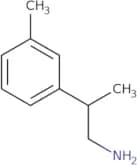
CAS:Controlled Product<p>Versatile small molecule scaffold</p>Formula:C10H15NPurity:Min. 95%Molecular weight:149.23 g/mol(3-Chlorophenyl)(phenyl)methanamine hydrochloride
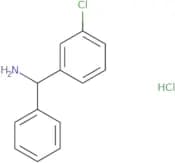
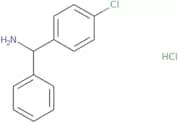
CAS:<p>Versatile small molecule scaffold</p>Formula:C13H13Cl2NPurity:Min. 95%Molecular weight:254.15 g/mol(4-Chlorophenyl)(phenyl)methanamine
CAS:<p>4-Chlorophenyl)(phenyl)methanamine is a cytostatic drug that inhibits the growth of cells. It has been shown to have antioxidative activities in wastewater and to induce cell differentiation. The molecule has been synthesized from cetirizine and carbamazepine, which are antihistamines and anticonvulsants, respectively. Techniques such as advanced spectral techniques and nuclear magnetic resonance spectroscopy have been used to characterize the structure of this molecule. 4-Chlorophenyl)(phenyl)methanamine shows high levels of antioxidative activity in cancer cells.</p>Formula:C13H12ClNPurity:Min. 95%Molecular weight:217.7 g/molBis(4-chlorophenyl)methanamine hydrochloride
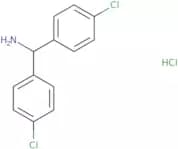
CAS:<p>Versatile small molecule scaffold</p>Formula:C13H12Cl3NPurity:Min. 95%Molecular weight:288.6 g/mol(2-Methoxyphenyl)(phenyl)methanamine hydrochloride
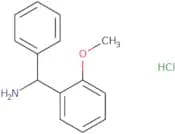
CAS:<p>Versatile small molecule scaffold</p>Formula:C14H16ClNOPurity:Min. 95%Molecular weight:249.73 g/mol(4-Methoxyphenyl)(phenyl)methanamine hydrochloride
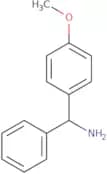
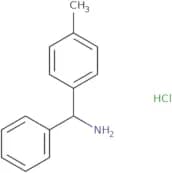
CAS:<p>Versatile small molecule scaffold</p>Formula:C14H15NOPurity:Min. 95%Molecular weight:213.27 g/mol(4-Methylphenyl)(phenyl)methanamine hydrochloride
CAS:<p>4-Methylphenyl)(phenyl)methanamine hydrochloride (4MPHM) is an antimicrobial agent that disrupts the cell membrane of mammalian cells. It also inhibits pancreatic regeneration and has been shown to inhibit the production of natural toxins, such as antimicrobial peptides. 4MPHM has been shown to enhance antibiotic drugs, such as fluconazole, and can be used in regenerative medicine to treat pancreatic cancer and other diseases. 4MPHM binds to a molecule on the cell membrane, which enhances permeability and causes a disruption in the integrity of the bacterial cell membrane.</p>Formula:C14H16ClNPurity:Min. 95%Molecular weight:233.73 g/molNaphthalen-1-yl(phenyl)methanamine hydrochloride
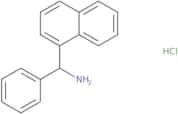
CAS:<p>Versatile small molecule scaffold</p>Formula:C17H16ClNPurity:Min. 95%Molecular weight:269.8 g/mol2-(1-Bromoethyl)-1,3-dioxolane
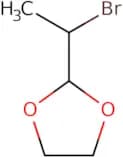
CAS:<p>2-(1-Bromoethyl)-1,3-dioxolane is an organic compound with a molecular weight of 214.2 g/mol. It has two isomers: the cis form and the trans form. The cis form is more stable and less reactive than the trans form, although both have approximately equal binding affinity for human cytochrome P450. 2-(1-Bromoethyl)-1,3-dioxolane can be found in the metabolic profiles of many anticancer drugs such as abscisic acid, carboxylic acid and ethyl group derivatives. Furthermore, it can be used to synthesize polymers that are used in cancer treatments.</p>Formula:C5H9BrO2Purity:Min. 95%Molecular weight:181.03 g/mol4-Bromo-1,6-naphthyridine
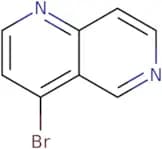
CAS:<p>Versatile small molecule scaffold</p>Formula:C8H5BrN2Purity:Min. 95%Molecular weight:209.04 g/mol2,8-Dioxaspiro[4.5]decane-1,3-dione
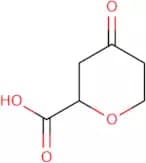
CAS:<p>Versatile small molecule scaffold</p>Formula:C8H10O4Purity:Min. 95%Molecular weight:170.16 g/mol4-Oxooxane-2-carboxylic acid
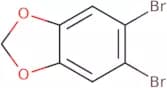
CAS:<p>4-Oxooxane-2-carboxylic acid is a molecule that is involved in the stabilization of organic compounds. It is also used as a reaction rate catalyst for the ring-opening of orotic acid. 4-Oxooxane-2-carboxylic acid can stabilize carbanions and zwitterions, which are reactive intermediates in organic reactions. The mechanism of 4-Oxooxane-2-carboxylic acid's activity involves nucleophilic attack on the carbonyl carbon atom, leading to decarboxylation and formation of the corresponding carboxylate anion. This model system can be used to study nucleophilic reactions.</p>Formula:C6H8O4Purity:Min. 95%Molecular weight:144.12 g/mol5,6-Dibromo-1,3-benzodioxole
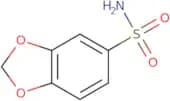
CAS:<p>Versatile small molecule scaffold</p>Formula:C7H4Br2O2Purity:Min. 95%Molecular weight:279.92 g/mol1,3-Dioxaindane-5-sulfonamide
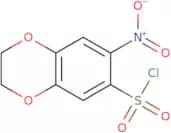
CAS:<p>Versatile small molecule scaffold</p>Formula:C7H7NO4SPurity:Min. 95%Molecular weight:201.2 g/mol7-Nitro-2,3-dihydro-1,4-benzodioxine-6-sulfonyl chloride
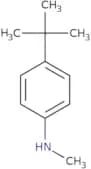
CAS:<p>Versatile small molecule scaffold</p>Formula:C8H6ClNO6SPurity:Min. 95%Molecular weight:279.65 g/mol4-tert-Butyl-N-methylaniline
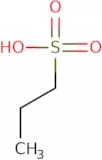
CAS:<p>Versatile small molecule scaffold</p>Formula:C11H17NPurity:Min. 95%Molecular weight:163.26 g/mol1-Propanesulfonic acid
CAS:<p>1-Propanesulfonic acid is a chemical compound with the molecular formula CHOS. It is a white, water-soluble solid that can be used as a strong acid in organic synthesis. 1-Propanesulfonic acid has been shown to have high values of cell lysis and basic protein stability when used as an analytical method for wastewater treatment. This chemical compound has been shown to be stable in the presence of redox potentials, which would make it an ideal candidate for use in electrochemical impedance spectroscopy. The structural analysis of 1-propanesulfonic acid shows that it is very similar to dinucleotide phosphate, which is needed for DNA replication and transcription.</p>Formula:CH3CH2CH2SO3HPurity:Min. 95%Molecular weight:124.16 g/mol[(4-Methylphenyl)sulfanyl]formonitrile
CAS:<p>[(4-Methylphenyl)sulfanyl]formonitrile is a reactive chemical that is used in the synthesis of organic and organometallic compounds. It has been shown to be an effective thiocyanation agent, which may be due to its ability to form cyanate upon reaction with sulfide. The cross-coupling mechanism for [(4-Methylphenyl)sulfanyl]formonitrile is not well understood, but it does not appear to involve the formation of sulfur transfer or a mechanistic intermediate. This reactive compound has two functional groups that are similar to those found in biomolecules such as amino acids and nucleic acids.</p>Formula:C8H7NSPurity:Min. 95%Molecular weight:149.21 g/mol(Phenylsulfanyl)formonitrile
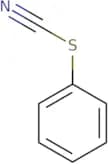
CAS:<p>Phenylsulfanyl)formonitrile is a trimethylaliphatic hydrocarbon that has been used in the synthesis of many other organic compounds. It can be produced by reacting phenylhydrazine with formaldehyde and hydrogen chloride gas, or by reacting aminobutyric acid with hydroxylacetone. This compound is a reactive functional group which can undergo nucleophilic attack. Phenylsulfanyl)formonitrile has an absorption maxima at 275 nm and is sensitive to ultraviolet light. It is used in sample preparation for bacterial strains and mutant strains as well as analytical methods for determining the inhibitory effect of this compound on these organisms. Phenylsulfanyl)formonitrile also inhibits the growth of Trichomonas vaginalis.</p>Formula:C7H5NSPurity:Min. 95%Color and Shape:PowderMolecular weight:135.19 g/molThiocyanic acid, 4-methoxyphenyl ester
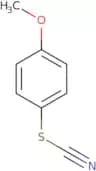
CAS:<p>Thiocyanic acid, 4-methoxyphenyl ester is a functionalised molecule that has been used as a reagent in organic chemistry. This compound contains a heteroaromatic ring with a perfluoroalkyl group and copper. Thiocyanic acid, 4-methoxyphenyl ester has been used as a catalyst for the conversion of chloride to elemental chlorine. The reactivity of this molecule is dependent on the presence of other functional groups such as oxo or thiol groups.</p>Formula:C8H7NOSPurity:Min. 95%Molecular weight:165.21 g/mol(2R)-2-Amino-3-[(3-methylbut-2-en-1-yl)sulfanyl]propanoic acid
CAS:<p>(2R)-2-Amino-3-[(3-methylbut-2-en-1-yl)sulfanyl]propanoic acid is a fatty acid ester that has been used as a model system for the study of growth factor activity. It is a zwitterion with an acidic pH and it is soluble in water. This drug is used to manufacture pharmaceutical dosage forms, such as reconstituted tablets. (2R)-2-Amino-3-[(3-methylbut-2-en-1-yl)sulfanyl]propanoic acid has been studied for its targetable properties, which may be useful in diagnostic applications. The compound can also be used to implant therapeutic factors into cells or tissues circumferentially.</p>Formula:C8H15NO2SPurity:Min. 95%Molecular weight:189.28 g/molDiethyl Benzylidenemalonate
CAS:<p>Diethyl benzylidenemalonate is a polymerization catalyst that can be used in the synthesis of polyesters. It is used as a homogeneous catalyst for reactions involving trifluoroacetic acid, x-ray diffraction data and solid catalysts. This polymerization catalyst has been shown to be active with methylene groups and carbonyl groups. Diethyl benzylidenemalonate has been shown to be able to catalyze the synthesis of β-unsaturated ketones in an isolated yield.</p>Formula:C14H16O4Purity:Min. 95%Color and Shape:Clear LiquidMolecular weight:248.28 g/mol2,2'-dichlorobenzophenone
CAS:<p>2,2'-dichlorobenzophenone is a benzophenone derivative that is used as a precursor in the production of dyes, flame retardants, and plasticizers. It has the molecular conformations of both cis and trans isomers. In the cis conformation, the dipole moment points towards the 2 position on the ring. The trans conformation has a dipole moment pointing to the 3 position on the ring.</p>Formula:C13H8Cl2OPurity:Min. 95%Molecular weight:251.11 g/mol2-[(Phenylsulfanyl)methyl]oxirane
CAS:<p>2-[(Phenylsulfanyl)methyl]oxirane is an unsaturated heterocyclic that can be synthesized by the reaction of ethylene and acrylonitrile on-line. The metal surface catalyzes this reaction, which is used as a corrosion inhibitor in magnesium. 2-[(Phenylsulfanyl)methyl]oxirane has been shown to inhibit insulin resistance in mice by targeting the metal salt in the body. It also inhibits hyperglycemia in diabetic mice, which may be due to its ability to bind with carboxyalkyl groups and block their interactions with insulin receptor sites.</p>Formula:C9H10OSPurity:Min. 95%Molecular weight:166.24 g/mol2-[(2,6-Dimethylphenoxy)methyl]oxirane
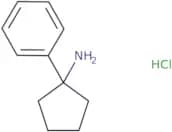
CAS:<p>Versatile small molecule scaffold</p>Formula:C11H14O2Purity:Min. 95%Molecular weight:178.23 g/mol1-Phenylcyclopentanamine hydrochloride
CAS:<p>Versatile small molecule scaffold</p>Formula:C11H16ClNPurity:Min. 95%Molecular weight:197.7 g/mol{2-[(3-Carboxypropanoyl)oxy]ethyl}trimethylammonium chloride
CAS:<p>Succinylcholine is a depolarizing neuromuscular blocking agent that is used in surgical procedures. Succinylcholine hydrolyzes to succinic acid and choline in vivo and is metabolized by the liver. The half-life of succinylcholine is about 2 minutes in humans. It has been shown that this drug causes respiratory paralysis, but only at high doses. Succinylcholine also has potent cardiac effects, which are due to its ability to block nicotinic acetylcholine receptors on the heart muscle. It was found that succinylmonocholine (a metabolite of succinylcholine) can be detected in urine samples after administration of this drug with a kinetic data analysis method. This method uses LC-MS/MS to measure the concentration of succinylmonocholine in human serum and isolated heart tissue samples. A pharmacokinetic study showed that succinycholines accumulation rate constant was 0.051 ± 0.</p>Formula:C9H18ClNO4Purity:Min. 95%Molecular weight:239.69 g/molEthyl 6-Hydroxyhexanoate
CAS:<p>Ethyl 6-hydroxyhexanoate is an ester with the chemical formula CH3COOC2H5. It is a colorless liquid that can be prepared by the reaction of ethyl alcohol and acetyl chloride. Ethyl 6-hydroxyhexanoate has been shown to react with amines at a rate that is faster than the reaction rate for fatty acids, which may be due to its higher surface area. This ester also reacts with primary alcohols to form esters or ethers. The functional groups on ethyl 6-hydroxyhexanoate include carboxylic acid, hydroxyl group, and primary alcohol.</p>Formula:C8H16O3Purity:Min. 95%Molecular weight:160.21 g/mol5-(Bromomethyl)-3-(4-chlorophenyl)-1,2-oxazole
CAS:<p>Versatile small molecule scaffold</p>Formula:C10H7BrClNOPurity:Min. 95%Molecular weight:272.52 g/mol5-(Bromomethyl)-3-(2,4-dichlorophenyl)-1,2-oxazole
CAS:<p>Versatile small molecule scaffold</p>Formula:C10H6BrCl2NOPurity:Min. 95%Molecular weight:306.97 g/mol3-Amino-1-(4-chlorophenyl)pyrrolidin-2-one
CAS:<p>Versatile small molecule scaffold</p>Formula:C10H11ClN2OPurity:Min. 95%Molecular weight:210.66 g/mol4-Methylazetidin-2-one
CAS:<p>Versatile small molecule scaffold</p>Formula:C4H7NOPurity:Min. 95%Molecular weight:85.1 g/mol2,3-Dimethylbenzene-1,4-diamine
CAS:<p>Versatile small molecule scaffold</p>Formula:C8H12N2Purity:Min. 95%Molecular weight:136.2 g/mol4-(4-Methoxyphenyl)cyclohexan-1-one
CAS:<p>Versatile small molecule scaffold</p>Formula:C13H16O2Purity:Min. 95%Molecular weight:204.26 g/molN-Methylbenzenecarbothioamide
CAS:<p>N-Methylbenzenecarbothioamide is a chemical compound that has a molecular weight of 269.3 g/mol, and is a colorless liquid with a boiling point of 115°C. It is soluble in water and alcohols, but insoluble in ether. N-Methylbenzenecarbothioamide has low toxicity to animals when used at sublethal doses. The uptake of this substance by the lungs can be increased by exposure to chloride ions or serotonin. This chemical has shown to have an effect on the central nervous system as well, which may be due to its ability to release serotonin from the presynaptic nerve terminal. <br>N-Methylbenzenecarbothioamide can also form hydrogen bonds with other molecules, including protonated amines, hydroxyl groups, and sulfuric acid groups. This chemical was first synthesized by Emil Fischer in 1894 and was later named "carboxylic acid methyl ester"</p>Formula:C8H9NSPurity:Min. 95%Molecular weight:151.23 g/mol2-Methyl-1H-imidazole-4,5-dicarboxylic acid
CAS:<p>2-Methyl-1H-imidazole-4,5-dicarboxylic acid is a dicarboxylic acid that has both acidic and basic properties. It can be found in architectures such as the nitrogen atom (N) and hydrogen sulfate (HSO). The molecular formula is C2H3N3O4 and the chemical name is 2-methyl-1H-imidazole-4,5-dicarboxylic acid. This compound stabilizes metal ligands in coordination geometry. Crystal x-ray diffraction studies have shown that 2MIDA forms a fluorescence complex with protonated carboxylate groups. The fluorescent properties of this compound are due to its supramolecular interactions with other molecules and its ability to coordinate with metal ions. Photocatalytic activity has been observed for this substance when it was mixed with titanium dioxide nanoparticles.</p>Formula:C6H6N2O4Purity:Min. 95%Molecular weight:170.12 g/mol2-Amino-5-chloro-4-methyl-1,3-thiazole
CAS:<p>Versatile small molecule scaffold</p>Formula:C4H5ClN2SPurity:Min. 95%Molecular weight:148.61 g/molN-(4-Acetylphenyl)-4-methylbenzene-1-sulfonamide
CAS:<p>Versatile small molecule scaffold</p>Formula:C15H15NO3SPurity:Min. 95%Molecular weight:289.4 g/mol3-[(2-Hydroxyethyl)sulfanyl]propan-1-ol
CAS:<p>3-[(2-Hydroxyethyl)sulfanyl]propan-1-ol is a sulfide metabolite that is formed in the body from the sulfhydryl group of cysteine. It is an aliphatic compound that can be found in plants, animals, and microorganisms. 3-[(2-Hydroxyethyl)sulfanyl]propan-1-ol has been shown to inhibit bacterial growth by binding to DNA and RNA. This process inhibits transcription and replication of bacterial DNA, which leads to cell death.</p>Formula:C5H12O2SPurity:Min. 95%Molecular weight:136.22 g/mol2,3-Dichloro-1-benzothiophene
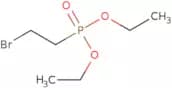
CAS:<p>2,3-Dichloro-1-benzothiophene is an organochlorine compound that is a colorless solid. It has the formula CHClS and it is used as a precursor to other compounds. 2,3-Dichloro-1-benzothiophene can be prepared by reacting phenylphosphine with hydrogen chloride in the presence of chlorine:<br>2PCl + 2HCl → 2CHClS + PCl <br>It can also be synthesized from 1,4-dichlorobenzene and sulfuric acid. The chemical reactions for this are shown below:<br>2C6H4Cl2 + H2SO4 → (CH)5CO2H + Cl2 <br>The product is purified by recrystallization or distillation. The major use of 2,3-dichloro-1-benzothiophene is as a precursor to other compounds such as</p>Formula:C8H4Cl2SPurity:Min. 95%Molecular weight:203.09 g/molDiethyl 2-Bromoethylphosphonate
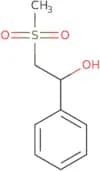
CAS:<p>Diethyl 2-bromoethylphosphonate is a chemical compound that is used in the synthesis of pharmaceuticals. It can be used to prepare conjugates, which are important for biological properties, such as alkylation. Diethyl 2-bromoethylphosphonate also has proton and reversed-phase high performance liquid chromatography applications. This compound is used to synthesize decyl phosphonic acid, which is an organic solvent with biological properties. Diethyl 2-bromoethylphosphonate can be hydrolyzed by hydrochloric acid or nitro. It can also be analyzed using gravimetric analysis.</p>Formula:C6H14BrO3PPurity:Min. 95%Molecular weight:245.05 g/mol2-Methanesulfonyl-1-phenylethan-1-ol
CAS:<p>Versatile small molecule scaffold</p>Formula:C9H12O3SPurity:Min. 95%Molecular weight:200.26 g/mol3-Methanesulfonyl-2,2-dimethylpropanoic acid
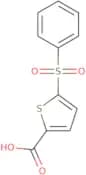
CAS:<p>Versatile small molecule scaffold</p>Formula:C6H12O4SPurity:Min. 95%Molecular weight:180.22 g/mol5-(Benzenesulfonyl)thiophene-2-carboxylic acid
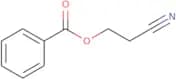
CAS:<p>Versatile small molecule scaffold</p>Formula:C11H8O4S2Purity:Min. 95%Molecular weight:268.3 g/mol2-Cyanoethyl benzoate
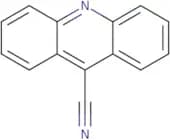
CAS:<p>2-Cyanoethyl benzoate is a nucleophilic reagent that can be used for the synthesis of polypeptides. It acts as an acyl transfer agent and is used in the immobilization of proteins on solid supports, such as acrylonitrile or cellulose. 2-Cyanoethyl benzoate has been shown to have anti-inflammatory properties, which may be due to its inhibition of prostaglandin synthesis. The mechanism may involve inhibition of cyclooxygenase and lipoxygenase enzymes by blocking the conversion of arachidonic acid to prostaglandins and leukotrienes. This reagent also has been shown to have antipsychotic effects, which are likely due to its antagonistic effects against dopamine receptors in the brain.</p>Formula:C10H9NO2Purity:Min. 95%Molecular weight:175.18 g/molAcridine-9-carbonitrile
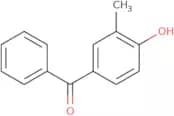
CAS:<p>Acridine-9-carbonitrile is a fluorescent dye that is sensitive to peroxide. Acridine-9-carbonitrile has been used as a hydrogen peroxide probe in the determination of peroxidase activity, and it has also been used as an oxidizing agent in organic synthesis. It is also active against carbamazepine and fluorophore. Acridine-9-carbonitrile can be activated by irradiation with ultraviolet light or by nitrous oxide. This compound was first synthesized in 1891, and has been studied for its advances in techniques such as fluorescence microscopy and DNA sequencing.</p>Formula:C14H8N2Purity:Min. 95%Molecular weight:204.23 g/mol4-Hydroxy-3-methyl-benzophenone
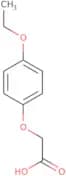
CAS:<p>4-Hydroxy-3-methyl-benzophenone is a benzene derivative with a 4-hydroxyl group and 3 methyl groups. It is an organic compound that has the ability to form hydrogen bonds. This compound is used in the production of polymers, plastics, and resins.</p>Formula:C14H12O2Purity:Min. 95%Molecular weight:212.24 g/mol2-(4-Ethoxyphenoxy)acetic acid
CAS:<p>Versatile small molecule scaffold</p>Formula:C10H12O4Purity:Min. 95%Molecular weight:196.2 g/mol4,4'-Sulfonylbis-morpholine
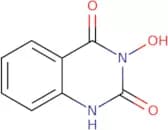
CAS:<p>Versatile small molecule scaffold</p>Formula:C8H16N2O4SPurity:Min. 95%Molecular weight:236.29 g/mol3-Hydroxy-1,2,3,4-tetrahydroquinazoline-2,4-dione
CAS:<p>3-Hydroxy-1,2,3,4-tetrahydroquinazoline-2,4-dione is an amido-containing amino acid that is a potent and selective antagonist of the AMPA receptor. It has been shown to be active against influenza A and B viruses in cell culture. 3-Hydroxy-1,2,3,4-tetrahydroquinazoline-2,4-dione also inhibits glutamate release in the brain by blocking presynaptic calcium currents. The molecular modeling study of this drug on a chlorine atom revealed a hydrogen bond with the carboxyl group at position 2 and a nitrogen atom at position 4. This hydrogen bond may explain its pharmacokinetic properties.</p>Formula:C8H6N2O3Purity:Min. 95%Molecular weight:178.14 g/mol4-m-Tolyl-thiazol-2-ylamine
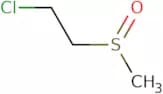
CAS:<p>Versatile small molecule scaffold</p>Formula:C10H10N2SPurity:Min. 95%Molecular weight:190.26 g/mol1-Chloro-2-methanesulfinylethane
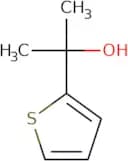
CAS:<p>Versatile small molecule scaffold</p>Formula:C3H7ClOSPurity:Min. 95%Molecular weight:126.61 g/mol2-(Thiophen-2-yl)propan-2-ol
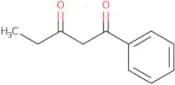
CAS:<p>Versatile small molecule scaffold</p>Formula:C7H10OSPurity:Min. 95%Molecular weight:142.22 g/mol1-Phenylpentane-1,3-dione
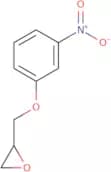
CAS:<p>1-Phenylpentane-1,3-dione is an organic compound that is a colorless liquid at room temperature. It belongs to the class of aliphatic hydrocarbons and can be used as an organic solution or as an alcohol group in organic solvents. This compound has a hydroxyl group and a hydroxy group, which gives it the ability to react with other compounds. 1-Phenylpentane-1,3-dione has been shown to be a good solvent for many organic reactions. It reacts with metals such as iron to form metal chelate complexes. 1-Phenylpentane-1,3-dione is also used in radiation treatments because it blocks the formation of new abnormal cells. The average particle diameter of this compound is 6 nm and its particle size ranges from 0.01 μm to 10 μm.</p>Formula:C11H12O2Purity:Min. 95%Molecular weight:176.21 g/mol2-(3-Nitrophenoxymethyl)oxirane
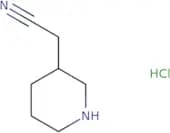
CAS:<p>Versatile small molecule scaffold</p>Formula:C9H9NO4Purity:Min. 95%Molecular weight:195.17 g/mol2-(3-Piperidyl)acetonitrile hydrochloride
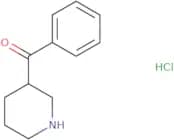
CAS:<p>Versatile small molecule scaffold</p>Formula:C7H13ClN2Purity:Min. 95%Molecular weight:160.64 g/mol3-Benzoylpiperidine HCl
CAS:<p>Versatile small molecule scaffold</p>Formula:C12H15NO·HClPurity:Min. 95%Molecular weight:225.72 g/molEthyl 5-hydroxy-2-methyl-1-phenyl-1H-indole-3-carboxylate
CAS:Controlled Product<p>Ethyl 5-hydroxy-2-methyl-1-phenyl-1H-indole-3-carboxylate is a linker molecule that is used in the synthesis of bioreductive agents. It has been shown to inhibit cell growth in human K562 cells, as well as ascidian eggs and to be involved in the transfer of genetic information from DNA to RNA. Ethyl 5-hydroxy-2-methyl-1-phenyl-1H-indole-3 carboxylate has also been synthesized, and its molecular modeling studies have revealed that it inhibits tumour cells by interfering with Ezh2 inhibitors.</p>Formula:C18H17NO3Purity:Min. 95%Molecular weight:295.3 g/mol2-(3-Nitrophenyl)-1,3,4-oxadiazole
CAS:<p>The synthesis of 2-nitrophenyl-1,3,4-oxadiazole is achieved by condensation of hydrazides and orthoesters. The catalytic solvents used in the reaction are trifluoroacetic acid or acetic anhydride. The use of this methodology has been shown to be efficient and can be used for the synthesis of other derivatives. This method is also efficient and does not require more than one reagent or catalyst. It is toxic to humans but does not have any mutagenic effects on DNA.</p>Formula:C8H5N3O3Purity:Min. 95%Molecular weight:191.14 g/mol4-Chloro-1-(propan-2-yl)piperidine hydrochloride
CAS:<p>Versatile small molecule scaffold</p>Formula:C8H17Cl2NPurity:Min. 95%Molecular weight:198.1 g/molEthyl 1,2,3,4-tetrahydroquinoline-6-carboxylate
CAS:<p>Versatile small molecule scaffold</p>Formula:C12H15NO2Purity:Min. 95%Molecular weight:205.25 g/mol1-Nitro-4-(2-nitroethenyl)benzene
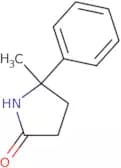
CAS:<p>Versatile small molecule scaffold</p>Formula:C8H6N2O4Purity:Min. 95%Molecular weight:194.14 g/mol5-Methyl-5-phenylpyrrolidin-2-one
CAS:<p>5-Methyl-5-phenylpyrrolidin-2-one (MPP+) is an analog of butyric acid and the active substance in the neurotoxin MPTP. MPP+ causes death by inhibiting dopamine production, leading to Parkinson's disease. It also inhibits GABA synthesis and activates glutamate receptors. MPP+ has been shown to be toxic to rat brain cells in culture, causing neuronal degeneration. Injection of rats with MPP+ leads to decreased reflexes and a decrease in γ-aminobutyric acid (GABA) concentrations in the brain.</p>Formula:C11H13NOPurity:Min. 95%Molecular weight:175.23 g/molIopydol
CAS:<p>Iopydol is a drug that binds to specific proteins in the body, such as those found in the bowel, and causes a change in their structure or function. Iopydol is used to treat inflammatory bowel disease. It has also been shown to have an anti-inflammatory effect on other inflammatory diseases, such as rheumatoid arthritis and asthma. Iopydol has been shown to be effective at reducing the symptoms of infectious diseases, such as malaria and tuberculosis. This drug may also have therapeutic effects against cancer by binding to cancerous cells, which prevents them from proliferating and spreading.</p>Formula:C8H9I2NO3Purity:Min. 95%Molecular weight:420.97 g/mol2-Chloro-1-(5-nitrofuran-2-yl)ethan-1-one
CAS:<p>2-Chloro-1-(5-nitrofuran-2-yl)ethan-1-one is a molecule that belongs to the class of fatty alcohols. This drug is used in pharmaceutical preparations, specifically in pharmaceutical dosages, as an anti-inflammatory and bronchiolitis obliterans agent. The target tissue for this drug is the respiratory tract. 2CHNEE has been shown to inhibit the growth of cancer cells by targeting them with monoclonal antibodies that block their ability to synthesize fatty acids and fatty acid derivatives. It also inhibits fungal growth by binding to ergosterol, which prevents it from being converted into ergosterol peroxide and disrupting cell membranes.</p>Formula:C6H4ClNO4Purity:Min. 95%Molecular weight:189.55 g/mol1-(2-Methylphenyl)propan-2-amine
CAS:Controlled Product<p>1-(2-Methylphenyl)propan-2-amine is a fatty acid ester that is used as an excipient in pharmaceutical dosage forms. It is used to increase the viscosity of drug solutions and suspensions, and to provide a protective coating for tablets. 1-(2-Methylphenyl)propan-2-amine is insoluble in water, but soluble in organic solvents such as alcohols and acetone. It can be prepared by reacting a primary amine with a fatty acid chloride or anhydride. The compound has been shown to have high affinity for 5HT2A receptors in vitro, which may account for its psychoactive effects.</p>Formula:C10H15NPurity:Min. 95%Molecular weight:149.23 g/mol2-(5-Methyloxolan-2-yl)acetic acid
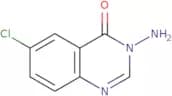
CAS:<p>Versatile small molecule scaffold</p>Formula:C7H12O3Purity:Min. 95%Molecular weight:144.17 g/mol3-Amino-6-chloro-3,4-dihydroquinazolin-4-one
CAS:<p>Versatile small molecule scaffold</p>Formula:C8H6ClN3OPurity:Min. 95%Molecular weight:195.6 g/mol6-Aminopyridine-2-carbohydrazide
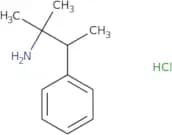
CAS:<p>Versatile small molecule scaffold</p>Formula:C6H8N4OPurity:Min. 95%Molecular weight:152.15 g/mol2-Methyl-3-phenylbutan-2-amine hydrochloride
CAS:Controlled Product<p>Versatile small molecule scaffold</p>Formula:C11H18ClNPurity:Min. 95%Molecular weight:199.72 g/mol4-Hydroxy-3,4-diphenylcyclopent-2-en-1-one
CAS:<p>Versatile small molecule scaffold</p>Formula:C17H14O2Purity:Min. 95%Molecular weight:250.29 g/mol2-(Benzylamino)benzonitrile
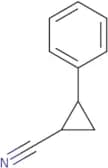
CAS:<p>2-(Benzylamino)benzonitrile is an organometallic reagent that is used in the synthesis of heterocyclic compounds. It can be used to form anions with various halides, such as 2-aminobenzaldehyde and quinazolines. The chemical rearrangements of acyl halides are a common reaction that occurs when 2-(benzylamino)benzonitrile is exposed to acid or base. This reaction produces 6-membered heterocycles, which have been shown to have therapeutic potential against cancer cells.</p>Formula:C14H12N2Purity:Min. 95%Molecular weight:208.26 g/molrac-(1R,2R)-2-Phenylcyclopropane-1-carbonitrile
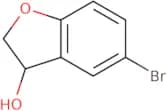
CAS:<p>Rac-1R,2R-2-phenylcyclopropane-1-carbonitrile is an enantiopure compound with two chiral centers. It is a reaction intermediate in the synthesis of prodrugs for the treatment of cancer. Rac-1R,2R-2-phenylcyclopropane-1-carbonitrile is converted to its corresponding amide by reaction with ammonia and then reacted with hydrochloric acid to form the corresponding ester. The optical purity of rac-(1R,2R)-2-phenylcyclopropane-1-carbonitrile can be determined by measuring the optical rotation of the chiral center at 366 nm. Rac-(1R,2R)-2-phenylcyclopropane-1-carbonitrile has a spontaneous rate constant of k=0.02±0.001 s−1 and an additivity parameter of ΔH=-3.84±0.17 kcal mol−1</p>Formula:C10H9NPurity:Min. 95%Molecular weight:143.18 g/mol5-Bromo-2,3-dihydro-1-benzofuran-3-ol
CAS:<p>Versatile small molecule scaffold</p>Formula:C8H7BrO2Purity:Min. 95%Molecular weight:215.04 g/mol2-Azabicyclo[3.2.2]nonan-3-one
CAS:<p>Versatile small molecule scaffold</p>Formula:C8H13NOPurity:Min. 95%Molecular weight:139.19 g/mol3-Azabicyclo[3.2.2]nonane HCl
CAS:<p>Versatile small molecule scaffold</p>Formula:C8H16ClNPurity:Min. 95%Molecular weight:161.67 g/molMethyl 6-methyl-7-oxooctanoate
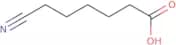
CAS:<p>Versatile small molecule scaffold</p>Formula:C10H18O3Purity:Min. 95%Molecular weight:186.25 g/mol6-Cyanohexanoic acid
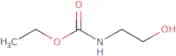
CAS:<p>6-Cyanohexanoic acid is a compound that belongs to the group of oximes. It is a deacetylase inhibitor, which inhibits the activity of histone deacetylases (HDACs). 6-Cyanohexanoic acid has been shown to inhibit HDACs in vitro and in vivo. 6-Cyanohexanoic acid also functions as an acetylcholinesterase inhibitor, and can be used for the treatment of Alzheimer's disease. This molecule has been shown to be effective against aluminium toxicity, by reducing its accumulation in the brain. 6-Cyanohexanoic acid also inhibits crotonoyl-CoA reductase, which can be used as a potential treatment for metabolic diseases such as type 2 diabetes.</p>Formula:C7H11NO2Purity:Min. 95%Molecular weight:141.17 g/molEthyl N-(2-hydroxyethyl)carbamate
CAS:<p>Ethyl N-(2-hydroxyethyl)carbamate is a carbamate insecticide that is used in agriculture and horticultural industries to control lepidopteran insects. It is a metabolite of methoprene, which is an insect growth regulator. The ethyl group of ethyl N-(2-hydroxyethyl)carbamate is conjugated with the hydroxyl group of the 2-hydroxyethylamine moiety. This results in the formation of an antigenic site for antibody production, enhancing immunosorbent assays for determination of methoprene residues in plants or animal tissues.</p>Formula:C5H11NO3Purity:Min. 95%Molecular weight:133.15 g/molEthyl 2-((methoxycarbonyl)amino)acetate
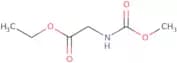
CAS:<p>Versatile small molecule scaffold</p>Formula:C6H11NO4Purity:Min. 95%Molecular weight:161.16 g/molEthyl 2-ethoxycyclopropane-1-carboxylate
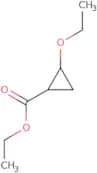
CAS:<p>Versatile small molecule scaffold</p>Formula:C8H14O3Purity:Min. 95%Molecular weight:158.19 g/mol1-Oxa-4-thia-8-azaspiro[4.5]decane
CAS:<p>Versatile small molecule scaffold</p>Formula:C7H13NOSPurity:Min. 95%Molecular weight:159.25 g/mol

![2-[(Naphthalen-2-yloxy)methyl]oxirane](/_next/image/?url=https%3A%2Fstatic.cymitquimica.com%2Fproducts%2F3D%2Fthumb-webp%2FFAA23406.webp&w=3840&q=75)
![Methyl [(4-aminobenzoyl)amino]acetate](/_next/image/?url=https%3A%2Fstatic.cymitquimica.com%2Fproducts%2F3D%2Fthumb-webp%2FFAA25986.webp&w=3840&q=75)
![2,5-Diazabicyclo[2.2.1]heptane, dihydrochloride](/_next/image/?url=https%3A%2Fstatic.cymitquimica.com%2Fproducts%2F3D%2Fthumb-webp%2FFAA26020.webp&w=3840&q=75)
![2,3,4,6,7,11b-Hexahydro-1H-pyrazino[2,1-a]isoquinoline dihydrochloride](/_next/image/?url=https%3A%2Fstatic.cymitquimica.com%2Fproducts%2F3D%2Fthumb-webp%2FFAA26046.webp&w=3840&q=75)
![2,8-Dioxaspiro[4.5]decane-1,3-dione](/_next/image/?url=https%3A%2Fstatic.cymitquimica.com%2Fproducts%2F3D%2Fthumb-webp%2FFAA27049.webp&w=3840&q=75)
![[(4-Methylphenyl)sulfanyl]formonitrile](/_next/image/?url=https%3A%2Fstatic.cymitquimica.com%2Fproducts%2F3D%2Fthumb-webp%2FFAA28574.webp&w=3840&q=75)
![(2R)-2-Amino-3-[(3-methylbut-2-en-1-yl)sulfanyl]propanoic acid](/_next/image/?url=https%3A%2Fstatic.cymitquimica.com%2Fproducts%2F3D%2Fthumb-webp%2FFAA28746.webp&w=3840&q=75)


![2-[(Phenylsulfanyl)methyl]oxirane](/_next/image/?url=https%3A%2Fstatic.cymitquimica.com%2Fproducts%2F3D%2Fthumb-webp%2FFAA29621.webp&w=3840&q=75)
![2-[(2,6-Dimethylphenoxy)methyl]oxirane](/_next/image/?url=https%3A%2Fstatic.cymitquimica.com%2Fproducts%2F3D%2Fthumb-webp%2FFAA29634.webp&w=3840&q=75)
![{2-[(3-Carboxypropanoyl)oxy]ethyl}trimethylammonium chloride](/_next/image/?url=https%3A%2Fstatic.cymitquimica.com%2Fproducts%2F3D%2Fthumb-webp%2FFAA29717.webp&w=3840&q=75)


![3-[(2-Hydroxyethyl)sulfanyl]propan-1-ol](/_next/image/?url=https%3A%2Fstatic.cymitquimica.com%2Fproducts%2F3D%2Fthumb-webp%2FFAA32360.webp&w=3840&q=75)












![2-Azabicyclo[3.2.2]nonan-3-one](/_next/image/?url=https%3A%2Fstatic.cymitquimica.com%2Fproducts%2F3D%2Fthumb-webp%2FFAA59732.webp&w=3840&q=75)
![3-Azabicyclo[3.2.2]nonane HCl](/_next/image/?url=https%3A%2Fstatic.cymitquimica.com%2Fproducts%2F3D%2Fthumb-webp%2FFAA59741.webp&w=3840&q=75)

![1-Oxa-4-thia-8-azaspiro[4.5]decane](/_next/image/?url=https%3A%2Fstatic.cymitquimica.com%2Fproducts%2F3D%2Fthumb-webp%2FFAA60898.webp&w=3840&q=75)