Building Blocks
This section contains fundamental products for the synthesis of organic and biological compounds. Building blocks are the essential starting materials used to construct complex molecules through various chemical reactions. They play a critical role in drug discovery, material science, and chemical research. At CymitQuimica, we offer a diverse range of high-quality building blocks to support your innovative research and industrial projects, ensuring you have the essential components for successful synthesis.
Subcategories of "Building Blocks"
- Boronic Acids & Boronic Acid Derivatives(5,756 products)
- Chiral Building Blocks(1,242 products)
- Hydrocarbon Building Blocks(6,095 products)
- Organic Building Blocks(61,055 products)
Found 199650 products of "Building Blocks"
Sort by
Purity (%)
0
100
|
0
|
50
|
90
|
95
|
100
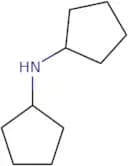
N-Cyclopentylcyclopentanamine
CAS:<p>N-Cyclopentylcyclopentanamine is a cyclic amine that has a carboxylate and an amino function. It can be used as a substrate film for reaction rate studies and to investigate the effect of surface active agents on the patterning of the polymer. The compound is also used as a primary amino reactant in reactions with hydrocarbon groups, amines, and silicone. This substance is soluble in organic solvents such as acetone, ether, chloroform, and benzene.</p>Formula:C10H19NPurity:Min. 95%Molecular weight:153.26 g/mol3-Methyl-1,2,3,4-tetrahydroquinoline
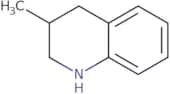
CAS:<p>3-Methyl-1,2,3,4-tetrahydroquinoline is a synthetic molecule that has been shown to have adjuvant activity in the treatment of cancer. 3-Methyl-1,2,3,4-tetrahydroquinoline inhibits bacterial growth by alkylating DNA and RNA. It binds to nucleic acids and prevents transcription and replication. The molecular structure of 3-methyl-1,2,3,4-tetrahydroquinoline was elucidated by FTIR spectroscopy and XRPD analysis. This compound has also been shown to inhibit the growth of Staphylococcus aureus strains.</p>Formula:C10H13NPurity:Min. 95%Molecular weight:147.21 g/mol6,7-Dimethylquinoline
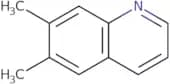
CAS:<p>6,7-Dimethylquinoline is a chemical that is used as a research tool in the study of the uptake of drugs into tissues and their excretion by the body. 6,7-Dimethylquinoline is used as an internal standard for gas chromatography to measure the uptake rate of drugs into tissues. This chemical has also been shown to have significant cutaneous absorption and may be metabolized to glucuronide conjugates in humans. It has been shown to bioconcentrate in muscle tissue and may be metabolized by biotransformation products. 6,7-Dimethylquinoline is excreted primarily in the bile and its whole-body half-life ranges from 3.2 hours to 5.3 hours.</p>Formula:C11H11NPurity:Min. 95%Molecular weight:157.21 g/mol7,8-Dimethylquinoline
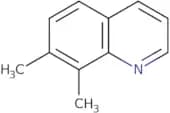
CAS:<p>7,8-Dimethylquinoline is an electrophilic agent that has been shown to be active against a variety of fungi. 7,8-Dimethylquinoline is a phenolic compound that can be used as an antifungal agent and has been shown to possess narcotic properties. 7,8-Dimethylquionline is not toxic to mammals but may cause toxicity in other organisms. It also has potential to inhibit membrane transport processes in fungi.</p>Formula:C11H11NPurity:Min. 95%Molecular weight:157.22 g/molMethyl 2-Acetamido-5-chlorobenzoate
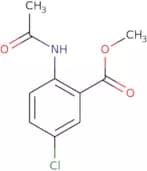
CAS:<p>Methyl 2-acetamido-5-chlorobenzoate is a chemical compound that belongs to the group of organic compounds. It has a crystal structure with orthorhombic and isotropic properties. The radiation used in the measurement of this compound is atomic and it has been measured using a Bruker instrument.</p>Formula:C10H10ClNO3Purity:Min. 95%Molecular weight:227.64 g/molRef: 3D-VAA67654
25gTo inquire50gTo inquire100gTo inquire250gTo inquire500gTo inquire250mg348.00€2500mg1,299.00€1-(2-Chloroethyl)-3,5-dimethylcyclohexane
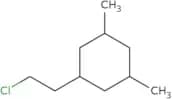
CAS:<p>Versatile small molecule scaffold</p>Formula:C10H19ClPurity:Min. 95%Molecular weight:174.71 g/mol1-Methyl-2,3,4,5-tetrahydro-1H-1-benzazepin-2-one
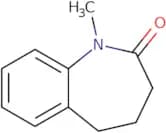
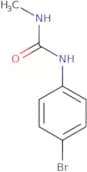
CAS:<p>Versatile small molecule scaffold</p>Formula:C11H13NOPurity:Min. 95%Molecular weight:175.23 g/mol1-(4-Bromophenyl)-3-methylurea
CAS:<p>1-(4-Bromophenyl)-3-methylurea is a nitrosourea that has been shown to be carcinogenic in experiments. It is an alkylating agent that may also have genotoxic properties. 1-(4-Bromophenyl)-3-methylurea can react with DNA, forming DNA adducts. This chemical is a potent inhibitor of the enzyme nitrite reductase, which reduces nitrite to nitric oxide and water. Nitric oxide is important for blood vessel dilation and vasodilation, as well as the regulation of vasoconstriction. The inhibition of this enzyme leads to increased blood pressure by blocking these effects. 1-(4-Bromophenyl)-3-methylurea is commonly used in the laboratory to induce papillomas on the skin of animals or fish, as well as carcinogenic activity in vitro.</p>Formula:C8H9BrN2OPurity:Min. 95%Molecular weight:229.07 g/molRef: 3D-VAA68007
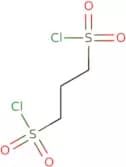
1mgTo inquire250mg298.00€50µgTo inquire100µgTo inquire2500mg1,126.00€250µgTo inquire500µgTo inquirePropane-1,3-disulfonyl dichloride
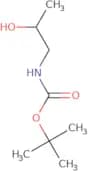
CAS:<p>Versatile small molecule scaffold</p>Formula:C3H6Cl2O4S2Purity:Min. 95%Molecular weight:241.1 g/moltert-Butyl N-(2-hydroxypropyl)carbamate
CAS:<p>Versatile small molecule scaffold</p>Formula:C8H17NO3Purity:Min. 95%Molecular weight:175.23 g/mol[(4-Bromophenyl)(dimethylamino)phosphanyl]dimethylamine
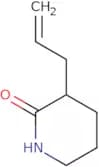
CAS:<p>Versatile small molecule scaffold</p>Formula:C10H16BrN2PPurity:Min. 95%Molecular weight:275.13 g/mol3-(Prop-2-en-1-yl)piperidin-2-one
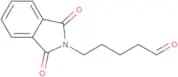
CAS:<p>Versatile small molecule scaffold</p>Formula:C8H13NOPurity:Min. 95%Molecular weight:139.19 g/mol5-(1,3-Dioxo-2,3-dihydro-1H-isoindol-2-yl)pentanal
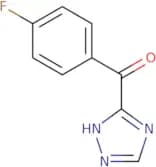
CAS:<p>Versatile small molecule scaffold</p>Formula:C13H13NO3Purity:Min. 95%Molecular weight:231.25 g/mol3-(4-Fluorobenzoyl)-4H-1,2,4-triazole
CAS:<p>Versatile small molecule scaffold</p>Formula:C9H6FN3OPurity:Min. 95%Molecular weight:191.16 g/mol2-Chloro-1-[4-(trifluoromethyl)phenyl]ethan-1-one
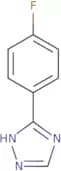
CAS:<p>Versatile small molecule scaffold</p>Formula:C9H6ClF3OPurity:Min. 95%Molecular weight:222.59 g/mol3-(4-Fluorophenyl)-4H-1,2,4-triazole
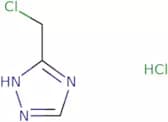
CAS:<p>Versatile small molecule scaffold</p>Formula:C8H6FN3Purity:Min. 95%Molecular weight:163.15 g/mol3-(Chloromethyl)-1H-1,2,4-triazole hydrochloride
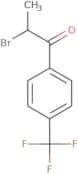
CAS:<p>Versatile small molecule scaffold</p>Formula:C3H5Cl2N3Purity:Min. 95%Molecular weight:154 g/mol2-Bromo-4'-(trifluoromethyl)propiophenone
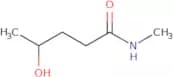
CAS:<p>Versatile small molecule scaffold</p>Formula:C10H8BrF3OPurity:Min. 95%Molecular weight:281.07 g/mol4-Hydroxy-N-methylpentanamide
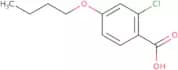
CAS:<p>Versatile small molecule scaffold</p>Formula:C6H13NO2Purity:Min. 95%Molecular weight:131.17 g/mol4-Butoxy-2-chlorobenzoic acid
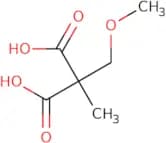
CAS:<p>Versatile small molecule scaffold</p>Formula:C11H13ClO3Purity:Min. 95%Molecular weight:228.67 g/mol2-(Methoxymethyl)-2-methylpropanedioic acid
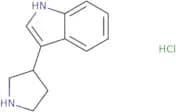
CAS:<p>Versatile small molecule scaffold</p>Formula:C6H10O5Purity:Min. 95%Molecular weight:162.14 g/mol3-(Pyrrolidin-3-yl)-1H-indole hydrochloride
CAS:<p>Versatile small molecule scaffold</p>Formula:C12H15ClN2Purity:Min. 95%Molecular weight:222.7 g/mol2-[(4-Methyl-2-oxo-2H-chromen-6-yl)oxy]acetic acid
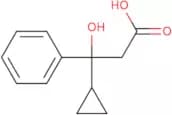
CAS:<p>Versatile small molecule scaffold</p>Formula:C12H10O5Purity:Min. 95%Molecular weight:234.2 g/mol3-Cyclopropyl-3-hydroxy-3-phenylpropanoic acid
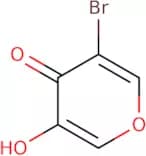
CAS:<p>Versatile small molecule scaffold</p>Formula:C12H14O3Purity:Min. 95%Molecular weight:206.24 g/mol3-Bromo-5-hydroxy-4H-pyran-4-one
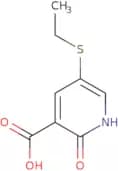
CAS:<p>Versatile small molecule scaffold</p>Formula:C5H3BrO3Purity:Min. 95%Molecular weight:190.98 g/mol5-(Ethylsulfanyl)-2-oxo-1,2-dihydropyridine-3-carboxylic acid
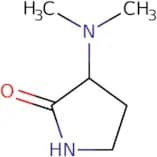
CAS:<p>Versatile small molecule scaffold</p>Formula:C8H9NO3SPurity:Min. 95%Molecular weight:199.23 g/mol3-(Dimethylamino)pyrrolidin-2-one
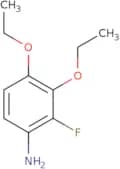
CAS:<p>Versatile small molecule scaffold</p>Formula:C6H12N2OPurity:Min. 95%Molecular weight:128.17 g/mol3,4-Diethoxy-2-fluoroaniline
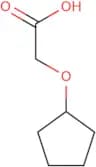
CAS:<p>Versatile small molecule scaffold</p>Formula:C10H14FNO2Purity:Min. 95%Molecular weight:199.22 g/mol2-(Cyclopentyloxy)acetic acid
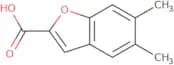
CAS:<p>2-(Cyclopentyloxy)acetic acid (CPA) is an organic chemical compound that exists as a cyclic ester of acetic acid. It is an electron-rich, hydrophobic molecule with a molecular weight of 142.2 g/mol. CPA has been prepared by reacting alkyloxides with magnesium and titanium in the presence of methoxyisobutyl or phenylmagnesium bromide. CPA can be obtained through the hydrolysis of 2-cyclohexen-1-one with potassium hydroxide in methanol, or from the reaction between ethylene glycol and oxadiazole in the presence of titanium tetrachloride.</p>Formula:C7H12O3Purity:Min. 95%Molecular weight:144.17 g/mol5,6-Dimethyl-1-benzofuran-2-carboxylic acid
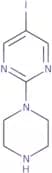
CAS:<p>Versatile small molecule scaffold</p>Formula:C11H10O3Purity:Min. 95%Molecular weight:190.19 g/mol5-Iodo-2-(piperazin-1-yl)pyrimidine
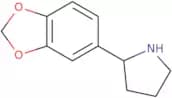
CAS:<p>Versatile small molecule scaffold</p>Formula:C8H11IN4Purity:Min. 95%Molecular weight:290.1 g/mol2-(2H-1,3-Benzodioxol-5-yl)pyrrolidine
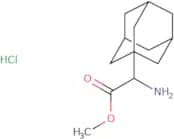
CAS:<p>Versatile small molecule scaffold</p>Formula:C11H13NO2Purity:Min. 95%Molecular weight:191.23 g/molMethyl 2-(adamantan-1-yl)-2-aminoacetate hydrochloride
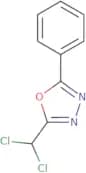
CAS:<p>Versatile small molecule scaffold</p>Formula:C13H22ClNO2Purity:Min. 95%Molecular weight:259.8 g/mol2-(Dichloromethyl)-5-phenyl-1,3,4-oxadiazole
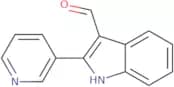
CAS:<p>Versatile small molecule scaffold</p>Formula:C9H6Cl2N2OPurity:Min. 95%Molecular weight:229.06 g/mol2-(Pyridin-3-yl)-1H-indole-3-carbaldehyde
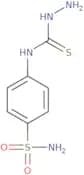
CAS:<p>Versatile small molecule scaffold</p>Formula:C14H10N2OPurity:Min. 95%Molecular weight:222.24 g/mol3-Amino-1-(4-sulfamoylphenyl)thiourea
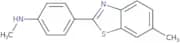
CAS:<p>Versatile small molecule scaffold</p>Formula:C7H10N4O2S2Purity:Min. 95%Molecular weight:246.3 g/molN-Methyl-4-(6-methyl-1,3-benzothiazol-2-yl)aniline
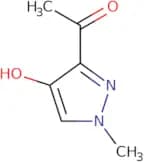
CAS:<p>Versatile small molecule scaffold</p>Formula:C15H14N2SPurity:Min. 95%Molecular weight:254.4 g/mol1-(4-Hydroxy-1-methyl-1H-pyrazol-3-yl)ethan-1-one
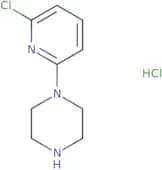
CAS:<p>Versatile small molecule scaffold</p>Formula:C6H8N2O2Purity:Min. 95%Molecular weight:140.14 g/mol1-(6-chloropyridin-2-yl)piperazine hydrochloride
CAS:<p>Versatile small molecule scaffold</p>Formula:C9H13Cl2N3Purity:Min. 95%Molecular weight:234.1 g/mol4-(3-Chlorophenyl)-1,2,3,6-tetrahydropyridine
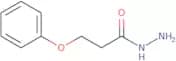
CAS:<p>Versatile small molecule scaffold</p>Formula:C11H12ClNPurity:Min. 95%Molecular weight:193.67 g/mol3-Phenoxypropanehydrazide
CAS:<p>Versatile small molecule scaffold</p>Formula:C9H12N2O2Purity:Min. 95%Molecular weight:180.2 g/molN-{[(2-Phenoxyethyl)carbamoyl]amino}propanamide
CAS:<p>Versatile small molecule scaffold</p>Formula:C12H17N3O3Purity:Min. 95%Molecular weight:251.28 g/mol7-Bromo-2,3-dihydro-[1,4]dioxino[2,3-b]pyridine
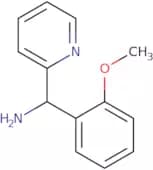
CAS:Versatile small molecule scaffoldFormula:C7H6BrNO2Purity:Min. 95%Molecular weight:216.03 g/mol(2-Methoxyphenyl)(pyridin-2-yl)methanamine
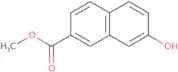
CAS:<p>Versatile small molecule scaffold</p>Formula:C13H14N2OPurity:Min. 95%Molecular weight:214.26 g/molMethyl 7-hydroxy-2-naphthoate
CAS:<p>Methyl 7-hydroxy-2-naphthoate is a bioactive organic compound that is used in the synthesis of pharmaceuticals and other organic compounds. It has been shown to have anti-inflammatory properties, which may be due to its ability to inhibit prostaglandin synthesis. Methyl 7-hydroxy-2-naphthoate also has mechanistic properties that are similar to those of the drug farnesoid, which is used in the treatment of acute intermittent porphyria. Methyl 7-hydroxy-2-naphthoate is an analog of farnesoid and can be synthesized through a mechanism involving bond cleavage and catalysis.</p>Formula:C12H10O3Purity:Min. 95%Molecular weight:202.21 g/molMethyl 6-sulfanylnaphthalene-2-carboxylate
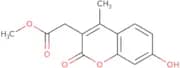
CAS:<p>Versatile small molecule scaffold</p>Formula:C12H10O2SPurity:Min. 95%Molecular weight:218.3 g/molMethyl 2-(7-hydroxy-4-methyl-2-oxo-2H-chromen-3-yl)acetate
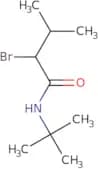
CAS:<p>Versatile small molecule scaffold</p>Formula:C13H12O5Purity:Min. 95%Molecular weight:248.23 g/mol2-Bromo-N-tert-butyl-3-methylbutanamide
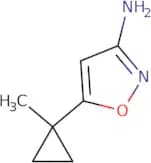
CAS:<p>Versatile small molecule scaffold</p>Formula:C9H18BrNOPurity:Min. 95%Molecular weight:236.15 g/mol5-(1-Methylcyclopropyl)-1,2-oxazol-3-amine
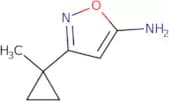
CAS:<p>Versatile small molecule scaffold</p>Formula:C7H10N2OPurity:Min. 95%Molecular weight:138.17 g/mol3-(1-Methylcyclopropyl)-1,2-oxazol-5-amine
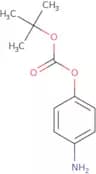
CAS:<p>Versatile small molecule scaffold</p>Formula:C7H10N2OPurity:Min. 95%Molecular weight:138.17 g/mol4-Aminophenyl tert-butyl carbonate
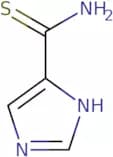
CAS:<p>Versatile small molecule scaffold</p>Formula:C11H15NO3Purity:Min. 95%Molecular weight:209.24 g/mol1H-Imidazole-4-carbothioamide
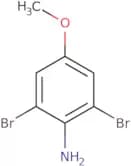
CAS:<p>1H-Imidazole-4-carbothioamide is a compound that has been identified as a lead for drug discovery, with the potential to be used in the treatment of diseases such as cancer and Alzheimer's. The compound has been shown to bind to the protein beta-secretase and inhibit its activity, which may prevent Alzheimer's disease from progressing. 1H-Imidazole-4-carbothioamide has also been shown to bind to an enzyme called lipoxygenase, which is found in cells that cause inflammation. This binding prevents the formation of inflammatory compounds known as leukotrienes and prostaglandins.</p>Formula:C4H5N3SPurity:Min. 95%Molecular weight:127.17 g/mol2,6-dibromo-4-methoxyaniline
CAS:<p>2,6-dibromo-4-methoxyaniline is a tetracyclic compound with a thiophene ring and an indole ring. It is a synthetic aromatic amine that is used in the synthesis of carbazoles and other heterocyclic compounds. 2,6-dibromo-4-methoxyaniline can be prepared by the reaction of bromoacetic acid with methoxyamine, which catalyzes the cyclization of benzene derivatives to form indoles. This compound constitutes one part of the synthesis of substituted benzene derivatives.</p>Formula:C7H7Br2NOPurity:Min. 95%Molecular weight:280.9 g/mol[2-(1-Ethylpiperidin-4-yl)-ethyl]amine hydrochloride
CAS:<p>Versatile small molecule scaffold</p>Formula:C9H21ClN2Purity:Min. 95%Molecular weight:192.73 g/molN-[3-(Carbamoylamino)phenyl]acetamide
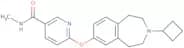
CAS:<p>N-[3-(Carbamoylamino)phenyl]acetamide (NS3) is a replication inhibitor that has been shown to inhibit the activity of NS3 protease, which is a serine protease. This drug has been shown to be effective against the replication of several types of viruses, including HIV and HCV. NS3 can be used in combination with other antiviral drugs such as ddI and AZT. NS3 has also been shown to inhibit the activity of mammalian cell cyclic peptide fatty acid synthase (FAS) in vitro and in vivo. FAS is an enzyme that converts free fatty acids into fatty acid-CoA esters for use in energy production. The inhibition of FAS by NS3 may be responsible for its anti-cancer effects, as it disrupts cellular metabolism.</p>Formula:C9H11N3O2Purity:Min. 95%Molecular weight:193.2 g/molGSK189254A
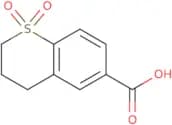
CAS:<p>GSK189254A is a drug that is a novel, potent, and selective H3 receptor antagonist. GSK189254A has a high affinity for the H3 receptor and can be used to treat chronic diseases such as schizophrenia and Alzheimer's disease. GSK189254A has been shown to block histamine-induced increases in striatal dopamine concentration in rats. It also blocks 3-methoxyphenylacetic acid binding to the H3 receptor with an IC50 of 1 nM. GSK189254A has undergone clinical trials in humans and was found to have pharmacokinetic properties similar to other established drugs that are used for the treatment of schizophrenia.</p>Formula:C21H25N3O2Purity:Min. 95%Molecular weight:351.44 g/mol3,4-Dihydro-2H-1-benzothiopyran-6-carboxylic acid 1,1-dioxide
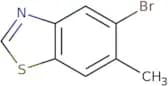
CAS:<p>Versatile small molecule scaffold</p>Formula:C10H10O4SPurity:Min. 95%Molecular weight:226.25 g/mol5-Bromo-6-methyl-1,3-benzothiazole
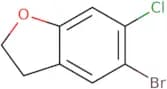
CAS:<p>Versatile small molecule scaffold</p>Formula:C8H6BrNSPurity:Min. 95%Molecular weight:228.11 g/mol5-Bromo-6-chloro-2,3-dihydro-1-benzofuran
CAS:<p>Versatile small molecule scaffold</p>Formula:C8H6BrClOPurity:Min. 95%Molecular weight:233.49 g/mol6-bromo-5-methylpyrazolo[1,5-a]pyridine
CAS:<p>Versatile small molecule scaffold</p>Formula:C8H7BrN2Purity:Min. 95%Molecular weight:211.06 g/mol4-Bromo-5-methylpyrazolo[1,5-a]pyridine
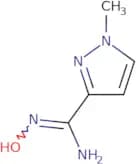
CAS:<p>Versatile small molecule scaffold</p>Formula:C8H7BrN2Purity:Min. 95%Molecular weight:211.06 g/molN'-Hydroxy-1-methyl-1H-pyrazole-3-carboximidamide
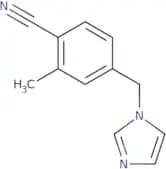
CAS:<p>Versatile small molecule scaffold</p>Formula:C5H8N4OPurity:Min. 95%Molecular weight:140.14 g/mol4-(1H-Imidazol-1-ylmethyl)-2-methylbenzonitrile
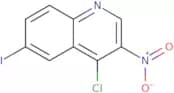
CAS:<p>Versatile small molecule scaffold</p>Formula:C12H11N3Purity:Min. 95%Molecular weight:197.24 g/mol4-Chloro-6-iodo-3-nitroquinoline
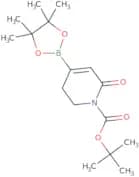
CAS:<p>Versatile small molecule scaffold</p>Formula:C9H4ClIN2O2Purity:Min. 95%Molecular weight:334.5 g/moltert-Butyl 6-oxo-4-(tetramethyl-1,3,2-dioxaborolan-2-yl)-1,2,3,6-tetrahydropyridine-1-carboxylate
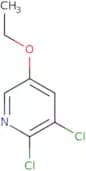
CAS:<p>Versatile small molecule scaffold</p>Formula:C16H26BNO5Purity:Min. 95%Molecular weight:323.2 g/mol2,3-Dichloro-5-ethoxypyridine
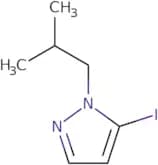
CAS:<p>Versatile small molecule scaffold</p>Formula:C7H7Cl2NOPurity:Min. 95%Molecular weight:192.04 g/mol5-Iodo-1-isobutylpyrazole
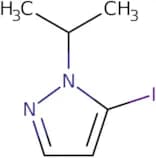
CAS:<p>Versatile small molecule scaffold</p>Formula:C7H11IN2Purity:Min. 95%Molecular weight:250.08 g/mol5-Iodo-1-isopropylpyrazole
CAS:Versatile small molecule scaffoldFormula:C6H9IN2Purity:Min. 95%Molecular weight:236.05 g/molMethyl({[1-(2,2,2-trifluoroethyl)-1H-pyrazol-5-yl]methyl})amine
CAS:<p>Versatile small molecule scaffold</p>Formula:C7H10F3N3Purity:Min. 95%Molecular weight:193.17 g/moltert-Butyl N-[2,2-dimethyl-3-(methylamino)propyl]carbamate
CAS:<p>Versatile small molecule scaffold</p>Formula:C11H24N2O2Purity:Min. 95%Molecular weight:216.32 g/molThieno[3,2-b]pyridine-3-carboxylic acid
CAS:<p>Versatile small molecule scaffold</p>Formula:C8H5NO2SPurity:Min. 95%Molecular weight:179.2 g/mol3-{2-[(tert-Butoxy)carbonyl]-1,2,3,4-tetrahydroisoquinolin-3-yl}propanoic acid
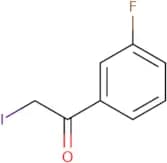
CAS:<p>Versatile small molecule scaffold</p>Formula:C17H23NO4Purity:Min. 95%Molecular weight:305.4 g/mol1-(3-Fluorophenyl)-2-iodoethan-1-one
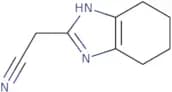
CAS:<p>Versatile small molecule scaffold</p>Formula:C8H6FIOPurity:Min. 95%Molecular weight:264.03 g/mol2-(4,5,6,7-Tetrahydro-1H-1,3-benzodiazol-2-yl)acetonitrile
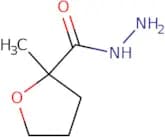
CAS:<p>Versatile small molecule scaffold</p>Formula:C9H11N3Purity:Min. 95%Molecular weight:161.2 g/mol2-Methyloxolane-2-carbohydrazide
CAS:<p>Versatile small molecule scaffold</p>Formula:C6H12N2O2Purity:Min. 95%Molecular weight:144.17 g/mol1-[5-(Trifluoromethyl)pyridin-2-yl]ethan-1-ol
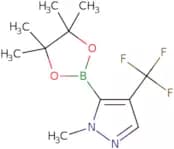
CAS:<p>Versatile small molecule scaffold</p>Formula:C8H8F3NOPurity:Min. 95%Molecular weight:191.15 g/mol1-Methyl-5-(tetramethyl-1,3,2-dioxaborolan-2-yl)-4-(trifluoromethyl)-1H-pyrazole
CAS:<p>Versatile small molecule scaffold</p>Formula:C11H16BF3N2O2Purity:Min. 95%Molecular weight:276.07 g/mol(3-(2,2,2-Trifluoro-1-hydroxyethyl)phenyl)boronic acid pinacol ester
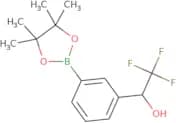
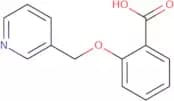
CAS:<p>Versatile small molecule scaffold</p>Formula:C14H18BF3O3Purity:Min. 95%Molecular weight:302.1 g/mol2-(Pyridin-3-ylmethoxy)benzoic acid
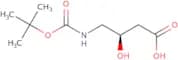
CAS:<p>2-(Pyridin-3-ylmethoxy)benzoic acid is a chemical compound that belongs to the group of quinones. It is used as an ingredient in anti-aging cosmetics. 2-(Pyridin-3-ylmethoxy)benzoic acid has been shown to have an inhibitory effect on collagen degradation and the synthesis of arachidonic acid, which are both important for skin health. This compound also inhibits platelet aggregation, which may be due to its ability to bind with adenosine and chloride ion channels.</p>Formula:C13H11NO3Purity:Min. 95%Molecular weight:229.23 g/mol(R)-4-((tert-Butoxycarbonyl)amino)-3-hydroxybutanoic acid
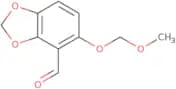
CAS:<p>Versatile small molecule scaffold</p>Formula:C9H17NO5Purity:Min. 95%Molecular weight:219.23 g/mol5-(Methoxymethoxy)-1,3-dioxaindane-4-carbaldehyde
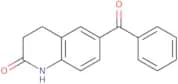
CAS:<p>Versatile small molecule scaffold</p>Formula:C10H10O5Purity:Min. 95%Molecular weight:210.18 g/mol6-Benzoyl-1,2,3,4-tetrahydroquinolin-2-one
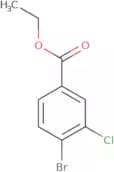
CAS:<p>Versatile small molecule scaffold</p>Formula:C16H13NO2Purity:Min. 95%Molecular weight:251.28 g/molEthyl 4-Bromo-3-chlorobenzoate
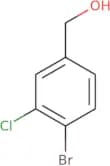
CAS:<p>Versatile small molecule scaffold</p>Formula:C9H8BrClO2Purity:Min. 95%Molecular weight:263.52 g/mol4-Bromo-3-chlorobenzyl Alcohol
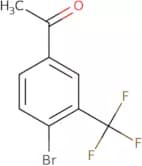
CAS:<p>Versatile small molecule scaffold</p>Formula:C7H6BrClOPurity:Min. 95%Molecular weight:221.48 g/mol4'-Bromo-3'-(trifluoromethyl)acetophenone
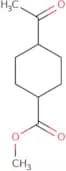
CAS:Versatile small molecule scaffoldFormula:C9H6BrF3OPurity:Min. 95%Molecular weight:267.04 g/molMethyl 4-acetylcyclohexanecarboxylate
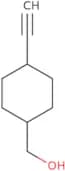
CAS:<p>Versatile small molecule scaffold</p>Formula:C10H16O3Purity:Min. 95%Molecular weight:184.23 g/mol(4-Ethynylcyclohexyl)methanol
CAS:<p>4-Ethynylcyclohexyl)methanol is a cyclohexanecarboxylic acid that has insecticidal activity. It is used as an intermediate in the synthesis of other chemical compounds and as an insecticide. 4-Ethynylcyclohexyl)methanol is made by reacting cyclohexane with formaldehyde and ethyne, which are two of its major geometric isomers. The reaction product is an example of a geometric isomer, which contains four different substituents on each carbon atom. The insecticidal properties of 4-Ethynylcyclohexyl)methanol have been shown to be due to the presence of these substituents.</p>Formula:C9H14OPurity:Min. 95%Molecular weight:138.21 g/mol3-(Prop-2-en-1-yl)-2-sulfanyl-3H,4H-thieno[3,2-d]pyrimidin-4-one
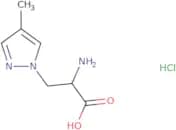
CAS:<p>Versatile small molecule scaffold</p>Formula:C9H8N2OS2Purity:Min. 95%Molecular weight:224.3 g/mol2-Amino-3-(4-methyl-1H-pyrazol-1-yl)propanoic acid hydrochloride
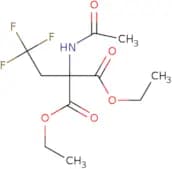
CAS:<p>Versatile small molecule scaffold</p>Formula:C7H12ClN3O2Purity:Min. 95%Molecular weight:205.64 g/mol1,3-Diethyl 2-acetamido-2-(2,2,2-trifluoroethyl)propanedioate
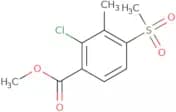
CAS:<p>Versatile small molecule scaffold</p>Formula:C11H16F3NO5Purity:Min. 95%Molecular weight:299.24 g/molMethyl 2-chloro-4-methanesulfonyl-3-methylbenzoate
CAS:<p>Versatile small molecule scaffold</p>Formula:C10H11ClO4SPurity:Min. 95%Molecular weight:262.71 g/molImidazo[2,1-b]thiazole-6-carbaldehyde
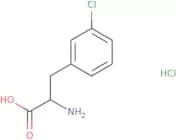
CAS:<p>Versatile small molecule scaffold</p>Formula:C6H4N2OSPurity:Min. 95%Molecular weight:152.18 g/mol2-Amino-3-(3-chlorophenyl)propanoic acid hydrochloride
CAS:Controlled Product<p>2-Amino-3-(3-chlorophenyl)propanoic acid hydrochloride (2APPAH) is an inhibitor of protein interactions that binds to the receptor site on a ligand. It has been shown to be an activator of the Ligand and a high purity research tool in Life Science. 2APPAH has also been used as a pharmacological tool for identifying ion channels, which are proteins that control the flow of ions across cell membranes. The CAS number for 2APPAH is 120108-62-5.</p>Formula:C9H11Cl2NO2Purity:Min. 95%Molecular weight:236.09 g/mol2-Chlorophenylalanine hydrochloride
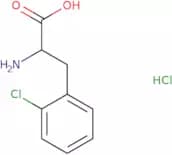
CAS:<p>Versatile small molecule scaffold</p>Formula:C9H11Cl2NO2Purity:Min. 95%Molecular weight:236.09 g/molethyl 2-amino-4-cyclopropylthiophene-3-carboxylate
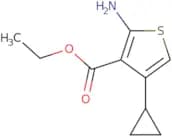
CAS:<p>Versatile small molecule scaffold</p>Formula:C10H13NO2SPurity:Min. 95%Molecular weight:211.3 g/mol4-(2-Thienyl)-1H-imidazole
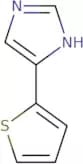
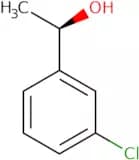
CAS:<p>Versatile small molecule scaffold</p>Formula:C7H6N2SPurity:Min. 95%Molecular weight:150.2 g/mol(R)-1-(3-Chlorophenyl)ethanol
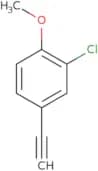
CAS:<p>(R)-1-(3-Chlorophenyl)ethanol is a molecule that is expressed in Rhodobacter capsulatus. It has been shown to integrate advances in molecular modeling with advances in enzymology, which has allowed for the design and synthesis of enantiopure compounds. This molecule has also been shown to be homochiral and heterologous, which makes it an ideal candidate for the development of stereoselective catalytic processes. (R)-1-(3-Chlorophenyl)ethanol is able to act as a dehydrogenase and can be used for cloning nature's enzymes.</p>Formula:C8H9ClOPurity:Min. 95%Molecular weight:156.61 g/mol2-Chloro-4-ethynyl-1-methoxybenzene
CAS:<p>Versatile small molecule scaffold</p>Formula:C9H7ClOPurity:Min. 95%Molecular weight:166.6 g/mol[(Furan-2-yl)methyl](methyl)(prop-2-en-1-yl)amine
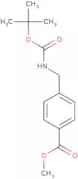
CAS:Versatile small molecule scaffoldFormula:C9H13NOPurity:Min. 95%Molecular weight:151.21 g/molMethyl 4-(Boc-aminomethyl)benzoate
CAS:<p>Versatile small molecule scaffold</p>Formula:C14H19NO4Purity:Min. 95%Molecular weight:265.3 g/mol

![[(4-Bromophenyl)(dimethylamino)phosphanyl]dimethylamine](/_next/image/?url=https%3A%2Fstatic.cymitquimica.com%2Fproducts%2F3D%2Fthumb-webp%2FVDA68276.webp&w=3840&q=75)
![2-Chloro-1-[4-(trifluoromethyl)phenyl]ethan-1-one](/_next/image/?url=https%3A%2Fstatic.cymitquimica.com%2Fproducts%2F3D%2Fthumb-webp%2FVDA72789.webp&w=3840&q=75)
![2-[(4-Methyl-2-oxo-2H-chromen-6-yl)oxy]acetic acid](/_next/image/?url=https%3A%2Fstatic.cymitquimica.com%2Fproducts%2F3D%2Fthumb-webp%2FVDA76760.webp&w=3840&q=75)

![N-{[(2-Phenoxyethyl)carbamoyl]amino}propanamide](/_next/image/?url=https%3A%2Fstatic.cymitquimica.com%2Fproducts%2F3D%2Fthumb-webp%2FVDA88512.webp&w=3840&q=75)
![7-Bromo-2,3-dihydro-[1,4]dioxino[2,3-b]pyridine](/_next/image/?url=https%3A%2Fstatic.cymitquimica.com%2Fproducts%2F3D%2Fthumb-webp%2FVDA89749.webp&w=3840&q=75)
![[2-(1-Ethylpiperidin-4-yl)-ethyl]amine hydrochloride](/_next/image/?url=https%3A%2Fstatic.cymitquimica.com%2Fproducts%2F3D%2Fthumb-webp%2FVDB00191.webp&w=3840&q=75)
![N-[3-(Carbamoylamino)phenyl]acetamide](/_next/image/?url=https%3A%2Fstatic.cymitquimica.com%2Fproducts%2F3D%2Fthumb-webp%2FVDB67020.webp&w=3840&q=75)
![6-bromo-5-methylpyrazolo[1,5-a]pyridine](/_next/image/?url=https%3A%2Fstatic.cymitquimica.com%2Fproducts%2F3D%2Fthumb-webp%2FVDC12123.webp&w=3840&q=75)
![4-Bromo-5-methylpyrazolo[1,5-a]pyridine](/_next/image/?url=https%3A%2Fstatic.cymitquimica.com%2Fproducts%2F3D%2Fthumb-webp%2FVDC12129.webp&w=3840&q=75)
![Methyl({[1-(2,2,2-trifluoroethyl)-1H-pyrazol-5-yl]methyl})amine](/_next/image/?url=https%3A%2Fstatic.cymitquimica.com%2Fproducts%2F3D%2Fthumb-webp%2FVDC51073.webp&w=3840&q=75)
![tert-Butyl N-[2,2-dimethyl-3-(methylamino)propyl]carbamate](/_next/image/?url=https%3A%2Fstatic.cymitquimica.com%2Fproducts%2F3D%2Fthumb-webp%2FVDC53272.webp&w=3840&q=75)
![Thieno[3,2-b]pyridine-3-carboxylic acid](/_next/image/?url=https%3A%2Fstatic.cymitquimica.com%2Fproducts%2F3D%2Fthumb-webp%2FVDC55682.webp&w=3840&q=75)
![3-{2-[(tert-Butoxy)carbonyl]-1,2,3,4-tetrahydroisoquinolin-3-yl}propanoic acid](/_next/image/?url=https%3A%2Fstatic.cymitquimica.com%2Fproducts%2F3D%2Fthumb-webp%2FVDC67323.webp&w=3840&q=75)
![1-[5-(Trifluoromethyl)pyridin-2-yl]ethan-1-ol](/_next/image/?url=https%3A%2Fstatic.cymitquimica.com%2Fproducts%2F3D%2Fthumb-webp%2FVDC97317.webp&w=3840&q=75)
![3-(Prop-2-en-1-yl)-2-sulfanyl-3H,4H-thieno[3,2-d]pyrimidin-4-one](/_next/image/?url=https%3A%2Fstatic.cymitquimica.com%2Fproducts%2F3D%2Fthumb-webp%2FVEA07981.webp&w=3840&q=75)
![Imidazo[2,1-b]thiazole-6-carbaldehyde](/_next/image/?url=https%3A%2Fstatic.cymitquimica.com%2Fproducts%2F3D%2Fthumb-webp%2FVEA10761.webp&w=3840&q=75)
(prop-2-en-1-yl)amine](/_next/image/?url=https%3A%2Fstatic.cymitquimica.com%2Fproducts%2F3D%2Fthumb-webp%2FVEA15360.webp&w=3840&q=75)