Building Blocks
This section contains fundamental products for the synthesis of organic and biological compounds. Building blocks are the essential starting materials used to construct complex molecules through various chemical reactions. They play a critical role in drug discovery, material science, and chemical research. At CymitQuimica, we offer a diverse range of high-quality building blocks to support your innovative research and industrial projects, ensuring you have the essential components for successful synthesis.
Subcategories of "Building Blocks"
- Boronic Acids & Boronic Acid Derivatives(5,756 products)
- Chiral Building Blocks(1,242 products)
- Hydrocarbon Building Blocks(6,095 products)
- Organic Building Blocks(61,038 products)
Found 196817 products of "Building Blocks"
Sort by
Purity (%)
0
100
|
0
|
50
|
90
|
95
|
100
4-Formylcinnamic acid
CAS:<p>4-Formylcinnamic acid is a molecule that is produced by the condensation of benzaldehyde and formic acid. The nmr spectra of 4-formylcinnamic acid show that it has a structure with two aromatic rings. It has been shown to activate Toll-like receptor 4 (TLR4) in human liver cells. The radiation induced photochemical properties of this molecule have been studied using x-ray diffraction data and the hydrochloric acid decoupling technique. This molecule has also been shown to suppress tumor xenografts in mice and primary cells in vitro, which may be due to its ability to inhibit cellular proliferation and induce cell death by apoptosis.</p>Formula:C10H8O3Purity:Min. 97 Area-%Color and Shape:White PowderMolecular weight:176.17 g/molDL-Tyrosine
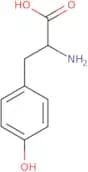
CAS:<p>DL-Tyrosine is a non-essential amino acid that can be synthesized in the body from phenylalanine or obtained from food. DL-Tyrosine is a precursor of the neurotransmitter dopamine, which is involved in regulating mood, movement, and cognitive functions. DL-Tyrosine has been shown to inhibit the conversion of tyrosine to 3,4-dihydroxyphenylacetic acid (DOPAC) by dopamine β-hydroxylase. Tyrosine also prevents the formation of reactive oxygen species due to its chemical stability and ability to scavenge free radicals. DL-Tyrosine may have implications for treating Parkinson's disease, ADHD, depression, and chronic fatigue syndrome.</p>Formula:C9H11NO3Purity:Min. 95%Color and Shape:PowderMolecular weight:181.19 g/mol4-Fluoro-3-methoxyacetophenone
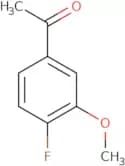
CAS:<p>4-Fluoro-3-methoxyacetophenone is a chemical compound that can be used as a building block for the synthesis of other organic compounds. It is also a useful intermediate for the production of pharmaceuticals, pesticides, and fragrances. 4-Fluoro-3-methoxyacetophenone has been shown to react with various reagents including amines, alcohols, and thiols. This chemical is water soluble and can be stored at room temperature.</p>Formula:C9H9FO2Purity:Min. 95%Color and Shape:PowderMolecular weight:168.16 g/mol4-Fluoro-2-methoxybenzaldehyde
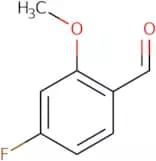
CAS:<p>4-Fluoro-2-methoxybenzaldehyde (4FMBA) is a potential PET radioligand that binds to the serotonin 5-HT2A receptor. 4FMBA has been shown to be an efficient and selective 5-HT2A antagonist with low molecular weight and high affinity. The binding of 4FMBA to the serotonin 5-HT2A receptor can be inhibited by ketanserin, which is a nonselective 5-HT2A antagonist. This drug may be used for cancer diagnosis, as it has a low detection limit and can detect endogenous serotonin in the brain. It also shows anti-depressant properties, which may be due to its ability to bind to the orthosteric site of the serotonin 5-HT2A receptor.</p>Formula:C8H7FO2Purity:Min. 95%Color and Shape:Off-White PowderMolecular weight:154.14 g/mol5-Fluoro-3-methylindole
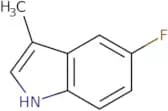
CAS:<p>5-Fluoro-3-methylindole is a reactive compound that is not soluble in water. It has a molecular weight of 288.5 and an ionization potential of 7.8 eV. 5-Fluoro-3-methylindole can act as a potent antagonist by binding to the pharmacophore, which is the three hydrogen bonding sites on the benzodiazepine receptor. This drug has been shown to be reactive with halides, nitro, and magnesium, as well as with some endogenous compounds such as nitroarenes and amides. 5-Fluoro-3-methylindole also reacts with fluorescence ligands and transfer agents.</p>Formula:C9H8FNPurity:Min. 95%Molecular weight:149.16 g/molFmoc-D-glu-OtBu
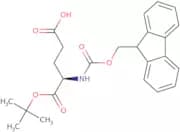
CAS:<p>Fmoc-D-glu-OtBu is an amide that can be used as a screening reagent for the detection of carbohydrate and periplasmic compounds. It has been shown to inhibit hepatitis in humans, which may be due to its ability to bind with muramyl dipeptide. Fmoc-D-glu-OtBu has also been shown to synergize with other vaccines, such as tetanus and escherichia coli surface antigen.</p>Formula:C24H27NO6Purity:Min. 95%Color and Shape:White PowderMolecular weight:425.47 g/mol4-Hydroxybenzaldehyde
CAS:<p>4-Hydroxybenzaldehyde is a phenolic compound that is produced in plants. 4-Hydoxybenzaldehyde is used as an extractant for sodium carbonate and hydroxyl group from acetate extract. The locomotor activity of animals was tested following administration of this substance, and it has been shown to have a high resistance against x-ray crystallography. The reaction mechanism for the formation of p-hydroxybenzoic acid from 4-hydroxybenzaldehyde has been proposed, which may be due to the oxidation of 4-hydroxybenzaldehyde by hydrogen peroxide. This reaction also induces apoptosis pathway in cells. Kinetic data for the reaction between 4-hydroxybenzaldehyde and hydrogen peroxide were obtained using UV spectroscopy.</p>Formula:C7H6O2Purity:Min. 95%Color and Shape:White PowderMolecular weight:122.12 g/mol4-Chloro-2-methyl-5-(propan-2-yl)phenol
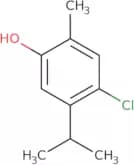
CAS:<p>4-Chloro-2-methyl-5-(propan-2-yl)phenol (4CMPP) is a synthetic compound that belongs to the group of fatty alcohols. It is used in clinical diagnostics for the detection of cancer cells. 4CMPP was detected in the human plasma and erythrocytes using solid phase microextraction (SPME). The homologues of 4CMPP were also identified. The chemical structure of 4CMPP consists of a chain with two methyl groups and a phenolic group at opposite ends. This compound has been shown to be cytotoxic, as well as an inhibitor of translation and protein synthesis.</p>Formula:C10H13ClOPurity:Min. 95%Color and Shape:PowderMolecular weight:184.66 g/molFmoc-D-Leu-OH
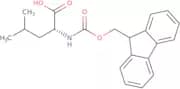
CAS:<p>Fmoc-D-Leu-OH is a disulfide bond containing molecule with an intracellular Ca2+ chelating activity. It has been shown to have cytoprotective effects against oxidative stress and cell death, and has also been found to have antiinflammatory properties. Fmoc-D-Leu-OH can inhibit the activities of various enzymes such as cyclooxygenase, lipoxygenase, phospholipases, and diamine oxidase. This molecule also exhibits cytotoxic activity against bladder cancer cells in vitro. The pharmacokinetic properties of Fmoc-D-Leu-OH are similar to other molecules that are used as antibiotics.<br>Fmoc-D-Leu-OH is a cyclic peptide with antimicrobial peptide (AMP) activity that inhibits bacterial growth by disrupting their cell membranes or inhibiting protein synthesis. It binds to bacterial 16S ribosomal RNA and inhibits protein synthesis, leading</p>Formula:C21H23NO4Purity:Min. 98 Area-%Color and Shape:White PowderMolecular weight:353.41 g/mol2-(7-Chloro-1H-indol-3-yl)ethanamine hydrochloride
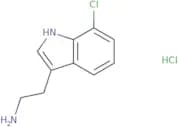
CAS:Controlled Product<p>2-(7-Chloro-1H-indol-3-yl)ethanamine hydrochloride is a versatile building block that can be used in the synthesis of complex compounds. It is a high quality, useful intermediate and reaction component in the synthesis of speciality chemicals and research chemicals. 2-(7-Chloro-1H-indol-3-yl)ethanamine hydrochloride has been shown to be a useful scaffold for the synthesis of pharmaceuticals and agrochemicals.</p>Formula:C10H12Cl2N2Purity:Min. 95%Color and Shape:PowderMolecular weight:231.12 g/mol5-(2-Bromoethyl)-4-methyl-1,3-thiazole
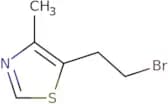
CAS:<p>Versatile small molecule scaffold</p>Formula:C6H8BrNSPurity:Min. 95%Molecular weight:206.11 g/molFmoc-D-Val-OH
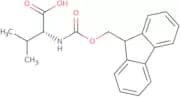
CAS:<p>Fmoc-D-Val-OH is a synthetic acetal that is used as a substrate for protein modification. It has been shown to bind to the active site of enzymes such as butyrylcholinesterase and esterases, which are involved in the metabolism of fatty acids. Fmoc-D-Val-OH also binds to mammalian cells and can be conjugated with other molecules, such as nanoribbons, to improve their solubility in water.</p>Formula:C20H21NO4Purity:Min. 98 Area-%Color and Shape:PowderMolecular weight:339.39 g/mol1,3,3-Trimethoxypropene
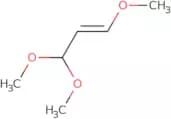
CAS:<p>1,3,3-Trimethoxypropene is a fluorophore that can be used for the labeling of nucleic acids. It has been shown to be photostable and can be used in fluorescence techniques. 1,3,3-Trimethoxypropene has also been used in structural biology research and studies on the physicochemical properties of fluorescent probes. This compound can also be used as a building block for the synthesis of supramolecular structures and conjugates with other molecules that have different properties. 1,3,3-Trimethoxypropene is a fluorophore that emits cyanines in the visible range of light.</p>Formula:C6H12O3Purity:Min. 95%Color and Shape:Clear LiquidMolecular weight:132.16 g/molMethyl 2,2-Dimethoxypropionate
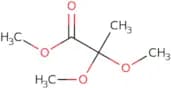
CAS:<p>Methyl 2,2-dimethoxypropionate is an oxidation catalyst that is used to convert terminal alkynes into alcohols. It is also a model system for the study of the biosynthesis of a number of natural products and drugs. In addition, methyl 2,2-dimethoxypropionate has been shown to have anticancer properties, although it has not been studied in humans. It has also been shown to have anti-inflammatory effects in animals and may be a potential treatment for hepatitis and depression in humans. Methyl 2,2-dimethoxypropionate can be synthesized by reacting citric acid with methanol or ethanol in the presence of hydroxyl ions.</p>Formula:C6H12O4Purity:Min. 95%Color and Shape:Clear LiquidMolecular weight:148.16 g/molFmoc-L-Asn-OH
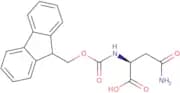
CAS:<p>Fmoc-L-Asn-OH is an organic compound that belongs to the group of amides. It reacts with a reactive site in the molecule and is able to form an amide bond. Fmoc-L-Asn-OH has been shown to be effective in the treatment of Alzheimer's disease by inhibiting the formation of beta-amyloid plaques. This compound has also been shown to have a role in cancer prevention, as it can inhibit tumor growth and reduce tumor size. Fmoc-L-Asn-OH can be used as a potential antiinflammatory agent because its mechanism studies have revealed that it inhibits prostaglandin synthesis.</p>Formula:C19H18N2O5Purity:Min. 95%Color and Shape:PowderMolecular weight:354.36 g/mol3-Furaldehyde
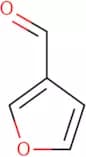
CAS:<p>Plant-derived; solvent</p>Formula:C5H4O2Purity:Min. 96 Area-%Color and Shape:Yellow To Dark Brown Clear LiquidMolecular weight:96.08 g/mol6-Fluoroindole
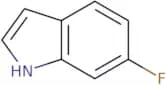
CAS:<p>6-Fluoroindole is an aromatic organic compound that has been shown to have anti-inflammatory and antioxidant properties in vitro and in vivo. 6-Fluoroindole is a 5-methoxyindole and can be synthesized from the amino acid tryptophan, which is a precursor of serotonin. 6-Fluoroindole has also been shown to be active against plant pathogens, human protein, and human pathogens. It can produce hemolytic activity at high concentrations and its chemical stability was tested by incubating it with various acids such as hydrochloric acid or acetic acid. 6-Fluoroindole showed no reaction with either of these acids. The vibrational spectra of 6-fluoroindole was measured using dipolar coupling constants and found to have a dipole moment of 0.01 D for the molecule.</p>Formula:C8H6FNPurity:Min. 98 Area-%Color and Shape:White Yellow PowderMolecular weight:135.14 g/mol1-[4-(2-Methoxyethyl)phenoxy]propan-2-one
CAS:<p>1-[4-(2-Methoxyethyl)phenoxy]propan-2-one is a useful scaffold for organic synthesis. It is a versatile building block that can be used as an intermediate in the synthesis of complex compounds with pharmaceutical, agrochemical and other applications.1-[4-(2-Methoxyethyl)phenoxy]propan-2-one is also a reagent in chemical reactions, and has been used to synthesize other compounds such as 1-[4-(2-Methoxyethyl)phenoxy]propan-2-ol (CAS No. 1155083-54-7). This compound has been shown to have good reactivity and high quality, making it an excellent research chemical.</p>Formula:C12H16O3Purity:Min. 95%Molecular weight:208.25 g/mol4-Iodopyridine
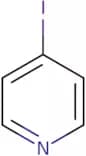
CAS:<p>4-Iodopyridine is a synthetic compound that can be used as an intermediate in organic synthesis. It can be used in cross-coupling reactions to form amides by converting the chloride to the corresponding sulfoxide, which can then undergo nucleophilic substitution with ethyl bromoacetate. 4-Iodopyridine is also used for analytical methods such as mass spectrometry and gas chromatography. The reaction solution of 4-iodopyridine has been shown to have a hydrogen bond with aryl boronic acids. This compound is also able to react with asymmetric reagents such as phenylboronic acid and 3,5-dimethylpyrazole.</p>Formula:C5H4INPurity:Min. 95%Color and Shape:PowderMolecular weight:205 g/molIodobenzene 1,1-diacetate
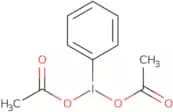
CAS:<p>Iodobenzene 1,1-diacetate (PIDA) is a compound containing a hypervalent iodine. This unusual valence of the iodine makes iodobenzene 1,1-diacetate an ideal oxidizing agent in organic synthesis. Furthermore, it is common practice to use iodobenzene 1,1-diacetate to prepare similar reagents by substituting the acetate groups for the desired functional group (Yusubov, 2019). Due to its low toxicity compared to other iodine derivatives, iodobenzene 1,1-diacetate (PIDA) is a common reagent used in total synthesis in the pharmaceutical and agrochemical industry, to produce sugars, alkaloids, antibiotics, etc (Tohma, 2002).</p>Formula:C10H11IO4Purity:Min. 98 Area-%Color and Shape:White PowderMolecular weight:322.1 g/mol



![1-[4-(2-Methoxyethyl)phenoxy]propan-2-one](/_next/image/?url=https%3A%2Fstatic.cymitquimica.com%2Fproducts%2F3D%2Fthumb-webp%2FFWB08353.webp&w=3840&q=75)