Building Blocks
This section contains fundamental products for the synthesis of organic and biological compounds. Building blocks are the essential starting materials used to construct complex molecules through various chemical reactions. They play a critical role in drug discovery, material science, and chemical research. At CymitQuimica, we offer a diverse range of high-quality building blocks to support your innovative research and industrial projects, ensuring you have the essential components for successful synthesis.
Subcategories of "Building Blocks"
- Boronic Acids & Boronic Acid Derivatives(5,778 products)
- Chiral Building Blocks(1,242 products)
- Hydrocarbon Building Blocks(6,098 products)
- Organic Building Blocks(61,063 products)
Found 197855 products of "Building Blocks"
Sort by
Purity (%)
0
100
|
0
|
50
|
90
|
95
|
100
Ferene disodium salt
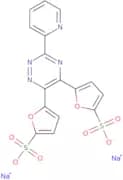
CAS:Ferene is an iron chelate that has been shown to have a number of beneficial effects on iron homeostasis. Ferene has been used in the treatment of chronic viral hepatitis, and it has also been shown to be effective against galleria mellonella. Ferene is a metal chelate, which means that it is a type of molecule that contains two metal ions. The metal ions are usually connected by a central atom, such as oxygen or nitrogen. Ferene disodium salt can be synthesized in the lab using the chemiluminescence method and polymerase chain reaction (PCR). It is also possible to isolate ferene from human serum or from a model system.Formula:C16H8N4Na2O8S2Purity:Min. 95 Area-%Color and Shape:Yellow PowderMolecular weight:494.37 g/molFmoc-L-tert-leucine
CAS:<p>Fmoc-L-tert-leucine is an amide that is used for the treatment of prostate cancer. Fmoc-L-tert-leucine has been shown to be effective in treating resistant prostate cancer cells in vivo, and it has been shown to inhibit the growth of prostate cancer cells in vitro. This drug also has a diagnostic effect on prostate cancer cells. The uptake of this drug by prostate cancer cells is dependent on the presence of caspase-9, which may be due to its ability to inhibit apoptosis.</p>Formula:C21H23NO4Purity:Min. 95%Color and Shape:White PowderMolecular weight:353.41 g/mol2-Amino-4-methyl-N-(1,3-thiazol-2-yl)pentanamide
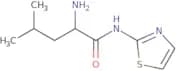
CAS:<p>Versatile small molecule scaffold</p>Formula:C9H15N3OSPurity:Min. 95%Color and Shape:PowderMolecular weight:213.3 g/mol2-Fluoro-3-phenylpropanoic acid
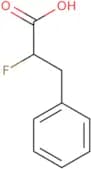
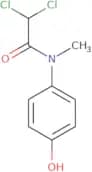
CAS:<p>Versatile small molecule scaffold</p>Formula:C9H9FO2Purity:Min. 95%Color and Shape:PowderMolecular weight:168.16 g/mol2,2-Dichloro-N-(4-hydroxyphenyl)-N-methylacetamide
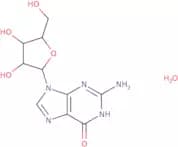
CAS:<p>2,2-Dichloro-N-(4-hydroxyphenyl)-N-methylacetamide (FUROATE) is a synthetic antimicrobial agent that is structurally related to the furoate class of antibiotics. FUROATE has been shown to be effective against urothelial carcinoma cells and minimal toxic in animals. It binds to the fatty acid component of bacterial cell membranes and causes rapid lysis. FUROATE is used as an analytical reagent for the determination of hydroxyl groups in organic solutes. The detection limit of this test is 0.1 ppm. Monoclonal antibodies can be generated against FUROATE for use as diagnostic or therapeutic agents for infectious diseases, such as HIV infection.</p>Formula:C9H9Cl2NO2Purity:Min. 95%Color and Shape:PowderMolecular weight:234.08 g/molGuanosine
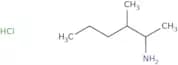
CAS:<p>Guanosine is a nucleoside that is metabolized to uridine in the liver. It is a component of RNA and DNA, as well as an intermediate in the synthesis of adenosine triphosphate (ATP) by phosphorylation. Guanosine also has pharmacokinetic properties, including its ability to cross the blood-brain barrier, which make it a promising drug for neurological disorders. Guanosine is used in tissue culture to measure signal transduction pathways and membrane permeability. The tautomers of guanosine are shown in Figure 1 below: Figure 1: Tautomers of Guanosine (1) 5'-O-DMT-Guanosine (2) 5'-O-DMT-2'N3-Guanosine (3) 2'N3-5'-O-DMT-Guanosine (4) 2'N3-5'-</p>Formula:C10H13N5O5Purity:Min. 95%Color and Shape:PowderMolecular weight:283.24 g/mol3-Methylhexan-2-amine hydrochloride
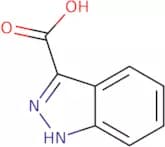
CAS:Controlled Product<p>Versatile small molecule scaffold</p>Formula:C7H18ClNPurity:Min. 95%Color and Shape:PowderMolecular weight:151.7 g/mol1H-Indazole-3-carboxylic acid
CAS:<p>1H-Indazole-3-carboxylic acid is an organic compound with a molecular formula of C9H6N2O2. It is a colorless solid, but appears yellow in solution. This compound has been shown to inhibit protein synthesis by binding to the apical site of the ribosome, preventing the peptide bond from forming between amino acids. It also inhibits carboxylate metabolism and cellular glycolysis by inhibiting ATP production. 1H-Indazole-3-carboxylic acid has been shown to be effective against cancer cells and can be used as a potential anti-cancer drug.</p>Formula:C8H6N2O2Purity:Min. 98 Area-%Color and Shape:PowderMolecular weight:162.15 g/molN,N'-Thiocarbonyldiimidazole
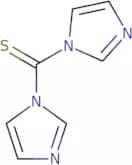
CAS:<p>N,N'-Thiocarbonyldiimidazole is a potent inhibitor of the enzyme acetylcholinesterase. It is used in research as an inhibitor molecule for receptor activity and to study the mechanism of action of other drugs. N,N'-Thiocarbonyldiimidazole inhibits the production of ester hydrochloride by rat liver microsomes and muscle cell proliferation. In addition, this compound has been shown to be a protonophore that can transport protons across membranes without energy input. This can be done through Langmuir adsorption isotherm and electrochemical impedance spectroscopy.</p>Formula:C7H6N4SPurity:Min. 95%Color and Shape:Yellow PowderMolecular weight:178.22 g/mol3-Iodo-4-methylbenzoic acid
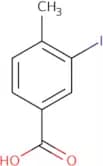
CAS:<p>3-Iodo-4-methylbenzoic acid is a synthetic growth factor that is used in the production of monoclonal antibodies. It is synthesized by reacting 3-iodo-4-methylbenzoic acid with trifluoroacetic acid, then purified by dispersive solid-phase extraction. The synthesis of 3-Iodo-4-methylbenzoic acid requires a labeling agent to be added to the reaction mixture for detection purposes. The labeled compound can be detected using assays such as radioimmunoassay or ELISA. In order to synthesize 3-Iodo-4-methylbenzoic acid, methyl esterification of 3-(2′,2′,2′,-trichloroethoxy)phenylacetic acid is required. This process involves an organic solvent and bromine as a catalyst. This compound has been shown to inhibit the BCR/ABL tyrosine kinase receptor</p>Formula:C8H7IO2Purity:Min. 95%Color and Shape:PowderMolecular weight:262.04 g/molIndole-6-carboxylic acid methyl ester
CAS:<p>Please enquire for more information about Indole-6-carboxylic acid methyl ester including the price, delivery time and more detailed product information at the technical inquiry form on this page</p>Formula:C10H9NO2Purity:Min. 95%Color and Shape:PowderMolecular weight:175.19 g/mol2-Hydroxyisophthalic acid
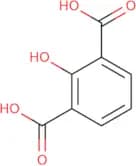
CAS:<p>2-Hydroxyisophthalic acid is a hydroxylated derivative of p-hydroxybenzoic acid. It is used in the manufacture of esters such as 2-ethoxyethanol and 2-ethoxyethyl acetate. It has also been shown to have a number of enzyme activities, including esterases, glycosidases, and lipases. The macrocyclic structure of 2-hydroxyisophthalic acid is responsible for its ability to interact with other molecules through hydrogen bonding and coordination chemistry. The carboxylate group on 2-hydroxyisophthalic acid interacts with the hydroxy group on the fatty acids found in soap, which leads to its use as an emulsifying agent. The carbonyl oxygens on 2-hydroxyisophthalic acid are responsible for its anti-inflammatory properties as they inhibit prostaglandin synthesis when they bind to the cyclooxygenase enzymes that catalyze</p>Formula:C8H6O5Purity:Min. 95 Area-%Color and Shape:PowderMolecular weight:182.13 g/molN2-Isobutyryl-5'-O-(4,4'-dimethoxytrityl)-2'-deoxyguanosine-3'-O-succinate triethylamine
CAS:Please enquire for more information about N2-Isobutyryl-5'-O-(4,4'-dimethoxytrityl)-2'-deoxyguanosine-3'-O-succinate triethylamine including the price, delivery time and more detailed product information at the technical inquiry form on this pageFormula:C39H41N5O10•C6H15NPurity:Min. 95%Molecular weight:840.96 g/mol4-Amino-3-chloro-N-[2-(diethylamino)ethyl]benzamide
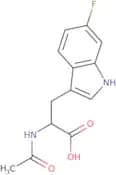
CAS:4-Amino-3-chloro-N-[2-(diethylamino)ethyl]benzamide (4ACB) is a benzoquinone analog that has been shown to inhibit the proliferation of muscle cells. It has also been found to be reactive with reactive functional groups, such as the fatty acids found in the liver and bowel. 4ACB suppresses mitochondrial functions, which may contribute to its anti-inflammatory effects. This drug is also a pharmacological agent that inhibits bowel disease by reducing the secretion of inflammatory substances from cells in the bowel.Formula:C13H20ClN3OPurity:Min. 95%Color and Shape:PowderMolecular weight:269.77 g/mol2-Acetamido-3-(6-fluoro-1H-indol-3-yl)propanoic acid
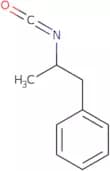
CAS:<p>2-Acetamido-3-(6-fluoro-1H-indol-3-yl)propanoic acid is a fine chemical that can be used as a versatile building block in the synthesis of a wide range of compounds. It is also an intermediate in research and industrial processes, and is used as a reaction component for complex compound synthesis. 2-Acetamido-3-(6-fluoro-1H-indol-3-yl)propanoic acid has been shown to be useful as a building block in high quality synthesis.</p>Formula:C13H13FN2O3Purity:Min. 95%Molecular weight:264.25 g/mol(2-Isocyanatopropyl)benzene
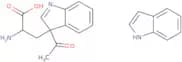
CAS:<p>Versatile small molecule scaffold</p>Formula:C10H11NOPurity:Min. 95%Color and Shape:PowderMolecular weight:161.2 g/molIndole-3-acetyl-DL-tryptophan
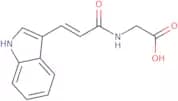
CAS:<p>Please enquire for more information about Indole-3-acetyl-DL-tryptophan including the price, delivery time and more detailed product information at the technical inquiry form on this page</p>Formula:C21H19N3O3Purity:Min. 95%Color and Shape:PowderMolecular weight:361.4 g/molIndole-3-acryloylglycine
CAS:<p>Indole-3-acryloylglycine is a metabolite of tryptophan, which is an essential amino acid for humans. It has been shown to be a potential biomarker for inflammatory bowel disease (IBD). Indole-3-acryloylglycine can be detected in urine samples and can be used as a diagnostic tool to identify IBD patients. This method has also been validated using chromatographic and mass spectrometry methods. Dietary intake of 3-hydroxyanthranilic acid or kynurenine may affect the concentration of indole-3-acryloylglycine in the body.</p>Formula:C13H12N2O3Purity:Min. 98 Area-%Color and Shape:White Off-White PowderMolecular weight:244.25 g/molIndole-2-carboxylic acid tert-butyl ester
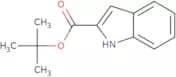
CAS:Indole-2-carboxylic acid tert-butyl ester is a synthetic compound that exhibits potent antiapoptotic activity. It has been shown to inhibit the bcl-2 family of proteins, which are involved in the regulation of apoptosis. Indole-2-carboxylic acid tert-butyl ester has also been shown to inhibit the growth of cancer cells in cell culture and induce apoptosis in these cells. This compound also inhibits the production of furan, which is a functional group found on some carcinogenic chemicals. Indole-2-carboxylic acid tert-butyl ester is an inhibitor of Bax protein, a proapoptotic protein that plays a role in regulating cell death.Formula:C13H15NO2Purity:Min. 95%Color and Shape:PowderMolecular weight:217.26 g/molIsovanillin
CAS:<p>Isovanillin is a naturally occurring compound in plants and has been shown to have biological effects on the mitochondria of cells. It has been found to inhibit the mitochondrial membrane potential of k562 cells, which is associated with cell death. Isovanillin has also been shown to affect bacterial strains, such as Acinetobacter baumannii, by inhibiting their growth. This x-ray crystal structure was determined using a lc-MS/MS method and it was found that isovanillin reacts with p-hydroxybenzoic acid to form methyl ethyl benzoate. Isovanillin is toxic and has been found to cause cellular physiology changes when administered at high concentrations.</p>Formula:C8H8O3Purity:Min. 95%Color and Shape:White PowderMolecular weight:152.15 g/mol



![4-Amino-3-chloro-N-[2-(diethylamino)ethyl]benzamide](/_next/image/?url=https%3A%2Fstatic.cymitquimica.com%2Fproducts%2F3D%2Fthumb-webp%2FAAA89160.webp&w=3840&q=75)