Building Blocks
This section contains fundamental products for the synthesis of organic and biological compounds. Building blocks are the essential starting materials used to construct complex molecules through various chemical reactions. They play a critical role in drug discovery, material science, and chemical research. At CymitQuimica, we offer a diverse range of high-quality building blocks to support your innovative research and industrial projects, ensuring you have the essential components for successful synthesis.
Subcategories of "Building Blocks"
- Boronic Acids & Boronic Acid Derivatives(5,756 products)
- Chiral Building Blocks(1,242 products)
- Hydrocarbon Building Blocks(6,095 products)
- Organic Building Blocks(61,037 products)
Found 196200 products of "Building Blocks"
Sort by
Purity (%)
0
100
|
0
|
50
|
90
|
95
|
100
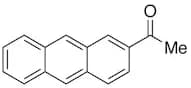
2-Acetylanthracene
CAS:<p>Applications 2-Acetylanthracene is an organic fluorophore.<br>References Burstein, E., et al.: Photochem. Photobiol., 64, 316 (1996), Patil, S., et al.: Bioorg. Med. Chem., 15, 1212 (2007),<br></p>Formula:C16H12OColor and Shape:YellowMolecular weight:220.27Adipoyl Chloride
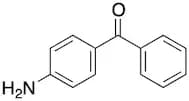
CAS:Controlled Product<p>Applications Adipoyl Chloride can be used in the synthesis of nylon. Also it is used in the synthesis of chiral polymer for membrane application.<br> Not a dangerous good if item is equal to or less than 1g/ml and there is less than 100g/ml in the package<br>References Gaymans, R. et al.: J. Polym. Sci., 15, 535 (1977); Hazarika, S. et al.: Polym. J., 41, 1067 (2009);<br></p>Formula:C6H8Cl2O2Color and Shape:Light Brown LiquidMolecular weight:183.034-Aminobenzophenone
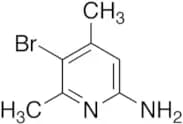
CAS:Controlled ProductFormula:C13H11NOColor and Shape:NeatMolecular weight:197.232-Amino-5-bromo-4,6-dimethylpyridine
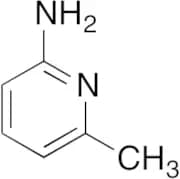
CAS:Controlled Product<p>Applications 2-Amino-5-bromo-4,6-dimethylpyridine (cas# 89856-44-0) is a compound useful in organic synthesis.<br></p>Formula:C7H9BrN2Color and Shape:NeatMolecular weight:201.062-Amino-6-methylpyridine
CAS:Controlled Product<p>Applications 2-Amino-6-methylpyridine is a reagent used in the identification of selective inhibitor for phosphatidylinositol 3-kinase (PI3Kα).<br> Not a dangerous good if item is equal to or less than 1g/ml and there is less than 100g/ml in the package<br>References Miller, M. S., et al.: Bioorg. Med. Chem., 25, 1481-1486 (2017);<br></p>Formula:C6H8N2Color and Shape:NeatMolecular weight:108.14Allyl Mercaptan (>75%)
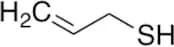
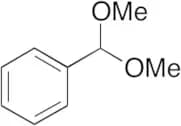
CAS:Controlled Product<p>Stability Air Sensitive, Stench<br>Applications Allyl Mercaptan (>75%) can be used to treat Alzheimer's, stroke, cardiovascular and other amyloid related diseases.<br> Not a dangerous good if item is equal to or less than 1g/ml and there is less than 100g/ml in the package<br>References Postrel, R., U.S. Pat. Appl. Publ. US 20200215009 A1, 10, (2020);<br></p>Formula:C3H6SPurity:>75%Color and Shape:NeatMolecular weight:74.14Benzaldehyde Dimethyl Acetal
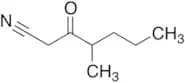
CAS:Controlled ProductFormula:C9H12O2Color and Shape:NeatMolecular weight:152.194-Methyl-3-oxoheptanenitrile
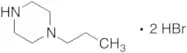
CAS:Controlled Product<p>Applications 4-methyl-3-oxoheptanenitrile (cas# 1039833-22-1) is a useful research chemical.<br></p>Formula:C8H13NOColor and Shape:NeatMolecular weight:139.191-Propylpiperazine Dihydrobromide
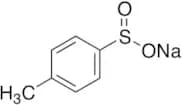
CAS:Controlled Product<p>Applications 1-Propylpiperazine dihydrobromide (cas# 64262-23-3) is a useful research chemical.<br></p>Formula:C7H16N2·2HBrColor and Shape:NeatMolecular weight:290.03Sodium 4-Methylbenzenesulfinate
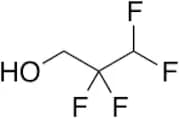
CAS:Controlled Product<p>Applications Sodium 4-methylbenzenesulfinate (cas# 824-79-3) is a useful research chemical.<br></p>Formula:C7H7NaO2SColor and Shape:NeatMolecular weight:178.192,2,3,3-Tetrafluoro-1-propanol
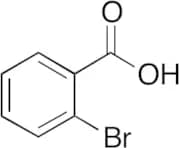
CAS:Controlled ProductFormula:C3H4F4OColor and Shape:NeatMolecular weight:132.062-Bromobenzoic Acid
CAS:Controlled Product<p>Applications 2-Bromobenzoic acid is a sterically hindered ortho-bromo compound that is used as a starting material to synthesize quinazolinones (e.g. 8-Hydroxy-2-methyl-4(3H)-quinazolinone [H948330]).<br>References Liu, X., et al.: Angew. Chem. Int. Edit., 121, 354 (2009); Lu, G., et al.: Tetrahedron Lett., 46, 4255 (2005)<br></p>Formula:C7H5BrO2Color and Shape:NeatMolecular weight:201.02N-(4-Bromobutyl)phthalimide
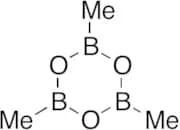
CAS:Controlled Product<p>Applications N-(4-Bromobutyl)phthalimide is used in the preparation of β-cyclodextrin derivatives that block the pore formed by protective antigen for the inhibition of the action of anthrax toxin.<br>References Karginov, V.A., et. al.: Bioorg. Med. Chem., 14, 33 (2006)<br></p>Formula:C12H12BrNO2Color and Shape:NeatMolecular weight:282.13Trimethylboroxin
CAS:Controlled Product<p>Applications Trimethylboroxin is used in a diverse array of areas, including as a polymerization additive. Trimethylboroxin is also used in the preparation of CBS catalysts for asymmetric reductions.<br> Not a dangerous good if item is equal to or less than 1g/ml and there is less than 100g/ml in the package<br>References Gilmore, N., et al.: Tetrahedron Asy., 14, 2115 (2003); Najera, C., et al.: Adv. Synth. Catal., 346, 1798 (2004);<br></p>Formula:C3H9B3O3Color and Shape:NeatMolecular weight:125.533,4,5-Trimethoxybenzoyl Chloride
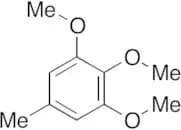
CAS:Controlled Product<p>Applications 3,4,5-Trimethoxybenzoyl Chloride is used as a reagent in the synthesis of 2-methyl-8-(3,4,5-trimethoxybenzamido)-1,2,3,4-tetrahydroisoquinoline and its analogs which display great antihypertensive activity.<br> Not a dangerous good if item is equal to or less than 1g/ml and there is less than 100g/ml in the package<br>References Mathison, I.W., et al.: J. Med. Chem., 16, 332 (1973)<br></p>Formula:C10H11ClO4Color and Shape:NeatMolecular weight:230.643,4,5-Trimethoxytoluene
CAS:<p>Applications 3,4,5-Trimethoxytoluene is a reagent for oxadiazolylindazole sodium channel modulators which are neuroprotective toward hippocampal neurons.<br>References Clutterbuck, L. A., et al.: J. Med. Chem., 52, 2694 (2009);<br></p>Formula:C10H14O3Color and Shape:NeatMolecular weight:182.222-Bromoethylamine Hydrobromide
CAS:<p>Applications 2-Bromoethylamine Hydrobromide is used in the synthesis of analogs of 5,10,15,20-tetrakis(1-methylpyridinium-4-yl)porphyrin (TMPyP4) as inhibitors of human telomerase. It is also used to prepare SB-705498, a potent, selective and orally bioavailable TRPV1 antagonist.<br>References Shi, D., et al.: J. Med. Chem., 44, 4509 (2001); Rami, H., et al.: Bioorg. Med. Chem. Lett., 16, 3287 (2006)<br></p>Formula:C2H7Br2NColor and Shape:WhiteMolecular weight:204.892-Bromoethyl-d4-amine HBr
CAS:Controlled Product<p>Applications 2-Bromoethyl-d4-amine HBr (CAS# 918633-70-2) is a useful isotopically labeled research compound.<br></p>Formula:C2H2D4BrN•HBrColor and Shape:NeatMolecular weight:128.01 + 80.913,4,5-Trihydroxybenzaldehyde Hydrate
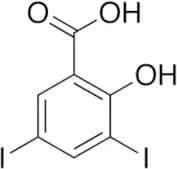
CAS:Controlled Product<p>Applications 3,4,5-TRIHYDROXYBENZALDEHYDE HYDRATE (cas# 207742-88-9) is a useful research chemical.<br></p>Formula:C7H6O4·H2OColor and Shape:NeatMolecular weight:172.133,5-Diiodosalicylic Acid
CAS:Controlled Product<p>Applications 3,5-Diiodosalicylic Acid is an metabolite of Aspirin (A187780), an anti-inflammatory, anti-platelet and cancer-preventive agent. 3,5-Diiodosalicylic Acid was shown to exhibit agonist activity at GPR35, a orphan G protein coupled receptor.<br>References Deng, H.Y., et al.: Arch. Pharmacol., 385, 729 (2012); Blandin, V., et al.: Molec. Pharmacol., 58, 1461 (2000);<br></p>Formula:C7H4I2O3Color and Shape:NeatMolecular weight:389.911-Bromohexadecane
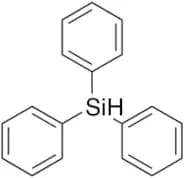
CAS:Controlled Product<p>Applications 1-Bromohexadecane is used in the preparation of soluble carbon nano-onions by covalent functionalization with hexadecyl chains. It is also used to synthesize [2-(methacryloyloxy)ethyl]dimethylhexadecylammonium bromide monomer, required for the synthesis of novel methacrylate based adsorbents.<br>References Molina-Ontoria, A., et al.: Chem. Comm., 49, 2406 (2013); Shu, M., et al.: Analyst, 137, 2143 (2012)<br></p>Formula:C16H33BrColor and Shape:NeatMolecular weight:305.34Triphenylsilane
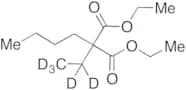
CAS:Controlled Product<p>Applications TRIPHENYLSILANE (cas# 789-25-3) is a useful research chemical.<br></p>Formula:C18H16SiColor and Shape:NeatMolecular weight:260.41Diethyl Butylethylmalonate-d5
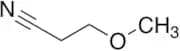
CAS:Controlled Product<p>Applications Diethyl Butylethylmalonate-d5 is the isotope labelled analog of Diethyl Butylethylmalonate, a derivative of Diethyl 2-n-Butylmalonate (D443880) which is a reagent in the synthesis of 2,5-dihydropyrrole formyl hydroxyamino derivatives as peptide deformylase inhibitors against drug-resistant bacteria.<br>References Yang, S., et al.: Eur. J. Med. Chem., 86, 133 (2014); Shi, W., et al.: Bioorg. Med. Chem. Lett., 20, 3592 (2010)<br></p>Formula:C13H19D5O4Color and Shape:NeatMolecular weight:249.363-Methoxypropionitrile
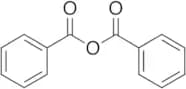
CAS:Controlled Product<p>Applications 3-Methoxypropionitrile (cas# 110-67-8) is a useful research chemical.<br></p>Formula:C4H7NOColor and Shape:NeatMolecular weight:85.1Benzoic Anhydride (>90%)
CAS:Controlled Product<p>Applications Benzoic Anhydride is the more active analogue of benzoic acid formed via dehydration. Benzoic Anhydride is used in the synthesis of a wide range of organic compounds including some dyes. Benzoic Anhydride is also used as an arylation agent in the Heck reaction.<br>References Lewis, D.M. et al.: J. Soc. Dyes Col., 99, 354 (1983); Shmidt, A.F. et al.: Kin. Catal., 41, 743 (2000);<br></p>Formula:C14H10O3Purity:>90%Color and Shape:NeatMolecular weight:226.23tert-Butyl-3,6,9,12,15,18,21-heptaoxa-34-keto-33-thiapentatriacontanoate
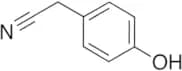
CAS:Controlled ProductFormula:C31H60O10SColor and Shape:NeatMolecular weight:624.874-Hydroxyphenylacetonitrile
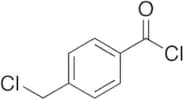
CAS:Controlled Product<p>Applications 4-Hydroxyphenylacetonitrile (cas# 14191-95-8) is a compound useful in organic synthesis.<br></p>Formula:C8H7NOColor and Shape:NeatMolecular weight:133.154-(Chloromethyl)benzoyl Chloride
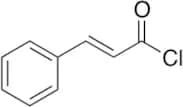
CAS:Controlled Product<p>Applications 4-(Chloromethyl)benzoyl Chloride is used in the synthetic preparation of various compounds and pharmaceuticals. 4-(Chloromethyl)benzoyl Chloride was used in the synthesis of several imidazo[2,1-b]thiazoles.<br> Not a dangerous good if item is equal to or less than 1g/ml and there is less than 100g/ml in the package<br>References Bratulescu, G., et al.: Asian. J. Chem., 24, 350 (2012);<br></p>Formula:C8H6Cl2OColor and Shape:NeatMolecular weight:189.04trans-Cinnamoyl Chloride
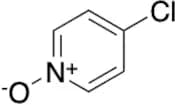
CAS:Controlled Product<p>Applications trans-Cinnamoyl chloride (cas# 102-92-1) is a useful research chemical.<br></p>Formula:C9H7ClOColor and Shape:NeatMolecular weight:166.64-Chloropyridine N-Oxide
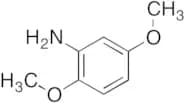
CAS:Controlled Product<p>Applications 4-Chloropyridine n-oxide (cas# 1121-76-2) is a useful research chemical.<br></p>Formula:C5H4NOClColor and Shape:NeatMolecular weight:129.542,5-Dimethoxyaniline
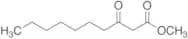
CAS:Controlled ProductFormula:C8H11NO2Color and Shape:NeatMolecular weight:153.18Methyl 3-Oxodecanoate
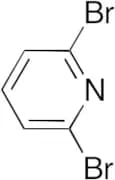
CAS:Controlled ProductFormula:C11H20O3Color and Shape:NeatMolecular weight:200.272,6-Dibromopyridine
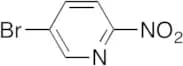
CAS:Controlled Product<p>Applications 2,6-Dibromopyridine is used as a starting material to synthesize 2,2’-bipyridines (such as 5-Cyano-1,6-dihydro-6-oxo-[3,4'-bipyridine]-2-carboxylic Acid [C979150]) via a Stille-type cross-coupling reaction. 2,6-Dibromopyridine is also used as a reagent to synthesize pyridylpyrimidine fungicides, compounds that eliminate fungi by cycling copper through the cell membrane, where it reaches toxic levels.<br>References Hargreaves, S., et al.: Tetrahedron Lett., 41, 1653 (2000); Heller, M. & Schubert, U.: J. Org. Chem., 67, 8269 (2002); Simkovsky, N., et al.: J. Chem. Soc. Perk. Trans. 1, 16, 1847 (2002)<br></p>Formula:C5H3Br2NColor and Shape:NeatMolecular weight:236.895-Bromo-2-nitropyridine
CAS:Controlled Product<p>Applications 5-Bromo-2-nitropyridine is employed as a reagent in the synthesis of novel benzinidazoles, potent inhibitors of TIE-2 and VEGFR-2 Tyrosine (T899975) kinase receptors.<br>References Hasegawa, M., et al.: J. Med. Chem., 50, 4453 (2007); Okaniwa, M., et al.: J. Med. Chem., 55, 3452 (2012)<br></p>Formula:C5H3BrN2O2Color and Shape:NeatMolecular weight:202.998-Bromooctanoic Acid
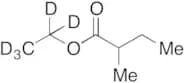
CAS:Controlled Product<p>Applications 8-Bromooctanoic Acid (cas# 17696-11-6) is a compound useful in organic synthesis.<br> Not a dangerous good if item is equal to or less than 1g/ml and there is less than 100g/ml in the package<br></p>Formula:C8H15BrO2Color and Shape:NeatMolecular weight:223.11Ethyl-d5 2-Methylbutyrate
CAS:Controlled Product<p>Applications Ethyl-d5 2-Methylbutyrate is the labeled analogue of Ethyl 2-Methylbutyrate (E923200), an ester that has a sweet, apple-like aroma. Ethyl 2-methylbutyrate is naturally found in apples, cherries and orange juice.<br> Not a dangerous good if item is equal to or less than 1g/ml and there is less than 100g/ml in the package<br>References Cho, I., et al.: J. Agr. Food Chem., 54, 6332 (2006); Mattheis, J., et al.: J. Agr. Food Chem., 45, 212 (1997); Moshonas, M. & Shaw, P.: J. Agr. Food Chem., 35, 161 (1987); Willaert, G., et al.: J. Agr. Food Chem., 31, 809 (1983)<br></p>Formula:C7H9D5O2Color and Shape:NeatMolecular weight:135.223-[(tert-Butyldimethylsilyl)oxy]-1-propanol
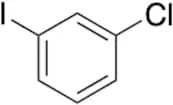
CAS:Controlled Product<p>Applications 3-[(tert-Butyldimethylsilyl)oxy]-1-propanol (cas# 73842-99-6) is a compound useful in organic synthesis.<br></p>Formula:C9H22O2SiColor and Shape:NeatMolecular weight:190.363-Chloroiodobenzene
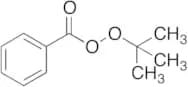
CAS:Controlled Product<p>Applications 3-Chloroiodobenzene is used in the synthesis of is a common organic reagent used i the synthesis of a prostacyclin agonist actin in the treatment of pulmonary hypertension.<br>References Tran, T. et al.: J. Med. Chem., 60, 913 (2017);<br></p>Formula:C32H34N2O8Color and Shape:NeatMolecular weight:574.621tert-Butyl Perbenzoate
CAS:Controlled Product<p>Applications tert-Butyl Perbenzoate is used as a catalyst in the preparation of paper strengthening agents for papermaking.<br>References Xuan. S., et al.: Faming Zhuanli Shenqing. 6pp. (2020)<br></p>Formula:C11H14O3Color and Shape:NeatMolecular weight:194.23Butyric Anhydride
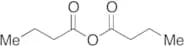
CAS:Controlled Product<p>Applications Butyric Anhydride is a chemical reagent used in the synthesis of amidoamine dendron-based co-adsorbents used in the improvement of dye-sensitized solar cells. Also used in the synthesis of allopurinol derivatives for their activity against Trypanosoma cruzi.<br> Not a dangerous good if item is equal to or less than 1g/ml and there is less than 100g/ml in the package<br>References Xu, J. et al.: J. Mat. Chem. Mat. Energy Sust., 1, 14524 (2013); Raviolo, M. et al.: 69, 455 (2013);<br></p>Formula:C8H14O3Color and Shape:NeatMolecular weight:158.192-Methoxy-4-aminobenzoic Acid
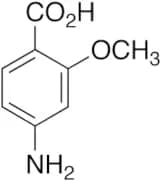
CAS:Controlled Product<p>Applications 2-Methoxy-4-aminobenzoic Acid (cas# 2486-80-8) is a compound useful in organic synthesis.<br></p>Formula:C8H9NO3Color and Shape:NeatMolecular weight:167.162,4-Dichloro-5-nitropyrimidine
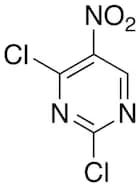
CAS:Controlled Product<p>Applications 2,4-Dichloro-5-nitropyrimidine (cas# 49845-33-2) is a compound useful in organic synthesis.<br></p>Formula:C4HCl2N3O2Color and Shape:NeatMolecular weight:193.981,4-Di(bromomethyl)benzene
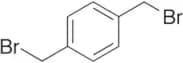
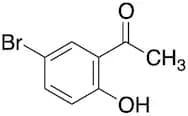
CAS:Controlled Product<p>Applications 1,4-Di(bromomethyl)benzene (cas# 623-24-5) is a compound useful in organic synthesis.<br></p>Formula:C8H8Br2Color and Shape:NeatMolecular weight:263.961-(5-Bromo-2-hydroxyphenyl)ethanone
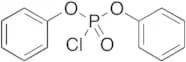
CAS:Controlled Product<p>Applications 1-(5-Bromo-2-hydroxyphenyl)ethanone<br></p>Formula:C8H7BrO2Color and Shape:NeatMolecular weight:215.044Diphenyl Chlorophosphonate
CAS:Controlled Product<p>Applications Diphenyl Chlorophosphonate, is a building block used for the synthesis of various chemical compounds. It can be used for the synthesis of phosphate esters of polyhedral hydroxyboranes, showing enhanced tumor uptake.<br> Not a dangerous good if item is equal to or less than 1g/ml and there is less than 100g/ml in the package<br>References Bechtold, R., et al.: J. Med. Chem., 18, 371 (1975);<br></p>Formula:C12H10ClO3PColor and Shape:NeatMolecular weight:268.6310-Bromo-1-decanol
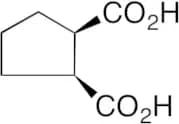
CAS:Controlled Product<p>Stability Moisture Sensitive<br>Applications 10-Bromodecanol can be used to synthesize rotaxane dendrimers. It can also be used to synthesize J2326, a molecule that induces neurite outgrowth in neuronal cells.<br>References Wei, W., et al.: Proc. Natl. Acad. Sci. USA 112, 5597 (2015); Chang, P., et al.: Neuropharmacology 92, 146 (2015)<br></p>Formula:C10H21BrOColor and Shape:NeatMolecular weight:237.18(1R,2S)-rel-1,2-Cyclopentanedicarboxylic Acid
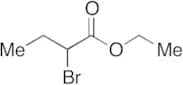
CAS:Controlled Product<p>Applications (1R,2S)-rel-1,2-Cyclopentanedicarboxylic Acid is a Possible inhibitor of prolidase.<br>References Mock, W. et al.; J. Biol. Chem. 265, 19606 (1990)<br></p>Formula:C7H10O4Color and Shape:NeatMolecular weight:158.15Ethyl 2-Bromobutyrate
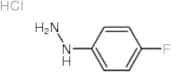
CAS:Controlled Product<p>Applications Ethyl 2-bromobutyrate is used in synthetic chemistry as a polymerization initiator. Ethyl 2-bromobutyrate is also used as a reagent to synthesize Efaroxan, an imidazoline α 2-antagonist that stimulated insulin secretion in rat pancreatic cells.<br> Not a dangerous good if item is equal to or less than 1g/ml and there is less than 100g/ml in the package<br>References Ball, A., et al.: Pharm. Res., 42, 575 (2000); Bibiao. J. et al.: Eur. Polym. J., 42, 179 (2006); Chan, S. & Morgan, N.: Eur. J. Pharm., 176, 97 (1990); Xu, W., et al.: Eur. Polym. J., 39, 1349 (2003)<br></p>Formula:C6H11BrO2Color and Shape:NeatMolecular weight:195.05(4-Fluorophenyl)hydrazine hydrochloride
CAS:Controlled Product<p>Applications (4-Fluorophenyl)hydrazine, HCl<br></p>Formula:C6H8ClFN2Color and Shape:NeatMolecular weight:162.591-Heptyne
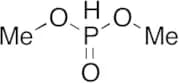
CAS:Controlled Product<p>Applications 1-Heptyne can be used for cycloisomerization of alkynyl imines and alkynylation of oxiranes.<br>References Kel’in, A. V., et al.: J. Am. Chem. Soc. 123, 2074 (2001); Yamaguichi, M., et al.: Tetrahedron Lett. 24, 391 (1983)<br></p>Formula:C7H12Color and Shape:NeatMolecular weight:96.17Dimethyl Phosphite
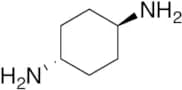
CAS:Controlled Product<p>Stability Hygroscopic<br>Applications Dimethyl Phosphite is used as a reagent in the synthesis of 4-(thiophen-2-ylmethyl)-2H-phthalazin-1-ones as potent PARP-1 inhibitors. It is also used as a reagent in the synthesis of estafiatin phosphonate derivatives which exhibit antibacterial and antifungal activity.<br>References Suleimen, E.M., et al.: Chem. Nat. Compd., 50, 846 (2014); Wang, L., et al.: Bioorg. Med. Chem. Lett., 24, 3739 (2014)<br></p>Formula:C2H7O3PColor and Shape:NeatMolecular weight:110.05trans-Cyclohexane-1,4-diamine
CAS:Controlled Product<p>Applications trans-Cyclohexane-1,4-diamine (cas# 2615-25-0) is a useful research chemical.<br> Not a dangerous good if item is equal to or less than 1g/ml and there is less than 100g/ml in the package<br></p>Formula:C6H14N2Color and Shape:NeatMolecular weight:114.19Diethyl Benzylmalonate
CAS:Controlled Product<p>Applications Diethyl Benzylmalonate (cas# 607-81-8) is a compound useful in organic synthesis.<br></p>Formula:C14H18O4Color and Shape:NeatMolecular weight:250.291,6-Dibromohexane
CAS:<p>Applications 1,6-Dibromohexane is used as a reagent in the synthesis of novel benzo[b]xanthone derivatives which have potential antitumor activity. It is also used as a cross-linker for the cross-linking of glycuronans.<br> Not a dangerous good if item is equal to or less than 1g/ml and there is less than 100g/ml in the package<br>References Luo, L., et al.: J. Serb. Chem. Soc., 78, 1301 (2013); Matricardi, P., et al.: Carbohyd. Polym., 27, 215 (1995)<br></p>Formula:C6H12Br2Color and Shape:NeatMolecular weight:243.9671,7-Dibromoheptane
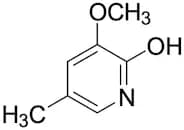
CAS:Controlled Product<p>Applications 1,7-Dibromoheptane is a useful synthetic intermediate. 1,7-Dibromoheptane can be used in the synthesis of random thermotropic liquid crystalline copolyether and ternary copolyether. It can also be used in the synthesis of thermotropic liquid crystalline dendrimer exhibiting a nematic phase.<br> Not a dangerous good if item is equal to or less than 1g/ml and there is less than 100g/ml in the package<br>References Percec, V., et al.: J. Polym. Sci. A Polym. Chem., 25, 1943, 1987; Percec, V., et al.: Macromolecules 23, 5 (1990); Percec, V., et al.: Macromolecules, 25, 3843 (1992)<br></p>Formula:C7H14Br2Color and Shape:NeatMolecular weight:257.99413-Methoxy-5-methylpyridin-2-ol
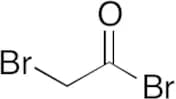
CAS:Controlled ProductFormula:C7H9NO2Color and Shape:NeatMolecular weight:139.152-Bromoacetyl Bromide
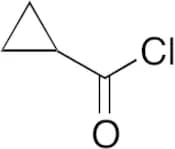
CAS:Controlled Product<p>Stability Moisture Sensitive<br>Applications 2-Bromoacetyl Bromide, is a builidng block used for various organic synthesis. It can be used for the synthesis of novel biofunctional molecules for target-selective photodegradation of proteins and carbohydrates.<br> Not a dangerous good if item is equal to or less than 1g/ml and there is less than 100g/ml in the package<br>References Toshima, K., et al.: Yuki Gosei Kagaku Kyokaishi, 70, 1187 (2012);<br></p>Formula:C2H2Br2OColor and Shape:NeatMolecular weight:201.84Cyclopropanecarbonyl Chloride
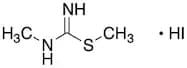
CAS:Controlled Product<p>Stability Moisture Sensitive<br>Applications Cyclopropanecarbonyl Chloride is a reagent used in the synthesis of orally bioavailable HCV NS5A inhibitor for the treatment of Hepatitis C virus.<br>References Kang, IJ. Med. Chem., 60, 228 (2017);<br></p>Formula:C4H5ClOColor and Shape:NeatMolecular weight:104.531,2-Dimethylisothiourea-HI
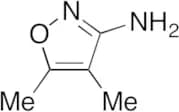
CAS:Controlled Product<p>Applications 1,2-Dimethylisothiourea-HI (cas# 41306-45-0) is a useful research chemical.<br></p>Formula:C3H8N2S·HIColor and Shape:NeatMolecular weight:232.084,5-Dimethyl-3-isoxazolamine
CAS:Controlled Product<p>Applications 4,5-Dimethyl-3-isoxazolamine is an isoxazole derivative used in the preparation of a varitey of biologically active compounds such as selective ETA receptor antagonists.<br>References Murugesan, N. et al.: J. Med. Chem., 46, 125 (2003);<br></p>Formula:C5H8N2OColor and Shape:NeatMolecular weight:112.132-(4-Hydroxy-3-methoxyphenyl)-1,3-dithiolane
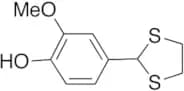
CAS:Controlled Product<p>Applications Insecticidal activity.<br>References Durden, J. et al.; J. Agr. Food Chem. 17, 94 (1969)<br></p>Formula:C10H12O2S2Color and Shape:NeatMolecular weight:228.33N-Methylethylenediamine
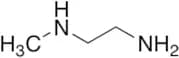
CAS:Controlled Product<p>Applications N-METHYLETHYLENEDIAMINE (cas# 109-81-9) is a useful research chemical.<br></p>Formula:C3H10N2Color and Shape:NeatMolecular weight:74.12Naphthalene-2-sulfonyl Chloride
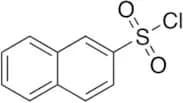
CAS:Controlled Product<p>Applications (cas# 1993-11-08) is a useful research chemical.<br></p>Formula:C10H7ClO2SColor and Shape:NeatMolecular weight:226.682-Aminoimidazole Sulfate
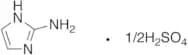
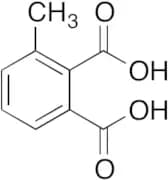
CAS:Controlled Product<p>Applications 2-Aminoimidazole Sulfate (cas# 1450-93-7) is a compound useful in organic synthesis.<br></p>Formula:C3H5N3·H2O4SColor and Shape:NeatMolecular weight:264.263-Methylphthalic Acid
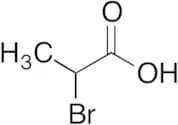
CAS:Controlled ProductFormula:C9H8O4Color and Shape:NeatMolecular weight:180.162-Bromopropionic Acid
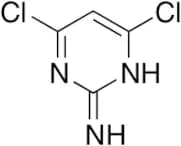
CAS:Controlled Product<p>Applications 2-Bromopropionic Acid is a versatile reactant used in emulsion polymerization in the preparation of reversible addition-fragmentation chain transfer (RAFT) agent.<br>References Ferguson, C., et al.: Macromolecules, 35, 9243 (2002); Ferguson, C., et al.: Macromolecules, 38, 2191 (2005);<br></p>Formula:C3H5BrO2Color and Shape:NeatMolecular weight:152.972-Amino-4,5-dichloropyrimidine
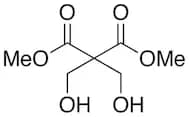
CAS:Controlled Product<p>Applications 2-AMINO-4,6-DICHLOROPYRIMIDINE (cas# 56-05-3) is a useful research chemical.<br></p>Formula:C4H3Cl2N3Color and Shape:NeatMolecular weight:163.99Dimethyl Bis(hydroxymethyl)malonate
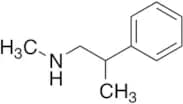
CAS:Controlled Product<p>Applications A regent used for the synthesis of HIV-1 protease inhibitors and antiplasmin drugs<br>References Isoda, S., et al.: Chem. Pharm. Bull., 28, 2329-36 (1980), Melnick, M., et al.: J. Med. Chem., 39, 2795 (1996),<br></p>Formula:C7H12O6Color and Shape:NeatMolecular weight:192.17N-Methyl-2-phenylpropan-1-amine
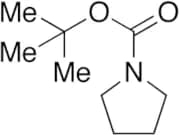
CAS:Controlled Product<p>Stability Hygroscopic<br>Applications N-methyl-2-phenylpropan-1-amine (cas# 93-88-9) is a useful research chemical.<br></p>Formula:C10H15NColor and Shape:NeatMolecular weight:149.23N-Boc-pyrrolidine
CAS:Controlled Product<p>Applications N-Boc-pyrrolidine is a boc-protected cyclic amine used as a building block in the preparation of diastereomers by usually undergoing α'-lithiations and electrophilic substitution reactions.<br>References Beak, P. et al.: J. Org. Chem., 58, 1109 (1993);<br></p>Formula:C9H17NO2Color and Shape:NeatMolecular weight:171.242-Formylphenylboronic Acid
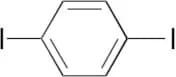
CAS:Controlled Product<p>Applications 2-Formylphenylboronic acid (cas# 40138-16-7) is a useful research chemical.<br></p>Formula:C7H7BO3Color and Shape:NeatMolecular weight:149.941,4-Diidobenzene
CAS:Controlled Product<p>Applications 1,4-Diidobenzene is used in single molecular bridging of Au nanogaps. It can also form copolymers with ethynylbenzenes in sponge to give elastic hydrophobic materials.<br>References Komoto, Yuki., et al.: J. Phys. Chem. C, 117(46), 24277-24282 (2013)<br></p>Formula:C6H4I2Color and Shape:NeatMolecular weight:329.94-Chloro-2-fluoroaniline
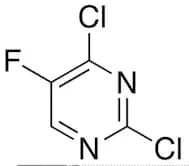
CAS:Controlled Product<p>Applications 4-Chloro-2-fluoroaniline is a compound used in the synthesis of 4-Chloro-2-fluoro-3-iodobenzenamine (1000590-87-3).<br></p>Formula:C6H5ClFNColor and Shape:NeatMolecular weight:145.565-Fluoro-2,4-dichloropyrimidine
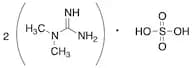
CAS:Controlled ProductFormula:C4HCl2FN2Color and Shape:NeatMolecular weight:166.971,1-Dimethylguanidine Sulfate
CAS:Controlled Product<p>Applications 1,1-dimethylguanidine Sulfate (cas# 598-65-2) is a useful research chemical.<br></p>Formula:(C3H9N3)·H2SO4Color and Shape:NeatMolecular weight:272.32N-Methylthiourea
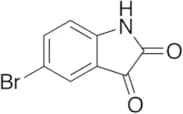
CAS:Controlled Product<p>Applications N-METHYLTHIOUREA (cas# 598-52-7) is a useful research chemical.<br> Not a dangerous good if item is equal to or less than 1g/ml and there is less than 100g/ml in the package<br></p>Formula:C2H6N2SColor and Shape:NeatMolecular weight:90.155-Bromoisatin
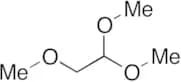
CAS:Controlled Product<p>Applications Indole derivative<br></p>Formula:C8H4BrNO2Color and Shape:NeatMolecular weight:226.03Methoxyacetaldehyde Dimethyl Acetal
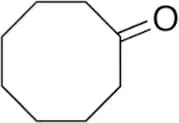
CAS:Controlled Product<p>Applications Methoxyacetaldehyde Dimethyl Acetal is a reagent used in balancing oral exposure with Cyp3A4 inhibition in benzimidazole-based IGF-1R inhibitors.<br> Not a dangerous good if item is equal to or less than 1g/ml and there is less than 100g/ml in the package<br>References Zimmermann, K., et al.: Bioorg. Med. Chem. Lett., 18, 4075 (2008);<br></p>Formula:C5H12O3Color and Shape:NeatMolecular weight:120.15Cyclooctanone
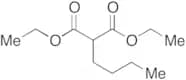
CAS:Controlled Product<p>Applications Cyclooctanone is a aliphatic cycle that exhibited inhibitory activity towards aldosterone synthase, a promising therapeutic target for the treatment of cardiovascular diseases related to abnormally high aldosterone level.<br>References Yin, L., et al.: PLoS One., 7, 48048 (2012); Rodriguez, J.D.,e t al.: Chem. Biochem. Engin. Quart., 20, 173 (2006);<br></p>Formula:C8H14OColor and Shape:NeatMolecular weight:126.2Diethyl 2-n-Butylmalonate
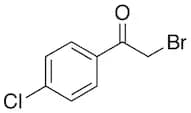
CAS:Controlled Product<p>Applications Diethyl 2-n-Butylmalonate is used as a reagent in the synthesis of 2,5-dihydropyrrole formyl hydroxyamino derivatives as peptide deformylase inhibitors against drug-resistant bacteria.<br>References Yang, S., et al.: Eur. J. Med. Chem., 86, 133 (2014); Shi, W., et al.: Bioorg. Med. Chem. Lett., 20, 3592 (2010)<br></p>Formula:C11H20O4Color and Shape:NeatMolecular weight:216.274-Chlorophenylacylbromide
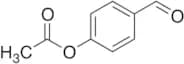
CAS:Controlled ProductFormula:C8H6BrClOColor and Shape:NeatMolecular weight:233.494-Acetoxybenzaldehdye
CAS:Controlled ProductFormula:C9H8O3Color and Shape:NeatMolecular weight:164.16Diisopropyl Malonate
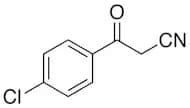
CAS:Controlled Product<p>Applications Diisopropyl Malonate is a disinfection byproduct of Isoprothiolane (I874300); a dithiolane pesticide commonly used in agriculture as a fungicide to control planthoppers and blast disease in rice plants.<br>References Chin, K.M.: Malay. Agric. J., 50, 221 (1975); Ikeda, Y. et al.: Biosci. Biotech. Biochem., 57, 288 (1993); Nakamura, H.: Rev. Plant Prot. Res., 10, 1 (1977); Reddy, A.P.K. et al.: Pesticide, 22, 21 (1988); Jinno, H., et al.: Arch. Toxicol., 71, 550 (1997)<br></p>Formula:C9H16O4Color and Shape:NeatMolecular weight:188.224-Chlorobenzoylacetonitrile
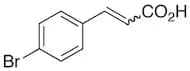
CAS:Controlled ProductFormula:C9H6ClNOColor and Shape:NeatMolecular weight:179.604-Bromocinnamic Acid
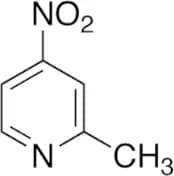
CAS:Controlled Product<p>Applications 4-Bromocinnamic Acid (cas# 1200-07-3) is a compound useful in organic synthesis.<br>References Patel, C., et al.: Bioorg. Med. Chem. Lett., 16, 4752 (2006), Ghorai, P., et al.: J. Med. Chem., 51, 7193 (2008),<br></p>Formula:C9H7BrO2Color and Shape:NeatMolecular weight:227.062-Methyl-4-nitropyridine
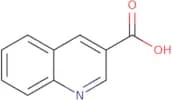
CAS:Controlled Product<p>Applications 2-Methyl-4-nitropyridine (cas# 13508-96-8) is a compound useful in organic synthesis.<br></p>Formula:C6H6N2O2Color and Shape:NeatMolecular weight:138.123-Quinolinecarboxylic acid
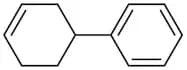
CAS:<p>3-Quinolinecarboxylic acid is a water-soluble drug that is soluble in both organic solvents and water. It is reactive, which limits its therapeutic use. 3-Quinolinecarboxylic acid is used to treat inflammatory disease by inhibiting the production of prostaglandins and leukotrienes in the body. 3-Quinolinecarboxylic acid has been shown to have genotoxic effects on primary cells, as well as an antiinflammatory effect. It also has been shown to be effective for treating rheumatoid arthritis in animal models, but not humans.</p>Formula:C10H7NO2Purity:Min. 95%Color and Shape:PowderMolecular weight:173.17 g/mol4-Phenyl-1-cyclohexene
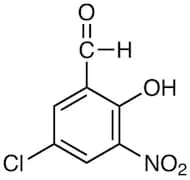
CAS:Formula:C12H14Purity:>96.0%(GC)Color and Shape:Colorless to Light yellow to Light orange clear liquidMolecular weight:158.245-Chloro-3-nitrosalicylaldehyde
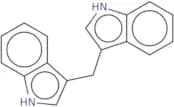
CAS:Formula:C7H4ClNO4Purity:>98.0%(GC)(T)Color and Shape:Light orange to Yellow to Green powder to crystalMolecular weight:201.563,3'-Diindolymethane (synthetic)
CAS:<p>3,3'-Diindolylmethane, also known as DIM, is natural compound derived from indole. In a recent study, DIM was evaluated as a potential agent for preventing biofilm formation by Streptococcus mutans, which is a major cause of dental caries. The researchers found that DIM significantly inhibited biofilm formation (by 92%) and reduced the production of extracellular polymeric substances (EPS), which are important for biofilm stability particularly under acidic conditions. The study suggests that 3,3'-diindolylmethane has anti-biofilm and anti-virulence properties against S. mutans, and it is a potential candidate for reducing biofilm formation and preventing dental caries.<br>It has been also reported that 3,3'-diindolymethane can act as a chemopreventive agent. DIM has estrogenic effects without interacting with the binding domain of the estrogen receptors. This study found that DIM could suppress cell growth and disrupt cell cycle progression of young adult mouse colonocytes (YAMCs) in vitro. Moreover, DIM altered gene expression associated with apoptosis and cell proliferation, and it induced transcriptional activity of the estrogen receptor (ER), which was inhibited by an ER antagonist.</p>Formula:C17H14N2Purity:Min. 95%Color and Shape:PowderMolecular weight:246.31 g/molBithionol Disodium Salt
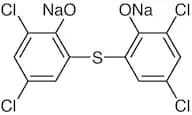
CAS:Formula:C12H4Cl4Na2O2SPurity:>98.0%(T)(HPLC)Color and Shape:White to Gray to Brown powder to crystalMolecular weight:400.003-Methoxy-5-(trifluoromethyl)aniline
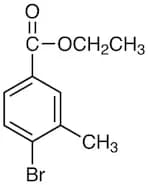
CAS:Formula:C8H8F3NOPurity:>98.0%(GC)(T)Color and Shape:Light yellow to Brown to Dark red powder to crystalMolecular weight:191.15Ethyl 4-Bromo-3-methylbenzoate
CAS:Formula:C10H11BrO2Purity:>98.0%(GC)Color and Shape:Colorless to Light yellow clear liquidMolecular weight:243.10N-(3-Fluoro-4-piperidinyl)formamide
CAS:<p>Please enquire for more information about N-(3-Fluoro-4-piperidinyl)formamide including the price, delivery time and more detailed product information at the technical inquiry form on this page</p>Formula:C6H11FN2OPurity:Min. 95%Molecular weight:146.16 g/mol6-Methyl-4-chromanone
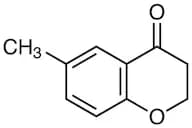
CAS:Formula:C10H10O2Purity:>98.0%(GC)Color and Shape:White to Almost white powder to lumpMolecular weight:162.192-Chloro-1,4-naphthoquinone
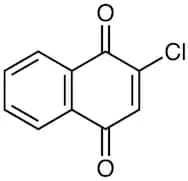
CAS:Formula:C10H5ClO2Purity:>98.0%(GC)Color and Shape:Light yellow to Yellow to Orange powder to crystalMolecular weight:192.601,1'-[Biphenyl-4,4'-diylbis(methylene)]bis(4,4'-bipyridinium) Bis(hexafluorophosphate)
CAS:Formula:C34H28F12N4P2Purity:>98.0%(HPLC)Color and Shape:Light yellow to Yellow to Orange powder to crystalMolecular weight:782.552-Methyl-4-nitropyridine-N-oxide
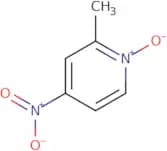
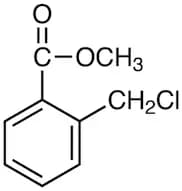
CAS:<p>2-Methyl-4-nitropyridine-N-oxide is an alkoxy radical that is a toxic chemical. It is used in the synthesis of other chemicals and drugs, as well as in diagnostic tests. 2-Methyl-4-nitropyridine-N-oxide is converted to its n-oxide form by hydrochloric acid. The molecule has two functionalities: one nucleophilic and one electrophilic. These functionalities allow it to undergo reactions with many different types of molecules, including ethylene acetal.</p>Formula:C6H6N2O3Purity:Min. 95%Color and Shape:Yellow PowderMolecular weight:154.13 g/molMethyl 2-(Chloromethyl)benzoate
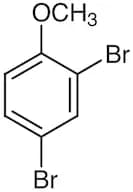
CAS:Formula:C9H9ClO2Purity:>97.0%(GC)Color and Shape:Light yellow to Amber to Dark green clear liquidMolecular weight:184.622,4-Dibromoanisole
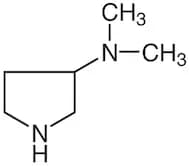
CAS:Formula:C7H6Br2OPurity:>98.0%(GC)Color and Shape:White to Light yellow to Light red powder to crystalMolecular weight:265.933-(Dimethylamino)pyrrolidine
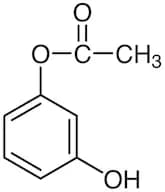
CAS:Formula:C6H14N2Purity:>98.0%(GC)(T)Color and Shape:Colorless to Light yellow clear liquidMolecular weight:114.19Resorcinol Monoacetate
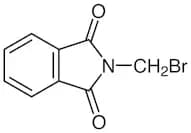
CAS:Formula:C8H8O3Purity:>50.0%(GC)Color and Shape:Colorless to Yellow to Orange clear liquidMolecular weight:152.15N-(Bromomethyl)phthalimide
CAS:Formula:C9H6BrNO2Purity:>96.0%(T)Color and Shape:White to Almost white powder to crystalMolecular weight:240.064,4'-Methylenebis(benzenesulfonyl Chloride)
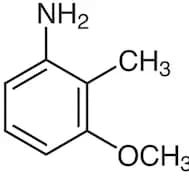
CAS:Formula:C13H10Cl2O4S2Purity:>95.0%(T)Color and Shape:White to Almost white powder to crystalMolecular weight:365.243-Methoxy-2-methylaniline
CAS:Formula:C8H11NOPurity:>98.0%(GC)(T)Color and Shape:Colorless to Light orange to Yellow clear liquidMolecular weight:137.184-Butoxyphthalonitrile
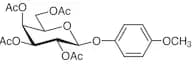
CAS:Formula:C12H12N2OPurity:>96.0%(GC)Color and Shape:White to Light yellow powder to crystalMolecular weight:200.244-Methoxyphenyl 2,3,4,6-Tetra-O-acetyl-β-D-galactopyranoside
CAS:Formula:C21H26O11Purity:>98.0%(HPLC)Color and Shape:White to Almost white powder to crystalMolecular weight:454.431-Hexadecanol
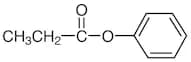
CAS:<p>1-Hexadecanol is a monohydroxy alcohol that is used as a surfactant in analytical chemistry. It can be found naturally in the secretions of some glands and has an optimum concentration of 0.2% to 1%. 1-Hexadecanol has been shown to inhibit bacterial growth by reducing the mitochondrial membrane potential, which leads to cell death. 1-Hexadecanol also reacts with benzalkonium chloride to form ester hydrochloride, which is a reagent for the detection of bacteria. The reaction mechanism for this process is not yet fully understood, but it may involve a metastable form of 1-hexadecanol reacting with benzalkonium chloride.</p>Formula:C16H34OPurity:Min. 95%Color and Shape:PowderMolecular weight:242.44 g/molPhenyl Propionate
CAS:Formula:C9H10O2Purity:>97.0%(GC)Color and Shape:White or Colorless to Light yellow powder to lump to clear liquidMolecular weight:150.18Piperidin-4-ylmethanol
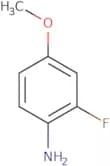
CAS:<p>Piperidin-4-ylmethanol is a synthetic compound that has been used as a fluorescent probe. It has also been used in the synthesis of quinolinium, a medicinal preparation that is used to treat cancer. This chemical has optical properties and can be detected using fluorescence microscopy. Piperidin-4-ylmethanol is soluble in water and can form stable solutions with other compounds. The chemical's reactive site is the hydroxyl group and it reacts with gaseous chlorine to produce hydrochloric acid.</p>Formula:C6H13NOPurity:Min. 95%Color and Shape:White PowderMolecular weight:115.17 g/mol2-Fluoro-4-methoxyaniline
CAS:<p>2-Fluoro-4-methoxyaniline is a non-selective amide that forms in the presence of amines, aminobutyraldehyde, and fluorine. 2-Fluoro-4-methoxyaniline is a product of the industrial process for synthesizing acetylated products through the use of dichloroketene as an acetylating agent. This chemical compound has been used to produce five-membered heterocycles that are used in the manufacture of pharmaceuticals. Mechanistic studies have shown that this chemical reacts with oxygen, water, and halogens to form a variety of products.</p>Formula:C7H8FNOPurity:Min. 95%Color and Shape:Yellow PowderMolecular weight:141.14 g/mol4-Phenyl-2-butanol
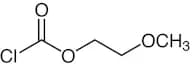
CAS:<p>4-Phenyl-2-butanol is a monoclonal antibody that is used in the treatment of human immunodeficiency virus (HIV). It is an aromatic hydrocarbon that binds to amines and reacts with malonic acid, which has monophenolase activity. The resulting product, dimethyl malonate, reacts with unsaturated ketones to form diphenols. The reaction solution also contains chloride yields, which are generated by the conversion of amines to their corresponding chlorides. 4-Phenyl-2-butanol has been shown to have enantiopure properties for the synthesis of fatty acids and other compounds containing unsaturated ketones.</p>Formula:C10H14OPurity:Min. 95%Color and Shape:Clear Colourless LiquidMolecular weight:150.22 g/mol2-Methoxyethyl Chloroformate
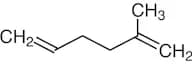
CAS:Formula:C4H7ClO3Purity:>93.0%(GC)(T)Color and Shape:Colorless to Light yellow clear liquidMolecular weight:138.552-Methyl-1,5-hexadiene
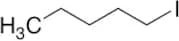
CAS:Formula:C7H12Purity:>98.0%(GC)Color and Shape:Colorless to Almost colorless clear liquidMolecular weight:96.171-Iodo-2-methylbutane (stabilized with Copper chip)
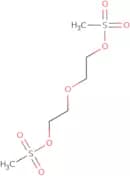
CAS:Formula:C5H11IPurity:>95.0%(GC)Color and Shape:Colorless to Brown clear liquidMolecular weight:198.05Diethylene glycol dimethanesulfonate
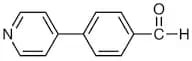
CAS:<p>Diethylene glycol dimethanesulfonate is a functional group that is used in the synthesis of organic compounds. It is a white crystalline solid with a melting point of about 130°C. Diethylene glycol dimethanesulfonate reacts slowly with water and hydrochloric acid to produce diethyl ether and hydrogen chloride gas. The reaction time for this process can be affected by the concentration of reactants, temperature, and pH. Diethylene glycol dimethanesulfonate undergoes acidic hydrolysis in the presence of hydrochloric acid or sodium hydroxide. This reaction produces sodium chloride and ethylene glycol. Busulfan, an anti-cancer drug, is produced by the dehydration of diethylene glycol dimethanesulfonate with copper chloride or chlorine gas. Intramolecular hydrogen bonds are formed during this process to give grandis as an intermediate product. Grandis can be converted into busulfan by</p>Formula:C6H14O7S2Purity:Min. 95%Color and Shape:PowderMolecular weight:262.3 g/mol4-(4-Pyridyl)benzaldehyde
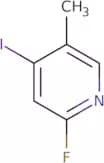
CAS:Formula:C12H9NOPurity:>98.0%(GC)Color and Shape:White to Orange to Green powder to crystalMolecular weight:183.212-Fluoro-4-iodo-5-methylpyridine
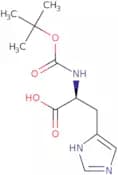
CAS:<p>2-Fluoro-4-iodo-5-methylpyridine is a versatile building block that can be used as a reagent or reaction component. It is an intermediate for the production of pharmaceuticals, pesticides, and other organic compounds. 2-Fluoro-4-iodo-5-methylpyridine is also used as a speciality chemical in research laboratories. 2-Fluoro-4-iodo-5-methylpyridine can be used as a building block to produce complex compounds with various functionalities.</p>Formula:C6H5FINPurity:Min. 95%Color and Shape:White PowderMolecular weight:237.01 g/molBoc-L-Histidine
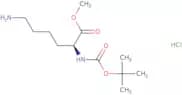
CAS:<p>Boc-L-histidine is a histidine derivative with a boronic acid group that can be used to synthesize imines. It is an organic solvent and can be used in magnetic resonance spectroscopy. Boc-L-histidine has been shown to inhibit the tyrosine activity of tyrosinase, which is involved in melanin synthesis. This compound also inhibits cancer cells by inhibiting the cellular process of protein synthesis and, as such, may be useful for the treatment of cancers.</p>Formula:C11H17N3O4Purity:Min. 98 Area-%Color and Shape:White PowderMolecular weight:255.27 g/molBoc-Lys-OMe HCl
CAS:<p>Boc-Lys-OMe HCl is an ester hydrochloride of N-Boc-Lysine. It is a macrocyclic compound that has been used in the laboratory as an acidifying agent to convert sodium borohydride to methyl ester hydrochloride. Boc-Lys-OMe HCl is also used in the synthesis of macrocyclic compounds, such as n-boc-l-lysine and other polyamino compounds.</p>Formula:C12H24N2O4·HClPurity:Min. 95%Color and Shape:White PowderMolecular weight:296.79 g/mol7-Isopropyl-1,4-dimethylazulene-3-carboxaldehyde
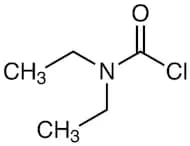
CAS:Formula:C16H18OPurity:>97.0%(GC)Color and Shape:Gray to Dark purple to Black powder to crystalMolecular weight:226.32Diethylcarbamoyl Chloride
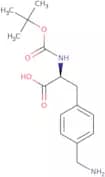
CAS:Formula:C5H10ClNOPurity:>98.0%(GC)(T)Color and Shape:Colorless to Yellow to Orange clear liquidMolecular weight:135.59Boc-4-(aminomethyl)-L-phenylalanine
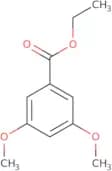
CAS:<p>Boc-4-(aminomethyl)-L-phenylalanine is a useful building block in research and development of pharmaceuticals, agricultural chemicals, and other chemical products. It is a versatile intermediate that can be used in the production of many types of organic compounds. Boc-4-(aminomethyl)-L-phenylalanine has been used as a reagent for the preparation of various complex compounds and a reaction component in organic synthesis. It is also used to produce fluoroquinolones and other antibiotics. CAS No.: 137452-49-4</p>Formula:C15H22N2O4Purity:Min. 95%Molecular weight:294.35 g/mol3,5-Dimethoxybenzoic acid ethyl ester
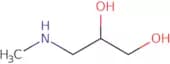
CAS:<p>3,5-Dimethoxybenzoic acid ethyl ester is a carbonic acid ester that can be used as a synthetic intermediate. It is synthesized by reacting 3,5-dimethoxybenzoic acid with the ethyl chloride. The molecular weight of 3,5-dimethoxybenzoic acid ethyl ester is 222.6 g/mol. The homologous series includes dimethylformamide, diethylformamide, and diisopropylformamide. This compound has been shown to inhibit growth factor signaling in vitro and in vivo and may have potential therapeutic applications for cancer treatment. Impurities that may be found in 3,5-dimethoxybenzoic acid ethyl ester include chloride and sulfinyl groups. Synopses of the molecular modeling study are available on request.</p>Formula:C11H14O4Purity:Min. 95%Molecular weight:210.23 g/mol3-Methylamino-1,2-propanediol
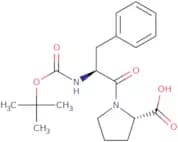
CAS:<p>3-Methylamino-1,2-propanediol is a reactive compound that is used in the synthesis of organic acids. It is also used as an intermediate in the manufacture of polyethylene glycols and particle coatings. 3-Methylamino-1,2-propanediol can be synthesized from allylamine and alkanolamine via a thermal process. It reacts with chloride to form methyl chloroacetate, which can then be converted into 3-methylamino-1,2-propanediol by reaction with methanol. The production process for this substance has been shown to generate low levels of hazardous substances such as polycyclic aromatic hydrocarbons (PAHs) and dioxins.</p>Formula:C4H11NO2Purity:Min. 95%Color and Shape:PowderMolecular weight:105.14 g/molBoc-Phe-Pro-OH
CAS:<p>Boc-Phe-Pro-OH is an opioid receptor agonist. It binds to the δ opioid receptors and activates them, which leads to analgesic effects. Boc-Phe-Pro-OH also has antibacterial properties and can be used for the treatment of bacterial infections. This compound may also have antiinflammatory properties that are mediated by its ability to inhibit prostaglandin synthesis. Boc-Phe-Pro-OH has been shown to possess a high affinity for the μ opioid receptor, but does not activate this receptor subtype.</p>Formula:C19H26N2O5Purity:Min. 95%Color and Shape:White To Off-White SolidMolecular weight:362.42 g/mol4-Bromo-3-nitroacetophenone
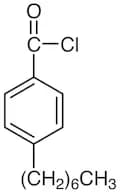
CAS:<p>4-Bromo-3-nitroacetophenone is a potent anticancer agent that has been shown to inhibit cancer cell growth by inhibiting the activity of dehydrogenase enzymes. It has been shown to be active against g1 phase cells, which are cells in the phase of cell cycle before mitosis. 4-Bromo-3-nitroacetophenone also has anti-inflammatory effects and can cross the blood brain barrier due to its hydrogen bond formation. This drug is selectively toxic to cancer cells while sparing healthy tissues and has been shown to be effective in treating inflammatory diseases, such as arthritis, by decreasing the production of proinflammatory cytokines.</p>Formula:C8H6BrNO3Purity:Min. 95%Color and Shape:Yellow To Light (Or Pale) Yellow SolidMolecular weight:244.04 g/mol4-Heptylbenzoyl Chloride
CAS:Formula:C14H19ClOPurity:>98.0%(T)Color and Shape:Colorless to Yellow clear liquidMolecular weight:238.763-(2-Methoxyphenyl)propionic Acid
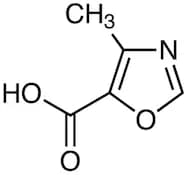
CAS:Formula:C10H12O3Purity:>98.0%(GC)(T)Color and Shape:White to Almost white powder to crystalMolecular weight:180.204-Methyloxazole-5-carboxylic Acid
CAS:Formula:C5H5NO3Purity:>98.0%(T)Color and Shape:White to Gray to Brown powder to crystalMolecular weight:127.103-Bromo-4-nitrobenzoic acid
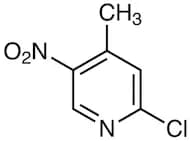
CAS:<p>3-Bromo-4-nitrobenzoic acid is a chemical compound with the molecular formula CHBrNO2. It is a versatile building block that can be used in the synthesis of many different compounds. 3-Bromo-4-nitrobenzoic acid is a white crystalline solid that is soluble in water, ethanol, and ether. It reacts with many substances to produce other useful compounds. It can also be used as a reagent for the detection of proteins or nucleic acids. This product has been shown to be an effective intermediate in organic reactions and has been used as a scaffold in the synthesis of complex molecules such as natural products, pharmaceuticals, and agrochemicals.</p>Formula:C7H4BrNO4Purity:Min. 95%Color and Shape:PowderMolecular weight:246.02 g/mol2-Chloro-4-methyl-5-nitropyridine
CAS:Formula:C6H5ClN2O2Purity:>98.0%(GC)Color and Shape:White or Colorless to Light yellow to Green powder to lump to clear liquidMolecular weight:172.573,5-Dimethoxy-4-hydroxybenzoic acid methyl ester
CAS:<p>3,5-Dimethoxy-4-hydroxybenzoic acid methyl ester (DMHBME) is a natural compound that has been shown to have high redox potential values and chemical stability. This compound is an inhibitor of p-hydroxylases and has been shown to inhibit human serum laccase activity. DMHBME also inhibits polymerase chain reactions in the presence of DNA templates, which may be due to its ability to bind to the enzyme at the active site. DMHBME is a potent antimicrobial agent that can be used as a fungicide or preservative in food products. It is also effective against bacteria such as Staphylococcus aureus, Clostridium perfringens, Escherichia coli, and Mycobacterium tuberculosis.</p>Formula:C10H12O5Purity:Min. 95%Color and Shape:White PowderMolecular weight:212.2 g/mol2-Amino-3-fluorobenzoic acid methyl ester
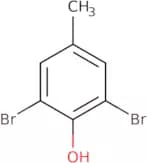
CAS:<p>2-Amino-3-fluorobenzoic acid methyl ester (2AFBME) is an antibacterial agent that inhibits bacterial protein synthesis by binding to ribosomes and inhibiting the release of amino acids during translation. 2AFBME has been shown to have antibacterial activity against aureus, streptococcus, and staphylococcus strains in laboratory tests. The clinical development of 2AFBME has not yet been completed.</p>Formula:C8H8FNO2Purity:Min. 95%Color and Shape:Yellow PowderMolecular weight:169.15 g/mol3,5-Dibromo-4-hydroxytoluene
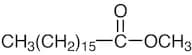
CAS:<p>3,5-Dibromo-4-hydroxytoluene (DBHT) is a brominated aromatic hydrocarbon. It has been shown to be an efficient debrominating agent for bromophenols and chloride, which are two major environmental pollutants. DBHT can also catalyze the conversion of styrene to benzene and acetic acid in the presence of hydrogen, as well as methylating styrene. This chemical is an effective catalyst for the formation of metabolic intermediates and crystal x-ray diffraction studies have shown that DBHT is a good substrate for enzyme activity.</p>Formula:C7H6Br2OPurity:Min. 95%Color and Shape:White To Yellow To Light Brown SolidMolecular weight:265.93 g/molMethyl Heptadecanoate
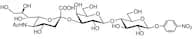
CAS:Formula:C18H36O2Purity:>98.0%(GC)Color and Shape:White or Colorless to Light yellow powder to lump to clear liquidMolecular weight:284.48Neu5Acα(2-3)Galβ(1-4)Glc-β-pNP
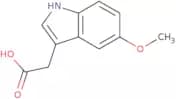
CAS:Formula:C29H42N2O21Purity:>97.0%(HPLC)Color and Shape:White to Light yellow to Green powder to crystalineMolecular weight:754.655-Methoxyindole-3-acetic acid
CAS:<p>5-Methoxyindole-3-acetic acid (5MI) is an endogenous indole and metabolite of melatonin that is found in high concentrations in the human serum. 5MI has been shown to inhibit the activity of cyclase enzymes and may be a specific inhibitor of the type I form of estrone sulfate, which is involved in estrogen production. This agent also inhibits matrix metalloproteinases and aminotransferases, which are enzymes that play a role in oxidative injury. 5MI also has a fluorescent derivative that can be used as a probe for biological samples or to study the target enzyme.</p>Formula:C11H11NO3Purity:Min. 97.5 Area-%Color and Shape:PowderMolecular weight:205.21 g/molNicotinamide N-Oxide
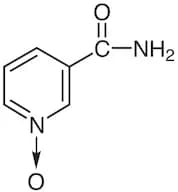
CAS:Formula:C6H6N2O2Purity:>98.0%(T)Color and Shape:White to Light yellow powder to crystalMolecular weight:138.133-Chloro-N,N-diethylpropan-1-amine
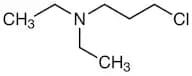
CAS:Formula:C7H16ClNPurity:>98.0%(GC)(T)Color and Shape:Colorless to Almost colorless clear liquidMolecular weight:149.66Galβ(1-3)[Neu5Acα(2-6)]GalNAc-β-pNP
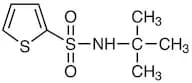
CAS:Formula:C31H45N3O21Purity:min. 97.0 area%(HPLC)Color and Shape:White to Light yellow to Green powder to crystalMolecular weight:795.70N-tert-Butyl-2-thiophenesulfonamide
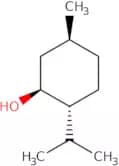
CAS:Formula:C8H13NO2S2Purity:>98.0%(GC)Color and Shape:White to Almost white powder to crystalMolecular weight:219.32(1S,2R,5S)-(+)-Menthol
CAS:<p>(1S,2R,5S)-(+)-Menthol is a pharmacological agent that has been shown to have anti-inflammatory activity. It inhibits prostaglandin synthesis by competitively blocking cyclooxygenase-1 and cyclooxygenase-2. (1S,2R,5S)-(+)-Menthol has also been shown to have x-ray crystal structures of the complex with sodium citrate in solution. These structures provide information about how menthol reacts with sodium citrate and water vapor for its reaction mechanism. The thermodynamic data for this process are also available. Menthol was found to be most effective when used in cell lysis experiments at a concentration of 1.0 mM and at room temperature. This compound is a white crystalline solid that is soluble in ethanol or chloroform but insoluble in water.</p>Formula:C10H20OPurity:Min. 98%Color and Shape:White PowderMolecular weight:156.27 g/mol3'-Iodoacetophenone
CAS:<p>3'-Iodoacetophenone is a synthetic analog of o-chloroaniline. 3'-Iodoacetophenone is used as a reagent for the kinetic study of anions and hydrogenated derivatives. It is also used in the palladium-catalyzed coupling of monobenzyl phenols to form phenol nucleophiles. The synthesis of 3'-iodoacetophenone starts with the dehydration of 2,6-dichloroaniline with phosphorous pentachloride and subsequent reaction with iodine in acetic acid.</p>Formula:C8H7IOPurity:Min. 95%Color and Shape:Off-White Clear LiquidMolecular weight:246.05 g/mol4-Hydroxy-2-iodobenzaldehyde
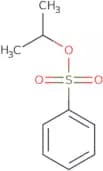
CAS:<p>4-Hydroxy-2-iodobenzaldehyde is a high quality chemical that belongs to the group of complex compounds. It has been shown to be a useful intermediate, fine chemical, and speciality chemical. It can also be used as a reaction component in the synthesis of other chemicals and is an important building block for making other compounds. 4-Hydoxy-2-iodobenzaldehyde is versatile and can be used in many different reactions.</p>Formula:C7H5IO2Purity:Min. 98 Area-%Molecular weight:248.02 g/molIsopropyl benzenesulfonate
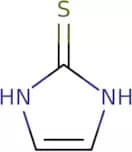
CAS:<p>Isopropyl benzenesulfonate is an ester compound that reacts with the chlorine atom to produce a sulfonic acid. It has antimicrobial properties and is used in the production of quinoline derivatives, which are aliphatic hydrocarbons that have been found to be effective in the treatment of cancer. Isopropyl benzenesulfonate also has potential as a cross-linking agent for ester compounds, due to its ability to react with both aromatic hydrocarbons and radiation. It can be synthesized by reacting a phase liquid chromatography solution with hydroxyl group or patterning with a solid catalyst. Isopropyl benzenesulfonate has carbonyl groups that are reactive with other chemicals and may be used as a reagent for storing reactive substances.</p>Formula:C9H12O3SPurity:Min. 95%Color and Shape:Colorless Clear LiquidMolecular weight:200.26 g/mol2-Mercapto-1H-imidazole
CAS:<p>2-Mercapto-1H-imidazole is an irreversible inhibitor of xanthine oxidase. It binds to the nitrogen atoms of the enzyme's active site and forms a strong hydrogen bond with the oxygen atom of the xanthine substrate. The steric interactions between 2-mercapto-1H-imidazole and the substrate prevent binding and catalysis. The crystal structures of 2-mercapto-1H-imidazole in complex with xanthine oxidase have been determined using X-ray crystallography. FTIR spectroscopy has shown that 2-mercapto-1H-imidazole coordinates in a geometry similar to that of the reactant, hydrochloric acid. Electrochemical impedance spectroscopy (EIS) has revealed that proton transfer takes place when 2-mercapto-1H imidazole binds to xanthine oxidase, which is consistent with reaction mechanism involving elect</p>Formula:C3H4N2SPurity:Min. 95%Color and Shape:PowderMolecular weight:100.14 g/molFmoc-D-Asp(OtBu)-Opfp
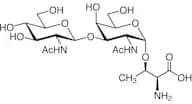
CAS:<p>Fmoc-D-Asp(OtBu)-Opfp is a high quality, complex compound that is used as a building block for the synthesis of various drugs and pharmaceuticals. It has been shown to be an excellent reaction component in the synthesis of various drugs and pharmaceuticals. The versatility of this chemical makes it a useful scaffold for generating complex molecules. It has been shown to be a useful intermediate for the synthesis of peptides, oligonucleotides, and small organic molecules. Fmoc-D-Asp(OtBu)-Opfp can also be used as a reagent in biochemical research.<br>Fmoc-D-Asp(OtBu)-Opfp can be synthesized by reacting 2-(2'-aminoethoxy)propionic acid with N,N'-dimethylformamide dimethyl acetal in the presence of sodium hydride at 0°C. This reaction produces an amide bond between the N termin</p>Formula:C29H24NO6F5Purity:Min. 95%Color and Shape:PowderMolecular weight:577.5 g/molGlcNAcβ(1-3)GalNAc-α-Thr
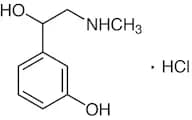
CAS:Formula:C20H35N3O13Purity:>97.0%(HPLC)Color and Shape:White to Almost white powder to crystalMolecular weight:525.51DL-Phenylephrine Hydrochloride
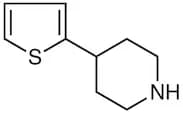
CAS:Formula:C9H13NO2·HClPurity:>98.0%(T)(HPLC)Color and Shape:White to Almost white powder to crystalMolecular weight:203.674-(2-Thienyl)piperidine
CAS:Formula:C9H13NSPurity:>98.0%(GC)Color and Shape:Light yellow to Brown powder to lumpMolecular weight:167.272-Methyl-5-nitroimidazole-1-propanol
CAS:<p>2-Methyl-5-nitroimidazole-1-propanol (2MI) is a matrix effect correction reagent that can be used to reconstitute the original concentrations of drugs in plasma and urine samples. It is also used for sample preparation, validation and quality control. 2MI has been shown to bind with cervical cancer cells, which may be due to its ability to bind with drug receptors on the surface of these cells. A liquid chromatography-mass spectrometry (LC-MS/MS) method was developed to measure 2MI in plasma and urine samples. The method was validated using test samples and showed good agreement with the target concentration.</p>Formula:C7H11N3O3Purity:Min. 95%Color and Shape:PowderMolecular weight:185.18 g/mol1-(1,2,3,6-Tetrahydro-4-pyridyl)-2-benzimidazolinone
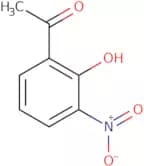
CAS:Formula:C12H13N3OPurity:>97.0%(HPLC)Color and Shape:Light orange to Yellow to Green powder to crystalMolecular weight:215.262-Hydroxy-3-nitroacetophenone
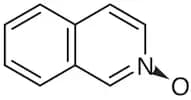
CAS:<p>2-Hydroxy-3-nitroacetophenone is an inorganic compound that belongs to the group of metal salts. It is a synthetic, directional, and oriented molecule with four stereogenic centers. 2-Hydoxy-3-nitroacetophenone can be synthesized by the reaction of azide with chromene and cyanoformate. The product has been used in the synthesis of other compounds, such as phosphorus oxychloride, nitrohydroxyacetophenone, hydrogenation reaction, and inorganic bases. The product has also shown cytotoxic activity against cancer cells. This may be due to its ability to inhibit DNA synthesis or cell division by binding to the enzyme topoisomerase II. It can also bind to nucleic acids and react with oxygen radicals in a manner similar to O2-.</p>Formula:C8H7NO4Purity:Min. 95%Color and Shape:PowderMolecular weight:181.15 g/molIsoquinoline N-Oxide
CAS:Formula:C9H7NOPurity:>98.0%(T)(qNMR)Color and Shape:Light yellow to Yellow to Orange powder to crystalMolecular weight:145.167-Aminoquinoline
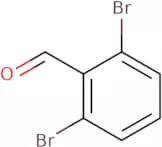
CAS:<p>7-Aminoquinoline is a nucleophilic compound that is involved in the catalysis of bond cleavage. It has been shown to react with organic molecules and produce an oxygenative interaction. 7-Aminoquinoline has been shown to produce anti-inflammatory properties by inhibiting prostaglandin synthesis, which occurs through the inhibition of cyclooxygenase activity.</p>Formula:C9H8N2Purity:Min. 95%Color and Shape:Yellow PowderMolecular weight:144.17 g/mol2,6-Dibromobenzaldehyde
CAS:<p>2,6-Dibromobenzaldehyde is an imidazole derivative that has been shown to be a potent inhibitor of tyrosine kinase. It has been shown to inhibit the replication of virus type-1 and is effective in the treatment of pain models. 2,6-Dibromobenzaldehyde also inhibits the activity of enzymes, such as phosphodiesterases and protein kinases. This compound has shown promising results in animal studies for the treatment of human immunodeficiency virus type 1 (HIV-1) infection. The pharmacokinetic properties of 2,6-dibromobenzaldehyde have been studied in rats and dogs with oral administration and found to be linear and rapid with high bioavailability.</p>Formula:C7H4Br2OPurity:Min. 95%Color and Shape:PowderMolecular weight:263.91 g/mol2,6-Diacetylpyridine
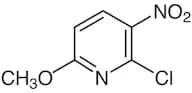
CAS:<p>2,6-Diacetylpyridine is a chelate ligand that has significant cytotoxicity. It binds to nitrogen atoms and can form stable complexes with metals. The compound also has genotoxic activity that is shown through the formation of high values in plasma mass spectrometry. 2,6-Diacetylpyridine has been used as an antimicrobial agent, where it inhibits bacterial growth by binding to DNA and RNA. This compound also binds to the enzyme thymidylate synthase and inhibits its activity, which may be due to its coordination geometry. 2,6-Diacetylpyridine has been shown to have biological properties such as being able to inhibit cell proliferation and induce apoptosis in cell cultures.</p>Formula:C9H9NO2Purity:Min. 98 Area-%Color and Shape:White PowderMolecular weight:163.17 g/mol2-Chloro-6-methoxy-3-nitropyridine
CAS:Formula:C6H5ClN2O3Purity:>98.0%(GC)Color and Shape:Light yellow to Yellow to Green powder to crystalMolecular weight:188.57Fmoc-Pro-Pro-Gly-OH
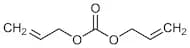
<p>Fmoc-Pro-Pro-Gly-OH is an activating reagent that has been used in the synthesis of peptides with a C-terminal carboxyl group. It is typically used as a chloroformate ester and reacts with amino groups to form amide bonds. The activation of this reagent can be performed either by reaction with isobutyl or by reaction with piperidine. This product may also be used for the synthesis of tripeptides, pentafluorophenyl esters, and mimetic peptides. Fmoc-Pro-Pro-Gly-OH is typically purified by trituration, followed by evaporation in vacuum and then recrystallization from methanol or ethanol.</p>Formula:C27H29N3O6Purity:Min. 95%Color and Shape:PowderMolecular weight:491.54 g/molDiallyl Carbonate
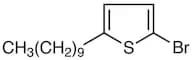
CAS:Formula:C7H10O3Purity:>98.0%(GC)Color and Shape:Colorless to Light yellow clear liquidMolecular weight:142.152-Bromo-5-decylthiophene
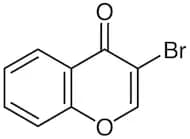
CAS:Formula:C14H23BrSPurity:>97.0%(GC)Color and Shape:White - Yellow LiquidMolecular weight:303.303-Bromochromone
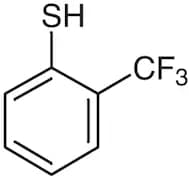
CAS:Formula:C9H5BrO2Purity:>98.0%(GC)Color and Shape:White to Orange to Green powder to crystalMolecular weight:225.042-(Trifluoromethyl)benzenethiol
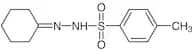
CAS:Formula:C7H5F3SPurity:>97.0%(GC)(T)Color and Shape:Colorless to Light yellow to Light orange clear liquidMolecular weight:178.17Cyclohexanone p-Toluenesulfonylhydrazone
CAS:Formula:C13H18N2O2SPurity:>98.0%(T)(HPLC)Color and Shape:White to Light yellow to Light orange powder to crystalMolecular weight:266.362,6-Dibromopyridine
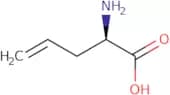
CAS:<p>2,6-Dibromopyridine (2,6-DBP) is a chemical compound that has been used in the synthesis of other organic compounds. It is an aromatic heterocycle with nitrogen atoms at the 2 and 6 positions. 2,6-DBP is a monosubstituted pyridine derivative that undergoes a palladium-catalyzed coupling reaction with an aryl halide to form pyrazoles. This process can be done unsymmetrically by protonating the 2 position of the dibromopyridine molecule. The presence of serine protease has been shown to promote this reaction by increasing the surface area of the substrate.</p>Formula:C5H3Br2NPurity:Min. 98 Area-%Color and Shape:Off-White Yellow PowderMolecular weight:236.89 g/molD-Allylglycine
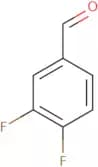
CAS:<p>D-Allylglycine is a l-amino acid with the chemical formula of CH2CH(CH3)COOH. D-Allylglycine binds to the N-methyl-D-aspartate (NMDA) receptor and has been shown in animal studies to have effects on blood pressure, although its clinical relevance remains unclear. It is an enantiopure compound and can be obtained as a trifluoroacetate salt or ethyl diazoacetate ester hydrochloride. D-Allylglycine is also an aminoglycoside and ester hydrochloride that can be used for the treatment of bacterial infections. The amino group in D-allylglycine binds to glutamate receptors, which are found on neurons, and inhibits the release of gamma-aminobutyric acid (GABA). This drug may also have potential as a serotonergic agent due to its ability to inhibit serotonin re</p>Formula:C5H9NO2Purity:Min. 95%Color and Shape:White PowderMolecular weight:115.13 g/mol3,4-Difluorobenzaldehyde
CAS:<p>3,4-Difluorobenzaldehyde is a chemical inhibitor that has been shown to be effective in the treatment of cancer. It inhibits the activity of an enzyme called tyrosine kinase by reacting with its functional group, leading to decreased production of growth factors and cell proliferation. 3,4-Difluorobenzaldehyde has been shown to have a high reaction yield in animal health studies, and it can be used as a drug for treating carcinoma cells. This compound also has strong liquid crystal properties and can be used as a component of diphenyl ether molecules. 3,4-Difluorobenzaldehyde is metabolized by the liver or excreted through urine. The pharmacokinetic properties of this compound are similar to those of other drugs that are metabolized by humans.</p>Formula:C7H4F2OPurity:Min. 95%Color and Shape:Colorless Clear LiquidMolecular weight:142.1 g/mol5,6-Diaminobenzimidazole dihydrochloride
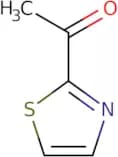
CAS:<p>Please enquire for more information about 5,6-Diaminobenzimidazole dihydrochloride including the price, delivery time and more detailed product information at the technical inquiry form on this page</p>Formula:C7H10Cl2N4Purity:Min. 95%Color and Shape:Off-white to pale brown solid.Molecular weight:221.09 g/mol2-Acetylthiazole
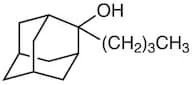
CAS:<p>2-Acetylthiazole is a heterocyclic compound that is a derivative of thiazole. It is used in the production of dyes, pharmaceuticals and other organic compounds. 2-Acetylthiazole can be synthesized by reacting glyoxal with an acid chloride or carboxylic acid to form the corresponding sulfonyl chloride, which can then be reacted with sodium acetate in ethanol to produce 2-acetylthiazole. This reaction was found to proceed efficiently at room temperature and without the need for strong acids or bases. The product has been shown to have anticancer activity in model systems, with carbonyl groups being suggested as a possible mechanism of action.<br>2-Acetylthiazole is also an intermediate in the synthesis of many other organic compounds and has been shown to react with d-arabinose, producing d-ribofuranose and water.</p>Formula:C5H5NOSPurity:Min. 95%Color and Shape:Colorless Clear LiquidMolecular weight:127.17 g/mol2-Butyl-2-adamantanol
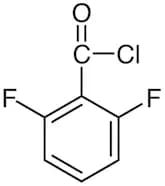
CAS:Formula:C14H24OPurity:>98.0%(GC)Color and Shape:White to Almost white powder to crystalMolecular weight:208.352,6-Difluorobenzoyl Chloride
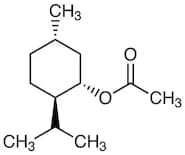
CAS:Formula:C7H3ClF2OPurity:>97.0%(GC)(T)Color and Shape:Colorless to Light orange to Yellow clear liquidMolecular weight:176.55(+)-Menthyl Acetate
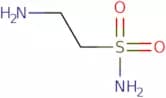
CAS:Formula:C12H22O2Purity:>98.0%(GC)Color and Shape:Colorless to Almost colorless clear liquidMolecular weight:198.312-Aminoethanesulfonamide
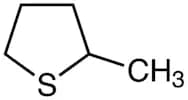
CAS:<p>2-Aminoethanesulfonamide is a drug that has been shown to have biological properties. It is used for the treatment of bowel disease and has been shown to be effective in treating some cases of congestive heart failure. 2-Aminoethanesulfonamide interacts with drugs such as sodium citrate and dextran sulfate, which can lead to drug interactions. It also inhibits the enzyme activities in bone cancer cells, which may contribute to its anticancer effects. This drug has been shown to have anti-inflammatory properties and may be beneficial in treating inflammatory bowel disease (IBD).</p>Formula:C2H8N2O2SPurity:Min. 95%Color and Shape:Off-White PowderMolecular weight:124.16 g/mol2-Methyltetrahydrothiophene
CAS:Formula:C5H10SPurity:>98.0%(GC)Color and Shape:Colorless to Light yellow to Light orange clear liquidMolecular weight:102.203-Methylpyridine
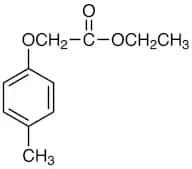
CAS:<p>3-Methylpyridine is a compound that can be used in the treatment of wastewater. It has been shown to have high adsorption capacity for malonic acid and a Langmuir adsorption isotherm with high values. 3-Methylpyridine is stable in acidic conditions and has been shown to efficiently remove nitrogen from wastewater. The coordination geometry of 3-methylpyridine is octahedral, which makes it capable of removing hydrogen fluoride from wastewater. This compound also has the ability to transfer reactions and can be used for titration calorimetry.</p>Formula:C6H7NPurity:Min. 95%Color and Shape:Colorless Clear LiquidMolecular weight:93.13 g/molEthyl (4-Methylphenoxy)acetate
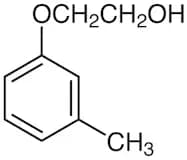
CAS:Formula:C11H14O3Purity:>97.0%(GC)Color and Shape:Colorless to Light yellow clear liquidMolecular weight:194.23Ethylene Glycol Mono-m-tolyl Ether
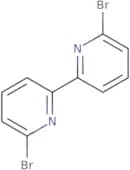
CAS:Formula:C9H12O2Purity:>98.0%(GC)Color and Shape:Colorless to Almost colorless clear liquidMolecular weight:152.196,6'-Dibromo-2,2'-bipyridine
CAS:<p>6,6'-Dibromo-2,2'-bipyridine is a synthetic molecule that is used to produce amines. It can be synthesized in a cross-coupling reaction involving the reaction of an amine with bromine and a palladium catalyst. 6,6'-Dibromo-2,2'-bipyridine reacts with formaldehyde to form 2,4-diaminobiphenyls. This reaction is catalyzed by acid or base. 6,6'-Dibromo-2,2'-bipyridine has been shown to be reactive and photoexcited. Its photophysical properties make it a useful synthetic intermediate for the production of amines.</p>Formula:C10H6Br2N2Purity:Min. 95%Color and Shape:PowderMolecular weight:313.98 g/molDL-Homocysteine
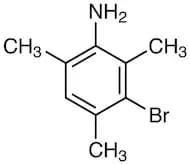
CAS:<p>DL-Homocysteine is a sulfur-containing amino acid that is essential for the synthesis of methionine, and is an intermediate in the metabolism of L-methionine. DL-homocysteine has been shown to cause cardiac infarction in rats by inhibiting mitochondrial functions. This amino acid also inhibits the activity of enzymes that regulate homocysteine levels, such as cystathione beta-synthase and cystathione gamma-lyase. DL-homocysteine can be used as a fluorescent probe for detecting proteins involved in apoptosis. It also has proapoptotic effects on cells, causing them to undergo apoptosis.</p>Formula:C4H9NO2SPurity:Min. 95%Color and Shape:PowderMolecular weight:135.19 g/mol3-Bromo-2,4,6-trimethylaniline
CAS:Formula:C9H12BrNPurity:>98.0%(GC)(T)Color and Shape:White to Light yellow to Light orange powder to crystalMolecular weight:214.111,4-Diazabicyclo[3.2.2]nonane
CAS:<p>Diazepam (also known as Valium) is a benzodiazepine drug used to treat anxiety disorders, muscle spasms, alcohol withdrawal symptoms, and other conditions. Diazepam is a tranquilizer that works by slowing down the activity of the central nervous system. It may also be used to control seizures, prevent certain types of muscle spasms, treat insomnia and relieve anxiety before surgery. Diazepam has been shown to have an affinity for nicotinic acetylcholine receptors in rat brains. This drug can work by blocking these receptors and preventing the transmission of impulses between neurons. Diazepam is marketed in many countries as an anxiolytic agent under trade names such as Valium and Librium. The clinical use of diazepam should be limited because it has been shown to cause birth defects in animal studies when given at high doses or during pregnancy.</p>Formula:C7H14N2Purity:Min. 95%Color and Shape:White PowderMolecular weight:126.2 g/mol2-[1,2,4]Triazol-1-yl-benzylamine
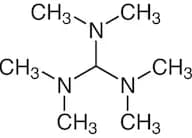
CAS:<p>2-[1,2,4]Triazol-1-yl-benzylamine is a chemical compound that has been shown to be an excellent reagent in organic synthesis. It is also used as a building block for the synthesis of compounds related to pharmaceuticals, pesticides and other speciality chemicals. 2-[1,2,4]Triazol-1-yl-benzylamine is a versatile intermediate that can be used in the synthesis of complex compounds with good yields and high purity.</p>Formula:C9H10N4Purity:Min. 95%Color and Shape:PowderMolecular weight:174.2 g/molTris(dimethylamino)methane (stabilized with KOH)
CAS:Formula:C7H19N3Purity:>97.0%(T)Color and Shape:Colorless to Light yellow clear liquid to cloudy liquidMolecular weight:145.252-(4-Methoxyphenyl)ethanol
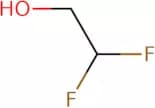
CAS:<p>2-(4-Methoxyphenyl)ethanol is a chemical compound that can be synthesized in an efficient method. It is a by-product of the reaction of fatty acids with hydroxyl compounds and has been shown to have synergistic effects when combined with chloride. 2-(4-Methoxyphenyl)ethanol is used as a synthetic intermediate for the production of methyl anthranilate, which is an important industrial chemical that is used as a flavor and fragrance additive. 2-(4-Methoxyphenyl)ethanol also has eugenol as one of its cleavage products, which can be found in plants such as clove oil, cinnamon bark, and nutmeg.</p>Formula:C9H12O2Purity:Min. 98%Color and Shape:White PowderMolecular weight:152.19 g/mol2,2-Difluoroethanol
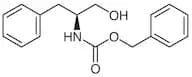
CAS:<p>2,2-Difluoroethanol is a chemical compound with the molecular formula C2H4F2O. It is a colorless liquid that has a distinctive odor and is highly flammable. 2,2-Difluoroethanol reacts in an electrophilic substitution reaction to replace chlorine atoms with hydrogen atoms from the ethyl formate molecule. This reaction can be described by the following equation:</p>Formula:C2H4OF2Purity:Min. 95%Color and Shape:PowderMolecular weight:82.05 g/molN-Carbobenzoxy-L-phenylalaninol
CAS:Formula:C17H19NO3Purity:>98.0%(HPLC)Color and Shape:White to Almost white powder to crystalMolecular weight:285.348-Bromo-1-octene
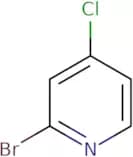
CAS:<p>8-Bromo-1-octene is a biologically active molecule that is an aliphatic hydrocarbon with a hydroxyl group. It is used in the study of growth factors and viruses, and has been shown to inhibit the growth of cells in tissue cultures. 8-Bromo-1-octene has also been shown to inhibit RNA synthesis and protein synthesis in vitro, as well as the growth of recombinant virus. 8-Bromo-1-octene can be synthesized by reacting 6-bromo-1-hexene with hydrogen bromide, or can be obtained from commercially available sources.</p>Formula:C8H15BrPurity:Min. 95%Color and Shape:Colorless Slightly Yellow Clear LiquidMolecular weight:191.11 g/mol2-Bromo-4-chloropyridine
CAS:<p>2-Bromo-4-chloropyridine is a 4-chloropyridine derivative with the chemical structure of a heterocyclic amine. It has been synthesised as an analog of 2,4,6-trimethylaniline to explore its pharmacological effect. 2-Bromo-4-chloropyridine has been shown to have a bladder carcinogenic effect in animals. The compound was evaluated for its potential to cause bladder cancer in humans by determining the concentration of the compound in human urine following oral administration and by measuring the frequency of bladder tumors in rats. It has also been found that 2-bromo-4-chloropyridine inhibits serotonin receptors (5HT2C) and dopamine receptors (D2).</p>Formula:C5H3BrCINPurity:Min. 95%Color and Shape:Off-White To Yellow Solid Or Liquid (May Vary)Molecular weight:192.44 g/mol4,6-Dichloro-2-methylpyrimidine
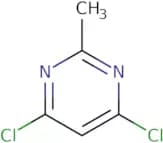
CAS:<p>2-Chloro-6-methylaniline is a synthetic compound that has been used in the synthesis of medicines, such as dasatinib. It is a nucleophile that binds to the receptor site on cells and blocks the binding of natural hormones. It is also an inhibitor of certain enzymes, including RNA polymerase and protein kinase. 2-Chloro-6-methylaniline is industrially produced by reacting sodium chloride with chlorosulfonic acid or hydrochloric acid in an autoclave at a temperature of 180 °C for three hours. The product can be purified by adding magnesium oxide and activated with hydrochloric acid to form 2-chloro-6-methylpyrimidine. The main impurities are 4,6-dichloro2 methylpyrimidine and 6,8 dichloro2 methylpyrimidine.</p>Formula:C5H4Cl2N2Purity:Min. 95%Color and Shape:White To Yellow SolidMolecular weight:163 g/mol2-(2-Bromo-1,1,2,2-tetrafluoroethoxy)-1,1,1,2,3,3-hexafluoro-3-(pentafluoroethoxy)propane
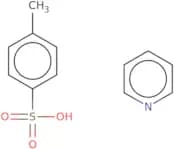
CAS:Formula:C7BrF15O2Purity:>98.0%(GC)Color and Shape:Colorless to Almost colorless clear liquidMolecular weight:480.96Pyridinium p-Toluenesulfonate
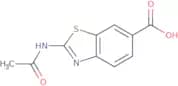
CAS:<p>Pyridinium p-toluenesulfonate is a reagent that can be used in the reduction of chloride to produce chloride ions. This process is called desulfurization. Pyridinium p-toluenesulfonate also reacts with cyclodepsipeptides, and can be used to recrystallize them. The main use for this reagent is in organic synthesis, where it can be used as an acid catalyst to synthesize polyene compounds or as a stereoselective agent for the preparation of dye cations.</p>Formula:C7H8O3S·C5H5NPurity:Min. 95%Color and Shape:White PowderMolecular weight:251.3 g/mol2-(Acetylamino)-1,3-benzothiazole-6-carboxylic acid
CAS:<p>2-(Acetylamino)-1,3-benzothiazole-6-carboxylic acid is a chemical intermediate that is used in organic synthesis as a reagent for the preparation of other compounds. It is a versatile building block and useful scaffold for the preparation of complex compounds. This compound can be used as a reaction component for research chemicals and speciality chemicals.</p>Formula:C10H8N2O3SPurity:Min. 95%Color and Shape:PowderMolecular weight:236.25 g/mol5-Bromo-1-pentene
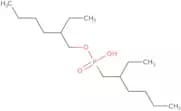
CAS:<p>5-Bromo-1-pentene (5BP) is an antitumoral drug that has potent inhibitory activity against the t-cell leukemia cell line and other tumor cells. 5BP is an organoborane ester with a bromine atom at the 1-position. It is synthesized by reacting trifluoroacetic acid with a hydrohalic acid such as hydrochloric acid, or with a metal halide such as sodium carbonate, followed by reaction with dimethyl formamide and n-dimethylformamide. The 5BP molecule has a coordination geometry of octahedral and its structure consists of three hydrogen atoms, two methyl groups, one hydroxyl group, and one unsaturated alkyl group. The mechanism of action of 5BP is still unclear. The inhibition of protein synthesis may be due to the steric hindrance caused by the bulky bromine atom at the 1 position on the benzene ring.</p>Formula:C5H9BrPurity:Min. 95%Color and Shape:Colorless Clear LiquidMolecular weight:149.03 g/mol2-Ethylhexylphosphonic acid mono-2-ethylhexyl ester
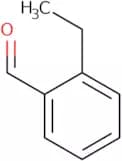
CAS:<p>Sodium carbonate is a chemical compound that is used as an alkaline substance in the laboratory. It is also used in the manufacture of detergents, glass, and textiles. Sodium carbonate has been shown to be an extractant for 2-ethylhexylphosphonic acid mono-2-ethylhexyl ester. It has been shown to react with acidic sodium salts to form a copper complex and adsorb onto the surface of hydrochloric acid at high concentrations. The Langmuir adsorption isotherm shows that 2-ethylhexylphosphonic acid mono-2-ethylhexyl ester has an optimum concentration at around 3 milliliters per gram, with a kinetic data of 4.74 x 10^4 mL/g/sec. The kinetic data also indicates that this reaction proceeds via a Langmuir adsorption mechanism.</p>Formula:C16H35O3PPurity:Min. 95%Color and Shape:Clear LiquidMolecular weight:306.42 g/mol2-Ethylbenzaldehyde
CAS:<p>2-Ethylbenzaldehyde is a colorless volatile liquid that has an odor similar to that of cloves. 2-Ethylbenzaldehyde can be found in the essential oil of nutmeg and other spices, such as cinnamon. It is used in the chemical industry as a control agent for analytical methods, such as the spectrometric determination of ether linkages. 2-Ethylbenzaldehyde has been shown to inhibit fatty acid production by bacteria and to inhibit lipid peroxidation. It also exhibits anti-inflammatory effects when exposed to cells in vitro. Exposure to 2-ethylbenzaldehyde may cause irritation of the eyes, skin, and respiratory tract, dizziness, headache, nausea and vomiting.<br>2-Ethylbenzaldehyde is generally considered safe for human consumption at low levels; however it may cause adverse health effects if ingested in large quantities or if heated over 400° F (204° Celsius).</p>Formula:C9H10OPurity:Min. 95%Color and Shape:PowderMolecular weight:134.18 g/molEthyl 2-aminothiophene-3-carboxylate
CAS:<p>Ethyl 2-aminothiophene-3-carboxylate is a triazole derivative with anticancer activity. It has been shown to inhibit the adenosine A1 receptor and show anticancer activity in vitro. The drug has also been shown to have potent cytotoxic effects against cancer cells, which may be due to its ability to activate apoptosis in tumor cells through structural modifications that lead to the inhibition of DNA synthesis. This compound has also been shown to be less toxic than other chemotherapeutic drugs, such as thiosemicarbazide and ethylene diamine, and it does not cause red blood cell lysis or hemolysis.</p>Formula:C7H9NO2SPurity:Min. 95%Color and Shape:Slightly Yellow PowderMolecular weight:171.22 g/mol1,10-Undecadiene
CAS:Formula:C11H20Purity:>90.0%(GC)Color and Shape:Colorless to Light yellow clear liquidMolecular weight:152.28










![3-[(tert-Butyldimethylsilyl)oxy]-1-propanol](/_next/image/?url=https%3A%2Fstatic.cymitquimica.com%2Fproducts%2FTR%2Fthumb-webp%2FB691575.webp&w=3840&q=75)











![1,1'-[Biphenyl-4,4'-diylbis(methylene)]bis(4,4'-bipyridinium) Bis(hexafluorophosphate)](/_next/image/?url=https%3A%2Fstatic.cymitquimica.com%2Fproducts%2F3B%2Fthumb-webp%2FB2280.webp&w=3840&q=75)











![Galβ(1-3)[Neu5Acα(2-6)]GalNAc-β-pNP](/_next/image/?url=https%3A%2Fstatic.cymitquimica.com%2Fproducts%2F3B%2Fthumb-webp%2FG0345.webp&w=3840&q=75)












![1,4-Diazabicyclo[3.2.2]nonane](/_next/image/?url=https%3A%2Fstatic.cymitquimica.com%2Fproducts%2F3D%2Fthumb-webp%2FFD07111.webp&w=3840&q=75)
![2-[1,2,4]Triazol-1-yl-benzylamine](/_next/image/?url=https%3A%2Fstatic.cymitquimica.com%2Fproducts%2F3D%2Fthumb-webp%2FFT50933.webp&w=3840&q=75)