Building Blocks
This section contains fundamental products for the synthesis of organic and biological compounds. Building blocks are the essential starting materials used to construct complex molecules through various chemical reactions. They play a critical role in drug discovery, material science, and chemical research. At CymitQuimica, we offer a diverse range of high-quality building blocks to support your innovative research and industrial projects, ensuring you have the essential components for successful synthesis.
Subcategories of "Building Blocks"
- Boronic Acids & Boronic Acid Derivatives(5,756 products)
- Chiral Building Blocks(1,242 products)
- Hydrocarbon Building Blocks(6,095 products)
- Organic Building Blocks(61,038 products)
Found 196817 products of "Building Blocks"
Sort by
Purity (%)
0
100
|
0
|
50
|
90
|
95
|
100
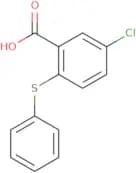
5-Chloro-2-(phenylsulfanyl)benzoic acid
CAS:<p>Versatile small molecule scaffold</p>Formula:C13H9ClO2SPurity:Min. 95%Molecular weight:264.73 g/mol3,3,4,4-Tetramethylazetidin-2-one
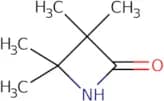
CAS:<p>3,3,4,4-Tetramethylazetidin-2-one is a drug that has been shown to be effective for the treatment of cancer in animal models and human patients. It inhibits the growth of tumor cells by inhibiting DNA synthesis and causing cell death through apoptosis. 3,3,4,4-Tetramethylazetidin-2-one has also been shown to have cardiotoxic effects in animals and humans when administered orally. 3,3,4,4-Tetramethylazetidin-2-one binds to plasma proteins that are found in high concentrations in the heart muscle. This binding may lead to a decrease in cardiac output and an increase in blood pressure. 3,3,4,4-Tetramethylazetidin-2-one is not absorbed into the bloodstream following oral administration and does not accumulate in tissues or organs. The drug is eliminated primarily through the kidneys with a</p>Formula:C7H13NOPurity:Min. 95%Molecular weight:127.18 g/mol1-Phenyl-1H-1,2,4-triazole
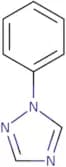
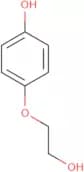
CAS:<p>1-Phenyl-1H-1,2,4-triazole is a chemical compound that is used as a reagent in organic synthesis. It is a colorless to white crystalline solid that has a melting point of 127 °C. 1-Phenyl-1H-1,2,4-triazole exists in two isomers: cis and trans. The cis form is more stable than the trans form and has a melting point of 154 °C. The cis form also has higher boiling point of 275 °C and lower vapor pressure than the trans form. This chemical compound reacts easily with hydroxyalkyl groups and fluorine atoms to produce triketones. It can also react with chlorine or chloride ions to produce triazoles. 1-Phenyl-1H-1,2,4-triazole can be reacted with phenylhydrazine to produce mononuclear compounds.</p>Formula:C8H7N3Purity:Min. 95%Molecular weight:145.17 g/mol4-(2-Hydroxyethoxy)phenol
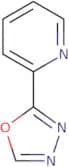
CAS:<p>4-(2-Hydroxyethoxy)phenol is a phenolic ether that has been shown to inhibit the torsion of adenosine. It also stabilizes the skin condition and has a crystal structure with an asymmetric molecule, which is why it can inhibit melanin production. 4-(2-Hydroxyethoxy)phenol has been shown to be effective in treating skin conditions such as hyperpigmentation, melasma, and cutaneous erythema.</p>Formula:C8H10O3Purity:Min. 95%Molecular weight:154.16 g/mol2-(1,3,4-Oxadiazol-2-yl)pyridine
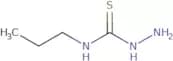
CAS:<p>2-(1,3,4-Oxadiazol-2-yl)pyridine is a compound that has been shown to have anticancer activity. It reacts with carbonyl groups in tissues and may modify the cell membrane by adding or removing functional groups. 2-(1,3,4-Oxadiazol-2-yl)pyridine also interacts with positron emitters and is able to be detected using a positron emission tomography scan. This compound has been found in human ganglia and can interact with acetylcholine receptors. The molecule was expressed in the human brain and changes in its expression levels have been correlated with cognitive function. 2-(1,3,4-Oxadiazol-2-yl)pyridine interacts with cholinergic receptors and has been shown to affect cellular processes such as protein synthesis. Pairwise energy calculations have revealed that this molecule will not bind to other molecules due to steric hindrance.</p>Formula:C7H5N3OPurity:Min. 95%Molecular weight:147.13 g/mol3-Amino-1-propylthiourea
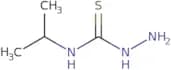
CAS:<p>Versatile small molecule scaffold</p>Formula:C4H11N3SPurity:Min. 95%Molecular weight:133.22 g/mol4-Isopropyl-3-thiosemicarbazide
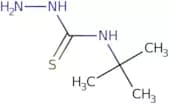
CAS:<p>Versatile small molecule scaffold</p>Formula:C4H11N3SPurity:Min. 95%Molecular weight:133.22 g/mol4-tert-Butyl-3-thiosemicarbazide
CAS:<p>4-tert-Butyl-3-thiosemicarbazide is an imine that binds to cisplatin, a platinum-based anti-cancer drug. It has been shown to be selective for the bladder cancer cells in vitro and in vivo. 4BTTSC has been validated by high performance liquid chromatography (HPLC) and nuclear magnetic resonance (NMR) spectra. The binding of 4BTTSC to cisplatin results in the formation of cisplatin chloride, which can be detected by autofluorescence spectrometry.</p>Formula:C5H13N3SPurity:Min. 95%Molecular weight:147.24 g/mol4-Benzyl-3-thiosemicarbazide
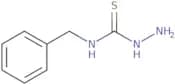
CAS:<p>4-Benzyl-3-thiosemicarbazide is a postulated compound that has been shown to inhibit topoisomerase I and II. The inhibition of these enzymes leads to the prevention of DNA replication, repair, and transcription. 4-Benzyl-3-thiosemicarbazide has also been shown to be an anti-cancer agent by inhibiting the growth of tumor cells in vitro. It is thought that this drug may work by binding to the bidentate ligand on topoisomerase I and II, preventing them from cleaving dsDNA. Alternatively, it may work through an intramolecular hydrogen bond or an intermolecular hydrogen bond with the thiol group on the sulfur atom. <br>4-Benzyl-3-thiosemicarbazide is soluble in water and ethanol but insoluble in ether. It has been shown to have a melting point between 108°C and 111°C, with</p>Formula:C8H11N3SPurity:Min. 95%Molecular weight:181.26 g/molN,N,N',N'-Tetraethylguanidine
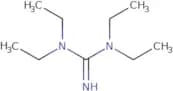
CAS:<p>Base employed in the preparation of alkyl nitriles.</p>Formula:C9H21N3Purity:Min. 95%Molecular weight:171.28 g/mol4-Formyl-1-methylpyridin-1-ium iodide
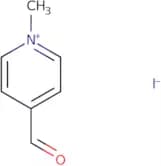
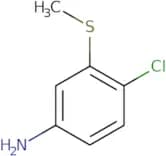
CAS:<p>Versatile small molecule scaffold</p>Formula:C7H8INOPurity:Min. 95%Molecular weight:249.05 g/mol4-Chloro-3-(methylsulfanyl)aniline
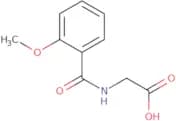
CAS:<p>Versatile small molecule scaffold</p>Formula:C7H8ClNSPurity:Min. 95%Molecular weight:173.66 g/mol(2-Methoxy-benzoylamino)-acetic acid
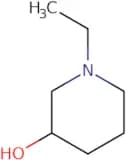
CAS:<p>(2-Methoxy-benzoylamino)-acetic acid is an endogenous metabolite of the drug 2-methoxybenzoic acid. This metabolite is formed in the human liver by oxidation of the benzoic acid moiety at the 2-position, and is found in human urine samples. (2-Methoxy-benzoylamino)-acetic acid has been shown to be a major urinary metabolite of 2-methoxybenzoic acid in humans. The metabolism of this substance has been studied using incubations with rat and human liver microsomes. The metabolites formed were identified by liquid chromatography, and those that could not be identified were characterized by mass spectrometry or nuclear magnetic resonance spectroscopy. The structures of these metabolites were determined using chemical degradation methods, such as gas chromatography/mass spectrometry (GC/MS) or high performance liquid chromatography/mass spectrometry (HPLC/</p>Formula:C10H11NO4Purity:Min. 95%Molecular weight:209.2 g/mol1-Ethyl-3-hydroxypiperidine
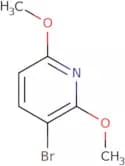
CAS:<p>1-Ethyl-3-hydroxypiperidine (1EHPP) is an alkanolamine that is a product of the metabolic pathway of ring-opening. It was synthesized in high yield by reacting 1,2-diaminobenzene with morpholine and benzyl chloride. The conjugates of 1EHPP were then hydrolyzed to form piperidine, the desired product. 1EHPP can be used for research purposes as it can be injected into animals and then isolated from their homogenates. This molecule has been shown to have gaseous properties due to its linear structure.</p>Formula:C7H15NOPurity:Min. 95%Molecular weight:129.2 g/mol3-Bromo-2,6-dimethoxypyridine
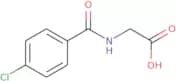
CAS:<p>Versatile small molecule scaffold</p>Formula:C7H8BrNO2Purity:Min. 95%Molecular weight:218.05 g/mol4-Chlorohippuric acid
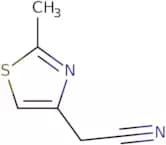
CAS:<p>4-Chlorohippuric acid is an active analogue of hippuric acid and is metabolized by cytochrome P450. It has a high chemical stability, which makes it a useful substrate for kinetic studies. The metabolism of 4-chlorohippuric acid to the corresponding sulfoxide (4-chloro-3'-sulfoxyhippurate) was found to be dependent on the concentration of rat liver microsomes in vitro and plasma concentrations in vivo. 4-Chlorohippuric acid is excreted mainly as hippuric acid in urine samples from humans and animals. Hippuric acid may also be formed by denaturation of 4-chlorohippurate or by hydrolysis of the amide bond between the two chloro groups.</p>Formula:C9H8ClNO3Purity:Min. 95%Molecular weight:213.62 g/mol2-(2-Methyl-1,3-thiazol-4-yl)acetonitrile
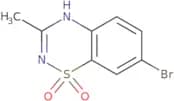
CAS:<p>Versatile small molecule scaffold</p>Formula:C6H6N2SPurity:Min. 95%Molecular weight:138.19 g/mol7-Bromo-3-methyl-4H-1,2,4-benzothiadiazine-1,1-dione
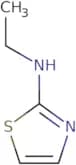
CAS:<p>Versatile small molecule scaffold</p>Formula:C8H7BrN2O2SPurity:Min. 95%Molecular weight:275.12 g/molEthyl-thiazol-2-yl-amine
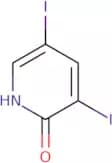
CAS:<p>Ethyl-thiazol-2-yl-amine is an organic compound that has the chemical formula CHN. It is a colorless liquid with a strong, unpleasant odor. This compound is used in the synthesis of urea derivatives and as a reagent for analyses of carbonyl compounds. Ethyl-thiazol-2-yl-amine can be synthesized by reacting ethylamine with trifluoroacetic acid and then adding ethoxycarbonyl isothiocyanate. The reaction mixture is heated to reflux, cyclizing the product into ethyl-thiazol-2-yl-amine.</p>Formula:C5H8N2SPurity:Min. 95%Molecular weight:128.2 g/mol3,5-Diiodopyridin-2-ol
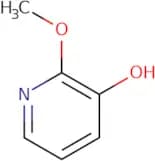
CAS:<p>Versatile small molecule scaffold</p>Formula:C5H3I2NOPurity:Min. 95%Molecular weight:346.89 g/mol2-Methoxypyridin-3-ol
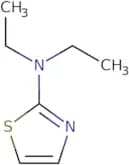
CAS:<p>2-Methoxypyridin-3-ol is a nitro compound that can be used as a lead compound to produce an inhibitor of oxime reductase. It can also be used as a pyridine ring, which is an important functional group in many organic compounds. 2-Methoxypyridin-3-ol has the ability to inhibit the enzyme oxime reductase, which catalyzes the formation of hydroxyl radicals from nitrosating agents and hydroxylamine, leading to their detoxification. This substance has been shown to be efficient in the orientation of nitro groups and ethers.</p>Formula:C6H7NO2Purity:Min. 95%Molecular weight:125.13 g/molN,N-Diethyl-1,3-thiazol-2-amine
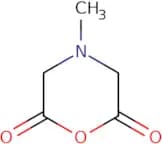
CAS:<p>Versatile small molecule scaffold</p>Formula:C7H12N2SPurity:Min. 95%Molecular weight:156.25 g/mol4-Methylmorpholine-2,6-dione
CAS:<p>4-Methylmorpholine-2,6-dione is a ligand that has been used in the synthesis of boronic acid derivatives. It has also been used to activate boronic acids. 4-Methylmorpholine-2,6-dione can be synthesised by reacting aryl boronic acids with dimethylformamide and acetonitrile in the presence of dehydrogenase and a metal catalyst. The resulting product is then cross-coupled with an amine to form the desired conjugate. 4-Methylmorpholine-2,6-dione is unreactive towards dehydration or morpholine.</p>Formula:C5H7NO3Purity:Min. 95%Molecular weight:129.11 g/mol5H,6H,7H,8H-Pyrazino[2,3-d]pyridazine-5,8-dione
CAS:<p>Versatile small molecule scaffold</p>Formula:C6H4N4O2Purity:Min. 95%Molecular weight:164.12 g/mol2-[(2-Methoxyethoxy)methyl]oxirane
CAS:<p>2-[(2-Methoxyethoxy)methyl]oxirane is a colorless liquid with a high boiling point and viscosity. It has a wide range of industrial applications, such as in metal extraction and purification, organic synthesis, and the production of ethylene oxide and other chemicals. 2-[(2-Methoxyethoxy)methyl]oxirane is used as a solvent for metal salts or other insoluble substances, such as lithium chloride. It can also be used to extract hydrocarbons from oil sands.</p>Formula:C6H12O3Purity:Min. 95%Molecular weight:132.16 g/mol1-(2-Ethoxyethyl)-piperazine
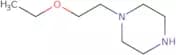
CAS:<p>1-(2-Ethoxyethyl)-piperazine is a chemical compound that has been shown to have affinity for 5-HT1A receptors. It also has potentiation effects on the dopaminergic system and may be used as an antiamnesic drug. 1-(2-Ethoxyethyl)-piperazine is structurally related to piperazine, which is a weak base with pharmacological activities and is used in the production of pharmaceuticals. 1-(2-Ethoxyethyl)-piperazine can be found at nanomolar concentrations in brain tissue and has been shown to have affinity for chloride ions. The affinity values for this molecule are in the range of chlorides, which are involved in neurotransmitter release and transmission.</p>Formula:C8H18N2OPurity:Min. 95%Molecular weight:158.24 g/molTrichloropyrazin-2-amine
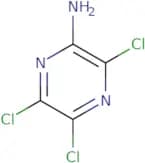
CAS:<p>Trichloropyrazin-2-amine is an inhibitor of bacterial growth, which is active against many microorganisms. It inhibits the enzyme carbonic anhydrase, which is required for the conversion of bicarbonate to carbon dioxide and water in the cytoplasm. This inhibition leads to a decrease in intracellular pH, which causes cell lysis, cell death, and inhibition of growth. Trichloropyrazin-2-amine has shown inhibitory activity against many microorganisms, including Escherichia coli, Bacillus subtilis, Pseudomonas aeruginosa, Staphylococcus aureus, Enterobacter cloacae and Klebsiella pneumoniae. This compound also has been shown to be a cytotoxic agent that can inhibit tumor cell growth in vitro.</p>Formula:C4H2Cl3N3Purity:Min. 95%Molecular weight:198.43 g/mol1-Cyclohexyl-3-methoxypropan-1-one
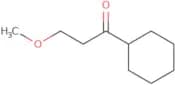
CAS:<p>Versatile small molecule scaffold</p>Formula:C10H18O2Purity:Min. 95%Molecular weight:170.2 g/mol2,4-dichloro-6-methylpyridine-3-carbonitrile
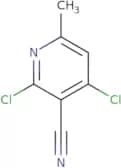
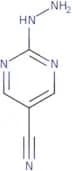
CAS:<p>Versatile small molecule scaffold</p>Formula:C7H4Cl2N2Purity:Min. 95%Molecular weight:187 g/mol2-Hydrazinylpyrimidine-5-carbonitrile
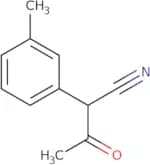
CAS:<p>2-Hydrazinylpyrimidine-5-carbonitrile is an anticancer drug that inhibits cell proliferation by binding to transition metal ions. It has cytostatic activity and is used to treat cancer. 2-Hydrazinylpyrimidine-5-carbonitrile also has antibacterial properties and can be used to treat infections caused by staphylococcus. The drug inhibits bacterial growth by binding to the sulfhydryl groups of enzymes such as methionine adenosyltransferase and acylhydrazone synthase, which are involved in fatty acid synthesis. This inhibition leads to a decrease in the production of fatty acids, thereby leading to bacterial death. 2-Hydrazinylpyrimidine-5-carbonitrile has been shown to have antiplatelet effects and can be immobilized for in vitro anticancer activity studies.</p>Formula:C5H5N5Purity:Min. 95%Molecular weight:135.13 g/mol2-(3-Methylphenyl)-3-oxobutanenitrile
CAS:<p>Versatile small molecule scaffold</p>Formula:C11H11NOPurity:Min. 95%Molecular weight:173.21 g/mol8-Iodooct-1-ene
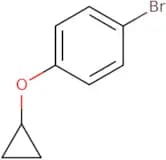
CAS:<p>8-Iodooct-1-ene is a potential precursor in the synthesis of octadiene. It can be synthesized by dehydrating ethylene with magnesium. 8-Iodooct-1-ene is a coproduct of the Grignard reaction, which is used to synthesize an alkene from a vinyl group and a reactive organic halide. The preparation of 8-iodooct-1-ene has been described in detail using techniques such as focusing on chirality and using coproducts to avoid unwanted reactions.</p>Formula:C8H15IPurity:Min. 95%Molecular weight:238.1 g/mol1-Bromo-4-cyclopropoxybenzene
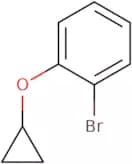
CAS:<p>Versatile small molecule scaffold</p>Formula:C9H9BrOPurity:Min. 95%Molecular weight:213.07 g/mol1-Bromo-2-cyclopropoxybenzene
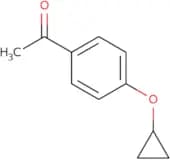
CAS:<p>Versatile small molecule scaffold</p>Formula:C9H9BrOPurity:Min. 95%Molecular weight:213.07 g/mol1-(4-Cyclopropoxyphenyl)ethan-1-one
CAS:<p>1-(4-Cyclopropoxyphenyl)ethan-1-one is a stable, colorless ether. It is used in the acylation of aromatic or aliphatic compounds and has been shown to undergo acylation reactions with nitric acid, sulfuric acid, or phosphoric acid. This compound can also be cleaved with hydrochloric acid to form propionaldehyde.</p>Formula:C11H12O2Purity:Min. 95%Molecular weight:176.21 g/molMethyl 3-vinylbenzoate
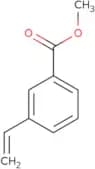
CAS:<p>Versatile small molecule scaffold</p>Formula:C10H10O2Purity:Min. 95%Molecular weight:162.19 g/molN-[3-(Dimethylamino)propyl]-2-hydroxybenzamide
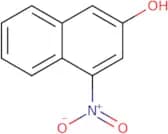
CAS:<p>Versatile small molecule scaffold</p>Formula:C12H18N2O2Purity:Min. 95%Molecular weight:222.28 g/mol4-Nitronaphthalen-2-ol
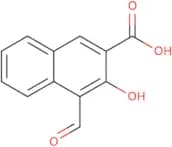
CAS:<p>Versatile small molecule scaffold</p>Formula:C10H7NO3Purity:Min. 95%Molecular weight:189.17 g/mol4-Formyl-3-hydroxynaphthalene-2-carboxylic acid
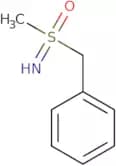
CAS:<p>4-Formyl-3-hydroxynaphthalene-2-carboxylic acid (4FHN) is an antibacterial agent. It is bacteriostatic and has been shown to be effective against gram-negative bacteria such as Escherichia coli and Pseudomonas aeruginosa, but not against gram-positive bacteria such as Staphylococcus aureus. 4FHN was found to inhibit the growth of both gram-positive and gram-negative bacteria by binding to the ribosomal RNA in the bacterial cell wall, thereby inhibiting protein synthesis and cell division. 4FHN also shows antimicrobial activity due to its ability to form stable hydrazones with nucleophilic centers in the bacterial cell wall. These compounds react with cellular macromolecules, leading to cell death.</p>Formula:C12H8O4Purity:Min. 95%Molecular weight:216.19 g/molbenzyl(imino)methyl-sulfanone
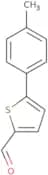
CAS:<p>Versatile small molecule scaffold</p>Formula:C8H11NOSPurity:Min. 95%Molecular weight:169.24 g/mol5-(4-Methylphenyl)thiophene-2-carbaldehyde
CAS:<p>Versatile small molecule scaffold</p>Formula:C12H10OSPurity:Min. 95%Molecular weight:202.27 g/mol5-(4-Bromophenyl)thiophene-2-carbaldehyde
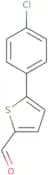
CAS:<p>Versatile small molecule scaffold</p>Formula:C11H7BrOSPurity:Min. 95%Molecular weight:267.14 g/mol5-(4-Chlorophenyl)thiophene-2-carbaldehyde
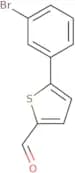
CAS:<p>Versatile small molecule scaffold</p>Formula:C11H7ClOSPurity:Min. 95%Molecular weight:222.69 g/mol5-(3-Bromo-phenyl)-thiophene-2-carbaldehyde
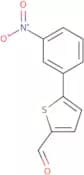
CAS:<p>Versatile small molecule scaffold</p>Formula:C11H7BrOSPurity:Min. 95%Molecular weight:267.14 g/mol5-(3-Nitrophenyl)thiophene-2-carbaldehyde
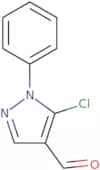
CAS:<p>Versatile small molecule scaffold</p>Formula:C11H7NO3SPurity:Min. 95%Molecular weight:233.25 g/mol5-Chloro-1-phenyl-1H-pyrazole-4-carbaldehyde
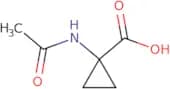
CAS:<p>Versatile small molecule scaffold</p>Formula:C10H7ClN2OPurity:Min. 95%Molecular weight:206.63 g/mol1-Acetamidocyclopropanecarboxylic acid
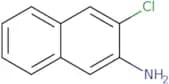
CAS:<p>Versatile small molecule scaffold</p>Formula:C6H9NO3Purity:Min. 95%Molecular weight:143.14 g/mol3-Chloronaphthalen-2-amine
CAS:<p>3-Chloronaphthalen-2-amine is a high concentration, organic solvent that is soluble in water and stable. It has been shown to be a reductant, which is a substance that donates electrons to another reactant in a chemical reaction. 3-Chloronaphthalen-2-amine can be used as a solvent for underwater applications and may have the ability to reduce nitrogen gas into ammonia. The residue of 3-chloronaphthalen-2-amine can be removed by solvents such as chloroform or ether.</p>Formula:C10H8ClNPurity:Min. 95%Molecular weight:177.63 g/mol5-[(Oxiran-2-yl)methoxy]-1,3-dioxaindane
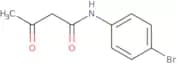
CAS:<p>Versatile small molecule scaffold</p>Formula:C10H10O4Purity:Min. 95%Molecular weight:194.18 g/molN-(4-Bromophenyl)-3-oxobutanamide
CAS:<p>N-(4-Bromophenyl)-3-oxobutanamide is a complex molecule that belongs to the class of organocatalysts. It has been shown to show antitubercular activity in vitro, with an MIC of 2.5 µg/mL against Mycobacterium tuberculosis and a MIC of 0.05 µg/mL against Mycobacterium avium complex. It also has been shown to be active as an organocatalyst for the carbonylative synthesis of cyclic carbonate esters from simple alkyl dicarbonates and lithium diisopropylamide, which can be used in organic synthesis. The chemical name for this product is N-(4-bromophenyl)-3-oxobutanamide (NBPBA).</p>Formula:C10H10BrNO2Purity:Min. 95%Molecular weight:256.1 g/molN-(4-Iodophenyl)-3-oxobutanamide
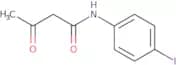
CAS:<p>Versatile small molecule scaffold</p>Formula:C10H10INO2Purity:Min. 95%Molecular weight:303.1 g/mol5-tert-Butyl-2-methyl-3-furoic acid
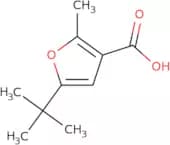
CAS:<p>Versatile small molecule scaffold</p>Formula:C10H14O3Purity:Min. 95%Molecular weight:182.22 g/mol2-(2,3-Dihydro-1H-inden-1-yl)acetic acid
CAS:<p>2-(2,3-Dihydro-1H-inden-1-yl)acetic acid (DHIAA) is an organic compound that belongs to the group of heterocyclic compounds. It is a plant cell growth regulator and has been shown to inhibit inflammatory diseases in animal models. DHIAA has a stepwise mechanism that starts with the formation of an alkoxy radical by hydrogen bond between the hydroxyl group and the double bond. This mechanism leads to the production of a reactive oxygen species, which causes oxidative damage in cells. DHIAA also inhibits fatty acid synthesis, which may be due to its interaction with peroxisome proliferator-activated receptor alpha (PPAR-α).</p>Formula:C11H12O2Purity:Min. 95%Molecular weight:176.21 g/mol2-(2,3-Dihydro-1H-inden-1-yl)ethan-1-ol
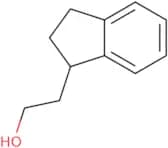
CAS:Versatile small molecule scaffoldFormula:C11H14OPurity:Min. 95%Molecular weight:162.23 g/moltert-Butyl N-(2-phenylethyl)carbamate
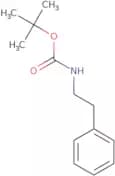
CAS:<p>tert-Butyl N-(2-phenylethyl)carbamate is a reagent for the synthesis of amines and amine salts. It is prepared by treating benzonitrile with primary amines in the presence of hydrogen, which mediates the reaction. This tert-butyl carbamate can be isolated in high yield when a solvent such as diethyl ether or tetrahydrofuran is used. The tert-butyl carbamate can be hydrogenated to form an acid chloride, which is then reacted with an alcohol to form an ester. This method has been used in synthesizing many functionalized compounds, including anti-inflammatory drugs. Tert-butyl N-(2-phenylethyl)carbamate also has a conformational effect on solvents, where it causes immiscible solvents to become miscible due to its acidic nature.</p>Formula:C13H19NO2Purity:Min. 95%Molecular weight:221.29 g/mol1-(2-Bromoethyl)-2,3-dihydro-1H-indene
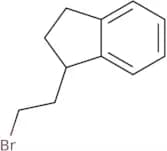
CAS:<p>Versatile small molecule scaffold</p>Formula:C11H13BrPurity:Min. 95%Molecular weight:225.12 g/molEthyl 2-(ethylamino)benzoate
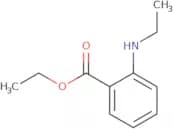
CAS:<p>Ethyl 2-(ethylamino)benzoate is an organic compound that is classified as a hydrocarbon. It has a chemical formula of C6H11NO2 and it is colorless and odorless. This substance can be ingested orally or applied topically. Ethyl 2-(ethylamino)benzoate has been shown to have antifungal, antibacterial, antidiabetic, anti-inflammatory, and antipyretic properties. The metal chelate of ethyl 2-(ethylamino)benzoate has been shown to cause cardiotoxicity in rats by inhibiting the synthesis of myocardial contractile proteins. This compound also inhibits the synthesis of collagen, which can lead to inflammatory diseases such as arthritis.</p>Formula:C11H15NO2Purity:Min. 95%Molecular weight:193.24 g/mol5-(Hydroxymethyl)azepan-2-one
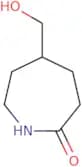
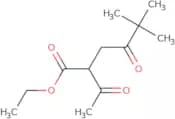
CAS:<p>Versatile small molecule scaffold</p>Formula:C7H13NO2Purity:Min. 95%Molecular weight:143.18 g/molEthyl 2-acetyl-5,5-dimethyl-4-oxohexanoate
CAS:<p>Versatile small molecule scaffold</p>Formula:C12H20O4Purity:Min. 95%Molecular weight:228.28 g/mol10-Undecenoyl chloride
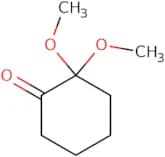
CAS:<p>10-Undecenoyl chloride is a fatty acid that is used as a chemical modifier. It has been shown to increase the efficiency of borohydride reduction, which can be used for the synthesis of pharmaceuticals, such as morphine and codeine. 10-Undecenoyl chloride is also stable in basic conditions, making it suitable for use in reactive environments. In addition, 10-undecenoyl chloride has been shown to be effective against HIV and other viruses by interfering with the virus's ability to bind to cells.</p>Formula:C11H19ClOPurity:Min. 95%Molecular weight:202.72 g/mol2,2-Dimethoxycyclohexan-1-one
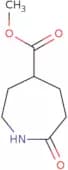
CAS:<p>2,2-Dimethoxycyclohexan-1-one is a ketoxime used as an intermediate in the synthesis of lysine. It can be used to chlorinate and oxime, or halogenate aromatic compounds.</p>Formula:C8H14O3Purity:Min. 95%Molecular weight:158.19 g/molMethyl 7-oxoazepane-4-carboxylate
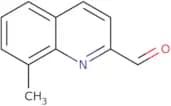
CAS:<p>Versatile small molecule scaffold</p>Formula:C8H13NO3Purity:Min. 95%Molecular weight:171.19 g/mol8-Methylquinoline-2-carbaldehyde
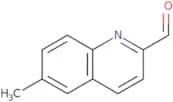
CAS:<p>Versatile small molecule scaffold</p>Formula:C11H9NOPurity:Min. 95%Molecular weight:171.19 g/mol6-Methyl-2-quinolinecarboxaldehyde
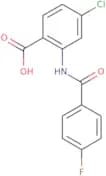
CAS:<p>Versatile small molecule scaffold</p>Formula:C11H9NOPurity:Min. 95%Molecular weight:171.19 g/mol4-Chloro-2-(4-fluorobenzamido)benzoic acid
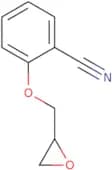
CAS:<p>Versatile small molecule scaffold</p>Formula:C14H9ClFNO3Purity:Min. 95%Molecular weight:293.68 g/mol2-(Oxiran-2-ylmethoxy)benzonitrile
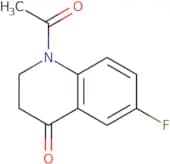
CAS:<p>Versatile small molecule scaffold</p>Formula:C10H9NO2Purity:Min. 95%Molecular weight:175.18 g/mol1-Acetyl-6-fluoro-1,2,3,4-tetrahydroquinolin-4-one
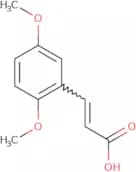
CAS:<p>Versatile small molecule scaffold</p>Formula:C11H10FNO2Purity:Min. 95%Molecular weight:207.2 g/mol(2E)-3-(2,5-Dimethoxyphenyl)acrylic acid
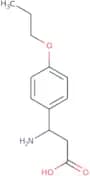
CAS:<p>2E-3-(2,5-Dimethoxyphenyl)acrylic acid is a molecule that has been synthesised. It has an unsymmetrical carboxylic acid group, and is not a natural product. 2E-3-(2,5-Dimethoxyphenyl)acrylic acid can be made by irradiation of vanillic acid and epigallocatechin. The molecule is the chromophore in the profile of irradiated (2E)-3-(2,5-dimethoxyphenyl)acrylic acid. The compound was synthesised using nitrogen atoms and uv irradiation to break down the vanillic acid and epigallocatechin molecules into smaller fragments of molecules. This process takes around 24 hours to complete.</p>Formula:C11H12O4Purity:Min. 95%Molecular weight:208.21 g/mol3-Amino-3-(4-propoxyphenyl)propanoic acid
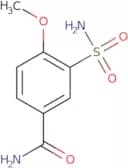
CAS:<p>Versatile small molecule scaffold</p>Formula:C12H17NO3Purity:Min. 95%Molecular weight:223.27 g/mol4-Methoxy-3-sulfamoylbenzamide
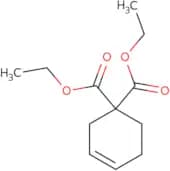
CAS:<p>Versatile small molecule scaffold</p>Formula:C8H10N2O4SPurity:Min. 95%Molecular weight:230.24 g/mol1,1-Diethyl cyclohex-3-ene-1,1-dicarboxylate
CAS:<p>Versatile small molecule scaffold</p>Formula:C12H18O4Purity:Min. 95%Molecular weight:226.27 g/mol4-[2-(Diethylamino)ethoxy]aniline
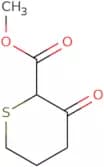
CAS:Controlled Product<p>4-[2-(Diethylamino)ethoxy]aniline is a probe used in the detection of nicotinamide. It is a potent inhibitor of protein kinases and can be used as an antiemetic agent. 4-[2-(Diethylamino)ethoxy]aniline has been shown to inhibit the activity of multiple types of protein kinases, including serine/threonine, tyrosine, and dual-specificity kinases. This probe also inhibits the activity of chloride channels and has been shown to induce intramolecular hydrogen bonding.</p>Formula:C12H20N2OPurity:Min. 95%Molecular weight:208.31 g/molMethyl 3-oxothiane-2-carboxylate
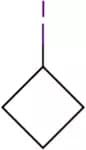
CAS:<p>Versatile small molecule scaffold</p>Formula:C7H10O3SPurity:Min. 95%Molecular weight:174.22 g/molIodocyclobutane
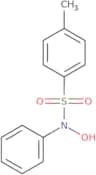
CAS:<p>Iodocyclobutane is an aryl halide that is used in the synthesis of retinoic acid. It is synthesized by reacting iodine with cyclobutane and a magnesium salt. Iodocyclobutane has been shown to have potent anti-cancer activity in cell culture experiments, which may be due to its ability to inhibit the production of retinoic acid receptors α (RAR). Iodocyclobutane is synthesized by reacting iodine with cyclobutane and a magnesium salt. Iodocyclobutane has been shown to have potent anti-cancer activity in cell culture experiments, which may be due to its ability to inhibit the production of retinoic acid receptors α (RAR).</p>Formula:C4H7IPurity:Min. 95%Molecular weight:182 g/molN-Hydroxy-4-methyl-N-phenylbenzene-1-sulfonamide
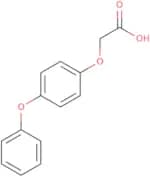
CAS:<p>Versatile small molecule scaffold</p>Formula:C13H13NO3SPurity:Min. 95%Molecular weight:263.31 g/mol2-(4-Phenoxyphenoxy)acetic acid
CAS:<p>Versatile small molecule scaffold</p>Formula:C14H12O4Purity:Min. 95%Molecular weight:244.24 g/mol2-[4-(benzyloxy)phenoxy]acetic acid
CAS:<p>GW7647 is a novel compound that has been shown to activate Peroxisome proliferator-activated receptor gamma (PPARγ), which is a nuclear hormone receptor involved in lipid metabolism and the development of insulin resistance. GW7647 activates PPARγ by binding to the ligand-binding domain of the receptor and activating transcriptional activity. This activation was observed in human cells, as well as subtypes of human PPARγ. It has been shown to be selective for PPARγ over other receptors, such as Peroxisome proliferator-activated receptor delta (PPARδ). GW7647 acts on dyslipidemia by lowering triglyceride levels and increasing HDL cholesterol levels without affecting LDL cholesterol levels. This drug has also been shown to have lipid-lowering effects in mice fed a high-fat diet.</p>Formula:C15H14O4Purity:Min. 95%Molecular weight:258.27 g/molrac-(2R,6S)-2,4,6-Trimethylmorpholine
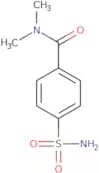
CAS:<p>Versatile small molecule scaffold</p>Formula:C7H15NOPurity:Min. 95%Molecular weight:129.2 g/molN,N-Dimethyl-4-sulfamoylbenzamide
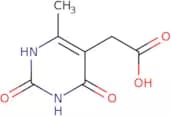
CAS:<p>Versatile small molecule scaffold</p>Formula:C9H12N2O3SPurity:Min. 95%Molecular weight:228.27 g/mol(6-Methyl-2,4-dioxo-1,2,3,4-tetrahydropyrimidin-5-yl)acetic acid
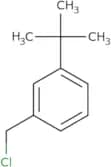
CAS:<p>Versatile small molecule scaffold</p>Formula:C7H8N2O4Purity:Min. 95%Molecular weight:184.15 g/mol1-tert-Butyl-3-(chloromethyl)benzene
CAS:<p>Versatile small molecule scaffold</p>Formula:C11H15ClPurity:Min. 95%Molecular weight:182.69 g/mol3-[(2-Nitrophenyl)amino]propanoic acid
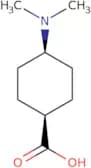
CAS:<p>Versatile small molecule scaffold</p>Formula:C9H10N2O4Purity:Min. 95%Molecular weight:210.19 g/molrac-(1S,4S)-4-(Dimethylamino)cyclohexane-1-carboxylic acid
CAS:<p>Versatile small molecule scaffold</p>Formula:C9H17NO2Purity:Min. 95%Molecular weight:171.2 g/mol1-(Aminocarbonyl)-L-proline
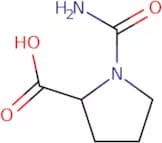
CAS:<p>1-(Aminocarbonyl)-L-proline is a molecule that contains an aminocarbonyl group, which is a nucleophilic functional group. It is a cyclic compound with a ring structure consisting of three carbons and two amino groups. The 1-(aminocarbonyl)-L-proline molecule has been studied using Raman spectroscopy, vibrational spectroscopy, X-ray diffraction, and other techniques. This molecule has been shown to have the potential to be used as an anti-cancer drug by inhibiting the synthesis of DNA and RNA in cells. The conformation of this compound may also be important for understanding its reactivity.</p>Formula:C6H10N2O3Purity:Min. 95%Molecular weight:158.16 g/mol4-Methoxy-5-methylbenzene-1,2-diamine
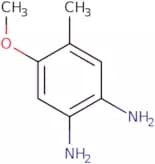
CAS:<p>Versatile small molecule scaffold</p>Formula:C8H12N2OPurity:90%MinMolecular weight:152.19 g/mol3,5-Bis(trifluoromethyl)pyridin-2-ol
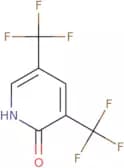
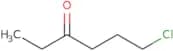
CAS:<p>Versatile small molecule scaffold</p>Formula:C7H3F6NOPurity:Min. 95%Molecular weight:231.09 g/mol6-Chlorohexan-3-one
CAS:<p>6-Chlorohexan-3-one is a pyrrole, which is an organic compound that has a six-membered ring. It can be found as the potassium salt and can be used to synthesize indole alkaloids. 6-Chlorohexan-3-one also reacts with potassium and Wittig reagent to form a 1:1 mixture of cis and trans isomers. The insecticide, pyrethrin, is produced from this reaction. This compound can also be used in the synthesis of alkylates when reacted with potassium hydride in an incompletely known manner.</p>Formula:C6H11ClOPurity:Min. 95%Molecular weight:134.6 g/mol2-(2,6-Dimethylphenoxy)aniline
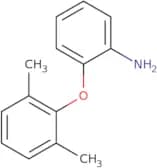
CAS:<p>Versatile small molecule scaffold</p>Formula:C14H15NOPurity:Min. 95%Molecular weight:213.27 g/molN-(2-Aminoethyl)pyrimidin-2-amine hydrochloride
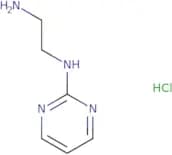
CAS:<p>Versatile small molecule scaffold</p>Formula:C6H11ClN4Purity:Min. 95%Molecular weight:174.63 g/mol1,3-Bis(isocyanatomethyl)cyclohexane (cis- and trans- mixture)
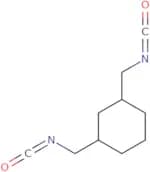
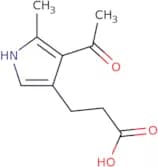
CAS:<p>1,3-Bis(isocyanatomethyl)cyclohexane is an organic compound that belongs to the group of isocyanates. It has a molecular weight of 208.1 and is soluble in water and alcohols. 1,3-Bis(isocyanatomethyl)cyclohexane has a maximum absorbance at uv wavelength of 265 nm and a maximum absorption coefficient at uv wavelength of 3.2×10⁴ M-1 cm-1. This compound has been shown to be toxic to rats when administered in high doses (greater than 100 mg/kg). The toxicity studies have shown that the compound causes eye irritation, skin irritation, and respiratory tract irritation in rats. These effects are more pronounced when the chemical is mixed with trimethylolpropane, which is a polyol used as an additive for polyurethanes.</p>Formula:C10H14N2O2Purity:Min. 95%Color and Shape:Clear LiquidMolecular weight:194.23 g/mol3-(4-Acetyl-5-methyl-1H-pyrrol-3-yl)propanoic acid
CAS:<p>3-(4-Acetyl-5-methyl-1H-pyrrol-3-yl)propanoic acid is a protonated form of 3-(4-acetyl-5-methyl-1H-pyrrol-3-yl)acrylic acid. It has been shown to be more stable than the neutral form, which can be degraded by chemical reactions. This compound is used in polymer matrices as a transition metal ion chelator and has been shown to increase the uptake of vinyl alcohol monomers. The structural parameters of this compound are discussed in relation to thermodynamic calculations at different temperatures.</p>Formula:C10H13NO3Purity:Min. 95%Molecular weight:195.21 g/mol5H,6H,7H,8H-Imidazo[1,5-a]pyridine
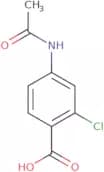
CAS:<p>Imidazo[1,5-a]pyridine is a medicament that is used to treat pediatric patients and humans. It has been shown to be effective in the treatment of hyperaldosteronism and has a low risk of side effects. Imidazo[1,5-a]pyridine inhibits the enzymes farnesyltransferase and geranylgeranyltransferase I, which are involved in cholesterol biosynthesis. This inhibition leads to lower levels of cholesterol and other sterols. The drug also has an intramolecular ring system that stabilizes its conformation. A phosphate salt form of imidazo[1,5-a]pyridine is available for oral administration.</p>Formula:C7H10N2Purity:Min. 95%Molecular weight:122.17 g/mol2-Chloro-4-acetamidobenzoic acid
CAS:<p>2-Chloro-4-acetamidobenzoic acid is a nonsteroidal anti-inflammatory drug that binds to cyclooxygenase, thereby inhibiting the production of prostaglandins. 2-Chloro-4-acetamidobenzoic acid has been shown to be cytotoxic in vitro, eliciting DNA damage and cell death in some cells. This effect may be due to inhibition of mitochondrial function by 2-chloro-4-acetamidobenzoic acid. The drug has also been found to inhibit the growth of human leukemia cells and mouse mammary tumor cells in vitro. 2-Chloro-4-acetamidobenzoic acid is used as a research tool for studying the effects of cyclooxygenase inhibitors on cell cycle analysis, because it does not cause erythrocyte hemolysis.</p>Formula:C9H8ClNO3Purity:Min. 95%Molecular weight:213.62 g/mol1,9,10,11,12,12-Hexachloro-5-oxatetracyclo[7.2.1.0²,⁸.0⁴,⁶]dodec-10-ene-3,7-dione
CAS:<p>Versatile small molecule scaffold</p>Formula:C11H4Cl6O3Purity:Min. 95%Molecular weight:396.9 g/mol1-Oxa-7-azaspiro[3.5]nonane
CAS:<p>Versatile small molecule scaffold</p>Formula:C7H13NOPurity:Min. 95%Molecular weight:127.19 g/mol4-phenylpyrimidin-2-ol
CAS:<p>4-phenylpyrimidin-2-ol is a synthetic compound that was originally developed to study the effects of bradykinin on the brain. This drug has been shown to have a number of other effects in cells, including stimulation of photosynthetic activity and promotion of hydrogen bond formation. 4-phenylpyrimidin-2-ol also has an effect on vaginal atrophy in women, as well as symptoms such as profuse sweating, insomnia, and headache. It is thought that these effects are due to 4-phenylpyrimidin-2-ol's ability to bind with brain cells, which results in increased levels of serotonin.</p>Formula:C10H8N2OPurity:Min. 95%Molecular weight:172.18 g/molCyclopropyl(3,4-dimethylphenyl)methanone
CAS:<p>Cyclopropyl(3,4-dimethylphenyl)methanone (CPM) is a synthetic cannabinoid that has been shown to have similar effects to the natural cannabinoids found in cannabis. CPM binds to and activates the CB2 receptor, which is found on cells of the immune system, brain, and other organs. It has been studied for its ability to reduce glioma tumor growth in mice by inhibiting glutamate release. The molecular modeling study showed that CPM binds to the receptor with a geometry similar to other CB2 agonists like JWH-133. In addition, CPM inhibits locomotor activity in rats and has been shown to produce some symptoms of anxiety in mice. A receptor knockout study with mice showed that CPM can bind to CB2 receptors without activating them. X-ray diffraction data indicated that CPM is an achiral molecule with an idealized molecular geometry of "s".</p>Formula:C12H14OPurity:Min. 95%Molecular weight:174.24 g/molN-Benzyl-2-chloro-N-(3-methylphenyl)acetamide
CAS:<p>Versatile small molecule scaffold</p>Formula:C16H16ClNOPurity:Min. 95%Molecular weight:273.75 g/mol4-Amino-N-cyclohexyl-N-methylbenzamide
CAS:<p>Versatile small molecule scaffold</p>Formula:C14H20N2OPurity:Min. 95%Molecular weight:232.33 g/mol3-Bromotetrahydro-2H-thiopyran 1,1-dioxide
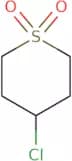
CAS:<p>Versatile small molecule scaffold</p>Formula:C5H9BrO2SPurity:Min. 95%Molecular weight:213.1 g/mol4-Cchlorotetrahydro-2H-thiopyran 1,1-dioxide
CAS:<p>4-chlorotetrahydro-2H-thiopyran 1,1-dioxide is an experimental heterocyclic compound. It has a dipole and a methylcyclohexane ring with an axial orientation. The density of the molecule is 1.499 g/cm3. This compound has conformational energies and substituents that are stable at room temperature. Theory predicts that this compound will have 3 conformers, all of which are energetically favorable, with one being more stable than the others. The energies and conformers are influenced by the steric interactions between substituents and cyclohexanes in the molecule. 4-chlorotetrahydro-2H-thiopyran 1,1-dioxide has no electrostatic interactions because it does not have any electronegative atoms or groups.</p>Formula:C5H9ClO2SPurity:Min. 95%Molecular weight:168.64 g/mol5-Bromo-2-hydroxyphenylacetic acid
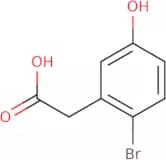
CAS:<p>Versatile small molecule scaffold</p>Formula:C8H7BrO3Purity:Min. 95%Molecular weight:231.04 g/mol2-(2-Bromo-5-hydroxyphenyl)acetic acid
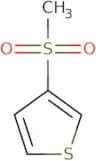
CAS:<p>2-(2-Bromo-5-hydroxyphenyl)acetic acid is a hydroxylation product of melatonin. It has been shown to be a potent and selective agonist for the melatonin receptor, with an EC50 of 0.4 nM. 2-(2-Bromo-5-hydroxyphenyl)acetic acid is also a potent microbial sodium hydrogen (MSH) receptor antagonist with an IC50 of 9 nM.</p>Formula:C8H7BrO3Purity:Min. 95%Molecular weight:231.04 g/mol3-Methanesulfonylthiophene
CAS:<p>Versatile small molecule scaffold</p>Formula:C5H6O2S2Purity:Min. 95%Molecular weight:162.2 g/mol2-Methylsulfonylthiophene
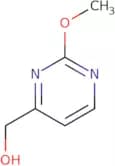
CAS:<p>2-Methylsulfonylthiophene is a modulating agent that can inhibit the activity of carbonic anhydrase, adenosine receptors and 5-membered heteroaryl. It has been shown to have affinity for CB1 receptor antagonists and is used to treat cardiovascular diseases. 2-Methylsulfonylthiophene also inhibits the enzymatic activity of anhydrase in the eye, which leads to suppression of intraocular pressure (IOP). The drug also has anti-glaucoma effects by reducing the production of aqueous humour. 2-Methylsulfonylthiophene is used as a dyestuff intermediate and as an organic solvent.</p>Formula:C5H6O2S2Purity:Min. 95%Molecular weight:162.23 g/mol(2-methoxypyrimidin-4-yl)methanol
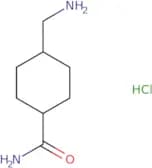
CAS:<p>(2-Methoxypyrimidin-4-yl)methanol is a photoreactive molecule that can be synthesized by the dehalogenation of diethylamine and methylated with methanol. The reaction produces a derivative of pyrimidine, which is an important precursor for pharmaceuticals. When irradiated with UV light, (2-methoxypyrimidin-4-yl)methanol undergoes a series of reactions to form the desired pyrimidine product. This reaction proceeds through electron transfer from the amine nitrogen to the methoxy group on the pyrimidine ring. This process yields a 5 membered ring with two oxygen atoms and one nitrogen atom, in contrast to the 6 membered ring formed by other methods.</p>Formula:C6H8N2O2Purity:Min. 95%Molecular weight:140.14 g/mol4-(Aminomethyl)cyclohexane-1-carboxamide hydrochloride
CAS:<p>Versatile small molecule scaffold</p>Formula:C8H17ClN2OPurity:Min. 95%Molecular weight:192.68 g/moltert-Butyl (1R,4R)-4-(aminomethyl)cyclohexane-1-carboxylate hydrochloride
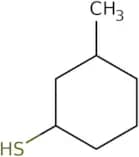
CAS:<p>Versatile small molecule scaffold</p>Formula:C12H24ClNO2Purity:Min. 95%Molecular weight:249.78 g/mol3-Methylcyclohexane-1-thiol
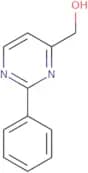
CAS:<p>Versatile small molecule scaffold</p>Formula:C7H14SPurity:Min. 95%Molecular weight:130.25 g/mol(2-Phenylpyrimidin-4-yl)methanol
CAS:<p>Versatile small molecule scaffold</p>Formula:C11H10N2OPurity:Min. 95%Molecular weight:186.21 g/mol6-Methyl-1-oxaspiro[2.5]octane
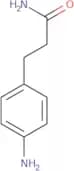
CAS:<p>Versatile small molecule scaffold</p>Formula:C8H14OPurity:Min. 95%Molecular weight:126.2 g/mol3-(4-Aminophenyl)propanamide
CAS:<p>Versatile small molecule scaffold</p>Formula:C9H12N2OPurity:Min. 95%Molecular weight:164.2 g/mol(Dimethylamino)acetaldehyde Dimethyl Acetal
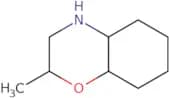
CAS:<p>Dimethylamino)acetaldehyde Dimethyl Acetal is a pharmaceutical preparation that is used as an organic solvent. It has a viscosity of 0.1 cP and is a colorless liquid with a molecular weight of 117. It reacts rapidly with alkyl halides, hydroxyl groups, and reactive alkoxy radicals to form (dimethylamino)acetaldehyde dimethyl acetal. This product has shown some surface activity in acidic solutions and the presence of alcohols and other hydrocarbons can reduce its reactivity.</p>Formula:C6H15NO2Purity:Min. 95%Molecular weight:133.19 g/mol2-Methyl-octahydro-2H-1,4-benzoxazine
CAS:<p>Versatile small molecule scaffold</p>Formula:C9H17NOPurity:Min. 95%Molecular weight:155.24 g/mol3-(4-Bromophenyl)-2-oxopropanoic acid
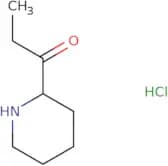
CAS:<p>Versatile small molecule scaffold</p>Formula:C9H7BrO3Purity:Min. 95%Molecular weight:243.05 g/mol1-(Piperidin-2-yl)propan-1-one hydrochloride
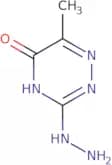
CAS:<p>Versatile small molecule scaffold</p>Formula:C8H16ClNOPurity:Min. 95%Molecular weight:177.67 g/mol3-Hydrazinyl-6-methyl-4H-1,2,4-triazin-5-one
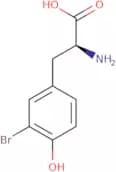
CAS:<p>3-Hydrazinyl-6-methyl-4H-1,2,4-triazin-5-one is a chemical compound that belongs to the group of aromatic aldehydes. It has been shown to react with elemental chlorine, forming 3-chloro-6-methyl-4H-[1,2,4]triazin-5(3H)-one. This reaction can be accomplished by photolysis or pyrolysis. The magnetic properties of this compound allow for its use in studies involving electron spin resonance spectroscopy and nuclear magnetic resonance spectroscopy. 3-Hydrazinyl-6-methyl-[1,2,4]triazin-[5-(3H)]one can also undergo a photochemical reaction when exposed to ultraviolet radiation with molecular oxygen. The mechanism of this reaction is not fully understood but it is thought to involve electron transfer from the excited state of the 3 hydrazine molecule to an oxygen molecule followed by</p>Formula:C4H7N5OPurity:Min. 95%Molecular weight:141.13 g/mol3-Bromo-L-tyrosine
CAS:<p>3-Bromo-L-tyrosine is a reactive eosinophilic compound that is formed in human serum during the activation process. 3-Bromo-L-tyrosine has been used as an analytical method for the measurement of eosinophil peroxidase and tissue culture cells. 3-Bromo-L-tyrosine has also been shown to be a marker for infectious diseases, such as cytomegalovirus (CMV), influenza, and parainfluenza virus infections. This compound can also be used to evaluate the efficacy of treatments for infectious diseases, such as CMV and influenza.</p>Formula:C9H10BrNO3Purity:Min. 95%Molecular weight:260.1 g/mol3-Iodo-4-methylpyridine
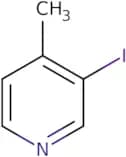
CAS:<p>Versatile small molecule scaffold</p>Formula:C6H6INPurity:Min. 95%Molecular weight:219.02 g/mol1-Chloro-4-[(2-isothiocyanatoethyl)sulfanyl]benzene
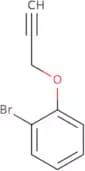
CAS:<p>Versatile small molecule scaffold</p>Formula:C9H8ClNS2Purity:Min. 95%Molecular weight:229.8 g/mol1-Bromo-2-prop-2-ynoxy-benzene
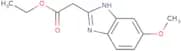
CAS:<p>Versatile small molecule scaffold</p>Formula:C9H7OBrPurity:Min. 95%Molecular weight:211.06 g/molEthyl (5-methoxy-1H-benzimidazol-2-yl)acetate
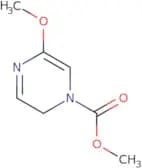
CAS:<p>Versatile small molecule scaffold</p>Formula:C12H14N2O3Purity:Min. 95%Molecular weight:234.25 g/molMethyl 5-Methoxypyrazinecarboxylate
CAS:<p>Methyl 5-methoxypyrazinecarboxylate is an organic compound that belongs to the group of triazoles. It has been used as a pesticide for the control of plant pathogenic fungi, nematodes and insects, such as dextrose, chloride, oxadiazoles and agriculturally. This product is effective against pests at low doses. Methyl 5-methoxypyrazinecarboxylate inhibits the synthesis of proteins in plants by inhibiting chitin synthase enzymes in fungi and nematodes. It also inhibits the synthesis of proteins in insects by interfering with the synthesis of proteins involved in cell division.</p>Formula:C7H8N2O3Purity:Min. 95%Molecular weight:168.15 g/mol5-Methoxypyrazine-2-carbonitrile
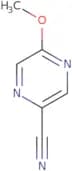
CAS:<p>5-Methoxypyrazine-2-carbonitrile is a reactive, electron-deficient heterocycle that is used as a synthetic intermediate in organic synthesis. The reactivity of this molecule is similar to that of the cyanide ion, which can be used for the selective incorporation of carbon monoxide into organic molecules. 5-Methoxypyrazine-2-carbonitrile has been shown to react with trimethylsilyl cyanide, forming the corresponding trimethylsilyl cyanohydrin. This reaction proceeds via an anti-Markovnikov addition and produces a hemiaminal product.</p>Formula:C6H5N3OPurity:Min. 95%Molecular weight:135.12 g/mol4-(2-Oxiranylmethoxy)benzenecarbonitrile
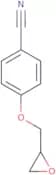
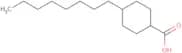
CAS:<p>Versatile small molecule scaffold</p>Formula:C10H9NO2Purity:Min. 95%Molecular weight:175.18 g/mol4-Octylcyclohexane-1-carboxylic acid
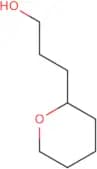
CAS:<p>Versatile small molecule scaffold</p>Formula:C15H28O2Purity:Min. 95%Molecular weight:240.38 g/mol3-(Oxan-2-yl)propan-1-ol
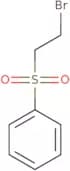
CAS:<p>Versatile small molecule scaffold</p>Formula:C8H16O2Purity:Min. 95%Molecular weight:144.21 g/mol(2-Bromoethanesulfonyl)benzene
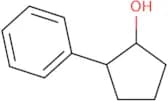
CAS:<p>Versatile small molecule scaffold</p>Formula:C8H9BrO2SPurity:Min. 95%Molecular weight:249.13 g/mol(1S,2R)-2-Phenylcyclopentan-1-ol
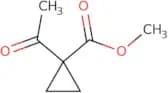
CAS:<p>Versatile small molecule scaffold</p>Formula:C11H14OPurity:Min. 95%Molecular weight:162.2 g/mol1-Acetylcyclopropanecarboxylic Acid Methyl Ester
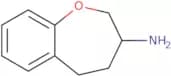
CAS:<p>Versatile small molecule scaffold</p>Formula:C7H10O3Purity:Min. 95%Molecular weight:142.15 g/mol2,3,4,5-Tetrahydro-1-benzoxepin-3-amine
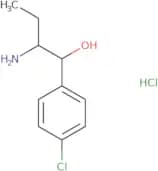
CAS:<p>Versatile small molecule scaffold</p>Formula:C10H13NOPurity:Min. 95%Molecular weight:163.22 g/mol2-Amino-1-(4-chlorophenyl)butan-1-ol hydrochloride
CAS:Controlled Product<p>Versatile small molecule scaffold</p>Formula:C10H15Cl2NOPurity:Min. 95%Molecular weight:236.13 g/mol1,4-Dioxaspiro[4.4]nonane-6-carboxylic acid
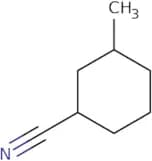
CAS:<p>Versatile small molecule scaffold</p>Formula:C8H12O4Purity:Min. 95%Molecular weight:172.18 g/mol3-Methylcyclohexane-1-carbonitrile
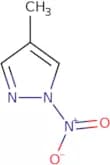
CAS:<p>Versatile small molecule scaffold</p>Formula:C8H13NPurity:Min. 95%Molecular weight:123.2 g/mol4-Methyl-1-nitro-1H-pyrazole
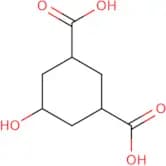
CAS:<p>Versatile small molecule scaffold</p>Formula:C4H5N3O2Purity:Min. 95%Molecular weight:127.1 g/molrac-(1R,3S,5S)-5-Hydroxycyclohexane-1,3-dicarboxylic acid
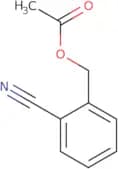
CAS:<p>Versatile small molecule scaffold</p>Formula:C8H12O5Purity:Min. 95%Molecular weight:188.18 g/mol2-Cyanobenzyl acetate
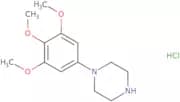
CAS:<p>Versatile small molecule scaffold</p>Formula:C10H9NO2Purity:Min. 95%Molecular weight:175.19 g/mol1-(3,4,5-Trimethoxyphenyl)piperazine
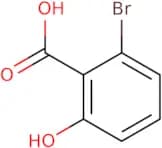
CAS:Controlled Product<p>Versatile small molecule scaffold</p>Formula:C13H20N2O3Purity:Min. 95%Molecular weight:252.31 g/mol2-Bromo-6-hydroxybenzoic acid
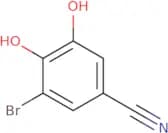
CAS:<p>2-Bromo-6-hydroxybenzoic acid is a nucleophilic compound with a bromine atom at the 2 position. It is used in organic synthesis as a building block in the preparation of amides and other functional groups. This efficient preparation can be achieved by treating anilines with sodium nitrite and hydroxylamine in ethanol.</p>Formula:C7H5BrO3Purity:Min. 95%Molecular weight:217.02 g/mol3-Bromo-4,5-dihydroxybenzonitrile
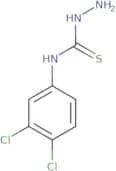
CAS:<p>3-Bromo-4,5-dihydroxybenzonitrile is a molecule that has been found to be effective in treating neurodegenerative diseases. It has been shown to inhibit gene transcription, leading to the inhibition of cell proliferation and apoptosis. This drug also inhibits N-acetylglucosamine glycosylase, an enzyme that is involved in the removal of the amino group from cellular glycerophospholipids. 3-Bromo-4,5-dihydroxybenzonitrile binds to the hydrophobic pocket of DNA and prevents the formation of hydrogen bonds with the nucleobases. 3-Bromo-4,5-dihydroxybenzonitrile is a cochlear toxicant as it can cause hearing loss and deafness when administered at high doses. The cochlear toxicity may be due to its ability to inhibit tyrosine kinase activity, protein phosphatase 2</p>Formula:C7H4BrNO2Purity:Min. 95%Molecular weight:214.02 g/mol4-(3,4-Dichlorophenyl)-3-thiosemicarbazide
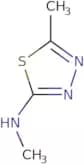
CAS:<p>Versatile small molecule scaffold</p>Formula:C7H7Cl2N3SPurity:Min. 95%Molecular weight:236.12 g/molN,5-Dimethyl-1,3,4-thiadiazol-2-amine
CAS:<p>Versatile small molecule scaffold</p>Formula:C4H7N3SPurity:Min. 95%Molecular weight:129.19 g/mol2-(4-Chlorophenyl)imidazo[1,2-a]pyridine
CAS:<p>Versatile small molecule scaffold</p>Formula:C13H9ClN2Purity:Min. 95%Molecular weight:228.68 g/molImidazo[1,2-a]pyridine-2-carbonitrile
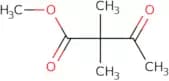
CAS:<p>Versatile small molecule scaffold</p>Formula:C8H5N3Purity:Min. 95%Molecular weight:143.15 g/molMethyl 2,2-diMethylacetoacetate
CAS:<p>Methyl 2,2-diMethylacetoacetate is a deuterated acetoacetate. It has a transition state that is oriented. This acetoacetate can be modified by modifiers such as transition metals and ligands. The methyl group can be removed from the molecule by hydrolysis or hydrogenation to form 2,3-dihydroxypropanoic acid.</p>Formula:C7H12O3Purity:Min. 95%Molecular weight:144.17 g/mol[1-(Aminomethyl)cyclopentyl]methanamine
CAS:<p>Versatile small molecule scaffold</p>Formula:C7H16N2Purity:Min. 95%Molecular weight:128.22 g/mol1-[(Aminooxy)methyl]-4-methylbenzene hydrochloride
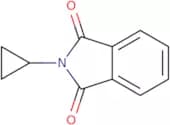
CAS:<p>Versatile small molecule scaffold</p>Formula:C8H12ClNOPurity:Min. 95%Molecular weight:173.64 g/mol2-Cyclopropyl-2,3-dihydro-1H-isoindole-1,3-dione
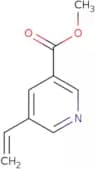
CAS:<p>Sodium carbonate is a white crystalline, water-soluble salt that is used in the manufacture of glass, textiles, paper, soap and detergents. It can be made by the reaction of sodium hydroxide and carbon dioxide at high temperature. The cyclopropylboronic acid (B) reacts with copper(II) chloride to form a carboxylate anion. The resulting compound reacts with dichloroethane to form the 2-cyclopropyl-2,3-dihydro-1H-isoindole-1,3-dione (A). This type of reaction is known as a nucleophilic substitution reaction.</p>Formula:C11H9NO2Purity:Min. 95%Molecular weight:187.19 g/mol5-Vinylnicotinic acid methyl ester
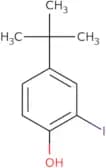
CAS:<p>5-Vinylnicotinic acid methyl ester belongs to the group of antimicrobial agents. It is a chemical compound that has been shown to be effective against cervical cancer and may have potential as an anticancer drug. 5-Vinylnicotinic acid methyl ester inhibits the growth of human chorionic gonadotropin (HCG) in women, which is a hormone necessary for ovulation and pregnancy. This compound also inhibits the growth of viruses, such as herpes simplex virus type 1 (HSV-1), and bacteria, such as dittrichia sp., which causes inflammation of the throat. 5-Vinylnicotinic acid methyl ester has also been shown to inhibit protein synthesis in human osteosarcoma cells at low concentrations, but not at high concentrations.</p>Formula:C9H9NO2Purity:Min. 95%Molecular weight:163.17 g/mol4-(tert-Butyl)-2-iodophenol
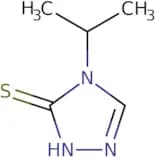
CAS:<p>Versatile small molecule scaffold</p>Formula:C10H13IOPurity:Min. 95%Molecular weight:276.12 g/mol4-(Propan-2-yl)-4H-1,2,4-triazole-3-thiol
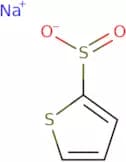
CAS:<p>Versatile small molecule scaffold</p>Formula:C5H9N3SPurity:Min. 95%Molecular weight:143.21 g/molSodium thiophene-2-sulfinate
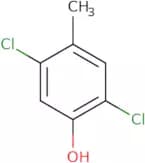
CAS:<p>Sodium thiophene-2-sulfinate is a synthetic reagent that can be used to form methylenecyclopropanes, which are highly reactive with respect to oxidizing agents. A radical coupling mechanism has been proposed for the reaction of sodium thiophene-2-sulfinate with peroxide, which proceeds through a chain mechanism. The functional groups on the molecule allow for selective reactions with anilines and other electrophiles. This reagent is also effective in the synthesis of type-2 diabetes drugs and for investigating mechanistic aspects of these reactions.</p>Formula:C4H3NaO2S2Purity:Min. 95%Molecular weight:170.2 g/mol2,5-Dichloro-4-methylphenol
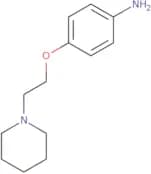
CAS:<p>Versatile small molecule scaffold</p>Formula:C7H6Cl2OPurity:Min. 95%Molecular weight:177.02 g/mol4-(2-Piperidin-1-yl-ethoxy)-phenylamine
CAS:<p>Versatile small molecule scaffold</p>Formula:C13H20N2OPurity:Min. 95%Molecular weight:220.32 g/mol4-[2-(4-Methylpiperazin-1-yl)ethoxy]aniline
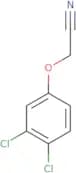
CAS:<p>Versatile small molecule scaffold</p>Formula:C13H21N3OPurity:Min. 95%Molecular weight:235.33 g/mol2-(3,4-Dichlorophenoxy)acetonitrile
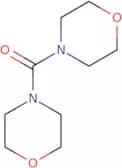
CAS:<p>Versatile small molecule scaffold</p>Formula:C8H5Cl2NOPurity:Min. 95%Molecular weight:202.03 g/mol4,4'-Carbonyldimorpholine
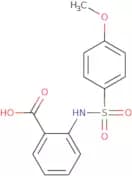
CAS:<p>4,4'-Carbonyldimorpholine is a thioxanthone that can be used in coatings and UV-curable inks. It is a cationic monomer that can polymerize with other monomers to form polymers with high molecular weight. 4,4'-Carbonyldimorpholine also reacts with fatty acids to produce water-soluble polymers and amines to produce water-insoluble polymers. This agent has been shown to interact with the surface of metals and acrylates, which are compounds that are used in coatings and UV-curable inks. The nature of this compound is dependent on the environment it is exposed to.</p>Formula:C9H16N2O3Purity:Min. 95%Molecular weight:200.24 g/mol2-(4-Methoxy-benzenesulfonylamino)-benzoic acid
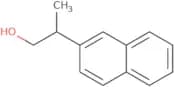
CAS:<p>Versatile small molecule scaffold</p>Formula:C14H13NO5SPurity:Min. 95%Molecular weight:307.32 g/mol2-(Naphthalen-2-yl)propan-1-ol
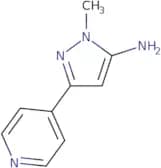
CAS:<p>2-(Naphthalen-2-yl)propan-1-ol is a chemical compound that has a chloride, fatty acid, carbonyl group, and an enantiomer. It can be used as an immobilizing agent for the preparation of enantiopure compounds. This compound is most commonly used as a reagent in organic chemistry to form reaction products with lipase and other enzymes. The reaction time varies depending on the enzyme used. 2-(Naphthalen-2-yl)propan-1-ol can also be activated by heating it with an acid or base to produce a different molecule.</p>Formula:C13H14OPurity:Min. 95%Molecular weight:186.25 g/mol1-Methyl-3-(pyridin-4-yl)-1H-pyrazol-5-amine
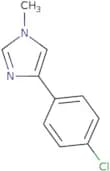
CAS:<p>Versatile small molecule scaffold</p>Formula:C9H10N4Purity:Min. 95%Molecular weight:174.2 g/mol4-(4-Chlorophenyl)-1-methyl-1H-imidazole
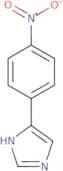
CAS:<p>Versatile small molecule scaffold</p>Formula:C10H9ClN2Purity:Min. 95%Molecular weight:192.64 g/mol4-(4-Nitrophenyl)-1H-imidazole
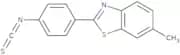
CAS:<p>Versatile small molecule scaffold</p>Formula:C9H7N3O2Purity:Min. 95%Molecular weight:189.17 g/mol2-(4-Isothiocyanatophenyl)-6-methyl-1,3-benzothiazole
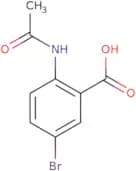
CAS:<p>Versatile small molecule scaffold</p>Formula:C15H10N2S2Purity:Min. 95%Molecular weight:282.4 g/mol2-Acetamido-5-bromobenzoic Acid
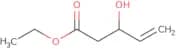
CAS:<p>Versatile small molecule scaffold</p>Formula:C9H8BrNO3Purity:Min. 95%Molecular weight:258.07 g/molEthyl 3-hydroxypent-4-enoate
CAS:<p>Ethyl 3-hydroxypent-4-enoate is an enantiomer of crotylboration. It is a stepwise, chemoenzymatic, stereoselective synthesis of azide from chiral diols such as D-mannitol. This process involves the reaction of an alcohol with sodium azide in the presence of a base and solvent to give the corresponding hydrazone. The hydrazone reacts with crotylborane to form an epoxide with two adjacent hydroxy groups. This epoxide can then be reduced to an alcohol or oxidized to a ketone, both of which are valuable synthetic intermediates that can be used in organic chemistry. Ethyl 3-hydroxypent-4-enoate is also a synthetic intermediate for other compounds such as pharmaceutical drugs and agrochemicals.</p>Formula:C7H12O3Purity:Min. 95%Molecular weight:144.17 g/moltert-butyl N-{[(1s,3s)-3-aminocyclobutyl]methyl}carbamate, cis
CAS:<p>Versatile small molecule scaffold</p>Formula:C10H20N2O2Purity:Min. 95%Molecular weight:200.3 g/mol2-(tert-Butoxycarbonyl)-2-azaspiro[4.5]decane-8-carboxylic acid
CAS:<p>Versatile small molecule scaffold</p>Formula:C15H25NO4Purity:Min. 95%Molecular weight:283.36 g/molmethyl 5H-pyrrolo[2,3-b]pyrazine-2-carboxylate
CAS:Versatile small molecule scaffoldFormula:C8H7N3O2Purity:Min. 95%Molecular weight:177.16 g/molmethyl 1H-pyrazolo[3,4-c]pyridine-4-carboxylate
CAS:<p>Versatile small molecule scaffold</p>Formula:C8H7N3O2Purity:Min. 95%Molecular weight:177.16 g/mol6-Boc-1-oxo-6-azaspiro[3.5]nonane
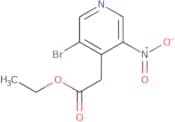
CAS:<p>Versatile small molecule scaffold</p>Formula:C13H21NO3Purity:Min. 95%Molecular weight:239.31 g/molEthyl 2-(3-bromo-5-nitropyridin-4-yl)acetate
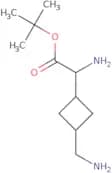
CAS:<p>Versatile small molecule scaffold</p>Formula:C9H9BrN2O4Purity:Min. 95%Molecular weight:289.08 g/mol1-(Boc-aminomethyl)cyclobutan-3-methanamine
CAS:<p>Versatile small molecule scaffold</p>Formula:C11H22N2O2Purity:90%Molecular weight:214.3 g/moltert-Butyl N-[3-(hydroxymethyl)oxetan-3-yl]carbamate
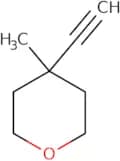
CAS:<p>Versatile small molecule scaffold</p>Formula:C9H17NO4Purity:Min. 95%Molecular weight:203.24 g/mol4-Ethynyl-4-methyloxane
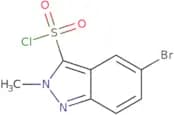
CAS:<p>Versatile small molecule scaffold</p>Formula:C8H12OPurity:Min. 95%Molecular weight:124.18 g/mol5-Bromo-2-methyl-2H-indazole-3-sulfonyl chloride
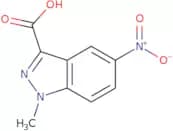
CAS:<p>Versatile small molecule scaffold</p>Formula:C8H6BrClN2O2SPurity:Min. 95%Molecular weight:309.57 g/mol1-methyl-5-nitro-1H-indazole-3-carboxylic acid
CAS:Controlled Product<p>Versatile small molecule scaffold</p>Formula:C9H7N3O4Purity:Min. 95%Molecular weight:221.17 g/mol6-bromo-1h-pyrazolo[4,3-b]pyridine-3-carboxylic acid
CAS:<p>Versatile small molecule scaffold</p>Formula:C7H4BrN3O2Purity:Min. 95%Molecular weight:242.03 g/mol5-[(tert-butoxy)carbonyl]-5-azaspiro[2.5]octane-1-carboxylic acid
CAS:<p>Versatile small molecule scaffold</p>Formula:C13H21NO4Purity:Min. 95%Molecular weight:255.3 g/moltert-Butyl 7-oxo-2-azaspiro[3.4]octane-2-carboxylate
CAS:<p>Versatile small molecule scaffold</p>Formula:C12H19NO3Purity:Min. 95%Molecular weight:225.28 g/mol1-({[(tert-butoxy)carbonyl]amino}methyl)-3,3-difluorocyclobutane-1-carboxylic acid
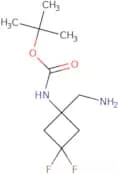
CAS:<p>Versatile small molecule scaffold</p>Formula:C11H17F2NO4Purity:Min. 95%Molecular weight:265.3 g/mol1-(Boc-amino)-1-(aminomethyl)-3,3-difluorocyclobutane
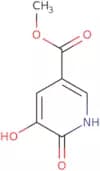
CAS:<p>Versatile small molecule scaffold</p>Formula:C10H18F2N2O2Purity:Min. 95%Molecular weight:236.26 g/molmethyl 5,6-dihydroxypyridine-3-carboxylate
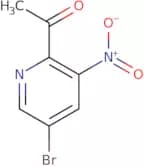
CAS:<p>Versatile small molecule scaffold</p>Formula:C7H7NO4Purity:Min. 95%Molecular weight:169.14 g/mol1-(5-Bromo-3-nitropyridin-2-yl)ethan-1-one
CAS:<p>Versatile small molecule scaffold</p>Formula:C7H5BrN2O3Purity:Min. 95%Molecular weight:245.03 g/molMethyl 1H-pyrazolo[4,3-c]pyridine-3-carboxylate
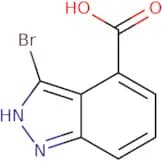
CAS:<p>Versatile small molecule scaffold</p>Formula:C8H7N3O2Purity:Min. 95%Molecular weight:177.16 g/mol3-Bromo-1H-indazole-4-carboxylic acid
CAS:<p>Versatile small molecule scaffold</p>Formula:C8H5BrN2O2Purity:Min. 95%Molecular weight:241.04 g/molimidazo[2,1-f][1,2,4]triazin-4-amine
CAS:<p>Imidazo[2,1-f][1,2,4]triazin-4-amine is a synthetic nucleoside analogue that is used in the treatment of chronic hepatitis C. It has been shown to inhibit the replication of human immunodeficiency virus (HIV) and hepatitis B virus (HBV). Imidazo[2,1-f][1,2,4]triazin-4-amine inhibits the adenosine deaminase enzyme and the formation of monophosphate derivatives of adenosine. This leads to an increased concentration of adenosine in cells, which blocks the function of purine receptors on hepatocytes. Furthermore, imidazo[2,1-f][1,2,4]triazin-4-amine inhibits viral DNA polymerase by interacting with its active site. The antiviral activity is thought to be due to imidazo[2,1-f][1,2,</p>Formula:C5H5N5Purity:Min. 95%Molecular weight:135.13 g/mol1H-pyrazolo[4,3-b]pyridine-7-carboxylic acid
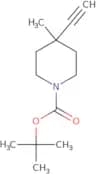
CAS:<p>Versatile small molecule scaffold</p>Formula:C7H5N3O2Purity:Min. 95%Molecular weight:163.13 g/mol1-Boc-4-ethynyl-4-methylpiperidine
CAS:<p>Versatile small molecule scaffold</p>Formula:C13H21NO2Purity:Min. 95%Molecular weight:223.31 g/mol2-azaspiro[3.5]nonane-2-carboxylic acid, 7-hydroxy-, 1,1-dimethylethyl ester
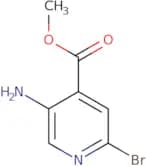
CAS:<p>Versatile small molecule scaffold</p>Formula:C13H23NO3Purity:Min. 95%Molecular weight:241.33 g/molMethyl 5-amino-2-bromoisonicotinate
CAS:<p>Versatile small molecule scaffold</p>Formula:C7H7BrN2O2Purity:Min. 95%Molecular weight:231.05 g/mol[1-(aminomethyl)-3,3-difluorocyclobutyl]methanol
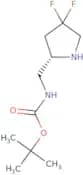
CAS:<p>Versatile small molecule scaffold</p>Formula:C6H11F2NOPurity:Min. 95%Molecular weight:151.16 g/mol(S)-tert-Butyl ((4,4-difluoropyrrolidin-2-yl)methyl)carbamate
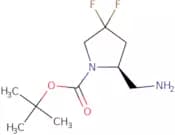
CAS:<p>Versatile small molecule scaffold</p>Formula:C10H18F2N2O2Purity:Min. 95%Molecular weight:236.26 g/moltert-Butyl (2S)-2-(aminomethyl)-4,4-difluoro-pyrrolidine-1-carboxylate
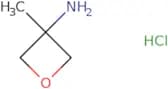
CAS:<p>Versatile small molecule scaffold</p>Formula:C10H18F2N2O2Purity:Min. 95%Molecular weight:236.26 g/mol3-methyloxetan-3-amine hydrochloride
CAS:<p>Versatile small molecule scaffold</p>Formula:C4H10ClNOPurity:Min. 95%Molecular weight:123.6 g/mol2-Methyl-5H,6H,7H,8H-imidazo[1,2-a]pyrazine dihydrochloride
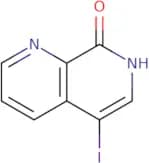
CAS:<p>Versatile small molecule scaffold</p>Formula:C7H13Cl2N3Purity:Min. 95%Molecular weight:210.1 g/mol5-Iodo-1,7-naphthyridin-8(7H)-one
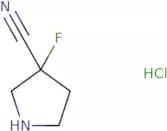
CAS:<p>Versatile small molecule scaffold</p>Formula:C8H5IN2OPurity:Min. 95%Molecular weight:272.04 g/mol3-Fluoropyrrolidine-3-carbonitrile hydrochloride
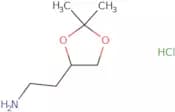
CAS:<p>Versatile small molecule scaffold</p>Formula:C5H8ClFN2Purity:Min. 95%Molecular weight:150.58 g/mol2-(2,2-Dimethyl-1,3-dioxolan-4-yl)ethanamine hydrochloride
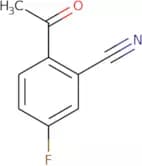
CAS:<p>Versatile small molecule scaffold</p>Formula:C7H16ClNO2Purity:Min. 95%Molecular weight:181.66 g/mol2-Acetyl-5-fluorobenzonitrile
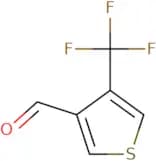
CAS:<p>Versatile small molecule scaffold</p>Formula:C9H6FNOPurity:Min. 95%Molecular weight:163.15 g/mol4-(Trifluoromethyl)thiophene-3-carbaldehyde
CAS:Versatile small molecule scaffoldFormula:C6H3F3OSPurity:Min. 95%Molecular weight:180.15 g/mol

![5H,6H,7H,8H-Pyrazino[2,3-d]pyridazine-5,8-dione](/_next/image/?url=https%3A%2Fstatic.cymitquimica.com%2Fproducts%2F3D%2Fthumb-webp%2FNAA48040.webp&w=3840&q=75)
![2-[(2-Methoxyethoxy)methyl]oxirane](/_next/image/?url=https%3A%2Fstatic.cymitquimica.com%2Fproducts%2F3D%2Fthumb-webp%2FNAA48349.webp&w=3840&q=75)

![N-[3-(Dimethylamino)propyl]-2-hydroxybenzamide](/_next/image/?url=https%3A%2Fstatic.cymitquimica.com%2Fproducts%2F3D%2Fthumb-webp%2FNBA39443.webp&w=3840&q=75)

![5-[(Oxiran-2-yl)methoxy]-1,3-dioxaindane](/_next/image/?url=https%3A%2Fstatic.cymitquimica.com%2Fproducts%2F3D%2Fthumb-webp%2FNBA41765.webp&w=3840&q=75)


![4-[2-(Diethylamino)ethoxy]aniline](/_next/image/?url=https%3A%2Fstatic.cymitquimica.com%2Fproducts%2F3D%2Fthumb-webp%2FNBA51963.webp&w=3840&q=75)
![2-[4-(benzyloxy)phenoxy]acetic acid](/_next/image/?url=https%3A%2Fstatic.cymitquimica.com%2Fproducts%2F3D%2Fthumb-webp%2FNBA55992.webp&w=3840&q=75)
![3-[(2-Nitrophenyl)amino]propanoic acid](/_next/image/?url=https%3A%2Fstatic.cymitquimica.com%2Fproducts%2F3D%2Fthumb-webp%2FNBA58458.webp&w=3840&q=75)
![5H,6H,7H,8H-Imidazo[1,5-a]pyridine](/_next/image/?url=https%3A%2Fstatic.cymitquimica.com%2Fproducts%2F3D%2Fthumb-webp%2FNBA66630.webp&w=3840&q=75)
![1,9,10,11,12,12-Hexachloro-5-oxatetracyclo[7.2.1.0²,⁸.0⁴,⁶]dodec-10-ene-3,7-dione](/_next/image/?url=https%3A%2Fstatic.cymitquimica.com%2Fproducts%2F3D%2Fthumb-webp%2FNBA66780.webp&w=3840&q=75)
![1-Oxa-7-azaspiro[3.5]nonane](/_next/image/?url=https%3A%2Fstatic.cymitquimica.com%2Fproducts%2F3D%2Fthumb-webp%2FNBA67421.webp&w=3840&q=75)





![6-Methyl-1-oxaspiro[2.5]octane](/_next/image/?url=https%3A%2Fstatic.cymitquimica.com%2Fproducts%2F3D%2Fthumb-webp%2FNBA70971.webp&w=3840&q=75)


![1-Chloro-4-[(2-isothiocyanatoethyl)sulfanyl]benzene](/_next/image/?url=https%3A%2Fstatic.cymitquimica.com%2Fproducts%2F3D%2Fthumb-webp%2FNBA75240.webp&w=3840&q=75)
![1,4-Dioxaspiro[4.4]nonane-6-carboxylic acid](/_next/image/?url=https%3A%2Fstatic.cymitquimica.com%2Fproducts%2F3D%2Fthumb-webp%2FNBA85385.webp&w=3840&q=75)
![2-(4-Chlorophenyl)imidazo[1,2-a]pyridine](/_next/image/?url=https%3A%2Fstatic.cymitquimica.com%2Fproducts%2F3D%2Fthumb-webp%2FNBA92274.webp&w=3840&q=75)
![Imidazo[1,2-a]pyridine-2-carbonitrile](/_next/image/?url=https%3A%2Fstatic.cymitquimica.com%2Fproducts%2F3D%2Fthumb-webp%2FNBA92279.webp&w=3840&q=75)
![[1-(Aminomethyl)cyclopentyl]methanamine](/_next/image/?url=https%3A%2Fstatic.cymitquimica.com%2Fproducts%2F3D%2Fthumb-webp%2FNBA93272.webp&w=3840&q=75)
![1-[(Aminooxy)methyl]-4-methylbenzene hydrochloride](/_next/image/?url=https%3A%2Fstatic.cymitquimica.com%2Fproducts%2F3D%2Fthumb-webp%2FNBA93662.webp&w=3840&q=75)
![4-[2-(4-Methylpiperazin-1-yl)ethoxy]aniline](/_next/image/?url=https%3A%2Fstatic.cymitquimica.com%2Fproducts%2F3D%2Fthumb-webp%2FNBA94828.webp&w=3840&q=75)
![tert-butyl N-{[(1s,3s)-3-aminocyclobutyl]methyl}carbamate, cis](/_next/image/?url=https%3A%2Fstatic.cymitquimica.com%2Fproducts%2F3D%2Fthumb-webp%2FNEC38181.webp&w=3840&q=75)
![2-(tert-Butoxycarbonyl)-2-azaspiro[4.5]decane-8-carboxylic acid](/_next/image/?url=https%3A%2Fstatic.cymitquimica.com%2Fproducts%2F3D%2Fthumb-webp%2FNEC38187.webp&w=3840&q=75)
![methyl 5H-pyrrolo[2,3-b]pyrazine-2-carboxylate](/_next/image/?url=https%3A%2Fstatic.cymitquimica.com%2Fproducts%2F3D%2Fthumb-webp%2FNEC38189.webp&w=3840&q=75)
![methyl 1H-pyrazolo[3,4-c]pyridine-4-carboxylate](/_next/image/?url=https%3A%2Fstatic.cymitquimica.com%2Fproducts%2F3D%2Fthumb-webp%2FNEC38190.webp&w=3840&q=75)
![6-Boc-1-oxo-6-azaspiro[3.5]nonane](/_next/image/?url=https%3A%2Fstatic.cymitquimica.com%2Fproducts%2F3D%2Fthumb-webp%2FNEC38196.webp&w=3840&q=75)
![tert-Butyl N-[3-(hydroxymethyl)oxetan-3-yl]carbamate](/_next/image/?url=https%3A%2Fstatic.cymitquimica.com%2Fproducts%2F3D%2Fthumb-webp%2FNEC38211.webp&w=3840&q=75)
![6-bromo-1h-pyrazolo[4,3-b]pyridine-3-carboxylic acid](/_next/image/?url=https%3A%2Fstatic.cymitquimica.com%2Fproducts%2F3D%2Fthumb-webp%2FNEC38229.webp&w=3840&q=75)
![5-[(tert-butoxy)carbonyl]-5-azaspiro[2.5]octane-1-carboxylic acid](/_next/image/?url=https%3A%2Fstatic.cymitquimica.com%2Fproducts%2F3D%2Fthumb-webp%2FNEC38236.webp&w=3840&q=75)
![tert-Butyl 7-oxo-2-azaspiro[3.4]octane-2-carboxylate](/_next/image/?url=https%3A%2Fstatic.cymitquimica.com%2Fproducts%2F3D%2Fthumb-webp%2FNEC38239.webp&w=3840&q=75)
![1-({[(tert-butoxy)carbonyl]amino}methyl)-3,3-difluorocyclobutane-1-carboxylic acid](/_next/image/?url=https%3A%2Fstatic.cymitquimica.com%2Fproducts%2F3D%2Fthumb-webp%2FNEC38241.webp&w=3840&q=75)
![Methyl 1H-pyrazolo[4,3-c]pyridine-3-carboxylate](/_next/image/?url=https%3A%2Fstatic.cymitquimica.com%2Fproducts%2F3D%2Fthumb-webp%2FNEC38284.webp&w=3840&q=75)
![imidazo[2,1-f][1,2,4]triazin-4-amine](/_next/image/?url=https%3A%2Fstatic.cymitquimica.com%2Fproducts%2F3D%2Fthumb-webp%2FNEC38300.webp&w=3840&q=75)
![1H-pyrazolo[4,3-b]pyridine-7-carboxylic acid](/_next/image/?url=https%3A%2Fstatic.cymitquimica.com%2Fproducts%2F3D%2Fthumb-webp%2FNEC38315.webp&w=3840&q=75)
![2-azaspiro[3.5]nonane-2-carboxylic acid, 7-hydroxy-, 1,1-dimethylethyl ester](/_next/image/?url=https%3A%2Fstatic.cymitquimica.com%2Fproducts%2F3D%2Fthumb-webp%2FNEC38318.webp&w=3840&q=75)
![[1-(aminomethyl)-3,3-difluorocyclobutyl]methanol](/_next/image/?url=https%3A%2Fstatic.cymitquimica.com%2Fproducts%2F3D%2Fthumb-webp%2FNEC38340.webp&w=3840&q=75)
![2-Methyl-5H,6H,7H,8H-imidazo[1,2-a]pyrazine dihydrochloride](/_next/image/?url=https%3A%2Fstatic.cymitquimica.com%2Fproducts%2F3D%2Fthumb-webp%2FNEC40499.webp&w=3840&q=75)