


Building Blocks
This section contains fundamental products for the synthesis of organic and biological compounds. Building blocks are the essential starting materials used to construct complex molecules through various chemical reactions. They play a critical role in drug discovery, material science, and chemical research. At CymitQuimica, we offer a diverse range of high-quality building blocks to support your innovative research and industrial projects, ensuring you have the essential components for successful synthesis.
Subcategories of "Building Blocks"
- Boronic Acids & Boronic Acid Derivatives(5,756 products)
- Chiral Building Blocks(1,242 products)
- Hydrocarbon Building Blocks(6,093 products)
- Organic Building Blocks(60,529 products)
Found 195534 products of "Building Blocks"
Sort by
Purity (%)
0
100
|
0
|
50
|
90
|
95
|
100
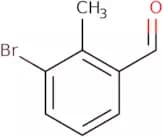
3-Bromo-2-methylbenzaldehyde
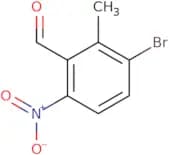
CAS:<p>Versatile small molecule scaffold</p>Formula:C8H7BrOPurity:Min. 95%Molecular weight:199.04 g/mol3-bromo-2-methyl-6-nitrobenzaldehyde
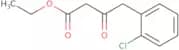
CAS:<p>Versatile small molecule scaffold</p>Formula:C8H6BrNO3Purity:Min. 95%Molecular weight:244 g/mol4-(2-Chloro-phenyl)-3-oxo-butyric acid ethyl ester
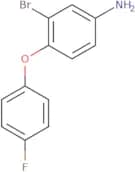
CAS:<p>Versatile small molecule scaffold</p>Formula:C12H13ClO3Purity:Min. 95%Molecular weight:240.68 g/mol3-Bromo-4-(4-fluorophenoxy)aniline
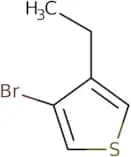
CAS:<p>Versatile small molecule scaffold</p>Formula:C12H9BrFNOPurity:Min. 95%Molecular weight:282.11 g/mol3-Bromo-4-ethylthiophene
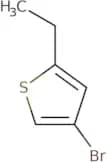
CAS:<p>Versatile small molecule scaffold</p>Formula:C6H7BrSPurity:Min. 95%Molecular weight:191.09 g/mol4-Bromo-2-ethylthiophene
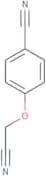
CAS:<p>Versatile small molecule scaffold</p>Formula:C6H7BrSPurity:Min. 95%Molecular weight:191.09 g/mol4-(Cyanomethoxy)benzonitrile
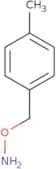
CAS:<p>Versatile small molecule scaffold</p>Formula:C9H6N2OPurity:Min. 95%Molecular weight:158.16 g/molO-(4-Methyl-benzyl)-hydroxylamine
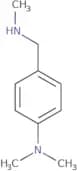
CAS:<p>Versatile small molecule scaffold</p>Formula:C8H11NOPurity:Min. 95%Molecular weight:137.18 g/molN,N-Dimethyl-4-((methylamino)methyl)aniline
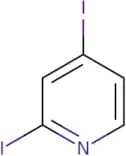
CAS:<p>Versatile small molecule scaffold</p>Formula:C10H16N2Purity:Min. 95%Molecular weight:164.25 g/mol2,4-Diiodopyridine
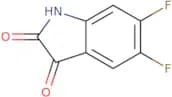
CAS:<p>Versatile small molecule scaffold</p>Formula:C5H3I2NPurity:Min. 95%Molecular weight:330.89 g/mol5,6-difluoroisoindoline-1,3-dione
CAS:<p>Versatile small molecule scaffold</p>Formula:C8H3F2NO2Purity:Min. 95%Molecular weight:183.11 g/mol1-[(4-Chlorophenyl)phenylmethyl]piperazine
CAS:Controlled Product<p>1-[(4-Chlorophenyl)phenylmethyl]piperazine is an analytical reagent that is used in the determination of meclozine, a drug used for the treatment of nausea and vomiting. 1-[(4-Chlorophenyl)phenylmethyl]piperazine is a nucleophile, which means that it can donate electrons to other molecules. It can be used as a catalyst to increase the rate of chemical reactions. 1-[(4-Chlorophenyl)phenylmethyl]piperazine may also be used in wastewater treatment because it has been shown to have phospholipidosis inhibiting properties. The levorotatory form (1R-enantiomer) of this compound has been shown to inhibit protein synthesis in vitro and is an amine oxidase inhibitor that binds to proteins with nitrogen atoms. This nucleophilic compound may also be converted into an n-oxide or dinucleotide phosphate by hydrochloric acid and</p>Formula:C17H19ClN2Purity:Min. 95%Molecular weight:286.8 g/mol4-Chlorophenylacetylene
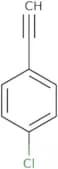
CAS:<p>4-Chlorophenylacetylene is a compound that is created by the reaction of chloroform and acetylene. The reaction yield can be increased by using a catalytic amount of silicon, which increases the rate of hydration. Terminal alkynes react with 4-chlorophenylacetylene to form polymers, which are insoluble in most solvents. 4-Chlorophenylacetylene has been shown to have inhibitory activity against the growth of bacteria and fungi when tested in model species such as Escherichia coli and Saccharomyces cerevisiae.</p>Formula:C8H5ClPurity:Min. 95%Color and Shape:PowderMolecular weight:136.58 g/mol1,4-Dichloro-2-butyne
CAS:<p>1,4-Dichloro-2-butyne is a colorless liquid with a sweet odor. It is used as an intermediate in organic synthesis. 1,4-Dichloro-2-butyne can be prepared by the reaction of ethylene diamine and benzyl chloride in the presence of xylenes to form the corresponding ethyl diazoacetate. The ethyl diazoacetate is then reacted with chlorosulfonic acid to produce 1,4-dichlorobutane. This compound can be converted into other compounds such as amides, ethers, and esters using ethyl diazoacetate.</p>Formula:C4H4Cl2Purity:Min. 95%Color and Shape:Colorless Clear LiquidMolecular weight:122.98 g/mol2,3-Diaminobenzoic acid
CAS:<p>2,3-Diaminobenzoic acid is a benzimidazole derivative that is used in the treatment of microbial infections. It has been shown to inhibit the growth of bacteria by binding to their ribosomes and inhibiting protein synthesis. The reaction solution of 2,3-diaminobenzoic acid has fluorescence properties that can be used to detect contaminating substances. The conjugates formed with p-hydroxyphenylacetic acid are more soluble than those formed with hydroxybenzoic acid. 2,3-Diaminobenzoic acid is not very toxic and does not cause any detectable changes in enzyme activities or other biochemical parameters in short term exposure. It can be easily decomposed by sodium chloride into chlorine gas and hydrochloric acid, which are both highly reactive with water.</p>Formula:C7H8N2O2Purity:Min. 95%Color and Shape:PowderMolecular weight:152.15 g/mol4,4'-Dithio-2,2'-bipyridine
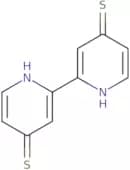
CAS:<p>Please enquire for more information about 4,4'-Dithio-2,2'-bipyridine including the price, delivery time and more detailed product information at the technical inquiry form on this page</p>Formula:C10H8N2S2Purity:Min. 95%Color and Shape:PowderMolecular weight:220.32 g/mol3,6-Dichloropyridazine
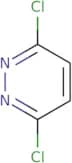
CAS:<p>3,6-Dichloropyridazine is a chemical compound that belongs to the group of heterocycles. It is used as an intermediate for the production of other chemicals such as pharmaceuticals and pesticides. 3,6-Dichloropyridazine can be used in the treatment of inflammatory diseases by inhibiting cyclic nucleotide phosphodiesterase and preventing the accumulation of cyclic nucleotides. 3,6-Dichloropyridazine has been shown to inhibit cancer cells by binding to α7 nicotinic acetylcholine receptors in the cell membrane. The chlorine atom at position 3 on the pyridine ring is responsible for this effect. In addition, 3,6-dichloropyridazine has been shown to react with both nucleophilic and electrophilic groups. This chemical also displays a wide range of chemical diversity due to its three chlorine atoms.</p>Formula:C4H2Cl2N2Purity:Min. 95%Color and Shape:Red PowderMolecular weight:148.98 g/molDiethyl malonate
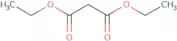
CAS:<p>Diethyl malonate is a bioactive phytochemical that is one of the glycol ethers. It is an organic compound with a reactive nature, which can undergo reactions with other compounds to form new compounds. Diethyl malonate has been shown to be effective for reducing metabolic disorders in rats, such as diabetes mellitus and hypercholesterolemia. This compound is also used for the treatment of conditions related to coumarin derivatives and glycoside derivatives. Diethyl malonate may react with other molecules by using an oxidation process called a Michael addition. The x-ray diffraction data indicated that the diethylmalonic acid molecule had two rings: one ring was six-membered and the other was five-membered.</p>Formula:C7H12O4Purity:Min. 95%Color and Shape:Colourless Clear LiquidMolecular weight:160.17 g/mol2,4-Dichloropyrimidine-5-carboxylic acid
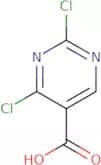
CAS:<p>2,4-Dichloropyrimidine-5-carboxylic acid is a chlorinating agent that reacts with nucleophiles to form chlorides. It has been used as a reactive intermediate in the synthesis of dyestuffs and esters. 2,4-Dichloropyrimidine-5-carboxylic acid can be prepared by cycloacylation of phosphorus oxychloride with an alkyne followed by chlorination. A chlorinating agent can also be prepared from enamines and chlorine. 2,4-Dichloropyrimidine-5-carboxylic acid is a reactive compound that can be used in the manufacture of pesticides, herbicides, and insecticides.</p>Formula:C5H2Cl2N2O2Purity:Min. 95%Molecular weight:192.99 g/molDocosane
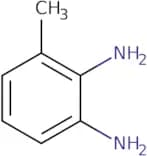
CAS:<p>Please enquire for more information about Docosane including the price, delivery time and more detailed product information at the technical inquiry form on this page</p>Formula:C22H46Purity:Min. 95%Molecular weight:310.6 g/mol2,3-Diaminotoluene
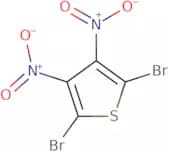
CAS:<p>2,3-Diaminotoluene is a compound that can be synthesized through the reaction of 2,4-diaminotoluene and picric acid. It has been used as a fluorescent probe for palladium complexes and has been shown to have efficient fluorescence properties in chromatographic applications. 2,3-Diaminotoluene has also been found to be an effective anti-bacterial agent against Gram-positive bacteria such as Staphylococcus aureus and Enterococcus faecalis. This compound has also been shown to have antitumour activity against leukemia cells. The synthesis of 2,3-diaminotoluene involves the reaction of amines with formaldehyde followed by dehydration.</p>Formula:C7H10N2Purity:Min. 95%Color and Shape:PowderMolecular weight:122.17 g/mol2,5-Dibromo-3,4-dinitrothiophene
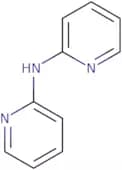
CAS:<p>2,5-Dibromo-3,4-dinitrothiophene is a functional group that has been used in the synthesis of electroactive polymers. It is an electron deficient compound with a redox potential of 1.29 V and an overpotential of 0.07 V for the oxidation of nitro groups to the corresponding dinitrothiophene radical cations. 2,5-Dibromo-3,4-dinitrothiophene can be used as an acceptor in polymer films and as a substrate concentration indicator in sulfate solutions. The structural theory for 2,5-dibromo-3,4-dinitrothiophene is based on the assumption that it has two electrons in its outer shell and one electron in its inner shell.</p>Formula:C4Br2N2O4SPurity:Min. 95%Color and Shape:White PowderMolecular weight:331.93 g/mol2,2'-Dipyridylamine
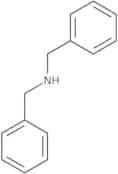
CAS:<p>2,2'-Dipyridylamine is a compound that belongs to the group of low-energy compounds. It has been shown to have antimicrobial activity against bacteria and fungi and has been demonstrated to be effective in treating cancer cells. 2,2'-Dipyridylamine is a molecule with two nitrogen atoms, which are bound by hydrogen bonds. This compound also contains methoxy groups that are coordinated by the nitrogen atoms. The structural analysis shows that there are three open coordination sites for metal ions that can bind with the nitrogen atoms. The x-ray diffraction data show that 2,2'-dipyridylamine crystallizes in a monoclinic system with an orthorhombic unit cell.</p>Formula:C10H9N3Purity:Min. 95%Molecular weight:171.2 g/molN,N-Dibenzylamine
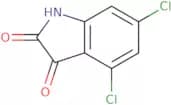
CAS:<p>N,N-Dibenzylamine is a pyrimidine compound that is used as a model system to study the fatty acid-pyrimidine interactions. The iminodibenzyl group on N,N-dibenzylamine reacts with the ethylene diamine moiety in a reaction mechanism that is analogous to the reactions of natural nucleic acids. This reaction can be used to determine the water vapor pressure, which is useful in predicting locomotor activity and pharmacokinetic properties. This compound has been found to have antidepressant effects when administered orally in rats.</p>Formula:C14H15NPurity:Min. 95%Color and Shape:Clear LiquidMolecular weight:197.28 g/mol4,6-Dichloroisatin
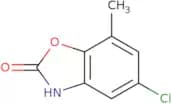
CAS:<p>4,6-Dichloroisatin is a pro-apoptotic compound that is synthesized from amino acids. It has been shown to have anticancer activity in human liver cancer cells, which may be due to its ability to induce apoptosis. 4,6-Dichloroisatin has also been shown to inhibit the production of electron transport chain proteins in the mitochondria by binding to their regulatory sites and inhibiting their phosphorylation. This inhibition of electron transport chain proteins leads to an accumulation of electrons that can react with molecular oxygen and produce reactive oxygen species (ROS). ROS are known for their ability to cause DNA damage and cell death through oxidative stress.</p>Formula:C8H3Cl2NO2Purity:Min. 95%Molecular weight:216.02 g/mol5-Chloro-7-methyl-2,3-dihydro-1,3-benzoxazol-2-one
CAS:<p>Versatile small molecule scaffold</p>Formula:C8H6ClNO2Purity:Min. 95%Molecular weight:183.59 g/molBenzo[1,3]dioxole-5-carboxamidine hydrochloride
CAS:<p>Versatile small molecule scaffold</p>Formula:C8H9ClN2O2Purity:Min. 95%Color and Shape:PowderMolecular weight:200.62 g/mol2-Phenylpyrazolo[1,5-a]pyridine-3-carboxylic acid
CAS:<p>2-Phenylpyrazolo[1,5-a]pyridine-3-carboxylic acid is a reagent that is used to fluorinate methyl esters. It can be used to monitor the reaction by spectroscopy. 2-Phenylpyrazolo[1,5-a]pyridine-3-carboxylic acid reacts with acid methyl esters to form acid methyl esters in the presence of selectfluor. The product can be purified by extraction with ethanol and recrystallization or by column chromatography.</p>Formula:C14H10N2O2Purity:Min. 95%Molecular weight:238.24 g/mol2-Methylpyrazolo[1,5-a]pyridine-3-carboxylic acid
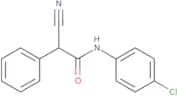
CAS:<p>Versatile small molecule scaffold</p>Formula:C9H8N2O2Purity:Min. 95%Molecular weight:176.17 g/molN-(4-Chlorophenyl)-2-cyano-2-phenylacetamide
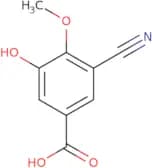
CAS:<p>Versatile small molecule scaffold</p>Formula:C15H11ClN2OPurity:Min. 95%Molecular weight:270.71 g/mol3-Cyano-5-hydroxy-4-methoxybenzoic acid
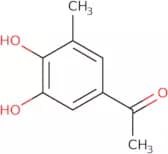
CAS:<p>Versatile small molecule scaffold</p>Formula:C9H7NO4Purity:Min. 95%Molecular weight:193.16 g/mol1-(3,4-Dihydroxy-5-methylphenyl)ethan-1-one
CAS:<p>Versatile small molecule scaffold</p>Formula:C9H10O3Purity:Min. 95%Molecular weight:166.17 g/mol(R)-(+)-2-[(1-Phenylethyl)amino]ethanol
CAS:<p>Versatile small molecule scaffold</p>Formula:C10H15NOPurity:Min. 95%Molecular weight:165.23 g/molTetrahydrothiophene-2-Carboxylic Acid 1,1-Dioxide
CAS:<p>Versatile small molecule scaffold</p>Formula:C5H8O4SPurity:Min. 95%Molecular weight:164.18 g/mol4-(Chloromethyl)-8-oxa-3,5-diazatricyclo[7.4.0.0,2,7]trideca-1(13),2(7),3,9,11-pentaen-6-one
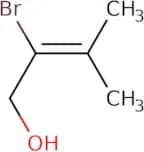
CAS:<p>Versatile small molecule scaffold</p>Formula:C11H7ClN2O2Purity:Min. 95%Molecular weight:234.64 g/mol2-Bromo-3-methylbut-2-en-1-ol
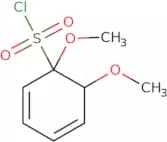
CAS:<p>Versatile small molecule scaffold</p>Formula:C5H9BrOPurity:Min. 95%Molecular weight:165.03 g/mol3,5-dimethoxybenzene-1-sulfonyl chloride
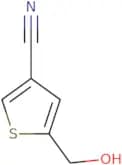
CAS:<p>Versatile small molecule scaffold</p>Formula:C8H9ClO4SPurity:Min. 95%Molecular weight:236.67 g/mol5-(Hydroxymethyl)-3-thiophenecarbonitrile
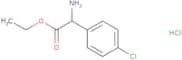
CAS:<p>Versatile small molecule scaffold</p>Formula:C6H5NOSPurity:Min. 95%Molecular weight:139.18 g/molEthyl 2-amino-2-(4-chlorophenyl)acetate hydrochloride
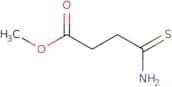
CAS:<p>Versatile small molecule scaffold</p>Formula:C10H13Cl2NO2Purity:Min. 95%Molecular weight:250.12 g/molMethyl 3-carbamothioylpropanoate
CAS:<p>Versatile small molecule scaffold</p>Formula:C5H9NO2SPurity:Min. 95%Molecular weight:147.2 g/mol1-(Bicyclo[2.2.1]heptan-1-yl)ethanone
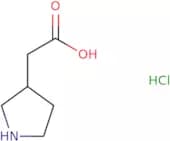
CAS:<p>Versatile small molecule scaffold</p>Formula:C9H14OPurity:Min. 95%Molecular weight:138.2 g/mol(Pyrrolidin-3-yl)acetic acid hydrochloride
CAS:<p>Versatile small molecule scaffold</p>Formula:C6H12ClNO2Purity:Min. 95%Molecular weight:165.62 g/molMethyl 2-amino-5-phenyl-1,3-thiazole-4-carboxylate
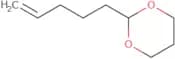
CAS:<p>Versatile small molecule scaffold</p>Formula:C11H10N2O2SPurity:Min. 95%Molecular weight:234.28 g/mol2-(Pent-4-en-1-yl)-1,3-dioxane
CAS:<p>Versatile small molecule scaffold</p>Formula:C9H16O2Purity:Min. 95%Molecular weight:156.22 g/mol[(2-Methoxyethyl)carbamoyl]formic acid
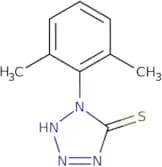
CAS:<p>Versatile small molecule scaffold</p>Formula:C5H9NO4Purity:Min. 95%Molecular weight:147.13 g/mol1-(2,6-Dimethylphenyl)-1H-1,2,3,4-tetrazole-5-thiol
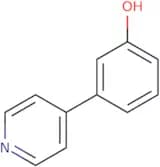
CAS:<p>Versatile small molecule scaffold</p>Formula:C9H10N4SPurity:Min. 95%Molecular weight:206.27 g/mol3-(Pyridin-4-yl)phenol
CAS:<p>Versatile small molecule scaffold</p>Formula:C11H9NOPurity:Min. 95%Molecular weight:171.19 g/molAzido myristic acid
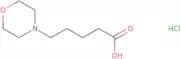
CAS:<p>Versatile small molecule scaffold</p>Formula:C12H23N3O2Purity:Min. 95%Molecular weight:241.33 g/mol5-(Morpholin-4-yl)pentanoic acid hydrochloride
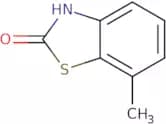
CAS:<p>Versatile small molecule scaffold</p>Formula:C9H18ClNO3Purity:Min. 95%Molecular weight:223.7 g/mol7-Methyl-2,3-dihydro-1,3-benzothiazol-2-one
CAS:<p>Versatile small molecule scaffold</p>Formula:C8H7NOSPurity:Min. 95%Molecular weight:165.21 g/mol4-Amino-2-chlorophenylacetylene
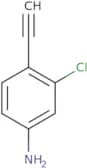
CAS:<p>Versatile small molecule scaffold</p>Formula:C8H6ClNPurity:Min. 95%Molecular weight:151.59 g/mol2-Methyl-4h-furo[3,2-b]pyrrole-5-carboxylic acid
CAS:<p>Versatile small molecule scaffold</p>Formula:C8H7NO3Purity:Min. 95%Molecular weight:165.15 g/mol5-Hydroxy-3,3-dimethylindolin-2-one
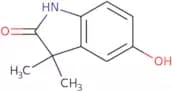
CAS:<p>Versatile small molecule scaffold</p>Formula:C10H11NO2Purity:Min. 95%Molecular weight:177.2 g/mol4,4-Diethyl-2,6-dioxopiperidine-3,5-dicarbonitrile
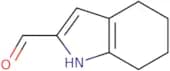
CAS:<p>Versatile small molecule scaffold</p>Formula:C11H13N3O2Purity:Min. 95%Molecular weight:219.24 g/mol4,5,6,7-Tetrahydro-1H-indole-2-carbaldehyde
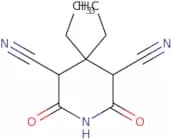
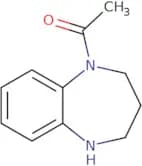
CAS:<p>Versatile small molecule scaffold</p>Formula:C9H11NOPurity:Min. 95%Molecular weight:149.19 g/mol1-(2,3,4,5-Tetrahydro-1H-1,5-benzodiazepin-1-yl)ethan-1-one
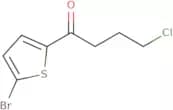
CAS:<p>Versatile small molecule scaffold</p>Formula:C11H14N2OPurity:Min. 95%Molecular weight:190.24 g/mol1-(5-Bromothiophen-2-yl)-4-chlorobutan-1-one
CAS:<p>Versatile small molecule scaffold</p>Formula:C8H8BrClOSPurity:Min. 95%Molecular weight:267.57 g/molMethyl 2-[(trifluoromethyl)sulfanyl]acetate
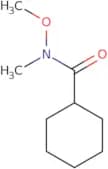
CAS:<p>Versatile small molecule scaffold</p>Formula:C4H5F3O2SPurity:Min. 95%Molecular weight:174.14 g/molN-methoxy-N-methylcyclohexanecarboxamide
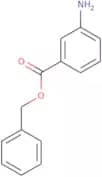
CAS:<p>Versatile small molecule scaffold</p>Formula:C9H17NO2Purity:Min. 95%Molecular weight:171.24 g/molBenzyl 3-aminobenzoate
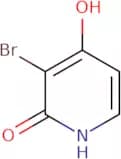
CAS:<p>Benzyl 3-aminobenzoate is an amide that has a pharmacophore with the calixarenes, which are aromatic hydrocarbons that have a rigid carbon framework. Benzyl 3-aminobenzoate is a pseudopeptide, which means it has an amide bond and contains both amino acids and peptide bonds. It is composed of three subunits, each with a different function. The first subunit binds to the bile acid receptor in the liver and prevents the excretion of bile acids. The second subunit binds to the enzyme that synthesizes cyclic peptides and prevents its activity. The third subunit binds to the enzyme that produces cholesterol in order to prevent its production. Benzyl 3-aminobenzoate is scalable because it can be synthesized on a large scale at low cost through a ternary complex process involving hydrogenation, crystallization, and molecule modeling.</p>Formula:C14H13NO2Purity:Min. 95%Molecular weight:227.26 g/mol3-Bromopyridine-2,4-diol
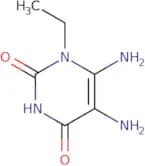
CAS:<p>3-Bromopyridine-2,4-diol is a potent inhibitor of leukemias. It is an l1210 leukemia cell line, which is sensitive to this drug. 3-Bromopyridine-2,4-diol has been shown to inhibit the proliferation of murine leukemia cells and human leukemia cells that are resistant to other drugs. 3-Bromopyridine-2,4-diol inhibits the growth of viruses by alkylating their DNA and prevents the replication of carbocyclic nucleosides by binding to them. This drug also inhibits the synthesis of viral RNA and DNA in these cells.</p>Formula:C5H4BrNO2Purity:Min. 95%Molecular weight:189.99 g/mol5,6-Diamino-1-ethyl-1,2,3,4-tetrahydropyrimidine-2,4-dione
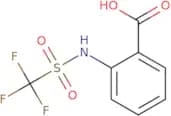
CAS:<p>Versatile small molecule scaffold</p>Formula:C6H10N4O2Purity:Min. 95%Molecular weight:170.17 g/mol2-Trifluoromethanesulfonamidobenzoic acid
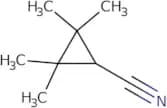
CAS:<p>Versatile small molecule scaffold</p>Formula:C8H6F3NO4SPurity:Min. 95%Molecular weight:269.2 g/molTetramethylcyclopropane-1-carbonitrile
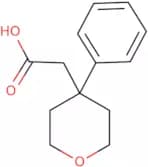
CAS:<p>Versatile small molecule scaffold</p>Formula:C8H13NPurity:Min. 95%Molecular weight:123.2 g/mol2-(4-Phenyltetrahydro-2H-pyran-4-yl)acetic acid
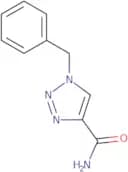
CAS:<p>Versatile small molecule scaffold</p>Formula:C13H16O3Purity:Min. 95%Molecular weight:220.26 g/mol1-Benzyl-1H-1,2,3-triazole-4-carboxamide
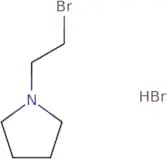
CAS:<p>Versatile small molecule scaffold</p>Formula:C10H10N4OPurity:Min. 95%Molecular weight:202.21 g/mol1-(2-Bromoethyl)pyrrolidine hydrobromide
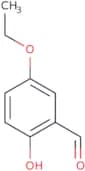
CAS:<p>Versatile small molecule scaffold</p>Formula:C6H13Br2NPurity:Min. 95%Molecular weight:258.99 g/mol5-Ethoxy-2-hydroxy-benzaldehyde
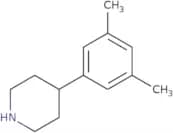
CAS:<p>The chemical compound 5-Ethoxy-2-hydroxybenzaldehyde is an aldehyde that has been synthesized by reacting sodium carbonate with 2,5-dichloro-4-ethoxybenzaldehyde. This reaction creates a sodium salt of the aldehyde and leaves behind the desired product in its pure form. It is soluble in water and ethanol. The chemical structure of this compound consists of a benzene ring with two hydroxyl groups on the opposite side of the ring from each other.</p>Formula:C9H10O3Purity:Min. 95%Molecular weight:166.2 g/mol4-(3,5-Dimethylphenyl)piperidine
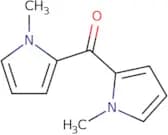
CAS:<p>Versatile small molecule scaffold</p>Formula:C13H19NPurity:Min. 95%Molecular weight:189.3 g/mol1-Methyl-2-(1-methyl-1H-pyrrole-2-carbonyl)-1H-pyrrole
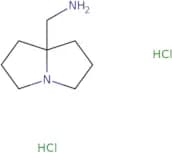
CAS:<p>Versatile small molecule scaffold</p>Formula:C11H12N2OPurity:Min. 95%Molecular weight:188.23 g/molHexahydro-1H-pyrrolizin-7a-ylmethanamine dihydrochloride
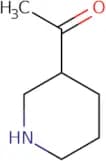
CAS:Versatile small molecule scaffoldFormula:C8H18Cl2N2Purity:Min. 95%Molecular weight:213.15 g/mol1-Piperidin-3-ylethanone
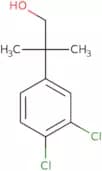
CAS:<p>Versatile small molecule scaffold</p>Formula:C7H13NOPurity:Min. 95%Molecular weight:127.19 g/mol2-(3,4-Dichlorophenyl)-2-methylpropan-1-ol
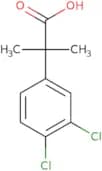
CAS:<p>Versatile small molecule scaffold</p>Formula:C10H12Cl2OPurity:Min. 95%Molecular weight:219.1 g/mol2-(3,4-Dichlorophenyl)-2-methylpropanoic acid
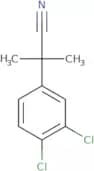
CAS:<p>Versatile small molecule scaffold</p>Formula:C10H10Cl2O2Purity:Min. 95%Molecular weight:233.09 g/mol2-(3,4-Dichlorophenyl)-2-methylpropanenitrile
CAS:<p>Versatile small molecule scaffold</p>Formula:C10H9Cl2NPurity:Min. 95%Molecular weight:214.09 g/mol6-Methoxy-1,2,3,4-tetrahydronaphthalene-1-carboxylic acid
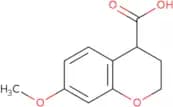
CAS:<p>Versatile small molecule scaffold</p>Formula:C12H14O3Purity:Min. 95%Molecular weight:206.24 g/mol7-Methoxy-3,4-dihydro-2H-1-benzopyran-4-carboxylic acid
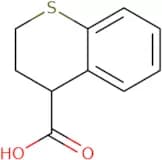
CAS:<p>Versatile small molecule scaffold</p>Formula:C11H12O4Purity:Min. 95%Molecular weight:208.21 g/mol3,4-Dihydro-2H-1-benzothiopyran-4-carboxylic acid
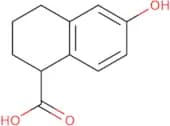
CAS:<p>Versatile small molecule scaffold</p>Formula:C10H10O2SPurity:Min. 95%Molecular weight:194.25 g/mol6-Hydroxy-1,2,3,4-tetrahydronaphthalene-1-carboxylic acid
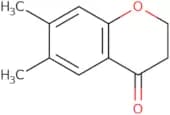
CAS:<p>Versatile small molecule scaffold</p>Formula:C11H12O3Purity:Min. 95%Molecular weight:192.21 g/mol6,7-Dimethyl-3,4-dihydro-2H-1-benzopyran-4-one
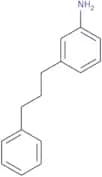
CAS:<p>Versatile small molecule scaffold</p>Formula:C11H12O2Purity:Min. 95%Molecular weight:176.21 g/mol3-(3-Phenylpropyl)aniline
CAS:<p>Versatile small molecule scaffold</p>Formula:C15H17NPurity:Min. 95%Molecular weight:211.3 g/mol4-(3-Phenylpropyl)aniline
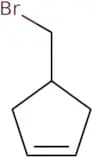
CAS:<p>Versatile small molecule scaffold</p>Formula:C15H17NPurity:Min. 95%Molecular weight:211.3 g/mol4-(Bromomethyl)cyclopentene
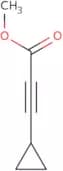
CAS:<p>Versatile small molecule scaffold</p>Formula:C6H9BrPurity:Min. 95%Molecular weight:161.04 g/molMethyl 3-Cyclopropylpropiolate
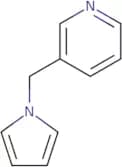
CAS:<p>Versatile small molecule scaffold</p>Formula:C7H8O2Purity:Min. 95%Molecular weight:124.14 g/mol3-(1-Pyrrolylmethyl)pyridine
CAS:<p>3-(1-Pyrrolylmethyl)pyridine (3PMP) is a pyrrole that can be used as an electrocatalyst in polymerization reactions. The catalytic activity of 3PMP has been studied by electrochemical impedance spectroscopy and voltammetry. 3PMP is also a good electron donor because of its ability to form a stable radical cation at the electrode. This redox potential may be due to the presence of pyridine nitrogen, which is able to form strong hydrogen bonds with other molecules. 3PMP has also been shown to have good transport properties and can be used for copolymerization with other monomers, such as tetraphenylporphine, leading to an exponential increase in the number of polymer chains formed.</p>Formula:C10H10N2Purity:Min. 95%Molecular weight:158.2 g/mol2-[(2,3-Dihydro-1H-inden-2-yl)amino]acetic acid
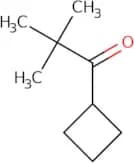
CAS:<p>2-[(2,3-Dihydro-1H-inden-2-yl)amino]acetic acid is a non-peptide neurotransmitter that is synthesized by the LNTN cells in the rat brain. It has high concentrations in the central nervous system and it has been found to be an agonist at the NOP receptor. The drug is metabolized by hydrolytic enzymes, such as esterases and glucuronidases, which are present in high concentrations in the body. This compound may be used for diagnostic purposes with its profile of pressor activity and hypotensive effects.</p>Formula:C11H13NO2Purity:Min. 95%Molecular weight:191.23 g/mol1-Cyclobutyl-2,2-dimethylpropan-1-one
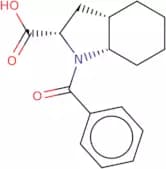
CAS:<p>Versatile small molecule scaffold</p>Formula:C9H16OPurity:Min. 95%Molecular weight:140.22 g/mol(2S,3aS,7aS)-1-Benzoyl-octahydro-1H-indole-2-carboxylic acid
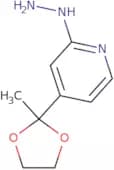
CAS:<p>Versatile small molecule scaffold</p>Formula:C16H19NO3Purity:Min. 95%Molecular weight:273.3 g/mol2-Hydrazinyl-4-(2-methyl-1,3-dioxolan-2-yl)pyridine
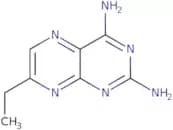
CAS:<p>Versatile small molecule scaffold</p>Formula:C9H13N3O2Purity:Min. 95%Molecular weight:195.22 g/mol7-Ethylpteridine-2,4-diamine
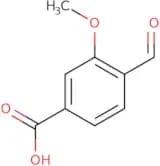
CAS:<p>Versatile small molecule scaffold</p>Formula:C8H10N6Purity:Min. 95%Molecular weight:190.21 g/mol4-Formyl-3-methoxybenzoic acid
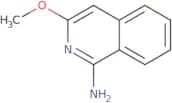
CAS:<p>4-Formyl-3-methoxybenzoic acid is a sulfamic acid derivative that has been used in the treatment of asthma. It is a prodrug that converts to its active form, methanesulfonic acid, by enzymatic transfer. The target product of this reaction is zafirlukast, which competitively blocks leukotrienes at the cysteinyl leukotriene receptor. Methanesulfonic acid acts as an inhibitor of hydrogen transfer and may also act as a proton ionophore in the lungs. 4-Formyl-3-methoxybenzoic acid can be synthesized on a large scale with chemical products that are readily available. This agent reacts with proline and protonates it.</p>Formula:C9H8O4Purity:Min. 95%Molecular weight:180.16 g/mol3-Methoxyisoquinolin-1-amine
CAS:<p>Versatile small molecule scaffold</p>Formula:C10H10N2OPurity:Min. 95%Molecular weight:174.2 g/mol2-{[(2-Methoxybenzyl)oxy]methyl}oxirane
CAS:<p>2-{[(2-Methoxybenzyl)oxy]methyl}oxirane is a monoclonal antibody that binds to the follicle-stimulating hormone receptor (FSHR) and blocks its activity. It has been shown to be effective in autotransplantation, which is a treatment for infertility in women. The antibody can be used as an anti-apoptotic agent and may have potential use as a cancer therapy. 2-{[(2-Methoxybenzyl)oxy]methyl}oxirane has shown promising results in vivo in mouse models of skin cancer, leukocytes, and murine melanoma. This drug also has the ability to inhibit the proliferation of tumor cells by inducing apoptosis through binding to annexin V.</p>Formula:C11H14O3Purity:Min. 95%Molecular weight:194.23 g/mol2-{[(4-Methoxyphenyl)methoxy]methyl}oxirane
CAS:<p>Versatile small molecule scaffold</p>Formula:C11H14O3Purity:Min. 95%Molecular weight:194.23 g/mol2-[(1,2,3,4-Tetrahydronaphthalen-1-yloxy)methyl]oxirane
CAS:<p>Versatile small molecule scaffold</p>Formula:C13H16O2Purity:Min. 95%Molecular weight:204.26 g/mol2-Chloro-N-[2-(2-methoxyethoxy)-5-(trifluoromethyl)phenyl]acetamide
CAS:<p>Versatile small molecule scaffold</p>Formula:C12H13ClF3NO3Purity:Min. 95%Molecular weight:311.68 g/mol[4-(4-Methylbenzenesulfonyl)phenyl]hydrazine
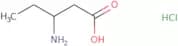
CAS:<p>Versatile small molecule scaffold</p>Formula:C13H14N2O2SPurity:Min. 95%Molecular weight:262.33 g/mol3-Amino-pentanoic acid hydrochloride
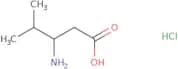
CAS:<p>3-Amino-pentanoic acid hydrochloride is a glycine analog, which blocks the glycine receptor of the NMDA type and inhibits glutamate binding. 3-Amino-pentanoic acid hydrochloride has been shown to have synergistic interaction with aminooxyacetic acid, an inhibitor of the glycine transporter. This increases the concentration of glycine in the synapse and leads to an anticonvulsant effect. 3-Amino-pentanoic acid hydrochloride also interacts with γ-aminobutyric acid (GABA) receptors and taurine receptors, which may be due to its structural similarity to these compounds.</p>Formula:C5H12ClNO2Purity:Min. 95%Molecular weight:153.61 g/mol3-Amino-4-methylpentanoic acid hydrochloride
CAS:<p>Versatile small molecule scaffold</p>Formula:C6H14ClNO2Purity:Min. 95%Molecular weight:167.63 g/mol3-[(Pyrrolidin-1-yl)carbonyl]phenol
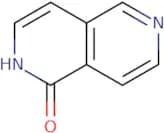
CAS:<p>Versatile small molecule scaffold</p>Formula:C11H13NO2Purity:Min. 95%Molecular weight:191.23 g/mol2,6-Naphthyridin-1(2H)-one
CAS:<p>2,6-Naphthyridin-1(2H)-one is a potent and selective inhibitor of the chemokine receptor CXCR4. It is a novel and innovative compound that has been shown to have neuropathic pain activity in animal models. This agent has also been shown to inhibit the growth of cancer cells in vitro. The substitution pattern on this molecule may be responsible for its binding affinity to CXCR4 receptors as well as its selectivity over other chemokine receptors. 2,6-Naphthyridin-1(2H)-one has been shown to be an antagonist of the chemokine receptor CXCR4, which may be beneficial for treatment of chronic inflammatory diseases or cancer.</p>Formula:C8H6N2OPurity:Min. 95%Molecular weight:146.15 g/mol2,6-Naphthyridin-1-amine
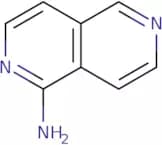
CAS:<p>Versatile small molecule scaffold</p>Formula:C8H7N3Purity:Min. 95%Molecular weight:145.16 g/molN-[3-(Hydroxymethyl)phenyl]benzamide
CAS:<p>Versatile small molecule scaffold</p>Formula:C14H13NO2Purity:Min. 95%Molecular weight:227.26 g/mol2(3H)-Benzothiazolone, 6-chloro-4-methyl-, hydrazone
CAS:<p>Versatile small molecule scaffold</p>Formula:C8H8ClN3SPurity:Min. 95%Molecular weight:213.69 g/mol2-Hydrazinyl-5-(trifluoromethyl)-1,3-benzothiazole
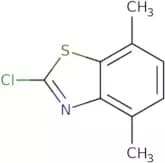
CAS:<p>Versatile small molecule scaffold</p>Formula:C8H6F3N3SPurity:Min. 95%Molecular weight:233.22 g/mol2-Chloro-4,7-dimethyl-1,3-benzothiazole
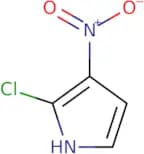
CAS:<p>Versatile small molecule scaffold</p>Formula:C9H8ClNSPurity:Min. 95%Molecular weight:197.69 g/mol2-Chloro-3-nitro-1H-pyrrole
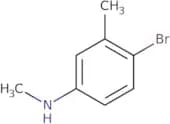
CAS:<p>Versatile small molecule scaffold</p>Formula:C4H3ClN2O2Purity:Min. 95%Molecular weight:146.53 g/mol4-Bromo-3,N-dimethylaniline
CAS:<p>Versatile small molecule scaffold</p>Formula:C8H10BrNPurity:Min. 95%Molecular weight:200.08 g/mol1-[(Benzyloxy)carbonyl]-5-oxopyrrolidine-2-carboxylic acid
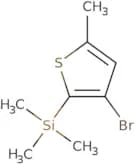
CAS:<p>Versatile small molecule scaffold</p>Formula:C13H13NO5Purity:Min. 95%Molecular weight:263.25 g/mol(3-Bromo-5-methylthiophen-2-yl)trimethylsilane
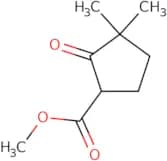
CAS:<p>(3-Bromo-5-methylthiophen-2-yl)trimethylsilane is a compound that can be used to synthesize triazole derivatives using copper. It is an alkyne and azide precursor. The photophysical properties of (3-bromo-5-methylthiophen-2-yl)trimethylsilane have been studied in detail and it has been shown to be a good choice for use in the preparation of triazole derivatives. Using this compound, researchers have been able to optimize their synthetic procedures.</p>Formula:C8H13BrSSiPurity:Min. 95%Molecular weight:249.24 g/molMethyl 3,3-dimethyl-2-oxocyclopentane-1-carboxylate
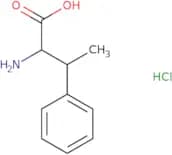
CAS:<p>Versatile small molecule scaffold</p>Formula:C9H14O3Purity:Min. 95%Molecular weight:170.21 g/mol2-Amino-3-phenylbutanoic acid hydrochloride
CAS:<p>2-Amino-3-phenylbutanoic acid hydrochloride is a chelating agent that binds to metal ions and prevents their participation in reactions. This compound rearranges to form an enamine, which then reacts with the metal ion to form an intermediate. The intermediate can be stabilized by the formation of a metal-amino acid complex or through rearrangement. These reactions are stereospecific, diastereoselective, and diastereoisomeric. 2-Amino-3-phenylbutanoic acid hydrochloride is typically used as a catalyst for organic reactions.</p>Formula:C10H14ClNO2Purity:Min. 95%Molecular weight:215.68 g/mol1,4-Dimethyl 2-sulfamoylbenzene-1,4-dicarboxylate
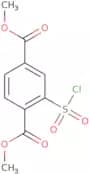
CAS:<p>Versatile small molecule scaffold</p>Formula:C10H11NO6SPurity:Min. 95%Molecular weight:273.3 g/mol1,4-Dimethyl 2-(chlorosulfonyl)benzene-1,4-dicarboxylate
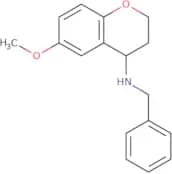
CAS:<p>1,4-Dimethyl 2-(chlorosulfonyl)benzene-1,4-dicarboxylate is a potential herbicide. It is a chlorinated hydrocarbon that has been shown to inhibit plant growth by interfering with the production of ethylene. The mechanism of action for 1,4-dimethyl 2-(chlorosulfonyl)benzene-1,4-dicarboxylate is as an inhibitor of the enzyme acetolactate synthase (ALS). ALS catalyzes the first step in the biosynthesis of both branched and linear chains of amino acids. This inhibition leads to reduced levels of the amino acids proline and glutamic acid in plants. These amino acids are important regulators of plant growth and development.</p>Formula:C10H9ClO6SPurity:Min. 95%Molecular weight:292.69 g/molN-Benzyl-6-methoxy-3,4-dihydro-2H-1-benzopyran-4-amine
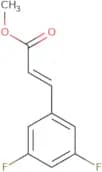
CAS:<p>Versatile small molecule scaffold</p>Formula:C17H19NO2Purity:Min. 95%Molecular weight:269.34 g/molMethyl (E)-3-(3,5-difluorophenyl)prop-2-enoate
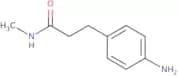
CAS:<p>Versatile small molecule scaffold</p>Formula:C10H8F2O2Purity:Min. 95%Molecular weight:198.17 g/mol3-(4-Aminophenyl)-N-methylpropanamide
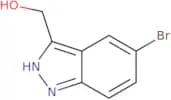
CAS:<p>Versatile small molecule scaffold</p>Formula:C10H14N2OPurity:Min. 95%Molecular weight:178.24 g/mol(5-Bromo-1H-indazol-3-yl)-methanol
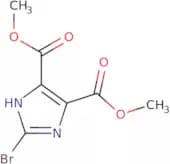
CAS:<p>Versatile small molecule scaffold</p>Formula:C8H7BrN2OPurity:Min. 95%Molecular weight:227.06 g/molDimethyl 2-bromo-1H-imidazole-4,5-dicarboxylate
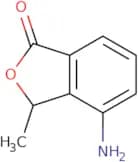
CAS:<p>Dimethyl 2-bromo-1H-imidazole-4,5-dicarboxylate is an alkylating agent that reacts with DNA by the alkylation of guanine. This causes a break in the DNA strands, which leads to cell death. Dimethyl 2-bromo-1H-imidazole-4,5-dicarboxylate is used as a hydrazine precursor in the synthesis of hydrazine and hydrogen peroxide. The oxidized form of this compound is also used as a stabilizer for polyurethane coatings.</p>Formula:C7H7BrN2O4Purity:Min. 95%Molecular weight:263.05 g/mol4-Amino-3-methyl-1,3-dihydro-2-benzofuran-1-one
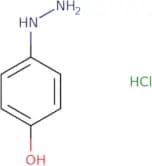
CAS:<p>Versatile small molecule scaffold</p>Formula:C9H9NO2Purity:Min. 95%Molecular weight:163.17 g/mol4-Hydrazinylphenol hydrochloride
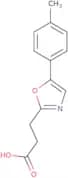
CAS:<p>Versatile small molecule scaffold</p>Formula:C6H9ClN2OPurity:Min. 95%Color and Shape:PowderMolecular weight:160.6 g/mol3-(5-p-Tolyl-oxazol-2-yl)-propionic acid
CAS:<p>Versatile small molecule scaffold</p>Formula:C13H13NO3Purity:Min. 95%Molecular weight:231.25 g/mol(1S,2R)-cis-N-Boc-2-aminocyclopentanol
CAS:<p>Versatile small molecule scaffold</p>Formula:C10H19NO3Purity:Min. 95%Molecular weight:201.26 g/mol5-Silaspiro[4.5]decan-8-one
CAS:<p>Versatile small molecule scaffold</p>Formula:C9H16OSiPurity:Min. 95%Molecular weight:168.3 g/mol6-Silaspiro[5.5]undecan-3-amine hydrochloride
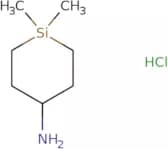
CAS:<p>Versatile small molecule scaffold</p>Formula:C10H22ClNSiPurity:Min. 95%Molecular weight:219.8 g/mol1,1-Dimethylsilinan-4-amine hydrochloride
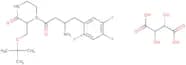
CAS:<p>Versatile small molecule scaffold</p>Formula:C7H18ClNSiPurity:Min. 95%Molecular weight:179.76 g/molEvogliptin tartrate
CAS:<p>Please enquire for more information about Evogliptin tartrate including the price, delivery time and more detailed product information at the technical inquiry form on this page</p>Formula:C19H26F3N3O3•C4H6O6Purity:Min. 95%Molecular weight:551.51 g/mol3-Ethyl haloperidol decanoate
CAS:<p>Please enquire for more information about 3-Ethyl haloperidol decanoate including the price, delivery time and more detailed product information at the technical inquiry form on this page</p>Formula:C33H45ClFNO3Purity:Min. 95%Molecular weight:558.17 g/mol3-Ethyl 5-methyl 2-[(2-aminoethoxy)methyl]-4-(2-chlorophenyl)-6-methylpyridine-3,5-dicarboxylate hydrochloride
CAS:<p>Please enquire for more information about 3-Ethyl 5-methyl 2-[(2-aminoethoxy)methyl]-4-(2-chlorophenyl)-6-methylpyridine-3,5-dicarboxylate hydrochloride including the price, delivery time and more detailed product information at the technical inquiry form on this page</p>Formula:C20H23ClN2O5•HClPurity:Min. 95%Molecular weight:443.32 g/mol1-N-Ethylgaramine sulfate
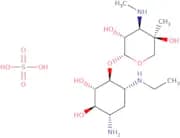
CAS:<p>Please enquire for more information about 1-N-Ethylgaramine sulfate including the price, delivery time and more detailed product information at the technical inquiry form on this page</p>Formula:C15H31N3O6•(H2SO4)xPurity:Min. 95%5-Ethylidene-2-norbornene, sum of endo and exo, stabilizer with BHT
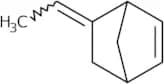
CAS:<p>5-Ethylidene-2-norbornene is a chemical that has been used in the past as an ingredient in plastics and rubber. It is now being investigated as a possible diagnostic agent for chronic exposure to hydrogen chloride. 5-Ethylidene-2-norbornene reacts with hydrogen chloride to form a fluorescent compound that can be detected by nmr spectroscopy. This reaction allows for the detection of hydrogen chloride at concentrations below the threshold limit value of 0.1 ppm, which is set by OSHA. The detection of hydrogen chloride can be accomplished using an optical sensor or by microencapsulating 5-ethylidene-2-norbornene inside a polymer matrix and measuring the fluorescence from the microcapsules. The use of 5-ethylidene-2-norbornene for this application is still under investigation but it may have potential clinical use as a diagnostic tool for chronic exposure to hydrogen chloride.</p>Formula:C9H12Purity:Min. 97.5 Area-%Color and Shape:Clear LiquidMolecular weight:120.19 g/molEthyl mercaptoacetate
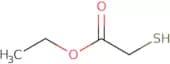
CAS:<p>Ethyl mercaptoacetate (EM) is a metabolite of ethyl diazoacetate (EDA) that reacts with nucleophilic groups such as hydroxyl, amino, and thiol groups. It binds to the receptor binding sites of an enzyme that is involved in inflammatory diseases. EM has been shown to have inhibitory effects on the activity of this enzyme and may be used for the treatment of inflammatory diseases. EM also inhibits the production of epoxides by acting as an alkylating agent on protein cysteine residues. This reaction leads to changes in the nmr spectra which can be used for identification purposes.</p>Formula:C4H8O2SPurity:Min. 95%Molecular weight:120.17 g/mol2-Amino-N-(4-hydroxyphenyl)acetamide hydrochloride
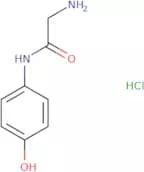
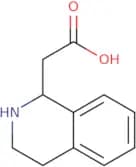
CAS:<p>Versatile small molecule scaffold</p>Formula:C8H11ClN2O2Purity:Min. 95%Molecular weight:202.64 g/mol(1,2,3,4-Tetrahydro-isoquinolin-1-yl)-acetic acid
CAS:<p>(1,2,3,4-Tetrahydro-isoquinolin-1-yl)-acetic acid is a chemical compound that belongs to the esters family. It is enzymatically hydrolyzed by lipase and reactivity depends on the concentration of unreacted (1,2,3,4-tetrahydro-isoquinolin-1-yl)-acetic acid. The ester reacts with methoxyethyl chloride via displacement of the chloride group by an alcohol group in the presence of base to produce (1,2,3,4-tetrahydro-isoquinolin-1-yl)-acetate. This reaction is enantioselective and produces two enantiomers. The hydrolysis of the ester group occurs at a higher rate than that of the acetate group due to its lower polarity.</p>Formula:C11H13NO2Purity:Min. 95%Molecular weight:191.23 g/mol2-[3-Methyl-4-(propan-2-yl)phenoxy]acetic acid
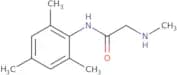
CAS:<p>Versatile small molecule scaffold</p>Formula:C12H16O3Purity:Min. 95%Molecular weight:208.25 g/mol2-(Methylamino)-N-(2,4,6-trimethylphenyl)acetamide
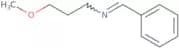
CAS:<p>Versatile small molecule scaffold</p>Formula:C12H18N2OPurity:Min. 95%Molecular weight:206.28 g/mol(3-Methoxypropyl)(phenylmethylidene)amine
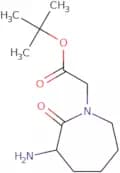
CAS:<p>Versatile small molecule scaffold</p>Formula:C11H15NOPurity:Min. 95%Molecular weight:177.24 g/moltert-Butyl 2-(3-amino-2-oxoazepan-1-yl)acetate
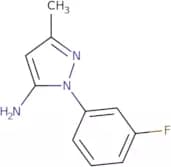
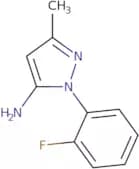
CAS:<p>Versatile small molecule scaffold</p>Formula:C12H22N2O3Purity:Min. 95%Molecular weight:242.31 g/mol1-(3-Fluorophenyl)-3-methyl-1H-pyrazol-5-amine
CAS:<p>Versatile small molecule scaffold</p>Formula:C10H10FN3Purity:Min. 95%Molecular weight:191.2 g/mol1-(2-Fluorophenyl)-3-methyl-1H-pyrazol-5-amine
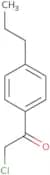
CAS:<p>Versatile small molecule scaffold</p>Formula:C10H10FN3Purity:Min. 95%Molecular weight:191.2 g/mol2-Chloro-1-(4-propylphenyl)ethan-1-one
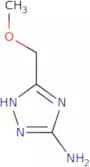
CAS:<p>Versatile small molecule scaffold</p>Formula:C11H13ClOPurity:Min. 95%Molecular weight:196.67 g/mol3-(Methoxymethyl)-1H-1,2,4-triazol-5-ylamine
CAS:<p>Versatile small molecule scaffold</p>Formula:C4H8N4OPurity:Min. 95%Molecular weight:128.13 g/mol2-{[(tert-Butoxy)carbonyl]amino}-3-(pyridin-3-yl)propanoic acid
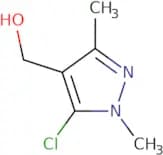
CAS:<p>Versatile small molecule scaffold</p>Formula:C13H18N2O4Purity:Min. 95%Molecular weight:266.3 g/mol(5-chloro-1,3-dimethyl-1H-pyrazol-4-yl)methanol
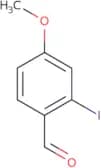
CAS:<p>Versatile small molecule scaffold</p>Formula:C6H9ClN2OPurity:Min. 95%Molecular weight:160.6 g/mol2-Iodo-4-methoxybenzaldehyde
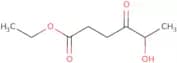
CAS:<p>2-Iodo-4-methoxybenzaldehyde is a chiral compound that can be synthesized through an intramolecular, stereoselective cyclic annulation reaction. The key step in this process is the arylation of 2-iodo-4-methoxybenzaldehyde with ethyl bromide. This compound can also be synthesized by reacting 2-iodobenzoic acid with formaldehyde in the presence of a base. In addition, 2-Iodo-4-methoxybenzaldehyde can be produced by the sequence of nitrogen substitution and tricyclic annulation.</p>Formula:C8H7IO2Purity:Min. 95%Molecular weight:262.04 g/molEthyl 5-hydroxy-4-oxohexanoate
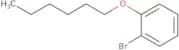
CAS:<p>Ethyl 5-hydroxy-4-oxohexanoate (EHOH) is a stereoisomer of the amino acid glutamic acid. It has been synthesized in a multidimensional, stereochemical, and biomimetic manner. EHOH is an important precursor for the production of various food flavors such as cheese, bread, milk, and soy sauce. The synthesis of EHOH is catalyzed by decarboxylase and lactonization using cerevisiae as the catalyst. The synthesis of EHOH starts with the conversion of acetaldehyde to ethyl alcohol by yeast cells. This conversion is followed by the addition of l-glutamic acid to produce glutamate and then deamination to form pyruvic acid. Pyruvic acid is then converted to lactic acid by lactonization with yeast cells or bacteria such as Lactobacillus. The final step in the synthesis of EHOH is decarboxylation to produce eth</p>Formula:C8H14O4Purity:Min. 95%Molecular weight:174.19 g/mol1-Bromo-2-(hexyloxy)benzene
CAS:<p>1-Bromo-2-(hexyloxy)benzene is an aromatic halide that can be synthesized from pyrazinecarboxamide. It undergoes aminocarbonylation with carbon monoxide and a halide, yielding a primary amide. This reaction is carried out in the presence of a base, such as triethylamine or potassium tert-butoxide. 1-Bromo-2-(hexyloxy)benzene has been shown to produce high yields and functionalized products, which are useful for pharmaceuticals and dyes.</p>Formula:C12H17BrOPurity:Min. 95%Molecular weight:257.17 g/mol[(4-Chlorophenyl)methyl][2-(pyrrolidin-1-yl)ethyl]amine
CAS:<p>Versatile small molecule scaffold</p>Formula:C13H19ClN2Purity:Min. 95%Molecular weight:238.75 g/molBenzyl[2-(pyrrolidin-1-yl)ethyl]amine dihydrochloride
CAS:<p>Versatile small molecule scaffold</p>Formula:C13H22Cl2N2Purity:Min. 95%Molecular weight:277.23 g/mol[(4-Chlorophenyl)methyl][2-(pyrrolidin-1-yl)ethyl]amine dihydrochloride
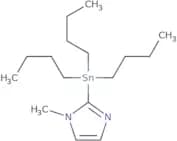
CAS:<p>Versatile small molecule scaffold</p>Formula:C13H21Cl3N2Purity:Min. 95%Molecular weight:311.7 g/mol1-methyl-2-(tributylstannyl)-1H-imidazole
CAS:Controlled Product<p>Versatile small molecule scaffold</p>Formula:C16H32N2SnPurity:Min. 95%Molecular weight:371.1 g/mol1,2,5,6,7,8-Hexahydroazocin-2-one
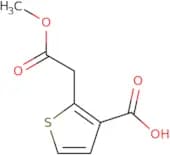
CAS:<p>Versatile small molecule scaffold</p>Formula:C7H11NOPurity:Min. 95%Molecular weight:125.17 g/mol2-(2-Methoxy-2-oxoethyl)thiophene-3-carboxylic acid
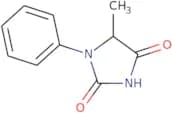
CAS:<p>Versatile small molecule scaffold</p>Formula:C8H8O4SPurity:Min. 95%Molecular weight:200.21 g/mol5-Methyl-1-phenylimidazolidine-2,4-dione
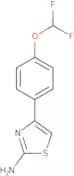
CAS:<p>Versatile small molecule scaffold</p>Formula:C10H10N2O2Purity:Min. 95%Molecular weight:190.2 g/mol4-(4-Difluoromethoxy-phenyl)-thiazol-2-ylamine
CAS:<p>Versatile small molecule scaffold</p>Formula:C10H8F2N2OSPurity:Min. 95%Molecular weight:242.24 g/mol4-[4-(Benzyloxy)phenyl]-1,3-thiazol-2-amine
CAS:<p>Versatile small molecule scaffold</p>Formula:C16H14N2OSPurity:Min. 95%Molecular weight:282.4 g/mol4-(4-Methoxy-phenyl)-5-methyl-thiazol-2-ylamine
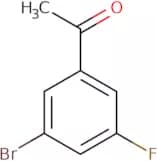
CAS:<p>Versatile small molecule scaffold</p>Formula:C11H12N2OSPurity:Min. 95%Molecular weight:220.3 g/mol1-(3-Bromo-5-fluorophenyl)ethanone
CAS:<p>Versatile small molecule scaffold</p>Formula:C8H6BrFOPurity:Min. 95%Molecular weight:217.04 g/mol3-(4-Bromophenyl)-2-propen-1-ol
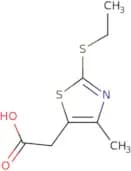
CAS:<p>3-(4-Bromophenyl)-2-propen-1-ol is a biomolecule that is a stereoisomer of epoxypropane. It can be synthesized by the epoxidation of 3-bromobenzaldehyde with sodium hydroxide and tetrahydrofuran in the presence of catalysts such as FeCl3. This compound has been shown to have affinity for rat brain tissue and to inhibit the reuptake of noradrenaline, which is a neurotransmitter. The stereogenic center, which is located at the C3 position, can be substituted with other groups such as alcohols or cinnamyl. The bromohydrins formed during this reaction are nucleophiles that can also react with electrophilic compounds.</p>Formula:C9H9BrOPurity:Min. 95%Molecular weight:213.08 g/mol2-(2-(Ethylthio)-4-methylthiazol-5-yl)acetic acid
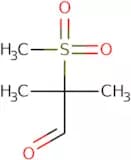
CAS:<p>Versatile small molecule scaffold</p>Formula:C8H11NO2S2Purity:Min. 95%Molecular weight:217.3 g/mol2-Methanesulfonyl-2-methylpropanal
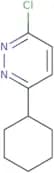
CAS:<p>Versatile small molecule scaffold</p>Formula:C5H10O3SPurity:Min. 95%Molecular weight:150.2 g/mol3-Chloro-6-cyclohexylpyridazine
CAS:<p>Versatile small molecule scaffold</p>Formula:C10H13ClN2Purity:Min. 95%Molecular weight:196.67 g/mol1,3-Diiodobicyclo[1.1.1]pentane
CAS:<p>1,3-Diiodobicyclo[1.1.1]pentane is a derivatized molecule that can be used in a number of different ways. It has been used to study the conformation and strain of this molecule, as well as its reactivity with other molecules. 1,3-Diiodobicyclo[1.1.1]pentane has been shown to have an increased susceptibility to nucleophilic attack by amines, which may be due to the presence of the sulfoxide group on the ring system. This mechanistic study provides insight into how this molecule can be functionalized for different purposes.</p>Formula:C5H6I2Purity:Min. 95%Molecular weight:319.91 g/molEthyl 2-(carbamothioylamino)-4,5,6,7-tetrahydro-1-benzothiophene-3-carboxylate
CAS:<p>Versatile small molecule scaffold</p>Formula:C12H16N2O2S2Purity:Min. 95%Molecular weight:284.4 g/mol3-Phenylpiperidin-3-ol hydrochloride
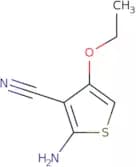
CAS:<p>Versatile small molecule scaffold</p>Formula:C11H16ClNOPurity:Min. 95%Molecular weight:213.7 g/mol2-Amino-4-ethoxythiophene-3-carbonitrile
CAS:<p>2-Amino-4-ethoxythiophene-3-carbonitrile is a chemical compound that contains an orthoacetate group, which is an acetyl group in the 2 position and an ethoxy group in the 4 position. It is used in organic synthesis as a building block for introducing orthoalkoxysubstituents into ring systems. This compound can be prepared by transesterification of trimethylorthoacetate with 2-aminoethanethiol followed by reduction of the nitrile to amine with zinc dust and hydrochloric acid. The trimethylorthoacetate can be prepared by reacting methyltriphenylphosphonium bromide with trimethyl orthoformate and potassium hydroxide. This reaction has been shown to be efficient and high yielding.</p>Formula:C7H8N2OSPurity:Min. 95%Molecular weight:168.22 g/molMethyl 2-amino-3-(1H-pyrazol-1-yl)propanoate dihydrochloride
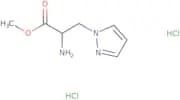
CAS:<p>Versatile small molecule scaffold</p>Formula:C7H13Cl2N3O2Purity:Min. 95%Molecular weight:242.1 g/moltert-Butyl 5-chloropentanoate
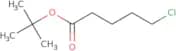
CAS:<p>Versatile small molecule scaffold</p>Formula:C9H17ClO2Purity:Min. 95%Molecular weight:192.68 g/mol4-(Chloromethyl)-1,2-dihydropyridin-2-one
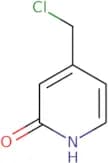
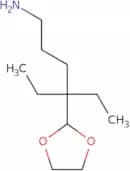
CAS:<p>Versatile small molecule scaffold</p>Formula:C6H6ClNOPurity:Min. 95%Molecular weight:143.57 g/mol4-(1,3-Dioxolan-2-yl)-4-ethylhexan-1-amine
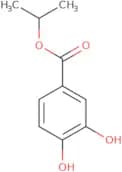
CAS:<p>Versatile small molecule scaffold</p>Formula:C11H23NO2Purity:Min. 95%Molecular weight:201.31 g/molPropan-2-yl 3,4-dihydroxybenzoate
CAS:<p>Propan-2-yl 3,4-dihydroxybenzoate is a chemoattractant protein that is reactive with hydrogen bonds. It has been shown to have anti-inflammatory properties and may be effective in the treatment of inflammatory diseases. Propan-2-yl 3,4-dihydroxybenzoate has been shown to cause apoptosis in microglia cells in vitro. This compound also activates toll-like receptor 4 and increases expression of proinflammatory cytokines such as tumor necrosis factor α (TNFα) and interleukin 1β (IL1β). In addition, it has been found to inhibit the growth of cancer cells through an effect on the mitogen activated protein kinase pathway.</p>Formula:C10H12O4Purity:Min. 95%Molecular weight:196.2 g/mol2-Ethyl-1,4-diazepane
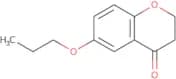
CAS:<p>Versatile small molecule scaffold</p>Formula:C7H16N2Purity:Min. 95%Molecular weight:128.2 g/mol6-Propoxy-3,4-dihydro-2H-1-benzopyran-4-one
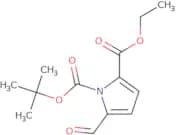
CAS:<p>Versatile small molecule scaffold</p>Formula:C12H14O3Purity:Min. 95%Molecular weight:206.24 g/mol1-tert-Butyl 2-ethyl 5-formyl-1H-pyrrole-1,2-dicarboxylate
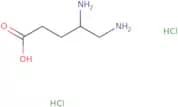
CAS:<p>Versatile small molecule scaffold</p>Formula:C13H17NO5Purity:Min. 95%Molecular weight:267.28 g/mol4,5-Diaminopentanoic acid dihydrochloride
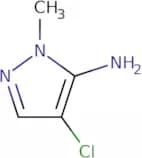
CAS:<p>4,5-Diaminopentanoic acid dihydrochloride is a semialdehyde that can be used in the synthesis of α-amino acids. It is also an intermediate in the synthesis of 4,5-diaminopentanoic acid, which is a precursor to polyamides. This compound has been shown to inhibit glutarate dehydrogenase and semialdehyde dehydrogenase.</p>Formula:C5H14Cl2N2O2Purity:Min. 95%Molecular weight:205.08 g/mol4-Chloro-1-methyl-1H-pyrazol-5-amine
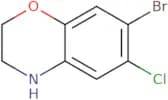
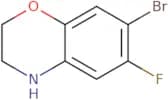
CAS:<p>Versatile small molecule scaffold</p>Formula:C4H6ClN3Purity:Min. 95%Molecular weight:131.56 g/mol7-bromo-6-chloro-3,4-dihydro-2H-1,4-benzoxazine
CAS:<p>Versatile small molecule scaffold</p>Formula:C8H7BrClNOPurity:Min. 95%Molecular weight:248.5 g/mol7-Bromo-6-fluoro-3,4-dihydro-2H-1,4-benzoxazine
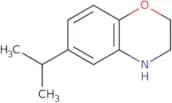
CAS:<p>Versatile small molecule scaffold</p>Formula:C8H7BrFNOPurity:Min. 95%Molecular weight:232.05 g/mol6-(Propan-2-yl)-3,4-dihydro-2H-1,4-benzoxazine
CAS:<p>Versatile small molecule scaffold</p>Formula:C11H15NOPurity:Min. 95%Molecular weight:177.2 g/mol1-[(4-Methoxyphenyl)methyl]imidazolidine-2,4,5-trione
CAS:<p>Versatile small molecule scaffold</p>Formula:C11H10N2O4Purity:Min. 95%Molecular weight:234.21 g/mol3-Phenyl-1,2-thiazol-4-amine
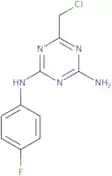
CAS:<p>Versatile small molecule scaffold</p>Formula:C9H8N2SPurity:Min. 95%Molecular weight:176.24 g/mol6-(Chloromethyl)-2-N-(4-fluorophenyl)-1,3,5-triazine-2,4-diamine
CAS:<p>Versatile small molecule scaffold</p>Formula:C10H9ClFN5Purity:Min. 95%Molecular weight:253.66 g/mol2-Methoxy-1-(pyridin-2-yl)ethan-1-one
CAS:<p>Versatile small molecule scaffold</p>Formula:C8H9NO2Purity:Min. 95%Molecular weight:151.16 g/molMethyl 2-aminoheptanoate hydrochloride
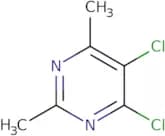
CAS:<p>Versatile small molecule scaffold</p>Formula:C8H18ClNO2Purity:Min. 95%Molecular weight:195.69 g/mol4,5-Dichloro-2,6-dimethylpyrimidine
CAS:<p>Versatile small molecule scaffold</p>Formula:C6H6Cl2N2Purity:Min. 95%Molecular weight:177.03 g/mol6-Bromo-3,5-dichloropyridin-2-amine
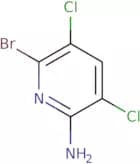
CAS:<p>Versatile small molecule scaffold</p>Formula:C5H3BrCl2N2Purity:Min. 95%Molecular weight:241.9 g/mol5-(Hydroxymethyl)-2-methoxybenzene-1-sulfonamide
CAS:<p>Versatile small molecule scaffold</p>Formula:C8H11NO4SPurity:Min. 95%Molecular weight:217.24 g/mol3,6-Dihydro-2H-pyran-4-carbonitrile
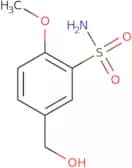
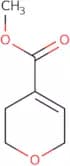
CAS:<p>Versatile small molecule scaffold</p>Formula:C6H7NOPurity:Min. 95%Molecular weight:109.13 g/molMethyl 3,6-dihydro-2H-pyran-4-carboxylate
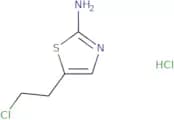
CAS:<p>Versatile small molecule scaffold</p>Formula:C7H10O3Purity:Min. 95%Molecular weight:142.15 g/mol5-(2-Chloroethyl)-1,3-thiazol-2-amine hydrochloride
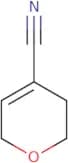
CAS:<p>Versatile small molecule scaffold</p>Formula:C5H8Cl2N2SPurity:Min. 95%Molecular weight:199.1 g/mol2-(2-Aminothiazol-5-yl)ethanol
CAS:<p>Versatile small molecule scaffold</p>Formula:C5H8N2OSPurity:Min. 95%Molecular weight:144.19 g/mol5-(2-Aminoethyl)-1,3-thiazol-2-amine
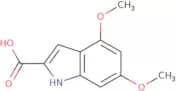
CAS:<p>Versatile small molecule scaffold</p>Formula:C5H11Cl2N3SPurity:Min. 95%Molecular weight:216.13 g/mol4,6-Dimethoxy-1H-indole-2-carboxylic acid
CAS:<p>4,6-Dimethoxy-1H-indole-2-carboxylic acid is an aralkyl compound that belongs to the group of vitamin E compounds. It is a natural component of linoleic acid and indole-2-carboxylic acid. This compound is used as an antioxidant in the preparation process for animal feed and stearic acid. 4,6-Dimethoxy-1H-indole-2-carboxylic acid has been shown to inhibit growth and/or stearic acid condition in mice.</p>Formula:C11H11NO4Purity:Min. 95%Molecular weight:221.21 g/molMethyl 4,6-dimethoxy-1H-indole-2-carboxylate
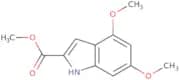
CAS:<p>Versatile small molecule scaffold</p>Formula:C12H13NO4Purity:Min. 95%Molecular weight:235.24 g/mol(2S)-2-(1-Oxo-2,3-dihydro-1H-isoindol-2-yl)-3-phenylpropanoic acid
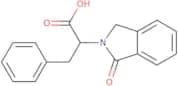
CAS:<p>Versatile small molecule scaffold</p>Formula:C17H15NO3Purity:Min. 95%Molecular weight:281.3 g/mol4,5,6,7-Tetrahydro-[1,2,3]oxadiazolo[3,4-a]pyridin-8-ium-3-olate
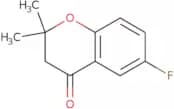
CAS:<p>Versatile small molecule scaffold</p>Formula:C6H8N2O2Purity:Min. 95%Molecular weight:140.14 g/mol6-Fluoro-2,3-dihydro-2,2-dimethylchromen-4-one
CAS:<p>Versatile small molecule scaffold</p>Formula:C11H11FO2Purity:Min. 95%Molecular weight:194.2 g/mol4-Phenylpiperidin-3-yl]methanol
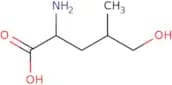
CAS:<p>Versatile small molecule scaffold</p>Formula:C12H17NOPurity:Min. 95%Molecular weight:191.27 g/mol2-Amino-5-hydroxy-4-methylpentanoic acid
CAS:<p>Versatile small molecule scaffold</p>Formula:C6H13NO3Purity:Min. 95%Molecular weight:147.17 g/molN-{2-[4-(2-Chloropropanoyl)phenyl]ethyl}acetamide
CAS:<p>Versatile small molecule scaffold</p>Formula:C13H16ClNO2Purity:Min. 95%Molecular weight:253.72 g/mol

![1-[(4-Chlorophenyl)phenylmethyl]piperazine](/_next/image/?url=https%3A%2Fstatic.cymitquimica.com%2Fproducts%2F3D%2Fthumb-webp%2FFC20350.webp&w=3840&q=75)



![Benzo[1,3]dioxole-5-carboxamidine hydrochloride](/_next/image/?url=https%3A%2Fstatic.cymitquimica.com%2Fproducts%2F3D%2Fthumb-webp%2FFDA53115.webp&w=3840&q=75)
![2-Phenylpyrazolo[1,5-a]pyridine-3-carboxylic acid](/_next/image/?url=https%3A%2Fstatic.cymitquimica.com%2Fproducts%2F3D%2Fthumb-webp%2FFDA53707.webp&w=3840&q=75)
![2-Methylpyrazolo[1,5-a]pyridine-3-carboxylic acid](/_next/image/?url=https%3A%2Fstatic.cymitquimica.com%2Fproducts%2F3D%2Fthumb-webp%2FFDA53708.webp&w=3840&q=75)
![(R)-(+)-2-[(1-Phenylethyl)amino]ethanol](/_next/image/?url=https%3A%2Fstatic.cymitquimica.com%2Fproducts%2F3D%2Fthumb-webp%2FFDA54831.webp&w=3840&q=75)
![4-(Chloromethyl)-8-oxa-3,5-diazatricyclo[7.4.0.0,2,7]trideca-1(13),2(7),3,9,11-pentaen-6-one](/_next/image/?url=https%3A%2Fstatic.cymitquimica.com%2Fproducts%2F3D%2Fthumb-webp%2FFDA55076.webp&w=3840&q=75)
![1-(Bicyclo[2.2.1]heptan-1-yl)ethanone](/_next/image/?url=https%3A%2Fstatic.cymitquimica.com%2Fproducts%2F3D%2Fthumb-webp%2FFDA60649.webp&w=3840&q=75)

![[(2-Methoxyethyl)carbamoyl]formic acid](/_next/image/?url=https%3A%2Fstatic.cymitquimica.com%2Fproducts%2F3D%2Fthumb-webp%2FFDA63854.webp&w=3840&q=75)

![2-Methyl-4h-furo[3,2-b]pyrrole-5-carboxylic acid](/_next/image/?url=https%3A%2Fstatic.cymitquimica.com%2Fproducts%2F3D%2Fthumb-webp%2FFDA70980.webp&w=3840&q=75)
![Methyl 2-[(trifluoromethyl)sulfanyl]acetate](/_next/image/?url=https%3A%2Fstatic.cymitquimica.com%2Fproducts%2F3D%2Fthumb-webp%2FFDA78358.webp&w=3840&q=75)


![2-[(2,3-Dihydro-1H-inden-2-yl)amino]acetic acid](/_next/image/?url=https%3A%2Fstatic.cymitquimica.com%2Fproducts%2F3D%2Fthumb-webp%2FFDA87170.webp&w=3840&q=75)
![2-{[(2-Methoxybenzyl)oxy]methyl}oxirane](/_next/image/?url=https%3A%2Fstatic.cymitquimica.com%2Fproducts%2F3D%2Fthumb-webp%2FFDA90999.webp&w=3840&q=75)
![2-{[(4-Methoxyphenyl)methoxy]methyl}oxirane](/_next/image/?url=https%3A%2Fstatic.cymitquimica.com%2Fproducts%2F3D%2Fthumb-webp%2FFDA91001.webp&w=3840&q=75)
![2-[(1,2,3,4-Tetrahydronaphthalen-1-yloxy)methyl]oxirane](/_next/image/?url=https%3A%2Fstatic.cymitquimica.com%2Fproducts%2F3D%2Fthumb-webp%2FFDA91010.webp&w=3840&q=75)
![2-Chloro-N-[2-(2-methoxyethoxy)-5-(trifluoromethyl)phenyl]acetamide](/_next/image/?url=https%3A%2Fstatic.cymitquimica.com%2Fproducts%2F3D%2Fthumb-webp%2FFDA91070.webp&w=3840&q=75)
![[4-(4-Methylbenzenesulfonyl)phenyl]hydrazine](/_next/image/?url=https%3A%2Fstatic.cymitquimica.com%2Fproducts%2F3D%2Fthumb-webp%2FFDA91228.webp&w=3840&q=75)
![3-[(Pyrrolidin-1-yl)carbonyl]phenol](/_next/image/?url=https%3A%2Fstatic.cymitquimica.com%2Fproducts%2F3D%2Fthumb-webp%2FFDA91739.webp&w=3840&q=75)
![N-[3-(Hydroxymethyl)phenyl]benzamide](/_next/image/?url=https%3A%2Fstatic.cymitquimica.com%2Fproducts%2F3D%2Fthumb-webp%2FFDA93665.webp&w=3840&q=75)


![1-[(Benzyloxy)carbonyl]-5-oxopyrrolidine-2-carboxylic acid](/_next/image/?url=https%3A%2Fstatic.cymitquimica.com%2Fproducts%2F3D%2Fthumb-webp%2FFDA95362.webp&w=3840&q=75)

![5-Silaspiro[4.5]decan-8-one](/_next/image/?url=https%3A%2Fstatic.cymitquimica.com%2Fproducts%2F3D%2Fthumb-webp%2FFDC16663.webp&w=3840&q=75)
![6-Silaspiro[5.5]undecan-3-amine hydrochloride](/_next/image/?url=https%3A%2Fstatic.cymitquimica.com%2Fproducts%2F3D%2Fthumb-webp%2FFDC16670.webp&w=3840&q=75)

![3-Ethyl 5-methyl 2-[(2-aminoethoxy)methyl]-4-(2-chlorophenyl)-6-methylpyridine-3,5-dicarboxylate h…](/_next/image/?url=https%3A%2Fstatic.cymitquimica.com%2Fproducts%2F3D%2Fthumb-webp%2FFE183833.webp&w=3840&q=75)
![2-[3-Methyl-4-(propan-2-yl)phenoxy]acetic acid](/_next/image/?url=https%3A%2Fstatic.cymitquimica.com%2Fproducts%2F3D%2Fthumb-webp%2FFEA40143.webp&w=3840&q=75)
![2-{[(tert-Butoxy)carbonyl]amino}-3-(pyridin-3-yl)propanoic acid](/_next/image/?url=https%3A%2Fstatic.cymitquimica.com%2Fproducts%2F3D%2Fthumb-webp%2FFEA45425.webp&w=3840&q=75)
![[(4-Chlorophenyl)methyl][2-(pyrrolidin-1-yl)ethyl]amine](/_next/image/?url=https%3A%2Fstatic.cymitquimica.com%2Fproducts%2F3D%2Fthumb-webp%2FFEA47908.webp&w=3840&q=75)
![Benzyl[2-(pyrrolidin-1-yl)ethyl]amine dihydrochloride](/_next/image/?url=https%3A%2Fstatic.cymitquimica.com%2Fproducts%2F3D%2Fthumb-webp%2FFEA47910.webp&w=3840&q=75)
![[(4-Chlorophenyl)methyl][2-(pyrrolidin-1-yl)ethyl]amine dihydrochloride](/_next/image/?url=https%3A%2Fstatic.cymitquimica.com%2Fproducts%2F3D%2Fthumb-webp%2FFEA47911.webp&w=3840&q=75)

![4-[4-(Benzyloxy)phenyl]-1,3-thiazol-2-amine](/_next/image/?url=https%3A%2Fstatic.cymitquimica.com%2Fproducts%2F3D%2Fthumb-webp%2FFEA51283.webp&w=3840&q=75)


![1,3-Diiodobicyclo[1.1.1]pentane](/_next/image/?url=https%3A%2Fstatic.cymitquimica.com%2Fproducts%2F3D%2Fthumb-webp%2FFEA54298.webp&w=3840&q=75)


![1-[(4-Methoxyphenyl)methyl]imidazolidine-2,4,5-trione](/_next/image/?url=https%3A%2Fstatic.cymitquimica.com%2Fproducts%2F3D%2Fthumb-webp%2FFEA68609.webp&w=3840&q=75)



![4,5,6,7-Tetrahydro-[1,2,3]oxadiazolo[3,4-a]pyridin-8-ium-3-olate](/_next/image/?url=https%3A%2Fstatic.cymitquimica.com%2Fproducts%2F3D%2Fthumb-webp%2FFEA78695.webp&w=3840&q=75)
![4-Phenylpiperidin-3-yl]methanol](/_next/image/?url=https%3A%2Fstatic.cymitquimica.com%2Fproducts%2F3D%2Fthumb-webp%2FFEA81273.webp&w=3840&q=75)
![N-{2-[4-(2-Chloropropanoyl)phenyl]ethyl}acetamide](/_next/image/?url=https%3A%2Fstatic.cymitquimica.com%2Fproducts%2F3D%2Fthumb-webp%2FFEA84289.webp&w=3840&q=75)