Building Blocks
This section contains fundamental products for the synthesis of organic and biological compounds. Building blocks are the essential starting materials used to construct complex molecules through various chemical reactions. They play a critical role in drug discovery, material science, and chemical research. At CymitQuimica, we offer a diverse range of high-quality building blocks to support your innovative research and industrial projects, ensuring you have the essential components for successful synthesis.
Subcategories of "Building Blocks"
- Boronic Acids & Boronic Acid Derivatives(5,756 products)
- Chiral Building Blocks(1,242 products)
- Hydrocarbon Building Blocks(6,093 products)
- Organic Building Blocks(60,525 products)
Found 195536 products of "Building Blocks"
Sort by
Purity (%)
0
100
|
0
|
50
|
90
|
95
|
100
5-Bromo-1-methyl-7-azaindole
CAS:<p>Versatile small molecule scaffold</p>Formula:C8H7BrN2Purity:Min. 95%Molecular weight:211.06 g/mol3-(2-Nitroethenyl)-1H-pyrrolo[2,3-b]pyridine
CAS:<p>Versatile small molecule scaffold</p>Formula:C9H7N3O2Purity:Min. 95%Molecular weight:189.17 g/mol3,3,5-Tribromo-2-oxo-7-azaindoline
CAS:<p>Versatile small molecule scaffold</p>Formula:C7H3Br3N2OPurity:Min. 95%Molecular weight:370.82 g/mol4-(Trimethylsilyl)-3-butyn-1-amine
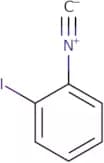
CAS:<p>Versatile small molecule scaffold</p>Formula:C7H15NSiPurity:Min. 95%Molecular weight:141.29 g/mol2-Iodophenyl isocyanide
CAS:<p>2-Iodophenyl isocyanide is a compound that is a dimer of 2-iodoaniline. It has been shown to form hydrogen bonds with sulfide, biomolecular, and spontaneous. The potassium salt of 2-iodophenyl isocyanide can be used in chemistry as a stable and synthetic reagent for the conversion of amines into imines. The yields are high, with 93% yield obtained by reacting pyridine with potassium iodide in acetone. The crystal structure of 2-iodophenyl isocyanide has also been determined, which showed it to be stable.</p>Formula:C7H4INPurity:Min. 95%Molecular weight:229.02 g/mol(Cyclopropylcarbamoyl)formic acid
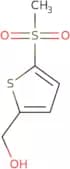
CAS:<p>Versatile small molecule scaffold</p>Formula:C5H7NO3Purity:Min. 95%Molecular weight:129.11 g/mol(5-Methanesulfonylthiophen-2-yl)methanol
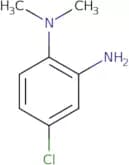
CAS:<p>Versatile small molecule scaffold</p>Formula:C6H8O3S2Purity:Min. 95%Molecular weight:192.3 g/mol4-chloro-N1,N1-dimethylbenzene-1,2-diamine
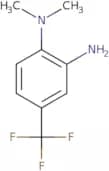
CAS:<p>Versatile small molecule scaffold</p>Formula:C8H11ClN2Purity:Min. 95%Molecular weight:170.64 g/molN1,N1-dimethyl-4-(trifluoromethyl)-1,2-benzenediamine
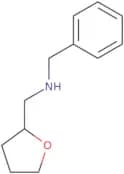
CAS:<p>Versatile small molecule scaffold</p>Formula:C9H11F3N2Purity:Min. 95%Molecular weight:204.19 g/molN-Benzyl-1-(tetrahydrofuran-2-yl)methanamine
CAS:<p>Versatile small molecule scaffold</p>Formula:C12H17NOPurity:Min. 95%Molecular weight:191.27 g/mol4-Ethyl-[1,2,3]thiadiazole-5-carboxylic acid
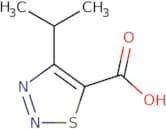
CAS:<p>Versatile small molecule scaffold</p>Formula:C5H6N2O2SPurity:Min. 95%Molecular weight:158.18 g/mol4-Isopropyl-1,2,3-thiadiazole-5-carboxylic acid
CAS:<p>Versatile small molecule scaffold</p>Formula:C6H8N2O2SPurity:Min. 95%Molecular weight:172.2 g/mol4-Cyclopropyl-[1,2,3]thiadiazole-5-carboxylic acid
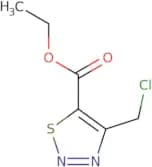
CAS:<p>Versatile small molecule scaffold</p>Formula:C6H6N2O2SPurity:Min. 95%Molecular weight:170.19 g/molEthyl 4-(chloromethyl)-1,2,3-thiadiazole-5-carboxylate
CAS:<p>Versatile small molecule scaffold</p>Formula:C6H7ClN2O2SPurity:Min. 95%Molecular weight:206.65 g/mol6-Methanesulfonyl-3,4-dihydroquinazolin-4-one
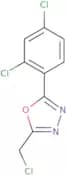
CAS:<p>Versatile small molecule scaffold</p>Formula:C9H8N2O3SPurity:Min. 95%Molecular weight:224.24 g/mol2-(Chloromethyl)-5-(2,4-dichlorophenyl)-1,3,4-oxadiazole
CAS:<p>Versatile small molecule scaffold</p>Formula:C9H5Cl3N2OPurity:Min. 95%Molecular weight:263.5 g/mol2-(2,2,2-Trifluoroethoxy)pyridine-3-carboxylic acid
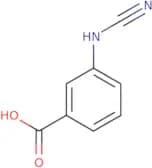
CAS:<p>Versatile small molecule scaffold</p>Formula:C8H6F3NO3Purity:Min. 95%Molecular weight:221.13 g/mol3-(Cyanoamino)benzoic acid
CAS:<p>Versatile small molecule scaffold</p>Formula:C8H6N2O2Purity:Min. 95%Molecular weight:162.15 g/molMethyl 2-hydroxy-5-(hydroxymethyl)benzoate
CAS:<p>Versatile small molecule scaffold</p>Formula:C9H10O4Purity:Min. 95%Molecular weight:182.17 g/mol2-Fluoro-4-phenylbenzaldehyde
CAS:<p>Versatile small molecule scaffold</p>Formula:C13H9FOPurity:Min. 95%Molecular weight:200.21 g/mol6-[2-(Trimethylsilyl)ethynyl]pyridine-2-carbaldehyde
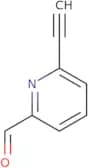
CAS:<p>Versatile small molecule scaffold</p>Formula:C11H13NOSiPurity:Min. 95%Molecular weight:203.31 g/mol6-Ethynylpyridine-2-carbaldehyde
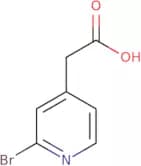
CAS:<p>Versatile small molecule scaffold</p>Formula:C8H5NOPurity:Min. 95%Molecular weight:131.13 g/mol2-Bromopyridine-4-acetic acid
CAS:<p>Versatile small molecule scaffold</p>Formula:C7H6BrNO2Purity:Min. 95%Molecular weight:216.03 g/mol2-{[(tert-Butoxy)carbonyl]amino}hex-4-ynoic acid
CAS:<p>Versatile small molecule scaffold</p>Formula:C11H17NO4Purity:Min. 95%Molecular weight:227.26 g/mol2-[(4-Bromophenyl)formamido]propanoic acid
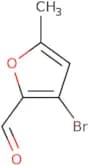
CAS:<p>Versatile small molecule scaffold</p>Formula:C10H10BrNO3Purity:Min. 95%Molecular weight:272.09 g/mol3-Bromo-5-methyl-2-furancarboxaldehyde
CAS:<p>Versatile small molecule scaffold</p>Formula:C6H5BrO2Purity:Min. 95%Molecular weight:189.01 g/mol6-Methyl-1H-pyrrolo[3,2-c]pyridine
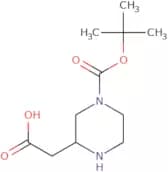
CAS:<p>Versatile small molecule scaffold</p>Formula:C8H8N2Purity:Min. 95%Molecular weight:132.16 g/molN-Boc-3-Carboxymethylpiperazine
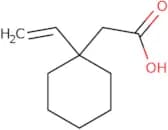
CAS:<p>Versatile small molecule scaffold</p>Formula:C11H20N2O4Purity:Min. 95%Molecular weight:244.29 g/mol2-(1-Ethenylcyclohex-1-yl)acetic acid
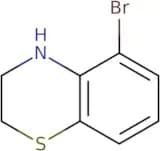
CAS:<p>Versatile small molecule scaffold</p>Formula:C10H16O2Purity:Min. 95%Molecular weight:168.23 g/mol5-Bromo-3,4-dihydro-2H-1,4-benzothiazine
CAS:<p>Versatile small molecule scaffold</p>Formula:C8H8BrNSPurity:Min. 95%Molecular weight:230.13 g/molN-(Tetrahydro-1,1-dioxido-3-oxo-2H-thiopyran-4-yl)-carbamic acid 1,1-dimethylethyl ester
CAS:<p>Versatile small molecule scaffold</p>Formula:C10H17NO5SPurity:Min. 95%Molecular weight:263.31 g/molrac-tert-Butyl N-[(3R,4R)-3-hydroxy-1,1-dioxo-1λ6-thian-4-yl]carbamate
CAS:<p>Versatile small molecule scaffold</p>Formula:C10H19NO5SPurity:Min. 95%Molecular weight:265.3 g/molN-[1-(Pyridin-3-yl)ethyl]cyclopropanamine
CAS:<p>Versatile small molecule scaffold</p>Formula:C10H14N2Purity:Min. 95%Molecular weight:162.23 g/molCyclopropyl-pyridin-3-ylmethyl-amine
CAS:<p>Versatile small molecule scaffold</p>Formula:C9H12N2Purity:Min. 95%Molecular weight:148.21 g/mol4-(4-Methoxyphenyl)-1,2-oxazol-5-amine
CAS:<p>Versatile small molecule scaffold</p>Formula:C10H10N2O2Purity:Min. 95%Molecular weight:190.2 g/mol4-Imidazo[2,1-b][1,3]thiazol-6-ylaniline
CAS:<p>Versatile small molecule scaffold</p>Formula:C11H9N3SPurity:Min. 95%Molecular weight:215.27 g/molN-(Piperidin-4-yl)propanamide hydrochloride
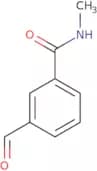
CAS:<p>Versatile small molecule scaffold</p>Formula:C8H17ClN2OPurity:Min. 95%Molecular weight:192.68 g/mol3-Formyl-N-methylbenzamide
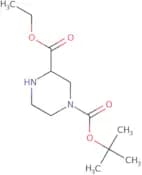
CAS:<p>Versatile small molecule scaffold</p>Formula:C9H9NO2Purity:Min. 95%Molecular weight:163.17 g/mol1-tert-butyl 3-ethyl piperazine-1,3-dicarboxylate
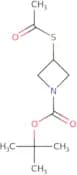
CAS:<p>1-tert-butyl 3-ethyl piperazine-1,3-dicarboxylate is a potent antagonist of the epidermal growth factor receptor (EGFR) that is activated by phosphorylation. It inhibits the ubiquitin proteasome system and the epidermal growth factor receptor, which are involved in protein degradation and cell proliferation. 1-tert-butyl 3-ethyl piperazine-1,3-dicarboxylate has been shown to be an effective inhibitor of inflammatory diseases and cancer. This compound has been used for the treatment of inflammation or cancer in clinical studies with magnesium salt as an adjuvant therapy.</p>Formula:C12H22N2O4Purity:Min. 95%Molecular weight:258.3 g/moltert-Butyl 3-(acetylthio)azetidine-1-carboxylate
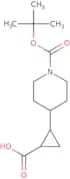
CAS:<p>Versatile small molecule scaffold</p>Formula:C10H17NO3SPurity:Min. 95%Molecular weight:231.31 g/molrac-(1R,2S)-2-(1-(tert-Butoxycarbonyl)piperidin-4-yl)cyclopropanecarboxylic acid
CAS:<p>Versatile small molecule scaffold</p>Formula:C14H23NO4Purity:Min. 95%Molecular weight:269.34 g/mol(2E)-3-{1-[(tert-Butoxy)carbonyl]piperidin-4-yl}prop-2-enoic acid
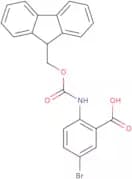
CAS:<p>Versatile small molecule scaffold</p>Formula:C13H21NO4Purity:Min. 95%Molecular weight:255.31 g/mol2-(Fmoc-amino)-5-bromobenzoic acid
CAS:<p>Dichlorocarbene (DC) is a reactive carbonyl compound that can be used for the synthesis of small molecules. DC reacts with nucleophiles, including thiosemicarbazide, chloride, and acetamide, to form adducts that have been widely studied. The antiviral activity of DC was first observed in the 1970s when it was found to inhibit replication of DNA viruses such as hepatitis B virus and herpes simplex virus type 1. DC also inhibits the replication of RNA viruses by binding to the ribose moiety and preventing formation of a functional enzyme. DC is an inhibitor of non-nucleoside reverse transcriptase inhibitors, which are drugs used in the treatment of HIV/AIDS.</p>Formula:C22H16BrNO4Purity:Min. 95%Molecular weight:438.3 g/mol2-Chloro-5H,6H,7H-cyclopenta[b]pyridine-3-carboxamide
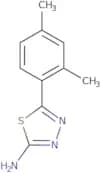
CAS:<p>Versatile small molecule scaffold</p>Formula:C9H9ClN2OPurity:Min. 95%Molecular weight:196.63 g/mol5-(2,4-Dimethylphenyl)-1,3,4-thiadiazol-2-amine
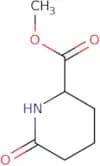
CAS:<p>Versatile small molecule scaffold</p>Formula:C10H11N3SPurity:Min. 95%Molecular weight:205.28 g/molMethyl (2R)-6-oxopiperidine-2-carboxylate
CAS:<p>Versatile small molecule scaffold</p>Formula:C7H11NO3Purity:Min. 95%Molecular weight:157.17 g/mol4-[(3-Fluorophenyl)methylidene]piperidine hydrochloride
CAS:<p>Versatile small molecule scaffold</p>Formula:C12H15ClFNPurity:Min. 95%Molecular weight:227.7 g/mol4-[(2-Fluorophenyl)methylidene]piperidine hydrochloride
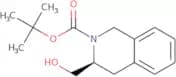
CAS:<p>Versatile small molecule scaffold</p>Formula:C12H15ClFNPurity:Min. 95%Molecular weight:227.7 g/mol(S)-2-Boc-1,3,4-Trihydro-3-Isoquinolinemethanol
CAS:<p>Versatile small molecule scaffold</p>Formula:C15H21NO3Purity:Min. 95%Molecular weight:263.33 g/mol(3S)-3-{[(tert-butoxy)carbonyl]amino}pentanoic acid
CAS:<p>Versatile small molecule scaffold</p>Formula:C10H19NO4Purity:Min. 95%Molecular weight:217.3 g/mol(3R)-3-{[(tert-Butoxy)carbonyl]amino}pentanoic acid
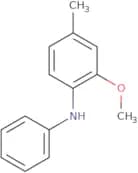
CAS:<p>Versatile small molecule scaffold</p>Formula:C10H19NO4Purity:Min. 95%Molecular weight:217.26 g/mol2-Methoxy-4-methyl-N-phenylaniline
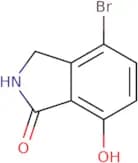
CAS:<p>Versatile small molecule scaffold</p>Formula:C14H15NOPurity:Min. 95%Molecular weight:213.27 g/mol4-Bromo-7-hydroxy-2,3-dihydro-isoindol-1-one
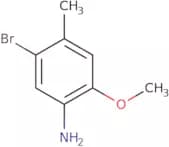
CAS:<p>Versatile small molecule scaffold</p>Formula:C8H6BrNO2Purity:Min. 95%Molecular weight:228.04 g/mol5-Bromo-2-methoxy-4-methylaniline
CAS:<p>Versatile small molecule scaffold</p>Formula:C8H10BrNOPurity:Min. 95%Molecular weight:216.07 g/mol(3-Cyclopropoxyphenyl)boronic acid
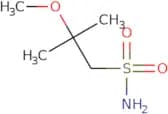
CAS:<p>Versatile small molecule scaffold</p>Formula:C9H11BO3Purity:Min. 95%Molecular weight:177.99 g/mol2-Methoxy-2-methylpropane-1-sulfonamide
CAS:<p>Versatile small molecule scaffold</p>Formula:C5H13NO3SPurity:Min. 95%Molecular weight:167.23 g/mol2-[(3R)-5-Oxopyrrolidin-3-yl]acetic acid
CAS:<p>Versatile small molecule scaffold</p>Formula:C6H9NO3Purity:Min. 95%Molecular weight:143.14 g/mol2-[(3S)-5-Oxopyrrolidin-3-yl]acetic acid
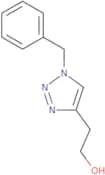
CAS:<p>Versatile small molecule scaffold</p>Formula:C6H9NO3Purity:Min. 95%Molecular weight:143.14 g/mol2-(1-Benzyl-1H-1,2,3-triazol-4-yl)ethan-1-ol
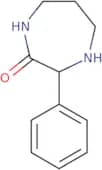
CAS:<p>Versatile small molecule scaffold</p>Formula:C11H13N3OPurity:Min. 95%Molecular weight:203.24 g/mol3-Phenyl-1,4-diazepan-2-one
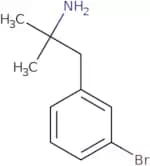
CAS:<p>Versatile small molecule scaffold</p>Formula:C11H14N2OPurity:Min. 95%Molecular weight:190.24 g/mol1-(3-Bromophenyl)-2-methylpropan-2-amine
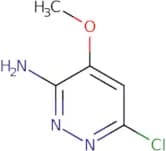
CAS:Controlled Product<p>Versatile small molecule scaffold</p>Formula:C10H14BrNPurity:Min. 95%Molecular weight:228.13 g/mol6-chloro-4-methoxypyridazin-3-amine
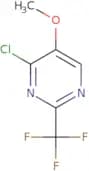
CAS:<p>Versatile small molecule scaffold</p>Formula:C5H6ClN3OPurity:Min. 95%Molecular weight:159.6 g/mol4-Chloro-5-methoxy-2-(trifluoromethyl)pyrimidine
CAS:<p>Versatile small molecule scaffold</p>Formula:C6H4ClF3N2OPurity:Min. 95%Color and Shape:PowderMolecular weight:212.55 g/mol8-Bromo-6-chloro-[1,2,4]triazolo[1,5-a]pyridine
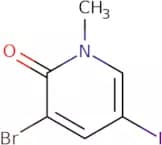
CAS:<p>Versatile small molecule scaffold</p>Formula:C6H3BrClN3Purity:Min. 95%Molecular weight:232.47 g/mol3-Bromo-5-iodo-1-methyl-1,2-dihydropyridin-2-one
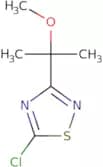
CAS:<p>Versatile small molecule scaffold</p>Formula:C6H5BrINOPurity:Min. 95%Molecular weight:313.92 g/mol5-Chloro-3-(2-methoxypropan-2-yl)-1,2,4-thiadiazole
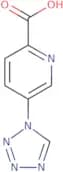
CAS:<p>Versatile small molecule scaffold</p>Formula:C6H9ClN2OSPurity:Min. 95%Molecular weight:192.67 g/mol5-(1H-1,2,3,4-Tetrazol-1-yl)pyridine-2-carboxylic acid
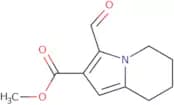
CAS:<p>Versatile small molecule scaffold</p>Formula:C7H5N5O2Purity:Min. 95%Molecular weight:191.15 g/molMethyl 3-formyl-5,6,7,8-tetrahydroindolizine-2-carboxylate
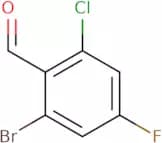
CAS:<p>Versatile small molecule scaffold</p>Formula:C11H13NO3Purity:Min. 95%Molecular weight:207.23 g/mol2-Bromo-6-chloro-4-fluorobenzaldehyde
CAS:<p>2-Bromo-6-chloro-4-fluorobenzaldehyde is a reversible and convergent tricyclic aldehyde that can be synthesized from the lactam of 6-chloro-2,4-difluoroaniline. This molecule is an inhibitor drug for tyrosine kinases, with IC50 values in the low micromolar range. It has been used as a linker to make a tyrosine kinase inhibitor.</p>Formula:C7H3BrClFOPurity:Min. 95%Molecular weight:237.45 g/moltert-butyl 2-ethylpyrrolidine-1-carboxylate
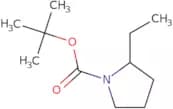
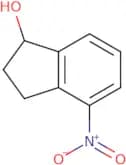
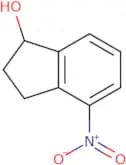
CAS:<p>Versatile small molecule scaffold</p>Formula:C11H21NO2Purity:Min. 95%Molecular weight:199.29 g/mol(1S)-4-Nitro-2,3-dihydro-1H-inden-1-ol
CAS:<p>Versatile small molecule scaffold</p>Formula:C9H9NO3Purity:Min. 95%Molecular weight:179.17 g/mol(1R)-4-Nitro-2,3-dihydro-1H-inden-1-ol
CAS:<p>Versatile small molecule scaffold</p>Formula:C9H9NO3Purity:Min. 95%Molecular weight:179.17 g/mol2-{3-Azabicyclo[3.1.0]hexan-3-yl}acetic acid hydrochloride
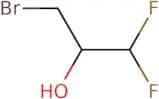
CAS:<p>Versatile small molecule scaffold</p>Formula:C7H12ClNO2Purity:Min. 95%Molecular weight:177.6 g/mol3-Bromo-1,1-difluoropropan-2-ol
CAS:<p>Versatile small molecule scaffold</p>Formula:C3H5BrF2OPurity:Min. 95%Molecular weight:174.97 g/molMethyl 2-[3-(trifluoromethyl)-1H,4H,5H,6H-cyclopenta[C]pyrazol-1-yl]acetate
CAS:<p>Versatile small molecule scaffold</p>Formula:C10H11F3N2O2Purity:Min. 95%Molecular weight:248.2 g/mol1-[(4-Chlorophenyl)methyl]-4-nitro-1H-pyrazole
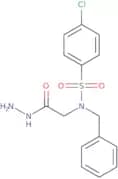
CAS:<p>Versatile small molecule scaffold</p>Formula:C10H8ClN3O2Purity:Min. 95%Molecular weight:237.64 g/molN-Benzyl-S-(4-chlorophenyl)-1-(hydrazinecarbonyl)methanesulfonamido
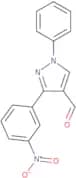
CAS:<p>Versatile small molecule scaffold</p>Formula:C15H16ClN3O3SPurity:Min. 95%Molecular weight:353.8 g/mol3-(3-Nitrophenyl)-1-phenyl-1H-pyrazole-4-carbaldehyde
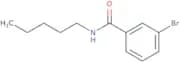
CAS:<p>Versatile small molecule scaffold</p>Formula:C16H11N3O3Purity:Min. 95%Molecular weight:293.28 g/mol3-Bromo-N-pentylbenzamide
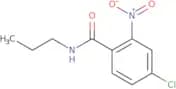
CAS:<p>Versatile small molecule scaffold</p>Formula:C12H16BrNOPurity:Min. 95%Molecular weight:270.17 g/mol4-Chloro-2-nitro-N-propylbenzamide
CAS:<p>Versatile small molecule scaffold</p>Formula:C10H11ClN2O3Purity:Min. 95%Molecular weight:242.66 g/molN-Cyclohexyl-3,4-dimethylbenzamide
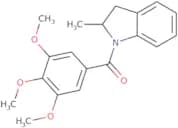
CAS:<p>Versatile small molecule scaffold</p>Formula:C15H21NOPurity:Min. 95%Molecular weight:231.3 g/mol(2-Methyl-2,3-dihydro-indol-1-yl)-(3,4,5-trimethoxy-phenyl)-methanone
CAS:<p>Versatile small molecule scaffold</p>Formula:C19H21NO4Purity:Min. 95%Molecular weight:327.4 g/molN1-(4-Chlorophenyl)-N2-(2,2,6,6-tetramethyl-4-piperidinyl)-ethanediamide
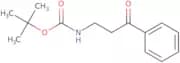
CAS:<p>Versatile small molecule scaffold</p>Formula:C17H24ClN3O2Purity:Min. 95%Molecular weight:337.85 g/moltert-Butyl (3-Oxo-3-phenylpropyl)carbamate
CAS:<p>Versatile small molecule scaffold</p>Formula:C14H19NO3Purity:Min. 95%Molecular weight:249.31 g/mol3-[(2-Chlorophenyl)methyl]-5-methyl-3H-[1,2,3]triazolo[4,5-d]pyrimidin-7-ol
CAS:<p>Versatile small molecule scaffold</p>Formula:C12H10ClN5OPurity:Min. 95%Molecular weight:275.69 g/mol2-{[4-(4-Methoxyphenyl)-5-(pyridin-3-yl)-4H-1,2,4-triazol-3-yl]sulfanyl}acetic acid
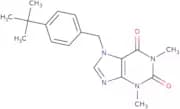
CAS:<p>Versatile small molecule scaffold</p>Formula:C16H14N4O3SPurity:Min. 95%Molecular weight:342.4 g/molVU0071063
CAS:Controlled Product<p>VU0071063 is a small molecule that inhibits the mitochondrial membrane potential, which prevents hyperinsulinism. It has been shown to have a pharmacokinetic property that makes it suitable for oral administration. VU0071063 is metabolized in the liver, but penetrates the blood-brain barrier and reaches high concentrations in the pancreas. The compound has a low toxicity profile and shows no appreciable cardiotoxicity. VU0071063 inhibits both subunits of ATP synthase, preventing movement of potassium ions across the mitochondrial membrane and increasing intracellular calcium ion levels. This leads to impaired insulin secretion by pancreatic β-cells, as well as decreased ATP production by other cells.</p>Formula:C18H22N4O2Purity:Min. 95%Molecular weight:326.39 g/mol2-{[4-Methyl-5-(pyridin-3-yl)-4H-1,2,4-triazol-3-yl]sulfanyl}acetic acid
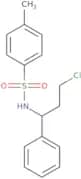
CAS:<p>Versatile small molecule scaffold</p>Formula:C10H10N4O2SPurity:Min. 95%Molecular weight:250.28 g/molN-(3-Chloro-1-phenylpropyl)-4-methylbenzene-1-sulfonamide
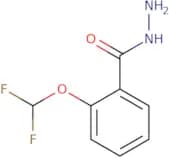
CAS:<p>Versatile small molecule scaffold</p>Formula:C16H18ClNO2SPurity:Min. 95%Molecular weight:323.8 g/mol2-(Difluoromethoxy)benzohydrazide
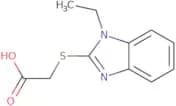
CAS:<p>Versatile small molecule scaffold</p>Formula:C8H8F2N2O2Purity:Min. 95%Molecular weight:202.16 g/mol(1-Ethyl-1H-benzoimidazol-2-ylsulfanyl)-acetic acid
CAS:<p>Versatile small molecule scaffold</p>Formula:C11H12N2O2SPurity:Min. 95%Molecular weight:236.29 g/molN-(Prop-2-en-1-yl)-2,3-dihydro-1,4-benzodioxine-6-sulfonamide
CAS:<p>Versatile small molecule scaffold</p>Formula:C11H13NO4SPurity:Min. 95%Molecular weight:255.29 g/mol(3-Chloro-2-fluorophenyl)methanethiol
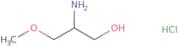
CAS:<p>Versatile small molecule scaffold</p>Formula:C7H6ClFSPurity:Min. 95%Molecular weight:176.64 g/mol2-Amino-3-methoxypropan-1-ol hydrochloride
CAS:<p>Versatile small molecule scaffold</p>Formula:C4H12ClNO2Purity:Min. 95%Molecular weight:141.6 g/moltert-Butyl benzo[D][1,3]dioxol-5-ylcarbamate
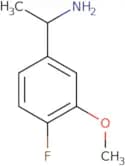
CAS:<p>Versatile small molecule scaffold</p>Formula:C12H15NO4Purity:Min. 95%Molecular weight:237.25 g/mol1-(4-Fluoro-3-methoxyphenyl)ethan-1-amine
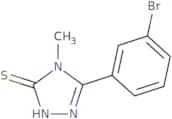
CAS:<p>Versatile small molecule scaffold</p>Formula:C9H12FNOPurity:Min. 95%Molecular weight:169.2 g/mol5-(3-Bromophenyl)-4-methyl-4H-1,2,4-triazole-3-thiol
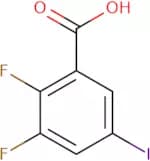
CAS:<p>Versatile small molecule scaffold</p>Formula:C9H8BrN3SPurity:Min. 95%Molecular weight:270.15 g/mol2,3-difluoro-5-iodobenzoic acid
CAS:<p>Versatile small molecule scaffold</p>Formula:C7H3F2IO2Purity:Min. 95%Molecular weight:284 g/mol1-[(2-Bromoethyl)sulfanyl]-3-fluorobenzene
CAS:<p>Versatile small molecule scaffold</p>Formula:C8H8BrFSPurity:Min. 95%Molecular weight:235.12 g/mol3-Furan-2-ylmethyl-2-mercapto-3H-quinazolin-4-one
CAS:<p>Versatile small molecule scaffold</p>Formula:C13H10N2O2SPurity:Min. 95%Molecular weight:258.3 g/mol1-{4-[(4-Methylpiperidin-1-yl)sulfonyl]phenyl}ethan-1-one
CAS:<p>Versatile small molecule scaffold</p>Formula:C14H19NO3SPurity:Min. 95%Molecular weight:281.37 g/mol4-Acetamido-3-fluorobenzene-1-sulfonyl chloride
CAS:<p>Versatile small molecule scaffold</p>Formula:C8H7ClFNO3SPurity:Min. 95%Molecular weight:251.66 g/mol2-Hydroxy-2-[3-(trifluoromethyl)phenyl]acetic acid
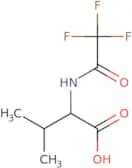
CAS:<p>2-Hydroxy-2-[3-(trifluoromethyl)phenyl]acetic acid (HPA) is a carboxylic acid that belongs to the family of monosubstituted carboxylic acids. It was synthesised in 1960 by reacting 3-(trifluoromethyl)benzoyl chloride with 2-hydroxyethanoic acid. HPA is a racemic mixture, which is why it has two enantiomers. These two enantiomers have different structures and highlights, but they share the same chemical formula. The mandelic acid is one of the dimers that can be formed from HPA, which occurs when an HPA molecule reacts with another HPA molecule. Mandelic acid also has hydroxyl groups and dimers that form as a result of its synthesis process.</p>Formula:C9H7F3O3Purity:Min. 95%Molecular weight:220.14 g/mol(2S)-3-Methyl-2-(trifluoroacetamido)butanoic acid
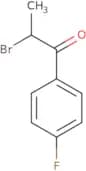
CAS:<p>(2S)-3-Methyl-2-(trifluoroacetamido)butanoic acid is an acid that is used as a precursor to other organic compounds. It is also known as trifluoroacetic acid, which has an acidic side chain. (2S)-3-Methyl-2-(trifluoroacetamido)butanoic acid can be synthesized by the condensation of indole-3-pyruvic acid and amines. This chemical compound also has chromatographic properties, hydroxyl group, tetrahydropyran, dehydration, nucleophilic, imine, anilines and oxazolones. (2S)-3-Methyl-2-(trifluoroacetamido)butanoic acid contains an amino function and aldehyde groups.</p>Formula:C7H10F3NO3Purity:Min. 95%Molecular weight:213.15 g/mol2-Bromo-1-(4-fluorophenyl)propan-1-one
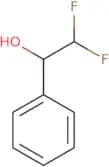
CAS:<p>2-Bromo-1-(4-fluorophenyl)propan-1-one is an innovative, trifluoromethylthiolation reagent that has been synthesised for use in formate dehydrogenase and tosylates. 2-Bromo-1-(4-fluorophenyl)propan-1-one has a nucleophilic, bromine atom with a molybdenum active site. The functional groups on the molecule are ethers and thiols. The synthesis of this molecule is by electrolysis. This molecule was synthesised using inorganic methods.</p>Formula:C9H8BrFOPurity:Min. 95%Molecular weight:231.06 g/mol2,2-Difluoro-1-phenylethan-1-ol
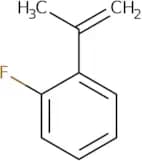
CAS:<p>Versatile small molecule scaffold</p>Formula:C8H8F2OPurity:Min. 95%Molecular weight:158.14 g/mol1-Fluoro-2-(prop-1-en-2-yl)benzene
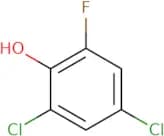
CAS:<p>Versatile small molecule scaffold</p>Formula:C9H9FPurity:Min. 95%Molecular weight:136.17 g/mol2,4-Dichloro-6-fluorophenol
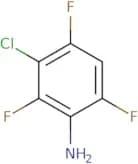
CAS:<p>Versatile small molecule scaffold</p>Formula:C6H3Cl2FOPurity:Min. 95%Molecular weight:180.99 g/mol3-Chloro-2,4,6-trifluoroaniline
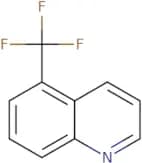
CAS:<p>Versatile small molecule scaffold</p>Formula:C6H3ClF3NPurity:Min. 95%Molecular weight:181.54 g/mol5-(Trifluoromethyl)quinoline
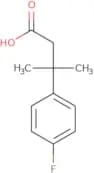
CAS:<p>Versatile small molecule scaffold</p>Formula:C10H6F3NPurity:Min. 95%Molecular weight:197.16 g/mol3-(4-Fluorophenyl)-3-methylbutanoic acid
CAS:<p>Versatile small molecule scaffold</p>Formula:C11H13FO2Purity:Min. 95%Molecular weight:196.22 g/mol5-Carbamoylpentanoic acid
CAS:<p>5-Carbamoylpentanoic acid is a fatty acid that is used in detergent compositions to form soap. It is also used as a raw material for the production of malonic acid, which can be used in the manufacture of polycarboxylic acids. 5-Carbamoylpentanoic acid has been shown to react with phosphorus pentoxide and diammonium hydroxide in a light-emitting reaction. This chemical can form an intermolecular hydrogen bond with amines, which may be due to its high reactivity towards nucleophiles. The reaction mechanism for this chemical is not well understood, but it is thought that it proceeds through an amide or alkyl addition.</p>Formula:C6H11NO3Purity:Min. 95%Molecular weight:145.16 g/mol1,1,1,7,7,7-Hexafluoroheptan-4-one
CAS:<p>1,1,1,7,7,7-Hexafluoroheptan-4-one is a fluorinated nonsteroidal antiinflammatory drug (NSAID) that is used to treat inflammation of the colon and other conditions. It is a potent inhibitor of cyclooxygenase 1 and 2 enzymes. This drug has been shown to be safe for use by pregnant women and children. The long-term effects on infants are not known. 1,1,1,7,7,7-Hexafluoroheptan-4-one inhibits the production of prostaglandins and may cause gastrointestinal bleeding. It also binds to gadolinium ions in the body and can be monitored using magnetic resonance imaging (MRI). Colchicine levels have been found to increase after treatment with this drug in some patients.</p>Formula:C7H8F6OPurity:Min. 95%Molecular weight:222.13 g/mol2-[(4-Fluorophenyl)thio]acetic acid
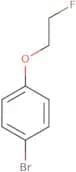
CAS:<p>2-[(4-Fluorophenyl)thio]acetic acid is a research chemical that belongs to the group of cyclocondensation compounds. It has been shown to yield two pyrimidines, pyrazolines, and isoxazoles when reacted with phenylacetaldehyde. This compound also forms an acid hydrazide when heated with hydrochloric acid. 2-[(4-Fluorophenyl)thio]acetic acid can be synthesized by reacting 4-fluorobenzaldehyde with hydrazine in refluxing ethanol. The c1-c7 alcohols are then removed using a vacuum distillation technique, followed by condensation of the remaining product. Chalcones are formed through this process as well.</p>Formula:C8H7FO2SPurity:Min. 95%Molecular weight:186.2 g/mol1-Bromo-4-(2-fluoroethoxy)benzene
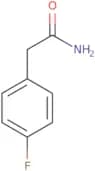
CAS:<p>Versatile small molecule scaffold</p>Formula:C8H8BrFOPurity:Min. 95%Molecular weight:219.05 g/mol2-(4-Fluorophenyl)acetamide
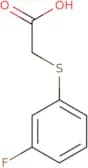
CAS:<p>2-(4-Fluorophenyl)acetamide (FFAA) is a broad-spectrum antiviral drug that has been evaluated against picornavirus, enterovirus, and rhinovirus. FFAA has been shown to be effective in the treatment of acute enterovirus infections in mice. This compound was also found to have a cytopathic effect on cells infected with enteroviruses in culture. It binds to the virus's RNA-dependent RNA polymerase and prevents viral replication. FFAA is not active against influenza A or B viruses, but it is active against influenza C virus. This compound has also been found to have medicinal properties, as it can inhibit the growth of human lung cancer cells in culture and may be useful for treating cancers such as leukemia.</p>Formula:C8H8FNOPurity:Min. 95%Molecular weight:153.15 g/mol3-Fluoro-phenylthioacetic acid
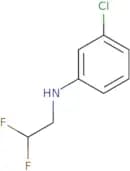
CAS:<p>Versatile small molecule scaffold</p>Formula:C8H7FO2SPurity:Min. 95%Molecular weight:186.2 g/mol3-Chloro-N-(2,2-difluoroethyl)aniline
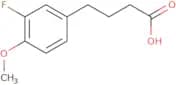
CAS:<p>Versatile small molecule scaffold</p>Formula:C8H8ClF2NPurity:Min. 95%Molecular weight:191.6 g/mol4-(3-Fluoro-4-methoxyphenyl)butanoic acid
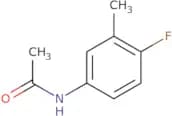
CAS:<p>Versatile small molecule scaffold</p>Formula:C11H13FO3Purity:Min. 95%Molecular weight:212.22 g/molN-(4-Fluoro-3-methylphenyl)acetamide
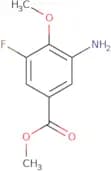
CAS:<p>Versatile small molecule scaffold</p>Formula:C9H10FNOPurity:Min. 95%Molecular weight:167.18 g/molMethyl 3-amino-5-fluoro-4-methoxybenzoate
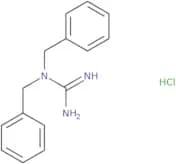
CAS:<p>Versatile small molecule scaffold</p>Formula:C9H10FNO3Purity:Min. 95%Molecular weight:199.18 g/molN,N-Dibenzylguanidine hydrochloride
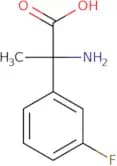
CAS:<p>Versatile small molecule scaffold</p>Formula:C15H18ClN3Purity:Min. 95%Molecular weight:275.77 g/mol2-Amino-2-(3-fluorophenyl)propanoic acid
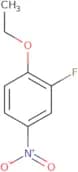
CAS:<p>Versatile small molecule scaffold</p>Formula:C9H10FNO2Purity:Min. 95%Molecular weight:183.18 g/mol4-Ethoxy-3-fluoronitrobenzene
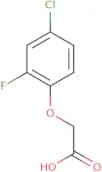
CAS:<p>Versatile small molecule scaffold</p>Formula:C8H8FNO3Purity:Min. 95%Molecular weight:185.15 g/mol2-(4-Chloro-2-fluorophenoxy)acetic acid
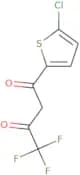
CAS:<p>Versatile small molecule scaffold</p>Formula:C8H6ClFO3Purity:Min. 95%Molecular weight:204.58 g/mol1-(5-Chlorothiophen-2-yl)-4,4,4-trifluorobutane-1,3-dione
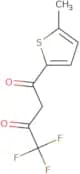
CAS:<p>Versatile small molecule scaffold</p>Formula:C8H4ClF3O2SPurity:Min. 95%Molecular weight:256.63 g/mol4,4,4-Trifluoro-1-(5-methyl-thiophen-2-yl)-butane-1,3-dione
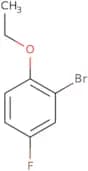
CAS:<p>Versatile small molecule scaffold</p>Formula:C9H7F3O2SPurity:Min. 95%Molecular weight:236.21 g/mol2-Bromo-4-fluorophenyl ethyl ether
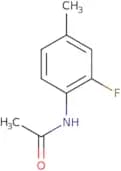
CAS:<p>Versatile small molecule scaffold</p>Formula:C8H8BrFOPurity:Min. 95%Molecular weight:219.05 g/molN-(2-Fluoro-4-methylphenyl)acetamide
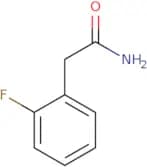
CAS:<p>N-(2-fluoro-4-methylphenyl)acetamide (FMAA) is a sterically hindered, regioselective amine brominating agent. FMAA has shown high efficiency in the conversion of anilides to bromides. FMAA is also very efficient in orienting the substrates for bromination and can be used to prepare N-(2-bromo-4-methylphenyl)acetamide. The selectivity of this reagent is due to its steric effect that prevents the substrate from reacting with other functional groups on the molecule. FMAA has been successfully used in the synthesis of 2-[(2,6-dichlorophenyl)amino]-N-(2,4,6-trimethylphenyl)acetamide and 2-[(3,5-dichlorophenyl)amino]-N-(3,5,6-trimethylphenyl)acetamide.</p>Formula:C9H10FNOPurity:Min. 95%Molecular weight:167.18 g/mol2-(2-Fluorophenyl)acetamide
CAS:<p>2-(2-Fluorophenyl)acetamide is a nucleoside analogue that inhibits the activity of thymidine kinase, which is an enzyme that converts thymine to deoxyuridine monophosphate and vice versa. 2-(2-Fluorophenyl)acetamide has been shown to be effective against herpes simplex virus and is a lead compound for the development of antiviral compounds. This drug is not toxic to cells and has no adverse side effects.</p>Formula:C8H8FNOPurity:Min. 95%Molecular weight:153.16 g/molMethyl benzo[d][1,3]dioxole-5-carboxylate
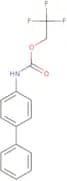
CAS:<p>Methyl benzo[d][1,3]dioxole-5-carboxylate is a prodrug of the active form, benzo[d][1,3]dioxole-5-carboxylic acid. It is used in the treatment of bowel disease and can be administered orally or intravenously. Methyl benzo[d][1,3]dioxole-5-carboxylate works by inhibiting the proteolytic enzymes that digest proteins in the small intestine. This drug has been shown to have an optimum concentration of 10-20 mg/mL when incubated with human ileal tissue. Methyl benzo[d][1,3]dioxole-5-carboxylate has also been shown to inhibit the activity of several inflammatory enzymes such as cyclooxygenase and lipoxygenase. This drug also has a protective effect on the lungs by inhibiting expiratory flow and clearing out</p>Formula:C9H8O4Purity:Min. 95%Molecular weight:180.16 g/mol2,2,2-Trifluoroethyl N-(4-phenylphenyl)carbamate
CAS:<p>Versatile small molecule scaffold</p>Formula:C15H12F3NO2Purity:Min. 95%Molecular weight:295.26 g/molN-(4-Fluorophenyl)-2-nitroaniline
CAS:<p>Versatile small molecule scaffold</p>Formula:C12H9FN2O2Purity:Min. 95%Molecular weight:232.21 g/molPyrido[2,3-b]pyrazine
CAS:<p>Pyrido[2,3-b]pyrazine is a sulfa drug that belongs to the group of drugs containing sulfur. It is an inhibitor of bacterial growth that binds to the nitrogen atom in the bacterial cell wall, thereby preventing coordination geometry and inhibiting growth. Pyrido[2,3-b]pyrazine has been shown to be active against cancer cells and has synergistic effects when used with other agents such as hydrochloric acid or trifluoroacetic acid. The binding of pyrido[2,3-b]pyrazine to the cell surface can disrupt receptor function and inhibit the production of certain growth factors. Pyrido[2,3-b]pyrazine also chelates metal ions such as iron and copper ions which are essential for bacterial metabolism.</p>Formula:C7H5N3Purity:Min. 95%Molecular weight:131.13 g/mol2-Amino-2-(2-fluorophenyl)propanoic acid
CAS:<p>Versatile small molecule scaffold</p>Formula:C9H10FNO2Purity:Min. 95%Molecular weight:183.18 g/mol4-Bromo-1,2-bis(trifluoromethyl)benzene
CAS:<p>4-Bromo-1,2-bis(trifluoromethyl)benzene is a reactive intermediate that can be used in the synthesis of other chemical compounds. It has been shown to react with cysteine residues and amino acid side chains, leading to covalent modifications in proteins. 4-Bromo-1,2-bis(trifluoromethyl)benzene is also used as a tool for screening chemical biology strategies and drug discovery.</p>Formula:C8H3BrF6Purity:Min. 95%Molecular weight:293 g/mol2-(2-Fluorophenyl)propan-2-ol
CAS:<p>Versatile small molecule scaffold</p>Formula:C9H11FOPurity:Min. 95%Molecular weight:154.18 g/molOpromazine hydrochloride
CAS:<p>Opromazine hydrochloride is an anti-infective agent that binds to the opiate receptor and inhibits the release of neurotransmitters. Opromazine hydrochloride has been shown to have synergistic effects when combined with gabapentin in human serum, which is a biological sample. Opromazine hydrochloride inhibits the replication of bacteria by binding to their nucleotide levels and preventing protein synthesis. It also binds to α1-acid glycoprotein, which is found in the blood, and prevents bacterial adhesion to tissue cells. The drug also binds to calmodulin and inhibits tricyclic antidepressants drugs such as desipramine, amitriptyline, nortriptyline, clomipramine, or imipramine.</p>Formula:C17H20Cl2N2OSPurity:Min. 95%Molecular weight:371.3 g/molELN484228
CAS:<p>ELN484228 is a ligand that binds to wild-type p53. It is a member of the ELN series, which are designed to have high affinity and specificity for wild-type p53. ELN484228 has been shown to inhibit the growth of cancer cells in vitro by binding to the wild-type p53 receptor and preventing it from entering into the nucleus of the cell. This ligand also blocks tumorigenesis in vivo by inhibiting tumor angiogenesis, metastasis, and invasion.</p>Formula:C12H10FNO2SPurity:Min. 95%Molecular weight:251.28 g/mol2-Amino-2-(4-fluoro-phenyl)-propionic acid
CAS:<p>Versatile small molecule scaffold</p>Formula:C9H10FNO2Purity:Min. 95%Molecular weight:183.18 g/mol1-Bromo-4-[(trifluoromethyl)sulfonyl]benzene
CAS:<p>Versatile small molecule scaffold</p>Formula:C7H4BrF3O2SPurity:Min. 95%Molecular weight:289.07 g/mol3-Oxa-9-azaspiro[5.5]undecane
CAS:<p>Versatile small molecule scaffold</p>Formula:C9H17NOPurity:Min. 95%Molecular weight:155.24 g/mol8-Thia-2-azaspiro[4.5]decane
CAS:<p>Versatile small molecule scaffold</p>Formula:C8H15NSPurity:Min. 95%Molecular weight:157.28 g/mol4-(2-Aminopropyl)phenol hydrobromide
CAS:Controlled Product<p>4-(2-Aminopropyl)phenol hydrobromide is a nonsteroidal anti-inflammatory drug that inhibits the production of prostaglandins and thromboxanes. It has been shown to be clinically relevant in the treatment of low diastolic pressure. The biological sample is typically obtained from a patient's blood or urine. The locomotor activity of animals was measured using a photocell beam apparatus, and the reaction solution contained 4-(2-aminopropyl)phenol hydrobromide, dopamine, and uric acid. <br>4-(2-Aminopropyl)phenol hydrobromide has been shown to reduce the incidence of infectious diseases in experimental models.</p>Formula:C9H14BrNOPurity:Min. 95%Molecular weight:232.12 g/mol3-Chloro-N-phenethyl-propionamide
CAS:<p>3-Chloro-N-phenethyl-propionamide is a hydrophobic, insoluble, and implanting drug that can be reconstituted with water and injected intravenously. It has been shown to have antimicrobial activity against P. aeruginosa in vitro, but not in vivo. 3-Chloro-N-phenethyl-propionamide has been used for the treatment of chronic wounds and burns. This drug has also been shown to be effective in iontophoresis devices when mixed with a diluent such as saline or water. 3-Chloro-N-phenethyl-propionamide interacts with bacterial cell membranes by binding to the anionic phospholipid head groups, disrupting membrane integrity and inhibiting protein synthesis. In addition, it may inhibit DNA gyrase activity by binding to dnaA protein.</p>Formula:C11H14ClNOPurity:Min. 95%Molecular weight:211.69 g/mol[2-Hydroxy-3-(3-methylphenoxy)propyl](propan-2-yl)amine hydrochloride
CAS:<p>2-Hydroxy-3-(3-methylphenoxy)propyl](propan-2-yl)amine hydrochloride is a pharmaceutical drug that is used to treat autoimmune diseases, such as diabetes. It is a glycol ester of the amino acid proline and has been shown to increase insulin sensitivity in cardiac tissue. The drug also has pluripotent cell activity, which means it can differentiate into other lineages of cells. This property makes 2-Hydroxy-3-(3-methylphenoxy)propyl](propan-2-yl)amine hydrochloride useful for regenerative medicine and tissue engineering. The drug also binds to receptors on cells and alters their function or gene expression. These effects are specific for each receptor and depend on the type of cell being treated.</p>Formula:C13H22ClNO2Purity:Min. 95%Molecular weight:259.77 g/mol2-Hydroxy-[1,1'-biphenyl]-3-carboxylic acid
CAS:<p>2-Hydroxy-[1,1'-biphenyl]-3-carboxylic acid (2HBC) is a monomer that belongs to the group of ester compounds. It has been shown to inhibit the growth of trichophyton mentagrophytes and other fungi by forming hydrogen bonds with the enzyme activities in the cell wall. 2HBC also inhibits microbial growth by binding to enzymes such as phospholipase A2, cyclooxygenase, and lipoxygenase, which are involved in inflammatory processes. This drug also inhibits bacterial growth by binding to the ribosome, preventing protein synthesis and leading to cell death. The inhibition of microbial growth is not limited to bacteria; it also occurs in fungi and protozoa. 2HBC has been shown to be active against both extracellular and intracellular microbial infections.</p>Formula:C13H10O3Purity:Min. 95%Molecular weight:214.22 g/mol(2S)-2-Amino-3-(4-hydroxy-3-methoxyphenyl)propanoic acid
CAS:Controlled Product<p>L-DOPA is a natural amino acid and intermediate in the biosynthesis of dopamine. It is also a precursor for the synthesis of norepinephrine from dopamine. L-DOPA is synthesized from the amino acid tyrosine by the enzyme tyrosine hydroxylase. It can be used as a drug to treat Parkinson's disease and other disorders that affect motor function, such as Huntington's disease and Tourette syndrome. L-DOPA is converted to dopamine by the enzyme dopa decarboxylase, which converts it to dopamine in a two-step process. The conversion of L-DOPA to dopamine can be monitored using electrochemical detection or fluorescence spectroscopy.</p>Formula:C10H13NO4Purity:Min. 95%Molecular weight:211.21 g/mol1-Methyl-6-oxo-1,4,5,6-tetrahydropyridazine-3-carboxamide
CAS:<p>1-Methyl-6-oxo-1,4,5,6-tetrahydropyridazine-3-carboxamide is a fatty acid ester with antihistaminic effects. It is used in pharmaceutical preparations as an antitussive and an excipient in diagnostic tests. It has been shown to be effective against acute or chronic inflammation of the respiratory tract, including bronchitis and asthma. 1-Methyl-6-oxo-1,4,5,6-tetrahydropyridazine-3-carboxamide has also been shown to inhibit prostaglandin synthesis by acting on the enzyme cyclooxygenase.</p>Formula:C6H9N3O2Purity:Min. 95%Molecular weight:155.15 g/molAzacycloundecane
CAS:<p>Azacycloundecane is a cycloalkane that is used as a solvent. The use of this compound in vivo models has been demonstrated to be useful in the study of drug uptake and distribution, as well as having clinical applications. Azacycloundecane is often used in detergent compositions due to its ability to solubilize fatty acids and inhibit their oxidation. This chemical has also been shown to have low energy, which makes it a suitable candidate for use in osmosis experiments. Azacycloundecane does not react with hydrogen chloride or carbonyl groups. It can be found naturally in fatty acids, amines, benzofuran derivatives, and aliphatic hydrocarbons.</p>Formula:C10H21NPurity:Min. 95%Molecular weight:155.28 g/mol9-Azabicyclo[6.1.0]nonane
CAS:<p>Versatile small molecule scaffold</p>Formula:C8H15NPurity:Min. 95%Molecular weight:125.21 g/mol6-Azabicyclo[3.1.0]hexane
CAS:<p>Versatile small molecule scaffold</p>Formula:C5H9NPurity:Min. 95%Molecular weight:83.13 g/mol3-Oxa-7-azabicyclo[3.3.1]nonane
CAS:<p>3-Oxa-7-azabicyclo[3.3.1]nonane is a linker that contains a hydroxyl group, heterocycle, intramolecular hydrogen, and fluorine. It has been shown to be an effective inhibitor of the HIV protease enzyme in vitro, although it is not active against other enzymes such as the human serum albumin or cytochrome P450. 3-Oxa-7-azabicyclo[3.3.1]nonane binds to the active site of the HIV protease by forming hydrogen bonds with amino acids near the active site and by stabilizing the conformation of its piperidine ring. This drug also has an axial orientation with respect to its fluoroquinolone plane and benzyl group that makes it stereoisomeric with 2 possible configurations: cis or trans.</p>Formula:C7H13NOPurity:Min. 95%Molecular weight:127.18 g/molRac-(1S,5R)-6-azabicyclo[3.2.1]octane hydrochloride
CAS:<p>Rac-(1S,5R)-6-azabicyclo[3.2.1]octane hydrochloride is a natural product that belongs to the group of lactams. It has been found in marine sponges and cyanobacteria. Rac-(1S,5R)-6-azabicyclo[3.2.1]octane hydrochloride has been shown to be an inhibitor of phosphoranes and epoxides, which are enzymes that catalyze the formation of phosphoranes, epoxides, and other reactive oxygen species. Rac-(1S,5R)-6-azabicyclo[3.2.1]octane hydrochloride inhibits these enzymes by binding to their active sites with high specificity and affinity, leading to the inhibition of their enzymatic activity and subsequent reduction of reactive oxygen species levels in cells.</p>Formula:C7H13N·HClPurity:Min. 95%Molecular weight:147.65 g/mol[1,3]Thiazolo[4,5-b]pyridine
CAS:<p>[1,3]Thiazolo[4,5-b]pyridine is a heterocyclic compound that is structurally similar to pyridine. It has been shown to act as an acceptor for hydrogen bonds and can be used in the synthesis of other compounds. [1,3]Thiazolo[4,5-b]pyridine has been shown to inhibit the growth of Staphylococcus aureus and amine-producing strains of bacteria such as Pseudomonas aeruginosa, Escherichia coli, and Klebsiella pneumoniae. This compound also acts as a nucleophile in pharmacophores that contain amines.</p>Formula:C6H4N2SPurity:Min. 95%Molecular weight:136.17 g/mol1H-Imidazo[4,5-b]pyrazine
CAS:<p>Imidazo[4,5-b]pyrazine is a chemical compound that binds to calcium ions and has been used in the treatment of metabolic disorders. The symptoms of imidazopyrazine include fatigue, weight loss, fever, chills, and muscle aches. Imidazopyrazine is also used for the treatment of autoimmune diseases such as rheumatoid arthritis. In vitro assays have shown that it activates macrophages and lymphocytes and may be useful in the treatment of skin lesions caused by an infection. Imidazopyrazine has been found to have pharmacokinetic properties with a half-life of 3 hours when administered orally. This drug has also been shown to have biological activity against rat liver microsomes.</p>Formula:C5H4N4Purity:Min. 95%Molecular weight:120.11 g/molBenzo[d][1,2,3]thiadiazole
CAS:<p>Benzo[d][1,2,3]thiadiazole is a benzothiadiazole with a redox potential of -0.25 V that is stable in the absence of oxygen and light. It can be used to synthesize chemical pesticides by reacting with hydrochloric acid. The reaction mechanism of benzo[d][1,2,3]thiadiazole has been determined using nuclear magnetic resonance spectroscopy and quantum chemical calculations. This compound reacts with hydrogen bond acceptors on the enzyme active site to form covalent bonds. It also interacts with the enzyme's steric environment by forming hydrogen bonds and van der Waals forces. Benzo[d][1,2,3]thiadiazole also emits light when it reacts with nitric oxide in solution.</p>Formula:C6H4N2SPurity:Min. 95%Molecular weight:136.17 g/molD-Alanine
CAS:<p>D-Alanine is a versatile building block that can be used as a reagent or speciality chemical in research. It is also an important intermediate for the production of other chemicals and useful scaffold for drug design. D-Alanine (CAS No. 338-69-2) is a high quality, fine chemical that can be used as a reaction component to synthesize many complex compounds. D-Alanine is also an important intermediate for the production of other chemicals and useful scaffold for drug design.</p>Formula:C3H7NO2Purity:Min. 98 Area-%Molecular weight:89.09 g/molRef: 3D-A-4200
1kgTo inquire5kgTo inquire10kgTo inquire500gTo inquire2500gTo inquire-Unit-ggTo inquireN-Acetylglycine
CAS:<p>N-Acetylglycine is a versatile building block for the synthesis of complex organic compounds. It is used as a reagent in research, as an intermediate in chemical reactions, or as a speciality chemical. N-Acetylglycine has been found to be useful as a building block in organic synthesis and can be reacted with other chemicals to form new compounds. N-Acetylglycine has also been shown to have anti-inflammatory properties and is used as an analgesic for pain relief.</p>Formula:C4H7NO3Molecular weight:117.11 g/mol3-Methyl-4H-thieno[3,2-b]pyrrole-5-carboxylic acid
CAS:<p>Versatile small molecule scaffold</p>Formula:C8H7NO2SPurity:Min. 95%Molecular weight:181.21 g/mol4-[(6-Bromo-4-phenylquinazolin-2-yl)amino]benzoic acid
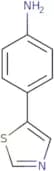
CAS:<p>Versatile small molecule scaffold</p>Formula:C21H14BrN3O2Purity:Min. 95%Molecular weight:420.3 g/mol4-(1,3-Thiazol-5-yl)aniline
CAS:<p>Versatile small molecule scaffold</p>Formula:C9H8N2SPurity:Min. 95%Molecular weight:176.24 g/mol2-(Fmoc-amino)-5-chlorobenzoic acid
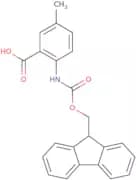
CAS:<p>Versatile small molecule scaffold</p>Formula:C22H16ClNO4Purity:Min. 95%Molecular weight:393.8 g/molFmoc-2-amino-5-methylbenzoic acid
CAS:<p>Versatile small molecule scaffold</p>Formula:C23H19NO4Purity:Min. 95%Molecular weight:373.4 g/mol2-((((9H-Fluoren-9-yl)methoxy)carbonyl)amino)-4-chlorobenzoic acid
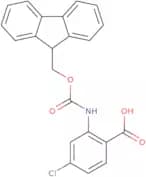
CAS:<p>Versatile small molecule scaffold</p>Formula:C22H16ClNO4Purity:Min. 95%Molecular weight:393.82 g/mol2-Iodo-1,3,4-thiadiazole
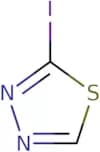
CAS:<p>Versatile small molecule scaffold</p>Formula:C2HIN2SPurity:Min. 95%Molecular weight:212.01 g/mol11-Ethyl-10-sulfanyl-7-thia-9,11-diazatricyclo[6.4.0.0,2,6]dodeca-1(8),2(6),9-trien-12-one
CAS:<p>Versatile small molecule scaffold</p>Formula:C11H12N2OS2Purity:Min. 95%Molecular weight:252.4 g/mol4,5-Dimethoxy-2-[(thiophene-2-carbonyl)-amino]-benzoic acid
CAS:<p>Versatile small molecule scaffold</p>Formula:C14H13NO5SPurity:Min. 95%Molecular weight:307.33 g/mol2-[(Furan-2-carbonyl)-amino]-4,5-dimethoxy-benzoic acid
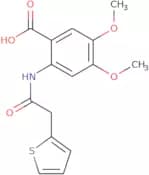
CAS:Controlled Product<p>2-[(Furan-2-carbonyl)-amino]-4,5-dimethoxy-benzoic acid is a potent and specific inhibitor of the human angiotensin II type 1 receptor. It has been shown to inhibit angiotensin II-induced vasoconstriction in rat arteries. 2-[(Furan-2-carbonyl)-amino]-4,5-dimethoxy-benzoic acid is also an activator of the human angiotensin II type 2 receptor. This peptide may be useful in research on peptide receptors and ion channels as well as for pharmacological studies on cardiovascular system disorders.</p>Formula:C14H13NO6Purity:Min. 95%Molecular weight:291.26 g/mol4,5-Dimethoxy-2-(2-thiophen-2-yl-acetylamino)-benzoic acid
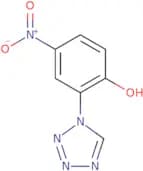
CAS:<p>Versatile small molecule scaffold</p>Formula:C15H15NO5SPurity:Min. 95%Molecular weight:321.3 g/mol4-Nitro-2-(1H-1,2,3,4-tetrazol-1-yl)phenol
CAS:<p>4-Nitro-2-(1H-1,2,3,4-tetrazol-1-yl)phenol (NTP) is a planar molecule with coplanar nitro groups. It is a trackable chemical that can be used to monitor the presence of heavy metals such as lead and mercury in water sources. NTP has been extracted from phenyl and found to have dihedral angles of -39° and -34°.</p>Formula:C7H5N5O3Purity:Min. 95%Molecular weight:207.15 g/molHFI-142
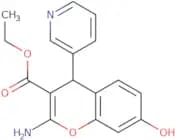
CAS:<p>HFI-142 is a small molecule that binds to the active site of aminopeptidase N and inhibits its activity. This drug has been shown to inhibit leukotriene A4 biosynthesis in red blood cells, which may be useful for the treatment of cancer. HFI-142 was also found to inhibit the activity of other aminopeptidases, such as aminopeptidase N, as well as other enzymes involved in protein metabolism. The drug showed no mutagenicity in a wide range of assays, including bacterial mutagenicity tests, chromosomal aberration tests with human lymphocytes, and Ames tests.</p>Formula:C17H16N2O4Purity:Min. 95%Molecular weight:312.32 g/mol5-(4-Formyl-phenoxymethyl)-furan-2-carboxylic acid methyl ester
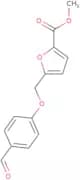
CAS:<p>Versatile small molecule scaffold</p>Formula:C14H12O5Purity:Min. 95%Molecular weight:260.25 g/molN-(3-Bromophenyl)pyridine-3-carboxamide
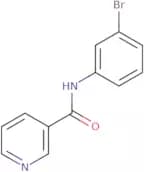
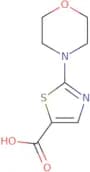
CAS:<p>N-(3-Bromophenyl)pyridine-3-carboxamide is a ligand that reacts with metals to form coordination compounds. It is typically used as a reagent in organic synthesis, especially in the preparation of phenols. N-(3-Bromophenyl)pyridine-3-carboxamide can be used to prepare adducts and cross over reactions.</p>Formula:C12H9BrN2OPurity:Min. 95%Molecular weight:277.12 g/mol2-(Morpholin-4-yl)-1,3-thiazole-5-carboxylic acid
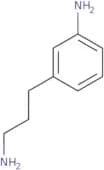
CAS:<p>Versatile small molecule scaffold</p>Formula:C8H10N2O3SPurity:Min. 95%Molecular weight:214.24 g/mol3-(3-Aminopropyl)aniline
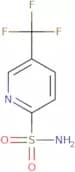
CAS:<p>Versatile small molecule scaffold</p>Formula:C9H14N2Purity:Min. 95%Molecular weight:150.22 g/mol5-(Trifluoromethyl)pyridine-2-sulfonamide
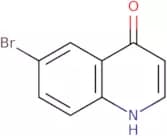
CAS:<p>5-(Trifluoromethyl)pyridine-2-sulfonamide is a derivative compound that belongs to the group of antiarrhythmic drugs. It has been shown to be effective in treating atrial fibrillation and chronic inflammation. 5-(Trifluoromethyl)pyridine-2-sulfonamide is a potassium channel blocker, which makes it an effective agent for treating cardiovascular disorders. 5-(Trifluoromethyl)pyridine-2-sulfonamide blocks the ion channels in the heart and prevents the movement of ions across the cell membrane, leading to cardiac arrest. This drug also inhibits inflammatory cells by inhibiting cyclooxygenase enzymes, which are responsible for the production of prostaglandins and leukotrienes.</p>Formula:C6H5F3N2O2SPurity:Min. 95%Molecular weight:226.18 g/mol6-Bromoquinolin-4(1H)-one
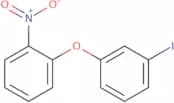
CAS:<p>6-Bromoquinolin-4(1H)-one is a synthetic compound that has been shown to have anti-tumor activity. It has an inhibitory effect on the PI3K/mTOR pathway, which is essential for cancer cell proliferation and survival. 6-Bromoquinolin-4(1H)-one also inhibits the growth of cancer cells in culture. The synthesis of 6-Bromoquinolin-4(1H)-one starts with the alkylation of 2,6-dibromopyridine with 3,5-(dimethyl)piperidinium bromide to give 2,6-(dimethyl)pyridinium bromide. This product can be converted into 6-bromoquinolin-4(1H)-one by reacting it with potassium hydroxide in ethanol at 60 degrees Celsius. The nmr spectrum of 6-bronquinolin-4(1</p>Formula:C9H6BrNOPurity:Min. 95%Molecular weight:224.05 g/mol1-(3-Iodophenoxy)-2-nitrobenzene
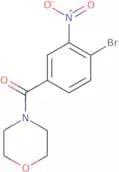
CAS:<p>Versatile small molecule scaffold</p>Formula:C12H8INO3Purity:Min. 95%Molecular weight:341.1 g/mol4-(4-Bromo-3-nitrobenzoyl)morpholine
CAS:<p>Versatile small molecule scaffold</p>Formula:C11H11BrN2O4Purity:Min. 95%Molecular weight:315.12 g/mol2-[(Quinolin-2-yl)amino]ethan-1-ol
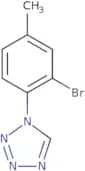
CAS:<p>Versatile small molecule scaffold</p>Formula:C11H12N2OPurity:Min. 95%Molecular weight:188.23 g/mol1-(2-Bromo-4-methylphenyl)-1H-tetrazole
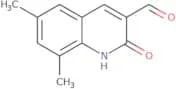
CAS:<p>Versatile small molecule scaffold</p>Formula:C8H7BrN4Purity:Min. 95%Molecular weight:239.07 g/mol6,8-Dimethyl-2-oxo-1,2-dihydroquinoline-3-carbaldehyde
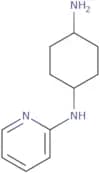
CAS:<p>Versatile small molecule scaffold</p>Formula:C12H11NO2Purity:Min. 95%Molecular weight:201.22 g/mol1-N-(Pyridin-2-yl)cyclohexane-1,4-diamine
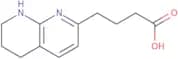
CAS:<p>Versatile small molecule scaffold</p>Formula:C11H17N3Purity:Min. 95%Molecular weight:191.27 g/mol5,6,7,8-Tetrahydro-1,8-naphthyridin-2-butyric acid
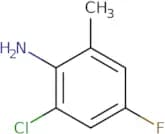
CAS:<p>Versatile small molecule scaffold</p>Formula:C12H16N2O2Purity:Min. 95%Molecular weight:220.27 g/mol2-Chloro-4-fluoro-6-methylaniline
CAS:<p>Versatile small molecule scaffold</p>Formula:C7H7ClFNPurity:Min. 95%Molecular weight:159.59 g/mol2-(1H-Indol-2-ylformamido)propanoic acid
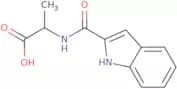
CAS:<p>Versatile small molecule scaffold</p>Formula:C12H12N2O3Purity:Min. 95%Molecular weight:232.23 g/mol4-Chloro-1-[(3-methylphenyl)methyl]-1H-pyrazol-3-amine
CAS:<p>Versatile small molecule scaffold</p>Formula:C11H12ClN3Purity:Min. 95%Molecular weight:221.68 g/mol(8S)-10-Oxo-6-thia-9-azaspiro[4.5]decane-8-carboxylic acid
CAS:<p>Versatile small molecule scaffold</p>Formula:C9H13NO3SPurity:Min. 95%Molecular weight:215.27 g/mol(2E)-3-{5-Chloro-3-methyl-1-[(4-methylphenyl)methyl]-1H-pyrazol-4-yl}prop-2-enoic acid
CAS:<p>Versatile small molecule scaffold</p>Formula:C15H15ClN2O2Purity:Min. 95%Molecular weight:290.74 g/mol4-Hydroxy-1-[2-(trifluoromethyl)phenyl]-1H-pyrazole-3-carbohydrazide
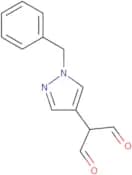
CAS:<p>Versatile small molecule scaffold</p>Formula:C11H9F3N4O2Purity:Min. 95%Molecular weight:286.21 g/mol2-(1-Benzylpyrazol-4-yl)propanedial
CAS:<p>Versatile small molecule scaffold</p>Formula:C13H12N2O2Purity:Min. 95%Molecular weight:228.25 g/mol(2E)-3-{1-[(4-Methylphenyl)methyl]-3-phenyl-1H-pyrazol-4-yl}prop-2-enoic acid
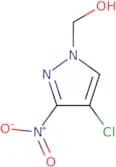
CAS:<p>Versatile small molecule scaffold</p>Formula:C20H18N2O2Purity:Min. 95%Molecular weight:318.4 g/mol(4-Chloro-3-nitro-1H-pyrazol-1-yl)methanol
CAS:<p>Versatile small molecule scaffold</p>Formula:C4H4ClN3O3Purity:Min. 95%Molecular weight:177.54 g/mol2-[3,5-Dimethyl-1-(2-methylpropyl)-1H-pyrazol-4-yl]acetic acid
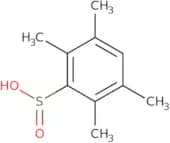
CAS:<p>Versatile small molecule scaffold</p>Formula:C11H18N2O2Purity:Min. 95%Molecular weight:210.27 g/mol2,3,5,6-Tetramethylbenzene-1-sulfinic acid
CAS:<p>Versatile small molecule scaffold</p>Formula:C10H14O2SPurity:Min. 95%Molecular weight:198.28 g/mol4-Bromo-1-(2-nitrophenyl)-1H-pyrazole
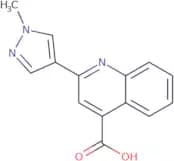
CAS:<p>Versatile small molecule scaffold</p>Formula:C9H6BrN3O2Purity:Min. 95%Molecular weight:268.07 g/mol2-(1-Methyl-1H-pyrazol-4-yl)quinoline-4-carboxylic acid
CAS:<p>Versatile small molecule scaffold</p>Formula:C14H11N3O2Purity:Min. 95%Molecular weight:253.26 g/mol2-[(3,5-Dimethyl-1H-pyrazol-1-yl)methyl]quinoline-4-carboxylic Acid
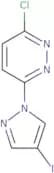
CAS:<p>Versatile small molecule scaffold</p>Formula:C16H15N3O2Purity:Min. 95%Molecular weight:281.3 g/mol3-Chloro-6-(4-iodo-1H-pyrazol-1-yl)pyridazine
CAS:<p>Versatile small molecule scaffold</p>Formula:C7H4ClIN4Purity:Min. 95%Molecular weight:306.5 g/mol


![3-(2-Nitroethenyl)-1H-pyrrolo[2,3-b]pyridine](/_next/image/?url=https%3A%2Fstatic.cymitquimica.com%2Fproducts%2F3D%2Fthumb-webp%2FIHA20828.webp&w=3840&q=75)



![4-Ethyl-[1,2,3]thiadiazole-5-carboxylic acid](/_next/image/?url=https%3A%2Fstatic.cymitquimica.com%2Fproducts%2F3D%2Fthumb-webp%2FIHA30240.webp&w=3840&q=75)
![4-Cyclopropyl-[1,2,3]thiadiazole-5-carboxylic acid](/_next/image/?url=https%3A%2Fstatic.cymitquimica.com%2Fproducts%2F3D%2Fthumb-webp%2FIHA30371.webp&w=3840&q=75)




![6-[2-(Trimethylsilyl)ethynyl]pyridine-2-carbaldehyde](/_next/image/?url=https%3A%2Fstatic.cymitquimica.com%2Fproducts%2F3D%2Fthumb-webp%2FIHA43894.webp&w=3840&q=75)
![2-{[(tert-Butoxy)carbonyl]amino}hex-4-ynoic acid](/_next/image/?url=https%3A%2Fstatic.cymitquimica.com%2Fproducts%2F3D%2Fthumb-webp%2FIHA50060.webp&w=3840&q=75)
![2-[(4-Bromophenyl)formamido]propanoic acid](/_next/image/?url=https%3A%2Fstatic.cymitquimica.com%2Fproducts%2F3D%2Fthumb-webp%2FIHA55936.webp&w=3840&q=75)
![6-Methyl-1H-pyrrolo[3,2-c]pyridine](/_next/image/?url=https%3A%2Fstatic.cymitquimica.com%2Fproducts%2F3D%2Fthumb-webp%2FIHA58634.webp&w=3840&q=75)
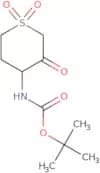
![rac-tert-Butyl N-[(3R,4R)-3-hydroxy-1,1-dioxo-1λ6-thian-4-yl]carbamate](/_next/image/?url=https%3A%2Fstatic.cymitquimica.com%2Fproducts%2F3D%2Fthumb-webp%2FIHA60706.webp&w=3840&q=75)
![N-[1-(Pyridin-3-yl)ethyl]cyclopropanamine](/_next/image/?url=https%3A%2Fstatic.cymitquimica.com%2Fproducts%2F3D%2Fthumb-webp%2FIHA60912.webp&w=3840&q=75)
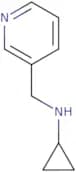
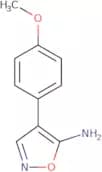
![4-Imidazo[2,1-b][1,3]thiazol-6-ylaniline](/_next/image/?url=https%3A%2Fstatic.cymitquimica.com%2Fproducts%2F3D%2Fthumb-webp%2FIHA66802.webp&w=3840&q=75)
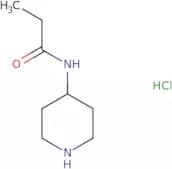
![(2E)-3-{1-[(tert-Butoxy)carbonyl]piperidin-4-yl}prop-2-enoic acid](/_next/image/?url=https%3A%2Fstatic.cymitquimica.com%2Fproducts%2F3D%2Fthumb-webp%2FIHA80818.webp&w=3840&q=75)
![2-Chloro-5H,6H,7H-cyclopenta[b]pyridine-3-carboxamide](/_next/image/?url=https%3A%2Fstatic.cymitquimica.com%2Fproducts%2F3D%2Fthumb-webp%2FIHA87187.webp&w=3840&q=75)
![4-[(3-Fluorophenyl)methylidene]piperidine hydrochloride](/_next/image/?url=https%3A%2Fstatic.cymitquimica.com%2Fproducts%2F3D%2Fthumb-webp%2FIHA95018.webp&w=3840&q=75)
![4-[(2-Fluorophenyl)methylidene]piperidine hydrochloride](/_next/image/?url=https%3A%2Fstatic.cymitquimica.com%2Fproducts%2F3D%2Fthumb-webp%2FIHA95019.webp&w=3840&q=75)
![(3S)-3-{[(tert-butoxy)carbonyl]amino}pentanoic acid](/_next/image/?url=https%3A%2Fstatic.cymitquimica.com%2Fproducts%2F3D%2Fthumb-webp%2FIHA99048.webp&w=3840&q=75)
![(3R)-3-{[(tert-Butoxy)carbonyl]amino}pentanoic acid](/_next/image/?url=https%3A%2Fstatic.cymitquimica.com%2Fproducts%2F3D%2Fthumb-webp%2FIHA99060.webp&w=3840&q=75)
![2-[(3R)-5-Oxopyrrolidin-3-yl]acetic acid](/_next/image/?url=https%3A%2Fstatic.cymitquimica.com%2Fproducts%2F3D%2Fthumb-webp%2FIHB15706.webp&w=3840&q=75)
![2-[(3S)-5-Oxopyrrolidin-3-yl]acetic acid](/_next/image/?url=https%3A%2Fstatic.cymitquimica.com%2Fproducts%2F3D%2Fthumb-webp%2FIHB15723.webp&w=3840&q=75)
![8-Bromo-6-chloro-[1,2,4]triazolo[1,5-a]pyridine](/_next/image/?url=https%3A%2Fstatic.cymitquimica.com%2Fproducts%2F3D%2Fthumb-webp%2FIHC82219.webp&w=3840&q=75)
![2-{3-Azabicyclo[3.1.0]hexan-3-yl}acetic acid hydrochloride](/_next/image/?url=https%3A%2Fstatic.cymitquimica.com%2Fproducts%2F3D%2Fthumb-webp%2FIHD32637.webp&w=3840&q=75)
![Methyl 2-[3-(trifluoromethyl)-1H,4H,5H,6H-cyclopenta[C]pyrazol-1-yl]acetate](/_next/image/?url=https%3A%2Fstatic.cymitquimica.com%2Fproducts%2F3D%2Fthumb-webp%2FINA30925.webp&w=3840&q=75)
![1-[(4-Chlorophenyl)methyl]-4-nitro-1H-pyrazole](/_next/image/?url=https%3A%2Fstatic.cymitquimica.com%2Fproducts%2F3D%2Fthumb-webp%2FINA31165.webp&w=3840&q=75)


![3-[(2-Chlorophenyl)methyl]-5-methyl-3H-[1,2,3]triazolo[4,5-d]pyrimidin-7-ol](/_next/image/?url=https%3A%2Fstatic.cymitquimica.com%2Fproducts%2F3D%2Fthumb-webp%2FINA40755.webp&w=3840&q=75)
![2-{[4-(4-Methoxyphenyl)-5-(pyridin-3-yl)-4H-1,2,4-triazol-3-yl]sulfanyl}acetic acid](/_next/image/?url=https%3A%2Fstatic.cymitquimica.com%2Fproducts%2F3D%2Fthumb-webp%2FINA40891.webp&w=3840&q=75)
![2-{[4-Methyl-5-(pyridin-3-yl)-4H-1,2,4-triazol-3-yl]sulfanyl}acetic acid](/_next/image/?url=https%3A%2Fstatic.cymitquimica.com%2Fproducts%2F3D%2Fthumb-webp%2FINA41858.webp&w=3840&q=75)


![tert-Butyl benzo[D][1,3]dioxol-5-ylcarbamate](/_next/image/?url=https%3A%2Fstatic.cymitquimica.com%2Fproducts%2F3D%2Fthumb-webp%2FINA74947.webp&w=3840&q=75)
![1-[(2-Bromoethyl)sulfanyl]-3-fluorobenzene](/_next/image/?url=https%3A%2Fstatic.cymitquimica.com%2Fproducts%2F3D%2Fthumb-webp%2FINA78225.webp&w=3840&q=75)

![1-{4-[(4-Methylpiperidin-1-yl)sulfonyl]phenyl}ethan-1-one](/_next/image/?url=https%3A%2Fstatic.cymitquimica.com%2Fproducts%2F3D%2Fthumb-webp%2FINA78788.webp&w=3840&q=75)

![2-Hydroxy-2-[3-(trifluoromethyl)phenyl]acetic acid](/_next/image/?url=https%3A%2Fstatic.cymitquimica.com%2Fproducts%2F3D%2Fthumb-webp%2FAAA34910.webp&w=3840&q=75)


![2-[(4-Fluorophenyl)thio]acetic acid](/_next/image/?url=https%3A%2Fstatic.cymitquimica.com%2Fproducts%2F3D%2Fthumb-webp%2FAAA33251.webp&w=3840&q=75)
![Methyl benzo[d][1,3]dioxole-5-carboxylate](/_next/image/?url=https%3A%2Fstatic.cymitquimica.com%2Fproducts%2F3D%2Fthumb-webp%2FAAA32656.webp&w=3840&q=75)

![Pyrido[2,3-b]pyrazine](/_next/image/?url=https%3A%2Fstatic.cymitquimica.com%2Fproducts%2F3D%2Fthumb-webp%2FAAA32246.webp&w=3840&q=75)


![1-Bromo-4-[(trifluoromethyl)sulfonyl]benzene](/_next/image/?url=https%3A%2Fstatic.cymitquimica.com%2Fproducts%2F3D%2Fthumb-webp%2FAAA31220.webp&w=3840&q=75)
![3-Oxa-9-azaspiro[5.5]undecane](/_next/image/?url=https%3A%2Fstatic.cymitquimica.com%2Fproducts%2F3D%2Fthumb-webp%2FAAA31121.webp&w=3840&q=75)
![8-Thia-2-azaspiro[4.5]decane](/_next/image/?url=https%3A%2Fstatic.cymitquimica.com%2Fproducts%2F3D%2Fthumb-webp%2FAAA31094.webp&w=3840&q=75)


amine hydrochloride](/_next/image/?url=https%3A%2Fstatic.cymitquimica.com%2Fproducts%2F3D%2Fthumb-webp%2FAAA30611.webp&w=3840&q=75)
![2-Hydroxy-[1,1'-biphenyl]-3-carboxylic acid](/_next/image/?url=https%3A%2Fstatic.cymitquimica.com%2Fproducts%2F3D%2Fthumb-webp%2FAAA30406.webp&w=3840&q=75)


![9-Azabicyclo[6.1.0]nonane](/_next/image/?url=https%3A%2Fstatic.cymitquimica.com%2Fproducts%2F3D%2Fthumb-webp%2FAAA28661.webp&w=3840&q=75)
![6-Azabicyclo[3.1.0]hexane](/_next/image/?url=https%3A%2Fstatic.cymitquimica.com%2Fproducts%2F3D%2Fthumb-webp%2FAAA28563.webp&w=3840&q=75)
![3-Oxa-7-azabicyclo[3.3.1]nonane](/_next/image/?url=https%3A%2Fstatic.cymitquimica.com%2Fproducts%2F3D%2Fthumb-webp%2FAAA28075.webp&w=3840&q=75)
![Rac-(1S,5R)-6-azabicyclo[3.2.1]octane hydrochloride](/_next/image/?url=https%3A%2Fstatic.cymitquimica.com%2Fproducts%2F3D%2Fthumb-webp%2FAAA27985.webp&w=3840&q=75)
![[1,3]Thiazolo[4,5-b]pyridine](/_next/image/?url=https%3A%2Fstatic.cymitquimica.com%2Fproducts%2F3D%2Fthumb-webp%2FAAA27398.webp&w=3840&q=75)
![1H-Imidazo[4,5-b]pyrazine](/_next/image/?url=https%3A%2Fstatic.cymitquimica.com%2Fproducts%2F3D%2Fthumb-webp%2FAAA27394.webp&w=3840&q=75)
![Benzo[d][1,2,3]thiadiazole](/_next/image/?url=https%3A%2Fstatic.cymitquimica.com%2Fproducts%2F3D%2Fthumb-webp%2FAAA27377.webp&w=3840&q=75)


![3-Methyl-4H-thieno[3,2-b]pyrrole-5-carboxylic acid](/_next/image/?url=https%3A%2Fstatic.cymitquimica.com%2Fproducts%2F3D%2Fthumb-webp%2FHNA09944.webp&w=3840&q=75)
![4-[(6-Bromo-4-phenylquinazolin-2-yl)amino]benzoic acid](/_next/image/?url=https%3A%2Fstatic.cymitquimica.com%2Fproducts%2F3D%2Fthumb-webp%2FHNA10208.webp&w=3840&q=75)
![11-Ethyl-10-sulfanyl-7-thia-9,11-diazatricyclo[6.4.0.0,2,6]dodeca-1(8),2(6),9-trien-12-one](/_next/image/?url=https%3A%2Fstatic.cymitquimica.com%2Fproducts%2F3D%2Fthumb-webp%2FHNA14525.webp&w=3840&q=75)
![4,5-Dimethoxy-2-[(thiophene-2-carbonyl)-amino]-benzoic acid](/_next/image/?url=https%3A%2Fstatic.cymitquimica.com%2Fproducts%2F3D%2Fthumb-webp%2FHNA16301.webp&w=3840&q=75)
![2-[(Furan-2-carbonyl)-amino]-4,5-dimethoxy-benzoic acid](/_next/image/?url=https%3A%2Fstatic.cymitquimica.com%2Fproducts%2F3D%2Fthumb-webp%2FHNA16304.webp&w=3840&q=75)
![2-[(Quinolin-2-yl)amino]ethan-1-ol](/_next/image/?url=https%3A%2Fstatic.cymitquimica.com%2Fproducts%2F3D%2Fthumb-webp%2FHNA40962.webp&w=3840&q=75)
![4-Chloro-1-[(3-methylphenyl)methyl]-1H-pyrazol-3-amine](/_next/image/?url=https%3A%2Fstatic.cymitquimica.com%2Fproducts%2F3D%2Fthumb-webp%2FHNB00605.webp&w=3840&q=75)
![(8S)-10-Oxo-6-thia-9-azaspiro[4.5]decane-8-carboxylic acid](/_next/image/?url=https%3A%2Fstatic.cymitquimica.com%2Fproducts%2F3D%2Fthumb-webp%2FHNB01293.webp&w=3840&q=75)
![(2E)-3-{5-Chloro-3-methyl-1-[(4-methylphenyl)methyl]-1H-pyrazol-4-yl}prop-2-enoic acid](/_next/image/?url=https%3A%2Fstatic.cymitquimica.com%2Fproducts%2F3D%2Fthumb-webp%2FHNB01404.webp&w=3840&q=75)
![4-Hydroxy-1-[2-(trifluoromethyl)phenyl]-1H-pyrazole-3-carbohydrazide](/_next/image/?url=https%3A%2Fstatic.cymitquimica.com%2Fproducts%2F3D%2Fthumb-webp%2FHNB01421.webp&w=3840&q=75)
![(2E)-3-{1-[(4-Methylphenyl)methyl]-3-phenyl-1H-pyrazol-4-yl}prop-2-enoic acid](/_next/image/?url=https%3A%2Fstatic.cymitquimica.com%2Fproducts%2F3D%2Fthumb-webp%2FHNB02285.webp&w=3840&q=75)
![2-[3,5-Dimethyl-1-(2-methylpropyl)-1H-pyrazol-4-yl]acetic acid](/_next/image/?url=https%3A%2Fstatic.cymitquimica.com%2Fproducts%2F3D%2Fthumb-webp%2FHNB02329.webp&w=3840&q=75)
![2-[(3,5-Dimethyl-1H-pyrazol-1-yl)methyl]quinoline-4-carboxylic Acid](/_next/image/?url=https%3A%2Fstatic.cymitquimica.com%2Fproducts%2F3D%2Fthumb-webp%2FHNB03526.webp&w=3840&q=75)