Building Blocks
This section contains fundamental products for the synthesis of organic and biological compounds. Building blocks are the essential starting materials used to construct complex molecules through various chemical reactions. They play a critical role in drug discovery, material science, and chemical research. At CymitQuimica, we offer a diverse range of high-quality building blocks to support your innovative research and industrial projects, ensuring you have the essential components for successful synthesis.
Subcategories of "Building Blocks"
- Boronic Acids & Boronic Acid Derivatives(5,756 products)
- Chiral Building Blocks(1,242 products)
- Hydrocarbon Building Blocks(6,095 products)
- Organic Building Blocks(61,038 products)
Found 196817 products of "Building Blocks"
Sort by
Purity (%)
0
100
|
0
|
50
|
90
|
95
|
100
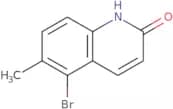
5-Bromo-6-methylquinolin-2(1H)-one
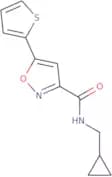
CAS:<p>Versatile small molecule scaffold</p>Formula:C10H8BrNOPurity:Min. 95%Molecular weight:238.08 g/molN-(Cyclopropylmethyl)-5-(thiophen-2-yl)-1,2-oxazole-3-carboxamide
CAS:<p>Versatile small molecule scaffold</p>Formula:C12H12N2O2SPurity:Min. 95%Molecular weight:248.3 g/mol1-(Benzo[D]oxazol-2-yl)piperidin-3-ol
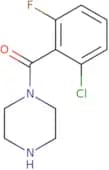
CAS:<p>Versatile small molecule scaffold</p>Formula:C12H14N2O2Purity:Min. 95%Molecular weight:218.25 g/mol1-(2-Chloro-6-fluorobenzoyl)piperazine
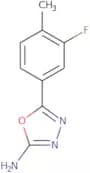
CAS:<p>Versatile small molecule scaffold</p>Formula:C11H12ClFN2OPurity:Min. 95%Molecular weight:242.68 g/mol5-(3-Fluoro-4-methylphenyl)-1,3,4-oxadiazol-2-amine
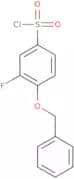
CAS:<p>Versatile small molecule scaffold</p>Formula:C9H8FN3OPurity:Min. 95%Molecular weight:193.18 g/mol4-(Benzyloxy)-3-fluorobenzene-1-sulfonyl chloride
CAS:<p>Versatile small molecule scaffold</p>Formula:C13H10ClFO3SPurity:Min. 95%Molecular weight:300.73 g/mol6-(4-Phenylpiperazin-1-yl)pyridine-3-carbonitrile
CAS:<p>Versatile small molecule scaffold</p>Formula:C16H16N4Purity:Min. 95%Molecular weight:264.32 g/mol2,2-Dimethyl-N-[(piperidin-3-yl)methyl]propanamide
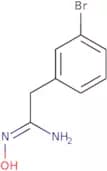
CAS:<p>Versatile small molecule scaffold</p>Formula:C11H22N2OPurity:Min. 95%Molecular weight:198.31 g/mol-2(3-Bromo-Phenyl)-N-Hydroxy-Acetamidine
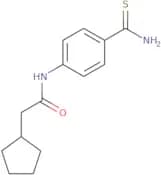
CAS:<p>Versatile small molecule scaffold</p>Formula:C8H9BrN2OPurity:Min. 95%Molecular weight:229.07 g/molN-(4-Carbamothioylphenyl)-2-cyclopentylacetamide
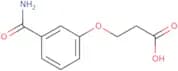
CAS:<p>Versatile small molecule scaffold</p>Formula:C14H18N2OSPurity:Min. 95%Molecular weight:262.37 g/mol3-(3-Carbamoylphenoxy)propanoic acid
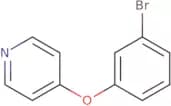
CAS:<p>Versatile small molecule scaffold</p>Formula:C10H11NO4Purity:Min. 95%Molecular weight:209.2 g/mol4-(3-Bromophenoxy)pyridine
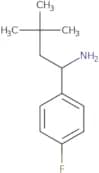
CAS:<p>Versatile small molecule scaffold</p>Formula:C11H8BrNOPurity:Min. 95%Molecular weight:250.09 g/mol1-(4-Fluorophenyl)-3,3-dimethylbutan-1-amine
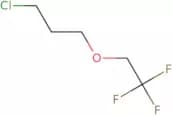
CAS:<p>Versatile small molecule scaffold</p>Formula:C12H18FNPurity:Min. 95%Molecular weight:195.28 g/mol1-Chloro-3-(2,2,2-trifluoroethoxy)propane
CAS:<p>Versatile small molecule scaffold</p>Formula:C5H8ClF3OPurity:Min. 95%Molecular weight:176.56 g/mol2-[(2-Bromoethoxy)methyl]oxolane
CAS:<p>Versatile small molecule scaffold</p>Formula:C7H13BrO2Purity:Min. 95%Molecular weight:209.08 g/moltert-Butyl 3-[(piperidin-3-yl)carbamoyl]piperidine-1-carboxylate
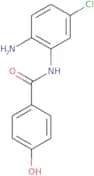
CAS:<p>Versatile small molecule scaffold</p>Formula:C16H29N3O3Purity:Min. 95%Molecular weight:311.42 g/molN-(2-Amino-5-chlorophenyl)-4-hydroxybenzamide
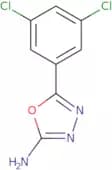
CAS:<p>Versatile small molecule scaffold</p>Formula:C13H11ClN2O2Purity:Min. 95%Molecular weight:262.69 g/mol5-(3,5-Dichlorophenyl)-1,3,4-oxadiazol-2-amine
CAS:<p>Versatile small molecule scaffold</p>Formula:C8H5Cl2N3OPurity:Min. 95%Molecular weight:230.05 g/mol{4-[(2-Methoxyethoxy)methyl]phenyl}methanamine
CAS:<p>Versatile small molecule scaffold</p>Formula:C11H17NO2Purity:Min. 95%Molecular weight:195.26 g/molN-(2-Aminoethyl)-2-(3-fluorophenyl)acetamide
CAS:<p>Versatile small molecule scaffold</p>Formula:C10H13FN2OPurity:Min. 95%Molecular weight:196.22 g/mol{3-[(Cyclopentyloxy)methyl]-4-fluorophenyl}methanamine
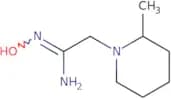
CAS:<p>Versatile small molecule scaffold</p>Formula:C13H18FNOPurity:Min. 95%Molecular weight:223.29 g/molN'-Hydroxy-2-(2-methylpiperidin-1-yl)ethanimidamide
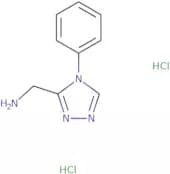
CAS:<p>Versatile small molecule scaffold</p>Formula:C8H17N3OPurity:Min. 95%Molecular weight:171.24 g/mol(4-Phenyl-4H-1,2,4-triazol-3-yl)methanamine
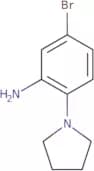
CAS:<p>Versatile small molecule scaffold</p>Formula:C9H12Cl2N4Purity:Min. 95%Molecular weight:247.12 g/mol5-Bromo-2-(1-pyrrolidinyl)aniline
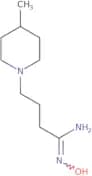
CAS:<p>Versatile small molecule scaffold</p>Formula:C10H13BrN2Purity:Min. 95%Molecular weight:241.14 g/molN'-Hydroxy-4-(4-methylpiperidin-1-yl)butanimidamide
CAS:<p>Versatile small molecule scaffold</p>Formula:C10H21N3OPurity:Min. 95%Molecular weight:199.29 g/mol3-[4-(3-Oxobutyl)phenoxymethyl]benzoic acid
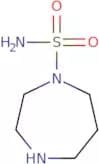
CAS:<p>Versatile small molecule scaffold</p>Formula:C18H18O4Purity:Min. 95%Molecular weight:298.3 g/mol1,4-Diazepane-1-sulfonamide
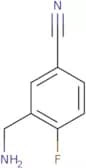
CAS:<p>Versatile small molecule scaffold</p>Formula:C5H13N3O2SPurity:Min. 95%Molecular weight:179.24 g/mol3-(Aminomethyl)-4-fluorobenzonitrile
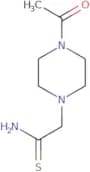
CAS:<p>Versatile small molecule scaffold</p>Formula:C8H7FN2Purity:Min. 95%Molecular weight:150.15 g/mol2-(4-Acetylpiperazin-1-yl)ethanethioamide
CAS:<p>2-(4-Acetylpiperazin-1-yl)ethanethioamide is a pharmacological tool used to study protein interactions. It is an inhibitor of the enzyme phosphodiesterase 4 (PDE4). PDE4 is involved in the degradation of cAMP and inhibition of this enzyme leads to increased levels of cAMP, which can be measured using a radioimmunoassay. 2-(4-Acetylpiperazin-1-yl)ethanethioamide can also act as an activator for several other enzymes, such as protein kinases, and binds to receptors, including opioid receptors and dopamine receptors. This drug has been shown to have an effect on ion channels, such as calcium channels and sodium channels.</p>Formula:C8H15N3OSPurity:Min. 95%Molecular weight:201.29 g/mol2-[(5-Bromopyridin-2-yl)sulfanyl]pyridine-3-carboxylic acid
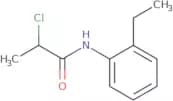
CAS:<p>Versatile small molecule scaffold</p>Formula:C11H7BrN2O2SPurity:Min. 95%Molecular weight:311.16 g/mol2-Chloro-N-(2-ethylphenyl)propanamide
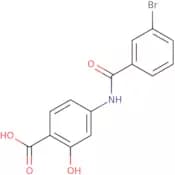
CAS:<p>Versatile small molecule scaffold</p>Formula:C11H14ClNOPurity:Min. 95%Molecular weight:211.69 g/mol4-(3-Bromobenzamido)-2-hydroxybenzoic acid
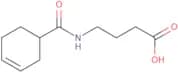
CAS:<p>Versatile small molecule scaffold</p>Formula:C14H10BrNO4Purity:Min. 95%Molecular weight:336.14 g/mol4-(Cyclohex-3-en-1-ylformamido)butanoic acid
CAS:<p>Versatile small molecule scaffold</p>Formula:C11H17NO3Purity:Min. 95%Molecular weight:211.26 g/mol2-Chloro-1-[4-(pyrimidin-2-yl)piperazin-1-yl]propan-1-one
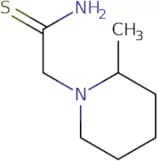
CAS:<p>Versatile small molecule scaffold</p>Formula:C11H15ClN4OPurity:Min. 95%Molecular weight:254.71 g/mol2-(2-Methylpiperidin-1-yl)ethanethioamide
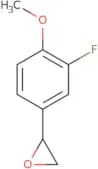
CAS:<p>Versatile small molecule scaffold</p>Formula:C8H16N2SPurity:Min. 95%Molecular weight:172.29 g/mol2-(3-Fluoro-4-methoxyphenyl)oxirane
CAS:<p>Versatile small molecule scaffold</p>Formula:C9H9FO2Purity:Min. 95%Molecular weight:168.16 g/mol2-Chloro-N-[2-(2,3-dihydro-1,4-benzodioxin-6-yl)ethyl]propanamide
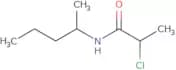
CAS:<p>Versatile small molecule scaffold</p>Formula:C13H16ClNO3Purity:Min. 95%Molecular weight:269.72 g/mol2-Chloro-N-(pentan-2-yl)propanamide
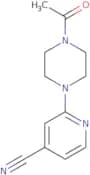
CAS:<p>Versatile small molecule scaffold</p>Formula:C8H16ClNOPurity:Min. 95%Molecular weight:177.67 g/mol2-(4-Acetylpiperazin-1-yl)pyridine-4-carbonitrile
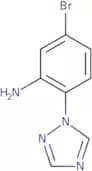
CAS:<p>Versatile small molecule scaffold</p>Formula:C12H14N4OPurity:Min. 95%Molecular weight:230.27 g/mol5-Bromo-2-(1H-1,2,4-triazol-1-yl)aniline
CAS:<p>5-Bromo-2-(1H-1,2,4-triazol-1-yl)aniline is a potent inhibitor of the ion channel TRPV1. It has been used as a research tool to study voltage gated ion channels and their role in pain sensation. As an inhibitor of TRPV1, 5-Bromo-2-(1H-1,2,4-triazol-1-yl)aniline blocks the action of capsaicin and other agonists that activate the channel. This drug is also used to characterize the effects of TRPV1 activation on downstream signaling pathways such as protein interactions and ligand binding to G proteins.</p>Formula:C8H7BrN4Purity:Min. 95%Molecular weight:239.07 g/molN,N-Dimethyl-4-{[(2,2,2-trifluoroethyl)amino]methyl}aniline
CAS:<p>Versatile small molecule scaffold</p>Formula:C11H15F3N2Purity:Min. 95%Molecular weight:232.25 g/mol[1-(2-Bromophenyl)ethyl](propyl)amine
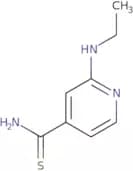
CAS:<p>Versatile small molecule scaffold</p>Formula:C11H16BrNPurity:Min. 95%Molecular weight:242.16 g/mol2-(Ethylamino)pyridine-4-carbothioamide
CAS:<p>Versatile small molecule scaffold</p>Formula:C8H11N3SPurity:Min. 95%Molecular weight:181.26 g/mol{1-[4-(Trifluoromethoxy)phenyl]pyrrolidin-3-yl}methanamine
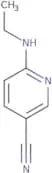
CAS:<p>Versatile small molecule scaffold</p>Formula:C12H15F3N2OPurity:Min. 95%Molecular weight:260.26 g/mol6-(Ethylamino)pyridine-3-carbonitrile
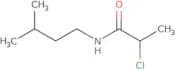
CAS:<p>6-(Ethylamino)pyridine-3-carbonitrile is an organic compound that inhibits the activity of glycogen synthase kinase 3 (GSK-3). It has been shown to reduce blood pressure and inhibit the growth of certain types of cancer cells. 6-(Ethylamino)pyridine-3-carbonitrile also has antimicrobial activities against a number of bacterial species such as Streptococcus pyogenes, Escherichia coli, Pseudomonas aeruginosa and Staphylococcus aureus. This drug is used in the treatment of inflammatory diseases and autoimmune diseases like rheumatoid arthritis.</p>Formula:C8H9N3Purity:Min. 95%Molecular weight:147.18 g/mol2-Chloro-N-(3-methylbutyl)propanamide
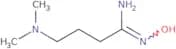
CAS:<p>Versatile small molecule scaffold</p>Formula:C8H16ClNOPurity:Min. 95%Molecular weight:177.67 g/mol4-(Dimethylamino)-N'-hydroxybutanimidamide
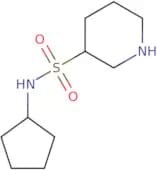
CAS:<p>Versatile small molecule scaffold</p>Formula:C6H15N3OPurity:Min. 95%Molecular weight:145.2 g/molN-Cyclopentylpiperidine-3-sulfonamide
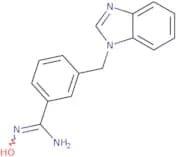
CAS:<p>Versatile small molecule scaffold</p>Formula:C10H20N2O2SPurity:Min. 95%Molecular weight:232.35 g/mol3-(1H-1,3-Benzodiazol-1-ylmethyl)-N'-hydroxybenzene-1-carboximidamide
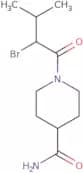
CAS:<p>Versatile small molecule scaffold</p>Formula:C15H14N4OPurity:Min. 95%Molecular weight:266.3 g/mol1-(2-Bromo-3-methylbutanoyl)piperidine-4-carboxamide
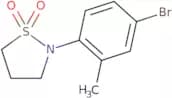
CAS:<p>Versatile small molecule scaffold</p>Formula:C11H19BrN2O2Purity:Min. 95%Molecular weight:291.18 g/mol2-(4-Bromo-2-methylphenyl)-1,2-thiazolidine-1,1-dione
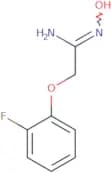
CAS:<p>Versatile small molecule scaffold</p>Formula:C10H12BrNO2SPurity:Min. 95%Molecular weight:290.18 g/mol2-(2-Fluorophenoxy)-N'-hydroxyethanimidamide
CAS:<p>Versatile small molecule scaffold</p>Formula:C8H9FN2O2Purity:Min. 95%Molecular weight:184.17 g/mol4-Chloro-6-methylquinoline-3-carbonitrile
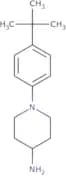
CAS:<p>Versatile small molecule scaffold</p>Formula:C11H7ClN2Purity:Min. 95%Molecular weight:202.64 g/mol1-(4-tert-Butylphenyl)piperidin-4-amine
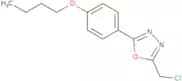
CAS:<p>Versatile small molecule scaffold</p>Formula:C15H24N2Purity:Min. 95%Molecular weight:232.36 g/mol2-(4-Butoxyphenyl)-5-(chloromethyl)-1,3,4-oxadiazole
CAS:<p>Versatile small molecule scaffold</p>Formula:C13H15ClN2O2Purity:Min. 95%Molecular weight:266.72 g/mol2-[2-(1H-1,2,3,4-Tetrazol-1-yl)acetamido]benzoic acid
CAS:<p>Versatile small molecule scaffold</p>Formula:C10H9N5O3Purity:Min. 95%Molecular weight:247.21 g/mol[1-(3,5-Dimethoxyphenyl)pyrrolidin-3-yl]methanamine
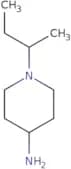
CAS:<p>Versatile small molecule scaffold</p>Formula:C13H20N2O2Purity:Min. 95%Molecular weight:236.31 g/mol1-(Sec-butyl)piperidin-4-amine
CAS:<p>Versatile small molecule scaffold</p>Formula:C9H20N2Purity:Min. 95%Molecular weight:156.27 g/mol2-bromo-5-tert-butyl-1,3,4-oxadiazole
CAS:<p>Versatile small molecule scaffold</p>Formula:C6H9BrN2OPurity:Min. 95%Molecular weight:205.06 g/mol3-[4-(Chlorosulfonyl)-2-methylphenoxy]propanoic acid
CAS:<p>Versatile small molecule scaffold</p>Formula:C10H11ClO5SPurity:Min. 95%Molecular weight:278.71 g/mol2-(3-Methylbutoxy)-2-phenylacetic acid
CAS:<p>Versatile small molecule scaffold</p>Formula:C13H18O3Purity:Min. 95%Molecular weight:222.3 g/mol2-(3-Oxopiperazin-1-yl)acetonitrile
CAS:<p>Versatile small molecule scaffold</p>Formula:C6H9N3OPurity:Min. 95%Molecular weight:139.16 g/mol5-Oxo-1-(2,2,2-trifluoroethyl)pyrrolidine-3-carboxylic acid
CAS:<p>Versatile small molecule scaffold</p>Formula:C7H8F3NO3Purity:Min. 95%Molecular weight:211.14 g/molN-(4-Fluorophenyl)-4-(hydroxyimino)piperidine-1-carboxamide
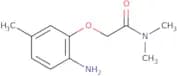
CAS:<p>Versatile small molecule scaffold</p>Formula:C12H14FN3O2Purity:Min. 95%Molecular weight:251.26 g/mol2-(2-Amino-5-methylphenoxy)-N,N-dimethylacetamide
CAS:<p>Versatile small molecule scaffold</p>Formula:C11H16N2O2Purity:Min. 95%Molecular weight:208.26 g/molEthyl 4-chloro-6,8-dimethoxyquinoline-3-carboxylate
CAS:<p>Versatile small molecule scaffold</p>Formula:C14H14ClNO4Purity:Min. 95%Molecular weight:295.72 g/molN-{1-[4-(Pyridin-3-ylmethoxy)phenyl]ethylidene}hydroxylamine
CAS:<p>Versatile small molecule scaffold</p>Formula:C14H14N2O2Purity:Min. 95%Molecular weight:242.27 g/mol4-Cyano-N-(2-methoxyethyl)benzene-1-sulfonamide
CAS:<p>Versatile small molecule scaffold</p>Formula:C10H12N2O3SPurity:Min. 95%Molecular weight:240.28 g/mol3-(2-Ethoxy-2-oxoethoxy)benzoic acid
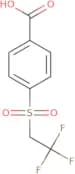
CAS:<p>Versatile small molecule scaffold</p>Formula:C11H12O5Purity:Min. 95%Molecular weight:224.21 g/mol4-(2,2,2-Trifluoroethanesulfonyl)benzoic acid
CAS:<p>Versatile small molecule scaffold</p>Formula:C9H7F3O4SPurity:Min. 95%Molecular weight:268.21 g/mol3-Ethoxy-4-(2-methoxy-2-oxoethoxy)benzoic acid
CAS:<p>Versatile small molecule scaffold</p>Formula:C12H14O6Purity:Min. 95%Molecular weight:254.24 g/molN-(4-Cyanophenyl)ethane-1-sulfonamide
CAS:<p>Versatile small molecule scaffold</p>Formula:C9H10N2O2SPurity:Min. 95%Molecular weight:210.26 g/mol2-Chloro-N-(3-ethoxypropyl)propanamide
CAS:<p>Versatile small molecule scaffold</p>Formula:C8H16ClNO2Purity:Min. 95%Molecular weight:193.67 g/mol3-[4-(Chlorosulfonyl)-2-fluorophenoxy]propanoic acid
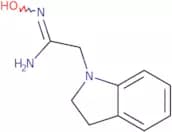
CAS:<p>Versatile small molecule scaffold</p>Formula:C9H8ClFO5SPurity:Min. 95%Molecular weight:282.67 g/mol2-(2,3-Dihydro-1H-indol-1-yl)-N'-hydroxyethanimidamide
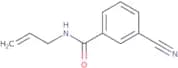
CAS:<p>Versatile small molecule scaffold</p>Formula:C10H13N3OPurity:Min. 95%Molecular weight:191.23 g/mol3-Cyano-N-(prop-2-en-1-yl)benzamide
CAS:<p>Versatile small molecule scaffold</p>Formula:C11H10N2OPurity:Min. 95%Molecular weight:186.21 g/molN-Phenylpiperidine-3-sulfonamide
CAS:<p>Versatile small molecule scaffold</p>Formula:C11H16N2O2SPurity:Min. 95%Molecular weight:240.32 g/mol2-(Methoxymethyl)-1,3-benzoxazol-5-amine
CAS:<p>Versatile small molecule scaffold</p>Formula:C9H10N2O2Purity:Min. 95%Molecular weight:178.19 g/mol6-(2-Methoxyethoxy)pyridine-3-carbothioamide
CAS:<p>Versatile small molecule scaffold</p>Formula:C9H12N2O2SPurity:Min. 95%Molecular weight:212.27 g/mol4-(3-Cyanopropanesulfonyl)benzoic acid
CAS:<p>Versatile small molecule scaffold</p>Formula:C11H11NO4SPurity:Min. 95%Molecular weight:253.28 g/mol3-[(Dimethylamino)methyl]-4-fluorobenzonitrile
CAS:<p>Versatile small molecule scaffold</p>Formula:C10H11FN2Purity:Min. 95%Molecular weight:178.21 g/mol1-[4-(Trifluoromethoxy)phenyl]piperidin-4-amine
CAS:<p>Versatile small molecule scaffold</p>Formula:C12H15F3N2OPurity:Min. 95%Molecular weight:260.26 g/mol4-[2-Chloro-4-(chlorosulfonyl)phenoxy]butanoic acid
CAS:Controlled Product<p>Versatile small molecule scaffold</p>Formula:C10H10Cl2O5SPurity:Min. 95%Molecular weight:313.15 g/mol1-(3-{Imidazo[1,2-a]pyridin-2-ylmethoxy}phenyl)ethan-1-one
CAS:<p>Versatile small molecule scaffold</p>Formula:C16H14N2O2Purity:Min. 95%Molecular weight:266.29 g/mol2-(2-Bromophenoxy)-N,N-dimethylacetamide
CAS:<p>Versatile small molecule scaffold</p>Formula:C10H12BrNO2Purity:Min. 95%Molecular weight:258.11 g/mol2-[(4-Bromophenyl)methanesulfonyl]propanoic acid
CAS:<p>Versatile small molecule scaffold</p>Formula:C10H11BrO4SPurity:Min. 95%Molecular weight:307.16 g/mol2-Methoxypyridine-3-carbothioamide
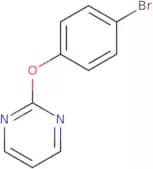
CAS:<p>Versatile small molecule scaffold</p>Formula:C7H8N2OSPurity:Min. 95%Molecular weight:168.22 g/mol2-(4-Bromophenoxy)pyrimidine
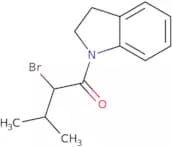
CAS:<p>Versatile small molecule scaffold</p>Formula:C10H7BrN2OPurity:Min. 95%Molecular weight:251.08 g/mol2-Bromo-1-(2,3-dihydro-1H-indol-1-yl)-3-methylbutan-1-one
CAS:<p>Versatile small molecule scaffold</p>Formula:C13H16BrNOPurity:Min. 95%Molecular weight:282.18 g/mol2-[(Oxolan-2-yl)methoxy]acetonitrile
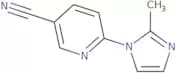
CAS:<p>Versatile small molecule scaffold</p>Formula:C7H11NO2Purity:Min. 95%Molecular weight:141.17 g/mol6-(2-Methyl-1H-imidazol-1-yl)pyridine-3-carbonitrile
CAS:<p>Versatile small molecule scaffold</p>Formula:C10H8N4Purity:Min. 95%Molecular weight:184.2 g/mol4-{[1,2,4]Triazolo[4,3-a]pyridin-3-ylmethyl}aniline
CAS:<p>Versatile small molecule scaffold</p>Formula:C13H12N4Purity:Min. 95%Molecular weight:224.26 g/mol3-{[3-Chloro-5-(trifluoromethyl)pyridin-2-yl]amino}propanoic acid
CAS:<p>Versatile small molecule scaffold</p>Formula:C9H8ClF3N2O2Purity:Min. 95%Molecular weight:268.62 g/mol2-Methyl-4-{[1,2,4]triazolo[4,3-a]pyridin-3-yl}aniline
CAS:<p>Versatile small molecule scaffold</p>Formula:C13H12N4Purity:Min. 95%Molecular weight:224.26 g/mol3-[(2-Oxopyrrolidin-1-yl)methyl]benzonitrile
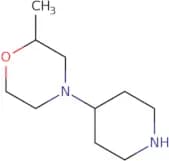
CAS:<p>Versatile small molecule scaffold</p>Formula:C12H12N2OPurity:Min. 95%Molecular weight:200.24 g/mol2-Methyl-4-(piperidin-4-yl)morpholine
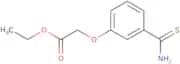
CAS:<p>Versatile small molecule scaffold</p>Formula:C10H20N2OPurity:Min. 95%Molecular weight:184.28 g/molEthyl 2-(3-carbamothioylphenoxy)acetate
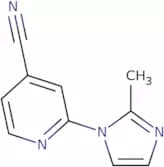
CAS:<p>Versatile small molecule scaffold</p>Formula:C11H13NO3SPurity:Min. 95%Molecular weight:239.29 g/mol2-(2-Methyl-1H-imidazol-1-yl)pyridine-4-carbonitrile
CAS:<p>Versatile small molecule scaffold</p>Formula:C10H8N4Purity:Min. 95%Molecular weight:184.2 g/mol4-Fluoro-3-[(2-methoxyethoxy)methyl]benzonitrile
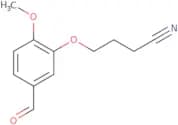
CAS:<p>Versatile small molecule scaffold</p>Formula:C11H12FNO2Purity:Min. 95%Molecular weight:209.22 g/mol4-(5-Formyl-2-methoxyphenoxy)butanenitrile
CAS:<p>Versatile small molecule scaffold</p>Formula:C12H13NO3Purity:Min. 95%Molecular weight:219.24 g/mol5-Bromo-1,3-dimethyl-1H-pyrazolo[3,4-b]pyridine
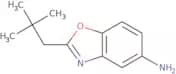
CAS:<p>Versatile small molecule scaffold</p>Formula:C8H8BrN3Purity:Min. 95%Molecular weight:226.07 g/mol2-(2,2-Dimethylpropyl)-1,3-benzoxazol-5-amine
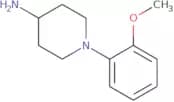
CAS:<p>Versatile small molecule scaffold</p>Formula:C12H16N2OPurity:Min. 95%Molecular weight:204.27 g/mol1-(2-Methoxyphenyl)piperidin-4-amine
CAS:<p>Versatile small molecule scaffold</p>Formula:C12H18N2OPurity:Min. 95%Molecular weight:206.28 g/mol2-Chloro-N-[(2-fluorophenyl)methyl]propanamide
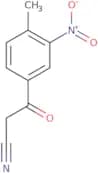
CAS:<p>Versatile small molecule scaffold</p>Formula:C10H11ClFNOPurity:Min. 95%Molecular weight:215.65 g/mol3-(4-Methyl-3-nitrophenyl)-3-oxopropanenitrile
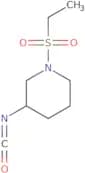
CAS:<p>Versatile small molecule scaffold</p>Formula:C10H8N2O3Purity:Min. 95%Molecular weight:204.18 g/mol1-(Ethanesulfonyl)-3-isocyanatopiperidine
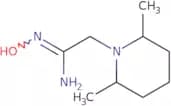
CAS:<p>Versatile small molecule scaffold</p>Formula:C8H14N2O3SPurity:Min. 95%Molecular weight:218.28 g/mol2-(2,6-Dimethylpiperidin-1-yl)-N'-hydroxyethanimidamide
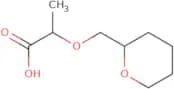
CAS:<p>Versatile small molecule scaffold</p>Formula:C9H19N3OPurity:Min. 95%Molecular weight:185.27 g/mol2-(Oxan-2-ylmethoxy)propanoic acid
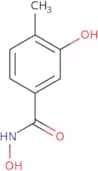
CAS:<p>Versatile small molecule scaffold</p>Formula:C9H16O4Purity:Min. 95%Molecular weight:188.22 g/molN,3-Dihydroxy-4-methylbenzamide
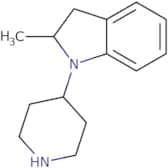
CAS:<p>Versatile small molecule scaffold</p>Formula:C8H9NO3Purity:Min. 95%Molecular weight:167.16 g/mol2-Methyl-1-(piperidin-4-yl)-2,3-dihydro-1H-indole
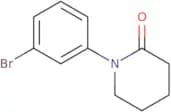
CAS:<p>Versatile small molecule scaffold</p>Formula:C14H20N2Purity:Min. 95%Molecular weight:216.32 g/mol1-(3-Bromophenyl)piperidin-2-one
CAS:<p>Versatile small molecule scaffold</p>Formula:C11H12BrNOPurity:Min. 95%Molecular weight:254.13 g/mol2-[4-(Pyridin-3-ylmethoxy)phenyl]acetonitrile
CAS:<p>2-[4-(Pyridin-3-ylmethoxy)phenyl]acetonitrile is a research tool that can be used as an activator and ligand for ion channels. This compound has been shown to bind to the receptor site of various proteins, such as ion channels and antibodies, with high affinity. 2-[4-(Pyridin-3-ylmethoxy)phenyl]acetonitrile has potential applications in cell biology, pharmacology, and protein interactions.</p>Formula:C14H12N2OPurity:Min. 95%Molecular weight:224.26 g/mol3-(2-Methoxyethoxy)propanethioamide
CAS:<p>Versatile small molecule scaffold</p>Formula:C6H13NO2SPurity:Min. 95%Molecular weight:163.24 g/mol4-{5-Bromo-1H-pyrazolo[3,4-b]pyridin-1-yl}-1-methylpiperidine
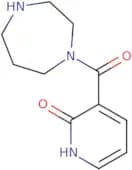
CAS:<p>Versatile small molecule scaffold</p>Formula:C12H15BrN4Purity:Min. 95%Molecular weight:295.18 g/mol3-(1,4-Diazepane-1-carbonyl)pyridin-2-ol
CAS:<p>Versatile small molecule scaffold</p>Formula:C11H15N3O2Purity:Min. 95%Molecular weight:221.26 g/mol3-{4-[1-(Hydroxyimino)ethyl]phenyl}-1-phenylurea
CAS:<p>Versatile small molecule scaffold</p>Formula:C15H15N3O2Purity:Min. 95%Molecular weight:269.3 g/mol2-{3-Oxo-2H,3H-[1,2,4]triazolo[4,3-a]pyridin-2-yl}ethanethioamide
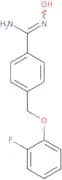
CAS:<p>Versatile small molecule scaffold</p>Formula:C8H8N4OSPurity:Min. 95%Molecular weight:208.24 g/mol4-(2-Fluorophenoxymethyl)-N'-hydroxybenzene-1-carboximidamide
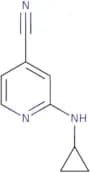
CAS:<p>Versatile small molecule scaffold</p>Formula:C14H13FN2O2Purity:Min. 95%Molecular weight:260.26 g/mol2-(Cyclopropylamino)pyridine-4-carbonitrile
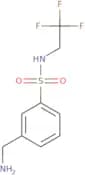
CAS:<p>Versatile small molecule scaffold</p>Formula:C9H9N3Purity:Min. 95%Molecular weight:159.19 g/mol3-(Aminomethyl)-N-(2,2,2-trifluoroethyl)benzene-1-sulfonamide
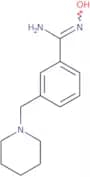
CAS:<p>Versatile small molecule scaffold</p>Formula:C9H11F3N2O2SPurity:Min. 95%Molecular weight:268.26 g/molN'-Hydroxy-3-(piperidin-1-ylmethyl)benzene-1-carboximidamide
CAS:<p>Versatile small molecule scaffold</p>Formula:C13H19N3OPurity:Min. 95%Molecular weight:233.31 g/mol2-[4-(3-Bromobenzamido)phenyl]acetic acid
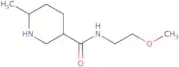
CAS:<p>Versatile small molecule scaffold</p>Formula:C15H12BrNO3Purity:Min. 95%Molecular weight:334.16 g/molN-(2-Methoxyethyl)-6-methylpiperidine-3-carboxamide
CAS:<p>N-(2-Methoxyethyl)-6-methylpiperidine-3-carboxamide is a custom synthesis that is used as an intermediate in the production of saccharides. It can be used in the synthesis of complex carbohydrates, such as oligosaccharide and polysaccharide. N-(2-Methoxyethyl)-6-methylpiperidine-3-carboxamide has been shown to react with various types of sugar molecules, including monosaccharide, disaccharide, and trisaccharide.</p>Formula:C10H20N2O2Purity:Min. 95%Molecular weight:200.28 g/mol3-(5-bromo-3-methylpyrazolo[3,4-b]pyridin-1-yl)thiolane 1,1-dioxide
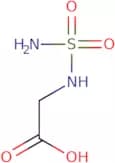
CAS:<p>Versatile small molecule scaffold</p>Formula:C11H12BrN3O2SPurity:Min. 95%Molecular weight:330.2 g/mol2-(Sulfamoylamino)acetic acid
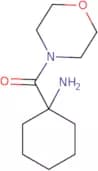
CAS:<p>Versatile small molecule scaffold</p>Formula:C2H6N2O4SPurity:Min. 95%Molecular weight:154.15 g/mol1-(Morpholine-4-carbonyl)cyclohexan-1-amine
CAS:<p>Versatile small molecule scaffold</p>Formula:C11H20N2O2Purity:Min. 95%Molecular weight:212.29 g/mol[(2,4-Difluorophenyl)methyl](ethyl)amine
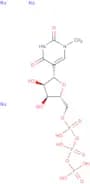
CAS:<p>Versatile small molecule scaffold</p>Formula:C9H11F2NPurity:Min. 95%Molecular weight:171.19 g/molN1-Methyl-pseudouridine-5'-triphosphate trisodium, 100mM aqueous solution
CAS:<p>Methyl-pseudouridine-5'-triphosphate trisodium is the triphosphate of 1-Methylpseudouridine is a substitute for uridine in modified mRNA. This substitution has shown to increase transfection by reducing immuogenicity. UV max wavelength = 272nm</p>Formula:C10H17N2O15P3•Na3Purity:Min. 95%Color and Shape:Clear LiquidMolecular weight:567.17 g/mol4-Diazobenzenesulfonic Acid
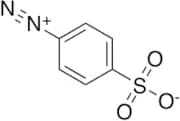
CAS:<p>Applications 4-Diazobenzenesulfonic acid (cas# 305-80-6) is a useful research chemical.<br></p>Formula:C6H4N2O3SMolecular weight:184.171,3,5-Trifluorotrichlorobenzene
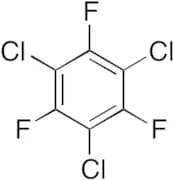
CAS:<p>Applications 1,3,5-Trifluorotrichlorobenzene is a useful reagent.<br></p>Formula:C6Cl3F3Molecular weight:235.42Methyl 2-chloro-5-iodonicotinate
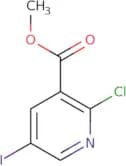
CAS:<p>Methyl 2-chloro-5-iodonicotinate is a basic and yields a radioligand for use in imaging studies. It is used as a specific activity and solid-phase extraction. Methyl 2-chloro-5-iodonicotinate has been shown to be effective for radiolabeling studies of the brain following intravenous administration.</p>Formula:C7H5ClINO2Purity:Min. 95%Molecular weight:297.48 g/moltert-Butyl 3-amino-5-methyl-1H-pyrazole-1-carboxylate
CAS:Versatile small molecule scaffoldFormula:C9H15N3O2Purity:Min. 95%Molecular weight:197.23 g/molTris(2-cyanoethyl)phosphine
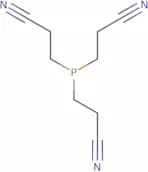
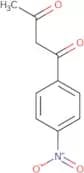
CAS:<p>Tris(2-cyanoethyl)phosphine (TCEP) is a metal carbonyl compound that has been used as a reagent in organic chemistry. TCEP is an amphoteric molecule that can react with both acids and bases, and is stable in the pH range of 5 to 9. It has been shown to have anti-inflammatory properties by inhibiting neutrophil migration. TCEP also has biological properties, such as its ability to inhibit the growth of Cryptococcus neoformans. TCEP binds to the mitochondrial membrane potential, which prevents proton leakage through the membrane and inhibits oxidative phosphorylation. TCEP binds strongly to minerals such as sodium salts, which can be used to isolate this molecule from reaction solutions. TCEP can be obtained by laser ablation or X-ray crystallography techniques.</p>Formula:C9H12N3PPurity:Min. 95 Area-%Molecular weight:193.19 g/mol1-(4-Nitrophenyl)butane-1,3-dione
CAS:<p>1-(4-Nitrophenyl)butane-1,3-dione is a tautomer of 1,4-naphthoquinone. This compound has been reported to have an optical rotation of [alpha]D=+14.2° (C=1 in methanol). The triflate and carbonyl groups are involved in hydrogen bonding with each other. The hydrogen bond is a weak interaction that only occurs between polar molecules. This compound also has an x-ray crystal structure, which can be determined by diffraction studies. It is possible to synthesize this molecule from 1,4-naphthoquinone and butane-1,3-dione or by photolysis of 1-(4-nitrophenyl)-2,5-dioxopentanoic acid. In addition to its optical properties, the intramolecular hydrogen bonds give this molecule interesting optical properties.</p>Formula:C10H9NO4Purity:Min. 95%Molecular weight:207.18 g/molbenzyl 5-(tetramethyl-1,3,2-dioxaborolan-2-yl)-1,2,3,6-tetrahydropyridine-1-carboxylate
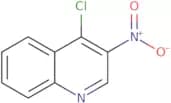
CAS:<p>Versatile small molecule scaffold</p>Formula:C19H26BNO4Purity:Min. 95%Molecular weight:343.2 g/mol4-Chloro-3-nitroquinoline
CAS:<p>4-Chloro-3-nitroquinoline is a quinoline derivative that can be synthesized by cross-coupling reaction. The amide and n-oxide functional groups are the most reactive sites. It can react with nucleophiles such as haloamines, azides, and pyridazines to form covalent bonds. 4-Chloro-3-nitroquinoline has been shown to have anti-HIV activity in vitro and in vivo in animal models. In addition, this compound has shown potential use for the treatment of leishmania.</p>Formula:C9H5ClN2O2Purity:Min. 95%Color and Shape:Slightly Yellow PowderMolecular weight:208.6 g/mol6-Amino-4H,5H,6H,7H,8H-thieno[3,2-b]azepin-5-one hydrochloride
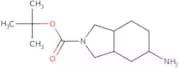
CAS:<p>Versatile small molecule scaffold</p>Formula:C8H11ClN2OSPurity:Min. 95%Molecular weight:218.7 g/moltert-butyl 5-amino-octahydro-1H-isoindole-2-carboxylate, Mixture of diastereomers
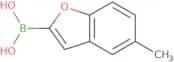
CAS:<p>Versatile small molecule scaffold</p>Formula:C13H24N2O2Purity:Min. 95%Molecular weight:240.3 g/mol(5-methylbenzofuran-2-yl)boronic acid
CAS:<p>Versatile small molecule scaffold</p>Formula:C9H9BO3Purity:Min. 95%Molecular weight:175.98 g/mol3,4,5-Trimethoxybenzoyl chloride
CAS:<p>3,4,5-Trimethoxybenzoyl Chloride is a reactive, active chemical that is used in the synthesis of cytotoxic amides. It is prepared by reacting 3,4,5-trimethoxybenzoic acid with an amine or ammonia in the presence of a base. The reaction yields an amide substituted at the 3- and 4-positions with trimethoxyphenyl groups.</p>Formula:C10H11ClO4Purity:Min. 95%Molecular weight:230.64 g/mol4-Benzyloxy-1-butanol
CAS:Controlled Product<p>Versatile small molecule scaffold</p>Formula:C11H16O2Purity:Min. 95%Molecular weight:180.24 g/mol4-Bromo-2,5-dimethylpyridine
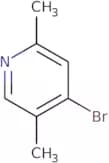
CAS:<p>4-Bromo-2,5-dimethylpyridine is an organic compound that belongs to the group of amino compounds. It is a potential intermediate in the synthesis of other compounds. 4-Bromo-2,5-dimethylpyridine can react with potassium to form 4-bromopyridine and 3-bromo-4-methylpyridine. It may also be used as a reactant in aminations and as an intermediate in the preparation of n-oxides.</p>Formula:C7H8BrNPurity:Min. 95%Molecular weight:186.05 g/molMethyl 5,6-diaminopyridine-3-carboxylate
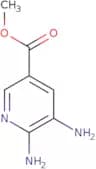
CAS:<p>Versatile small molecule scaffold</p>Formula:C7H9N3O2Purity:Min. 95%Molecular weight:167.17 g/molMethyl 3-bromopyrrole-2-carboxylate
CAS:<p>Versatile small molecule scaffold</p>Formula:C6H6BrNO2Purity:Min. 95%Molecular weight:204.02 g/mol4-(1H-Pyrazol-4-yl)-7-((2-(trimethylsilyl)ethoxy)methyl)-7H-pyrrolo[2,3-d]pyrimidine
CAS:<p>4-(1H-Pyrazol-4-yl)-7-((2-(trimethylsilyl)ethoxy)methyl)-7H-pyrrolo[2,3-d]pyrimidine is a synthetic compound that can be used to discriminate between the left and right hands of the body. It has been shown to have a high affinity for the enzyme kinases with an IC50 of 0.5 μM. 4-(1H-Pyrazol-4-yl)-7-((2-(trimethylsilyl)ethoxy)methyl)-7H-pyrrolo[2,3-d]pyrimidine has been used as a tool in elucidating the mechanism of action of these enzymes by measuring their kinase activity and identifying their substrate specificity. It also has applications in inflammatory diseases as it shifts immune cells from a proinflammatory state to an antiinflammatory state.</p>Formula:C15H21N5OSiPurity:Min. 95%Molecular weight:315.45 g/mol2-(7-Amino-4-methyl-2-oxo-2H-chromen-3-yl)acetic acid
CAS:<p>2-(7-Amino-4-methyl-2-oxo-2H-chromen-3-yl)acetic acid is a monoclonal antibody that recognizes basic proteins. It is used to study the receptor binding of these proteins and their role in inflammatory diseases. 2-(7-Amino-4-methyl-2-oxo-2H-chromen-3,6-)acetic acid is an amino function that enhances the localization of cholinergic receptors at the apical membrane of epithelial cells. It also inhibits the efflux pump activity of bacteria, which may be useful for treating bacterial infections.</p>Formula:C12H11NO4Purity:Min. 95%Molecular weight:233.22 g/mol1,2,3,4-Tetrahydropyridin-4-one
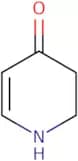
CAS:<p>1,2,3,4-Tetrahydropyridin-4-one is an organic compound that can be synthesized by a cross-coupling reaction between a pyridine and chloroformate. The reaction mechanism involves nucleophilic addition of the amine to the electrophile followed by reductive elimination. This process leads to the formation of a tetrahydroquinoline skeleton with stereoselectivity. Tetrahydropyridin-4-one can also be synthesized from an iminium ion or an activated pyridinium salt. The resulting product will have a different skeleton because it was synthesized through different mechanisms.</p>Formula:C5H7NOPurity:Min. 95%Molecular weight:97.12 g/molTert-butyl N-(8-bromooctyl)carbamate
CAS:<p>Please enquire for more information about Tert-butyl N-(8-bromooctyl)carbamate including the price, delivery time and more detailed product information at the technical inquiry form on this page</p>Formula:C13H26BrNO2Purity:Min. 95%Molecular weight:308.26 g/mol2,2,2-Trifluoroethanesulfinyl chloride
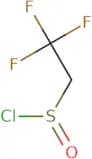
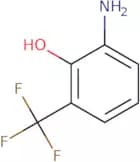
CAS:<p>Please enquire for more information about 2,2,2-Trifluoroethanesulfinyl chloride including the price, delivery time and more detailed product information at the technical inquiry form on this page</p>Formula:C2H2ClF3OSPurity:Min. 95%Color and Shape:Clear LiquidMolecular weight:166.55 g/mol2-Amino-6-(trifluoromethyl)phenol
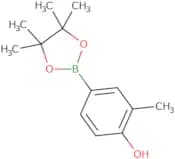
CAS:<p>Versatile small molecule scaffold</p>Formula:C7H6F3NOPurity:Min. 95%Molecular weight:177.12 g/mol2-Methyl-4-(4,4,5,5-tetramethyl-1,3,2-dioxaborolan-2-yl)phenol
CAS:<p>Versatile small molecule scaffold</p>Formula:C13H19BO3Purity:Min. 95%Molecular weight:234.1 g/mol3,3-Diethoxypropan-1-amine
CAS:<p>3,3-Diethoxypropan-1-amine is a synthetic drug that reversibly inhibits the growth of bacteria. It has been shown to be effective against methicillin resistant strains of Staphylococcus aureus and Clostridium perfringens, with no detectable activity against acid-fast bacteria such as Mycobacterium tuberculosis or Mycobacterium avium complex. 3,3-Diethoxypropan-1-amine is a heterobifunctional compound that binds to epidermal growth factor with high affinity. 3,3-Diethoxypropan-1-amine can also bind to collagen and liposomal formulations, which may be useful for the treatment of wounds. This drug has been shown to inhibit δ opioid receptors in mice and rats, which is thought to contribute to its analgesic effects.</p>Formula:C7H17NO2Purity:Min. 95%Molecular weight:147.22 g/mol4-(Methylamino)benzene-1-sulfonamide
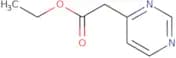
CAS:<p>Versatile small molecule scaffold</p>Formula:C7H10N2O2SPurity:Min. 95%Molecular weight:186.23 g/molEthyl 2-(pyrimidin-4-yl)acetate
CAS:<p>Versatile small molecule scaffold</p>Formula:C8H10N2O2Purity:Min. 95%Molecular weight:166.18 g/molN-Carbethoxy-4-hydroxypiperidine
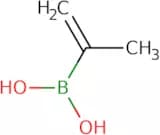
CAS:<p>N-Carbethoxy-4-hydroxypiperidine is a drug substance that is a h1 receptor antagonist. It is used as an antihistamine to treat the symptoms of hay fever and other allergic reactions. N-Carbethoxy-4-hydroxypiperidine is available in two enantiomers, or mirror images, which are labelled S and R. The R enantiomer is more potent than the S enantiomer for inhibiting histamine h1 receptors. This drug has been shown to inhibit the growth of tuberculosis bacteria in cell culture and animal models, but not against Mycobacterium avium complex. N-Carbethoxy-4-hydroxypiperidine has also been shown to have significant antibacterial activity against Clostridium perfringens with minimal toxicity in mice.</p>Formula:C8H15NO3Purity:Min. 95%Molecular weight:173.21 g/molProp-1-en-2-ylboronic acid
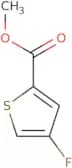
CAS:<p>Prop-1-en-2-ylboronic acid is a chemical compound that belongs to the group of aromatic hydrocarbons. It is used in pharmaceutical preparations as a monomer and as a chiral building block for the synthesis of oxazolidinones, which are used in medicinal chemistry as protein inhibitors against cancers. Prop-1-en-2-ylboronic acid is also used as a reagent in preparative high performance liquid chromatography. This chemical has shown maximal response against colorectal carcinoma cells and has been shown to be an inhibitor of cholesterol ester transfer.</p>Formula:C3H7BO2Purity:90%MinMolecular weight:85.9 g/molMethyl 4-fluorothiophene-2-carboxylate
CAS:<p>Methyl 4-fluorothiophene-2-carboxylate is a fluorinated organic compound that is used as a model compound in polymer chemistry. It has been used to synthesize polymers with stepwise fluorination and diketopyrrolopyrrole moieties. This molecule also has optoelectronic properties and can be converted to a conjugated, monofluorinated, or difluorinated form by the addition of electron-withdrawing groups such as nitro or cyano groups. Methyl 4-fluorothiophene-2-carboxylate is an acceptor for electron transfer reactions.</p>Formula:C6H5FO2SPurity:Min. 95%Molecular weight:160.16 g/molMethyl 2-(chloromethyl)nicotinate
CAS:<p>Methyl 2-(chloromethyl)nicotinate is an organic compound that belongs to the class of esters. It is a reaction product of methyl 3-hydroxybenzoate and nitrous acid. This compound has antimicrobial activity and can be used to treat bacterial infections. Methyl 2-(chloromethyl)nicotinate has been shown to inhibit the growth of various bacteria, including methicillin-resistant Staphylococcus aureus (MRSA), Escherichia coli, Klebsiella pneumoniae, Pseudomonas aeruginosa, Salmonella typhi, and Salmonella typhimurium. The cyano group in this molecule may be responsible for its antibacterial activity. <br>The efficiency of methyl 2-(chloromethyl)nicotinate varies with different types of bacteria. For example, it was more effective against MRSA than against Escherichia coli or Klebsiella pneumoniae</p>Formula:C8H8ClNO2Purity:Min. 95%Molecular weight:185.61 g/mol4-Chloro-8-quinolinol
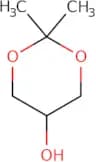
CAS:<p>4-Chloro-8-quinolinol is a quinoline derivative that has been shown to have pharmacological effects. It is used in the synthesis of other compounds, such as 5-chloro-8-hydroxyquinoline, which is used in the treatment of cancer. 4-Chloro-8-quinolinol can also be prepared by oxidizing 5,6,7,8 tetrachloroquinoline with chlorine and ammonia. The photophysical properties of this compound are analogous to those of benzothiazole derivatives. The fluorescence emission spectrum ranges from 360 nm to 450 nm with a maximum at 390 nm and emission intensity at 350 nm. This compound exhibits fungitoxicity against Penicillium notatum and Aspergillus fumigatus.</p>Formula:C9H6ClNOPurity:Min. 95%Molecular weight:179.6 g/mol2,2-Dimethyl-1,3-dioxan-5-ol
CAS:<p>2,2-Dimethyl-1,3-dioxan-5-ol is a chemical compound that has been shown to have catalytic properties. It has also been used as an additive in organic synthesis reactions to activate carboxylic acids. 2,2-Dimethyl-1,3-dioxan-5-ol is an oxygenated compound that can be synthesized by the reaction of pyridine and formaldehyde. This substance can be used in acidic conditions and must be activated by solketal or dioxane before use. The physical properties of this chemical are shown using FTIR spectroscopy on corncob samples and physicochemical parameters were determined using standard techniques.</p>Formula:C6H12O3Purity:Min. 95%Molecular weight:132.16 g/molCASIN
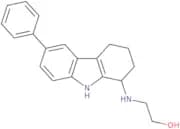
CAS:<p>CASIN is a lysine-derived antimicrobial agent that inhibits the growth of bacteria by binding to the peptide chains of collagen, which are found in skin and mucous membranes. CASIN has been shown to inhibit the growth of many bacterial species, including those that are resistant to other antibiotics. CASIN can be used for the treatment of infectious diseases caused by bacteria, such as bacterial vaginosis or chlamydia. CASIN has also been shown to reduce body mass index in animal models. The mechanism of action is not known but may involve interference with an enzyme that controls the biosynthesis of fatty acids. The use of CASIN in humans is limited due to its toxicity on human cells and potential safety concerns.</p>Formula:C20H22N2OPurity:Min. 95%Molecular weight:306.4 g/molDL-Tropic acid
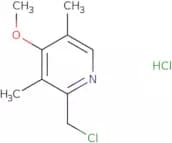
CAS:<p>Please enquire for more information about DL-Tropic acid including the price, delivery time and more detailed product information at the technical inquiry form on this page</p>Formula:C9H10O3Purity:Min. 95%Molecular weight:166.17 g/mol2-(Chloromethyl)-4-methoxy-3,5-dimethylpyridine hydrochloride
CAS:<p>2-(Chloromethyl)-4-methoxy-3,5-dimethylpyridine hydrochloride is a benzimidazole derivative. It has a chemical stability and can be used for wastewater treatment. It is also a pump inhibitor and can be used for anhydrous sodium magnesium salts. This product is synthesized from the reaction of protonated 2-bromo-4-methoxyphenol with 2,6-dimethylpyridine in the presence of hydrochloric acid. The reaction was carried out in an asymmetric synthesis using a proton transport system. 2-(Chloromethyl)-4-methoxy-3,5-dimethylpyridine hydrochloride is soluble in water and has a pH of 1 to 3. It has been shown that this product can be used as an antioxidant and as a metal chelation agent.</p>Formula:C9H13Cl2NOPurity:Min. 95%Color and Shape:PowderMolecular weight:222.11 g/mol8-Chlorotetrazolo[1,5-A]pyrazine
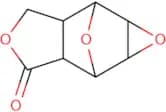
CAS:<p>8-Chlorotetrazolo[1,5-A]pyrazine is a chlorine-containing compound. It is a heterocyclic aromatic organic compound and an important intermediate in the synthesis of other compounds. 8-Chlorotetrazolo[1,5-A]pyrazine is not found in nature. The elimination of chlorine from 8-chlorotetrazolo[1,5-A]pyrazine produces benzotriazole and the molecule tetrazole. 8-Chlorotetrazolo[1,5-A]pyrazine is used as a raw material for many organic syntheses.</p>Formula:C4H2N5ClPurity:Min. 95%Molecular weight:155.54 g/mol(-)-Corey lactone diol
CAS:<p>(-)-Corey lactone diol is a synthetic compound that is soluble in organic solvents. It is used for the synthesis of carbocyclic nucleosides, which are analogs of pyrimidine nucleosides. (-)-Corey lactone diol has been shown to inhibit cholesterol synthesis and the synthesis of alkene. (-)-Corey lactone diol also shows anti-inflammatory properties, which may be due to its inhibition of prostaglandin synthesis.</p>Formula:C8H12O4Purity:Min. 95%Molecular weight:172.18 g/molCymiazole
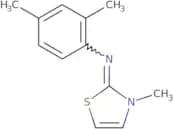
CAS:<p>Veterinary drug, ectoparasiticide</p>Formula:C12H14N2SPurity:Min. 95%Color and Shape:Brown Clear LiquidMolecular weight:218.32 g/mol2-Fluoro-4-methyl-5-nitrobenzene-1-sulfonyl chloride
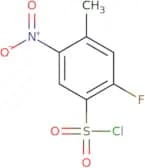
CAS:<p>Versatile small molecule scaffold</p>Formula:C7H5ClFNO4SPurity:Min. 95%Color and Shape:PowderMolecular weight:253.64 g/mol1,1'-Carbonimidoylbis-1H-imidazole
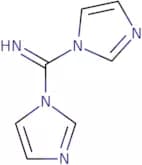
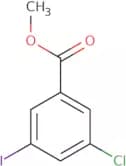
CAS:<p>1,1'-Carbonimidoylbis-1H-imidazole is a ligand that binds to amines and isosteres. It can be activated with electrophilic reagents to form an activated linker. This ligand has been shown to inhibit the growth of xenograft tumor cells in mice by binding to functional groups on the cell surface. This drug also has been shown to bind to the receptor for advanced glycation end products (RAGE) and inhibit its function. 1,1'-Carbonimidoylbis-1H-imidazole has also been evaluated as a cancer therapeutic agent in animal models.</p>Formula:C7H7N5Purity:Min. 95%Color and Shape:White PowderMolecular weight:161.16 g/mol3-Chloro-5-iodobenzoic acid methyl ester
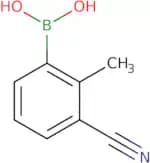
CAS:<p>3-Chloro-5-iodobenzoic acid methyl ester is a versatile building block that can be used to make many complex compounds, including research chemicals and reagents. 3-Chloro-5-iodobenzoic acid methyl ester is used as an intermediate for the production of speciality chemicals and has many uses in chemical reactions. This compound was previously sold under the CAS number 289039-85-6.</p>Formula:C8H6ClIO2Purity:Min. 95%Color and Shape:PowderMolecular weight:296.49 g/mol3-Cyano-2-methylphenylboronic acid
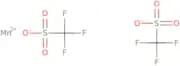
CAS:<p>3-Cyano-2-methylphenylboronic acid is a high quality compound that can be used as a reagent, intermediate, or building block in the synthesis of complex compounds. This chemical is also useful as a speciality chemical and research chemical. 3-Cyano-2-methylphenylboronic acid has versatile uses in organic synthesis due to its versatility in reactions and building blocks.</p>Formula:C8H8BNO2Purity:Min. 95%Color and Shape:PowderMolecular weight:160.97 g/molManganese bis(trifluoromethanesulfonate)
CAS:<p>Manganese bis(trifluoromethanesulfonate) is a chemical compound that is soluble in acetone, ether, and anhydrous acetonitrile. It has been recrystallized from an ethanol-ether mixture and purified by filtration. The solubility of this chemical in acetone, ether, and anhydrous acetonitrile makes it useful for the preparation of manganese complexes with various ligands. Manganese bis(trifluoromethanesulfonate) is used as a catalyst in the epoxidation of olefins.</p>Formula:C2F6MnO6S2Purity:Min. 95%Molecular weight:353.08 g/mol(1R,5S,6r)-rel-3-Oxabicyclo[3.1.0]hexane-6-carboxylic acid
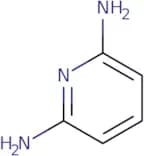
CAS:<p>Versatile small molecule scaffold</p>Formula:C6H8O3Purity:Min. 95%Molecular weight:128.13 g/mol2,6-Diaminopyridine
CAS:<p>2,6-Diaminopyridine is a heterocyclic compound that is used in analytical chemistry as an indicator for the presence of protonated amines. It is prepared by coupling 2,6-diamino-pyridine with 1,3-benzodioxole-5-carboxylic acid. The nitrogen atoms are electron withdrawing groups and form hydrogen bonding interactions with the protonated amine. This type of interaction leads to a phase transition temperature of about 115°C and a high value for electrochemical impedance spectroscopy (EIS) measurements. The reaction mechanism involves the formation of a protonated amine from 2,6-diaminopyridine and 1,3-benzodioxole-5-carboxylic acid followed by proton transfer to yield the corresponding pyridinium salt.</p>Formula:C5H7N3Purity:Min. 95%Color and Shape:Beige To Brown SolidMolecular weight:109.13 g/mol1,1',1''-(1,3,5-Triazinane-1,3,5-triyl)tris(2-bromoethan-1-one)
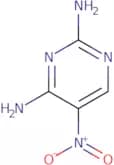
CAS:<p>Please enquire for more information about 1,1',1''-(1,3,5-Triazinane-1,3,5-triyl)tris(2-bromoethan-1-one) including the price, delivery time and more detailed product information at the technical inquiry form on this page</p>Formula:C9H12Br3N3O3Purity:Min. 95%Color and Shape:PowderMolecular weight:449.82 g/mol2,4-Diamino-5-nitropyrimidine
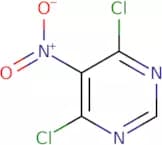
CAS:<p>2,4-Diamino-5-nitropyrimidine is a synthetic molecule that belongs to the class of heterocyclic amines. It has been shown to be a potent antiproliferative agent and has been found to inhibit hepg2 cell growth in vitro. This compound was also found to inhibit cancer cells, including mcf-7. 2,4-Diamino-5-nitropyrimidine binds nucleophilic sites on proteins and inhibits enzymes involved in DNA synthesis. The inhibition of these enzymes leads to cell death by preventing the production of new proteins needed for cell division.</p>Formula:C4H5N5O2Purity:Min. 95%Color and Shape:Off-White To Yellow SolidMolecular weight:155.12 g/mol4,6-Dichloro-5-nitropyrimidine
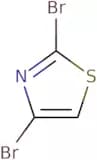
CAS:<p>4,6-Dichloro-5-nitropyrimidine is an intermediate in the synthesis of Tenofovir, a nucleophilic drug that inhibits HIV. It is produced by the reaction of chloride with amines and nitro compounds in the presence of ammonium chloride. 4,6-Dichloro-5-nitropyrimidine has been shown to have anticancer activity against human lymphocytes and other cancer cells. It can also be used for the treatment of AIDS. The biological properties of this compound are dose dependent and are dependent on the size of chlorine atoms attached to nitrogen atoms.</p>Formula:C4HCl2N3O2Purity:Min. 95%Color and Shape:Yellow PowderMolecular weight:193.98 g/mol2,4-Dibromothiazole
CAS:<p>2,4-Dibromothiazole is a nicotinic acetylcholine receptor (nAChR) antagonist which selectively blocks the binding of acetylcholine to nAChRs. It has been shown to be effective in treating inflammatory bowel disease by inhibiting the production of inflammatory mediators. This drug also has anti-inflammatory effects and can be used for the treatment of autoimmune diseases such as Crohn's disease. 2,4-Dibromothiazole also has low energy properties and is used in palladium complexes for cross-coupling reactions. It can also be used as a cancer chemotherapeutic agent and as a cardiac drug.</p>Formula:C3HBr2NSPurity:Min. 95%Color and Shape:White PowderMolecular weight:242.92 g/mol2,6-Dichloro-4-fluorobenzoic acid
CAS:<p>Versatile small molecule scaffold</p>Formula:C7H3Cl2FO2Purity:Min. 95%Molecular weight:209 g/molDiiodomethane
CAS:<p>Diiodomethane is a chemical compound with the molecular formula CHI. It is a colorless gas that can be obtained by reacting methyl ethyl and hydroxyl group in the presence of an oxidant such as boron nitride. Diiodomethane has been used as a substrate film for n-dimethyl formamide and reaction solution, which have been studied using spectroscopic data. The product of this reaction is water vapor that leaves the system due to its low boiling point. Reaction mechanism for this process is thought to be due to the kinetic energy of the particles that collide and produce diiodomethane molecules.</p>Formula:CH2I2Purity:Min. 95%Color and Shape:Yellow Clear LiquidMolecular weight:267.84 g/mol3,5-Dimethyl-4H-1,2,4-triazol-4-amine
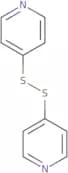
CAS:<p>3,5-Dimethyl-4H-1,2,4-triazol-4-amine is a crystalline compound with antiproliferative and anti-inflammatory properties. It has been shown to inhibit the growth of cancer cells in vitro and in vivo. The mechanism of action is not fully understood but may be due to inhibition of DNA synthesis or by inhibiting the activity of topoisomerase II. 3,5-Dimethyl-4H-1,2,4-triazol-4-amine can also act as an antioxidant by scavenging reactive oxygen species (ROS). 3,5-Dimethyl-4H-1,2,4-triazol-4-amine has been shown to have a low toxicity in animals and humans.</p>Formula:C4H8N4Purity:Min. 95%Molecular weight:112.13 g/mol4,4'-Dithiopyridine
CAS:<p>4,4'-Dithiopyridine is a reactive molecule that can be used in the synthesis of other organic compounds. It is a disulfide bond with a redox potential of -0.43 V, which makes it readily available for reaction. The structural analysis of 4,4'-dithiopyridine has been performed using NMR spectroscopy and gas chromatography/mass spectrometry (GC/MS). This compound is an inhibitor of sugar transport and can be used to study the p-nitrophenyl phosphate reductase enzyme in bacteria. The reaction product between 4,4'-dithiopyridine and NADPH cytochrome P450 produces the fluorescent molecule 2-aminopurine. This fluorescent molecule may be used as a probe to study transfer reactions in bacteria.</p>Formula:C10H8N2S2Purity:Min. 95%Color and Shape:Off-White To Light (Or Pale) Yellow SolidMolecular weight:220.32 g/mol2,6-Dichloro-4-methoxyaniline
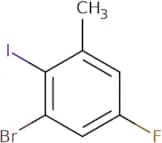
CAS:<p>2,6-Dichloro-4-methoxyaniline is a chemical that belongs to the group of methyl derivatives. It is used as an industrial chemical and as a precursor to other chemicals in the production of pesticides, herbicides, and other products. 2,6-Dichloro-4-methoxyaniline can be found in brominated flame retardants and phenolic resins. It is also present in pentachlorophenol (PCP) and hydroxylated congeners. 2,6-Dichloro-4-methoxyaniline has been detected in humans at levels ranging from 10 to 100 parts per billion. The chemical structure of 2,6-dichloro-4-methoxyaniline is similar to that of triclosan, which has been shown to have antimicrobial activity against bacteria such as Staphylococcus aureus and Escherich</p>Formula:C7H7Cl2NOPurity:Min. 95%Molecular weight:192.04 g/mol3-Bromo-5-fluoro-2-iodotoluene
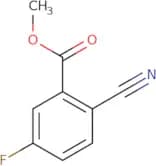
CAS:<p>Versatile small molecule scaffold</p>Formula:C7H5BrFIPurity:Min. 95%Molecular weight:314.92 g/molMethyl 2-cyano-5-fluorobenzoate
CAS:<p>Versatile small molecule scaffold</p>Formula:C9H6FNO2Purity:Min. 95%Molecular weight:179.15 g/mol2,4-Dichloropyrido [2,3-D] pyrimidine
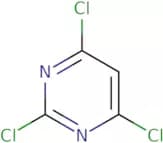
CAS:<p>2,4-Dichloropyrido [2,3-D] pyrimidine is a regioselective chlorination agent that can be used for the synthesis of various organic compounds. It is often used in cross-coupling reactions to form carbon-carbon bonds. 2,4-Dichloropyrido [2,3-D] pyrimidine has been shown to give high yields and is selective for disubstituted or monosubstituted substrates. This compound is also useful for the functionalization of C-H bonds via palladium-catalyzed coupling reactions.</p>Formula:C7H3Cl2N3Purity:Min. 95%Color and Shape:White PowderMolecular weight:200.02 g/mol2,4,6-Trichloropyrimidine
CAS:<p>2,4,6-Trichloropyrimidine is an antimicrobial agent that belongs to the chemical class of pyrimidine compounds. It inhibits bacterial growth by cross-linking with amino acids and nucleic acids in the cell wall, thereby inhibiting protein synthesis. 2,4,6-Trichloropyrimidine is also a cross-linking agent for polymers such as polyurethane and vinyl chloride. This compound has been shown to be effective against P. aeruginosa and other bacteria that are resistant to antibiotics. 2,4,6-Trichloropyrimidine reacts with water vapor or oxygen nucleophiles to form hydrogen chloride and amine groups. These reactions can be used for identification of this compound in the laboratory.</p>Formula:C4HCl3N2Purity:Min. 95%Color and Shape:PowderMolecular weight:183.42 g/mol(2S)-3-(3,4-dihydroxyphenyl)-2-{[(9H-fluoren-9-ylmethoxy)carbonyl]amino}propanoic acid
CAS:<p>3,4-Dihydroxyphenylalanine (3,4-DOPA) is a non-protein amino acid that is an intermediate in the synthesis of dopamine and norepinephrine. 3,4-DOPA is metabolized by the enzyme dopa decarboxylase to dopamine and then by catechol-O-methyl transferase to norepinephrine. 3,4-DOPA has antioxidant properties and has been shown to have anticancer effects in animals. It also has been shown to interact with other biomolecules such as proteins and nucleic acids. 3,4-DOPA binds strongly to metal ions through its carboxylic acid group and can chelate metals such as copper or iron. This property may be used for coatings on metal surfaces or for interacting with other molecules.br>br> 3,4-Dopa contains a chiral center due to the presence of two stereogenic carbons on the phen</p>Formula:C24H21NO6Purity:Min. 95%Molecular weight:419.4 g/mol1,1-Dibromo-2,2-bis(chloromethyl)cyclopropane
CAS:<p>1,1-Dibromo-2,2-bis(chloromethyl)cyclopropane is a synthetic chemical that can be used to synthesize lactams. It is a member of the class of enolates and has two isomers: sulfoxide and sulfone. The synthesis process begins with an amination reaction between 1,1-dibromo-2,2-bis(chloromethyl)cyclopropane and an amine in the presence of magnesium chloride. This reaction produces a sulfide intermediate that reacts with an aldehyde or ketone to form the desired lactam. The reaction time varies depending on the reactivity of the reactants, but it typically takes less than one hour at room temperature. Magnesium metal is needed as a catalyst for this reaction because it will not take place without it. 1,1-Dibromo-2,2-bis(chloromethyl)cyclopropane also reacts easily</p>Formula:C5H6Br2Cl2Purity:Min. 95%Molecular weight:296.81 g/moltrans-1,2-Dichloroethylene
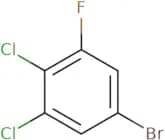
CAS:<p>Trans-1,2-Dichloroethylene is a chlorinated hydrocarbon that is used in the production of polyvinyl chloride plastics. When ingested at dietary concentrations, trans-1,2-Dichloroethylene may cause liver damage and death in CD-1 mice. Trans-1,2-Dichloroethylene has been shown to react with nucleophilic substitutions and produce toxic reaction products. This chemical also causes polymerase chain reactions that can lead to cell death. The effective dose for this chemical is unknown because it has not been tested in clinical trials.</p>Formula:C2H2Cl2Purity:Min. 95%Molecular weight:96.94 g/mol3,4-Dichloro-5-fluorobromobenzene
CAS:<p>Versatile small molecule scaffold</p>Formula:C6H2BrCl2FPurity:Min. 95%Molecular weight:243.88 g/mol5-bromo-6-methoxy-1h-indole
CAS:<p>5-bromo-6-methoxy-1H-indole is a synthetic, nonsteroidal compound that is structurally related to prednisolone. It has been shown to induce the synthesis of collagen by stimulating fibroblasts in culture. This drug also has anti-inflammatory and modulating effects on s1p receptors, which may be due to its ability to inhibit the production of proinflammatory cytokines such as tumor necrosis factor alpha (TNFα). 5-bromo-6-methoxy-1H-indole is a potent inhibitor of acid methyl esters, which are involved in inflammation and tissue destruction. 5-bromo-6-methoxy-1H--indole also has an effect on dermal cells, which may be due to its ability to inhibit the production of matrix metalloproteinase enzymes. This drug can also cause atrophy in granuloma cells and prevent the development of inflammatory</p>Formula:C9H8BrNOPurity:Min. 95%Molecular weight:226.07 g/moltert-Butyl 6-(4,4,5,5-tetramethyl-1,3,2-dioxaborolan-2-yl)-3,4-dihydroquinoline-1(2H)-carboxylate 97
CAS:<p>Versatile small molecule scaffold</p>Formula:C20H30BNO4Purity:Min. 95%Molecular weight:359.27 g/mol3-Bromo-2-hydroxy-5-iodopyridine
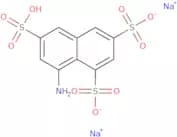
CAS:<p>Versatile small molecule scaffold</p>Formula:C5H3BrINOPurity:Min. 95%Molecular weight:299.89 g/molDisodium 8-amino-1,3,6-naphthalenetrisulfonate
CAS:<p>Disodium 8-amino-1,3,6-naphthalenetrisulfonate is a fluorescent sensor that can detect albumin in human serum. Disodium 8-amino-1,3,6-naphthalenetrisulfonate selectively detects the molecule albumin in blood with a sensitivity of approximately 1.5 nmol/L and a selectivity of nearly 100%. The fluorescent sensor consists of an immobilized nanometer sized molecule of 8-aminonaphthalene trisulfonic acid on hydrotalcite. The sensor has been shown to be selective for albumin and does not react with other serum proteins such as immunoglobulins or fibrinogen.</p>Formula:C10H9NO9S3•Na2Purity:Min. 98 Area-%Color and Shape:White PowderMolecular weight:429.36 g/mol4-Bromo-2-fluoropyrimidine
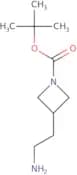
CAS:<p>Versatile small molecule scaffold</p>Formula:C4H2BrFN2Purity:Min. 95%Molecular weight:176.97 g/moltert-Butyl 3-(2-aminoethyl)azetidine-1-carboxylate
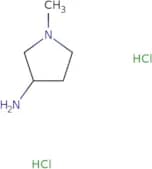
CAS:<p>Versatile small molecule scaffold</p>Formula:C10H20N2O2Purity:Min. 95%Molecular weight:200.28 g/mol1-Methylpyrrolidin-3-amine dihydrochloride
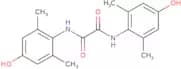
CAS:<p>Versatile small molecule scaffold</p>Formula:C5H12N2·2HClPurity:Min. 95%Molecular weight:173.09 g/molN1,N2-Bis(4-hydroxy-2,6-dimethylphenyl)ethanediamide
CAS:<p>Versatile small molecule scaffold</p>Formula:C18H20N2O4Purity:Min. 95%Molecular weight:328.4 g/mol8-Chloroisoquinolin-5-amine
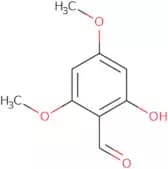
CAS:<p>Versatile small molecule scaffold</p>Formula:C9H7ClN2Purity:Min. 95%Molecular weight:178.62 g/mol4,6-Dimethoxysalicylaldehyde
CAS:<p>4,6-Dimethoxysalicylaldehyde is a protonated molecule with a cyclohexane ring and 4 hydroxyl groups. Its chemical formula is C6H8O3. The compound has low bioavailability due to the presence of an intramolecular hydrogen bond that causes high redox potential. There are two amines on the aromatic ring which can coordinate with metal ions to form a complex. This compound's structural analysis has been conducted using X-ray crystallography, NMR spectroscopy, and IR spectroscopy. The structure of 4,6-dimethoxysalicylaldehyde is unsymmetrical due to the presence of two asymmetric carbon atoms in the molecule. It forms hydrogen bonds with other molecules due to its hydroxyl group and intramolecular hydrogen bond. Hydrogen bonding interactions occur between this compound and other molecules including water, alcohols, ammonia, amines, and carboxylic acids.</p>Formula:C9H10O4Purity:Min. 95%Color and Shape:Off-White PowderMolecular weight:182.17 g/mol

![1-(Benzo[D]oxazol-2-yl)piperidin-3-ol](/_next/image/?url=https%3A%2Fstatic.cymitquimica.com%2Fproducts%2F3D%2Fthumb-webp%2FRQB46773.webp&w=3840&q=75)

![2,2-Dimethyl-N-[(piperidin-3-yl)methyl]propanamide](/_next/image/?url=https%3A%2Fstatic.cymitquimica.com%2Fproducts%2F3D%2Fthumb-webp%2FRQB49338.webp&w=3840&q=75)
![2-[(2-Bromoethoxy)methyl]oxolane](/_next/image/?url=https%3A%2Fstatic.cymitquimica.com%2Fproducts%2F3D%2Fthumb-webp%2FRQB49544.webp&w=3840&q=75)
![tert-Butyl 3-[(piperidin-3-yl)carbamoyl]piperidine-1-carboxylate](/_next/image/?url=https%3A%2Fstatic.cymitquimica.com%2Fproducts%2F3D%2Fthumb-webp%2FRQB49572.webp&w=3840&q=75)
![{4-[(2-Methoxyethoxy)methyl]phenyl}methanamine](/_next/image/?url=https%3A%2Fstatic.cymitquimica.com%2Fproducts%2F3D%2Fthumb-webp%2FRQB49634.webp&w=3840&q=75)

![{3-[(Cyclopentyloxy)methyl]-4-fluorophenyl}methanamine](/_next/image/?url=https%3A%2Fstatic.cymitquimica.com%2Fproducts%2F3D%2Fthumb-webp%2FRQB49811.webp&w=3840&q=75)
![3-[4-(3-Oxobutyl)phenoxymethyl]benzoic acid](/_next/image/?url=https%3A%2Fstatic.cymitquimica.com%2Fproducts%2F3D%2Fthumb-webp%2FRQB79744.webp&w=3840&q=75)
![2-[(5-Bromopyridin-2-yl)sulfanyl]pyridine-3-carboxylic acid](/_next/image/?url=https%3A%2Fstatic.cymitquimica.com%2Fproducts%2F3D%2Fthumb-webp%2FRQB79966.webp&w=3840&q=75)
![2-Chloro-1-[4-(pyrimidin-2-yl)piperazin-1-yl]propan-1-one](/_next/image/?url=https%3A%2Fstatic.cymitquimica.com%2Fproducts%2F3D%2Fthumb-webp%2FRQB80523.webp&w=3840&q=75)
![2-Chloro-N-[2-(2,3-dihydro-1,4-benzodioxin-6-yl)ethyl]propanamide](/_next/image/?url=https%3A%2Fstatic.cymitquimica.com%2Fproducts%2F3D%2Fthumb-webp%2FRQB80653.webp&w=3840&q=75)
![N,N-Dimethyl-4-{[(2,2,2-trifluoroethyl)amino]methyl}aniline](/_next/image/?url=https%3A%2Fstatic.cymitquimica.com%2Fproducts%2F3D%2Fthumb-webp%2FRQB81190.webp&w=3840&q=75)
amine](/_next/image/?url=https%3A%2Fstatic.cymitquimica.com%2Fproducts%2F3D%2Fthumb-webp%2FRQB81200.webp&w=3840&q=75)
![{1-[4-(Trifluoromethoxy)phenyl]pyrrolidin-3-yl}methanamine](/_next/image/?url=https%3A%2Fstatic.cymitquimica.com%2Fproducts%2F3D%2Fthumb-webp%2FRQB81333.webp&w=3840&q=75)

![2-[2-(1H-1,2,3,4-Tetrazol-1-yl)acetamido]benzoic acid](/_next/image/?url=https%3A%2Fstatic.cymitquimica.com%2Fproducts%2F3D%2Fthumb-webp%2FRQB82003.webp&w=3840&q=75)
![[1-(3,5-Dimethoxyphenyl)pyrrolidin-3-yl]methanamine](/_next/image/?url=https%3A%2Fstatic.cymitquimica.com%2Fproducts%2F3D%2Fthumb-webp%2FRQB82027.webp&w=3840&q=75)

![3-[4-(Chlorosulfonyl)-2-methylphenoxy]propanoic acid](/_next/image/?url=https%3A%2Fstatic.cymitquimica.com%2Fproducts%2F3D%2Fthumb-webp%2FRQB82212.webp&w=3840&q=75)



![N-{1-[4-(Pyridin-3-ylmethoxy)phenyl]ethylidene}hydroxylamine](/_next/image/?url=https%3A%2Fstatic.cymitquimica.com%2Fproducts%2F3D%2Fthumb-webp%2FRQB82630.webp&w=3840&q=75)




![3-[4-(Chlorosulfonyl)-2-fluorophenoxy]propanoic acid](/_next/image/?url=https%3A%2Fstatic.cymitquimica.com%2Fproducts%2F3D%2Fthumb-webp%2FRQB83169.webp&w=3840&q=75)


![3-[(Dimethylamino)methyl]-4-fluorobenzonitrile](/_next/image/?url=https%3A%2Fstatic.cymitquimica.com%2Fproducts%2F3D%2Fthumb-webp%2FRQB83455.webp&w=3840&q=75)
![1-[4-(Trifluoromethoxy)phenyl]piperidin-4-amine](/_next/image/?url=https%3A%2Fstatic.cymitquimica.com%2Fproducts%2F3D%2Fthumb-webp%2FRQB83541.webp&w=3840&q=75)
![4-[2-Chloro-4-(chlorosulfonyl)phenoxy]butanoic acid](/_next/image/?url=https%3A%2Fstatic.cymitquimica.com%2Fproducts%2F3D%2Fthumb-webp%2FRQB83563.webp&w=3840&q=75)
![1-(3-{Imidazo[1,2-a]pyridin-2-ylmethoxy}phenyl)ethan-1-one](/_next/image/?url=https%3A%2Fstatic.cymitquimica.com%2Fproducts%2F3D%2Fthumb-webp%2FRQB83692.webp&w=3840&q=75)

![2-[(4-Bromophenyl)methanesulfonyl]propanoic acid](/_next/image/?url=https%3A%2Fstatic.cymitquimica.com%2Fproducts%2F3D%2Fthumb-webp%2FRQB83787.webp&w=3840&q=75)

![2-[(Oxolan-2-yl)methoxy]acetonitrile](/_next/image/?url=https%3A%2Fstatic.cymitquimica.com%2Fproducts%2F3D%2Fthumb-webp%2FRQB83893.webp&w=3840&q=75)
![4-{[1,2,4]Triazolo[4,3-a]pyridin-3-ylmethyl}aniline](/_next/image/?url=https%3A%2Fstatic.cymitquimica.com%2Fproducts%2F3D%2Fthumb-webp%2FRQB83914.webp&w=3840&q=75)
![3-{[3-Chloro-5-(trifluoromethyl)pyridin-2-yl]amino}propanoic acid](/_next/image/?url=https%3A%2Fstatic.cymitquimica.com%2Fproducts%2F3D%2Fthumb-webp%2FRQB83974.webp&w=3840&q=75)
![2-Methyl-4-{[1,2,4]triazolo[4,3-a]pyridin-3-yl}aniline](/_next/image/?url=https%3A%2Fstatic.cymitquimica.com%2Fproducts%2F3D%2Fthumb-webp%2FRQB83990.webp&w=3840&q=75)
![3-[(2-Oxopyrrolidin-1-yl)methyl]benzonitrile](/_next/image/?url=https%3A%2Fstatic.cymitquimica.com%2Fproducts%2F3D%2Fthumb-webp%2FRQB84072.webp&w=3840&q=75)
![4-Fluoro-3-[(2-methoxyethoxy)methyl]benzonitrile](/_next/image/?url=https%3A%2Fstatic.cymitquimica.com%2Fproducts%2F3D%2Fthumb-webp%2FRQB84252.webp&w=3840&q=75)
![5-Bromo-1,3-dimethyl-1H-pyrazolo[3,4-b]pyridine](/_next/image/?url=https%3A%2Fstatic.cymitquimica.com%2Fproducts%2F3D%2Fthumb-webp%2FRQB84299.webp&w=3840&q=75)
![2-Chloro-N-[(2-fluorophenyl)methyl]propanamide](/_next/image/?url=https%3A%2Fstatic.cymitquimica.com%2Fproducts%2F3D%2Fthumb-webp%2FRQB84374.webp&w=3840&q=75)
![2-[4-(Pyridin-3-ylmethoxy)phenyl]acetonitrile](/_next/image/?url=https%3A%2Fstatic.cymitquimica.com%2Fproducts%2F3D%2Fthumb-webp%2FRQB85010.webp&w=3840&q=75)

![4-{5-Bromo-1H-pyrazolo[3,4-b]pyridin-1-yl}-1-methylpiperidine](/_next/image/?url=https%3A%2Fstatic.cymitquimica.com%2Fproducts%2F3D%2Fthumb-webp%2FRQB85095.webp&w=3840&q=75)
![3-{4-[1-(Hydroxyimino)ethyl]phenyl}-1-phenylurea](/_next/image/?url=https%3A%2Fstatic.cymitquimica.com%2Fproducts%2F3D%2Fthumb-webp%2FRQB85221.webp&w=3840&q=75)
![2-{3-Oxo-2H,3H-[1,2,4]triazolo[4,3-a]pyridin-2-yl}ethanethioamide](/_next/image/?url=https%3A%2Fstatic.cymitquimica.com%2Fproducts%2F3D%2Fthumb-webp%2FRQB85231.webp&w=3840&q=75)
![2-[4-(3-Bromobenzamido)phenyl]acetic acid](/_next/image/?url=https%3A%2Fstatic.cymitquimica.com%2Fproducts%2F3D%2Fthumb-webp%2FRQB85762.webp&w=3840&q=75)
![3-(5-bromo-3-methylpyrazolo[3,4-b]pyridin-1-yl)thiolane 1,1-dioxide](/_next/image/?url=https%3A%2Fstatic.cymitquimica.com%2Fproducts%2F3D%2Fthumb-webp%2FRQB85776.webp&w=3840&q=75)
amine](/_next/image/?url=https%3A%2Fstatic.cymitquimica.com%2Fproducts%2F3D%2Fthumb-webp%2FRQB85958.webp&w=3840&q=75)



![6-Amino-4H,5H,6H,7H,8H-thieno[3,2-b]azepin-5-one hydrochloride](/_next/image/?url=https%3A%2Fstatic.cymitquimica.com%2Fproducts%2F3D%2Fthumb-webp%2FTHC97972.webp&w=3840&q=75)



![4-(1H-Pyrazol-4-yl)-7-((2-(trimethylsilyl)ethoxy)methyl)-7H-pyrrolo[2,3-d]pyrimidine](/_next/image/?url=https%3A%2Fstatic.cymitquimica.com%2Fproducts%2F3D%2Fthumb-webp%2FRMB68527.webp&w=3840&q=75)







![8-Chlorotetrazolo[1,5-A]pyrazine](/_next/image/?url=https%3A%2Fstatic.cymitquimica.com%2Fproducts%2F3D%2Fthumb-webp%2FCDA88819.webp&w=3840&q=75)

![(1R,5S,6r)-rel-3-Oxabicyclo[3.1.0]hexane-6-carboxylic acid](/_next/image/?url=https%3A%2Fstatic.cymitquimica.com%2Fproducts%2F3D%2Fthumb-webp%2FFCA78088.webp&w=3840&q=75)




![2,4-Dichloropyrido [2,3-D] pyrimidine](/_next/image/?url=https%3A%2Fstatic.cymitquimica.com%2Fproducts%2F3D%2Fthumb-webp%2FFD31600.webp&w=3840&q=75)
![(2S)-3-(3,4-dihydroxyphenyl)-2-{[(9H-fluoren-9-ylmethoxy)carbonyl]amino}propanoic acid](/_next/image/?url=https%3A%2Fstatic.cymitquimica.com%2Fproducts%2F3D%2Fthumb-webp%2FMFA01893.webp&w=3840&q=75)