Building Blocks
This section contains fundamental products for the synthesis of organic and biological compounds. Building blocks are the essential starting materials used to construct complex molecules through various chemical reactions. They play a critical role in drug discovery, material science, and chemical research. At CymitQuimica, we offer a diverse range of high-quality building blocks to support your innovative research and industrial projects, ensuring you have the essential components for successful synthesis.
Subcategories of "Building Blocks"
- Boronic Acids & Boronic Acid Derivatives(5,756 products)
- Chiral Building Blocks(1,242 products)
- Hydrocarbon Building Blocks(6,095 products)
- Organic Building Blocks(61,051 products)
Found 199813 products of "Building Blocks"
Sort by
Purity (%)
0
100
|
0
|
50
|
90
|
95
|
100
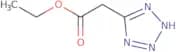
Ethyl 1H-tetrazole-5-acetate
CAS:<p>Ethyl 1H-tetrazole-5-acetate (ETZA) is a ligand that binds to the active site of prolyl hydroxylase, which is an enzyme involved in collagen synthesis. ETZA inhibits the activity of this enzyme by binding to its heme cofactor, leading to a decrease in the production of collagen and thus inhibiting tumor growth. It has been shown that ETZA has no effect on healthy cells or normal tissues. In vitro studies have shown that ETZA can inhibit cancer cell growth and cisplatin resistance in vivo. ETZA also has a structural similarity to chloride ions and thus may be able to inhibit chloride channels such as those found in cancer cells.</p>Formula:C5H8N4O2Purity:Min. 95%Molecular weight:156.14 g/mol3-Bromo-1-methylpiperidine hydrobromide
CAS:<p>Versatile small molecule scaffold</p>Formula:C6H12BrN·HBrPurity:Min. 95%Molecular weight:258.98 g/mol4,5,6,7-Tetrahydro-1H-indole
CAS:<p>4,5,6,7-Tetrahydro-1H-indole is a chemical compound that is an intermediate in the synthesis of other compounds. It reacts with halides to produce methyl sulfones and metal hydroxides. Tetrahydro-1H-indole can also react with acyl halides to form thiocyanates. The reaction mechanism has been studied using nmr spectra and chemical study. 4,5,6,7-Tetrahydro-1H-indole is an active substance that has been used in synthetic chemistry.</p>Formula:C8H11NPurity:Min. 95%Molecular weight:121.18 g/molBenzyloxyacetonitrile
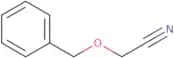
CAS:<p>Benzyloxyacetonitrile is a synthetic chemical that reacts with hydrochloric acid to form an acid complex. It has been used in the preparation of ethylene diamine and other amines. In addition, benzyloxyacetonitrile has been shown to react with phosphorus pentoxide to form a reactive chloride, alkylthio group, hydrogen chloride, hydroxy group, nucleophilic, acid complex.</p>Formula:C9H9NOPurity:Min. 95%Molecular weight:147.18 g/mol1-(2,4-Dimethyl-5-nitrophenyl)ethan-1-one
CAS:<p>Versatile small molecule scaffold</p>Formula:C10H11NO3Purity:Min. 95%Molecular weight:193.2 g/mol5,7-Dimethyl-1-tetralone
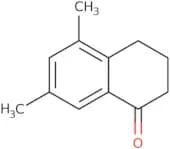
CAS:<p>5,7-Dimethyl-1-tetralone is a coumarin derivative that is a single-crystal x-ray analysis preparative. It has been found to undergo cross-coupling reaction with a variety of organometallic reagents. 5,7-Dimethyl-1-tetralone can be used as a research chemical in the synthesis of other chemicals and pharmaceuticals. Cross coupling reactions with lithium diisopropylamide have been shown to produce 6-methoxy-1-tetralone which can be saponified to form an intermediate for the synthesis of drugs. The tautomerization process is also mediated by the solvent and the reaction time.</p>Formula:C12H14OPurity:Min. 95%Molecular weight:174.24 g/mol2-(4-Chlorophenyl)-4,5-dihydro-1H-imidazole
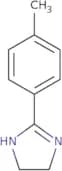
CAS:<p>Versatile small molecule scaffold</p>Formula:C9H9ClN2Purity:Min. 95%Molecular weight:180.63 g/mol2-(4-Methylphenyl)-4,5-dihydro-1H-imidazole
CAS:<p>2-(4-Methylphenyl)-4,5-dihydro-1H-imidazole is a crystalline compound that forms hydrogen bonds with water. It has been shown to form chains and stacks in the crystal structure. The compound has a centroid of 2.8 Å and its dihedral angles are around 120°. Five molecules in the molecule stack on top of each other, stabilized by hydrogen bonds.</p>Formula:C10H12N2Purity:Min. 95%Molecular weight:160.22 g/mol1,3,8-Triaza-spiro[4.5]decane-2,4-dione
CAS:<p>1,3,8-Triaza-spiro[4.5]decane-2,4-dione is a potential anti-cancer drug that inhibits the production of lactate and ammonium ions in lymphocytes. This leads to an increase in the oxidation of glucose and lactic acid to CO2 and H2O. The inhibition of lactate production reduces the accumulation of ammonium ions, which inhibits the activity of hydroxylases. 1,3,8-Triaza-spiro[4.5]decane-2,4-dione also targets hypoxia inducible factor (HIF) and cyclophosphamide resistance protein (CPR), leading to a decrease in the proliferation rate of lymphocytes. Ammonium carbonate is used as a stabilizing agent for this compound during crystallization.</p>Formula:C7H11N3O2Purity:Min. 95%Molecular weight:169.18 g/mol1,3,8-Triaza-spiro[4.5]decane-2,4-dionehydrochloride
CAS:<p>Versatile small molecule scaffold</p>Formula:C7H12ClN3O2Purity:Min. 95%Molecular weight:205.65 g/mol3-Methyl-1,3,8-triazaspiro[4.5]decane-2,4-dione hydrochloride
CAS:<p>Versatile small molecule scaffold</p>Formula:C8H14ClN3O2Purity:Min. 95%Molecular weight:219.67 g/mol4-Methyl-4H-1,2,4-triazole-3,5-dithiol
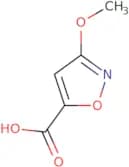
CAS:<p>Versatile small molecule scaffold</p>Formula:C3H5N3S2Purity:Min. 95%Molecular weight:147.2 g/mol3-methoxy-isoxazole-5-carboxylic acid
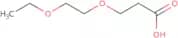
CAS:<p>3-Methoxy-isoxazole-5-carboxylic acid (3MICA) is an amide analog of diborane. 3MICA has been synthesized in the past and is also present in amanita muscaria, a mushroom that contains psychoactive compounds. 3MICA is a potent agonist of the cannabinoid receptor type 1 (CB1), with three times the potency of Δ9-tetrahydrocannabinol. It has also been shown to inhibit acetoacetate decarboxylase, which may be responsible for some side effects associated with CB1 activation.</p>Formula:C5H5NO4Purity:Min. 95%Molecular weight:143.1 g/mol3-(2-Ethoxyethoxy)propanoic acid
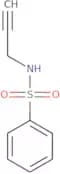
CAS:<p>Versatile small molecule scaffold</p>Formula:C7H14O4Purity:Min. 95%Molecular weight:162.18 g/molN-(Prop-2-yn-1-yl)benzenesulfonamide
CAS:<p>Versatile small molecule scaffold</p>Formula:C9H9NO2SPurity:Min. 95%Molecular weight:195.24 g/mol1,3-Diethyl 2-[2-(2-nitrophenyl)hydrazin-1-ylidene]propanedioate
CAS:<p>Versatile small molecule scaffold</p>Formula:C13H15N3O6Purity:Min. 95%Molecular weight:309.27 g/mol1,3-Diethyl 2-[2-(3-nitrophenyl)hydrazin-1-ylidene]propanedioate
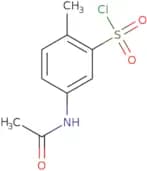
CAS:<p>1,3-Diethyl 2-[2-(3-nitrophenyl)hydrazin-1-ylidene]propanedioate is a halogen that has been used in the production of silver and silver halide. In the presence of light, this compound undergoes a series of reactions to form silver. It can be used as a reducing agent for silver ions or as a precursor for the formation of other silver compounds. This compound also functions as an agent that converts chloride ions to bromide ions by reaction with hydrogen peroxide.</p>Formula:C13H15N3O6Purity:Min. 95%Molecular weight:309.27 g/mol5-Acetylamino-2-methyl-benzenesulfonyl chloride
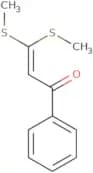
CAS:<p>Versatile small molecule scaffold</p>Formula:C9H10ClNO3SPurity:Min. 95%Molecular weight:247.7 g/mol3,3-Bis(methylsulfanyl)-1-phenylprop-2-en-1-one
CAS:<p>Versatile small molecule scaffold</p>Formula:C11H12OS2Purity:Min. 95%Molecular weight:224.35 g/mol6-Methoxy-1-phenyl-1H,2H,3H,4H,9H-pyrido[3,4-b]indole hydrochloride
CAS:<p>Versatile small molecule scaffold</p>Formula:C18H19ClN2OPurity:Min. 95%Molecular weight:314.8 g/mol2-[(Pyridin-2-yl)methyl]cyclopentan-1-one
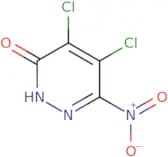
CAS:<p>Versatile small molecule scaffold</p>Formula:C11H13NOPurity:Min. 95%Molecular weight:175.23 g/mol4,5-dichloro-6-nitro-2,3-dihydropyridazin-3-one
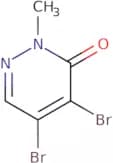
CAS:<p>Versatile small molecule scaffold</p>Formula:C4HCl2N3O3Purity:Min. 95%Molecular weight:210 g/mol4,5-Dibromo-2-methyl-2,3-dihydropyridazin-3-one
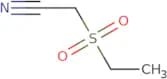
CAS:<p>Versatile small molecule scaffold</p>Formula:C5H4Br2N2OPurity:Min. 95%Molecular weight:267.91 g/mol2-(ethanesulfonyl)acetonitrile
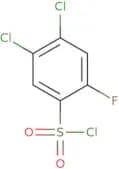
CAS:<p>2-(ethanesulfonyl)acetonitrile is an organic solvent that has a constant boiling point, high reactivity, and low toxicity. It can be used as an acid catalyst in fluorination reactions or to synthesize nitro groups. 2-(ethanesulfonyl)acetonitrile has a reactive functional group and hydrocarbon group that can be substituted with other substituents. The fluorine atom in this compound is replaced with a nitro group when it reacts with oxygen. 2-(ethanesulfonyl)acetonitrile is used in synthetic chemistry to create nitro compounds by the reaction of nitric oxide with the nitro-group on the aromatic ring.</p>Formula:C4H7NO2SPurity:Min. 95%Molecular weight:133.17 g/mol4,5-Dichloro-2-fluorobenzenesulphonyl chloride
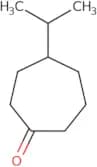
CAS:<p>Versatile small molecule scaffold</p>Formula:C6H2Cl3FO2SPurity:Min. 95%Molecular weight:263.5 g/mol4-(Propan-2-yl)cycloheptan-1-one
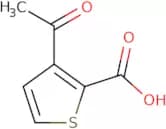
CAS:<p>Versatile small molecule scaffold</p>Formula:C10H18OPurity:Min. 95%Molecular weight:154.25 g/mol3-Acetylthiophene-2-carboxylic acid
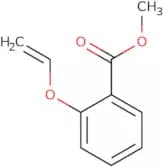
CAS:<p>Versatile small molecule scaffold</p>Formula:C7H6O3SPurity:Min. 95%Molecular weight:170.19 g/molMethyl 2-(ethenyloxy)benzoate
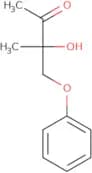
CAS:<p>Versatile small molecule scaffold</p>Formula:C10H10O3Purity:Min. 95%Molecular weight:178.18 g/mol3-Hydroxy-3-methyl-4-phenoxybutan-2-one
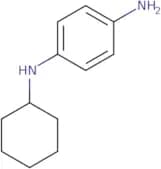
CAS:<p>Versatile small molecule scaffold</p>Formula:C11H14O3Purity:Min. 95%Molecular weight:194.2 g/molN-(4-Aminophenyl)-N-cyclohexylamine
CAS:<p>Versatile small molecule scaffold</p>Formula:C12H18N2Purity:Min. 95%Molecular weight:190.28 g/mol1-(4-Nitrophenyl)azepane
CAS:<p>1-(4-Nitrophenyl)azepane is a potent fxa inhibitor. It inhibits the serine proteases, such as thrombin, and has been shown to have anticoagulant effects in animal models. 1-(4-Nitrophenyl)azepane interacts with the active site of serine protease and competes with the substrate for binding to coagulation proteins. This inhibition leads to a reduction in coagulation and an increase in bleeding time.</p>Formula:C12H16N2O2Purity:Min. 95%Molecular weight:220.27 g/mol1-[(2-Nitrophenyl)methyl]pyridin-1-ium bromide
CAS:<p>Versatile small molecule scaffold</p>Formula:C12H11BrN2O2Purity:Min. 95%Molecular weight:295.13 g/molEthyl 2-[(6-formyl-1,3-dioxaindan-5-yl)oxy]acetate
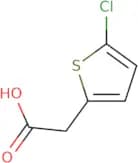
CAS:<p>Versatile small molecule scaffold</p>Formula:C12H12O6Purity:Min. 95%Molecular weight:252.22 g/mol(5-Chloro-2-thienyl)acetic acid
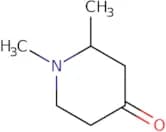
CAS:<p>Versatile small molecule scaffold</p>Formula:C6H5ClO2SPurity:Min. 95%Molecular weight:176.62 g/mol1,2-Dimethylpiperidin-4-one
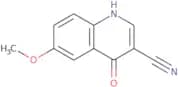
CAS:<p>1,2-Dimethylpiperidin-4-one is a chiral compound that can be used to make optically active compounds. It is an important intermediate in the synthesis of piperidones. The 1,2-dimethylpiperidin-4-one has two diastereomers, which are called cis and trans. The cis configuration has a methyl group in the same plane as the amine group, whereas the trans configuration has the methyl group in a different plane. The cis configuration is more stable than the trans one and this is because it is less sterically hindered by the bulky groups on either side of it. This means that if you want to make an optical pure compound, it will be easier to do so using cis rather than trans 1,2-dimethylpiperidin-4-one.</p>Formula:C7H13NOPurity:Min. 95%Molecular weight:127.18 g/mol4-Hydroxy-6-methoxyquinoline-3-carbonitrile
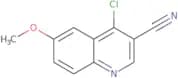
CAS:<p>Versatile small molecule scaffold</p>Formula:C11H8N2O2Purity:Min. 95%Molecular weight:200.19 g/mol4-Chloro-6-methoxy quinoline-3-carbonitrile
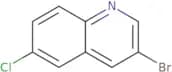
CAS:<p>Versatile small molecule scaffold</p>Formula:C11H7ClN2OPurity:Min. 95%Molecular weight:218.64 g/mol3-bromo-6-chloroquinoline
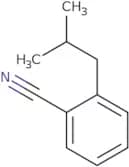
CAS:<p>3-Bromo-6-chloroquinoline is a cisplatin analogue that is used in the treatment of cancer. It has been shown to have cytotoxic effects against human T47D cells, an estrogen receptor positive cell line, by binding to DNA and interfering with DNA replication. 3-Bromo-6-chloroquinoline has also been shown to have significant cytotoxic activity against the Mcf-7 breast cancer cell line. It binds to the proximal region of the human cytochrome P450 1A2 enzyme and blocks its ability to metabolize drugs, which prevents the activation of certain anticancer agents. This drug also inhibits the synthesis of RNA and protein, leading to cancer cell death.</p>Formula:C9H5NClBrPurity:Min. 95%Molecular weight:242.49 g/mol2-(2-Methylpropyl)benzonitrile
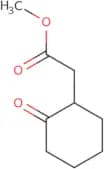
CAS:<p>Versatile small molecule scaffold</p>Formula:C11H13NPurity:Min. 95%Molecular weight:159.23 g/molMethyl 2-(2-oxocyclohexyl)acetate
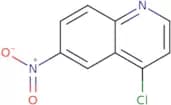
CAS:<p>Methyl 2-(2-oxocyclohexyl)acetate is a chiral, polycyclic organic compound that is an intermediate in the synthesis of tryptamines. It is prepared by reacting cyclohexylamine with methyl chlorocarbonate and then refluxing the mixture to produce the desired product. The yields of this reaction are typically low, but can be increased by using phosphoric acid as a catalyst.</p>Formula:C9H14O3Purity:Min. 95%Molecular weight:170.21 g/mol4-Chloro-6-nitroquinoline
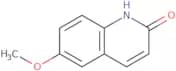
CAS:<p>4-Chloro-6-nitroquinoline is a dopamine receptor antagonist that has been shown to have high affinity and selectivity for the 5-HT6 receptor. This agent inhibits the binding of serotonin to 5-HT6 receptors, which causes an increase in dopamine release in the brain. 4-Chloro-6-nitroquinoline has been used in a study of Parkinson's disease and depression in humans.</p>Formula:C9H5ClN2O2Purity:Min. 95%Molecular weight:208.6 g/mol6-Methoxyquinolin-2-ol
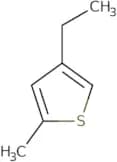
CAS:<p>Versatile small molecule scaffold</p>Formula:C10H9NO2Purity:Min. 95%Molecular weight:175.18 g/mol4-Ethyl-2-methylthiophene
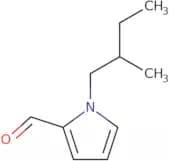
CAS:<p>Versatile small molecule scaffold</p>Formula:C7H10SPurity:Min. 95%Molecular weight:126.22 g/mol1-(2-Methylbutyl)-1H-pyrrole-2-carbaldehyde
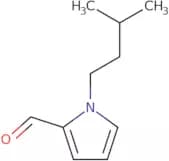
CAS:<p>Versatile small molecule scaffold</p>Formula:C10H15NOPurity:Min. 95%Molecular weight:165.23 g/mol1-(3-Methylbutyl)-1H-pyrrole-2-carbaldehyde
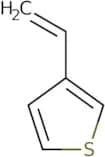
CAS:<p>Versatile small molecule scaffold</p>Formula:C10H15NOPurity:Min. 95%Molecular weight:165.23 g/mol3-Vinylthiophene
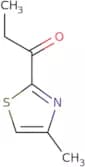
CAS:<p>3-Vinylthiophene is a stabilizer that can be used in the production of polymers and copolymers. It is used in the Suzuki coupling reaction to form vinylidene-3-thiophene, which has been shown to be an effective surface modifier for mesoporous materials. 3-Vinylthiophene has low affinity for both organic ligands and metal ions, making it a reactive compound. The absorption spectroscopy of 3-vinylthiophene shows a strong peak at 290 nm and a weak peak at 320 nm. With a photoelectron spectroscopy, it was found to have an electron affinity of 2.5 eV with a reactive copolymerization with phenylethyl and selenophene being possible reactions.</p>Formula:C6H6SPurity:Min. 95%Molecular weight:110.18 g/mol1-(4-Methyl-1,3-thiazol-2-yl)propan-1-one
CAS:1-(4-Methyl-1,3-thiazol-2-yl)propan-1-one is a Grignard reagent that has been used in the synthesis of thiazoles. It has been shown to react with propionyl chloride to produce methylthiazole. This compound can also be used as a flavouring agent, which is often found in cinnamon, and as an anhydride for acylation reactions. 1-(4-Methyl-1,3-thiazol-2-yl)propan-1-one is oxidizing and can react with organic chlorides to form chromic acid. This reaction is reversible and when heated will produce the original Grignard reagent and hydrogen chloride gas.Formula:C7H9NOSPurity:Min. 95%Molecular weight:155.22 g/mol2-Methyltetrahydrothiophen-3-one
CAS:<p>2-Methyltetrahydrothiophen-3-one is an organic solvent that is found in the environment as a result of natural processes. It has been shown to inhibit bacterial growth and is used for the analysis of fatty acids. 2-Methyltetrahydrothiophen-3-one inhibits bacterial growth by inhibiting the synthesis of fatty acids, which are needed for cell membrane synthesis.</p>Formula:C5H8OSPurity:Min. 95%Molecular weight:116.18 g/mol2-(3-Nitro-phenyl)-1H-imidazole
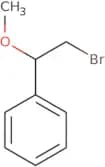
CAS:<p>Versatile small molecule scaffold</p>Formula:C9H7N3O2Purity:Min. 95%Molecular weight:189.17 g/mol(2-Bromo-1-methoxyethyl)benzene
CAS:<p>Versatile small molecule scaffold</p>Formula:C9H11BrOPurity:Min. 95%Molecular weight:215.09 g/molmethyl 2-[1-(aminomethyl)cyclohexyl]acetate hydrochloride
CAS:Controlled Product<p>Versatile small molecule scaffold</p>Formula:C10H20ClNO2Purity:Min. 95%Molecular weight:221.7 g/mol2-[1-(Aminomethyl)cyclopentyl]acetic acid hydrochloride
CAS:<p>Versatile small molecule scaffold</p>Formula:C8H16ClNO2Purity:Min. 95%Molecular weight:193.67 g/molN-(3,3,3-Trifluoropropyl)aniline
CAS:<p>Versatile small molecule scaffold</p>Formula:C9H10F3NPurity:Min. 95%Molecular weight:189.18 g/mol2-[(3-Fluorophenyl)amino]ethan-1-ol
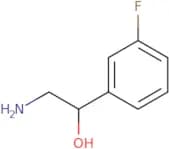
CAS:<p>Versatile small molecule scaffold</p>Formula:C8H10FNOPurity:Min. 95%Molecular weight:155.17 g/mol2-Amino-1-(3-fluorophenyl)ethanol
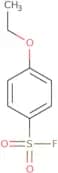
CAS:<p>Versatile small molecule scaffold</p>Formula:C8H10FNOPurity:Min. 95%Molecular weight:155.17 g/mol4-Ethoxybenzene-1-sulfonyl fluoride
CAS:<p>Versatile small molecule scaffold</p>Formula:C8H9FO3SPurity:Min. 95%Molecular weight:204.22 g/molN-(2-Fluoro-4-sulfamoylphenyl)acetamide
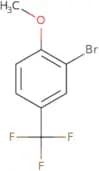
CAS:<p>Versatile small molecule scaffold</p>Formula:C8H9FN2O3SPurity:Min. 95%Molecular weight:232.23 g/mol2-Bromo-1-methoxy-4-(trifluoromethyl)benzene
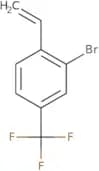
CAS:<p>Versatile small molecule scaffold</p>Formula:C8H6BrF3OPurity:Min. 95%Molecular weight:255.03 g/mol2-Bromo-1-ethenyl-4-(trifluoromethyl)benzene
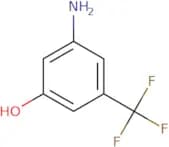
CAS:Versatile small molecule scaffoldFormula:C9H6BrF3Purity:Min. 95%Molecular weight:251.04 g/mol3-Amino-5-(trifluoromethyl)phenol
CAS:<p>Versatile small molecule scaffold</p>Formula:C7H6F3NOPurity:Min. 95%Molecular weight:177.12 g/mol3-Acetamido-4-fluorobenzoic acid
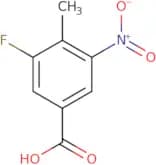
CAS:<p>3-Acetamido-4-fluorobenzoic acid is a nicotinic acetylcholine receptor agonist. It has been shown to modulate the activity of nicotinic acetylcholine receptors in animals, and may be effective against cancer and infectious diseases. 3-Acetamido-4-fluorobenzoic acid has been shown to increase insulin sensitivity in mice with type 2 diabetes by increasing the production of glucose transporter 1 (GLP1) in the pancreas. 3-Acetamido-4-fluorobenzoic acid also binds to the polymer film that surrounds the insulin granule, which prevents the release of insulin into the blood stream. This drug can be used for pharmaceutical dosage as well as for treating metabolic disorders such as insulin resistance.</p>Formula:C9H8FNO3Purity:Min. 95%Molecular weight:197.16 g/mol3-Fluoro-4-methyl-5-nitrobenzoic acid
CAS:<p>Versatile small molecule scaffold</p>Formula:C8H6FNO4Purity:Min. 95%Molecular weight:199.14 g/mol4-Ethoxy-3-fluoroaniline
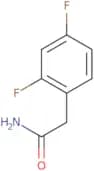
CAS:<p>4-Ethoxy-3-fluoroaniline is a kinase inhibitor that inhibits the activity of protein kinases. It is an analog of 4-ethoxy-3-fluorophenylalanine and has shown in vivo activity. 4-Ethoxy-3-fluoroaniline binds to the ATP binding site at the N terminus of the enzyme, which prevents ATP from binding and thus inhibits its function. The compound can be used as a starting material for more potent inhibitors of protein kinases.</p>Formula:C8H10FNOPurity:Min. 95%Molecular weight:155.17 g/mol2-(2,4-Difluorophenyl)acetamide
CAS:<p>Versatile small molecule scaffold</p>Formula:C8H7F2NOPurity:Min. 95%Molecular weight:171.14 g/mol2-Fluoro-4,5-dimethoxyaniline
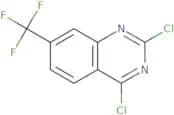
CAS:<p>Versatile small molecule scaffold</p>Formula:C8H10FNO2Purity:Min. 95%Molecular weight:171.17 g/mol2,4-dichloro-7-(trifluoromethyl)quinazoline
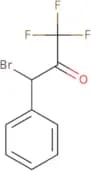
CAS:<p>Versatile small molecule scaffold</p>Formula:C9H3Cl2F3N2Purity:Min. 95%Molecular weight:267.03 g/mol3-Bromo-1,1,1-trifluoro-3-phenylpropan-2-one
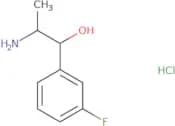
CAS:<p>Versatile small molecule scaffold</p>Formula:C9H6BrF3OPurity:Min. 95%Molecular weight:267.04 g/mol2-Amino-1-(3-fluorophenyl)propan-1-ol hydrochloride
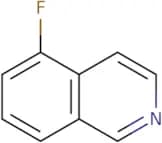
CAS:Controlled Product<p>Versatile small molecule scaffold</p>Formula:C9H13ClFNOPurity:Min. 95%Molecular weight:205.66 g/mol5-Fluoro-isoquinoline
CAS:<p>Versatile small molecule scaffold</p>Formula:C9H6FNPurity:Min. 95%Molecular weight:147.15 g/mol2-Fluoro-4-hydroxy-5-nitrobenzaldehyde
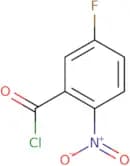
CAS:<p>Versatile small molecule scaffold</p>Formula:C7H4FNO4Purity:Min. 95%Molecular weight:185.11 g/mol5-Fluoro-2-nitrobenzoyl chloride
CAS:<p>5-Fluoro-2-nitrobenzoyl chloride is a conformationally locked macrocyclic compound that has been synthesized by solid phase synthesis. It is found in two conformational states and can be made to switch between these two states by applying a force to the molecule. This conformation can be controlled by changing the side chain of 5-fluoro-2-nitrobenzoyl chloride, which can be done experimentally. The conformational behavior of this macrocycle was studied using molecular dynamics simulations and it was found that there are four possible conformations for the molecule. The conformations with different side chains were found to have different energies, which could be used as a measure of their relative stability.</p>Formula:C7H3ClFNO3Purity:Min. 95%Molecular weight:203.55 g/molD-Alanine
CAS:<p>D-Alanine is a versatile building block that can be used as a reagent or speciality chemical in research. It is also an important intermediate for the production of other chemicals and useful scaffold for drug design. D-Alanine (CAS No. 338-69-2) is a high quality, fine chemical that can be used as a reaction component to synthesize many complex compounds. D-Alanine is also an important intermediate for the production of other chemicals and useful scaffold for drug design.</p>Formula:C3H7NO2Purity:Min. 98 Area-%Molecular weight:89.09 g/molRef: 3D-A-4200
1kgTo inquire5kgTo inquire10kgTo inquire500gTo inquire2500gTo inquire-Unit-ggTo inquireN-Acetylglycine
CAS:<p>N-Acetylglycine is a versatile building block for the synthesis of complex organic compounds. It is used as a reagent in research, as an intermediate in chemical reactions, or as a speciality chemical. N-Acetylglycine has been found to be useful as a building block in organic synthesis and can be reacted with other chemicals to form new compounds. N-Acetylglycine has also been shown to have anti-inflammatory properties and is used as an analgesic for pain relief.</p>Formula:C4H7NO3Molecular weight:117.11 g/molOctahydro-1H-pyrido[1,2-a]piperazine-1,4-dione
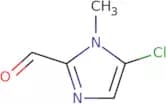
CAS:<p>Versatile small molecule scaffold</p>Formula:C8H12N2O2Purity:Min. 95%Molecular weight:168.19 g/mol5-Chloro-1-methyl-1H-imidazole-2-carbaldehyde
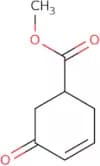
CAS:<p>5-Chloro-1-methyl-1H-imidazole-2-carbaldehyde is a flavonoid that is chemically synthesized and structurally related to the isoxazoles. It has been shown to have an activating effect on nonselective cation channels and pharmacokinetic properties in rats. The drug has also been shown to inhibit intestinal motility by increasing the intracellular calcium levels in rat colonic smooth muscle cells. 5-Chloro-1-methyl-1H-imidazole-2-carbaldehyde may be useful for the treatment of gastrointestinal disorders, such as constipation and irritable bowel syndrome, due to its ability to relax muscle contractions in the intestines.</p>Formula:C5H5ClN2OPurity:Min. 95%Molecular weight:144.56 g/molMethyl 5-oxocyclohex-3-ene-1-carboxylate
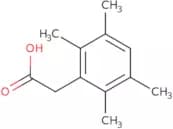
CAS:<p>Versatile small molecule scaffold</p>Formula:C8H10O3Purity:Min. 95%Molecular weight:154.16 g/mol2-(2,3,5,6-Tetramethylphenyl)acetic acid
CAS:<p>Versatile small molecule scaffold</p>Formula:C12H16O2Purity:Min. 95%Molecular weight:192.25 g/molN-[4-(Chloromethyl)-1,3-thiazol-2-yl]-N-methylacetamide
CAS:Versatile small molecule scaffoldFormula:C7H9ClN2OSPurity:Min. 95%Molecular weight:204.68 g/mol1-[4-(Heptyloxy)phenyl]ethan-1-one
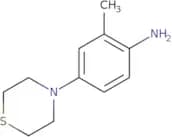
CAS:<p>Versatile small molecule scaffold</p>Formula:C15H22O2Purity:Min. 95%Molecular weight:234.33 g/mol2-Methyl-4-(thiomorpholin-4-yl)aniline
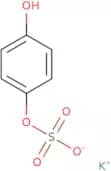
CAS:<p>Versatile small molecule scaffold</p>Formula:C11H16N2SPurity:Min. 95%Molecular weight:208.33 g/molPotassium Hydroquinone Monosulfate
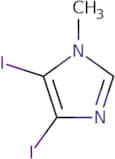
CAS:<p>Potassium hydroquinone monosulfate (KHQMS) is a chemical substance that is used as a co-precipitant in the preparation of samples for analysis by high-performance liquid chromatography. It has hydroxyl groups on both ends and can be used to filter organic particles from water samples. The KHQMS can also be used for the removal of substances that interfere with analytical measurements, such as polysaccharides, polymers, proteins, lipids, and other organic molecules. This compound can be recycled and reused up to four times. It has been found to be effective in the extraction of phenolic compounds from leaves and granules. KHQMS is also used in bioanalytical methods for the determination of human urine samples.</p>Formula:C6H5KO5SPurity:Min. 95%Molecular weight:228.26 g/mol4,5-Diiodo-1-methyl-1H-imidazole
CAS:<p>Versatile small molecule scaffold</p>Formula:C4H4I2N2Purity:Min. 95%Molecular weight:333.89 g/mol2-(Methylsulfonamido)aniline
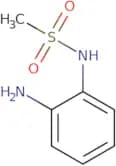
CAS:<p>Versatile small molecule scaffold</p>Formula:C7H10N2O2SPurity:Min. 95%Molecular weight:186.23 g/moltert-Butyl 2-(cyanosulfanyl)acetate
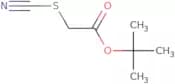
CAS:<p>Versatile small molecule scaffold</p>Formula:C7H11NO2SPurity:Min. 95%Molecular weight:173.24 g/molrac-(3R,5S)-3,5-Dimethylpiperidine hydrochloride
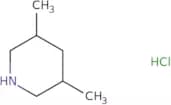
CAS:Versatile small molecule scaffoldFormula:C7H16ClNPurity:Min. 95%Molecular weight:149.66 g/mol{2-Methyl-2-azabicyclo[2.2.2]octan-6-yl}methanol
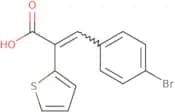
CAS:<p>Versatile small molecule scaffold</p>Formula:C9H17NOPurity:Min. 95%Molecular weight:155.24 g/mol3-(4-Bromophenyl)-2-(thiophen-2-yl)prop-2-enoic acid
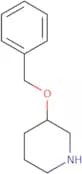
CAS:Versatile small molecule scaffoldFormula:C13H9BrO2SPurity:Min. 95%Molecular weight:309.18 g/mol3-(Benzyloxy)piperidine hydrochloride
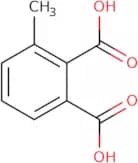
CAS:<p>Versatile small molecule scaffold</p>Formula:C12H18ClNOPurity:Min. 95%Molecular weight:227.74 g/mol3-Methylphthalic Acid
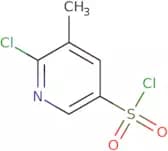
CAS:<p>3-Methylphthalic Acid is a chemical that is used in the production of polyvinyl chloride. It is produced by the dioxygenation of phthalic anhydride and methanol, which produces 3-methylphthalic acid as well as 1,1-dichloroethane. The chemical can be used as a surfactant in polyvinyl chloride and styrene production processes. 3-Methylphthalic Acid has been shown to have adverse health effects on laboratory animals, including polyvinyl chloride workers who are exposed to it for prolonged periods of time. The chemical can cause irritation and corrosion to skin and eyes, as well as damage to the liver and kidneys.</p>Formula:C9H8O4Purity:Min. 95%Molecular weight:180.16 g/mol6-Chloro-5-methyl-pyridine-3-sulphonyl chloride
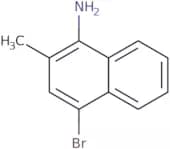
CAS:<p>Versatile small molecule scaffold</p>Formula:C6H5Cl2NO2SPurity:Min. 95%Molecular weight:226.07 g/mol4-Bromo-2-methylnaphthalen-1-amine
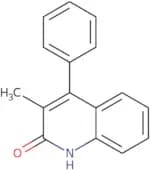
CAS:<p>Versatile small molecule scaffold</p>Formula:C11H10BrNPurity:Min. 95%Molecular weight:236.11 g/mol3-Methyl-4-phenyl-1,2-dihydroquinolin-2-one
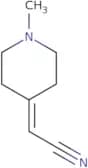
CAS:<p>Versatile small molecule scaffold</p>Formula:C16H13NOPurity:Min. 95%Molecular weight:235.28 g/mol2-(1-Methylpiperidin-4-ylidene)acetonitrile
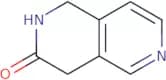
CAS:<p>Versatile small molecule scaffold</p>Formula:C8H12N2Purity:Min. 95%Molecular weight:136.19 g/mol1,2-Dihydro-2,6-naphthyridin-3(4H)-one
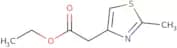
CAS:<p>Versatile small molecule scaffold</p>Formula:C8H8N2OPurity:Min. 95%Molecular weight:148.16 g/mol(2-Methyl-thiazol-4-yl)-acetic acid ethyl ester
CAS:<p>Versatile small molecule scaffold</p>Formula:C8H11NO2SPurity:Min. 95%Molecular weight:185.25 g/mol3-(Pyridine-3-carbonyl)-1H-indole
CAS:Controlled Product<p>Versatile small molecule scaffold</p>Formula:C14H10N2OPurity:Min. 95%Molecular weight:222.24 g/mol2-(Furan-2-yl)-1H-1,3-benzodiazol-5-amine
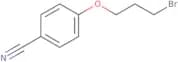
CAS:Versatile small molecule scaffoldFormula:C11H9N3OPurity:Min. 95%Molecular weight:199.21 g/mol4-(3-Bromopropoxy)benzonitrile
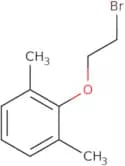
CAS:<p>Versatile small molecule scaffold</p>Formula:C10H10BrNOPurity:Min. 95%Molecular weight:240.1 g/mol2-(2-Bromo-ethoxy)-1,3-dimethyl-benzene
CAS:<p>Versatile small molecule scaffold</p>Formula:C10H13BrOPurity:Min. 95%Molecular weight:229.12 g/mol1-(2-Bromo-ethoxy)-3,5-dimethyl-benzene
CAS:<p>1-(2-Bromo-ethoxy)-3,5-dimethyl-benzene is a potential drug that has immunosuppressive effects. It binds to the pyrimidine ring of human immunodeficiency virus (HIV) and inhibits its activity. This inhibitor blocks the synthesis of viral DNA and RNA by binding to the sulfur atom of the pyrimidine ring. The substituents on this molecule are bromine and ethoxy groups, which are alkylated.</p>Formula:C10H13BrOPurity:Min. 95%Molecular weight:229.12 g/mol3-(3-Bromopropoxy)benzonitrile
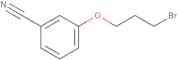
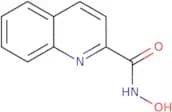
CAS:<p>Versatile small molecule scaffold</p>Formula:C10H10BrNOPurity:Min. 95%Molecular weight:240.1 g/molN-Hydroxyquinoline-2-carboxamide
CAS:<p>N-Hydoxyquinoline-2-carboxamide is a molecule that belongs to the hydroxamic acid class. It is a zirconium-containing derivative of hydroxylamine and, as such, is tautomeric with respect to the carboxylic acid moiety. This compound has been shown to be mutagenic in Salmonella typhimurium strains TA98 and TA100 and in Escherichia coli strain WP2 uvrA. N-Hydroxyquinoline-2-carboxamide has also been found to be an inducer of sulfation and conjugates with glutathione and other organic acids.</p>Formula:C10H8N2O2Purity:Min. 95%Molecular weight:188.18 g/mol7-Hydrazinyl-5-methyl-[1,2,4]triazolo[1,5-a]pyrimidine
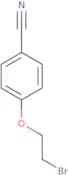
CAS:<p>Versatile small molecule scaffold</p>Formula:C6H8N6Purity:Min. 95%Molecular weight:164.17 g/mol4-(2-Bromoethoxy)benzonitrile
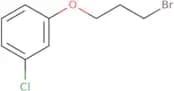
CAS:<p>Versatile small molecule scaffold</p>Formula:C9H8BrNOPurity:Min. 95%Molecular weight:226.07 g/mol1-(3-Bromopropoxy)-3-chlorobenzene
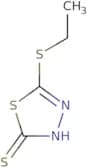
CAS:<p>Versatile small molecule scaffold</p>Formula:C9H10BrClOPurity:Min. 95%Molecular weight:249.53 g/mol2-(Ethylthio)-1,3,4-thiadiazole-5-thiol
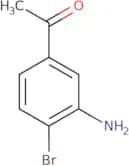
CAS:<p>Versatile small molecule scaffold</p>Formula:C4H6N2S3Purity:Min. 95%Molecular weight:178.3 g/mol3′-Amino-4′-bromoacetophenone
CAS:<p>Versatile small molecule scaffold</p>Formula:C8H8BrNOPurity:Min. 95%Molecular weight:214.06 g/mol4-[4-(Trifluoromethyl)phenyl]-1H-imidazol-2-amine
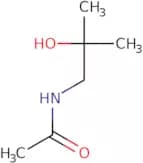
CAS:<p>Versatile small molecule scaffold</p>Formula:C10H8F3N3Purity:Min. 95%Molecular weight:227.19 g/molN-(2-Hydroxy-2-methylpropyl)acetamide
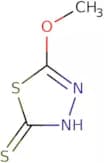
CAS:<p>N-(2-Hydroxy-2-methylpropyl)acetamide (HMPA) is a molecule inhibitor that inhibits the activity of inflammatory bowel disease (IBD)-associated kinases. HMPA is a member of a family of molecules that are inhibitors of IBD-associated kinases, which may be useful for the treatment of IBD. HMPA has shown in vitro inhibition against two kinases, JNK1 and p38 MAPK, which are both important mediators in the progression of IBD. This drug may be used to inhibit inflammation in the digestive tract by blocking these inflammatory pathways.</p>Formula:C6H13NO2Purity:Min. 95%Molecular weight:131.17 g/mol5-Methoxy-1,3,4-thiadiazole-2-thiol
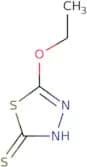
CAS:<p>Versatile small molecule scaffold</p>Formula:C3H4N2OS2Purity:Min. 95%Molecular weight:148.21 g/mol5-Ethoxy-1,3,4-thiadiazole-2-thiol
CAS:<p>5-Ethoxy-1,3,4-thiadiazole-2-thiol is a heterocyclic compound that belongs to the group of thiadiazole dimers. It has a planar structure and is composed of two five-membered heterocycles that are connected by a single bond. The molecule contains no hydrogen bonds and has a dihedral angle of about 60°.</p>Formula:C4H6N2OS2Purity:Min. 95%Molecular weight:162.2 g/mol5-(Propan-2-yloxy)-1,3,4-thiadiazole-2-thiol
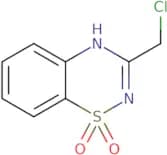
CAS:Versatile small molecule scaffoldFormula:C5H8N2OS2Purity:Min. 95%Molecular weight:176.3 g/mol3-(Chloromethyl)-2H-1,2,4-benzothiadiazine-1,1-dione
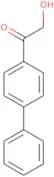
CAS:Versatile small molecule scaffoldFormula:C8H7ClN2O2SPurity:Min. 95%Molecular weight:230.67 g/mol2-Hydroxy-1-(4-phenylphenyl)ethan-1-one
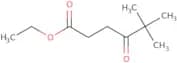
CAS:<p>Versatile small molecule scaffold</p>Formula:C14H12O2Purity:Min. 95%Molecular weight:212.24 g/molEthyl 5,5-dimethyl-4-oxohexanoate
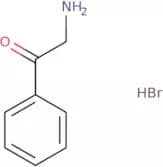
CAS:<p>Versatile small molecule scaffold</p>Formula:C10H18O3Purity:Min. 95%Molecular weight:186.25 g/molPhenacylamine hydrobromide
CAS:Controlled Product<p>Phenacylamine hydrobromide is an alkylsulfonyl carbonyl compound that has a nitro group. It is used as a plant growth regulator for horticultural purposes, and inhibits the production of dopamine and serotonin in the brain by binding to monoamine oxidase. Phenacylamine hydrobromide also has been found to be effective in treating autoimmune diseases through its ability to inhibit the production of interferon-γ. The conformational properties of phenacylamine hydrobromide are affected by the presence of deuterium, which results in an increased rate of reaction with hydroxyl groups as well as a decrease in reactivity with nitro groups.</p>Formula:C8H10BrNOPurity:Min. 95%Molecular weight:216.07 g/mol2-[(2-Methylphenyl)amino]-4,5-dihydro-1,3-thiazol-4-one
CAS:<p>Versatile small molecule scaffold</p>Formula:C10H10N2OSPurity:Min. 95%Molecular weight:206.27 g/mol2-Acetylisonicotinonitrile
CAS:<p>Versatile small molecule scaffold</p>Formula:C8H6N2OPurity:Min. 95%Molecular weight:146.15 g/mol(1R,2S,3R,4R,5S)-Tricyclo[3.2.1.0,2,4]octane-3-carboxylic acid
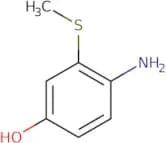
CAS:<p>Versatile small molecule scaffold</p>Formula:C9H12O2Purity:Min. 95%Molecular weight:152.19 g/mol4-amino-3-(methylsulfanyl)phenol
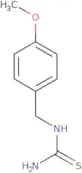
CAS:<p>Versatile small molecule scaffold</p>Formula:C7H9NOSPurity:Min. 95%Molecular weight:155.21 g/mol1-(4-Methoxybenzyl)-2-thiourea
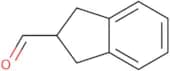
CAS:<p>Versatile small molecule scaffold</p>Formula:C9H12N2OSPurity:Min. 95%Molecular weight:196.27 g/mol2,3-Dihydro-1H-indene-2-carbaldehyde
CAS:<p>2,3-Dihydro-1H-indene-2-carbaldehyde is a bioisostere of the aromatic compound 2,3-dihydrobenzo[b]thiophene. It has been shown to be potent and selective antagonists of the rhodium complex that binds to the topoisomerase I enzyme found in bacteria. The carbonyl group on this molecule is in an active conformation, which makes it a good inhibitor for topoisomerase 1.</p>Formula:C10H10OPurity:Min. 95%Molecular weight:146.19 g/mol4-(1,3-Dioxolan-2-yl)-4-methylpentan-1-amine
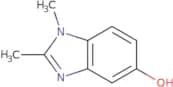
CAS:<p>Versatile small molecule scaffold</p>Formula:C9H19NO2Purity:Min. 95%Molecular weight:173.25 g/mol1,2-Dimethyl-1H-1,3-benzodiazol-5-ol
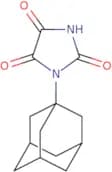
CAS:<p>Versatile small molecule scaffold</p>Formula:C9H10N2OPurity:Min. 95%Molecular weight:162.19 g/mol1-(Adamantan-1-yl)imidazolidine-2,4,5-trione
CAS:<p>Versatile small molecule scaffold</p>Formula:C13H16N2O3Purity:Min. 95%Molecular weight:248.28 g/mol6-Chloro-3,4-dihydro-1,2,3-benzotriazin-4-one
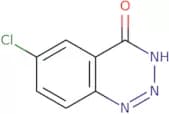
CAS:6-Chloro-3,4-dihydro-1,2,3-benzotriazin-4-one is a potent anti-inflammatory agent that belongs to the group of organic compounds. It has been shown to be more effective in inhibiting inflammation than other classes of drugs such as nonsteroidal anti-inflammatory agents. 6-Chloro-3,4-dihydro-1,2,3-benzotriazin-4-one also blocks the production of prostaglandins by inhibiting cyclooxygenase and lipoxygenases. This drug is not a nitrite but is converted into one by sodium nitrite in a reaction that releases nitric oxide. Nitric oxide causes vasodilation and inhibits platelet aggregation, which reduces blood clot formation.Formula:C7H4ClN3OPurity:Min. 95%Molecular weight:181.58 g/mol3-(Furan-2-yl)-1-methyl-4,5-dihydro-1H-pyrazol-5-one
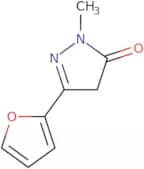
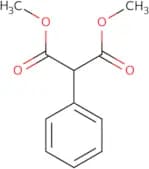
CAS:<p>Versatile small molecule scaffold</p>Formula:C8H8N2O2Purity:Min. 95%Molecular weight:164.16 g/mol1,3-Dimethyl 2-phenylpropanedioate
CAS:<p>1,3-Dimethyl 2-phenylpropanedioate is a molecule that is used in the production of malonic acid. The reaction mechanism involves an enzymatic homogenization of the reactants, which leads to the formation of carbonyl oxygens and reaction intermediates. The carbonyl oxygens are then protonated by ethyl diazoacetate to form allyl carbonates. This process occurs in the presence of immobilized enzymes and chemical reactions.</p>Formula:C11H12O4Purity:Min. 95%Molecular weight:208.21 g/molMethyl 2-[(1R,3S)-rel-3-hydroxycyclopentyl]acetate
CAS:<p>Versatile small molecule scaffold</p>Formula:C8H14O3Purity:Min. 95%Molecular weight:158.19 g/mol3H-Imidazo[4,5-b]pyridine-5,7-diamine dihydrochloride
CAS:Versatile small molecule scaffoldFormula:C6H8ClN5Purity:Min. 95%Molecular weight:185.61 g/molN-[3-(Prop-2-en-1-yloxy)phenyl]acetamide
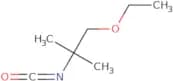
CAS:<p>Versatile small molecule scaffold</p>Formula:C11H13NO2Purity:Min. 95%Molecular weight:191.23 g/mol1-Ethoxy-2-isocyanato-2-methylpropane
CAS:<p>Versatile small molecule scaffold</p>Formula:C7H13NO2Purity:Min. 95%Molecular weight:143.2 g/molN1-Methyl-pseudouridine-5'-triphosphate trisodium, 100mM aqueous solution
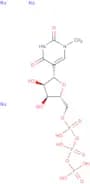
CAS:<p>Methyl-pseudouridine-5'-triphosphate trisodium is the triphosphate of 1-Methylpseudouridine is a substitute for uridine in modified mRNA. This substitution has shown to increase transfection by reducing immuogenicity. UV max wavelength = 272nm</p>Formula:C10H17N2O15P3•Na3Purity:Min. 95%Color and Shape:Clear LiquidMolecular weight:567.17 g/mol4-Diazobenzenesulfonic Acid
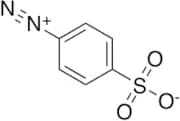
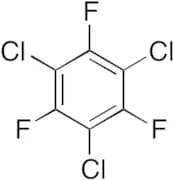
CAS:<p>Applications 4-Diazobenzenesulfonic acid (cas# 305-80-6) is a useful research chemical.<br></p>Formula:C6H4N2O3SMolecular weight:184.171,3,5-Trifluorotrichlorobenzene
CAS:<p>Applications 1,3,5-Trifluorotrichlorobenzene is a useful reagent.<br></p>Formula:C6Cl3F3Molecular weight:235.422-Furanamine hydrochloride
CAS:<p>Please enquire for more information about 2-Furanamine hydrochloride including the price, delivery time and more detailed product information at the technical inquiry form on this page</p>Formula:C4H5NO•HClPurity:Min. 95%Color and Shape:PowderMolecular weight:119.55 g/mol3-(boc-amino)-cyclobutanemethanol
CAS:<p>Versatile small molecule scaffold</p>Formula:C10H19NO3Purity:Min. 95%Molecular weight:201.27 g/mol1-Boc-2-methyl (2R,3S)-3-hydroxypyrrolidine-2-carboxylate
CAS:Please enquire for more information about 1-Boc-2-methyl (2R,3S)-3-hydroxypyrrolidine-2-carboxylate including the price, delivery time and more detailed product information at the technical inquiry form on this pageFormula:C11H19NO5Purity:Min. 95%Molecular weight:245.27 g/molMethyl 7-methoxy-4-oxo-1,4-dihydro-6-quinolinecarboxylate
CAS:<p>Versatile small molecule scaffold</p>Formula:C12H11NO4Purity:Min. 95%Molecular weight:233.22 g/mol6-Quinolinecarboxylic acid, 4-chloro-7-methoxy-, methyl ester
CAS:<p>Versatile small molecule scaffold</p>Formula:C12H10ClNO3Purity:Min. 95%Molecular weight:251.67 g/mol2-Oxohexanoic acid
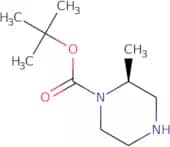
CAS:<p>2-Oxohexanoic acid (2-OHBA) is a fatty acid that is synthesized from the amino acids lysine and methionine. It is involved in mitochondrial metabolism and has been found to be necessary for spermatozoa motility. 2-OHBA has been shown to inhibit the activity of glutamate dehydrogenase, an enzyme that catalyzes the conversion of glutamate to α-ketoglutarate, which is required for energy production. This inhibition leads to a decrease in ATP levels, which may cause a variety of symptoms, including fatigue and weight loss. Furthermore, 2-OHBA inhibits protein synthesis by blocking the incorporation of amino acids into proteins. The inhibition of this process can lead to high ammonia levels in the blood and accumulation of other nitrogenous wastes in tissues such as liver or muscle tissue. Analysis of urine samples has shown that 2-OHBA is excreted unchanged in urine.</p>Formula:C6H10O3Purity:Min. 95%Molecular weight:130.14 g/mol(S)-1-N-Boc-2-methylpiperazine
CAS:<p>(S)-1-N-Boc-2-methylpiperazine is a quinolone synthon that has been shown to have antibacterial activity against bacteria. The synthesis of this compound is done through the condensation of piperazine with an N-Boc protected 2,6-dichloroquinoline. This reaction proceeds in good yield and enantioselectivity. The antibacterial properties of (S)-1-N-Boc-2-methylpiperazine are not yet known.</p>Formula:C10H20N2O2Purity:Min. 95%Color and Shape:White PowderMolecular weight:200.28 g/molN-Boc-4-piperidineacetaldehyde
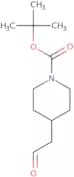
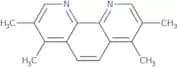
CAS:<p>N-Boc-4-piperidineacetaldehyde is a chiral, stable, and readily available aldehyde. It has been used in the synthesis of various biologically active molecules including imidazolidinones, which are important for their use as catalysts in organic chemistry. The synthesis of this molecule by the condensation of 4-piperidineacetic acid with acetaldehyde followed by reduction with sodium borohydride is an example of this type of reaction. N-Boc-4-piperidineacetaldehyde can be used to synthesize imines and linkers that are covalently bonded to the protein backbone. This molecule also has conformational stability and is not susceptible to oxidation or radiation damage.</p>Formula:C12H21NO3Purity:Min. 95%Molecular weight:227.3 g/mol3,4,7,8-Tetramethyl-1,10-phenanthroline
CAS:<p>Metal-chelating agent</p>Formula:C16H16N2Purity:Min. 98 Area-%Color and Shape:White PowderMolecular weight:236.31 g/mol4-(1H-Tetrazol-5-yl)aniline
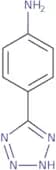
CAS:<p>Please enquire for more information about 4-(1H-Tetrazol-5-yl)aniline including the price, delivery time and more detailed product information at the technical inquiry form on this page</p>Formula:C7H7N5Purity:Min. 95%Molecular weight:161.16 g/mol1-Trityl-1H-imidazole-4-carbaldehyde
CAS:<p>1-Trityl-1H-imidazole-4-carbaldehyde is a phosphorane that has been synthesized in the laboratory. It is an organometallic compound with a chloroformate ligand and a mononuclear, dimethylformamide complex. 1-Trityl-1H-imidazole-4-carbaldehyde has shown to be an electrophile and binds to receptor sites with high affinity. This may be due to its ability to form hydrogen bonds with the receptor site, which often occurs for pharmacokinetic profiles.</p>Formula:C23H18N2OPurity:Min. 95%Molecular weight:338.4 g/molDL-Tropic acid
CAS:Please enquire for more information about DL-Tropic acid including the price, delivery time and more detailed product information at the technical inquiry form on this pageFormula:C9H10O3Purity:Min. 95%Molecular weight:166.17 g/mol1,1',1''-(1,3,5-Triazinane-1,3,5-triyl)tris(2-bromoethan-1-one)
CAS:<p>Please enquire for more information about 1,1',1''-(1,3,5-Triazinane-1,3,5-triyl)tris(2-bromoethan-1-one) including the price, delivery time and more detailed product information at the technical inquiry form on this page</p>Formula:C9H12Br3N3O3Purity:Min. 95%Color and Shape:PowderMolecular weight:449.82 g/molL-Tyrosine ethyl ester hydrochloride
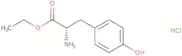
CAS:<p>L-Tyrosine ethyl ester hydrochloride is a non-protein amino acid that inhibits the activity of metalloproteases, which are enzymes that break down proteins. It has been shown to be effective against bowel disease and cancer by inhibiting the release of inflammatory cytokines. L-Tyrosine ethyl ester hydrochloride also has anti-inflammatory properties and can be used in the treatment of depression and liver cirrhosis. This drug is an inhibitor of hydroxylase, which is an enzyme involved in the synthesis of melanin. It is a structural analogue to L-DOPA, which is used for Parkinson's disease. L-Tyrosine ethyl ester hydrochloride has been shown to have antihypertensive effects and can be used as a diuretic agent.</p>Formula:C11H15NO3·HClPurity:Min. 95%Color and Shape:PowderMolecular weight:245.7 g/molMethyl trans-4-bromo-2-butenoate
CAS:<p>Methyl trans-4-bromo-2-butenoate is a synthetic compound that contains a hydroxyl group and two bromine atoms. It is synthesized by the reaction of diethyl succinate, hydrogen, and piperazine in an aqueous solution. Methyl trans-4-bromo-2-butenoate has been shown to have antineoplastic activity in combination with epidermal growth factor (EGF) and carbohydrate conjugates. It also binds to cell surface receptors on the epidermal cells, inhibiting their growth. The structural formula of methyl trans-4-bromo-2-butenoate can be seen below: [[File:Methyltrans4bromobutanoate.png|thumb|300px|left|The structural formula of methyl trans-[4] -[bromo]-[2] -butenoate.]]</p>Formula:C5H7BrO2Purity:Min. 95%Color and Shape:Clear LiquidMolecular weight:179.01 g/molMethyl 3-chloropropionate
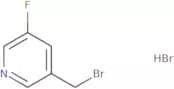
CAS:<p>Methyl 3-chloropropionate is an alkyl ether that has been used in clinical studies as a liquid phase ion-pair extraction solvent. It was developed to replace the use of hexane, which is not environmentally friendly and can also cause irritation. Methyl 3-chloropropionate has been shown to have a higher viscosity than hexane at room temperature and is less likely to evaporate than hexane. Methyl 3-chloropropionate has also been used as a synthetic process solvent, with the reaction time being shorter than that of hexane. This compound can be used for chromatography without any effect on the solute or the stationary phase. Methyl 3-chloropropionate has also been shown to be effective in lipase and agarose gel assays, as well as chloride ion extraction from water samples.</p>Formula:C4H7ClO2Purity:Min. 95%Color and Shape:Clear LiquidMolecular weight:122.55 g/mol3-(bromomethyl)-5-fluoropyridine hbr
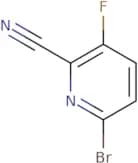
CAS:<p>Versatile small molecule scaffold</p>Formula:C6H6Br2FNPurity:Min. 95%Molecular weight:270.93 g/mol6-Bromo-3-fluoropyridine-2-carbonitrile
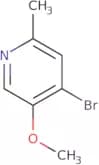
CAS:<p>Versatile small molecule scaffold</p>Formula:C6H2N2FBrPurity:Min. 95%Molecular weight:200.99 g/mol4-Bromo-5-methoxy-2-methylpyridine
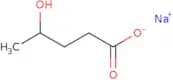
CAS:<p>Versatile small molecule scaffold</p>Formula:C7H8BrNOPurity:Min. 95%Molecular weight:202.05 g/mol4-Hydroxyvaleric Acid Sodium Salt
CAS:Controlled Product<p>4-Hydroxyvaleric acid sodium salt is a hydrophilic, thermally sensitive substance that is used as an analytical reagent in toxicology. It is typically used as a screening agent for the detection of acetaldehyde and other aldehydes. 4-Hydoxyvaleric acid sodium salt reacts with acetone to form a clear solution and can be injected into a gas chromatograph using an injection method. The reaction between 4-hydroxyvaleric acid sodium salt and acetone produces an efficient method for the analysis of acetaldehyde. This chemical is often used by toxicologists and chemists to screen for the presence of acetaldehyde in blood or urine samples.</p>Formula:C5H9NaO3Purity:Min. 95%Molecular weight:140.11 g/molN-(4-Bromophenyl)-N-phenylacrylamide
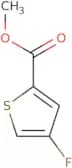
CAS:<p>Versatile small molecule scaffold</p>Formula:C15H12BrNOPurity:Min. 95%Color and Shape:PowderMolecular weight:302.16 g/molMethyl 4-fluorothiophene-2-carboxylate
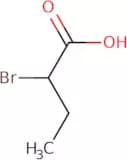
CAS:<p>Methyl 4-fluorothiophene-2-carboxylate is a fluorinated organic compound that is used as a model compound in polymer chemistry. It has been used to synthesize polymers with stepwise fluorination and diketopyrrolopyrrole moieties. This molecule also has optoelectronic properties and can be converted to a conjugated, monofluorinated, or difluorinated form by the addition of electron-withdrawing groups such as nitro or cyano groups. Methyl 4-fluorothiophene-2-carboxylate is an acceptor for electron transfer reactions.</p>Formula:C6H5FO2SPurity:Min. 95%Molecular weight:160.16 g/mol(S)-2-Bromobutyric acid
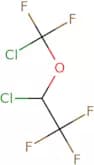
CAS:<p>(S)-2-Bromobutyric acid is a chiral compound. It is an enantiomer of the biologically inactive (R)-2-bromobutyric acid. The (S)-enantiomer has been shown to exhibit biological activity, with a kinetic and detectable activity that are similar to those of the parent molecule. This compound can be used as a precursor for pharmaceuticals, such as antibiotics, which would be useful in cases where bacteria have developed resistance to existing antibiotics. The dehalogenase enzyme catalyzes the hydrolysis of halogenated aromatic compounds in a way that produces an alcohol and hydrogen bromide. This reaction can be detected by changes in the chemical properties of the environment or by detecting changes in the optical rotation or fluorescence of the product.</p>Formula:C4H7BrO2Purity:Min. 95%Molecular weight:167 g/mol2-Chloro-2-(chlorodifluoromethoxy)-1,1,1-trifluoroethane
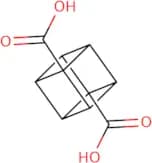
CAS:<p>2-Chloro-2-(chlorodifluoromethoxy)-1,1,1-trifluoroethane (HFC-152a) is a chemical compound that belongs to the group of chlorofluorocarbons. It has been used as a refrigerant and aerosol propellant. HFC-152a is an azeotrope with methyl ethyl ketone and ethyl ketone. It has also been reported to have properties as an ether, acetone, and difluoromethyl.</p>Formula:C3HCl2F5OPurity:Min. 95%Molecular weight:218.94 g/mol1,4-Cubanedicarboxylic acid
CAS:<p>1,4-Cubanedicarboxylic acid is an organic compound that is a diacid. It has been shown to be an inhibitor of chloride secretion in the intestine, and can also decrease the rate at which hydrogen ions are released into the intestinal lumen. 1,4-Cubanedicarboxylic acid is also a cross-linking agent that can be used in organic solvents for large-scale synthesis. The optical properties of 1,4-cubanedicarboxylic acid have been studied using FTIR spectroscopy. This agent has been found to react with intramolecular hydrogen to form a six membered ring.</p>Formula:C10H8O4Purity:Min. 95%Molecular weight:192.17 g/mol2,6-Dichloro-4-fluorobenzoic acid
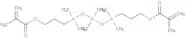
CAS:<p>Versatile small molecule scaffold</p>Formula:C7H3Cl2FO2Purity:Min. 95%Molecular weight:209 g/molMethacryloxypropyl terminated polydimethylsiloxanes
CAS:<p>MW 20,000 - 30,000</p>Formula:C20H40O6Si3Purity:Min. 95%Molecular weight:460.8 g/molBenzyl N,N,N',N'-Tetraisopropylphosphorodiamidite
CAS:<p>Benzyl N,N,N',N'-tetraisopropylphosphorodiamidite is a reagent that reacts with hydroxybenzyl amine to form an ester. This product is used for the synthesis of phosphoramidites and benzyl esters. It is also used as a catalyst for the synthesis of diesters.</p>Formula:C19H35N2OPPurity:Min. 95%Molecular weight:338.48 g/molmethyl 4-bromo-3-formylbenzoate
CAS:<p>Versatile small molecule scaffold</p>Formula:C9H7BrO3Purity:Min. 95%Molecular weight:243.1 g/mol3-[5-(Aminomethyl)-1-oxo-2,3-dihydro-1H-isoindol-2-yl]piperidine-2,6-dione hydrochloride
CAS:<p>Versatile small molecule scaffold</p>Formula:C14H16ClN3O3Purity:Min. 95%Molecular weight:309.75 g/mol(4-(tert-Butoxy)phenyl)methanamine
CAS:<p>(4-(tert-Butoxy)phenyl)methanamine (BPMT) is a ligand that binds to the alpha-2 receptor and acts as an antagonist. This compound has been shown to be a molecular target for positron emission tomography imaging, which is used in the diagnosis of tumours. BPMT is also used in the treatment of neuropeptide-associated disorders such as Parkinson's disease. The chiral nature of this compound makes it useful for the production of radiopharmaceuticals and other diagnostic agents with different physical properties.</p>Formula:C11H17NOPurity:Min. 95%Molecular weight:179.26 g/mol5-Bromo-1-methyl-3H-1,3-benzodiazol-2-one
CAS:<p>Versatile small molecule scaffold</p>Formula:C8H7BrN2OPurity:Min. 95%Molecular weight:227.06 g/molN-Ethylcyclobutanamine hydrochloride
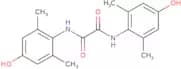
CAS:<p>Versatile small molecule scaffold</p>Formula:C6H13NPurity:Min. 95%Molecular weight:99.17 g/molN1,N2-Bis(4-hydroxy-2,6-dimethylphenyl)ethanediamide
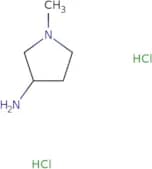
CAS:<p>Versatile small molecule scaffold</p>Formula:C18H20N2O4Purity:Min. 95%Molecular weight:328.4 g/mol1-Methylpyrrolidin-3-amine dihydrochloride
CAS:<p>Versatile small molecule scaffold</p>Formula:C5H12N2·2HClPurity:Min. 95%Molecular weight:173.09 g/mol4-Bromo-2-fluoropyrimidine
CAS:<p>Versatile small molecule scaffold</p>Formula:C4H2BrFN2Purity:Min. 95%Molecular weight:176.97 g/mol4-bromo-1H-imidazole-2-carbaldehyde
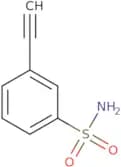
CAS:<p>Versatile small molecule scaffold</p>Formula:C4H3BrN2OPurity:Min. 95%Molecular weight:175 g/mol3-Ethynylbenzenesulfonamide
CAS:<p>3-Ethynylbenzenesulfonamide is a synthetic, hydrophobic, antimicrobial compound that disrupts the cell membrane. It has been shown to be effective against both mammalian and microbial cells. The antimicrobial use of this compound is still under study, but it may provide an alternative to the current antibiotics. 3-Ethynylbenzenesulfonamide is amphipathic in nature and has an extremely large expansion ratio. This molecule is also hydrophobic, which may help with its ability to penetrate the cell membrane. Antimicrobial compounds are designed to inhibit or kill microorganisms such as bacteria or fungi by disrupting their cellular membranes. They work by interacting with specific targets on the surface of the target organism and producing a lethal effect on its function. 3-Ethynylbenzenesulfonamide interacts with proteins found on bacterial membranes called porins, resulting in a loss of osmotic stability and then permeability through the bilayer. This leads</p>Formula:C8H7NO2SPurity:Min. 95%Molecular weight:181.21 g/mol1-Bromo-3,3-difluorocyclobutane
CAS:<p>Versatile small molecule scaffold</p>Formula:C4H5BrF2Purity:Min. 95%Molecular weight:170.98 g/mol1-Boc-pyrrolidine-3-ethanol
CAS:<p>Versatile small molecule scaffold</p>Formula:C11H21NO3Purity:Min. 95%Molecular weight:215.29 g/moltert-Butyl 3-bromo-1,4,6,7-tetrahydro-5H-pyrazolo[4,3-c]pyridine-5-carboxylate
CAS:<p>Versatile small molecule scaffold</p>Formula:C11H16BrN3O2Purity:Min. 95%Molecular weight:302.17 g/molMethyl 4-(2-Bromoethyl)benzoate
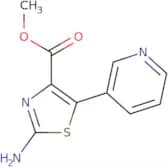
CAS:<p>Methyl 4-(2-bromoethyl)benzoate is a potent HDAC6 inhibitor. It has been shown to inhibit cancer cell growth and induce apoptosis in vitro and in vivo. Methyl 4-(2-Bromoethyl)benzoate is also an anti-cancer agent that inhibits the histone deacetylase enzyme, which then prevents the transcription of genes involved in cancer development. In addition, this agent inhibits the production of prostaglandin E2, which may contribute to its anti-cancer activity. The most common side effects are nausea and vomiting.</p>Formula:C10H11BrO2Purity:Min. 95%Molecular weight:243.1 g/molMethyl 2-amino-5-pyridin-3-yl-1,3-thiazole-4-carboxylate
CAS:<p>Versatile small molecule scaffold</p>Formula:C10H9N3O2SPurity:Min. 95%Molecular weight:235.26 g/mol7-Chloro-5-nitro-1H-indazole
CAS:<p>Versatile small molecule scaffold</p>Formula:C7H4ClN3O2Purity:Min. 95%Molecular weight:197.58 g/molDoxazosin
CAS:Doxazosin is a research chemical that has shown potential in various fields. It is a water-soluble compound that has been studied for its effects on microcystins, cytidine, and vitamins. Doxazosin has also been found to have aldehyde and particulate properties, making it a versatile compound for different applications. In the field of medicine, Doxazosin has been researched for its potential in treating certain conditions. Studies have shown that Doxazosin can interact with 1-hydroxy-2-naphthoic acid and glutamate, which are important molecules involved in various biological processes. Additionally, Doxazosin has shown promising results in inhibiting the growth of e. cloacae bacteria, making it a potential candidate for antibacterial treatments. Furthermore, Doxazosin has been studied in the field of chemistry due to its unique properties. It can undergo derivatization reactions with fatty acids and zFormula:C23H25N5O5Purity:Min. 95%Molecular weight:451.48 g/mol2-(4-Amino-1h-pyrazol-1-yl)ethanol
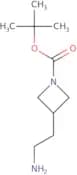
CAS:<p>Versatile small molecule scaffold</p>Formula:C5H9N3OPurity:Min. 95%Molecular weight:127.15 g/moltert-Butyl 3-(2-aminoethyl)azetidine-1-carboxylate
CAS:Versatile small molecule scaffoldFormula:C10H20N2O2Purity:Min. 95%Molecular weight:200.28 g/mol4-chloropyrimidine-2-carbonitrile
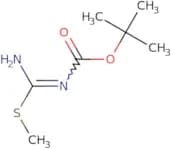
CAS:<p>4-Chloropyrimidine-2-carbonitrile is an industrial chemical that belongs to the class of heterocycles. It is commonly used in the synthesis of amines, phenoxy compounds, and halides. This compound is widely used in research laboratories as a building block for the synthesis of various organic compounds. 4-Chloropyrimidine-2-carbonitrile is available in enantiopure form, making it suitable for chiral chemistry applications. It contains cyano and ethoxycarbonyl functional groups, which make it versatile for further derivatization. This compound exhibits solid catalyst properties and can be used as a methyl ether or amide precursor. Its emission properties make it useful in fluorescence-based assays and imaging techniques.</p>Formula:C5H2ClN3Purity:Min. 95%Molecular weight:139.5 g/mol1-N-Boc-2-Methyl-Isothiourea
CAS:<p>Versatile small molecule scaffold</p>Formula:C7H14N2O2SPurity:Min. 95%Molecular weight:190.26 g/mol3-bromo-1-methyl-1H-pyrazole-5-carboxylic acid
CAS:Versatile small molecule scaffoldFormula:C5H5BrN2O2Purity:Min. 95%Molecular weight:205 g/molMethyl 2-{[(tert-butoxy)carbonyl]amino}pent-4-ynoate
CAS:<p>Versatile small molecule scaffold</p>Formula:C11H17NO4Purity:Min. 95%Molecular weight:227.26 g/moltert-Butyl 5-(4,4,5,5-tetramethyl-1,3,2-dioxaborolan-2-yl)-3,4-dihydropyridine-1(2h)-carboxylate
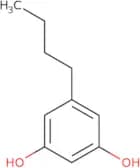
CAS:<p>Versatile small molecule scaffold</p>Formula:C16H28BNO4Purity:Min. 95%Molecular weight:309.21 g/mol5-Butylbenzene-1,3-diol
CAS:<p>Versatile small molecule scaffold</p>Formula:C10H14O2Purity:Min. 95%Molecular weight:166.22 g/mol1,7-Diazaspiro[4.4]nonane-7-carboxylic acid tert-butyl ester
CAS:Versatile small molecule scaffoldFormula:C12H22N2O2Purity:Min. 95%Molecular weight:226.32 g/mol4-Chloro-1H-pyrazolo[3,4-b]pyridine-3-carboxylic acid
CAS:<p>Versatile small molecule scaffold</p>Formula:C7H4ClN3O2Purity:Min. 95%Molecular weight:197.58 g/mol2-[5-(4,4,5,5-Tetramethyl-1,3,2-dioxaborolan-2-yl)pyrimidin-2-yl]propan-2-ol
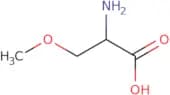
CAS:<p>Versatile small molecule scaffold</p>Formula:C13H21BN2O3Purity:Min. 95%Molecular weight:264.13 g/mol2-Amino-3-methoxypropanoic acid hydrochloride
CAS:<p>2-Amino-3-methoxypropanoic acid hydrochloride is a mitochondrial enzyme inhibitor that is used as a research tool to study protein synthesis. It binds to the cytochrome b2 subunit of the mitochondrial respiratory chain, inhibiting the oxidation of pyruvate and affecting the production of ATP. 2-Amino-3-methoxypropanoic acid hydrochloride has been shown to induce apoptosis in human liver cells by triggering caspase 3, which is an important enzyme in the apoptotic pathway. 2-Amino-3-methoxypropanoic acid hydrochloride also has a number of chemical properties that make it useful for analytical chemistry. For example, 2-amino-3-methoxypropanoic acid hydrochloride can be used to measure carboxylic acids, acetylation reactions, hydrogen bonds and hydroxyl groups. It can also be used as a nucle</p>Formula:C4H10ClNO3Purity:Min. 95%Molecular weight:155.58 g/mol6-Amino-4H,5H,6H,7H,8H-thieno[3,2-b]azepin-5-one hydrochloride
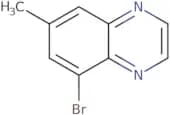
CAS:<p>Versatile small molecule scaffold</p>Formula:C8H11ClN2OSPurity:Min. 95%Molecular weight:218.7 g/mol5-Bromo-7-methylquinoxaline
CAS:<p>Versatile small molecule scaffold</p>Formula:C9H7BrN2Purity:Min. 95%Molecular weight:223.07 g/mol1-tert-butyl 2-methyl (2R,4S)-4-aminopyrrolidine-1,2-dicarboxylate hydrochloride
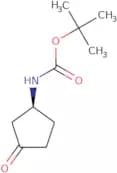
CAS:<p>Versatile small molecule scaffold</p>Formula:C11H21ClN2O4Purity:Min. 95%Molecular weight:280.7 g/mol(S)-tert-Butyl (3-oxocyclopentyl)carbamate
CAS:<p>Versatile small molecule scaffold</p>Formula:C10H17NO3Purity:Min. 95%Molecular weight:199.25 g/mol3-aminopyrrolidin-2-one hcl
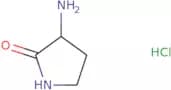
CAS:<p>3-Aminopyrrolidin-2-one hcl is an antibiotic that is used to treat tuberculosis. It inhibits the enzyme transacylase, which catalyses the conversion of L-lysine into L-pipecolic acid in bacteria. This antibiotic has been shown to be effective against Mycobacterium tuberculosis and Mycobacterium avium complex. 3-Aminopyrrolidin-2-one hcl has a broad spectrum of activity against gram positive and gram negative bacteria, but it is not active against acid-fast bacteria.</p>Formula:C4H9ClN2OPurity:Min. 95%Molecular weight:136.58 g/mol3,3²-Dithiobis(propionitrile)
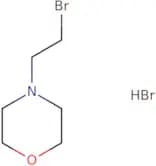
CAS:<p>3,3²-Dithiobis(propionitrile) is a molecule that includes sodium hydroxide solution and acrylonitrile. It reacts with 3-mercaptopropionic acid to form sodium hydrogen ester compounds. This reaction takes place in a sealed container and is catalyzed by carbonic and hydrochloric acids. The product of this reaction is 3-thiocyanatoacrylic acid.</p>Formula:C6H8N2S2Purity:Min. 95%Molecular weight:172.27 g/mol4-(2-Bromoethyl)morpholine hydrobromide
CAS:<p>4-(2-Bromoethyl)morpholine hydrobromide is a solvent that is used as an agent in the production of other chemicals. It is a colorless, crystalline solid with a constant melting point of 130 to 131 degrees Celsius. 4-(2-Bromoethyl)morpholine hydrobromide is soluble in acetone, ethanol, ether, and water. This chemical has been shown to be toxic and should be handled with care.</p>Formula:C6H13Br2NOPurity:Min. 95%Molecular weight:274.98 g/mol4-Bromo-2,5-dimethylpyridine
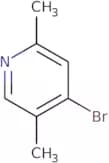
CAS:<p>4-Bromo-2,5-dimethylpyridine is an organic compound that belongs to the group of amino compounds. It is a potential intermediate in the synthesis of other compounds. 4-Bromo-2,5-dimethylpyridine can react with potassium to form 4-bromopyridine and 3-bromo-4-methylpyridine. It may also be used as a reactant in aminations and as an intermediate in the preparation of n-oxides.</p>Formula:C7H8BrNPurity:Min. 95%Molecular weight:186.05 g/mol




![1,3,8-Triaza-spiro[4.5]decane-2,4-dione](/_next/image/?url=https%3A%2Fstatic.cymitquimica.com%2Fproducts%2F3D%2Fthumb-webp%2FNAA62539.webp&w=3840&q=75)
![1,3,8-Triaza-spiro[4.5]decane-2,4-dionehydrochloride](/_next/image/?url=https%3A%2Fstatic.cymitquimica.com%2Fproducts%2F3D%2Fthumb-webp%2FNAA62548.webp&w=3840&q=75)
![3-Methyl-1,3,8-triazaspiro[4.5]decane-2,4-dione hydrochloride](/_next/image/?url=https%3A%2Fstatic.cymitquimica.com%2Fproducts%2F3D%2Fthumb-webp%2FNAA62549.webp&w=3840&q=75)

![1,3-Diethyl 2-[2-(2-nitrophenyl)hydrazin-1-ylidene]propanedioate](/_next/image/?url=https%3A%2Fstatic.cymitquimica.com%2Fproducts%2F3D%2Fthumb-webp%2FNAA63192.webp&w=3840&q=75)
![1,3-Diethyl 2-[2-(3-nitrophenyl)hydrazin-1-ylidene]propanedioate](/_next/image/?url=https%3A%2Fstatic.cymitquimica.com%2Fproducts%2F3D%2Fthumb-webp%2FNAA63194.webp&w=3840&q=75)
![6-Methoxy-1-phenyl-1H,2H,3H,4H,9H-pyrido[3,4-b]indole hydrochloride](/_next/image/?url=https%3A%2Fstatic.cymitquimica.com%2Fproducts%2F3D%2Fthumb-webp%2FNAA63747.webp&w=3840&q=75)
![2-[(Pyridin-2-yl)methyl]cyclopentan-1-one](/_next/image/?url=https%3A%2Fstatic.cymitquimica.com%2Fproducts%2F3D%2Fthumb-webp%2FNAA64055.webp&w=3840&q=75)
![1-[(2-Nitrophenyl)methyl]pyridin-1-ium bromide](/_next/image/?url=https%3A%2Fstatic.cymitquimica.com%2Fproducts%2F3D%2Fthumb-webp%2FNAA66480.webp&w=3840&q=75)
![Ethyl 2-[(6-formyl-1,3-dioxaindan-5-yl)oxy]acetate](/_next/image/?url=https%3A%2Fstatic.cymitquimica.com%2Fproducts%2F3D%2Fthumb-webp%2FNAA66886.webp&w=3840&q=75)


![methyl 2-[1-(aminomethyl)cyclohexyl]acetate hydrochloride](/_next/image/?url=https%3A%2Fstatic.cymitquimica.com%2Fproducts%2F3D%2Fthumb-webp%2FNCA56201.webp&w=3840&q=75)
![2-[1-(Aminomethyl)cyclopentyl]acetic acid hydrochloride](/_next/image/?url=https%3A%2Fstatic.cymitquimica.com%2Fproducts%2F3D%2Fthumb-webp%2FNCA56209.webp&w=3840&q=75)

![2-[(3-Fluorophenyl)amino]ethan-1-ol](/_next/image/?url=https%3A%2Fstatic.cymitquimica.com%2Fproducts%2F3D%2Fthumb-webp%2FAAA40495.webp&w=3840&q=75)







![Octahydro-1H-pyrido[1,2-a]piperazine-1,4-dione](/_next/image/?url=https%3A%2Fstatic.cymitquimica.com%2Fproducts%2F3D%2Fthumb-webp%2FMBA04304.webp&w=3840&q=75)
![N-[4-(Chloromethyl)-1,3-thiazol-2-yl]-N-methylacetamide](/_next/image/?url=https%3A%2Fstatic.cymitquimica.com%2Fproducts%2F3D%2Fthumb-webp%2FMBA06075.webp&w=3840&q=75)
![1-[4-(Heptyloxy)phenyl]ethan-1-one](/_next/image/?url=https%3A%2Fstatic.cymitquimica.com%2Fproducts%2F3D%2Fthumb-webp%2FMBA06261.webp&w=3840&q=75)
![{2-Methyl-2-azabicyclo[2.2.2]octan-6-yl}methanol](/_next/image/?url=https%3A%2Fstatic.cymitquimica.com%2Fproducts%2F3D%2Fthumb-webp%2FMBA08966.webp&w=3840&q=75)



![7-Hydrazinyl-5-methyl-[1,2,4]triazolo[1,5-a]pyrimidine](/_next/image/?url=https%3A%2Fstatic.cymitquimica.com%2Fproducts%2F3D%2Fthumb-webp%2FMBA14008.webp&w=3840&q=75)
![4-[4-(Trifluoromethyl)phenyl]-1H-imidazol-2-amine](/_next/image/?url=https%3A%2Fstatic.cymitquimica.com%2Fproducts%2F3D%2Fthumb-webp%2FMBA14887.webp&w=3840&q=75)

![2-[(2-Methylphenyl)amino]-4,5-dihydro-1,3-thiazol-4-one](/_next/image/?url=https%3A%2Fstatic.cymitquimica.com%2Fproducts%2F3D%2Fthumb-webp%2FMBA39499.webp&w=3840&q=75)

![(1R,2S,3R,4R,5S)-Tricyclo[3.2.1.0,2,4]octane-3-carboxylic acid](/_next/image/?url=https%3A%2Fstatic.cymitquimica.com%2Fproducts%2F3D%2Fthumb-webp%2FMBA39909.webp&w=3840&q=75)
![Methyl 2-[(1R,3S)-rel-3-hydroxycyclopentyl]acetate](/_next/image/?url=https%3A%2Fstatic.cymitquimica.com%2Fproducts%2F3D%2Fthumb-webp%2FMBA43580.webp&w=3840&q=75)
![3H-Imidazo[4,5-b]pyridine-5,7-diamine dihydrochloride](/_next/image/?url=https%3A%2Fstatic.cymitquimica.com%2Fproducts%2F3D%2Fthumb-webp%2FMBA43703.webp&w=3840&q=75)
![N-[3-(Prop-2-en-1-yloxy)phenyl]acetamide](/_next/image/?url=https%3A%2Fstatic.cymitquimica.com%2Fproducts%2F3D%2Fthumb-webp%2FMBA43978.webp&w=3840&q=75)











![3-[5-(Aminomethyl)-1-oxo-2,3-dihydro-1H-isoindol-2-yl]piperidine-2,6-dione hydrochloride](/_next/image/?url=https%3A%2Fstatic.cymitquimica.com%2Fproducts%2F3D%2Fthumb-webp%2FIWB26469.webp&w=3840&q=75)






![tert-Butyl 3-bromo-1,4,6,7-tetrahydro-5H-pyrazolo[4,3-c]pyridine-5-carboxylate](/_next/image/?url=https%3A%2Fstatic.cymitquimica.com%2Fproducts%2F3D%2Fthumb-webp%2FLCD42906.webp&w=3840&q=75)




![Methyl 2-{[(tert-butoxy)carbonyl]amino}pent-4-ynoate](/_next/image/?url=https%3A%2Fstatic.cymitquimica.com%2Fproducts%2F3D%2Fthumb-webp%2FYGA30682.webp&w=3840&q=75)

![1,7-Diazaspiro[4.4]nonane-7-carboxylic acid tert-butyl ester](/_next/image/?url=https%3A%2Fstatic.cymitquimica.com%2Fproducts%2F3D%2Fthumb-webp%2FWAB05563.webp&w=3840&q=75)
![4-Chloro-1H-pyrazolo[3,4-b]pyridine-3-carboxylic acid](/_next/image/?url=https%3A%2Fstatic.cymitquimica.com%2Fproducts%2F3D%2Fthumb-webp%2FULD13261.webp&w=3840&q=75)
![2-[5-(4,4,5,5-Tetramethyl-1,3,2-dioxaborolan-2-yl)pyrimidin-2-yl]propan-2-ol](/_next/image/?url=https%3A%2Fstatic.cymitquimica.com%2Fproducts%2F3D%2Fthumb-webp%2FUCC25587.webp&w=3840&q=75)
![6-Amino-4H,5H,6H,7H,8H-thieno[3,2-b]azepin-5-one hydrochloride](/_next/image/?url=https%3A%2Fstatic.cymitquimica.com%2Fproducts%2F3D%2Fthumb-webp%2FTHC97972.webp&w=3840&q=75)