


Building Blocks
This section contains fundamental products for the synthesis of organic and biological compounds. Building blocks are the essential starting materials used to construct complex molecules through various chemical reactions. They play a critical role in drug discovery, material science, and chemical research. At CymitQuimica, we offer a diverse range of high-quality building blocks to support your innovative research and industrial projects, ensuring you have the essential components for successful synthesis.
Subcategories of "Building Blocks"
- Boronic Acids & Boronic Acid Derivatives(5,778 products)
- Chiral Building Blocks(1,242 products)
- Hydrocarbon Building Blocks(6,098 products)
- Organic Building Blocks(61,034 products)
Found 199601 products of "Building Blocks"
Sort by
Purity (%)
0
100
|
0
|
50
|
90
|
95
|
100
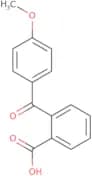
2-(4-Methoxybenzoyl)benzenecarboxylic acid
CAS:2-(4-Methoxybenzoyl)benzenecarboxylic acid is a sweetener that is found in the class of benzophenones. It has a taste that is similar to benzoic acid, which is also considered to be a sweetener. 2-(4-Methoxybenzoyl)benzenecarboxylic acid has been shown to be an effective sweetener and can replace sugar in some applications. This compound has been found to have antimicrobial properties, but it is not yet known how these activities compare with those of other compounds in the same class.Formula:C15H12O4Purity:Min. 95%Molecular weight:256.26 g/molN-(4-Hydroxyphenyl)-N,4-dimethylbenzamide
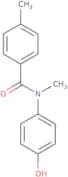
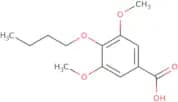
CAS:<p>Versatile small molecule scaffold</p>Formula:C15H15NO2Purity:Min. 95%Molecular weight:241.28 g/mol4-Butoxy-3,5-dimethoxybenzoic acid
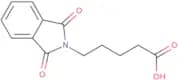
CAS:<p>Versatile small molecule scaffold</p>Formula:C13H18O5Purity:Min. 95%Molecular weight:254.28 g/mol5-(1,3-Dioxo-2,3-dihydro-1H-isoindol-2-yl)pentanoic acid
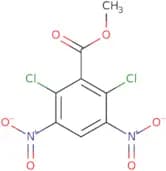
CAS:<p>5-(1,3-Dioxo-2,3-dihydro-1H-isoindol-2-yl)pentanoic acid is a synthetic compound that belongs to the class of enzyme inhibitors. It inhibits the catalytic activity of various enzymes and is used as a research tool for studying enzyme function. 5-(1,3-Dioxo-2,3-dihydro-1H-isoindol-2-yl)pentanoic acid is synthesized by introducing an amide bond between an aldehyde and a carboxylic acid. This compound has been found to focus on peptidyl and phosphonamidate bonds in proteins.</p>Formula:C13H13NO4Purity:Min. 95%Molecular weight:247.25 g/molMethyl 2,6-dichloro-3,5-dinitrobenzoate
CAS:<p>Versatile small molecule scaffold</p>Formula:C8H4Cl2N2O6Purity:Min. 95%Molecular weight:295.03 g/mol4-(3-Chlorophenoxy)-benzoic acid
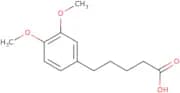
CAS:<p>Versatile small molecule scaffold</p>Formula:C13H9ClO3Purity:Min. 95%Molecular weight:248.66 g/mol5-(3,4-Dimethoxyphenyl)pentanoic acid
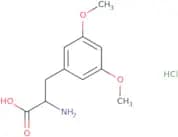
CAS:<p>Versatile small molecule scaffold</p>Formula:C13H18O4Purity:Min. 95%Molecular weight:238.28 g/mol2-Amino-3-(3,5-dimethoxyphenyl)propanoic acid hydrochloride
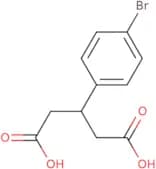
CAS:Versatile small molecule scaffoldFormula:C11H16ClNO4Purity:Min. 95%Molecular weight:261.7 g/mol3-(4-Bromophenyl)pentanedioic acid
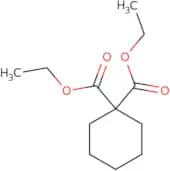
CAS:<p>Versatile small molecule scaffold</p>Formula:C11H11BrO4Purity:Min. 95%Molecular weight:287.11 g/molDiethyl 1,1-cyclohexanedicarboxylate
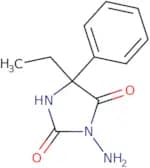
CAS:<p>Diethyl 1,1-cyclohexanedicarboxylate is an ester that can be hydrolyzed by alkaline conditions. It can be used as a solvent and as a raw material in the production of other chemicals. Diethyl 1,1-cyclohexanedicarboxylate is more soluble in water than diethyl ether and diethylene glycol. The cyclohexane ring helps to prevent the formation of peroxides when exposed to air. This product is mainly used as a solvent for lacquer thinners, paints, varnishes, and resins.</p>Formula:C12H20O4Purity:Min. 95%Molecular weight:228.29 g/mol3-Amino-5-ethyl-5-phenylimidazolidine-2,4-dione
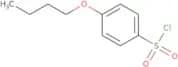
CAS:<p>Versatile small molecule scaffold</p>Formula:C11H13N3O2Purity:Min. 95%Molecular weight:219.24 g/mol4-Butoxybenzenesulfonyl Chloride
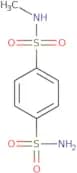
CAS:<p>4-Butoxybenzenesulfonyl Chloride is an inhibitor of pancreatic lipase, which is a digestive enzyme that hydrolyzes triglycerides and phospholipids. 4-Butoxybenzenesulfonyl Chloride has been shown to inhibit the synthesis of triglycerides and cholesterol from dietary lipids in rats. It also inhibits the activity of esterases, which are enzymes that catalyze the hydrolysis of esters, leading to a decrease in the concentration of plasma lipids. This drug also lowers triglyceride levels in human plasma and intestinal cells in culture.</p>Formula:C10H13ClO3SPurity:Min. 95%Molecular weight:248.72 g/mol1-N-Methylbenzene-1,4-disulfonamide
CAS:<p>Versatile small molecule scaffold</p>Formula:C7H10N2O4S2Purity:Min. 95%Molecular weight:250.3 g/mol3,5-Di-tert-butylphenol
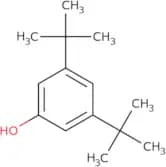
CAS:<p>3,5-Di-tert-butylphenol is a reactive compound that has been used as an analytical control agent. It has been shown to have an absorption maximum at 230 nm and a strong absorption band in the ultraviolet region of the spectrum. 3,5-Di-tert-butylphenol is also known to have a high uptake capacity for citric acid and sodium carbonate in uptake assays. The hydrogen bond between 3,5-Di-tert-butylphenol and p-hydroxybenzoic acid is intramolecular and can be broken by heating with acetate extract. This compound has been shown to be toxic in Sprague Dawley rats. 3,5-Di-tert-butylphenol undergoes activation energies of 2.6 kcal/mol (1) and 10 kcal/mol (2).</p>Formula:C14H22OPurity:Min. 95%Molecular weight:206.33 g/mol3,5-Dimethyl-1-octyl-1H-pyrazole
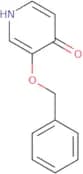
CAS:<p>Boceprevir is a non-peptide small molecule that prevents the hepatitis C virus from replicating by inhibiting the NS3/4A serine protease. It has been shown to be active against both genotype 1 and 4 of the hepatitis C virus in vitro. Boceprevir is used to treat chronic hepatitis C in adults who have not been previously treated or who are treatment-experienced with compensated liver disease. The drug is given as a tablet, taken once daily, with or without food. Side effects include nausea, vomiting, diarrhea, headache, dizziness, insomnia, and rash. Boceprevir can also cause birth defects if taken during pregnancy so it should not be used by women who are pregnant or planning to become pregnant during treatment.</p>Formula:C13H24N2Purity:Min. 95%Molecular weight:208.34 g/mol3-(Benzyloxy)-1,4-dihydropyridin-4-one
CAS:<p>Versatile small molecule scaffold</p>Formula:C12H11NO2Purity:Min. 95%Molecular weight:201.22 g/mol4-Hydroxy-3-(3-methylbut-2-en-1-yl)benzoic acid
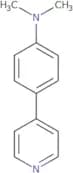
CAS:<p>4-Hydroxy-3-(3-methylbut-2-en-1-yl)benzoic acid is a cyclohexane ring with a hydroxyl group and a phenolic acid. It is synthesized using chemoenzymatic reactions. 4HBB is a substrate for gyrase, an enzyme that functions as part of the bacterial DNA replication machinery. As such, it can be used in studies of the molecular biology of this enzyme. The 4HBB mutant strain has been sequenced and shown to have the same base sequence as its wild type counterpart, but differs in its chemical structure. The 4HBB mutant strain was able to be used as a model system for studying the effects of p-hydroxybenzoic acid on gyrase activity.</p>Formula:C12H14O3Purity:Min. 95%Molecular weight:206.24 g/molN,N-Dimethyl-4-(pyridin-4-yl)aniline
CAS:<p>N,N-Dimethyl-4-(pyridin-4-yl)aniline is an antimicrobial agent that belongs to the group of diazotization agents. It is used as a precursor for the synthesis of various diazonium salts. N,N-Dimethyl-4-(pyridin-4-yl)aniline is also used in the production of dyes and pharmaceuticals. It has been shown to be active against many types of bacteria, including luteum cultures and some strains of Staphylococcus aureus. The mechanism of action is not fully understood but it may be due to its ability to hydrolyze chloride or nitrate. N,N-Dimethyl-4-(pyridin-4-yl)aniline can also be converted into intermediates for the synthesis of other chemicals such as diazonium salts, which are useful for producing synthetic rubber and other products.</p>Formula:C13H14N2Purity:Min. 95%Molecular weight:198.26 g/mol4-(4-Bromophenyl)piperidine-2,6-dione
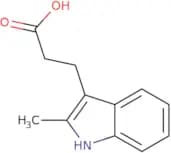
CAS:Versatile small molecule scaffoldFormula:C11H10BrNO2Purity:Min. 95%Molecular weight:268.11 g/mol3-(2-Methyl-1H-indol-3-yl)propanoic acid
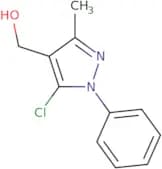
CAS:<p>Versatile small molecule scaffold</p>Formula:C12H13NO2Purity:Min. 95%Molecular weight:203.24 g/mol(5-Chloro-3-methyl-1-phenyl-1H-pyrazol-4-yl)methanol
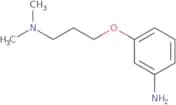
CAS:Versatile small molecule scaffoldFormula:C11H11ClN2OPurity:Min. 95%Molecular weight:222.67 g/mol3-(3-(Dimethylamino)propoxy)aniline
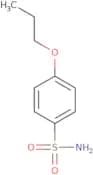
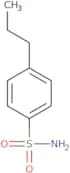
CAS:<p>Versatile small molecule scaffold</p>Formula:C11H18N2OPurity:Min. 95%Molecular weight:194.27 g/mol4-Propoxybenzene-1-sulfonamide
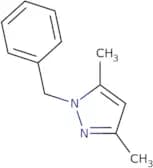
CAS:<p>4-Propoxybenzene-1-sulfonamide is a phosphodiesterase inhibitor that blocks the breakdown of cyclic guanosine monophosphate (cGMP), which regulates smooth muscle relaxation. It is used for the treatment of symptoms of benign prostatic hyperplasia, such as difficulty in urination and urinary retention. 4-Propoxybenzene-1-sulfonamide has been shown to inhibit phosphodiesterase type 5, an enzyme that breaks down cGMP in the prostate gland and bladder neck. This action leads to an increase in cGMP levels, which causes the smooth muscle cells in these areas to relax. The hydration state of 4-propoxybenzene-1-sulfonamide can be changed by adding water or alcohol (e.g., ethanol). The hydration state affects the solvation of 4-propoxybenzene-1sulfonamide and its ability to enter cells</p>Formula:C9H13NO3SPurity:Min. 95%Molecular weight:215.27 g/mol1-Benzyl-3,5-dimethyl-1H-pyrazole
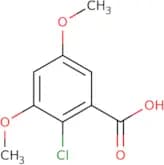
CAS:Controlled Product<p>1-Benzyl-3,5-dimethyl-1H-pyrazole is a potent inhibitory drug that inhibits the hyperpolarization activated cyclic nucleotide gated ion channels. It has been shown to suppress the cardiac action potential and decrease heart rate in animal models. 1-Benzyl-3,5-dimethyl-1H-pyrazole has also been shown to have an inhibitory effect on pyrazoles, which are important mediators of pain and inflammation. The drug has been shown to be useful in the treatment of diseases such as pectoris and shift work disorder. This compound is a competitive inhibitor of the enzyme adenosine triphosphate (ATP) phosphohydrolase and has been used as a substrate for assay of this enzyme.</p>Formula:C12H14N2Purity:Min. 95%Molecular weight:186.25 g/mol2-Chloro-3,5-dimethoxybenzoic acid
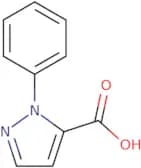
CAS:<p>Versatile small molecule scaffold</p>Formula:C9H9ClO4Purity:Min. 95%Molecular weight:216.62 g/mol2-Phenyl-2H-pyrazole-3-carboxylic acid
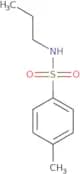
CAS:<p>2-Phenyl-2H-pyrazole-3-carboxylic acid is a heterocyclic compound that contains a pyrazole ring. It has shown anticoagulant activity and is being studied as an antidiabetic drug candidate. 2-Phenyl-2H-pyrazole-3-carboxylic acid can also be used in chemical reactions such as amide formation and amido formation. The compound also inhibits the conversion of vitamin B12 to its active form, which may contribute to its anticoagulant effects.</p>Formula:C10H8N2O2Purity:Min. 95%Molecular weight:188.18 g/mol4-Methyl-N-propylbenzene-1-sulfonamide
CAS:4-Methyl-N-propylbenzene-1-sulfonamide is a colorless crystalline solid. It has an alkynyl group that can form metal hydrogen bonds and it has a functional group that can be substituted with other groups. The compound contains chlorides and sulfates, which are acidic functional groups. 4-Methyl-N-propylbenzene-1-sulfonamide can be synthesized by the reaction of toluene and acid chlorides in high yield. This compound is an organic chemistry reagent that is used for the synthesis of carboxylic acids.Formula:C10H15NO2SPurity:Min. 95%Molecular weight:213.3 g/mol3-[(3-Chlorophenyl)sulfanyl]propanoic acid
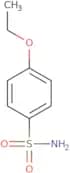
CAS:Versatile small molecule scaffoldFormula:C9H9ClO2SPurity:Min. 95%Molecular weight:216.68 g/mol4-Ethoxybenzenesulfonamide
CAS:<p>Versatile small molecule scaffold</p>Formula:C8H11NO3SPurity:Min. 95%Molecular weight:201.25 g/mol4-N-Propylbenzenesulfonamide
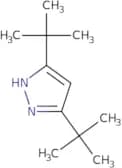
CAS:<p>4-N-Propylbenzenesulfonamide is a hydrophobic compound that binds to the active site of carbonyl reductase, an enzyme involved in the metabolism of ketones and aldehydes. It also inhibits the catalytic activity of this enzyme, which reduces the amount of carbonyls produced in the cell. 4-N-Propylbenzenesulfonamide has been shown to be effective in preventing kidney damage in animal models. The structural features of this drug are similar to those found in acetoacetate and propionate, which are important for stimulating renal function. These drugs can bind to alpha and beta subunits on the surface of renal tubules, resulting in increased blood flow, improved filtration rates, and decreased fluid retention. This leads to protection against acute kidney injury (AKI) and chronic kidney disease (CKD).</p>Formula:C9H13NO2SPurity:Min. 95%Molecular weight:199.27 g/mol3,5-Di-tert-butyl-1H-pyrazole
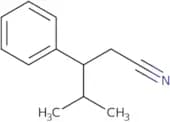
CAS:<p>3,5-Di-tert-butyl-1H-pyrazole is a molecule that has two phenyl groups and one hydrogen bond. It is used as a reagent in analytical chemistry for the determination of hydrochloric acid and in crystallography for the study of x-ray crystal structures. 3,5-Di-tert-butyl-1H-pyrazole has been shown to have x-ray crystal structures with four nitrogens and one proton. The molecule also has a pyrazole ring at the center that contains one hydroxy group and two phenyl groups. The molecular weight of 3,5-Di-tert-butyl-1H-pyrazole is 152.2 g/mol.</p>Formula:C11H20N2Purity:Min. 95%Molecular weight:180.29 g/mol4-Methyl-3-phenylpentanenitrile
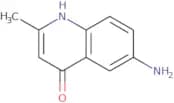
CAS:<p>Versatile small molecule scaffold</p>Formula:C12H15NPurity:Min. 95%Molecular weight:173.3 g/mol6-Amino-2-methyl-quinolin-4-ol
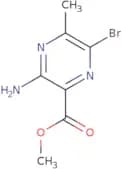
CAS:<p>Versatile small molecule scaffold</p>Formula:C10H10N2OPurity:Min. 95%Molecular weight:174.2 g/molMethyl 3-amino-6-bromo-5-methylpyrazine-2-carboxylate
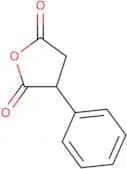
CAS:<p>Versatile small molecule scaffold</p>Formula:C7H8BrN3O2Purity:Min. 95%Molecular weight:246.06 g/molPhenylsuccinic anhydride
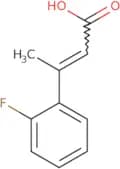
CAS:<p>Phenylsuccinic anhydride is a reactive, receptor binding, expressed, polycarboxylic acid that has nitrogen atoms. It can be used as an anticancer agent and has shown anticancer activity against α7 nicotinic acetylcholine receptors in the central nervous system. Phenylsuccinic anhydride is also used for the preparation of fluorinated anhydrides for use in nonaqueous solvents.</p>Formula:C10H8O3Purity:Min. 95%Molecular weight:176.17 g/mol3-(2-Fluorophenyl)but-2-enoic acid
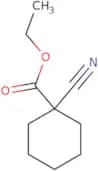
CAS:<p>Versatile small molecule scaffold</p>Formula:C10H9FO2Purity:Min. 95%Molecular weight:180.17 g/mol1-Cyano-cyclohexanecarboxylic acid ethyl ester
CAS:<p>1-Cyano-cyclohexanecarboxylic acid ethyl ester is a synthetic intermediate in the preparation of benzene. It is used as a reagent for the synthesis of methylcyclohexane and other cyclohexanones. The compound can be prepared by reacting chlorinated aliphatic hydrocarbons with carbon dioxide, followed by acidification and decarbonylation. 1-Cyano-cyclohexanecarboxylic acid ethyl ester can be purified by distillation or recrystallization from acetonitrile, chloroform, or benzene.</p>Formula:C10H15NO2Purity:Min. 95%Molecular weight:181.23 g/mol(3-Methylbutoxy)benzene
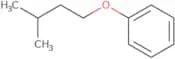
CAS:<p>(3-Methylbutoxy)benzene is a cyclic monomer that can be used in the production of polyester plastics. It has been shown to polymerize with isopentyl by means of an initiator. This reaction system produces a polymerized polymer. The phenyl group in this molecule has been shown to interact with eugenol through transition-state profile and reaction system studies, as well as polymerization reactions with benzene. The fluorescent properties of this compound make it suitable for use in fluorescent labelling of proteins and DNA.</p>Formula:C11H16OPurity:Min. 95%Molecular weight:164.24 g/mol4-tert-Butylcyclohexa-3,5-diene-1,2-dione
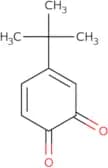
CAS:4-tert-Butylcyclohexa-3,5-diene-1,2-dione is a flavonoid that inhibits the enzyme tyrosinase in the synthesis of melanin. It is used for the treatment of hyperpigmentation conditions, such as melasma and chloasma. The inhibitory effect of 4-tert-Butylcyclohexa-3,5-diene-1,2-dione has been shown to be competitive with respect to 3-hydroxyanthranilic acid and noncompetitive with respect to naphthol. 4BCD also inhibits the monophenolase activity of tyrosinase and its ability to oxidize phenols. This inhibition is due to its structural similarity with phenols and its ability to bind covalently with tyrosinase's active site.Formula:C10H12O2Purity:90%NmrColor and Shape:PowderMolecular weight:164.2 g/mol5-Acetylbenzothiophene
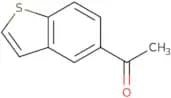
CAS:<p>Versatile small molecule scaffold</p>Formula:C10H8OSPurity:Min. 95%Molecular weight:176.23 g/mol2-Hydrazinyl-5-nitropyrimidin-4-amine
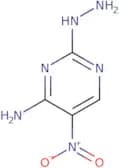
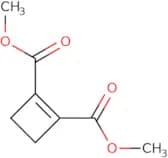
CAS:<p>Versatile small molecule scaffold</p>Formula:C4H6N6O2Purity:Min. 95%Molecular weight:170.13 g/molDimethyl cyclobut-1-ene-1,2-dicarboxylate
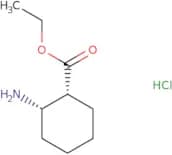
CAS:<p>Dimethyl cyclobut-1-ene-1,2-dicarboxylate (DMCB) is a lipase inhibitor that belongs to the class of dicarboxylic acid esters. It is used as an immobilized catalyst in organic synthesis and has a high stereoselectivity. This compound has been shown to be effective in catalyzing the thermal isomerization of maleates to produce 1,2-diols with high yields. DMCB also has a spontaneous reaction with photosensitizers such as rose bengal and benzoporphyrin derivative. The maleate form can be converted into the diacid form by the enzyme maleate dehydrogenase, which is found in porcine tissues. The diacid form can then undergo hydrolysis by an esterase or glucuronidase, releasing DMCB and regenerating the original maleate substrate.</p>Formula:C8H10O4Purity:Min. 95%Molecular weight:170.16 g/molEthyl (1S,2R/1R,2S)-2-aminocyclohexanecarboxylate hydrochloride
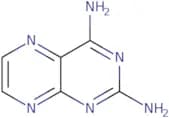
CAS:<p>Versatile small molecule scaffold</p>Formula:C9H18ClNO2Purity:Min. 95%Molecular weight:207.7 g/molPteridine-2,4-diamine
CAS:<p>Pteridine-2,4-diamine is a peroxide that is found in nature. It has been shown to have an inhibitory effect on mutant enzymes that are involved in the production of hydrogen peroxide. Pteridine-2,4-diamine binds to a ligand and prevents it from reacting with hydrogen peroxide. This compound is used as a surfactant in pharmaceutical preparations. It also has an inhibitory effect on soybean lipoxygenase, which may be due to its ability to bind to the phosphonium salt at the active site and prevent the catalytic reaction with hydrogen peroxide.</p>Formula:C6H6N6Purity:Min. 95%Molecular weight:162.15 g/molMethyl (2R)-2-(2-aminoacetamido)-3-(4-hydroxyphenyl)propanoate hydrochloride
CAS:<p>Versatile small molecule scaffold</p>Formula:C12H17ClN2O4Purity:Min. 95%Molecular weight:288.7 g/mol(6R)-6-(Methoxymethyl)-2,2-dimethylmorpholine
CAS:Versatile small molecule scaffoldFormula:C8H17NO2Purity:Min. 95%Molecular weight:159.2 g/mol(5R)-5-Methylthiomorpholin-3-one
CAS:<p>Versatile small molecule scaffold</p>Formula:C5H9NOSPurity:Min. 95%Molecular weight:131.2 g/molrac-(3R,4S)-4-Aminooxolane-3-carboxamide hydrochloride
CAS:Versatile small molecule scaffoldFormula:C5H11ClN2O2Purity:Min. 95%Molecular weight:166.6 g/moltert-Butyl (2S,3R)-2-amino-3-methoxybutanoate hydrochloride
CAS:<p>Versatile small molecule scaffold</p>Formula:C9H20ClNO3Purity:Min. 95%Molecular weight:225.7 g/molrac-Methyl (1R,4R,6R,7S)-6-hydroxy-2-azabicyclo[2.2.1]heptane-7-carboxylate hydrochloride
CAS:Versatile small molecule scaffoldFormula:C8H14ClNO3Purity:Min. 95%Molecular weight:207.7 g/mol





![3-[(3-Chlorophenyl)sulfanyl]propanoic acid](/_next/image/?url=https%3A%2Fstatic.cymitquimica.com%2Fproducts%2F3D%2Fthumb-webp%2FBAA13252.webp&w=3840&q=75)


![rac-Methyl (1R,4R,6R,7S)-6-hydroxy-2-azabicyclo[2.2.1]heptane-7-carboxylate hydrochloride](/_next/image/?url=https%3A%2Fstatic.cymitquimica.com%2Fproducts%2F3D%2Fthumb-webp%2FAVD24951.webp&w=3840&q=75)