Building Blocks
This section contains fundamental products for the synthesis of organic and biological compounds. Building blocks are the essential starting materials used to construct complex molecules through various chemical reactions. They play a critical role in drug discovery, material science, and chemical research. At CymitQuimica, we offer a diverse range of high-quality building blocks to support your innovative research and industrial projects, ensuring you have the essential components for successful synthesis.
Subcategories of "Building Blocks"
- Boronic Acids & Boronic Acid Derivatives(5,805 products)
- Chiral Building Blocks(1,248 products)
- Hydrocarbon Building Blocks(6,122 products)
- Organic Building Blocks(61,462 products)
Found 208441 products of "Building Blocks"
Sort by
Purity (%)
0
100
|
0
|
50
|
90
|
95
|
100
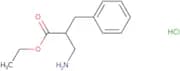
ethyl 3-amino-2-benzylpropanoate hydrochloride
CAS:Versatile small molecule scaffoldFormula:C12H18ClNO2Purity:Min. 95%Molecular weight:243.7 g/mol3-[Carboxy(acetamido)methyl]benzoic acid
CAS:Versatile small molecule scaffold
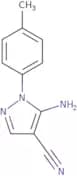
Formula:C11H11NO5Purity:Min. 95%Molecular weight:237.2 g/mol5-Amino-1-(p-tolyl)pyrazole-4-carbonitrile
CAS:5-Amino-1-(p-tolyl)pyrazole-4-carbonitrile is a cytotoxic agent that inhibits the activation of plasminogen by urokinase. It has been shown to inhibit cancer growth in lung carcinoma cells and breast cancer cells. 5-Amino-1-(p-tolyl)pyrazole-4-carbonitrile also inhibits the proliferation of liver cancer cells and MDA-MB231 breast carcinoma cell lines. The anticancer activity of 5-amino pyrazole can be enhanced by the addition of doxorubicin, which is an anticancer drug that acts on DNA synthesis and cell division.Formula:C11H10N4Purity:Min. 95%Molecular weight:198.23 g/mol(2S)-2-[(4-Chlorophenyl)amino]propanoic acid
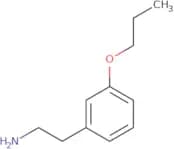
CAS:(2S)-2-[(4-Chlorophenyl)amino]propanoic acid is a 5-HT antagonist that is used to prevent premature ovulation in animals. It has been shown to inhibit the synthesis of serotonin and 5-hydroxytryptamine, which may be due to its ability to inhibit platelet activation. This drug also inhibits the oxidation of monoamines (e.g., dopamine, norepinephrine, and serotonin), which may be due to its ability to inhibit monoamine oxidase (MAO).Formula:C9H10ClNO2Purity:Min. 95%Molecular weight:199.63 g/mol2-(3-Propoxyphenyl)ethan-1-amine
CAS:Controlled ProductVersatile small molecule scaffoldFormula:C11H17NOPurity:Min. 95%Molecular weight:179.26 g/mol3-(4-Bromothiophen-2-yl)prop-2-enoic acid
CAS:Versatile small molecule scaffold
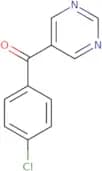
Formula:C7H5BrO2SPurity:Min. 95%Molecular weight:233.08 g/mol5-(4-Chlorobenzoyl)pyrimidine
CAS:Versatile small molecule scaffold
Formula:C11H7ClN2OPurity:Min. 95%Molecular weight:218.64 g/mol3-[N-(2-Methoxyphenyl)4-methylbenzenesulfonamido]propanoic acid
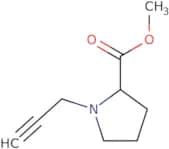
CAS:Versatile small molecule scaffoldFormula:C17H19NO5SPurity:Min. 95%Molecular weight:349.4 g/molMethyl (2S)-1-(prop-2-yn-1-yl)pyrrolidine-2-carboxylate
CAS:Versatile small molecule scaffoldFormula:C9H13NO2Purity:Min. 95%Molecular weight:167.2 g/molMethyl (2R)-2-hydroxy-2-(naphthalen-2-yl)acetate
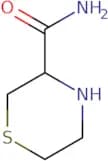
CAS:Versatile small molecule scaffoldFormula:C13H12O3Purity:Min. 95%Molecular weight:216.2 g/molThiomorpholine-3-carboxamide
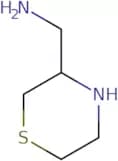
CAS:Thiomorpholine-3-carboxamide is a crystalline polymorph of methimazole. It can be prepared by reacting thiomorpholine with hydrochloric acid and formaldehyde, followed by treatment with ammonium chloride. The yield of the product is low and the reaction is stereoselective. Thiomorpholine-3-carboxamide has been shown to have anti-inflammatory properties through its inhibition of prostaglandin synthesis.Formula:C5H10N2OSPurity:Min. 95%Molecular weight:146.21 g/molThiomorpholin-3-ylmethanamine
CAS:Versatile small molecule scaffold
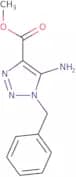
Formula:C5H12N2SPurity:Min. 95%Molecular weight:132.23 g/molMethyl 5-amino-1-benzyl-1H-1,2,3-triazole-4-carboxylate
CAS:Versatile small molecule scaffoldFormula:C11H12N4O2Purity:Min. 95%Molecular weight:232.24 g/molFasudil
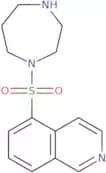
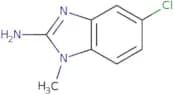
CAS:Fasudil is a rho-kinase inhibitor that prevents the phosphorylation of myosin light chain and inhibits the polymerization of actin, thereby inhibiting cell contraction. Fasudil has been shown to be effective in treating primary pulmonary hypertension by preventing tubulointerstitial injury, as well as in reducing atherosclerotic lesions. It also reduces the expression of growth factor-β1, which may contribute to its therapeutic effects on certain cardiovascular diseases. Fasudil is available as an injection solution at a concentration of 50mg/mL. It can also be formulated into tablets for oral administration at a dose of 25mg or 50mg per day.Formula:C14H17N3O2SPurity:Min. 95%Molecular weight:327.83 g/mol5-Chloro-1-methyl-1H-1,3-benzodiazol-2-amine
CAS:Versatile small molecule scaffoldFormula:C8H8ClN3Purity:Min. 95%Molecular weight:181.62 g/mol1,3-Thiazolidine-4-carboxamide
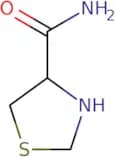
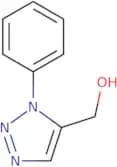
CAS:1,3-Thiazolidine-4-carboxamide is a bioactive compound that belongs to the class of organocatalysts. It is a chiral molecule that can be synthesized in an enantioselective manner by using different organic chemists. This compound has been shown to activate protease enzymes and is used in medicines for the treatment of anaphylactic reactions. 1,3-Thiazolidine-4-carboxamide has also been used as a substrate for microbial cell cultures and has been shown to have a high reaction rate with cellular membranes.Formula:C4H8N2OSPurity:Min. 95%Molecular weight:132.19 g/mol(1-Phenyl-1H-1,2,3-triazol-5-yl)methanol
CAS:Versatile small molecule scaffoldFormula:C9H9N3OPurity:Min. 95%Molecular weight:175.19 g/mol(1-Phenyl-1H-1,2,3-triazol-4-yl)methanol
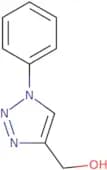
CAS:Versatile small molecule scaffoldFormula:C9H9N3OPurity:Min. 95%Molecular weight:175.19 g/mol2-(1-Methyl-piperidin-4-yloxy)-ethanol
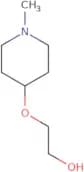
CAS:Versatile small molecule scaffoldFormula:C8H17NO2Purity:Min. 95%Molecular weight:159.23 g/mol[4-(tert-Butoxycarbonylamino-methyl)-piperidin-1-yl]-acetic acid
CAS:Versatile small molecule scaffold
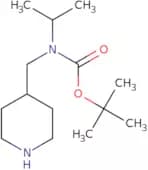
Formula:C13H24N2O4Purity:Min. 95%Molecular weight:272.34 g/molIsopropyl-piperidin-4-ylmethyl-carbamic acid tert-butyl ester
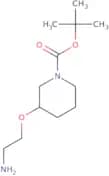
CAS:Versatile small molecule scaffoldFormula:C14H28N2O2Purity:Min. 95%Molecular weight:256.38 g/moltert-Butyl 3-(2-aminoethoxy)piperidine-1-carboxylate
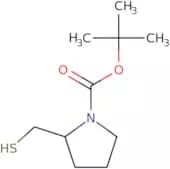
CAS:Versatile small molecule scaffoldFormula:C12H24N2O3Purity:Min. 95%Molecular weight:244.33 g/moltert-Butyl 2-(sulfanylmethyl)pyrrolidine-1-carboxylate
CAS:Versatile small molecule scaffoldFormula:C10H19NO2SPurity:Min. 95%Molecular weight:217.33 g/mol3-Mercaptomethyl-piperidine-1-carboxylic acid tert-butyl ester
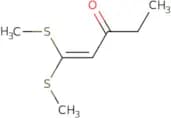
CAS:Versatile small molecule scaffoldFormula:C11H21NO2SPurity:Min. 95%Molecular weight:231.35 g/mol1,1-Bis(methylsulfanyl)pent-1-en-3-one
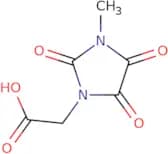
CAS:Versatile small molecule scaffoldFormula:C7H12OS2Purity:Min. 95%Molecular weight:176.3 g/mol2-(3-Methyl-2,4,5-trioxoimidazolidin-1-yl)acetic acid
CAS:Controlled Product2-(3-Methyl-2,4,5-trioxoimidazolidin-1-yl)acetic acid is a potent activator of the GABAA receptor and an inhibitor of glutamate release. It has been observed to increase GABAergic neurotransmission in the brain and to inhibit protein interactions. In addition, 2-(3-Methyl-2,4,5-trioxoimidazolidin-1-yl)acetic acid can be used as a research tool for studying ion channels and peptides.Formula:C6H6N2O5Purity:Min. 95%Molecular weight:186.12 g/mol4-bromo-2-chloropyridine-3-carbaldehyde
CAS:Versatile small molecule scaffold
Formula:C6H3BrClNOPurity:Min. 95%Molecular weight:220.5 g/mol5-Chloropyridine-2-carbonyl chloride
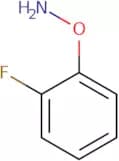
CAS:Morpholine is a five-membered heterocyclic compound with the molecular formula CHN. It is a colorless solid that is soluble in water, ethanol and ether. Morpholine is an intermediate in the production of carbamates, urea, and other organic chemicals. It can be converted to 5-chloropyridine-2-carbonyl chloride by condensation with hydrobromic acid and chlorination. This reaction requires high yield and high purity morpholine as an intermediate.Formula:C6H3Cl2NOPurity:Min. 95%Molecular weight:176 g/molo-(2-Fluorophenyl)hydroxylamine
CAS:Versatile small molecule scaffoldFormula:C6H6FNOPurity:Min. 95%Molecular weight:127.12 g/mol2-(2-Amino-3-methylbutanamido)-3-phenylpropanoic acid hydrochloride
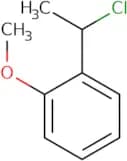
CAS:Versatile small molecule scaffoldFormula:C14H21ClN2O3Purity:Min. 95%Molecular weight:300.8 g/mol1-(1-Chloroethyl)-2-methoxybenzene
CAS:Versatile small molecule scaffold
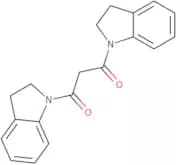
Formula:C9H11ClOPurity:Min. 95%Molecular weight:170.63 g/mol1,3-Bis(2,3-dihydro-1H-indol-1-yl)propane-1,3-dione
CAS:Versatile small molecule scaffoldFormula:C19H18N2O2Purity:Min. 95%Molecular weight:306.4 g/mol2-Methylpyrido[2,3-b]pyrazin-3(4H)-one
CAS:Versatile small molecule scaffoldFormula:C8H7N3OPurity:Min. 95%Molecular weight:161.16 g/mol3-Methyl-1H,2H-pyrido[2,3-b]pyrazin-2-one
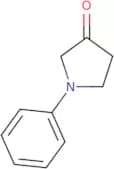
CAS:Versatile small molecule scaffoldFormula:C8H7N3OPurity:Min. 95%Molecular weight:161.16 g/mol1-Phenyl-3-pyrrolidinone
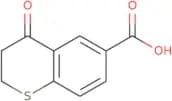
CAS:1-Phenyl-3-pyrrolidinone (1PP) is a cytotoxic agent that inhibits the growth of tumor cells. It has been shown to have activity against leukemia, lymphocytic leukemia, and human colon adenocarcinoma cells. The 1PP binds to the phenyl ring and interacts with DNA in a manner similar to adriamycin. This binding blocks DNA synthesis, leading to cell death by apoptosis. 1PP is resistant to leucovorin, which is an antagonist of adriamycin and other chemotherapeutic agents. In vitro studies have shown that 1PP exhibits cytotoxicity against promyelocytic leukemia Hl-60 cells and Molt-4 cells.Formula:C10H11NOPurity:Min. 95%Molecular weight:161.2 g/mol4-Oxo-3,4-dihydro-2H-1-benzothiopyran-6-carboxylic acid
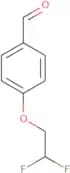
CAS:Versatile small molecule scaffoldFormula:C10H8O3SPurity:Min. 95%Molecular weight:208.24 g/mol4-(2,2-difluoroethoxy)benzaldehyde
CAS:Versatile small molecule scaffold
Formula:C9H8F2O2Purity:Min. 95%Molecular weight:186.16 g/mol2-{[(Propan-2-yl)amino]methyl}aniline
CAS:Versatile small molecule scaffold
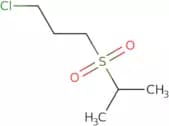
Formula:C10H16N2Purity:Min. 95%Molecular weight:164.25 g/mol1-Chloro-3-(propane-2-sulfonyl)propane
CAS:Versatile small molecule scaffold
Formula:C6H13ClO2SPurity:Min. 95%Molecular weight:184.69 g/molMethyl 1,3-benzoxazole-4-carboxylate
CAS:Versatile small molecule scaffold
Formula:C9H7NO3Purity:Min. 95%Molecular weight:177.16 g/molMethyl 2-methylbenzo[D]oxazole-4-carboxylate
CAS:Methyl 2-methylbenzo[D]oxazole-4-carboxylate is a potent inhibitor of the polymerase enzyme, which plays a central role in DNA replication. It has been shown to have anticancer activity and can be used as an adjuvant therapy for cancer. The inhibitory effect of methyl 2-methylbenzo[D]oxazole-4-carboxylate on polymerase can be potentiated by other drugs such as adenosine-5'-diphosphoribose (ADP) and carboplatin. Methyl 2-methylbenzo[D]oxazole-4-carboxylate binds to the active site of polymerase through hydrogen bonding, inhibiting the synthesis of DNA. This drug also stabilizes the conformation of the enzyme's active site, which may lead to increased rates of catalysis. The reactive nature of methyl 2-methylbenzo [D] oxazole 4 carFormula:C10H9NO3Purity:Min. 95%Molecular weight:191.18 g/mol2-Cyano-N-[1-(2,4-dichlorophenyl)ethyl]acetamide
CAS:Versatile small molecule scaffoldFormula:C11H10Cl2N2OPurity:Min. 95%Molecular weight:257.11 g/mol3-(Aminomethyl)-1-azabicyclo[2.2.2]octan-3-ol dihydrochloride
CAS:Versatile small molecule scaffold
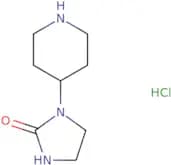
Formula:C8H18Cl2N2OPurity:Min. 95%Molecular weight:229.14 g/mol1-(Piperidin-4-yl)imidazolidin-2-one hydrochloride
CAS:Versatile small molecule scaffoldFormula:C8H16ClN3OPurity:Min. 95%Molecular weight:205.68 g/mol2-(Chloromethyl)-5-methylpyrazine hydrochloride
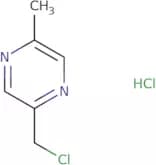
CAS:Versatile small molecule scaffoldFormula:C6H8Cl2N2Purity:Min. 95%Molecular weight:179.04 g/mol(2,2-Difluoro-1-methyl-cyclopropyl)methanol
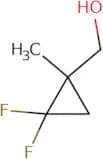
CAS:Versatile small molecule scaffoldFormula:C5H8F2OPurity:Min. 95%Molecular weight:122.11 g/mol(+/-)-2,2-Difluoro-1-methylcyclopropylamine hydrochloride
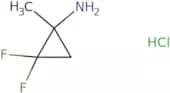
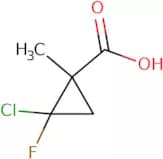
CAS:Versatile small molecule scaffoldFormula:C4H8ClF2NPurity:Min. 95%Molecular weight:143.56 g/mol2-Chloro-2-fluoro-1-methylcyclopropane-1-carboxylic acid
CAS:2-Chloro-2-fluoro-1-methylcyclopropane-1-carboxylic acid is an aralkyl halogen with bactericidal, fungicidal and potassium permanganate properties. It is also used as a diluent for potassium permanganate. Potassium permanganate oxidizes 2-chloro-2-fluoro-1-methylcyclopropane-1 carboxylic acid to the corresponding hydroxyl compound, which reacts with alkoxy groups in the cell membrane to produce a cyclopropane ring. This reaction leads to cell death by inhibiting protein synthesis and DNA replication.Formula:C5H6ClFO2Purity:Min. 95%Molecular weight:152.55 g/mol(1R)-2-Amino-1-(4-methoxyphenyl)ethan-1-ol hydrochloride
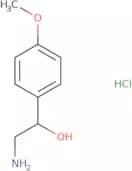
CAS:Versatile small molecule scaffoldFormula:C9H14ClNO2Purity:Min. 95%Molecular weight:203.66 g/mol(2S)-2-(Hydroxymethyl)pyrrolidine-1-carboxamide
CAS:Versatile small molecule scaffold
Formula:C6H12N2O2Purity:Min. 95%Molecular weight:144.17 g/mol

![3-[Carboxy(acetamido)methyl]benzoic acid](/_next/image/?url=https%3A%2Fstatic.cymitquimica.com%2Fproducts%2F3D%2Fthumb-webp%2FDEA64639.webp&w=3840&q=75)
![(2S)-2-[(4-Chlorophenyl)amino]propanoic acid](/_next/image/?url=https%3A%2Fstatic.cymitquimica.com%2Fproducts%2F3D%2Fthumb-webp%2FDEA67825.webp&w=3840&q=75)
![3-[N-(2-Methoxyphenyl)4-methylbenzenesulfonamido]propanoic acid](/_next/image/?url=https%3A%2Fstatic.cymitquimica.com%2Fproducts%2F3D%2Fthumb-webp%2FDEA68796.webp&w=3840&q=75)
![[4-(tert-Butoxycarbonylamino-methyl)-piperidin-1-yl]-acetic acid](/_next/image/?url=https%3A%2Fstatic.cymitquimica.com%2Fproducts%2F3D%2Fthumb-webp%2FDEC98441.webp&w=3840&q=75)



![2-Methylpyrido[2,3-b]pyrazin-3(4H)-one](/_next/image/?url=https%3A%2Fstatic.cymitquimica.com%2Fproducts%2F3D%2Fthumb-webp%2FDFA10280.webp&w=3840&q=75)
![3-Methyl-1H,2H-pyrido[2,3-b]pyrazin-2-one](/_next/image/?url=https%3A%2Fstatic.cymitquimica.com%2Fproducts%2F3D%2Fthumb-webp%2FDFA10281.webp&w=3840&q=75)
![2-{[(Propan-2-yl)amino]methyl}aniline](/_next/image/?url=https%3A%2Fstatic.cymitquimica.com%2Fproducts%2F3D%2Fthumb-webp%2FDFA14539.webp&w=3840&q=75)

![Methyl 2-methylbenzo[D]oxazole-4-carboxylate](/_next/image/?url=https%3A%2Fstatic.cymitquimica.com%2Fproducts%2F3D%2Fthumb-webp%2FDFA15655.webp&w=3840&q=75)
![2-Cyano-N-[1-(2,4-dichlorophenyl)ethyl]acetamide](/_next/image/?url=https%3A%2Fstatic.cymitquimica.com%2Fproducts%2F3D%2Fthumb-webp%2FDFA17343.webp&w=3840&q=75)
![3-(Aminomethyl)-1-azabicyclo[2.2.2]octan-3-ol dihydrochloride](/_next/image/?url=https%3A%2Fstatic.cymitquimica.com%2Fproducts%2F3D%2Fthumb-webp%2FDFA20012.webp&w=3840&q=75)