Building Blocks
Subcategories of "Building Blocks"
- Boronic Acids & Boronic Acid Derivatives(5,780 products)
- Chiral Building Blocks(1,241 products)
- Hydrocarbon Building Blocks(6,100 products)
- Organic Building Blocks(61,029 products)
Found 205306 products of "Building Blocks"
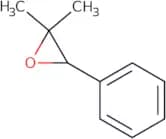
2,2-Dimethyl-3-phenyloxirane
CAS:2,2-Dimethyl-3-phenyloxirane is a hydroxy substituted cyclohexene. It can be synthesized by the elimination of hydroxy groups in cyclohexane. Hydroxy groups are eliminated through reaction with ethylene oxide and phosphonic acid. The compound can be used as an intermediate for the production of some pharmaceuticals, such as adrenoreceptor agonists and alicyclic drugs. 2,2-Dimethyl-3-phenyloxirane has a chemical formula of C8H14O2. It contains 8 carbon atoms, 14 hydrogen atoms, and 2 oxygen atoms. It also has a molecular weight of 136.22 g/mol and a density of 0.86 g/cm3 at 20°C and 1 atmosphere pressure.Formula:C10H12OPurity:Min. 95%Molecular weight:148.2 g/mol3-(4-Methylbenzenesulfonyl)propanoic acid
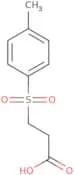
CAS:3-(4-Methylbenzenesulfonyl)propanoic acid (MBPSA) is a tosylated analog of the electrophile propanoic acid. It reacts with nucleophiles and heteroatoms to form an ionic product with a negative charge on the carbon atom adjacent to the sulfonate group. The carbonyl group in MBPSA is susceptible to nucleophilic attack by lithium, forming lithium enolate. This enolate can react with other electrophiles, such as anion or carbonyls, to form a new molecule containing the original electrophile and a sulfonate group.Formula:C10H12O4SPurity:Min. 95%Molecular weight:228.27 g/mol3-(4-Methylbenzenesulfonyl)propanenitrile
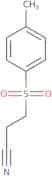
CAS:Versatile small molecule scaffoldFormula:C10H11NO2SPurity:Min. 95%Molecular weight:209.27 g/mol(2-Methylphenyl)acetaldehyde
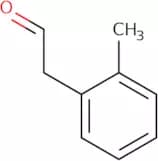
CAS:(2-Methylphenyl)acetaldehyde is an enamine with a dimer. It can be used to synthesize amines and n-substituted amines. This compound has been shown to catalyze the dimerization of pinacolborane in the presence of protonation and deuterium activation. The regioselectivity of this reaction is dependent on the substituents on the 2-methylphenyl group. The reactivity of this compound is due to its ability to act as a nucleophile, which allows for reactions with electrophiles.Formula:C9H10OPurity:Min. 95%Molecular weight:134.18 g/mol3-Benzyl-2,3,4,5-tetrahydro-1H-1,4-benzodiazepine-2,5-dione
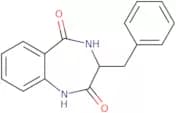
CAS:Versatile small molecule scaffoldFormula:C16H14N2O2Purity:Min. 95%Molecular weight:266.29 g/mol2-(5-Chloro-1H-1,3-benzodiazol-2-yl)aniline
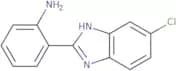
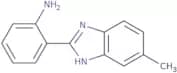
CAS:Versatile small molecule scaffoldFormula:C13H10ClN3Purity:Min. 95%Molecular weight:243.69 g/mol2-(5-Methyl-1H-1,3-benzodiazol-2-yl)aniline
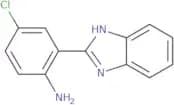
CAS:Versatile small molecule scaffoldFormula:C14H13N3Purity:Min. 95%Molecular weight:223.27 g/mol2-(1H-1,3-Benzodiazol-2-yl)-4-chloroaniline
CAS:Versatile small molecule scaffoldFormula:C13H10ClN3Purity:Min. 95%Molecular weight:243.69 g/mol[(2-Chlorophenyl)methyl]dimethylamine
CAS:Versatile small molecule scaffoldFormula:C9H12ClNPurity:Min. 95%Molecular weight:169.65 g/molMethyl 2-(3-chloroquinoxalin-2-yl)-2-cyanoacetate
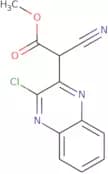
CAS:Versatile small molecule scaffoldFormula:C12H8ClN3O2Purity:Min. 95%Molecular weight:261.66 g/mol4-Chloro-2-(chloromethyl)pyridine
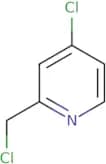
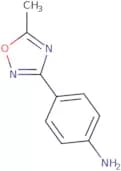
CAS:4-Chloro-2-(chloromethyl)pyridine is a heterocyclic compound with the chemical formula CHClN. It is a colorless liquid that is soluble in organic solvents and insoluble in water. 4-Chloro-2-(chloromethyl)pyridine is used as a precursor to picolinic acid, an intermediate for the synthesis of pharmaceuticals and other products. 4-Chloro-2-(chloromethyl)pyridine also serves as a catalyst for the synthesis of thionyl chloride and amide from pyridine nitrogen chloride. The use of this compound for various purposes has been detected by x-ray crystal structures, which are obtained through coordination chemistry techniques.Formula:C6H5Cl2NPurity:Min. 95%Molecular weight:162.02 g/mol4-(5-Methyl-1,2,4-oxadiazol-3-yl)aniline
CAS:Versatile small molecule scaffold
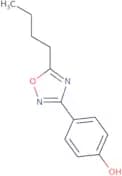
Formula:C9H9N3OPurity:Min. 95%Molecular weight:175.19 g/mol4-(5-Butyl-1,2,4-oxadiazol-3-yl)phenol
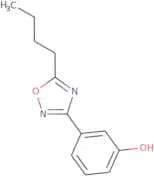
CAS:Versatile small molecule scaffoldFormula:C12H14N2O2Purity:Min. 95%Molecular weight:218.25 g/mol3-(5-Butyl-1,2,4-oxadiazol-3-yl)phenol
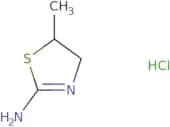
CAS:Versatile small molecule scaffoldFormula:C12H14N2O2Purity:Min. 95%Molecular weight:218.25 g/mol5-Methyl-4,5-dihydro-1,3-thiazol-2-amine hydrochloride
CAS:Versatile small molecule scaffoldFormula:C4H9ClN2SPurity:Min. 95%Molecular weight:152.65 g/mol2-[(2-Aminoethanesulfinyl)sulfanyl]ethan-1-amine dihydrochloride
CAS:Versatile small molecule scaffoldFormula:C4H14Cl2N2OS2Purity:Min. 95%Molecular weight:241.2 g/mol2-[2-(Methylsulfanyl)phenyl]acetic acid
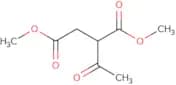
CAS:Versatile small molecule scaffoldFormula:C9H10O2SPurity:Min. 95%Molecular weight:182.24 g/molDimethyl Acetylsuccinate
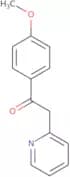
CAS:Dimethyl Acetylsuccinate is a chemical compound that is used as an antiretroviral agent. It has been shown to be effective in the treatment of HIV-infected individuals with significant cytotoxicity and long-term efficacy. Dimethyl Acetylsuccinate is also used for the treatment of bowel diseases, such as ulcerative colitis and Crohn's disease, by reducing inflammation in the gut. This drug was found to be effective at removing reactive oxygen species from wastewater during its use as a coagulant in water treatment plants. Dimethyl Acetylsuccinate is not active against infectious diseases such as tuberculosis or malaria, but it does have some activity against influenza virus.Formula:C8H12O5Purity:Min. 95%Molecular weight:188.18 g/mol1-(4-Methoxyphenyl)-2-(pyridin-2-yl)ethan-1-one
CAS:Versatile small molecule scaffoldFormula:C14H13NO2Purity:Min. 95%Molecular weight:227.26 g/mol1-(4-Chlorophenyl)-2-(pyridin-2-yl)ethan-1-one
CAS:Versatile small molecule scaffold
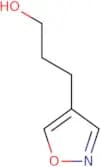
Formula:C13H10ClNOPurity:Min. 95%Molecular weight:231.68 g/mol3-Isoxazol-4-ylpropan-1-ol
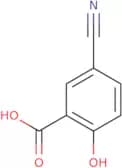
CAS:Versatile small molecule scaffoldFormula:C6H9NO2Purity:Min. 95%Molecular weight:127.14 g/mol5-Cyano-2-hydroxybenzoic acid
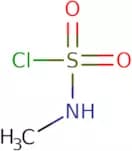
CAS:Versatile small molecule scaffoldFormula:C8H5NO3Purity:Min. 95%Molecular weight:163.13 g/molMesulfamoyl chloride
CAS:Mesulfamoyl chloride is a sulphamic acid derivative that acts as an inhibitor of the enzyme sulphotransferase, which is involved in the conversion of sulphamates to sulphones. It has been used in clinical studies for the treatment of cancer and infectious diseases such as hepatitis. Mesulfamoyl chloride has been shown to be effective against oestrone sulphatase and serine proteases, which are enzymes that can lead to cell proliferation.Formula:CH4ClNO2SPurity:Min. 95%Color and Shape:Clear LiquidMolecular weight:129.57 g/molMethyl[2-(piperidin-1-yl)ethyl]amine dihydrochloride
CAS:Versatile small molecule scaffoldFormula:C8H20Cl2N2Purity:Min. 95%Molecular weight:215.16 g/mol1H,4H,5H,6H-Cyclopenta[D]imidazole-2-thiol
CAS:Versatile small molecule scaffoldFormula:C6H8N2SPurity:Min. 95%Molecular weight:140.21 g/mol5-[3-(Trifluoromethyl)phenyl]-1,3,4-thiadiazol-2-amine
CAS:Versatile small molecule scaffold
Formula:C9H6F3N3SPurity:Min. 95%Molecular weight:245.23 g/mol5-[4-(Trifluoromethyl)phenyl]-1,3,4-thiadiazol-2-amine
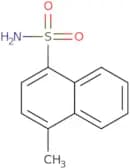
CAS:Versatile small molecule scaffoldFormula:C9H6F3N3SPurity:Min. 95%Molecular weight:245.23 g/mol4-Methylnaphthalene-1-sulfonamide
CAS:Versatile small molecule scaffoldFormula:C11H11NO2SPurity:Min. 95%Molecular weight:221.28 g/molChrysanthemic acid
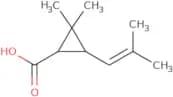
CAS:Chrysanthemic acid is a chiral molecule that has been shown to have anti-inflammatory properties. The hydroxyl group in the molecule reacts with malonic acid, forming a chrysanthemic ester. Chrysanthemic acid is also known as an analytical method for determining the degree of unsaturation of fatty acids. Chrysanthemic acid is used in the synthesis of monoclonal antibodies, which can be applied for the treatment and prevention of diseases such as cancer, rheumatoid arthritis, Crohn's disease, and other autoimmune disorders. It can also be used to treat infections caused by bacteria that are resistant to antibiotics. The basic structure of chrysanthemic acid is an inorganic acid that contains a hydroxyl group and an asymmetric carbon atom.
Formula:C10H16O2Purity:Min. 95%Molecular weight:168.23 g/molMenthone (Mixture of Diastereomers)
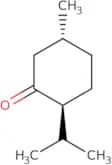
CAS:Menthone is a terpene with a carbonyl group. It has been shown to have in vitro antifungal activity against some strains of bacteria and fungi. Menthone has been found to inhibit the enzyme DPP-IV, which is involved in the production of proinflammatory cytokines, such as IL-8. Menthone can be synthesized by reacting menthol with acetyl chloride. The structure of menthone can be confirmed using nuclear magnetic resonance spectroscopy (NMR). Isomenthone is another name for menthone that refers to one of its stereoisomers, or two molecules that are mirror images of each other. Isomenthone has also been shown to inhibit DPP-IV.Formula:C10H18OPurity:Min. 95%Molecular weight:154.25 g/mol4-[(2,4-Dinitrophenyl)amino]butanoic acid
CAS:4-[(2,4-Dinitrophenyl)amino]butanoic acid (4DNPA) is an acceptor for elongating ribosomes and is involved in the covalent binding of peptidyl tRNA to aminoacyl tRNA synthetase. 4DNPA has been shown to be reactive with the subunit of bacterial ribosomes and form covalent complexes. It also reacts with peptidyl-tRNA, forming a covalent adduct. This adduct blocks the peptidyl site on the ribosome and prevents protein synthesis.
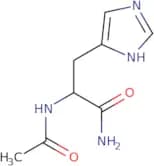
Formula:C10H11N3O6Purity:Min. 95%Molecular weight:269.21 g/mol2-Acetamido-3-(1H-imidazol-4-yl)propanamide
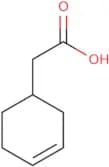
CAS:Versatile small molecule scaffoldFormula:C8H12N4O2Purity:Min. 95%Molecular weight:196.21 g/mol2-(Cyclohex-3-en-1-yl)acetic acid
CAS:Versatile small molecule scaffoldFormula:C8H12O2Purity:Min. 95%Molecular weight:140.18 g/molSpiro[3.4]octan-5-one
CAS:Versatile small molecule scaffoldFormula:C8H12OPurity:Min. 95%Molecular weight:124.18 g/mol2-Ethenyl-9H-fluorene
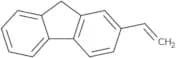
CAS:2-Ethenyl-9H-fluorene (2EF) is a monomer that can be polymerized to form poly(2EF). The chemical properties of 2EF are similar to those of vinyl chloride, but the processability of 2EF is better. This monomer can be reacted with acrylates or methacrylates to produce polymers with good mechanical strength and water resistance. The polymerization reaction is catalyzed by an acrylate or methacrylate co-monomer and a cocatalyst such as ammonium peroxydisulfate. 2EF can also be used as a precursor for other compounds such as 9H-fluorenone, peroxides, ozonides, unsaturated alkyls, and chlorinated solvents.Formula:C15H12Purity:Min. 95%Molecular weight:192.25 g/molN-(2-Propynyl)succinimide
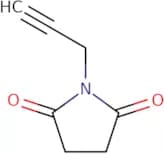
CAS:N-(2-Propynyl)succinimide is a conjugate that inhibits the growth of bacteria by binding to the cell wall. It binds to the β-unsaturated ketones found in bacterial cell walls, which are normally involved in the synthesis of carbohydrates. N-(2-Propynyl)succinimide may also bind to nucleophiles such as cysteine residues and reversibly bind to cellular components. This drug has been shown to have antimycobacterial activity against Mycobacterium tuberculosis and Mycobacterium avium complex, but not against Mycobacterium leprae.
Formula:C7H7NO2Purity:Min. 95%Molecular weight:137.14 g/mol2-(4-pyridyl)indane-1,3-dione
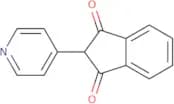
CAS:2-(4-Pyridyl)indane-1,3-dione is a cytotoxic agent that inhibits the growth of cancer cells. It has been shown to be selective against colon and breast cancers in laboratory testing. 2-(4-Pyridyl)indane-1,3-dione blocks the progression of cancer by inhibiting the synthesis of DNA. This drug also has anti-inflammatory properties that may be due to its ability to inhibit prostaglandin synthesis. The cytotoxicity of 2-(4-pyridyl)indane-1,3-dione was tested on HT29 colon cancer cells and MDA-MB231 breast cancer cells in vitro. The drug showed an IC50 value of 0.21±0.03 μM for HT29 cells and 0.22±0.02 μM for MDA-MB231 cells, which is indicative of its potency as a cytotoxic agent against these cell linesPurity:Min. 95%Dibenzylaminemonoacetate
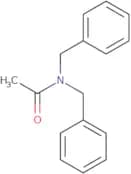
CAS:Dibenzylaminemonoacetate is a hydroxy fatty acid that can be found in adipose tissue. It is an acylation reaction product of a fatty acid and aminoacetaldehyde, which is derived from the hydrolysis of the amino acid L-phenylalanine. Dibenzylaminemonoacetate has been shown to have anti-inflammatory effects in vitro and in vivo by activating PPARγ. When tested in mice, this compound was found to decrease levels of pro-inflammatory cytokines such as IL-1β, IL-6, and TNFα, while increasing levels of anti-inflammatory cytokines such as IL-10 and TGFβ. The mechanism behind these effects is not yet known but may be due to dibenzylaminemonoacetate’s ability to bind to amine groups on proteins or its ability to act as an antagonist for the α2A adrenergic receptor.Formula:C16H17NOPurity:Min. 95%Molecular weight:239.32 g/molrac-(3aR,7aS)-Octahydro-1H-isoindol-1-one
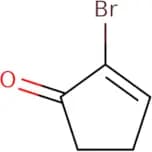
CAS:Racemic octahydro-1H-isoindol-1-one is a compound that has been shown to have both inhibitory and stimulatory effects on the adrenergic receptors. It blocks the ATP-sensitive K+ channel, which causes an increase in intracellular calcium levels. This leads to the activation of phospholipase A2 and protein kinase C. Racemic octahydro-1H-isoindol-1-one also inhibits 5HT3 receptor antagonists, which are implicated in nausea and vomiting. Racemic octahydro-1H-isoindol-1-one also has been found to be a selective inhibitor of tyrosine kinases. The racemic mixture of octahydro isoindole 1, one isomer being more potent than the other. Racemic octahydro isoindole 1, one is a competitive inhibitor at serotonin transporter (SERT) and norepinephrine transporter (NET).Formula:C8H13NOPurity:Min. 95%Molecular weight:139.19 g/mol2-Bromocyclopent-2-en-1-one
CAS:2-Bromocyclopent-2-en-1-one is a synthetic bidentate ligand with the formula CHClBr. It has been used in organic synthesis as a nucleophilic reagent. 2-Bromocyclopent-2-en-1-one is also an active methylene group, which can undergo substitution reactions to form cationic intermediates. The chloride and hydroxy groups on the molecule are stereoselective, allowing for two different orientation of the substituents on the same carbon atom. This class of compounds encompasses many antimicrobial agents, such as chlorhexidine, hexachlorophene, and trichlorocarbanilide.
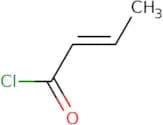
Formula:C5H5BrOPurity:Min. 95%Molecular weight:161 g/molCrotonyl chloride
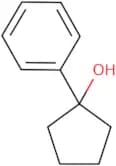
CAS:Crotonyl chloride is a chemical compound that contains a hydroxyl group (-OH) and an amide (-CONH). It can be used in the synthesis of epidermal growth factor. Crotonyl chloride also has the ability to inhibit the growth of cancer cells by binding to surface receptors on the cell membrane, which leads to apoptosis. It is used as a polymerase chain reaction (PCR) substrate film for sodium carbonate and chloride yields. This chemical can be synthesized using an asymmetric synthesis with nitrogen atoms, amines, and sodium carbonate.Formula:C4H5ClOPurity:Min. 95%Molecular weight:104.53 g/mol1-Phenylcyclopentan-1-ol
CAS:1-Phenylcyclopentan-1-ol is an estrogenic compound that has been shown to be a potent contraceptive. It inhibits the production of estrogens, which are responsible for the development and maintenance of female reproductive tissues. 1-Phenylcyclopentan-1-ol also has anti-cancer activity, as it can inhibit the growth of cancer cells by inhibiting protein synthesis or cell division. This compound has been shown to have no effect on fertility in rats and rabbits. 1-Phenylcyclopentan-1-ol is also an alkoxy radical scavenger and can be used as a treatment for fatty acid peroxidation.
Formula:C11H14OPurity:Min. 95%Molecular weight:162.23 g/molEthyl 3-oxooctanoate
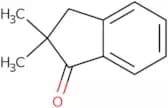
CAS:Ethyl 3-oxooctanoate is a chiral, reactive, and stereoselective compound that is produced by the ring-opening of trifluoroacetic acid with octanal. It can be used in the synthesis of epoxides, propiolic acid, and agrichemicals. Ethyl 3-oxooctanoate has also been found to be a pheromone for male grasshoppers. This compound has been shown to react with acetaldehyde and form a carbonyl group, which is necessary for its reactivity. Ethyl 3-oxooctanoate has two different reactive groups: an electrophilic carbonyl group and a nucleophilic carboxylic acid group. These two reactive groups make it multidimensional in terms of reactivity.Formula:C10H18O3Purity:Min. 95%Molecular weight:186.25 g/mol2,2-Dimethyl-1-indanone
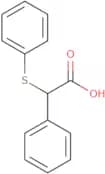
CAS:2,2-Dimethyl-1-indanone is a carbonyl group with an aromatic hydrocarbon that has been shown to have anti-inflammatory properties. It has been found in the blood of patients with inflammatory bowel disease and also in Alzheimer's disease patients. This active methylene is a pyrimidine compound that has been shown to be useful in the synthesis of polymers used in copolymerization and condensation reactions. The compound can also be used as an intermediate for drugs against bowel diseases or Alzheimer's disease.Formula:C11H12OPurity:Min. 95%Molecular weight:160.21 g/mol2-Phenyl-2-(phenylthio)acetic acid
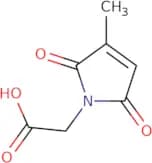
CAS:Versatile small molecule scaffoldFormula:C14H12O2SPurity:Min. 95%Molecular weight:244.31 g/mol2-(3-Methyl-2,5-dioxo-2,5-dihydro-1H-pyrrol-1-yl)acetic acid
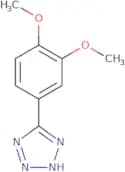
CAS:Versatile small molecule scaffoldFormula:C7H7NO4Purity:Min. 95%Molecular weight:169.13 g/mol5-(3,4-Dimethoxyphenyl)-1H-1,2,3,4-tetrazole
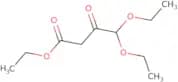
CAS:Versatile small molecule scaffoldFormula:C9H10N4O2Purity:Min. 95%Molecular weight:206.2 g/molEthyl 4,4-diethoxy-3-oxobutanoate
CAS:Ethyl 4,4-diethoxy-3-oxobutanoate is a horticultural chemical that is used as a diagnostic agent for the detection of azides in human serum. It has been proposed to be used as an analog for ethyl 3,4,4-trimethoxybutanoate or methyl 3,4,4-trimethoxybutanoate. This chemical is reactive and can be damaging to cells and tissues. Studies have shown that it can also react with DNA bases such as thymine and cytosine to form crosslinks in the nucleic acid chain. Ethyl 4,4-diethoxy-3-oxobutanoate has been shown to be efficient in inducing positron emission from biomolecules like glucose and fatty acids.
Formula:C10H18O5Purity:Min. 95%Molecular weight:218.25 g/mol2-(Methoxymethyl)butanoic acid
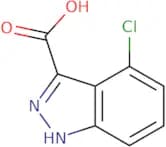
CAS:Versatile small molecule scaffoldFormula:C6H12O3Purity:Min. 95%Molecular weight:132.2 g/mol4-chloro-1h-indazole-3-carboxylic acid
CAS:Versatile small molecule scaffoldFormula:C8H5ClN2O2Purity:Min. 95%Molecular weight:196.59 g/mol

![[(2-Chlorophenyl)methyl]dimethylamine](/_next/image/?url=https%3A%2Fstatic.cymitquimica.com%2Fproducts%2F3D%2Fthumb-webp%2FKAA17531.webp&w=3840&q=75)
![2-[(2-Aminoethanesulfinyl)sulfanyl]ethan-1-amine dihydrochloride](/_next/image/?url=https%3A%2Fstatic.cymitquimica.com%2Fproducts%2F3D%2Fthumb-webp%2FKAA41685.webp&w=3840&q=75)
![2-[2-(Methylsulfanyl)phenyl]acetic acid](/_next/image/?url=https%3A%2Fstatic.cymitquimica.com%2Fproducts%2F3D%2Fthumb-webp%2FKAA41934.webp&w=3840&q=75)

![Methyl[2-(piperidin-1-yl)ethyl]amine dihydrochloride](/_next/image/?url=https%3A%2Fstatic.cymitquimica.com%2Fproducts%2F3D%2Fthumb-webp%2FKAA44286.webp&w=3840&q=75)
![1H,4H,5H,6H-Cyclopenta[D]imidazole-2-thiol](/_next/image/?url=https%3A%2Fstatic.cymitquimica.com%2Fproducts%2F3D%2Fthumb-webp%2FKAA44299.webp&w=3840&q=75)
![5-[3-(Trifluoromethyl)phenyl]-1,3,4-thiadiazol-2-amine](/_next/image/?url=https%3A%2Fstatic.cymitquimica.com%2Fproducts%2F3D%2Fthumb-webp%2FKAA44502.webp&w=3840&q=75)
![5-[4-(Trifluoromethyl)phenyl]-1,3,4-thiadiazol-2-amine](/_next/image/?url=https%3A%2Fstatic.cymitquimica.com%2Fproducts%2F3D%2Fthumb-webp%2FKAA44504.webp&w=3840&q=75)
![4-[(2,4-Dinitrophenyl)amino]butanoic acid](/_next/image/?url=https%3A%2Fstatic.cymitquimica.com%2Fproducts%2F3D%2Fthumb-webp%2FKAA46675.webp&w=3840&q=75)
![Spiro[3.4]octan-5-one](/_next/image/?url=https%3A%2Fstatic.cymitquimica.com%2Fproducts%2F3D%2Fthumb-webp%2FKAA46836.webp&w=3840&q=75)