Building Blocks
This section contains fundamental products for the synthesis of organic and biological compounds. Building blocks are the essential starting materials used to construct complex molecules through various chemical reactions. They play a critical role in drug discovery, material science, and chemical research. At CymitQuimica, we offer a diverse range of high-quality building blocks to support your innovative research and industrial projects, ensuring you have the essential components for successful synthesis.
Subcategories of "Building Blocks"
- Boronic Acids & Boronic Acid Derivatives(5,778 products)
- Chiral Building Blocks(1,242 products)
- Hydrocarbon Building Blocks(6,098 products)
- Organic Building Blocks(61,063 products)
Found 197855 products of "Building Blocks"
Sort by
Purity (%)
0
100
|
0
|
50
|
90
|
95
|
100
4-(4-Methoxy-phenyl)-5-methyl-thiazol-2-ylamine
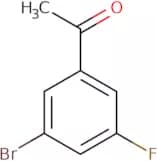
CAS:<p>Versatile small molecule scaffold</p>Formula:C11H12N2OSPurity:Min. 95%Molecular weight:220.3 g/mol1-(3-Bromo-5-fluorophenyl)ethanone
CAS:<p>Versatile small molecule scaffold</p>Formula:C8H6BrFOPurity:Min. 95%Molecular weight:217.04 g/mol3-(4-Bromophenyl)-2-propen-1-ol
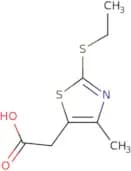
CAS:<p>3-(4-Bromophenyl)-2-propen-1-ol is a biomolecule that is a stereoisomer of epoxypropane. It can be synthesized by the epoxidation of 3-bromobenzaldehyde with sodium hydroxide and tetrahydrofuran in the presence of catalysts such as FeCl3. This compound has been shown to have affinity for rat brain tissue and to inhibit the reuptake of noradrenaline, which is a neurotransmitter. The stereogenic center, which is located at the C3 position, can be substituted with other groups such as alcohols or cinnamyl. The bromohydrins formed during this reaction are nucleophiles that can also react with electrophilic compounds.</p>Formula:C9H9BrOPurity:Min. 95%Molecular weight:213.08 g/mol2-(2-(Ethylthio)-4-methylthiazol-5-yl)acetic acid
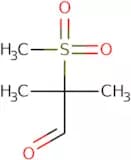
CAS:<p>Versatile small molecule scaffold</p>Formula:C8H11NO2S2Purity:Min. 95%Molecular weight:217.3 g/mol2-Methanesulfonyl-2-methylpropanal
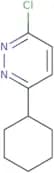
CAS:<p>Versatile small molecule scaffold</p>Formula:C5H10O3SPurity:Min. 95%Molecular weight:150.2 g/mol3-Chloro-6-cyclohexylpyridazine
CAS:<p>Versatile small molecule scaffold</p>Formula:C10H13ClN2Purity:Min. 95%Molecular weight:196.67 g/mol1,3-Diiodobicyclo[1.1.1]pentane
CAS:<p>1,3-Diiodobicyclo[1.1.1]pentane is a derivatized molecule that can be used in a number of different ways. It has been used to study the conformation and strain of this molecule, as well as its reactivity with other molecules. 1,3-Diiodobicyclo[1.1.1]pentane has been shown to have an increased susceptibility to nucleophilic attack by amines, which may be due to the presence of the sulfoxide group on the ring system. This mechanistic study provides insight into how this molecule can be functionalized for different purposes.</p>Formula:C5H6I2Purity:Min. 95%Molecular weight:319.91 g/molEthyl 2-(carbamothioylamino)-4,5,6,7-tetrahydro-1-benzothiophene-3-carboxylate
CAS:Versatile small molecule scaffoldFormula:C12H16N2O2S2Purity:Min. 95%Molecular weight:284.4 g/mol3-Phenylpiperidin-3-ol hydrochloride
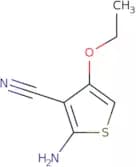
CAS:<p>Versatile small molecule scaffold</p>Formula:C11H16ClNOPurity:Min. 95%Molecular weight:213.7 g/mol2-Amino-4-ethoxythiophene-3-carbonitrile
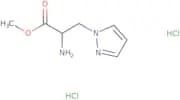
CAS:<p>2-Amino-4-ethoxythiophene-3-carbonitrile is a chemical compound that contains an orthoacetate group, which is an acetyl group in the 2 position and an ethoxy group in the 4 position. It is used in organic synthesis as a building block for introducing orthoalkoxysubstituents into ring systems. This compound can be prepared by transesterification of trimethylorthoacetate with 2-aminoethanethiol followed by reduction of the nitrile to amine with zinc dust and hydrochloric acid. The trimethylorthoacetate can be prepared by reacting methyltriphenylphosphonium bromide with trimethyl orthoformate and potassium hydroxide. This reaction has been shown to be efficient and high yielding.</p>Formula:C7H8N2OSPurity:Min. 95%Molecular weight:168.22 g/molMethyl 2-amino-3-(1H-pyrazol-1-yl)propanoate dihydrochloride
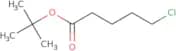
CAS:<p>Versatile small molecule scaffold</p>Formula:C7H13Cl2N3O2Purity:Min. 95%Molecular weight:242.1 g/moltert-Butyl 5-chloropentanoate
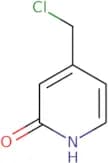
CAS:<p>Versatile small molecule scaffold</p>Formula:C9H17ClO2Purity:Min. 95%Molecular weight:192.68 g/mol4-(Chloromethyl)-1,2-dihydropyridin-2-one
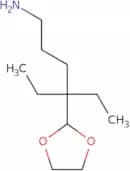
CAS:<p>Versatile small molecule scaffold</p>Formula:C6H6ClNOPurity:Min. 95%Molecular weight:143.57 g/mol4-(1,3-Dioxolan-2-yl)-4-ethylhexan-1-amine
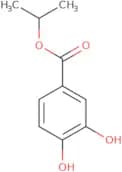
CAS:<p>Versatile small molecule scaffold</p>Formula:C11H23NO2Purity:Min. 95%Molecular weight:201.31 g/molPropan-2-yl 3,4-dihydroxybenzoate
CAS:<p>Propan-2-yl 3,4-dihydroxybenzoate is a chemoattractant protein that is reactive with hydrogen bonds. It has been shown to have anti-inflammatory properties and may be effective in the treatment of inflammatory diseases. Propan-2-yl 3,4-dihydroxybenzoate has been shown to cause apoptosis in microglia cells in vitro. This compound also activates toll-like receptor 4 and increases expression of proinflammatory cytokines such as tumor necrosis factor α (TNFα) and interleukin 1β (IL1β). In addition, it has been found to inhibit the growth of cancer cells through an effect on the mitogen activated protein kinase pathway.</p>Formula:C10H12O4Purity:Min. 95%Molecular weight:196.2 g/mol2-Ethyl-1,4-diazepane
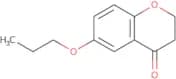
CAS:Versatile small molecule scaffoldFormula:C7H16N2Purity:Min. 95%Molecular weight:128.2 g/mol6-Propoxy-3,4-dihydro-2H-1-benzopyran-4-one
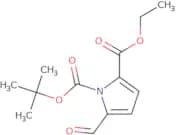
CAS:<p>Versatile small molecule scaffold</p>Formula:C12H14O3Purity:Min. 95%Molecular weight:206.24 g/mol1-tert-Butyl 2-ethyl 5-formyl-1H-pyrrole-1,2-dicarboxylate
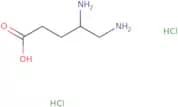
CAS:<p>Versatile small molecule scaffold</p>Formula:C13H17NO5Purity:Min. 95%Molecular weight:267.28 g/mol4,5-Diaminopentanoic acid dihydrochloride
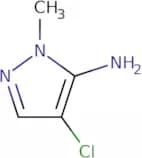
CAS:4,5-Diaminopentanoic acid dihydrochloride is a semialdehyde that can be used in the synthesis of α-amino acids. It is also an intermediate in the synthesis of 4,5-diaminopentanoic acid, which is a precursor to polyamides. This compound has been shown to inhibit glutarate dehydrogenase and semialdehyde dehydrogenase.Formula:C5H14Cl2N2O2Purity:Min. 95%Molecular weight:205.08 g/mol4-Chloro-1-methyl-1H-pyrazol-5-amine
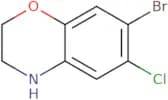
CAS:Versatile small molecule scaffoldFormula:C4H6ClN3Purity:Min. 95%Molecular weight:131.56 g/mol7-bromo-6-chloro-3,4-dihydro-2H-1,4-benzoxazine
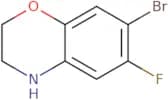
CAS:Versatile small molecule scaffoldFormula:C8H7BrClNOPurity:Min. 95%Molecular weight:248.5 g/mol7-Bromo-6-fluoro-3,4-dihydro-2H-1,4-benzoxazine
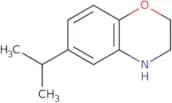
CAS:<p>Versatile small molecule scaffold</p>Formula:C8H7BrFNOPurity:Min. 95%Molecular weight:232.05 g/mol6-(Propan-2-yl)-3,4-dihydro-2H-1,4-benzoxazine
CAS:Versatile small molecule scaffoldFormula:C11H15NOPurity:Min. 95%Molecular weight:177.2 g/mol3-Phenyl-1,2-thiazol-4-amine
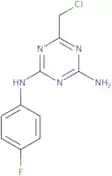
CAS:<p>Versatile small molecule scaffold</p>Formula:C9H8N2SPurity:Min. 95%Molecular weight:176.24 g/mol6-(Chloromethyl)-2-N-(4-fluorophenyl)-1,3,5-triazine-2,4-diamine
CAS:<p>Versatile small molecule scaffold</p>Formula:C10H9ClFN5Purity:Min. 95%Molecular weight:253.66 g/mol2-Methoxy-1-(pyridin-2-yl)ethan-1-one
CAS:Versatile small molecule scaffoldFormula:C8H9NO2Purity:Min. 95%Molecular weight:151.16 g/molMethyl 2-aminoheptanoate hydrochloride
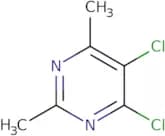
CAS:<p>Versatile small molecule scaffold</p>Formula:C8H18ClNO2Purity:Min. 95%Molecular weight:195.69 g/mol4,5-Dichloro-2,6-dimethylpyrimidine
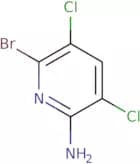
CAS:Versatile small molecule scaffoldFormula:C6H6Cl2N2Purity:Min. 95%Molecular weight:177.03 g/mol6-Bromo-3,5-dichloropyridin-2-amine
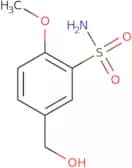
CAS:<p>Versatile small molecule scaffold</p>Formula:C5H3BrCl2N2Purity:Min. 95%Molecular weight:241.9 g/mol5-(Hydroxymethyl)-2-methoxybenzene-1-sulfonamide
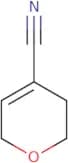
CAS:<p>Versatile small molecule scaffold</p>Formula:C8H11NO4SPurity:Min. 95%Molecular weight:217.24 g/mol3,6-Dihydro-2H-pyran-4-carbonitrile
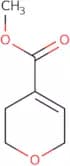
CAS:Versatile small molecule scaffoldFormula:C6H7NOPurity:Min. 95%Molecular weight:109.13 g/molMethyl 3,6-dihydro-2H-pyran-4-carboxylate
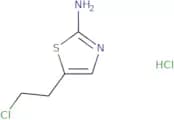
CAS:Versatile small molecule scaffoldFormula:C7H10O3Purity:Min. 95%Molecular weight:142.15 g/mol5-(2-Chloroethyl)-1,3-thiazol-2-amine hydrochloride
CAS:<p>Versatile small molecule scaffold</p>Formula:C5H8Cl2N2SPurity:Min. 95%Molecular weight:199.1 g/mol2-(2-Aminothiazol-5-yl)ethanol
CAS:<p>Versatile small molecule scaffold</p>Formula:C5H8N2OSPurity:Min. 95%Molecular weight:144.19 g/mol5-(2-Aminoethyl)-1,3-thiazol-2-amine
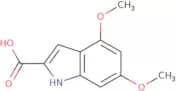
CAS:Versatile small molecule scaffoldFormula:C5H11Cl2N3SPurity:Min. 95%Molecular weight:216.13 g/mol4,6-Dimethoxy-1H-indole-2-carboxylic acid
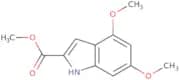
CAS:4,6-Dimethoxy-1H-indole-2-carboxylic acid is an aralkyl compound that belongs to the group of vitamin E compounds. It is a natural component of linoleic acid and indole-2-carboxylic acid. This compound is used as an antioxidant in the preparation process for animal feed and stearic acid. 4,6-Dimethoxy-1H-indole-2-carboxylic acid has been shown to inhibit growth and/or stearic acid condition in mice.Formula:C11H11NO4Purity:Min. 95%Molecular weight:221.21 g/molMethyl 4,6-dimethoxy-1H-indole-2-carboxylate
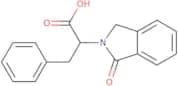
CAS:<p>Versatile small molecule scaffold</p>Formula:C12H13NO4Purity:Min. 95%Molecular weight:235.24 g/mol(2S)-2-(1-Oxo-2,3-dihydro-1H-isoindol-2-yl)-3-phenylpropanoic acid
CAS:<p>Versatile small molecule scaffold</p>Formula:C17H15NO3Purity:Min. 95%Molecular weight:281.3 g/mol4,5,6,7-Tetrahydro-[1,2,3]oxadiazolo[3,4-a]pyridin-8-ium-3-olate
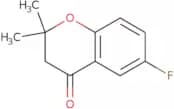
CAS:Versatile small molecule scaffoldFormula:C6H8N2O2Purity:Min. 95%Molecular weight:140.14 g/mol6-Fluoro-2,3-dihydro-2,2-dimethylchromen-4-one
CAS:Versatile small molecule scaffoldFormula:C11H11FO2Purity:Min. 95%Molecular weight:194.2 g/mol4-Phenylpiperidin-3-yl]methanol
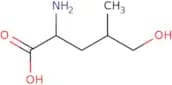
CAS:<p>Versatile small molecule scaffold</p>Formula:C12H17NOPurity:Min. 95%Molecular weight:191.27 g/mol2-Amino-5-hydroxy-4-methylpentanoic acid
CAS:<p>Versatile small molecule scaffold</p>Formula:C6H13NO3Purity:Min. 95%Molecular weight:147.17 g/molN-{2-[4-(2-Chloropropanoyl)phenyl]ethyl}acetamide
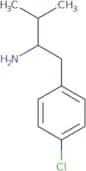
CAS:Versatile small molecule scaffoldFormula:C13H16ClNO2Purity:Min. 95%Molecular weight:253.72 g/mol1-(4-Chlorophenyl)-3-methylbutan-2-amine
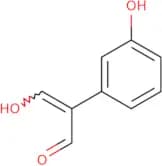
CAS:Controlled Product<p>Versatile small molecule scaffold</p>Formula:C11H16ClNPurity:Min. 95%Molecular weight:197.7 g/mol3-Hydroxy-2-(3-hydroxyphenyl)prop-2-enal
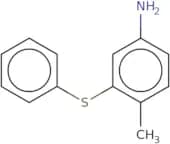
CAS:<p>Versatile small molecule scaffold</p>Formula:C9H8O3Purity:Min. 95%Molecular weight:164.16 g/mol4-Methyl-3-(phenylsulfanyl)aniline
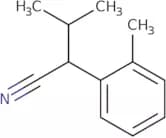
CAS:<p>Versatile small molecule scaffold</p>Formula:C13H13NSPurity:Min. 95%Molecular weight:215.3 g/mol3-Methyl-2-(2-methylphenyl)butanenitrile
CAS:Versatile small molecule scaffoldFormula:C12H15NPurity:Min. 95%Molecular weight:173.25 g/mol2-(4-tert-Butylcyclohexyl)acetic acid
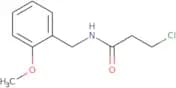
CAS:<p>Versatile small molecule scaffold</p>Formula:C12H22O2Purity:Min. 95%Molecular weight:198.3 g/mol3-Chloro-N-(2-methoxybenzyl)propanamide
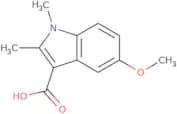
CAS:<p>Versatile small molecule scaffold</p>Formula:C11H14ClNO2Purity:Min. 95%Molecular weight:227.69 g/mol5-Methoxy-1,2-dimethyl-1H-indole-3-carboxylic acid
CAS:Controlled Product<p>5-Methoxy-1,2-dimethyl-1H-indole-3-carboxylic acid is a compound that has been shown to inhibit the polymerization of polymers. This chemical can be used as a sealant due to its ability to form a protective film on surfaces. It is also an effective polymerization inhibitor for polymers such as polyvinyl chloride and polystyrene, which are both used in the production of solar cells. 5-Methoxy-1,2-dimethyl-1H-indole-3-carboxylic acid can also be used to enhance the performance of solar cells by preventing water vapor from degrading the polymers that they are made of. The optimal wavelength range for this chemical is between 200 and 400 nm.</p>Formula:C12H13NO3Purity:Min. 95%Molecular weight:219.24 g/mol



![1,3-Diiodobicyclo[1.1.1]pentane](/_next/image/?url=https%3A%2Fstatic.cymitquimica.com%2Fproducts%2F3D%2Fthumb-webp%2FFEA54298.webp&w=3840&q=75)





![4,5,6,7-Tetrahydro-[1,2,3]oxadiazolo[3,4-a]pyridin-8-ium-3-olate](/_next/image/?url=https%3A%2Fstatic.cymitquimica.com%2Fproducts%2F3D%2Fthumb-webp%2FFEA78695.webp&w=3840&q=75)
![4-Phenylpiperidin-3-yl]methanol](/_next/image/?url=https%3A%2Fstatic.cymitquimica.com%2Fproducts%2F3D%2Fthumb-webp%2FFEA81273.webp&w=3840&q=75)
![N-{2-[4-(2-Chloropropanoyl)phenyl]ethyl}acetamide](/_next/image/?url=https%3A%2Fstatic.cymitquimica.com%2Fproducts%2F3D%2Fthumb-webp%2FFEA84289.webp&w=3840&q=75)