Building Blocks
This section contains fundamental products for the synthesis of organic and biological compounds. Building blocks are the essential starting materials used to construct complex molecules through various chemical reactions. They play a critical role in drug discovery, material science, and chemical research. At CymitQuimica, we offer a diverse range of high-quality building blocks to support your innovative research and industrial projects, ensuring you have the essential components for successful synthesis.
Subcategories of "Building Blocks"
- Boronic Acids & Boronic Acid Derivatives(5,778 products)
- Chiral Building Blocks(1,242 products)
- Hydrocarbon Building Blocks(6,098 products)
- Organic Building Blocks(61,034 products)
Found 199601 products of "Building Blocks"
Sort by
Purity (%)
0
100
|
0
|
50
|
90
|
95
|
100
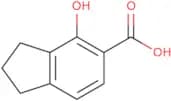
4-Hydroxy-2,3-dihydro-1H-indene-5-carboxylic acid
CAS:<p>Versatile small molecule scaffold</p>Formula:C10H10O3Purity:Min. 95%Molecular weight:178.18 g/molSulfalene (SMPZ)
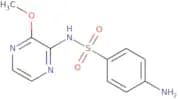
CAS:<p>Sulfalene (SMPZ) is a sulfa drug that inhibits the ATP-binding cassette transporter, which is important for the absorption of glucose and amino acids. Sulfalene has been shown to cause acute toxicities in the liver, kidney, and gastrointestinal tract. It also inhibits microbial growth by binding to bacterial ribosomes and preventing protein synthesis. Sulfalene has been shown to have activity against certain bacteria, such as Escherichia coli, Klebsiella pneumoniae, Pseudomonas aeruginosa, and Enterobacter cloacae. Sulfalene's effects on human intestinal flora are unclear due to its toxicity. However, it has been shown to increase bifidobacteria levels in rats fed with a high-fat diet.</p>Formula:C11H12N4O3SPurity:Min. 95%Molecular weight:280.3 g/molTrimethyl thiophosphate
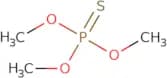
CAS:<p>Trimethyl thiophosphate is a white solid that is soluble in organic solvents. It is used as an intermediate in the production of pesticides and other industrial chemicals, such as phosphites and thiophosphates. Trimethyl thiophosphate can be synthesized by reacting phosphorus pentasulfide with trimethylamine. The reaction products are trimethyl phosphate, dimethyl phosphite, and sulfuryl chloride. Trimethyl thiophosphate has been shown to cause kidney fibrosis in mice when it was injected into the kidney at a dose of 3 mg/kg body weight. This chemical also may have some protective effects against metal surface corrosion due to its ability to form a protective film on the metal surface.</p>Formula:C3H9O3PSPurity:Min. 95%Molecular weight:156.14 g/molN,N,N',N'-Tetraethylethylenediamine
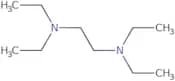
CAS:<p>N,N,N',N'-Tetraethylethylenediamine is a chemical compound that is used in the production of polyurethane. It can be synthesized from ethylenediamine by reaction with a trialkyl orthoformate and an acid catalyst. This chemical has a hydroxyl group and two asymmetric nitrogen atoms. The steric interactions between the hydrogen atom on the nitrogen atom and the three methyl groups on one carbon atom are responsible for its kinetic data. Tetraethylethylenediamine has been shown to react with copper complexes to form new palladium complexes. These reactions are catalyzed by serine proteases such as subtilisin and pepsin. N,N,N',N'-Tetraethylethylenediamine is also used as a cross-linking agent in polyurethanes. Cross-linked polyurethanes have improved mechanical properties and resistance to abrasion compared</p>Formula:C10H24N2Purity:Min. 95%Molecular weight:172.32 g/mol2-Iodohippuric acid
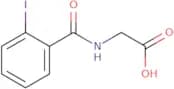
CAS:<p>2-Iodohippuric acid (2HPA) is a diagnostic agent that is used to measure the renal function of patients with chronic kidney disease. It is a radionuclide that is taken up by the renal tubules and excreted in the urine. 2HPA has been shown to be effective in diagnosing acute renal injury and chronic kidney disease, as well as estimating the glomerular filtration rate (GFR). This drug binds to metals such as cadmium, mercury, lead, and nickel and can be used for the treatment of metal poisoning. 2HPA has been shown to have a pharmacokinetic profile that includes a rapid uptake phase followed by an elimination phase with a half-life of approximately 9 hours.</p>Formula:IC6H4CONHCH2CO2HPurity:Min. 95%Molecular weight:305.07 g/molTriethylene glycol monobutyl ether
CAS:<p>Triethylene glycol monobutyl ether is a glycol ether that is used as an additive in paint, plastics, and textile manufacturing. It reacts with sodium carbonate to form particles in the aqueous phase. The particle size and the hydroxyl group content can be modified by changing the reaction conditions such as pH or temperature. This product has been shown to have antimicrobial activity against infectious diseases and can be used as a preservative for vaccines. Triethylene glycol monobutyl ether reacts with water molecules to form hydrogen peroxide, which damages bacterial DNA and inhibits growth of microorganisms.</p>Formula:C10H22O4Purity:Min. 98 Area-%Color and Shape:Clear LiquidMolecular weight:206.28 g/molDihexylamine
CAS:<p>Dihexylamine is a chemical compound that can be synthesized from hydrochloric acid and sodium salt. It is an aminotransferase inhibitor, which means it inhibits the enzyme that catalyzes the conversion of amino acids to amines. Dihexylamine is used as a cationic surfactant in products such as laundry detergents and dishwashing liquid because it has been shown to be effective at removing protein stains. It also has a water-repellent effect, which makes it useful for cleaning surfaces like glass and metal. Dihexylamine has been shown to have kinetic data and chemical stability in acidic solutions with an optimum pH level of 2-3.</p>Formula:C12H27NPurity:Min. 95%Molecular weight:185.36 g/molN-[(Thiophen-2-yl)methyl]pyridin-2-amine
CAS:<p>Versatile small molecule scaffold</p>Formula:C10H10N2SPurity:Min. 95%Molecular weight:190.27 g/molBenzyl chloroacetate
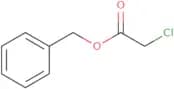
CAS:<p>Benzyl chloroacetate is a chemical compound that inhibits the activity of the enzyme acetylcholinesterase. It has been shown to be an effective inhibitor of this enzyme with a long duration of action in a model system. Benzyl chloroacetate is used as an antimicrobial agent and has been shown to inhibit microbial growth by inhibiting the synthesis of cell wall components, such as β-amino acids. It also inhibits heparin-induced thrombocytopenia by irreversibly inhibiting the enzyme acetylcholinesterase.</p>Formula:C9H9ClO2Purity:Min. 95%Molecular weight:184.62 g/mol3,5-Dibutylpyridine
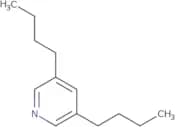
CAS:<p>Versatile small molecule scaffold</p>Formula:C13H21NPurity:Min. 95%Molecular weight:191.31 g/mol4-(Cyclohexyloxy)benzoic acid
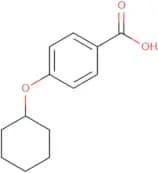
CAS:<p>4-(Cyclohexyloxy)benzoic acid is a cyclic compound that has been shown to have anticancer and anti-inflammatory properties. It can be found in the leaves of plants such as Salix alba, or it can be synthesized from propanamide. The structural formula of 4-(cyclohexyloxy)benzoic acid is C10H14O4. 4-(Cyclohexyloxy)benzoic acid has been shown to possess pharmacological properties, including analgesia, anti-inflammatory activity, inhibition of tumor growth and metastasis, and inhibition of prostate cancer. These effects are attributed to its ability to inhibit the production of prostaglandins by inhibiting cyclooxygenase enzymes. This compound has also been shown to have a high affinity for bone tissue and may be useful in the treatment of osteoarthritis.</p>Formula:C13H16O3Purity:Min. 95%Molecular weight:220.26 g/mol4-chloro-N,N-dimethyl-3-nitrobenzenesulfonamide
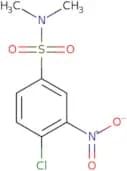
CAS:<p>Versatile small molecule scaffold</p>Formula:C8H9ClN2O4SPurity:Min. 95%Molecular weight:264.69 g/mol4,6-Dichlororesorcinol
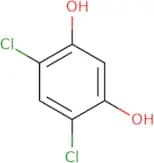
CAS:<p>4,6-Dichlororesorcinol is a chlorinated aromatic compound that is produced by the oxidation of 4,6-dichlorophenol. It has been shown to be a promising agent for wastewater treatment because it can reduce chlorinated organic compounds in the water and form stable complexes with them. 4,6-Dichlororesorcinol has been found to have an oxidation potential of 0.87 V (vs. NHE at pH 7) and a redox potential of -0.09 V vs. ferrocene/ferricenium (at pH 7). It is soluble in neutral pH solutions, but not in acidic or basic solutions. 4,6-Dichlororesorcinol also shows optical properties that depend on its environment. When exposed to light with wavelength greater than 270 nm, it exhibits a yellow color; when exposed to light with wavelength less than 270 nm, it exhibits a green color. This property makes it useful for d</p>Formula:C6H4Cl2O2Purity:Min. 95%Molecular weight:179 g/mol2-Ethoxy-5-nitroaniline
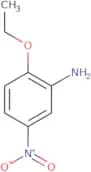
CAS:<p>2-Ethoxy-5-nitroaniline is a surfactant and stabilizing additive that impregnates and stabilizes paper. It can be used in the production of water-based paints, and as an agent for the extraction of oils from seeds.</p>Formula:C8H10N2O3Purity:Min. 95%Molecular weight:182.18 g/molButyl benzoate
CAS:<p>Butyl benzoate is a glycol ester that is used as a chemical solvent and as a catalyst for chemical reactions. It has been shown to be an effective catalyst for the synthesis of polymers, such as polybutylene terephthalate (PBT), from the monomers butanediol and terephthalic acid. Butyl benzoate also has been used in the production of fatty acids and pharmaceuticals, such as warfarin. The activation energy for butyl benzoate is 10.5 kJ/mol, which is higher than the activation energy for water at 10.2 kJ/mol.</p>Formula:C11H14O2Purity:Min. 95%Molecular weight:178.23 g/molEthylhexanoic acid zinc
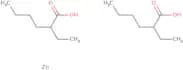
CAS:<p>Ethylhexanoic acid zinc salt is a viscosity-increasing agent that is used in the production of high-viscosity polymers. It is a carboxylate salt of ethyl hexanoic acid and zinc. The reaction of ethylhexane with zirconium oxide produces a viscous liquid with a strong cationic polymerization activity. This product reacts with diphenyl ether and aromatic hydrocarbons to form solid products. The reaction with calcium stearate, an ester of glycerol, results in the formation of particles that are insoluble in water but soluble in organic solvents. Ethylhexane also reacts with ethylene diamine to form methyl myristate, which has kinetic data available for it.</p>Formula:C16H30O4ZnPurity:Min. 95%Molecular weight:351.8 g/mol(5-Amino-2-methoxyphenyl)methanol
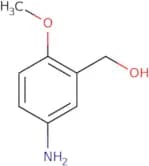
CAS:Versatile small molecule scaffoldFormula:C8H11NO2Purity:Min. 95%Molecular weight:153.18 g/molHydroflumethiazide
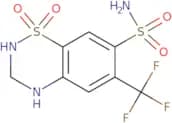
CAS:<p>Hydroflumethiazide is a diuretic drug that is used to treat high blood pressure, heart failure, and edema. It decreases the production of aqueous humor by the eye, thereby decreasing intraocular pressure. Hydroflumethiazide also inhibits sodium reabsorption in the loop of Henle and helps to control hypertension. The drug increases renal excretion of water and electrolytes, which can lead to dehydration. Hydroflumethiazide has been shown to have an adverse effect on cardiovascular function due to its ability to inhibit ATP channels in cardiac cells and interfere with glomerular filtration rate (GFR). It has also been found to increase matrix metalloproteinases (MMP) activity in inflammatory bowel disease patients.</p>Formula:C8H8F3N3O4S2Purity:Min. 95%Molecular weight:331.29 g/mol1,2-Diethylbenzene
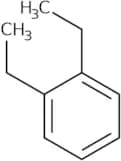
CAS:<p>1,2-Diethylbenzene is a trifluoroacetic acid derivative that is used as an acylation agent and a solid catalyst. 1,2-Diethylbenzene has been shown to increase the energy metabolism in cultured human cells. It also influences fatty acid synthesis and nmr spectra of plant families. 1,2-Diethylbenzene was found to be safe for use in sciatic nerve regeneration in Sprague-Dawley rats with axonopathy. This chemical can also be used as an analytical reagent for the separation of urine samples by liquid chromatography methods.</p>Formula:C10H14Purity:Min. 95%Molecular weight:134.22 g/mol4-phenylbenzene-1,3-diol
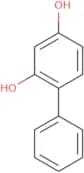
CAS:<p>4-Phenylbenzene-1,3-diol is a hydroxy compound that is used as a precursor in the synthesis of polycarbonate. It can also be used to produce copolymers with dihydroxy compounds. 4-Phenylbenzene-1,3-diol is activated with carbonyl chloride and then reacted with a dihydroxy compound to form an ester linkage. The product can be purified by recrystallization or sublimation. 4-Phenylbenzene-1,3-diol is produced from phenol by chlorination followed by oxidation. It has been shown to have antimicrobial properties against Gram positive bacteria and fungi such as Candida albicans and Aspergillus niger. This chemical may also be used to produce polyimides, which are polymers that have high thermal stability and resistance to chemicals.</p>Formula:C12H10O2Purity:Min. 95%Molecular weight:186.2 g/molo-Anisidine Hydrochloride
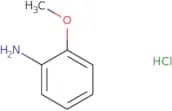
CAS:<p>O-Anisidine Hydrochloride is a sulfa drug that belongs to the group of sulfonamides. It inhibits bacterial growth by interfering with the synthesis of folic acid, which is necessary for cell growth. O-Anisidine Hydrochloride has been shown to have genotoxic effects in vitro and in vivo, as well as carcinogenic potential. Studies have also shown that it has synergistic effects when combined with other drugs. Chronic oral administration of o-anisidine hydrochloride can cause long-term toxicity and genotoxicity, including atp levels.</p>Formula:C7H9NO·HClPurity:Min. 95%Molecular weight:159.61 g/molDiethyl Ethylmalonate
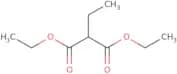
CAS:<p>Diethyl ethylmalonate is a chemical compound that belongs to the group of polycarboxylic acids. It is primarily used as a solvent for coatings and adhesives, as well as a catalyst in the Friedel-Crafts reaction. Diethyl ethylmalonate has been shown to undergo a number of reactions, often in the presence of chlorine or another halogen atom. This compound reacts with malonic acid to form diethyl succinate, which can be hydrolyzed by water to form carbon dioxide and ethanol. Diethyl ethylmalonate also binds to receptors on cells, which may be related to its viscosity. The reactivity of this compound can be controlled by varying the particle size.</p>Formula:C9H16O4Purity:Min. 95%Molecular weight:188.22 g/mol2-(2-Chloroethyl)-3,4-dihydro-2H-1,3-benzoxazin-4-one
CAS:<p>2-(2-Chloroethyl)-3,4-dihydro-2H-1,3-benzoxazin-4-one is a synthetic compound that has been shown to have cox-2 inhibitory activity. Cox-2 is an enzyme that participates in the inflammatory response and is upregulated in autoimmune diseases. 2-(2-Chloroethyl)-3,4-dihydro-2H-1,3-benzoxazin-4-one has been shown to be biocompatible with human cells and tissues in vitro. This agent also shows antiinflammatory activity and may be useful for treating a variety of conditions such as cancer or body mass index (BMI) associated with obesity. Studies have shown that 2-(2-Chloroethyl)-3,4-dihydro--2H--1,3--benzoxazin--4--one inhibits the production of proinflammatory cytok</p>Formula:C10H10ClNO2Purity:Min. 95%Molecular weight:211.64 g/mol2-[(8-Chloro-1-naphthyl)thio]acetic acid
CAS:<p>Versatile small molecule scaffold</p>Formula:C12H9ClO2SPurity:Min. 95%Molecular weight:252.72 g/mol2-Phenyl-3-butyn-2-ol
CAS:<p>2-Phenyl-3-butyn-2-ol (2PB2) is an organic compound that has been shown to inhibit the growth of cancer cells in vitro. It is a structural analogue of phenylacetate, which inhibits cell proliferation by inducing apoptosis. 2PB2 induces regression by altering the functional theory of population growth. It is also an isomeric compound and its structure activity relationship has been studied using logistic regression. 2PB2 is protonated at acidic pH, but not at physiological pH, which may be due to its carbinol group. This compound also has a lipase inhibitor effect and was found to interact with molecular descriptors that are involved in cancer cell proliferation.</p>Formula:C10H10OPurity:Min. 95%Molecular weight:146.19 g/molTrimethadione
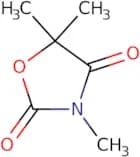
CAS:<p>Trimethadione is an oral hypoglycemic agent. It has been shown to be effective in treating diabetes mellitus, although it has not been approved for that indication by the U.S. Food and Drug Administration (FDA). Trimethadione acts as a competitive inhibitor of the enzyme cytochrome P450 3A4 and other cytochrome P450 enzymes, which may lead to drug interactions. Trimethadione is metabolized by human liver microsomes into trimethadione-N-oxide, which is then converted to trimethadione-N-oxide glucuronide. This compound also inhibits the enzyme dihydropyrimidine dehydrogenase and stimulates glucose oxidation in muscle cells. Trimethadione has been shown to have anti-depressant effects in experimental models of depression, but its efficacy for this use remains unclear.</p>Formula:C6H9NO3Purity:Min. 95%Molecular weight:143.14 g/mol1-Bromo-2,2-dimethoxypropane
CAS:<p>1-Bromo-2,2-dimethoxypropane is a drug that is used in the synthesis of other compounds. It has been shown to have an inhibitory effect on the reuptake of serotonin, dopamine and norepinephrine by 5-HT1A receptors. This drug may also act as an agonist at β-adrenergic receptors. 1-Bromo-2,2-dimethoxypropane selectively binds to 5-HT1A receptors, leading to increased serotonin levels in the brain.</p>Formula:C5H11BrO2Purity:Min. 95%Molecular weight:183.04 g/mol2-(Hydroxymethyl)-2-nitro-1,3-propanediol
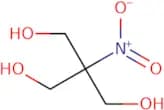
CAS:2-(Hydroxymethyl)-2-nitro-1,3-propanediol is a detergent composition that has been shown to inhibit the growth of microorganisms. It has been used in experimental studies as a potential antimicrobial agent and is classified as a biocide. 2-(Hydroxymethyl)-2-nitro-1,3-propanediol is active against gram positive bacteria such as Staphylococcus aureus and Streptococcus pyogenes. This compound also inhibits the growth of gram negative bacteria such as Pseudomonas aeruginosa, Salmonella typhimurium, Escherichia coli, and Klebsiella pneumoniae. 2-(Hydroxymethyl)-2-nitro-1,3-propanediol is highly toxic to yeast cells and does not have any effect on fungi cells or human erythrocytes.Formula:C4H9NO5Purity:Min. 95%Molecular weight:151.12 g/molBis(2-ethoxyethyl)amine
CAS:<p>Bis(2-ethoxyethyl)amine is a molecule that contains an anion. It is used as a nitrate reductase inhibitor. Bis(2-ethoxyethyl)amine has been shown to be effective in the treatment of esophageal papillomas, and has also been shown to have anti-tumor activity in animals. Mechanistically, bis(2-ethoxyethyl)amine inhibits the formation of nitrosamines by acting as a ligand for the enzyme nitrosamine reductase (NAR). Bis(2-ethoxyethyl)amine binds to NAR, preventing it from binding with its cofactor NADPH and inhibiting the formation of carcinogenic nitrosamines.</p>Formula:C8H19NO2Purity:Min. 95%Molecular weight:161.25 g/molOctanenitrile
CAS:<p>Octanenitrile is a colorless liquid with a boiling point of 29.8 °C. It is soluble in water, ether, and chloroform, but insoluble in hexane. Octanenitrile has been shown to have an effect on the phase transition temperature by using deuterium isotopes. This compound can also be used to study the deuterium isotope effect on autoimmune diseases and cancer. The amine group in octanenitrile can be used to synthesize methylamines, one of which is malonic acid. The ph optimum for octanenitrile is 7-8. Octanenitrile reacts with hydrochloric acid to produce hydrogen chloride gas and dipropyl ether (CH3-CH2-O-CH3). Octanenitrile also has intramolecular hydrogen bonding that stabilizes the molecule, reducing activation energies for subsequent reactions such as fatty acid synthesis or polyunsaturated fatty acid synthesis</p>Formula:C8H15NPurity:Min. 95%Molecular weight:125.21 g/molDiallylamine
CAS:<p>Diallylamine is a colorless, volatile liquid that is miscible with water and most organic solvents. It is chemically stable and has a constant boiling point. Diallylamine has the ability to bind nitrogen atoms from the air and transfer them to other substances. It can also react with trifluoroacetic acid in the presence of water vapor to produce polymers and particles. This reaction mechanism is determined by structural analysis, which shows that diallylamine has an ester hydrochloride linkage between two fatty acids with hydroxyl groups on each end.</p>Formula:C8H17NPurity:Min. 95%Molecular weight:127.23 g/mol3,5-Dimethylmorpholine
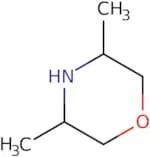
CAS:<p>3,5-Dimethylmorpholine is a chiral amide that has anticancer activity. It is a linker that can be used to form amide bonds between two molecules. 3,5-Dimethylmorpholine has been shown to have labile proton and cellular reactivity in vitro. The reaction selectivity of 3,5-dimethylmorpholine can be improved by using piperidine as the solvent. This compound exhibits anticancer activity against CDK4/6 (cyclin-dependent kinase 4/6) inhibitor-resistant cell lines. It also exhibits anticancerc activity in vitro against cells with high levels of cdk4/6 inhibition.</p>Formula:C6H13NOPurity:Min. 95%Molecular weight:115.17 g/molN,N,N²,N²-Tetraethyldiethylenetriamine
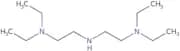
CAS:<p>Tetraethyldiethylenetriamine is a labile amine that reacts as a nucleophile with nitro groups to form an acetonitrile derivative. The reaction rate of this compound is slow, taking on the order of days, and the nitrogen atoms are not involved in any other reactions. It has been shown that Tetraethyldiethylenetriamine binds to basic proteins such as albumin and alpha-chymotrypsin with high binding constants. When tetraethyldiethylenetriamine binds to these proteins, it can react with chloride ions to form an insoluble salt. This salt precipitates out of solution and can be used in the immobilization of enzymes.</p>Formula:C12H29N3Purity:Min. 95%Molecular weight:215.38 g/molN-(4-Aminophenyl)acetamide
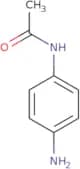
CAS:<p>N-(4-Aminophenyl)acetamide is a solid dispersion that is soluble in ethylene diamine. The copper complex of this molecule is redox active, with a redox potential of +0.26 V. The lc-ms/ms method for the detection of this molecule has been optimized for use in urine samples and human serum. N-(4-Aminophenyl)acetamide has been shown to have surfactant properties and can be used as a solvent for glycols and other similar compounds. This molecule also exhibits intermolecular hydrogen bonding, which may be due to its diazonium salt structure.</p>Formula:C8H10N2OPurity:Min. 95%Molecular weight:150.18 g/mol±-Amylcinnamaldehyde
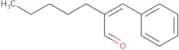
CAS:<p>±-Amylcinnamaldehyde is a hydrocarbon that has been used as a fragrance and flavoring agent. The compound is found naturally in plants such as cinnamon, nutmeg, and cumin. It can be synthesized from acetone and benzaldehyde by the reaction of trifluoroacetic acid. ±-Amylcinnamaldehyde has been shown to stimulate growth factor production and to inhibit the growth of bacteria. This compound has also been shown to possess detergent compositions for use in detergent compositions, including hypochlorite-based detergents. The chemical structure of ±-Amylcinnamaldehyde is shown below: CH3COCH=CH2 ±-AMYLCINNAMALDEHYDE Molecular Weight: 180.25 Boiling Point: n/a Melting Point: n/a Density: 1.00 g/mL at 25°C</p>Formula:C14H18OPurity:90%MinMolecular weight:202.3 g/molTriisopropanolamine (mixture of isomers)
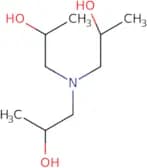
CAS:<p>Triisopropanolamine (TIPA) is a chemical that can be used as a pesticide. TIPA is used to control the growth of bacteria, fungi, and other organisms by disrupting their cell membranes. It is also used in textile industries for its ability to react with anhydrous sodium and glycol ethers to form a polymer that can be applied to fabric for water repellency. TIPA has been shown to be chemically stable at temperatures up to 150-200°C, which makes it useful in applications such as cleaning agents and paper coatings. The use of triisopropanolamine has been shown to inhibit bacterial strains resistant mutant strains of E. coli and Salmonella enterica.<br>TIPA is also known as a precursor for the production of the neurotransmitter Ryanodine. TIPA can be converted into ryanodine via reaction with an acid in the presence of an oxidant such as hydrogen peroxide or potassium perm</p>Formula:C9H21NO3Purity:Min. 95%Color and Shape:PowderMolecular weight:191.27 g/mol2-Chloro-4-nitrotoluene
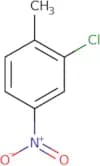
CAS:<p>2-Chloro-4-nitrotoluene is a chemical compound that belongs to the class of nitro compounds. It is used in the manufacture of other chemicals and as an additive for gasoline. 2-Chloro-4-nitrotoluene has been shown to have toxic effects on human lung cells. It has also been shown to inhibit mitochondrial membrane potential, leading to cell death by apoptosis. 2-Chloro-4-nitrotoluene can be used in nanotubes as a detection method for hydrogen peroxide and other reactive oxygen species, with a sensitivity that is 10 times higher than that of conventional methods. 2CNTT has also been shown to enhance the electrochemical impedance spectroscopy properties of gold nanoparticles.</p>Formula:C7H6ClNO2Purity:Min. 95%Molecular weight:171.58 g/molN,N,3-Trimethylaniline
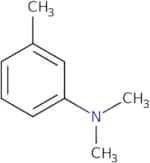
CAS:<p>N,N,3-Trimethylaniline is a precursor for the production of 3-isopropylaniline. The compound is an isomer of trimethylamine. N,N,3-trimethylaniline undergoes cationic polymerization with acrylonitrile to produce a polyacrylonitrile. It also reacts with cellulose acetate to form cellulose nitrate. This compound has been shown to be useful in the synthesis of anthracene and peroxide. It can be used as a reagent for the demethylation of phenols and quinones.</p>Formula:C9H13NPurity:Min. 95%Molecular weight:135.21 g/moltert-Butyl N-(4-methyl-1-oxopentan-2-yl)carbamate
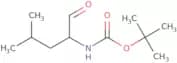
CAS:<p>Tert-butyl N-(4-methyl-1-oxopentan-2-yl)carbamate (TBOC) is a reagent that is used in the synthesis of a variety of organic compounds. TBOC is an amide and an aldehyde with a carbon chain length of 6. This compound can be synthesized from methyl formate and diisobutylaluminum hydride, which are reacted together to produce lithium aluminum hydride. The process produces high yields of TBOC, which can be used for the synthesis of various products.</p>Formula:C11H21NO3Purity:Min. 95%Molecular weight:215.29 g/mol[4-(Morpholinomethyl)phenyl]methanol
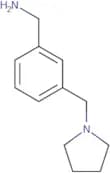
CAS:<p>Versatile small molecule scaffold</p>Formula:C12H17NO2Purity:Min. 95%Molecular weight:207.27 g/mol3-Pyrrolidin-1-ylmethyl-benzylamine
CAS:<p>Versatile small molecule scaffold</p>Formula:C12H18N2Purity:Min. 95%Molecular weight:190.28 g/mol4-Pyrrolidin-1-ylmethyl-benzylamine
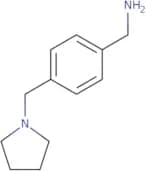
CAS:<p>Versatile small molecule scaffold</p>Formula:C12H18N2Purity:Min. 95%Molecular weight:190.28 g/mol4-Piperidin-1-ylmethyl-benzylamine
CAS:<p>Versatile small molecule scaffold</p>Formula:C13H20N2Purity:Min. 95%Molecular weight:204.32 g/mol((3-Bromo-2-methylpropoxy)methyl)benzene
CAS:<p>Versatile small molecule scaffold</p>Formula:C11H15BrOPurity:Min. 95%Molecular weight:243.14 g/mol1H-Pyrazolo[1,5-a]imidazole-7-carbonitrile
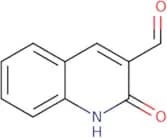
CAS:<p>Versatile small molecule scaffold</p>Formula:C6H4N4Purity:Min. 95%Molecular weight:132.12 g/mol2-Hydroxyquinoline-3-carbaldehyde
CAS:<p>2-Hydroxyquinoline-3-carbaldehyde is an apical, synchronous fluorescence compound that has antioxidative properties. It has been shown to have a protective effect against cervical cancer and skin cancer in animal studies. 2-Hydroxyquinoline-3-carbaldehyde also inhibits the growth of human liver cells and induces apoptosis in hepatocellular carcinoma cells (HepG2). It binds to albumin and chloride ions, which may account for its antitumor activity. Structural analysis has revealed that 2-hydroxyquinoline-3-carbaldehyde is structurally similar to 2-amino-5 -iodobenzoic acid, a molecule known to inhibit tumor growth. Binding experiments reveal that 2HCQC binds to cancer cells through electrostatic interactions with the cell membrane.</p>Formula:C10H7NO2Purity:Min. 95%Molecular weight:173.17 g/molBenzene, 2-(bromomethyl)-1-fluoro-4-methoxy-
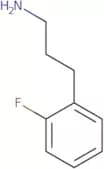
CAS:<p>Benzene, 2-(bromomethyl)-1-fluoro-4-methoxy-, is a positron emitter that can be used as a radiopharmaceutical in positron emission tomography. It has been shown to be an inhibitor of the enzyme tyrosine phosphatase and may have therapeutic potential for the treatment of cancer. This compound was synthesized by reacting benzene with bromoiodomethane in the presence of potassium carbonate and triflic acid. The reaction yields enolate ions that are alkylated by bromide ions, leading to the formation of a 1-fluoro-4-methoxybenzene.</p>Formula:C8H8BrFOPurity:Min. 95%Molecular weight:219.05 g/mol2-Fluoro-benzenepropanamine
CAS:<p>Versatile small molecule scaffold</p>Formula:C9H12FNPurity:Min. 95%Molecular weight:153.2 g/mol1-(1-Methylpiperidin-3-yl)ethan-1-one
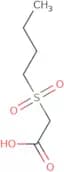
CAS:<p>Versatile small molecule scaffold</p>Formula:C8H15NOPurity:Min. 95%Molecular weight:141.21 g/mol2-(Butane-1-sulfonyl)acetic acid
CAS:<p>Versatile small molecule scaffold</p>Formula:C6H12O4SPurity:Min. 95%Molecular weight:180.22 g/mol



![N-[(Thiophen-2-yl)methyl]pyridin-2-amine](/_next/image/?url=https%3A%2Fstatic.cymitquimica.com%2Fproducts%2F3D%2Fthumb-webp%2FAAA14019.webp&w=3840&q=75)


![2-[(8-Chloro-1-naphthyl)thio]acetic acid](/_next/image/?url=https%3A%2Fstatic.cymitquimica.com%2Fproducts%2F3D%2Fthumb-webp%2FAAA12994.webp&w=3840&q=75)





![[4-(Morpholinomethyl)phenyl]methanol](/_next/image/?url=https%3A%2Fstatic.cymitquimica.com%2Fproducts%2F3D%2Fthumb-webp%2FRDA27165.webp&w=3840&q=75)


![1H-Pyrazolo[1,5-a]imidazole-7-carbonitrile](/_next/image/?url=https%3A%2Fstatic.cymitquimica.com%2Fproducts%2F3D%2Fthumb-webp%2FRDA29619.webp&w=3840&q=75)