Building Blocks
This section contains fundamental products for the synthesis of organic and biological compounds. Building blocks are the essential starting materials used to construct complex molecules through various chemical reactions. They play a critical role in drug discovery, material science, and chemical research. At CymitQuimica, we offer a diverse range of high-quality building blocks to support your innovative research and industrial projects, ensuring you have the essential components for successful synthesis.
Subcategories of "Building Blocks"
- Boronic Acids & Boronic Acid Derivatives(5,756 products)
- Chiral Building Blocks(1,242 products)
- Hydrocarbon Building Blocks(6,095 products)
- Organic Building Blocks(61,055 products)
Found 199650 products of "Building Blocks"
Sort by
Purity (%)
0
100
|
0
|
50
|
90
|
95
|
100
5-Chloroindole
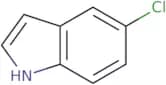
CAS:<p>5-Chloroindole is a molecule that can bind to the CB2 cannabinoid receptor. It has been shown in experiments to be an allosteric modulator of this receptor. 5-Chloroindole has been found to have an inhibitory effect on degenerative diseases, such as Huntington's disease and Alzheimer's disease, and may have therapeutic potential for these disorders. 5-Chloroindole binds to a metal surface by forming hydrogen bonds with the oxygen atom of its carboxyl group and the metal surface. The nucleophilic nature of 5-chloroindole allows it to react with chloride ions present in solution. 5-Chloroindole reacts with the carbon source in tissue culture, which leads to receptor activity and inhibition of cell proliferation.</p>Formula:C8H6ClNColor and Shape:White PowderMolecular weight:151.59 g/mol2-Chloro-5-aminomethylpyridine
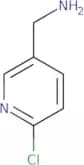
CAS:<p>2-Chloro-5-aminomethylpyridine is an active substance that is used in medicine. It is a chlorinated compound, which has been shown to be effective against resistant mutants of bacteria. The mechanism of action is not yet clear, but it may be due to the formation of hydrogen chloride, which inhibits the growth of bacteria by binding to DNA and RNA. 2-Chloro-5-aminomethylpyridine has also been shown to act as an inhibitor for enzymes such as succinic dehydrogenase and glucose 6 phosphate dehydrogenase. This drug can also be detected in urine samples with a high sensitivity analytical method.</p>Formula:C6H7ClN2Purity:Min. 95%Color and Shape:Off-White PowderMolecular weight:142.59 g/mol4-Chloro-3-nitrobenzonitrile
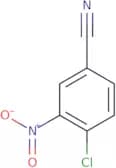
CAS:<p>4-Chloro-3-nitrobenzonitrile is a molecule with potent antibacterial activity. It is synthesized by the reaction of sodium carbonate, hydrogen chloride, and 4-chlorobenzonitrile. 4-Chloro-3-nitrobenzonitrile has shown antimicrobial properties against a wide range of bacteria, including methicillin resistant Staphylococcus aureus (MRSA) and Enterococcus faecium. This compound has been used in the treatment of infections caused by these bacteria. 4-Chloro-3-nitrobenzonitrile also has the ability to inhibit the synthesis of fatty acids and lipids in bacterial cells, which may be responsible for its antimicrobial effects.</p>Formula:C7H3ClN2O2Purity:Min. 95%Color and Shape:PowderMolecular weight:182.56 g/mol4-Aminoindole hydrochloride
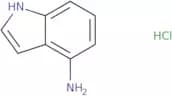
CAS:<p>4-Aminoindole hydrochloride is a white crystalline solid that can be used as a versatile building block in organic synthesis. It is also used as an intermediate in the production of various pharmaceuticals and other chemical compounds. 4-Aminoindole hydrochloride is soluble in most polar solvents, but insoluble in ethers and oils. This compound is also a useful reagent for the conversion of nitrobenzenes to aminobenzoic acids. CAS Number 174854-93-4</p>Formula:C8H9ClN2Purity:Min. 95%Color and Shape:PowderMolecular weight:168.62 g/mol5-Chloro-2-methylindole
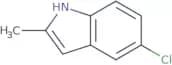
CAS:<p>5-Chloro-2-methylindole is an antimicrobial agent that is used to treat bacterial infections. It binds to the enzyme acetylacetone hydrazide, which prevents it from forming acetoacetate and 5-chloroindole. This leads to a decrease in the formation of serotonin, which may contribute to the alleviation of symptoms in patients with cerebral escherichia coli infection. 5-Chloro-2-methylindole has been shown to have antimicrobial effects against a number of bacteria, including E. coli and Staphylococcus aureus. The drug is injected intraperitoneally as a magnetic resonance imaging contrast agent for myelography, angiography, and other medical imaging procedures.</p>Formula:C9H8ClNPurity:Min. 95%Molecular weight:165.62 g/mol4-Aminopyridine N-oxide
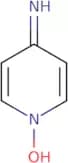
CAS:<p>4-Aminopyridine N-oxide is a white, crystalline solid that is soluble in water and alcohol. It has a molecular weight of 128.2 and formula weight of 135.2. 4-Aminopyridine N-oxide reacts with acid solutions to produce nitrous acid and ammonia gas. The rate of the reaction depends on the concentration of aminopyridine and aniline, as well as the pH of the solution. The acetylation, diazotisation, and kinetics have also been studied extensively for this compound. Nitrous acid can react with amides to form azulene, which can then react with amines to form a molecule containing nitrogen, oxygen, carbon, hydrogen and one other element or compound from each group (e.g., NHCOCH). This reaction is reversible when solvents are present.br> 4-Aminopyridine N-oxide may be used as a precursor for other organic</p>Formula:C5H6N2OPurity:Min. 95%Color and Shape:Slightly Yellow PowderMolecular weight:110.11 g/mol2-Amino-3-(furan-3-yl)propanoic acid hydrochloride
CAS:<p>Please enquire for more information about 2-Amino-3-(furan-3-yl)propanoic acid hydrochloride including the price, delivery time and more detailed product information at the technical inquiry form on this page</p>Formula:C7H9NO3•HClPurity:Min. 95%Color and Shape:PowderMolecular weight:191.61 g/mol6-Carboxyindole
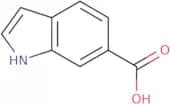
CAS:<p>6-Carboxyindole is an indole that binds to the IL-17A receptor, which leads to the production of pro-inflammatory cytokines. It has been shown to be involved in autoimmune diseases and other inflammatory conditions. 6-Carboxyindole can be used as a probe for studying the biology of IL-17A, by binding to it and inhibiting its effects. The chemical structure of 6-carboxyindole is also useful for diagnostic purposes, as it can bind to antibodies and antigens for detecting infectious diseases or other biological processes. 6-Carboxyindole can be used in the treatment of heart tissue by binding with monoclonal antibodies that are specific for cardiac proteins such as myosin light chain kinase.</p>Formula:C9H7NO2Purity:Min. 95%Molecular weight:161.16 g/mol4-(1,3-Oxazol-5-yl)aniline
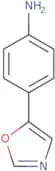
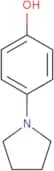
CAS:<p>Versatile small molecule scaffold</p>Formula:C9H8N2OPurity:Min. 95%Molecular weight:160.17 g/mol4-(Pyrrolidin-1-yl)phenol
CAS:<p>Versatile small molecule scaffold</p>Formula:C10H13NOPurity:Min. 95%Color and Shape:PowderMolecular weight:163.22 g/mol5-Amino-1-[2,6-dichloro-4-(trifluoromethyl)phenyl]-4-[(trifluoromethyl)sulfinyl]-1H-pyrazole-3-carbonitrile
CAS:<p>5-Amino-1-[2,6-dichloro-4-(trifluoromethyl)phenyl]-4-[(trifluoromethyl)sulfinyl]-1H-pyrazole-3-carbonitrile (TCFP), also known as CX-546, is a photosynthetic activity enhancer that inhibits oxidative injury to chloroplasts. TCFP is a pyrazole ring with a sulfinyl group and a chlorine atom. TCFP has been shown to have no genotoxic or carcinogenic potential in vitro and in vivo studies. TCFP is not active against infectious diseases. TCFP can be used as an analytical reagent for the detection of cytochrome P450 activities in human serum.</p>Formula:C12H4Cl2F6N4OSPurity:Min. 95%Color and Shape:PowderMolecular weight:437.15 g/mol4-(Acetylamino)phenetole
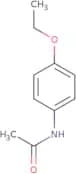
CAS:<p>4-(Acetylamino)phenetole is a drug that belongs to the class of nonsteroidal anti-inflammatory drugs. It is a reactive, toxic chemical that has been shown to inhibit ATP binding cassette transporter (ABC) proteins and can be used for treatment of pain. 4-(Acetylamino)phenetole inhibits cellular energy metabolism by inhibiting an enzyme in the electron transport chain, which prevents the formation of reactive oxygen species necessary for cell growth. 4-(Acetylamino)phenetole also binds to DNA and reduces the transcriptional activity of certain genes. This drug has been found to show cytotoxicity in solid tumours and can be used as a chemotherapeutic agent.</p>Formula:C10H13NO2Purity:Min. 95%Color and Shape:White PowderMolecular weight:179.22 g/mol4-Amino-3-methoxybenzoic acid
CAS:<p>4-Amino-3-methoxybenzoic acid is an inhibitor of the enzyme hydroxylase. It has been shown to inhibit cancer cell growth in nanomolar concentrations and may be a potential anti-cancer drug candidate. 4-Amino-3-methoxybenzoic acid inhibits the production of 3-methoxy-4-nitrobenzoic acid, which is an intermediate in the biosynthesis of cyclic peptides. This compound also has potent inhibitory activity against active enzymes involved in the biosynthesis of 3-methoxy-4-nitrobenzoic acid, such as hydroxylases, nitroreductases, and methyltransferases.</p>Formula:C8H9NO3Purity:Min. 95%Color and Shape:PowderMolecular weight:167.16 g/mol4-Acetamidobenzaldehyde
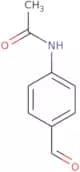
CAS:<p>4-Acetamidobenzaldehyde is an organic compound that has been shown to exhibit inhibitory effects on influenza virus replication in cell culture. 4-Acetamidobenzaldehyde is a dihedral molecule with a p2 group and can be synthesized from benzaldehyde and acetamide. It has also been shown to have potential use in the treatment of tuberculosis. The biological properties of 4-acetamidobenzaldehyde are not well understood, but it is thought that uptake may occur through the imine nitrogen. This molecule has been detected in tissue samples such as lung, liver, and kidney.</p>Formula:C9H9NO2Purity:Min. 95%Color and Shape:PowderMolecular weight:163.17 g/molArg-Gly-Asp
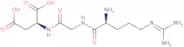
CAS:<p>Arg-Gly-Asp is a peptide with inhibitory properties against tumor growth. It binds to the integrin receptor and blocks the angiogenic process by inhibiting the expression of vascular endothelial growth factor (VEGF) and transforming growth factor beta (TGF-β). Arg-Gly-Asp also inhibits the proliferation of pluripotent cells, which are cells that can differentiate into any type of cell in the body, and prevents the formation of new blood vessels. This peptide has been shown to have inhibitory properties against leukemia inhibitory factor (LIF), which is a cytokine that regulates cell growth.</p>Formula:C12H22N6O6Purity:Min. 98 Area-%Color and Shape:PowderMolecular weight:346.34 g/mol4-Azidobenzoic acid
CAS:Please enquire for more information about 4-Azidobenzoic acid including the price, delivery time and more detailed product information at the technical inquiry form on this pageFormula:C7H5N3O2Purity:Min. 97 Area-%Color and Shape:PowderMolecular weight:163.13 g/mol6-Aminoquinolyl-N-hydroxysuccinimidylcarbamate
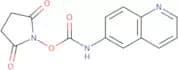
CAS:<p>6-Aminoquinolyl-N-hydroxysuccinimidylcarbamate reacts rapidly with amino acids to form stable urea derivatives. The use of fluorescence detection techniques allows quantification of amines at pmol levels. 6-Aminoquinolyl-N-hydroxysuccinimidylcarbamate was used in a study to derivatize glycated amino acids with the purpose of developing chromatographic assays for their quantification. Glycation of proteins initially gives rise to early glycation adducts, then progresses to advanced glycation end-products, which are markers for conditions such as diabetes, cataracts, uraemia and Alzheimer's disease. <br>We also offer the product FA172347 with a particle size < 0.25 mm.</p>Formula:C14H11N3O4Purity:(Q-1H Nmr) Min 83%Color and Shape:PowderMolecular weight:285.25 g/mol2-Acetyl-5-bromothiophene
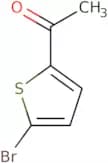
CAS:<p>2-Acetyl-5-bromothiophene is an organosulfur compound that is a reactive intermediate in the Suzuki coupling reaction. It has been used as a substrate for biological studies of toxicity and cancer, and to generate unsymmetrical compounds with multi-walled carbon light emission. 2-Acetyl-5-bromothiophene also has the ability to inhibit glutamate dehydrogenase and hydroxide solution, which are enzymes necessary for the production of energy in cells. 2-Acetyl-5-bromothiophene is toxic to animals and humans because it can cause cancer and other health problems such as neurotoxicity, liver dysfunction, and kidney damage. 2-Acetyl-5-bromothiophene has been shown to cause DNA strand breaks in human breast cancer cells.</p>Formula:C6H5BrOSPurity:Min. 98.5 Area-%Color and Shape:PowderMolecular weight:205.07 g/mol2-Amino-5-chlorobenzamide
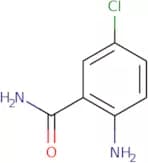
CAS:2-Amino-5-chlorobenzamide is a fluorescence probe that has been shown to react with anthranilic acid, which is a structural component of many active substances. It is used in organic solvents as an indicator for the presence of active oxygen. 2-Amino-5-chlorobenzamide can be used as a linker to connect different molecules and can be activated by dehydrating agents, such as sodium sulfite. This compound has been demonstrated to have a linear response over a wide range of concentrations. The molecular target of 2-amino-5-chlorobenzamide is unknown at this time, but it has been suggested that it may interact with amino acids or proteins. The structural formula for 2-amino-5-chlorobenzamide is C6H4ClN2O2.Formula:C7H7ClN2OPurity:Min. 95%Color and Shape:PowderMolecular weight:170.6 g/mol5-Amino-2-chlorobenzoic acid
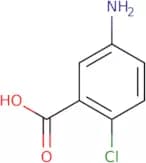
CAS:<p>5-Amino-2-chlorobenzoic acid is a carboxylate that has antiproliferative effects. It is synthesized through the reaction of morpholine and malonic acid. 5-Amino-2-chlorobenzoic acid has been shown to have an optimal reaction with UV light, which may be due to its structure activity relationship with other carboxylates. It also has a high affinity for metal ions such as magnesium and chloride, which are thought to be important in cancer cell proliferation. 5-Amino-2-chlorobenzoic acid can be used in analytical methods because it is soluble in water and can be obtained through gravimetric analysis.</p>Formula:C7H6ClNO2Color and Shape:PowderMolecular weight:171.58 g/mol

![5-Amino-1-[2,6-dichloro-4-(trifluoromethyl)phenyl]-4-[(trifluoromethyl)sulfinyl]-1H-pyrazole-3-car…](/_next/image/?url=https%3A%2Fstatic.cymitquimica.com%2Fproducts%2F3D%2Fthumb-webp%2FFA23290.webp&w=3840&q=75)