Building Blocks
This section contains fundamental products for the synthesis of organic and biological compounds. Building blocks are the essential starting materials used to construct complex molecules through various chemical reactions. They play a critical role in drug discovery, material science, and chemical research. At CymitQuimica, we offer a diverse range of high-quality building blocks to support your innovative research and industrial projects, ensuring you have the essential components for successful synthesis.
Subcategories of "Building Blocks"
- Boronic Acids & Boronic Acid Derivatives(5,778 products)
- Chiral Building Blocks(1,243 products)
- Hydrocarbon Building Blocks(6,098 products)
- Organic Building Blocks(61,057 products)
Found 200710 products of "Building Blocks"
Sort by
Purity (%)
0
100
|
0
|
50
|
90
|
95
|
100
5-Bromo-3,4-dihydroxybenzaldehyde
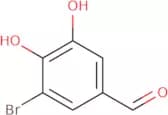
CAS:<p>5-Bromo-3,4-dihydroxybenzaldehyde (5BDBA) is a chemical compound that can be used as a reactive dye and photochemical crosslinker in the preparation of polymers. 5BDBA has been shown to have chemoattractant properties for immune cells, such as activated T lymphocytes and neutrophils. It also has been shown to have an effect on β-cells in the pancreas and skin cells. This compound has been found to activate the nuclear factor kappa-light-chain enhancer (NFκB), which leads to increased expression of chemoattractant protein (MCP). In 3T3-L1 preadipocytes, 5BDBA has been shown to induce accumulation of fatty acids by activating peroxisome proliferator activator receptor gamma.</p>Formula:C7H5BrO3Purity:Min. 95%Color and Shape:Yellow PowderMolecular weight:217.02 g/mol6-Methyl-1H-indole-2,3-dione
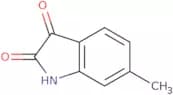
CAS:6-Methyl-1H-indole-2,3-dione is a synthetic molecule that has an amide orientation. The molecule is a crystalline solid and can be found in the form of a white powder. This product also contains impurities such as amino acids, transport molecules, and formic acid. 6-Methyl-1H-indole-2,3-dione is soluble in solvents like formic acid and water. It has been shown to have transport properties for electrons and aldehydes.Formula:C9H7NO2Purity:Min. 95%Color and Shape:PowderMolecular weight:161.16 g/mol6-Mercapto-1-hexanol
CAS:<p>6-Mercapto-1-hexanol is a redox active molecule that has been shown to be a potent inhibitor of human immunodeficiency virus type 1 reverse transcriptase. It has also been shown to inhibit the polymerase chain reaction and transfer reactions, including those mediated by DNA-dependent RNA polymerase. 6-Mercapto-1-hexanol can be detected with high sensitivity in human serum, which is its main application for the diagnosis of HIV infection. This compound reacts with molecular oxygen to form superoxide radicals, which are responsible for its redox potential. The rate constant for this reaction has been shown to be dependent on pH and temperature. 6-Mercapto-1-hexanol can also form stable complexes with proteins such as albumin or human immunoglobulin G (IgG). These complexes have been shown to exhibit electrochemical impedance spectroscopy activity at low concentrations and chemical stability in biological media.</p>Formula:C6H14OSPurity:Min. 96%Color and Shape:Clear LiquidMolecular weight:134.24 g/molMethyl-3-Formylindole-5-carboxylate
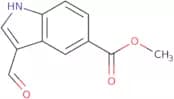
CAS:Please enquire for more information about Methyl-3-Formylindole-5-carboxylate including the price, delivery time and more detailed product information at the technical inquiry form on this pageFormula:C11H9NO3Purity:Min. 95%Molecular weight:203.19 g/molMethyl 3,4-diaminobenzoate
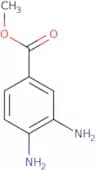
CAS:<p>Methyl 3,4-diaminobenzoate is a molecule that has been shown to inhibit nitrite reductase. It also binds to the receptor binding domain of the growth factor and to quinoxalines, which are antimicrobial peptides. In vitro assays have revealed that methyl 3,4-diaminobenzoate has antimicrobial properties against bacteria such as Enterococcus faecalis, Pseudomonas aeruginosa, Staphylococcus aureus, and Bacillus cereus. The mechanism of action for these activities is not well understood. Methyl 3,4-diaminobenzoate has been shown to be an inhibitor of tryptophan fluorescence in vitro and may act as a competitive inhibitor of the enzyme tryptophan fluorescence decarboxylase.</p>Formula:C8H10N2O2Purity:Min. 95%Color and Shape:White PowderMolecular weight:166.18 g/mol7-Methyl-DL-tryptophan
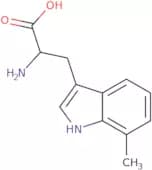
CAS:7-Methyl-DL-tryptophan is a crystalline solid that is used as a protein analog. It is structurally similar to L-tryptophan and has been shown to have the same biochemical properties. 7-Methyl-DL-tryptophan can be used in the production of recombinant proteins, such as human growth hormone, and for structural analysis of proteins. This compound also has herbicide resistance, which may be due to its ability to bind with anthranilate. The solubility of 7-methyl-DL-tryptophan in water is about 0.1 mg/mL at room temperature.Formula:C12H14N2O2Purity:Min. 95%Color and Shape:PowderMolecular weight:218.25 g/mol3-Bromo-2,6-dimethoxybenzoic acid
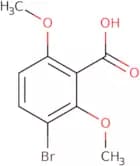
CAS:3-Bromo-2,6-dimethoxybenzoic acid is a synthetic chemical used to introduce insulators into the DNA molecule. It is also used as a treatment method for introducing branched-chain scripts into the DNA molecule. 3-Bromo-2,6-dimethoxybenzoic acid has been shown to counteract synthetic techniques, such as transistors, and can be used in plant physiology research.Formula:C9H9BrO4Purity:Min. 95%Color and Shape:PowderMolecular weight:261.07 g/mol2-Bromo-5-iodotoluene
CAS:<p>2-Bromo-5-iodotoluene (2BIOT) is a synthetic compound that has been used as an immunosorbent in immunoassays. It is also a fluorescing radical and can be used to detect other radicals, making it useful for many different types of assays. The compound was first synthesized by the reaction of sodium periodate with 2-bromotoluene; the reaction was catalyzed by radical mechanism. This synthesis is an advance in organic chemistry because it provides a new method for synthesizing brominated compounds.</p>Formula:C7H6BrIPurity:Min. 95%Color and Shape:Slightly Yellow PowderMolecular weight:296.93 g/mol1-Azaspiro[3.5]nonane
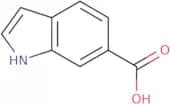
CAS:<p>1-Azaspiro[3.5]nonane is a versatile building block with many uses in research and industrial chemistry. It can be used as a reagent for the synthesis of various organic compounds, or as an intermediate to synthesize more complex molecules. 1-Azaspiro[3.5]nonane is a high quality compound that is sold at a competitive price. The versatility of this compound makes it useful in many different reactions, and it can be used as a scaffold for the construction of more complex structures.</p>Formula:C8H15NPurity:Min. 95%Color and Shape:Clear LiquidMolecular weight:125.21 g/mol6-Carboxyindole
CAS:6-Carboxyindole is an indole that binds to the IL-17A receptor, which leads to the production of pro-inflammatory cytokines. It has been shown to be involved in autoimmune diseases and other inflammatory conditions. 6-Carboxyindole can be used as a probe for studying the biology of IL-17A, by binding to it and inhibiting its effects. The chemical structure of 6-carboxyindole is also useful for diagnostic purposes, as it can bind to antibodies and antigens for detecting infectious diseases or other biological processes. 6-Carboxyindole can be used in the treatment of heart tissue by binding with monoclonal antibodies that are specific for cardiac proteins such as myosin light chain kinase.Formula:C9H7NO2Purity:Min. 95%Molecular weight:161.16 g/mol6-Methyl-DL-tryptophan
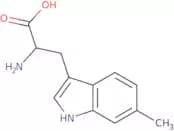
CAS:6-Methyl-DL-tryptophan is a naturally occurring amino acid that is used as a precursor in the synthesis of the neurotransmitter serotonin. 6-Methyl-DL-tryptophan is synthesized from the amino acid L-tryptophan by the enzyme tryptophan synthase. It is also found in dietary sources such as nuts and seeds, but not in significant quantities. 6-Methyl-DL-tryptophan has been shown to inhibit cancer cells in vitro and has been shown to be effective against prostate cancer cells. The inhibition mechanism for this drug has not yet been elucidated, but it may be due to frameshifting and/or inhibition of protein synthesis.Formula:C12H14N2O2Purity:Min. 95%Color and Shape:White PowderMolecular weight:218.25 g/mol5-Chloro-2-methylindole
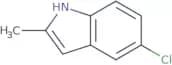
CAS:<p>5-Chloro-2-methylindole is an antimicrobial agent that is used to treat bacterial infections. It binds to the enzyme acetylacetone hydrazide, which prevents it from forming acetoacetate and 5-chloroindole. This leads to a decrease in the formation of serotonin, which may contribute to the alleviation of symptoms in patients with cerebral escherichia coli infection. 5-Chloro-2-methylindole has been shown to have antimicrobial effects against a number of bacteria, including E. coli and Staphylococcus aureus. The drug is injected intraperitoneally as a magnetic resonance imaging contrast agent for myelography, angiography, and other medical imaging procedures.</p>Formula:C9H8ClNPurity:Min. 95%Molecular weight:165.62 g/mol4-Chloro-3-nitrobenzonitrile
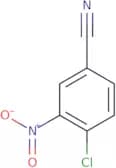
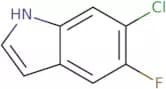
CAS:<p>4-Chloro-3-nitrobenzonitrile is a molecule with potent antibacterial activity. It is synthesized by the reaction of sodium carbonate, hydrogen chloride, and 4-chlorobenzonitrile. 4-Chloro-3-nitrobenzonitrile has shown antimicrobial properties against a wide range of bacteria, including methicillin resistant Staphylococcus aureus (MRSA) and Enterococcus faecium. This compound has been used in the treatment of infections caused by these bacteria. 4-Chloro-3-nitrobenzonitrile also has the ability to inhibit the synthesis of fatty acids and lipids in bacterial cells, which may be responsible for its antimicrobial effects.</p>Formula:C7H3ClN2O2Purity:Min. 95%Color and Shape:PowderMolecular weight:182.56 g/mol6-Chloro-5-fluoroindole
CAS:6-Chloro-5-fluoroindole is a chemical compound that has been shown to be an effective inhibitor of 5-HT2C receptors. 6-Chloro-5-fluoroindole was synthesized in 1972 by the reaction of formamide with chloroacetyl chloride, and it was found to have anti-cancer effects in 1979. 6-Chloro-5-fluoroindole binds to 5HT2C receptors and prevents the activation of G proteins. This inhibition leads to cancer cell death because the receptor is involved in many important signalling pathways. 6CI5FI is used as a research tool for studying the function of this receptor.Formula:C8H5ClFNPurity:Min. 95%Color and Shape:PowderMolecular weight:169.58 g/mol1-Cyano-2-hydroxy-3-butene
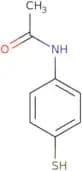
CAS:<p>1-Cyano-2-hydroxy-3-butene is a mitochondrial toxin that causes apoptosis in liver cells. It has been shown to cause liver lesions in CD1 mice. 1-Cyano-2-hydroxy-3-butene reduces the mitochondrial membrane potential, which leads to a decrease in ATP production and an increase in reactive oxygen species (ROS) production. This toxin also inhibits the transcriptional activity of nuclear receptors and induces the expression of cytochrome P450 2E1, leading to increased detoxification enzyme activity. 1-Cyano-2-hydroxy-3-butene is activated by mitochondria, which leads to its ability to cause apoptosis of liver cells.</p>Formula:C5H7NOPurity:Min. 95%Color and Shape:Colorless PowderMolecular weight:97.12 g/mol4-Acetamidothiophenol
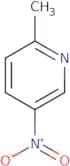
CAS:<p>4-Acetamidothiophenol (4AAT) is an organic compound that has been used in the treatment of inflammatory bowel disease. It has a chemical structure that resembles 5-hydroxytryptamine (5-HT), which is a neurotransmitter and hormone involved in regulating mood and appetite. 4AAT is also used as a reagent in the treatment of wastewater, where it reacts with sulfide to form thiosulfate. In acidic environments, 4AAT undergoes chemical ligation reactions to form covalent bonds with other molecules. Surface-enhanced Raman spectroscopy was used to study the adsorption mechanism of 4AAT on polystyrene particles. This technique revealed that 4AAT binds to the surface of polystyrene particles through hydrophobic interactions and hydrogen bonding with functional groups on the particle surface. The inhibition study showed that 4AAT inhibits 5-hydroxytryptamine receptors.br></p>Formula:C8H9NOSPurity:Min. 95%Color and Shape:PowderMolecular weight:167.23 g/mol2-Methyl-5-nitropyridine
CAS:2-Methyl-5-nitropyridine is an enamine that can be synthesized by the reaction of a primary amine with nitrous acid. It has been shown to react with hydrazines to form 2-methyl-5-nitropyridinium hydrazones, which are useful in organic synthesis. The reaction of 2-methyl-5-nitropyridine with acid anhydrides yields protonated carboxylic acids, which can be used as nucleophiles in the presence of metal ions. This amino acid also forms aliphatic amines and anions and reacts with aldehydes to form nitroalkenes.Formula:C6H6N2O2Purity:Min. 95%Color and Shape:Beige PowderMolecular weight:138.12 g/mol3-Carboxypropanesulfonamide
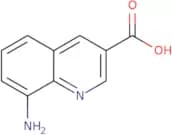
CAS:<p>3-Carboxypropanesulfonamide is a chemical compound that has been shown to have the ability to modulate cardiac cell function. This compound has been shown to be effective in a reaction monitoring technique, which monitors the functional groups and techniques of chemical reactions, in order to introduce this molecule into the cell membrane and alter its potential. 3-Carboxypropanesulfonamide is capable of changing the lipid composition of the membrane by introducing a linker group that can bind with other molecules such as cholesterol or phospholipids. This linker group alters the membrane potential of cells, leading to changes in ion flow and cellular response.</p>Formula:C4H9NO4SPurity:Min. 95%Color and Shape:White PowderMolecular weight:167.18 g/mol8-Aminoquinoline-3-carboxylic acid
CAS:8-Aminoquinoline-3-carboxylic acid is a small molecule that inhibits the activity of the enzyme, catechol-O-methyltransferase (COMT), which is responsible for the demethylation of dopamine. 8-Aminoquinoline-3-carboxylic acid has been shown to be potent and selective in inhibiting COMT and thereby preventing the degradation of dopamine. This compound has been used in screening assays to identify other small molecules that can act as COMT inhibitors. The role of COMT in neurodegenerative diseases such as Parkinson's disease and Alzheimer's disease has been investigated using this inhibitor as a model system. 8-Aminoquinoline-3-carboxylic acid also binds to methylated DNA, which may explain its effect on cellular growth factor signaling pathways.Formula:C10H8N2O2Purity:Min. 95%Color and Shape:PowderMolecular weight:188.19 g/moltrans-4-Coumaric acid
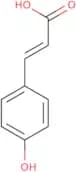
CAS:Trans-4-coumaric acid or p-coumaric acid, is a derivative of the cinnamic acid. It is the initial substrate to produce several intermediates such as ferulic acid, caffeic acid, rosmarinic acid, gallic acid, and carnosic acid. Trans-4-coumaric acid, as well as its derivatives, have antioxidant properties; they are common ingredients in cosmetics and as dietary supplement.Formula:C9H8O3Purity:Min. 98 Area-%Color and Shape:PowderMolecular weight:164.16 g/mol



![1-Azaspiro[3.5]nonane](/_next/image/?url=https%3A%2Fstatic.cymitquimica.com%2Fproducts%2F3D%2Fthumb-webp%2FNAA37455.webp&w=3840&q=75)