Building Blocks
This section contains fundamental products for the synthesis of organic and biological compounds. Building blocks are the essential starting materials used to construct complex molecules through various chemical reactions. They play a critical role in drug discovery, material science, and chemical research. At CymitQuimica, we offer a diverse range of high-quality building blocks to support your innovative research and industrial projects, ensuring you have the essential components for successful synthesis.
Subcategories of "Building Blocks"
- Boronic Acids & Boronic Acid Derivatives(5,756 products)
- Chiral Building Blocks(1,242 products)
- Hydrocarbon Building Blocks(6,095 products)
- Organic Building Blocks(61,055 products)
Found 199650 products of "Building Blocks"
Sort by
Purity (%)
0
100
|
0
|
50
|
90
|
95
|
100
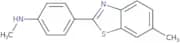
N-Methyl-4-(6-methyl-1,3-benzothiazol-2-yl)aniline
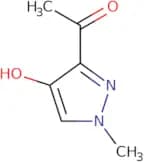
CAS:<p>Versatile small molecule scaffold</p>Formula:C15H14N2SPurity:Min. 95%Molecular weight:254.4 g/mol1-(4-Hydroxy-1-methyl-1H-pyrazol-3-yl)ethan-1-one
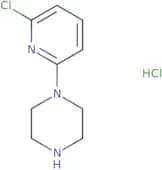
CAS:<p>Versatile small molecule scaffold</p>Formula:C6H8N2O2Purity:Min. 95%Molecular weight:140.14 g/mol1-(6-chloropyridin-2-yl)piperazine hydrochloride
CAS:<p>Versatile small molecule scaffold</p>Formula:C9H13Cl2N3Purity:Min. 95%Molecular weight:234.1 g/mol4-(3-Chlorophenyl)-1,2,3,6-tetrahydropyridine
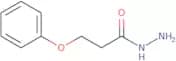
CAS:<p>Versatile small molecule scaffold</p>Formula:C11H12ClNPurity:Min. 95%Molecular weight:193.67 g/mol3-Phenoxypropanehydrazide
CAS:<p>Versatile small molecule scaffold</p>Formula:C9H12N2O2Purity:Min. 95%Molecular weight:180.2 g/molN-{[(2-Phenoxyethyl)carbamoyl]amino}propanamide
CAS:<p>Versatile small molecule scaffold</p>Formula:C12H17N3O3Purity:Min. 95%Molecular weight:251.28 g/mol7-Bromo-2,3-dihydro-[1,4]dioxino[2,3-b]pyridine
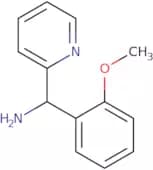
CAS:Versatile small molecule scaffoldFormula:C7H6BrNO2Purity:Min. 95%Molecular weight:216.03 g/mol(2-Methoxyphenyl)(pyridin-2-yl)methanamine
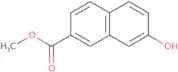
CAS:<p>Versatile small molecule scaffold</p>Formula:C13H14N2OPurity:Min. 95%Molecular weight:214.26 g/molMethyl 7-hydroxy-2-naphthoate
CAS:<p>Methyl 7-hydroxy-2-naphthoate is a bioactive organic compound that is used in the synthesis of pharmaceuticals and other organic compounds. It has been shown to have anti-inflammatory properties, which may be due to its ability to inhibit prostaglandin synthesis. Methyl 7-hydroxy-2-naphthoate also has mechanistic properties that are similar to those of the drug farnesoid, which is used in the treatment of acute intermittent porphyria. Methyl 7-hydroxy-2-naphthoate is an analog of farnesoid and can be synthesized through a mechanism involving bond cleavage and catalysis.</p>Formula:C12H10O3Purity:Min. 95%Molecular weight:202.21 g/molMethyl 6-sulfanylnaphthalene-2-carboxylate
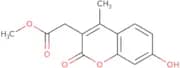
CAS:<p>Versatile small molecule scaffold</p>Formula:C12H10O2SPurity:Min. 95%Molecular weight:218.3 g/molMethyl 2-(7-hydroxy-4-methyl-2-oxo-2H-chromen-3-yl)acetate
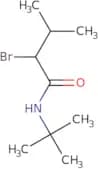
CAS:<p>Versatile small molecule scaffold</p>Formula:C13H12O5Purity:Min. 95%Molecular weight:248.23 g/mol2-Bromo-N-tert-butyl-3-methylbutanamide
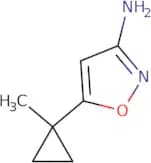
CAS:<p>Versatile small molecule scaffold</p>Formula:C9H18BrNOPurity:Min. 95%Molecular weight:236.15 g/mol5-(1-Methylcyclopropyl)-1,2-oxazol-3-amine
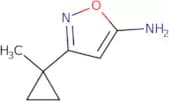
CAS:<p>Versatile small molecule scaffold</p>Formula:C7H10N2OPurity:Min. 95%Molecular weight:138.17 g/mol3-(1-Methylcyclopropyl)-1,2-oxazol-5-amine
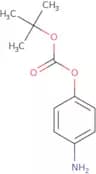
CAS:<p>Versatile small molecule scaffold</p>Formula:C7H10N2OPurity:Min. 95%Molecular weight:138.17 g/mol4-Aminophenyl tert-butyl carbonate
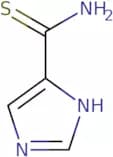
CAS:<p>Versatile small molecule scaffold</p>Formula:C11H15NO3Purity:Min. 95%Molecular weight:209.24 g/mol1H-Imidazole-4-carbothioamide
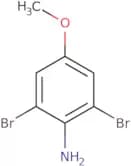
CAS:<p>1H-Imidazole-4-carbothioamide is a compound that has been identified as a lead for drug discovery, with the potential to be used in the treatment of diseases such as cancer and Alzheimer's. The compound has been shown to bind to the protein beta-secretase and inhibit its activity, which may prevent Alzheimer's disease from progressing. 1H-Imidazole-4-carbothioamide has also been shown to bind to an enzyme called lipoxygenase, which is found in cells that cause inflammation. This binding prevents the formation of inflammatory compounds known as leukotrienes and prostaglandins.</p>Formula:C4H5N3SPurity:Min. 95%Molecular weight:127.17 g/mol2,6-dibromo-4-methoxyaniline
CAS:<p>2,6-dibromo-4-methoxyaniline is a tetracyclic compound with a thiophene ring and an indole ring. It is a synthetic aromatic amine that is used in the synthesis of carbazoles and other heterocyclic compounds. 2,6-dibromo-4-methoxyaniline can be prepared by the reaction of bromoacetic acid with methoxyamine, which catalyzes the cyclization of benzene derivatives to form indoles. This compound constitutes one part of the synthesis of substituted benzene derivatives.</p>Formula:C7H7Br2NOPurity:Min. 95%Molecular weight:280.9 g/mol[2-(1-Ethylpiperidin-4-yl)-ethyl]amine hydrochloride
CAS:<p>Versatile small molecule scaffold</p>Formula:C9H21ClN2Purity:Min. 95%Molecular weight:192.73 g/molN-[3-(Carbamoylamino)phenyl]acetamide
CAS:<p>N-[3-(Carbamoylamino)phenyl]acetamide (NS3) is a replication inhibitor that has been shown to inhibit the activity of NS3 protease, which is a serine protease. This drug has been shown to be effective against the replication of several types of viruses, including HIV and HCV. NS3 can be used in combination with other antiviral drugs such as ddI and AZT. NS3 has also been shown to inhibit the activity of mammalian cell cyclic peptide fatty acid synthase (FAS) in vitro and in vivo. FAS is an enzyme that converts free fatty acids into fatty acid-CoA esters for use in energy production. The inhibition of FAS by NS3 may be responsible for its anti-cancer effects, as it disrupts cellular metabolism.</p>Formula:C9H11N3O2Purity:Min. 95%Molecular weight:193.2 g/molGSK189254A
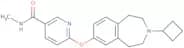
CAS:<p>GSK189254A is a drug that is a novel, potent, and selective H3 receptor antagonist. GSK189254A has a high affinity for the H3 receptor and can be used to treat chronic diseases such as schizophrenia and Alzheimer's disease. GSK189254A has been shown to block histamine-induced increases in striatal dopamine concentration in rats. It also blocks 3-methoxyphenylacetic acid binding to the H3 receptor with an IC50 of 1 nM. GSK189254A has undergone clinical trials in humans and was found to have pharmacokinetic properties similar to other established drugs that are used for the treatment of schizophrenia.</p>Formula:C21H25N3O2Purity:Min. 95%Molecular weight:351.44 g/mol


![N-{[(2-Phenoxyethyl)carbamoyl]amino}propanamide](/_next/image/?url=https%3A%2Fstatic.cymitquimica.com%2Fproducts%2F3D%2Fthumb-webp%2FVDA88512.webp&w=3840&q=75)
![7-Bromo-2,3-dihydro-[1,4]dioxino[2,3-b]pyridine](/_next/image/?url=https%3A%2Fstatic.cymitquimica.com%2Fproducts%2F3D%2Fthumb-webp%2FVDA89749.webp&w=3840&q=75)
![[2-(1-Ethylpiperidin-4-yl)-ethyl]amine hydrochloride](/_next/image/?url=https%3A%2Fstatic.cymitquimica.com%2Fproducts%2F3D%2Fthumb-webp%2FVDB00191.webp&w=3840&q=75)
![N-[3-(Carbamoylamino)phenyl]acetamide](/_next/image/?url=https%3A%2Fstatic.cymitquimica.com%2Fproducts%2F3D%2Fthumb-webp%2FVDB67020.webp&w=3840&q=75)