Alcohols
Subcategories of "Alcohols"
Found 5817 products of "Alcohols"
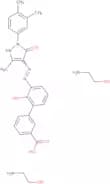
Eltrombopag olamine
CAS:Eltrombopag olamine is an orally active drug that belongs to the class of thiazolidinones. It has been used for the treatment of thrombocytopenia in patients with chronic liver disease and myelodysplastic syndrome. Eltrombopag olamine inhibits platelet aggregation by binding to glycoprotein IIb/IIIa receptors on the surface of platelets. The drug is a prodrug that is metabolized in vivo to its active form, eltrombopag. This conversion is catalysed by CYP3A4 and CYP2D6 enzymes and can be inhibited by drugs that inhibit these enzymes, such as trifluoroacetic acid and hydroxyl group-containing compounds. Eltrombopag olamine binds to erythrocytes, which may be due to its ability to form intramolecular hydrogen bonds with nitrogen atoms. The synthesis of eltFormula:C25H22N4O4•(C2H7NO)2Purity:Min. 95%Color and Shape:PowderMolecular weight:564.63 g/molBromadiolone
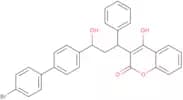
CAS:Bromadiolone NA is a rodenticide that is used in the treatment of rodents in wastewater treatment. Bromadiolone NA has been shown to inhibit the mitochondrial membrane potential, which leads to the release of cytochrome C and activation of caspase 3. Bromadiolone NA also has antioxidative properties that protect against oxidative injury and its metabolites have been found to inhibit human serum albumin. This compound has been used as an antimicrobial agent to control biofilm formation and prevent microbial growth. The mode of action for bromadiolone is through the inhibition of chitosan polymerization, which prevents bacterial attachment and biofilm formation on surfaces. Bromadiolone NA was also shown to bind with DNA, inhibiting replication and transcription.
Formula:C30H23BrO4Purity:Min. 95%Color and Shape:PowderMolecular weight:527.41 g/molSodium methanethiolate - 15% aqueous solution
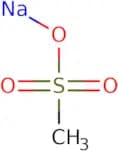
CAS:Sodium methanethiolate is an antimicrobial agent that is a white, crystalline solid. It reacts with trifluoroacetic acid and water to produce the active form of sodium trifluoroacetate. The reaction mechanism is likely due to the formation of a bicyclic heterocycle that has been shown to be effective against a number of bacteria. Sodium methanethiolate has been used for the treatment of infectious diseases, such as respiratory infections and skin infections, as well as autoimmune diseases and cardiovascular disorders. The oxidation catalyst in this compound may also have physiological effects on the body's cells and tissues.Formula:CH3NaSPurity:Min. 95%Color and Shape:Clear LiquidMolecular weight:70.09 g/mol(R,R)-(-)-2,3-Butanediol
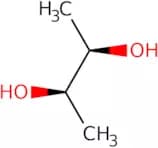
CAS:(R,R)-(-)-2,3-Butanediol is a chiral hydroxy alcohol that is a process optimization for the synthesis of β-hydroxy esters. It has been shown to have antimicrobial activity against Gram-positive bacteria and can inhibit the growth of Gram-negative bacteria in low concentrations. (R,R)-(-)-2,3-Butanediol also inhibits the production of phospolipase A2 by wild-type strains of Escherichia coli. This compound also has an effect on energy metabolism by inhibiting the formation of acetaldehyde from pyruvate.Formula:C4H10O2Purity:Min. 95%Molecular weight:90.12 g/mol4-Bromo-1-butanol
CAS:4-Bromo-1-butanol is a synthetic fatty acid used as a reagent in the synthesis of glycyrrhetinic acid. It is a colorless liquid with a strong odor. This substance has impurities that are not specified. It reacts with n-hexane and thionyl chloride to form bromobutanoic acid, which can be used as an intermediate in the production of other substances. 4-Bromo-1-butanol is also used in the synthesis of polyvinyl pyrrolidone, which is an organic polymer that is soluble in water and polar solvents such as alcohols and acetone. The molecular weight of this compound ranges from 300 to 3,000 g/mol, with a melting point below 100 °C. Formamide is another substance that can be synthesized using 4-bromo-1 butanol. Formamide is a colorless liquid with a pungent odor and it hasFormula:C4H9BrOPurity:80%MinColor and Shape:Colorless Clear LiquidMolecular weight:153.02 g/mol2,3-Dimercapto-1-propanol
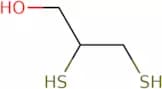
CAS:2,3-Dimercapto-1-propanol (DMPC) is an antibiotic that has been shown to have a potent synergistic effect when used in combination with other antibiotics. DMPC inhibits the enzyme fatty acid synthase and prevents the synthesis of long-chain fatty acids. It also inhibits the uptake of long-chain fatty acids by tissues such as liver, muscle, and fat cells. DMPC is also a reactive chemical that reacts with oxygen from the air to form 2,3-dimercapto-1-propanol peroxyl radicals and hydrogen peroxide. These reactive species are toxic to cells exposed to DMPC in tissue culture or in vivo. This chemical is also a potent inducer of all-trans retinoic acid and dehydroascorbic acid production.Formula:C3H8OS2Purity:Min. 95%Color and Shape:Clear LiquidMolecular weight:124.23 g/mol(R)-(-)-2-Amino-1-butanol
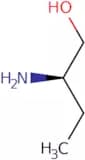
CAS:(R)-(-)-2-Amino-1-butanol is an organic compound that is used as a reagent in the synthesis of pharmaceuticals. It has antimycobacterial properties and can be used to treat tuberculosis. The mechanism for its antimycobacterial activity is not fully understood, but it may involve copper complex formation with the mycobacteria. The chloride ion may also play a role in this process by binding to the copper complex and increasing its solubility in water. This compound may react with aminothiols from the host cell, leading to degradation of DNA, RNA, and proteins. (R)-(-)-2-Amino-1-butanol has been shown to have cytotoxic effects on colorectal adenocarcinoma cells and human lung cancer cells in culture. It also inhibits human colon carcinoma cells in culture through the production of organic acids such as formic acid and acetic acid.Formula:C4H11NOPurity:Min. 95%Molecular weight:89.14 g/mol6-Methoxy-2-methylquinolin-4(1H)-one
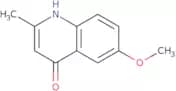
CAS:6-Methoxy-2-methylquinolin-4(1H)-one is a heterocyclic molecule that has the ability to undergo oxidation reactions. It is an intermediate in the synthesis of other molecules, such as 4-hydroxyquinoline and 4-hydroxybenzaldehyde. The acidity of 6-methoxy-2-methylquinolin-4(1H)-one can be increased by adding alkali, which will cause it to react with hydroxyl and form a phenylhydrazine. When heated with hydrazine, 6-methoxy-2-methylquinolin-4(1H)-one undergoes tautomerism and forms 2-(phenylhydrazinyl) quinoline. The chemical structure of 6-methoxy-2 methylquinolin 4(1H)-one can be detected by analyzing its spectrum (i.e., absorption or emission spectra). This chemical shows bandsFormula:C11H11NO2Purity:Min. 95%Molecular weight:189.21 g/mol(16α,17β)-16-Fluoroestra-1,3,5(10)-triene-3,17-diol
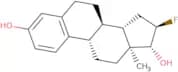
CAS:Controlled Product16alpha,17beta)-16-Fluoroestra-1,3,5(10)-triene-3,17-diol is a potent estrogen receptor modulator that has been shown to inhibit tumor growth in clinical oncology. It acts by binding to the estrogen receptor and blocking its ability to activate gene transcription. This compound can also be used as a pharmaceutical preparation in liquid chromatography. 16alpha,17beta)-16-Fluoroestra-1,3,5(10)-triene-3,17-diol is a liquid at room temperature and can be soluble in organic solvents such as chloroform or acetone. It does not react with hydrochloric acid.Formula:C18H23FO2Purity:Min. 95%Color and Shape:PowderMolecular weight:290.37 g/molSorbitan trioleate
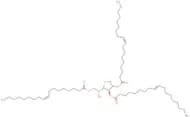
CAS:Sorbitan trioleate is a model system used in pharmaceutical preparations. It is also a particle that consists of three fatty acid chains attached to a hydroxyl group. Sorbitan trioleate has been shown to have many pharmacological effects, including receptor activity and treating allergic reactions. It is also used as a cationic surfactant with magnetic particles for the treatment of bacterial infections. The type strain for this compound is Staphylococcus epidermidis ATCC 12228.
Formula:C60H108O8Color and Shape:Clear LiquidMolecular weight:957.49 g/mol2-Methylaminoethanol
CAS:2-Methylaminoethanol is a colorless, water-soluble liquid. It is an alkanolamine that has a dipole moment of 1.8 debye. 2-Methylaminoethanol can be synthesized by reacting potassium dichromate with ethanolamine in the presence of borohydride and ammonia. The reaction yield for this process is about 50%. 2-Methylaminoethanol reacts with maleic acid to form maleate salt. Maleate salt molecules have two amine groups attached to a carbonyl group, which are used as raw materials for the production of various other chemicals like nylon 11, nylon 12, and polyethylene terephthalate (PET). Maleates also serve as intermediates in the manufacture of esters and nitrites from alcohols and phenols. 2-Methylaminoethanol has been shown to cause blood pressure reduction in mammals due to its ability to inhibit vasoconstriction caused byFormula:C3H9NOPurity:Min. 95%Color and Shape:Clear LiquidMolecular weight:75.11 g/mol2-Methoxy-4-methylbenzenethiol
CAS:Please enquire for more information about 2-Methoxy-4-methylbenzenethiol including the price, delivery time and more detailed product information at the technical inquiry form on this page
Formula:C8H10OSPurity:Min. 95%Molecular weight:154.23 g/mol1-Acetyl-5-bromoindol-3-ol
CAS:Please enquire for more information about 1-Acetyl-5-bromoindol-3-ol including the price, delivery time and more detailed product information at the technical inquiry form on this pageFormula:C10H8BrNO2Purity:Min. 95%Color and Shape:PowderMolecular weight:254.08 g/mol(17b)-4,17-Dimethyl-androsta-2,4-dieno[2,3-d]isoxazol-17-ol
CAS:Controlled ProductPlease enquire for more information about (17b)-4,17-Dimethyl-androsta-2,4-dieno[2,3-d]isoxazol-17-ol including the price, delivery time and more detailed product information at the technical inquiry form on this pageFormula:C22H31NO2Purity:Min. 95%Molecular weight:341.49 g/molGanodermanontriol
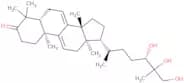
CAS:Controlled ProductGanodermanontriol is a natural compound that is extracted from the roots of Ganderma applanatum. It has potent anticomplement activity and has been shown to have transcriptional regulation activity. Ganodermanontriol binds to DNA with high affinity, which leads to inhibition of transcription and replication. Ganodermanontriol also inhibits the activity of enzymes such as protein kinase C, phosphodiesterase, and phosphatases. This inhibitory effect on these enzymes may be due to its hydroxyl group, which can donate hydrogen bonds.
Formula:C30H48O4Purity:Min. 95%Molecular weight:472.7 g/mol2-Methyl-1-propanol
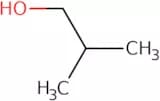
CAS:Controlled Product2-Methyl-1-propanol is a small molecule that inhibits the activity of certain enzymes. It is an inhibitor of alcohol dehydrogenase, which converts ethanol to acetaldehyde. 2-Methyl-1-propanol also inhibits the enzyme pyruvate decarboxylase, which catalyzes the conversion of pyruvic acid to acetaldehyde. These two effects result in increased levels of acetaldehyde in the blood and reduced levels of acetate in the blood. The effect on alcohol dehydrogenase has been shown in recombinant cells and in yeast cells with a mutation that leads to decreased alcohol dehydrogenase activity. 2-Methyl-1-propanol has been shown to inhibit the growth of wild type strains but not mutant strains of Escherichia coli, suggesting that its physiological effects are due to inhibition of alcohol dehydrogenase and pyruvate decarboxylase activities.
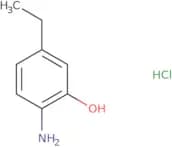
Formula:C4H10OPurity:Min. 95%Color and Shape:Clear LiquidMolecular weight:74.12 g/mol2-Amino-5-ethylphenol hydrochloride
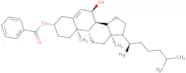
CAS:Please enquire for more information about 2-Amino-5-ethylphenol hydrochloride including the price, delivery time and more detailed product information at the technical inquiry form on this pageFormula:C8H12ClNOPurity:Min. 95%Molecular weight:173.64 g/mol(3b,7a)-Cholest-5-ene-3,7-diol 3-benzoate
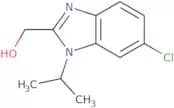
CAS:Controlled ProductPlease enquire for more information about (3b,7a)-Cholest-5-ene-3,7-diol 3-benzoate including the price, delivery time and more detailed product information at the technical inquiry form on this pageFormula:C34H50O3Purity:Min. 95%Molecular weight:506.76 g/mol(6-Chloro-1-isopropyl-1H-benzimidazol-2-yl)methanol
CAS:Controlled ProductPlease enquire for more information about (6-Chloro-1-isopropyl-1H-benzimidazol-2-yl)methanol including the price, delivery time and more detailed product information at the technical inquiry form on this pageFormula:C11H13ClN2OPurity:Min. 95%Molecular weight:224.69 g/mol1-Tetradecanethiol
CAS:1-Tetradecanethiol is a high-resistance, detergent composition that is used in vitro to test the effects of boron nitride. This chemical has been shown to be an effective cross-linking agent for polymers and other materials. It also acts as a viscosity reducer and has low energy requirements. 1-Tetradecanethiol can be used as a cationic surfactant and as a molecule in 3-mercaptopropionic acid.
Purity:Min. 95%3-[4-(2-Chlorophenyl)-9-methyl-6H-thieno[3,2-f][1,2,4]triazolo[4,3-a][1,4]diazepin-2-yl]-2-propyn-1-ol
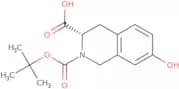
CAS:Controlled ProductPlease enquire for more information about 3-[4-(2-Chlorophenyl)-9-methyl-6H-thieno[3,2-f][1,2,4]triazolo[4,3-a][1,4]diazepin-2-yl]-2-propyn-1-ol including the price, delivery time and more detailed product information at the technical inquiry form on this pageFormula:C18H13ClN4OSPurity:Min. 95%Molecular weight:368.84 g/molBoc-(3S)-1,2,3,4-tetrahydroisoquinoline-7-hydroxy-3-carboxylic acid
CAS:Boc-(3S)-1,2,3,4-tetrahydroisoquinoline-7-hydroxy-3-carboxylic acid is a synthetic opioid that is chemically related to morphine. It binds to the δ opioid receptor and has a clinical development in the treatment of pain. The drug has been shown to inhibit the binding of gtpγs, which leads to the suppression of neuronal activity. Boc-(3S)-1,2,3,4-tetrahydroisoquinoline-7-hydroxy-3-carboxylic acid also has low molecular weight and low toxicity.Formula:C15H19NO5Purity:Min. 95%Color and Shape:PowderMolecular weight:293.32 g/molDelta9,11-Dehydro-17b-estradiol 17-valerate
CAS:Controlled ProductPlease enquire for more information about Delta9,11-Dehydro-17b-estradiol 17-valerate including the price, delivery time and more detailed product information at the technical inquiry form on this pageFormula:C23H30O3Purity:Min. 96 Area-%Molecular weight:354.48 g/molDrostanolone acetate
CAS:Controlled ProductPlease enquire for more information about Drostanolone acetate including the price, delivery time and more detailed product information at the technical inquiry form on this pageFormula:C22H34O3Purity:Min. 95%Molecular weight:346.5 g/molCCT 241533
CAS:CCT 241533 is a Chinese herb that has been shown to have anti-cancer properties. It has been demonstrated to inhibit the growth of HL-60 cells and induce apoptosis in these cells. CCT 241533 also inhibits the proliferation of epidermal growth factor (EGF) and induces cell death in response to radiation. This drug also binds to toll-like receptors, which are proteins on the surface of cells that detect pathogens and initiate an immune response. CCT 241533 has been shown to inhibit polymerase chain reactions by competitive inhibition or by binding to DNA, preventing transcription or replication. CCT 241533 may be useful for the treatment of infectious diseases, such as tuberculosis, because it can bind to bacterial 16S ribosomal RNA and inhibit protein synthesis, leading to cell death by inhibiting the production of proteins vital for cell division.
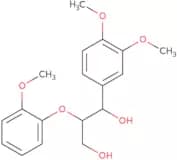
CCT 241533 has been shown in animal studies to be effective against cervical cancer due to its ability to bindFormula:C23H27FN4O4Purity:Min. 95%Molecular weight:442.48 g/mol1-(3,4-Dimethoxyphenyl)-2-(2-methoxyphenoxy)propane-1,3-diol
CAS:1,3-Dimethoxy-2-(2-methoxyphenoxy)propane-1,3-diol (DMMP) is a natural product with antioxidant properties. It has been shown to be a potent inhibitor of the epidermal growth factor receptor (EGFR), and also inhibits the activity of the response elements for EGFR. DMMP is also a potent inhibitor of proliferation in human cancer cells and can inhibit the growth of tumour cells that are resistant to methotrexate. DMMP is a precursor to protocatechuic acid, which has been shown to have anti-herpes virus effects. DMMP has been shown to decrease the rate of second order reactions through its ability to react with carbonyl groups on proteins. This reaction leads to an increase in stability and decreases the rate of protein degradation by proteases. A mutant strain was found that can produce this compound without any external stimulus, making it ideal for use as an antibiotic against bacterialFormula:C18H22O6Purity:Min. 95 Area-%Color and Shape:PowderMolecular weight:334.36 g/mol[1-(4-Chlorobenzyl)-1H-benzimidazol-2-yl]methanol
CAS:Controlled ProductPlease enquire for more information about [1-(4-Chlorobenzyl)-1H-benzimidazol-2-yl]methanol including the price, delivery time and more detailed product information at the technical inquiry form on this page
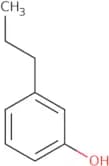
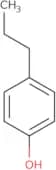
Formula:C15H13ClN2OPurity:Min. 95%Molecular weight:272.73 g/mol3-Propylphenol
CAS:3-Propylphenol is a naturally occurring fatty acid found in animals and plants. It is used as an industrial chemical and as a solvent for fats, oils, waxes, and resins. 3-Propylphenol has been shown to have a high affinity for caproic acid, which is a fatty acid that can be found in the urine of humans and animals. 3-Propylphenol also has the ability to inhibit methyl ketone formation by diptera during metathesis reactions. This compound is used in the production of industrial chemicals like phenols, acetates, and esters.Formula:C9H12OPurity:Min. 95%Molecular weight:136.19 g/mol3,4-Dihydroisoquinolin-2(1H)-ylacetic acid
CAS:3,4-Dihydroisoquinolin-2(1H)-ylacetic acid is a chemical compound with the molecular formula of C8H11NO2. It is a useful scaffold for the synthesis of complex compounds and research chemicals. 3,4-Dihydroisoquinolin-2(1H)-ylacetic acid is also a versatile building block for the preparation of fine chemicals. It is used as a reaction component in many organic reactions and can be used as a speciality chemical or reagent due to its high quality.
Formula:C11H13NO2Purity:Min. 95%Color and Shape:PowderMolecular weight:191.23 g/mol(R)-2-Methylbutanol
CAS:(R)-2-Methylbutanol is a volatile pheromone that is produced by both sexes of the avocado tree. It is emitted from the flowers, fruits, and leaves of the plant as well as from wounds on the bark and branches. (R)-2-Methylbutanol has also been identified in other plants such as pine trees. This compound is synthesized in organisms through a cross-coupling reaction and an acetylation reaction. The acetylation reaction involves the addition of an acetyl group to an organic molecule, which may be accomplished using a host plant or synthetic reagents. The cross-coupling reaction involves two molecules that are coupled together by a metal catalyst such as palladium or nickel. In this process, one molecule donates a pair of electrons to another molecule, which accepts them and becomes reduced. This compound has been found to be important for microhabitat selection in some insects because it plays a role in pheromFormula:C5H12OPurity:Min. 95%Molecular weight:88.15 g/mol[1-(2-Chlorobenzyl)-1H-benzimidazol-2-yl]methanol
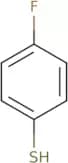
CAS:Controlled ProductPlease enquire for more information about [1-(2-Chlorobenzyl)-1H-benzimidazol-2-yl]methanol including the price, delivery time and more detailed product information at the technical inquiry form on this pageFormula:C15H13ClN2OPurity:Min. 95%Molecular weight:272.73 g/mol4-Fluorothiophenol
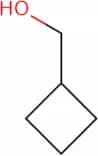
CAS:4-Fluorothiophenol is a reactive chemical that can be used as a monomer for the synthesis of polymers. It has been shown to polymerize with acrylonitrile and methacrylate in the presence of an initiator to form polyacrylonitrile and polymethacrylate, respectively. 4-Fluorothiophenol reacts with unsaturated fatty acids to form thiolates, which are useful intermediates in organic synthesis. 4-Fluorothiophenol also reacts with sulfur transfer agents such as thiourea or mercaptoethanol, leading to S-sulfides that are useful intermediates in organic synthesis. These reactions can be followed by kinetic energy spectroscopy (photoelectron) and nuclear magnetic resonance spectroscopy (NMR). 4-Fluorothiophenol has been shown to undergo intramolecular hydrogen transfer reactions with second order rate constants ranging fromFormula:C6H5FSPurity:Min. 95%Molecular weight:128.17 g/molCyclobutanemethanol
CAS:Cyclobutanemethanol is a drug used to treat inflammatory diseases. It is an uptake inhibitor that blocks the transport of uridine into cells, preventing the activation of G-protein coupled receptors and the subsequent production of inflammatory mediators. Cyclobutanemethanol has been shown to have anti-inflammatory properties by inhibiting the CB2 receptor, which is found in large quantities in inflammatory tissues. Cyclobutanemethanol also prevents dehydration and increases blood flow to inflamed areas by acting on vascular endothelial cells. It can be synthesized from two molecules of hydrochloric acid and one molecule of cyclobutane. The synthesis pathway includes removal of a hydroxy group and addition of an alkynyl group via hydrogen bonding interactions with chloride ions. Cyclobutanemethanol has been shown to inhibit influenza virus replication in vitro, but not in vivo.
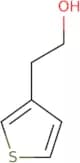
Formula:C5H10OPurity:Min. 95%Molecular weight:86.13 g/mol3-Thiopheneethanol
CAS:3-Thiopheneethanol is a synthetic polymer that can be used as an insoluble polymer. It has been shown to undergo chemical reactions with hydroxy groups, which form a polymer film. The untreated control group did not show any change in the film thickness, but the electrochemical methods group showed a significant increase in the film thickness. 3-Thiopheneethanol may have potential applications in medical devices and sensors. The detection time of 3-thiopheneethanol was found to be longer than that of other polymers, such as polystyrene sulfonic acid (PSSA).Formula:C6H8OSPurity:Min. 95%Molecular weight:128.19 g/molKushenol R
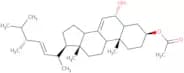
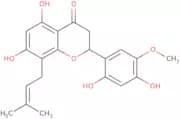
CAS:Kushenol R is a bioactive flavonoid compound, which is extracted from the roots of the plant Sophora flavescens, commonly known as the shrubby sophora. Its chemical structure contributes to its role as a compound of interest in the realm of natural product chemistry and pharmacology. As a flavonoid, Kushenol R exhibits significant antioxidant activity, attributed to its ability to scavenge free radicals and mitigate oxidative stress at the cellular level. This mechanism of action is crucial as it offers potential therapeutic effects in combating diseases associated with oxidative damage, such as cancer and inflammatory disorders.Purity:Min. 95%3b-Acetoxyergosta-7,22-dien-5a-ol
CAS:Controlled ProductPlease enquire for more information about 3b-Acetoxyergosta-7,22-dien-5a-ol including the price, delivery time and more detailed product information at the technical inquiry form on this pageFormula:C30H48O3Purity:Min. 95%Molecular weight:456.7 g/mol(17a)-3-Ethynyl-19-norpregna-3,5-dien-20-yn-17-ol
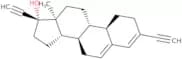
CAS:Controlled ProductPlease enquire for more information about (17a)-3-Ethynyl-19-norpregna-3,5-dien-20-yn-17-ol including the price, delivery time and more detailed product information at the technical inquiry form on this page
Formula:C22H26OPurity:Min. 95%Molecular weight:306.44 g/molKushenol W
CAS:Kushenol W is a flavonoid compound, which is derived from the root of the Sophora flavescens plant. This plant, commonly known as "Kushen," is an important component in traditional Chinese medicine. The mode of action of Kushenol W involves multiple biological pathways, primarily exerting its effects through anti-inflammatory and anti-tumor activities. It interacts with various molecular targets, modulating pathways associated with oxidative stress and cell proliferation.Purity:Min. 95%9-Chloro triamcinolone acetonide
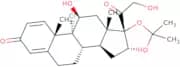
CAS:Please enquire for more information about 9-Chloro triamcinolone acetonide including the price, delivery time and more detailed product information at the technical inquiry form on this pageFormula:C24H31ClO6Purity:Min. 95%Molecular weight:450.95 g/mol(1,5-Dimethyl-1H-benzimidazol-2-yl)methanol
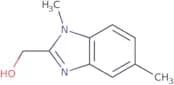
CAS:Controlled ProductPlease enquire for more information about (1,5-Dimethyl-1H-benzimidazol-2-yl)methanol including the price, delivery time and more detailed product information at the technical inquiry form on this pageFormula:C10H12N2OPurity:Min. 95%Molecular weight:176.22 g/mol17-Methyl-4-androstene-3a,17a-diol
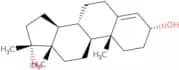
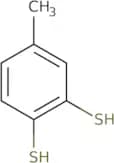
CAS:Controlled ProductPlease enquire for more information about 17-Methyl-4-androstene-3a,17a-diol including the price, delivery time and more detailed product information at the technical inquiry form on this pageFormula:C20H32O2Purity:Min. 95%Molecular weight:304.47 g/molToluene-3,4-dithiol
CAS:Toluene-3,4-dithiol is a reactive dithiol that has been shown to have synergistic effects with other organic compounds. It is used in the preparation of methyl ethyl and its derivatives. Toluene-3,4-dithiol has also been shown to inhibit both the activity of enzymes and the growth of bacteria. The biological properties of this compound are not well understood, but it can be used as a model system for studying disulfide bonds and their role in protein folding. Studies have shown that this compound inhibits enzymatic activity and reduces bacterial growth without affecting cell viability.
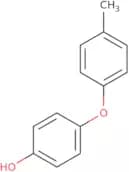
Formula:C7H8S2Purity:Min. 95%Molecular weight:156.27 g/mol4-(4-Methylphenoxy)phenol
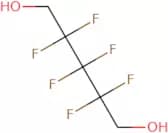
CAS:Please enquire for more information about 4-(4-Methylphenoxy)phenol including the price, delivery time and more detailed product information at the technical inquiry form on this pageFormula:C13H12O2Purity:Min. 95%Molecular weight:200.23 g/mol2,2,3,3,4,4-Hexafluoro-1,5-pentanediol
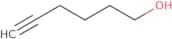
CAS:Controlled Product2,2,3,3,4,4-Hexafluoro-1,5-pentanediol is a colorless liquid with a boiling point of 155°C. It is soluble in water and has an odor similar to that of hexane. 2,2,3,3,4,4-Hexafluoro-1,5-pentanediol is used as a chemical intermediate for the production of sodium salts and quaternary ammonium compounds. This substance can be obtained by reacting butanediol with hydrofluoric acid or trifluoromethanesulfonic acid. The most common use of 2,2,3,3,4,4-hexafluoro-1,5-pentanediol is in the synthesis of amines. It also has been used as a solvent for electroplating metals and as a high boiling point solvent in organic reactions. This compound exhibits nucleophilic properties with amines and canFormula:C5H6F6O2Purity:Min. 95%Molecular weight:212.09 g/mol5-Hexyn-1-ol
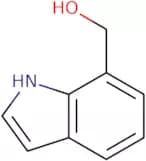
CAS:5-Hexyn-1-ol is a molecule that belongs to the group of organic compounds called fatty acids. It is a colorless liquid with an odor reminiscent of that of hexane. 5-Hexyn-1-ol has been shown to inhibit the proliferation of brain cells and tumor cells in culture. It also inhibits the growth of caco-2 cell lines, which are used as a model for human intestinal epithelial cells. The hydroxyl group in 5-hexyn-1-ol reacts with nitrogen nucleophiles such as picolinic acid and palladium chloride to form an intermediate compound, which can then be transformed into the desired product by addition of a second reactant.Formula:C6H10OPurity:Min. 95%Molecular weight:98.14 g/molIndole-7-methanol
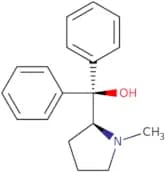
CAS:Indole-7-methanol is a flavin cofactor that catalyses the formylation of indole-7-carboxylic acid. Indole-7-methanol can be synthesized by the conversion of indole-7-carboxaldehyde with formaldehyde and ammonium acetate. The macrocyclic, isomeric, and formylated forms of indole-7-methanol have been shown to have utilisation activity in the synthesis of various compounds. These reactions are catalyzed by flavins such as FAD or FMN. Mutant, unsymmetrical derivatives of indole-7-methanol are also known to undergo these types of reactions. The most common derivative is indirubin, which has been shown to inhibit DNA polymerase III and IV in vitro.Formula:C9H9NOPurity:Min. 95%Molecular weight:147.17 g/mol(S)-a,a-Diphenylmethylprolinol
CAS:Controlled Product(S)-a,a-Diphenylmethylprolinol is a chiral ligand that is used in asymmetric synthesis. It has been shown to react with alkylating agents to form chiral methyl esters. The reaction product can be resolved into the desired enantiomer by the use of a chiral stationary phase or an experimental method called isotopic labeling. (S)-a,a-Diphenylmethylprolinol was prepared by a preparative method involving the reaction of cyanate, aldehyde and hexane.Formula:C18H21NOPurity:Min. 95%Molecular weight:267.37 g/mol5-[3-(Dimethylamino)propyl]-10,11-dihydro-5H-dibenzo[a,d]cyclohepten-5-ol
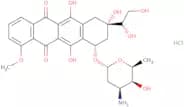
CAS:Please enquire for more information about 5-[3-(Dimethylamino)propyl]-10,11-dihydro-5H-dibenzo[a,d]cyclohepten-5-ol including the price, delivery time and more detailed product information at the technical inquiry form on this pageFormula:C20H25NOPurity:Min. 95%Color and Shape:Beige SolidMolecular weight:295.42 g/molDoxorubicinol hydrochloride - Mixture of Diasteromers
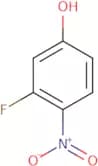
CAS:Please enquire for more information about Doxorubicinol hydrochloride - Mixture of Diasteromers including the price, delivery time and more detailed product information at the technical inquiry form on this pageFormula:C27H32ClNO11Purity:Min. 95%Molecular weight:582 g/mol3-Fluoro-4-nitrophenol
CAS:3-Fluoro-4-nitrophenol is an organic solvent that is used in the synthesis of a number of organic and inorganic compounds, including diazonium salts. 3-Fluoro-4-nitrophenol can be reacted with organometallic reagents to form tetraphenylmethane derivatives. It has been shown to have potential use as a precursor for the synthesis of a number of pharmaceuticals, such as regorafenib, which is an antiangiogenic drug. 3-Fluoro-4-nitrophenol reacts with chloride ions to form coelomic acid (3-fluoroaniline) and other organic acids. Reaction with magnesium and aluminium produces silicon nitride.Formula:C6H4FNO3Purity:Min. 95%Molecular weight:157.1 g/mol4-[2-(Cyclopropylmethoxy)ethyl]phenol
CAS:4-[2-(Cyclopropylmethoxy)ethyl]phenol is a potent beta-blocker that has been used as an antiglaucoma drug. This substance has been shown to have cardiovascular effects, such as vasodilation and peripheral vasoconstriction, that are mediated by its blockade of beta-adrenergic receptors. 4-[2-(Cyclopropylmethoxy)ethyl]phenol also reduces intraocular pressure in the eye, which may be due to its inhibition of prostaglandin synthesis.
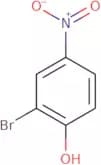
Formula:C12H16O2Purity:Min. 95%Molecular weight:192.25 g/mol2-Bromo-4-nitrophenol
CAS:2-Bromo-4-nitrophenol is a byproduct of the reaction between hydrogen peroxide and sodium bromate. It can be detected in the presence of hydrochloric acid, which reacts with 2-bromo-4-nitrophenol to form an orange color that can be detected spectrophotometrically. 2-Bromo-4-nitrophenol has been shown to inhibit the growth of various strains of bacteria, including Escherichia coli, Bacillus subtilis, and Pseudomonas aeruginosa. This compound binds to flavin adenine dinucleotide (FAD) as well as other nucleophilic cofactors such as thioredoxin reductase. The binding affinity is increased when carbon sources are present. This property makes it a useful inhibitor for catalytic reduction reactions in biotechnology and synthetic chemistry applications.br>br> 2B4NP is a byFormula:C6H4BrNO3Purity:Min. 95%Color and Shape:PowderMolecular weight:218 g/mol5-Hydroxyquinolin-2(1H)-one
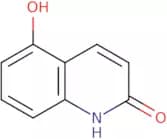
CAS:5-Hydroxyquinolin-2(1H)-one is a chalcone that can be synthesized from 2,5-dihydroxybenzaldehyde and quinoline. It is a bacteriostatic agent that inhibits bacterial growth by binding to the 50S ribosomal subunit, blocking the formation of an antibiotic-substrate complex with the enzyme cell wall synthesis that is required for cell wall biosynthesis, inhibiting protein synthesis and cell division. 5-Hydroxyquinolin-2(1H)-one has shown activity against methicillin resistant Staphylococcus aureus (MRSA) and methicillin resistant Enterococcus faecium. 5-Hydroxyquinolin-2(1H)-one also represses the expression of DNA topoisomerase II genes, which may be associated with its inhibitory effects on bacterial growth.
Formula:C9H7NO2Purity:Min. 95%Molecular weight:161.16 g/mol1-Aziridineethanol
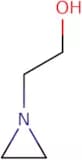
CAS:1-Aziridineethanol is a chemical used in research to study the effects of radiation on cells. It has been shown that the presence of 1-aziridineethanol in cells increases their sensitivity to radiation. In addition, this compound can be used as a chelate ligand for potassium ions. This product is also hydrophilic, allowing it to be dissolved in water and other polar solvents. Moreover, this chemical contains one hydroxy group and can undergo dehydration reactions with acids such as hydrochloric acid. The patterning of this product is determined by the presence of hydroxyl groups, which are reactive with hydrogen bond formation. 1-Aziridineethanol is also able to react with aromatic hydrocarbons and proteins due to its nucleophilic property. This product can undergo a number of chemical reactions, including the formation of azo bonds with azides and amines, as well as epoxidation reactions with peroxyacids such as m-Formula:C4H9NOPurity:Min. 95%Molecular weight:87.12 g/mol2-(2-Methyl-4-nitro-1H-imidazol-1-yl)ethanol
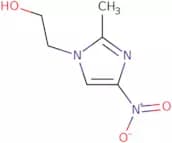
CAS:Please enquire for more information about 2-(2-Methyl-4-nitro-1H-imidazol-1-yl)ethanol including the price, delivery time and more detailed product information at the technical inquiry form on this page
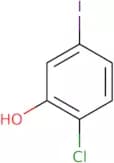
Formula:C6H9N3O3Purity:Min. 95%Molecular weight:171.15 g/mol2-Chloro-5-iodophenol
CAS:Please enquire for more information about 2-Chloro-5-iodophenol including the price, delivery time and more detailed product information at the technical inquiry form on this page
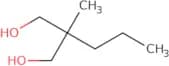
Formula:C6H4ClIOPurity:Min. 95%Molecular weight:254.45 g/mol2-Methyl-2-propyl-1,3-propanediol
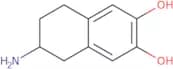
CAS:Propanediol is a chemical compound that is a diol, or a molecule containing two hydroxyl groups. The propanediol molecule contains two alcohol functional groups. It is an organic solvent with a sweet odor and a slightly viscous consistency. Propanediol can be found in cosmetics, pharmaceuticals, and food products as an inactive ingredient and solute. Propanediol has been shown to have anti-allergic properties in experimental studies. This drug also has the ability to modify the properties of other compounds that are mixed with it, such as glycol esters, which are used in pharmaceuticals and cosmetics. 2-Methyl-2-propyl-1,3-propanediol is soluble in water and readily dissolves in most organic solvents at room temperature. It has been shown to be reactive with oxalyl chloride, forming 2-(2-methylpropyl)oxirane chloride: CH3(CHOH)CH(Formula:C7H16O2Purity:Min. 95%Molecular weight:132.2 g/mol6-Amino-5,6,7,8-tetrahydronaphthalene-2,3-diol
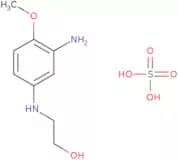
CAS:Controlled Product6-Amino-5,6,7,8-tetrahydronaphthalene-2,3-diol is a potent dopamine D2 receptor antagonist. It has been shown to inhibit the light emission of dopamine in vitro. This compound also has a high affinity for 5-HT receptors and has been shown to be a potent agonist at these sites. 6-Amino-5,6,7,8-tetrahydronaphthalene-2,3-diol has been found to induce pluripotent stem cells from human fibroblasts. These cells can differentiate into virtually any cell type in the body and may be used to study diseases such as Parkinson's disease and cancer.Formula:C10H13NO2Purity:Min. 95%Molecular weight:179.22 g/mol2-((3-Amino-4-methoxyphenyl)amino)ethanol sulfate
CAS:2-((3-Amino-4-methoxyphenyl)amino)ethanol sulfate is a potent antibacterial agent that inhibits the growth of bacteria by binding to the 50S ribosomal subunit. It is also used in dermatology, as an aminophenol, and as an ingredient in cosmetics. 2-((3-Amino-4-methoxyphenyl)amino)ethanol sulfate has been shown to be efficacious against bacterial infections caused by methicillin resistant Staphylococcus aureus (MRSA), Pseudomonas aeruginosa, Proteus mirabilis, and Klebsiella pneumoniae. This compound also has antihistamine properties.Formula:C9H16N2O6SPurity:Min. 95%Molecular weight:280.3 g/mol3-Caffeoyl-1,5-quinolactone(3-Caffeoyl-gamma-quinide)
CAS:3-Caffeoyl-1,5-quinolactone (3-Caffeoyl-gamma-quinide) is a coffee-derived compound, identified as a phytochemical present in roasted coffee beans. It is primarily formed during the roasting process through the complex transformation of caffeoylquinic acids, which are abundant in green coffee beans. This compound is gaining attention for its notable biological properties, particularly its antioxidant and enzyme inhibitory activities.
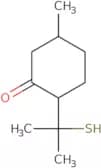
Formula:C16H16O8Purity:Min. 95%Color and Shape:PowderMolecular weight:336.29 g/molp-Mentha-8-thiol-3-one
CAS:p-Mentha-8-thiol-3-one is a stabilizer that can be used in the synthesis of agathosma and other terpenes. It is also used as a mass spectrometric standard for the identification of stereoisomers. p-Mentha-8-thiol-3-one has been shown to have antibacterial effects against gram positive bacteria, including methicillin resistant Staphylococcus aureus (MRSA). This compound can be used in vitro to study the interactions between cytochrome P450 enzymes, lipid matrix and terpene compounds. In addition, it has been shown to work as a gas sensor, where it reacts with sodium sulfide to produce hydrogen sulfide gas.
Formula:C10H18OSPurity:Min. 95%Color and Shape:Clear LiquidMolecular weight:186.32 g/moltert-Butyl alcohol
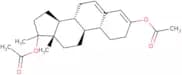
CAS:Controlled ProductTert-butyl alcohol is used in wastewater treatment as a biocide. It has been shown to inhibit the growth of bacteria by binding to their aminotransferase enzymes. Tert-butyl alcohol binds to the active site of an enzyme and inhibits its activity by forming a covalent bond with an amino acid residue. Tert-butyl alcohol also binds to human serum albumin, which may be due to its ability to react with hydroxyl groups on the protein surface. The reaction solution is analyzed using a kinetic method, which determines how much tert-butyl alcohol is consumed over time (k1/2). This information can be used to determine the reaction mechanism for tert-butyl alcohol.Formula:C4H10OPurity:(Gc) Min. 99.0%Color and Shape:Clear LiquidMolecular weight:74.12 g/mol17-Methylestra-3,5-diene-3,17b-diol diacetate
CAS:Controlled ProductPlease enquire for more information about 17-Methylestra-3,5-diene-3,17b-diol diacetate including the price, delivery time and more detailed product information at the technical inquiry form on this page
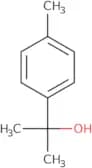
Formula:C23H32O4Purity:Min. 95%Molecular weight:372.5 g/molp,a,a-Trimethylbenzyl alcohol
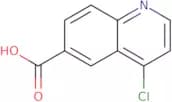
CAS:p,a,a-Trimethylbenzyl alcohol is a naturally occurring compound that is found in the essential oils of plants. It has been shown to have an antifungal effect on Streptococcus faecalis and Candida glabrata. p,a,a-Trimethylbenzyl alcohol also inhibits the growth of bacteria by binding to fatty acids. The mechanism of action for this inhibition is unknown but may be due to its ability to interfere with various enzymatic reactions that are necessary for lipid synthesis. This alcohol has been shown to be a potent inhibitor of bacterial growth with minimal inhibitory concentrations below 1ug/ml and has also been shown to have anti-inflammatory effects in animal studies.Formula:C10H14OPurity:Min. 90%Color and Shape:Colorless Clear LiquidMolecular weight:150.22 g/mol4-Chloroquinoline-6-carboxylicacid
CAS:Please enquire for more information about 4-Chloroquinoline-6-carboxylicacid including the price, delivery time and more detailed product information at the technical inquiry form on this pageFormula:C10H6ClNO2Purity:Min. 95%Molecular weight:207.61 g/mol4-(Methylthio)benzyl Alcohol
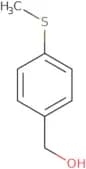
CAS:4-(Methylthio)benzyl Alcohol (MSBA) is a sulfate salt of 4-(methylthio)benzol, which is used as an inhibitor for cytochrome P450 enzymes. MSBA forms a covalent bond with cytochrome P450 and inhibits the oxidation of substrates to form reactive metabolites. This inhibitor can also be used to identify the active site of cytochrome P450 enzymes by docking analysis. The inhibition by MSBA has been demonstrated in recombinant cytochrome P450s using acetonitrile and stilbene derivatives as substrates. The inhibitory potency of MSBA is related to its methoxy groups and sulfate salt groups, which are important for binding with the enzyme. MSBA has been shown to metabolize into primary alcohols, such as 2-propynyl ethyl alcohol, that have inhibitory activities against cytochrome P450 enzymes.
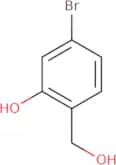
Formula:C8H10OSPurity:Min. 95%Molecular weight:154.23 g/mol5-Bromo-2-(hydroxymethyl)phenol
CAS:5-Bromo-2-(hydroxymethyl)phenol (5-BHP) is a synthetic small molecule that activates the death receptor CD95. It has been shown to induce tumor regression in experimental models of cancer. 5-BHP can be used as a cancer therapeutic or for the treatment of inflammatory conditions such as rheumatoid arthritis and psoriasis. 5-BHP binds to the death protein pd-l1, which initiates downstream signaling pathways that lead to activation of caspases and apoptosis. This agent also interacts with programmed death ligand 1 (PD-L1), which is expressed on activated T cells and may be involved in antitumor responses. These interactions are being investigated for their potential use in drug development, including optimization and biochemical techniques to characterize the binding affinity of 5-BHP with PD-L1.Formula:C7H7BrO2Purity:Min. 95%Molecular weight:203.03 g/mol1,3-Difluoro-2-propanol
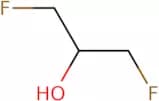
CAS:1,3-Difluoro-2-propanol is a hydrogen bond donor. It is used as an animal repellent and insecticide. It has been shown to be effective against the larvae of mosquitoes and flies. 1,3-Difluoro-2-propanol has also been found to be effective against some fungi, although it is not active against bacteria. The octanol/water partition coefficient (log Kow) of 1,3-difluoro-2-propanol is -0.86. 1,3-Difluoro-2-propanol has been shown to inhibit biochemical reactions in animals by inhibiting ATPase and phosphate uptake in mitochondria. This inhibition leads to the accumulation of metabolites such as lactic acid and pyruvic acid which are responsible for the symptoms seen with exposure to this chemical. 1,3-Difluoro-2-propanol has also been shown
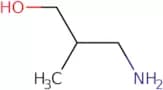
Formula:C3H6F2OPurity:Min. 99 Area-%Color and Shape:Colorless Clear LiquidMolecular weight:96.08 g/mol3-Amino-2-methylpropan-1-ol
CAS:3-Amino-2-methylpropan-1-ol is a reactive chemical that can be used as a reactant in the synthesis of other chemicals. It is an alkanolamine and can be found in small amounts in water vapor. 3-Amino-2-methylpropan-1-ol has been shown to have low energy and it reacts with water vapor to form 3,4-dihydroxybutanal, which is a product that can be converted into other useful chemicals. 3-Amino-2-methylpropan-1-ol also reacts with high energy photons to form new substances, such as 3,4,5,6 tetrahydroxymethylbenzaldehyde. 3Amino - 2 - methylpropan - 1 - ol has been shown to have many uses including the production of low molecular weight polymers and resins for paints and coatings.
Formula:C4H11NOPurity:Min. 95%Molecular weight:89.14 g/mol2,2,4-Trimethyl-1,2-dihydroquinolin-6-yl phenylacetate
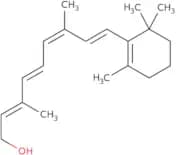
CAS:Controlled ProductPlease enquire for more information about 2,2,4-Trimethyl-1,2-dihydroquinolin-6-yl phenylacetate including the price, delivery time and more detailed product information at the technical inquiry form on this pageFormula:C20H21NO2Purity:Min. 95%Molecular weight:307.39 g/mol9-cisRetinol
CAS:9-cisRetinol is a form of vitamin A that plays an important role in the synthesis of lipids and proteins. It has been shown to inhibit acid formation in the liver and to stimulate growth in some types of cancer cells. 9-cisRetinol is converted to all-trans retinoic acid, which is a nuclear hormone receptor that regulates gene expression. It also has been shown to be effective in clinical studies for the treatment of congenital amaurosis and cancer. 9-cisRetinol can inhibit phospholipase A2, which prevents the release of arachidonic acid from membrane phospholipids, as well as inhibit prostaglandin synthesis. The optimum pH for 9-cisRetinol activity is between 7 and 8.Formula:C20H30OPurity:Min. 95%Molecular weight:286.45 g/mol3-Deoxy-3-oxo-20(S)-protopanaxatriol
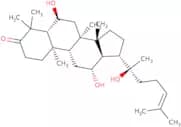
CAS:Controlled Product3-Deoxy-3-oxo-20(S)-protopanaxatriol is a compound that has been shown to have cardioprotective effects in vitro. This compound inhibits the production of malondialdehyde (MDA), an end product of lipid peroxidation, and increases the glutathione content of rat heart tissue. 3-Deoxy-3-oxo-20(S)-protopanaxatriol also protects against ischemic injury by lowering creatine kinase levels and preserving the myocardium during reperfusion. It has been shown to inhibit oxidative stress and reduce tissue damage in rats with induced myocardial infarction. 3-Deoxy-3-oxo-20(S)-protopanaxatriol is orally active, but must be injected for pharmacological studies due to its high molecular weight. This molecule has also been shown to have antioxidant properties in vitro, which may be due to its ability toFormula:C30H50O4Purity:Min. 95%Molecular weight:474.72 g/mol2-Octyldodecan-1-ol
CAS:2-Octyldodecan-1-ol is a fatty alcohol that is used as a lubricant and surfactant in cosmetic products. It has been shown to have surface coating properties, which may be due to its ability to form hydrogen bonds with hydroxyl groups at the surface of the skin. 2-Octyldodecan-1-ol is also known for its biological effects, such as anti-inflammatory and anti-bacterial properties. This compound has been shown to inhibit bacterial growth by inhibiting membrane synthesis and by binding to fatty acids in the cell wall. It also has an effect on sodium carbonate, p-hydroxybenzoic acid, alcohol residue, hydroxyl group, glycol ether, particle, and inorganic acid.Formula:C20H42OPurity:Min. 95%Molecular weight:298.55 g/mol1-(2-Nitrophenyl)-1,2-ethanediol
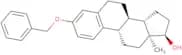
CAS:1-(2-Nitrophenyl)-1,2-ethanediol is a chemical that has been shown to inhibit the glutamate-induced increase in cytosolic Ca2+ concentration. It also prevents the loss of membrane integrity and protects against cell death by inhibiting apoptosis. 1-(2-Nitrophenyl)-1,2-ethanediol also inhibits amp-activated protein kinase activity and increases ATP production. These effects may be due to its ability to reduce intracellular Ca2+ levels and prevent Ca2+ overload in mitochondria. 1-(2-Nitrophenyl)-1,2-ethanediol has been shown to have a protective effect on isolated heart cells and ventricular myocytes from hypoxia/reoxygenation injury and is an effective model system for investigating biochemical properties of glutamate excitotoxicity.Formula:C8H9NO4Purity:Min. 95%Color and Shape:PowderMolecular weight:183.16 g/mol3-O-Benzyl 17a-estradiol
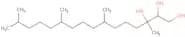
CAS:Controlled ProductPlease enquire for more information about 3-O-Benzyl 17a-estradiol including the price, delivery time and more detailed product information at the technical inquiry form on this pageFormula:C25H30O2Purity:Min. 95%Molecular weight:362.5 g/mol3,7,11,15-Tetramethyl-1,2,3-hexadecane-triol
CAS:3,7,11,15-Tetramethyl-1,2,3-hexadecane-triol is a fatty alcohol that is used in detergent compositions. It has been shown to be biocompatible with human skin cells and does not show any carcinogenic potential. 3,7,11,15-Tetramethyl-1,2,3-hexadecane-triol is chemically stable and can be used for sample preparation and light exposure. The particle size of this compound is about 1 micrometer. This substance does not have any toxic effects on skin cells or other cells when it is exposed to light.Formula:C20H42O3Purity:Min. 95%Molecular weight:330.55 g/mol2,3,5,6-Tetrafluorothiophenol
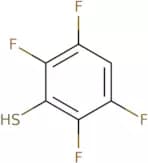
CAS:2,3,5,6-Tetrafluorothiophenol is a backup chemical that can be used in place of the more expensive 2,4,5-trichlorophenol. It is a chemical intermediate that has been shown to react with fatty acids to form chromatographic products. FTIR spectroscopy and sample preparation techniques have been developed for this application. The light emission from FTIR spectroscopy can also be used as a means of controlling a microcontroller in telecommunications devices. A telecommunication company has successfully downloaded this information on their website. 2,3,5,6-Tetrafluorothiophenol has also been shown to inhibit the growth of Pseudomonas aeruginosa and Staphylococcus epidermidis bacteria by interfering with the synthesis of fatty acids and increasing the production of hydroxyl groups.END> Rifapentine is an anti-tuberculosis drug thatFormula:C6H2F4SPurity:Min. 95%Color and Shape:Clear LiquidMolecular weight:182.14 g/mol(S)-(+)-5-Methyl-1-heptanol
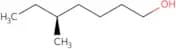
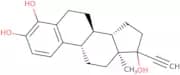
CAS:(S)-(+)-5-Methyl-1-heptanol is a naturally occurring chemical compound that has been found to be effective against bacteria, fungi, and viruses. It is a volatile liquid that is soluble in water. The (S)-(+)-5-Methyl-1-heptanol molecule contains a hydroxyl group, which can bind to the bacterial cell wall and inhibit the synthesis of proteins necessary for cell division. This compound also has the ability to inhibit fungal growth by binding to ergosterol, which is an important component of fungal cell membranes. The (S)-(+)-5-Methyl-1-heptanol molecule inhibits microbial growth by inhibiting protein synthesis and DNA replication.Formula:C8H18OPurity:Min. 95%Molecular weight:130.23 g/mol4-Hydroxy ethynyl estradiol
CAS:4-Hydroxy ethynyl estradiol is a synthetic estrogen that is used in the treatment of hormone-dependent cancers, such as breast cancer. It has been shown to induce cellular proliferation and promote tumor growth by binding to estrogen receptors and inhibiting the synthesis of proteins in cells. 4-Hydroxy ethynyl estradiol may be carcinogenic due to its ability to form covalent adducts with DNA, which causes mutations that may lead to cancer. The drug also damages protein targets, including enzymes responsible for regulating cell division or protecting against oxidative stress.Formula:C20H24O3Purity:Min. 95%Molecular weight:312.4 g/mol3-O-Methyl 17a-estradiol
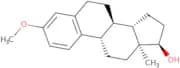
CAS:Controlled ProductPlease enquire for more information about 3-O-Methyl 17a-estradiol including the price, delivery time and more detailed product information at the technical inquiry form on this pageFormula:C19H26O2Purity:Min. 95%Molecular weight:286.41 g/molBisphenol A
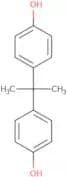
CAS:Bisphenol A is a chemical compound used to make polycarbonate plastics and epoxy resins. It is also used in the production of some dental sealants and composites. Bisphenol A has been shown to have an adverse effect on human health, as it has been linked to various diseases such as coronary heart disease, type 2 diabetes, and breast cancer. The most sensitive route of exposure is through the maternal blood during pregnancy. This chemical can be found in some common food containers, including baby bottles and food cans. Bisphenol A binds to estrogen receptors and alters their activity levels by mimicking the natural hormone estradiol. The optimum concentration for binding varies depending on the cell type and receptor present. Bisphenol A can also increase or decrease certain enzyme activities in vitro depending on the concentrations used. Bisphenol A is also an analytical reagent that can be used for polymerase chain reactions (PCR) to identify genes from specificFormula:C15H16O2Purity:Min. 95%Color and Shape:PowderMolecular weight:228.29 g/mol5-Ethyl-2-pyridineethanol
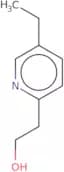
CAS:5-Ethyl-2-pyridineethanol is an anti-diabetic drug that belongs to the class of thiazolidinediones. It is the active form of pioglitazone, which has been shown to bind to peroxisome proliferator-activated receptor gamma (PPARγ). This binding results in increased expression and activity of insulin receptors on cell membranes. 5-Ethyl-2-pyridineethanol also binds to PPARγ in a similar manner as pioglitazone, and it has been shown to be an agonist for PPARγ. This compound has a number of other biological effects such as inhibition of the production of acetone by the liver, which is due to its ability to inhibit diazotization.
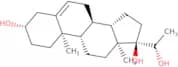
Formula:C9H13NOPurity:Min. 95%Color and Shape:White To Yellow Solid Or Liquid (May Vary)Molecular weight:151.21 g/mol(3b,20S)-Pregn-5-ene-3,17,20-triol
CAS:Controlled Product(3b,20S)-Pregn-5-ene-3,17,20-triol is a metabolite of the adrenal and ovarian hormones dehydroepiandrosterone (DHEA) and pregnenolone, respectively. It can be detected in urine samples for up to 2 days after administration of a single dose of DHEA. The measurement of this metabolite may be used as an aid in the diagnosis of polycystic ovary syndrome (PCOS). In women with PCOS, high levels of 3b,20S)-pregn-5-ene-3,17,20-triol are found in urine samples together with high levels of sulphates.Formula:C21H34O3Purity:Min. 95%Molecular weight:334.49 g/mol6-Heptyn-1-ol
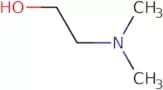
CAS:6-Heptyn-1-ol is a naturally occurring chemical compound that has been isolated from the human colon and shown to have potent cytotoxicity against human colon carcinoma cells. 6-Heptyn-1-ol inhibits the growth of cancer cells by inducing apoptosis, the process by which a cell commits suicide. It also inhibits pancreatic lipase, an enzyme involved in fat digestion. 6-Heptyn-1-ol has been shown to be a chiral molecule with two enantiomers that can be synthesized artificially. The (R) form of 6-heptyn-1-ol is more potent than the (S) form in inducing apoptosis and inhibiting pancreatic lipase activity.Formula:C7H12OPurity:Min. 95%Molecular weight:112.17 g/mol2-(Dimethylamino)ethanol
CAS:Controlled Product2-(Dimethylamino)ethanol is a colorless liquid that has a molecular weight of 78.1 g/mol and a boiling point of 176.1 °C. It can be found in many household products as well as cosmetics, pharmaceuticals, and chemical manufacturing. 2-(Dimethylamino)ethanol is a precursor to acetaldehyde and acetic acid, which are important intermediates in the production of polymers such as nylon. It can also be used to synthesize other chemicals such as dimethylformamide, ethylene glycol, and methyl methacrylate. This chemical reacts with calcium to form insoluble calcium 2-(dimethylamino)ethanolate (Ca(DMAE)). This reaction is reversible and the equilibrium can be shifted by changing the pH or adding another reactant such as hydrogen peroxide or hydroxide ions.Formula:C4H11NOPurity:Min. 95%Color and Shape:Clear LiquidMolecular weight:89.14 g/mol[1-(3-Methylbutyl)-1H-benzimidazol-2-yl]methanol
CAS:Controlled ProductPlease enquire for more information about [1-(3-Methylbutyl)-1H-benzimidazol-2-yl]methanol including the price, delivery time and more detailed product information at the technical inquiry form on this pageFormula:C13H18N2OPurity:Min. 95%Molecular weight:218.29 g/mol4-[(4-Chlorophenyl)phenylmethyl]-1-piperazineethanol dihydrochloride
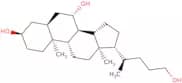
CAS:4-[(4-Chlorophenyl)phenylmethyl]-1-piperazineethanol dihydrochloride is a cholinergic drug that is used to treat allergic rhinitis in children and adults. It has been shown to be well tolerated in pediatric patients and geriatric patients, as well as being an innovative, labile, and biopharmaceutical compound. 4-[(4-Chlorophenyl)phenylmethyl]-1-piperazineethanol dihydrochloride is not metabolized by the liver and does not have significant side effects. It has a low potential for abuse because of its low solubility in water. It is an antihistamine that blocks the action of histamine at H1 receptors on smooth muscle cells in the nose, which helps reduce nasal congestion and sneezing.Formula:C19H23ClN2O·2HClPurity:Min. 95%Molecular weight:403.77 g/mol(3',5',7')-Cholane-3,7,24-triol
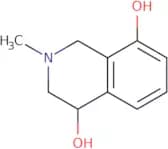
CAS:Controlled ProductPlease enquire for more information about (3',5',7')-Cholane-3,7,24-triol including the price, delivery time and more detailed product information at the technical inquiry form on this pageFormula:C24H42O3Purity:Min. 95%Molecular weight:378.59 g/mol1,2,3,4-Tetrahydro-4,8-dihydroxy-2-methyl-isoquinoline
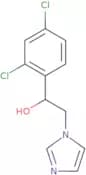
CAS:1,2,3,4-Tetrahydro-4,8-dihydroxy-2-methyl-isoquinoline is a chemical compound that has been used as an intermediate in the synthesis of pharmaceuticals. It is also a useful building block for the production of other chemicals. This compound is soluble in water. 1,2,3,4-Tetrahydro-4,8-dihydroxy-2-methyl-isoquinoline has shown to be a versatile and high quality reagent with many research applications.Formula:C10H13NO2Purity:Min. 95%Color and Shape:Yellow PowderMolecular weight:179.22 g/molα-(2,4-Dichlorophenyl)-1H-imidazole-1-ethanol
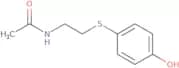
CAS:a-(2,4-Dichlorophenyl)-1H-imidazole-1-ethanol is an analytical reagent that is used to identify the presence of methylbenzene in a sample. It has been used as a drug target in schistosomiasis and interacting with imprinting genes. The synthetic method for this reagent includes sodium carbonate and methylbenzene, which are heated together at low energy to produce a-(2,4-Dichlorophenyl)-1H-imidazole-1-ethanol. The analytical method for this compound involves efficient methods such as high performance liquid chromatography and gas chromatography. Methylbenzene is dissolved in trifluoroacetic acid before being mixed with anhydrous potassium carbonate. This mixture is then heated to produce a-(2,4-Dichlorophenyl)-1H-imidazole-1-ethanol.Formula:C11H10Cl2N2OPurity:Min. 95%Color and Shape:White To Beige SolidMolecular weight:257.12 g/molN-Acetyl-4-S-cysteaminylphenol
CAS:N-Acetyl-4-S-cysteaminylphenol is a tyrosinase inhibitor that is used in the treatment of skin disorders such as melasma and vitiligo. It slows the production of melanin by inhibiting tyrosinase activity and may be useful for treating some types of skin cancer. N-Acetyl-4-S-cysteaminylphenol also inhibits the growth of tumor cells, but not normal cells, which may be due to its ability to inhibit protein synthesis. This compound has been shown to inhibit cyclic nucleotide phosphodiesterases and cellular processes associated with the proliferation of cancer cells.Formula:C10H13NO2SPurity:Min. 95%Color and Shape:White PowderMolecular weight:211.28 g/molall-E-Heptaprenol
CAS:All-E-Heptaprenol is a polyprenol compound, which is a key intermediate in the biosynthesis of terpenoids. It originates from bacterial sources, where it plays a crucial role in cellular processes. All-E-Heptaprenol functions primarily as a hydrophobic carrier molecule, facilitating the transport of sugar moieties across the lipid bilayer in the assembly of complex biopolymers.Formula:C35H58OPurity:Min. 95%Molecular weight:494.83 g/mol4-Amino-3-bromoisoquinoline
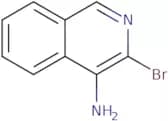
CAS:4-Amino-3-bromoisoquinoline is an isocyanide that reacts with nucleophilic heteroatoms such as the amino group. It also reacts with bromine to form a bromopyridine. The nitrile group of 4-amino-3-bromoisoquinoline can be reduced with sodium borohydride to produce 4-aminoquinoline. This compound has shown potential for use in chemotherapy and treating bacterial infections.Purity:Min. 95%4-Hydroxy-17b-estradiol
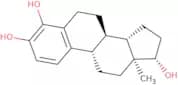
CAS:Controlled Product4-Hydroxy-17β-estradiol (4-OHE2) is a reactive metabolite of 17β-estradiol that binds to DNA and has been shown to have carcinogenic potential. The catechol-o-methyltransferase enzyme catalyzes the conversion of 4-OHE2 to 4-hydroxycatechol, which can then be further methylated by estrogen sulfotransferase or sulfatase to estrone and estrone sulfate. It has been shown that 4-OHE2 may be a potential biomarker for breast cancer. Experimental studies have shown that 4-OHE2 may act as an antioxidant in cancer tissues, but its activity has not been demonstrated in normal tissues. In order to demonstrate the ability of 4-OHE2 as an antioxidant, its activity was tested in vitro using human breast cancer cells (MDA MB 231). Results showed that 4-OHE2 decreased oxidative stress levels in these cells,Formula:C18H24O3Purity:Min. 95%Color and Shape:SolidMolecular weight:288.38 g/molMidazolam-d4 maleate - 100 mg/mL in methanol
CAS:Controlled ProductPlease enquire for more information about Midazolam-d4 maleate - 100 mg/mL in methanol including the price, delivery time and more detailed product information at the technical inquiry form on this pageFormula:C18D4H9ClFN3·C4H4O4Purity:Min. 95%Molecular weight:445.86 g/molHeptadecan-1-ol
CAS:Heptadecan-1-ol is a long-chain fatty alcohol, which is commonly derived from the reduction of heptadecanoic acid or by hydrogenation of heptadecane. This compound acts primarily as a nonionic surfactant due to its amphiphilic nature, where the hydrophobic alkyl chain and the hydrophilic hydroxyl group interact with diverse components in a system. Its surfactant properties lead to applications in the formulation of emulsions, facilitating improved mixing and stability in complex mixtures.Purity:Min. 95%CP 55940
CAS:Controlled ProductCP 55940 is a cannabinoid receptor agonist that inhibits acetylcholine release in the brain and has been shown to cause neuronal death. CP 55940 binds to the α7 nicotinic acetylcholine receptor, which is important for memory and learning. The binding of this drug causes an increase in guanine nucleotide-binding protein (G protein) activity by reducing the rate of GTP hydrolysis, leading to inhibition of adenylyl cyclase activity and subsequent decrease in cAMP levels. CP 55940 has significant up-regulation of toll-like receptors following exposure, which leads to an increased immune response. This drug can also cause bowel disease or side effects such as seizures and psychotic symptoms. CP 55940 can interact with other drugs, including cannabinoids that may lead to serious side effects.Formula:C24H40O3Purity:Min. 95%Molecular weight:376.57 g/molChlormadinol acetate
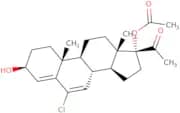
CAS:Controlled ProductChlormadinol acetate is a stable complex of a fatty acid and an antibiotic that is used to treat infections caused by bacteria. It has been shown to have high resistance to antimicrobial agents, including amoxicillin-clavulanic acid, tetracycline, and multidrug efflux pumps. Chlormadinol acetate has also been shown to inhibit the growth of certain cancer cells in vitro and in vivo using gene therapy. This drug also inhibits bacterial protein synthesis by binding to the 30S ribosomal subunit and preventing the formation of a functional 70S ribosome. Chlormadinol acetate has been shown to be clinically relevant in mice when used with amoxicillin-clavulanic acid or tetracycline.Formula:C23H31ClO4Purity:Min. 95%Molecular weight:406.94 g/mol1,2-O-Dioctadecyl-rac-glycerol
CAS:1,2-O-Dioctadecyl-rac-glycerol is a lipid that belongs to the class of synthetic lipids. It has been used as a model system for studying the interactions between phosphatidylcholine (PC) and other lipids. The systematic study of the morphology of 1,2-O-dioctadecyl-rac-glycerol in various solvents revealed that it is an amphiphile with an elongated shape. This molecule interacts with PC membranes in a specific manner, which can be detected using optical measurements. The transition from the solid to liquid state causes 1,2-O-dioctadecyl-rac-glycerol to change its shape from a rod to an ellipsoid. This property can be used as a diagnostic tool for identifying transitions in nanomaterials.Formula:C39H80O3Purity:Min. 95%Molecular weight:597.05 g/mol




![(17b)-4,17-Dimethyl-androsta-2,4-dieno[2,3-d]isoxazol-17-ol](/_next/image/?url=https%3A%2Fstatic.cymitquimica.com%2Fproducts%2F3D%2Fthumb-webp%2FFD22349.webp&w=3840&q=75)

![3-[4-(2-Chlorophenyl)-9-methyl-6H-thieno[3,2-f][1,2,4]triazolo[4,3-a][1,4]diazepin-2-yl]-2-propyn-…](/_next/image/?url=https%3A%2Fstatic.cymitquimica.com%2Fproducts%2F3D%2Fthumb-webp%2FFC20335.webp&w=3840&q=75)


![[1-(4-Chlorobenzyl)-1H-benzimidazol-2-yl]methanol](/_next/image/?url=https%3A%2Fstatic.cymitquimica.com%2Fproducts%2F3D%2Fthumb-webp%2FFC135813.webp&w=3840&q=75)


![[1-(2-Chlorobenzyl)-1H-benzimidazol-2-yl]methanol](/_next/image/?url=https%3A%2Fstatic.cymitquimica.com%2Fproducts%2F3D%2Fthumb-webp%2FFC135810.webp&w=3840&q=75)
![5-[3-(Dimethylamino)propyl]-10,11-dihydro-5H-dibenzo[a,d]cyclohepten-5-ol](/_next/image/?url=https%3A%2Fstatic.cymitquimica.com%2Fproducts%2F3D%2Fthumb-webp%2FFD22331.webp&w=3840&q=75)
![4-[2-(Cyclopropylmethoxy)ethyl]phenol](/_next/image/?url=https%3A%2Fstatic.cymitquimica.com%2Fproducts%2F3D%2Fthumb-webp%2FFC20740.webp&w=3840&q=75)





![[1-(3-Methylbutyl)-1H-benzimidazol-2-yl]methanol](/_next/image/?url=https%3A%2Fstatic.cymitquimica.com%2Fproducts%2F3D%2Fthumb-webp%2FFM135812.webp&w=3840&q=75)
![4-[(4-Chlorophenyl)phenylmethyl]-1-piperazineethanol dihydrochloride](/_next/image/?url=https%3A%2Fstatic.cymitquimica.com%2Fproducts%2F3D%2Fthumb-webp%2FFC53582.webp&w=3840&q=75)