Alcohols
Subcategories of "Alcohols"
Found 5816 products of "Alcohols"
11-Heneicosanol
CAS:Please enquire for more information about 11-Heneicosanol including the price, delivery time and more detailed product information at the technical inquiry form on this page
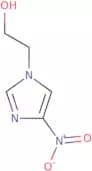
Formula:C21H44OPurity:Min. 95%Molecular weight:312.57 g/mol4-Nitro-1H-imidazole-1-ethanol
CAS:Please enquire for more information about 4-Nitro-1H-imidazole-1-ethanol including the price, delivery time and more detailed product information at the technical inquiry form on this page
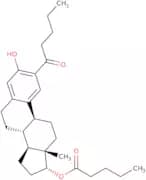
Formula:C5H7N3O3Purity:Min. 95%Color and Shape:Beige PowderMolecular weight:157.13 g/mol2-Valeryl-17'-estradiol 17-valerate
CAS:Controlled ProductPlease enquire for more information about 2-Valeryl-17'-estradiol 17-valerate including the price, delivery time and more detailed product information at the technical inquiry form on this page
Formula:CHOPurity:Min. 95%Ref: 3D-FV165157
Discontinued productAllopurinol-d2
CAS:Allopurinol-d2 is an inhibitor of xanthine oxidase, which is an enzyme that catalyzes the conversion of hypoxanthine to xanthine and then to uric acid. Allopurinol-d2 is used for the treatment of gout and hyperuricemia. The compound was expressed in Escherichia coli and purified by electrospray ionization mass spectrometry. It has been shown to inhibit methyltransferase activity, thereby decreasing the production of urate. Allopurinol-d2 has also been shown to decrease disease activity in animal models of colitis and ulcerative colitis.
Formula:C5H2D2N4OPurity:Min. 95%Molecular weight:138.12 g/molRef: 3D-FA162226
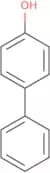
Discontinued product4-Phenylphenol
CAS:4-Phenylphenol is a phenolic compound that is used in the synthesis of other compounds. 4-Phenylphenol was found to react with rat liver microsomes and showed a hydroxyl group as its reactive site. 4-Phenylphenol also inhibited the activities of enzymes such as diazonium salt, sodium carbonate, monoclonal antibodies, analytical methods, light emission and p-hydroxybenzoic acid. The reaction mechanism of 4-Phenylphenol involves hydrogen bonding with human serum biphenyl.
Formula:C12H10OPurity:Min. 95%Color and Shape:PowderMolecular weight:170.21 g/molRef: 3D-FP62585
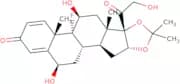
Discontinued product6b-Hydroxy triamcinolone acetonide
CAS:Please enquire for more information about 6b-Hydroxy triamcinolone acetonide including the price, delivery time and more detailed product information at the technical inquiry form on this page
Formula:C24H31FO7Purity:(%) Min. 95%Color and Shape:White Off-White PowderMolecular weight:450.5 g/molRef: 3D-FH24149
Discontinued productPotassium methoxide, 25% w/w in methanol
CAS:Potassium methoxide is a strong base that reacts with methanol to produce potassium metal and methanol. It has been used as a model system for studying the reaction mechanism of metal carbonyls. The reaction solution is heated to produce glycol esters, which are catalyzed by the potassium metal. This process can be used to synthesize biologically active molecules, such as anti-inflammatory drugs, which are difficult to make using conventional methods. Potassium methoxide has also been shown to have protective effects against metabolic disorders in mice and has biological properties that may be useful in the treatment of infectious diseases.Formula:CH3OKPurity:Min. 95%Color and Shape:Clear LiquidMolecular weight:70.13 g/mol1,4-Pentanediol
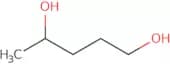
CAS:1,4-Pentanediol is a diol that is used in the manufacture of polyurethanes and other organic compounds. It is produced by the oxidation of benzene with oxygen in the presence of a catalyst such as manganese dioxide. 1,4-Pentanediol can also be prepared from levulinic acid or glycol ethers. 1,4-Pentanediol reacts with an aromatic hydrocarbon in the presence of a homogeneous catalyst to produce viscosity and polycarboxylic acids. The reaction mechanism for this process begins with the addition of water to form hydrogen peroxide and acetaldehyde. Hydrogen peroxide then reacts with an aromatic hydrocarbon to produce glycol ether and hydroxy group. The hydroxyl group then reacts with another aromatic hydrocarbon to produce viscosity and polycarboxylic acid. The reaction products are isolated by distillation or vacuum evaporation, after which they are purified by recrystall
Formula:C5H12O2Purity:Min. 95%Color and Shape:Colorless Clear LiquidMolecular weight:104.15 g/molRef: 3D-FP46066
Discontinued productrac 1,2-dioleoyl-3-chloropropanediol
CAS:Rac-1,2-dioleoyl-3-chloropropanediol is a fatty acid and can be used for the preparation of isotopically labelled fatty acids. Rac-1,2-dioleoyl-3-chloropropanediol has been used as an internal standard in the quantification of fatty acid esters in plant oils. The use of rac 1,2-dioleoyl-3-chloropropanediol was found to be appropriate for calibrating liquid chromatography with a quadrupole mass spectrometer.
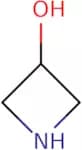
Formula:C39H71ClO4Purity:Min. 95%Molecular weight:639.43 g/molAzetidin-3-ol
CAS:Azetidin-3-ol is an amide. It can be synthesized by the acylation reaction of 3-hydroxypropanoic acid with an amine. Azetidin-3-ol is a chiral molecule and has two enantiomers. The maleate salt of azetidin-3-ol is used as a drug to treat Parkinson's disease. Azetidin-3-ol has been shown to have potent inhibition against the wild type strain of Clostridium botulinum, but not against its intermolecular hydrogen bonding mutant.
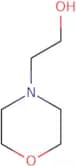
Formula:C3H7NOPurity:Min. 95%Molecular weight:73.09 g/mol2-Morpholinoethanol
CAS:2-Morpholinoethanol is a potent inhibitor of the enzyme nitric oxide synthase, which is involved in the synthesis of nitric oxide. Nitric oxide is an important molecule that regulates many physiological processes, such as inflammation and blood flow. 2-Morpholinoethanol has been shown to have high resistance to thermal expansion, due to its intramolecular hydrogen bonding. It also inhibits the activity of amine oxidases, which are enzymes that catalyze reactions involving amines and oxygen. The mechanism of action of 2-morpholinoethanol has been studied by using group P2 fatty acids and amines as substrates for nitric oxide synthase.
Formula:C6H13NO2Purity:Min. 95%Molecular weight:131.17 g/molRef: 3D-FM140549
Discontinued product3-[(4-Aminopiperidin-1-yl)methyl]phenol
CAS:Please enquire for more information about 3-[(4-Aminopiperidin-1-yl)methyl]phenol including the price, delivery time and more detailed product information at the technical inquiry form on this page
Formula:C12H18N2OPurity:Min. 95%Molecular weight:206.28 g/molRef: 3D-FA116167
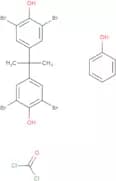
Discontinued productPHenoxy terminated carbonate oligomer of tetrabispHenol A
CAS:Controlled ProductPhenoxy-terminated carbonate oligomer of tetrabispHenol A (PCO-TBA) is a chemical that has been used as an additive in the food industry. It is a colorless, odorless solid. PCO-TBA has been shown to be toxic to humans by causing organ damage and cancer. The toxicity of PCO-TBA may be due to its ability to form polyhalogenated dibenzodioxins or biphenyls when heated at high temperatures. PCO-TBA also reacts with human serum, forming diphenyl ethers. This chemical is a potential carcinogen and, although used as a food additive, should not be consumed on a regular basis.
Purity:Min. 95%Color and Shape:PowderMolecular weight:736.90 g/molRef: 3D-FP39597
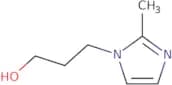
Discontinued product3-(2-Methyl-1H-imidazol-1-yl)propan-1-ol hydrochloride
CAS:Please enquire for more information about 3-(2-Methyl-1H-imidazol-1-yl)propan-1-ol hydrochloride including the price, delivery time and more detailed product information at the technical inquiry form on this page
Formula:C7H12N2OPurity:Min. 95%Molecular weight:140.18 g/molRef: 3D-FM120530
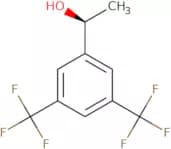
Discontinued product(S)-3',5'-Bis(trifluoromethyl)-1-phenethanol
CAS:(S)-3',5'-Bis(trifluoromethyl)-1-phenethanol is a choline derivative that is used in the treatment of liver cancer. It has been shown to increase the permeability of cell membranes and to suppress the growth of tumor cells by inhibiting protein synthesis. (S)-3',5'-Bis(trifluoromethyl)-1-phenethanol can be used as a surfactant and a hydrophobic solvent for optimization of reaction parameters. This chemical also has been shown to be active against Gram-positive bacteria such as Staphylococcus aureus and Enterococcus faecalis, but not against Gram-negative bacteria such as Escherichia coli or Pseudomonas aeruginosa. The mechanism of this effect is mediated by chloride ions that act as bioreductive agents on cellular membranes, leading to increased permeability and cell death.
Formula:C10H8F6OPurity:Min. 95%Molecular weight:258.16 g/molRef: 3D-FB18756
Discontinued product(1S,2R)-2-Aminocyclohexanol hydrochloride
CAS:Please enquire for more information about (1S,2R)-2-Aminocyclohexanol hydrochloride including the price, delivery time and more detailed product information at the technical inquiry form on this page
Formula:C6H14ClNOPurity:Min. 95%Molecular weight:151.63 g/molRef: 3D-FA140431
Discontinued producttrans-4-Aminocyclohexanol
CAS:Trans-4-aminocyclohexanol is a cell signaling molecule that belongs to the class of heterocyclic compounds. It has been shown to have an anti-inflammatory effect and inhibit the production of pro-inflammatory cytokines in vitro. Trans-4-aminocyclohexanol also inhibits cyclooxygenase (COX) activity, which is responsible for the conversion of arachidonic acid into prostaglandins. This inhibition leads to decreased inflammation and pain. Trans-4-aminocyclohexanol is orally bioavailable and can be detected in the blood plasma within one hour after administration. The compound has been shown to bind to the enzyme protein kinase C, which is involved in cell signaling pathways, and inhibit its activity.
Formula:C6H13NOPurity:Min. 95%Color and Shape:PowderMolecular weight:115.17 g/molRef: 3D-FA14743
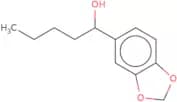
Discontinued producta-Butylpiperonyl alcohol
CAS:Controlled Producta-Butylpiperonyl alcohol is a chiral molecule that is used in the synthesis of esters. It can be produced by microbial fermentation and low-temperature chemical reactions. This compound has been shown to inhibit the growth of Gram-positive bacteria, such as Staphylococcus aureus and Streptococcus pneumoniae. The biosynthetic pathway for a-butylpiperonyl alcohol is not yet well understood, but it has been hypothesized that this compound is synthesized from an intermediate, acetic acid. The enzyme responsible for this conversion is unknown, but it may be catalysed by an acylase or acetate kinase. A study on the genome sequence of Coelicolor revealed that this organism produces a-butylpiperonyl alcohol from the intermediate 3-hydroxypropanoic acid.
Formula:C12H16O3Purity:Min. 95%Molecular weight:208.25 g/molRef: 3D-FB19588
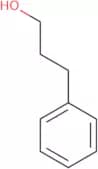
Discontinued product3-Phenyl-1-propanol
CAS:3-Phenyl-1-propanol is an organic compound that belongs to the class of trifluoroacetic acids. It has a molecular weight of 134.24 and a molecular formula of C8H12O2F3. 3-Phenyl-1-propanol is a reactive compound that reacts with germinating seeds, causing them to stop growing. The reaction products are fatty acid esters, which may be responsible for the inhibition of seed germination. 3-Phenyl-1-propanol can be prepared by reacting phenylacetaldehyde with trifluoroacetic acid in the presence of potassium hydroxide at high temperature and pressure. This method also produces 4-vinylbenzyl alcohol as a side product, which is used in the production of polymers and plastics.
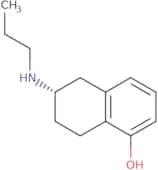
Formula:C9H12OPurity:Min. 95%Molecular weight:136.19 g/mol(6S)-5,6,7,8-Tetrahydro-6-(propylamino)-1-naphthalenol
CAS:Controlled ProductRotigotine is a drug that is used to treat Parkinson's disease. It is a dopamine agonist that stimulates the release of dopamine in the brain. Rotigotine has been shown to be effective in controlling symptoms of Parkinson's disease, such as tremors and stiffness, and improving motor skills. This drug has also been shown to have a good tolerability profile, with few side effects reported. Rotigotine is rapidly absorbed from the gastrointestinal tract and metabolized by CYP2D6 into desalkyl rotigotine, which are pharmacologically inactive compounds. The mean terminal half-life for rotigotine is about 2 hours.
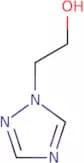
Formula:C13H19NOPurity:Min. 95%Molecular weight:205.3 g/mol2-(1H-1,2,4-Triazol-1-yl)ethanol
CAS:2-(1H-1,2,4-Triazol-1-yl)ethanol is a synthetic molecule that has been expressed in cyanoalkyl and validated. This molecule can be used as a fluconazole prodrug. The electron density analysis of this compound has shown that it is highly hydrophilic and may be able to penetrate the cell membrane. 2-(1H-1,2,4-Triazol-1-yl)ethanol is bioanalytically equivalent to fluconazole and has shown growth regulating properties. 2-(1H-1,2,4-Triazol-1-yl)ethanol binds to the receptor molecule at low light levels and inhibits the synthesis of DNA by inhibiting RNA polymerase activity.
Formula:C4H7N3OPurity:Min. 95%Molecular weight:113.12 g/molRef: 3D-FT127248
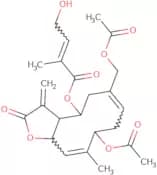
Discontinued productEupalinolide A
CAS:Eupalinolide A is a sesquiterpene lactone that is extracted from Eupatorium. It has been shown to have anti-inflammatory and antioxidant properties, as well as the ability to activate caspase-9 in cells. This drug also inhibits the production of reactive oxygen species (ROS) by inhibiting mitochondrial membrane potential, which leads to cell death. Eupalinolide A also has the ability to inhibit collagen synthesis and can be used for the treatment of chronic bronchitis, hepatitis, and liver cirrhosis.
Formula:C24H30O9Purity:Min. 95%Molecular weight:462.49 g/molRef: 3D-FE73986
Discontinued product4-Aminobicyclo[2.2.2]octan-1-ol hydrochloride
CAS:Please enquire for more information about 4-Aminobicyclo[2.2.2]octan-1-ol hydrochloride including the price, delivery time and more detailed product information at the technical inquiry form on this page
Formula:C8H15NO•HClPurity:Min. 95%Molecular weight:177.67 g/molRef: 3D-FA63102
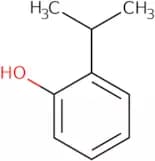
Discontinued product2-Isopropylphenol
CAS:2-Isopropylphenol is a chemical compound that contains a hydroxy group and a benzene ring. It has been shown to have an inhibitory effect on the growth of plants by interfering with the synthesis of plant hormones like gibberellic acid, indoleacetic acid, and ethylene. 2-Isopropylphenol also inhibits the production of gamma-aminobutyric acid (GABA) in mammalian nervous tissue. The specific agonists for 2-isopropylphenol are esters, which are formed through the reaction of hydroxy groups with acids or alcohols. 2-Isopropylphenol can be used as an industrial chemical and is found in products such as adhesives, paints, and plastics.
Formula:C9H12OPurity:98.0%Molecular weight:136.19 g/molRef: 3D-FI35506
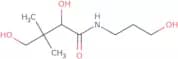
Discontinued productDL-Panthenol
CAS:DL-Panthenol is a form of pantothenic acid. It is used in combination with sodium citrate and calcium pantothenate to prevent cisplatin-induced nephrotoxicity. DL-Panthenol has been shown to protect against cisplatin-induced nephrotoxicity. DL-Panthenol has also been shown to be effective in solid tumours, where it exerts its anticancer effects by regulating signal pathways and inhibiting the growth of cancer cells via benzalkonium chloride. DL-Panthenol is an antimicrobial agent that can be used as an experimental model for bowel disease. This drug also exhibits anti-inflammatory properties, which are due to its ability to inhibit gsh-px activities and laser ablation in an experimental model.
Formula:C9H10NO4Purity:Min. 95%Molecular weight:196.18 g/molRef: 3D-FD170517
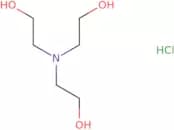
Discontinued productTriethanolamine hydrochloride
CAS:Controlled ProductTriethanolamine hydrochloride, widely known as TEA-HCl, is a buffer used in biochemistry to maintain a stable pH in the range of 7.3 to 8.3 during processes like protein extraction and purification. They are also used in enzyme assays.
Formula:C6H15NO3·HClPurity:Min. 95%Color and Shape:PowderMolecular weight:185.65 g/molRef: 3D-FT46965
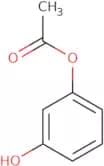
Discontinued product3-Acetoxyphenol
CAS:3-Acetoxyphenol is a cholinergic. It can be used in analytical chemistry to measure the concentration of an alkanoic acid, such as hydrochloric acid, in a sample. It is also used in detergent compositions as an agent that helps break down fatty acids and proteins. 3-Acetoxyphenol has also been shown to have anti-inflammatory properties and can be used to treat skin cells for inflammatory diseases or other skin conditions.
Formula:C8H8O3Purity:Min. 95%Color and Shape:Red Clear LiquidMolecular weight:152.15 g/molRef: 3D-FA71057
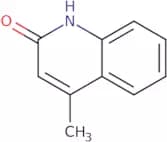
Discontinued product2-Hydroxy-4-methylquinoline
CAS:2-Hydroxy-4-methylquinoline is an organic compound that has a chelate ring. It is soluble in deionized water and reacts with metal ions to form a fluorescent product. The molecule also has antibacterial activity, which may be due to its ability to inhibit the growth of bacteria by acting as a metal ion chelator. 2-Hydroxy-4-methylquinoline can react with halides and ammonium persulfate to form isomeric products, such as 4,5-dihydroxyquinoline, which have been shown to have antimicrobial properties. 2-Hydroxy-4-methylquinoline can also react with phosphorus oxychloride and alkylating agents such as chloroethane or chloroform to form substituted derivatives.
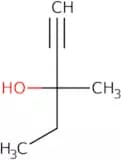
Formula:C10H9NOPurity:Min. 95%Color and Shape:PowderMolecular weight:159.18 g/mol3-Methyl-1-pentyn-3-ol
CAS:Controlled Product3-Methyl-1-pentyn-3-ol is a chemical that has been shown to have interactive effects on the metabolism of urea nitrogen and low light. 3-Methyl-1-pentyn-3-ol has been shown to produce a depressant effect in animals, which may be due to its ability to inhibit the production of acetylcholine by blocking the enzyme cholinesterase. This chemical has also been shown to react with hydroxyl groups, producing a pharmacological agent. The reaction mechanism for 3-methyl pentynol is via hydrolysis by hydrochloric acid or pentobarbital sodium.
Formula:C6H10OPurity:Min. 95%Molecular weight:98.14 g/molRef: 3D-FM35088
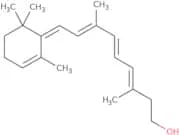
Discontinued productall-trans-Retro retinol
CAS:All-trans-retinol is a form of vitamin A that is found in many animal tissues and some plant oils. It acts as a hormone, binding to the retinoic acid receptors (RARs) in the nucleus and activating gene transcription. All-trans-retinol has been shown to be effective against hyperproliferative diseases such as cancer, both by inducing apoptosis and by inhibiting cell growth. All-trans-retinol may also have therapeutic potential for other diseases, such as intestinal cancers and prostatic hypertrophy. This compound has been shown to induce messenger RNA (mRNA) production in cells that express RARs.
Formula:C20H30OPurity:Min. 95%Molecular weight:286.45 g/molRef: 3D-FR59825
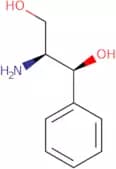
Discontinued product(1S,2S)-(+)-2-Amino-1-phenyl-1,3-propanediol
CAS:(1S,2S)-(+)-2-Amino-1-phenyl-1,3-propanediol is a synthetic compound that has been synthesized and studied as an amide. It has a hydroxy group on the skeleton of the molecule. The enantiomer of this compound is (1R,2R)-(-)-2-amino-1-phenyl-1,3-propanediol. This compound contains two chiral centers and four stereoisomers. These stereoisomers are not mirror images of each other. (1S,2S)-(+)-2-Amino-1-phenyl-1,3-propanediol has been shown to be effective against cryptococcus neoformans in cell culture experiments.
Formula:C9H13NO2Purity:Min. 95%Molecular weight:167.21 g/molRef: 3D-FA37317
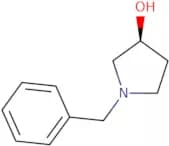
Discontinued product(S)-1-Benzyl-pyrrolidin-3-ol
CAS:(S)-1-Benzyl-pyrrolidin-3-ol is an enantiopure chiral drug that is used as a reagent for the synthesis of sodium salts. It is also used in environmental pollution studies, where it was found to inhibit the reaction between sulfate and sodium salts. (S)-1-Benzyl-pyrrolidin-3-ol has been shown to be stereoselective and has been used for the analysis of sulfate fractions in environmental samples. The compound can also be alkylated with various alcohols to form compounds with different properties, such as antiviral properties. (S)-1-Benzyl-pyrrolidin-3-ol is a chiral molecule that exists as two enantiomers: capitatum and helicatum. When analyzed by HPLC, these two forms can be distinguished by their retention times on a sds polyacrylamide gel electrophoresis system.
Formula:C11H15NOPurity:Min. 95%Molecular weight:177.24 g/molRef: 3D-FB31246
Discontinued product2-[(4-Methylbenzenesulfonyl)oxy]ethan-1-ol
CAS:2-[(4-Methylbenzenesulfonyl)oxy]ethan-1-ol is a compound that contains a benzene ring and an ethyl chain. It has the following chemical structure: It is structurally related to benzodiazepine, but with an amide group instead of a diazepine ring. 2-[(4-Methylbenzenesulfonyl)oxy]ethan-1-ol is a membrane stabilizer that inhibits thrombin and can be used as an anticoagulant. This compound also has growth factor activity and can be used in the synthesis of heterocyclic compounds.
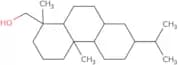
Formula:C9H12O4SPurity:Min. 95%Color and Shape:Clear LiquidMolecular weight:216.26 g/molTetrahydroabietyl alcohol
CAS:Controlled ProductTetrahydroabietyl alcohol is a colorless liquid that is soluble in water and has a molecular weight of 150. It belongs to the group of hydroxy-substituted monomers. Tetrahydroabietyl alcohol can be used as a raw material for polyesters, polyurethanes, and other industrial chemicals. It can be produced by the reaction of an aromatic hydrocarbon with phosphite followed by hydrolysis. The product can also be synthesized from hexane fatty alcohols or acid catalysts, such as monocarboxylic acids. This compound is used for stabilizing ester compounds and terpene esters. Tetrahydroabietyl alcohol can also be obtained by hydrogenation of terpenes and their derivatives under high pressure and temperature conditions in the presence of metal catalysts, such as palladium or platinum.
Formula:C20H36OPurity:Min. 95%Molecular weight:292.5 g/molRef: 3D-FT162576
Discontinued product4-[(2,4-Dimethylbenzyl)oxy]butan-1-ol
CAS:Controlled ProductPlease enquire for more information about 4-[(2,4-Dimethylbenzyl)oxy]butan-1-ol including the price, delivery time and more detailed product information at the technical inquiry form on this page
Formula:C13H20O2Purity:Min. 95%Molecular weight:208.3 g/molRef: 3D-FD131280
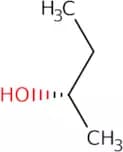
Discontinued product(S)-(+)-2-Butanol
CAS:Controlled ProductThe compound (S)-(+)-2-Butanol is a chiral molecule that is used in the synthesis of benzodiazepines. The (+) enantiomer of 2-butanol has been shown to bind to the GABA receptor and has an inhibitory effect on benzodiazepine binding. It is also a competitive inhibitor for the enzyme dehydrogenase, which converts 2-butanol to acetaldehyde. The (-) enantiomer of 2-butanol does not have any effect on the GABA receptor or dehydrogenase activity. This means that the (+) enantiomer is responsible for the activation energy and stereoselectivity of this reaction. The activation energy for this reaction can be calculated by measuring the amount of heat released during the reaction. This process can be done through vibrational spectroscopy or by running control experiments with a known concentration of reactants and products. There are many ways to determine whether this reaction follows an elimination or dehydration mechanism,
Formula:C4H10OPurity:Min. 95%Color and Shape:Clear LiquidMolecular weight:74.12 g/molRef: 3D-FB60189
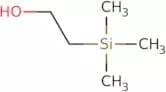
Discontinued product2-(Trimethylsily)ethanol
CAS:2- (Trimethylsily)ethanol is a hdac inhibitor that is used in the synthesis of other chemical substances. It inhibits HDAC activity by binding to the hydroxyl group on the histone and prevents acetylation of lysine residues, preventing gene transcription. 2-(Trimethylsily)ethanol has been shown to inhibit oxidation reactions in biological systems, such as those caused by trifluoroacetic acid or trichloroacetic acid. In addition, this reagent can be used to prepare functional groups through a synthetic method with an activation energy of 15 kcal/mol and a reaction rate constant of 0.04 M-1 s-1. 2-(Trimethylsily)ethanol has also been used for preparative methods with cleavage products including sulfamoyl chloride.
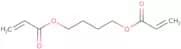
Formula:C5H14OSiPurity:95%NmrColor and Shape:PowderMolecular weight:118.25 g/mol1,4-Butanediol biscrylate - Hydroquinone as inhibitor
CAS:Controlled Product1,4-Butanediol biscrylate - Hydroquinone as inhibitor is a glycol ester that is used in the process of laser ablation. It has been shown to be a biocompatible polymer that can be used for surface methodology. This polymer is synthesized by reacting monosodium salt of butanediol with hydroquinone and sodium carbonate in aqueous solution. 1,4-Butanediol biscrylate - Hydroquinone as inhibitor has been tested using cervical cancer cells and it was found to have a cytotoxic effect on these cells.
Formula:C10H14O4Purity:Min. 95%Molecular weight:198.22 g/molRef: 3D-FB30663
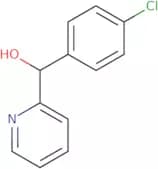
Discontinued product4-Chlorophenyl-2-pyridinylmethanol
CAS:Please enquire for more information about 4-Chlorophenyl-2-pyridinylmethanol including the price, delivery time and more detailed product information at the technical inquiry form on this page
Formula:C12H10ClNOPurity:Min. 95%Molecular weight:219.67 g/mol5-Chloro-8-hydroxyquinoline
CAS:5-Chloro-8-hydroxyquinoline (5-CQ) is a quinoline derivative that has been used as an anticancer agent. It binds to DNA and inhibits the synthesis of RNA and proteins, leading to cell death. 5-CQ has been shown to be cytotoxic against skin cells in vitro by inhibiting mitochondrial oxidative phosphorylation and decreasing the mitochondrial membrane potential. This compound also has genotoxic effects on cultured choroidal neovascularization cells through the inhibition of DNA synthesis.
5-CQ binds to DNA via hydrogen bonds with nitrogen atoms in the purine ring of nucleobases. The overall geometry is that of a distorted octahedron with two faces, each containing six nitrogens in square planar coordination geometry. The binding constants are low for purines but high for pyrimidines, which is why 5-CQ preferentially targets purine rich regions of the genome.Formula:C9H6ClNOPurity:Min. 95%Color and Shape:Green To Grey SolidMolecular weight:179.6 g/molRef: 3D-FC40563
Discontinued product(-)-Corey lactone diol
CAS:(-)-Corey lactone diol is a synthetic compound that is soluble in organic solvents. It is used for the synthesis of carbocyclic nucleosides, which are analogs of pyrimidine nucleosides. (-)-Corey lactone diol has been shown to inhibit cholesterol synthesis and the synthesis of alkene. (-)-Corey lactone diol also shows anti-inflammatory properties, which may be due to its inhibition of prostaglandin synthesis.
Formula:C8H12O4Purity:Min. 95%Molecular weight:172.18 g/mol2-[2-[2-(2-Azidoethoxy)ethoxy]ethoxy]ethanol
CAS:2-[2-[2-(2-Azidoethoxy)ethoxy]ethoxy]ethanol is a PEG polymer categorised as monofunctional (OH-PEG-X). Used as a linker, 2-[2-[2-(2-azidoethoxy)ethoxy]ethoxy]ethanol is used to attached PEG to proteins, peptides, oligonucleotides, nanoparticles and small molecules via pegylation, a bioconjugation technique.
Formula:C8H17N3O4Purity:Min. 95%Color and Shape:Colorless PowderMolecular weight:219.24 g/mol6-Bromoisoquinoline
CAS:6-Bromoisoquinoline is a tetradentate ligand that can be used as a molecular model to study the binding of metal ions and organic molecules. 6-Bromoisoquinoline has been shown to bind covalently and noncovalently with phosphate groups on the surface of Caco-2 cells and to induce surface-enhanced Raman spectroscopy. This ligand has a high nucleophilicity and reacts readily with chloride, which is an acidic functional group. The reaction products are hydrochloric acid, trifluoroacetic acid, or both. 6-Bromoisoquinoline can also act as an allosteric modulator in some enzymes, such as phosphofructokinase in glycolysis.
Formula:C9H6BrNPurity:Min. 95%Molecular weight:208.05 g/molRef: 3D-FB11908
Discontinued product2-Dimethylaminoethanol (+)-bitartrate salt
CAS:Controlled Product2-Dimethylaminoethanol (+)-bitartrate salt is a potent, reversible inhibitor of protein synthesis that binds reversibly to the 50S ribosomal subunit. It is used in regulatory toxicology and clinical pathology as a positive control for the study of chronic toxicity and long-term effects. 2-Dimethylaminoethanol (+)-bitartrate salt has shown no treatment effect on ovary weight or estrous cycle length in female Sprague-Dawley rats after chronic exposure and long-term exposure at doses up to 1,000 mg/kg/day. This drug has also shown no effect on rat fertility or reproductive performance, indicating it does not cause reproductive toxicity.
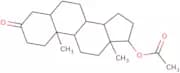
Formula:C4H11NO·C4H6O6Color and Shape:White Off-White PowderMolecular weight:239.22 g/molAndrostanolone acetate
CAS:Controlled ProductAndrostanolone acetate is a synthetic androgen that has been shown to stimulate the production of testosterone in the testes. Androstanolone acetate has been shown to be effective in treating symptoms of male hypogonadism, as well as erectile dysfunction. The drug also has an antigenic effect, which stimulates the production of antibodies against it. Androstanolone acetate binds to cell specific antigens and stimulates cell proliferation. It has been used in cancer prevention studies, where it was found that it could suppress estrogen-induced endometrial cancer in animals. In addition, Androstanolone acetate is capable of stimulating light emission when incubated with cells and can be detected using chromatographic methods.
Formula:C21H32O3Purity:Min. 95%Color and Shape:PowderMolecular weight:332.48 g/molRef: 3D-FA17913
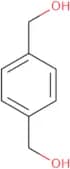
Discontinued productp-Xylene-α,α'-diol
CAS:p-Xylene-α,α'-diol is a water-soluble polymer that can be prepared by the reaction of ethylene diamine with sodium citrate. The resulting product has a low molecular weight and high viscosity. The polymer is insoluble in water at pH values higher than 9.5 and soluble in acidic solutions. p-Xylene-α,α'-diol has been shown to exhibit good chemical stability and thermal expansion properties when exposed to temperatures of up to 300 °C. The polymer is soluble in organic solvents such as benzene, chloroform, acetone, ether, and carbon tetrachloride. The polymer has been shown to have transport properties for some drugs, such as ketoprofen and ibuprofen, with good kinetic data at various concentrations.
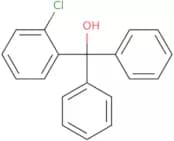
Formula:C8H10O2Purity:Min. 98 Area-%Color and Shape:White PowderMolecular weight:138.16 g/mol(2-Chlorophenyl)diphenylmethanol
CAS:2-Chlorophenyl)diphenylmethanol is an antifungal drug that blocks the function of a calcium ionophore in fungal cells. It has been shown to be effective against a variety of filamentous fungi, including Aspergillus fumigatus, Candida albicans, and Trichosporon cutaneum. This drug is used as a topical antifungal agent for treatment of skin infections caused by these fungi. 2-Chlorophenyl)diphenylmethanol has been shown to have anti-inflammatory properties in animal models of kidney fibrosis and cell binding. Clinical data suggests that it can be used for the prevention or treatment of stem cell transplantation complications such as graft versus host disease and leukemia.
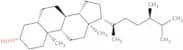
Formula:C19H15ClOPurity:Min. 95%Color and Shape:PowderMolecular weight:294.77 g/molCampestanol
CAS:Controlled ProductPlease enquire for more information about Campestanol including the price, delivery time and more detailed product information at the technical inquiry form on this page
Formula:C28H50OPurity:Min. 95%Molecular weight:402.7 g/molRef: 3D-FC19642
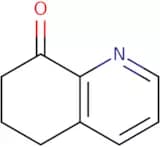
Discontinued product6,7-Dihydro-5H-quinolin-8-one
CAS:6,7-Dihydro-5H-quinolin-8-one is a quinoline derivative that can be used to treat cancer. It is an inhibitor of topoisomerase II, which is an enzyme that catalyzes the formation of single stranded breaks in DNA and then reseals them. The inhibition of topoisomerase II leads to the accumulation of single strand breaks, which causes cell death. 6,7-Dihydro-5H-quinolin-8-one has been shown to have inhibitory activity against cancer cells in laboratory tests and also inhibits the growth of breast cancer cells in mice. This compound also has a number of other biological effects including being a ligand for some receptors and amine oxidases as well as having antihistamine properties.
Formula:C9H9NOPurity:Min. 95%Color and Shape:White PowderMolecular weight:147.17 g/molRef: 3D-FD40544
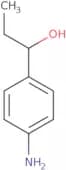
Discontinued product4-Aminophenyl ethyl carbinol
CAS:Please enquire for more information about 4-Aminophenyl ethyl carbinol including the price, delivery time and more detailed product information at the technical inquiry form on this page
Formula:C9H13NOPurity:Min. 95%Color and Shape:PowderMolecular weight:151.21 g/molRef: 3D-FA66499
Discontinued product





![3-[(4-Aminopiperidin-1-yl)methyl]phenol](/_next/image/?url=https%3A%2Fstatic.cymitquimica.com%2Fproducts%2F3D%2Fthumb-webp%2FFA116167.webp&w=3840&q=75)


![4-Aminobicyclo[2.2.2]octan-1-ol hydrochloride](/_next/image/?url=https%3A%2Fstatic.cymitquimica.com%2Fproducts%2F3D%2Fthumb-webp%2FFA63102.webp&w=3840&q=75)
![2-[(4-Methylbenzenesulfonyl)oxy]ethan-1-ol](/_next/image/?url=https%3A%2Fstatic.cymitquimica.com%2Fproducts%2F3D%2Fthumb-webp%2FFM171828.webp&w=3840&q=75)
![4-[(2,4-Dimethylbenzyl)oxy]butan-1-ol](/_next/image/?url=https%3A%2Fstatic.cymitquimica.com%2Fproducts%2F3D%2Fthumb-webp%2FFD131280.webp&w=3840&q=75)


![2-[2-[2-(2-Azidoethoxy)ethoxy]ethoxy]ethanol](/_next/image/?url=https%3A%2Fstatic.cymitquimica.com%2Fproducts%2F3D%2Fthumb-webp%2FFA09300.webp&w=3840&q=75)