Alcohols
Alcohols are a wide range of organic molecules derived from hydrocarbons that contain one or more hydroxyl groups (OH group). These compounds are essential in various chemical reactions and are widely used in laboratory settings for synthesis, as solvents, and in analytical chemistry. At CymitQuimica, we offer high-quality alcohols prepared for laboratory use, supporting your research and industrial applications with reliable and effective products. Our selection ensures you have the right alcohols for your specific needs, whether for routine laboratory work or specialized research projects.
Subcategories of "Alcohols"
Found 5814 products of "Alcohols"
Sort by
Purity (%)
0
100
|
0
|
50
|
90
|
95
|
100
3-Benzyloxy-1-propanol
CAS:3-Benzyloxy-1-propanol is a desymmetrization agent that catalyzes the conversion of esters to ketones and amides to alcohols. It is also an asymmetric synthesis reagent that converts (S)-2,3-diaminopropionic acid into (R)-2,3-diaminopropionic acid. 3-Benzyloxy-1-propanol has been shown to be a useful tool in the synthesis of amines with functional groups such as carbonyl or hydroxyl. Furthermore, 3-benzyloxy-1-propanol can be used to form bonds between two different molecules by cleaving one bond and forming two new ones. It is also capable of mediating bond cleavage, which can lead to the formation of free radicals.Formula:C10H14O2Purity:Min. 95%Color and Shape:LiquidMolecular weight:166.22 g/mol(1-Phenylpiperidin-4-yl)methanol
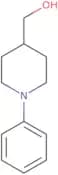
CAS:<p>1-Phenylpiperidin-4-yl)methanol is a versatile building block that is used in the synthesis of many complex compounds. It is also a reagent and intermediate for the production of fine chemicals, speciality chemicals, and research chemicals. 1-Phenylpiperidin-4-yl)methanol has a CAS number of 697306-45-9 and it's molecular formula is C14H21NO.</p>Formula:C12H17NOPurity:Min. 95%Color and Shape:Red PowderMolecular weight:191.27 g/mol(S)-3-Amino-3-phenylpropan-1-ol
CAS:<p>The enantiopure (S)-3-Amino-3-phenylpropan-1-ol is a chiral and optically pure amino alcohol compound. It is an antibiotic that inhibits the bacterial enzyme acylase, which catalyzes the hydrolysis of ester bonds in fatty acids. This drug is also an inhibitor of drug substance, as well as an active form of dapoxetine hydrochloride. The (S)-3-Amino-3-phenylpropan-1-ol has been shown to be effective against both Gram positive and Gram negative bacteria, including methicillin resistant Staphylococcus aureus (MRSA) and Mycobacterium tuberculosis.</p>Formula:C9H13NOPurity:Min. 95%Color and Shape:Off-White PowderMolecular weight:151.21 g/mol2-Amino-4,6-dibromophenol
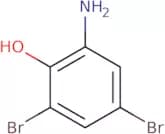
CAS:2-Amino-4,6-dibromophenol is an organic compound that is used in research for the synthesis of benzoxazoles and related compounds. It is a lactam analog that can be synthesized from commercially available starting materials. 2-Amino-4,6-dibromophenol has been shown to have pharmacological activity against tumor cells. This compound has also been used to synthesize regiospecific skeletal analogs of natural products.Formula:C6H5Br2NOPurity:Min. 95 Area-%Color and Shape:Off-White PowderMolecular weight:266.92 g/mol(S)-3-Methylamino-1-(2-thienyl)-1-propanol
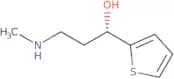
CAS:<p>(S)-3-Methylamino-1-(2-thienyl)-1-propanol is a chiral molecule with two stereogenic centers. It is synthesized by the demethylation of acetylthiophene and the crystallization of the reaction mixture. The class of compounds to which (S)-3-Methylamino-1-(2-thienyl)-1-propanol belongs includes those that have hydroxy groups or diastereomeric salts. The hydroxy group on (S)-3-Methylamino-1-(2-thienyl)-1-propanol can be removed by demethylation, which leads to a mixture of products, including hydroxy and demethylated compounds.</p>Formula:C8H13NOSPurity:Min. 95%Color and Shape:White PowderMolecular weight:171.26 g/mol1-Ethylcyclohexanol
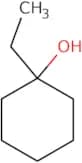
CAS:<p>1-Ethylcyclohexanol is a palladium complex that is used to crosslink polymers. It has been shown to be an effective cross-linking agent for hyaluronic acid, spartina, and ammonium nitrate. This agent can also be used as a ligand in organic synthesis reactions involving hydrosilanes. 1-Ethylcyclohexanol has been shown to react with silicon surfaces at room temperature and at elevated temperatures, forming stable silicon complexes with alkyl substituents. 1-Ethylcyclohexanol reacts with allyl ligands in acetonitrile or tetrahydrofuran solution to form oxoalkyls.</p>Formula:C8H16OPurity:Min. 95%Color and Shape:LiquidMolecular weight:128.21 g/mol(-)-Bis(pinanediolato)diboron
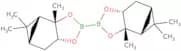
CAS:<p>(-)-Bis(pinanediolato)diboron is a reactive component that can be used as a reagent. It reacts with alkenes to form pinacolboronates, which are useful for the synthesis of complex compounds. (-)-Bis(pinanediolato)diboron is also an intermediate in the synthesis of diboronic acid and pinacolborane. This compound has broad utility as a building block, scaffold, or intermediate in organic synthesis.<br>-Pinanediolato boron is also a versatile building block that can be used to synthesize many other chemical compounds. For example, it can be used as an intermediate to synthesize (-)-pinanediol and 3-hydroxy-1-methylpyridinium iodide (3HMPI), which are speciality chemicals.<br>-Pinanediolato boron is also an excellent building block for organic synthesis due to its ability</p>Formula:C20H32B2O4Purity:Min. 95%Color and Shape:White SolidMolecular weight:358.09 g/molEuphadienol
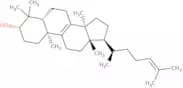
CAS:Controlled Product<p>Euphadienol is a cyclic peptide that has been shown to have anti-inflammatory and pro-apoptotic properties, which may be due to its ability to bind and activate response elements in cells. It also has the potential to be used as a drug target and an oligonucleotide for the treatment of infectious diseases. The toxicological studies conducted on euphadienol show that it is not toxic at doses up to 100mg/kg body weight when given orally or intraperitoneally. Euphadienol also showed activity against various disease models, including dextran sulfate sodium-induced colitis, which is an experimental model for inflammatory bowel disease.</p>Formula:C30H50OPurity:Min. 98 Area-%Color and Shape:White PowderMolecular weight:426.72 g/mol2-phenyl-quinoline
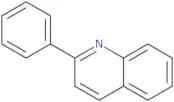
CAS:2-Phenyl-quinoline is a naturally occurring compound that exhibits antimicrobial activity. It has been shown to inhibit the growth of bacteria by interfering with the synthesis of ATP, which is necessary for bacterial cell division. 2-Phenyl-quinoline also possesses antioxidative properties and has been shown to have inhibitory effects on a number of bacterial strains. 2-Phenyl-quinoline has been shown to induce necrotic cell death in S. aureus strains, as well as anti-inflammatory and antinociceptive properties.Formula:C15H11NPurity:Min. 98 Area-%Color and Shape:PowderMolecular weight:205.25 g/mol7-Methyloctanol
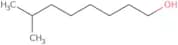
CAS:<p>7-Methyloctanol is a polycarboxylic acid that is structurally similar to hydrochloric acid. It has been shown to have specific treatment effects on skin cells and light exposure, as well as an anti-inflammatory effect. 7-Methyloctanol is able to produce fatty acids by the hydroxylation of unsaturated alkyl chains, which are often used as plasticizers. The hydrophobic effect of 7-methyloctanol has also been shown to increase the permeability of liposomes.</p>Formula:C9H20OPurity:Min. 95%Color and Shape:Colorless Clear LiquidMolecular weight:144.25 g/mol2,2,4-Trimethyl-1,2-dihydroquinolin-6-ol
CAS:<p>2,2,4-Trimethyl-1,2-dihydroquinolin-6-ol (TQ) is a naturally occurring phenolic compound that has been shown to inhibit lipid peroxidation in animal and human cells. TQ is an antioxidant that protects against oxidative damage by scavenging free radicals. This compound can act as a nitroxyl radical trap and inhibits the dimerization of quinones and other reactive oxygen species. TQ also has been found to have anti-inflammatory effects, which may be due to its ability to reduce the production of inflammatory cytokines.<br>A new study shows that TQ can inhibit the production of reactive oxygen species in quantum yields up to 10%. It is thought that this effect may be due to TQ’s ability to stabilize different forms of reduced glutathione.</p>Formula:C12H15NOPurity:Min. 95%Color and Shape:PowderMolecular weight:189.25 g/mol5-Oxa-2-octyne-1,7-diol
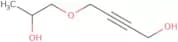
CAS:5-Oxa-2-octyne-1,7-diol is a monomer that belongs to the class of heterocyclic compounds. It has been used in research studies to coat metal surfaces with silicone. This compound is also a surfactant, which can be used for cleaning and degreasing dishes, pots and pans. 5-Oxa-2-octyne-1,7-diol is resistant to degradation by sulfate ester or carboxylate ester solvents. It has shown activity as a monomer with methyl esters and alkenyls for use in polymers.Formula:C7H12O3Purity:Min. 95%Color and Shape:PowderMolecular weight:144.17 g/mol[4-(Aminomethyl)cyclohexyl]methanol
CAS:4-(Aminomethyl)cyclohexyl]methanol is a dicarboxylic acid and ester with the chemical formula CH2=C(CH3)(CO2H). It is used to synthesize polycarbonates, which are polyesters that contain carbonate groups. 4-(Aminomethyl)cyclohexyl]methanol has two carboxyl groups and one hydroxyl group that can react with trimellitic anhydride to form polycarbonates. Polycarbonate is a polymer that contains bisphenol A, which is the building block of many plastics and resins. 4-(Aminomethyl)cyclohexyl]methanol can be used as a monomer in the synthesis of polyesters and copolymers.Formula:C8H17NOPurity:Min. 95%Color and Shape:Beige PowderMolecular weight:143.23 g/mol2-Bromoquinoline
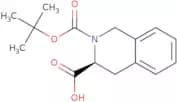
CAS:<p>2-Bromoquinoline is an antimicrobial agent that binds to bacterial receptors. It is a bifunctional molecule with two reactive groups: a hydroxyl group and a nitrogen atom. 2-Bromoquinoline has been shown to inhibit the growth of various bacteria, including Mycobacterium tuberculosis, Staphylococcus epidermidis and Streptococcus pyogenes, by preventing the formation of a proton gradient across the bacterial membrane. 2-Bromoquinoline also inhibits hyperproliferative diseases such as amyloidosis in mice by binding to amyloid fibrils. This drug has been shown to cause DNA damage in mammalian cells, which may be due to its ability to form hydrogen bonds with methyl ethyl groups on DNA bases.</p>Formula:C9H6BrNPurity:Min. 95%Color and Shape:White To Yellow To Pink SolidMolecular weight:208.05 g/molBoc-(3S)-1,2,3,4-Tetrahydroisoquinoline-3-carboxylic acid
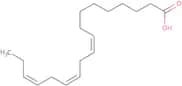
CAS:<p>Boc-(3S)-1,2,3,4-Tetrahydroisoquinoline-3-carboxylic acid is an amino acid that has the δ-opioid receptor antagonist activity. It can be synthesized by a stepwise synthesis with an asymmetric center. The δ-opioid receptor antagonist activity of Boc-(3S)-1,2,3,4-Tetrahydroisoquinoline-3-carboxylic acid was found to be comparable to naloxone in terms of affinity constants and functional groups.</p>Formula:C15H19NO4Purity:Min. 95%Color and Shape:SolidMolecular weight:277.32 g/molLinolenic acid, 98.5%
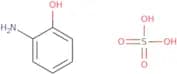
CAS:<p>Linolenic acid is a polyunsaturated fatty acid that is an essential component of human nutrition. Linolenic acid has apoptosis-inducing properties and has been shown to induce the mitochondrial membrane potential in neuronal cells and induce neuronal death by decreasing the levels of pge2. Linolenic acid also participates in energy metabolism, as it can be converted into arachidonic acid, which is a precursor for prostaglandins. Linolenic acid has been shown to have physiological effects on humans, such as improving eye disorders and congestive heart failure. It does not seem to be linked with any toxicity or adverse effects.</p>Formula:C18H30O2Purity:Min. 95%Color and Shape:Colorless Clear LiquidMolecular weight:278.43 g/molO-Aminophenol sulfate
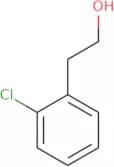
CAS:<p>O-Aminophenol sulfate is a reagent that is used in research and synthesis of complex compounds. It has a variety of applications, such as use as a building block for speciality chemicals, as a reaction component in reactions, and to prepare fine chemicals. O-Aminophenol sulfate is soluble in water and can be used as an intermediate for other products.</p>Formula:C12H16N2O6SPurity:Min. 95 Area-%Color and Shape:PowderMolecular weight:316.33 g/mol2-(2-Chlorophenyl)ethanol
CAS:<p>2-(2-Chlorophenyl)ethanol is a chemical used to synthesize aldehydes and fatty acids. It is also used to validate the purity of products, such as bulk drugs. 2-(2-Chlorophenyl)ethanol can be found in solvents, impurities, and chlorobenzene. It is not recommended for use at temperatures above 50°C or below -10°C. This chemical should not be left in contact with plastic or rubber tubing for extended periods of time because it may cause discoloration or cracking. 2-(2-Chlorophenyl)ethanol is not radioactive, but it may become so after irradiation.<br>2-(2-Chlorophenyl)ethanol can be found in solvents, impurities, and chlorobenzene. It is not recommended for use at temperatures above 50°C or below -10°C. This chemical should not be left in contact with plastic or</p>Formula:C8H9ClOPurity:Min. 95%Molecular weight:156.61 g/mol1-O-Hexadecyl-2-O-methyl-rac-glycerol
CAS:1-O-Hexadecyl-2-O-methyl-rac-glycerol is a metabolite of phosphatidylethanolamine that is structurally related to the neurotransmitter serotonin. It binds to the 5HT7 receptor, which is involved in the regulation of infectious diseases and cytokine production. 1-O-Hexadecyl-2-O-methyl-racglycerol has been shown to stimulate growth factor production and protein synthesis, as well as inhibit serotonin reuptake. This compound also activates phosphorylation of PKC, which leads to an increase in cytosolic calcium levels and activation of PKC. As a result, diacylglycerol levels are increased, leading to an increase in mitochondrial membrane potential and camp levels.Formula:C20H42O3Purity:Min. 95%Molecular weight:330.55 g/mol2-(3-Chlorophenyl)ethanol
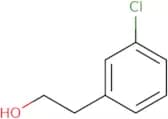
CAS:<p>2-(3-Chlorophenyl)ethanol (CLPE) is an agonist of the beta-adrenergic receptor. It is used in the treatment of asthma and other pulmonary diseases. CLPE binds to the beta-adrenergic receptor, which increases airway opening by relaxing bronchial smooth muscle. The drug also has a backup effect on the alpha-adrenergic receptors in the lungs, which helps to overcome any adverse effects caused by beta-blockers. CLPE has been shown to be effective in treating asthma attacks that are resistant to inhaled corticosteroids and long-acting β2-agonists. It may be used as an alternative treatment for patients who cannot tolerate or have not responded well to first line treatments such as long acting β2 agonists or inhaled corticosteroids.</p>Formula:C8H9ClOPurity:Min. 95%Color and Shape:Clear LiquidMolecular weight:156.61 g/mol3-Chloroisoquinoline
CAS:3-Chloroisoquinoline is a thiolate, which is a reactive chemical group. 3-Chloroisoquinoline has been shown to react with trifluoromethanesulfonic acid to form a compound with biological properties. The amide and palladium complexes of 3-chloroisoquinoline have been prepared in the past. Additionally, the two isomers of 3-chloroisoquinoline are known as the halides and magnetic resonance spectroscopy of this compound has been studied. Structural isomers and functional groups of 3-chloroisoquinoline have also been studied in detail. Tautomers and lactams are structural isomers of 3-chloroisoquinoline that have also been researched extensively. Finally, trifluoroacetic acid reacts with 3-chloroisoquinoline to form an ester product.Formula:C9H6ClNPurity:Min. 95%Molecular weight:163.6 g/mol3-Aminoquinoline
CAS:<p>3-Aminoquinoline is a chemical compound that inhibits the activity of the epidermal growth factor receptor (EGFR). It is a potent inhibitor of cell proliferation and has been shown to have antitumour activity. 3-Aminoquinoline has been shown to inhibit the proliferation of carcinoma cell lines. This drug binds to the EGFR receptor, preventing it from activating downstream signalling pathways that control cell growth. 3-Aminoquinoline also has biological properties, including matrix-assisted laser desorption/ionization time-of-flight mass spectrometry, analytical chemistry, sample preparation, and Suzuki coupling reaction. The molecule is structurally analyzed using chemical structures and structural analysis techniques such as thermodynamic data or proton NMR spectroscopy. 3-Aminoquinoline also interacts with sugars through hydrogen bonding and oligosaccharides. These interactions are found to be high in value in some cases.</p>Formula:C9H8N2Purity:Min. 95%Color and Shape:White PowderMolecular weight:144.17 g/mol4-(Methylthiol)-1-(isothiocyanato)butane
CAS:4-(Methylthiol)-1-(isothiocyanato)butane is commonly identified as sulforaphane, which is a naturally occurring organosulfur compound. This compound is predominantly sourced from cruciferous vegetables, such as broccoli, Brussels sprouts, and cabbage. It is specifically abundant in the seeds and sprouts of these plants.Formula:C6H11NS2Purity:Min. 95%Color and Shape:PowderMolecular weight:161.29 g/mol1,5-Hexadiene-3,4-diol
CAS:1,5-Hexadiene-3,4-diol is an organic compound that is used as a pharmaceutical intermediate. It has been shown to be effective in the treatment of infectious diseases and inflammatory diseases. 1,5-Hexadiene-3,4-diol has been shown to inhibit the transport rate of bacterial vaginosis and inflammatory diseases. The active form of this drug is soluble in water and it can be used as a vaginal gel preparation or eye drops. This drug has also been shown to have film forming properties and to act as a membrane system stabilizer. 1,5-Hexadiene-3,4-diol may also be used for the production of insoluble polymers and films.Formula:C6H10O2Purity:Min. 95%Color and Shape:Colorless Clear LiquidMolecular weight:114.14 g/mol4-Ethynylbenzyl alcohol
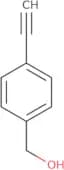
CAS:4-Ethynylbenzyl alcohol is an organic compound that has a molecular weight of 170.4 g/mol and a density of 1.1 g/cm3. It is synthesized by reacting acetophenone with sodium metal in the presence of ethanol and sodium ethoxide. The terminal alkyne groups are responsible for its high reactivity, which can be seen through its fluorescence properties. 4-Ethynylbenzyl alcohol has been shown to inhibit the growth of human liver cancer cells in vitro, making it a potential palliative treatment for liver cancer. This compound has also been shown to have reactive sites on its surface, which make it useful for surface modification techniques such as kinetic or imaging techniques. 4-Ethynylbenzyl alcohol has helical structure with hydrogen bonding interactions between adjacent molecules that stabilize the molecule's 3D structure.Formula:C9H8OPurity:Min. 95%Color and Shape:White To Yellow To Brown SolidMolecular weight:132.16 g/mol1,3-Benzenedimethanol
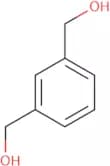
CAS:<p>1,3-Benzenedimethanol is a diphenyl ether with the chemical formula C6H6O. It has been shown to be a good nucleophile and undergoes nucleophilic attack on a variety of substrates. The hydroxyl group in the molecule can be protonated to form the corresponding carboxylic acid or an alcohol. This compound has been shown to react with aluminium, magnesium oxide and trifluoroacetic acid in an acidic environment and undergo carbonyl reduction to form ethyl esters. 1,3-Benzenedimethanol is also soluble in water and can be extracted by gravimetric analysis.</p>Formula:C8H10O2Purity:Min. 95%Color and Shape:PowderMolecular weight:138.16 g/mol1-Oleoyl-rac-glycerol - 50%
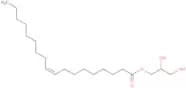
CAS:<p>1-Oleoyl-rac-glycerol is a lipid that has been used in experimental studies to replace the use of animal-derived lipids for pharmaceutical applications. It can be synthesized by combining oleic acid with glycerol. 1-Oleoyl-rac-glycerol is soluble in water and has been shown to have a Langmuir adsorption isotherm, which means it can be used as a monoolein substitute. The basic protein in 1-Oleoyl-rac-glycerol has been determined using XRD data and found to be chitosan polymer. The experimental model for 1-Oleoyl-rac-glycerol was tested on rats and found not to cause toxicity, making it an ideal biocompatible polymer that can be used as an alternative to chitosan polymer.</p>Formula:C21H40O4Purity:Min. 95%Color and Shape:Slightly Yellow Clear LiquidMolecular weight:356.54 g/mol1,5-Naphthalenediol
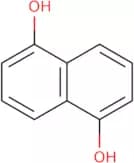
CAS:1,5-Naphthalenediol is a metabolite of naphthalene and has been found to be an electrochemical marker for the detection of naphthalene. It is considered a chemical indicator for naphthalene exposure, as it can be detected in urine and blood samples. 1,5-Naphthalenediol is a heterocyclic organic compound that has been shown to have potential medical uses. It has been shown to function as an anti-inflammatory agent by inhibiting prostaglandin synthesis and can also inhibit the growth of keratinocytes. The detection time for 1,5-naphthalenediol is about 2 hours after exposure.Formula:C10H8O2Purity:Min. 95%Molecular weight:160.17 g/mol3-Methylquinoxalin-2-ol
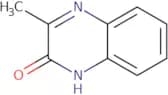
CAS:3-Methylquinoxalin-2-ol is an antimicrobial agent that exhibits a broad spectrum of activity against bacteria, fungi, and viruses. It is effective against both Gram-positive and Gram-negative bacteria, as well as yeast and mycobacteria. 3-Methylquinoxalin-2-ol has been shown to be efficacious in animal models of diabetic ulcers and also reduces the incidence of infection after surgery. The substance has been shown to have excellent bactericidal activity against streptococcus faecalis in the presence of dehydroascorbic acid. 3-Methylquinoxalin-2-ol inhibits protein synthesis by binding to amino groups on proteins and blocking their access to ATP or other amino acids. This mechanism may be exploited as a drug target for the treatment of bacterial infections.Formula:C9H8N2OPurity:Min. 95%Molecular weight:160.063664-Chlorophenol
CAS:<p>4-Chlorophenol is a chemical compound that is found as a byproduct in the manufacturing process of phenol and acetone. It has been found to be stable in the presence of nitrogen atoms, which are present in wastewater treatment plants. The optimum concentration for 4-chlorophenol is 0.2 ppm, but it can be reduced to 0.1 ppm with the addition of malonic acid or surfactant sodium dodecyl sulfate. The reaction mechanism for 4-chlorophenol is an oxidation-reduction reaction with oxygen nucleophiles as electron acceptors and surface methodology through electrochemical impedance spectroscopy.</p>Formula:C6H5ClOPurity:Min. 98%Color and Shape:Clear LiquidMolecular weight:128.56 g/mol2-Methoxy-2-phenylethanol
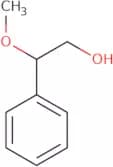
CAS:<p>2-Methoxy-2-phenylethanol is a molecule that has been found to be a good catalyst for the ring-opening of epoxides. It is also used as a solid catalyst in kinetic studies and as an additive in organic syntheses. 2-Methoxy-2-phenylethanol is soluble in water and reacts with fatty acids to form acetylated products. This molecule has been shown to have an inhibitory effect on human liver alcohol dehydrogenase, which may be due to it's ability to bind to the enzyme's active site.</p>Formula:C9H12O2Purity:Min. 95%Color and Shape:Colorless Clear LiquidMolecular weight:152.19 g/mol2-Bromo-4-methylphenol
CAS:<p>2-Bromo-4-methylphenol is an organic compound that has interactive effects with hydrochloric acid, molybdenum, and trifluoromethanesulfonic acid. It is soluble in water vapor, but insoluble in polyvinyl. 2-Bromo-4-methylphenol reacts with sodium hydroxide solution to form a hydroxide solution and sodium carbonate. The reaction product of 2-bromo-4-methylphenol with triterpenoid saponin produces fatty acids. This reaction occurs because the hydroxide ion from the sodium hydroxide solution attacks the ester group of the saponin, forming an alcohol group on one end and a carboxylic acid group on the other end. The benzyl groups are removed by hydrogenation to produce phenol.</p>Formula:C7H7BrOPurity:Min. 95%Molecular weight:187.03 g/molBithionol sulfoxide
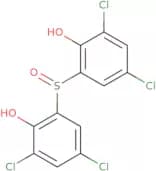
CAS:<p>Bithionol sulfoxide is a glycol ether that has been used in the treatment of endoparasites. It is a toxic chemical that is metabolized to bithionol sulfoxide glucuronide conjugate (BSG). BSG has been shown to have pharmacological effects on animals, and as such it has been used in clinical treatments. BSG has also been shown to be effective against parasites and worms, with no significant side effects. BSG is an oily liquid at room temperature that can be soluble in alcohols, fatty acids and glycol esters. Bithionol sulfoxide can be dissolved in chloroform and ethyl acetate for use as a chromatographic solvent.</p>Formula:C12H6Cl4O3SPurity:Min. 95%Color and Shape:Off-White PowderMolecular weight:372.05 g/mol2,4-Dichlorophenol-6-sulphonyl chloride
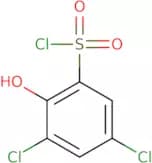
CAS:<p>2,4-Dichlorophenol-6-sulphonyl chloride (2,4-DCP) is a molecule that has been shown to have antibacterial activity against Gram-positive and Gram-negative bacteria. It inhibits the growth of bacteria by binding to the cell wall and inhibiting enzyme activity. 2,4-DCP also has hemolytic activity in vitro. The mechanism of this effect is not well understood but may involve an interaction with membrane lipids or proteins in red blood cells. In addition, 2,4-DCP has been shown to inhibit the growth of staphylococcus and other bacterial strains in vitro. The inhibition of bacterial growth by 2,4-DCP is reversible with exposure to hydrated conditions.</p>Formula:C6H3Cl3O3SPurity:Min. 95%Molecular weight:261.51 g/molPyridine-2-ethanol
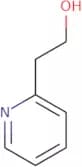
CAS:<p>Pyridine-2-ethanol is a tetranuclear compound that is composed of four pyridine rings. It can be synthesized by reacting trifluoroacetic acid with an ethyl alcohol in the presence of a base. Pyridine-2-ethanol has been shown to have acidic properties and reacts with human serum, forming hydrogen bonds. The reaction mechanism for this compound is not fully understood, but it may involve transfer reactions and intramolecular hydrogen bonding interactions between the hydroxyl group and nitrogen atoms. Pyridine-2-ethanol also forms hydrogen bonds with other molecules due to its structural analysis.</p>Formula:C7H9NOPurity:Min. 99%Color and Shape:Clear LiquidMolecular weight:123.15 g/mol4-Cyano-3,5-difluorophenol
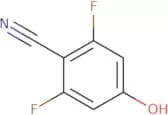
CAS:<p>4-Cyano-3,5-difluorophenol (4CF) is a mesomorphic compound that has a number of reactions with chloride. 4CF is synthesized from 3,5-difluoroaniline and the reaction product is then heated with chlorine to produce 4CF. The optimal reaction temperature is between 100°C and 120°C. When exposed to light, 4CF will react with chloride ions in the presence of heat to form a hydrophobic chlorinated product. This product reacts with proton donors such as NaOH or KOH to produce hydrogen gas. At room temperature, 4CF can be used as a gas sensor.</p>Formula:C7H3F2NOPurity:Min. 95 Area-%Molecular weight:155.1 g/mol1H,1H,2H,2H-Tridecafluoro-1-n-octanol
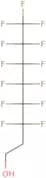
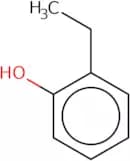
CAS:1H,1H,2H,2H-Tridecafluoro-1-n-octanol is a potent and selective halogenated hydrocarbon. It binds to DNA at the dinucleotide phosphate site, which is an important site for polymerase chain reaction (PCR) activation. 1HFN has been shown to be more effective than other halogenated hydrocarbons in vitro assays on rat liver microsomes. It has been used as an additive in wastewater treatment to remove organic contaminants and metal ions. In vivo studies have been carried out in CD-1 mice to determine the effects of 1HFN on the liver and kidneys; these studies showed no toxicological effects on these organs. 1HFN also has been shown to inhibit enzymes such as cytochrome P450 and monoamine oxidase B that are involved in drug metabolism and may lead to adverse reactions with drugs metabolized by these enzymes.Formula:C8H5F13OPurity:Min. 95%Molecular weight:364.1 g/mol2-Ethylphenol
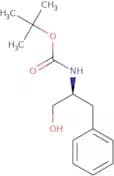
CAS:2-Ethylphenol is a phenolic acid, which is a type of organic compound that contains an hydroxyl group (-OH) bonded directly to an aromatic hydrocarbon ring. 2-Ethylphenol is used in the production of polymers, such as polyurethane and polyester, as well as in the manufacture of other chemicals. It can also be found in some food products, such as coffee beans and cocoa beans. 2-Ethylphenol has been shown to have P450 activity by increasing the rate at which rat liver microsomes metabolize testosterone into estradiol. The kinetic constants for this reaction were determined using solid phase microextraction (SPME). A multi-walled carbon nanotube (MWCNT) was used to extract 2-ethylphenol from a water sample. The sample preparation was done with anhydrous sodium sulfate, which acted as a desiccant and was then heated to remove any remaining water vaporFormula:C8H10OPurity:Min. 97 Area-%Color and Shape:Colorless Clear LiquidMolecular weight:122.16 g/molN-Boc-L-phenylalaninol
CAS:<p>N-Boc-L-phenylalaninol is a monomer that has been shown to inhibit the activity of proteinases. It binds to the active site of the enzymes and inhibits their catalytic activity, thereby preventing them from cleaving peptide bonds. N-Boc-L-phenylalaninol also has hydroxyl groups that can be used for further derivatization to produce derivatives with different functional groups, such as sulfonic acids or isosteres. The carbonyl group in this compound can be used for conjugation reactions with other molecules, such as proteins or nucleic acids.</p>Formula:C14H21NO3Purity:Min. 95%Color and Shape:White PowderMolecular weight:251.32 g/mol2-Bromo-3-pyridinol
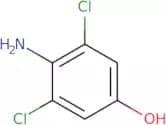
CAS:2-Bromo-3-pyridinol is a nicotinic acetylcholine receptor antagonist that has anti-influenza activity. It was synthesized as an analogue of the natural product pyridostigmine, which inhibited influenza in mice. 2-Bromo-3-pyridinol binds to the nicotinic acetylcholine receptor at the same site as nicotine and prevents it from being activated by acetylcholine. This drug also inhibits tumor growth and proliferation in vitro and in vivo, showing potent cytotoxicity against carcinoma cells by inhibiting protein synthesis and cell division. 2-Bromo-3-pyridinol has been shown to inhibit Alzheimer's disease in a mouse model of this disorder. The drug inhibits amyloid plaque formation and toxicity in cultured cells, suggesting its potential for treating this disease.Formula:C5H4BrNOPurity:Min. 95%Color and Shape:White To Off-White SolidMolecular weight:174 g/mol4-Amino-3,5-dichlorophenol
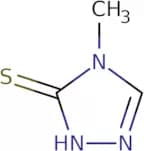
CAS:<p>4-Amino-3,5-dichlorophenol is a decoupling agent that has been shown to have acute toxicities in cultures. It is also used as a regulatory control for the analysis of hydroxyl groups and for broad-spectrum antimicrobial agents. 4-Amino-3,5-dichlorophenol reacts with hydrochloric acid to form chlorohydrin, which can be detected by an electrochemical detector. This reaction mechanism has been proposed as the basis for the use of this chemical as a decoupling agent in analytical chemistry. Its use as an antimicrobial agent is based on its ability to inhibit bacterial growth by reacting with thiol groups in enzymes or proteins and blocking their activity.</p>Formula:C6H5Cl2NOPurity:Min. 95%Color and Shape:PowderMolecular weight:178.02 g/mol4-Methyl-4H-1,2,4-triazole-3-thiol
CAS:4-Methyl-4H-1,2,4-triazole-3-thiol is a corrosion inhibitor that has been used in the production of polyurethane foam. It is synthesized by the reaction of ethylene diamine with sulfur trioxide and water. This compound has a molecular weight of 184.14 g/mol and an acidic nature due to the presence of four protonated amines on its structure. The compound can be characterized by gravimetric analysis, structural analysis, and FTIR spectroscopy. 4-Methyl-4H-1,2,4-triazole-3-thiol is toxic to rats when administered orally at 2000 mg/kg and also causes irritation to rabbits when applied topically at 200 µg/ear. !--Formula:C3H5N3SPurity:Min. 97 Area-%Color and Shape:White PowderMolecular weight:115.16 g/mol2,4-Hexadien-1-ol
CAS:<p>2,4-Hexadien-1-ol is an organic compound that belongs to the group of aliphatic alcohols. It is a colorless liquid with a pleasant odor and high boiling point. 2,4-Hexadien-1-ol has been shown to be a potent inhibitor of tyrosinase in vitro. This inhibition may be due to its ability to form hydrogen bonds with zirconium oxide or the hydroxyl group on its structure. 2,4-Hexadien-1-ol also has been shown to inhibit enzymes that are involved in the metabolic pathways for xenobiotics such as sodium citrate. 2,4-Hexadien-1-ol is used in wastewater treatment because it can decompose organic matter and reduce sludge volume by increasing the solubility of oils and fats.</p>Formula:C6H10OPurity:Min. 95%Color and Shape:White PowderMolecular weight:98.14 g/mol4-Fluoro-3-methylphenol
CAS:<p>4-Fluoro-3-methylphenol is a low molecular weight compound that has been shown to have antibacterial activity. It inhibits the growth of Mycobacterium tuberculosis, and this inhibition may be due to a transfer mechanism. 4-Fluoro-3-methylphenol also inhibits the enzyme activities of esterases and glutathione reductase, which may contribute to its antitubercular activity. This molecule has been shown to have vibrational and optical properties. It has been used in microscopy experiments for the detection of mineralization in bone tissue.</p>Formula:C7H7FOPurity:Min. 95%Molecular weight:126.13 g/molSodium 3,5,6-trichloro-2-pyridinol
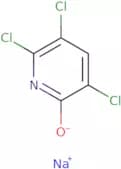
CAS:Sodium 3,5,6-trichloro-2-pyridinol is an inorganic compound that has been shown to be an effective biocide for the removal of hydrogen chloride and hydroxide solution. The optimal reaction was found to be at pH 10.3 with a reaction vessel containing 1% sodium hydroxide solution and a concentration of 0.2 grams per liter of hydrogen chloride. This compound reacts with hydrogen chloride to form hydrochloric acid (HCl) and sodium 3,5,6-trichloro-2-pyridinol hydrochloride (NCTP), which can then be removed by wastewater treatment or precipitation as sodium chloride. NCTP is also used for the treatment of skin conditions such as acne and eczema.Formula:C5HCl3NONaPurity:Min. 95%Color and Shape:Off-White SolidMolecular weight:220.42 g/mol2-(2,4-Dichlorophenyl)ethanol
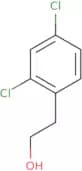
CAS:2-(2,4-Dichlorophenyl)ethanol is an organic compound that can be synthesized by reacting 2,4-dichlorobenzoic acid with trifluoroacetic acid in the presence of a base. The reaction scheme is:Formula:C8H8Cl2OPurity:Min. 95%Molecular weight:191.05 g/molPalmitoleyl alcohol
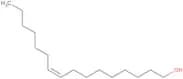
CAS:<p>Palmitoleyl alcohol is a natural compound that is found in the human body and in palm oil. Palmitoleyl alcohol has been shown to have anti-inflammatory properties and may be useful for the treatment of cancer, inflammation, and other diseases. It is a cationic surfactant that is used in detergent compositions and pharmaceutical preparations. Palmitoleyl alcohol also has a reactive group that can be detected with chemical ionization. This reactive group can undergo biodegradation in the body due to its biocompatibility and hydrophilicity.</p>Formula:C16H32OPurity:Min. 95%Color and Shape:Colorless PowderMolecular weight:240.42 g/molPhloroglucinol dihydrate
CAS:<p>Phloroglucinol dihydrate is a chemical substance that can be used as a denaturant, conditioner and deodorant. It is soluble in water and has been shown to have enzyme-inhibiting properties. Phloroglucinol dihydrate has been shown to have anti-inflammatory properties by inhibiting the production of prostaglandins. This compound also has optical properties, which are determined by its chromene structure. There is no phase transition temperature for this compound because it does not melt or freeze.</p>Formula:C6H6O3•(H2O)2Purity:Min. 95%Color and Shape:PowderMolecular weight:162.14 g/molOleic acid-biotin - solution in ethanol
CAS:Oleic acid-biotin is a fine chemical that is used as a versatile building block in the synthesis of complex compounds. It can also be used as a reagent for research purposes, and is a useful building block for the synthesis of various chemicals. Oleic acid-biotin is an intermediate in organic chemistry, and can be used as a reaction component in organic synthesis. It can also act as a scaffold for drug design and development. This product has been shown to have high quality and purity, making it suitable for use in various reactions.Formula:C28H50N4O3SPurity:Min. 95%Color and Shape:Colorless PowderMolecular weight:522.79 g/mol(R)-3,3'-Bis(triphenylsilyl)-1,1'-binaphthalene-2,2'-diol
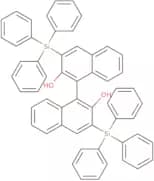
CAS:(R)-3,3'-Bis(triphenylsilyl)-1,1'-binaphthalene-2,2'-diol is a high quality chemical and useful scaffold that can be used as a reagent for the synthesis of complex compounds. This compound has CAS No. 111822-69-6 and is an intermediate for the preparation of fine chemicals and speciality chemicals. It is also a versatile building block that can be used in research or as a reaction component to produce useful scaffolds.Formula:C56H42O2Si2Purity:Min. 95%Color and Shape:White PowderMolecular weight:803.1 g/mol




![[4-(Aminomethyl)cyclohexyl]methanol](/_next/image/?url=https%3A%2Fstatic.cymitquimica.com%2Fproducts%2F3D%2Fthumb-webp%2FFA123010.webp&w=3840&q=75)