Amines
Amines are a set of molecules containing an amino functional group (derived from ammonia). This category includes amines at any level of substitution : primary, secondary, tertiary, and ammonium salts. Amines are fundamental in organic synthesis and are widely used in pharmaceuticals, agrochemicals, and materials science. At CymitQuimica, we provide a comprehensive selection of amines to meet your research and industrial needs. Our range ensures access to various amines for diverse chemical processes and innovative research.
Subcategories of "Amines"
- Nitrosamines(2,606 products)
- Primary Amines(30,805 products)
- Quaternary Ammonium Cations and Salts(1,099 products)
- Secondary Amines(20,809 products)
- Tertiary Amines(17,111 products)
Found 8777 products of "Amines"
Sort by
Purity (%)
0
100
|
0
|
50
|
90
|
95
|
100
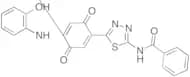
N-(5-(4-((2-Hydroxyphenyl)amino)-3,6-dioxocyclohexa-1,4-dien-1-yl)-1,3,4-thiadiazol-2-yl)benzamide
Controlled ProductFormula:C21H14N4O4SColor and Shape:NeatMolecular weight:418.425[2-(Dimethylamino)ethyl](propan-2-yl)amine
CAS:Controlled ProductFormula:C7H18N2·x(HCl)Color and Shape:NeatMolecular weight:130.234-[(1,1-Dioxidobenzo[d]isothiazol-3-yl)(methyl)amino]phenyl Acrylate
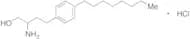
CAS:Controlled ProductFormula:C17H14N2O4SColor and Shape:NeatMolecular weight:342.37β-Amino-4-octylbenzenebutanol Hydrochloride
CAS:Controlled ProductFormula:C18H32ClNOColor and Shape:NeatMolecular weight:313.91N-[(2,4-Difluorophenyl)methyl]-2,4-difluoro-benzenemethanamine
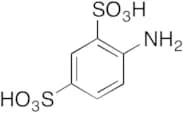
CAS:Controlled Product<p>Applications N-[(2,4-Difluorophenyl)methyl]-2,4-difluoro-benzenemethanamine is derived from 2,4-Difluorobenzylamine (D45085), which acts as a reagent for the design of pyrazole derivatives as non-nucleoside heptatitis B virus inhibitors. It is also used as a reagent in the preparation, HIV antiviral activity, SAR, and molecular modelling of hydroxypyridonecarboxylic acids as HIV reverse transcriptase inhibitors.<br>References Jia, H., et al.: Eur. J. Med. Chem., 123, 202 (2016); Kankanala, J., et al.: J. Med. Chem., 59, 5051 (2016)<br></p>Formula:C14H11F4NColor and Shape:NeatMolecular weight:269.2384-Amino-1,3-benzenedisulfonic Acid (>90%)
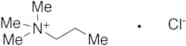
CAS:Controlled Product<p>Applications 4-Amino-1,3-benzenedisulfonic Acid is used as a reagent in the synthesis of arylazopyridoxal phosphate and phosphonate derivatives as P2 receptor antagonists.<br>References Kim, Y., et al.: Drug Develop. Res., 45, 52 (1998)<br></p>Formula:C6H7NO6S2Purity:>90%Color and Shape:NeatMolecular weight:253.25Trimethylpropylammonium Chloride
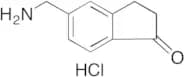
CAS:Controlled ProductFormula:C6H16N·ClColor and Shape:NeatMolecular weight:137.6515-(Aminomethyl)-2,3-dihydro-1H-inden-1-one Hydrochloride
CAS:Controlled Product<p>Applications 5-(Aminomethyl)-2,3-dihydro-1H-inden-1-one Hydrochloride is a useful research chemical for organic synthesis.<br></p>Formula:C10H11NO•(HCl)Color and Shape:NeatMolecular weight:197.060744-Aminoindan
CAS:Controlled Product<p>Applications 4-Aminoindan is a reactant in the preparation of a UBLCP1 proteasome phosphatase inhibitor.<br>References He, Y., et. al.: Bioorg. Med. Chem., 23, 2798 (2015)<br></p>Formula:C9H11NColor and Shape:NeatMolecular weight:133.196-[(34-Amino-8,13,22,27-tetraoxo-7,14,21,28-tetraazatetratriacont-1-yl)amino]-6-oxo-hexanoic Acid
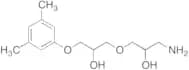
CAS:Controlled ProductFormula:C36H68N6O7Color and Shape:NeatMolecular weight:696.9611-Amino-3-(3-(3,5-dimethylphenoxy)-2-hydroxypropoxy)propan-2-ol
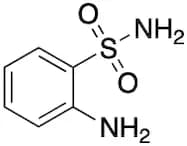
Controlled ProductFormula:C14H23NO4Color and Shape:NeatMolecular weight:269.3372-Aminobenzenesulfonamide
CAS:Controlled Product<p>Applications 2-aminobenzenesulfonamide (cas# 3306-62-5) is a useful research chemical.<br></p>Formula:C6H8N2O2SColor and Shape:NeatMolecular weight:172.2(3,3-diethoxypropyl)dimethylamine
CAS:Controlled Product<p>Applications (3,3-diethoxypropyl)dimethylamine (cas# 16851-30-2) is a useful research chemical.<br>References Choi, G., et al.:Angew. Chem. Int. Ed., 57,6166(2018)<br></p>Formula:C9H21NO2Color and Shape:NeatMolecular weight:175.268Methyl (2S)-2-Aminobutanoate
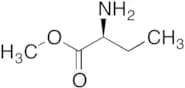
CAS:Controlled Product<p>Applications Methyl (2S)-2-Aminobutanoate is a general chemical reagent used in the synthesis of methylsulphonamide based small molecule legumain inhibitors.<br>References Ness, K. et al.: Bioorg. Med. Chem. Lett., 26, 413 (2016);<br></p>Formula:C5H11NO2Color and Shape:NeatMolecular weight:117.146Cycloheptylmethylamine
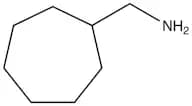
CAS:Controlled ProductFormula:C8H17N·ClHColor and Shape:NeatMolecular weight:163.688Ethyl(methoxy)amine Hydrochloride
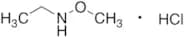
CAS:Controlled Product<p>Stability Hygroscopic<br></p>Formula:C3H9NO·HClColor and Shape:NeatMolecular weight:111.57Methyl 2-amino-4-bromo-5-chlorobenzoate
CAS:Controlled ProductFormula:C8H7BrClNO2Color and Shape:Neattert-Octylamine
CAS:Controlled Product<p>Impurity Potassium Clavulanate EP Impurity K<br>Applications tert-Octylamine (Potassium Clavulanate EP Impurity K) is used in the synthesis of aminomethyltetracycline dericatives as novel antibacterial agents. Also used in the preparation of carbonyl or sulfonylpyrrolidine containing uracil derivatives which have potent effect in the inhibitoon of deoxyuridine triphosphatase inhibitors.<br> Not a dangerous good if item is equal to or less than 1g/ml and there is less than 100g/ml in the package<br>References Clark, R. et al.: J. Med. Chem., 56, 8112 (2013); Miyakoshi, H. et al.: J. Med. Chem., 55, 2960 (2012);<br></p>Formula:C8H19NColor and Shape:NeatMolecular weight:129.24α-[[(1,1-Dimethylethoxy)carbonyl]amino]-2-fluoro-4-hydroxybenzeneacetic Acid
CAS:Controlled ProductFormula:C13H16FNO5Color and Shape:NeatMolecular weight:285.27N,N'-Bis(salicylidene)ethylenediamine
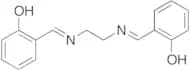
CAS:Controlled Product<p>Applications N,N'-Bis(salicylidene)ethylenediamine is a common chelating ligand that is used in coordination chemistry. In particular it was used to form a new zinc(salen) nano complex which possess strong photoluminescence properties. Also used to form iron complexes which may possess anticancer properties.<br>References Mohammadikish, M., et al.: J. Cryst. Growth., 431, 39 (2015); Wani, W., et al.: New J. Chem., 40, 1063 (2016);<br></p>Formula:C16H16N2O2Color and Shape:NeatMolecular weight:268.314-Amino-2-isopropylphenol
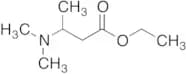
CAS:Controlled Product<p>Applications 4-Amino-2-isopropylphenol is a building block used in the preparation of benzoate and benzamide derivatives as FXR antagonists.<br>References Song, K., et al.: Bioorg. Med. Chem., 23, 6427 (2015);<br></p>Formula:C9H13NOColor and Shape:NeatMolecular weight:151.206Ethyl 3-(Dimethylamino)butanoate
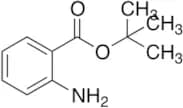
CAS:Controlled ProductFormula:C8H17NO2Color and Shape:NeatMolecular weight:159.226tert-Butyl 2-Aminobenzoate
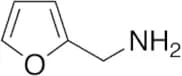
CAS:Controlled Product<p>Applications tert-Butyl 2-Aminobenzoate is a useful reagent for preparing alkylamino quinazolinones.<br>References Lu, C., et al.: J. Org. Chem., 83, 1154 (2018)<br></p>Formula:C11H15NO2Color and Shape:NeatMolecular weight:193.242-Furfurylamine
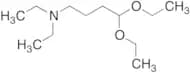
CAS:Controlled Product<p>Stability Volatile<br>Applications 2-Furfurylamine is used in the synthesis of 2-Amino-N-(2-furylmethyl)propanamide, as a novel alanylglycine equivalent synthesized by bacilysin synthetase.<br> Not a dangerous good if item is equal to or less than 1g/ml and there is less than 100g/ml in the package<br>References Mah, R., et al.: Appl. Microbiol., 15, 866 (1967), Faber, K., et al.: Pure Appl. Chem., 69, 1613 (1997), Marahiel, M., et al.: Chem. Biol. 4, 561 (1997),<br></p>Formula:C5H7NOColor and Shape:NeatMolecular weight:97.124,4-Diethoxy-N,N-diethyl-1-butanamine
CAS:Controlled Product<p>Applications 4,4-Diethoxy-N,N-diethyl-1-butanamine is a useful reagent for the synthesis of amino acetals.<br>References Keglevic, D., et al.: Croat. Chem. Acta, 35, 175(1963)<br></p>Formula:C12H27NO2Color and Shape:NeatMolecular weight:217.35trans-[2-(4-Fluorophenyl)cyclopropyl]amine Hydrochloride
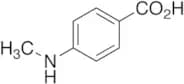
CAS:Controlled ProductFormula:C9H10FN·HClColor and Shape:NeatMolecular weight:187.6424-(Methylamino)benzoic Acid
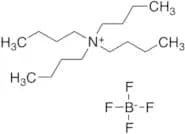
CAS:Controlled Product<p>Applications 4-(Methylamino)benzoic Acid (cas# 10541-83-0) is a compound useful in organic synthesis.<br></p>Formula:C8H9NO2Color and Shape:NeatMolecular weight:151.16Tetrabutylammonium Tetrafluoroborate
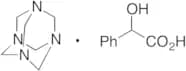
CAS:Controlled Product<p>Applications Tetrabutylammonium tetrafluoroborate (cas# 429-42-5) is a useful research chemical.<br></p>Formula:C16H36BF4NColor and Shape:NeatMolecular weight:329.27Methenamine Mandelate
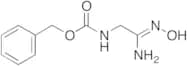
CAS:Controlled ProductFormula:C8H8O3·C6H12N4Color and Shape:NeatMolecular weight:292.33(Z)-Benzyl (2-Amino-2-(hydroxyimino)ethyl)carbamate
Controlled Product<p>Applications (Z)-Benzyl (2-Amino-2-(hydroxyimino)ethyl)carbamate is an intermediate used in the synthesis of N-((5-Hydroxy-6-oxo-4-((2,4,6-trifluorobenzyl)carbamoyl)-1,6-dihydropyrimidin-2-yl)methyl)-1,3,4-oxadiazole-2-carboxamide (H950690), which is a derivative of Raltegravir (R100305), a potent integrase (IN) inhibitor for WT and S217Q PFV IN.<br>References Hare, S., et al.: Proc. Natl. Acad. Sci. U. S. A., 107, 20057 (2010); Hicks, C., et al.: Clin. Infect. Dis., 48, 931 (2009); Moss, D., et al.: Antimicrob. Agents Chemother., 56, 3020 (2012); Hare, S., et al.: Mol. Pharmacol., 80, 565 (2011)<br></p>Formula:C10H13N3O3Color and Shape:NeatMolecular weight:223.2287-Azagramine
CAS:Controlled Product<p>Applications 7-Azaindole derivative<br>References Showell, G., et al.: Bioorg. Med. Chem., 6, 1 (1998), Huang, Y., et al.: Bioorg. Med. Chem. Lett., 11, 1375 (2001),<br></p>Formula:C10H13N3Color and Shape:NeatMolecular weight:175.236-Methylguanamine
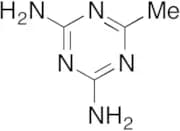
CAS:Controlled Product<p>Stability Hygroscopic<br>Applications 6-Methylguanamine has been used as a catalyst when complexed with riboflavin tetraacetate in soft gel materials.<br>References Bachl, j., et. al.: J. Mater. Chem., 1, 4577 (2013)<br></p>Formula:C4H7N5Color and Shape:NeatMolecular weight:125.1322-Amino-4-hydroxybenzoic acid
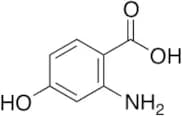
CAS:Controlled Product<p>Applications 2-Amino-4-hydroxybenzoic acid (cas# 38160-63-3) is a useful research chemical.<br></p>Formula:C7H7NO3Color and Shape:NeatMolecular weight:153.14tert-Butyl 3-Amino-4-cyanobenzoate
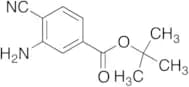
Controlled Product<p>Applications Tert-butyl 3-amino-4-cyanobenzoate is a useful compound for organic synthesis.<br></p>Formula:C12H14N2O2Color and Shape:NeatMolecular weight:218.2525-Amino-2-chloroquinazolin-4(1H)-one
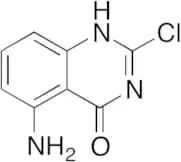
CAS:Controlled Product<p>Applications 5-Amino-2-chloroquinazolin-4(1H)-one is a synthetic reagent.<br></p>Formula:C8H6ClN3OColor and Shape:NeatMolecular weight:195.606α-(Aminomethyl)-p-anisyl Alcohol
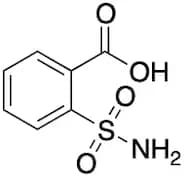
CAS:Controlled ProductFormula:C9H13NO2Color and Shape:NeatMolecular weight:167.2052-(Aminosulfonyl)benzoic Acid
CAS:Controlled Product<p>Applications 2-(Aminosulfonyl)benzoic Acid can be used as reactant/reagent in synthesis and pharmacological activity of γ-(phenyloxamido)- and γ-(phenylsulfonyloxamido)butanoic acids.<br>References Georgiyants, V. A., et al.: Farmatsevtichnii Zhurnal, 2, 34 (2010);<br></p>Formula:C7H7NO4SColor and Shape:NeatMolecular weight:201.2N,N-Diethyl-2-[(phenylmethyl)thio]ethanamine
CAS:Controlled ProductFormula:C13H21NSColor and Shape:NeatMolecular weight:223.3772-Amino cyclopentanol
CAS:Controlled Product<p>Applications 2-Amino cyclopentanol<br></p>Formula:C5H11NOColor and Shape:NeatMolecular weight:101.1476-Aminohexanenitrile
CAS:Controlled Product<p>Applications 6-Aminohexanenitrile (cas# 2432-74-8) is a compound useful in organic synthesis.<br></p>Formula:C6H12N2Color and Shape:NeatMolecular weight:112.173,4-Bis(phenylmethoxy)benzeneethanamine
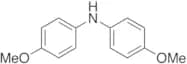
CAS:Controlled Product<p>Applications 3,4-Bis(phenylmethoxy)benzeneethanamine is an intermediate used in the synthesis of S-(-)-Tretoquinol Hydrochloride (T798100), which belongs to the class of adrenergic inhalants, selective β-2-adrenoreceptor agonists. S-(-)-Tretoquinol is used in the treatment of obstructive airway diseases. S-(-)-Tretoquinol is a bronchodilator.<br>References Meshi, et al.: Biochem. Pharmacol., 19, 2937 (1970), Satoh, et al.: Chem. Pharm. Bull., 19, 667 (1971),<br></p>Formula:C22H23NO2Color and Shape:NeatMolecular weight:333.4234,4'-Dimethoxydiphenylamine
CAS:Controlled Product<p>Applications 4,4'-Dimethoxydiphenylamine is a diphenylamine derivative used as a chemical additive for cured rubber. 4,4'-Dimethoxydiphenylamine is highly toxic and may potentially induce chromosome abberation.<br>References Kel'man, G.Y. et al.: Kauch. Rez., 26, 28 (1967); Sofuni, T. et al.: Mutat. res. Gen. Toxicol. Test., 24, 175 (1990);<br></p>Formula:C14H15NO2Color and Shape:NeatMolecular weight:229.27(3aS,4R,6S,6aR)-rel-6-Aminotetrahydro-2,2-dimethyl-4H-cyclopenta-1,3-dioxol-4-ol
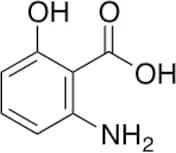
CAS:Controlled ProductFormula:C8H15NO3Color and Shape:NeatMolecular weight:173.212-amino-6-hydroxybenzoic acid
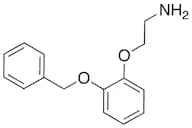
CAS:Controlled Product<p>Applications 2-amino-6-hydroxybenzoic acid (cas# 567-62-4) is a useful research chemical.<br></p>Formula:C7H7NO3Color and Shape:NeatMolecular weight:153.142-(2-Benzyloxyphenoxy)ethylamine
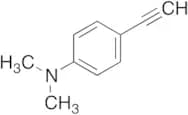
CAS:Controlled Product<p>Applications 2-(2-Benzyloxyphenoxy)ethylamine (cas# 72955-81-8) is a compound useful in organic synthesis.<br></p>Formula:C15H17NO2Color and Shape:NeatMolecular weight:243.304'-Dimethylaminophenyl Acetylene
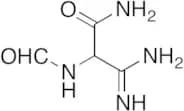
CAS:Controlled Product<p>Applications 4'-Dimethylaminophenyl acetylene<br></p>Formula:C10H11NColor and Shape:WhiteMolecular weight:145.23-Amino-2-(formylamino)-3-iminopropanamide
CAS:Controlled Product<p>Applications 3-Amino-2-(formylamino)-3-iminopropanamide is a Temozolomide (T017775) impurity. Temozolomide acts as a imidazotetrazine alkylating agent. An antineoplastic.<br>References Newlands, E.S., et al.: Cancer Treat. Rev., 23, 35 (1997), Kim, C., et al.: J. Biol. Chem., 274, 1233 (1999), Hait, W., et al.: Cancer Res., 69, 1263 (2009),<br></p>Formula:C4H8N4O2Color and Shape:NeatMolecular weight:144.132N-[[(2R,3S,4R)-4-[Bis[(3-cyanophenyl)methyl]amino]-3-hydroxyoxolan-2-yl]methyl]cyclopropanecarboxamide
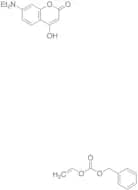
CAS:Controlled ProductFormula:C25H26N4O3Color and Shape:NeatMolecular weight:430.4997-Diethylamino-4-hydroxy-chromen-2-one
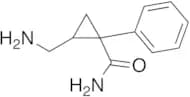
CAS:Controlled ProductFormula:C13H15NO3Color and Shape:NeatMolecular weight:233.2632-(Aminomethyl)-1-phenylcyclopropanecarboxamide
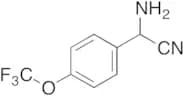
CAS:Controlled ProductFormula:C11H14N2OColor and Shape:NeatMolecular weight:190.242α-Amino-4-(trifluoromethoxy)benzeneacetonitrile Hydrochloride
CAS:Controlled ProductFormula:C9H7F3N2OColor and Shape:NeatMolecular weight:216.16(alphaR,gammaR)-γ-[[(1,1-Dimethylethoxy)carbonyl]amino]-α-methyl-[1,1'-biphenyl]-4-pentanoic Acid
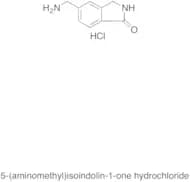
CAS:Controlled ProductFormula:C23H29NO4Color and Shape:NeatMolecular weight:383.4815-(Aminomethyl)isoindolin-1-one Hydrochloride
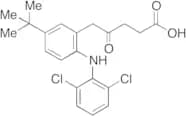
CAS:Controlled ProductFormula:C9H10N2O•(HCl)Color and Shape:NeatMolecular weight:198.055995-(5-(Tert-butyl)-2-((2,6-dichlorophenyl)amino)phenyl)-4-oxopentanoic acid
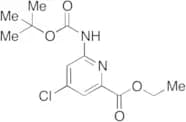
Controlled ProductFormula:C21H23Cl2NO3Color and Shape:NeatMolecular weight:408.318Ethyl 6-(tert-Butoxycarbonylamino)-4-chloropicolinate
CAS:Controlled ProductFormula:C13H17ClN2O4Color and Shape:NeatMolecular weight:300.74Methyl (1R,4S)-4-[[(1,1-Dimethylethoxy)carbonyl]amino]-2-cyclopentene-1-carboxylic Acid Ester
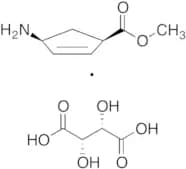
CAS:Controlled Product<p>Applications Methyl (1R,4S)-4-[[(1,1-Dimethylethoxy)carbonyl]amino]-2-cyclopentene-1-carboxylic Acid Ester is used in the discovery of a potent, selective and orally bioavailable dual CCR2 and CCR5 antagonist.<br>References Zheng, C., et al.: Bioorg. Med. Chem. Lett., 21, 1442-1446 (2011)<br></p>Formula:C12H19NO4Color and Shape:NeatMolecular weight:241.284Methyl (1R,4S)-4-Amino-2-cyclopentene-1-carboxylate (2S,3S)-2,3-Dihydroxybutanedioic Acid
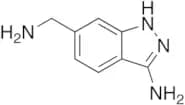
CAS:Controlled Product<p>Applications Methyl (1R,4S)-4-Amino-2-cyclopentene-1-carboxylate (2S,3S)-2,3-Dihydroxybutanedioic Acid is an intermediate used in the synthesis of ent-Abacavir (A105015), which is an enatiomer of Abacavir (A105000). Abacavir is a carbocyclic 2'-deoxyguanosine nucleoside reverse transcriptase inhibitor and an anti-HIV drug used to treat HIV infection (1). Intracellular enzymes convert Abacavir to its active form, carbovir-triphosphate (CBV-TP), which then selectively inhibits HIV reverse transcriptase by incorporating into viral DNA (2). Abacavir is metabolized in the liver by uridine diphosphate glucuronyltransferase and alcohol dehydrogenase resulting in inactive glucuronide and carboxylate metabolites, respectively.<br></p>Formula:C7H11NO2·C4H6O6Color and Shape:NeatMolecular weight:291.26(6-Aminomethyl-1H-indazol-3-yl)amine
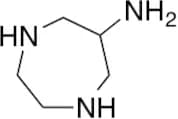
CAS:Controlled ProductFormula:C8H10N4Color and Shape:NeatMolecular weight:162.1921,4-Diazepan-6-amine Hydrobromide
CAS:Controlled ProductFormula:C5H13N3Color and Shape:NeatMolecular weight:115.17[1-(Aminomethyl)cyclohexyl]methanamine
CAS:Controlled ProductFormula:C8H18N2Color and Shape:NeatMolecular weight:142.242o-Chloramine T
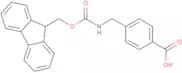
CAS:<p>O-Chloramine T is a chemical compound that is used in the treatment of cancer. It is an endoreduplication agent and has been shown to cause endothelial cell growth and apoptosis in cancer cells. O-Chloramine T binds to the membrane of cancer cells, which leads to a decrease in autocrine activity and cell binding. O-Chloramine T also inhibits endothelial cell growth by inhibiting protein synthesis and blocking the synthesis of DNA and RNA. This drug has been shown to have anti-cancer properties in animal models and hyperosmolarity properties, which may be due to its ability to cause vessels to collapse.</p>Formula:C7H7ClNNaO2SColor and Shape:PowderMolecular weight:227.64 g/molFmoc-(4-aminomethyl) benzoic acid
CAS:<p>Please enquire for more information about Fmoc-(4-aminomethyl) benzoic acid including the price, delivery time and more detailed product information at the technical inquiry form on this page</p>Formula:C23H19NO4Purity:Min. 95%Molecular weight:373.4 g/molN-Nitrosodiethylamine
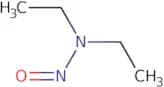
CAS:<p>N-Nitrosodiethylamine (NDEA) is a genotoxic carcinogen that is formed as an intermediate in the industrial production of nitric acid. It has been shown to be a potent inhibitor of DNA polymerase and topoisomerase II, which are involved in DNA replication and repair. NDEA has been detected in human blood samples and has been shown to induce squamous cell carcinoma in animal models. This chemical can also cause inflammation by binding to toll-like receptor 4, which activates the inflammatory response. The biocompatible polymer used for this product is not known to produce any genotoxic or mutagenic effects.</p>Formula:C4H10N2OPurity:Min. 95%Color and Shape:Colorless Clear LiquidMolecular weight:102.14 g/mol1-(4-Amino-6,7-dimethoxy-2-quinazolinyl)-4-[(tetrahydro-2-furanyl)carbonxyl]piperazine hydrochloride
CAS:<p>Terazosin HCL dehydrate is an inhibitor of alpha-1 adrenergic receptors. This results in vasodilation followed by a reduction in urethral resistance, venous return to the heart and peripheral vascular resistance. In particular Terazosin HCL hydrate’s ability to recover urine flow and alleviate symptoms in patients with benign prostatic hyperplasia is of benefit to the therapeutic and clinical industries.</p>Formula:C19H26ClN5O4Purity:Min. 95%Molecular weight:423.89 g/mol3-(2-Chlorophenyl)-1,2-oxazol-5-amine
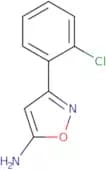
CAS:<p>Please enquire for more information about 3-(2-Chlorophenyl)-1,2-oxazol-5-amine including the price, delivery time and more detailed product information at the technical inquiry form on this page</p>Formula:C9H7ClN2OPurity:Min. 95%Molecular weight:194.62 g/mol3-Amino-2-methylquinazolin-4(3H)-one
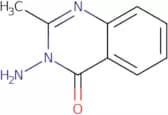
CAS:Controlled Product<p>3-Amino-2-methylquinazolin-4(3H)-one is a bidentate ligand that has been shown to have antibacterial and anticancer activity. The functional theory of the compound is based on its ability to form an imine nitrogen with metal ions such as Fe(II) or Cu(II). 3-Amino-2-methylquinazolin-4(3H)-one is not active against Staphylococcus aureus, but inhibits the growth of other bacteria by binding to their ribosomes and inhibiting protein synthesis. 3-Amino-2-methylquinazolin-4(3H)-one also has in vitro anticancer activity, which may be due to its ability to inhibit DNA synthesis and cell division.</p>Formula:C9H9N3OPurity:Min. 95%Molecular weight:175.19 g/molrac-5,6,7,8-tetrahydro-6-(propylamino)-1-naphthalenol
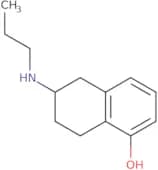
CAS:Controlled Product<p>Rotigotine is a substance that belongs to the class of active compounds. It has been shown to have optical activity, but this property is not well understood. Rotigotine is a racemic mixture with two enantiomers, which are mirror images of each other. The optical rotation of rac-5,6,7,8-tetrahydro-6-(propylamino)-1-naphthalenol is given as +28°. This property can be determined by measuring the angle of rotation when light passes through the substance in solution in contact with a polarizer and analyzer.</p>Formula:C13H19NOPurity:Min. 95%Molecular weight:205.3 g/mol3-Chloro-N-methylpropan-1-amine HCl
CAS:<p>Please enquire for more information about 3-Chloro-N-methylpropan-1-amine HCl including the price, delivery time and more detailed product information at the technical inquiry form on this page</p>Formula:C4H11Cl2NPurity:Min. 95%Molecular weight:144.04 g/mol(N,N-Dimethyl)methyleneammonium iodide
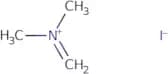
CAS:<p>(N,N-Dimethyl)methyleneammonium iodide is a potent antagonist for the histamine H2 receptor that has been shown to inhibit gastric acid secretion. It is an enantiopure compound that can be prepared by asymmetric synthesis using palladium complexes. The methylene group in this molecule is activated with hydroxylamine and acrylates, which are then reacted with ethyl diazoacetate and amines to produce (N,N-dimethyl)methyleneammonium iodide. (N,N-Dimethyl)methyleneammonium iodide is a potent antagonist at the histamine H2 receptor, where it can inhibit gastric acid secretion and reduce stomach ulcers. It also has been shown to have anti-inflammatory effects.</p>Formula:C3H8INMolecular weight:185.01 g/mol2-Bromo-N,N-dimethylethanamine hydrobromide
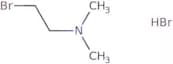
CAS:<p>2-Bromo-N,N-dimethylethanamine hydrobromide is a quaternary ammonium salt that is used as an excipient in pharmaceutical formulations. It has been used to prepare conjugates for clinical diagnostics and can be used as a substrate in phosphorus pentoxide assays. This product is also an intermediate in the synthesis of paracyclophanes, which are stereoisomers of cyclopentane. 2-Bromo-N,N-dimethylethanamine hydrobromide has been shown to have anti-inflammatory properties and may be useful for the treatment of respiratory diseases. The drug also has potential in the treatment of Alzheimer's disease due to its ability to inhibit β-amyloid aggregation.</p>Formula:C4H11Br2NPurity:Min. 95%Color and Shape:White PowderMolecular weight:232.94 g/mol4-Iodo-benzeneethanamine HCl (1:1)
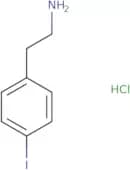
CAS:Controlled Product<p>Please enquire for more information about 4-Iodo-benzeneethanamine HCl (1:1) including the price, delivery time and more detailed product information at the technical inquiry form on this page</p>Formula:C8H11ClINPurity:Min. 95%Molecular weight:283.54 g/molN-1-Z-1,2-diaminoethane·HCl
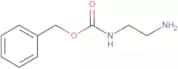
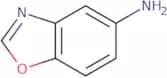
CAS:<p>N-1-Z-1,2-diaminoethane·HCl is a stable isotope of N-1-Z-1,2-diaminoethane. It is used for the analysis of plant tissue to quantify the amount of leaves or other plant parts that are present in a sample. This compound can be used to monitor changes in the level of leaves or other plant parts over time and to measure recovery rates after harvest. N-1-Z-1,2-diaminoethane·HCl is labeled with deuterium (D) in order to be detected by liquid chromatography–mass spectrometry (LC–MS). The quantification of N-1-Z-1,2-diaminoethane·HCl can be monitored using multiple reaction monitoring (MRM). The use of this stable isotope overcomes many problems associated with traditional methods, such as environmental variability and tissue degradation.</p>Formula:C10H14N2O2·HClPurity:Min. 95%Molecular weight:230.69 g/mol5-Aminobenzooxazole
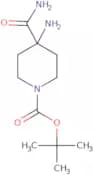
CAS:<p>5-Aminobenzooxazole is a cox-2 inhibitor that has been shown to inhibit the growth of cervical cancer cells. It acts by inhibiting ubiquitin ligases, which are enzymes that regulate protein degradation. 5-Aminobenzooxazole has shown anticancer activity in vitro and in vivo and induces cell cycle arrest and apoptosis (cell death) of cervical cancer cells. The mechanism for this effect may be due to the ability of 5-aminobenzooxazole to disrupt the acidic environment of the tumor microenvironment. This drug also inhibits glutamate neurotransmitter release, leading to neuronal death. 5-Aminobenzooxazole is not active against normal cells because they lack the enzyme needed for this reaction.</p>Formula:C7H6N2OPurity:Min. 95%Color and Shape:PowderMolecular weight:134.14 g/mol4-Amino-1-Boc-piperidine-4-carboxamide
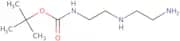
CAS:<p>Please enquire for more information about 4-Amino-1-Boc-piperidine-4-carboxamide including the price, delivery time and more detailed product information at the technical inquiry form on this page</p>Formula:C11H21N3O3Purity:Min. 95%Molecular weight:243.3 g/molN1-Boc-diethylenetriamine
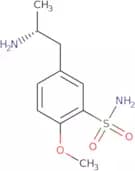
CAS:<p>N1-Boc-diethylenetriamine is a triamine that can be used as a linker in the synthesis of nucleotides and nucleobases. It has been used to synthesize adenosine triphosphate (ATP) and other nucleotides. A study on the fluorescence intensity of N1-Boc-diethylenetriamine revealed that it has resonance energy transfer interactions with naphthalimide, hydrogen bonding interactions with adenosine, and fluorescence emission from the naphthalimide group.</p>Formula:C9H21N3O2Purity:Min. 95%Color and Shape:Clear LiquidMolecular weight:203.28 g/mol(R)-5-(2-Aminopropyl)-2-methoxybenzenesulfonamide
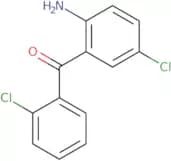
CAS:Controlled Product<p>(R)-5-(2-Aminopropyl)-2-methoxybenzenesulfonamide is an amide. It is a hydrochloric acid salt that can regulate the reaction system and introduce filtration, which can be used to separate the components of the reaction system. The kinetic and chiral properties of this compound are derived from Friedel-Crafts reactions with phosphites and Friedel-Crafts reactions with d-alanine. (R)-5-(2-Aminopropyl)-2-methoxybenzenesulfonamide can also catalyze ammonolysis and catalysis with phenoxy.</p>Formula:C10H16N2O3SPurity:Min. 95%Color and Shape:PowderMolecular weight:244.31 g/mol2-Amino-2',5-dichlorobenzophenone
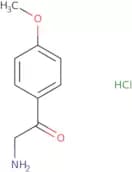
CAS:<p>2-Amino-2',5-dichlorobenzophenone (2,5-DCP) is a molecule with a chromatographic retention time of 23.8 minutes. 2,5-DCP has been detected in human urine samples using the chemical ionization technique as well as the Nova-Pak C18 column and an acetic acid/methanol mobile phase. This compound has been used as a standard for the detection of benzodiazepine drugs such as diazepam and flunitrazepam in urine samples by gas chromatography. 2,5-DCP has also been used in analytical toxicology to detect lormetazepam and lorazepam metabolites in human urine samples.</p>Formula:C13H9Cl2NOPurity:Min. 95%Color and Shape:Off-White PowderMolecular weight:266.12 g/mol2-Amino-4'-methoxyacetophenone hydrochloride
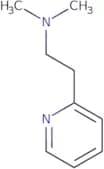
CAS:Controlled Product<p>Please enquire for more information about 2-Amino-4'-methoxyacetophenone hydrochloride including the price, delivery time and more detailed product information at the technical inquiry form on this page</p>Formula:C9H11NO2·HClPurity:Min. 95%Color and Shape:PowderMolecular weight:201.65 g/mol2-(2-Dimethylamino)Ethyl) Pyridine
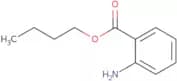
CAS:<p>2-(2-Dimethylamino)Ethyl) Pyridine is a chemical compound that contains oxygen atoms, hydroxo, and nitrogen atoms. It has a tetranuclear hexahydrate form and the molecular formula C5H7N3O2. 2-(2-Dimethylamino)Ethyl) Pyridine has been shown to have desilylation properties. 2-(2-Dimethylamino)Ethyl) Pyridine binds to group P2 of RNA and represses translation by preventing ribosomal binding to the mRNA strand. This drug is also an x-ray data collection agent in which it is used as a ligand in magnetic resonance imaging (MRI).</p>Formula:C9H14N2Purity:Min. 95%Molecular weight:150.22 g/molButyl 2-aminobenzoate
CAS:Controlled Product<p>Butyl 2-aminobenzoate is the chemical compound with the formula C5H7NO2. It is a colorless liquid that is soluble in water and organic solvents. The hydrochloride salt of butyl 2-aminobenzoate is an antimicrobial agent. This compound was first isolated in 1876 by the French chemist Charles-Adolphe Wurtz from a reaction of phosphorus pentachloride with methyl anthranilate. Butyl 2-aminobenzoate is also known as benzoic acid amide, nitrobenzene, or 1-aminoanthracene. This compound has been shown to have low energy and viscosity properties that make it useful for use in mosquito repellent sprays.</p>Formula:C11H15NO2Purity:Min. 95%Molecular weight:193.24 g/molAmmonium bicarbonate
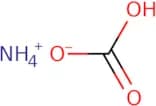
CAS:<p>Ammonium bicarbonate is a substance that has been used as a buffer to maintain pH in wastewater treatment. Ammonium bicarbonate has also been shown to be effective in the treatment of metabolic disorders, such as glycogen storage diseases and urea cycle disorders. Ammonium bicarbonate is synthesized by reacting aqueous solutions of ammonium chloride and sodium or potassium carbonate. It can also be produced through the reaction of ammonia with carbon dioxide in water vapor. The analytical method for ammonium bicarbonate is based on the reaction with trifluoroacetic acid (TFA) and the formation of ammonium trifluoroacetate. This compound can react with water to produce carbon dioxide and ammonia, which may function as a nutrient solution for microorganisms. Cyclic nucleotide phosphodiesterases are enzymes that break down cyclic nucleotides, which are important for many physiological functions, including muscle contraction and regulation of blood pressure</p>Formula:CH5NO3Purity:Min. 95%Color and Shape:White SolidMolecular weight:79.06 g/mol1-(4-Chlorophenyl)cyclopropylamine
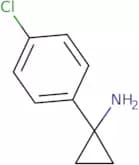
CAS:<p>Please enquire for more information about 1-(4-Chlorophenyl)cyclopropylamine including the price, delivery time and more detailed product information at the technical inquiry form on this page</p>Formula:C9H10ClNPurity:Min. 95%Molecular weight:167.64 g/mol4-(Trifluoromethyl)benzyl amine
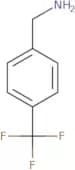
CAS:<p>4-(Trifluoromethyl)benzyl amine is a nucleophilic reagent that is used for the asymmetric synthesis of chiral amines. The reaction mechanism involves the nucleophilic attack of the trifluoromethyl group on an electron-deficient carbon atom of a substrate, followed by elimination of hydrogen fluoride. The trifluoromethyl group also acts as a light emitter when irradiated with UV light. 4-(Trifluoromethyl)benzyl amine is able to produce carbonyl groups through irreversible oxidation and has been shown to inhibit cancer cell proliferation in vitro and in vivo. This compound can be found as white crystals and has a polymorphic nature.</p>Formula:C8H8F3NPurity:Min. 95%Color and Shape:PowderMolecular weight:175.15 g/molN-(2-Aminoethyl)-4-(1,1-dimethylethyl)-2,6-dimethylbenzeneacetamide
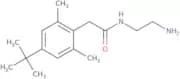
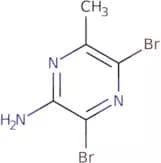
CAS:<p>Please enquire for more information about N-(2-Aminoethyl)-4-(1,1-dimethylethyl)-2,6-dimethylbenzeneacetamide including the price, delivery time and more detailed product information at the technical inquiry form on this page</p>Formula:C16H26N2OPurity:Min. 95%Color and Shape:PowderMolecular weight:262.39 g/mol3,5-Dibromo-6-methylpyrazin-2-amine
CAS:<p>Please enquire for more information about 3,5-Dibromo-6-methylpyrazin-2-amine including the price, delivery time and more detailed product information at the technical inquiry form on this page</p>Formula:C5H5Br2N3Purity:Min. 95%Molecular weight:266.92 g/mol(7S)-7-Amino-1,2,3,10-tetramethoxy-6,7-dihydro-5H-benzo[g]heptalen-9-one
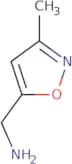
CAS:<p>(7S)-7-Amino-1,2,3,10-tetramethoxy-6,7-dihydro-5H-benzo[g]heptalen-9-one is a hydroxylated analog of demecolcine. It has been shown to be an effective antimicrobial agent with proteolytic and hypoglycemic effects in mice. 7SATM is able to inhibit the activity of human macrophages. This drug has also been shown to have diagnostic potential by binding to a monoclonal antibody that recognizes the myeloperoxidase enzyme on the surface of neutrophils.</p>Formula:C20H23NO5Purity:Min. 95 Area-%Color and Shape:Slightly Yellow PowderMolecular weight:357.4 g/mol(3-Methyl-isoxazol-5-yl)methylamine hydrochloride
CAS:<p>Please enquire for more information about (3-Methyl-isoxazol-5-yl)methylamine hydrochloride including the price, delivery time and more detailed product information at the technical inquiry form on this page</p>Formula:C5H8N2O·HClPurity:Min. 95%Molecular weight:148.59 g/mol4-N-Boc-aminocyclohexanone
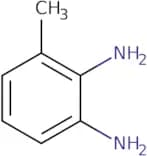
CAS:<p>4-N-Boc-aminocyclohexanone is a chemical that inhibits the proliferation of cancer cells in vitro. It also has an antiproliferative effect on fibroblast cells, which may be due to its ability to inhibit protein synthesis and induce cell death by apoptosis. 4-N-Boc-aminocyclohexanone can also be used for the preparation of photoresponsive polymers that are used in drug delivery systems. This compound can be prepared by reacting 4-aminocyclohexanol with formaldehyde in the presence of base. This reaction forms a five-membered ring via an amide bond. The amide group is then hydrolyzed to form the corresponding carboxylic acid. The colorimetric method is used to determine the degree of hydrolysis, which is determined by measuring the absorbance at 590 nm. In addition, this compound can be used as a reactive intermediate for other compounds like</p>Formula:C11H19NO3Purity:Min. 95%Color and Shape:White To Light (Or Pale) Yellow SolidMolecular weight:213.27 g/mol2,3-Diaminotoluene
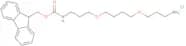
CAS:<p>2,3-Diaminotoluene is a compound that can be synthesized through the reaction of 2,4-diaminotoluene and picric acid. It has been used as a fluorescent probe for palladium complexes and has been shown to have efficient fluorescence properties in chromatographic applications. 2,3-Diaminotoluene has also been found to be an effective anti-bacterial agent against Gram-positive bacteria such as Staphylococcus aureus and Enterococcus faecalis. This compound has also been shown to have antitumour activity against leukemia cells. The synthesis of 2,3-diaminotoluene involves the reaction of amines with formaldehyde followed by dehydration.</p>Formula:C7H10N2Purity:Min. 95%Color and Shape:PowderMolecular weight:122.17 g/mol1-(Fmoc-amino)-4,9-dioxa-12-dodecanamine·HCl
CAS:Controlled Product<p>Please enquire for more information about 1-(Fmoc-amino)-4,9-dioxa-12-dodecanamine·HCl including the price, delivery time and more detailed product information at the technical inquiry form on this page</p>Formula:C25H34N2O4·HClPurity:Min. 95%Molecular weight:463.01 g/mol[4-(4-Aminophenoxy)(2-pyridyl)]-N-methylcarboxamide
CAS:<p>4-(4-Aminophenoxy)(2-pyridyl)]-N-methylcarboxamide is a chemical compound that inhibits the growth of cancer cells by binding to the active site of b-raf and blocking its activity. It has been shown in a pharmacokinetics study that 4-(4-aminophenoxy)(2-pyridyl)]-N-methylcarboxamide is absorbed rapidly through the oral administration, excreted in urine, and eliminated rapidly from the body. The optimal reaction for this drug was found to be at pH 7.0 with an ionic strength of 0.1 M (sodium chloride). This drug also has significant inhibitory activities against human cervical carcinoma and breast cancer cell lines (MDA-MB-231).</p>Formula:C13H13N3O2Purity:Min. 95%Color and Shape:Off-White To Beige To Light Brown SolidMolecular weight:243.26 g/mol4-amino[1,1'-biphenyl]-3-carboxylic acid
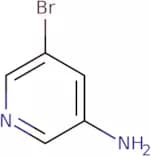
CAS:<p>Please enquire for more information about 4-amino[1,1'-biphenyl]-3-carboxylic acid including the price, delivery time and more detailed product information at the technical inquiry form on this page</p>Formula:C13H11O2NPurity:Min. 95%Molecular weight:213.23 g/mol3-Amino-5-bromopyridine
CAS:<p>3-Amino-5-bromopyridine (3ABP) is a linker for the synthesis of cisplatin. It has been shown to have strong bactericidal activity against Escherichia coli and Staphylococcus aureus. 3ABP is cytotoxic to both renal proximal tubule cells and ring-opening cells, which are found in the kidney. It is also an inhibitor of nicotinic acetylcholine receptors (nAChRs), which are proteins that control nerve cell communication. 3ABP's pharmacokinetic properties make it suitable as a linker for cisplatin, as it has good oral bioavailability, low systemic toxicity, and high tissue selectivity.</p>Formula:C5H5BrN2Purity:Min. 98 Area-%Molecular weight:173.01 g/molHexamethylenediamine adipate
CAS:<p>Hexamethylenediamine adipate (HMDAA) is a pyrimidine compound with the chemical formula of CHN(NHCOCH). It is an amide that emits light when heated. HMDAA can be used as a chemical intermediate and has shown to be stable in sodium salt solutions. HMDAA is also used as a dicarboxylic acid or dicarboxylic acid ester, which is important for the production of polyamide-6. It can also be used to produce glycol ethers, which are useful in the manufacture of water vapor. This product has shown to have diamine and trifluoroacetic acid properties.</p>Formula:C12H26N2O4Purity:Min. 95%Molecular weight:262.35 g/molDansyl ethylenediamine
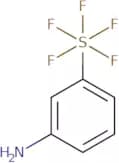
CAS:<p>Dansyl ethylenediamine is a fluorescent probe that binds to peptides containing an amino acid with a free sulfhydryl group. It is used in the study of biological samples, such as tissue culture and blood cells, for detecting amines. Dansyl ethylenediamine has been shown to bind to α1-acid glycoprotein, which is present in human plasma and increases in concentration during congestive heart failure. This compound also exhibits conformational properties that make it ideal for analytical chemistry techniques such as high performance liquid chromatography (HPLC) and gas chromatography (GC).</p>Formula:C14H19N3O2SPurity:Min. 95%Color and Shape:Off-White PowderMolecular weight:293.39 g/mol3-Aminophenylsulphur pentafluoride
CAS:<p>3-Aminophenylsulphur pentafluoride is a synthetic chemical compound. It is a ligand with an electron-withdrawing group and has been shown to be a strong oxidizing agent. 3-Aminophenylsulphur pentafluoride reacts with phosphine oxides, yielding phosphines. This reaction can be used for the synthesis of heterocycles that contain phosphorus in their ring system. 3-Aminophenylsulphur pentafluoride also reacts with alkyl halides to produce heterocycles containing sulphur, such as pyridines or thiophenes. The reaction time between 3-aminophenylsulphur pentafluoride and alkyl halides is dependent on the oxidation potential of the alkyl halides, which can be determined by measuring the absorption spectra of the resulting heterocycles. 3-Aminophenylsulf</p>Formula:C6H6F5NSPurity:Min. 95%Molecular weight:219.18 g/mol(S)-tert-Butyl 3-(methylamino)pyrrolidine-1-carboxylate
CAS:<p>(S)-tert-Butyl 3-(methylamino)pyrrolidine-1-carboxylate is a research chemical that can be used as a versatile building block for the synthesis of complex compounds. It is also a reaction component in the synthesis of speciality chemicals and useful scaffolds. It has been shown to have high quality, reagent grade and purity.</p>Formula:C10H20N2O2Purity:Min. 95%Color and Shape:PowderMolecular weight:200.28 g/mol8-[(2-Hydroxyethyl)(methyl)amino]-1,3,9-trimethyl-3,9-dihydro-1H-purine-2,6-dione
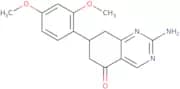
CAS:Controlled Product<p>Please enquire for more information about 8-[(2-Hydroxyethyl)(methyl)amino]-1,3,9-trimethyl-3,9-dihydro-1H-purine-2,6-dione including the price, delivery time and more detailed product information at the technical inquiry form on this page</p>Formula:C11H17N5O3Purity:Min. 95%Molecular weight:267.28 g/mol2-Amino-7-(2,4-dimethoxyphenyl)-7,8-dihydroquinazolin-5(6H)-one
CAS:Controlled Product<p>Please enquire for more information about 2-Amino-7-(2,4-dimethoxyphenyl)-7,8-dihydroquinazolin-5(6H)-one including the price, delivery time and more detailed product information at the technical inquiry form on this page</p>Formula:C16H17N3O3Purity:Min. 95%Molecular weight:299.32 g/molMethylamine thiocyanate
CAS:Controlled Product<p>Methylamine thiocyanate is a chemical compound that is used in the production of silicone rubber. It can be synthesized by the reaction of methylamine and nitrous acid with a base such as sodium hydroxide or potassium hydroxide. Methylamine thiocyanate has been shown to have synergistic effects with a number of other chemicals, including hydrocarbons, silicates, and perovskites. This compound has also been shown to have a morphology that is dependent on the type of solvent it is mixed in, which can alter its commercialization potential. Methylamine thiocyanate has also been shown to interact with organic solvents and hydrogen bonds.BR>BR>Methylamine thiocyanate undergoes hydrolysis when exposed to water or acids such as hydrochloric acid or sodium hydroxide solution.</p>Formula:C2H6N2SPurity:Min. 95%Molecular weight:90.15 g/mol

amine](/_next/image/?url=https%3A%2Fstatic.cymitquimica.com%2Fproducts%2FTR%2Fthumb-webp%2FB401860.webp&w=3840&q=75)
![4-[(1,1-Dioxidobenzo[d]isothiazol-3-yl)(methyl)amino]phenyl Acrylate](/_next/image/?url=https%3A%2Fstatic.cymitquimica.com%2Fproducts%2FTR%2Fthumb-webp%2FD486983.webp&w=3840&q=75)
![N-[(2,4-Difluorophenyl)methyl]-2,4-difluoro-benzenemethanamine](/_next/image/?url=https%3A%2Fstatic.cymitquimica.com%2Fproducts%2FTR%2Fthumb-webp%2FD448188.webp&w=3840&q=75)

![6-[(34-Amino-8,13,22,27-tetraoxo-7,14,21,28-tetraazatetratriacont-1-yl)amino]-6-oxo-hexanoic Acid](/_next/image/?url=https%3A%2Fstatic.cymitquimica.com%2Fproducts%2FTR%2Fthumb-webp%2FA610110.webp&w=3840&q=75)



![α-[[(1,1-Dimethylethoxy)carbonyl]amino]-2-fluoro-4-hydroxybenzeneacetic Acid](/_next/image/?url=https%3A%2Fstatic.cymitquimica.com%2Fproducts%2FTR%2Fthumb-webp%2FD472900.webp&w=3840&q=75)

![trans-[2-(4-Fluorophenyl)cyclopropyl]amine Hydrochloride](/_next/image/?url=https%3A%2Fstatic.cymitquimica.com%2Fproducts%2FTR%2Fthumb-webp%2FF588540.webp&w=3840&q=75)


![N,N-Diethyl-2-[(phenylmethyl)thio]ethanamine](/_next/image/?url=https%3A%2Fstatic.cymitquimica.com%2Fproducts%2FTR%2Fthumb-webp%2FD444715.webp&w=3840&q=75)



![N-[[(2R,3S,4R)-4-[Bis[(3-cyanophenyl)methyl]amino]-3-hydroxyoxolan-2-yl]methyl]cyclopropanecarboxa…](/_next/image/?url=https%3A%2Fstatic.cymitquimica.com%2Fproducts%2FTR%2Fthumb-webp%2FB400145.webp&w=3840&q=75)
![(alphaR,gammaR)-γ-[[(1,1-Dimethylethoxy)carbonyl]amino]-α-methyl-[1,1'-biphenyl]-4-…](/_next/image/?url=https%3A%2Fstatic.cymitquimica.com%2Fproducts%2FTR%2Fthumb-webp%2FD473805.webp&w=3840&q=75)
![Methyl (1R,4S)-4-[[(1,1-Dimethylethoxy)carbonyl]amino]-2-cyclopentene-1-carboxylic Acid Ester](/_next/image/?url=https%3A%2Fstatic.cymitquimica.com%2Fproducts%2FTR%2Fthumb-webp%2FM220430.webp&w=3840&q=75)
![[1-(Aminomethyl)cyclohexyl]methanamine](/_next/image/?url=https%3A%2Fstatic.cymitquimica.com%2Fproducts%2FTR%2Fthumb-webp%2FA636278.webp&w=3840&q=75)


![1-(4-Amino-6,7-dimethoxy-2-quinazolinyl)-4-[(tetrahydro-2-furanyl)carbonxyl]piperazine hydrochlori…](/_next/image/?url=https%3A%2Fstatic.cymitquimica.com%2Fproducts%2F3D%2Fthumb-webp%2FFA28036.webp&w=3840&q=75)

![(7S)-7-Amino-1,2,3,10-tetramethoxy-6,7-dihydro-5H-benzo[g]heptalen-9-one](/_next/image/?url=https%3A%2Fstatic.cymitquimica.com%2Fproducts%2F3D%2Fthumb-webp%2FFA20821.webp&w=3840&q=75)

![[4-(4-Aminophenoxy)(2-pyridyl)]-N-methylcarboxamide](/_next/image/?url=https%3A%2Fstatic.cymitquimica.com%2Fproducts%2F3D%2Fthumb-webp%2FFA17813.webp&w=3840&q=75)
![4-amino[1,1'-biphenyl]-3-carboxylic acid](/_next/image/?url=https%3A%2Fstatic.cymitquimica.com%2Fproducts%2F3D%2Fthumb-webp%2FFA58870.webp&w=3840&q=75)



![8-[(2-Hydroxyethyl)(methyl)amino]-1,3,9-trimethyl-3,9-dihydro-1H-purine-2,6-dione](/_next/image/?url=https%3A%2Fstatic.cymitquimica.com%2Fproducts%2F3D%2Fthumb-webp%2FFH132897.webp&w=3840&q=75)