Amines
Amines are a set of molecules containing an amino functional group (derived from ammonia). This category includes amines at any level of substitution : primary, secondary, tertiary, and ammonium salts. Amines are fundamental in organic synthesis and are widely used in pharmaceuticals, agrochemicals, and materials science. At CymitQuimica, we provide a comprehensive selection of amines to meet your research and industrial needs. Our range ensures access to various amines for diverse chemical processes and innovative research.
Subcategories of "Amines"
- Nitrosamines(2,606 products)
- Primary Amines(30,805 products)
- Quaternary Ammonium Cations and Salts(1,099 products)
- Secondary Amines(20,809 products)
- Tertiary Amines(17,111 products)
Found 8777 products of "Amines"
Sort by
Purity (%)
0
100
|
0
|
50
|
90
|
95
|
100
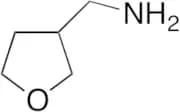
Tetrahydro-3-furanmethanamine
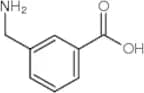
CAS:Controlled Product<p>Applications Tetrahydro-3-furanmethanamine is an intermediate in the synthesis of Dinoteturan (D482100), a neonicotinoid insecticide.<br> Not a dangerous good if item is equal to or less than 1g/ml and there is less than 100g/ml in the package<br></p>Formula:C10H16OColor and Shape:NeatMolecular weight:152.2333-Aminomethylbenzoic Acid
CAS:Controlled Product<p>Applications 3-Aminomethylbenzoic acid<br></p>Formula:C8H9NO2Color and Shape:NeatMolecular weight:151.1633-Aminomethyl-adamantane-1-carboxylic Acid Hydrochloride
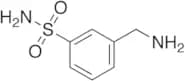
CAS:Controlled ProductFormula:C12H19NO2•HClColor and Shape:NeatMolecular weight:209.28 + (36.46)3-Sulfamoylbenzylamine
CAS:Controlled ProductFormula:C7H10N2O2SColor and Shape:NeatMolecular weight:186.232Ethyl 2-(2-Aminothiazol-4-yl)glyoxylate
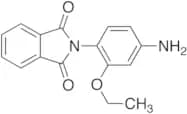
CAS:Controlled Product<p>Applications Ethyl 2-(2-Aminothiazol-4-yl)glyoxylate is used in the synthesis of antibacterial compounds. Also used in the synthesis of antiallergic and antiinflammatory agents, as glycolic amide derivatives.<br>References Takasugi, H. et al.: J. Antibio., 36, 846 (1983); Ban, M. et al.: Bioorg. Med. Chem., 6, 1069 (1998);<br></p>Formula:C7H8N2O3SColor and Shape:NeatMolecular weight:200.222-(4-Amino-2-ethoxyphenyl)pthalimide
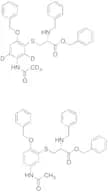
CAS:Controlled Product<p>Applications 2-(4-Amino-2-ethoxyphenyl)pthalimide (cas# 106981-52-6) is a compound useful in organic synthesis.<br></p>Formula:C16H14N2O3Color and Shape:NeatMolecular weight:282.29(R)-Benzyl 3-((5-Acetamido-2-(benzyloxy)phenyl)thio-2-(benzylamino)propanoate
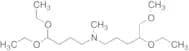
Controlled ProductFormula:C32H32N2O4SColor and Shape:NeatMolecular weight:540.673Bis(4,4-Diethoxybutyl)methylamine
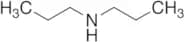
Controlled ProductFormula:C17H37NO4Color and Shape:NeatMolecular weight:319.48n-Dipropylamine
CAS:Controlled Product<p>Applications n-Dipropylamine is a useful reagent for the preparation of perylene derivatives for photosensitive fluorescent resins.<br> Not a dangerous good if item is equal to or less than 1g/ml and there is less than 100g/ml in the package<br>References Jang, H., et al.: PCT Int. Appl. (2021), WO 2021010703 A1<br></p>Formula:C6H15NColor and Shape:ColourlessMolecular weight:101.19Benzyltrimethylammonium Dichloroiodate
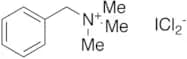
CAS:Controlled Product<p>Applications Benzyltrimethylammonium dichloroiodate is used in the mechanism of oxidation.<br>References Srinivasan, N., et al.: Tetrahedron, 30, 419 (1974), Sankhla, R., et al.: J. Chem. Res., 0465 (2002),<br></p>Formula:C10H16Cl2INColor and Shape:NeatMolecular weight:348.05Ethyl-2-(6-amino-2,3-dichlorobenzylamino)acetate Hydrochloride
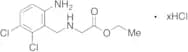
CAS:Controlled ProductFormula:C11H14Cl2N2O2·ClHColor and Shape:NeatMolecular weight:313.61Isopropyl 6-Aminohexanoate
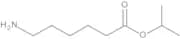
CAS:Controlled ProductFormula:C9H19NO2Color and Shape:NeatMolecular weight:173.253-Aminocyclohexanol(cis/trans mixture)
CAS:Controlled Product<p>Applications 3-Aminocyclohexanol_x000D_(cis/trans mixture) (cas# 6850-39-1) is a compound useful in organic synthesis.<br></p>Formula:C6H13NOColor and Shape:NeatMolecular weight:115.172-Aminobenzenesulphonic Acid
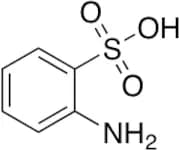
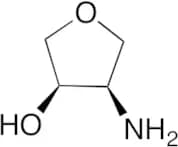
CAS:Controlled Product<p>Applications 2-Aminobenzenesulphonic acid (cas# 88-21-1) is a useful research chemical.<br> Not a dangerous good if item is equal to or less than 1g/ml and there is less than 100g/ml in the package<br></p>Formula:C6H7NO3SColor and Shape:Light Brown SolidMolecular weight:173.19(3R-cis)-4-Aminotetrahydro-3-furanol
CAS:Controlled ProductFormula:C4H9NO2Color and Shape:NeatMolecular weight:103.12(R,R)-trans-3-Amino-1-indanol
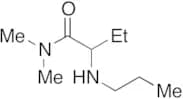
CAS:Controlled ProductFormula:C9H11NOColor and Shape:NeatMolecular weight:149.19N,N-Dimethyl-2-propylaminobutyramide
CAS:Controlled ProductFormula:C9H20N2OColor and Shape:NeatMolecular weight:172.2685-Amino-2-bromobenzoic Acid
CAS:Controlled Product<p>Applications 5-Amino-2-bromobenzoic acid (cas# 2840-02-0) is a useful research chemical.<br></p>Formula:C7H6NO2BrColor and Shape:NeatMolecular weight:216.035-(Aminomethyl)furan-2-carboxylic Acid Hydrochloride
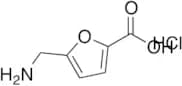
CAS:Controlled Product<p>Applications 5-(Aminomethyl)furan-2-carboxylic Acid Hydrochloride is a useful reagent in the preparation of novel heteroaromatic substrates of GABA aminotransferase.<br>References Hawker, D. D., et al.: Bioorg. Med. Chem., 20, 5763 (2012)<br></p>Formula:C6H7NO3•HClColor and Shape:NeatMolecular weight:141.13 + (36.46)2-(Aminosulfonyl)benzoic Acid
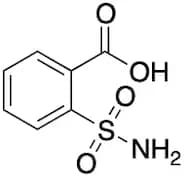
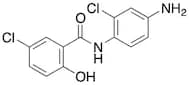
CAS:Controlled Product<p>Applications 2-(Aminosulfonyl)benzoic Acid can be used as reactant/reagent in synthesis and pharmacological activity of γ-(phenyloxamido)- and γ-(phenylsulfonyloxamido)butanoic acids.<br>References Georgiyants, V. A., et al.: Farmatsevtichnii Zhurnal, 2, 34 (2010);<br></p>Formula:C7H7NO4SColor and Shape:NeatMolecular weight:201.2N-(4-Amino-2-chlorophenyl)-5-chloro-2-hydroxybenzamide
CAS:Controlled Product<p>Applications N-(4-amino-2-chlorophenyl)-5-chloro-2-hydroxybenzamide (cas# 10558-45-9) is a useful research chemical.<br></p>Formula:C13H10N2O2Cl2Color and Shape:NeatMolecular weight:297.14tert-Butyl (3-(2-(2-(3-Aminopropoxy)ethoxy)ethoxy)propyl)carbamate
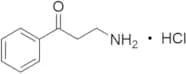
CAS:Controlled Product<p>Applications tert-Butyl (3-(2-(2-(3-Aminopropoxy)ethoxy)ethoxy)propyl)carbamate is used as a reactant in the synthesis of gallium-labeled PET imaging agents for CXCR4 for potential cancer diagnosis.<br>References Poty, Sophie, et al.: Bioconjugate Chem., 27(3), 752-761 (2016)<br></p>Formula:C15H32N2O5Color and Shape:NeatMolecular weight:320.423-Amino-1-phenylpropan-1-one Hydrochloride
CAS:Controlled ProductFormula:C9H12ClNOColor and Shape:NeatMolecular weight:185.6511,2,3,5,6,7-Hexahydro-S-5-indacen-4yl-amine
CAS:Controlled Product<p>Stability Hygroscopic<br>Applications A useful synthetic intermediate.<br></p>Formula:C12H15NColor and Shape:NeatMolecular weight:173.252-(Methylamino)octanoic Acid
CAS:Controlled Product<p>Applications 2-(methylamino)octanoic acid (cas# 101080-67-5) is a useful research chemical.<br></p>Formula:C9H19NO2Color and Shape:NeatMolecular weight:173.253-[Benzyl(methyl)amino]propane-1,2-diol
CAS:Controlled Product<p>Applications 3-[benzyl(methyl)amino]propane-1,2-diol (cas# 60278-98-0) is a useful research chemical.<br></p>Formula:C11H17NO2Color and Shape:NeatMolecular weight:195.2582-Benzylthio-5-amino-1,3,4-thiadiazole
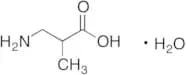
CAS:Controlled Product<p>Applications 2-Benzylthio-5-amino-1,3,4-thiadiazole is used to study and investigate its antitumor activities against human cervix adenocarcinoma(HeLa), human liver cancer cell(SMMC-7721), human breast cancer cell(MCF-7) and human lung cancer cell(A549) lines that isfurther evaluated by CCK-8 assay.<br>References Zhao, J., et. al., Chem. Res. Chin. Univ.,30, 764-769 (2014)<br></p>Formula:C8H5N3O3Color and Shape:NeatMolecular weight:191.144DL-3-Aminoisobutyric Acid Hydrate
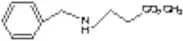
CAS:Controlled Product<p>Applications DL-3-aminoisobutyric acid hydrate is a useful research chemical for organic synthesis and other chemical processes.<br>References Saito, N., et al.: Bunseki Kagaku, 63, 909 (2014)<br></p>Formula:C4H9NO2·H2OColor and Shape:NeatMolecular weight:103.12 + (18.02)Methyl 3-(N-Benzylamino)propionate
CAS:Controlled Product<p>Applications Used for the preparation of dihydrouracils as anti-ictogenic or anti-epileptogenic agents.<br>References Akoulitchev, S., et al.: Nature, 377, 557 (1995), Marshall, N., et al.: J. Biol. Chem., 270, 12335 (1995), Marshall, N., et al.: J. Biol. Chem., 271, 27176 (1996), Shapiro, G., et al.: J. Clin. Oncol., 24, 1770 (2006),<br></p>Formula:C11H15NO2Color and Shape:NeatMolecular weight:193.24tert-Butyl 3-[4-(2-Amino-ethyl)-phenyl]-propionate Hydrochloride
CAS:Controlled ProductFormula:C15H23NO2·HClColor and Shape:NeatMolecular weight:285.81tert-Butyl 2-amino-3-hydroxypropanoate
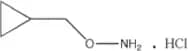
CAS:Controlled ProductFormula:C7H15NO3Color and Shape:NeatMolecular weight:161.199O-Cyclopropylmethyl-hydroxylamine, Hydrochloride
CAS:Controlled Product<p>Applications O-Cyclopropylmethyl-hydroxylamine, Hydrochloride (cas# 74124-04-2) is a compound useful in organic synthesis.<br></p>Formula:C4H9NO·ClHColor and Shape:NeatMolecular weight:123.581,5-Anhydro-2,3,4-trideoxy-2-[[(1,1-dimethylethoxy)carbonyl]amino]-D-erythrohexitol
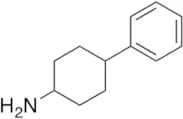
CAS:Controlled ProductFormula:C11H21NO4Color and Shape:NeatMolecular weight:231.2894-Phenylcyclohexanamine
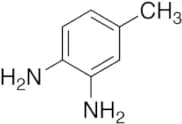
CAS:Controlled Product<p>Applications 4-phenylcyclohexanamine (cas# 19992-45-1) is a useful research chemical.<br></p>Formula:C12H17NColor and Shape:NeatMolecular weight:175.273,4-Diaminotoluene
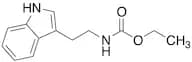
CAS:Controlled Product<p>Stability Hygroscopic<br>Applications 5-Methylbenzotriazole intermediate.<br>References Vitale, G., et al.: Med. Chem., 5, 507 (2009), El-Sharief, A., et al.: Eur. J. Med. Chem., 44, 4315 (2009), Potter, A., et al.: Bioorg. Med. Chem. Lett., 20, 586 (2010),<br></p>Formula:C7H10N2Color and Shape:NeatMolecular weight:122.17N10-(Ethoxycarbonyl)tryptamine
CAS:Controlled Product<p>Applications N10-(Ethoxycarbonyl)tryptamine is an intermediate in the synthesis of N-Methyltryptamine-d3 (M331922), which is a labeled N-Methyltryptamine, a N-monomethylated derivative of tryptamine. N-Methyltryptamine, unlike its unmethylated counterpart, does not produce any psychoactive effects. High levels of N-Methyltryptamine have been found in cisternal cerebrospinal fluid of patients with acute paranoid schizophrenia.<br>References Schmid, C. et al.: J. Neurosci., 30, 13513 (2010); Uebelhack, R. et al.: Biomed. Biochim. Acta, 42, 1343 (1983);<br></p>Formula:C13H16N2O2Color and Shape:NeatMolecular weight:232.2783-[[[3-(Aminomethyl)-5-methyl-1-oxohexyl]amino]methyl]-5-methyl-hexanoic Acid
CAS:Controlled Product<p>Applications 3-[[[3-(Aminomethyl)-5-methyl-1-oxohexyl]amino]methyl]-5-methyl-hexanoic Acid is an intermediate in synthesizing 4,9-Diisobutyl-1,6-diazecane-2,7-dione (D456300), an impurity of rac-Pregabalin (P704800) which is a GABA analogue used as an anticonvulsant.<br>References Taylor, C.P., at al.: Epilepsy Res., 14, 11 (1993), Field, M.J., et al.: Pain, 80, 391 (1999)<br></p>Formula:C16H32N2O3Color and Shape:NeatMolecular weight:300.44(2S)-2-aminopropanenitrile-d
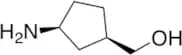
CAS:Controlled ProductFormula:C3DH5N2Color and Shape:NeatMolecular weight:71.099(1R-cis)-3-Aminocyclopentanemethanol
CAS:Controlled ProductFormula:C6H13NOColor and Shape:NeatMolecular weight:115.175-Aminobenzo[C]isothiazole
CAS:Controlled ProductFormula:C7H6N2SColor and Shape:NeatMolecular weight:150.2012-((tert-Butoxycarbonyl)amino)spiro[3.3]heptane-2-carboxylic Acid
CAS:Controlled ProductFormula:C13H21NO4Color and Shape:NeatMolecular weight:255.313-Aminopropionitrile Fumarate (2:1)
CAS:Controlled Product<p>Applications In mammals, metabolism of 3-aminopropionitrile leads to release of cyanide ions. Metabolic activity is localized in the microsomal fraction of the liver, and is believed to proceed through a free-radical pathway.<br>References Fernandez, G., et al.: Vet. Human Toxicol., 33, 321 (1991)<br></p>Formula:C10H16N4O4Color and Shape:NeatMolecular weight:256.262,3-Dimethyl-2H-indazol-6-ylamine
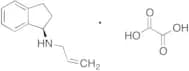
CAS:Controlled Product<p>Applications 2,3-Dimethyl-2H-indazol-6-ylamine is a reagent used in the synthesis of Pazopanib derivatives as antitumor agents.<br>References Jia, Y., et al.: Chem. Biol. Drug Design, 83, 306 (2014)<br></p>Formula:C9H11N3Color and Shape:NeatMolecular weight:161.20(1R)-2,3-Dihydro-N-2-propen-1-yl-1H-inden-1-amine Ethanedioate
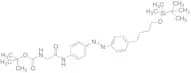
CAS:Controlled Product<p>Applications (1R)-2,3-Dihydro-N-2-propen-1-yl-1H-inden-1-amine Ethanedioate is an intermediate used in the synthesis of propargylated aminoindan derivatives via allylation, bromination, dehalogenation sequence.<br>References Phull, M., et al.: PCT Int. Appl., WO 2009081148 A1 20090702 (2009)<br></p>Formula:C21H23NO10Color and Shape:NeatMolecular weight:449.408(E)-tert-Butyl (2-((4-((4-(4-((tert-Butyldimethylsilyl)oxy)butyl)phenyl)diazenyl)phenyl)amino)-2-oxoethyl)carbamate
Controlled ProductFormula:C29H44N4O4SiColor and Shape:NeatMolecular weight:540.77(S)-2-Amino-3-(4-aminophenyl)propan-1-ol
CAS:Controlled Product<p>Applications (S)-2-Amino-3-(4-aminophenyl)propan-1-ol is derived from (2S)-2-Amino-3-(4-nitrophenyl)-1-propanol (A618365), which can be used as an intermediate in the synthesis of various pharmaceutical compounds. It is used in the preparation of a new series of 2-substituted thiazole carboxamides as potent inhibitors of Akt kinases.<br>References Shaohua, Ch., et al.: Bioorg. Med. Chem. Lett., 22, 1208 (2012);<br></p>Formula:C9H14N2OColor and Shape:NeatMolecular weight:166.22N-Phenyl-4-biphenylamine
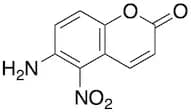
CAS:Controlled Product<p>Applications N-Phenyl-4-biphenylamine (cas# 32228-99-2) is a useful reagent for the preparation of heterocyclic compounds for organic electrical devices.<br>References Oh, H. J., et al.: Repub. Korean Kongkae Taeho Kongbo (2020), KR 2020095104 A<br></p>Formula:C18H15NColor and Shape:NeatMolecular weight:245.336-Amino-5-nitrochromen-2-one
CAS:Controlled Product<p>Applications 6-Amino-5-nitrochromen-2-one is a reagent used in the synthesis of pyranopyridinediones.<br>References Khan, M. et al.: J. Pure App. Sci., 22, 37 (2004);<br></p>Formula:C9H6N2O4Color and Shape:NeatMolecular weight:206.1551,11-Diaminoundecane
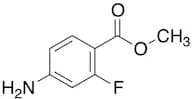
CAS:Controlled Product<p>Applications 1,11-Diaminoundecane<br></p>Formula:C11H26N2Color and Shape:NeatMolecular weight:186.34Methyl 4-amino-2-fluorobenzoate
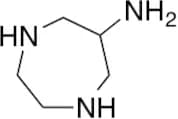
CAS:Controlled Product<p>Applications Methyl 4-amino-2-fluorobenzoate<br></p>Formula:C8H8FNO2Color and Shape:NeatMolecular weight:169.151,4-Diazepan-6-amine Hydrobromide
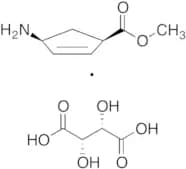
CAS:Controlled ProductFormula:C5H13N3Color and Shape:NeatMolecular weight:115.17Methyl (1R,4S)-4-Amino-2-cyclopentene-1-carboxylate (2S,3S)-2,3-Dihydroxybutanedioic Acid
CAS:Controlled Product<p>Applications Methyl (1R,4S)-4-Amino-2-cyclopentene-1-carboxylate (2S,3S)-2,3-Dihydroxybutanedioic Acid is an intermediate used in the synthesis of ent-Abacavir (A105015), which is an enatiomer of Abacavir (A105000). Abacavir is a carbocyclic 2'-deoxyguanosine nucleoside reverse transcriptase inhibitor and an anti-HIV drug used to treat HIV infection (1). Intracellular enzymes convert Abacavir to its active form, carbovir-triphosphate (CBV-TP), which then selectively inhibits HIV reverse transcriptase by incorporating into viral DNA (2). Abacavir is metabolized in the liver by uridine diphosphate glucuronyltransferase and alcohol dehydrogenase resulting in inactive glucuronide and carboxylate metabolites, respectively.<br></p>Formula:C7H11NO2·C4H6O6Color and Shape:NeatMolecular weight:291.261-(Carbamoylamino)cyclopropane-1-carboxylic Acid
CAS:Controlled ProductFormula:C5H8N2O3Color and Shape:NeatMolecular weight:144.1293-[(2-Hydroxyethyl)amino]propanoic Acid
CAS:Controlled Product<p>Applications 3-[(2-Hydroxyethyl)Amino]Propanoic Acid (cas# 5458-99-1) is a useful research chemical.<br></p>Formula:C5H11NO3Color and Shape:NeatMolecular weight:133.155-Aminobenzene-1,3-diol
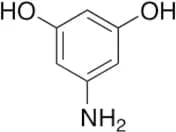
CAS:Controlled ProductFormula:C6H7NO2Color and Shape:NeatMolecular weight:125.125Amino-PEG3-C2-Azido
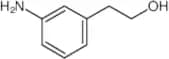
CAS:Controlled Product<p>Stability Light Sensitive<br>Applications A PEG derivative, which contains a free amine that can be conjugated to biological molecules directly by an amide linkage (or via the corresponding isothiocyanate) and an azide that can be reduced to an amine for conjugation to other molecules. PEG derivatives are water soluble. Bifunctional water soluble compounds with flexible dimensions allow for conjugation of small molecules to proteins or molecular probes. 1-amino-11-azido-3,6,9-trioxaundecane can be reacted with small organic molecules for the synthesis of heterobifunctional compounds. It has been used to synthesize a mannose-fluorescein conjugate for the study of cell-surface mannose-specific lectins.<br> Not a dangerous good if item is equal to or less than 1g/ml and there is less than 100g/ml in the package<br>References Aslan, K., et al.: J. Fluoresc., 14, 391 (2004), Gole, A., et al.: Langmuir, 20, 7117 (2004), Cavalcante, A., et al.: Biochem. Eng. J., 29, 258 (2006),<br></p>Formula:C8H18N4O3Color and Shape:NeatMolecular weight:218.252-(3-Aminophenyl)ethanol
CAS:Controlled Product<p>Applications 2-(3-Aminophenyl)ethanol is a useful compound for the synthesis of indolines and dihydrobenzofurans via iron and copper-catalyzed iodination and cyclization.<br>References Henry, M. C., et al.: J. Org. Chem., 84, 346 (2019)<br></p>Formula:C8H11NOColor and Shape:NeatMolecular weight:137.18Azido-PEG1-amine
CAS:Controlled Product<p>Applications Azido-PEG1-amine (cas# 464190-91-8) is a useful research chemical.<br></p>Formula:C4H10N4OColor and Shape:NeatMolecular weight:130.15Methyl (1R,4S)-4-[[(1,1-Dimethylethoxy)carbonyl]amino]-2-cyclopentene-1-carboxylic Acid Ester
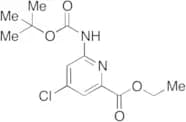
CAS:Controlled Product<p>Applications Methyl (1R,4S)-4-[[(1,1-Dimethylethoxy)carbonyl]amino]-2-cyclopentene-1-carboxylic Acid Ester is used in the discovery of a potent, selective and orally bioavailable dual CCR2 and CCR5 antagonist.<br>References Zheng, C., et al.: Bioorg. Med. Chem. Lett., 21, 1442-1446 (2011)<br></p>Formula:C12H19NO4Color and Shape:NeatMolecular weight:241.284Ethyl 6-(tert-Butoxycarbonylamino)-4-chloropicolinate
CAS:Controlled ProductFormula:C13H17ClN2O4Color and Shape:NeatMolecular weight:300.744-N-Boc-aminocyclohexanone
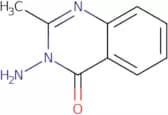
CAS:<p>4-N-Boc-aminocyclohexanone is a chemical that inhibits the proliferation of cancer cells in vitro. It also has an antiproliferative effect on fibroblast cells, which may be due to its ability to inhibit protein synthesis and induce cell death by apoptosis. 4-N-Boc-aminocyclohexanone can also be used for the preparation of photoresponsive polymers that are used in drug delivery systems. This compound can be prepared by reacting 4-aminocyclohexanol with formaldehyde in the presence of base. This reaction forms a five-membered ring via an amide bond. The amide group is then hydrolyzed to form the corresponding carboxylic acid. The colorimetric method is used to determine the degree of hydrolysis, which is determined by measuring the absorbance at 590 nm. In addition, this compound can be used as a reactive intermediate for other compounds like</p>Formula:C11H19NO3Purity:Min. 95%Color and Shape:White To Light (Or Pale) Yellow SolidMolecular weight:213.27 g/mol3-Amino-2-methylquinazolin-4(3H)-one
CAS:Controlled Product<p>3-Amino-2-methylquinazolin-4(3H)-one is a bidentate ligand that has been shown to have antibacterial and anticancer activity. The functional theory of the compound is based on its ability to form an imine nitrogen with metal ions such as Fe(II) or Cu(II). 3-Amino-2-methylquinazolin-4(3H)-one is not active against Staphylococcus aureus, but inhibits the growth of other bacteria by binding to their ribosomes and inhibiting protein synthesis. 3-Amino-2-methylquinazolin-4(3H)-one also has in vitro anticancer activity, which may be due to its ability to inhibit DNA synthesis and cell division.</p>Formula:C9H9N3OPurity:Min. 95%Molecular weight:175.19 g/mol(2R)-1-[2-[(3-Hydroxytricyclo[3.3.1.1(3,7)]dec-1-yl)amino]acetyl]-2-pyrrolidinecarbonitrile
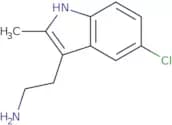
CAS:<p>(2R)-1-[2-[(3-Hydroxytricyclo[3.3.1.1(3,7)]dec-1-yl)amino]acetyl]-2-pyrrolidinecarbonitrile is a drug that belongs to the class of DPP-IV inhibitors and is used for the treatment of type 2 diabetes mellitus. It has been shown to be effective in reducing postprandial blood glucose levels in patients with type 2 diabetes mellitus. The mechanism of action of this drug is not fully understood, but it may have an effect on insulin release from pancreatic beta cells and/or inhibition of gastric emptying or intestinal absorption of glucose. This drug has been shown to reduce tubulointerstitial injury in diabetic rats and can be used as a combination therapy for type 2 diabetes mellitus. There are no known clinically relevant interactions between (2R)-1-[2-[(3-Hydroxytricyclo</p>Formula:C17H25N3O2Purity:Min. 95%Molecular weight:303.4 g/mol2-(5-chloro-2-methyl-1H-indol-3-yl)ethanamine
CAS:Controlled Product<p>Please enquire for more information about 2-(5-chloro-2-methyl-1H-indol-3-yl)ethanamine including the price, delivery time and more detailed product information at the technical inquiry form on this page</p>Formula:C11H13ClN2Purity:Min. 95%Molecular weight:208.69 g/molPravastatin 1,1,3,3-tetramethylbutylamine
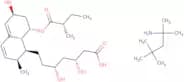
CAS:<p>Please enquire for more information about Pravastatin 1,1,3,3-tetramethylbutylamine including the price, delivery time and more detailed product information at the technical inquiry form on this page</p>Formula:C31H55NO7Purity:Min. 95%Molecular weight:553.77 g/mol4-(N-Methylamino)phenylboronic acid pinacol ester
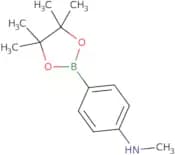
CAS:<p>Please enquire for more information about 4-(N-Methylamino)phenylboronic acid pinacol ester including the price, delivery time and more detailed product information at the technical inquiry form on this page</p>Formula:C13H20BNO2Purity:Min. 95%Molecular weight:233.11 g/molN,N-Bis[3-(methylamino)propyl]methylamine
CAS:<p>Please enquire for more information about N,N-Bis[3-(methylamino)propyl]methylamine including the price, delivery time and more detailed product information at the technical inquiry form on this page</p>Formula:C9H23N3Purity:Min. 95%Color and Shape:Clear LiquidMolecular weight:173.3 g/mol4-Aminobenzenesulfonic acid
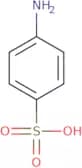
CAS:<p>4-Aminobenzenesulfonic acid is a sulfonic acid that is used in wastewater treatment. It has been shown to be an excellent water permeability agent and can be used as an additive to the process of making sulfonated polymers for use in water filtration. 4-Aminobenzenesulfonic acid has been shown to have enzyme inhibitory effects on metal hydroxide-dependent enzymes, such as sulphanilic and sulfanilic acid. This compound also has been investigated as a potential therapeutic agent for the treatment of cancer, with some success. It has been shown to stimulate the production of picolinic acid, which is an intermediate in the kynurenine pathway leading to production of nicotinamide adenine dinucleotide (NAD+). In humans, 4-aminobenzenesulfonic acid can bind toll-like receptors (TLRs) and activate TLR4 signaling pathways.</p>Formula:C6H7NO3SPurity:Min. 95%Molecular weight:173.19 g/molDinonylamine
CAS:<p>Dinonylamine is an industrial chemical that is used as a solvent for waxes and resins. It has been used as a substrate film for the production of polycarbonate plastics and in the manufacture of amines, nitroaromatic compounds, and fluoropolymers. Dinonylamine has been shown to have an inhibitory effect on the growth of microorganisms by reacting with their aromatic hydrocarbons. This chemical reacts with carbonyl groups to form hydroxyl groups, which are toxic to bacteria. It also reacts with radiation to form a patterned surface that can be used to immobilize enzymes or other proteins.br>br> br>br> Dinonylamine is used in industrial processes as a precursor for amines and hydroxy groups, which are important components in many organic molecules including pharmaceuticals. These reactions take place in solvent vapor phase reaction vessels at high temperatures.br>br> br>br> Din</p>Formula:C18H39NPurity:Min. 95%Color and Shape:PowderMolecular weight:269.51 g/mol4-(4-tert-Butylphenyl)-1,3-thiazol-2-amine
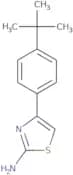
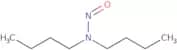
CAS:<p>Please enquire for more information about 4-(4-tert-Butylphenyl)-1,3-thiazol-2-amine including the price, delivery time and more detailed product information at the technical inquiry form on this page</p>Formula:C13H16N2SPurity:Min. 95%Molecular weight:232.35 g/molN-Nitroso-di-n-butylamine
CAS:<p>N-Nitroso-di-n-butylamine is a nitrosamine that is a product of wastewater treatment. It has been shown to inhibit mitochondrial function and induce liver lesions in rats at high doses. N-Nitroso-di-n-butylamine is structurally similar to the natural substrate ribose, which leads to inhibition of xanthine oxidase, an enzyme involved in purine metabolism. The structural analysis revealed the presence of reactive sites that are susceptible to attack by nucleophiles, such as hydroxyl radicals or hydrogen peroxide. This indicates that N-Nitroso-di-n-butylamine may be a precursor for other carcinogenic compounds. NADH is reduced by NADH dehydrogenase (complex I) in mitochondria to produce NAD+, which subsequently donates electrons to the electron transport chain and generates ATP. The ability of NNDB to inhibit complex I activity was assessed using hl60</p>Formula:C8H18N2OPurity:Min. 95%Molecular weight:158.24 g/molN-[1-(2,3-Dioleoyloxy)propyl]-n,n,n-trimethylammonium methyl-sulfate
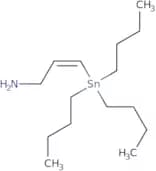
CAS:<p>Dioleoyloxypropyl-N,N,N-trimethylammonium methylsulfate (DOTAP) is an antibacterial agent that disrupts the bacterial membrane. It has been shown to inhibit the uptake of chlamydia by inhibiting the binding of chlamydia to cells and enhancing the detection of chlamydia in cells. DOTAP also has pharmacological properties that are related to its ability to interfere with cellular membranes. DOTAP can be used as a strategy for developing antibacterial agents because it inhibits bacterial growth by disrupting their cellular membranes. This results in a decrease in phosphatidylethanolamine levels, leading to increased cell death.</p>Formula:C43H83NO7SPurity:Min. 95%Molecular weight:758.19 g/molZ-3-(Tributylstannyl)-2-propen-1-amine
CAS:Controlled Product<p>Please enquire for more information about Z-3-(Tributylstannyl)-2-propen-1-amine including the price, delivery time and more detailed product information at the technical inquiry form on this page</p>Formula:C15H33NSnPurity:Min. 95%Molecular weight:346.14 g/molAlanine,n,N'-[[5-[2-amino-5-(2,2-dimethyl-1-oxopropyl)-4-thiazolyl]-2-furanyl]phosphinylidene]bis[2-methyl-,1,1'-diethylester]
CAS:<p>Alanine,n,N'-[[5-[2-amino-5-(2,2-dimethyl-1-oxopropyl)-4-thiazolyl]-2-furanyl]phosphinylidene]bis[2-methyl-,1,1'-diethylester] is a metabolic inhibitor that is used in the treatment of type 2 diabetes. It inhibits gluconeogenesis by inhibiting the enzyme phosphoenolpyruvate carboxykinase (PEPCK), which catalyzes the conversion of oxaloacetate to phosphoenolpyruvate. This compound has been shown to reduce fasting blood glucose levels in diabetic animals and humans.</p>Formula:C24H37N4O6PSPurity:Min. 95%Molecular weight:540.61 g/mol4-Amino-3-bromo-1-(tert-butyl)-1H-pyrazolo[3,4-d]pyrimidine
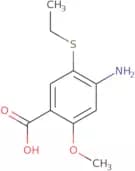
CAS:<p>4-Amino-3-bromo-1-(tert-butyl)-1H-pyrazolo[3,4-d]pyrimidine is a drug that inhibits the growth of tumour cells by binding to and inhibiting kinases. It has been shown to have a significant inhibitory effect on lung cancer cells and pyridazine derivatives in vitro. 4-Amino-3-bromo-1-(tert-butyl)-1H-pyrazolo[3,4-d]pyrimidine has been shown to be effective against lung cancer cells in vivo. This drug may be useful for the treatment of cancer.</p>Formula:C9H12BrN5Purity:Min. 95%Molecular weight:270.13 g/mol2-Methoxy-4-amino-5-ethylthiobenzoic acid
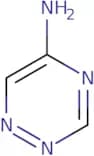
CAS:<p>Please enquire for more information about 2-Methoxy-4-amino-5-ethylthiobenzoic acid including the price, delivery time and more detailed product information at the technical inquiry form on this page</p>Formula:C10H13NO3SPurity:Min. 95%Molecular weight:227.28 g/mol1,2,4-Triazin-5-amine
CAS:<p>1,2,4-Triazin-5-amine is a synthetic compound that has been shown to have significant activity against the enzyme carbonyl reductase. The term "significant" refers to the inhibition of this enzyme by 1,2,4-triazin-5-amine in a dose dependent manner. This inhibition was observed with allosteric inhibitors and orthosteric inhibitors. 1,2,4-Triazin-5-amine has also been shown to be effective in inhibiting phosphatases and butyric acid hydrolase in vitro. The mechanism of 1,2,4-triazin-5-amine is unknown but it is thought that it may act as an inhibitor of human diseases such as Alzheimer's disease or Parkinson's disease.</p>Formula:C3H4N4Purity:Min. 95%Molecular weight:96.09 g/mol4-Methoxybenzylamine
CAS:<p>4-Methoxybenzylamine is an organic amine that has a redox potential of -0.14 V (vs. SHE) and a pK a of 10.5. It is used in the synthesis of trifluoroacetic acid esters, which are used as pharmaceutical intermediates. 4-Methoxybenzylamine has been shown to be effective in alleviating pain in animal models, and its mechanism of action may be due to inhibition of the enzyme cyclooxygenase. The kinetic data for this reaction were obtained by studying the deuterium isotope effect, which is characterized by a low energy barrier and rapid reaction rate. The hydrolysis step is also important for the reaction mechanism, with protocatechuic acid being an intermediate product. Hydrochloric acid is needed for dehydration of the reactants, while an aryl halide can be used instead in some cases. In these reactions, there are many possible reaction</p>Formula:C8H11NOPurity:Min. 95%Molecular weight:137.18 g/mol4-Methyl-5-nitrothiazol-2-amine
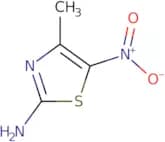
CAS:<p>Please enquire for more information about 4-Methyl-5-nitrothiazol-2-amine including the price, delivery time and more detailed product information at the technical inquiry form on this page</p>Formula:C4H5N3O2SPurity:Min. 95%Color and Shape:PowderMolecular weight:159.17 g/mol[(1,4-Dimethyl-1H-benzimidazol-2-yl)methyl]amine
CAS:Controlled Product<p>Please enquire for more information about [(1,4-Dimethyl-1H-benzimidazol-2-yl)methyl]amine including the price, delivery time and more detailed product information at the technical inquiry form on this page</p>Formula:C10H13N3Purity:Min. 95%Molecular weight:175.23 g/moltert-Butyl 3-(cyclopropylamino)azetidine-1-carboxylate
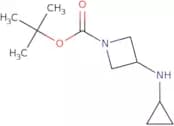
CAS:<p>Please enquire for more information about tert-Butyl 3-(cyclopropylamino)azetidine-1-carboxylate including the price, delivery time and more detailed product information at the technical inquiry form on this page</p>Formula:C11H20N2O2Purity:Min. 95%Molecular weight:212.29 g/molMethyl 2-amino-4,6-dichloropyridine-3-carboxylate
CAS:<p>Please enquire for more information about Methyl 2-amino-4,6-dichloropyridine-3-carboxylate including the price, delivery time and more detailed product information at the technical inquiry form on this page</p>Formula:C7H6Cl2N2O2Purity:Min. 95%Molecular weight:221.04 g/mol2-(2-Methoxyphenoxy)ethylamine base
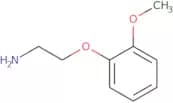
CAS:<p>2-(2-Methoxyphenoxy)ethylamine base is an inorganic base with a hydroxyl group. It is soluble in organic solvents and has been used as a coumarin derivative. 2-(2-Methoxyphenoxy)ethylamine base has shown potential use as an antifungal agent, which may be due to its ability to cause lysis in fungi cells. This compound has also shown in vitro activity against bacteria and viruses, including herpes simplex virus type 1 and HIV-1. The 2-(2-methoxyphenoxy)ethylamine base can be sulfonated or acid catalyzed to produce other derivatives that have potential use as anti-inflammatory or analgesic agents.</p>Formula:C9H13NO2Purity:Min. 95%Molecular weight:167.21 g/mol5-Bromo-N1-methylbenzene-1,2-diamine
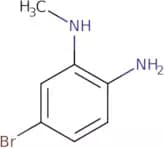
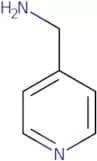
CAS:<p>Please enquire for more information about 5-Bromo-N1-methylbenzene-1,2-diamine including the price, delivery time and more detailed product information at the technical inquiry form on this page</p>Formula:C7H9BrN2Purity:Min. 95%Molecular weight:201.06 g/molPyridin-4-ylmethanamine
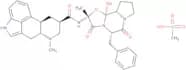
CAS:<p>Pyridin-4-ylmethanamine is a chemical compound that contains a pyridine ring and an amine (-NH2) group. It is usually used as a building block for the synthesis of other compounds. Pyridin-4-ylmethanamine can be synthesized from picolinic acid, which is obtained through a reaction with sodium hydrochloride in an alkaline solution. This reaction proceeds via two steps: first, the formation of a pyridinecarboxylic acid ester and then the addition of ammonia to form pyridin-4-ylmethanamine. The transfer reactions that occur during this process are highly dependent on temperature and pH. The frequency shift effect can be observed when pyridin-4-ylmethanamine interacts with amines, which changes its absorption spectrum.</p>Formula:C6H8N2Purity:Min. 95%Color and Shape:Colorless Clear LiquidMolecular weight:108.14 g/molDihydro ergotamine mesylate
CAS:Controlled Product<p>Dihydroergotamine mesylate is a medication that is used in the treatment of migraines. It belongs to the group of drugs called ergot alkaloids and has been shown to have high values in cerebral metabolism. Dihydroergotamine mesylate has also been shown to have an effect on dopamine levels in human serum, which may be due to its ability to inhibit neuronal death. Dihydroergotamine mesylate is administered intravenously, orally or intramuscularly for the treatment of acute migraine attacks. The drug can also be given rectally for the prevention of chronic migraine episodes. This drug may cause side effects such as nausea, vomiting and dizziness.</p>Formula:C34H41N5O8SPurity:Min. 95%Color and Shape:PowderMolecular weight:679.78 g/mol2N-Boc-2',2''-triaminotriethylamine
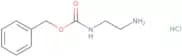
CAS:<p>Please enquire for more information about 2N-Boc-2',2''-triaminotriethylamine including the price, delivery time and more detailed product information at the technical inquiry form on this page</p>Formula:C11H26N4O2Purity:Min. 95%Color and Shape:Yellow PowderMolecular weight:246.35 g/molBenzyl N-(2-aminoethyl)carbamate hydrochloride
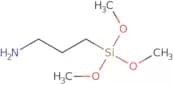
CAS:<p>Please enquire for more information about Benzyl N-(2-aminoethyl)carbamate hydrochloride including the price, delivery time and more detailed product information at the technical inquiry form on this page</p>Formula:C10H15ClN2O2Purity:Min. 95%Molecular weight:230.69 g/mol3-Aminopropyltrimethoxysilane
CAS:<p>3-Aminopropyltrimethoxysilane is a chemical that belongs to the group of aminopropyltriethoxysilanes. It is a reactive substance and is commonly used as an additive in adhesives and sealants. 3-Aminopropyltrimethoxysilane has been shown to be an efficient coupling agent for the formation of hydroxyl groups on nanoparticles, which are then used as drug carriers. The optimum concentration of 3-aminopropyltrimethoxysilane lies between 0.01 and 0.1 M, with a pH range of 6 and 8. This chemical can react with hydrochloric acid, resulting in the production of hydrogen gas; with cervical cancer cells in culture, leading to cell death; or with skin cells, causing damage to their transport properties.</p>Formula:C6H17NO3SiPurity:Min. 95%Color and Shape:Clear LiquidMolecular weight:179.29 g/mol3-Amino-5-methoxybenzoic acid
CAS:<p>3-Amino-5-methoxybenzoic acid is a macrocyclist, which means that it can switch between two different forms. When the temperature is below 27 degrees Celsius, it exists as a mesomorphic phase and when the temperature increases above 27 degrees Celsius, it exists as an isotropic phase. 3-Amino-5-methoxybenzoic acid also has homologues that are also mesomorphic or isotropic depending on their temperatures. The chemoenzymatic parameters of the two phases are different and so are their lamellar morphologies. The fluorine atom in 3-amino-5-methoxybenzoic acid makes it act like a Lewis acid, decreasing its melting point and increasing its vapor pressure. There are two isomers of 3-amino-5-methoxybenzoic acid: dodecyl and octadecyl 3--amino--5--methoxyben</p>Formula:C8H9NO3Purity:Min. 95%Color and Shape:White To Yellow To Light Brown SolidMolecular weight:167.16 g/molFmoc-trans-4-(aminomethyl)cyclohexane-1-carboxylic acid
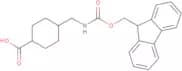
CAS:<p>Fmoc-trans-4-(aminomethyl)cyclohexane-1-carboxylic acid is a synthetic amino acid that has been shown in vitro to inhibit the growth of prostate cancer cells. It is an analog of butyric acid, a naturally occurring fatty acid. Fmoc-trans-4-(aminomethyl)cyclohexane-1-carboxylic acid has been synthesized by solid phase methods and labeled with radiotracers such as indium 111 or technetium 99m. The use of Fmoc-trans-4-(aminomethyl)cyclohexane-1-carboxylic acid in vivo is limited by its short circulating half life, rapid metabolism, and high toxicity.</p>Formula:C23H25NO4Purity:Min. 95%Color and Shape:White SolidMolecular weight:379.45 g/mol4-Amino-3-bromoisoquinoline
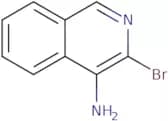
CAS:<p>4-Amino-3-bromoisoquinoline is an isocyanide that reacts with nucleophilic heteroatoms such as the amino group. It also reacts with bromine to form a bromopyridine. The nitrile group of 4-amino-3-bromoisoquinoline can be reduced with sodium borohydride to produce 4-aminoquinoline. This compound has shown potential for use in chemotherapy and treating bacterial infections.</p>Purity:Min. 95%[(1-Benzyl-1H-pyrazol-4-yl)methyl]amine
CAS:<p>Please enquire for more information about [(1-Benzyl-1H-pyrazol-4-yl)methyl]amine including the price, delivery time and more detailed product information at the technical inquiry form on this page</p>Formula:C11H13N3Purity:Min. 95%Molecular weight:187.24 g/mol2,3-Dihydro-1-(3-hydroxypropyl)-5-[(2R)-2-[[2-[2-(2,2,2-trifluoroethoxy)phenoxy]ethyl]amino]propyl]-1H-indole-7-carbonitrile
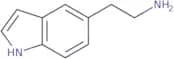
CAS:<p>Please enquire for more information about 2,3-Dihydro-1-(3-hydroxypropyl)-5-[(2R)-2-[[2-[2-(2,2,2-trifluoroethoxy)phenoxy]ethyl]amino]propyl]-1H-indole-7-carbonitrile including the price, delivery time and more detailed product information at the technical inquiry form on this page</p>Formula:C25H30F3N3O3Purity:Min. 95%Molecular weight:477.52 g/mol2-(1H-Indol-5-yl)ethanamine
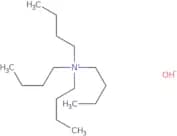
CAS:Controlled Product<p>Please enquire for more information about 2-(1H-Indol-5-yl)ethanamine including the price, delivery time and more detailed product information at the technical inquiry form on this page</p>Formula:C10H12N2Purity:Min. 95%Molecular weight:160.22 g/molTetrabutylammonium hydroxide - 40 wt. % aqueous solution
CAS:<p>Picolinic acid is a product of the reaction between sodium salts and tetrabutylammonium hydroxide. It has been shown to have anti-inflammatory properties in chronic arthritis patients and may be due to its ability to inhibit the production of prostaglandins. Picolinic acid also has been shown to inhibit the growth of bacteria, including Mycobacterium tuberculosis, by preventing protein synthesis. The analytical method for picolinic acid is electrochemical impedance spectroscopy with a 5% picolinic acid solution in human serum or other biological sample.</p>Formula:C16H37NOPurity:Min. 95%Color and Shape:Clear LiquidMolecular weight:259.47 g/molMethyl-(2-m-tolyl-ethyl)amine
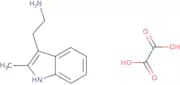
CAS:Controlled Product<p>Please enquire for more information about Methyl-(2-m-tolyl-ethyl)amine including the price, delivery time and more detailed product information at the technical inquiry form on this page</p>Formula:C10H15NPurity:Min. 95%Molecular weight:149.23 g/mol2-(2-Methyl-1H-indol-3-yl)ethanamine oxalate
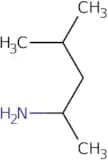
CAS:Controlled Product<p>Please enquire for more information about 2-(2-Methyl-1H-indol-3-yl)ethanamine oxalate including the price, delivery time and more detailed product information at the technical inquiry form on this page</p>Formula:C13H16N2O4Purity:Min. 95%Molecular weight:264.28 g/mol(1,3-Dimethylbutyl)amine
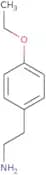
CAS:Controlled Product<p>(1,3-Dimethylbutyl)amine is a chemical substance that can be found in dietary supplements. It is structurally similar to amines and has been shown to have an effect on blood pressure. (1,3-Dimethylbutyl)amine has also been reported as being used in the manufacture of medicines for the treatment of heart disease. This chemical substance is produced by the reaction of hydrochloric acid with isovaleric acid. The product is then purified by chromatography and converted into its salt form for use as a dietary supplement. In addition to this, (1,3-Dimethylbutyl)amine is also used in some herbal remedies.</p>Formula:C6H15NPurity:Min. 95%Color and Shape:Clear LiquidMolecular weight:101.19 g/mol(4-Ethoxyphenyl)ethylamine
CAS:Controlled Product<p>Please enquire for more information about (4-Ethoxyphenyl)ethylamine including the price, delivery time and more detailed product information at the technical inquiry form on this page</p>Formula:C10H15NOPurity:Min. 95%Molecular weight:165.23 g/mol









![3-[Benzyl(methyl)amino]propane-1,2-diol](/_next/image/?url=https%3A%2Fstatic.cymitquimica.com%2Fproducts%2FTR%2Fthumb-webp%2FB535315.webp&w=3840&q=75)

![tert-Butyl 3-[4-(2-Amino-ethyl)-phenyl]-propionate Hydrochloride](/_next/image/?url=https%3A%2Fstatic.cymitquimica.com%2Fproducts%2FTR%2Fthumb-webp%2FB811413.webp&w=3840&q=75)

![1,5-Anhydro-2,3,4-trideoxy-2-[[(1,1-dimethylethoxy)carbonyl]amino]-D-erythrohexitol](/_next/image/?url=https%3A%2Fstatic.cymitquimica.com%2Fproducts%2FTR%2Fthumb-webp%2FA656085.webp&w=3840&q=75)
![3-[[[3-(Aminomethyl)-5-methyl-1-oxohexyl]amino]methyl]-5-methyl-hexanoic Acid](/_next/image/?url=https%3A%2Fstatic.cymitquimica.com%2Fproducts%2FTR%2Fthumb-webp%2FA631018.webp&w=3840&q=75)

![5-Aminobenzo[C]isothiazole](/_next/image/?url=https%3A%2Fstatic.cymitquimica.com%2Fproducts%2FTR%2Fthumb-webp%2FA578270.webp&w=3840&q=75)
![2-((tert-Butoxycarbonyl)amino)spiro[3.3]heptane-2-carboxylic Acid](/_next/image/?url=https%3A%2Fstatic.cymitquimica.com%2Fproducts%2FTR%2Fthumb-webp%2FT162431.webp&w=3840&q=75)






![3-[(2-Hydroxyethyl)amino]propanoic Acid](/_next/image/?url=https%3A%2Fstatic.cymitquimica.com%2Fproducts%2FTR%2Fthumb-webp%2FH612070.webp&w=3840&q=75)


![Methyl (1R,4S)-4-[[(1,1-Dimethylethoxy)carbonyl]amino]-2-cyclopentene-1-carboxylic Acid Ester](/_next/image/?url=https%3A%2Fstatic.cymitquimica.com%2Fproducts%2FTR%2Fthumb-webp%2FM220430.webp&w=3840&q=75)


![(2R)-1-[2-[(3-Hydroxytricyclo[3.3.1.1(3,7)]dec-1-yl)amino]acetyl]-2-pyrrolidinecarbonitrile](/_next/image/?url=https%3A%2Fstatic.cymitquimica.com%2Fproducts%2F3D%2Fthumb-webp%2FFH46129.webp&w=3840&q=75)
![N,N-Bis[3-(methylamino)propyl]methylamine](/_next/image/?url=https%3A%2Fstatic.cymitquimica.com%2Fproducts%2F3D%2Fthumb-webp%2FFB166306.webp&w=3840&q=75)

![N-[1-(2,3-Dioleoyloxy)propyl]-n,n,n-trimethylammonium methyl-sulfate](/_next/image/?url=https%3A%2Fstatic.cymitquimica.com%2Fproducts%2F3D%2Fthumb-webp%2FFD157467.webp&w=3840&q=75)
![Alanine,n,N'-[[5-[2-amino-5-(2,2-dimethyl-1-oxopropyl)-4-thiazolyl]-2-furanyl]phosphinylidene]bis[…](/_next/image/?url=https%3A%2Fstatic.cymitquimica.com%2Fproducts%2F3D%2Fthumb-webp%2FFA152449.webp&w=3840&q=75)
![4-Amino-3-bromo-1-(tert-butyl)-1H-pyrazolo[3,4-d]pyrimidine](/_next/image/?url=https%3A%2Fstatic.cymitquimica.com%2Fproducts%2F3D%2Fthumb-webp%2FFA168683.webp&w=3840&q=75)

![[(1,4-Dimethyl-1H-benzimidazol-2-yl)methyl]amine](/_next/image/?url=https%3A%2Fstatic.cymitquimica.com%2Fproducts%2F3D%2Fthumb-webp%2FFD136030.webp&w=3840&q=75)



![[(1-Benzyl-1H-pyrazol-4-yl)methyl]amine](/_next/image/?url=https%3A%2Fstatic.cymitquimica.com%2Fproducts%2F3D%2Fthumb-webp%2FFB133964.webp&w=3840&q=75)
![2,3-Dihydro-1-(3-hydroxypropyl)-5-[(2R)-2-[[2-[2-(2,2,2-trifluoroethoxy)phenoxy]ethyl]amino]propyl…](/_next/image/?url=https%3A%2Fstatic.cymitquimica.com%2Fproducts%2F3D%2Fthumb-webp%2FFD103483.webp&w=3840&q=75)