Amines
Amines are a set of molecules containing an amino functional group (derived from ammonia). This category includes amines at any level of substitution : primary, secondary, tertiary, and ammonium salts. Amines are fundamental in organic synthesis and are widely used in pharmaceuticals, agrochemicals, and materials science. At CymitQuimica, we provide a comprehensive selection of amines to meet your research and industrial needs. Our range ensures access to various amines for diverse chemical processes and innovative research.
Subcategories of "Amines"
- Nitrosamines(2,605 products)
- Primary Amines(30,821 products)
- Quaternary Ammonium Cations and Salts(1,099 products)
- Secondary Amines(20,817 products)
- Tertiary Amines(17,117 products)
Found 8778 products of "Amines"
Sort by
Purity (%)
0
100
|
0
|
50
|
90
|
95
|
100
5-Amino-2-(trifluoromethyl)isonicotinic acid
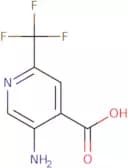
CAS:<p>Please enquire for more information about 5-Amino-2-(trifluoromethyl)isonicotinic acid including the price, delivery time and more detailed product information at the technical inquiry form on this page</p>Formula:C7H5F3N2O2Purity:Min. 95%Molecular weight:206.12 g/molEthyl 2-amino-thiazole-4-carboxylate
CAS:<p>Ethyl 2-amino-thiazole-4-carboxylate (ETAC) is an inhibitor of protein synthesis. It binds to the dna and inhibits transcription, leading to cell death by inhibiting the production of proteins vital for cell division. ETAC has been shown to have cytotoxic activity against cancer cells and hemolytic activity. It also has a strong fluorescence probe property, which may be used in cancer diagnosis. ETAC can inhibit protein synthesis in cells that are resistant to other antimicrobial agents and platinum-based chemotherapy, making it a potential treatment for these infections. The pharmacokinetic properties of ETAC are not well studied but it is excreted through urine, suggesting that it is hydrophilic and may be metabolized with glucuronidation or sulfation. The molecular modeling study suggests that the hydrogen bond between ETAC and the dna phosphate group may explain its inhibitory effects on DNA synthesis.</p>Formula:C6H8N2O2SPurity:Min. 99.0 Area-%Molecular weight:172.21 g/mol6-Chloro-4-(trifluoromethyl)-2-pyridinamine
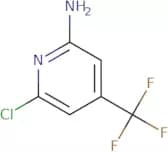
CAS:<p>Please enquire for more information about 6-Chloro-4-(trifluoromethyl)-2-pyridinamine including the price, delivery time and more detailed product information at the technical inquiry form on this page</p>Formula:C6H4ClF3N2Purity:Min. 95%Molecular weight:196.56 g/mol[4-[2-(Diethylamino)ethoxy]-3-iodophenyl][2-(1-hydroxybutyl)-3-benzofuranyl]-methanone
CAS:Controlled Product<p>Please enquire for more information about [4-[2-(Diethylamino)ethoxy]-3-iodophenyl][2-(1-hydroxybutyl)-3-benzofuranyl]-methanone including the price, delivery time and more detailed product information at the technical inquiry form on this page</p>Formula:C25H30INO4Purity:Min. 95%Molecular weight:535.41 g/molAmmonium ferric citrate
CAS:<p>Ammonium ferric citrate is a solution of ammonium ferric citrate, which is a mixture of ammonium and ferric ions. It is used in biological research as a reaction solution for the determination of mitochondrial membrane potential. The chemical composition of the solution is such that it can be used to determine the iron homeostasis in human serum samples and other biological samples. Ammonium ferric citrate reacts with sodium citrate to form a polymerase chain reaction product that generates light signals proportional to the concentration of electron transfer agents in the system. This process can be monitored using an optical sensor or by measuring electrochemical impedance spectroscopy (EIS) data on the solution.</p>Formula:C6H8O7·xFe·xH3NPurity:Min. 95%Color and Shape:PowderN-EthylhydroxylamineHydrochloride
CAS:<p>N-Ethylhydroxylamine hydrochloride is a chemical compound that belongs to the group of biocides. It is used as an antimicrobial agent in medical devices, such as catheters and dialysis membranes. N-Ethylhydroxylamine hydrochloride is also used in cancer research to activate the CCR5 receptor, which is involved in HIV infection. N-Ethylhydroxylamine hydrochloride has been shown to have biological properties in humans and animals and has a high degree of chemical stability. The compound can be synthesized from sodium carbonate and ethyl alcohol. The synthesis involves the addition of ethylene oxide to ethanolamine followed by hydrogenation with a catalyst. N-Ethylhydroxylamine hydrochloride is soluble in water, methanol, and acetone. This chemical compound binds to proteins in the human body, resulting in an increase of acidity in urine samples when tested using a plate test. It also has</p>Formula:C2H8ClNOPurity:Min. 95%Molecular weight:97.54 g/molEthyl 2-amino-4-thiazoleacetate
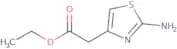
CAS:<p>Ethyl 2-amino-4-thiazoleacetate is a supramolecular molecule that has the potential to be an anticancer agent. It inhibits the growth of tumor cells by binding to tyrosinase and hydrogen-bonding with chloride ions in solution. Ethyl 2-amino-4-thiazoleacetate also binds to a metal ion, such as zinc, which is important for biological functions. When it binds to these metals, it inhibits the enzyme hepg2 cell, which is involved in the synthesis of protein from RNA. Inhibition of this enzyme leads to decreased production of cytokines, which are molecules that regulate immune responses. This drug also has inhibitory activities against oral cephalosporins when used in combination with other drugs.</p>Formula:C7H10N2O2SPurity:Min. 95%Molecular weight:186.23 g/mol1,3-Thiazol-5-ylmethylamineHydrochloride
CAS:<p>Please enquire for more information about 1,3-Thiazol-5-ylmethylamineHydrochloride including the price, delivery time and more detailed product information at the technical inquiry form on this page</p>Formula:C4H7ClN2SPurity:Min. 95%Molecular weight:150.63 g/mol3-Amino-2-methylpropan-1-ol
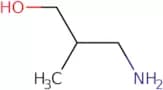
CAS:<p>3-Amino-2-methylpropan-1-ol is a reactive chemical that can be used as a reactant in the synthesis of other chemicals. It is an alkanolamine and can be found in small amounts in water vapor. 3-Amino-2-methylpropan-1-ol has been shown to have low energy and it reacts with water vapor to form 3,4-dihydroxybutanal, which is a product that can be converted into other useful chemicals. 3-Amino-2-methylpropan-1-ol also reacts with high energy photons to form new substances, such as 3,4,5,6 tetrahydroxymethylbenzaldehyde. 3Amino - 2 - methylpropan - 1 - ol has been shown to have many uses including the production of low molecular weight polymers and resins for paints and coatings.</p>Formula:C4H11NOPurity:Min. 95%Molecular weight:89.14 g/molAmmonium molybdate
CAS:<p>Ammonium molybdate is a form of the mineral molybdenum that is used as a nutrient in the solution for hepg2 cells. Ammonium molybdate has been shown to inhibit the growth of multi-walled carbon nanotubes, which may be due to its ability to catalyze hydrogen fluoride and zirconium oxide. It also has an inhibitory effect on serine protease (a protein found in many tissues and secretions). The chemical stability of ammonium molybdate has been studied by exposing it to hydrogen fluoride and it was found that this compound is stable at pH levels of around 7.5.</p>Formula:H8N2MoO4Purity:Min. 95%Color and Shape:White PowderMolecular weight:196.03 g/molTetrabutylammonium difluorotriphenylsilicate
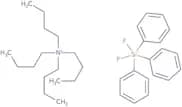
CAS:<p>Tetrabutylammonium difluorotriphenylsilicate is a model system for studying the mechanism of nucleophilic substitution at an unsymmetrical carbon center. It is used in analytical chemistry to prepare samples for analysis. Tetrabutylammonium difluorotriphenylsilicate has been shown to be an effective and selective reagent for the synthesis of picolinic acid, which can be used as a precursor for the synthesis of nicotinamide riboside, a vitamin B3 derivative. The reaction proceeds via an SN2 mechanism, where hydrogen fluoride (HF) acts as a nucleophile that attacks the electrophilic carbon center of allyl chloride (CH2=CH-CH2Cl) to form an intermediate with two alkyl groups on opposite sides. The reaction product is then hydrolyzed to release tetrabutylammonium chloride (tBuNH4Cl).</p>Formula:C34H51F2NSiPurity:Min. 95%Color and Shape:White PowderMolecular weight:539.86 g/mol3-Methoxybenzene-1,2-diamine
CAS:<p>3-Methoxybenzene-1,2-diamine is a chloride surfactant that is cationic at low concentrations. It is most commonly used as a cross-linking agent in polymers and also has anti-inflammation properties. 3-Methoxybenzene-1,2-diamine is an osmotic agent that binds to water molecules, which prevents the loss of water from cells and increases cell volume. This chemical also has been shown to be an antagonist of 5Ht4 receptors and can be used for the treatment of inflammatory diseases such as asthma. 3-Methoxybenzene-1,2-diamine has been shown to have low toxicity in rats when consumed in dietary concentrations.</p>Purity:Min. 95%1-(2-Aminopyrimidin-5-yl)ethanone
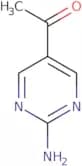
CAS:<p>Please enquire for more information about 1-(2-Aminopyrimidin-5-yl)ethanone including the price, delivery time and more detailed product information at the technical inquiry form on this page</p>Formula:C6H7N3OPurity:Min. 95%Molecular weight:137.14 g/mol2-Amino-5-ethylphenol hydrochloride
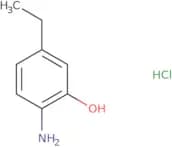
CAS:<p>Please enquire for more information about 2-Amino-5-ethylphenol hydrochloride including the price, delivery time and more detailed product information at the technical inquiry form on this page</p>Formula:C8H12ClNOPurity:Min. 95%Molecular weight:173.64 g/mol4-Amino-1-Boc-piperidine-4-carboxamide
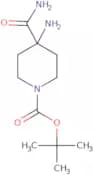
CAS:<p>Please enquire for more information about 4-Amino-1-Boc-piperidine-4-carboxamide including the price, delivery time and more detailed product information at the technical inquiry form on this page</p>Formula:C11H21N3O3Purity:Min. 95%Molecular weight:243.3 g/molN-Allyl-1-phenylcyclohexanamine hydrochloride
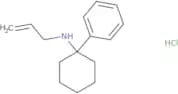
CAS:Controlled Product<p>Please enquire for more information about N-Allyl-1-phenylcyclohexanamine hydrochloride including the price, delivery time and more detailed product information at the technical inquiry form on this page</p>Formula:C15H21NPurity:Min. 95%Molecular weight:215.33 g/mol2-(Methylmercapto)-ethylamine
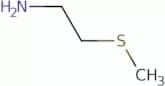
CAS:<p>2-(Methylmercapto)-ethylamine is a chemical that is used in the synthesis of the ruthenium complex, which is used to detect and destroy cancer stem cells. 2-(Methylmercapto)-ethylamine has been shown to be toxicologically safe in animal studies. 2-(Methylmercapto)-ethylamine can react with aziridine and pyrite to form nanogels, which are structures that have potential applications in drug delivery. The optical properties of 2-(methylmercapto) ethylamine are sensitive to its environment, especially pH. 2- (Methylmercapto) Ethylamine can bind to the pleuromutilin derivatives, which are active against infectious diseases such as tuberculosis.</p>Formula:C3H9NSPurity:Min. 95%Molecular weight:91.18 g/mol[2-(4-Aminophenyl)ethyl]carbamic acid tert-butyl ester
CAS:<p>Please enquire for more information about [2-(4-Aminophenyl)ethyl]carbamic acid tert-butyl ester including the price, delivery time and more detailed product information at the technical inquiry form on this page</p>Formula:C13H20N2O2Purity:Min. 95%Color and Shape:Slightly Yellow PowderMolecular weight:236.31 g/mol2-(Methyl-2-pyridylamino)ethanol
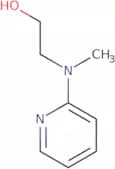
CAS:<p>2-(Methyl-2-pyridylamino)ethanol (2MPE) is a small molecule that has been studied for its potential use as an inhibitor of the enzyme protein kinase C-alpha. The reaction mechanism of 2MPE with rosiglitazone, a drug used to treat type II diabetes mellitus, has been shown to be nucleophilic and proceeds through an addition-elimination mechanism. The kinetic parameters for this reaction have been determined by studying the effect of temperature on the reaction rate. Density measurements indicate that 2MPE is a low-molecular weight compound with a density of 1.08 g/mL at 25°C and 1 atm pressure. This study also found that microreactors are capable of producing high reaction yields in shorter amounts of time than larger reactors, making them well suited to the synthesis of small molecules such as 2MPE.</p>Formula:C8H12N2OPurity:Min. 95%Molecular weight:152.19 g/mol6-Amino-1,3,5-triazine-2,4-diol
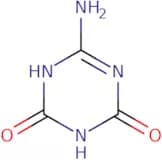
CAS:<p>6-Amino-1,3,5-triazine-2,4-diol is a chemical that is soluble in water and has been shown to be an effective inhibitor of cyanuric acid degradation. It has been used in wastewater treatment and as a model system for the study of melamine and cyanuric acid interactions. 6-Amino-1,3,5-triazine-2,4-diol binds to cyanuric acid by forming a complex with it. This prevents the formation of reactive intermediates that lead to the degradation of cyanuric acid. 6-Amino-1,3,5-triazine-2,4-diol also inhibits the oxidation catalyst activity of sodium carbonate at pH 8.5. The toxicity of this chemical has been studied in rats and was found to be low.</p>Formula:C3H4N4O2Purity:Min. 95%Molecular weight:128.09 g/mol1,4-Bis[4-(di-p-tolylamino)styryl]benzene
CAS:<p>1,4-Bis[4-(di-p-tolylamino)styryl]benzene is a fluorescent organic semiconductor that has high efficiency and can be used in electronic devices. The benzene molecule has two electron donating groups, which provide an acceptor site for the exciton formed by the electron transfer between donor and acceptor. This process is called fluorescence or phosphorescence, which is the emission of light following absorption of energy. 1,4-Bis[4-(di-p-tolylamino)styryl]benzene emits blue light when excited by an electron beam with a frequency of 300 nm and a current density of 10 mA/cm2. This device shows high efficiencies up to 60% at room temperature and up to 70% at 100°C.</p>Formula:C50H44N2Purity:Min. 95%Molecular weight:672.9 g/mol4-tert-Butylcyclohexanamine
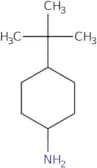
CAS:<p>4-tert-Butylcyclohexanamine is an unsymmetrical compound that is a potent antagonist of the dopamine D2 receptor. It is one of the stereoisomers of 4-tert-butylcyclohexaneamine. This drug has been synthesized by reacting naphthalene with amines and primary alcohols. The compound has optical properties, which may be due to its chiral nature and the presence of two rings in its structure. 4-tert-Butylcyclohexanamine crystallizes from water as needles or plates, depending on the concentration.</p>Formula:C10H21NPurity:Min. 95%Color and Shape:Clear LiquidMolecular weight:155.28 g/mol3-[(Dimethylamino)methyl]benzoic acid hydrochloride
CAS:<p>Please enquire for more information about 3-[(Dimethylamino)methyl]benzoic acid hydrochloride including the price, delivery time and more detailed product information at the technical inquiry form on this page</p>Formula:C10H13NO2Purity:Min. 95%Molecular weight:179.22 g/mol1-(Aminomethyl)naphthalene
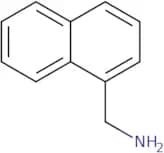
CAS:<p>1-(Aminomethyl)naphthalene is a hydrogen bond-forming molecule that has high values of hydrochloric acid. This compound reacts with sodium carbonate to form glycoside derivatives, which have been shown to display light emission. 1-(Aminomethyl)naphthalene can be used in the synthesis of oxytocin and toll-like receptor ligands, as well as other chemical reactions. The carbonyl group found in this molecule is responsible for the reactivity and stability of this compound.</p>Formula:C10H7CH2NH2Purity:Min. 95%Color and Shape:Clear Colourless To Yellow LiquidMolecular weight:157.21 g/mol3,5-Dibromopyrazin-2-amine
CAS:<p>3,5-Dibromopyrazin-2-amine is a triethyl orthoformate derivative that reacts with formamide to form 3,5-dibromopyrazine. The reaction time is typically less than 10 minutes and the yield is high. The product can be stored in a dry, inert atmosphere for up to 3 months without degradation. The compound has been shown to inhibit cyclic nucleotide phosphodiesterase (PDE) enzymes and cancer cells in vitro.</p>Formula:C4H3Br2N3Purity:Min. 95%Color and Shape:White To Yellow To Orange SolidMolecular weight:252.89 g/mol2,2'-Dipyridylamine
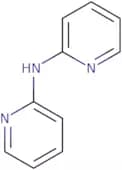
CAS:<p>2,2'-Dipyridylamine is a compound that belongs to the group of low-energy compounds. It has been shown to have antimicrobial activity against bacteria and fungi and has been demonstrated to be effective in treating cancer cells. 2,2'-Dipyridylamine is a molecule with two nitrogen atoms, which are bound by hydrogen bonds. This compound also contains methoxy groups that are coordinated by the nitrogen atoms. The structural analysis shows that there are three open coordination sites for metal ions that can bind with the nitrogen atoms. The x-ray diffraction data show that 2,2'-dipyridylamine crystallizes in a monoclinic system with an orthorhombic unit cell.</p>Formula:C10H9N3Purity:Min. 95%Molecular weight:171.2 g/molFmoc-(4-aminomethyl) benzoic acid
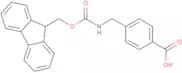
CAS:<p>Please enquire for more information about Fmoc-(4-aminomethyl) benzoic acid including the price, delivery time and more detailed product information at the technical inquiry form on this page</p>Formula:C23H19NO4Purity:Min. 95%Molecular weight:373.4 g/molo-Fluorobenzyl amine
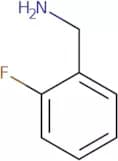
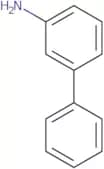
CAS:<p>o-Fluorobenzyl amine (o-FA) is an inhibitor of the HIV integrase enzyme. It forms a covalent bond with the active site of the enzyme and has been shown to be effective in inhibiting HIV replication in vitro. Impurities such as chloride, water molecule, hydrogen bond, and fluorine can be found in o-FA. o-FA has been shown to inhibit monoamine oxidase and may have other biological properties. o-FA also has an intramolecular hydrogen bond that is stabilized by a dihedral angle. The low energy of this compound makes it difficult to detect by chromatographic methods or spectrometry.</p>Formula:C7H8FNPurity:Min. 95%Color and Shape:Clear LiquidMolecular weight:125.14 g/mol3-Aminobiphenyl
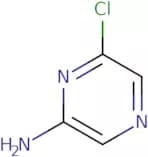
CAS:<p>3-Aminobiphenyl is a biphenyl compound that is used in the production of dyes and pesticides. It has been detected in human urine samples using an analytical method based on chemical ionization. 3-Aminobiphenyl can be detoxified by conjugation with glutathione, but the conjugation process can be inhibited by the presence of amines such as caffeine, which competitively bind to glutathione. 3-Aminobiphenyl may also cause cancer, but there is no evidence for this theory at present.</p>Formula:C12H11NPurity:Min. 95%Molecular weight:169.22 g/mol2-Amino-6-chloropyrazine
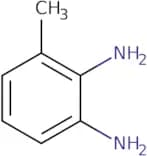
CAS:<p>2-Amino-6-chloropyrazine (2ACP) is an inhibitor that binds to the active site on human protein kinase C (PKC). It has been shown to inhibit PKC by hydrogen bonding with the hydroxide ion, which blocks its catalytic activity. 2ACP has been studied for its potential use in treating cancer and for inhibiting amine oxidases, which are enzymes associated with inflammation and chronic obstructive pulmonary disease. The inhibition of these enzymes may help to reduce stenosis in the lungs or other organs. 2ACP also has been shown to have antimycobacterial activity against Mycobacterium tuberculosis, M. avium complex, and M. leprae by inhibiting DNA synthesis and RNA synthesis. 2ACP inhibits the kinase receptor on the cell membrane that phosphorylates a water molecule into a chlorine atom, which then reacts with hydrogen peroxide to form free radicals that can kill bacteria</p>Formula:C4H4ClN3Purity:Min. 95%Molecular weight:129.55 g/mol2,3-Diaminotoluene
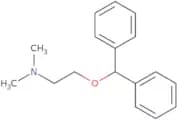
CAS:<p>2,3-Diaminotoluene is a compound that can be synthesized through the reaction of 2,4-diaminotoluene and picric acid. It has been used as a fluorescent probe for palladium complexes and has been shown to have efficient fluorescence properties in chromatographic applications. 2,3-Diaminotoluene has also been found to be an effective anti-bacterial agent against Gram-positive bacteria such as Staphylococcus aureus and Enterococcus faecalis. This compound has also been shown to have antitumour activity against leukemia cells. The synthesis of 2,3-diaminotoluene involves the reaction of amines with formaldehyde followed by dehydration.</p>Formula:C7H10N2Purity:Min. 95%Color and Shape:PowderMolecular weight:122.17 g/molDiphenhydramine
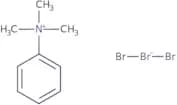
CAS:Controlled Product<p>Diphenhydramine is a drug that belongs to the class of antihistamines, and is used to treat allergic symptoms such as hay fever, urticaria, and other allergic reactions. It has been shown to inhibit the production of hydrogen fluoride in analytical methods for measuring this compound. Diphenhydramine is also known to have potential interactions with other drugs, including α1-adrenergic antagonists (i.e., h1-antagonists), cyclic peptides, and surfactants. In addition, it has been shown to bind to the α1 subunit of G protein receptors within the gastrointestinal tract in a reaction mechanism that is not yet fully understood. This binding inhibits the response of these receptors to certain stimuli from neurotransmitters and hormones, which can lead to bowel disease.</p>Formula:C9H18CINOPurity:Min. 95%Molecular weight:295.16 g/molPhenyltrimethylammonium tribromide
CAS:<p>Phenyltrimethylammonium tribromide is a quaternary ammonium compound that is used in combination preparations. It is an inhibitor of the replication of RNA and DNA, and modulates enzyme activity. Phenyltrimethylammonium tribromide has been shown to be a potent inhibitor of nicotinic acetylcholine receptors, which are important for nerve transmission. This drug also has been shown to inhibit the replication of HIV-1 and other viruses in vitro. Phenyltrimethylammonium tribromide can be synthesized by reacting epoxides with benzalkonium chloride or other quaternary ammonia compounds. The structural formula for phenyltrimethylammonium tribromide can be viewed here: br> C8H17N+Br− br> C6H5N+(CH3)3+Br− br></p>Formula:C9H14Br3NPurity:Min. 95%Molecular weight:375.93 g/mol3-Aminopropyl Silica Gel (0.6-1.3mmol/g)
<p>Please enquire for more information about 3-Aminopropyl Silica Gel (0.6-1.3mmol/g) including the price, delivery time and more detailed product information at the technical inquiry form on this page</p>Purity:Min. 95%O,O'-Bis(3-aminopropyl)polyethylene glycol
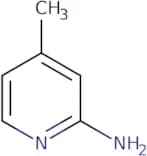
CAS:Controlled Product<p>O,O'-Bis(3-aminopropyl)polyethylene glycol is a PEG polymer categorised as homobifunctional PEG (X-PEG X). Used as a linker, O,O'-bis(3-aminopropyl)polyethylene glycol is used to attached PEG to proteins, peptides, oligonucleotides, nanoparticles and small molecules via pegylation, a bioconjugation technique.</p>Formula:(C2H4O)nC6H16N2OPurity:Min. 95%Color and Shape:White Powder2-Amino-4-picoline
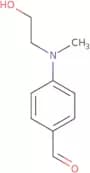
CAS:<p>2-Amino-4-picoline is a protonated nitrogenous base that has a chemical structure of 2-amino-4-picoline. It is used in the titration calorimetry of copper complexes. This compound has been shown to have antiinflammatory activity and can be used for the treatment of inflammatory diseases such as malonic acid and alkanoic acid induced inflammation. 2-Amino-4-picoline is also used in cisplatin induced nephrotoxicity, where it was shown to prevent high values in urine protein excretion and creatinine clearance by preventing oxidative stress and inhibiting the production of reactive oxygen species (ROS). This compound also reacts with hydrochloric acid to form an aminopyridine salt and hydrogen bond with a hydroxyl group.</p>Formula:C6H8N2Purity:Min. 95%Color and Shape:PowderMolecular weight:108.14 g/molN-Methyl-N-hydroxyethyl-4-aminobenzaldehyde
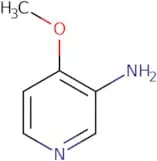
CAS:<p>N-Methyl-N-hydroxyethyl-4-aminobenzaldehyde (NHABA) is a bathochromic molecule that absorbs light at wavelengths of 400 to 500 nm. It is reactive and reacts with metal cations to form chromophores. NHABA has been shown to be a fluorescent probe for the detection of tyrosinase and autophagy in human serum. It also has inhibitory properties against tyrosinase, which may be due to its ability to inhibit the formation of melanin. NHABA is used as an analytical chemistry reagent for the determination of ammonia, nitrite, and nitrate ions in water samples. This molecule can also be used as a chemosensor for the detection of phenolic compounds in water samples.</p>Formula:C10H13NO2Purity:Min. 95%Molecular weight:179.22 g/mol3-Amino-4-methoxypyridine
CAS:<p>3-Amino-4-methoxypyridine is a molecule that has been shown to have anesthetic activity. It has been shown to inhibit the uptake of glycogen by glioblastoma cells and decrease the rate of glycogen synthesis in these cells. 3-Amino-4-methoxypyridine also inhibits the production of ATP in cardiac muscle cells, which may be due to its ability to inhibit glycogen synthase kinase-3 (GSK3) and glycogen synthase. This drug also inhibits cancer cell growth by inhibiting protein synthesis, as well as inflammatory disease progression by inhibiting NFκB activation and cytokine production. 3-Amino-4-methoxypyridine can be synthesized from aminopyridines such as isonicotinic acid or nicotinic acid, which are oxidized with hydrogen peroxide and sodium nitrite in the presence of a base catalyst.</p>Formula:C6H8N2OPurity:Min. 95%Molecular weight:124.14 g/mol2-Chloroethylamine hydrochloride
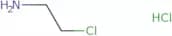
CAS:<p>2-Chloroethylamine hydrochloride is a chemical compound that has a hydroxyl group, which is an epoxide. It reacts with itself to form aziridine and amines, which are genotoxic compounds. 2-Chloroethylamine hydrochloride is used as an analytical method for the determination of the concentration of epoxides in air samples and can be produced by reacting chlorine with ethylamine. The reaction mechanism for this process is not well understood but it may involve coordination geometry and particle formation. This chemical compound can also be found in pharmaceutical drugs designed to treat cancer or heart disease.</p>Formula:C2H6ClN•HClPurity:Min. 95%Color and Shape:PowderMolecular weight:115.99 g/mol4-Chlorobenzylamine
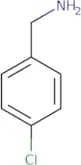
CAS:<p>4-Chlorobenzylamine is a chemical that is used as an intermediate in the synthesis of other compounds. It has low bioavailability, which may be due to its reactive site. The chemical can be characterized using nmr spectra and potent inhibitory activity. 4-Chlorobenzylamine has been found to react with nitrogen atoms, and this reaction is highly acidic. FT-IR spectroscopy can also be used to characterize this compound. Intermolecular hydrogen bonding and hydroxyl group are two of the major interactions of 4-chlorobenzylamine with other molecules. This chemical reacts with serine protease, glyoxal, and other substances in a manner that depends on the molecule's structure.</p>Formula:C7H8ClNPurity:Min. 95%Molecular weight:141.6 g/mol2-Amino-5,6-dichlorobenzothiazole
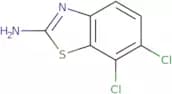
CAS:<p>2-Amino-5,6-dichlorobenzothiazole is an aminobenzothiazole derivative that has been shown to have antibacterial activity. It is a hydrophobic molecule with a skeleton consisting of alternating amines and carboxylic acids. 2-Amino-5,6-dichlorobenzothiazole binds to the fatty acid ester component of bacterial cell walls by hydrogen bonding or ionic interactions, disrupting the integrity of the cell wall and inhibiting the growth of bacteria. 2-Amino-5,6-dichlorobenzothiazole can be used to decolorize dyes and textiles that have been stained by oily materials. It is also used as a surfactant in personal care products such as shampoos and conditioners.</p>Formula:C7H4Cl2N2SPurity:Min. 95%Molecular weight:219.09 g/molQuaternary ammonium compounds, bis(hydroxyethyl) methyltallow alkyl, chlorides, salts with bentonite
CAS:<p>Please enquire for more information about Quaternary ammonium compounds, bis(hydroxyethyl) methyltallow alkyl, chlorides, salts with bentonite including the price, delivery time and more detailed product information at the technical inquiry form on this page</p>Purity:Min. 95%3-Amino-6-fluoro-2-methylquinazolin-4(3H)-one
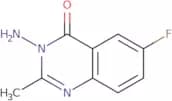
CAS:Controlled Product<p>Please enquire for more information about 3-Amino-6-fluoro-2-methylquinazolin-4(3H)-one including the price, delivery time and more detailed product information at the technical inquiry form on this page</p>Formula:C9H8FN3OPurity:Min. 95%Molecular weight:193.18 g/mol1-Boc-amino-3,6,9-trioxaundecanyl-11-bromide
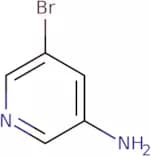
CAS:<p>Please enquire for more information about 1-Boc-amino-3,6,9-trioxaundecanyl-11-bromide including the price, delivery time and more detailed product information at the technical inquiry form on this page</p>Formula:C13H26BrNO5Purity:Min. 95%Molecular weight:356.25 g/mol3-Amino-5-bromopyridine
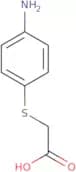
CAS:<p>3-Amino-5-bromopyridine (3ABP) is a linker for the synthesis of cisplatin. It has been shown to have strong bactericidal activity against Escherichia coli and Staphylococcus aureus. 3ABP is cytotoxic to both renal proximal tubule cells and ring-opening cells, which are found in the kidney. It is also an inhibitor of nicotinic acetylcholine receptors (nAChRs), which are proteins that control nerve cell communication. 3ABP's pharmacokinetic properties make it suitable as a linker for cisplatin, as it has good oral bioavailability, low systemic toxicity, and high tissue selectivity.</p>Formula:C5H5BrN2Purity:Min. 98 Area-%Molecular weight:173.01 g/mol2-(4-Aminophenylthio)acetic acid
CAS:<p>2-(4-Aminophenylthio)acetic acid is an analytical reagent that is used for the determination of nitrite ion. It reacts with nitrous acid to form a red-colored dye. 2-(4-Aminophenylthio)acetic acid has been shown to be an effective anhydrase inhibitor, which can be used in analytical chemistry as a method for determining the concentration of nitrate ion. This compound also has a constant value of 1.5, which can be used to calculate the concentration of nitric acid in hydrochloric acid by using the following equation: 2 NaOH + HCl → NaCl + 2 H2O 1.5 (aq) + 4H+(aq) → 6H2O(l) 6H2O(l) ÷ 1.5 (mol/L) = 3 mol/L 3 mol/L ÷ 0.037 (mol/g) =</p>Formula:C8H9NO2SPurity:Min. 95%Molecular weight:183.23 g/mol[2-(1,2-Dimethyl-1H-indol-3-yl)ethyl]amine hydrochloride
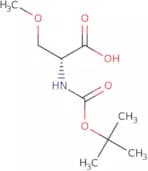
CAS:Controlled Product<p>Please enquire for more information about [2-(1,2-Dimethyl-1H-indol-3-yl)ethyl]amine hydrochloride including the price, delivery time and more detailed product information at the technical inquiry form on this page</p>Formula:C12H16N2Purity:Min. 95%Molecular weight:188.27 g/mol(R)-2-((tert-Butoxycarbonyl)amino)-3-methoxypropanoic acid
CAS:<p>(R)-2-((tert-Butoxycarbonyl)amino)-3-methoxypropanoic acid (BAAM) is a potent, orally bioavailable, and pharmacokinetically well-characterized inhibitor of blood coagulation that has been shown to be effective in animal models. BAAM inhibits the activity of tissue factor (TF), an enzyme that initiates the blood coagulation cascade. TF is important for hemostasis because it is activated by contact with blood and tissue factors such as collagen or thrombin. BAAM has shown some promise as a potential treatment for thrombosis, which can lead to heart attacks and strokes.</p>Formula:C9H17NO5Purity:Min. 95%Molecular weight:219.24 g/mol4-Ethyl-Benzeneethanamine
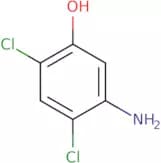
CAS:Controlled Product<p>4-Ethyl-benzeneethanamine (4EBE) is a molecule that has been used in assays to measure the pharmacokinetic profile of drugs. 4EBE is also a potential anti-cancer drug, which has been shown to inhibit the proliferation of cancer cells. Studies have shown that 4EBE induces hypermethylation and suppresses suppressor genes, which can lead to cell death. In addition, this agent may be used as an anti-HIV drug. It is envisaged that 4EBE will be useful for the treatment of HIV infection by inhibiting viral replication and suppressing viral gene expression.</p>Formula:C10H16NPurity:Min. 95%Molecular weight:150.24 g/mol5-Amino-2,4-dichlorophenol
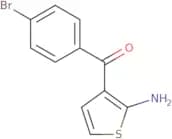
CAS:<p>Please enquire for more information about 5-Amino-2,4-dichlorophenol including the price, delivery time and more detailed product information at the technical inquiry form on this page</p>Formula:C6H5Cl2NOPurity:Min. 95%Color and Shape:PowderMolecular weight:178.02 g/mol(2-Aminothiophen-3-yl)(4-bromophenyl)methanone
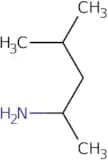
CAS:<p>2-Aminothiophen-3-yl)(4-bromophenyl)methanone is a new compound that is being developed as a potential antiviral agent. Covid-19, the trade name for 2-aminothiophen-3-yl)(4-bromophenyl)methanone, prevents the replication of viruses by binding to their nucleic acids and blocking their ability to produce proteins. Covid-19 has been shown to be effective against both influenza A and B viruses in cellular and animal models. The antiviral activity of Covid-19 is due to its ability to bind to viral nucleic acid, preventing the production of proteins vital for viral replication. This compound has also been shown to have anti-inflammatory properties, which may be due to its ability to inhibit the production of amyloid plaques in mice with Alzheimer's disease.</p>Formula:C11H8BrNOSPurity:Min. 95%Molecular weight:282.16 g/mol(1,3-Dimethylbutyl)amine
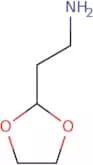
CAS:Controlled Product<p>(1,3-Dimethylbutyl)amine is a chemical substance that can be found in dietary supplements. It is structurally similar to amines and has been shown to have an effect on blood pressure. (1,3-Dimethylbutyl)amine has also been reported as being used in the manufacture of medicines for the treatment of heart disease. This chemical substance is produced by the reaction of hydrochloric acid with isovaleric acid. The product is then purified by chromatography and converted into its salt form for use as a dietary supplement. In addition to this, (1,3-Dimethylbutyl)amine is also used in some herbal remedies.</p>Formula:C6H15NPurity:Min. 95%Color and Shape:Clear LiquidMolecular weight:101.19 g/mol2-(2-Aminoethyl)-1,3-dioxolane
CAS:<p>2-(2-Aminoethyl)-1,3-dioxolane is a model membrane used to study the transport of hydrazides across membranes. It is also a vector for the study of supramolecular polymers and has been shown to be activated by aldehydes. 2-(2-Aminoethyl)-1,3-dioxolane has biological activity against human cells and has been used as a screening agent for hydrazide drugs. This compound can be used to study transport efficiency and functionality in vitro.</p>Formula:C5H11NO2Purity:Min. 95%Color and Shape:Clear LiquidMolecular weight:117.15 g/mol1-(2-Aminoethyl)-3-Phenylurea Hydrochloride
CAS:<p>Please enquire for more information about 1-(2-Aminoethyl)-3-Phenylurea Hydrochloride including the price, delivery time and more detailed product information at the technical inquiry form on this page</p>Formula:C9H13N3O·HClPurity:Min. 95%Molecular weight:215.68 g/mol[1,2,4]Triazolo[1,5-a]pyrimidin-7-amine
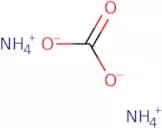
CAS:<p>[1,2,4]Triazolo[1,5-a]pyrimidin-7-amine is a competitive inhibitor of tumor growth. It has been shown to inhibit the synthesis of DNA and RNA by binding to the N7 nitrogen atom in the nucleotide base. The compound also has a trifluoromethyl group that can be used as an assay for enzymatic activity. [1,2,4]Triazolo[1,5-a]pyrimidin-7-amine can be synthesized from 2-(3'-hydroxypropoxy)phenylamine by reaction with hydroxylamine and formaldehyde in the presence of sodium cyanide. This drug inhibits tumor growth in vitro and in vivo and is active against infectious diseases such as hepatitis B virus (HBV).</p>Formula:C5H5N5Purity:Min. 95%Molecular weight:135.13 g/molAmmonium carbonate
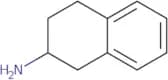
CAS:<p>Ammonium carbonate is an inorganic salt that consists of ammonium ion and carbonate ion. It is a white crystalline solid with a molecular weight of about 166.4 g/mol. Ammonium carbonate is soluble in water, alcohol, acetone, and other organic solvents. It has been used as a buffer solution for pH adjustment and as a source of ammonium ions in analytical chemistry. Ammonium carbonate can be formed by the reaction of sodium carbonate with ammonia gas or liquid ammonia, or the reaction of sodium bicarbonate with ammonia gas or liquid ammonia. The thermal expansion coefficient of ammonium carbonate is higher than those of sodium salts such as sodium chloride and potassium chloride. Electrochemical impedance spectroscopy (EIS) measurements have shown that the reactivity between ammonium carbonate and plasma mass spectrometry is high due to its high values on the electric spectrum graph at low frequencies (1 kHz).</p>Formula:CH8N2O3Purity:Min. 95%Color and Shape:White SolidMolecular weight:96.09 g/mol1,2,3,4-Tetrahydronaphthalen-2-amine hydrobromide
CAS:Controlled Product<p>1,2,3,4-Tetrahydronaphthalen-2-amine hydrobromide (THNA) is an amine that inhibits the enzyme tyrosine hydroxylase. This inhibition leads to a decrease in the synthesis of dopamine and norepinephrine. THNA has been shown to have inhibitory properties on locomotor activity, acid complex formation, and aminotransferases. It also exhibits receptor binding and agonist binding site activity. One study found that THNA had no effect on rat striatal tissue. The drug has been shown to be effective in metabolic disorders such as obesity.</p>Formula:C10H13NPurity:Min. 95%Molecular weight:147.22 g/mol[(4-Methyl-1H-imidazol-5-yl)methyl]amine hydrochloride
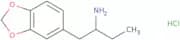
CAS:<p>Please enquire for more information about [(4-Methyl-1H-imidazol-5-yl)methyl]amine hydrochloride including the price, delivery time and more detailed product information at the technical inquiry form on this page</p>Formula:C5H9N3Purity:Min. 95%Molecular weight:111.15 g/molrac benzodioxole-5-butanamine hydrochloride
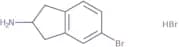
CAS:Controlled Product<p>Racemic benzodioxole-5-butanamine hydrochloride (RAC) is a pharmacologic agent that has been shown to bind to dopamine receptors, thereby activating them. It has been shown to be an effective treatment for depression and other mental illnesses. Racemic benzodioxole-5-butanamine hydrochloride is also used in analytical toxicology as a chromatographic standard. This compound has been synthesized using the asymmetric synthesis of primary amines. RAC is also an enantiomer and can exist in two forms: (+)-RAC and (-)-RAC, which are mirror images of each other. The (+) form of racemic benzodioxole-5-butanamine hydrochloride is the more active form, with greater binding affinity for dopamine receptors than the (-) form.</p>Formula:C11H16ClNO2Purity:Min. 95%Molecular weight:229.7 g/mol5-Bromo-2,3-dihydro-1H-inden-2-amine hydrobromide
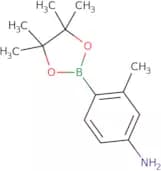
CAS:Controlled Product<p>Please enquire for more information about 5-Bromo-2,3-dihydro-1H-inden-2-amine hydrobromide including the price, delivery time and more detailed product information at the technical inquiry form on this page</p>Formula:C9H10BrN·HBrPurity:Min. 95%Molecular weight:293 g/mol4-Amino-2-methylphenylboronic acid, pinacol ester
CAS:<p>Please enquire for more information about 4-Amino-2-methylphenylboronic acid, pinacol ester including the price, delivery time and more detailed product information at the technical inquiry form on this page</p>Formula:C13H20BNO2Purity:Min. 95%Molecular weight:233.11 g/mol1-(5-Methyl-1,2,4-oxadiazol-3-yl)cyclohexanamine hydrochloride
CAS:Controlled Product<p>Please enquire for more information about 1-(5-Methyl-1,2,4-oxadiazol-3-yl)cyclohexanamine hydrochloride including the price, delivery time and more detailed product information at the technical inquiry form on this page</p>Formula:C9H16N3OClPurity:Min. 95%Molecular weight:217.7 g/mol5-Iodo-2-aminoindane
CAS:Controlled Product<p>5-Iodo-2-aminoindane is a chemical pesticide that belongs to the group of diallyl trisulfide. It is used for the control of fruit pests such as Drosophila, Ceratitis capitata, and Rhagoletis pomonella. 5-Iodo-2-aminoindane has been shown to inhibit the growth of these pests through in vitro assay. The synthetic cannabinoid activity of 5-iodo-2-aminoindane may be due to its ability to inhibit fatty acid uptake by binding to the fatty acid transporter protein at the cell membrane.</p>Formula:C9H10INPurity:Min. 95%Molecular weight:259.09 g/molTriisopropanolamine Borate
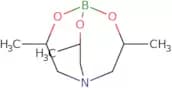
CAS:<p>Triisopropanolamine borate is an organic compound with the formula (CH3)3N(CH2)3OH. It is a colorless liquid with a sweet, amine-like odor. Triisopropanolamine borate is widely used as a cross-linking agent in coatings, and as a reactive functional group in polycarboxylic acid synthesis and cationic polymerization. It also has been used as a blood pressure lowering agent and to treat high calcium levels in the blood. The chemical structure of triisopropanolamine borate can be seen below: Triisopropanolamine Borate, Chemical Structure The chemical formula for triisopropanolamine borate is CH3N(CH2)3OH. Triisopropanolamine borate has many applications due to its reactive functional groups, including cross-linking agents for coatings and polycarboxylic acid synthesis</p>Formula:C9H18BNO3Purity:Min. 95%Molecular weight:199.06 g/mol2-Aminopyrimidine-5-boronic acid pinacol ester
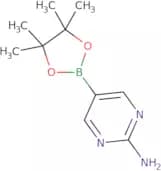
CAS:<p>2-Aminopyrimidine-5-boronic acid pinacol ester is a boronic acid derivative that has been shown to inhibit the activity of protein kinase C. This compound is also an effective linker for cross-coupling reactions and has a low reactivity with nucleophiles, which makes it safer than other boronic acids. 2-Aminopyrimidine-5-boronic acid pinacol ester has been shown to be potent against cancer cells in vitro and in vivo and synthetic cells. 2-Aminopyrimidine-5-boronic acid pinacol ester inhibits the growth of cancer cells by binding to the ATP site on protein kinase C, thereby inhibiting its function.</p>Formula:C10H16BN3O2Purity:Min. 95 Area-%Color and Shape:PowderMolecular weight:221.06 g/mol12-Aminododecanoic acid
CAS:<p>12-Aminododecanoic acid is a fatty acid that is used in the manufacture of magnetic particles. It is synthesized by cationic polymerization of 4-tert-butylbenzoic acid and dodecanedioic acid. The process involves the use of water vapor to remove hydrochloric acid from the solution and form a salt, which then reacts with dodecanedioic acid to produce 12-aminododecanoic acid. This compound has been shown to have transport properties for nitrogen atoms and can be used in exfoliated materials such as nanometals. 12-Aminododecanoic acid has also been shown to exhibit redox activity due to its ability to react with hydrogen peroxide.</p>Formula:C12H25NO2Purity:Min. 95%Color and Shape:White PowderMolecular weight:215.33 g/molN-(Aminocarbonyl)aspartic acid
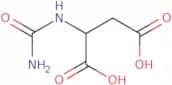
CAS:<p>N-Aminocarbonyl-L-aspartic acid (NACD) is a molecule that is found in urine samples. It can be used as a biomarker to detect cancer, HIV infection, and many other diseases. The presence of NACD has been correlated with the development of acidosis, which is characterized by an increase in the pH of body fluids. The following are a few examples of how this product might be described on an eCommerce site: Rifapentine is an anti-tuberculosis drug that belongs to the class of rifamycins. It is the most active of the rifamycins for the treatment of tuberculosis. Rifapentine inhibits bacterial growth by binding to DNA-dependent RNA polymerase, thereby preventing transcription and replication. The high frequency of human activity has been shown using a patch-clamp technique on human erythrocytes. This active form is metabolized through</p>Formula:C5H8N2O5Purity:Min. 95%Color and Shape:PowderMolecular weight:176.13 g/molCyclopentylamine
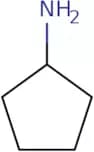
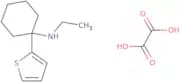
CAS:<p>Cyclopentylamine is a chemical compound with the molecular formula C9H14N. It is an organic amine that has the chemical properties of both a primary and secondary amine. Cyclopentylamine can be synthesized from cyclopentanone and ammonia, which are reacted in the presence of hydrochloric acid as a catalyst. Cyclopentylamine has been shown to inhibit DPP-IV, an enzyme that breaks down proteins in the intestines. This may contribute to its anti-inflammatory effects. It has also been shown to have anti-inflammatory effects by inhibiting production of prostaglandins, which are substances involved in inflammation. Cyclopentylamine is used as a starting material for synthesis of other chemical compounds such as pharmaceuticals, pesticides, and herbicides.</p>Formula:C5H11NPurity:Min. 95%Color and Shape:Colorless Clear LiquidMolecular weight:85.15 g/molN-Ethyl-1-(2-thienyl)cyclohexanamine oxalate
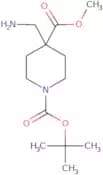
CAS:Controlled Product<p>Please enquire for more information about N-Ethyl-1-(2-thienyl)cyclohexanamine oxalate including the price, delivery time and more detailed product information at the technical inquiry form on this page</p>Formula:C12H19NSPurity:Min. 95%Molecular weight:209.35 g/molMethyl4-aminomethyl-1-boc-piperidine-4-carboxylate
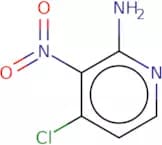
CAS:<p>Please enquire for more information about Methyl4-aminomethyl-1-boc-piperidine-4-carboxylate including the price, delivery time and more detailed product information at the technical inquiry form on this page</p>Formula:C13H24N2O4Purity:Min. 95%Molecular weight:272.34 g/mol2-Amino-4-chloro-3-nitropyridine
CAS:<p>2-Amino-4-chloro-3-nitropyridine is a potent inhibitory molecule that inhibits the activity of the enzyme acetylcholinesterase. It has been used in the treatment of chronic pain, and has been shown to be effective for inhibiting malonate esters and amino acid esters. This drug is an ethyl ester that can be synthesized from chlorobenzene and malonic acid by chlorinating it with chlorine gas. 2-Amino-4-chloro-3-nitropyridine has also been shown to have a high affinity for malonic acid diethyl esters.</p>Formula:C5H4ClN3O2Purity:Min. 98 Area-%Color and Shape:PowderMolecular weight:173.56 g/mol(R)-Tetrahydro-2H-pyran-3-amine hydrochloride
CAS:<p>Please enquire for more information about (R)-Tetrahydro-2H-pyran-3-amine hydrochloride including the price, delivery time and more detailed product information at the technical inquiry form on this page</p>Formula:C5H12ClNOPurity:Min. 95%Molecular weight:137.61 g/molCarboprost tromethamine
CAS:<p>Carboprost tromethamine is a synthetic prostaglandin analogue that is used to induce labor in pregnant women. Carboprost tromethamine has minimal toxicity and can be combined with other drugs to improve efficacy. This drug has been shown to be effective in combination therapy groups, with minimal side effects. Carboprost tromethamine inhibits the activity of the enzyme phospholipase A2, which is responsible for the breakdown of fatty acids and production of inflammatory mediators. It also has anti-inflammatory properties and can be used as a treatment for metabolic disorders such as bladder dysfunction. Carboprost tromethamine is not active against bacteria or fungi, but it does have some antibacterial properties that may come from its ability to inhibit bacterial rRNA synthesis at high concentrations. Carboprost tromethamine should not be used during pregnancy or breastfeeding due to its potential risk of uterine contractions after childbirth, which can interfere with placental</p>Formula:C25H47NO8Purity:Min. 95%Color and Shape:SolidMolecular weight:489.64 g/mol[2-(1-Ethyl-1H-benzimidazol-2-yl)ethyl]amine dihydrochloride
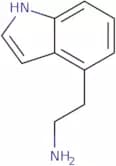
CAS:Controlled Product<p>Please enquire for more information about [2-(1-Ethyl-1H-benzimidazol-2-yl)ethyl]amine dihydrochloride including the price, delivery time and more detailed product information at the technical inquiry form on this page</p>Formula:C11H15N3Purity:Min. 95%Molecular weight:189.26 g/mol1H-Indole-4-ethanamine
CAS:Controlled Product<p>Please enquire for more information about 1H-Indole-4-ethanamine including the price, delivery time and more detailed product information at the technical inquiry form on this page</p>Formula:C10H12N2Purity:Min. 95%Molecular weight:160.22 g/mol4-Amino-1,3-dimethyl-2,6-dioxo-5-nitrosopyrimidine
CAS:<p>4-Amino-1,3-dimethyl-2,6-dioxo-5-nitrosopyrimidine is a monoclonal antibody that binds to cancer cells. It has been shown to be effective in the treatment of leukemia, Hodgkin's disease, and non-Hodgkin's lymphoma. The binding of 4-Amino-1,3-dimethyl-2,6-dioxo-5-nitrosopyrimidine to cancer cells is due to the formation of a coordination geometry between the copper complex and the nitrogen atoms on the amino group. This drug has been shown to inhibit tumor growth by blocking the synthesis of DNA and RNA, which are key components in cell division. 4AADNP also inhibits cancer cells' ability to uptake glucose by inhibiting cellular glucose transporters. The binding affinity of 4AADNP for cancer cells is higher than for normal cells because cancer cells have more receptors for this drug</p>Formula:C6H8N4O3Purity:Min. 95%Molecular weight:184.15 g/mol3-Chloro-N-methylpropan-1-amine HCl
CAS:<p>Please enquire for more information about 3-Chloro-N-methylpropan-1-amine HCl including the price, delivery time and more detailed product information at the technical inquiry form on this page</p>Formula:C4H11Cl2NPurity:Min. 95%Molecular weight:144.04 g/mol3-Hydroxy-4-amino-butyric acid
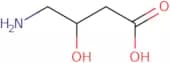
CAS:Controlled Product<p>3-Hydroxy-4-amino-butyric acid is a synthetase that catalyzes the formation of 3-hydroxy-4 amino butyric acid from 3-hydroxy butyric acid and ammonia. This reaction occurs in the presence of chloride ions, ethyl bromoacetate and butyric acid. The isolated yield of this reaction is 47%. The product can be converted to 3-amino butyric acid by dehydrating it with hydrochloric acid. 3-Hydroxy-4 amino butyric acid has been shown to have anticancer properties in vitro. It also has been shown to have antiinflammatory properties, which may be due to its ability to inhibit the production of prostaglandin E2, an inflammatory mediator.</p>Formula:C4H9NO3Purity:Min. 95%Color and Shape:PowderMolecular weight:119.12 g/mol1H,1H-Nonafluoropentylamine
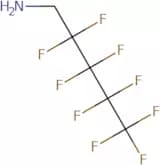
CAS:<p>Please enquire for more information about 1H,1H-Nonafluoropentylamine including the price, delivery time and more detailed product information at the technical inquiry form on this page</p>Formula:C5H4F9NPurity:Min. 95%Color and Shape:Clear LiquidMolecular weight:249.08 g/mol4-Hydroxy-N,N-diethyltryptamine
CAS:Controlled Product<p>4-Hydroxy-N,N-diethyltryptamine (4HT) is a synthetic psychedelic drug that has been shown to cause infected and uninfected cells to produce elastin and chloride. 4HT causes iontophoresis in the dermis, which may be due to its ability to inhibit surfactant production. It has also been shown to have an anti-inflammatory effect. The skin concentration of 4HT is dependent on the area of the body where it is applied and can range from 0.1% in the face to 1% in the back. In addition, 4HT has been shown to be toxic to echinacea and other plants grown in soil containing benzyl alcohol.</p>Formula:C14H20N2OPurity:Min. 95%Molecular weight:232.32 g/molDimethylaminoacetic acid hydrazide dihydrochloride
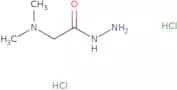
CAS:<p>Please enquire for more information about Dimethylaminoacetic acid hydrazide dihydrochloride including the price, delivery time and more detailed product information at the technical inquiry form on this page</p>Purity:Min. 95%2-Amino-7-(2,3,4-trimethoxyphenyl)-7,8-dihydroquinazolin-5(6H)-one
CAS:Controlled Product<p>Please enquire for more information about 2-Amino-7-(2,3,4-trimethoxyphenyl)-7,8-dihydroquinazolin-5(6H)-one including the price, delivery time and more detailed product information at the technical inquiry form on this page</p>Formula:C17H19N3O4Purity:Min. 95%Molecular weight:329.35 g/molEthyl 7-aminoheptanoate hydrochloride
CAS:<p>Ethyl 7-aminoheptanoate hydrochloride is an antibiotic that belongs to the class of esters. It has been shown to inhibit the growth of bacteria in vitro, which is attributed to its ability to inhibit protein synthesis. This drug has been used as a chemical manipulator in animal experiments. Ethyl 7-aminoheptanoate hydrochloride binds to the ribosomal RNA of bacteria and prevents amino acid incorporation into proteins, which leads to cell death. The endpoint of this experiment was determined by counting the number of rotations on a rotator after treatment with ethyl 7-aminoheptanoate hydrochloride or saline solution. Treatment with ethyl 7-aminoheptanoate hydrochloride resulted in an increase in the number of rotations, which is indicative of bacterial death.</p>Formula:C9H20ClNO2Purity:Min. 95%Molecular weight:209.71 g/mol5-Iodo-2,3-dihydro-1H-inden-2-amine hydrochloride hydrate
Controlled Product<p>Please enquire for more information about 5-Iodo-2,3-dihydro-1H-inden-2-amine hydrochloride hydrate including the price, delivery time and more detailed product information at the technical inquiry form on this page</p>Formula:C9H13ClINOPurity:Min. 95%Molecular weight:313.56 g/mol6-Methyl-2-pyridinemethanamine
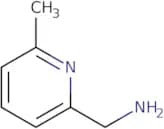
CAS:<p>6-Methyl-2-pyridinemethanamine is an imine that is used in cancer therapy. It has been shown to have antitumor activity at nanomolar concentrations, which is a very low dose. 6-Methyl-2-pyridinemethanamine is not sensitive to the body's enzymes and does not show any signs of toxicity. This drug also has a pharmacokinetic profile that enhances the uptake of other drugs and can be used for the treatment of cancers that are resistant to chemotherapy. The mechanism of action of 6-methyl-2-pyridinemethanamine is constitutive activation, which means it binds to the constitutively active site on the protein target and inhibits its function.</p>Formula:C7H10N2Purity:Min. 95%Molecular weight:122.17 g/molTetraethylenepentamine
CAS:<p>Tetraethylenepentamine is a cell-signaling agent that binds to the MCL-1 protein and inhibits its function as a cell factor. This inhibition prevents the induction of apoptosis, which is important for the development of bowel disease. Tetraethylenepentamine can be used in wastewater treatment to remove glycol ethers from industrial effluent. It also has been shown to adsorb at acidic pH levels, making it an ideal candidate for use in solid phase microextraction (SPME) experiments. Tetraethylenepentamine interacts with fluorescence probes such as hydroxycoumarin, which makes it useful for surface methodology studies.</p>Formula:C8H23N5Purity:Min. 95%Color and Shape:Clear LiquidMolecular weight:189.3 g/molcis-4-Methylcyclohexylamine
CAS:<p>Cis-4-Methylcyclohexylamine is a cyclic amine that is found in the form of its decarboxylated derivative, 4-methylcyclohexanamine, which is used as an inhibitor for various enzymes. The methyl group on the cyclohexane ring is responsible for the compound's activity. Magnetic resonance spectroscopy has shown that cis-4-Methylcyclohexylamine binds to the active site of carbonyl reductase and inhibits its enzymatic activity, thereby blocking a step in the citric acid cycle. Cis-4-Methylcyclohexylamine has also been shown to have anti-inflammatory effects by inhibiting protein kinase C (PKC) and NFkB activation.</p>Formula:C7H15NPurity:Min. 95%Molecular weight:113.2 g/mol(R)-N-Ethyl amphetamine hydrochloride
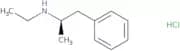
CAS:Controlled Product<p>Please enquire for more information about (R)-N-Ethyl amphetamine hydrochloride including the price, delivery time and more detailed product information at the technical inquiry form on this page</p>Formula:C11H18ClNPurity:Min. 95%Molecular weight:199.72 g/mol4-Amino-N,N-dipropylbenzenesulfonamide
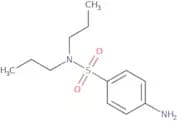
CAS:<p>4-Amino-N,N-dipropylbenzenesulfonamide is a molecule that has been shown to be an effective antimicrobial agent against bacteria. It inhibits the growth of bacteria by inhibiting the enzyme that catalyzes the formation of acyl radicals from alkoxy radicals and ethoxycarbonyl groups. This prevents bacterial cell membrane lipid peroxidation and thus prevents bacterial growth. 4-Amino-N,N-dipropylbenzenesulfonamide also inhibits bacterial DNA synthesis by interfering with the enzymes that synthesize nucleotides and proteins. The molecule has been shown to bind to nucleophilic sites on DNA gyrase, preventing its activity, which leads to inhibition of DNA replication. 4-Amino-N,N-dipropylbenzenesulfonamide can also bind to pyrazolyl groups on carbanion molecules and form a stable carbamate group.</p>Formula:C12H20N2O2SPurity:Min. 95%Color and Shape:White PowderMolecular weight:256.37 g/mol2-Hydroxy-2-(3,4-dimethoxyphenyl)ethylamine hydrochloride
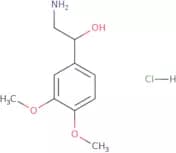
CAS:Controlled Product<p>Please enquire for more information about 2-Hydroxy-2-(3,4-dimethoxyphenyl)ethylamine hydrochloride including the price, delivery time and more detailed product information at the technical inquiry form on this page</p>Formula:C10H15NO3·HClPurity:Min. 95%Molecular weight:233.69 g/molDimethyl-p-phenylenediamine sulfate
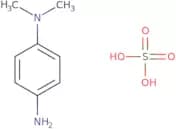
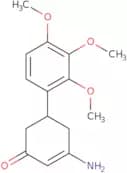
CAS:<p>Dimethyl-p-phenylenediamine sulfate (DMPD) is a response element that is involved in the regulation of physiological function and energy metabolism. DMPD is found in prostate cancer cells, which may be due to its ability to regulate the apoptosis pathway. The clinical relevance of DMPD has been shown by a low dose study on rats with myocardial infarcts. Rats were given doses of 0.5, 1, or 2 mg/kg DMPD for 3 weeks before being subjected to an occlusive coronary artery ligation procedure. The results showed that the rats given DMPD had significantly lower systolic blood pressure than those not given DMPD, but there was no difference in diastolic blood pressure.</p>Formula:C8H14N2O4SPurity:Min. 95%Molecular weight:234.27 g/mol3-Amino-5-(2,3,4-trimethoxyphenyl)cyclohex-2-en-1-one
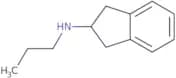
CAS:Controlled Product<p>Please enquire for more information about 3-Amino-5-(2,3,4-trimethoxyphenyl)cyclohex-2-en-1-one including the price, delivery time and more detailed product information at the technical inquiry form on this page</p>Formula:C15H19NO4Purity:Min. 95%Molecular weight:277.32 g/molN-2,3-Dihydro-1H-inden-2-yl-N-propylamine
CAS:Controlled Product<p>Please enquire for more information about N-2,3-Dihydro-1H-inden-2-yl-N-propylamine including the price, delivery time and more detailed product information at the technical inquiry form on this page</p>Formula:C12H17NPurity:Min. 95%Molecular weight:175.27 g/mol(1R,2S)-2-[N-Benzyl-N-(mesitylenesulfonyl)amino]-1-phenyl-1-propanol
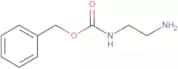
CAS:Controlled Product<p>Please enquire for more information about (1R,2S)-2-[N-Benzyl-N-(mesitylenesulfonyl)amino]-1-phenyl-1-propanol including the price, delivery time and more detailed product information at the technical inquiry form on this page</p>Formula:C25H29NO3SPurity:Min. 95%Molecular weight:423.57 g/molN-1-Z-1,2-diaminoethane·HCl
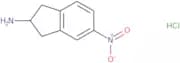
CAS:<p>N-1-Z-1,2-diaminoethane·HCl is a stable isotope of N-1-Z-1,2-diaminoethane. It is used for the analysis of plant tissue to quantify the amount of leaves or other plant parts that are present in a sample. This compound can be used to monitor changes in the level of leaves or other plant parts over time and to measure recovery rates after harvest. N-1-Z-1,2-diaminoethane·HCl is labeled with deuterium (D) in order to be detected by liquid chromatography–mass spectrometry (LC–MS). The quantification of N-1-Z-1,2-diaminoethane·HCl can be monitored using multiple reaction monitoring (MRM). The use of this stable isotope overcomes many problems associated with traditional methods, such as environmental variability and tissue degradation.</p>Formula:C10H14N2O2·HClPurity:Min. 95%Molecular weight:230.69 g/mol2-Amino-5-nitroindan hydrochloride
CAS:Controlled Product<p>Please enquire for more information about 2-Amino-5-nitroindan hydrochloride including the price, delivery time and more detailed product information at the technical inquiry form on this page</p>Formula:C9H10N2O2·HClPurity:Min. 95%Molecular weight:214.65 g/mol7-[(3R)-3-[(N-Acetyl)amino]-1-oxo-4-(2,4,5-trifluorophenyl)butyl]-5,6,7,8-tetrahydro-3-(trifluoromethyl)-1,2,4-triazolo[4,3-a]pyrazi ne
CAS:<p>Please enquire for more information about 7-[(3R)-3-[(N-Acetyl)amino]-1-oxo-4-(2,4,5-trifluorophenyl)butyl]-5,6,7,8-tetrahydro-3-(trifluoromethyl)-1,2,4-triazolo[4,3-a]pyrazi ne including the price, delivery time and more detailed product information at the technical inquiry form on this page</p>Formula:C18H17F6N5O2Purity:Min. 95%Molecular weight:449.35 g/mol4-Amino-4'-methoxydiphenylamine HCl
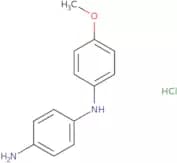
CAS:<p>4-Amino-4'-methoxydiphenylamine HCl is a chemical compound that can be used as an analytical tool. It is prepared by the reaction of 4-aminophenol with 4-chloromethylphenol and formaldehyde in the presence of hydrochloric acid. This product has been found to have a potentiodynamic polarization curve that resembles that of a cationic surfactant. The detection methods for this product are electrochemical impedance spectroscopy, microscopy, and chemical reactions.</p>Purity:Min. 95%Molecular weight:250.72 g/molR-(-)-Methamphetamine hydrochloride
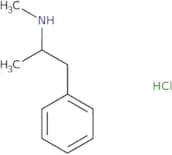
CAS:Controlled Product<p>Please enquire for more information about R-(-)-Methamphetamine hydrochloride including the price, delivery time and more detailed product information at the technical inquiry form on this page</p>Formula:C10H15N•HClPurity:Min. 95%Color and Shape:PowderMolecular weight:185.69 g/mol2-Methoxyethanamine
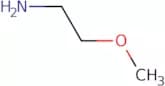
CAS:<p>2-Methoxyethanamine is a metabolite of the drug 2-methoxyethanol. It is an amine that can be found in urine samples. Its structure consists of a hydroxyl group, sodium carbonate, and an intramolecular hydrogen. 2-Methoxyethanamine inhibits the production of angiotensin II, which reduces blood pressure. This molecule has antihypertensive activity because it prevents the conversion of angiotensin I to angiotensin II in the kidneys. 2-Methoxyethanamine also has a stepwise mechanism for its synthesis from ethylene diamine and nitrogen atoms. It can be oxidized by hydrochloric acid or reduced by hydrogen bond or amines. The redox potential of this molecule is -0.06 V, which makes it a nucleophilic compound with an amide bond as its conjugate base.</p>Formula:C3H9NOPurity:Min. 95%Color and Shape:Colourless To Yellow Clear LiquidMolecular weight:75.11 g/mol


![[4-[2-(Diethylamino)ethoxy]-3-iodophenyl][2-(1-hydroxybutyl)-3-benzofuranyl]-methanone](/_next/image/?url=https%3A%2Fstatic.cymitquimica.com%2Fproducts%2F3D%2Fthumb-webp%2FFD150040.webp&w=3840&q=75)





![[2-(4-Aminophenyl)ethyl]carbamic acid tert-butyl ester](/_next/image/?url=https%3A%2Fstatic.cymitquimica.com%2Fproducts%2F3D%2Fthumb-webp%2FFA51360.webp&w=3840&q=75)
![1,4-Bis[4-(di-p-tolylamino)styryl]benzene](/_next/image/?url=https%3A%2Fstatic.cymitquimica.com%2Fproducts%2F3D%2Fthumb-webp%2FFB75808.webp&w=3840&q=75)
![3-[(Dimethylamino)methyl]benzoic acid hydrochloride](/_next/image/?url=https%3A%2Fstatic.cymitquimica.com%2Fproducts%2F3D%2Fthumb-webp%2FFD124093.webp&w=3840&q=75)





![[2-(1,2-Dimethyl-1H-indol-3-yl)ethyl]amine hydrochloride](/_next/image/?url=https%3A%2Fstatic.cymitquimica.com%2Fproducts%2F3D%2Fthumb-webp%2FFD135164.webp&w=3840&q=75)


![[1,2,4]Triazolo[1,5-a]pyrimidin-7-amine](/_next/image/?url=https%3A%2Fstatic.cymitquimica.com%2Fproducts%2F3D%2Fthumb-webp%2FFT126840.webp&w=3840&q=75)
![[(4-Methyl-1H-imidazol-5-yl)methyl]amine hydrochloride](/_next/image/?url=https%3A%2Fstatic.cymitquimica.com%2Fproducts%2F3D%2Fthumb-webp%2FFM125220.webp&w=3840&q=75)





![[2-(1-Ethyl-1H-benzimidazol-2-yl)ethyl]amine dihydrochloride](/_next/image/?url=https%3A%2Fstatic.cymitquimica.com%2Fproducts%2F3D%2Fthumb-webp%2FFE125216.webp&w=3840&q=75)








![(1R,2S)-2-[N-Benzyl-N-(mesitylenesulfonyl)amino]-1-phenyl-1-propanol](/_next/image/?url=https%3A%2Fstatic.cymitquimica.com%2Fproducts%2F3D%2Fthumb-webp%2FFB59938.webp&w=3840&q=75)
![7-[(3R)-3-[(N-Acetyl)amino]-1-oxo-4-(2,4,5-trifluorophenyl)butyl]-5,6,7,8-tetrahydro-3-(trifluorom…](/_next/image/?url=https%3A%2Fstatic.cymitquimica.com%2Fproducts%2F3D%2Fthumb-webp%2FFA104169.webp&w=3840&q=75)