


Amines
Amines are a set of molecules containing an amino functional group (derived from ammonia). This category includes amines at any level of substitution : primary, secondary, tertiary, and ammonium salts. Amines are fundamental in organic synthesis and are widely used in pharmaceuticals, agrochemicals, and materials science. At CymitQuimica, we provide a comprehensive selection of amines to meet your research and industrial needs. Our range ensures access to various amines for diverse chemical processes and innovative research.
Subcategories of "Amines"
- Nitrosamines(2,606 products)
- Primary Amines(30,821 products)
- Quaternary Ammonium Cations and Salts(1,100 products)
- Secondary Amines(20,817 products)
- Tertiary Amines(17,117 products)
Found 8779 products of "Amines"
Sort by
Purity (%)
0
100
|
0
|
50
|
90
|
95
|
100
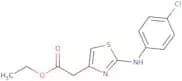
ethyl 2-(4-(4-chlorophenylamino)-3,5-thiazolyl)acetate
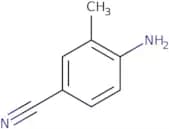
CAS:<p>Please enquire for more information about ethyl 2-(4-(4-chlorophenylamino)-3,5-thiazolyl)acetate including the price, delivery time and more detailed product information at the technical inquiry form on this page</p>Purity:Min. 95%4-Amino-3-methylbenzonitrile
CAS:<p>4-Amino-3-methylbenzonitrile is a proton ionophore that can be used to prevent viral replication. It is a synthetic, aminobenzonitrile derivative that binds to the viral RNA polymerase and prevents the synthesis of new virus particles. 4-Amino-3-methylbenzonitrile has been shown to inhibit the growth of some strains of coxsackievirus, although it is less effective against other strains and viruses. 4-Amino-3-methylbenzonitrile inhibits the synthesis of viral proteins by binding to the viral RNA polymerase. This prevents viral transcription and replication, which leads to cell death.</p>Formula:C8H8N2Color and Shape:PowderMolecular weight:132.16 g/molL-Alanyl-L-glutamine
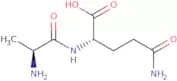
CAS:<p>Stable substitute for glutamine in cell culture media</p>Formula:C8H15N3O4Purity:Min. 98 Area-%Color and Shape:White PowderMolecular weight:217.22 g/mol2,2'-Azino-bis(3-ethylbenzothiazoline-6-sulfonic acid) diammonium salt
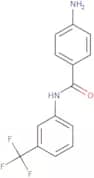
CAS:<p>ABTS can be used as a peroxidase substrate that gives a metastable cation when in the presence of H2O2. 2,2'-Azino-bis (3-ethylbenzothiazoline-6-sulfonic acid) or ABTS is commonly used in the enzyme-linked immunosorbent assay (ELISA). ABTS is chosen because the enzyme facilitates the reaction to give a green end-product with an absorbance maximum of 420nm and can therefore be detected with a spectrophotometer.</p>Formula:C18H24N6O6S4Purity:Min. 98.0 Area-%Color and Shape:PowderMolecular weight:548.68 g/mol(4-Aminophenyl)-N-(3-(trifluoromethyl)phenyl)formamide
CAS:<p>Please enquire for more information about (4-Aminophenyl)-N-(3-(trifluoromethyl)phenyl)formamide including the price, delivery time and more detailed product information at the technical inquiry form on this page</p>Formula:C14H11F3N2OPurity:Min. 95%Color and Shape:PowderMolecular weight:280.25 g/mol3-Aminophenylacetylene
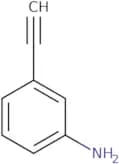
CAS:<p>3-Aminophenylacetylene is a colorless liquid that is soluble in water. It has a molecular weight of 123.14 and a chemical formula of C6H5CHNH2. The transport rate of 3-aminophenylacetylene can be determined by FT-IR spectroscopy, and the epidermal growth factor can be used for the determination of 3-aminophenylacetylene. The anhydrous sodium copper complex is formed by the reaction of 3-aminophenylacetylene with hydrochloric acid. There are two possible mechanisms for this reaction: one involves the formation of a diazonium salt, while the other involves an analytical method that uses hydrogen bond or molecular docking analysis to determine the structure of 3-aminophenylacetylene. High values are obtained when 3-aminophenylacetylene reacts with malonic acid and protein synthesis.</p>Formula:C8H7NPurity:Min. 97.5 Area-%Color and Shape:Clear LiquidMolecular weight:117.15 g/mol2-Aminonaphthalene-5,7-disulfonic acid
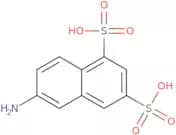
CAS:<p>2-Aminonaphthalene-5,7-disulfonic acid (2ANDA) is a fluorescent and colorless compound that can be used as a tracer for wastewater treatment. 2ANDA is adsorbed onto the surface of suspended solids in wastewater and binds to the hydroxide ions. This binding causes an increase in fluorescence intensity, which can be detected with synchronous fluorescence spectroscopy. 2ANDA also has the ability to form ternary complexes with chloride ions and molecular ions such as sodium hydroxide solution, making it useful for wastewater treatment because it provides information about the concentration of these ions. 2ANDA is soluble in water and may hydrolyze at high pH levels. It has been shown to have good kinetic properties for wastewater treatment by adsorption on granular activated carbon (GAC).</p>Formula:C10H9NO6S2Purity:Min. 95%Color and Shape:PowderMolecular weight:303.31 g/mol(5S)-N-(5-Amino-1-carboxypentyl) iminodiacetic acid hydrate
CAS:<p>(5S)-N-(5-Amino-1-carboxypentyl) iminodiacetic acid hydrate is a sophisticated chelating agent, designed for precise control in various biochemical applications. The reactive moieties of this compound are particularly useful in affinity chromatography and surface functionalization, making it a valuable tool in both protein purification and the development of biosensors or other biotechnological applications. Affinity chromatography: As a metal-chelator, it is particularly adept at binding divalent metal cations such as Ni²⁺, Co²⁺, and Cu²⁺, which are instrumental in stabilizing protein structures or facilitating enzyme activity. When complexed with Ni²⁺ (nickel) ions (5S)-N-(5-Amino-1-carboxypentyl) iminodiacetic acid forms a surface that can specifically capture proteins engineered with a polyhistidine tag (His-tag). Such interactions facilitate the purification and isolation of target proteins with high specificity, allowing immobilization in a controlled orientation without compromising functional integrity.Surface functionalization: The free amine group allows for conjugation via strong covalent bonds to surfaces such as glass, silica, gold (e.g., electrodes), polymers, hydrogels and magnetic beads. This creates metal-functionalized surfaces for biospecific interactions with His-tagged proteins. Examples of potential applications of this include Surface Plasmon Resonance (SPR), fluorescence microscopy and use in artificial cell systems with hydrogel-based cell-mimicking environments. Thus giving (5S)-N-(5-Amino-1-carboxypentyl) iminodiacetic acid a broad scope in its application in advanced biochemical assays and materials science.</p>Formula:C10H18N2O6·xH2OPurity:Min. 95 Area-%Color and Shape:White PowderMolecular weight:262.26 g/mol(S)-2-Amino-3-(methylamino)propanoic acid hydrochloride
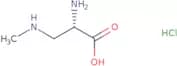
CAS:<p>(S)-2-Amino-3-(methylamino)propanoic acid hydrochloride is a synthetic compound often used in scientific research. It is derived from non-proteinogenic amino acids and has important implications for the study of neurotoxicology. This compound mimics the structural properties of certain naturally occurring amino acids, which allows it to act as a significant tool for understanding biological pathways affected by neurotoxins.</p>Formula:C4H11ClN2O2Color and Shape:Off-White PowderMolecular weight:154.6 g/mol2-Amino-4,5,6,7-tetrahydro-1-benzothiophene-3-carboxamide
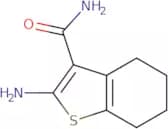
CAS:<p>2-Amino-4,5,6,7-tetrahydro-1-benzothiophene-3-carboxamide is an anticancer agent that inhibits the synthesis of proteins required for cell division. It has been shown to have anticancer activity and efficacy in vitro studies against human cancer cells, such as HCT116. This compound also induces apoptosis in infected cells by binding to viral particles and inducing the release of chloride ions. 2-Amino-4,5,6,7-tetrahydro-1-benzothiophene-3-carboxamide has been found to be effective against influenza virus and particle production by inhibiting neuraminidase activity.</p>Formula:C9H12SN2OPurity:Min. 95%Color and Shape:PowderMolecular weight:196.27 g/mol3-Amino-2-methylbenzoic acid
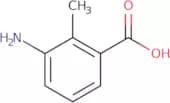
CAS:<p>3-Amino-2-methylbenzoic acid is an organic compound that belongs to the group of heterocyclic compounds. 3-Amino-2-methylbenzoic acid has been shown to inhibit the transport properties of nanotubes and may be used in the development of new materials for drug delivery. It also has potential as a therapeutic agent for the treatment of cancer, diabetes, and bacterial infections. This molecule is unsymmetrical with six hydrogen bonding interactions and three functional groups. The 3-amino group can form an intermolecular hydrogen bond with a proton donor and the two methyl groups can form intramolecular hydrogen bonds with each other.</p>Formula:C8H9NO2Purity:Min. 95%Color and Shape:PowderMolecular weight:151.16 g/mol6-Amino-2,4-dichlorophenol
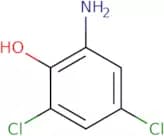
CAS:<p>6-Amino-2,4-dichlorophenol is an organic solution that has been shown to inhibit the uptake of quinoline derivatives by lung fibroblasts. It also inhibits cellular targets such as flavin, blood pressure and v79 cells. 6-Amino-2,4-dichlorophenol has potent antibacterial activity and a reactive nucleophilic group that can form covalent bonds with proteins in the cell membrane. 6-Amino-2,4-dichlorophenol is a reactive agent that binds to DNA and RNA in the bacterial cell's cytoplasmic membrane and inhibits protein synthesis.</p>Formula:C6H5Cl2NOPurity:Min. 95%Color and Shape:PowderMolecular weight:178.02 g/mol3-Bromo-4-fluorobenzylamine hydrochloride
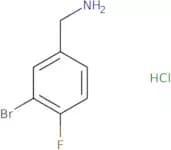
CAS:<p>3-Bromo-4-fluorobenzylamine hydrochloride is a versatile building block that can be used in the preparation of complex compounds. It has been shown to be an effective reagent for research and as a speciality chemical. The compound is also useful as a reaction component or scaffold in the synthesis of high quality and useful intermediates.</p>Formula:C7H8BrClFNPurity:Min. 95%Color and Shape:White PowderMolecular weight:240.5 g/mol6-Amino-3-methyl-4-(4-nitrophenyl)-4H-pyrano[3,2-d]pyrazole-5-carbonitrile
CAS:<p>6-amino-3-methyl-4-(4-nitrophenyl)-4H-pyrano[3,2-d]pyrazole-5-carbonitrile is a compound that has been shown to have correlations with energies and regression. It also has a linear regression, polarities, photophysical properties, and dipole. The fluorescence and excited state of this compound are singlet and hydrogen bonding interactions with solvents.</p>Formula:C14H11N5O3Purity:Min. 95%Color and Shape:PowderMolecular weight:297.27 g/mol3-Bromo-4-methoxybenzylamine hydrochloride
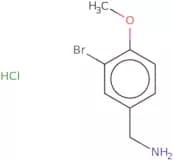
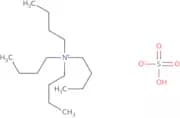
CAS:<p>3-Bromo-4-methoxybenzylamine hydrochloride is a high quality reagent that is used as an intermediate in the synthesis of complex compounds. It has been shown to be a useful scaffold for the synthesis of new chemical entities and a versatile building block for organic synthesis. 3-Bromo-4-methoxybenzylamine hydrochloride can be used as a reaction component in various chemical reactions, including Friedel-Crafts acylation, nitration, chlorination and bromination.</p>Formula:C8H11BrClNOPurity:Min. 95%Color and Shape:PowderMolecular weight:252.54 g/molTetrabutylammonium hydrogensulfate
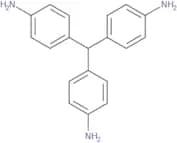
CAS:<p>Tetrabutylammonium hydrogensulfate (TBAS) is a trifluoroacetic acid salt of tetrabutylammonium. It is soluble in water and alcohols and can be used as an acid catalyst for many organic reactions. TBAS reacts with ethylene diamine to form the sulfate ester, which undergoes nucleophilic substitution with hydrogen fluoride to produce hydrofluoric acid. The reaction mechanism of TBAS consists of two steps: the first step involves the formation of a tetrahedral intermediate between the sulfonium cation and the fluoride anion, and the second step involves the nucleophilic attack by water on this intermediate. The x-ray crystal structure of tetrabutylammonium hydrogensulfate has been determined by NMR spectroscopy. This compound is chemically stable at room temperature but decomposes at higher temperatures. The hydroxyl group in tetrabutylammonium hydrogensulfate</p>Formula:C16H37NO4SPurity:Min 99%Color and Shape:White Clear LiquidMolecular weight:339.54 g/molTris(4-Aminophenyl)methane
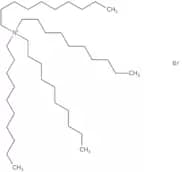
CAS:<p>Tris(4-aminophenyl)methane is a molecule that can react with nitrous acid to form an aliphatic hydrocarbon, which is a type of organic compound. It has been shown to be effective in mammalian cells and in vitro. Tris(4-aminophenyl)methane reacts with nitrous acid to form a diamine adduct, which has been shown to have a diameter of 3.2 nanometers. The expression plasmid containing the gene for the protein tyrosinase was introduced into E. coli cells using an electroporation technique and then used as a template for transcription reactions. The reaction products were identified by gas chromatography/mass spectrometry (GC/MS). Tris(4-aminophenyl)methane has been shown to bind tightly to DNA molecules in nuclear DNA and RNA molecules in ribosomes, inhibiting their synthesis through adsorption mechanisms. This leads to cell death through the inhibition</p>Formula:C19H19N3Purity:Min. 95%Color and Shape:PowderMolecular weight:289.37 g/molTetradecylammonium bromide
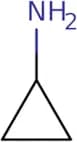
CAS:<p>Tetradecylammonium bromide is a crystalline compound that has been shown to have many applications. It can be used as a denitrification agent, for example, in the removal of nitrates from water or air. Tetradecylammonium bromide also has synergistic effects when combined with other molecules such as fatty acids and human urine. Its crystalline structure consists of two subunits that are linked by hydrogen bonding. The α-subunit is made up of four tetradecylammonium cations and one chloride anion, while the β-subunit is made up of six chloride anions and one tetradecylammonium cation.</p>Formula:C40H84BrNColor and Shape:White Off-White PowderMolecular weight:659.01 g/molCyclopropylamine
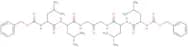
CAS:<p>Cyclopropylamine is a chemical compound that has been shown to be stable under a variety of conditions. It can be used as a model system for the study of transfer reactions in polymerases, as well as receptor activity. Cyclopropylamine inhibits the enzyme DNA polymerase by binding to the active site and causing an irreversible inhibition. It is also used in pharmaceutical drug manufacturing due to its stability and ability to inhibit malonic acid. Cyclopropylamine can act as an intermediate in the synthesis of pyrimidine compounds, which are crystalline polymorphs.</p>Formula:C3H7NPurity:Min. 95%Color and Shape:Clear LiquidMolecular weight:57.09 g/mol1,3-Bis-(Z-Leu-Leu)-diaminoacetone
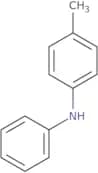
CAS:<p>1,3-Bis-(Z-Leu-Leu)-diaminoacetone is a synthetic diketone inhibitor, which is a formulation derived through specialized organic synthesis. It functions by targeting and inhibiting aspartic proteases, a class of enzymes that play critical roles in numerous biological processes, including protein degradation and processing. This compound's mechanism involves the reversible covalent modification of the enzyme's active site, leading to an obstruction of its catalytic function.</p>Formula:C43H64N6O9Purity:Min. 95%Color and Shape:PowderMolecular weight:809 g/mol4-Methyldiphenylamine
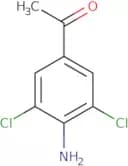
CAS:<p>4-Methyldiphenylamine is a polymerization inhibitor that can be used in the manufacture of polymers and paints. It has been shown to inhibit the polymerization of phenylenediamines, biphenyls, anilines, and other compounds. 4-Methyldiphenylamine is not soluble in water and must be dissolved in an organic solvent such as acetone or alcohol before use. This compound is also known for its ability to form complexes with aluminium ions and phosphotungstic acid. It reacts with chloride to form a yellow/brown solid that can be removed by filtration or decantation. The optimal reaction time ranges from 3 hours to 24 hours, depending on the substrate being used. Impurities may include chromatographic peaks at Rf 0.67, 0.59, and 0.50; these impurities can be removed by washing with deionized water or by using a different solvent system during chromatography. 4</p>Formula:C13H13NPurity:Min. 95%Molecular weight:183.25 g/mol1-(4-Amino-3,5-dichloro-phenyl)-2-ethanone
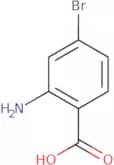
CAS:<p>1-(4-Amino-3,5-dichloro-phenyl)-2-ethanone is a beta-adrenergic agent. It has been used as a stable isotope label for the study of the pharmacokinetics and metabolism of drugs in humans. In addition, it has been shown to have a good stability profile in acidic solutions and can be easily converted to other derivatives by simple chemical methods. The compound's UV spectrum is linear with respect to concentration over the range from 0.1 to 1 mg/mL, with maxima at 227 nm and 254 nm. This compound has been characterized using analytical methods such as diffraction, spectroscopy, and chromatography.</p>Formula:C8H7Cl2NOPurity:Min. 95%Color and Shape:PowderMolecular weight:204.05 g/mol2-Amino-4-bromobenzoic acid
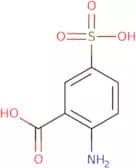
CAS:<p>2-Amino-4-bromobenzoic acid is a molecule that has an acidic carboxylic group and two aromatic amino groups. It has a hydroxyl group and a fluorescence that can be activated or deactivated by ultraviolet light. 2-Amino-4-bromobenzoic acid is used in the synthesis of certain organic compounds. This molecule can be synthesized from other molecules, such as phenol, aminobenzene, and nitrobenzene. The reaction time for this chemical species is dependent on the catalytic agent used during the reaction process. A variety of chemical species are produced when 2-Amino-4-bromobenzoic acid is synthesized, including hydrogen bromide, ammonia, nitrogen gas, and water vapor. The population of 2-Amino-4-bromobenzoic acid is unknown because it is not abundant in nature.</p>Formula:C7H6BrNO2Purity:Min. 95%Color and Shape:Yellow PowderMolecular weight:216.03 g/mol2-Amino-5-sulfobenzoic acid
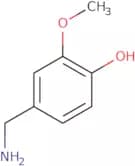
CAS:<p>2-Amino-5-sulfobenzoicacid is an organic compound that is used as a building block in the synthesis of other chemicals. It is also used as a co-catalyst in the copper-catalyzed dehydration of alcohols to produce alkyl sulfates and alkyl sulfonates. 2-Amino-5-sulfobenzoicacid has been shown to be stable in water at pH levels of 7 or higher, but will hydrolyze quickly when exposed to acidic environments. This compound has been shown to emit light under various conditions, including when it absorbs ultraviolet light or when it reacts with metal ions such as copper. 2-Amino-5-sulfobenzoicacid is also fluorescent and can be used for luminescent detection of metal ions.</p>Formula:C7H7NO5SPurity:Min. 95%Color and Shape:PowderMolecular weight:217.2 g/mol4-Hydroxy-3-methoxybenzylamine
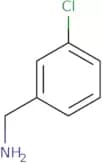
CAS:<p>4-Hydroxy-3-methoxybenzylamine is a nonsteroidal anti-inflammatory drug (NSAID) that has been shown to inhibit the production of cytokines and prostaglandins. It is metabolized by cytochrome P450 enzymes in the liver to form an amide and anhydrous sodium methyl myristate, which are excreted in urine. The reaction solution was analyzed using kinetic energy spectroscopy, which showed that 4-hydroxy-3-methoxybenzylamine reacts with vanillylamine to create a polymerase chain reaction product. This compound also has specific binding affinity for toll-like receptor 2 with high affinity, suggesting that it may have immunomodulatory properties.</p>Formula:C8H11NO2Purity:Min. 95%Color and Shape:PowderMolecular weight:153.18 g/mol3-Chlorobenzylamine
CAS:<p>3-Chlorobenzylamine is a model system for the study of the metabolism of human pathogens. It has been shown to have cytostatic effects in sarcoma cells and pain-relieving properties in animal models. 3-Chlorobenzylamine inhibits the replication of HIV, herpes virus, and adenosine receptor antagonists. This drug has also been found to be an effective anticancer agent. 3-Chlorobenzylamine is structurally similar to other anticancer agents such as methotrexate, mercaptopurine, and pyrimidine analogs.</p>Formula:C7H8ClNPurity:Min. 95%Molecular weight:141.6 g/mol[(1-Methyl-1H-indol-5-yl)methyl]amine acetate
CAS:<p>[(1-Methyl-1H-indol-5-yl)methyl]amine acetate is a versatile building block that can be used in the preparation of a wide range of chemicals. This compound has been shown to react with a variety of reagents, such as phenyliodine diacetate and chloroacetic acid to give various products. [(1-Methyl-1H-indol-5-yl)methyl]amine acetate also reacts with potassium hydroxide (KOH) to produce indole. It is an important intermediate in the synthesis of other chemical compounds and has been reported in more than 200 scientific publications. The chemical formula for [(1-Methyl-1H-indol-5-yl)methyl]amine acetate is C13H14N2O4.</p>Formula:C10H12N2·C2H4O2Purity:Min. 95%Color and Shape:White PowderMolecular weight:220.27 g/mol(8β)-N-[3-(Dimethylamino)propyl]-N-[(ethylamino)carbonyl] -6-(2-propen-1-yl)-ergoline-8-carboxamide
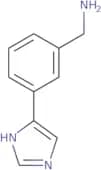
CAS:<p>Agonist of D2 dopamine receptors</p>Formula:C26H37N5O2Purity:Min. 95%Color and Shape:PowderMolecular weight:451.6 g/mol3-(1H-Imidazol-4-yl)benzylamine
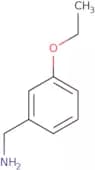
CAS:<p>3-(1H-Imidazol-4-yl)benzylamine is a diagnostic agent that can be used for the diagnosis of Alzheimer's disease. It has been shown to have a synthetase activity, which is an enzymatic activity that forms a new compound from simpler ones. It has also been shown to increase uptake in the cerebral cortex and inhibit matrix metalloproteinase in autoimmune diseases. This drug may be used as a marker for early stage Alzheimer's disease. 3-(1H-Imidazol-4-yl)benzylamine binds to the repressor protein and stabilizes holoenzyme complexes, which are necessary for DNA transcription. This drug also inhibits chromosomal replication by binding to the histone H3 protein and prevents polymerization of DNA strands.</p>Formula:C10H11N3Purity:Min. 95 Area-%Color and Shape:PowderMolecular weight:173.21 g/mol3-Ethoxybenzylamine hydrochloride
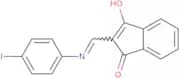
CAS:<p>3-Ethoxybenzylamine hydrochloride is a chemical compound that belongs to the group of industrial chemicals. It is used as an intermediate for the production of vanillin and as a catalyst for hydrogenation reactions. 3-Ethoxybenzylamine hydrochloride can be used in large-scale, industrial reactions. The target product is a reaction solvent that can be used in reduction reactions and aminations. The catalytic activity of 3-ethoxybenzylamine hydrochloride has been shown to increase with increasing pH, temperature, and concentration. The use of this product as a catalyst in the hydrogenation process results in high yield products with low levels of byproducts.</p>Formula:C9H13NO·HClPurity:Min. 95%Color and Shape:White PowderMolecular weight:187.67 g/mol2-(((4-iodophenyl)amino)methylene)indane-1,3-dione
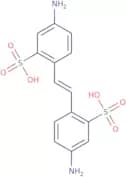
CAS:<p>Please enquire for more information about 2-(((4-iodophenyl)amino)methylene)indane-1,3-dione including the price, delivery time and more detailed product information at the technical inquiry form on this page</p>Formula:C16H10INO2Purity:Min. 95%Color and Shape:PowderMolecular weight:375.16 g/mol4,4'-Diaminostilbene-2,2'-disulfonic acid
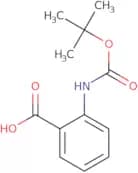
CAS:<p>4,4'-Diaminostilbene-2,2'-disulfonic acid (DAIDS) is a fluorescent dye that can be used to measure the activity of mitochondrial enzymes. It is a substrate for polymerase chain reaction and can be used as a cell viability assay. DAIDS has been shown to cause mitochondrial membrane depolarization and cytosolic calcium release in prostate cancer cells. This compound also inhibits the proliferation of human liver cells and has been proposed as a potential analytical method for wastewater samples. The anhydrous sodium form of DAIDS has been shown to increase the rate of metabolism by up to 30% in rats with body mass index greater than 25 kg/m^2.</p>Formula:C14H14N2O6S2Purity:Min. 95%Color and Shape:SolidMolecular weight:370.4 g/molBoc-2-aminobenzoic acid
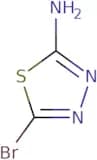
CAS:<p>Boc-2-aminobenzoic acid is a synthetic amino acid that can be used for the synthesis of recombinant proteins. It contains lysine residues, which are often used in protein engineering. This product is hydrolyzed to form a chloride gas and a hydrochloride salt by the enzyme chloridase. The hydrolysis proceeds through an amine intermediate and proceeds with a rate that is first order in chloride gas and second order in Boc-2-aminobenzoic acid. The kinetic constants for this reaction have been determined using fluorescence resonance energy transfer (FRET) spectroscopy on the solid phase.</p>Formula:C12H15NO4Purity:Min. 95%Color and Shape:PowderMolecular weight:237.25 g/mol5-Bromo-1,3,4-thiadiazol-2-amine
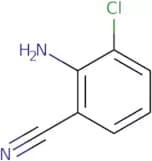
CAS:<p>5-Bromo-1,3,4-thiadiazol-2-amine is a synthetic antiplatelet agent that belongs to the thiosemicarbazide class. It has been shown to have broad-spectrum antimicrobial activity against Gram-positive and Gram-negative bacteria. 5-Bromo-1,3,4-thiadiazol-2-amine is an orally bioavailable drug that can be used in the treatment of bacterial infections caused by Gram negative bacteria. The molecular modeling study suggests that this compound binds to the enzyme active site of DNA gyrase and inhibits its activity. 5Bromo-1,3,4-thiadiazol-2 amine is deuterated and can be used for molecular modeling studies because it is soluble in organic solvents.</p>Formula:C2H2BrN3SPurity:Min. 95%Color and Shape:PowderMolecular weight:180.03 g/mol2-Amino-3-chlorobenzonitrile
CAS:<p>2-Amino-3-chlorobenzonitrile is a linker in the synthesis of serotonin, an endogenous neurotransmitter that is involved in many physiological and psychological processes. The x-ray crystallographic studies of this molecule revealed that it has a similar structure to the analogs used for anticancer activity and bioassays. This molecule has shown anticancer activity against tumor cell lines with high levels of serotonin production, such as colon cancer cells. It also shows anti-cancer effects by binding to cryptochrome and stabilizing its structure. 2-Amino-3-chlorobenzonitrile interacts with hydrogen bonding interactions.</p>Formula:C7H5ClN2Purity:Min. 95%Color and Shape:PowderMolecular weight:152.58 g/molAmino-PEG10-Amine
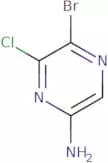
CAS:Amino-PEG10-Amine is a PEG polymer categorised as homobifunctional PEG (X-PEG X). Used as a linker, amino-PEG10-amine is used to attached PEG to proteins, peptides, oligonucleotides, nanoparticles and small molecules via pegylation, a bioconjugation technique.Formula:C22H48N2O10Purity:Min. 95%Color and Shape:Colourless To Pale Yellow LiquidMolecular weight:500.33095-Bromo-6-chloropyrazin-2-amine
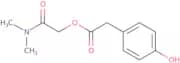
CAS:<p>5-Bromo-6-chloropyrazin-2-amine is a high quality, versatile building block for the synthesis of a variety of chemical compounds. It is also a reagent used in organic chemistry for the conversion of alcohols to alkyl chlorides and bromides. It can be used as an intermediate for the preparation of various complex compounds with potential use as pharmaceuticals or fine chemicals. This compound has been shown to have potential as a useful scaffold for the development of novel drugs which could be used to treat bacterial infections such as tuberculosis. 5-Bromo-6-chloropyrazin-2-amine has also been shown to be an excellent starting material for the synthesis of research chemicals and speciality chemicals.</p>Formula:C4H3BrClN3Purity:Min. 95%Molecular weight:208.44 g/mol4-Hydroxy benzeneacetic acid 2-(dimethylamino)-2-oxoethyl ester
CAS:<p>4-Hydroxybenzeneacetic acid 2-(dimethylamino)-2-oxoethyl ester is a reagent with a CAS number of 59721-16-3. It is one of the building blocks of complex compounds, useful as an intermediate in fine chemicals and research chemicals. This chemical is used in reactions as a reaction component or scaffold. The versatility of this chemical makes it a useful building block for speciality chemicals.</p>Formula:C12H15NO4Purity:Min. 95%Color and Shape:PowderMolecular weight:237.25 g/mol[2-(Pyridin-2-ylthio)ethyl]amine dihydrochloride
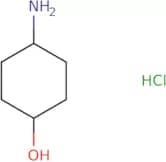
CAS:<p>2-(Pyridin-2-ylthio)ethyl]amine dihydrochloride is a chemical compound that has been used as a research reagent. It reacts with other compounds to produce new substances, and it can be used as a building block for more complex compounds. 2-(Pyridin-2-ylthio)ethyl]amine dihydrochloride is soluble in water and organic solvents such as acetone and ethanol, making it useful for reactions that require both types of solvents. This product also has CAS No. 40379-31-5, which means it is listed on the Chemical Abstracts Service registry. 2-(Pyridin-2-ylthio)ethyl]amine dihydrochloride has an interesting chemical structure that makes it a versatile building block or intermediate for many different reactions.</p>Formula:C7H10N2S•(HCl)2Purity:Min. 95%Color and Shape:PowderMolecular weight:227.15 g/moltrans-4-Aminocyclohexanol hydrochloride
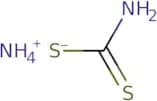
CAS:<p>Trans-4-aminocyclohexanol hydrochloride is a monomer that has been used in the synthesis of polymers, which are used in the production of medical devices. Trans-4-aminocyclohexanol hydrochloride has shown anticancer activity and is used to inhibit the growth of murine leukemia cells. It has also shown uptake in different tissues and amination reaction with amino acids. The melting point of trans-4-aminocyclohexanol hydrochloride is 198°C, constant at 1.0, and impurities are less than 0.2%. Trans-4-aminocyclohexanol hydrochloride has been found to be a colorless solid with a molecular weight of 154.2 g/mol, an amorphous morphology, and a particle size distribution between 5 nm and 10 μm.</p>Formula:C6H13NO·HClColor and Shape:White Off-White PowderMolecular weight:151.63 g/molAmmoniumdithiocarbamate
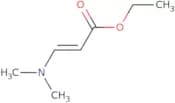
CAS:<p>Ammoniumdithiocarbamate is a group p2 compound that reacts with hydrochloric acid to form a dithiocarbamic acid. This reaction is reversible and an equilibrium between the two compounds exists. Ammoniumdithiocarbamate can be used to synthesize nucleophilic substitutions, which are used in many industrial applications. The reactivity of ammoniumdithiocarbamate is increased by the presence of amp-activated protein, which increases hydrogen bonding interactions with the dithiocarbamic acid. Ammoniumdithiocarbamate has been shown in animal studies to inhibit inflammatory diseases and lung damage caused by carbon disulphide.</p>Formula:CH6N2S2Purity:Min. 95%Color and Shape:PowderMolecular weight:110.2 g/molEthyl 3-(dimethylamino)acrylate - Liquid
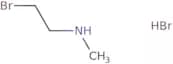
CAS:<p>Ethyl 3-(dimethylamino)acrylate (EDMA) is a liquid amide that has potent inhibitory activity against the chloride ion. EDMA is reactive and can form an adduct with the chloride ion. Molecular modeling studies have shown that EDMA binds to the cap-dependent endonuclease domain of the protein, inhibiting dioxime formation and DNA synthesis in bacteria. The β-unsaturated ketones in EDMA are also antibacterial. This compound has been found to be efficient at reducing oxalyl levels, which may be due to its ability to react with oxalate ions.</p>Formula:C7H13NO2Purity:Min. 95%Color and Shape:Yellow Clear LiquidMolecular weight:143.18 g/mol2-Bromo-N-methyl-ethylamine hydrobromide
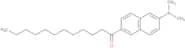
CAS:<p>2-Bromo-N-methyl-ethylamine hydrobromide is a versatile building block that can be used in the synthesis of many fine chemicals. It is a high quality research chemical that is used to synthesize complex compounds. 2-Bromo-N-methyl-ethylamine hydrobromide is also used as a reagent and reaction component for organic synthesis, especially for the production of pharmaceuticals and other speciality chemicals. CAS No. 40052-63-9</p>Formula:C3H9Br2NPurity:Min. 95%Color and Shape:PowderMolecular weight:218.92 g/mol2-(Dimethylamino)-6-dodecanoylnaphthalene
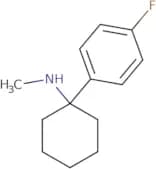
CAS:<p>2-(Dimethylamino)-6-dodecanoylnaphthalene (2DODN) is a fluorescent probe that interacts with cell membranes and has been shown to be cytotoxic. This compound also has high values for phase transition temperature, fluorescence and emission. 2DODN is used as a fluorescence probe in the study of HIV infection and can be used to measure the fatty acid composition of cellular membranes. 2DODN has been shown to bind to hiv viral envelope protein gp120 and inhibit its function. 2DODN binds to model systems such as k562 cells, which are primary cells derived from human erythrocytes and can be used for titration calorimetry measurements.</p>Formula:C24H35NOColor and Shape:PowderMolecular weight:353.54 g/mol1-(4-Fluorophenyl)-N-Methylcyclohexylamine
CAS:Controlled Product<p>1-(4-Fluorophenyl)-N-Methylcyclohexylamine is a planar molecule with an electron density distribution that is more concentrated in the region of the benzene ring. The 4-fluorostyrene substituent has a vinyl group. The electron density distribution is more concentrated in the region of the benzene ring, and is less concentrated in the region of the methyl group, which is substituted by a fluorine atom. This molecule can be used as an intermediate to synthesize other molecules with conformational, planar, or hybridized properties.</p>Formula:C13H18FNPurity:Min. 95%Molecular weight:207.29 g/mol4-Amino-3-fluorobenzoic acid
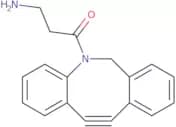
CAS:4-Amino-3-fluorobenzoic acid (4AFB) is an inhibitor of the enzyme nitric oxide synthase. It has been shown to inhibit chronic inflammation by reducing blood pressure and inhibiting the production of reactive oxygen species that can cause damage to cells in the body. 4AFB is a competitive inhibitor of nitric oxide synthase, which prevents the production of nitric oxide from L-arginine. Nitric oxide is an important signaling molecule in the nervous system, and its inhibition may lead to hyperpolarization of the membrane, which can have therapeutic benefits for certain conditions.Formula:C7H6FNO2Purity:Min. 95%Color and Shape:PowderMolecular weight:155.13 g/molDibenzocyclooctyne-amine
CAS:<p>Dibenzocyclooctyne-amine is used in SPAAC reactions to link drugs or biomolecules to provide stable conjugates in ADC synthesis.</p>Formula:C18H16N2OPurity:Min. 95%Molecular weight:276.33 g/mol1-Heptylamine
CAS:<p>1-Heptylamine is a chiral dinucleotide phosphate. It has been shown to have a high affinity for the nicotinic acetylcholine receptors in the human body, where it acts as an agonist. This compound also has a variety of other reactions that are not yet fully understood. 1-Heptylamine is found naturally in the human body and can be detected in wastewater treatment plants.<br>1-Heptylamine has been used in analytical methods such as titration calorimetry and laser ablation to measure nitrogen atoms or chiral compounds respectively. The compound is also used as an amide or alkanoic acid, although its role in these reactions is unknown.</p>Formula:C7H17NPurity:Min. 95%Color and Shape:Clear LiquidMolecular weight:115.22 g/molN-[2-(p-Cinnamylamino)ethyl]-5-isoquinolone sulfonamide
CAS:<p>N-[2-(p-Cinnamylamino)ethyl]-5-isoquinolone sulfonamide is a high quality chemical that can be used as a reagent, complex compound, and useful intermediate. N-[2-(p-Cinnamylamino)ethyl]-5-isoquinolone sulfonamide is a fine chemical that is useful in the production of speciality chemicals. It can be used as a versatile building block and reaction component to produce various compounds.</p>Formula:C20H21N3O2SPurity:Min. 95%Color and Shape:SolidMolecular weight:367.47 g/mol{[2-(2-Methoxyphenyl)-1,3-thiazol-5-yl]methyl}amine
CAS:<p>Please enquire for more information about {[2-(2-Methoxyphenyl)-1,3-thiazol-5-yl]methyl}amine including the price, delivery time and more detailed product information at the technical inquiry form on this page</p>Formula:C11H12N2OSPurity:Min. 95%Color and Shape:PowderMolecular weight:220.29 g/mol



![6-Amino-3-methyl-4-(4-nitrophenyl)-4H-pyrano[3,2-d]pyrazole-5-carbonitrile](/_next/image/?url=https%3A%2Fstatic.cymitquimica.com%2Fproducts%2F3D%2Fthumb-webp%2FFA169805.webp&w=3840&q=75)
![[(1-Methyl-1H-indol-5-yl)methyl]amine acetate](/_next/image/?url=https%3A%2Fstatic.cymitquimica.com%2Fproducts%2F3D%2Fthumb-webp%2FFM124972.webp&w=3840&q=75)
![(8β)-N-[3-(Dimethylamino)propyl]-N-[(ethylamino)carbonyl] -6-(2-propen-1-yl)-ergoline-8-carboxamide](/_next/image/?url=https%3A%2Fstatic.cymitquimica.com%2Fproducts%2F3D%2Fthumb-webp%2FFD19622.webp&w=3840&q=75)

![[2-(Pyridin-2-ylthio)ethyl]amine dihydrochloride](/_next/image/?url=https%3A%2Fstatic.cymitquimica.com%2Fproducts%2F3D%2Fthumb-webp%2FFP121658.webp&w=3840&q=75)


![N-[2-(p-Cinnamylamino)ethyl]-5-isoquinolone sulfonamide](/_next/image/?url=https%3A%2Fstatic.cymitquimica.com%2Fproducts%2F3D%2Fthumb-webp%2FFC20451.webp&w=3840&q=75)
![{[2-(2-Methoxyphenyl)-1,3-thiazol-5-yl]methyl}amine](/_next/image/?url=https%3A%2Fstatic.cymitquimica.com%2Fproducts%2F3D%2Fthumb-webp%2FFM124085.webp&w=3840&q=75)