


Amines
Subcategories of "Amines"
- Nitrosamines(3,124 products)
- Primary Amines(30,967 products)
- Quaternary Ammonium Cations and Salts(1,109 products)
- Secondary Amines(20,913 products)
- Tertiary Amines(17,219 products)
Found 8795 products of "Amines"
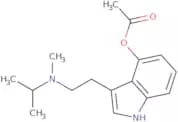
4-Acetoxy-N-isopropyl-N-methyltryptamine
CAS:Controlled Product4-Acetoxy-N-isopropyl-N-methyltryptamine (4AO-NIPMT) is a tryptamine that has been found to be a potent inhibitor of histamine release from mast cells. Its role in allergy and other conditions is not well understood. 4AO-NIPMT also inhibits the activity of the enzyme beta-glucuronidase, which is responsible for breaking down many drugs and toxins.Formula:C16H22N2O2Purity:Min. 95%Molecular weight:274.36 g/mol2-(4-Aminophenoxy)acetamide
CAS:2-(4-Aminophenoxy)acetamide is a chemical compound that belongs to the class of acetamides. It is used in the production of polyester fibers and dyes. 2-(4-Aminophenoxy)acetamide is a colorless, crystalline solid that has not been identified in nature.
Formula:C8H10N2O2Purity:Min. 95%Molecular weight:166.18 g/mol2,5-Dimethoxy-4-methylamphetamine hydrochloride
CAS:Controlled Product2,5-Dimethoxy-4-methylamphetamine hydrochloride is a molecule that belongs to the class of phenethylamines. It has a serotonergic activity and can be used in the treatment of depression. This drug also affects the dopaminergic system and 5-HT2 receptors. 2,5-Dimethoxy-4-methylamphetamine hydrochloride is an agonist for 5HT1A receptors and an antagonist for 5HT2A and 5HT2C receptors. It has been shown to have a significant effect on locomotor activity in humans. The effects of this drug are dose dependent, with high doses leading to hallucinogenic effects.
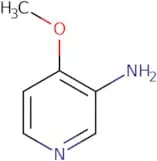
Formula:C12H20ClNO2Purity:Min. 95%Molecular weight:245.75 g/mol3-Amino-4-methoxypyridine
CAS:3-Amino-4-methoxypyridine is a molecule that has been shown to have anesthetic activity. It has been shown to inhibit the uptake of glycogen by glioblastoma cells and decrease the rate of glycogen synthesis in these cells. 3-Amino-4-methoxypyridine also inhibits the production of ATP in cardiac muscle cells, which may be due to its ability to inhibit glycogen synthase kinase-3 (GSK3) and glycogen synthase. This drug also inhibits cancer cell growth by inhibiting protein synthesis, as well as inflammatory disease progression by inhibiting NFκB activation and cytokine production. 3-Amino-4-methoxypyridine can be synthesized from aminopyridines such as isonicotinic acid or nicotinic acid, which are oxidized with hydrogen peroxide and sodium nitrite in the presence of a base catalyst.
Formula:C6H8N2OPurity:Min. 95%Molecular weight:124.14 g/molrac benzphetamine hydrochloride
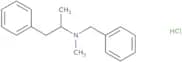
CAS:Controlled ProductRac benzphetamine hydrochloride is a repurposed drug that has been shown to have the ability to modulate the activity of various receptors, including the dopamine receptor. Rac benzphetamine hydrochloride is a layered molecule with two stereogenic centers and three chiral centers. It has been shown to have hydroxylase activity, which is catalyzed by the enzyme aryl hydrocarbon hydroxylase. Rac benzphetamine hydrochloride also has potential as an anti-inflammatory agent because it inhibits myelination in mice. Rac benzphetamine hydrochloride was found to be carcinogenic in animal studies, but not in human trials. The drug can be given intravenously or intraperitoneally, depending on the desired effect.
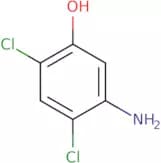
Formula:C17H22ClNPurity:Min. 95%Molecular weight:275.82 g/mol5-Amino-2,4-dichlorophenol
CAS:Please enquire for more information about 5-Amino-2,4-dichlorophenol including the price, delivery time and more detailed product information at the technical inquiry form on this page
Formula:C6H5Cl2NOPurity:Min. 95%Color and Shape:PowderMolecular weight:178.02 g/molN-(1H-Indol-4-ylmethyl)-N-[2-(4-methoxyphenyl)ethyl]amine hydrochloride
CAS:Controlled ProductPlease enquire for more information about N-(1H-Indol-4-ylmethyl)-N-[2-(4-methoxyphenyl)ethyl]amine hydrochloride including the price, delivery time and more detailed product information at the technical inquiry form on this pageFormula:C18H20N2OPurity:Min. 95%Molecular weight:280.36 g/molN-(2-Aminoethyl)piperazine
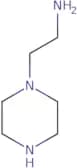
CAS:N-(2-Aminoethyl)piperazine (NAPE) is a chemical compound that can be used as an environmentally friendly catalyst for the degradation of ethylene diamine and other amines. NAPE has been shown to be stable under alkaline conditions, and its fluorescence probe has been used to monitor the progress of the reaction. This compound is a coordination complex with nitrogen atoms at the corners of a square and two amines at opposite corners of the square. The amine groups are coordinated to metal ions in a geometry that is determined by the atomic number of the metal ion. Disulfide bonds form between two cysteine residues on adjacent chains. Glycol ethers can also form disulfide bonds with NAPE, forming glycol ether-NAPE complexes. Antibodies have been shown to bind to glycol ether-NAPE complexes, suggesting that these complexes may play a role in antibody response, although experimental solubility data have not yet confirmed thisFormula:C6H15N3Purity:Min. 95%Molecular weight:129.2 g/molMethscopolamine bromide
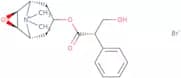
CAS:Methscopolamine bromide is a leukotriene receptor antagonist that is used to treat various conditions including bowel diseases and autoimmune diseases. Methscopolamine bromide binds to muscarinic receptors and blocks the action of acetylcholine, which mediates inflammation. Methscopolamine bromide can also be used to treat congestive heart failure. This drug has significant interactions with other medications, including thermal expansion, fatty acid metabolism, or symptoms of bowel disease. The drug should not be taken by patients who have had a stroke or who have asthma. It is contraindicated in patients who are pregnant or breastfeeding.Formula:C18H24BrNO4Purity:Min. 95%Color and Shape:White PowderMolecular weight:398.29 g/mol(4-Bromobenzyl)methylamine hydrochloride
CAS:Controlled Product(4-Bromobenzyl)methylamine hydrochloride is a reagent that is used for the analysis of carboxylic acids. It has been used in a number of studies to analyze cellular metabolism and energy metabolism. This reagent has also been used to study the functional groups of organic acids, as well as their reactivity. (4-Bromobenzyl)methylamine hydrochloride can be used in liquid chromatography or electrospray ionization methods to analyze samples using mass spectrometry.Formula:C8H10BrNPurity:Min. 95%Molecular weight:200.08 g/molFmoc-S-trityl-D-penicillamine
CAS:Please enquire for more information about Fmoc-S-trityl-D-penicillamine including the price, delivery time and more detailed product information at the technical inquiry form on this page
Formula:C39H35NO4SPurity:Min. 95%Molecular weight:613.77 g/mol[4-(4-Aminophenoxy)(2-pyridyl)]-N-methylcarboxamide
CAS:4-(4-Aminophenoxy)(2-pyridyl)]-N-methylcarboxamide is a chemical compound that inhibits the growth of cancer cells by binding to the active site of b-raf and blocking its activity. It has been shown in a pharmacokinetics study that 4-(4-aminophenoxy)(2-pyridyl)]-N-methylcarboxamide is absorbed rapidly through the oral administration, excreted in urine, and eliminated rapidly from the body. The optimal reaction for this drug was found to be at pH 7.0 with an ionic strength of 0.1 M (sodium chloride). This drug also has significant inhibitory activities against human cervical carcinoma and breast cancer cell lines (MDA-MB-231).Formula:C13H13N3O2Purity:Min. 95%Color and Shape:Off-White To Beige To Light Brown SolidMolecular weight:243.26 g/molN,N'-bis-Fmoc-diaminoacetic acid
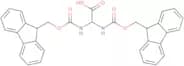
CAS:Please enquire for more information about N,N'-bis-Fmoc-diaminoacetic acid including the price, delivery time and more detailed product information at the technical inquiry form on this pageFormula:C32H26N2O6Purity:Min. 95%Molecular weight:534.56 g/mol1,4-Piperidinedicarboxylic acid, 4-aMino-, 1-(1,1-diMethylethyl) 4-ethyl ester
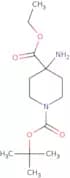
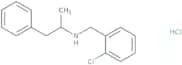
CAS:Please enquire for more information about 1,4-Piperidinedicarboxylic acid, 4-aMino-, 1-(1,1-diMethylethyl) 4-ethyl ester including the price, delivery time and more detailed product information at the technical inquiry form on this pageFormula:C13H25N2O4Purity:Min. 95%Molecular weight:273.35 g/molN-(2-Chlorobenzyl)-1-phenylpropan-2-amine hydrochloride
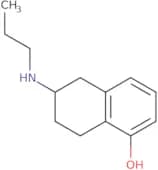
CAS:Controlled ProductN-(2-Chlorobenzyl)-1-phenylpropan-2-amine hydrochloride (CBP) is a potent stimulant drug that is used to treat chronic pain. It has been shown to be effective in the treatment of alopecia areata and inflammatory diseases, such as Crohn's disease, ulcerative colitis, and rheumatoid arthritis. CBP blocks protein synthesis by inhibiting the activity of the enzyme dinucleotide phosphate (DNP). This inhibition leads to the accumulation of adenosine monophosphate (AMP), which inhibits cyclic AMP production and protein synthesis. CBP also prevents the binding of DNP to RNA polymerase II at promoter sites, leading to a decrease in mRNA production. As a result, CBP may inhibit protein synthesis by preventing transcription or translation.Formula:C16H18ClN•HClPurity:Min. 95%Color and Shape:PowderMolecular weight:296.24 g/molrac-5,6,7,8-tetrahydro-6-(propylamino)-1-naphthalenol
CAS:Controlled ProductRotigotine is a substance that belongs to the class of active compounds. It has been shown to have optical activity, but this property is not well understood. Rotigotine is a racemic mixture with two enantiomers, which are mirror images of each other. The optical rotation of rac-5,6,7,8-tetrahydro-6-(propylamino)-1-naphthalenol is given as +28°. This property can be determined by measuring the angle of rotation when light passes through the substance in solution in contact with a polarizer and analyzer.Formula:C13H19NOPurity:Min. 95%Molecular weight:205.3 g/mol1-(4-(Aminomethyl)phenyl)pyridin-1-ium chloride
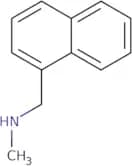
CAS:1-(4-(Aminomethyl)phenyl)pyridin-1-ium chloride is a chemical compound that belongs to the class of pyridines and has pinpoint as its molecular weight. It is an ionic liquid that can be used in analytical methods, such as liquid chromatography and ionization techniques, for the identification of unsaturated fatty acids. This compound can be analyzed by gas chromatography with either electron capture detection or chemical ionization. The GC separation column used for this analysis would have to be a phase column with an unsaturated fatty acid stationary phase. GC-EID and GC-CI are two common ionization techniques that could be used in conjunction with this analytical method. The lower limit of detection for this technique is about 0.1 ppm, which makes it a sensitive analytical tool for use in food production and quality control laboratories. The yield of 1-(4-(Aminomethyl)phenyl)pyridin-1-Purity:Min. 95%Methyl-1-naphthalenemethylamine
CAS:Methyl-1-naphthalenemethylamine is a synthetic drug that is used as an anti-fungal agent. It is used to treat dermatophytosis and onychomycosis caused by Trichophyton mentagrophytes. Methyl-1-naphthalenemethylamine has been shown to have a clinical response in patients with the skin condition tinea pedis. This drug inhibits the growth of fungi by inhibiting cell membrane synthesis, which leads to cell death. Methyl-1-naphthalenemethylamine has been shown to be effective against Trichophyton mentagrophytes in plasma samples from patients with tinea pedis who were treated with this drug. The effectiveness of this drug may be due to its ability to inhibit the synthesis of polysaccharides, proteins, and lipids in the fungal cell membrane, or its ability to inhibit protein synthesis by binding with ribosFormula:C12H13NPurity:Min. 95%Color and Shape:Clear LiquidMolecular weight:171.24 g/mol4-Aminobicyclo[2.2.2]octane-1-carboxylic acid methyl ester
CAS:Please enquire for more information about 4-Aminobicyclo[2.2.2]octane-1-carboxylic acid methyl ester including the price, delivery time and more detailed product information at the technical inquiry form on this pageFormula:C10H17NO2Purity:Min. 95%Molecular weight:183.25 g/mol4-Aminomethylphenylacetic acid
CAS:4-Aminomethylphenylacetic acid is a nonsteroidal anti-inflammatory drug that is used to treat inflammation and pain. It belongs to the class of peptidomimetics, which are compounds that mimic the structure of a natural biological molecule. 4-Aminomethylphenylacetic acid has an analog with a lactam ring at position 3, which is not present in other NSAIDs. This structural difference may contribute to its high stability and low reactivity. 4-Aminomethylphenylacetic acid has been shown to exhibit antiviral activity against viruses such as HIV or Hepatitis C virus by inhibiting viral replication.
Formula:C9H11NO2·HClPurity:Min. 95%Molecular weight:201.65 g/molDimethylammonium dichlorotri(mu-chloro)bis[(R)-(+)-5,5'-bis(diphenylphosphino)-4,4'-bi-1,3-benzodioxole]diruthenate(II)
CAS:Controlled ProductPlease enquire for more information about Dimethylammonium dichlorotri(mu-chloro)bis[(R)-(+)-5,5'-bis(diphenylphosphino)-4,4'-bi-1,3-benzodioxole]diruthenate(II) including the price, delivery time and more detailed product information at the technical inquiry form on this pageFormula:C78H64Cl5O8P4Ru2NPurity:Min. 95%Molecular weight:1,646.64 g/mol2’-Nor thiamine hydrochloride
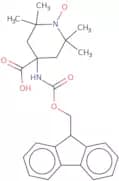
CAS:Please enquire for more information about 2’-Nor thiamine hydrochloride including the price, delivery time and more detailed product information at the technical inquiry form on this pageFormula:C11H16Cl2N4OSPurity:Min. 95%Molecular weight:323.24 g/molFmoc-TOAC-OH
CAS:Fmoc-2,2,6,6-tetramethylpiperidine-N-oxyl-4-amino-4-carboxylic acid (FMOC) is a highly reactive nitroxide that reacts with oxygen to form superoxide radicals. FMOC has been used to study the effects of radiation on proteins and peptides. It can be synthesized by reacting an amino acid with the reagent N-(3-(dimethylamino)propyl)-N'-methylcarbodiimide hydrochloride (EDC). The product then reacts with 4-(2,2,6,6,-tetramethylpyridinium) perchlorate in acetonitrile to create a fluorescent compound. When FMOC is labeled with a heavy metal such as gadolinium or manganese it becomes paramagnetic and can be detected using magnetic resonance imaging (MRI). FMOC also binds to the sarcoplasmic reticulumFormula:C25H29N2O5Purity:Min. 95%Molecular weight:437.51 g/mol3-(Diethylamino)-1,5-dihydro-2,4,3-benzodioxaphosphepin
CAS:3-(Diethylamino)-1,5-dihydro-2,4,3-benzodioxaphosphepin is a reagent used in the hydrogenolysis of alcohols. It is insoluble in water but soluble in organic solvents. 3-(Diethylamino)-1,5-dihydro-2,4,3-benzodioxaphosphepin has been used to prepare a number of alcohols including pyridinium and polyhydroxy alcohols. The compound has also been shown to be a messenger molecule that can induce transduction when it binds to the receptor protein.
Formula:C12H18NO2PPurity:Min. 95%Molecular weight:239.25 g/mol1-Amino-cyclopentane carbonitrile
CAS:1-Amino-cyclopentane carbonitrile is a pharmacological agent that can be used to treat angiotensin II and other peptides. It has an amine group with a hydroxyl group, which allows it to interact with the active site of angiotensin converting enzyme (ACE). 1-Amino-cyclopentane carbonitrile's mechanism of action is based on its ability to react with the halide and phenyl groups in ACE. The hydrolysis of ACE leads to the production of angiotensin I, which is then converted into angiotensin II by angiotensin-converting enzyme 2 (ACE2). 1-Amino-cyclopentane carbonitrile also interacts with amines such as histamine and serotonin, inhibiting their synthesis.Formula:C6H10N2Purity:Min. 95%Molecular weight:110.16 g/mol12-Amino-1-dodecanoic acid methyl ester hydrochloride salt
CAS:12-Amino-1-dodecanoic acid methyl ester hydrochloride salt (12ADM) has been shown to have immunomodulatory properties. It has a nanomolar range of activity, which is the optimal for an immunosuppressant. 12ADM inhibits the transcriptional activity of human immunodeficiency virus type 1 (HIV-1) and HIV-2, as well as other retroviruses, through interactions with specific RNA sequences in the viral genome. The amide group in this compound is essential for its antiviral activity, and it also interacts with betulinic acid to enhance its cytotoxicity.Formula:C13H28ClNO2Purity:Min. 95%Color and Shape:PowderMolecular weight:265.82 g/mol4-Aminoquinoline-2-one
CAS:4-Aminoquinoline-2-one is a nonsteroidal anti-inflammatory drug that has tuberculostatic activity. It binds to the nitrogen atoms of the enzyme dihydropteroate synthase, which is involved in the synthesis of folic acid and DNA. This leads to an increase in reactive oxygen species and inflammation, which causes disease activity. 4-Aminoquinoline-2-one has been shown to be synergistic with monoclonal antibodies when used as a treatment for inflammatory diseases. In order for 4-aminoquinoline-2-one to be taken up by cells, it must bind to cellular uptake proteins through hydrogen bonds or disulfide bonds.
Formula:C9H8N2OPurity:Min. 95%Molecular weight:160.17 g/molGamma-Aminobutyric acid
CAS:Gamma-aminobutyric acid (GABA) is a neurotransmitter that inhibits the transmission of nerve impulses in the brain. GABA binds to specific receptors and blocks voltage-dependent calcium channels, which are ion channels that allow the passage of calcium ions into cells. GABA also has a number of other functions, including biochemical properties, its role in brain function and drug interactions. The GABA receptor is found on neurons and is subject to modulation by drugs that interact with GABA receptors. In addition, GABA can react with water vapor to produce hydrogen bonding interactions. This reaction is used in electrochemical impedance spectroscopy as an analytical tool for determining the concentration of free water in a sample.Formula:C4H9NO2Purity:Min. 98.0%Color and Shape:White PowderMolecular weight:103.12 g/mol2-(2-Methoxyphenoxy)ethylamine base
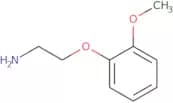
CAS:2-(2-Methoxyphenoxy)ethylamine base is an inorganic base with a hydroxyl group. It is soluble in organic solvents and has been used as a coumarin derivative. 2-(2-Methoxyphenoxy)ethylamine base has shown potential use as an antifungal agent, which may be due to its ability to cause lysis in fungi cells. This compound has also shown in vitro activity against bacteria and viruses, including herpes simplex virus type 1 and HIV-1. The 2-(2-methoxyphenoxy)ethylamine base can be sulfonated or acid catalyzed to produce other derivatives that have potential use as anti-inflammatory or analgesic agents.
Formula:C9H13NO2Purity:Min. 95%Molecular weight:167.21 g/mol1-(4-Amino-3,5-dichloro-phenyl)-2-bromo-ethanone
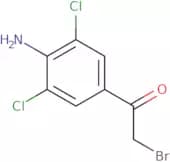
CAS:Please enquire for more information about 1-(4-Amino-3,5-dichloro-phenyl)-2-bromo-ethanone including the price, delivery time and more detailed product information at the technical inquiry form on this pageFormula:C8H6BrCl2NOPurity:Min. 95%Molecular weight:282.95 g/molN-[1,1'-Biphenyl]-4-yl-9,9-dimethyl-9H-fluoren-2-amine
CAS:N-Biphenyl-4-yl-9,9-dimethyl-9H-fluoren-2-amine is a fluorescent probe that is used in fluorescence spectroscopy, chemiluminescence detection, and electron spin resonance. It has been shown to be selective for metal ions such as Cu(II), Fe(III), and Mn(II) in the presence of thioacetal. The probe can be synthesized by reacting 4-(phenylazo)benzoic acid with 9,9'-dimethoxybiphenyl. In addition to being a probe, N-Biphenyl-4-yl-9,9'-dimethyl-9H -fluoren 2 amine has been used as an herbal medicine to treat cancer and other diseases in China.
Formula:C27H23NPurity:Min. 95%Molecular weight:361.48 g/mol4-Amino-1H-pyrazole
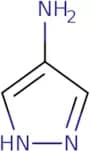
CAS:4-Amino-1H-pyrazole is a synthetic compound that inhibits the coagulation pathway by inhibiting the synthesis of prothrombin and factor VII. This compound has been shown to be effective in treating autoimmune diseases and cancer. 4-Amino-1H-pyrazole binds to a unique site on the coagulation enzyme, which is not present in other thrombin inhibitors, such as hirudin and heparin. The binding site overlaps with the kinase domain, which inhibits protein synthesis by preventing phosphorylation of key enzymes. In addition, it inhibits wild type strains of bacteria and has been shown to inhibit the growth of cancer cells.
Formula:C3H5N3Purity:Min. 95%Molecular weight:83.09 g/molS-[2-(Dimethylamino)ethyl]isothiourea Dihydrochloride
CAS:Controlled ProductS-[2-(Dimethylamino)ethyl]isothiourea Dihydrochloride is an inhibitor of tyrosinase, an enzyme that catalyzes the oxidation of tyrosine to dopa and dopaquinone. It binds to the active site of the enzyme and blocks its activity. S-[2-(Dimethylamino)ethyl]isothiourea Dihydrochloride has been shown to inhibit tyrosinase in animal experiments and in vitro studies, with a concentration-response curve that can be described by a Michaelis-Menten kinetic model. The inhibition of tyrosinase activity may be due to steric hindrance by the thiourea group or a covalent binding to amino acid residues on the protein surface. S-[2-(Dimethylamino)ethyl]isothiourea Dihydrochloride is also known as monomethyl auristatin E (MMAEFormula:C5H13N3S·2HClPurity:Min. 95%Molecular weight:220.16 g/molPyridin-4-ylmethanamine
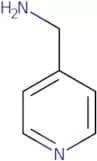
CAS:Pyridin-4-ylmethanamine is a chemical compound that contains a pyridine ring and an amine (-NH2) group. It is usually used as a building block for the synthesis of other compounds. Pyridin-4-ylmethanamine can be synthesized from picolinic acid, which is obtained through a reaction with sodium hydrochloride in an alkaline solution. This reaction proceeds via two steps: first, the formation of a pyridinecarboxylic acid ester and then the addition of ammonia to form pyridin-4-ylmethanamine. The transfer reactions that occur during this process are highly dependent on temperature and pH. The frequency shift effect can be observed when pyridin-4-ylmethanamine interacts with amines, which changes its absorption spectrum.Formula:C6H8N2Purity:Min. 95%Color and Shape:Colorless Clear LiquidMolecular weight:108.14 g/mol4-Aminoisoxazole
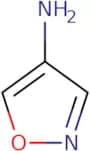
CAS:4-Aminoisoxazole is a triazole that has been found to be active against tumor cell lines. It is synthesized by reacting zinc powder with an acid solution containing 4-nitrobenzaldehyde, which results in the formation of 4-aminobenzonitrile, which subsequently undergoes nitration and reduction to form 4-aminoisoxazole. The synthesis of this compound can also be achieved by reacting ammonium nitrate with nitric acid in the presence of hydrochloric acid.Formula:C3H4N2OPurity:Min. 95%Molecular weight:84.08 g/mol(1S,2R)-2-Aminocyclohexanol hydrochloride
CAS:Please enquire for more information about (1S,2R)-2-Aminocyclohexanol hydrochloride including the price, delivery time and more detailed product information at the technical inquiry form on this page
Formula:C6H14ClNOPurity:Min. 95%Molecular weight:151.63 g/molImidazo[1,2-a]pyridin-8-ylamine dihydrochloride
CAS:Imidazo[1,2-a]pyridin-8-ylamine dihydrochloride is an arylation agent that reacts with nucleophiles to form an amide linkage. Imidazo[1,2-a]pyridin-8-ylamine dihydrochloride is used in the synthesis of carboxylic acid derivatives and other biomolecules. It can be used for selective functionalization of unsymmetrical carboxylic acids.
Formula:C7H7N3·2HClPurity:Min. 95%Molecular weight:206.07 g/mol(S)-2-Amino-5-methoxytetralin (S)-mandelate
CAS:Controlled ProductPlease enquire for more information about (S)-2-Amino-5-methoxytetralin (S)-mandelate including the price, delivery time and more detailed product information at the technical inquiry form on this pageFormula:C19H23NO4Purity:Min. 95%Molecular weight:329.39 g/molAmmonium carbonate
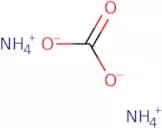
CAS:Ammonium carbonate is an inorganic salt that consists of ammonium ion and carbonate ion. It is a white crystalline solid with a molecular weight of about 166.4 g/mol. Ammonium carbonate is soluble in water, alcohol, acetone, and other organic solvents. It has been used as a buffer solution for pH adjustment and as a source of ammonium ions in analytical chemistry. Ammonium carbonate can be formed by the reaction of sodium carbonate with ammonia gas or liquid ammonia, or the reaction of sodium bicarbonate with ammonia gas or liquid ammonia. The thermal expansion coefficient of ammonium carbonate is higher than those of sodium salts such as sodium chloride and potassium chloride. Electrochemical impedance spectroscopy (EIS) measurements have shown that the reactivity between ammonium carbonate and plasma mass spectrometry is high due to its high values on the electric spectrum graph at low frequencies (1 kHz).Formula:CH8N2O3Purity:Min. 95%Color and Shape:White SolidMolecular weight:96.09 g/mol2-Fluorophenethylamine
CAS:Controlled Product2-Fluorophenethylamine is a molecule that can switch between two forms, one hydrophobic and one hydrophilic. When it is in the hydrophobic form, 2-fluorophenethylamine can bind to water molecules to form potential use products. When 2-fluorophenethylamine is in the hydrophilic form, it can desorb from the surface of water. 2-Fluorophenethylamine has been shown to be a neurotransmitter and may have potential use as an anti-depressant or anti-anxiety medication. It has also been suggested that 2-fluorophenethylamine may be used for the treatment of Parkinson's disease, because of its ability to inhibit dopamine degradation. An experiment conducted with spectra found that 2-fluorophenethylamine reacts with hydrogen bonds and other weak interactions to form dimers and monomers. The vibrational spectrum of this molecule shows that there are no strongFormula:C8H10FNPurity:Min. 95%Molecular weight:139.17 g/mol2-(Methyl-2-pyridylamino)ethanol
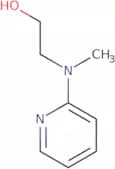
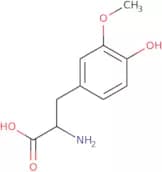
CAS:2-(Methyl-2-pyridylamino)ethanol (2MPE) is a small molecule that has been studied for its potential use as an inhibitor of the enzyme protein kinase C-alpha. The reaction mechanism of 2MPE with rosiglitazone, a drug used to treat type II diabetes mellitus, has been shown to be nucleophilic and proceeds through an addition-elimination mechanism. The kinetic parameters for this reaction have been determined by studying the effect of temperature on the reaction rate. Density measurements indicate that 2MPE is a low-molecular weight compound with a density of 1.08 g/mL at 25°C and 1 atm pressure. This study also found that microreactors are capable of producing high reaction yields in shorter amounts of time than larger reactors, making them well suited to the synthesis of small molecules such as 2MPE.Formula:C8H12N2OPurity:Min. 95%Molecular weight:152.19 g/mol2-Amino-3-(4-hydroxy-3-methoxyphenyl)propanoic acid
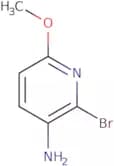
CAS:Controlled Product2-Amino-3-(4-hydroxy-3-methoxyphenyl)propanoic acid is a metabolite of levodopa in the body. It is formed by oxidation of levodopa via the enzyme catechol-O-methyltransferase (COMT). This compound is used as an analytical reagent to measure levels of levodopa and its metabolites in biological samples. 2-Amino-3-(4-hydroxy-3-methoxyphenyl)propanoic acid can also be used to diagnose Parkinson’s disease, since it is produced in excess when dopamine production decreases due to the degeneration of dopaminergic neurons. The concentration–time curve for this compound can be used to calculate the clearance rate of levodopa from the blood plasma.Formula:C10H13NO4Purity:Min. 95 Area-%Color and Shape:PowderMolecular weight:211.21 g/mol2-Bromo-6-methoxypyridin-3-amine
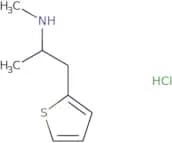
CAS:2-Bromo-6-methoxypyridin-3-amine is a perovskite that has been shown to have a high photoluminescence quantum yield and can be used in solar cells. This compound interacts with both the ligands and the acceptors, boosting the efficiency of these compounds. The 2-bromo-6 methoxypyridin-3 amine is a semiconductor with an electron affinity of 1.9 eV and a band gap of 1.6 eV. It has been shown to be efficient as a photoluminescent material in nanocrystals.Formula:C6H7BrN2OPurity:Min. 95%Molecular weight:203.04 g/molN,alpha-Dimethyl-2-thiopheneethanamine hydrochloride
CAS:Controlled ProductMethiopropamine is a synthetic psychoactive substance that has been associated with long-term health effects. It is used recreationally for its stimulant properties, such as increased alertness and wakefulness. Methiopropamine may cause paranoia and delusions, as well as other long-term effects. The drug can be detected in the urine for up to five days after ingestion. Methiopropamine is an amphetamine analogue of cathinone, which is a naturally occurring substance found in the khat plant. It is classified by the DEA as a Schedule I controlled substance in the United States.
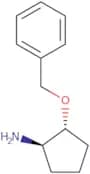
Formula:C8H14ClNSPurity:Min. 95%Molecular weight:191.72 g/mol(1R,2R)-1-Amino-2-benzyloxycyclopentane
CAS:(1R,2R)-1-Amino-2-benzyloxycyclopentane is achiral. It is a synthetic chemical that has been used as an initiator for polymerization of amines and hexafluoroisopropanol. The synthesis of this compound can be achieved through a chiral technique known as interfacial polymerization. (1R,2R)-1-Amino-2-benzyloxycyclopentane is an initiator for the production of polymers with alternating helical chains. This process relies on the presence of achiral molecules to initiate the polymerization process.
Formula:C12H17NOPurity:Min. 95%Color and Shape:Clear LiquidMolecular weight:191.27 g/mol2-(2-Aminoethoxy)ethanol
CAS:2-(2-Aminoethoxy)ethanol (2-AE) is a natural compound that has been synthesized from ethanol and 2-aminoethanol. It has been shown to react with sodium carbonate to form stable complexes that are resistant to hydrolysis by amines. The stability of the complex is attributed to the formation of an intermolecular hydrogen bond between the hydroxyl group on the 2-AE molecule and the carboxylate group on the sodium carbonate molecule. 2-AE reacts with benzalkonium chloride, a quaternary ammonium salt, in water vapor to produce an alcohol and a fatty acid, which is then hydrolyzed by glycol ethers into glycolates. This mechanism is similar to that of other reactions involving quaternary ammonium salts, such as those in fatty acids or glycol ethers.
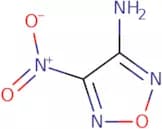
Formula:C4H11NO2Purity:Min. 95%Molecular weight:105.14 g/mol4-Nitro-1,2,5-oxadiazol-3-amine
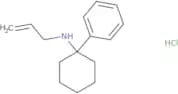
CAS:Controlled Product4-Nitro-1,2,5-oxadiazol-3-amine is a molecule that has been shown to be an inhibitor of the epidermal growth factor receptor (EGFR). The optimal reaction conditions for this molecule were determined by crystallography. These results were confirmed by prognosis assays and the determination of tautomers. This molecule may be used in diagnosis and as a potential treatment for cancer. 4-Nitro-1,2,5-oxadiazol-3-amine binds to the EGFR at a site different from that of erlotinib, an inhibitor currently used in the clinic. This binding leads to inhibition of protein synthesis and cell division by preventing the activation of downstream signal transduction pathways. The molecule also inhibits tumor cell proliferation and induces apoptosis by preventing the production of nitric oxide (NO) and reactive oxygen species (ROS).Formula:C2H2N4O3Purity:Min. 95%Molecular weight:130.06 g/molN-Allyl-1-phenylcyclohexanamine hydrochloride
CAS:Controlled ProductPlease enquire for more information about N-Allyl-1-phenylcyclohexanamine hydrochloride including the price, delivery time and more detailed product information at the technical inquiry form on this pageFormula:C15H21NPurity:Min. 95%Molecular weight:215.33 g/mol(S)-N-Boc-3-amino-1-butyne
CAS:Please enquire for more information about (S)-N-Boc-3-amino-1-butyne including the price, delivery time and more detailed product information at the technical inquiry form on this page
Formula:C9H15NO2Purity:Min. 95%Molecular weight:169.22 g/mol[3-(1-Piperidin-1-ylcyclohexyl)phenyl]amine hydrochloride
CAS:Controlled Product3-(1-Piperidin-1-ylcyclohexyl)phenyl]amine hydrochloride is a ligand that binds to the acetylcholine receptor. 3-(1-Piperidin-1-ylcyclohexyl)phenyl]amine hydrochloride is an active analogue and has a high binding affinity for the cholinergic receptor. It has been shown to have a kinetic effect on the excitatory system, enhancing excitatory effects of acetylcholine without affecting inhibitory effects. 3-(1-Piperidin-1-ylcyclohexyl)phenyl]amine hydrochloride also has an antagonistic effect on modifiers of acetylcholine activity such as amantadine, but enhances the effects of other drugs, such as clonidine.
Formula:C17H26N2Purity:Min. 95%Molecular weight:258.4 g/mol


![N-(1H-Indol-4-ylmethyl)-N-[2-(4-methoxyphenyl)ethyl]amine hydrochloride](/_next/image/?url=https%3A%2Fstatic.cymitquimica.com%2Fproducts%2F3D%2Fthumb-webp%2FFI116235.webp&w=3840&q=75)


![[4-(4-Aminophenoxy)(2-pyridyl)]-N-methylcarboxamide](/_next/image/?url=https%3A%2Fstatic.cymitquimica.com%2Fproducts%2F3D%2Fthumb-webp%2FFA17813.webp&w=3840&q=75)

![4-Aminobicyclo[2.2.2]octane-1-carboxylic acid methyl ester](/_next/image/?url=https%3A%2Fstatic.cymitquimica.com%2Fproducts%2F3D%2Fthumb-webp%2FFA44258.webp&w=3840&q=75)







![N-[1,1'-Biphenyl]-4-yl-9,9-dimethyl-9H-fluoren-2-amine](/_next/image/?url=https%3A%2Fstatic.cymitquimica.com%2Fproducts%2F3D%2Fthumb-webp%2FFB151933.webp&w=3840&q=75)
![S-[2-(Dimethylamino)ethyl]isothiourea Dihydrochloride](/_next/image/?url=https%3A%2Fstatic.cymitquimica.com%2Fproducts%2F3D%2Fthumb-webp%2FFD61318.webp&w=3840&q=75)

![Imidazo[1,2-a]pyridin-8-ylamine dihydrochloride](/_next/image/?url=https%3A%2Fstatic.cymitquimica.com%2Fproducts%2F3D%2Fthumb-webp%2FFI51744.webp&w=3840&q=75)



![[3-(1-Piperidin-1-ylcyclohexyl)phenyl]amine hydrochloride](/_next/image/?url=https%3A%2Fstatic.cymitquimica.com%2Fproducts%2F3D%2Fthumb-webp%2FFP120158.webp&w=3840&q=75)