Amines
Amines are a set of molecules containing an amino functional group (derived from ammonia). This category includes amines at any level of substitution : primary, secondary, tertiary, and ammonium salts. Amines are fundamental in organic synthesis and are widely used in pharmaceuticals, agrochemicals, and materials science. At CymitQuimica, we provide a comprehensive selection of amines to meet your research and industrial needs. Our range ensures access to various amines for diverse chemical processes and innovative research.
Subcategories of "Amines"
- Nitrosamines(2,606 products)
- Primary Amines(30,821 products)
- Quaternary Ammonium Cations and Salts(1,099 products)
- Secondary Amines(20,817 products)
- Tertiary Amines(17,117 products)
Found 8778 products of "Amines"
Sort by
Purity (%)
0
100
|
0
|
50
|
90
|
95
|
100
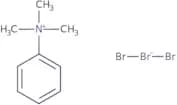
Phenyltrimethylammonium tribromide
CAS:<p>Phenyltrimethylammonium tribromide is a quaternary ammonium compound that is used in combination preparations. It is an inhibitor of the replication of RNA and DNA, and modulates enzyme activity. Phenyltrimethylammonium tribromide has been shown to be a potent inhibitor of nicotinic acetylcholine receptors, which are important for nerve transmission. This drug also has been shown to inhibit the replication of HIV-1 and other viruses in vitro. Phenyltrimethylammonium tribromide can be synthesized by reacting epoxides with benzalkonium chloride or other quaternary ammonia compounds. The structural formula for phenyltrimethylammonium tribromide can be viewed here: br> C8H17N+Br− br> C6H5N+(CH3)3+Br− br></p>Formula:C9H14Br3NPurity:Min. 95%Molecular weight:375.93 g/mol6-Amino-3-methylquinazolin-4(3H)-one hydrochloride
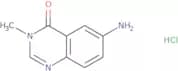
CAS:Controlled Product<p>Please enquire for more information about 6-Amino-3-methylquinazolin-4(3H)-one hydrochloride including the price, delivery time and more detailed product information at the technical inquiry form on this page</p>Formula:C9H9N3OPurity:Min. 95%Molecular weight:175.19 g/molN-Nitrosodiethylamine
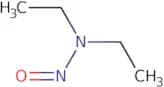
CAS:<p>N-Nitrosodiethylamine (NDEA) is a genotoxic carcinogen that is formed as an intermediate in the industrial production of nitric acid. It has been shown to be a potent inhibitor of DNA polymerase and topoisomerase II, which are involved in DNA replication and repair. NDEA has been detected in human blood samples and has been shown to induce squamous cell carcinoma in animal models. This chemical can also cause inflammation by binding to toll-like receptor 4, which activates the inflammatory response. The biocompatible polymer used for this product is not known to produce any genotoxic or mutagenic effects.</p>Formula:C4H10N2OPurity:Min. 95%Color and Shape:Colorless Clear LiquidMolecular weight:102.14 g/mol2-(4-Chlorophenyl)ethylamine
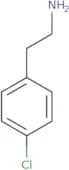
CAS:Controlled Product<p>2-(4-Chlorophenyl)ethylamine (CPA) is a synthetic serotonergic amine that has inhibitory activities. It is able to bind with the 5-HT receptor, which is also known as the serotonin receptor. CPA has been shown to be an anticancer compound and can be used in experimental solubility studies. This drug binds to brain cells, but does not affect their viability. CPA hydrolyzes in the presence of hydrochloric acid or hydrogen chloride to produce 2-(4-chlorophenyl)ethanol (CPE). The reaction of CPA with serotonin produces 4-chloroamphetamine (PCA), which is a stimulant drug.</p>Formula:C8H10ClNPurity:Min. 95%Molecular weight:155.62 g/mol2-(Dimethylamino)ethanol
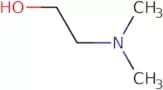
CAS:Controlled Product<p>2-(Dimethylamino)ethanol is a colorless liquid that has a molecular weight of 78.1 g/mol and a boiling point of 176.1 °C. It can be found in many household products as well as cosmetics, pharmaceuticals, and chemical manufacturing. 2-(Dimethylamino)ethanol is a precursor to acetaldehyde and acetic acid, which are important intermediates in the production of polymers such as nylon. It can also be used to synthesize other chemicals such as dimethylformamide, ethylene glycol, and methyl methacrylate. This chemical reacts with calcium to form insoluble calcium 2-(dimethylamino)ethanolate (Ca(DMAE)). This reaction is reversible and the equilibrium can be shifted by changing the pH or adding another reactant such as hydrogen peroxide or hydroxide ions.</p>Formula:C4H11NOPurity:Min. 95%Color and Shape:Clear LiquidMolecular weight:89.14 g/mol3-Amino-5-fluoropyridine
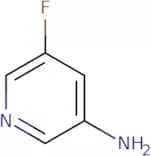
CAS:<p>3-Amino-5-fluoropyridine is a chiral amino acid that can be synthesized from butyronitrile and fluorine in the presence of an organocatalyst. The synthesis can be carried out with either a biodegradable or non-biodegradable catalyst. 3-Amino-5-fluoropyridine can be used as a precursor to prepare medicines such as fluoroquinolones, which are antibiotics that inhibit bacterial growth by binding to DNA-dependent RNA polymerase and preventing transcription and replication. Fluoroquinolones are also potent anti-inflammatory agents and have been shown to reduce inflammation in animal models of asthma, arthritis, and colitis. 3-Amino-5-fluoropyridine can be synthesized from nitro compounds with aluminium mediated reactions. Nitro compounds are toxic substances that have been used in explosives or as herbicides.</p>Formula:C5H5FN2Purity:Min. 95%Color and Shape:Off-White PowderMolecular weight:112.11 g/mol7-Aminoheptanoic acid
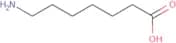
CAS:<p>7-Aminoheptanoic acid is a fatty acid that contains a hydroxyl group on the seventh carbon of its chain. This compound has been shown to bind to and activate the receptor GPR120. It is also used in the synthesis of pharmaceuticals, such as anti-inflammatory agents, and in analytical methods for detecting peptides. 7-Aminoheptanoic acid can be synthesized by reacting hydrochloric acid with an amine or amide, followed by reaction with an ester hydrochloride. The compound can be purified using preparative high performance liquid chromatography (HPLC).</p>Formula:C7H15NO2Purity:Min. 95%Molecular weight:145.2 g/mol2- (4-Bromophenoxy) - N, N- diethylethanamine
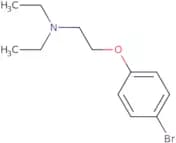
CAS:Controlled Product<p>Please enquire for more information about 2- (4-Bromophenoxy) - N, N- diethylethanamine including the price, delivery time and more detailed product information at the technical inquiry form on this page</p>Formula:C12H18BrNOPurity:Min. 95%Molecular weight:272.18 g/molPerfluorotriamylamine (so called)
CAS:Controlled Product<p>Perfluorotriamylamine (so called) is a perfluorinated compound that has thermal expansion properties. It is used in the production of polymer films, membranes and flow systems. This compound has shown to be effective against bacteria such as Escherichia coli and Staphylococcus aureus, but not against other types of organisms. The binding constants for this compound are high with hydroxyl groups and lipophilic solutes. It is also stable at low pH levels and in light exposure.</p>Formula:C15F33NPurity:Min. 95%Molecular weight:821.11 g/molDicyclohexylamine
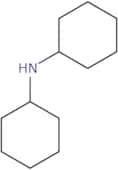
CAS:Controlled Product<p>Dicyclohexylamine is a trifluoromethanesulfonic acid (TFSA) scavenger that inhibits HIV infection by blocking the reaction solution. TFSA is a by-product of the industrial production of solanum tuberosum, and has been shown to inhibit plant enzyme activity. Dicyclohexylamine has been shown to be an effective inhibitor of enzymes such as phosphodiesterase, lipases, and proteases in detergent compositions. It also inhibits the activity of a number of enzymes in organic solutions and chemical reactions.</p>Formula:C12H23NPurity:Min. 98%Color and Shape:Colorless Clear LiquidMolecular weight:181.32 g/molN-Hexylethylenediamine
CAS:<p>N-Hexylethylenediamine is a hydrophobic chemical compound that can be synthesized and used as a monomer. It has been shown to form gels when mixed with other compounds, such as acrylic acid. The specific interactions of N-hexylethylenediamine are due to its functional groups. These include amines, which protonate at low pH levels, and modifiers, which increase the viscosity of the gel. N-Hexylethylenediamine is often used in protein modelling because it has trifunctional groups that can interact with three different amino acids. This chemical also has an nmr spectrum and x-ray absorption data available for it.</p>Formula:C8H20N2Purity:Min. 95%Molecular weight:144.26 g/mol1-Amino-9-fluorenone
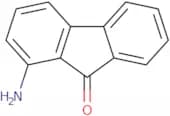
CAS:<p>1-Amino-9-fluorenone is a hydrogen bond acceptor molecule that has been shown to have anticancer activity and rate enhancement. The 1-Amino-9-fluorenone binds to the DNA of cancer cells, inhibiting cell growth and proliferation. This molecule also interacts with the cellular membrane by reversible binding, which leads to an increase in the concentration of intracellular nitric oxide (NO). This increase in NO levels inhibits the growth of cancer cells by blocking their ability to produce ATP. 1-Amino-9-fluorenone has been shown to inhibit hCT116 human colon cancer cells.</p>Formula:C13H9NOPurity:Min. 95%Molecular weight:195.22 g/molN-Butyl nor scopolamine hydrochloride
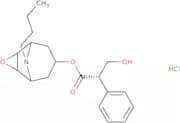
CAS:<p>Please enquire for more information about N-Butyl nor scopolamine hydrochloride including the price, delivery time and more detailed product information at the technical inquiry form on this page</p>Formula:C20H28ClNO4Purity:Min. 95%Molecular weight:381.89 g/molDehydroevodiamine
CAS:<p>Dehydroevodiamine is a plant-derived indole alkaloid, which is extracted from the fruit of the Evodia rutaecarpa plant. This compound is garnering scientific interest due to its potential neuroprotective properties. The mode of action of dehydroevodiamine is multifaceted, involving the modulation of neurotransmitter systems, particularly the enhancement of cholinergic function, as well as antioxidant effects that mitigate oxidative stress.</p>Purity:Min. 95%(R)-(-)-a-[[(4-Ethyl-2,3-dioxo-1-piperazinyl)carbonyl]amino]benzeneacetic Acid
CAS:<p>(R)-(-)-a-[[(4-Ethyl-2,3-dioxo-1-piperazinyl)carbonyl]amino]benzeneacetic Acid is an inhibitor of the enzyme histamine N-methyltransferase (HNMT), which is responsible for the synthesis of histamine. The inhibition of HNMT leads to a decrease in histamine levels and therefore has been used as a treatment for chronic prostatitis, lacrimal gland, and energy efficiency. Histamine N-methyltransferase also participates in the regulation of apoptosis by methylating proapoptotic proteins like Bax, so inhibition can lead to an increase in apoptosis. This chemical is also able to bind with chloride ions and form diphenyl ethers through a reaction solution, which are known to have anticancer properties.</p>Formula:C15H17N3O5Purity:Min. 98 Area-%Color and Shape:PowderMolecular weight:319.31 g/molMethyl 1-aminocyclohexanecarboxylate hydrochloride
CAS:<p>Please enquire for more information about Methyl 1-aminocyclohexanecarboxylate hydrochloride including the price, delivery time and more detailed product information at the technical inquiry form on this page</p>Formula:C8H15NO2Purity:Min. 95%Molecular weight:157.21 g/mol1-[1-(2-Aminoethyl)-1H-indol-3-yl]ethanone oxalate
CAS:Controlled Product<p>Please enquire for more information about 1-[1-(2-Aminoethyl)-1H-indol-3-yl]ethanone oxalate including the price, delivery time and more detailed product information at the technical inquiry form on this page</p>Formula:C12H14N2OPurity:Min. 95%Molecular weight:202.25 g/molS-Aminoethyl-L-cysteine hydrochloride
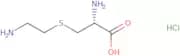
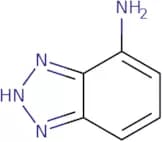
CAS:<p>S-Aminoethyl-L-cysteine hydrochloride is an amino acid that is used in the diagnosis of metabolic disorders. It has been found to have a high concentration in plasma and can be used to measure the activity of bowel disease. S-Aminoethyl-L-cysteine hydrochloride is also used as a diagnostic marker for inflammatory diseases. It is extensively metabolized by acidic hydrolysis, which results in the release of chloride ions and amines.</p>Formula:C5H12N2O2S·HClPurity:Min. 95%Color and Shape:White PowderMolecular weight:200.69 g/mol1H-1,2,3-Benzotriazol-4-amine
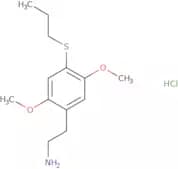
CAS:<p>1H-1,2,3-Benzotriazol-4-amine is a hydroxylated compound that belongs to the group of benzotriazole derivatives. It has been shown to inhibit the growth of cells in culture by binding to the nitrogen atoms in glutamate and inhibiting the production of nitric oxide synthase. 1H-1,2,3-Benzotriazol-4-amine also has binding constants for certain growth regulators that are 10 times higher than for other benzotriazoles. In vitro assays have shown that 1H-1,2,3-benzotriazol-4-amine is a potent corrosion inhibitor with an optical purity greater than 98%. The molecule was modeled using molecular modeling software and found to be stable when exposed to light. The molecule has also been tested on Sprague Dawley rats and found not to cause skin reactions.</p>Formula:C6H6N4Purity:Min. 95%Molecular weight:134.14 g/mol2,5-Dimethoxy-4-(propylsulfanyl)phenethylamine hydrochloride
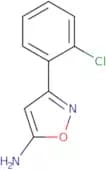
CAS:Controlled Product<p>Please enquire for more information about 2,5-Dimethoxy-4-(propylsulfanyl)phenethylamine hydrochloride including the price, delivery time and more detailed product information at the technical inquiry form on this page</p>Formula:C13H22ClNO2SPurity:Min. 95%Molecular weight:291.84 g/mol3-(2-Chlorophenyl)-1,2-oxazol-5-amine
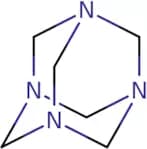
CAS:<p>Please enquire for more information about 3-(2-Chlorophenyl)-1,2-oxazol-5-amine including the price, delivery time and more detailed product information at the technical inquiry form on this page</p>Formula:C9H7ClN2OPurity:Min. 95%Molecular weight:194.62 g/molHexamethylenetetramine
CAS:Controlled Product<p>Hexamethylenetetramine is a chemical compound that is used in the manufacture of many types of chemicals. It can be found in the wastewater treatment process, where it is used to remove silver ions and heavy metals. Hexamethylenetetramine may also be used as an antidote for methenamine poisoning. Hexamethylenetetramine has been shown to have toxic effects on laboratory animals and humans, although these are not well understood. The substance has been shown to inhibit the polymerase chain reaction in mouse monoclonal antibody studies and may have adverse effects on biochemical composition, including changes in protein synthesis. Hexamethylenetetramine may also cause drug interactions by inhibiting the activity of cytochrome P450 enzymes. This substance can cause serious side effects, such as hematological toxicity, which may lead to death in rare cases.</p>Formula:C6H12N4Purity:Min. 95%Color and Shape:White Clear LiquidMolecular weight:140.19 g/mol3-Fluorophenethylamine
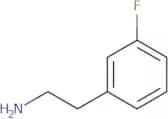
CAS:Controlled Product<p>3-Fluorophenethylamine is a fluorinated analog of phenethylamine that binds to the same receptors and has a similar effect on neurotransmitters as the parent compound. 3-Fluorophenethylamine inhibits the production of tumor necrosis factor-α (TNF-α) in vitro, which may be due to its ability to inhibit prostaglandin synthesis by binding to cyclooxygenase. This drug has also been shown to have anti-inflammatory effects that are mediated by inhibition of TNF-α production and activation of nuclear factor kappa B (NFκB) pathways in hippocampal neurons.</p>Formula:C8H10FNPurity:Min. 95%Molecular weight:139.17 g/molDes(isopropylamino) atenolol diol
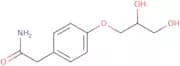
CAS:<p>Des(isopropylamino) atenolol diol is a synthetic, high-performance liquid chromatography (HPLC) analyte with an absorbance maximum of 254 nm. It is a white/off-white solid that is soluble in water and has a molecular weight of 187.5 g/mol. This compound can be analyzed using multichannel or liquid chromatographic techniques. Des(isopropylamino) atenolol diol can be used to measure the concentration of various compounds, such as impurities, by elution from the column. The elution profile has been shown to be dependent on the type of sample and technique used for analysis.</p>Formula:C11H15NO4Purity:Min. 95%Molecular weight:225.24 g/mol...2-(Dimethylamino)ethylamine
CAS:<p>2-(Dimethylamino)ethylamine is an organic compound that is used in the synthesis of other compounds. It is a colorless, water-soluble liquid that has a fishy odor at lower concentrations and can be detected with a smell threshold of 0.1 ppm. This molecule has redox potentials that are higher than those of fatty acids, which may have physiological functions. 2-(Dimethylamino)ethylamine can also be used to detect diazonium salts by reacting with them to form a blue color. The chemical is found in human serum, fetal bovine serum, and water vapor. 2-(Dimethylamino)ethylamine has been studied for its biological effects on humans and animals as well as its ability to prevent the formation of nitrosamines in meat products.</p>Formula:C4H12N2Purity:Min. 95%Color and Shape:Clear Colourless To Yellow To Light (Or Pale) Red To Green-Yellow LiquidMolecular weight:88.15 g/mol4-Chloro-1h-pyrazol-3-amine
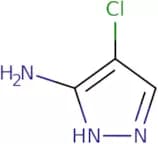
CAS:<p>Please enquire for more information about 4-Chloro-1h-pyrazol-3-amine including the price, delivery time and more detailed product information at the technical inquiry form on this page</p>Formula:C3H4ClN3Purity:Min. 95%Molecular weight:117.54 g/mol4-Aminodiphenylamine
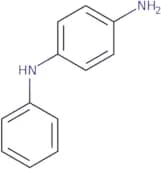
CAS:<p>4-Aminodiphenylamine is a chemical compound that is used as an intermediate in the production of other chemicals. It has been reported to be carcinogenic, so it should be handled with care. The reaction mechanism for this chemical compound is not well-known, but it has been shown that it reacts with hydrogen bonding interactions and can form a complex with nitrogen atoms. 4-Aminodiphenylamine has been shown to have low toxicity in animal studies, and can be synthesized using a variety of methods. This chemical compound also has biological properties that make it useful in the study of body formation and metabolism.</p>Formula:C12H12N2Purity:Min. 95%Color and Shape:PowderMolecular weight:184.24 g/mol4-Methoxybenzene-1,3-diamine sulfate
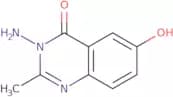
CAS:Controlled Product<p>4-Methoxybenzene-1,3-diamine sulfate (4MBD) is a chemical substance that inhibits the activity of cytochrome P450 enzymes. It has been shown to inhibit the activity of rat liver microsomal p-450 enzymes, and is used in studies on the effects of chemicals on protein synthesis. When 4MBD is administered to rats at dietary concentrations, it causes an increase in thyroid hormone levels and a decrease in renal function. The enzyme inhibition caused by 4MBD may be due to its ability to acylate amines, which are located near the active site of the enzyme. Linear regression analysis showed that there was a strong correlation between dietary concentrations and the inhibition of protein synthesis caused by 4MBD.</p>Formula:C7H12N2O5SPurity:Min. 95%Molecular weight:236.25 g/mol3-Amino-6-hydroxy-2-methylquinazolin-4(3H)-one
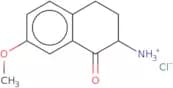
CAS:Controlled Product<p>Please enquire for more information about 3-Amino-6-hydroxy-2-methylquinazolin-4(3H)-one including the price, delivery time and more detailed product information at the technical inquiry form on this page</p>Formula:C9H9N3O2Purity:Min. 95%Molecular weight:191.19 g/mol2-Amino-3,4-dihydro-7-methoxy-2H-1-naphthalenone, hydrochloride
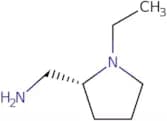
CAS:Controlled Product<p>Please enquire for more information about 2-Amino-3,4-dihydro-7-methoxy-2H-1-naphthalenone, hydrochloride including the price, delivery time and more detailed product information at the technical inquiry form on this page</p>Formula:C11H14ClNO2Purity:Min. 95%Molecular weight:227.69 g/mol(R)-(+)-2-Aminomethyl-1-ethylpyrrolidine
CAS:<p>Please enquire for more information about (R)-(+)-2-Aminomethyl-1-ethylpyrrolidine including the price, delivery time and more detailed product information at the technical inquiry form on this page</p>Formula:C7H16N2Purity:Min. 95%Color and Shape:Clear LiquidMolecular weight:128.22 g/molDes[5-(2-dimethylamino)ethyl] diltiazem
CAS:<p>Please enquire for more information about Des[5-(2-dimethylamino)ethyl] diltiazem including the price, delivery time and more detailed product information at the technical inquiry form on this page</p>Formula:C18H17NO4SPurity:Min. 95%Molecular weight:343.4 g/mol3-(Dimethylaminomethyl)-5-methyl-2-hexanone
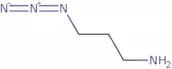
CAS:<p>3-(Dimethylaminomethyl)-5-methyl-2-hexanone is a chemical compound that can be used as an intermediate in the synthesis of tetrabenazine. It is a colorless liquid that can be synthesized from 2,4-diiodobenzene and dimethylamine. The optimal reaction time for this chemical is at reflux conditions. 3-(Dimethylaminomethyl)-5-methyl-2-hexanone has a molecular weight of 164.27 g/mol and an elemental composition of C: 68.09%, H: 18.07%, N: 7.91%. The target product for this chemical is 2,5-dimethyloctane, which has a molecular weight of 116.14 g/mol and an elemental composition of C: 73.06%, H: 9.11%, N: 5.79%. This chemical reacts with triethylbenzylammonium to form 3-(dim</p>Formula:C10H21NOPurity:Min. 95%Molecular weight:171.28 g/mol3-Azido-1-propanamine
CAS:<p>3-Azido-1-propanamine is a model protein that has been used in analytical chemistry and clinical relevance. It has also been used as a model system to study the effects of immobilization, titration calorimetry, reactive species, and hepg2 cells on cancer growth. 3-Azido-1-propanamine is reactive with superparamagnetic iron, which results in a change in the redox potential. This change can be detected by using disulfide bonds.</p>Formula:C3H8N4Purity:Min. 95%Color and Shape:Clear LiquidMolecular weight:100.12 g/molN-α-Trityl-Nβ-Fmoc-L-2,3-diaminopropionic acid
CAS:<p>Please enquire for more information about N-alpha-Trityl-Nbeta-Fmoc-L-2,3-diaminopropionic acid including the price, delivery time and more detailed product information at the technical inquiry form on this page</p>Formula:C37H32N2O4Purity:Min. 95%Molecular weight:568.66 g/mol4-Methyl-2-hexanamine hydrochloride
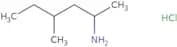
CAS:Controlled Product<p>4-Methyl-2-hexanamine hydrochloride is a synthetic amide that is used as a solvent in laboratories. It is a psychoactive substance and has been found to be an inhibitor of serotonin uptake, which may be related to its ability to inhibit the function of the serotonin transporter. The amount of 4-methyl-2-hexanamine hydrochloride absorbed by the body varies depending on how it is taken. When taken orally, 4-methyl-2-hexanamine hydrochloride enters through the digestive tract and reaches high levels in the blood stream. When taken intravenously, it enters the bloodstream directly and can reach higher concentrations in the blood. When inhaled, 4-methyl-2-hexanamine hydrochloride can enter into the lungs at high concentrations and then is absorbed into the bloodstream. 4-Methyl-2-hexanamine hydrochloride also degrades quickly in natural environments due to its biodegradable properties.</p>Formula:C7H18ClNPurity:Min. 95%Color and Shape:PowderMolecular weight:151.68 g/mol7-[(3R)-3-[(N-Acetyl)amino]-1-oxo-4-(2,4,5-trifluorophenyl)butyl]-5,6,7,8-tetrahydro-3-(trifluoromethyl)-1,2,4-triazolo[4,3-a]pyrazi ne
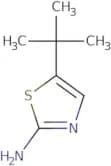
CAS:<p>Please enquire for more information about 7-[(3R)-3-[(N-Acetyl)amino]-1-oxo-4-(2,4,5-trifluorophenyl)butyl]-5,6,7,8-tetrahydro-3-(trifluoromethyl)-1,2,4-triazolo[4,3-a]pyrazi ne including the price, delivery time and more detailed product information at the technical inquiry form on this page</p>Formula:C18H17F6N5O2Purity:Min. 95%Molecular weight:449.35 g/mol5-tert-Butyl-1,3-thiazol-2-amine
CAS:<p>5-tert-Butyl-1,3-thiazol-2-amine is an aromatic compound with the molecular formula CHN. This compound is a colorless solid that is soluble in water and alcohol. It can be used as a substitute for 2-aminothiazole, which belongs to the group of halogenated compounds. 5-tert-Butyl-1,3-thiazol-2-amine has been shown to react with alkyl halides to form alkylated products. The reaction with alkyl halides may be due to its primary amino group and amino group. 5-tert-Butyl-1,3-thiazol-2-amine also reacts with sulfuric acid and sulfuric acid salts to form thiazoles and thiazolones.</p>Formula:C7H12N2SPurity:Min. 95%Molecular weight:156.25 g/molS-(-)-Aminoglutethimide D-tartrate salt
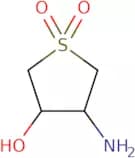
CAS:Controlled Product<p>Please enquire for more information about S-(-)-Aminoglutethimide D-tartrate salt including the price, delivery time and more detailed product information at the technical inquiry form on this page</p>Formula:C17H22N2O8Purity:Min. 95%Molecular weight:382.37 g/mol4-Aminotetrahydrothiophene-3-ol 1,1-dioxide
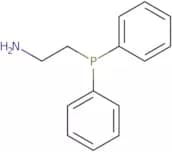
CAS:<p>Please enquire for more information about 4-Aminotetrahydrothiophene-3-ol 1,1-dioxide including the price, delivery time and more detailed product information at the technical inquiry form on this page</p>Formula:C4H9NO3SPurity:Min. 95%Molecular weight:151.19 g/mol2-(Diphenylphosphino)ethylamine
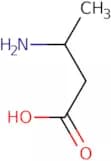
CAS:<p>2-(Diphenylphosphino)ethylamine is a palladium complex that is used as a catalyst for the oxidation of alcohols to aldehydes and ketones. However, this compound can also be used in the synthesis of molybdenum complexes. 2-(Diphenylphosphino)ethylamine has been shown to catalyze the oxidation of aliphatic alcohols to corresponding aldehydes and ketones in homogeneous solution. This reaction proceeds by a transfer mechanism, with an irreversible oxidation at the metal center. The reaction products are not observed due to the high reactivity of hydrogen peroxide and its decomposition products. Control experiments showed that 2-(diphenylphosphino)ethylamine does not oxidize other substrates such as benzene or nitrobenzene, which are more stable than alcohols.</p>Formula:C14H16NPPurity:Min. 95%Color and Shape:Clear LiquidMolecular weight:229.26 g/molDL-3-Aminobutyric acid
CAS:<p>DL-3-Aminobutyric acid is a natural compound that belongs to the group of amino acids. It is found in human immunoglobulin, enzymes, and proteins. DL-3-Aminobutyric acid has been shown to have an effect on iron homeostasis, signal pathways, and water permeability. It has also been shown to have anti-fungal activity in vitro and can be used as a model system for plant physiology.</p>Formula:C4H9NO2Purity:Min. 95%Molecular weight:103.12 g/mol3-Methoxyphenethylamine
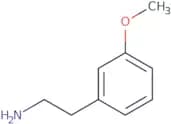
CAS:Controlled Product<p>3-Methoxyphenethylamine is a naturally occurring phenethylamine that is found in the human body. It is produced by the enzyme phenylethanolamine N-methyltransferase from dopamine and 3-methoxytyramine. 3-Methoxyphenethylamine can be found in the saliva, but also in the brain, muscle and kidneys. Its presence has been detected in women's breast milk. This compound has been shown to have a significant effect on chloride ion absorption and renal blood flow, as well as on 5-hydroxyindoleacetic acid levels in the urine of patients with Parkinson's disease. The predominant metabolite of 3-methoxyphenethylamine is 3-hydroxymethylphenethylamine (3HMPEA).</p>Formula:C9H13NOPurity:Min. 95%Color and Shape:Colorless Clear LiquidMolecular weight:151.21 g/mol4-(Dimethylamino)-2-hydroxybenzaldehyde
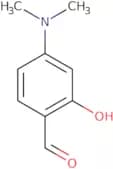
CAS:<p>4-(Dimethylamino)-2-hydroxybenzaldehyde (DMAA) is an anticancer agent that has been shown to enhance the antitumor effect of sodium succinate. DMAA binds to the tetradentate site of the DNA and prevents it from binding with a transcription factor, which may lead to cancer cell death. DMAA has low detection in urine and blood, making it difficult to detect its presence in patients. DMAA also has no known complexation partners, making it difficult for the body to excrete this drug. DMAA is not carcinogenic or mutagenic. It is used as a fluorescent probe for detecting hydroxy groups in organic compounds and as an environmental pollutant when mixed with other chemicals such as benzene and methylene chloride.</p>Purity:Min. 95%4-Methoxy-N-methylbenzylamine hydrochloride
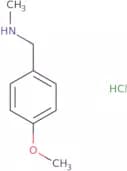
CAS:<p>Please enquire for more information about 4-Methoxy-N-methylbenzylamine hydrochloride including the price, delivery time and more detailed product information at the technical inquiry form on this page</p>Formula:C9H14NOClPurity:Min. 95%Molecular weight:187.67 g/molFmoc-(R,S)-3-amino-N-1-carboxymethyl-2-oxo-5-cyclohexyl-1,4-benzodiazepine
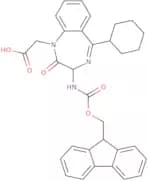
CAS:Controlled Product<p>Please enquire for more information about Fmoc-(R,S)-3-amino-N-1-carboxymethyl-2-oxo-5-cyclohexyl-1,4-benzodiazepine including the price, delivery time and more detailed product information at the technical inquiry form on this page</p>Formula:C32H31N3O5Purity:Min. 95%Molecular weight:537.61 g/molFluvoxamine acid
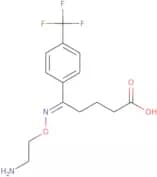
CAS:<p>Fluvoxamine acid is a serotonin reuptake inhibitor that is used to treat depression. It is metabolized by hydrolysis to the active form, fluvoxamine, which inhibits the re-uptake of serotonin in the presynaptic neuron. Fluvoxamine acid has been shown to be effective for some types of depression and has a low incidence of adverse effects. Fluvoxamine acid binds to human serum albumin (HSA) and plasma proteins such as alpha-1-acid glycoprotein. The drug also has pharmacokinetic properties including an acidic pH, high lipophilicity and low protein binding.</p>Formula:C14H17F3N2O3Purity:Min. 95%Molecular weight:318.29 g/mol1,6-Bis(tert-butoxycarbonylamino)hexane
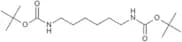
CAS:<p>Please enquire for more information about 1,6-Bis(tert-butoxycarbonylamino)hexane including the price, delivery time and more detailed product information at the technical inquiry form on this page</p>Formula:C16H32N2O4Purity:Min. 95%Molecular weight:316.44 g/molThiophen-3-amine oxalate
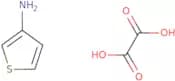
CAS:<p>Thiophen-3-amine oxalate is an organic compound that is used as a pharmaceutical intermediate. It is a white solid that has a melting point of 121°C, and can be obtained by reacting 3-aminophenol with formaldehyde in the presence of sodium bicarbonate. It has two functional groups, one chloride and one cromakalim. The skeleton consists of a phenyl ring and an activated nucleus. The phenyl ring is substituted by two n-substituted groups, which are represented by the diazoxide group and the formaldehyde group. The chemical formula for thiophen-3-amine oxalate is C8H5N3O4Cl2.</p>Formula:C6H7NO4SPurity:Min. 95%Molecular weight:189.19 g/mol4-Aminotetrahydropyran
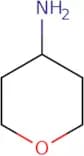
CAS:<p>4-Aminotetrahydropyran is a synthetic chemical that is used as a biochemical reagent. It has been shown to inhibit the ATP-driven efflux pump in Gram-negative bacteria, which causes an increase in intracellular concentration of hydroxide and hydrogen ions. This inhibition leads to an acidic pH, which disrupts the cell membrane and causes cell death. 4-Aminotetrahydropyran has been shown to be a potent inhibitor of the functional groups found on enzymes with transfer mechanisms such as kinases.</p>Formula:C5H11NOPurity:Min. 95%Color and Shape:Clear LiquidMolecular weight:101.15 g/mol




![(R)-(-)-a-[[(4-Ethyl-2,3-dioxo-1-piperazinyl)carbonyl]amino]benzeneacetic Acid](/_next/image/?url=https%3A%2Fstatic.cymitquimica.com%2Fproducts%2F3D%2Fthumb-webp%2FFE60111.webp&w=3840&q=75)

![1-[1-(2-Aminoethyl)-1H-indol-3-yl]ethanone oxalate](/_next/image/?url=https%3A%2Fstatic.cymitquimica.com%2Fproducts%2F3D%2Fthumb-webp%2FFA135415.webp&w=3840&q=75)


![Des[5-(2-dimethylamino)ethyl] diltiazem](/_next/image/?url=https%3A%2Fstatic.cymitquimica.com%2Fproducts%2F3D%2Fthumb-webp%2FFD21108.webp&w=3840&q=75)

![7-[(3R)-3-[(N-Acetyl)amino]-1-oxo-4-(2,4,5-trifluorophenyl)butyl]-5,6,7,8-tetrahydro-3-(trifluorom…](/_next/image/?url=https%3A%2Fstatic.cymitquimica.com%2Fproducts%2F3D%2Fthumb-webp%2FFA104169.webp&w=3840&q=75)