Amines
Amines are a set of molecules containing an amino functional group (derived from ammonia). This category includes amines at any level of substitution : primary, secondary, tertiary, and ammonium salts. Amines are fundamental in organic synthesis and are widely used in pharmaceuticals, agrochemicals, and materials science. At CymitQuimica, we provide a comprehensive selection of amines to meet your research and industrial needs. Our range ensures access to various amines for diverse chemical processes and innovative research.
Subcategories of "Amines"
- Nitrosamines(2,606 products)
- Primary Amines(30,805 products)
- Quaternary Ammonium Cations and Salts(1,099 products)
- Secondary Amines(20,809 products)
- Tertiary Amines(17,111 products)
Found 8777 products of "Amines"
Sort by
Purity (%)
0
100
|
0
|
50
|
90
|
95
|
100
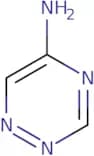
1,2,4-Triazin-5-amine
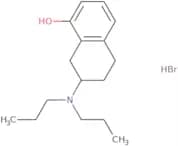
CAS:<p>1,2,4-Triazin-5-amine is a synthetic compound that has been shown to have significant activity against the enzyme carbonyl reductase. The term "significant" refers to the inhibition of this enzyme by 1,2,4-triazin-5-amine in a dose dependent manner. This inhibition was observed with allosteric inhibitors and orthosteric inhibitors. 1,2,4-Triazin-5-amine has also been shown to be effective in inhibiting phosphatases and butyric acid hydrolase in vitro. The mechanism of 1,2,4-triazin-5-amine is unknown but it is thought that it may act as an inhibitor of human diseases such as Alzheimer's disease or Parkinson's disease.</p>Formula:C3H4N4Purity:Min. 95%Molecular weight:96.09 g/molrac-8-hydroxy-2-dipropylaminotetralin hydrobromide
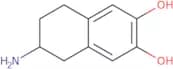
CAS:Controlled Product<p>Rac-8-hydroxy-2-dipropylaminotetralin hydrobromide is a potent 5-HT agonist that has been shown to inhibit the release of prolactin in the serum of rats. Rac-8-hydroxy-2-dipropylaminotetralin hydrobromide was found to be an antagonist of 5HT receptors, with a potency comparable to that of 8-OHDPAT and WAY 100635. Rac rac8-hydroxy-2-dipropylaminotetralin hydrobromide also inhibits locomotor activity induced by the 5HT1A agonist 8OHDPAT. Experiments in vivo have shown that rac rac8-hydroxy-2-dipropylaminotetralin hydrobromide binds to benzodiazepine binding sites and has a low affinity for dopamine receptors. It also blocks cholinergic transmission in the brain, which may explain its</p>Formula:C16H26BrNOPurity:Min. 95%Molecular weight:328.29 g/mol6-Amino-5,6,7,8-tetrahydronaphthalene-2,3-diol
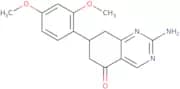
CAS:Controlled Product<p>6-Amino-5,6,7,8-tetrahydronaphthalene-2,3-diol is a potent dopamine D2 receptor antagonist. It has been shown to inhibit the light emission of dopamine in vitro. This compound also has a high affinity for 5-HT receptors and has been shown to be a potent agonist at these sites. 6-Amino-5,6,7,8-tetrahydronaphthalene-2,3-diol has been found to induce pluripotent stem cells from human fibroblasts. These cells can differentiate into virtually any cell type in the body and may be used to study diseases such as Parkinson's disease and cancer.</p>Formula:C10H13NO2Purity:Min. 95%Molecular weight:179.22 g/mol2-Amino-7-(2,4-dimethoxyphenyl)-7,8-dihydroquinazolin-5(6H)-one
CAS:Controlled Product<p>Please enquire for more information about 2-Amino-7-(2,4-dimethoxyphenyl)-7,8-dihydroquinazolin-5(6H)-one including the price, delivery time and more detailed product information at the technical inquiry form on this page</p>Formula:C16H17N3O3Purity:Min. 95%Molecular weight:299.32 g/molCyclohexanemethylamine
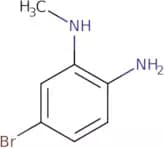
CAS:<p>Cyclohexanemethylamine is a nonsteroidal anti-inflammatory drug that belongs to the class of amines. This drug has been shown to inhibit the cyclooxygenase activity of the enzyme prostaglandin synthase, which is responsible for converting arachidonic acid into prostaglandins. Cyclohexanemethylamine also has antioxidant properties and has been shown to inhibit lipid peroxidation. Cyclohexanemethylamine has been shown to have both anticancer and antiviral effects in cell culture experiments and in animal studies. It inhibits cell proliferation in muscle cells and suppresses muscle cell proliferation induced by metal carbonyls or phorbol esters. Cyclohexanemethylamine also inhibits cancer-related protein synthesis, such as protein kinase C and DNA polymerases, while it enhances the synthesis of heat shock proteins (HSPs).</p>Formula:C7H15NPurity:Min. 95%Color and Shape:Colorless Clear LiquidMolecular weight:113.2 g/mol5-Bromo-N1-methylbenzene-1,2-diamine
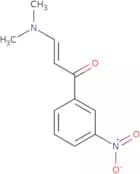
CAS:<p>Please enquire for more information about 5-Bromo-N1-methylbenzene-1,2-diamine including the price, delivery time and more detailed product information at the technical inquiry form on this page</p>Formula:C7H9BrN2Purity:Min. 95%Molecular weight:201.06 g/mol(2E)-3-(Dimethylamino)-1-(3-nitrophenyl)prop-2-en-1-one
CAS:<p>Please enquire for more information about (2E)-3-(Dimethylamino)-1-(3-nitrophenyl)prop-2-en-1-one including the price, delivery time and more detailed product information at the technical inquiry form on this page</p>Formula:C11H12N2O3Purity:Min. 95%Molecular weight:220.22 g/mol1-Amino-2,4-imidazolidinedione-13C3
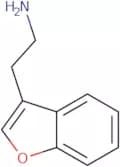
CAS:<p>1-Amino-2,4-imidazolidinedione-13C3 is an antibiotic that belongs to the group of nitrofurans. It is used for the treatment of infections caused by bacteria that are resistant to other antibiotics. The LC-MS/MS analysis showed that 1-aminohydantoin was formed as a degradation product of chloramphenicol and that this metabolite had been detected in urine samples from patients treated with chloramphenicol. Nitrofuran is also a possible degradation product. A reaction monitoring experiment using ionization monitoring and monitoring on the precursor ion at m/z 287 confirmed the presence of 1-aminohydantoin in a sample containing both chloramphenicol and nitrofuran. Quantification was performed using calibration curves obtained from pure standards.</p>Formula:C3H5N3O2Purity:Min. 95%Molecular weight:118.12 g/mol2-(Benzofuran-3-yl)ethanamine
CAS:Controlled Product<p>2-(Benzofuran-3-yl)ethanamine (ZBFEA) is a novel synthetic derivative of the natural product 2-(benzofuran-2-yl)ethanamine. It has been shown to be effective against multiresistant bacteria such as Staphylococcus aureus, including methicillin resistant strains. ZBFEA inhibits bacterial growth by binding to the ribosomal protein S12 and preventing protein synthesis. This compound has also been shown to have fluorescent properties, which may be useful for its use as a diagnostic agent in live bacterial cultures.</p>Formula:C10H11NOPurity:Min. 95%Color and Shape:Clear LiquidMolecular weight:161.2 g/molL-a-Aminosuberic acid
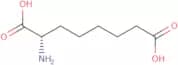
CAS:<p>L-a-aminosuberic acid is a synthetic amino acid that has been used as an analog of L-cysteine. It can be used to induce tumor cell death by inhibiting the uptake of fatty acids in prostate cancer cells. L-a-aminosuberic acid is also able to inhibit the expression of proteins that are involved in prostate cancer, such as monoclonal antibodies and sequences. This compound may be a potential biomarker for the diagnosis of prostate cancer. The low expression levels may be due to the lack of disulfide bond formation, which is necessary for protein activity.</p>Formula:C8H15NO4Purity:Min. 95%Molecular weight:189.21 g/mol2,6-Diamino-5-hydroxy-3-(phenylazo)pyridine
CAS:<p>2,6-Diamino-5-hydroxy-3-(phenylazo)pyridine is a versatile chemical substance that has various applications in different industries. It can be used as a dianhydride to create high-performance polymers or as an electrode material for batteries and fuel cells. This compound is also used in the production of lacosamide, a medication used to treat epilepsy. In addition to its industrial uses, 2,6-Diamino-5-hydroxy-3-(phenylazo)pyridine is also utilized in research laboratories as a reagent or marker. It is commonly used in aerosol compositions for testing purposes and in the analysis of toxicological samples. Researchers also rely on this compound for dispersive solid-phase extraction techniques and for studying photodegradation processes. Furthermore, 2,6-Diamino-5-hydroxy-3-(phenylazo)pyridine has shown potential in the development of polymeric compositions with</p>Formula:C11H11N5OPurity:Min. 95%Molecular weight:229.24 g/mol[(5-Chloro-1-methyl-1H-benzimidazol-2-yl)methyl]amine hydrochloride
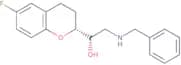
CAS:Controlled Product<p>Please enquire for more information about [(5-Chloro-1-methyl-1H-benzimidazol-2-yl)methyl]amine hydrochloride including the price, delivery time and more detailed product information at the technical inquiry form on this page</p>Formula:C9H10ClN3Purity:Min. 95%Molecular weight:195.65 g/mol(1S,2R)-2-(2-Benzylamino-1-hydroxyethyl)-6-fluorochromane
CAS:<p>Please enquire for more information about (1S,2R)-2-(2-Benzylamino-1-hydroxyethyl)-6-fluorochromane including the price, delivery time and more detailed product information at the technical inquiry form on this page</p>Formula:C18H20FNO2Purity:Min. 95%Molecular weight:301.36 g/molDiethyl[2-(4-nitrophenoxy)ethyl]amine
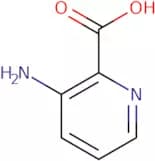
CAS:Controlled Product<p>Please enquire for more information about Diethyl[2-(4-nitrophenoxy)ethyl]amine including the price, delivery time and more detailed product information at the technical inquiry form on this page</p>Formula:C12H18N2O3Purity:Min. 95%Molecular weight:238.28 g/mol3-Aminopicolinic acid
CAS:<p>3-Aminopicolinic acid is a carboxylate that can be found in the cytosol, mitochondria, and nucleus of cells. It is an efficient method for the synthesis of picolinic acid from 3-aminopyridine-2-carboxylic acid. The synthesis of picolinic acid has been shown to have structural analogs to molecules involved in nucleotide metabolism such as single-stranded DNA, mitochondrial DNA, and mitochondrial RNA. 3-Aminopicolinic acid has been shown to increase renal blood flow by stabilizing complexes with chloride and phosphoenolpyruvate. This compound also enhances the renal excretion of picolinic acid. 3-Desacetylcefotaxime potassium Tilmicosin Gatifloxacin 3-Aminopicolinic acid</p>Formula:C6H6N2O2Purity:Min. 95 Area-%Color and Shape:Yellow PowderMolecular weight:138.12 g/molN-[1-(4-Fluorophenyl)propan-2-Yl]-N-methylprop-2-Yn-1-amine
CAS:Controlled Product<p>N-[1-(4-Fluorophenyl)propan-2-Yl]-N-methylprop-2-Yn-1-amine is a synthetic molecule that has been shown to be an inhibitor of the enzyme nitroethane reductase. This drug is also capable of inhibiting the activity of other enzymes and is being investigated for its potential use in the treatment of various types of cancer. N-[1-(4-Fluorophenyl)propan-2-Yl]-N-methylprop-2-Yn-1-amine inhibits nitroethane reductase by binding reversibly to the active site and competitively inhibiting the substrate. The potency of this drug against nitroethane reductase has been shown to be increased by alkylation.br><br>The inhibition of nitroethane reductase by N-[1-(4-fluorophenyl)propan-2-Yl]-</p>Formula:C13H16FNPurity:Min. 95%Molecular weight:205.27 g/mol5-(2-Aminopropyl)-2-methoxybenzenesulphonamide
CAS:Controlled Product<p>5-(2-Aminopropyl)-2-methoxybenzenesulphonamide is a trimethyl derivative of the aminopropyl group. It is used as a reagent to introduce hydroxymethyl groups into organic compounds. 5-(2-Aminopropyl)-2-methoxybenzenesulphonamide reacts with hydrochloric acid and an organic solvent in the preparation process. In the Friedel-Crafts reaction, 5-(2-Aminopropyl)-2-methoxybenzenesulphonamide reacts with d-alanine to form an optical isomer, which can be converted to its racemic form by ammonolysis. This compound is also used as a prostatic agent and an amide in the synthesis of benzene and phenoxymethyl alcohols.</p>Formula:C10H16N2O3SPurity:Min. 95%Molecular weight:244.31 g/mol(S)-(-)-1-Phenylethylamine
CAS:Controlled Product<p>(S)-(-)-1-Phenylethylamine is an amide that is synthesized by reacting an acid chloride with a primary amine. (S)-(-)-1-Phenylethylamine is a white solid that has a molecular weight of 110.11 g/mol and the chemical formula CH3CH2CH2NHCOCl. The compound has been isolated in yields of up to 60% from diethyl ketone and ethyl acetate, which is dependent on the solvent used. The compound can be purified by recrystallization from diethyl ether or ethyl acetate/petroleum ether mixtures. (S)-(-)-1-Phenylethylamine exhibits hydrogen bonding interactions with water, which is why it has a pH optimum around 7.5. This compound also reacts with ester hydrochlorides to form amides and carbonyl groups as well as undergoes reactions with amines to form urea derivatives</p>Formula:C8H11NPurity:Min. 95%Color and Shape:Colorless Clear LiquidMolecular weight:121.18 g/mol3-Amino-1-diphenylmethylazetidine
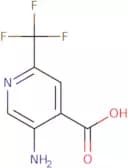
CAS:<p>3-Amino-1-diphenylmethylazetidine (3ADM) is a dopaminergic antagonist that binds to the D4 receptor. This compound has been shown to have affinity for the D4 receptor and can inhibit the binding of dopamine to its receptors, thereby blocking its effects. 3ADM is a potent antagonist of the dopaminergic system and has been shown to be effective in animal models.</p>Formula:C16H18N2Purity:Min. 95%Molecular weight:238.33 g/mol5-Amino-2-(trifluoromethyl)isonicotinic acid
CAS:<p>Please enquire for more information about 5-Amino-2-(trifluoromethyl)isonicotinic acid including the price, delivery time and more detailed product information at the technical inquiry form on this page</p>Formula:C7H5F3N2O2Purity:Min. 95%Molecular weight:206.12 g/mol2N-Boc-2',2''-triaminotriethylamine
CAS:<p>Please enquire for more information about 2N-Boc-2',2''-triaminotriethylamine including the price, delivery time and more detailed product information at the technical inquiry form on this page</p>Formula:C11H26N4O2Purity:Min. 95%Color and Shape:Yellow PowderMolecular weight:246.35 g/molEthyl 2-amino-thiazole-4-carboxylate
CAS:<p>Ethyl 2-amino-thiazole-4-carboxylate (ETAC) is an inhibitor of protein synthesis. It binds to the dna and inhibits transcription, leading to cell death by inhibiting the production of proteins vital for cell division. ETAC has been shown to have cytotoxic activity against cancer cells and hemolytic activity. It also has a strong fluorescence probe property, which may be used in cancer diagnosis. ETAC can inhibit protein synthesis in cells that are resistant to other antimicrobial agents and platinum-based chemotherapy, making it a potential treatment for these infections. The pharmacokinetic properties of ETAC are not well studied but it is excreted through urine, suggesting that it is hydrophilic and may be metabolized with glucuronidation or sulfation. The molecular modeling study suggests that the hydrogen bond between ETAC and the dna phosphate group may explain its inhibitory effects on DNA synthesis.</p>Formula:C6H8N2O2SPurity:Min. 99.0 Area-%Molecular weight:172.21 g/molN-EthylhydroxylamineHydrochloride
CAS:<p>N-Ethylhydroxylamine hydrochloride is a chemical compound that belongs to the group of biocides. It is used as an antimicrobial agent in medical devices, such as catheters and dialysis membranes. N-Ethylhydroxylamine hydrochloride is also used in cancer research to activate the CCR5 receptor, which is involved in HIV infection. N-Ethylhydroxylamine hydrochloride has been shown to have biological properties in humans and animals and has a high degree of chemical stability. The compound can be synthesized from sodium carbonate and ethyl alcohol. The synthesis involves the addition of ethylene oxide to ethanolamine followed by hydrogenation with a catalyst. N-Ethylhydroxylamine hydrochloride is soluble in water, methanol, and acetone. This chemical compound binds to proteins in the human body, resulting in an increase of acidity in urine samples when tested using a plate test. It also has</p>Formula:C2H8ClNOPurity:Min. 95%Molecular weight:97.54 g/mol4-Methylcyclohexylamine
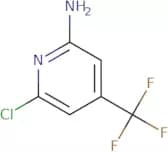
CAS:<p>4-Methylcyclohexylamine is a compound that is used as an inhibitor of the enzyme ornithine decarboxylase. It also has been shown to have anti-inflammatory properties in cell culture and in animal models of inflammatory bowel disease. 4-Methylcyclohexylamine binds to the active site of the enzyme, preventing it from converting ornithine into putrescine. Ornithine decarboxylase inhibitors are a new class of drugs for the treatment of inflammatory bowel disease, which are effective against both ulcerative colitis and Crohn's disease.</p>Formula:C7H15NPurity:Min. 95%Molecular weight:113.2 g/mol6-Chloro-4-(trifluoromethyl)-2-pyridinamine
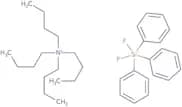
CAS:<p>Please enquire for more information about 6-Chloro-4-(trifluoromethyl)-2-pyridinamine including the price, delivery time and more detailed product information at the technical inquiry form on this page</p>Formula:C6H4ClF3N2Purity:Min. 95%Molecular weight:196.56 g/molTetrabutylammonium difluorotriphenylsilicate
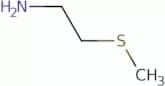
CAS:<p>Tetrabutylammonium difluorotriphenylsilicate is a model system for studying the mechanism of nucleophilic substitution at an unsymmetrical carbon center. It is used in analytical chemistry to prepare samples for analysis. Tetrabutylammonium difluorotriphenylsilicate has been shown to be an effective and selective reagent for the synthesis of picolinic acid, which can be used as a precursor for the synthesis of nicotinamide riboside, a vitamin B3 derivative. The reaction proceeds via an SN2 mechanism, where hydrogen fluoride (HF) acts as a nucleophile that attacks the electrophilic carbon center of allyl chloride (CH2=CH-CH2Cl) to form an intermediate with two alkyl groups on opposite sides. The reaction product is then hydrolyzed to release tetrabutylammonium chloride (tBuNH4Cl).</p>Formula:C34H51F2NSiPurity:Min. 95%Color and Shape:White PowderMolecular weight:539.86 g/mol2-(Methylmercapto)-ethylamine
CAS:<p>2-(Methylmercapto)-ethylamine is a chemical that is used in the synthesis of the ruthenium complex, which is used to detect and destroy cancer stem cells. 2-(Methylmercapto)-ethylamine has been shown to be toxicologically safe in animal studies. 2-(Methylmercapto)-ethylamine can react with aziridine and pyrite to form nanogels, which are structures that have potential applications in drug delivery. The optical properties of 2-(methylmercapto) ethylamine are sensitive to its environment, especially pH. 2- (Methylmercapto) Ethylamine can bind to the pleuromutilin derivatives, which are active against infectious diseases such as tuberculosis.</p>Formula:C3H9NSPurity:Min. 95%Molecular weight:91.18 g/mol3-Methoxybenzene-1,2-diamine
CAS:<p>3-Methoxybenzene-1,2-diamine is a chloride surfactant that is cationic at low concentrations. It is most commonly used as a cross-linking agent in polymers and also has anti-inflammation properties. 3-Methoxybenzene-1,2-diamine is an osmotic agent that binds to water molecules, which prevents the loss of water from cells and increases cell volume. This chemical also has been shown to be an antagonist of 5Ht4 receptors and can be used for the treatment of inflammatory diseases such as asthma. 3-Methoxybenzene-1,2-diamine has been shown to have low toxicity in rats when consumed in dietary concentrations.</p>Purity:Min. 95%1,1,2,2,3,3,3-Heptafluoro-n,n-bis(1,1,2,2,3,3,3-heptafluoropropyl)-1-propanamine
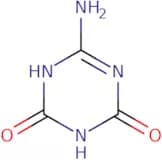
CAS:Controlled Product<p>1,1,2,2,3,3,3-Heptafluoro-n,n-bis(1,1,2,2,3,3-heptafluoropropyl)-1-propanamine (HFIP) is a fluorinated compound that is used as a solvent for hydrogen fluoride and water vapor. HFIP has been shown to be toxic to the liver cells of rats. It also causes lesions in the liver of the isolated heart. The monoclonal antibody against HFIP has been shown to reduce the transport properties of this solvent to tissues and reduce light emission from this compound. HFIP is not chemically reactive with other chemicals at room temperature and has excellent chemical stability in light exposure.</p>Formula:C9F21NPurity:Min. 90 Area-%Color and Shape:Colorless PowderMolecular weight:521.07 g/mol6-Amino-1,3,5-triazine-2,4-diol
CAS:<p>6-Amino-1,3,5-triazine-2,4-diol is a chemical that is soluble in water and has been shown to be an effective inhibitor of cyanuric acid degradation. It has been used in wastewater treatment and as a model system for the study of melamine and cyanuric acid interactions. 6-Amino-1,3,5-triazine-2,4-diol binds to cyanuric acid by forming a complex with it. This prevents the formation of reactive intermediates that lead to the degradation of cyanuric acid. 6-Amino-1,3,5-triazine-2,4-diol also inhibits the oxidation catalyst activity of sodium carbonate at pH 8.5. The toxicity of this chemical has been studied in rats and was found to be low.</p>Formula:C3H4N4O2Purity:Min. 95%Molecular weight:128.09 g/mol1,4-Bis[4-(di-p-tolylamino)styryl]benzene
CAS:<p>1,4-Bis[4-(di-p-tolylamino)styryl]benzene is a fluorescent organic semiconductor that has high efficiency and can be used in electronic devices. The benzene molecule has two electron donating groups, which provide an acceptor site for the exciton formed by the electron transfer between donor and acceptor. This process is called fluorescence or phosphorescence, which is the emission of light following absorption of energy. 1,4-Bis[4-(di-p-tolylamino)styryl]benzene emits blue light when excited by an electron beam with a frequency of 300 nm and a current density of 10 mA/cm2. This device shows high efficiencies up to 60% at room temperature and up to 70% at 100°C.</p>Formula:C50H44N2Purity:Min. 95%Molecular weight:672.9 g/mol3-[(Dimethylamino)methyl]benzoic acid hydrochloride
CAS:<p>Please enquire for more information about 3-[(Dimethylamino)methyl]benzoic acid hydrochloride including the price, delivery time and more detailed product information at the technical inquiry form on this page</p>Formula:C10H13NO2Purity:Min. 95%Molecular weight:179.22 g/mol[2-(4-Aminophenyl)ethyl]carbamic acid tert-butyl ester
CAS:<p>Please enquire for more information about [2-(4-Aminophenyl)ethyl]carbamic acid tert-butyl ester including the price, delivery time and more detailed product information at the technical inquiry form on this page</p>Formula:C13H20N2O2Purity:Min. 95%Color and Shape:Slightly Yellow PowderMolecular weight:236.31 g/molSpiroxamine
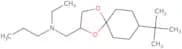
CAS:<p>Spiroxamine is a glycol ether compound that is used as a pesticide. Spiroxamine inhibits the synthesis of proteins and nucleic acids, which are essential for cellular function. This antibiotic has been shown to have synergistic effects with tebuconazole and prothioconazole in wild-type strains of fungi. It can also be used as an analytical tool to measure protein content in cell lysates by preparative high-performance liquid chromatography (HPLC).</p>Formula:C18H35NO2Purity:Min. 97%Color and Shape:Slightly Yellow Clear LiquidMolecular weight:297.48 g/mol(S,S')-3-Methyl-1-(2-piperidinophenyl)butylamine, N-acetyl-glutamate salt
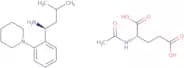
CAS:<p>Please enquire for more information about (S,S')-3-Methyl-1-(2-piperidinophenyl)butylamine, N-acetyl-glutamate salt including the price, delivery time and more detailed product information at the technical inquiry form on this page</p>Formula:C23H37N3O5Purity:Min. 95%Molecular weight:435.56 g/molAmmonium ferric citrate
CAS:<p>Ammonium ferric citrate is a solution of ammonium ferric citrate, which is a mixture of ammonium and ferric ions. It is used in biological research as a reaction solution for the determination of mitochondrial membrane potential. The chemical composition of the solution is such that it can be used to determine the iron homeostasis in human serum samples and other biological samples. Ammonium ferric citrate reacts with sodium citrate to form a polymerase chain reaction product that generates light signals proportional to the concentration of electron transfer agents in the system. This process can be monitored using an optical sensor or by measuring electrochemical impedance spectroscopy (EIS) data on the solution.</p>Formula:C6H8O7·xFe·xH3NPurity:Min. 95%Color and Shape:Powder4-tert-Butylcyclohexanamine
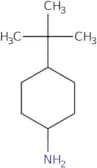
CAS:<p>4-tert-Butylcyclohexanamine is an unsymmetrical compound that is a potent antagonist of the dopamine D2 receptor. It is one of the stereoisomers of 4-tert-butylcyclohexaneamine. This drug has been synthesized by reacting naphthalene with amines and primary alcohols. The compound has optical properties, which may be due to its chiral nature and the presence of two rings in its structure. 4-tert-Butylcyclohexanamine crystallizes from water as needles or plates, depending on the concentration.</p>Formula:C10H21NPurity:Min. 95%Color and Shape:Clear LiquidMolecular weight:155.28 g/mol1-(Aminomethyl)naphthalene
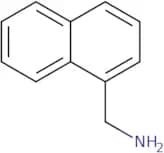
CAS:<p>1-(Aminomethyl)naphthalene is a hydrogen bond-forming molecule that has high values of hydrochloric acid. This compound reacts with sodium carbonate to form glycoside derivatives, which have been shown to display light emission. 1-(Aminomethyl)naphthalene can be used in the synthesis of oxytocin and toll-like receptor ligands, as well as other chemical reactions. The carbonyl group found in this molecule is responsible for the reactivity and stability of this compound.</p>Formula:C10H7CH2NH2Purity:Min. 95%Color and Shape:Clear Colourless To Yellow LiquidMolecular weight:157.21 g/molNicotianamine
CAS:<p>Nicotianamine is a nicotinic acid amide that is synthesized from nicotianamine synthase. Nicotianamine is a nutrient that plays an important role in iron homeostasis. It is also involved in the regulation of plant metabolism and enzyme activities. Nicotianamine has been shown to be stable in complex with iron, which makes it a good candidate for use as an analytical reagent for measuring plant metabolites. The nicotianamine assay can be used to determine concentrations of nicotianamine and nicotinic acid amides in plants by plasma mass spectrometry. This method takes advantage of the ability of nicotianamine to form stable complexes with iron ions, which can be measured by quantifying the concentration of free iron ions. Nicotianamine can also be used as an indicator of nutrient solution quality because it reacts with various compounds present in the solution, such as phosphate, nitrate, and sulfate ions. The matrix effect can affect the</p>Formula:C12H21N3O6Purity:(%) Min. 94%Color and Shape:PowderMolecular weight:303.31 g/mol2-Chloroethylamine hydrochloride
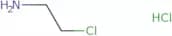
CAS:<p>2-Chloroethylamine hydrochloride is a chemical compound that has a hydroxyl group, which is an epoxide. It reacts with itself to form aziridine and amines, which are genotoxic compounds. 2-Chloroethylamine hydrochloride is used as an analytical method for the determination of the concentration of epoxides in air samples and can be produced by reacting chlorine with ethylamine. The reaction mechanism for this process is not well understood but it may involve coordination geometry and particle formation. This chemical compound can also be found in pharmaceutical drugs designed to treat cancer or heart disease.</p>Formula:C2H6ClN•HClPurity:Min. 95%Color and Shape:PowderMolecular weight:115.99 g/molDansyl ethylenediamine
CAS:<p>Dansyl ethylenediamine is a fluorescent probe that binds to peptides containing an amino acid with a free sulfhydryl group. It is used in the study of biological samples, such as tissue culture and blood cells, for detecting amines. Dansyl ethylenediamine has been shown to bind to α1-acid glycoprotein, which is present in human plasma and increases in concentration during congestive heart failure. This compound also exhibits conformational properties that make it ideal for analytical chemistry techniques such as high performance liquid chromatography (HPLC) and gas chromatography (GC).</p>Formula:C14H19N3O2SPurity:Min. 95%Color and Shape:Off-White PowderMolecular weight:293.39 g/mol2,3-Diaminotoluene
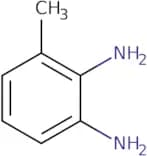
CAS:<p>2,3-Diaminotoluene is a compound that can be synthesized through the reaction of 2,4-diaminotoluene and picric acid. It has been used as a fluorescent probe for palladium complexes and has been shown to have efficient fluorescence properties in chromatographic applications. 2,3-Diaminotoluene has also been found to be an effective anti-bacterial agent against Gram-positive bacteria such as Staphylococcus aureus and Enterococcus faecalis. This compound has also been shown to have antitumour activity against leukemia cells. The synthesis of 2,3-diaminotoluene involves the reaction of amines with formaldehyde followed by dehydration.</p>Formula:C7H10N2Purity:Min. 95%Color and Shape:PowderMolecular weight:122.17 g/mol3-Amino-6-fluoro-2-methylquinazolin-4(3H)-one
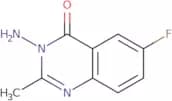
CAS:Controlled Product<p>Please enquire for more information about 3-Amino-6-fluoro-2-methylquinazolin-4(3H)-one including the price, delivery time and more detailed product information at the technical inquiry form on this page</p>Formula:C9H8FN3OPurity:Min. 95%Molecular weight:193.18 g/mol1-Boc-amino-3,6,9-trioxaundecanyl-11-bromide
CAS:<p>Please enquire for more information about 1-Boc-amino-3,6,9-trioxaundecanyl-11-bromide including the price, delivery time and more detailed product information at the technical inquiry form on this page</p>Formula:C13H26BrNO5Purity:Min. 95%Molecular weight:356.25 g/mol3,5-Dibromo-6-methylpyrazin-2-amine
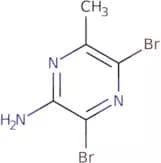
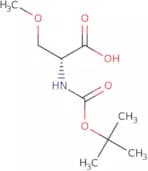
CAS:<p>Please enquire for more information about 3,5-Dibromo-6-methylpyrazin-2-amine including the price, delivery time and more detailed product information at the technical inquiry form on this page</p>Formula:C5H5Br2N3Purity:Min. 95%Molecular weight:266.92 g/mol(R)-2-((tert-Butoxycarbonyl)amino)-3-methoxypropanoic acid
CAS:<p>(R)-2-((tert-Butoxycarbonyl)amino)-3-methoxypropanoic acid (BAAM) is a potent, orally bioavailable, and pharmacokinetically well-characterized inhibitor of blood coagulation that has been shown to be effective in animal models. BAAM inhibits the activity of tissue factor (TF), an enzyme that initiates the blood coagulation cascade. TF is important for hemostasis because it is activated by contact with blood and tissue factors such as collagen or thrombin. BAAM has shown some promise as a potential treatment for thrombosis, which can lead to heart attacks and strokes.</p>Formula:C9H17NO5Purity:Min. 95%Molecular weight:219.24 g/mol2-(4-Aminophenylthio)acetic acid
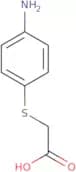
CAS:<p>2-(4-Aminophenylthio)acetic acid is an analytical reagent that is used for the determination of nitrite ion. It reacts with nitrous acid to form a red-colored dye. 2-(4-Aminophenylthio)acetic acid has been shown to be an effective anhydrase inhibitor, which can be used in analytical chemistry as a method for determining the concentration of nitrate ion. This compound also has a constant value of 1.5, which can be used to calculate the concentration of nitric acid in hydrochloric acid by using the following equation: 2 NaOH + HCl → NaCl + 2 H2O 1.5 (aq) + 4H+(aq) → 6H2O(l) 6H2O(l) ÷ 1.5 (mol/L) = 3 mol/L 3 mol/L ÷ 0.037 (mol/g) =</p>Formula:C8H9NO2SPurity:Min. 95%Molecular weight:183.23 g/mol(2-Aminothiophen-3-yl)(4-bromophenyl)methanone
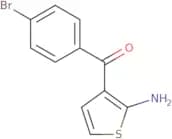
CAS:<p>2-Aminothiophen-3-yl)(4-bromophenyl)methanone is a new compound that is being developed as a potential antiviral agent. Covid-19, the trade name for 2-aminothiophen-3-yl)(4-bromophenyl)methanone, prevents the replication of viruses by binding to their nucleic acids and blocking their ability to produce proteins. Covid-19 has been shown to be effective against both influenza A and B viruses in cellular and animal models. The antiviral activity of Covid-19 is due to its ability to bind to viral nucleic acid, preventing the production of proteins vital for viral replication. This compound has also been shown to have anti-inflammatory properties, which may be due to its ability to inhibit the production of amyloid plaques in mice with Alzheimer's disease.</p>Formula:C11H8BrNOSPurity:Min. 95%Molecular weight:282.16 g/mol[1,2,4]Triazolo[1,5-a]pyrimidin-7-amine
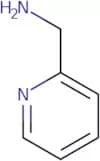
CAS:<p>[1,2,4]Triazolo[1,5-a]pyrimidin-7-amine is a competitive inhibitor of tumor growth. It has been shown to inhibit the synthesis of DNA and RNA by binding to the N7 nitrogen atom in the nucleotide base. The compound also has a trifluoromethyl group that can be used as an assay for enzymatic activity. [1,2,4]Triazolo[1,5-a]pyrimidin-7-amine can be synthesized from 2-(3'-hydroxypropoxy)phenylamine by reaction with hydroxylamine and formaldehyde in the presence of sodium cyanide. This drug inhibits tumor growth in vitro and in vivo and is active against infectious diseases such as hepatitis B virus (HBV).</p>Formula:C5H5N5Purity:Min. 95%Molecular weight:135.13 g/mol2-Picolylamine
CAS:<p>2-Picolylamine is a biologically active compound that is structurally related to the amino acid lysine. It is a weak base that reacts with acids to produce picolines, which are intermediates in the reaction mechanism. 2-Picolylamine has been shown to have toxicological properties and was found to be lethal to the rat at doses of 250 mg/kg. The molecular weight of 2-picolylamine is 88.06 g/mol, and its chemical formula is C9H14N2O2. The product's anti-tuberculosis drugs prevent bacterial growth by binding to DNA-dependent RNA polymerase, thereby preventing transcription and replication. The high frequency of human activity has been shown using a patch-clamp technique on human erythrocytes. This active form is metabolized through a number of metabolic transformations, including hydrolysis by esterases or glucuronidases, oxidation by cytochrome P450 enzymes</p>Formula:C6H8N2Purity:Min. 95%Molecular weight:108.14 g/mol




![[(5-Chloro-1-methyl-1H-benzimidazol-2-yl)methyl]amine hydrochloride](/_next/image/?url=https%3A%2Fstatic.cymitquimica.com%2Fproducts%2F3D%2Fthumb-webp%2FFC135791.webp&w=3840&q=75)
![Diethyl[2-(4-nitrophenoxy)ethyl]amine](/_next/image/?url=https%3A%2Fstatic.cymitquimica.com%2Fproducts%2F3D%2Fthumb-webp%2FFD21808.webp&w=3840&q=75)
![N-[1-(4-Fluorophenyl)propan-2-Yl]-N-methylprop-2-Yn-1-amine](/_next/image/?url=https%3A%2Fstatic.cymitquimica.com%2Fproducts%2F3D%2Fthumb-webp%2FFF95966.webp&w=3840&q=75)






![1,4-Bis[4-(di-p-tolylamino)styryl]benzene](/_next/image/?url=https%3A%2Fstatic.cymitquimica.com%2Fproducts%2F3D%2Fthumb-webp%2FFB75808.webp&w=3840&q=75)
![3-[(Dimethylamino)methyl]benzoic acid hydrochloride](/_next/image/?url=https%3A%2Fstatic.cymitquimica.com%2Fproducts%2F3D%2Fthumb-webp%2FFD124093.webp&w=3840&q=75)
![[2-(4-Aminophenyl)ethyl]carbamic acid tert-butyl ester](/_next/image/?url=https%3A%2Fstatic.cymitquimica.com%2Fproducts%2F3D%2Fthumb-webp%2FFA51360.webp&w=3840&q=75)




![[1,2,4]Triazolo[1,5-a]pyrimidin-7-amine](/_next/image/?url=https%3A%2Fstatic.cymitquimica.com%2Fproducts%2F3D%2Fthumb-webp%2FFT126840.webp&w=3840&q=75)