Amines
Amines are a set of molecules containing an amino functional group (derived from ammonia). This category includes amines at any level of substitution : primary, secondary, tertiary, and ammonium salts. Amines are fundamental in organic synthesis and are widely used in pharmaceuticals, agrochemicals, and materials science. At CymitQuimica, we provide a comprehensive selection of amines to meet your research and industrial needs. Our range ensures access to various amines for diverse chemical processes and innovative research.
Subcategories of "Amines"
- Nitrosamines(2,605 products)
- Primary Amines(30,821 products)
- Quaternary Ammonium Cations and Salts(1,099 products)
- Secondary Amines(20,817 products)
- Tertiary Amines(17,117 products)
Found 8778 products of "Amines"
Sort by
Purity (%)
0
100
|
0
|
50
|
90
|
95
|
100
4-Methoxy-N-methylbenzylamine
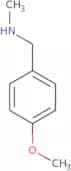
CAS:<p>4-Methoxy-N-methylbenzylamine is a synthesized compound that is structurally similar to piperazine. It has been synthesized using the Chloramine T method and has been shown to be active as an amine receptor ligand. This molecule binds to the amine receptor site of the GABAA receptor with high affinity, inhibiting chloride ion flow. The functional groups on this molecule are likely responsible for its binding activity. 4-Methoxy-N-methylbenzylamine may be useful in the treatment of scopolamine-induced amnesia, due to its ability to bind to specific receptors in the brain.</p>Formula:C9H13NOPurity:Min. 95%Color and Shape:Clear LiquidMolecular weight:151.21 g/mol4-Aminodiphenylamine
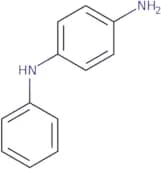
CAS:<p>4-Aminodiphenylamine is a chemical compound that is used as an intermediate in the production of other chemicals. It has been reported to be carcinogenic, so it should be handled with care. The reaction mechanism for this chemical compound is not well-known, but it has been shown that it reacts with hydrogen bonding interactions and can form a complex with nitrogen atoms. 4-Aminodiphenylamine has been shown to have low toxicity in animal studies, and can be synthesized using a variety of methods. This chemical compound also has biological properties that make it useful in the study of body formation and metabolism.</p>Formula:C12H12N2Purity:Min. 95%Color and Shape:PowderMolecular weight:184.24 g/mol6-Amino-5-nitroso-2-thiouracil
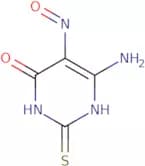
CAS:<p>6-Amino-5-nitroso-2-thiouracil is a water molecule that has been synthesized and characterized by the kinetic method. It has an intense absorption line at 514 nm and can be used as a marker for technetium. 6-Amino-5-nitroso-2-thiouracil is also a ligand, which is a chemical that binds to metal ions in order to form coordination complexes. 6-Amino-5-nitroso-2-thiouracil is formed by the reaction of chloramine with ammonia, as well as other reactions involving chlorine atoms. 6Amino - 5 nitroso - 2 thiouracil can be used as a chelate ring, which is a type of ligand that contains both nitrogen and sulfur atoms. Bleomycin, a five membered ring molecule, reacts with 6 amino - 5 nitroso - 2 thiouracil to</p>Formula:C4H4N4O2SPurity:Min. 95%Molecular weight:172.17 g/mol2-(2-Dimethylamino)Ethyl) Pyridine
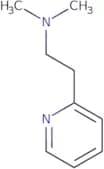
CAS:<p>2-(2-Dimethylamino)Ethyl) Pyridine is a chemical compound that contains oxygen atoms, hydroxo, and nitrogen atoms. It has a tetranuclear hexahydrate form and the molecular formula C5H7N3O2. 2-(2-Dimethylamino)Ethyl) Pyridine has been shown to have desilylation properties. 2-(2-Dimethylamino)Ethyl) Pyridine binds to group P2 of RNA and represses translation by preventing ribosomal binding to the mRNA strand. This drug is also an x-ray data collection agent in which it is used as a ligand in magnetic resonance imaging (MRI).</p>Formula:C9H14N2Purity:Min. 95%Molecular weight:150.22 g/molα-(Benzoylamino)-4-(benzoyloxy)-N,N-dipropylbenzenepropanamide
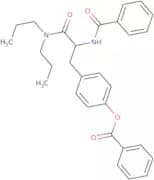
CAS:<p>Please enquire for more information about alpha-(Benzoylamino)-4-(benzoyloxy)-N,N-dipropylbenzenepropanamide including the price, delivery time and more detailed product information at the technical inquiry form on this page</p>Formula:C29H32N2O4Purity:Min. 95%Molecular weight:472.58 g/mol[(1-Benzyl-1H-pyrazol-4-yl)methyl]amine
CAS:<p>Please enquire for more information about [(1-Benzyl-1H-pyrazol-4-yl)methyl]amine including the price, delivery time and more detailed product information at the technical inquiry form on this page</p>Formula:C11H13N3Purity:Min. 95%Molecular weight:187.24 g/molFmoc-trans-4-(aminomethyl)cyclohexane-1-carboxylic acid
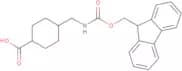
CAS:<p>Fmoc-trans-4-(aminomethyl)cyclohexane-1-carboxylic acid is a synthetic amino acid that has been shown in vitro to inhibit the growth of prostate cancer cells. It is an analog of butyric acid, a naturally occurring fatty acid. Fmoc-trans-4-(aminomethyl)cyclohexane-1-carboxylic acid has been synthesized by solid phase methods and labeled with radiotracers such as indium 111 or technetium 99m. The use of Fmoc-trans-4-(aminomethyl)cyclohexane-1-carboxylic acid in vivo is limited by its short circulating half life, rapid metabolism, and high toxicity.</p>Formula:C23H25NO4Purity:Min. 95%Color and Shape:White SolidMolecular weight:379.45 g/mol5-Iodo-2,3-dihydro-1H-inden-2-amine hydrochloride hydrate
Controlled Product<p>Please enquire for more information about 5-Iodo-2,3-dihydro-1H-inden-2-amine hydrochloride hydrate including the price, delivery time and more detailed product information at the technical inquiry form on this page</p>Formula:C9H13ClINOPurity:Min. 95%Molecular weight:313.56 g/molS-Aminoethyl-L-cysteine hydrochloride
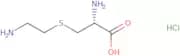
CAS:<p>S-Aminoethyl-L-cysteine hydrochloride is an amino acid that is used in the diagnosis of metabolic disorders. It has been found to have a high concentration in plasma and can be used to measure the activity of bowel disease. S-Aminoethyl-L-cysteine hydrochloride is also used as a diagnostic marker for inflammatory diseases. It is extensively metabolized by acidic hydrolysis, which results in the release of chloride ions and amines.</p>Formula:C5H12N2O2S·HClPurity:Min. 95%Color and Shape:White PowderMolecular weight:200.69 g/molMethyl 3-(aminomethyl)-5-methylhexanoate hydrochloride
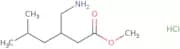
CAS:Controlled Product<p>Please enquire for more information about Methyl 3-(aminomethyl)-5-methylhexanoate hydrochloride including the price, delivery time and more detailed product information at the technical inquiry form on this page</p>Purity:Min. 95%Diisopropylammonium dichloroacetate
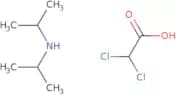
CAS:Controlled Product<p>Diisopropylammonium dichloroacetate (DADCA) is a chemical that inhibits the metabolism of glucose. It has been shown to have a hypoglycemic effect in rats and is being investigated as a treatment for metabolic disorders such as diabetes and obesity. DADCA has also been shown to reduce liver lesions in animals with chronic viral hepatitis, and has been found to be effective in reducing tumor growth in mice. This drug can also be used to treat bowel disease by reducing the amount of ammonia released by bacteria. DADCA may also have physiological effects on humans, including an increase in blood pressure and fever, although these effects have not yet been studied.</p>Purity:Min. 95%3-Hydroxy-4-amino-butyric acid
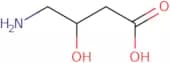
CAS:Controlled Product<p>3-Hydroxy-4-amino-butyric acid is a synthetase that catalyzes the formation of 3-hydroxy-4 amino butyric acid from 3-hydroxy butyric acid and ammonia. This reaction occurs in the presence of chloride ions, ethyl bromoacetate and butyric acid. The isolated yield of this reaction is 47%. The product can be converted to 3-amino butyric acid by dehydrating it with hydrochloric acid. 3-Hydroxy-4 amino butyric acid has been shown to have anticancer properties in vitro. It also has been shown to have antiinflammatory properties, which may be due to its ability to inhibit the production of prostaglandin E2, an inflammatory mediator.</p>Formula:C4H9NO3Purity:Min. 95%Color and Shape:PowderMolecular weight:119.12 g/molDihydro ergotamine mesylate
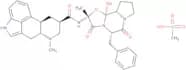
CAS:Controlled Product<p>Dihydroergotamine mesylate is a medication that is used in the treatment of migraines. It belongs to the group of drugs called ergot alkaloids and has been shown to have high values in cerebral metabolism. Dihydroergotamine mesylate has also been shown to have an effect on dopamine levels in human serum, which may be due to its ability to inhibit neuronal death. Dihydroergotamine mesylate is administered intravenously, orally or intramuscularly for the treatment of acute migraine attacks. The drug can also be given rectally for the prevention of chronic migraine episodes. This drug may cause side effects such as nausea, vomiting and dizziness.</p>Formula:C34H41N5O8SPurity:Min. 95%Color and Shape:PowderMolecular weight:679.78 g/molN,N'-Bis(2-hydroxyethyl)propane-1,3-diamine
CAS:<p>Please enquire for more information about N,N'-Bis(2-hydroxyethyl)propane-1,3-diamine including the price, delivery time and more detailed product information at the technical inquiry form on this page</p>Formula:C7H18N2O2Purity:Min. 95%Molecular weight:162.23 g/molDiethyl[2-(4-nitrophenoxy)ethyl]amine
CAS:Controlled Product<p>Please enquire for more information about Diethyl[2-(4-nitrophenoxy)ethyl]amine including the price, delivery time and more detailed product information at the technical inquiry form on this page</p>Formula:C12H18N2O3Purity:Min. 95%Molecular weight:238.28 g/molN-Nitroso-di-n-butylamine
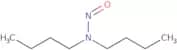
CAS:<p>N-Nitroso-di-n-butylamine is a nitrosamine that is a product of wastewater treatment. It has been shown to inhibit mitochondrial function and induce liver lesions in rats at high doses. N-Nitroso-di-n-butylamine is structurally similar to the natural substrate ribose, which leads to inhibition of xanthine oxidase, an enzyme involved in purine metabolism. The structural analysis revealed the presence of reactive sites that are susceptible to attack by nucleophiles, such as hydroxyl radicals or hydrogen peroxide. This indicates that N-Nitroso-di-n-butylamine may be a precursor for other carcinogenic compounds. NADH is reduced by NADH dehydrogenase (complex I) in mitochondria to produce NAD+, which subsequently donates electrons to the electron transport chain and generates ATP. The ability of NNDB to inhibit complex I activity was assessed using hl60</p>Formula:C8H18N2OPurity:Min. 95%Molecular weight:158.24 g/mol3-(Methylnitrosamino)propionitrile
CAS:<p>3-(Methylnitrosamino)propionitrile (NNK) is a potent, but toxic, carcinogen that has been shown to be one of the major causes of lung cancer in animals. It is metabolized to 3-aminobenzamide and N-nitrosodimethylamine (NDMA) by cytochrome P450 enzymes. These metabolites are then further converted into reactive species that bind covalently with DNA, leading to mutations and ultimately cancer. The activation of NNK can be prevented by inhibiting the enzyme hydrolysis or by blocking the synthesis of the reactive metabolites.</p>Formula:C4H7N3OPurity:Area-% Min. 95 Area-%Molecular weight:113.12 g/molN-Methyl-1-(3,4,5-trimethoxyphenyl)methanamine hydrochloride
CAS:Controlled Product<p>Please enquire for more information about N-Methyl-1-(3,4,5-trimethoxyphenyl)methanamine hydrochloride including the price, delivery time and more detailed product information at the technical inquiry form on this page</p>Formula:C11H17NO3Purity:Min. 95%Molecular weight:211.26 g/molN-Butyl nor scopolamine hydrochloride
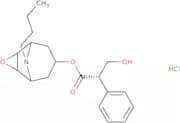
CAS:<p>Please enquire for more information about N-Butyl nor scopolamine hydrochloride including the price, delivery time and more detailed product information at the technical inquiry form on this page</p>Formula:C20H28ClNO4Purity:Min. 95%Molecular weight:381.89 g/mol8-[(2-Hydroxyethyl)(methyl)amino]-1,3,9-trimethyl-3,9-dihydro-1H-purine-2,6-dione
CAS:Controlled Product<p>Please enquire for more information about 8-[(2-Hydroxyethyl)(methyl)amino]-1,3,9-trimethyl-3,9-dihydro-1H-purine-2,6-dione including the price, delivery time and more detailed product information at the technical inquiry form on this page</p>Formula:C11H17N5O3Purity:Min. 95%Molecular weight:267.28 g/mol1H-Pyrrolo[2,3-b]pyridin-5-ylamine
CAS:<p>1H-Pyrrolo[2,3-b]pyridin-5-ylamine is a heterocycle that can be synthesized by cyclization of pyrrole with an alkyne. The microwave irradiation of the reaction mixture leads to selective formation of 1-(2-hydroxyphenyl)pyrrolo[2,3-b]pyridine. This heterocycle can be used in the synthesis of other heterocycles and pharmaceuticals.</p>Purity:Min. 95%Ethyl 2-amino-4-thiazoleacetate
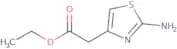
CAS:<p>Ethyl 2-amino-4-thiazoleacetate is a supramolecular molecule that has the potential to be an anticancer agent. It inhibits the growth of tumor cells by binding to tyrosinase and hydrogen-bonding with chloride ions in solution. Ethyl 2-amino-4-thiazoleacetate also binds to a metal ion, such as zinc, which is important for biological functions. When it binds to these metals, it inhibits the enzyme hepg2 cell, which is involved in the synthesis of protein from RNA. Inhibition of this enzyme leads to decreased production of cytokines, which are molecules that regulate immune responses. This drug also has inhibitory activities against oral cephalosporins when used in combination with other drugs.</p>Formula:C7H10N2O2SPurity:Min. 95%Molecular weight:186.23 g/mol[2-(5-Chloro-1H-indol-3-yl)-1-methylethyl]amine hydrochloride
CAS:Controlled Product<p>Please enquire for more information about [2-(5-Chloro-1H-indol-3-yl)-1-methylethyl]amine hydrochloride including the price, delivery time and more detailed product information at the technical inquiry form on this page</p>Formula:C11H13ClN2Purity:Min. 95%Molecular weight:208.69 g/mol2-(2-Methoxyphenoxy)ethylamine base
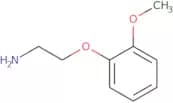
CAS:<p>2-(2-Methoxyphenoxy)ethylamine base is an inorganic base with a hydroxyl group. It is soluble in organic solvents and has been used as a coumarin derivative. 2-(2-Methoxyphenoxy)ethylamine base has shown potential use as an antifungal agent, which may be due to its ability to cause lysis in fungi cells. This compound has also shown in vitro activity against bacteria and viruses, including herpes simplex virus type 1 and HIV-1. The 2-(2-methoxyphenoxy)ethylamine base can be sulfonated or acid catalyzed to produce other derivatives that have potential use as anti-inflammatory or analgesic agents.</p>Formula:C9H13NO2Purity:Min. 95%Molecular weight:167.21 g/mol(2-Cyclohexyl-1-methylethyl)methylamine
CAS:Controlled Product<p>2-Cyclohexyl-1-methylethyl)methylamine is a monoethyl ether of (2-cyclohexyl-1-methylethyl)amine. It is used as a nasal decongestant and has been shown to be effective against respiratory disorders such as bronchitis, sinusitis, and allergies. The drug can also be used for the diagnosis and prognosis of congestive heart failure. 2-Cyclohexyl-1-methylethyl)methylamine has been shown to bind to calcium ions in the nasal mucosa, thereby inhibiting the production of inflammatory mediators such as prostaglandins and leukotrienes. This drug also has an inhibitory effect on receptor activity for histamine, which leads to relief from allergic symptoms by reducing inflammation in the nose.</p>Formula:C10H22BrNPurity:Min. 95%Molecular weight:236.19 g/molPoly(2-hydroxypropyldimethylammonium chloride)
CAS:Controlled Product<p>Poly(2-Hydroxypropyl Dimethylammonium Chloride) is a polymer that has been shown to inhibit the growth of bacteria by forming stable complexes with chloride ions. Its application include water treatment.</p>Formula:(C5H12ClNO)nPurity:Min. 95%Color and Shape:Clear Liquid5-[3-(Dimethylamino)propyl]-10,11-dihydro-5H-dibenzo[a,d]cyclohepten-5-ol
CAS:<p>Please enquire for more information about 5-[3-(Dimethylamino)propyl]-10,11-dihydro-5H-dibenzo[a,d]cyclohepten-5-ol including the price, delivery time and more detailed product information at the technical inquiry form on this page</p>Formula:C20H25NOPurity:Min. 95%Color and Shape:Beige SolidMolecular weight:295.42 g/mol1,2-diaminocyclohexane
CAS:<p>1,2-Diaminocyclohexane is a chiral compound with a cyclohexane ring. It is reactive and has been shown to be carcinogenic. It is used in the preparation of other compounds, such as amino acid derivatives and dyes. 1,2-Diaminocyclohexane can also be used as an intermediate for the synthesis of various drugs. This compound has been shown to inhibit transcriptional regulation and to have biochemical properties that are related to cancer. 1,2-Diaminocyclohexane reacts with copper to form a coordination geometry complex with six nitrogen atoms. The reaction mechanism involves the formation of a copper complex that bears an electron-deficient carbon atom in its structure.</p>Formula:C6H14N2Purity:Min. 95%Molecular weight:114.19 g/mol4-Methoxy phenethylamine
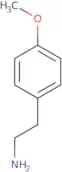
CAS:Controlled Product<p>4-Methoxy phenethylamine (4MPEA) is a natural compound that has been found to have biological properties. It is a precursor of dopamine and norepinephrine, which are neurotransmitters in the brain. 4MPEA is an irreversible enzyme inhibitor with a hydroxyl group. The kinetic data for this compound has been determined by nitrogen atoms. Gamma-aminobutyric acid (GABA) is involved in the regulation of neuronal excitability and plays an important role in preventing seizures. 4MPEA may have potential as a drug for treating epilepsy or other neurological disorders.</p>Formula:C9H13NOPurity:Min. 95%Molecular weight:151.21 g/mol(S)-(-)-1-Boc-3-aminopyrrolidine
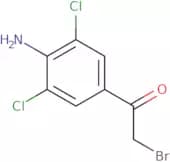
CAS:<p>(S)-(-)-1-Boc-3-aminopyrrolidine is an inhibitor that inhibits the activity of phosphoinositide 3-kinase (PI3K) by binding to the ATP binding site and inhibiting PI3K. It has been shown to inhibit the activation of PI3Kδ, which plays a key role in tumorigenesis and metastasis. The drug also has metabolic stability and selectivity for PI3Kδ over other kinases, as well as high affinity for this enzyme. The drug was found to have low toxicity in vitro, but its effects on humans are unknown.</p>Formula:C9H18N2O2Purity:Min. 95%Color and Shape:Clear LiquidMolecular weight:186.25 g/mol1-(4-Amino-3,5-dichloro-phenyl)-2-bromo-ethanone
CAS:<p>Please enquire for more information about 1-(4-Amino-3,5-dichloro-phenyl)-2-bromo-ethanone including the price, delivery time and more detailed product information at the technical inquiry form on this page</p>Formula:C8H6BrCl2NOPurity:Min. 95%Molecular weight:282.95 g/molAmmonium ferric citrate
CAS:<p>Ammonium ferric citrate is a solution of ammonium ferric citrate, which is a mixture of ammonium and ferric ions. It is used in biological research as a reaction solution for the determination of mitochondrial membrane potential. The chemical composition of the solution is such that it can be used to determine the iron homeostasis in human serum samples and other biological samples. Ammonium ferric citrate reacts with sodium citrate to form a polymerase chain reaction product that generates light signals proportional to the concentration of electron transfer agents in the system. This process can be monitored using an optical sensor or by measuring electrochemical impedance spectroscopy (EIS) data on the solution.</p>Formula:C6H8O7·xFe·xH3NPurity:Min. 95%Color and Shape:Powder5-(3-Methylphenyl)-1,3,4-oxadiazol-2-amine
CAS:<p>Please enquire for more information about 5-(3-Methylphenyl)-1,3,4-oxadiazol-2-amine including the price, delivery time and more detailed product information at the technical inquiry form on this page</p>Formula:C9H9N3OPurity:Min. 95%Molecular weight:175.19 g/mol3-Chloro-N-methylpropan-1-amine HCl
CAS:<p>Please enquire for more information about 3-Chloro-N-methylpropan-1-amine HCl including the price, delivery time and more detailed product information at the technical inquiry form on this page</p>Formula:C4H11Cl2NPurity:Min. 95%Molecular weight:144.04 g/molN-Boc-1,6-diaminohexane hydrochloride
CAS:<p>Please enquire for more information about N-Boc-1,6-diaminohexane hydrochloride including the price, delivery time and more detailed product information at the technical inquiry form on this page</p>Formula:C11H24N2O2•HClPurity:Min. 95%Molecular weight:252.78 g/molDidecyl dimethyl ammonium chloride - 80% aqueous solution
CAS:<p>Didecyl dimethyl ammonium chloride is a quaternary ammonium compound that has been shown to have a broad-spectrum antimicrobial activity. It has been used in disinfectants and as an active ingredient in pharmaceuticals, cosmetics, and foods. The compound is not toxic to humans or animals at concentrations up to 50%. Didecyl dimethyl ammonium chloride has been shown to be effective against infectious diseases caused by bacteria, viruses, fungi, and protozoa. This compound also has an effect on the epithelial-mesenchymal transition (EMT) process. Didecyl dimethyl ammonium chloride can be prepared by titration calorimetry or analytical method. The preparation of didecyl dimethyl ammonium chloride can be done using chloroform and benzalkonium chloride or glycol ether.</p>Formula:C22H48ClNColor and Shape:Clear LiquidMolecular weight:362.08 g/mol[4-(2-Aminopropyl)phenyl]dimethylamine dihydrochloride
CAS:Controlled Product<p>Please enquire for more information about [4-(2-Aminopropyl)phenyl]dimethylamine dihydrochloride including the price, delivery time and more detailed product information at the technical inquiry form on this page</p>Formula:C11H18N2Purity:Min. 95%Molecular weight:178.27 g/mol2-Amino-5-ethylphenol hydrochloride
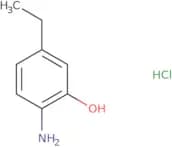
CAS:<p>Please enquire for more information about 2-Amino-5-ethylphenol hydrochloride including the price, delivery time and more detailed product information at the technical inquiry form on this page</p>Formula:C8H12ClNOPurity:Min. 95%Molecular weight:173.64 g/molDimethyl-p-phenylenediamine sulfate
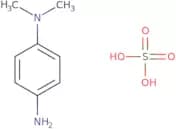
CAS:<p>Dimethyl-p-phenylenediamine sulfate (DMPD) is a response element that is involved in the regulation of physiological function and energy metabolism. DMPD is found in prostate cancer cells, which may be due to its ability to regulate the apoptosis pathway. The clinical relevance of DMPD has been shown by a low dose study on rats with myocardial infarcts. Rats were given doses of 0.5, 1, or 2 mg/kg DMPD for 3 weeks before being subjected to an occlusive coronary artery ligation procedure. The results showed that the rats given DMPD had significantly lower systolic blood pressure than those not given DMPD, but there was no difference in diastolic blood pressure.</p>Formula:C8H14N2O4SPurity:Min. 95%Molecular weight:234.27 g/mol2-Hydroxy-2-(3,4-dimethoxyphenyl)ethylamine hydrochloride
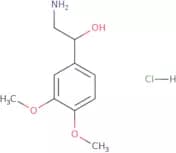
CAS:Controlled Product<p>Please enquire for more information about 2-Hydroxy-2-(3,4-dimethoxyphenyl)ethylamine hydrochloride including the price, delivery time and more detailed product information at the technical inquiry form on this page</p>Formula:C10H15NO3·HClPurity:Min. 95%Molecular weight:233.69 g/mol5[(R)-(2-Aminopropyl)]-2-methoxybenzenesulfonamide hydrochloride
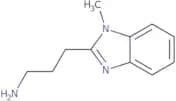
CAS:Controlled Product<p>Please enquire for more information about 5[(R)-(2-Aminopropyl)]-2-methoxybenzenesulfonamide hydrochloride including the price, delivery time and more detailed product information at the technical inquiry form on this page</p>Formula:C10H17ClN2O3SPurity:Min. 95%Molecular weight:280.77 g/mol3-(1-Methyl-1H-benzimidazol-2-yl)propan-1-amine hydrochloride
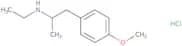
CAS:Controlled Product<p>Please enquire for more information about 3-(1-Methyl-1H-benzimidazol-2-yl)propan-1-amine hydrochloride including the price, delivery time and more detailed product information at the technical inquiry form on this page</p>Formula:C11H15N3Purity:Min. 95%Molecular weight:189.26 g/molN-Ethyl-4-methoxy amphetamine hydrochloride
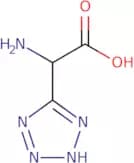
CAS:Controlled Product<p>Please enquire for more information about N-Ethyl-4-methoxy amphetamine hydrochloride including the price, delivery time and more detailed product information at the technical inquiry form on this page</p>Formula:C12H20ClNOPurity:Min. 95%Molecular weight:229.75 g/molα-Amino-2H-tetrazole-5-acetic acid
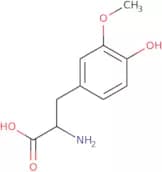
CAS:<p>Alpha-amino-2H-tetrazole-5-acetic acid (AAT) is a neurotoxin that inhibits glutamate receptors and causes neuronal cell death. It also decreases heart function in rats by inhibiting the cardiac sodium channel. AAT has been shown to be effective for inducing neuronal death in Xenopus oocytes, as well as decreasing the expression of certain receptor protein, such as NMDA and AMPA receptor subtypes. AAT is also known to cause apoptosis, which may be due to its inhibition of receptor function.</p>Formula:C3H5N5O2Purity:Min. 95%Color and Shape:Light (Or Pale) Green To Green SolidMolecular weight:143.1 g/mol2-Amino-3-(4-hydroxy-3-methoxyphenyl)propanoic acid
CAS:Controlled Product<p>2-Amino-3-(4-hydroxy-3-methoxyphenyl)propanoic acid is a metabolite of levodopa in the body. It is formed by oxidation of levodopa via the enzyme catechol-O-methyltransferase (COMT). This compound is used as an analytical reagent to measure levels of levodopa and its metabolites in biological samples. 2-Amino-3-(4-hydroxy-3-methoxyphenyl)propanoic acid can also be used to diagnose Parkinson’s disease, since it is produced in excess when dopamine production decreases due to the degeneration of dopaminergic neurons. The concentration–time curve for this compound can be used to calculate the clearance rate of levodopa from the blood plasma.</p>Formula:C10H13NO4Purity:Min. 95 Area-%Color and Shape:PowderMolecular weight:211.21 g/molDidesmethyl sibutramine
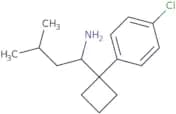
CAS:<p>Didesmethyl sibutramine is a drug that has been used to treat obesity. It is an anorectic agent that decreases appetite by affecting the central nervous system. Didesmethyl sibutramine stimulates the release of norepinephrine and dopamine in the brain, which are neurotransmitters that regulate hunger and satiety. This drug also influences the metabolism of fat cells, leading to weight loss. Didesmethyl sibutramine may be prescribed as a combination therapy with other drugs for conditions such as primary pulmonary hypertension, coronary heart disease, congestive heart failure, or experimental models of these diseases. Didesmethyl sibutramine can cause adverse reactions such as insomnia, anxiety, or high blood sugar levels.</p>Formula:C15H22ClNPurity:Min. 98 Area-%Color and Shape:Clear LiquidMolecular weight:251.79 g/molMethyl-1-naphthalenemethylamine
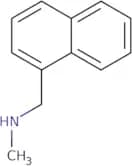
CAS:<p>Methyl-1-naphthalenemethylamine is a synthetic drug that is used as an anti-fungal agent. It is used to treat dermatophytosis and onychomycosis caused by Trichophyton mentagrophytes. Methyl-1-naphthalenemethylamine has been shown to have a clinical response in patients with the skin condition tinea pedis. This drug inhibits the growth of fungi by inhibiting cell membrane synthesis, which leads to cell death. Methyl-1-naphthalenemethylamine has been shown to be effective against Trichophyton mentagrophytes in plasma samples from patients with tinea pedis who were treated with this drug. The effectiveness of this drug may be due to its ability to inhibit the synthesis of polysaccharides, proteins, and lipids in the fungal cell membrane, or its ability to inhibit protein synthesis by binding with ribos</p>Formula:C12H13NPurity:Min. 95%Color and Shape:Clear LiquidMolecular weight:171.24 g/mol2-Amino-4,6-dimethylpyrimidine
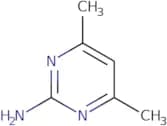
CAS:<p>2-Amino-4,6-dimethylpyrimidine is a molecule that contains a hydroxyl group, copper chloride, nitrogen atoms, sodium carbonate, and hydroxybenzoic acid. The antimicrobial properties of 2-amino-4,6-dimethylpyrimidine are due to the presence of the hydroxyl group and copper chloride in its structure. This compound has been shown to have bactericidal activity against Pseudomonas aeruginosa and other gram-negative bacteria. It also inhibits the growth of these bacteria by interfering with their ability to synthesize proteins. 2-Amino-4,6-dimethylpyrimidine is a molecule that has an octahedral coordination geometry and forms hydrogen bonds with water molecules. It binds to the surface of minerals such as calcite or quartz and can be used for gravimetric analysis.</p>Formula:C6H9N3Purity:Min. 95%Molecular weight:123.16 g/mol(S,S')-3-Methyl-1-(2-piperidinophenyl)butylamine, N-acetyl-glutamate salt
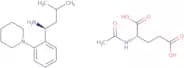
CAS:<p>Please enquire for more information about (S,S')-3-Methyl-1-(2-piperidinophenyl)butylamine, N-acetyl-glutamate salt including the price, delivery time and more detailed product information at the technical inquiry form on this page</p>Formula:C23H37N3O5Purity:Min. 95%Molecular weight:435.56 g/molTetrahydropyran-3-ylamine
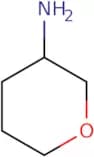
CAS:<p>Tetrahydropyran-3-ylamine is a potent and selective inhibitor of dipeptidyl peptidase IV (DPP-IV), an enzyme that plays an important role in the metabolism of proteins. Tetrahydropyran-3-ylamine is used for the treatment of type 2 diabetes and other metabolic disorders. This compound has been shown to inhibit DPP-IV activity in human plasma and in vitro, with IC50 values of 0.6 μM and 0.2 μM respectively. Tetrahydropyran-3-ylamine also inhibits the production of amyloid β peptides, which are associated with Alzheimer's disease. Tetrahydropyran-3-ylamine is orally active and stable at acidic pH levels, making it suitable for oral administration. It has a high degree of crystallinity, with the crystalline substance being thermally stable up to 200°C. Tetrahydropyr</p>Formula:C5H11NOPurity:Min. 95%Molecular weight:101.15 g/mol

![[(1-Benzyl-1H-pyrazol-4-yl)methyl]amine](/_next/image/?url=https%3A%2Fstatic.cymitquimica.com%2Fproducts%2F3D%2Fthumb-webp%2FFB133964.webp&w=3840&q=75)


![Diethyl[2-(4-nitrophenoxy)ethyl]amine](/_next/image/?url=https%3A%2Fstatic.cymitquimica.com%2Fproducts%2F3D%2Fthumb-webp%2FFD21808.webp&w=3840&q=75)


![8-[(2-Hydroxyethyl)(methyl)amino]-1,3,9-trimethyl-3,9-dihydro-1H-purine-2,6-dione](/_next/image/?url=https%3A%2Fstatic.cymitquimica.com%2Fproducts%2F3D%2Fthumb-webp%2FFH132897.webp&w=3840&q=75)
![1H-Pyrrolo[2,3-b]pyridin-5-ylamine](/_next/image/?url=https%3A%2Fstatic.cymitquimica.com%2Fproducts%2F3D%2Fthumb-webp%2FFP143125.webp&w=3840&q=75)
![[2-(5-Chloro-1H-indol-3-yl)-1-methylethyl]amine hydrochloride](/_next/image/?url=https%3A%2Fstatic.cymitquimica.com%2Fproducts%2F3D%2Fthumb-webp%2FFC123633.webp&w=3840&q=75)

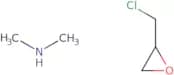
![5-[3-(Dimethylamino)propyl]-10,11-dihydro-5H-dibenzo[a,d]cyclohepten-5-ol](/_next/image/?url=https%3A%2Fstatic.cymitquimica.com%2Fproducts%2F3D%2Fthumb-webp%2FFD22331.webp&w=3840&q=75)







![[4-(2-Aminopropyl)phenyl]dimethylamine dihydrochloride](/_next/image/?url=https%3A%2Fstatic.cymitquimica.com%2Fproducts%2F3D%2Fthumb-webp%2FFA120226.webp&w=3840&q=75)
![5[(R)-(2-Aminopropyl)]-2-methoxybenzenesulfonamide hydrochloride](/_next/image/?url=https%3A%2Fstatic.cymitquimica.com%2Fproducts%2F3D%2Fthumb-webp%2FFA17834.webp&w=3840&q=75)